Ray Singer
-
Posts
5,341 -
Joined
-
Last visited
-
Days Won
147
Content Type
Profiles
Forums
Events
Store
Downloads
Gallery
Everything posted by Ray Singer
-
In case some of you might have missed the interesting Gallery items Fred has posted recently. http://www.nihonto.com/category/gallery/other-gallery/
-

Question About Mumei Wakizashi
Ray Singer replied to Blagoy's topic in General Nihonto Related Discussion
I am seeing a large kitae-ware in both the paper and the scan. No 'cracks' per se (no hagire).
-
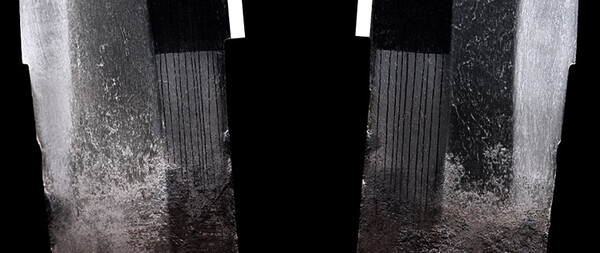
The attached is a mei for Aoe Moritsugu. Notice the way MORI is executed. This particular sword appears in both Fujishiro and the Nihonto Zuikan. EDIT. Looking at this a bit more, I am going to suggest Ietoki. There were three Ietoki working during the Kamakura period, including one Mogusa smith.

-
Looks like a very interesting piece which may be early. Second kanji definitely appears to be toki. The first kanji is not Sada, but reminds me of the off-balance way that Ayanokoji Sadatoshi and Sadayoshi signed their mei. Whatever it reads, this name has an old look. Good luck with this one. Certainly looks intriguing and worth pursuing.
-
Need Quick Help.. Is This Fatal?
Ray Singer replied to obiwanknabbe's topic in General Nihonto Related Discussion
If I was evaluating based on the photos as-is I would likely not have caught the presence of this kizu, but I always enhance photos of swords I am considering in Photoshop (increasing contrast and adjusting levels) to see more detail. It is shocking what can be seen sometimes which is not obvious in the default images. For example, an area of kakedasu that can been seen through the kesho by adjusting the image. Aoi handles a large volume of swords and it is apparent that things like this slip through, but they have always offered a refund in the past when I found something that was not accurately described. -
Need Quick Help.. Is This Fatal?
Ray Singer replied to obiwanknabbe's topic in General Nihonto Related Discussion
To clarify, it is not a hagire, or crack in the cutting edge (ha = edge), but I believe this type of crack still occurs during the yakiire process. I completely disagree with their comment that this is a kitae-ware. FWIW, I do not believe they Photoshopped this particular piece. When I take the original photo and adjust the levels in Photoshop, this series of cracks can be seen.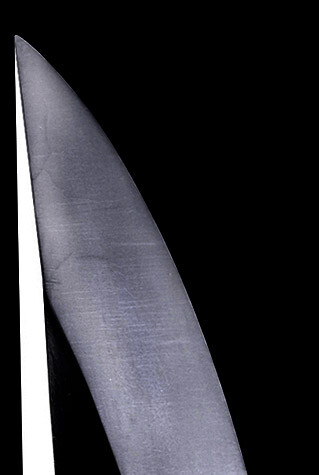
-
Need Quick Help.. Is This Fatal?
Ray Singer replied to obiwanknabbe's topic in General Nihonto Related Discussion
I would refer to it as a crack in the kissaki. http://www.ksky.ne.jp/~sumie99/flaws.html -
Need Quick Help.. Is This Fatal?
Ray Singer replied to obiwanknabbe's topic in General Nihonto Related Discussion
I would consider this to be a fatal kizu. http://www.ksky.ne.jp/~sumie99/episodes.html#temperingcrack -
I think it is simply a mistake and they meant 'during the Muromachi period' rather than 'before'. For example. this is a Sue-koto blade. https://www.aoijapan.net/yari-mumei-attributed-as-monjyu-school/ It is unusual (but not impossible) to find a yari from before Muromachi. This page shows a nice Muromachi period yari by Heianjo Nagayoshi with long kerakubi which is owned by a friend. http://www.sho-shin.com/heianjo.htm
-
Aside from evaluating the nakago, my understanding is that a long kerakubi is an indicator of a Muromachi-period date.
-
New To Forum & Nihonto ? W/pictures
Ray Singer replied to Kent C's topic in General Nihonto Related Discussion
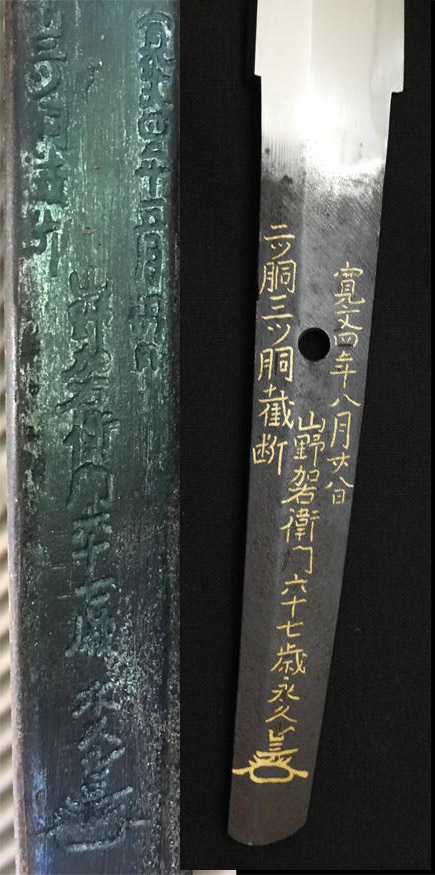
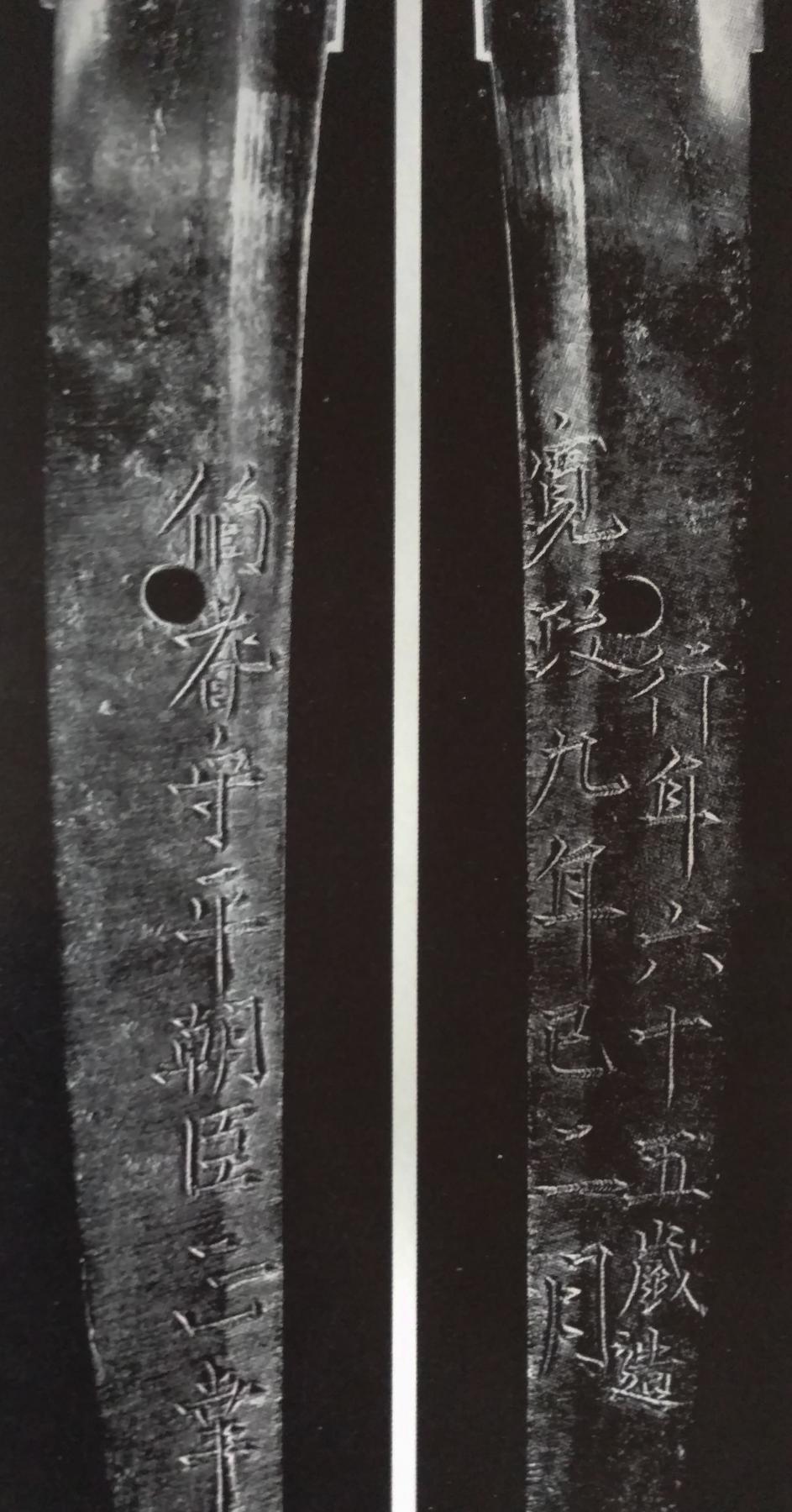
For reference, your sword which has a tameshi-mei for Yamano Nagahisa dated May, 1664. Alongside, an authentic example dated August, 1664.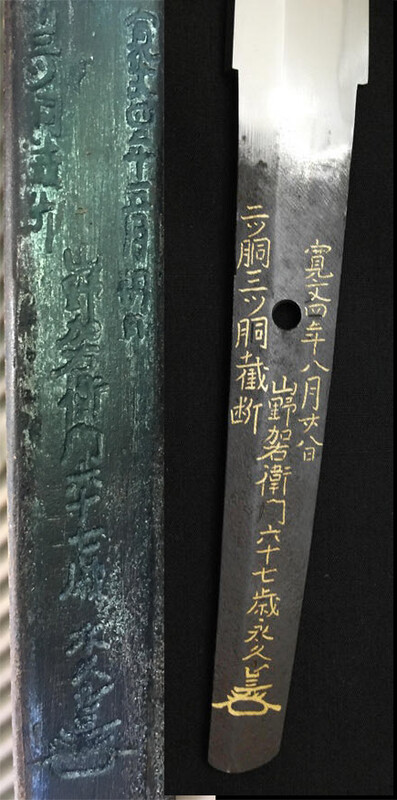
-
New To Forum & Nihonto ? W/pictures
Ray Singer replied to Kent C's topic in General Nihonto Related Discussion
A fake as others have said, but just FYI someone has copied an entire Yamano Nagahisa cutting test inscription on the blade. -
Look familiar? Published today by Fred Weissberg. http://www.nihonto.com/a-fan-for-all-seasons/ http://www.nihonto.com/dev/wp-content/uploads/2017/10/tanto-fan2.jpg
-
Thank you Piers, I have revised the description. Best regards, Ray
-
Single Edo And Meiji Menuki Mounted On Pins
Ray Singer replied to Surfson's topic in Auctions and Online Sales or Sellers
Nice items there. The tigers & bamboo look potentially well-matched. -
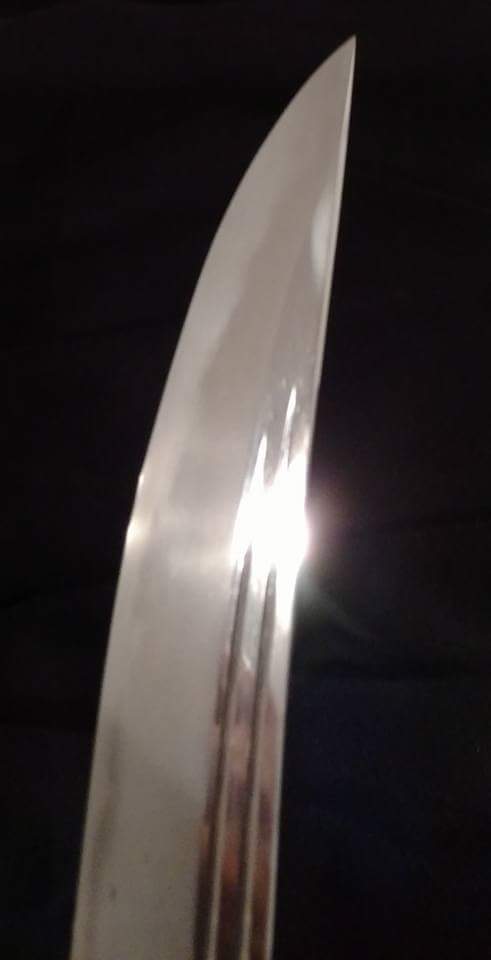
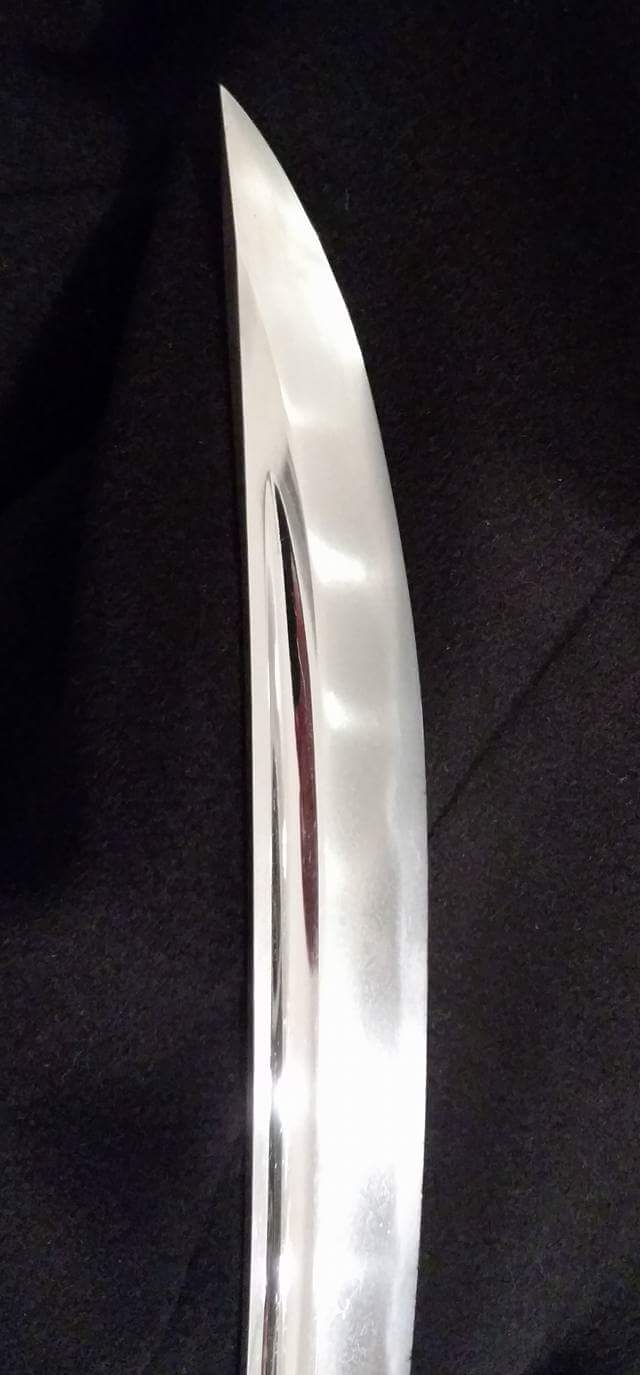
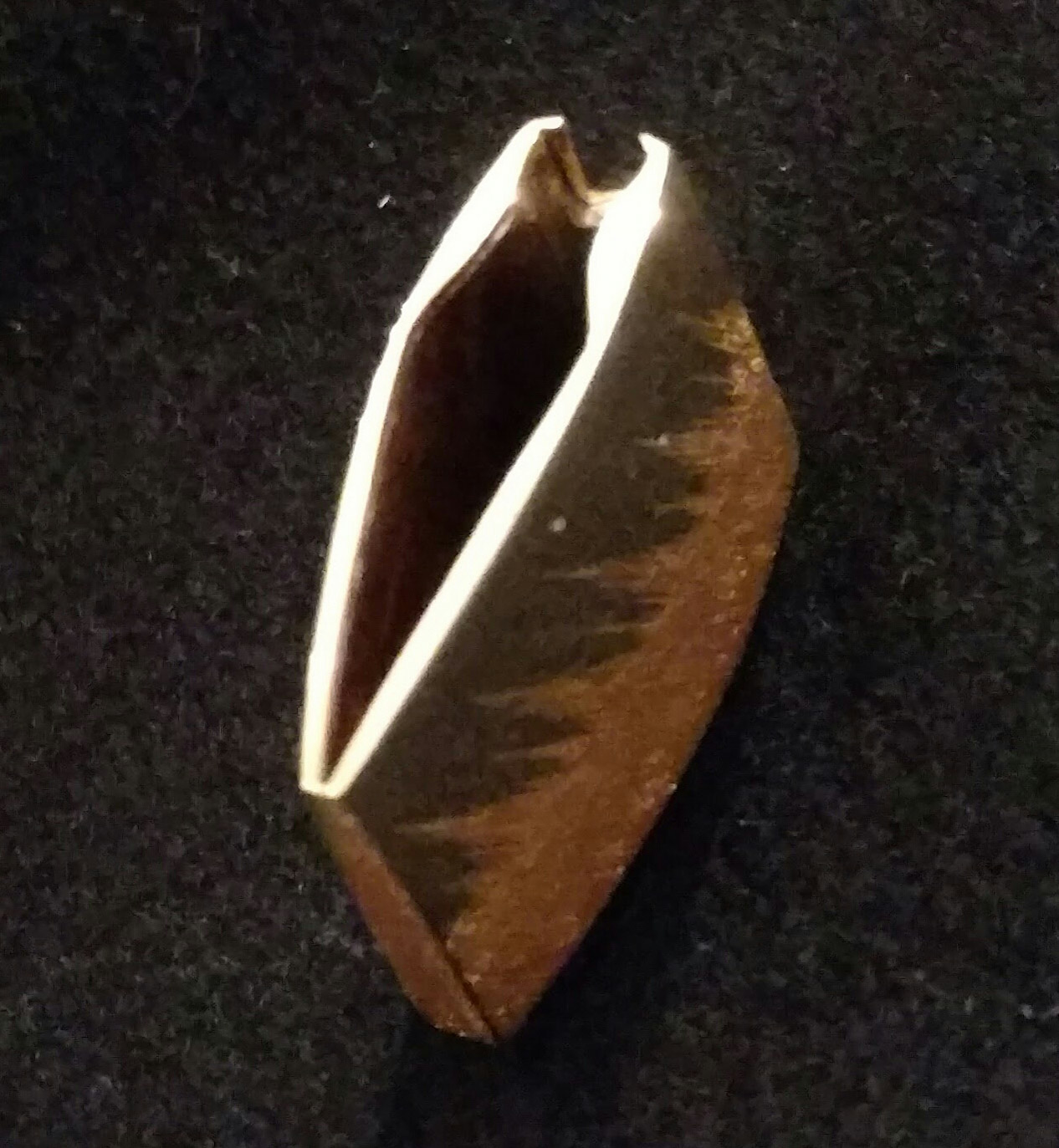
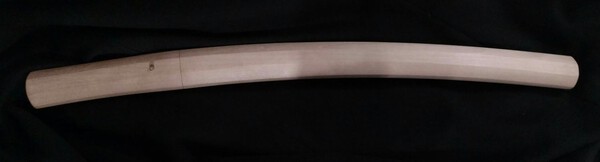
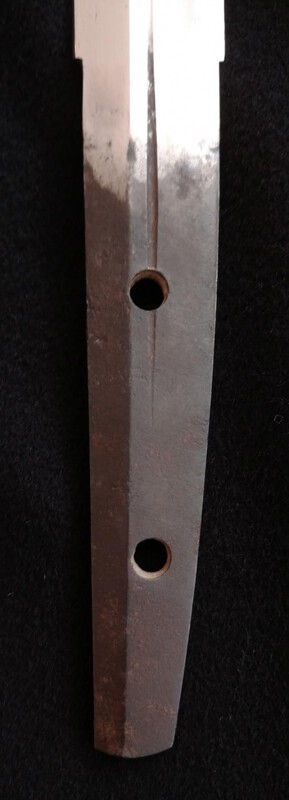
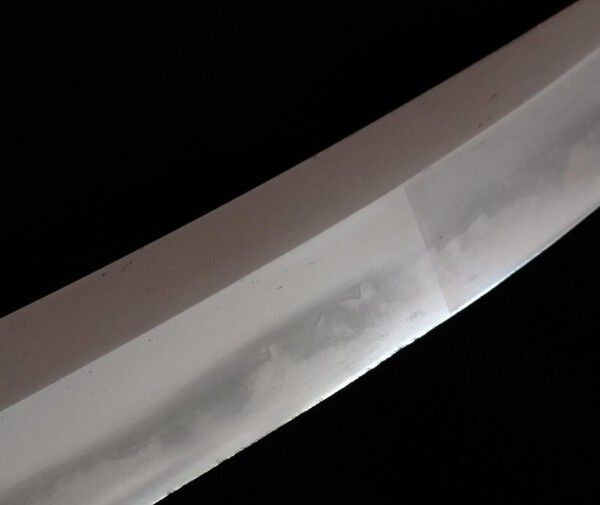
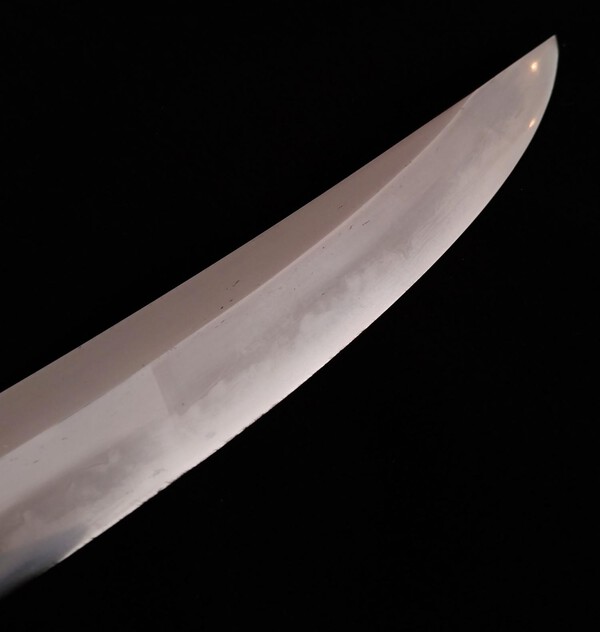
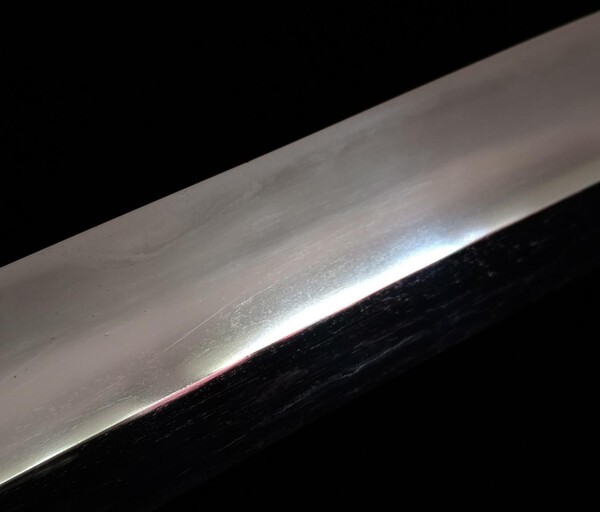
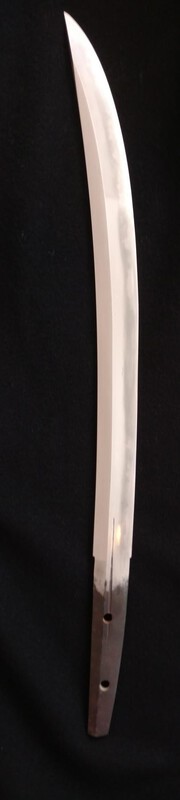
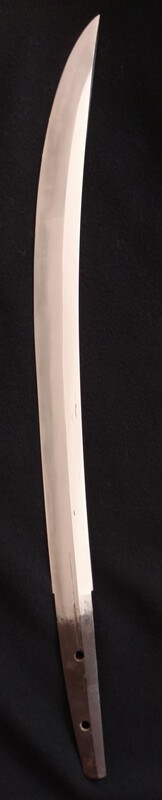
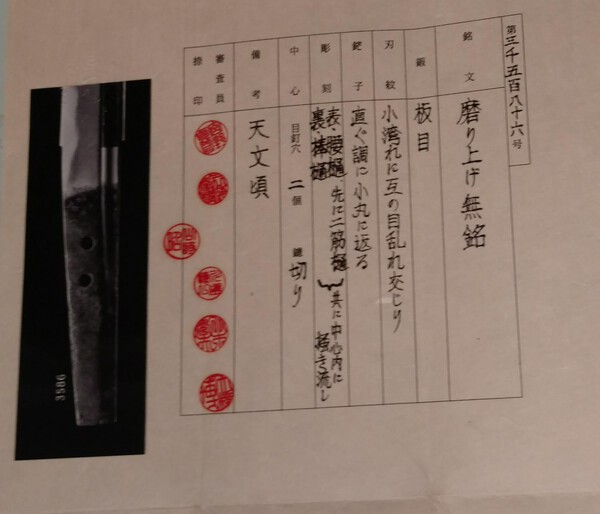
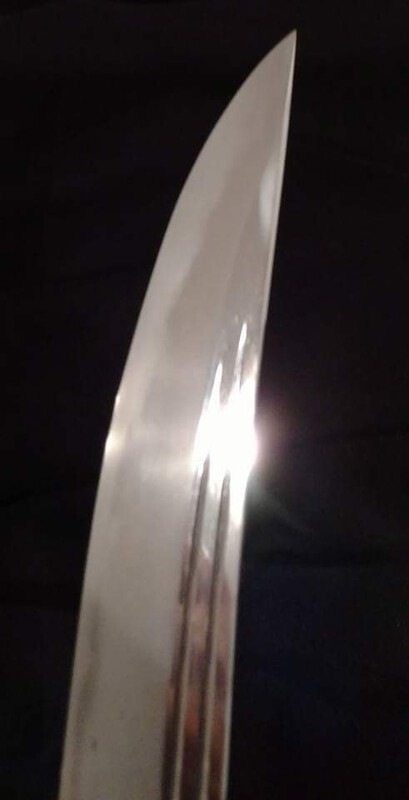
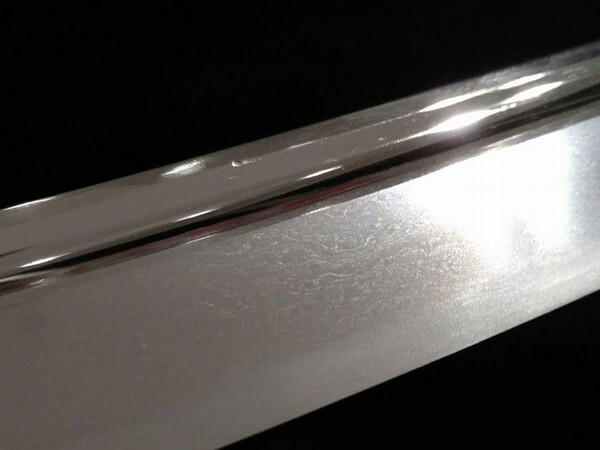
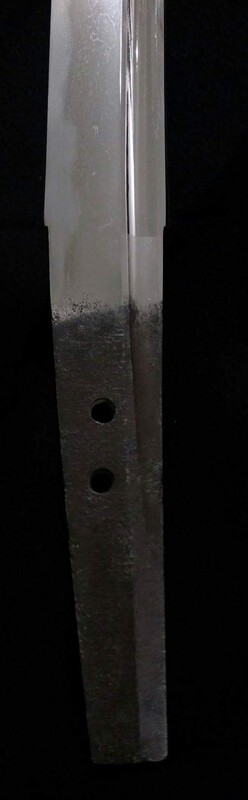
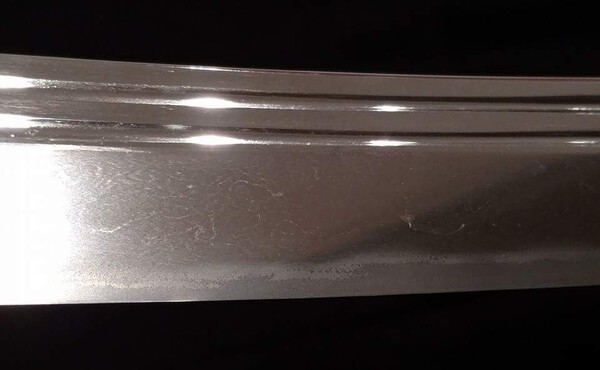
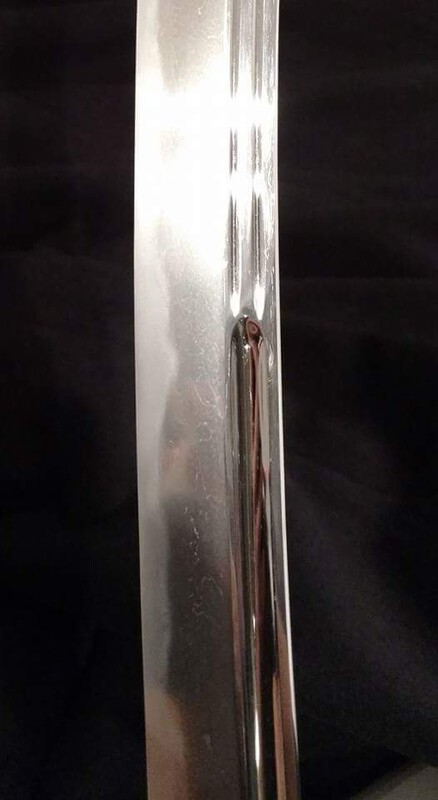
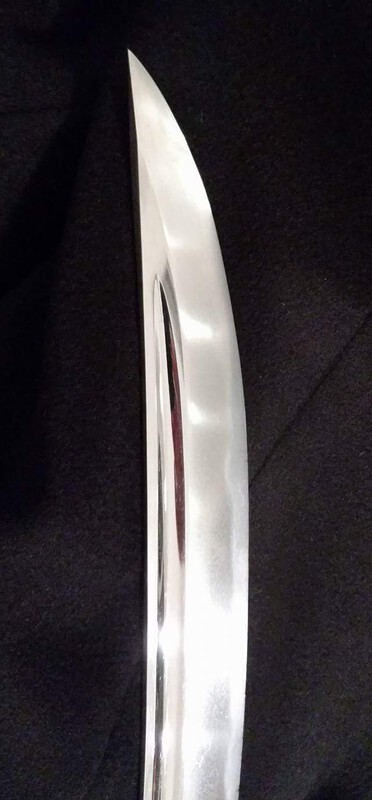
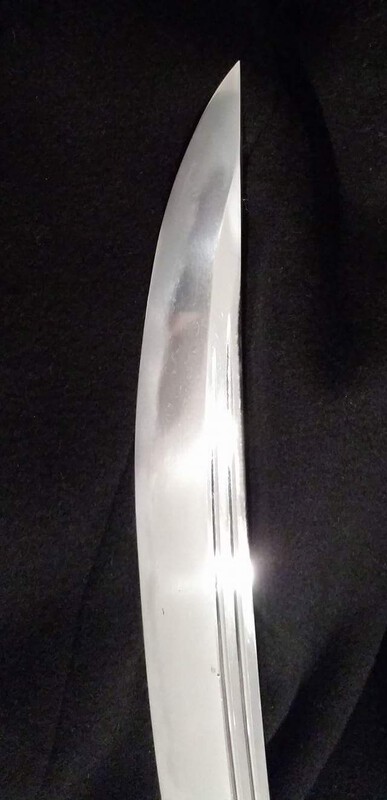
The second is an o-suriage naginatanaoshi wakizashi, which is papered to the Shimada school. This sword has a very wide and active gonome midare hamon with much sunagashi. The hamon is an itame which is slightly coarse in spots (Please also note there are some kitae-ware in the shinogi-ji). The polish is a bit hazy and could be improved. This sword is in shirasaya with gold foil habaki. NBTHK Hozon.

-
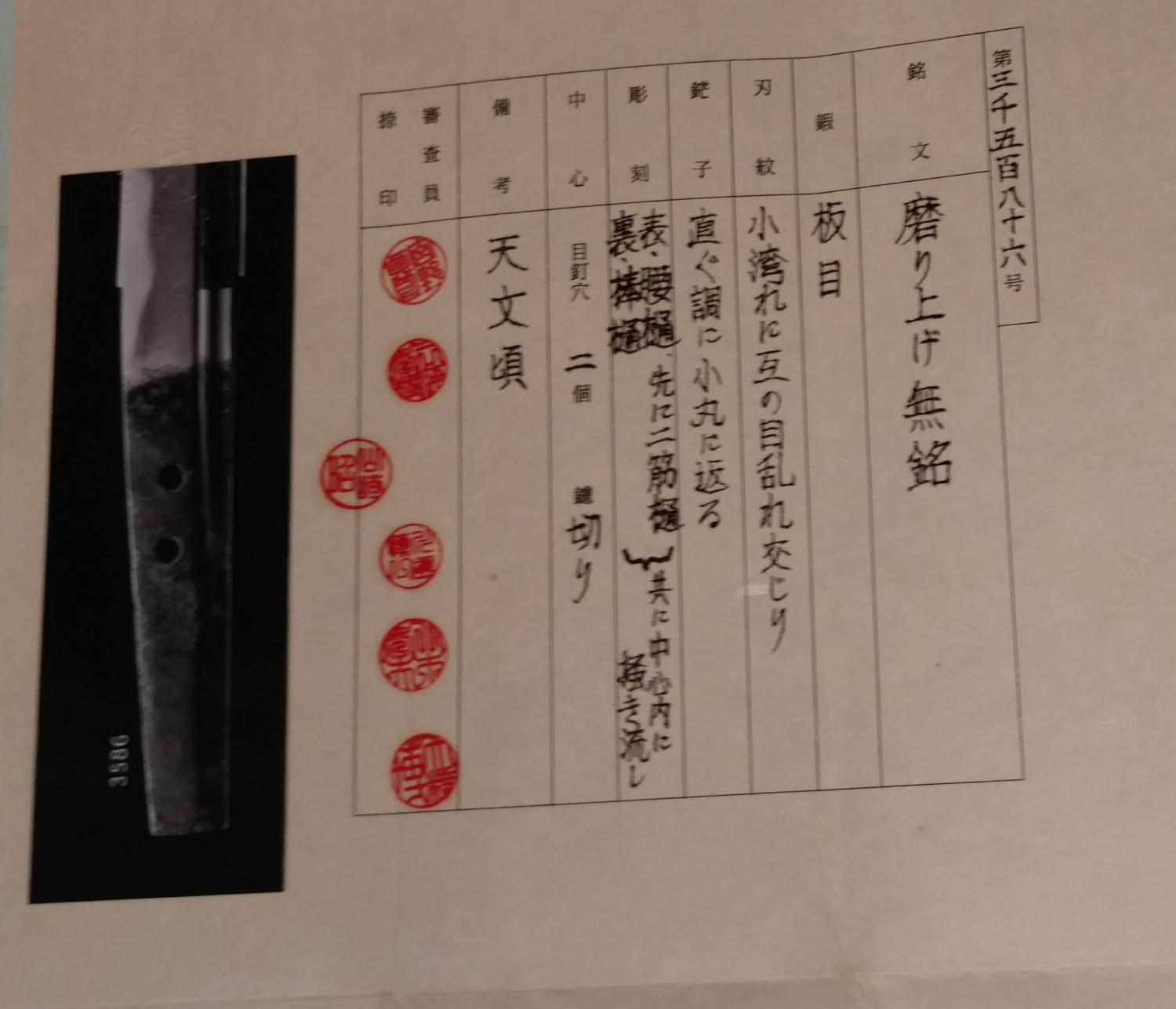
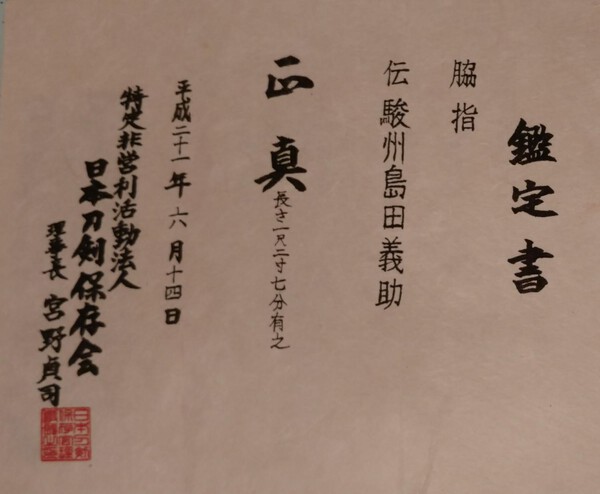
This is the first of two excellent naginatanaoshi wakizashi from the Shimada school. This piece has been attributed to den Sunshu Shimada Yoshisuke. The shodai Yoshisuke worked in Suruga and was the founder of the Shimada school. This sword is papered to a later generation circa Tenbun (天文) 1532-1555. I believe that time period would indicate the yondai (fourth generation). This piece exhibits an excellent quality hamon in the Soshu tradition, with bright ko-nie, kinsuji and sunagashi. The jihada is a crisp itame with ji-nie and chikei. There is a bo-hi on one side and both bo-hi and futatsuji-hi on the reverse. The blade is in perfect polish with a high-quality gold foil habaki fitted to the naginata-hi. Any questions, please just let me know. Best regards, Ray

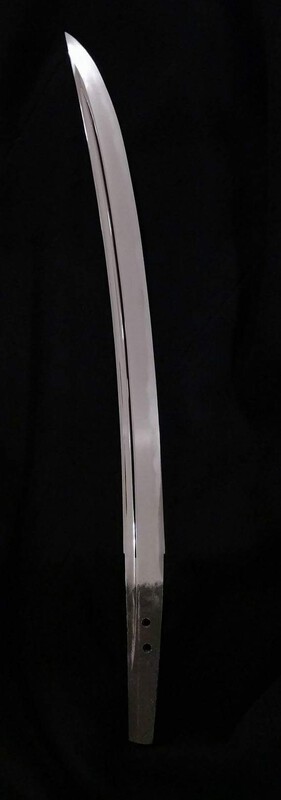

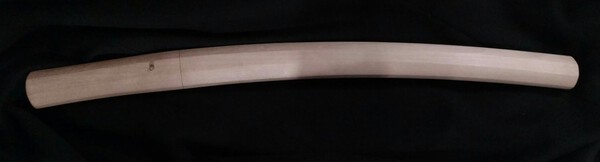

-
I would put through shinsa at least once before considering removing the mei (I personally feel 2-3 failed attempts is better before mei removal). To my eyes it does look like Fuyuhiro. Look forward to meeting up in Minneapolis...
-
Yes, in terms of checking to see if the sword is ubu you would evaluate whether the hamon seems to end in a natural way at or near the ha-machi. This was the feature which caught my attention, where an active, wide hamon seems to descend right to the ha-hachi. Very difficult to evaluate from photos though and I hope I can see this one in person at an upcoming show.
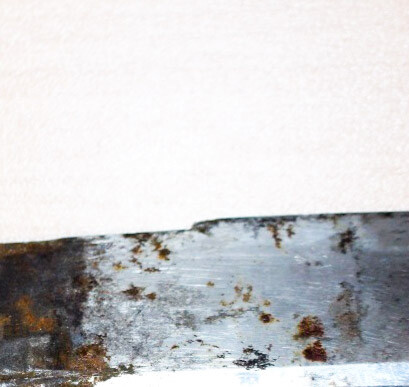
-
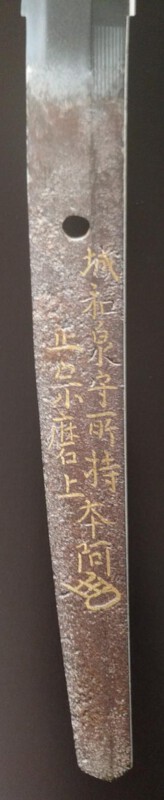
It is very common to see nakago of o-suriage swords with a variety of nakago-jiri, not just kiri. Less common to see an o-suriage nakago look so perfectly ubu. Where and how the hamon terminates will be the first clue. Attached is an o-suriage Masamune. Nakahara seems to argue that these types of swords really are ubu, and not what they purport to be.
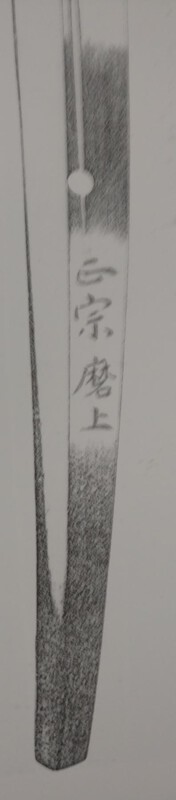
-
Hi Bob, Neither of the examples are mine. I did see that feature in the Fuyuhiro, but felt it was made that way. Note the somewhat crude execution of the horimono (naginata-hi, soe-hi), which I cannot recall seeing on an earlier (Nambokucho or prior) sword. Sorry, don't mean to be a downer and hope I am wrong here... Best regards, Ray
-
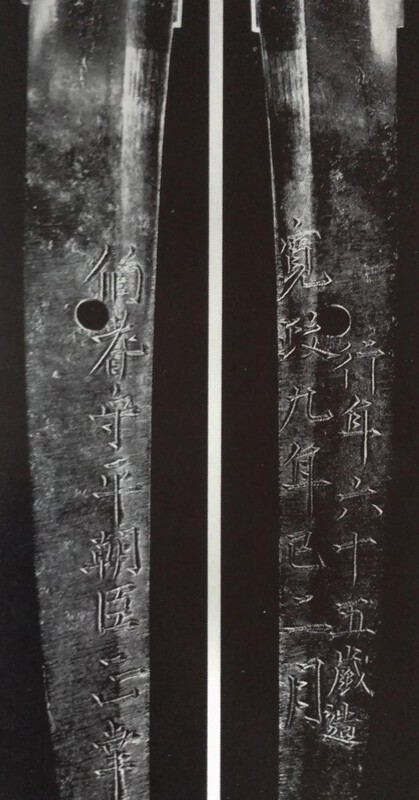
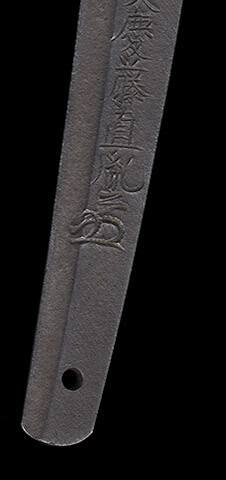
This is the Satsuma blade I was thinking of. It is a Masayuki. FWIW, I am leaning towards this being a Keicho or shinshinto piece (hope I am wrong and it is Nambokucho). I am feeling that it is ubu, or nearly so with perhaps the nakago-mune slightly reduced. The nakago feels right to me as a later sword intended to be a naginatanaoshi utushimono. I also have the impression that the hamon terminates at the ha-machi. Please confirm once received. Also sharing an ubu Naotane. Best regards, Ray
-
An example of a Mondo (no) Sho Masakiyo in which the mon and part of the mei extend into the bo-hi. I believe I have seen this before on a Satsuma Motohira as well, but would need to go back and check my references... http://www.sho-shin.com/masakiyo5a.jpg
-
Ditto
-
Etchu no Kami Fujiwara Takahira. An early mei of Kaga Kanewaka. BTW, your tanto has a Kaga habaki.
- 1 reply
-
- 1
-