Ray Singer
-
Posts
5,387 -
Joined
-
Last visited
-
Days Won
148
Content Type
Profiles
Forums
Events
Store
Downloads
Gallery
Everything posted by Ray Singer
-
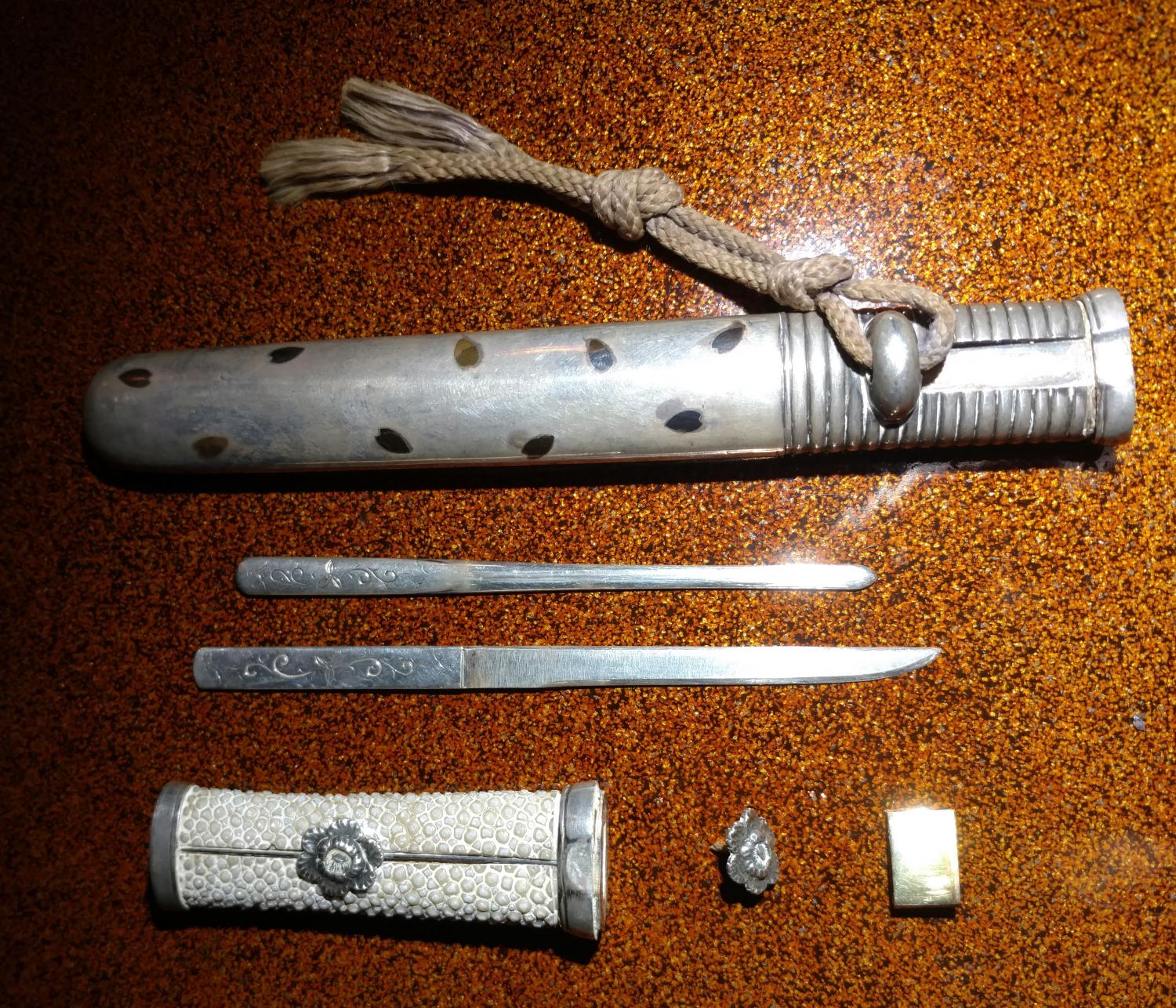
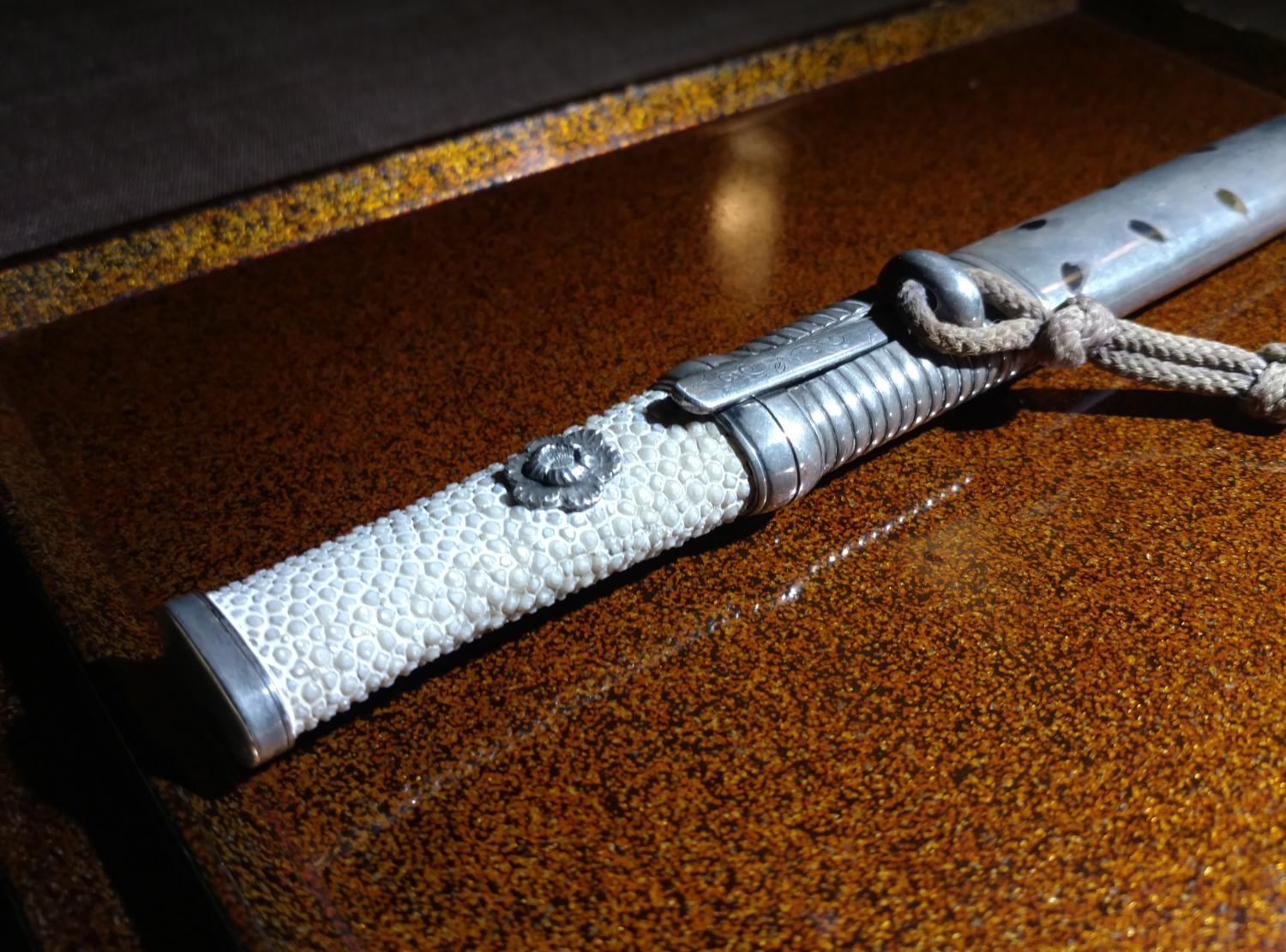
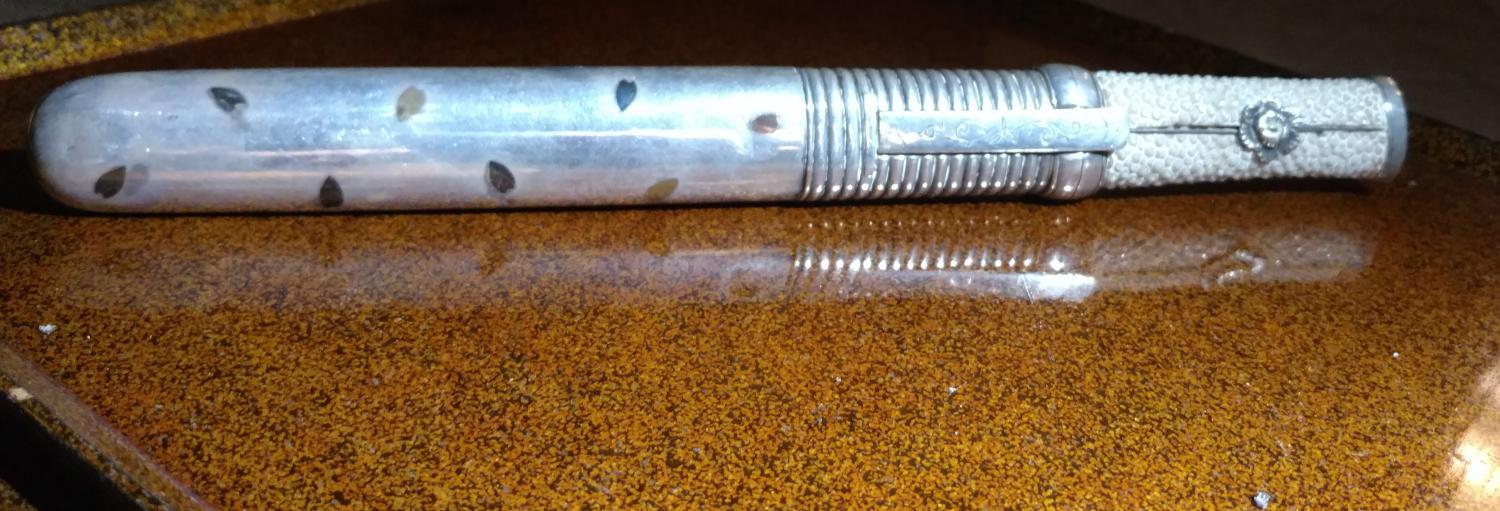
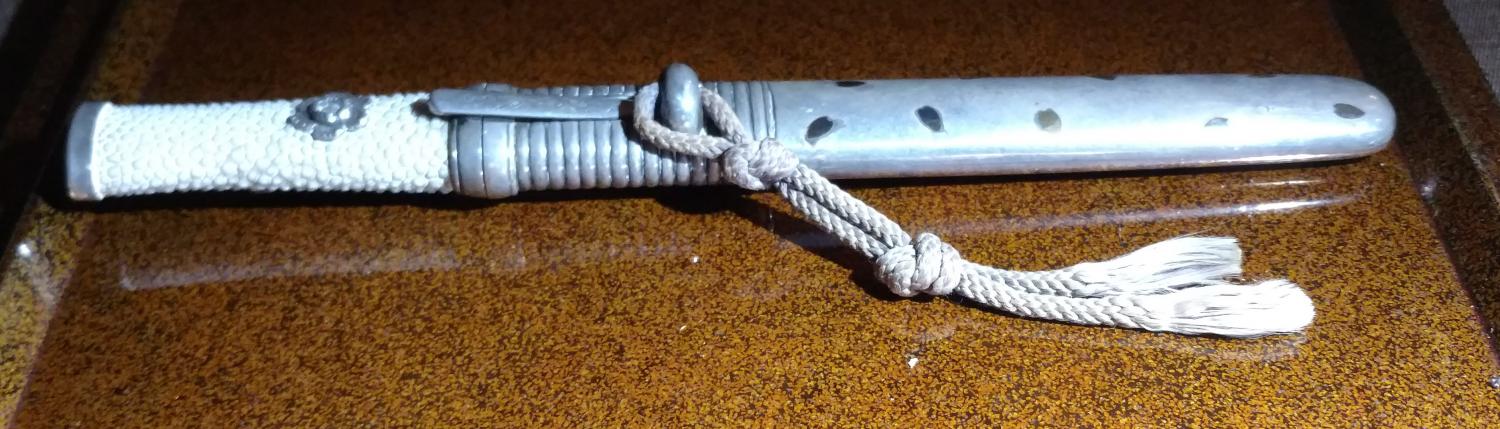
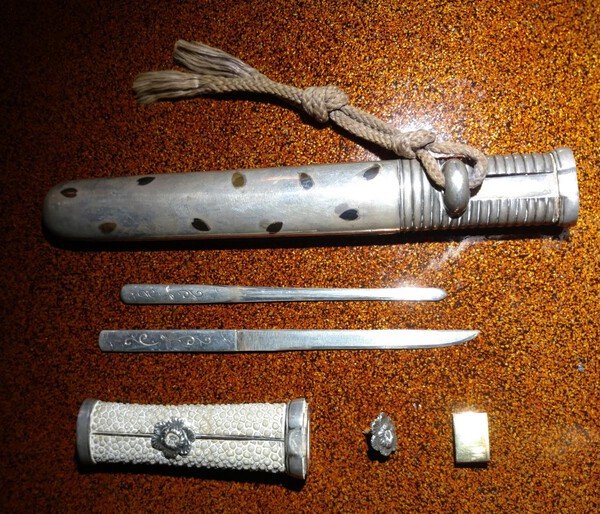
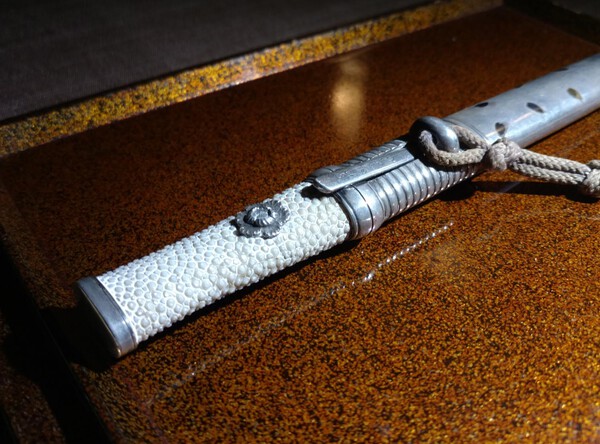
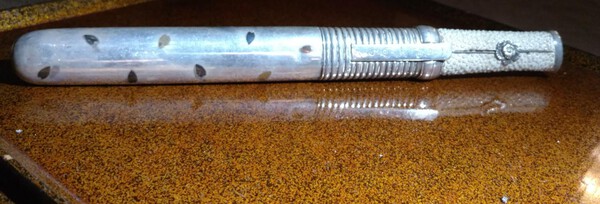
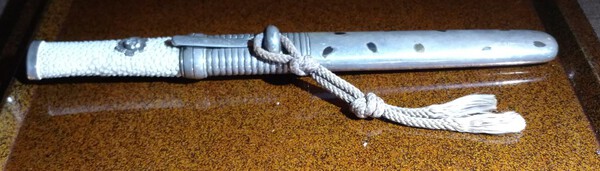
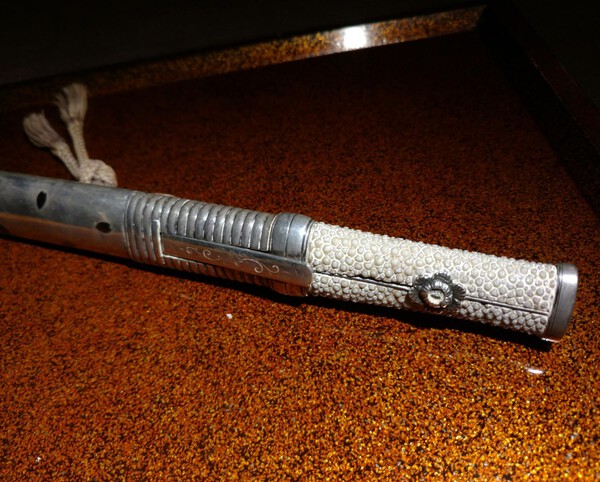
I'm frankly not too sure what to make of this, but found the attached aikuchi a few hours before I flew out of town last week. Meiji or later export piece? I'm not certain (I had little time with it), but the entire koshirae appears to be silver. If anyone has seen similar, I'd appreciate hearing.

-

Help! - Novice Requests Help With Tang Translation On Offer
Ray Singer replied to zook's topic in Translation Assistance
Omi (no) Kami Sukenao -
To be clear, at no point did I suggest this sword is a Juyo candidate. Nor did I suggest this is a Hosho. My comment was that it appeared to be a quality Yamato blade, an opinion I stand behind.
-
I would think that the NBTHK would have indicated so if they felt the sword was a later generation from Sue-Tegai.
-
To clarify my comments above, it seems the NBTHK will pass a mumei sword as Tokubetsu Hozon to a smith whose working period ranges from Nambokucho into Muromachi, but it's less common for a smith whose working period begins in Muromachi.
-
Shodai Tegai Kanetoshi 包俊 was a Nambokucho smith (though the Kanetoshi name [包利] was said to have been used even earlier within the Tegai school as another mei of the shodai Kanenaga c. late Kamakura). It is very uncommon, though not impossible, to find a mumei Muromachi blade which has received Tokubetsu Hozon.
-
Thank you for the feedback Curran. There was a time just two years ago where the Morikami had a serious interest in a permanent display of Japanese Swords. This was to accompany a major expansion of the museum space. Unfortunately shortly after there was a change of management and there is no longer any interest in objects in this category. It is really a sad turn of events because, knowing what could potentially be loaned from collectors in this area, the museum would have had a display of exceptional quality.
-
Someone recently asked my thoughts on museums within the United States that would be interested in taking on a high quality sword for loan. While I've worked with the Morikami Museum over the years to assemble several nihonto-related exhibitions, I'm not familiar with any museums who would be actively looking or at least receptive to displaying a Japanese sword on a long-term basis through a loan. if anyone here has a suggestion please let me know. Without going into specifics the sword is one which would be very worthy of display. Much appreciated, Ray
-
What Jean said, x 2. Quality Yamato blade.
-
I should probably bite my tongue, but Stephen there are several individuals in North America who can be trusted to competently execute a madoake. I suggest having one done and if your sword clearly shows workmanship consistent with high level Soshu, we can discuss further. I do not see what you are seeing, and I feel that I know what to expect from an early Soshu. What I do see is a sword with a fairly tight nioi-guchi. I will defer additional comments pending more visibility (aka full restoration or madoake). Best regards, Ray
-
Additional Swords And Fittings For Sale
Ray Singer replied to Ray Singer's topic in Auctions and Online Sales or Sellers
Thank you Arnold! Best regards, Ray -
That is what I have heard, but lacking specific details. Hoping for some evidence either way. Best regards, Ray
-
Here are authentic Hatakeda, so you can compare with your sword. https://www.aoijapan.net/?s=hatakeda&x=0&y=0
-
Recently encountered this quote and I have heard in the past that General Patton owned several Japanese swords. Are there any photos of General Patton with the Japanese swords he owned, or information about those he acquired? "The day before they departed, Patton casually remarked to his exhausted wife, “I hope you remembered to pack all those swords under the bed.” Walking into the bedroom, Beatrice discovered dozens of swords and scabbards of which she had been completely unaware. Frustrated that her husband had not appreciated her efforts or informed her of the swords he had been collecting, she angrily picked up one of the weapons and began chasing him around the house. A frantic Patton scurried over chairs and tables, pleading with his furious wife, “Don’t! Don’t! Please don’t!” Beatrice eventually brought the sword down on a table, missing her husband, but hard enough to embed the sword in the edge of the table." Best regards, Ray
-
Additional Swords And Fittings For Sale
Ray Singer replied to Ray Singer's topic in Auctions and Online Sales or Sellers
Thanks for the kind words Ed. Best regards, Ray -
Additional Swords And Fittings For Sale
Ray Singer replied to Ray Singer's topic in Auctions and Online Sales or Sellers
I have added several swords to my website over the past few weeks, which can be seen at the link below http://swordsofjapan.com/home/gallery Any questions, please email raymondsinger@gmail.com Best regards, Ray -
Yes, please. This particular sword made an appearance at the 2016 Tampa show, where it received papers (and not to Masamune). That should have been the end of the story.
-
Will take a look, but first it 'looks' like these are fresh fingerprints in the bo-hi that you may want to wipe down before re-oiling. I believe you would typically expect to find Moriie signed as tachi-mei.
-
I do not think Gordon is a member here, but am sure one of the members can help you make contact.
-
You may be aware, but Gordon Robson is a collector and enthusiast of the Kanabo school. He would be a good person to speak with if you are researching your sword further. Best regards, Ray
-
Digital Copies Of 1620 Ono Oshigata Scrolls Available
Ray Singer replied to Randy McCall's topic in Nihonto
Randy, whoever that was he does not speak for the rest of us. Hope you reconsider and appreciate your efforts. -
That was the price on nihonto.us.
-
FWIW, this really wonderful nidai Muramasa sold for $3,500. It was owned by a good friend, but I made the unfortunate decision to pass in order to make another purchase at that same time. Note that the kizu mentioned was extremely minimal, and this had one of the best jigane I have seen in a Muramasa. http://www.nihonto.us/MURAMASA%20TANTO%20-%20NIDAI.htm
-
https://www.aoijapan.net/?s=Muramasa&x=0&y=0
-
Hankei Is This A Fatal Flaw Broke Off Tip
Ray Singer replied to lumhechati's topic in General Nihonto Related Discussion
Very true, I have utilized him in the same way. Roy, if you want to try Bob for an evaluation, he can be reached at Togishi.com. Good luck, Ray