John A Stuart
-
Posts
8,372 -
Joined
-
Last visited
-
Days Won
20
Content Type
Profiles
Forums
Events
Store
Downloads
Gallery
Everything posted by John A Stuart
-
It is maybe Tomohide 友秀 John
-
What is this? 乾山造 Kenzan zukuri, style of Kenzan? John
-
Maybe 乾 John
-
Totally spurious in my opinion. John
-
Bungo 豊後 Shu 州 something ...hide ?秀 saku 作 John
-
So true, David is it? Chidori have those little downwards protuberances in their sugata. I guess named from the shape of that short little pointy plovers beak? John
-
This may help. https://web.archive.org/web/20131003111835/http://www.sino-platonic.org/complete/spp088_siddham_china_japan.pdf
-
Sahari is a cast product usually and is subsequently fired to remove surface lead from the object, I think it is called yakiageru. Anyway on tsuba I find blemishes, bubbles, pits etc. that look as if the tsuba has been baked after the sahari added. This might account for the look some pieces have, fired a little longer than others. John

-
My Monju Kanehisa. John

-
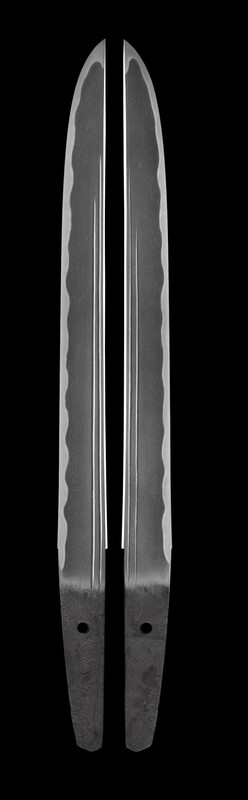
Kanemoto. John
-
It has that look of saharizogan, but is this actually zogan? more a nunome technique perhaps? John
-
Noshu Ju Kaneuji. John
-
I've seen some very nice shinchu tsuba. John
-
Markus Article About The Death Of A Famous Tea Master
John A Stuart replied to BIG's topic in Nihonto
https://youtu.be/OrvJvx5kKC0 -
Henk, is no Dutchman in Japan for the DTI that can bring a pouch back for you?
-
http://www.flandria-tobaccos.be/nl/start/ http://www.kiseru-pipe.com/en/content/11-kizami-tobacco
-
http://www.militaria.co.za/nmb/topic/23933-fusa-yasu/
-
Just one correction. Both gold and silver and their salts are toxic. John
-
This Kunihiro has celluloid. John

-
Yes Shoda Masafusa seitan 精鍛 John
-
New Guy Here With A Dusty Old Sword.
John A Stuart replied to brucer's topic in Translation Assistance
Okada Kanesada saku; 岡田兼定 John -
Edo Period Corner Part II
John A Stuart replied to estcrh's topic in General Nihonto Related Discussion
Broken up tatara? John -
tsuba Meaning Of 3 Kanji On The Flag
John A Stuart replied to Kurikata's topic in Translation Assistance
Maybe 筆 John -
I have little problem with collectors that buy swords and take the fittings for their collection and sell the sword on, it is after all their possession. To switch out a tsuba with an inferior one when it is not theirs is a whole different thing. To do it with an old historical koshirae that has significant importance would be a shame though and should be frowned upon. Preservation.
-
This potter was very prolific. Not too expensive either for new collectors. Kawakita Handeishi (1878-1963) A wealthy cotton merchant from Ise born to the Kawakita Kyudaku household, he was separated from his parents and became the head of the family at around 1. He took the name of Kyudaku the 16th, and received training in Zen and so on from his grandmother (what is currently called "emperor studies"). After graduating from Waseda University, he took on his father's occupation, also working as a Hyakugo Bank board member in 1903 before becoming Hyakugo's president in 1919, and its chairman in 1945. He also served as a member of the Mie prefectural assembly. During this time he also showed a wide ranging talent for ceramics, calligraphy, and painting, particularly ceramics. He began making Raku ware in 1912, and opened a coal furnace at his home in 1929. In 1934 he built a Noborigama kiln of his own design, and held a one man show at Rosanjin's Hoshigaoka-saryo restaurant. He also formed the "Karahine Kai" group with Kaneshige Toyo and Arakawa Toyozo in 1939, and established the Hironaga Toen studio in 1946. He put particular effort into tea bowls, but rather than formal molds or expressions he would develop pieces with free expression, using an abstracted Buddha motif in calligraphy and paintings and so on to develop a unique world. They are currently highly valued on the market.