
Leaderboard


Popular Content
Showing content with the highest reputation on 05/02/2026 in all areas
-
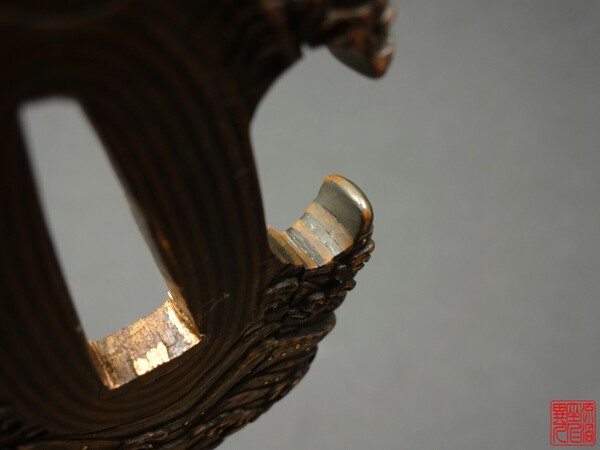
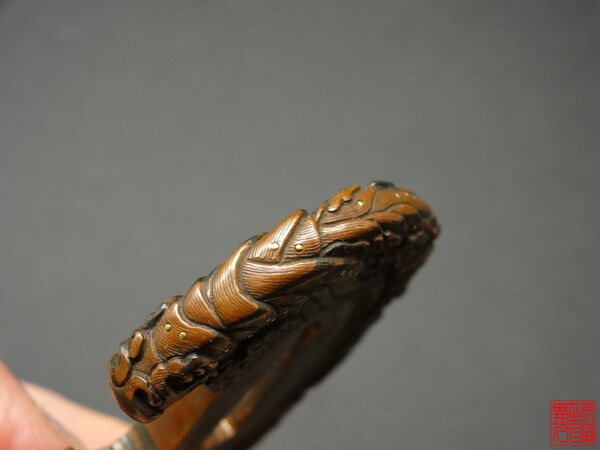
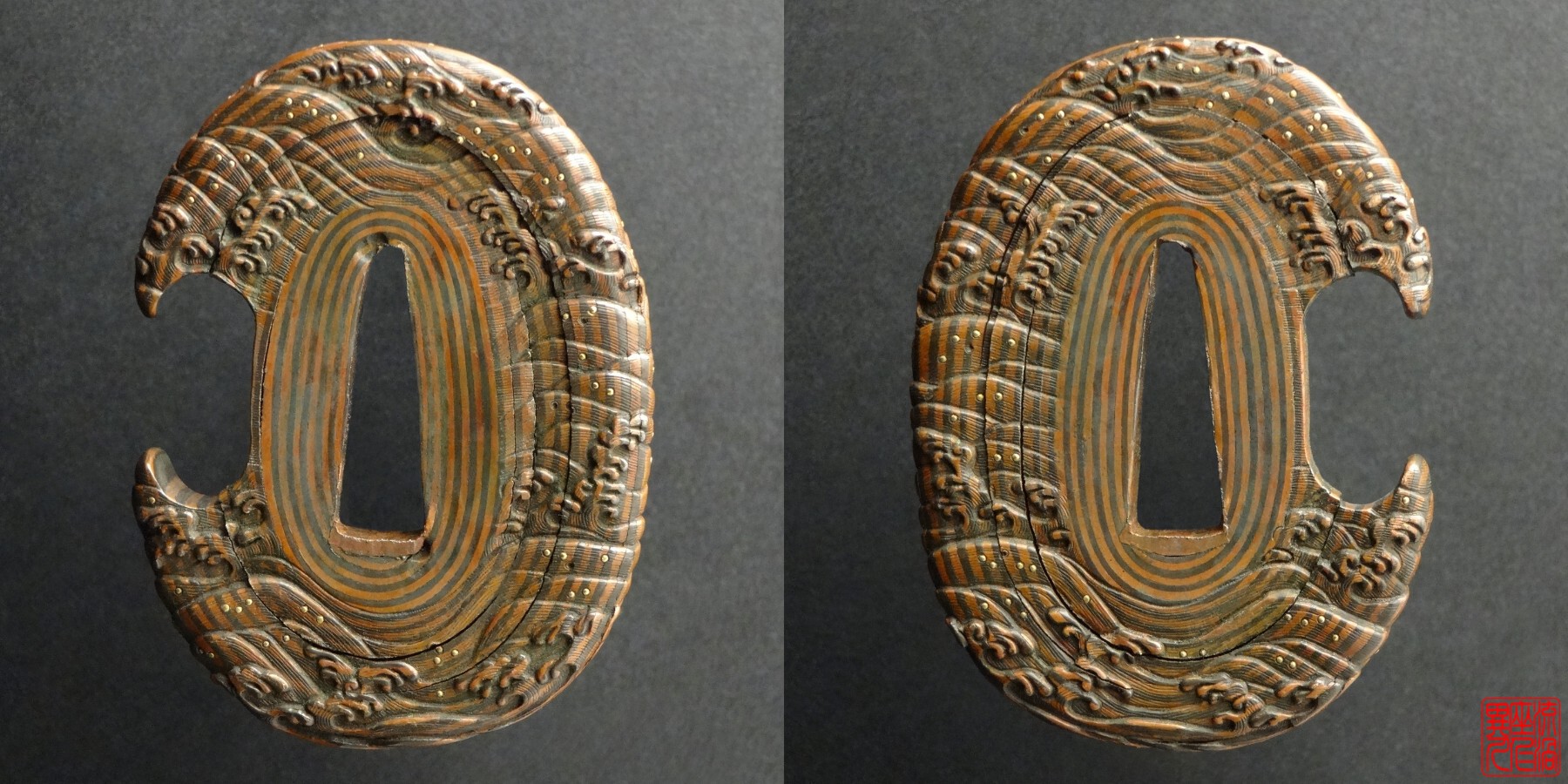
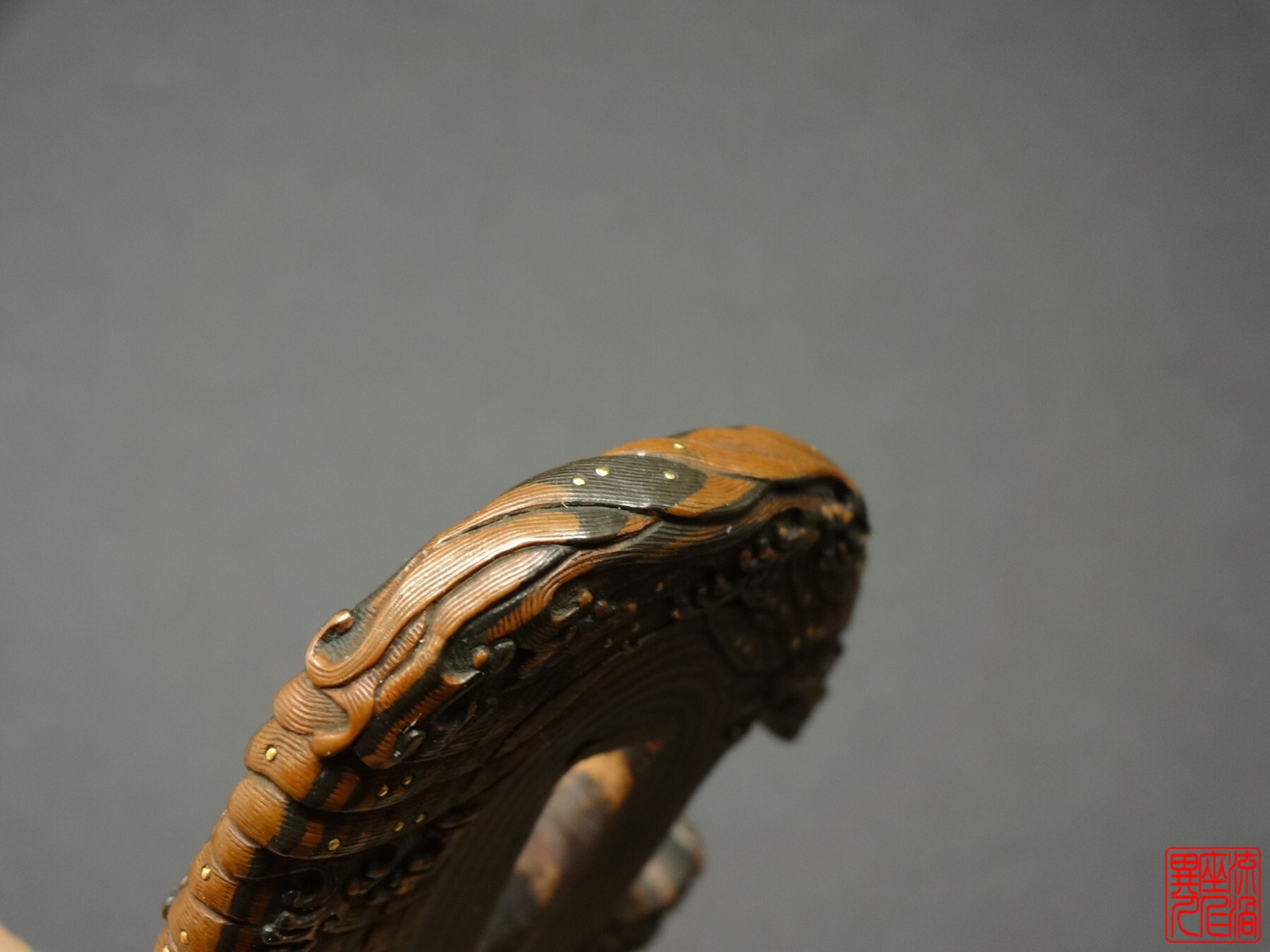
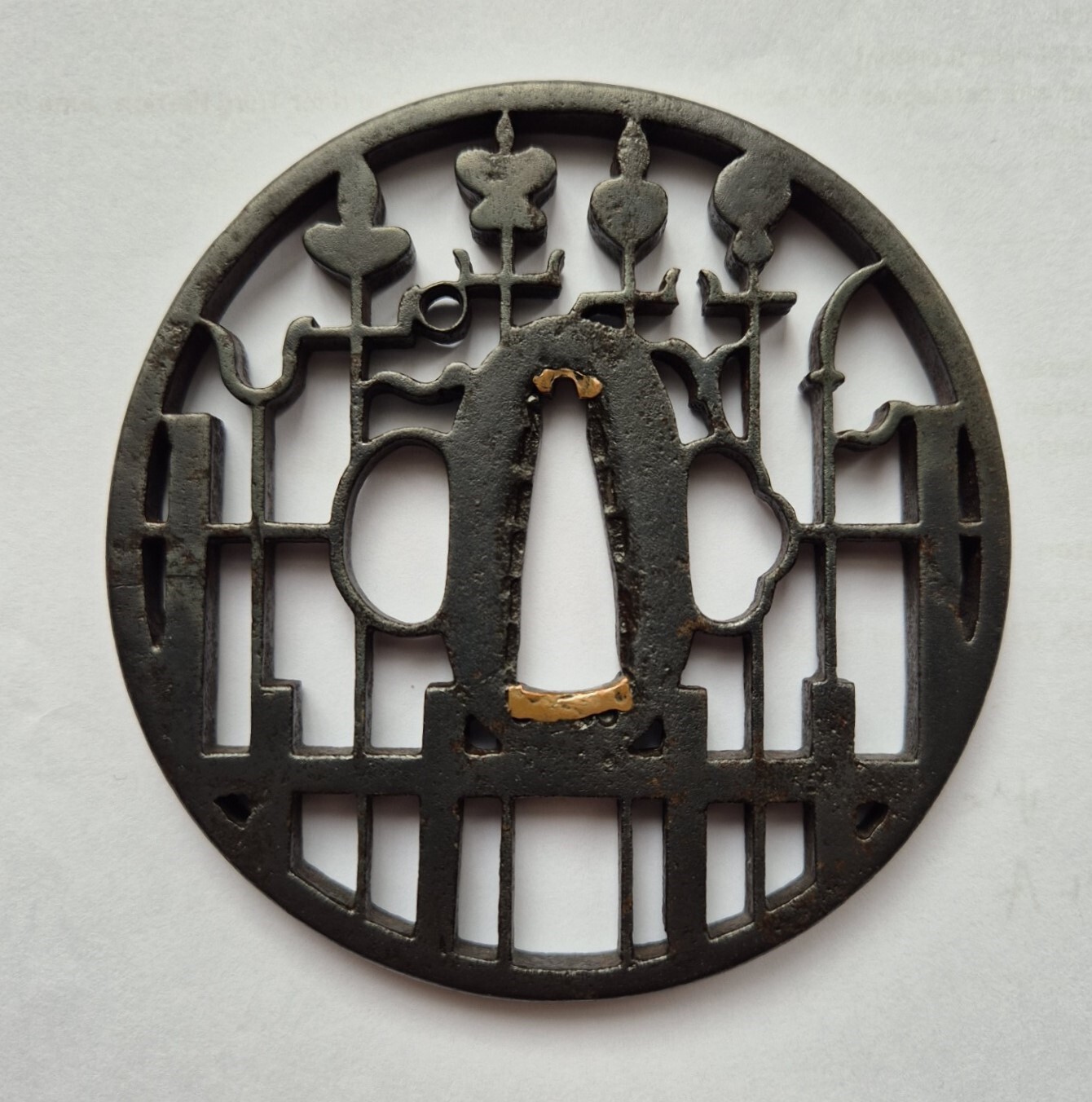
Dear all This little hamidashi tsuba just landed on my desk as an aside in a deal with a fellow collector. Dimensions 55.9 mm x 41.4 mm, thickness at seppa-dai 4.5 mm, at mimi 6.1 mm. It is made of concentric layer of copper and shakudo. Unfortunately there is significant delamination between the layers and the center of it is a little loose. It is decorated with a design of waves with very small gold drops, the ten zogan is very well executed. Without this defect it would have been a very nice piece. I have as few questions: The it can be classified as mokume-gane even though it just a made of concentric stripes of alternating metals? A tsuba with a similar layer arrangement in the collection of the Ashmolean collection is classified as mokumegane (https://jameelcentre.ashmolean.org/object/EAX.11192). Based on the design, workmanship and the use of mokumegane to which school it can be attributed? From a cursory research mokumegane was used by the Akita Shoami artist Shoami Dembei or by the Takahashi school (高橋派) a branch of the Edo Akao School. Any information is welcome, thank you in advance. Best Regards Luca




 4 points
 -
Probably: 濃州関住源天秀鍛之 = Nōshū Seki-jū Minamoto Amahide forged this Amahide signed his swords in quite a few different styles. There's a similar-looking one in this thread:3 points
-
There is a misunderstanding regarding the difference in quality between Koto-period swords (particularly those from the Kamakura and Nanbokucho periods) and swords from other eras. Practicality is not the issue; a sword is a lethal weapon, and a kazu-uchi mono gets the job done. The difference lies in the artistic qualities of these swords.3 points
-
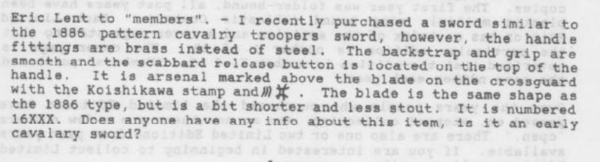
To my knowledge, this never happened with the Meiji 25. Instead, they added those features to the new Type 32 as a replacement. I have a snippet of an article that describes the release button still being at the top of the backstrap as late as serial number "16xxx." John C.
 2 points
 -
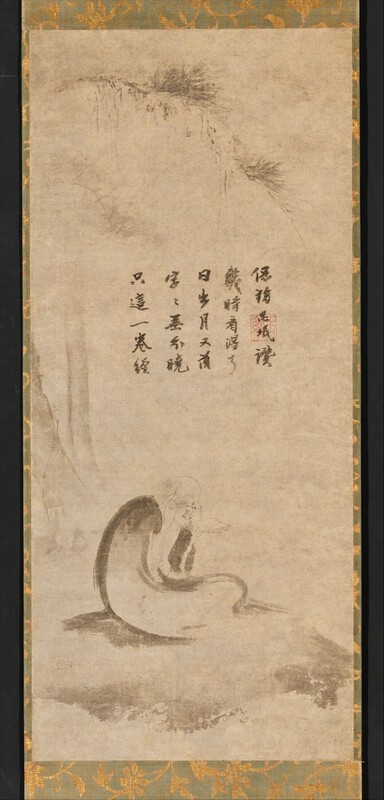
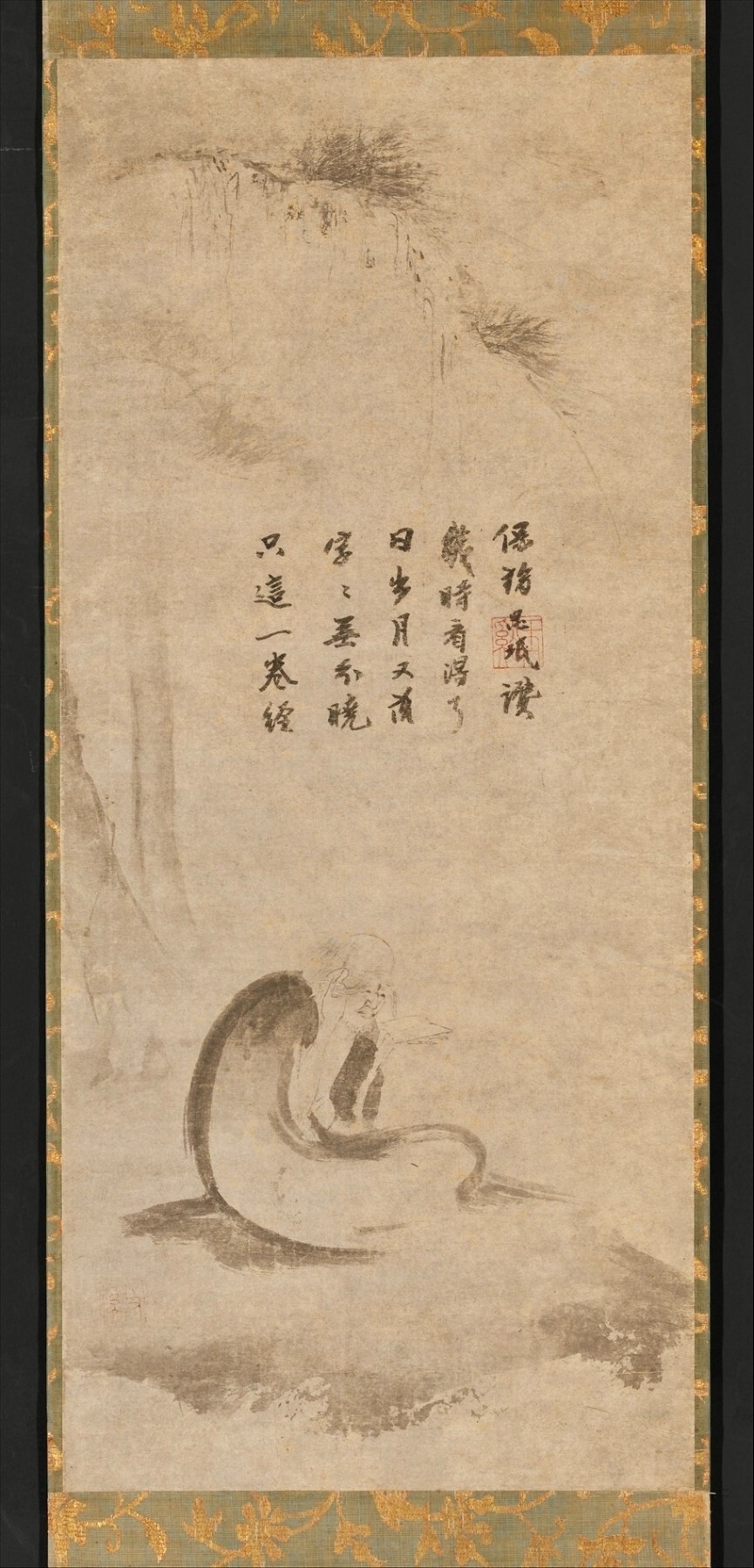
Also in the collection of The Metropolitan Museum of Art is a calligraphy/painting from the 14th century showing the same pictorial theme of "Reading a Sutra by Moonlight" and the belief since the beginning of Ch'an Buddhism after the arrival of Bodhidharma (Daruma) in the 5th/6th century CE that enlightenment cannot be attained by study alone. Commentary from catalog: Chan/Zen art and philosophy blend strict rigor with playful irreverence. The dignified image of an aging master learnedly poring over an abstruse scripture is undercut by the poetic inscription, which suggests that true enlightenment may just as well be found elsewhere Yuxi Simin 玉谿思珉 (d. 1337), 5 columns in semi-cursive script, undated; 1 seal: In this one volume of sutra, The words have no clear meaning. The sun rises, the moon sets, When will I finish reading it? [1] Inscribed by Simin of the Baofu [Temple]. [Seal]: Yuxi 只這一卷經,字字無分曉。 日出月又落,幾時看得了。 保福思珉讚。 [印]:玉谿 [1] Trans. from Wen C. Fong, Beyond Representation: Chinese Painting and Calligraphy 8th–14th Century. New York: The Metropolitan Museum of Art, 1992, p. 361.
 2 points
 -
Thank you Rohan, it is not on my computer screen, and as I can see all members' names except this one, I was a bit puzzled. I do not use a mobile phone for the forum. So all good in case you see it, in future, I can memorize WEI's name!2 points
-
It's in his signature, all good here.2 points
-
Here’s the other thread:2 points
-
The blade at Aoi used to have just Hokke attribution at Hozon, so they specified it a bit more at Tokubetsu Hozon shinsa. I admit if I would look at that blade from pictures without attributions I would not pin that to Nanbokuchō nor early Muromachi.2 points
-
Here was the original before polish
 2 points
 -
2 points
-
If you look for GURI BORI, you will find the same technique that is used for MOKUME GANE. It is a very nice little TSUBA! Perhaps a goldsmith who is familiar with TOSOGU can solder the fissures without it being too obvious? MIssing Ford and his competence here again.....2 points
-
I'd call it mokumegane...2 points
-
Dear Alexander, I finally had the opportunity to review your project: very interesting and exceptionally well done. It offers a historical perspective that is not often appreciated by modern collectors. I especially valued the inclusion of relevant bibliography for each chapter. Thank you for your effort.2 points
-
Since we are showing off our early documented tsuba, here is one from the Mosle' collection. This one is described as number 804. TSUBA, thin iron, with two circular perforations, shigure-yasuri-me. Unsigned work of Prince Hosokawa Tadaoki (Sansai-Ko). 32. Higo province. Plates LX-LXIV Background on the Mosle Collection “Alexander Mosle’ (1862-1946) during several stays in Japan from 1884 to 1907 representing Gruson Werke, a subsidiary of Krupp, put together the core of his collection through Amiya with the advice and teachings of Akiyama Kyusaku. Back in Europe, he exhibits his collection in Berlin in 1909 (he will continue to buy until 1920). His collection was made of about 1600 pieces among which a unique group of some 300 Goto works, a number of which had the origami issued by Goto masters in works attributed to their ancestors before they were in the habit of signing. “(from 100 Selected Tsuba from European Public Collections, by Robert Haynes and Robert Burawoy)” Mentors of Mosle’ as listed in his 1914 catalog include: Paul Vautier (put together the Oeder collection) Wada Tsunahiro (put together the Furukawa collection) Akiyama Kyusaku Ogura Soemon (Amiya) “Mosle’ was one of the few devotees who actually lived in Japan (1884 -1907) during this historic period and had through his position as armament representative to Japan from the Gruson/Krupp company and as acting consul of Belgium to Japan access to experts in his fields of interest of the highest order. He counted as personal friends the likes of Tokugawa Iesato and General Nogi and mingled with the aristocracy of Japan. From this he was able to access information rarely accorded anyone, not to mention non-Japanese, and with his scholastic mind was able to document much research in these fields. (historic information has been taken from the catalog, ‘Japanese Sword Fittings from the Alexander G. Mosle’ Collection, Mosle’ and His Collection’, Sebastian Izzard LLC, 2004).
 2 points
 -
Thanks for your articles Alexander . The thought that items that I now own have passed through the hands of previous collectors ,who have also treasured them , has always interested me . One minor correction. In your article on Walter Behrens you perpetuate the myth that Henri Joly was Belgian . He was born on the 24th of Feb 1878 at Chartres France . His 1901 and 1911 census entries confim that he was French . The attached tsuba is one of two I have that were once part of Henri Joly's collection .
 2 points
 -
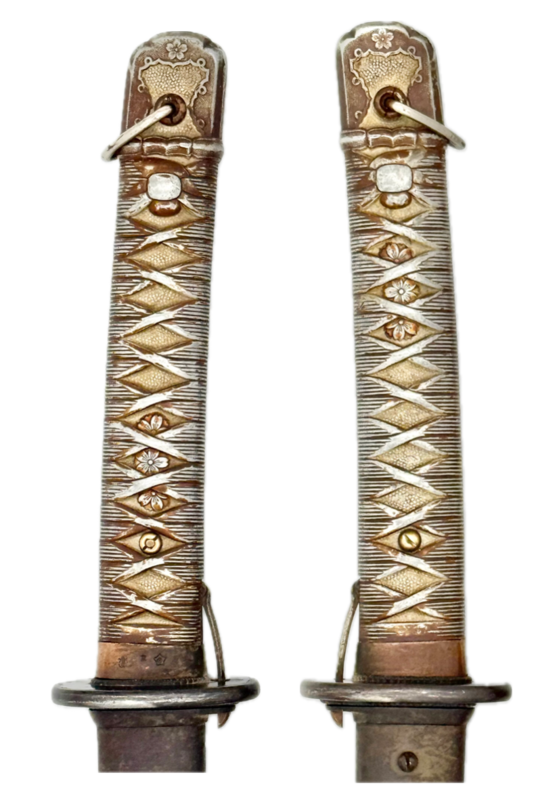
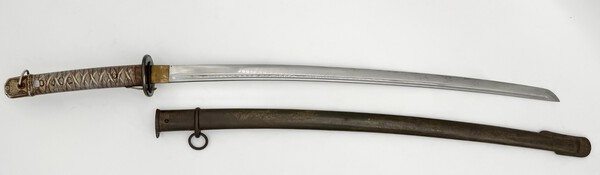
I am offering for sale one of my Type 95 swords. These are machine-made blades, entirely NOT traditionally made. Produced during World War Two. This example was made later war in 1944/1945. It is in particularly excellent condition with matching scabbard number. No chips or bends in the blade, and no rattle in the fittings. The blade may have been polished at some point, but is original and in great shape. I believe the paint is also original, but fading away. Variation #4 Type 95 Military Sword with Aluminum Hilt, copper ferrule, and Steel Tsuba made by Suya Shōten with Tokyo first army arsenal (TŌ / 東) inspector stamps and SHA stamp on the drag of the scabbard. Type (Tachi, Katana, Wakizashi, Tanto, Naginata, Other) : Machine made military sword of Japan / Katana Ubu, Suriage or O-Suriage : Ubu Mei : (Mumei, Signature) : None Era/Age : Later World War Two / 1944-1945. Shirasaya, Koshirae or Bare Blade? : Full original koshirae. Nagasa/Blade Length : 26.4 inches. Hamon Type : No hamon, non-traditional, machine made. Jihada : No hada, non-traditional, machine made. Flaws : Some light rust in the fuller/bohi, and paint faded over time. Sword Location : Oregon, USA. Will ship to : USA only. Payment Methods Accepted : Paypal Friends and Family, preffered. Price and Currency : SOLD, Free Shipping in USA If sold here, I will donate $50 to the board. Suya 株式會社壽屋商店, Harp Logo = KK Suya Shōten = Suya Shop Co., Ltd. 東 TŌ 東京第一陸軍造兵廠監督課, Tōkyō 1st Army Arsenal Supervisory Section. Tokyo 1st Star 東京第一陸軍造兵廠標識 , Tōkyō First Army Arsenal trademark. Stamp on drag of scabbard = 社 = SHA = 各民間工場 , Each civilian/private factory.



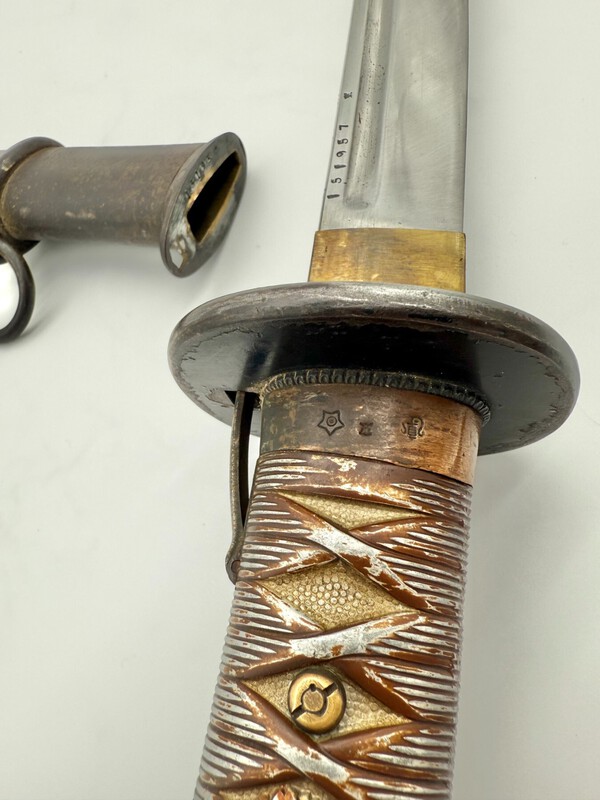
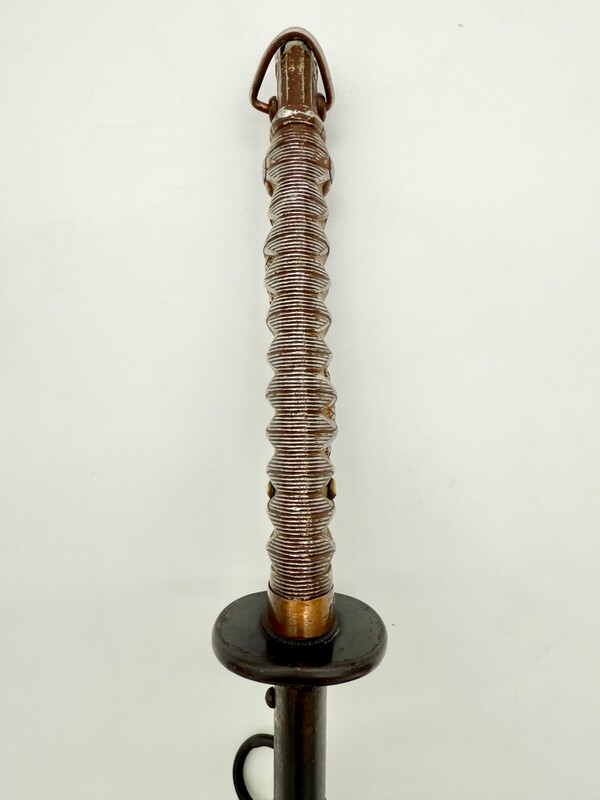

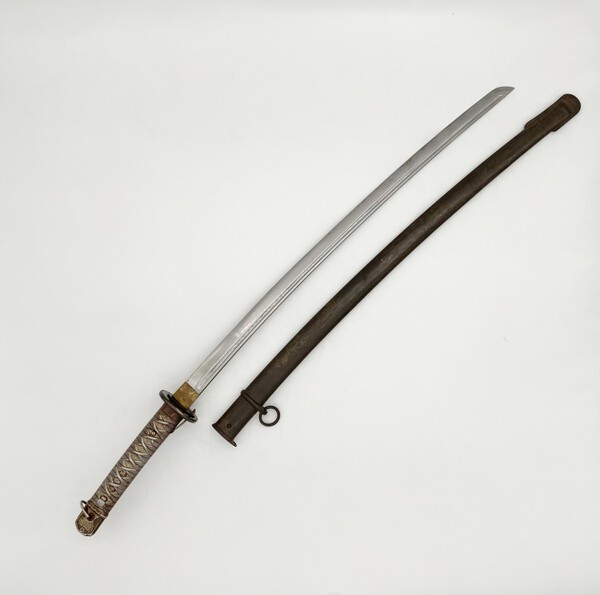


 1 point
 -
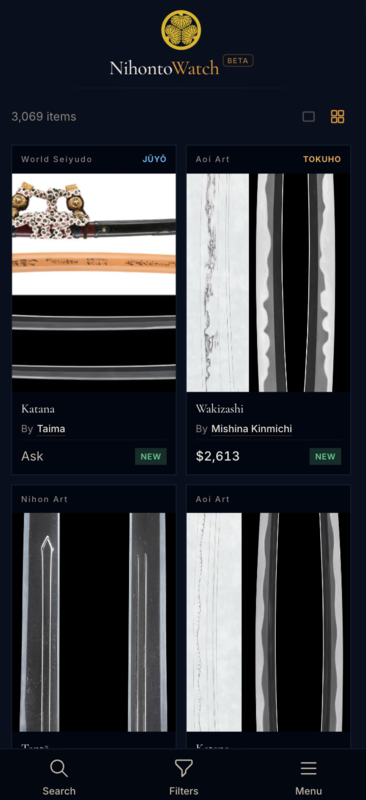
Hello everyone, TLDR: Interested in Japanese swords and fittings? I made this to help the field. Open nihontowatch.com on your phone browser, and add to home screen (Share → Add to Home Screen). Thank me later. --------------------------------------------------------------------------------------------- I have been thinking for quite some time about the future of our field. I have been blessed with incredible mentors and opportunities, most notably the late Darcy Brockbank, who was so generous in sharing his knowledge. Since his tragic passing, I have felt a responsibility to carry that work forward. What I am about to present, I built as an homage to his memory. Our field has problems. We operate in a field of extraordinary depth without being equipped with the knowledge and tools to understand what we're looking at when we browse the market. Refreshing dozens of dealer websites every week, most in Japanese, copy-pasting listings into translation apps, pinching to zoom on sites built twenty years ago — market awareness is just painful and you miss things constantly. You spend an hour and walk away unsure you have seen everything. And this is just the market experience. The deeper problem is access to knowledge. There are no catalogues raisonnés for artists. Yuhindo would have grown into it — it was planned. But alas, Yuhindo is no more. No way to know, with any confidence, whether a price is reasonable without decades of experience or tens of thousands of dollars invested in published references. No way to know why something costs what it does. Communication with Japanese dealers remains daunting for most. No easy way to know who is a reputable dealer. The barrier to entry is simply too high, and this friction keeps our field artificially small. Fine art has Artnet. Watches have Chrono24. Antiquarian books have AbeBooks — markets with comparable depth and comparable opacity, served by platforms that bring transparency and accessibility. These fields have benefited immensely: they have enabled new entrants in droves to collect in confidence. Our field needs more knowledge and transparency to build interest and trust.Japanese swords and fittings. Eight hundred years of collecting history at the highest levels. The category that contains the most national treasures in Japan. The indefatigable search for perfection of an entire civilization. And yet, we have nothing. This had to change. As I write this, there are 3,021 Nihonto and 1,607 Tosogu items for sale across 44 dealers, Japanese and international, in a single searchable interface. Every listing is structured with attribution, certification, measurements, and artist intelligence data. NihontoWatch is on track to follow 100% of the online market for genuine items with NBTHK papers. Refreshed 12 times a day. Everything is translated and structured, as it trickles in live. But what is this worth, if it's so hard to know what you're looking at? Especially for newcomers, it is so hard to tell what you're looking at. This is where the magic is. I am nostalgic of reading through Yuhindo's artist descriptions. It made me deeply appreciate the field. It got me in. NihontoWatch scales this experience and creates something approaching a living catalogue raisonné for every Tosogu and Nihonto artist. It matches every listing against a database combining the complete Juyo, Tokubetsu Juyo, Juyo bunkazai, Kokuho, and Gyobutsu designation data — over 23,000 items at the highest level, with rich text in classical Japanese. This data is then processed, synthesized, and presented into NihontoWatch's artist directory in a way that is respectful of the NBTHK's copyright. With this, you'll be able to discover a maker's historical reputation through quantitative analysis of exhaustive provenance records, in ways never seen before. Over time, all of these artist pages will come alive, forming an ever-expanding knowledge base. - How rare is it? - How many Tokuju? - How many designated works ranked Juyo and above? - Why is this important? - Where does it rank relative to other works? - What is for sale right now? - What was for sale recently? All the answers are in. These are questions that come up constantly in our community, and until now, answering them required years of collecting published references worth tens of thousands of dollars, and patiently indexing them with post-its or one-by-one in a spreadsheet. Only professional dealers or major collectors could afford to do this. This is a BETA, so there are errors. The more obscure the artist, the higher the error rate, and there are still basic errors I need to fix with some famous artists. A lot of algorithmic tinkering and curation ahead. It will keep getting better with your feedback. See the results for yourselves: - Soshu Masamune: https://nihontowatch.com/artists/masamune-MAS590 - Ichimonji school: https://nihontowatch.com/artists/NS-Ichimonji - Yasuchika (tosogu): https://nihontowatch.com/artists/yasuchika-TSU001 - Goto school: https://nihontowatch.com/artists/NS-Goto Click one and explore the designations, the provenance abalysis, the measurement distributions. This is just a first shot — over time this data will grow. Here is one where I have published an item I studied for my Substack article on Mitsutada: - Osafune Mitsutada: https://nihontowatch.com/artists/mitsutada-MIT281 Imagine Yuhindo, but with a page for every artist and every piece ever captured on camera. Saw a national treasure at an exhibition in Japan? Share your photos on NihontoWatch's artist catalogue. In the future, owners of particular works will be able to publish them to the artist's catalogue. Think of it as a growing, community-curated knowledge base for every artist in the field. And so much more Browse and filter: Designation, dealer, item type, school, province — all filterable, all instant. Prices display in JPY, USD, or EUR. Every filter combination is a shareable URL. The sold archive tracks thousands of items for pricing research. And it works for every budget, for collectors at every level. - All Tokubetsu Juyo Nihonto on the market - All Tsuba with Hozon or Tokubetsu Hozon, maximum price $2,000 Setsumei translations: On some items, you can press the floating book icon on any Juyo item to toggle between photos and the Juyo setsumei translated text. For most Juyo and above items, the NBTHK evaluation text from the dealer's page is identified by computer vision and translated into English. It will fail if the dealer has not posted the Juyo Zufu extract, but in the majority of cases they do, and the result is remarkably accurate. Do use responsibly — the quality is great, but not perfect. Always purchase professional translation from Markus Sesko when contemplating the purchase of a Juyo-designated piece. Search alerts: Never miss an item again. Define keywords and filters and save them. NihontoWatch will run your search every 15 minutes, and when something new appears, immediately send you an alert email. In practice, missing a listing that fits your interests becomes almost impossible. Tip: I recommend avoiding overly specific queries. "Juyo tsuba" or "Kamakura signed tachi" are safer than specific artists such as "Yozozaemon Sukesada," which would be more fickle. Broad queries give you the best market coverage. Inquiry emails: Press "Inquire" on any listing to draft a professional inquiry in Japanese. Handles etiquette and formality, and can help you request the 10% consumption tax exemption available to overseas buyers. Did you even know you could get 10% off? How many new entrants lost 10% on this, at least at the beginning? I for one did. I've seen countless high spenders neglect to request it while shopping across Japanese galleries. Glossary: The technical language of Nihonto and Tosogu is deep and specialized — needlessly so for non-Japanese speakers. Anytime a technical term comes up, you can click and see what it means. Over 1,200 terms, searchable, automatically linked from the setsumei translations. Who remembers always keeping an index open to keep track of terms when studying Juyo items? https://nihontowatch.com/glossary How best to use NihontoWatch While it works wonders on desktop, NihontoWatch works most beautifully on your phone. I use it every day — it feels like I have the market in my pocket. Open nihontowatch.com on your phone, hit Share → Add to Home Screen. And voila, you have an app. It becomes something you check with your morning coffee, the way one might check the news. A word of caution The data has errors — always verify independently. This is a tool to explore the market, not a substitute for critical thinking. If it looks too good to be true, it likely is, and this system can't easily correct online misrepresentations. Old listings where dealers have not marked items as "SOLD" will still appear as available. Listing errors will slip through, but data quality improves continuously as the system learns over time. Get involved - Missing a listing or dealer you like? PM me or post here. - Bug? PM me or post here with steps to reproduce. - Dream feature request? Reply in this thread. I will keep this thread active and share major updates when time permits. Everything is free right now, and will remain so until ready for official release. This is no trivial task, and it is expensive to operate — it will need to be covered in some way down the line. It will be tempting to keep it for yourself. But if we want our field to grow, we must share knowledge and expand market access and transparency. The single most impactful thing you can do right now is help others discover and use the tool. Share it with your study group. Share it with your collecting circle. Share it with a friend who has been curious about Nihonto and Tosogu but found the barrier to entry too high. That barrier just got a lot lower. Farewell, Darcy. This is for the teacher in you. Hoshi
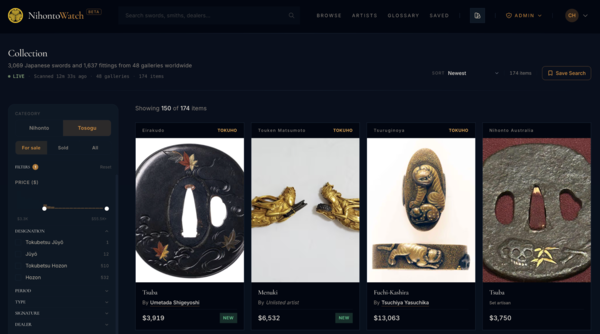

 1 point
 -
Thank you, Thomas. Yes. I have it recorded as 16416 with copies of the stamps that were also in the Banzai newsletter. John C.1 point
-
Marcin: I was focusing on the distinct chisel marks and the very sharp points on the strokes. More likely a chisel made these marks. John C.
 1 point
 -
Jeff, You have a Type 98 officer sword. You can read up on them here: Commissioned Officer Sword - 1938; Ohmura Care and cleaning tips: Japanese Sword Care - Japaneseswordindex.com1 point
-
really nice forging , tight and clean so to the untrained eye it looks unfolded. the tagane are solid pointers. the style to me appears to be 7-9th gen but sadly i would say over oiled or over cleaned1 point
-
US-BUYERS, PLEASE READ before committing to a purchase: As the Polish Post won't ship anything to the US (except for documents) please be aware that the cheapest courier service will cost $60. I should probably change currency to EUR...1 point
-
IMPORTANT INFORMATION ABOUT SHIPPING Dear buyers, Thank you for your purchase. I am travelling now and will be shipping the books on 11th and 12th May. I will be back with tracking numbers. Have a nice day1 point
-
Example with "emergency" stamp1 point
-
Appears to be a "Sam Browne" clip type from the missing bottom attachment. It's difficult to say with these as original Japanese types have been found with the clip.1 point
-
After checking it out, there doesn't appear to be a full download, and you can only preview a very limited number of pages. So I expect that one is ok and legit. I know there are full pdf's of the book floating around, I'd be more concerned about sharing those. This one should be fine1 point
-
Experimenting with the quenching/hardening process has limits. Steel made from TAMAHANE is quite pure in regards to alloying elements, containing only carbon as desired component. These steels need a rapid cooling to achieve a satisfying hardness. This is why traditional YAKI IRE (quenching) has to be done with (warm) water. Caused by the blast-furnace method at much higher temperatures, modern industrial steel inevitably contains elements like manganese and silica plus smaller amounts of chrome, nickel, and many others. This leads to a different "behaviour" of the steel in the quenching process as the temperature drop in the steel is increased, there are more carbides built up, and the hardening also goes deeper into the steel (pure carbon steels have an in-hardening depth of about 4 mm from each side). These processes are described simplified here; in reality, there is much more to say about it. Experimenting in this field is difficult because modern steel will suffer from a drastically increased risk of failure when quenched in water. On the other hand, traditionally made carbon steel will not harden properly when quenched in oil. Interestingly, warm oil will yield a FASTER cooling rate in quenching than cold oil. This effect can be explained by the lower viscosity of warm oil, compared with cold oil.1 point
-
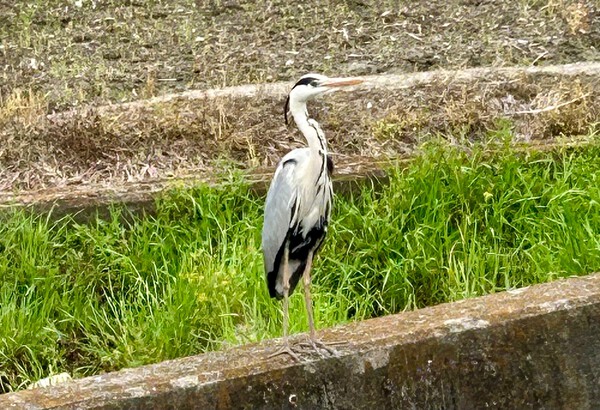
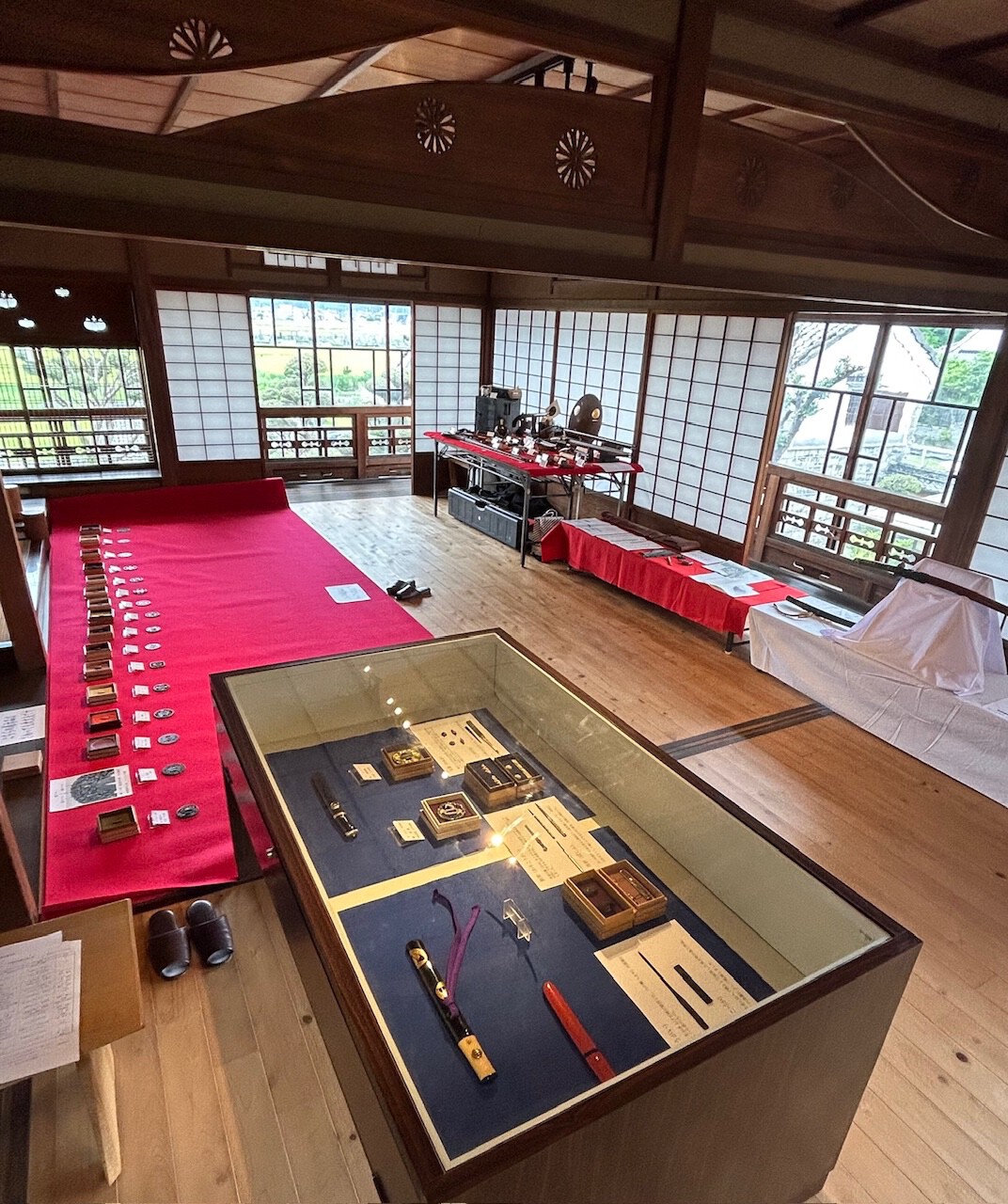
Agreed! It’s a wonderful old house. Looking out across the fields of young barley towards Osafuné and the hills beyond. Saw this from the car window as I was about to drive home!
 1 point
 -
And D E F


 1 point
 -
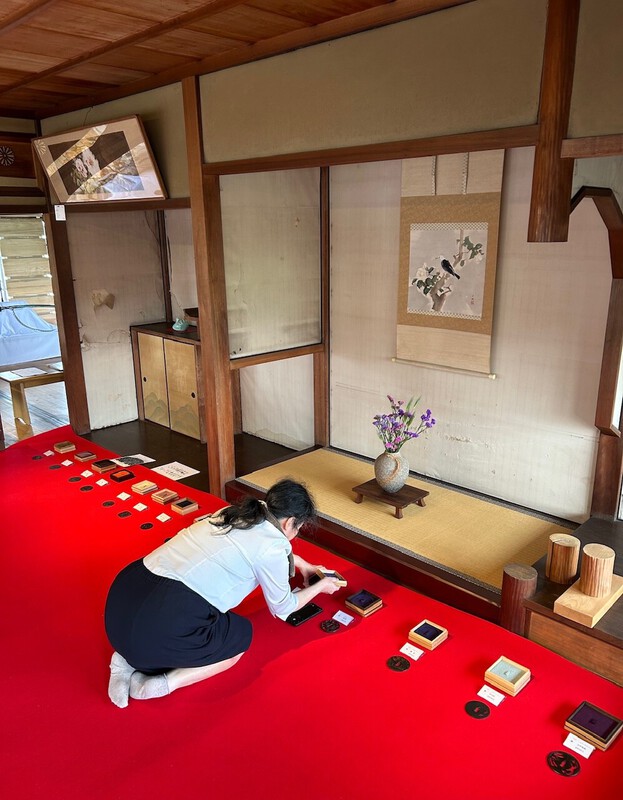
Some general shots of the place. A B C

 1 point
 -
What a shame, hope it shows up. Just another example of the decay our country is experiencing. There is an ongoing case where the USPS has lost a legally registered Uzi submachine gun. It was sent from Ohio to Florida via Registered Mail, supposedly the most secure method the USPS offers, insured for $20,000. Tracking showed it made it to Detroit, where it disappeared. The response and efforts of the USPS and the Bureau Of Alcohol, Tobacco, And Firearms which regulates machine guns, has been almost nonexistent. In fact the USPS denied the insurance claim three times before relenting and paying up. Pathetic. Steve1 point
-
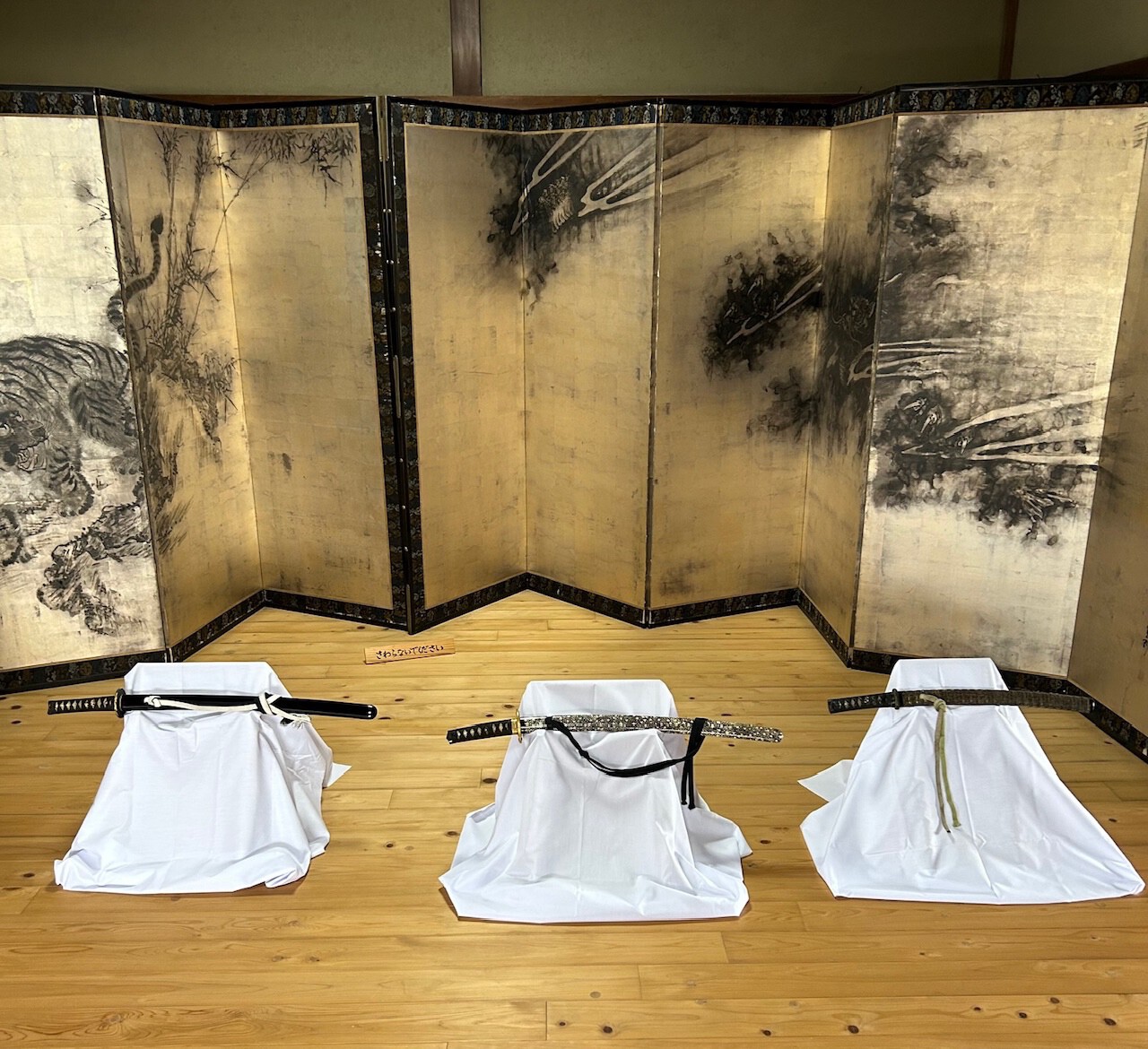
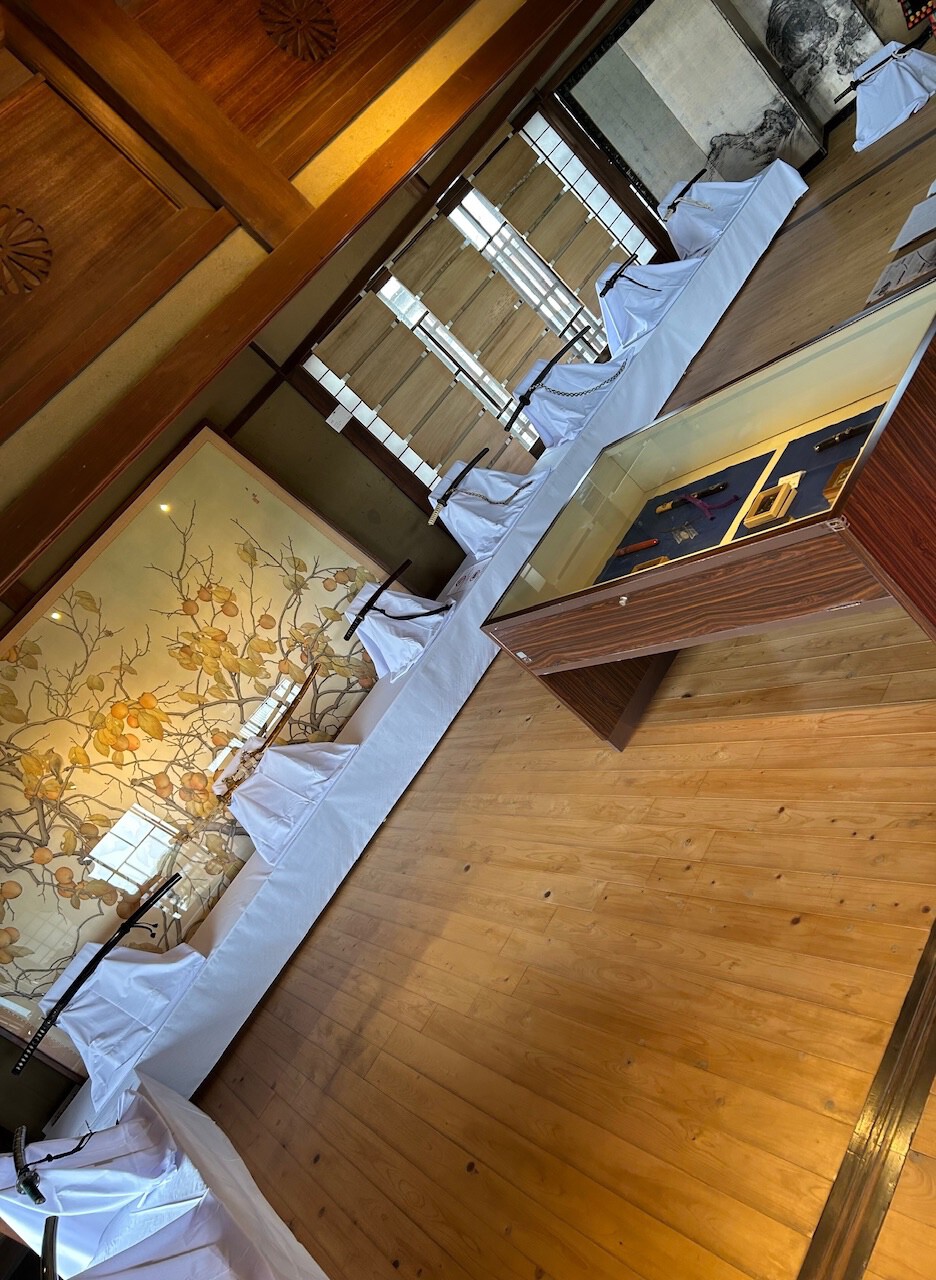
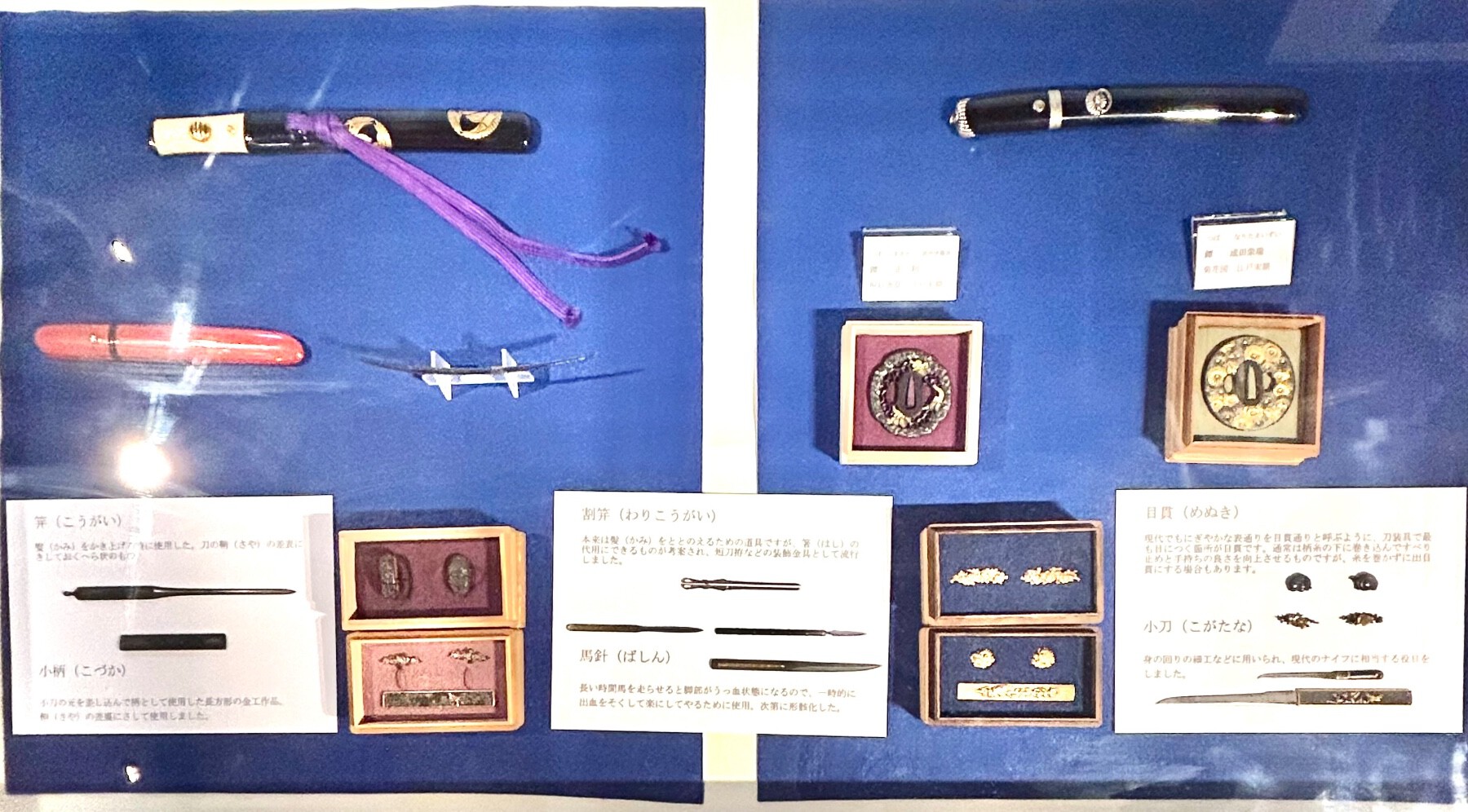
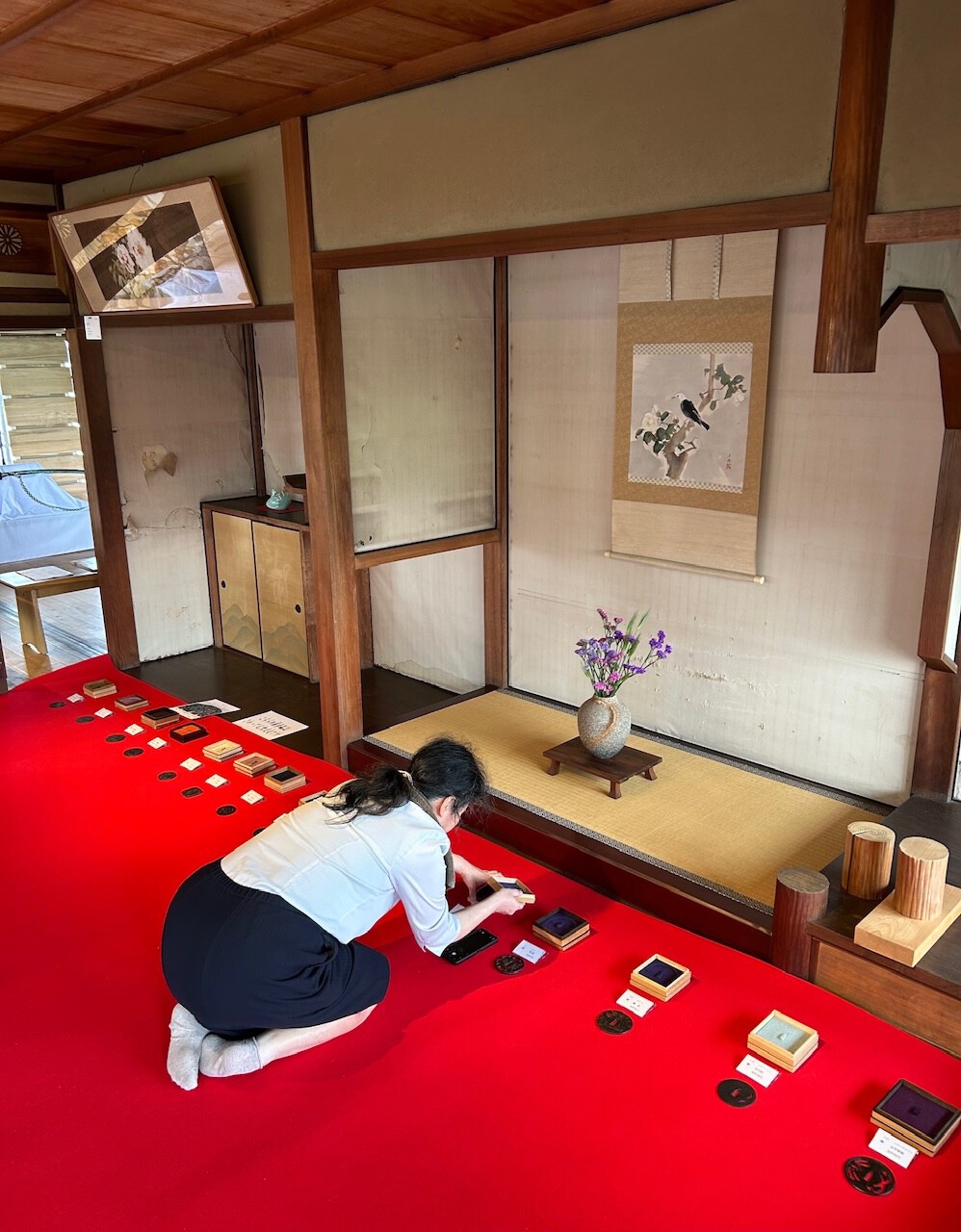
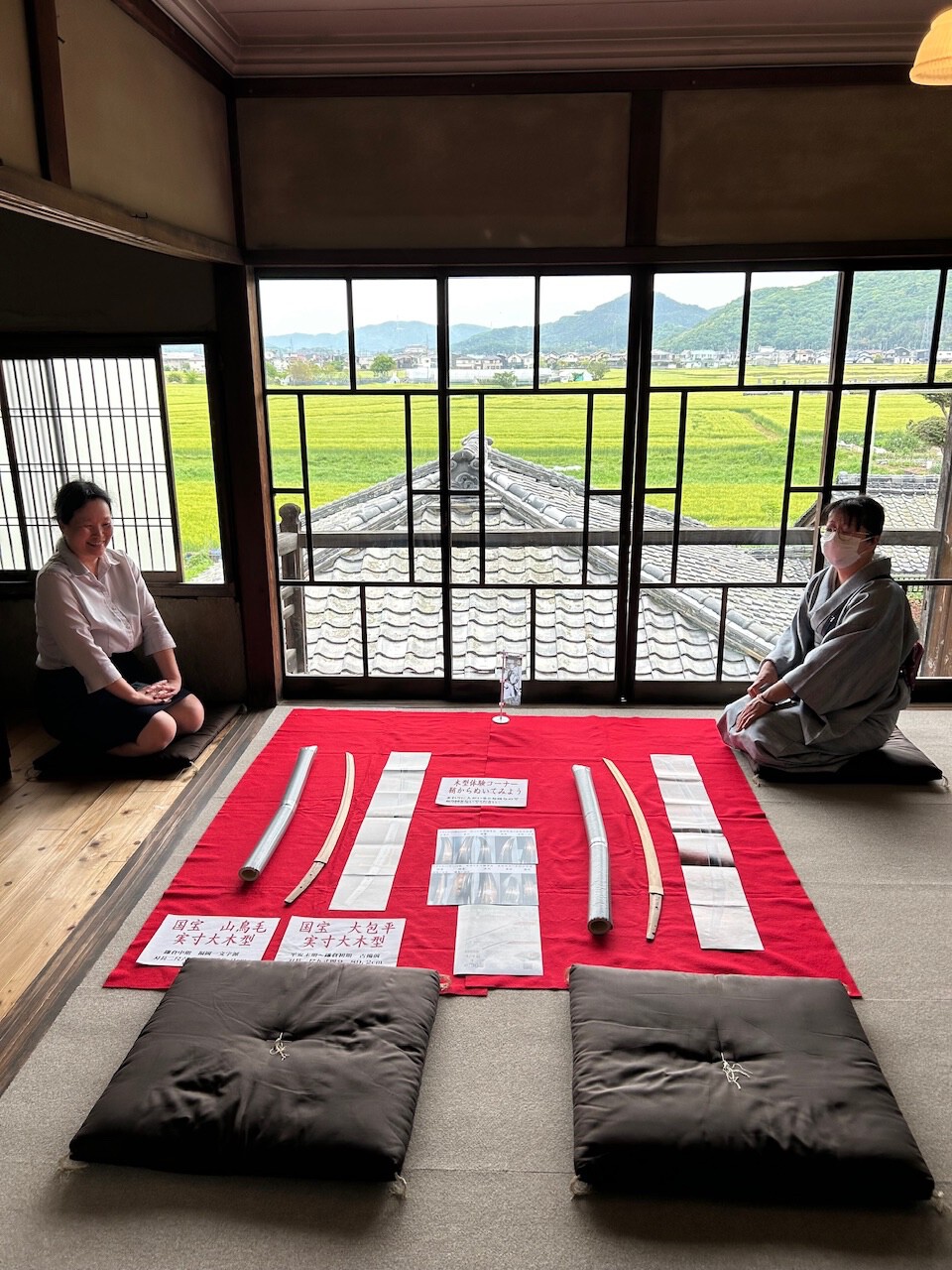
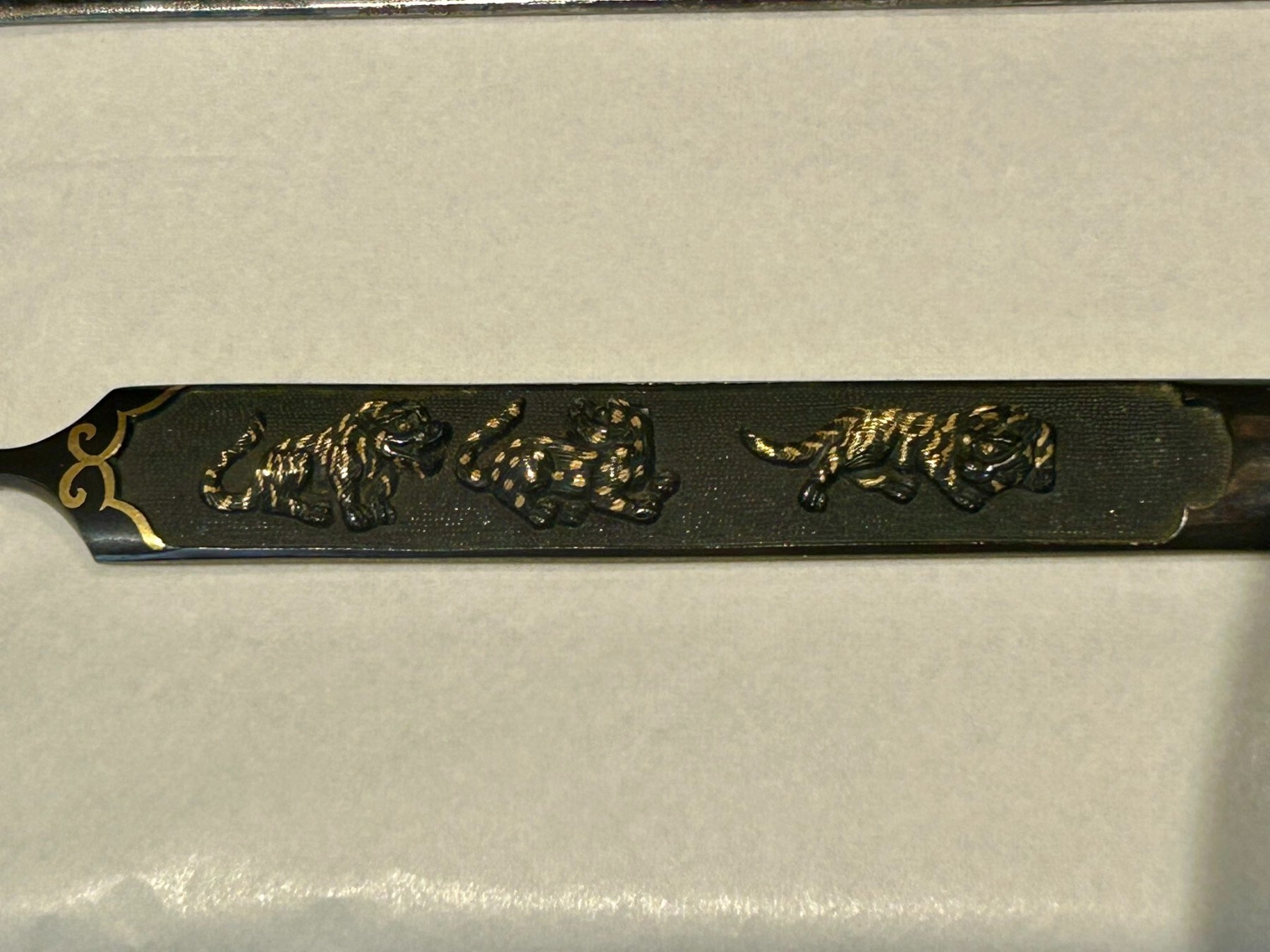
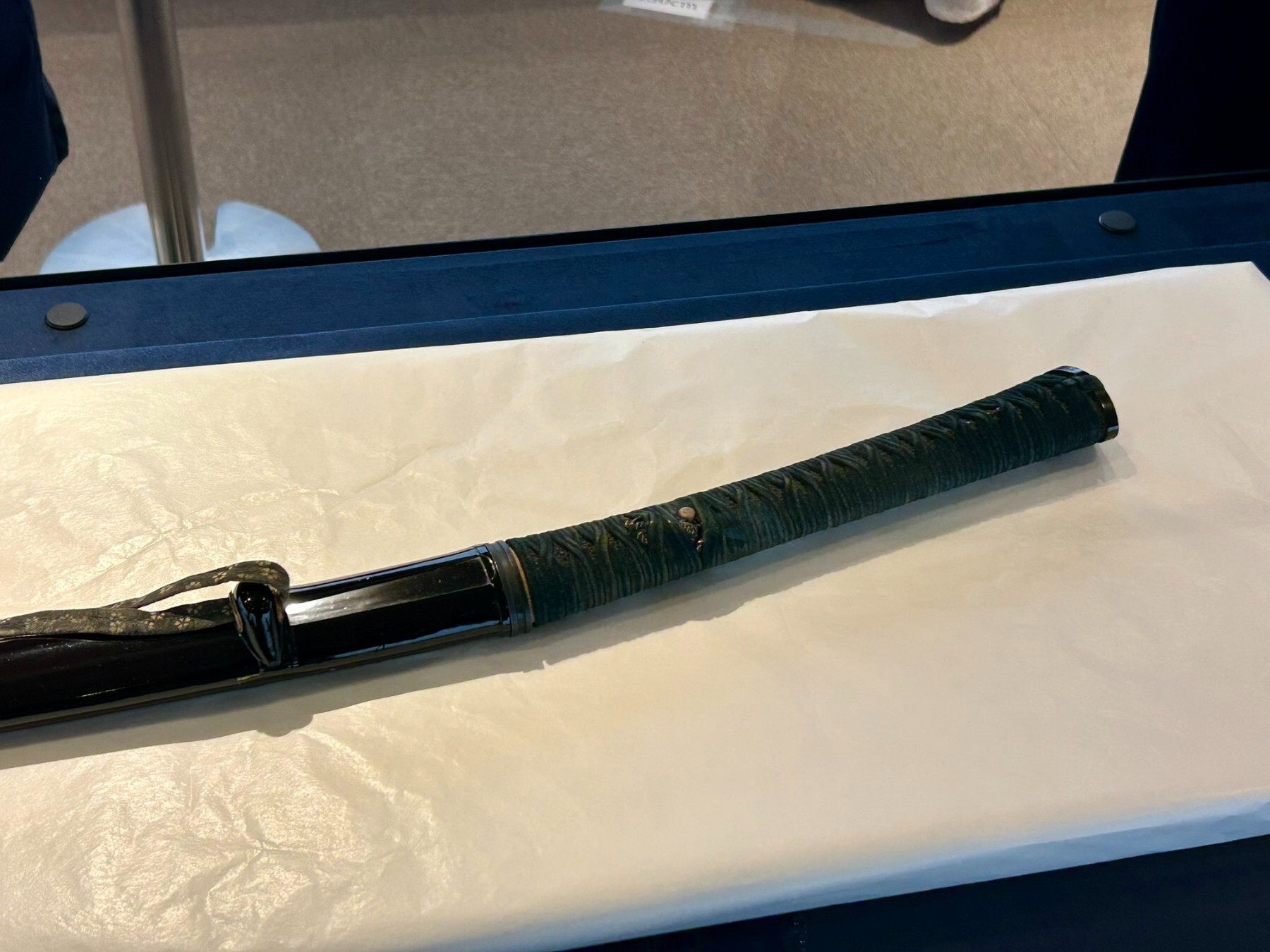
As part of the Golden Week display of Sanchōmō they were running a shuttle bus today to the old Nakazaki-Tei in Fukuoka Village next to Osafuné. Spread over three rooms were a display of Koshiraé (no blades), a display of Tsuba, a case full of Tōsōgu, and a display of Bizen guns and accessories, etc. The latter was my allotted corner. Not expecting anyone to visit our humble exhibition, I was surprised to see more than *a hundred people come through during the day, from all over Japan. *Later confirmed as a daily record for that residence, at 110 guests. What pleased me particularly (apart from the obvious interest shown by the visitors) was that I was asked to provide some Koshiraé, and everything that I had brought with me got added to the display. Seven Koshiraé! This is the very first time that my pieces have been considered worthy of their displays. No negative comments, all silently accepted. Made me all warm and fuzzy inside, it did.1 point
-
There is an English copy of the Mosle catalog in the NMB Downloads > articles area. Brian my need to fix the link. A big pdf, it may take a while to download. https://www.nihontomessageboard.com/articles/Mosle.pdf1 point
-
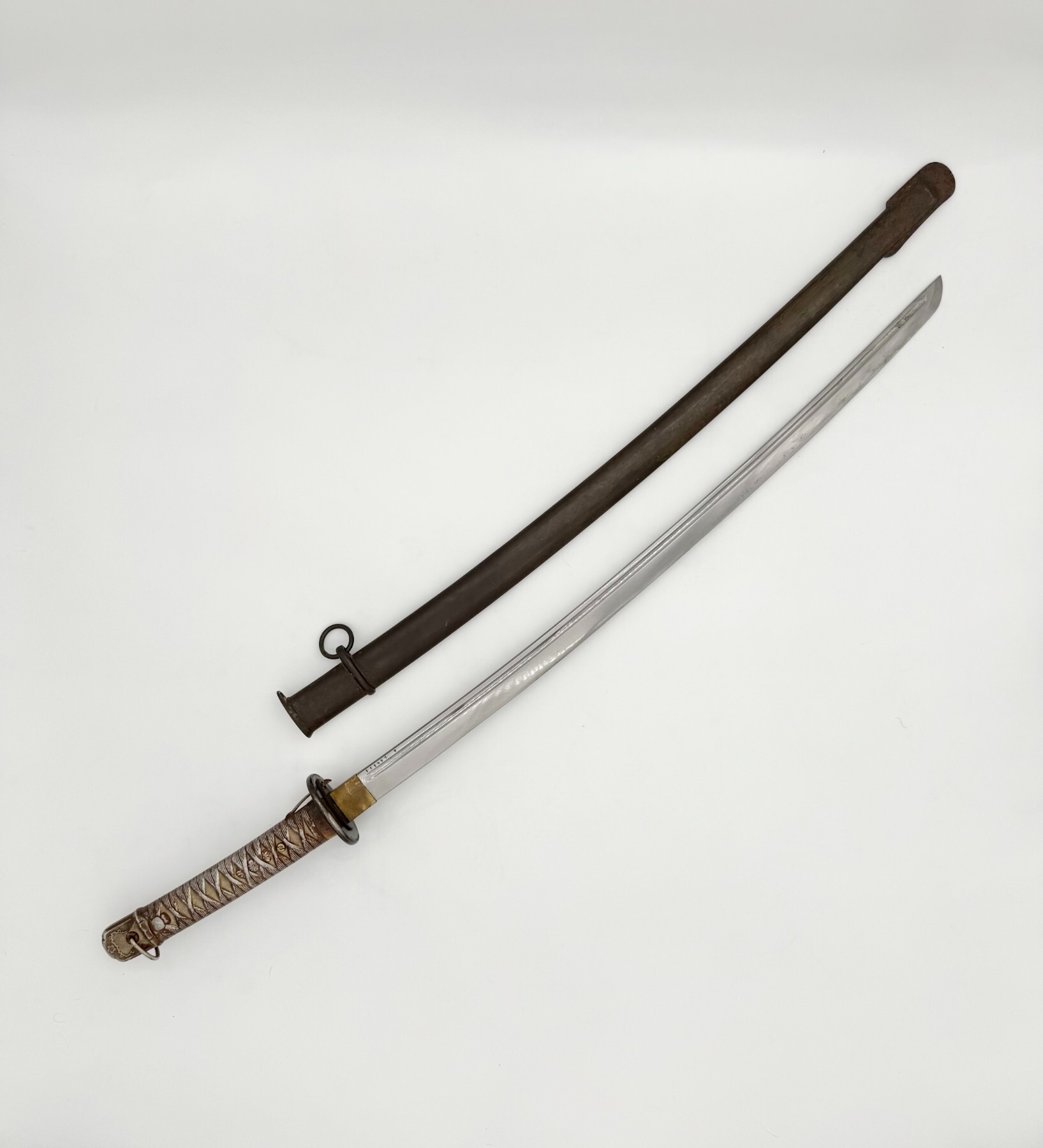
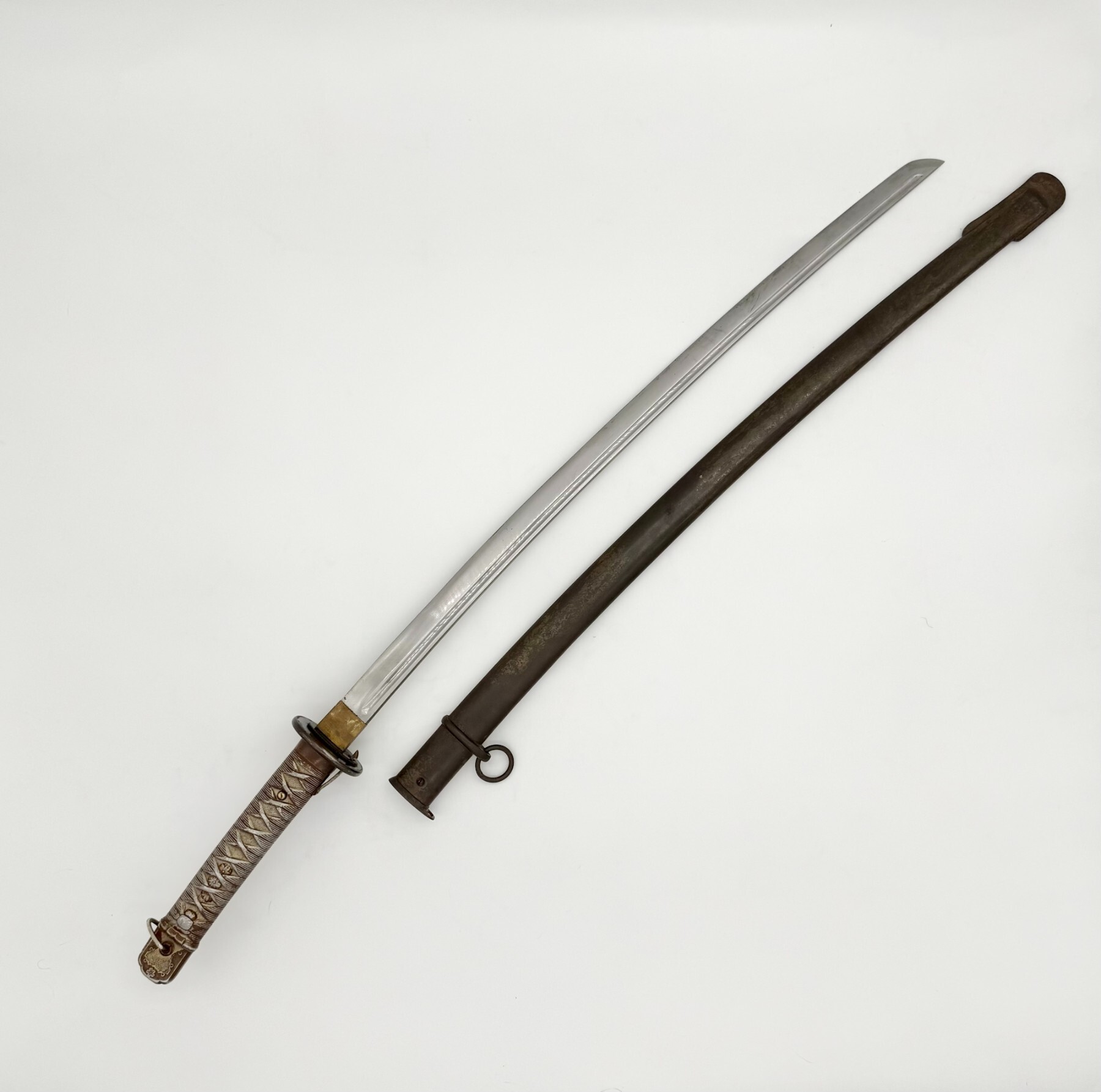
Jonathan, a BOSHI is never burnished, and yours looks o.k. The blade is generally in fine condition. The HAMON looks like an oil quenched one, so if I am correct, it is a machine-made WW II military blade.1 point
-
Really appreciate your help on the forum Hiro. With help from guys like you, Moriyama san, Morita san, Steve M, Ray Singer, Trystan and others that are too many to remember right now, we really do have a very solid "team" that is able to assist where few other places are able. On behalf of all of us, thanks to you guys who take time out to help so freely.1 point
-
Wow, Hiro. Showing the hiragana and kanji next to their script form is really helpful. Thank you! John C.1 point
-
Thank You Hiro, wife will be so happy to learn what she inherited. Appreciate your extra effort in helping us. Howard & Debbie Dennis1 point
-
Hello, It contains a poem by Ono-no-Komachi, a 9th-century poet. It starts in the center, then moves to the left, and continues to the right. 心から うきたる舟に 乗りそめて ひと日も波に 濡ぬ日ぞなき kokorokara ukitarufuneni norisomete hitohimonamini nurenuhizonaki meaning 「I willingly chose to board this painful boat, and not a single day passes without being drenched in tears (waves).」 (It expresses her lament over the suffering caused by a love she herself began.) Hiro
 1 point
 -
PNW Token Kai, for the pacific northwest USA states of Oregon, Washington, and Idaho. Although our club is in our infancy, and I am still figuring stuff out https://www.pnwtokenkai.com/ Including it might get me some more traction and members, but also no biggie if it's included or not. -Sam1 point
-
Hello, After discussing with experienced friends in the business, generating credible and professional .pdf brochure is basically equipping scam sellers with nuclear-grade fraud material. My north star is to create a more trustworthy and reliable market for the field. So, can't have that, at least not in its current form. Shortest lived feature on NW, it will be accessible in a gated form at some point in the future. Cheers, Hoshi1 point
-
Hello, @Rawa, you can now download a structured PDF of the item from the listing page. It takes about 10-15 seconds to generate a .pdf, which you can save on your computer. Press the "download document" button to begin the generation process. It will show you, in order: item, item photo, artist overview, and market comparables. Few observations: 1) On-demand PDF gen really hammers the server hard. I will be gating this behind login and possibly adding a per-user cap. 2) It will take time to polish in order handle complex edge-cases such as long dealer photos that need computer vision for page-size segmentation before vectorizing. Before I invest more time into this, I would love to hear from other users of the platform if they value this feature, so - let me know. Best, Hoshi

 1 point
 -
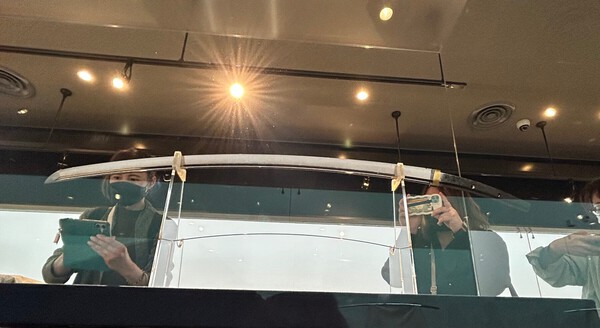
The dark side of the moon.
 1 point
 -
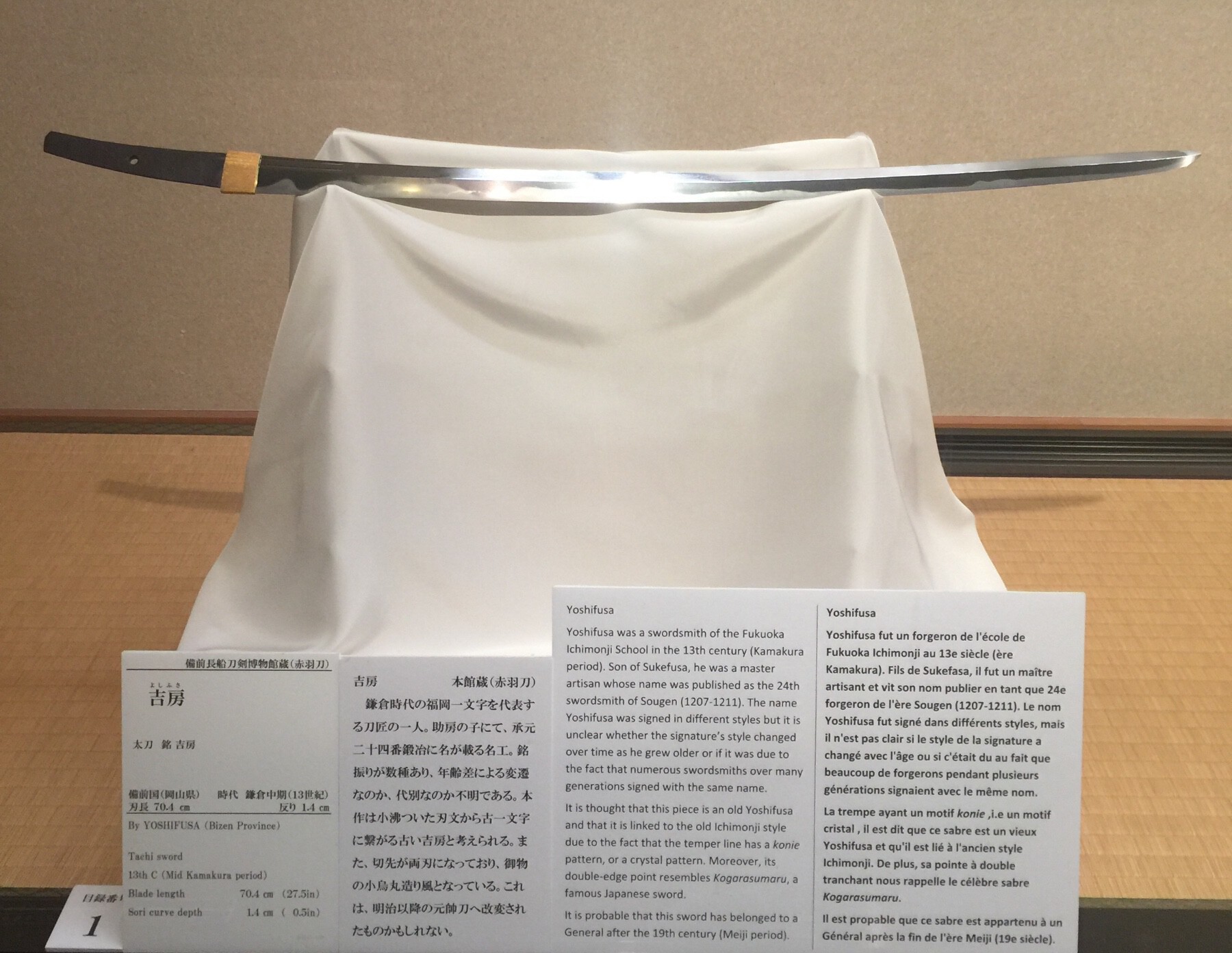
Actually I particularly like Yoshifusa too. Today sadly I was with people and did not take many photos, *although I do have some Yoshifusa pics somewhere from earlier exhibitions there.
 1 point
 -
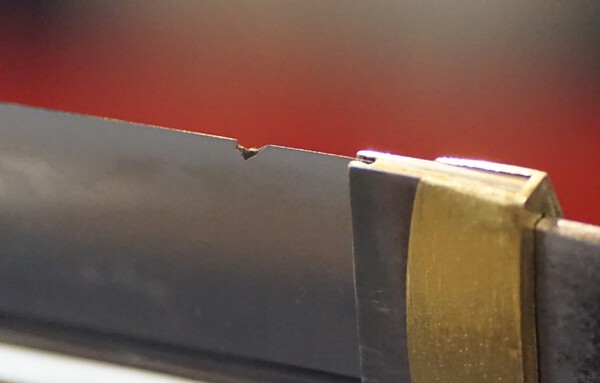
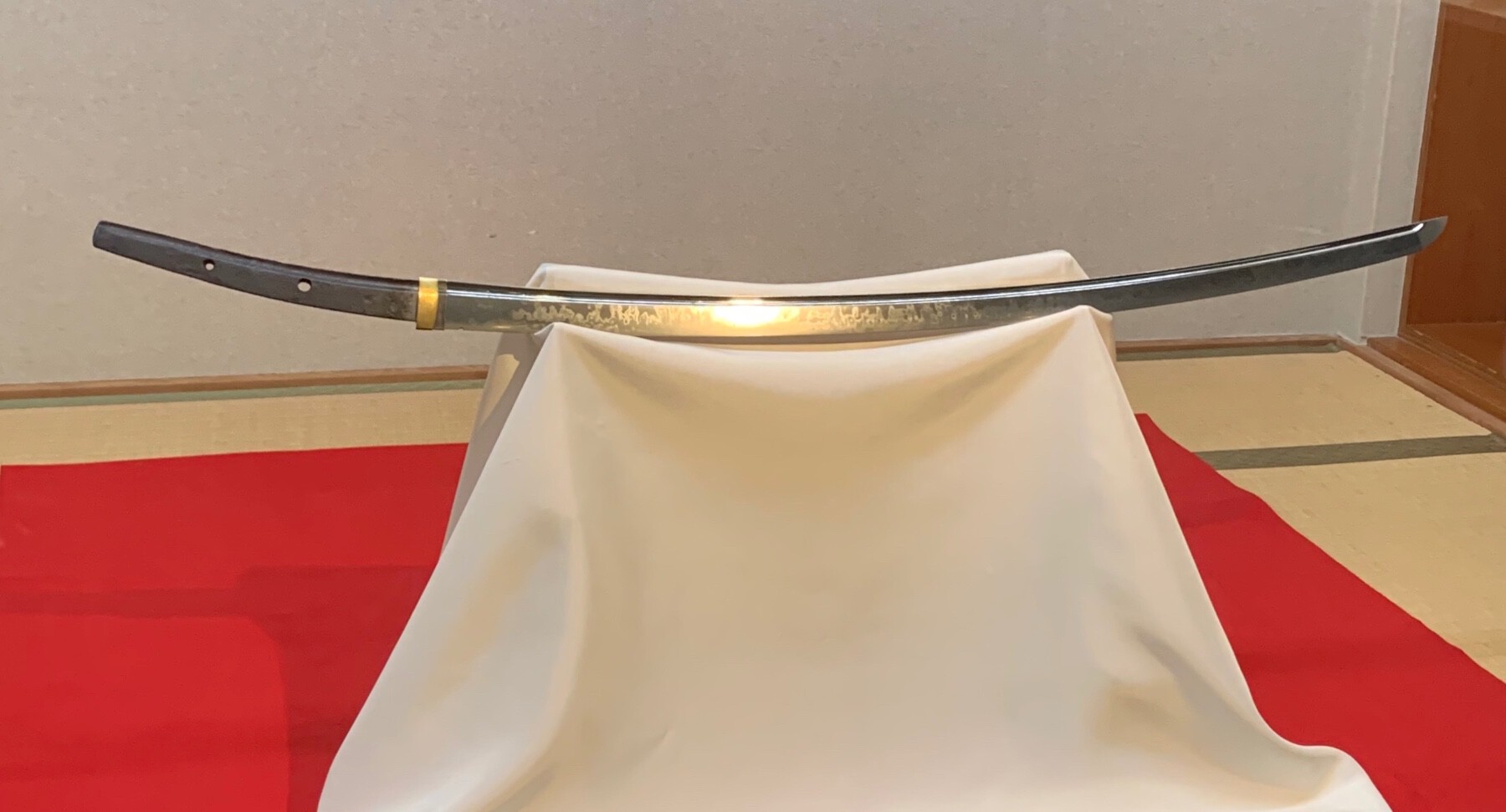
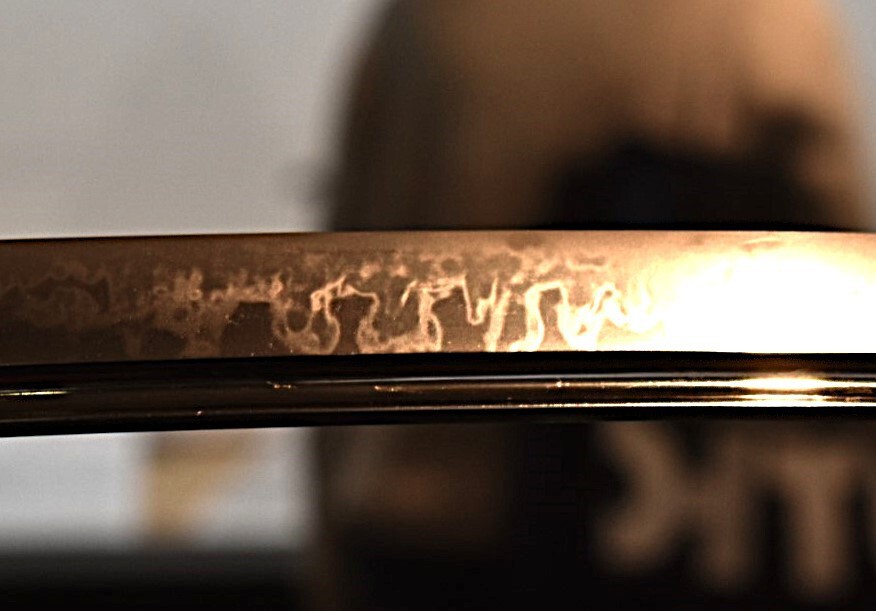
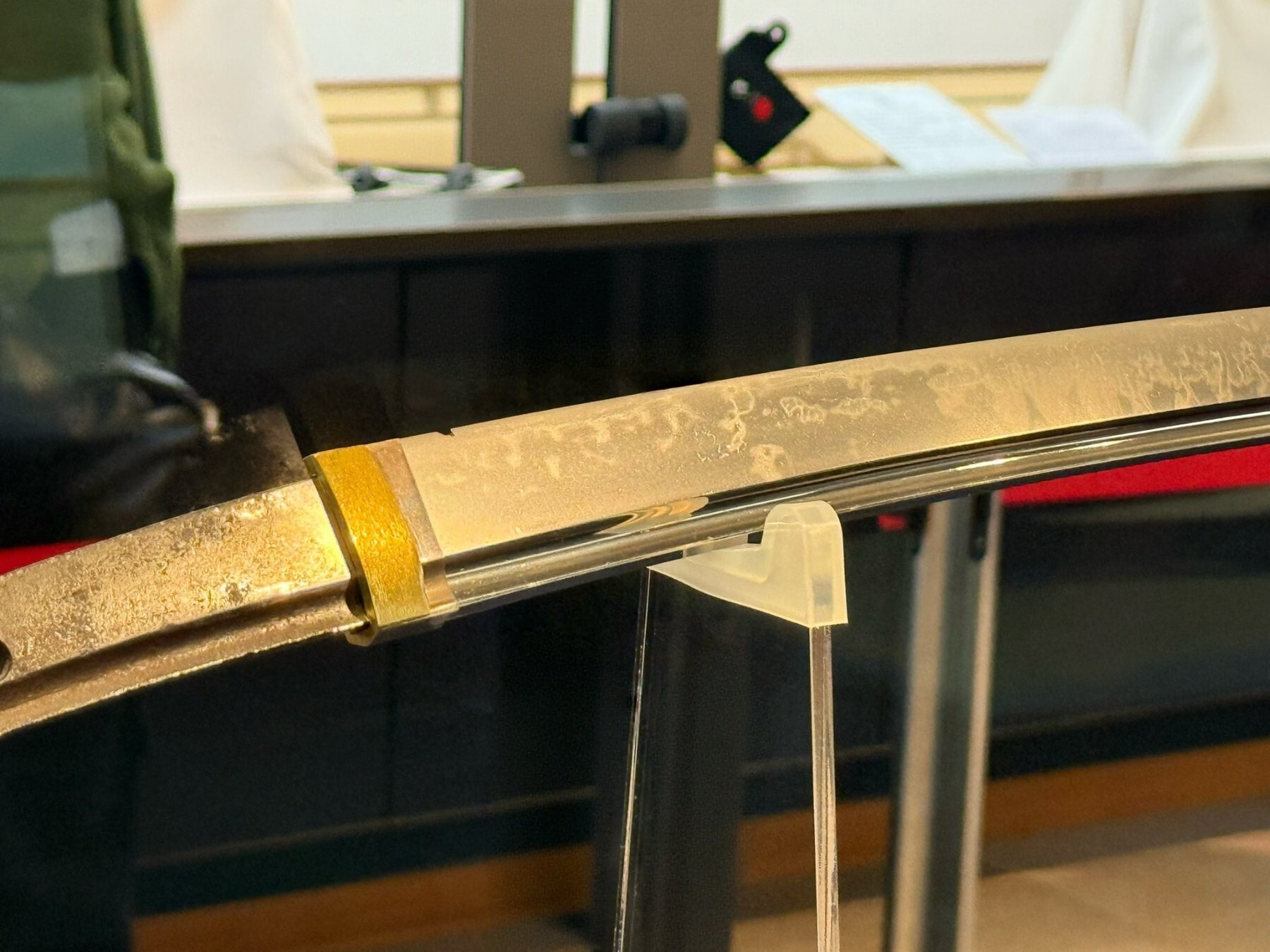
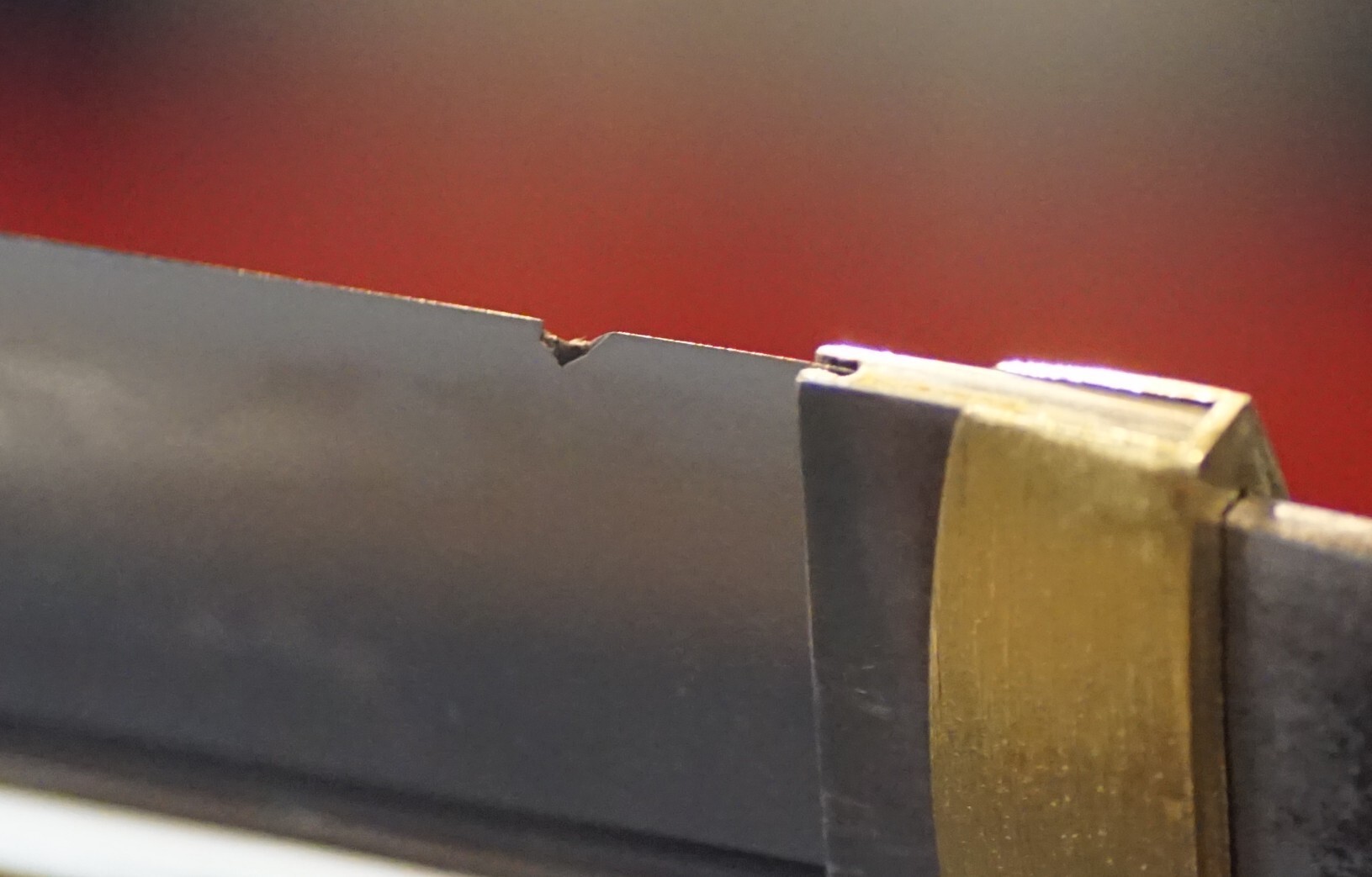
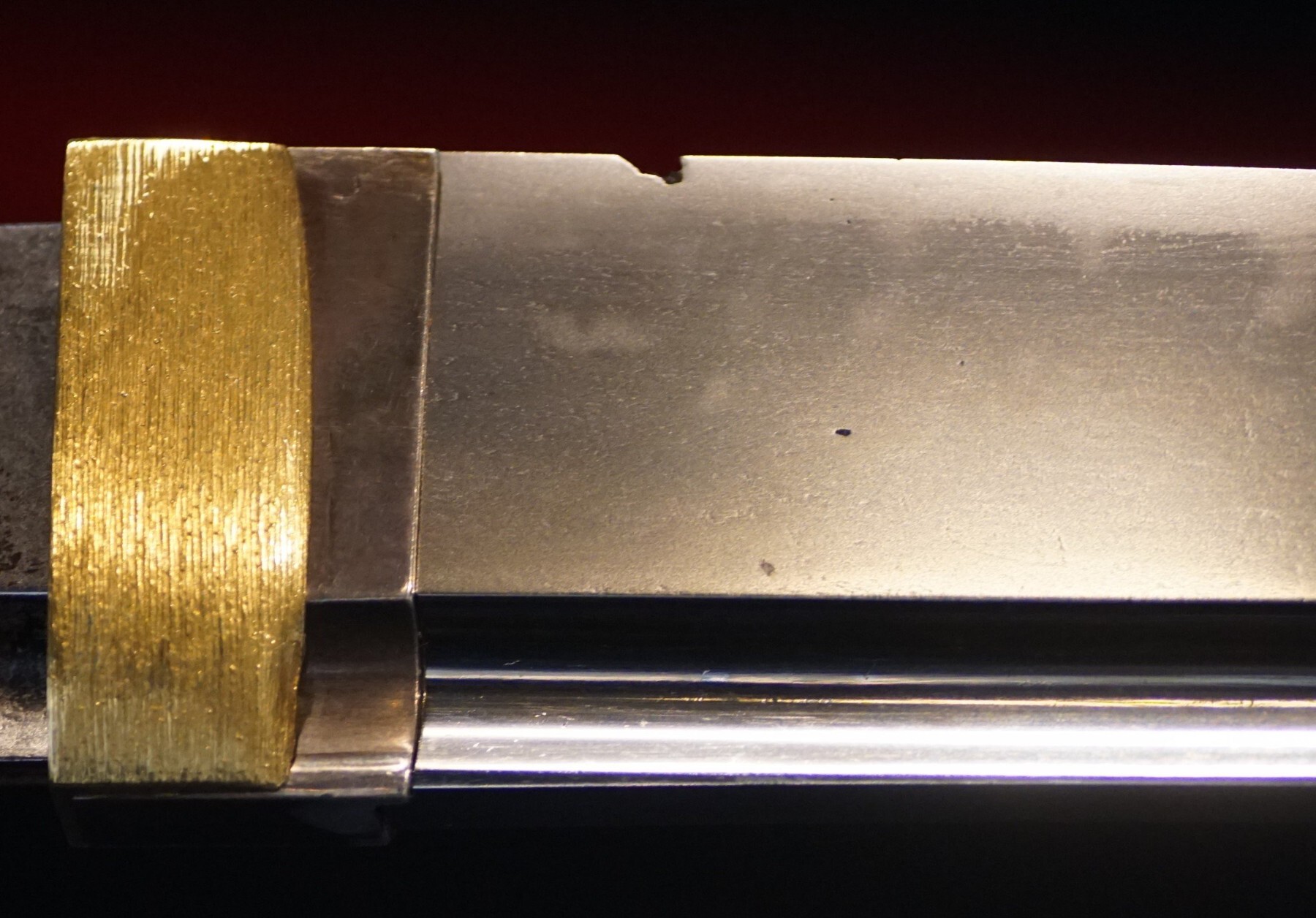
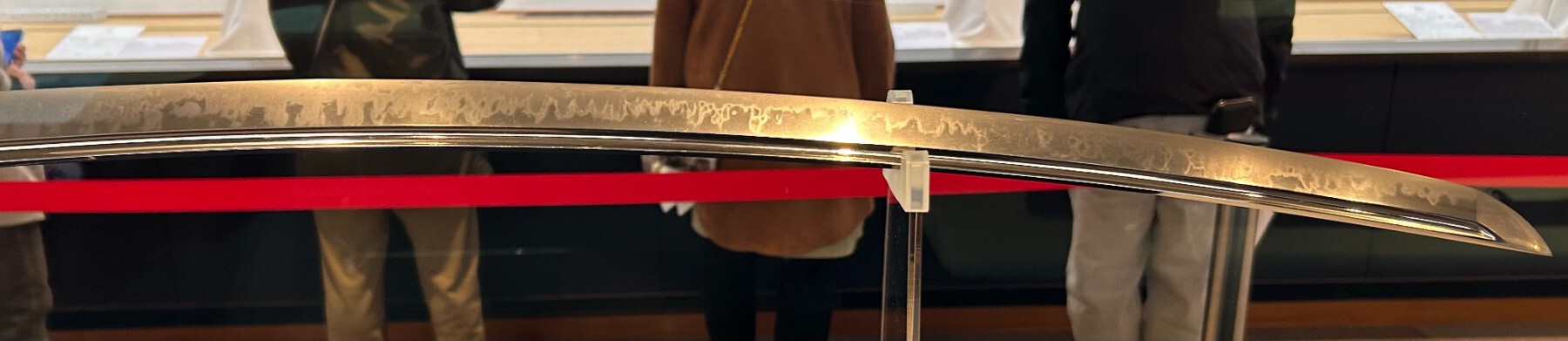
Here’s a pic or two I took about 7 years ago, before the owner sold it. The nick


 1 point
 -
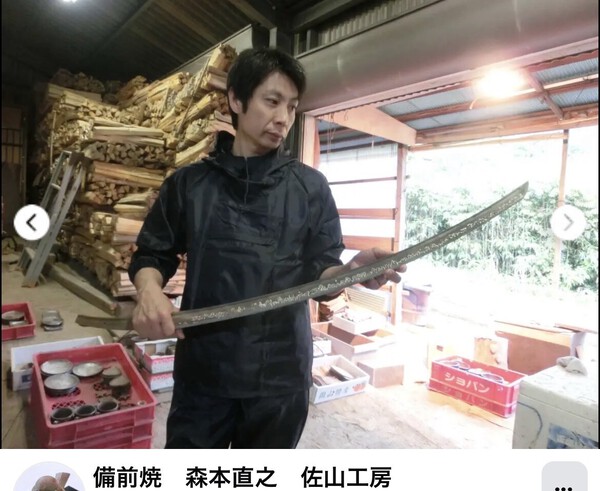
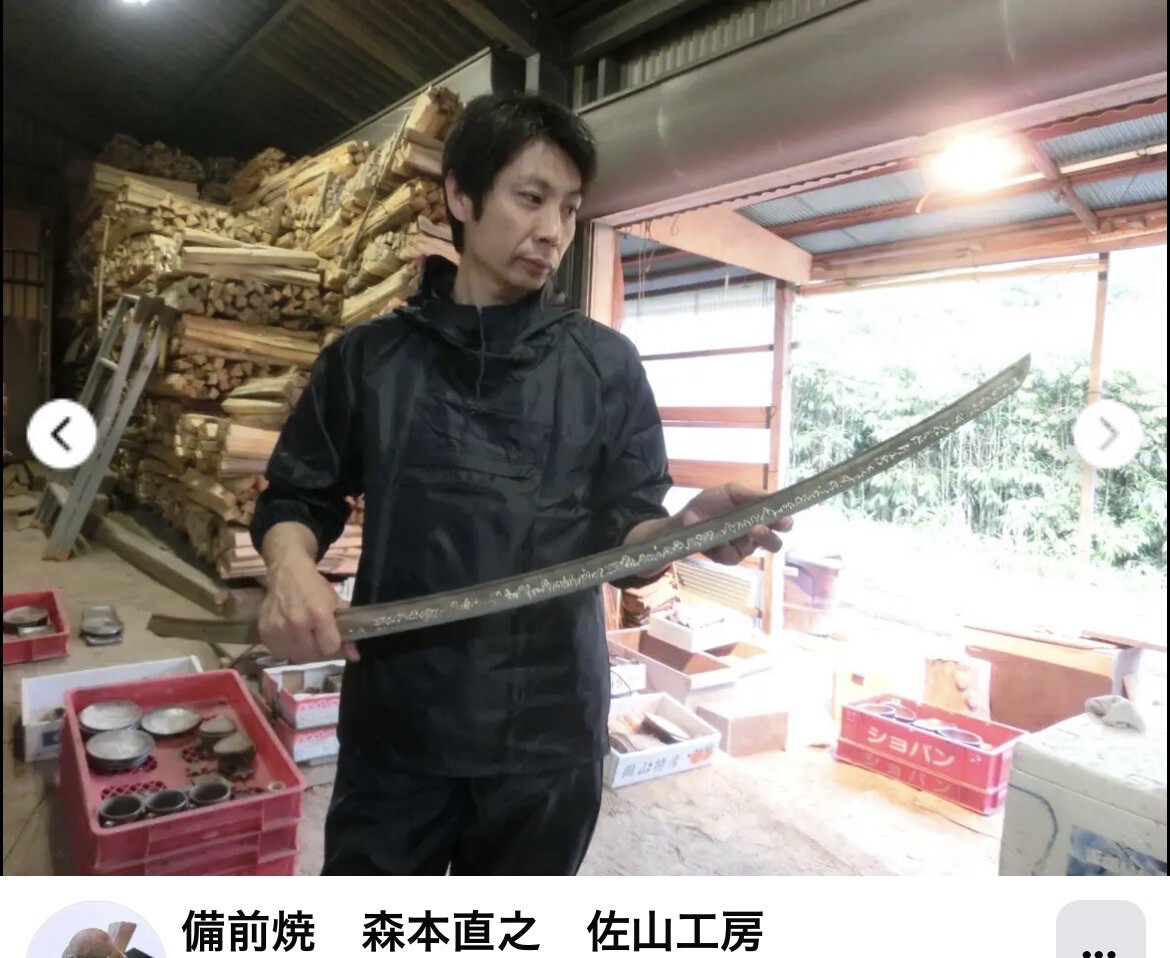
One of our NBTHK members is a Bizen potter and after much effort he eventually succeeded in making a full-sized version in fired clay. Another member creates detailed exact-scale copies in wood, down to the nick in the blade edge. These are not cheap but there is a waiting list for his work, the Sanchōmō and other famous blades. Even the Mei are faithfully chiselled in.
 1 point
 -
Well… Mona Lisa has a kind of …. Shall we say… interesting smile. And the colours are a bit faded. Ah, also there are a few other images underneath the top layer. But… It is Mona Lisa.1 point
-
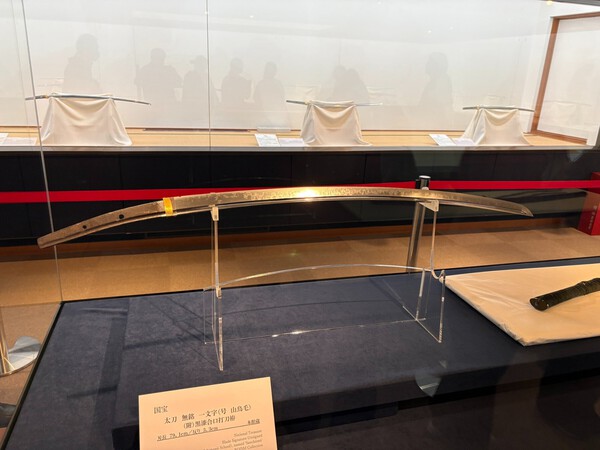
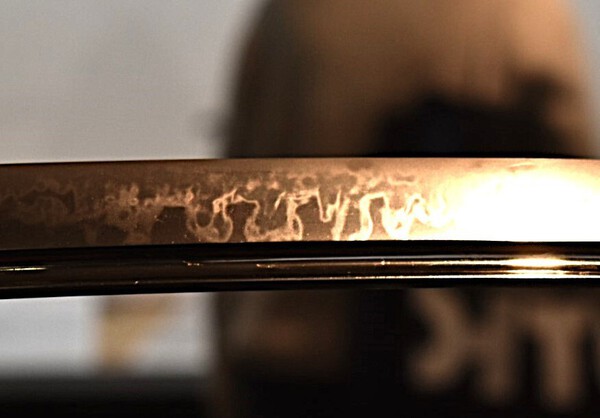
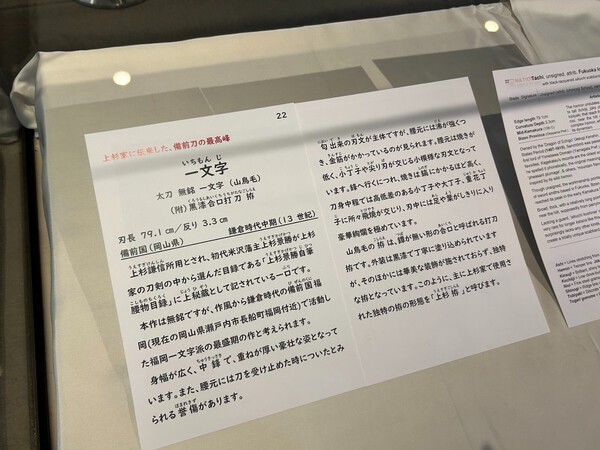
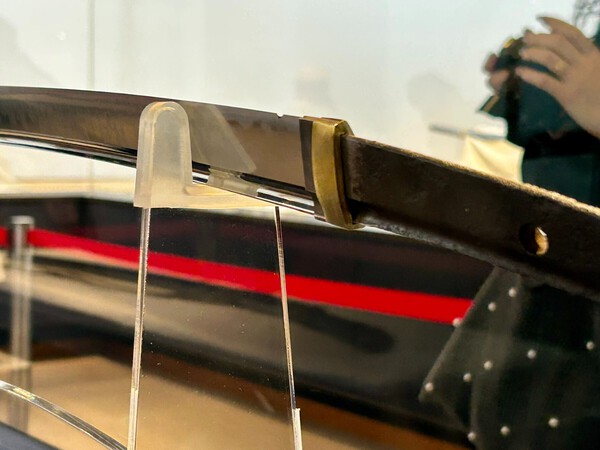
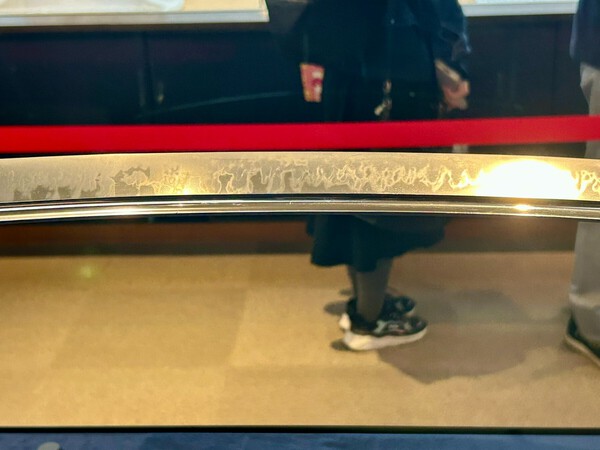
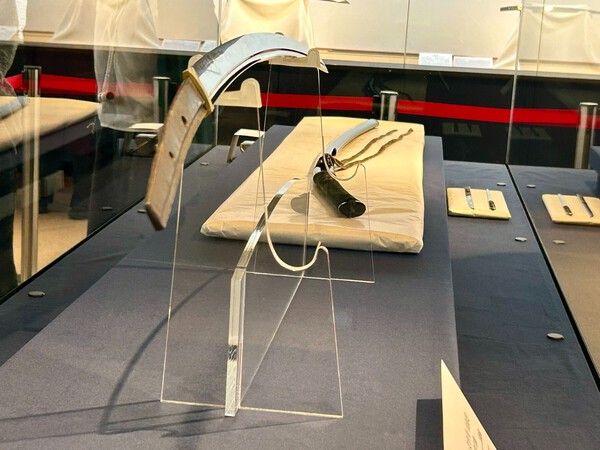
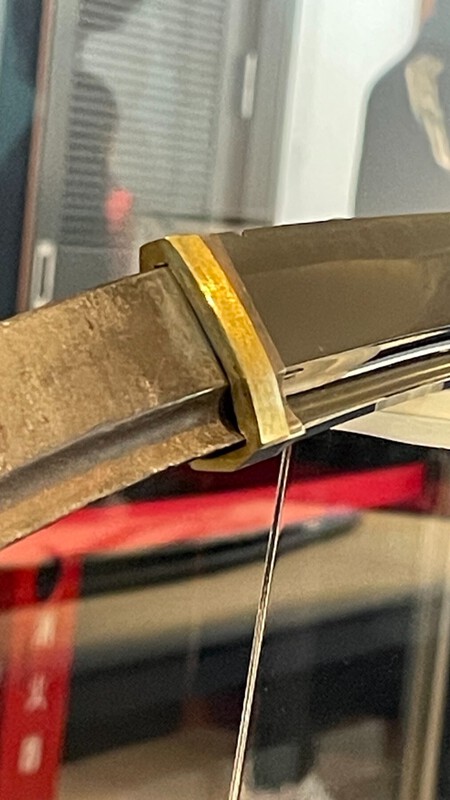
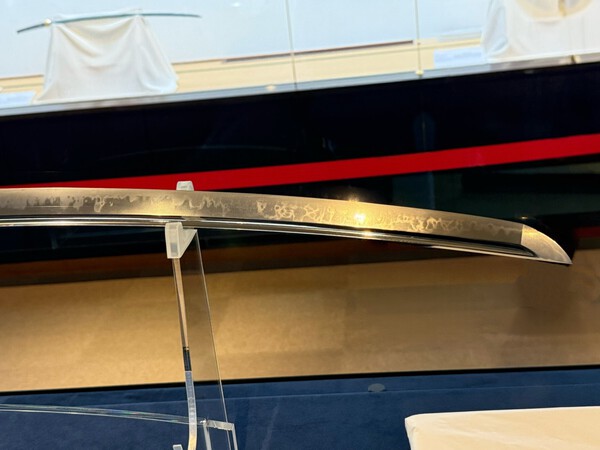
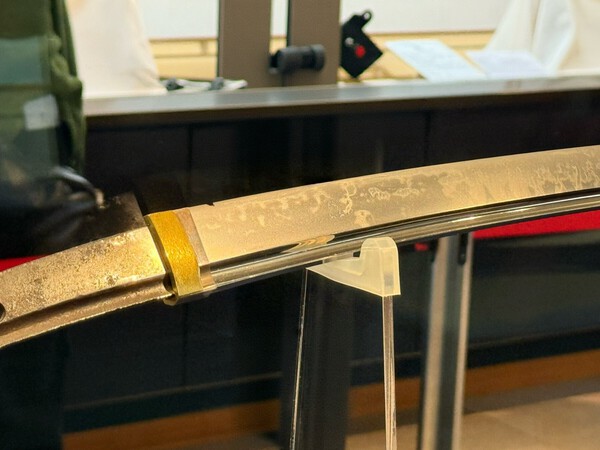
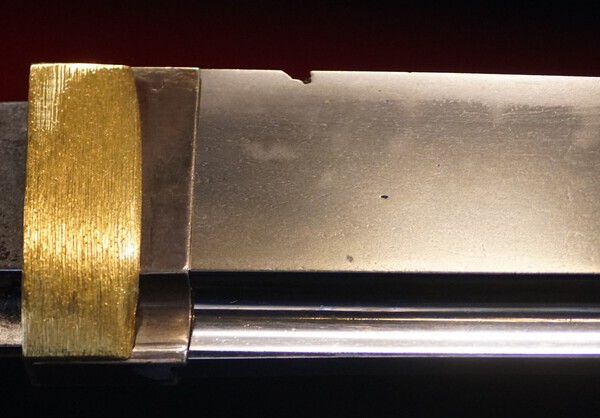
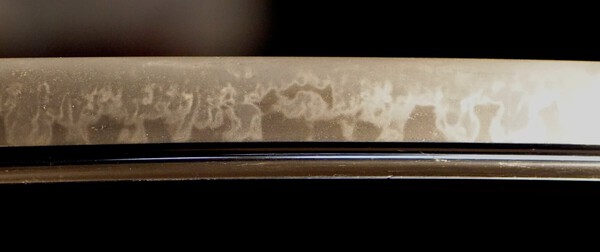
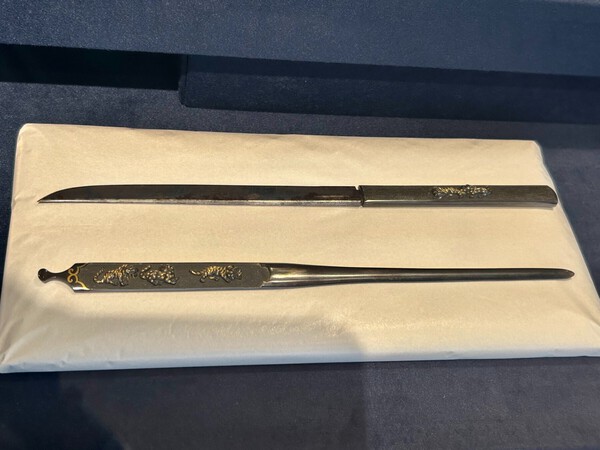
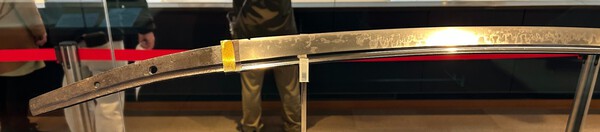
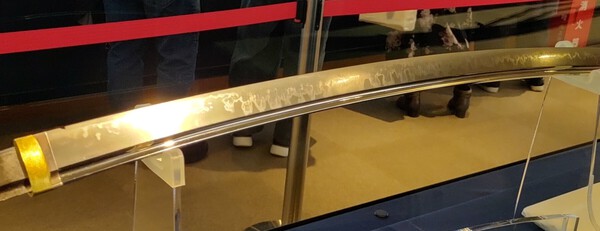
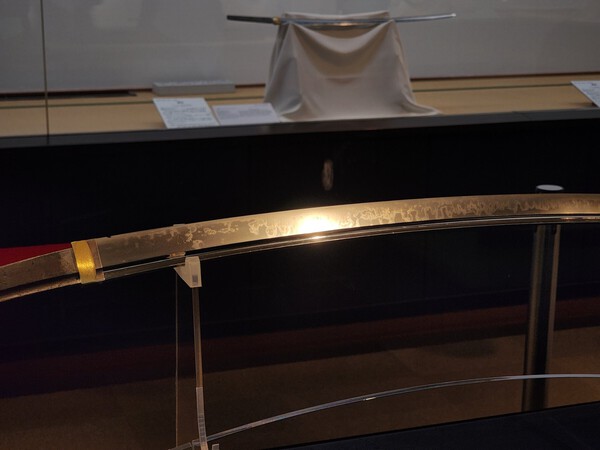
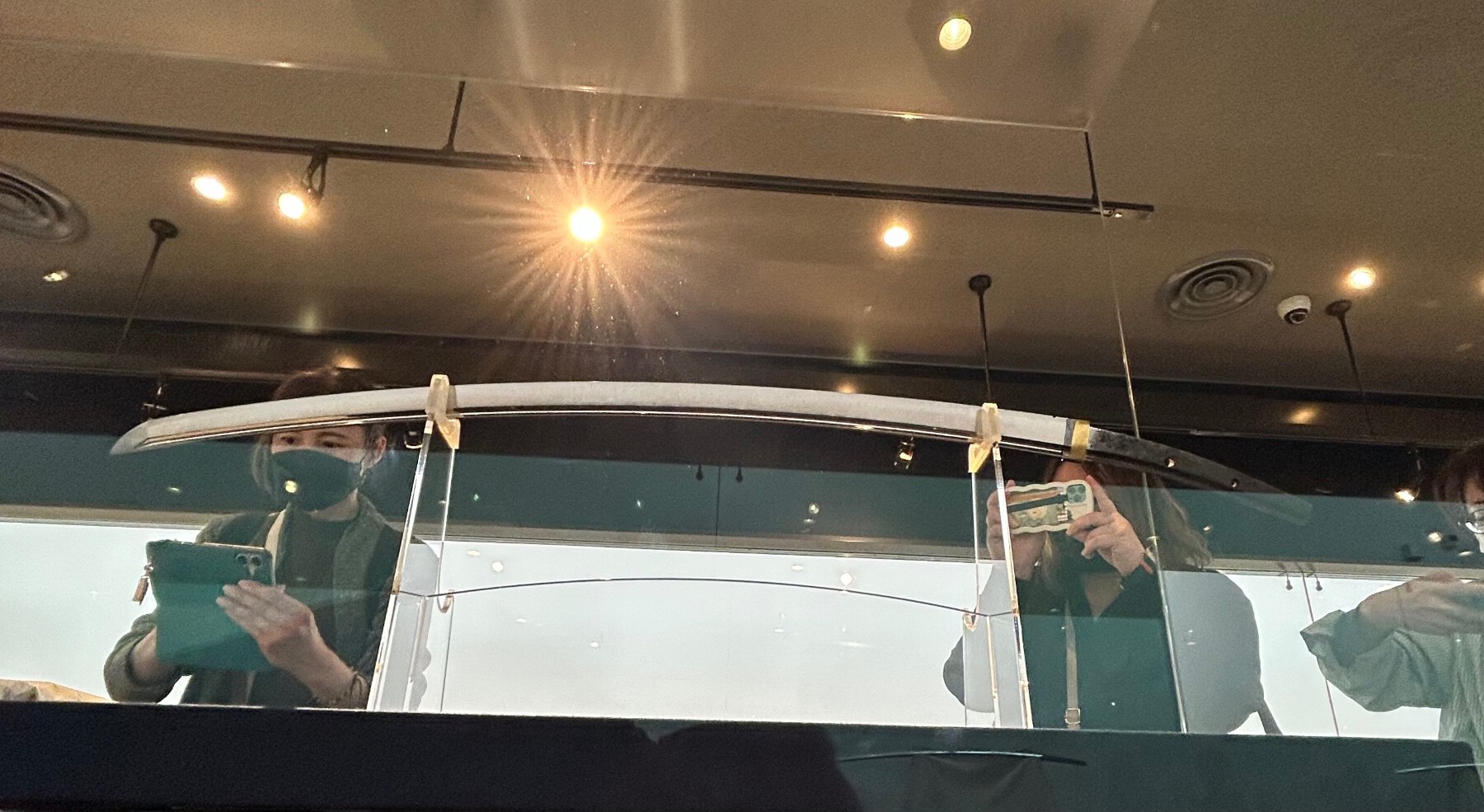
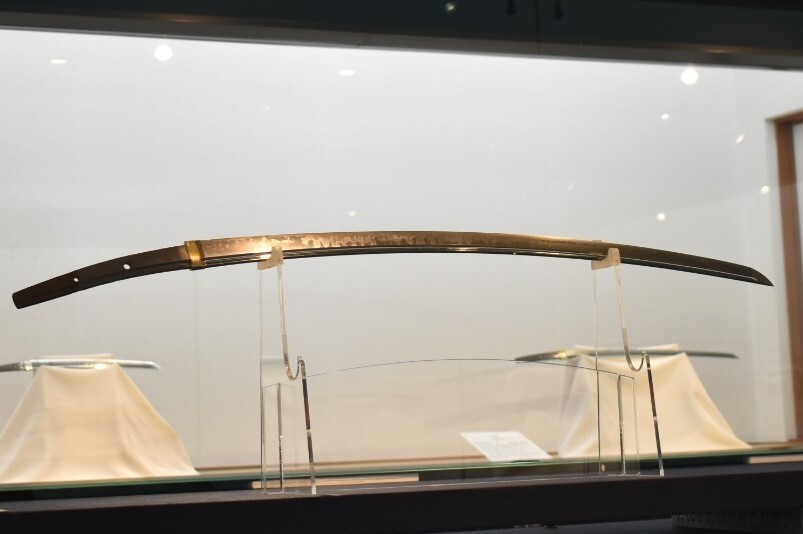
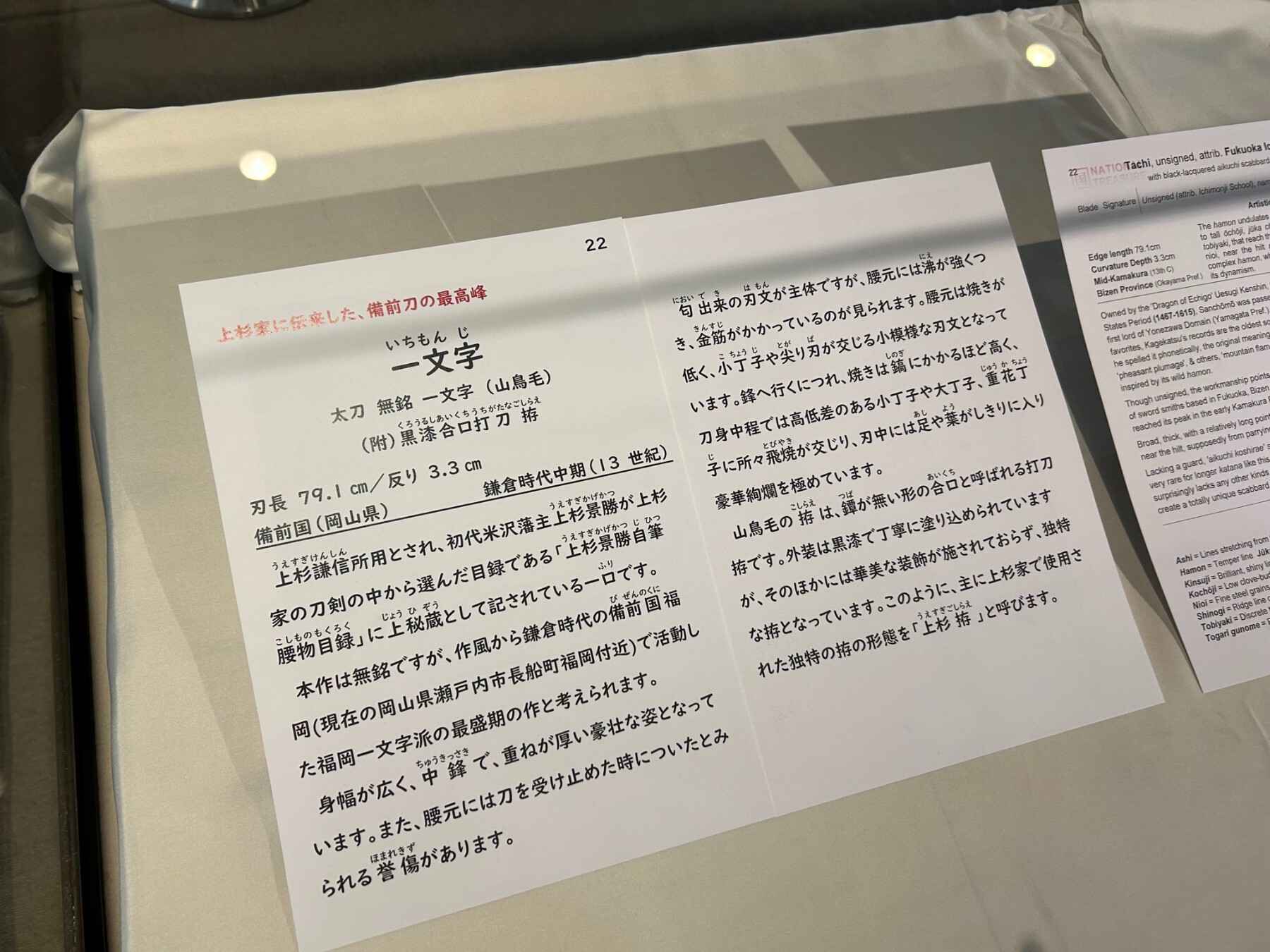
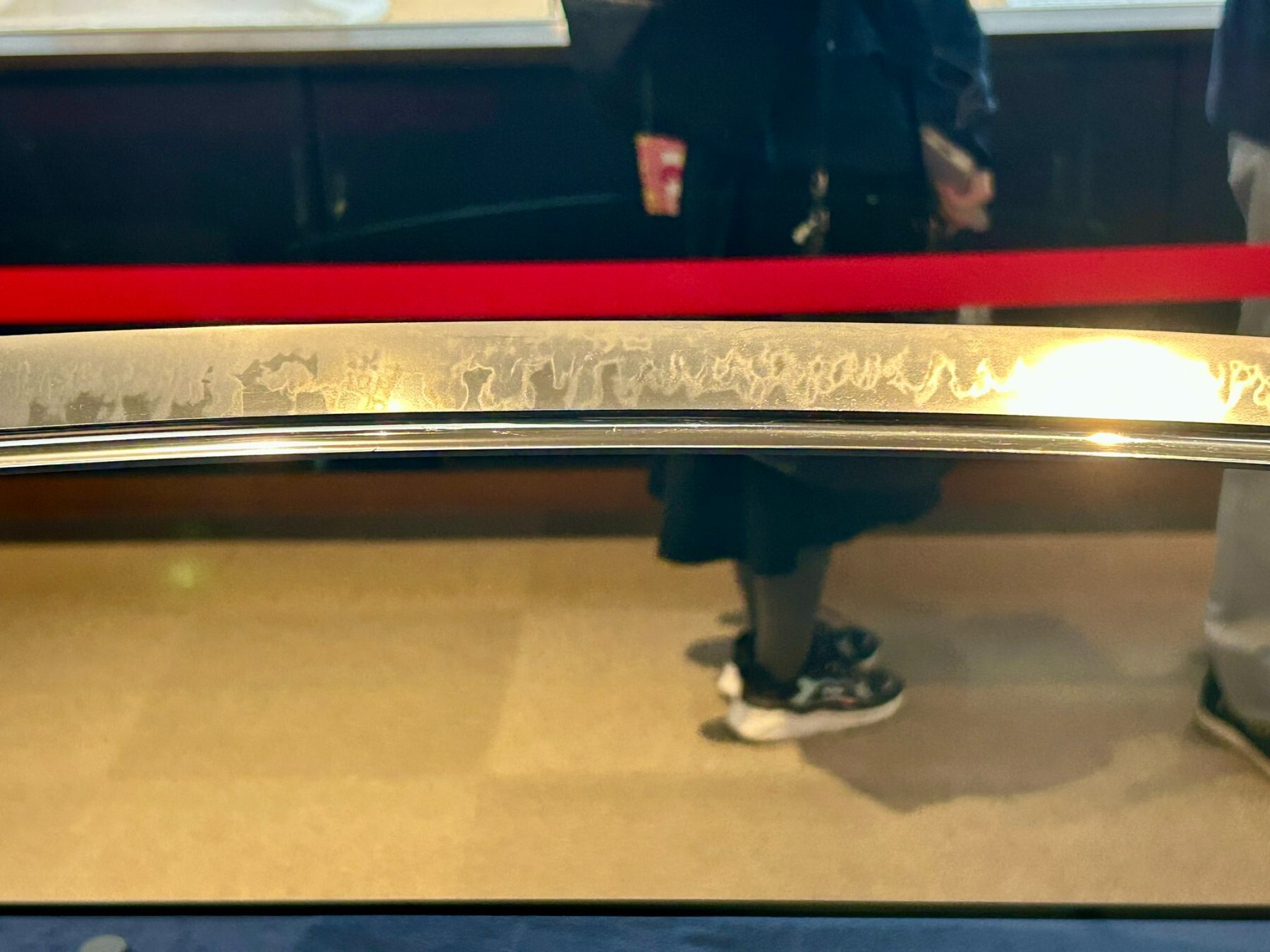
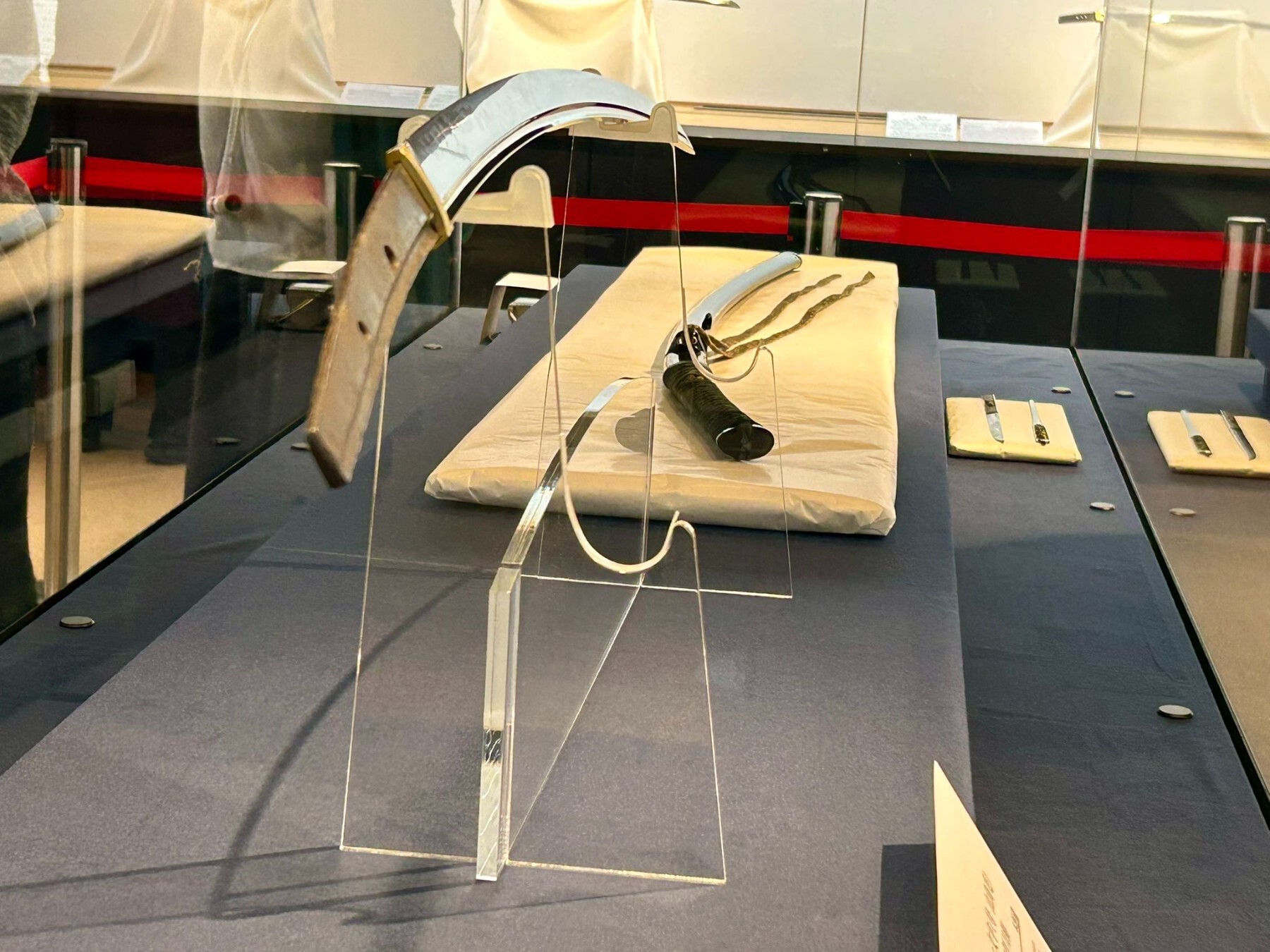
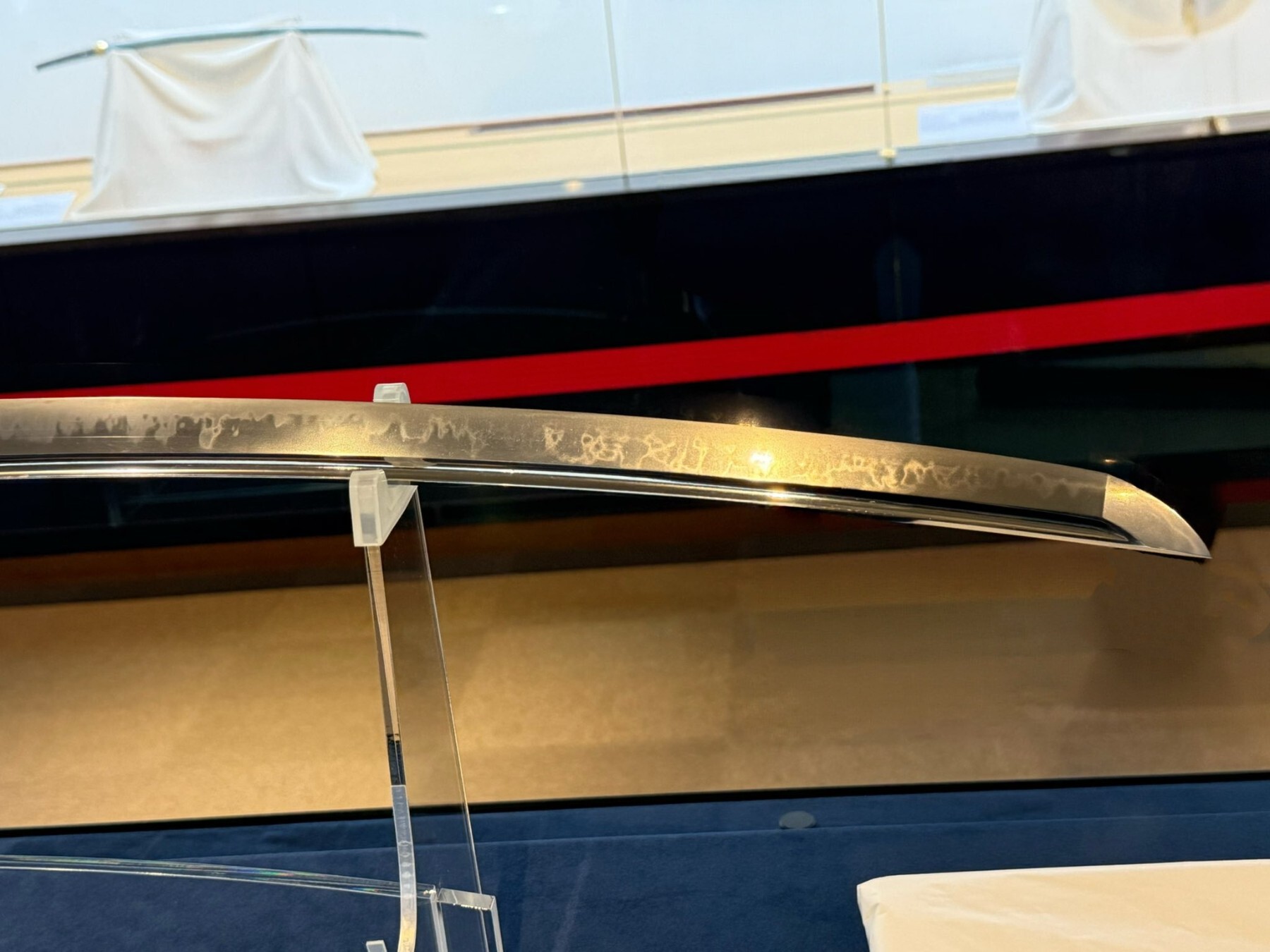
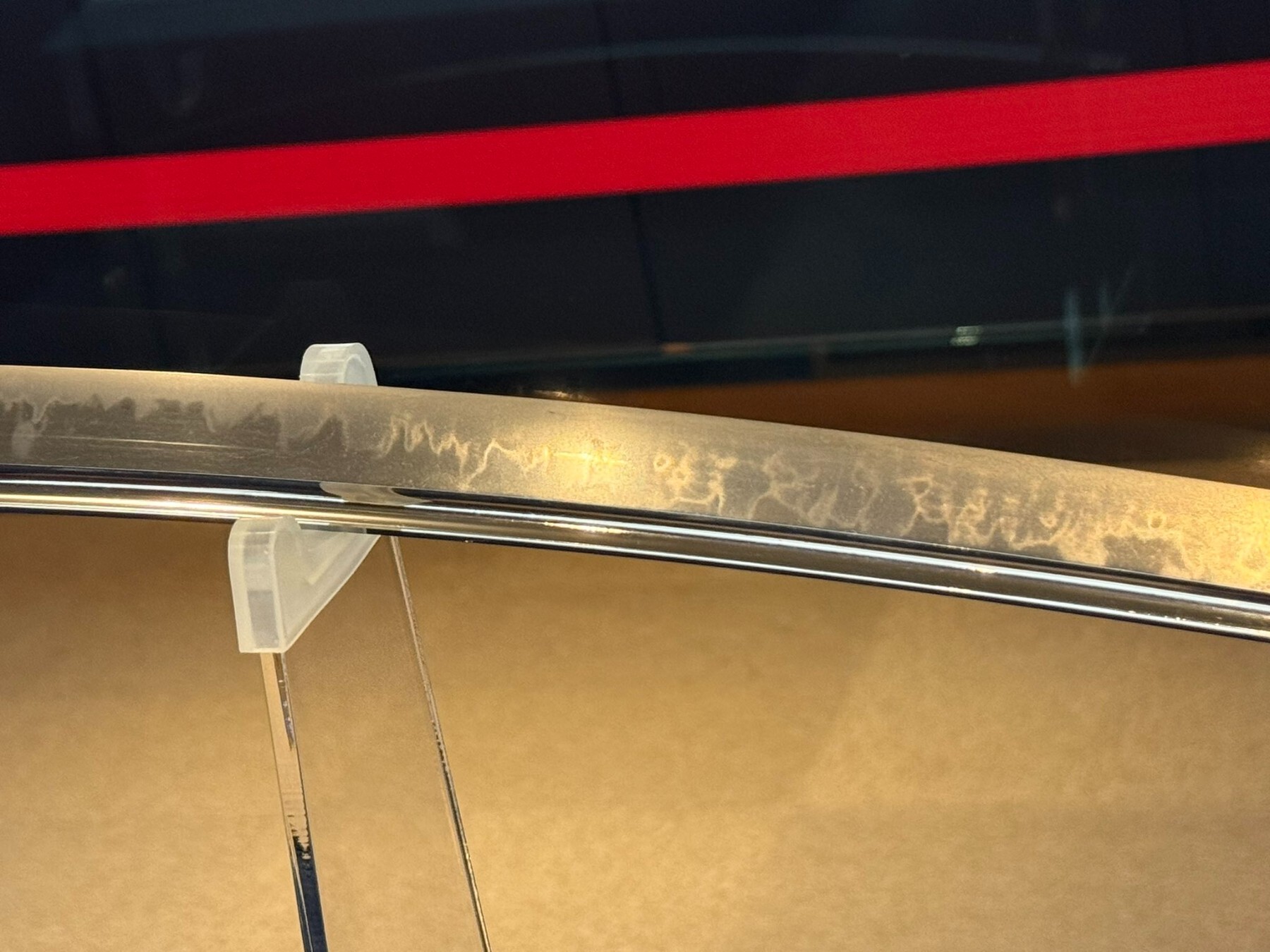
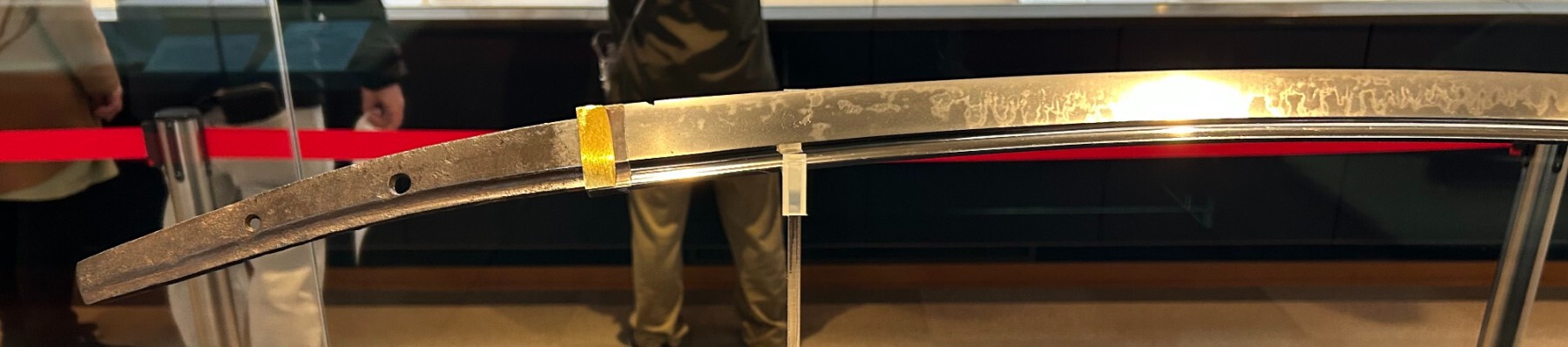
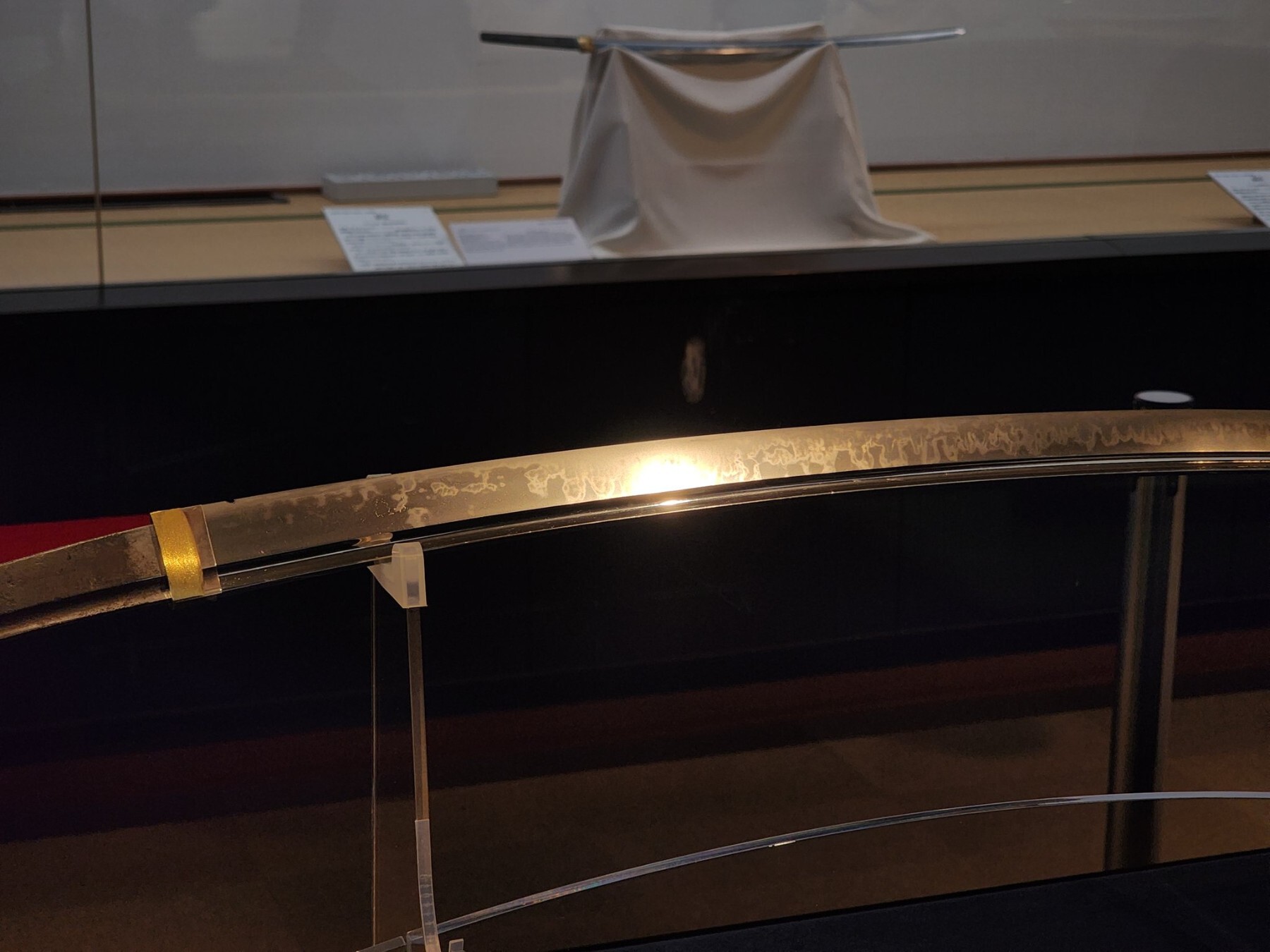
Lots and lots of photos of the Yamatorige starting to appear across the interwebs. Actually a lot of fun reading the comments and seeing the excitement in the people posting and responding to the pictures.







 1 point
 -
Have a look at the heading of this part of the forum.... "Military Swords of Japan For the discussion and identification of non-traditionally made Japanese military swords 1876-1945"1 point


































This leaderboard is set to Johannesburg/GMT+02:00