
Leaderboard


Popular Content
Showing content with the highest reputation on 12/22/2025 in all areas
-
Chestnuts?
 9 points
 -
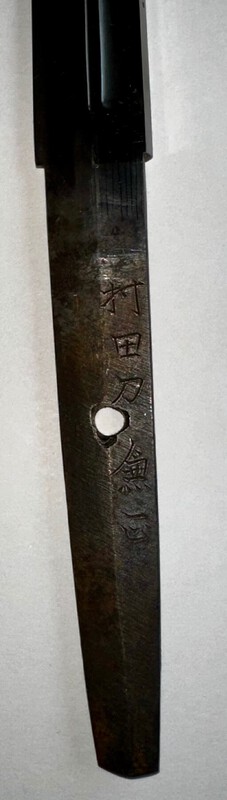
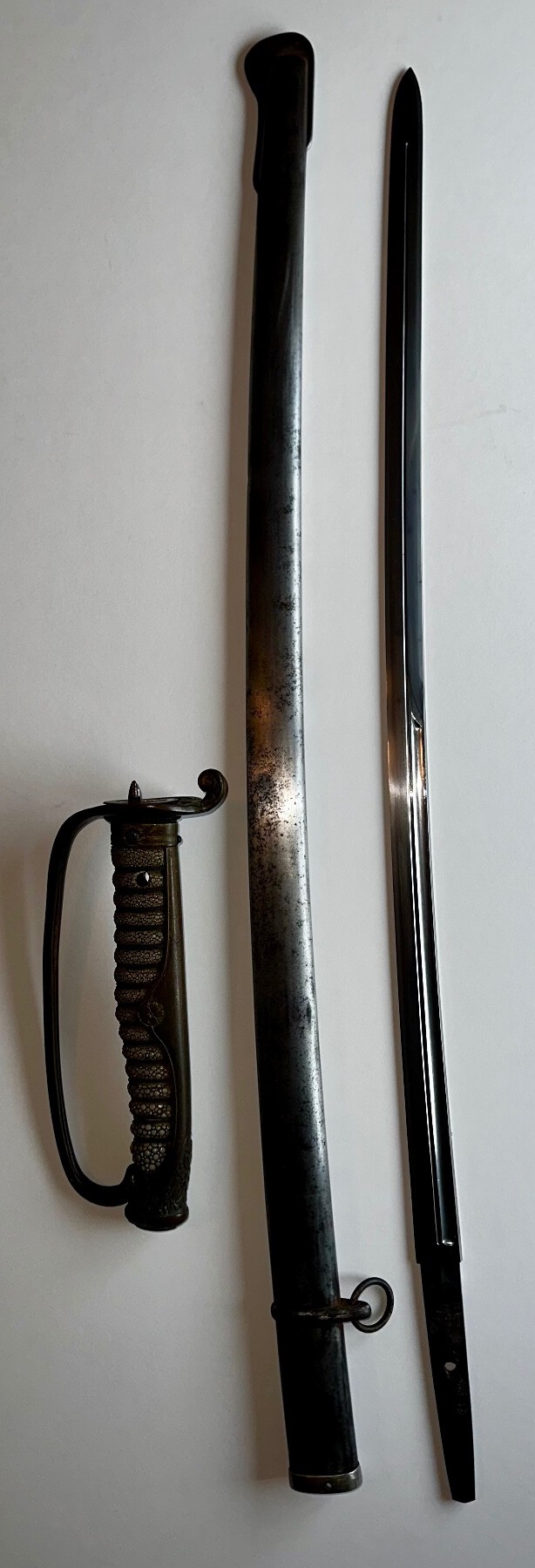
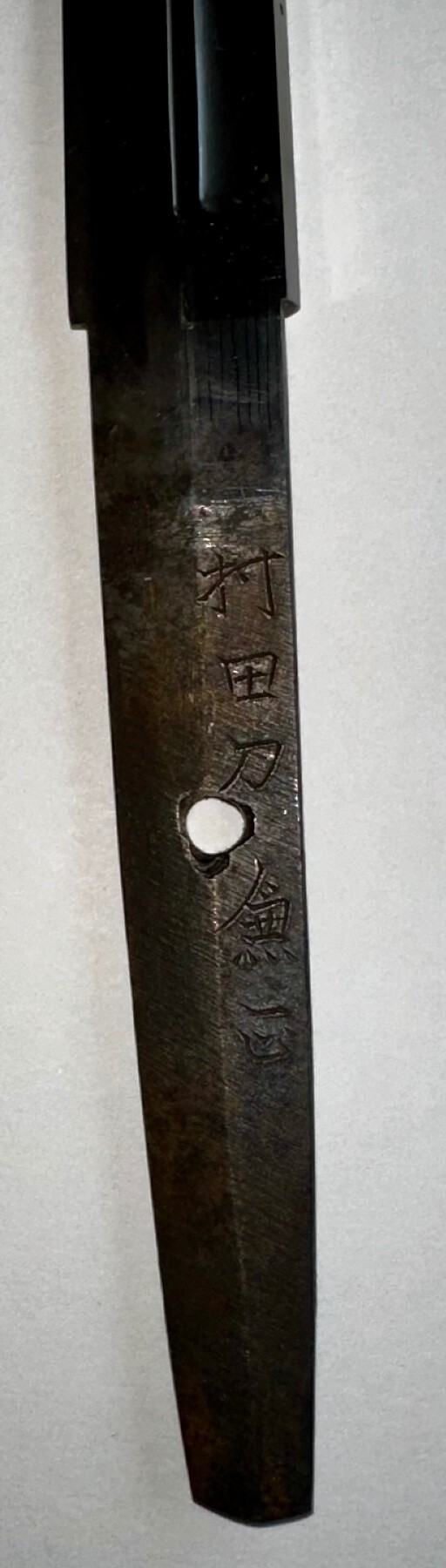
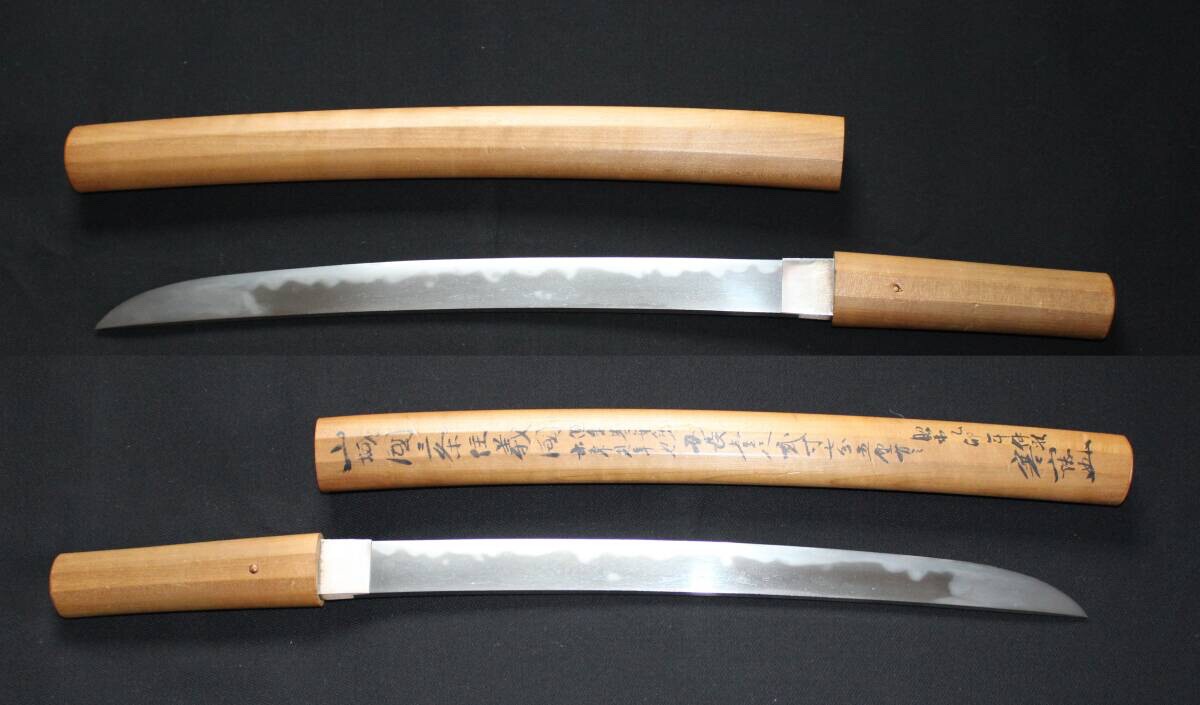
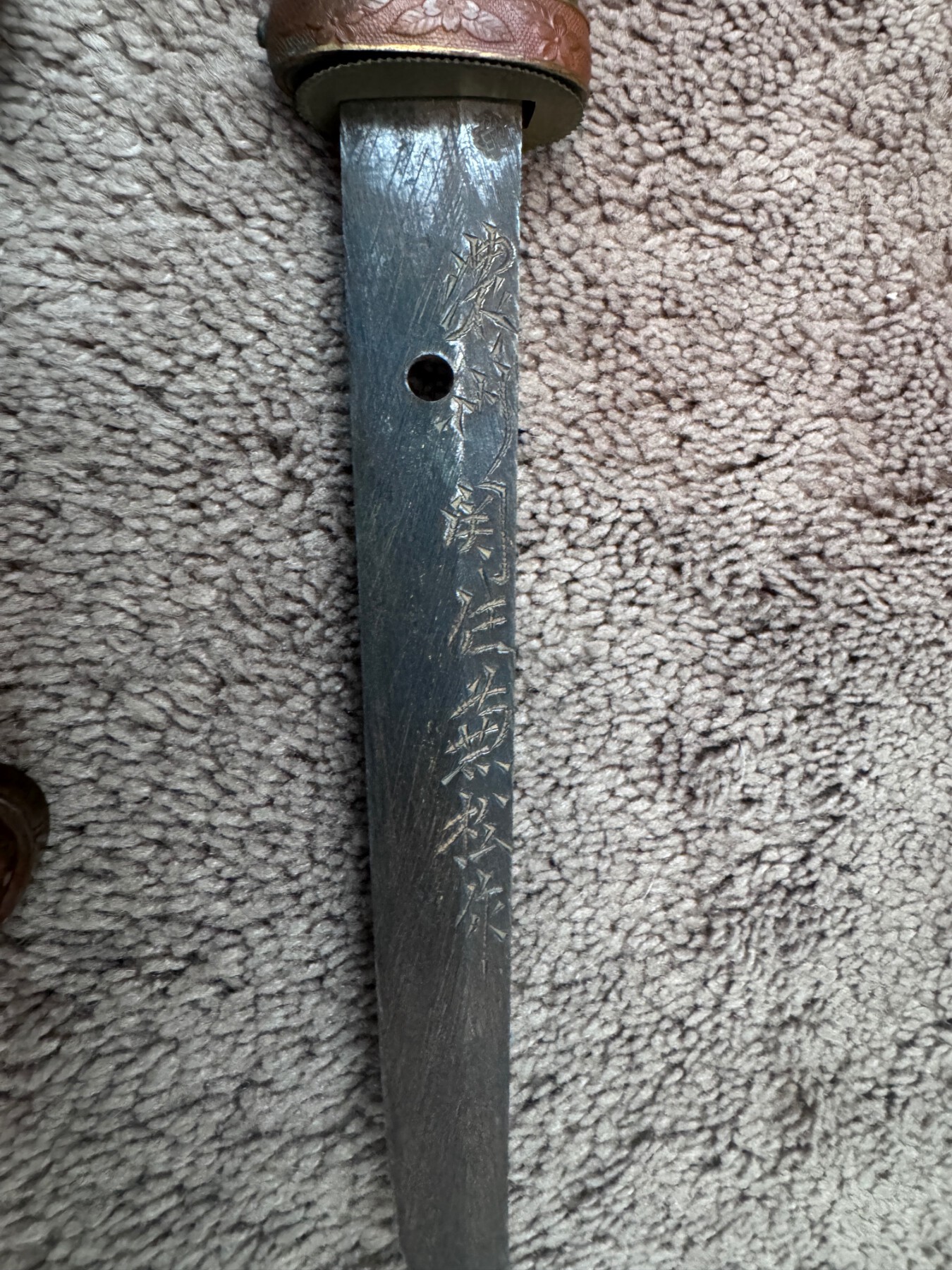
Tom, this is rather interesting due to the timeframe. Your mei is: Muratato Kanemasa 村田刀 兼正 Sesko lists: MURATA (村田) → TSUNEYOSHI (経芳), Meiji (明治, 1868-1912), Tōkyō. TSUNEYOSHI (経芳), Meiji (明治, 1868-1912), Tōkyō – “Murata Tsuneyoshi” (村田経芳), real name Murata Tsuneyoshi (村田経芳), he was born on the tenth day of the sixth month Tenpō nine (天保, 1838) as son of the Satsuma-samurai Murata Ransai Tsunenori (村田蘭斎経徳), he was the best marksman of the fief and fought among others also in the Boshin War (1868/69), 1871 he was as Imperial bodyguard sent to Tōkyō and was later promoted to a infantry captain, in 1875 he was sent to France and to other European states to improve Japanese firearms which resulted in the promotion to a major and the post of instructor at the Toyama Military Academy (陸軍戸山学校), 1880 he was involved in the development of the first Japanese-designed rifle, after that he was made head of the imperial artillery weapons factory and became a member of the Japanese Upper House, in 1890 he was promoted to the rank of a major general and six years later – in 1896 – he was elevated to the rank of a baron due to his merits in the Boshin War and the Satsuma Rebellion in 1877, besides of that, he was also active as swordsmith and the army produced the Murata-tō (村田刀) swords named after him, for the latter, not only tamahagane but also western steel was processed and they were widely used during the Sino-Japanese and the Russo-Japanese War from 1894-95 and 1904-05 respectively, he died on February 9th 1910 of a lung disease. KANEMASA (兼正), Shōwa (昭和, 1926-1989), Tōkyō – “Shōjū Kanemasa” (小銃兼正), “Kanemasa” (兼正), real name Murata Tsuneyoshi (村田経芳), he worked for the Akabane Arsenal (赤羽造兵廠)5 points
-
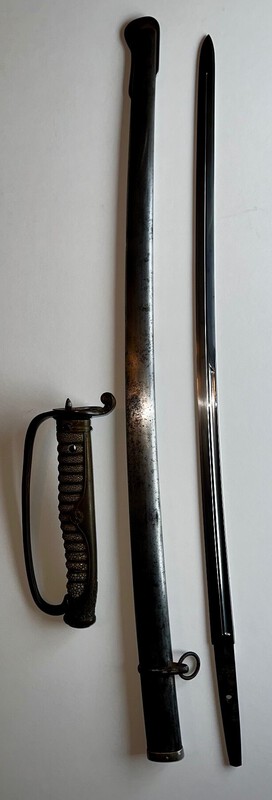
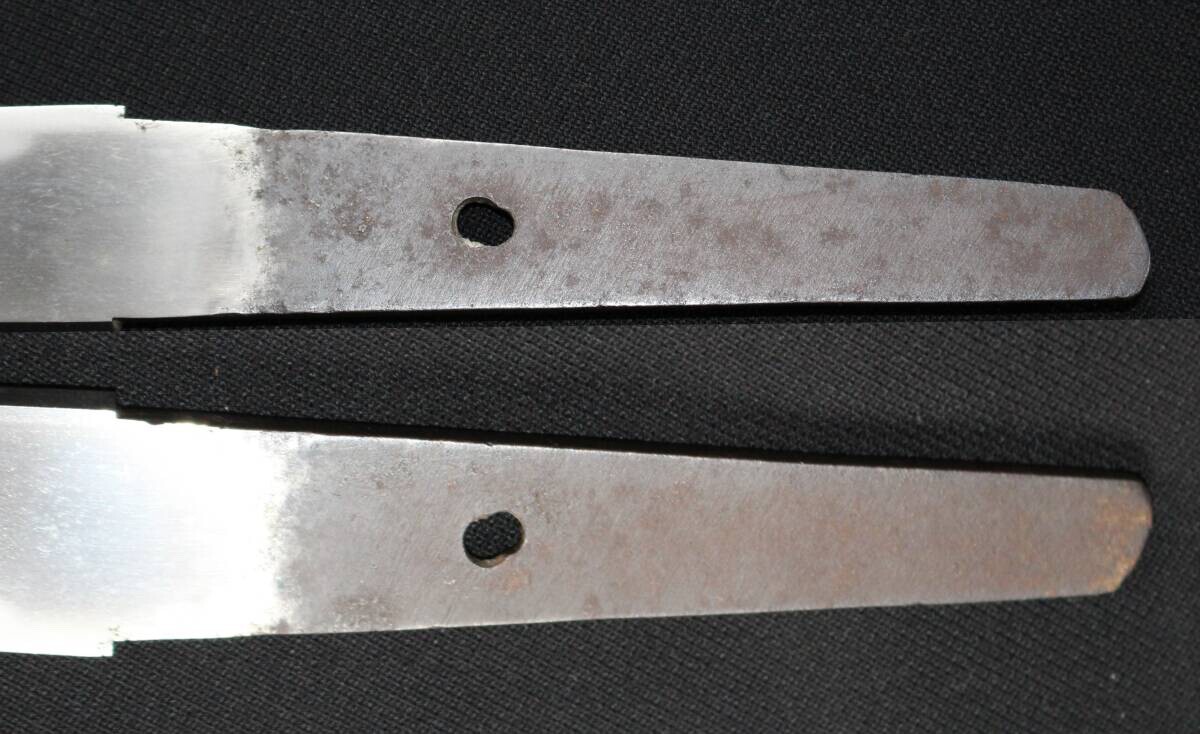
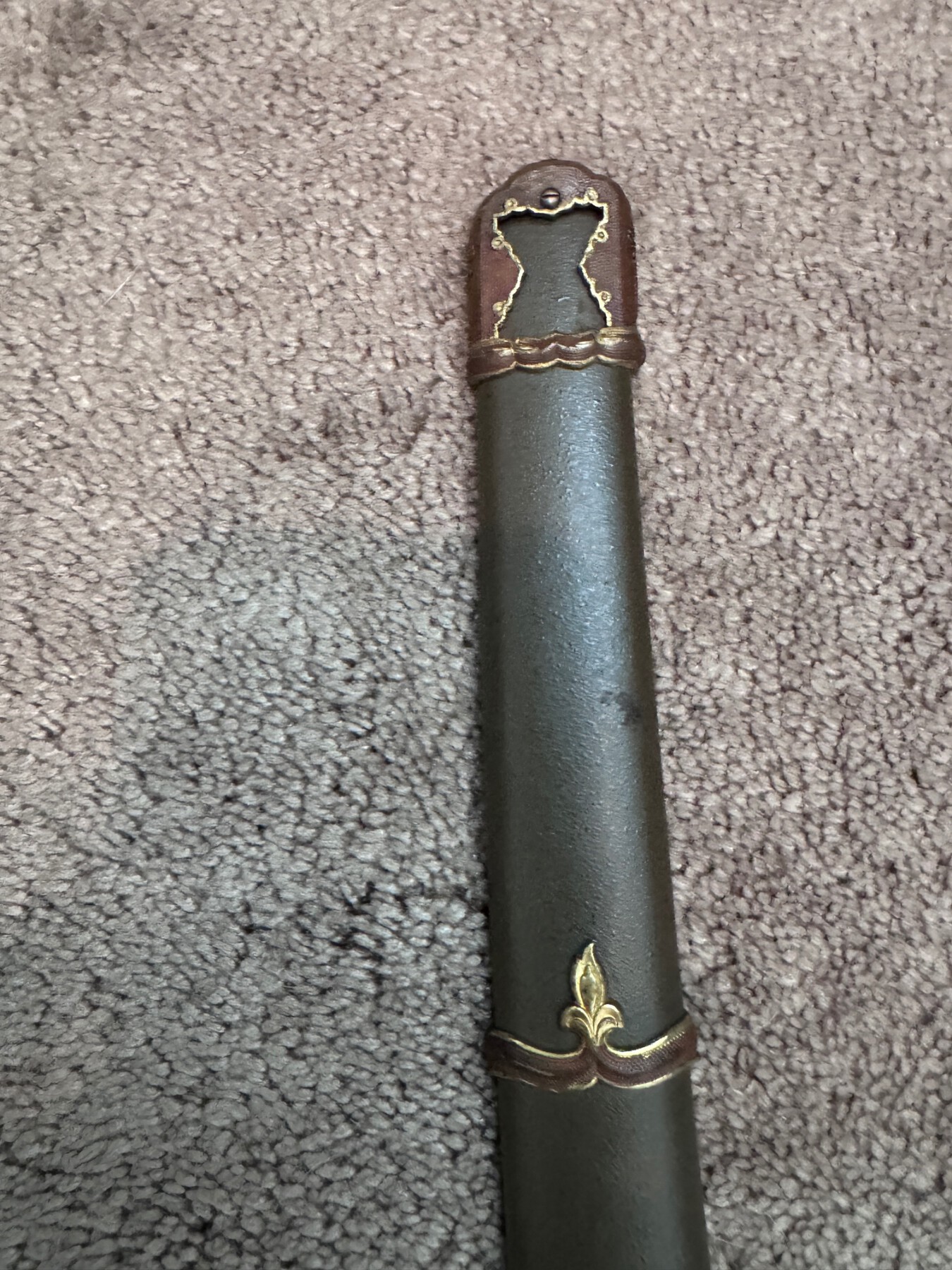
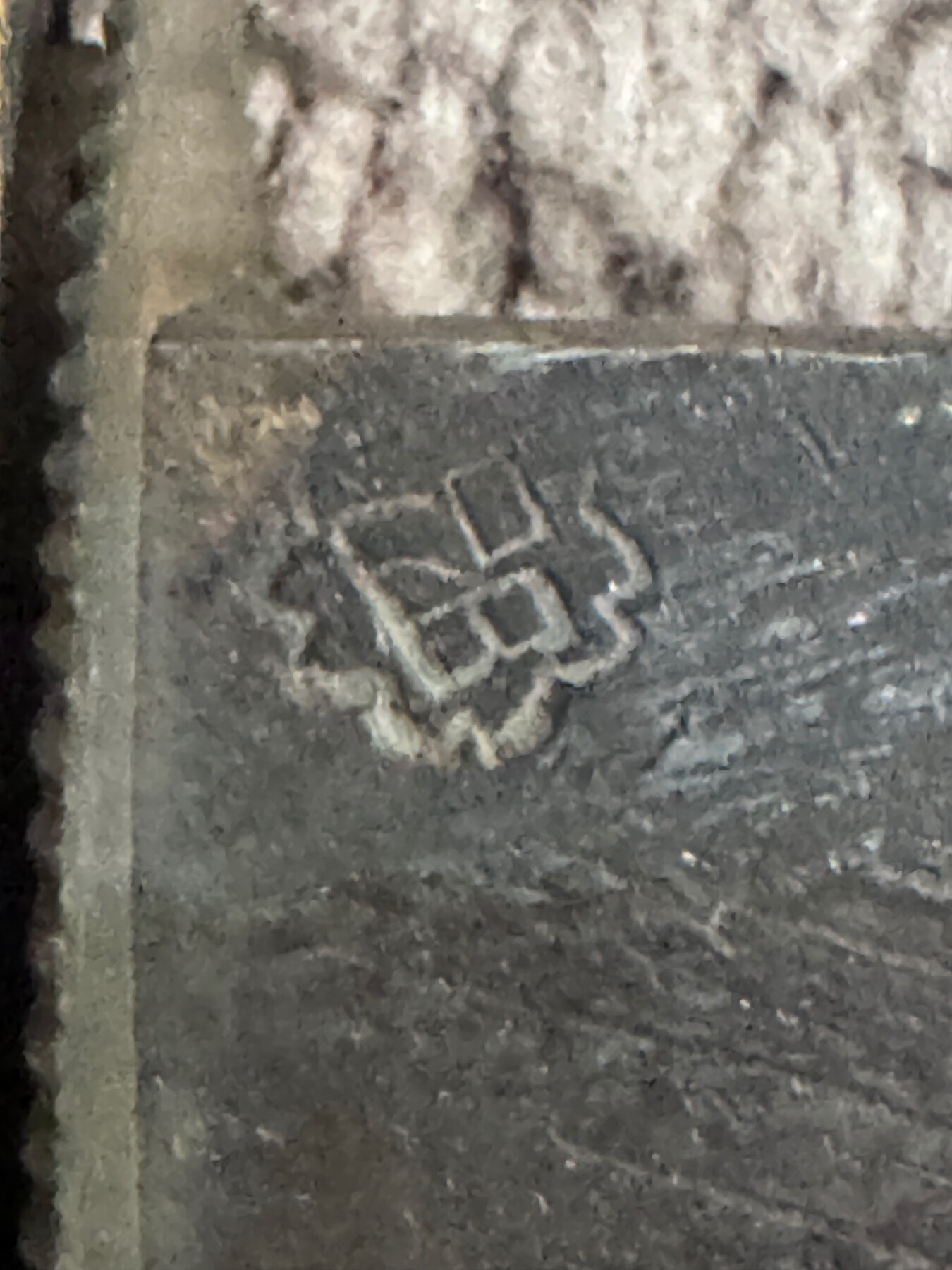
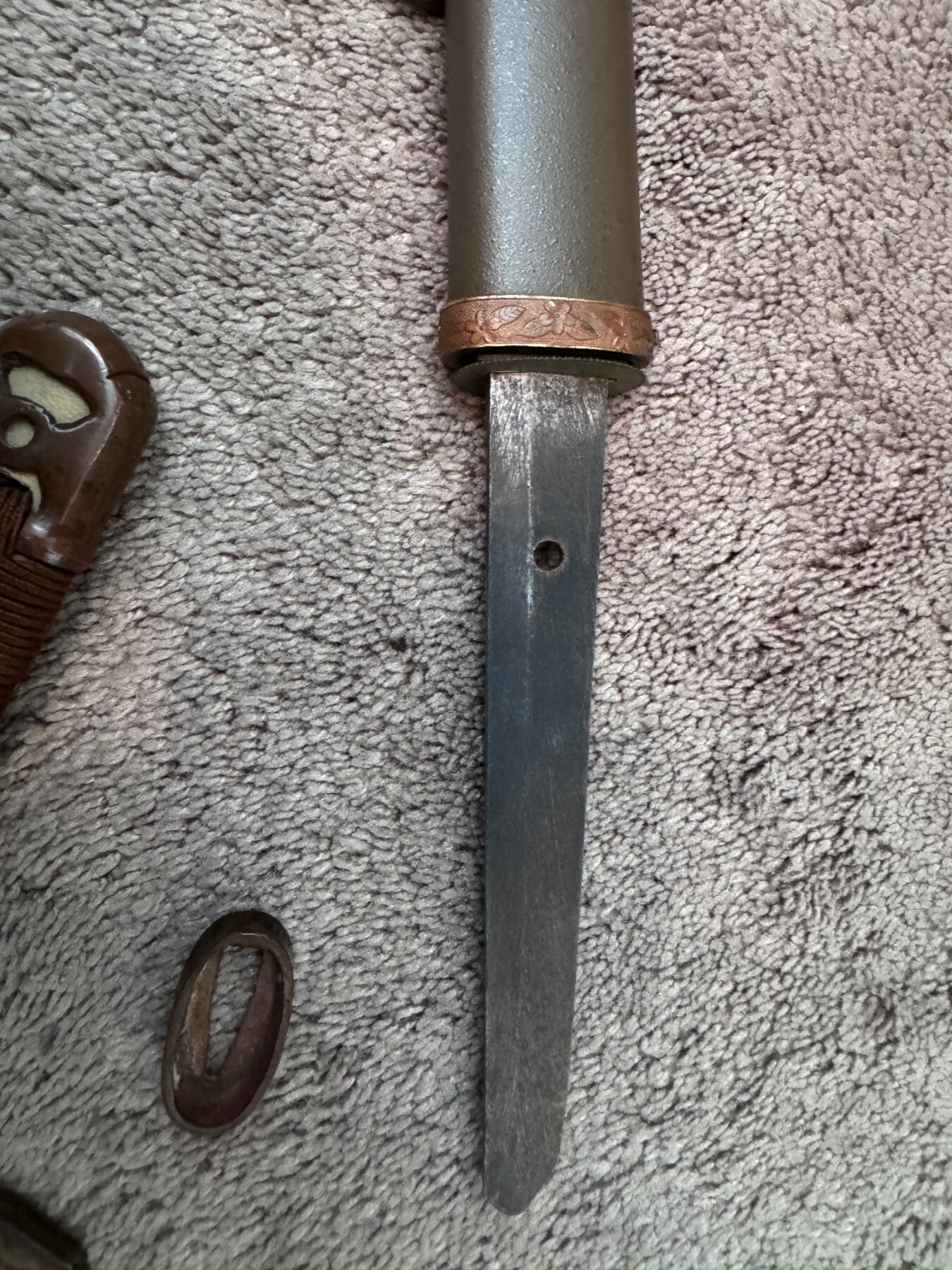
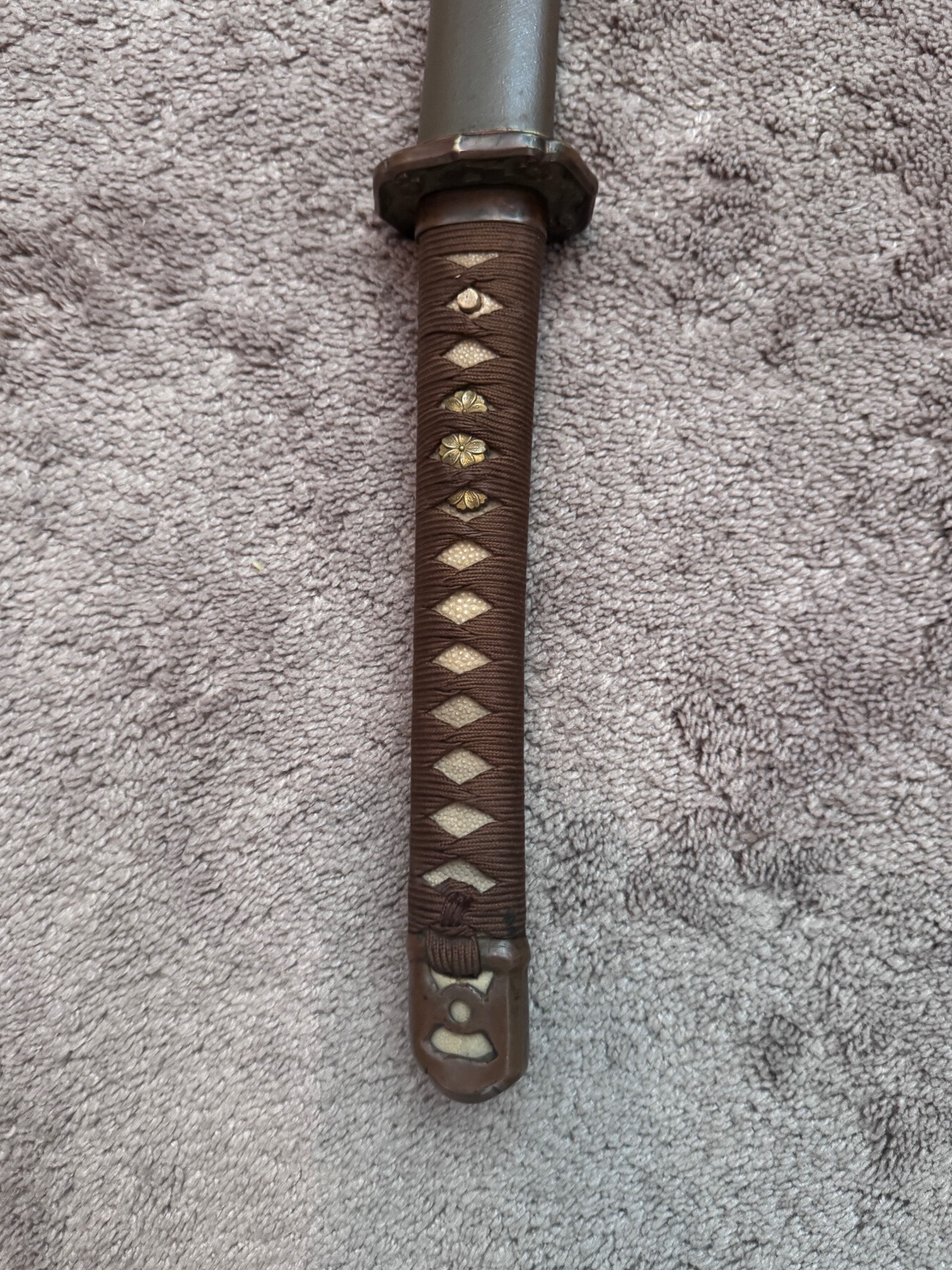
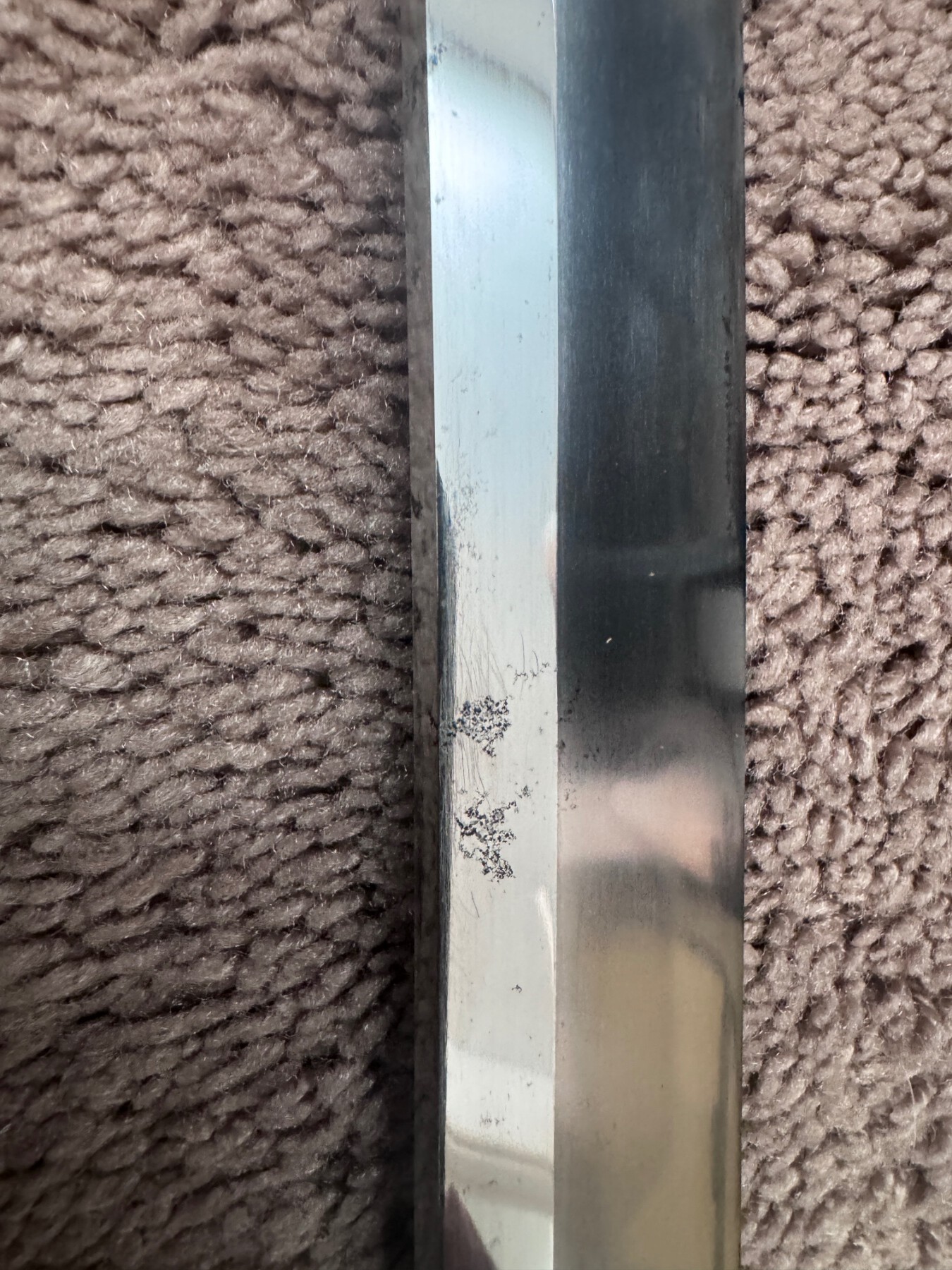
Ok here’s some crappy pictures of the koshirae, blade and Mei.
 4 points
 -
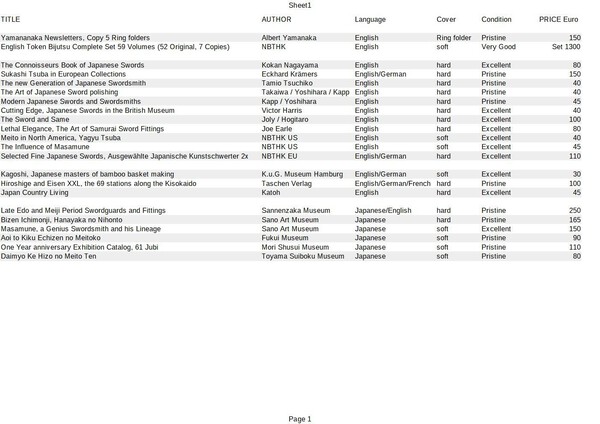
Dear fellow enthusiasts, here is the updated list for my book collection sale. Christmas sale 30% off until 15.01.2026. Merry Christmas!
 3 points
 -
Well - I think the number of sayagaki from Tanobe-sensei will be in the thousands rather than hundreds The number from Dr. Honma ( Kunzan ) will probably be higher too when we look at Markus' Kanto HibiSho books.3 points
-
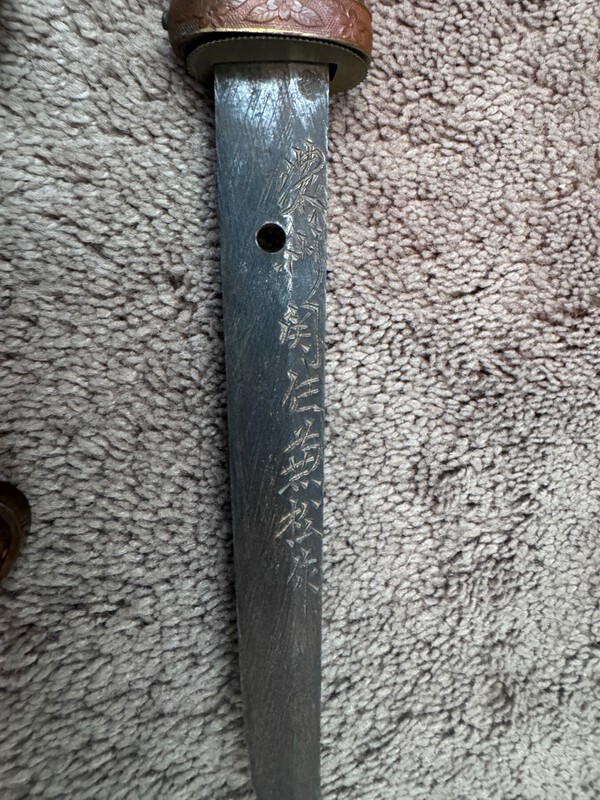
Will, as Jan notes mei is Nōshū Seki-jū Kanematsu saku. However, its a bit confusing as there is no Kanematsu registered in WW2 Seki, but there are several with Kanematsu as given name. Also some signed Kanematsu Kanetatsu. It was earlier though it may be joint work, but could be the one smith. Not fully sure, but check out earlier posts.3 points
-
濃州関住兼松作 = Nōshū Seki-jū Kanematsu saku3 points
-
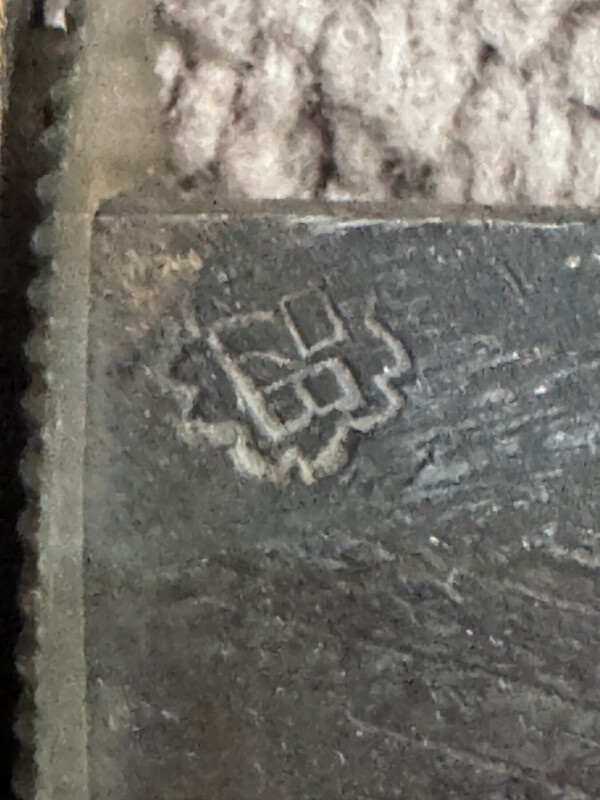
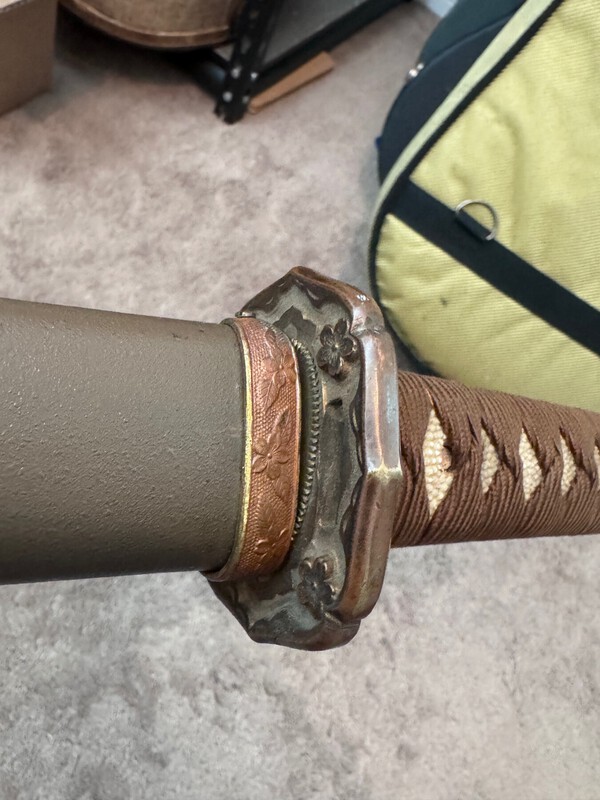
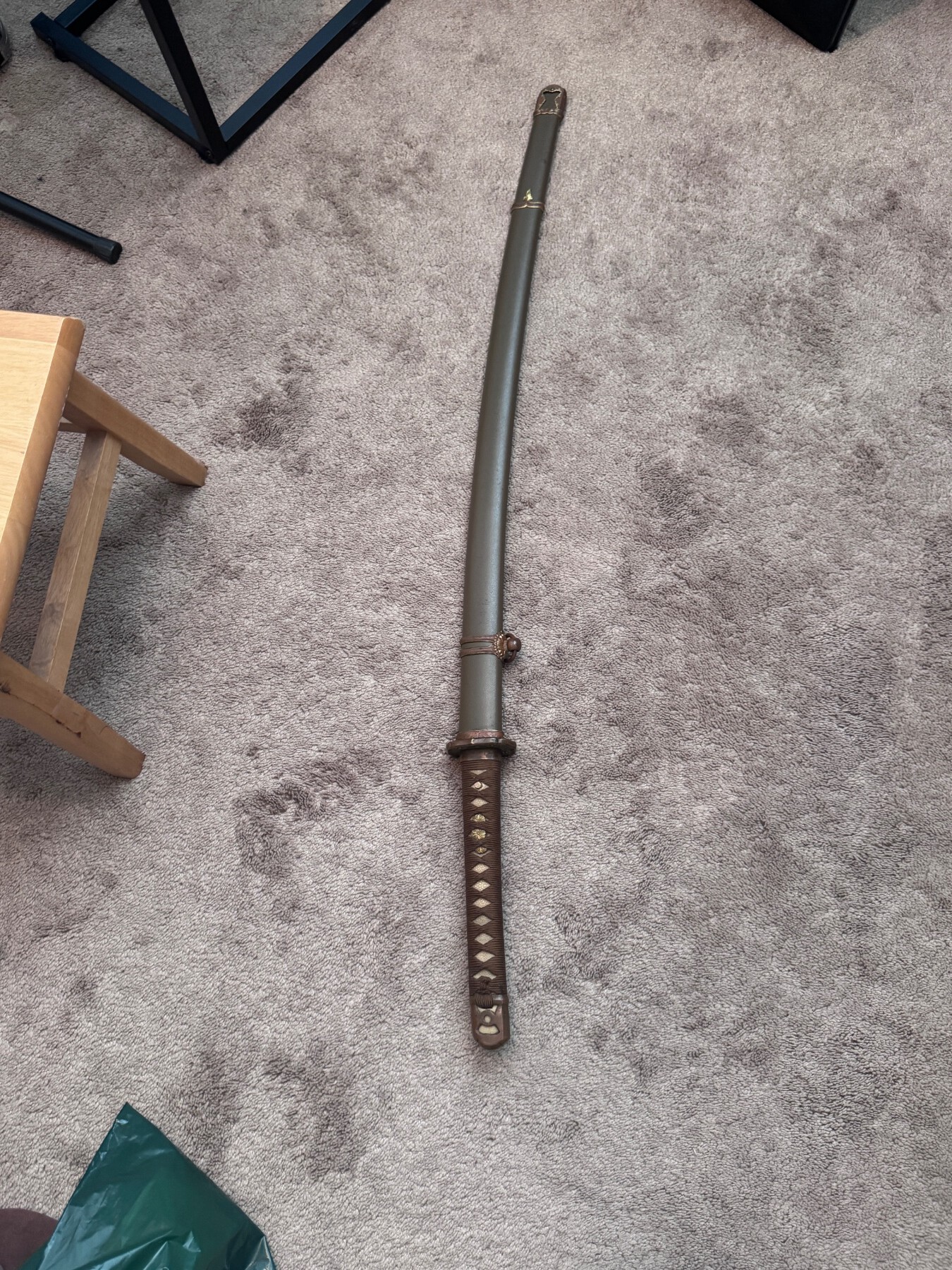
Will: In addition to the translation, the Sho stamp indicates it is a non-traditionally made sword and was made during WW2. The mounts are referred to as type 98 and would have had a tassel originally (either blue and brown company grade or red and brown field grade). John C.2 points
-
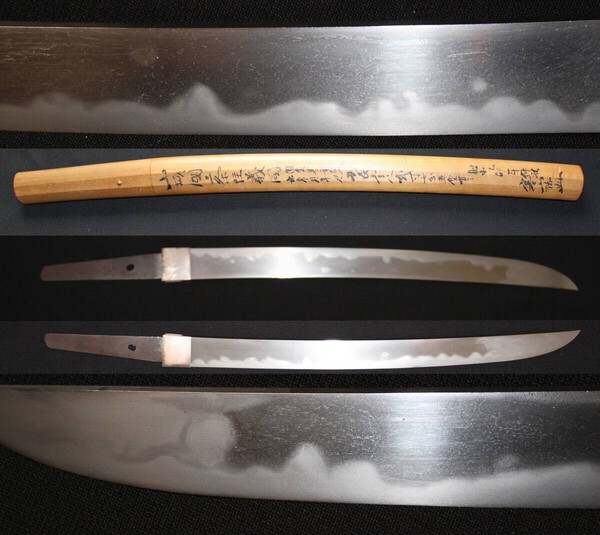
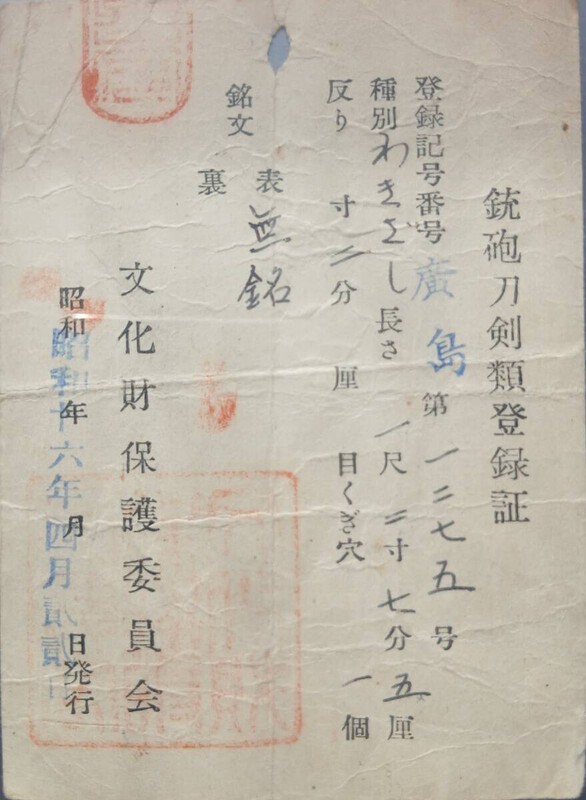
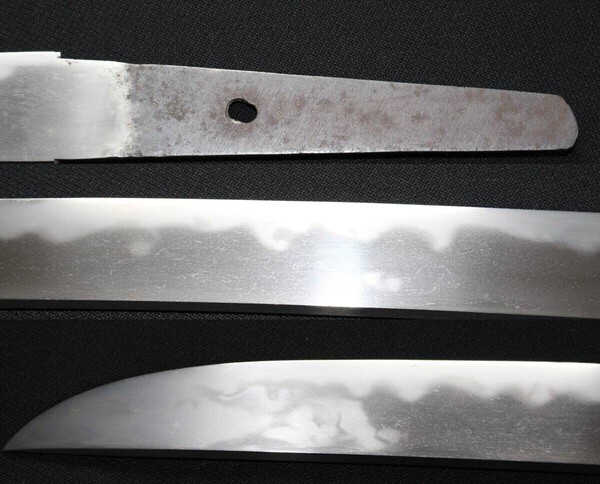
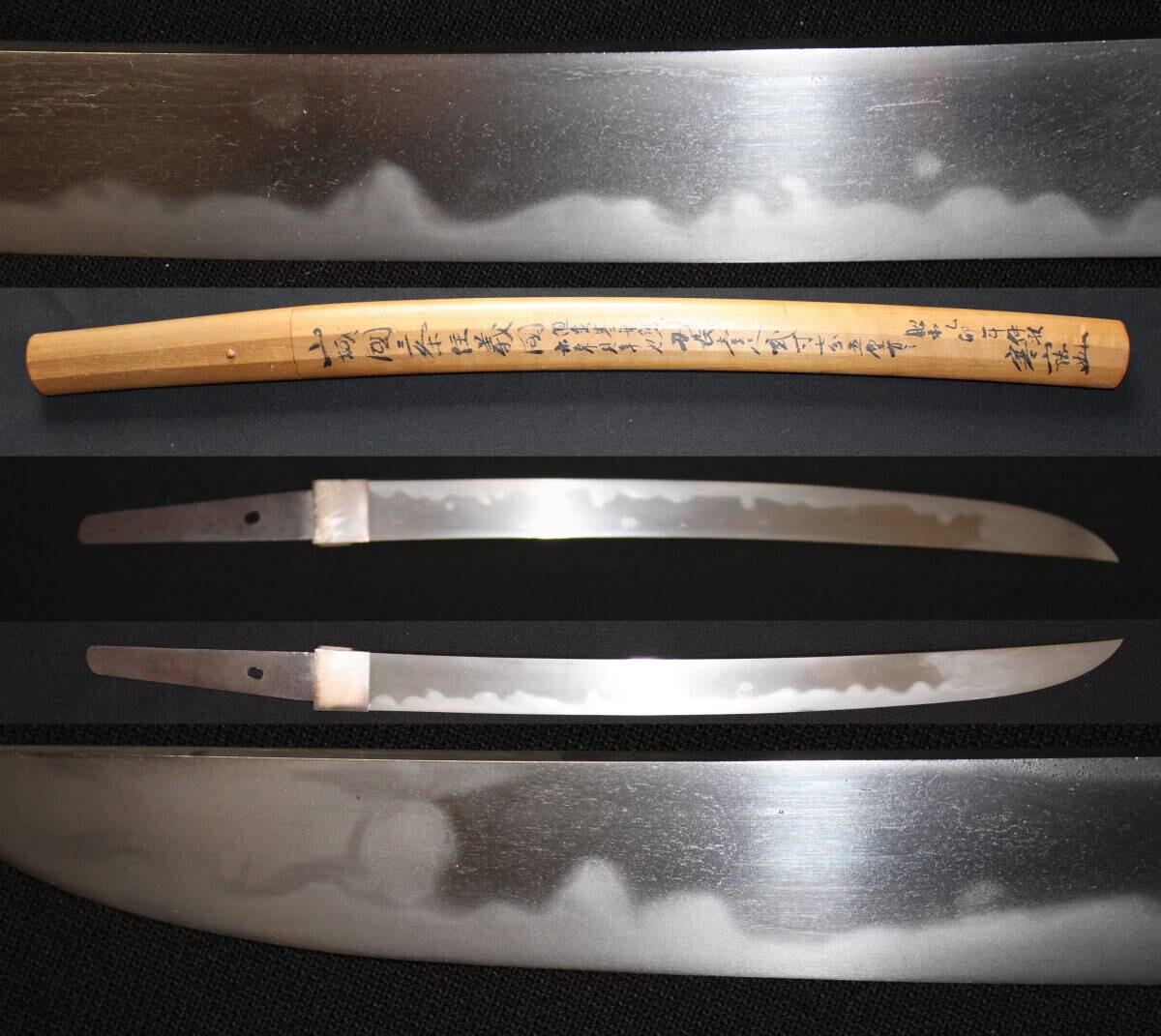
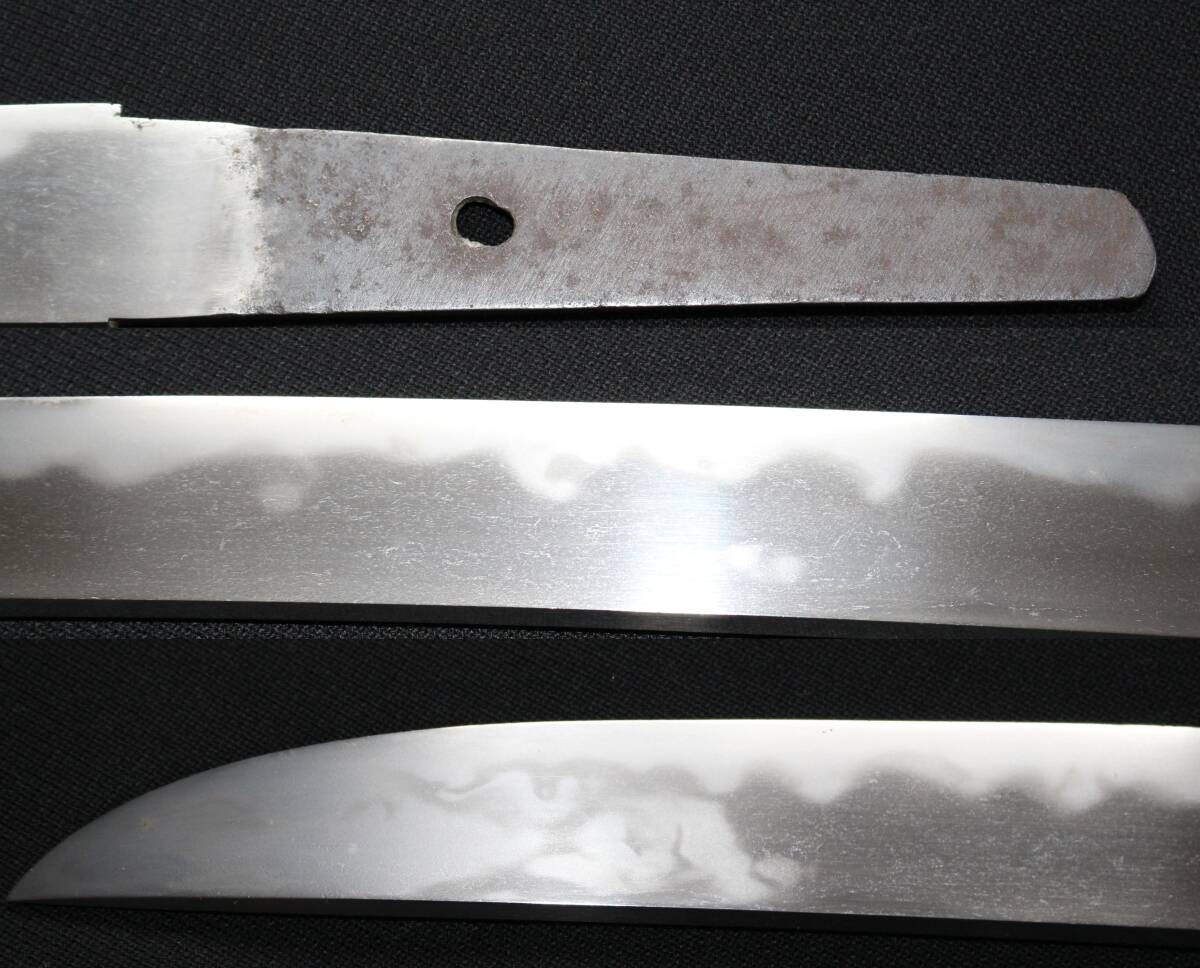
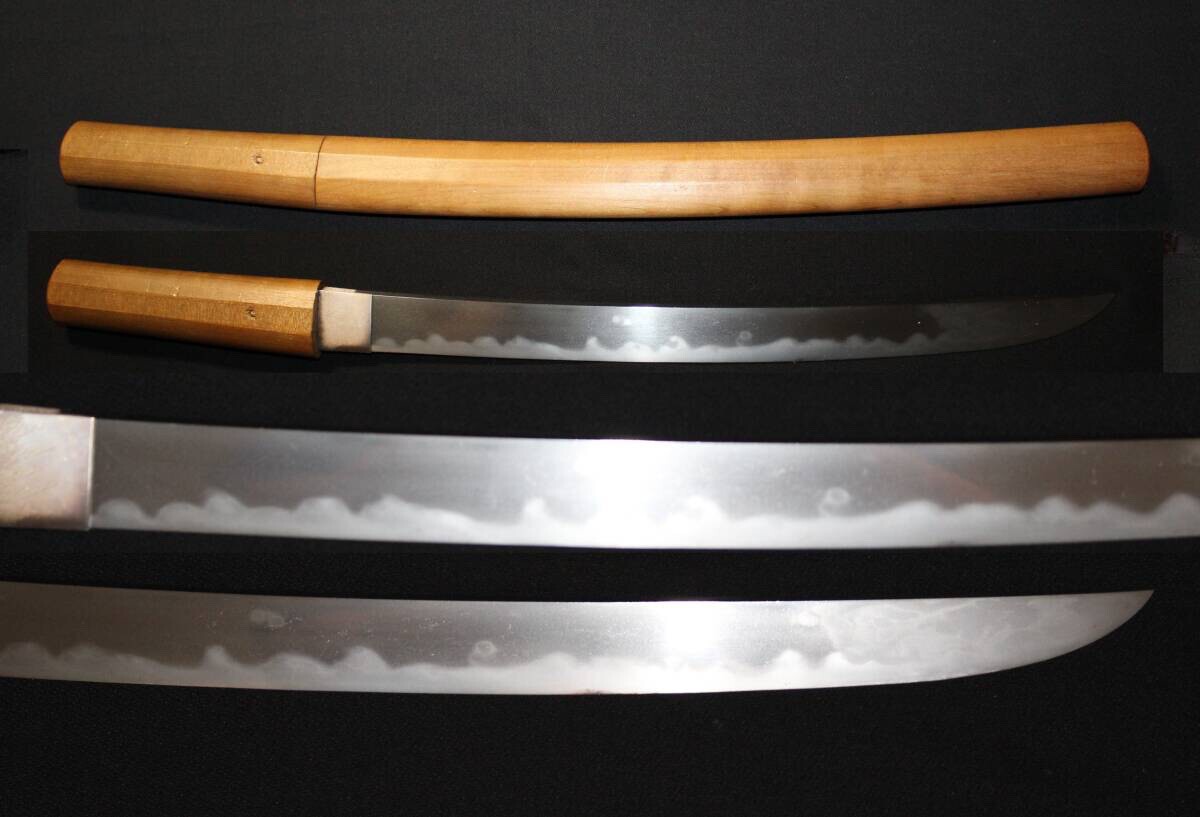
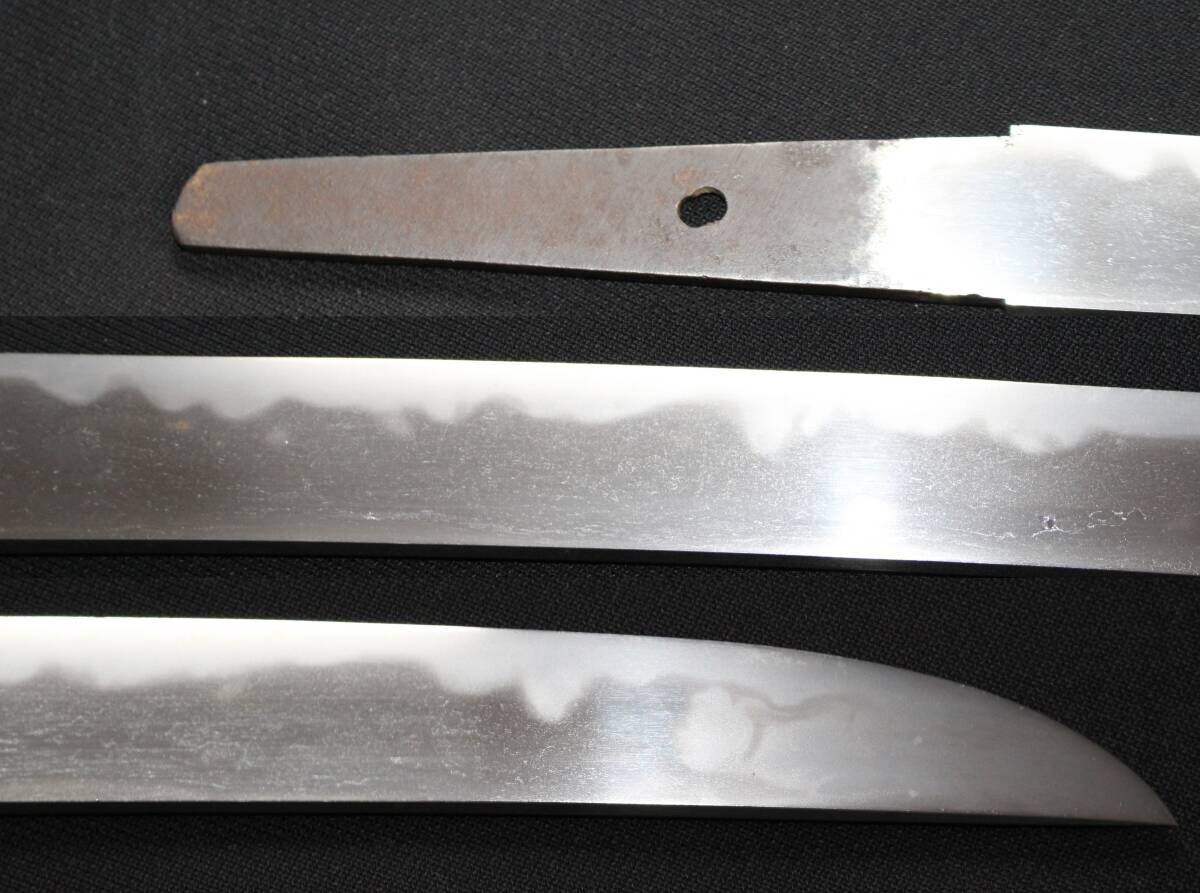
As some here know, I've been looking for a sword and I'm one of the overly optimistic (as in 'dumb') fools who trawl Yahoo auctions. As I learned more by asking lots of questions, I decided to look for a blade I really liked the look of aesthetically and could afford to take a hit on financially if I messed up. I did as much research as I could based on the seller's images and dubious sales spiel, took my chances and ended up winning an auction about an hour ago. (Two members here kindly helped me to translate a difficult phrase which gave me the final nudge.) It's a mumei wakizashi - the worst choice possible if you ever want to sell, Iknow. It supposedly has a sayagaki by Kanzan Sato but I accept that is probably fake. This reads "Yamashiro Province, Sanjō Resident Yoshikuni Hitatsura Wakizashi One Shaku Two Sun Seven Bu Five Rin" - the latter part of which accurately duplicates what is on the torokusho at least. Talking of the torokusho, I was pretty confused when I couldn't see any prefecture name on it because I know I will have to re-register it. However, after doing some more online research, it's apparently because it's dated Showa 26 or 1951 and early licenses didn't give the prefecture name. As to Yoshikuni (if it even is his work), this was all I could find out about this smith. Yoshikuni 義国, 1624, Yamashiro. Mei: Sanjo Horikawa ju Fujiwara Yoshikuni 三条堀川住藤原義国, Yamashiro Sanjo Horikawa Yoshikuni 山城三条堀川義国, Horikawa ju Yoshikuni 堀河住義国, Bungo (no) Kami Tachibana Yoshikuni 豊後守橘義国. Student of Mishina Kinmichi and Horikawa Dewa Daijo Kunimichi. Why did I risk it? The hamon, pure and simple. As long as that is not a drunken polisher's ode to hadori I'll be happy. I really don't care about the sayagaki's authenticity or who actually made it - I lucked out on the price (suspicious in itself) and just hope it looks half as decent in hand as in the auction photos (attached). Wish me luck. Best, Hector

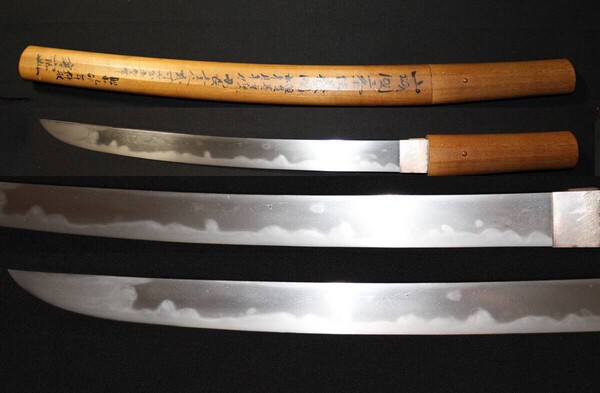
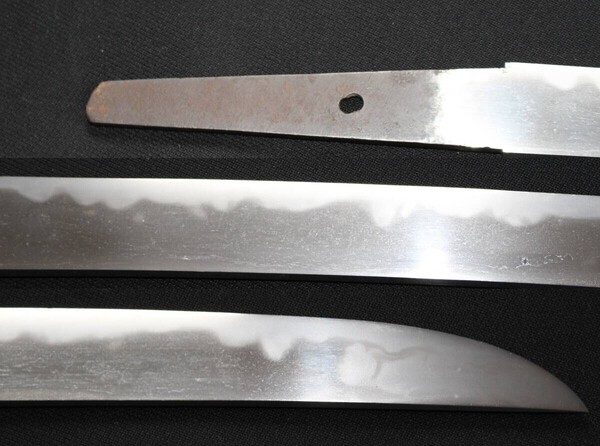


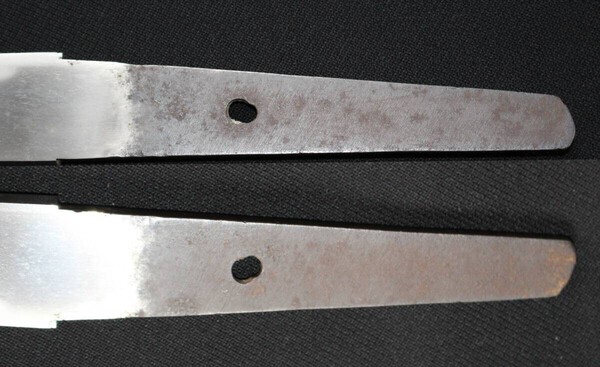 1 point
 -
Hi everyone, December is all about gifts, and with the holiday season in full swing, it's a good moment to show your loved ones how much they mean to you. Plus, because my son had his birthday a while back, I'm offering a discount that will be available until the end of the year. Please have a look, I am open to offers and messages are always welcome.
 1 point
 -
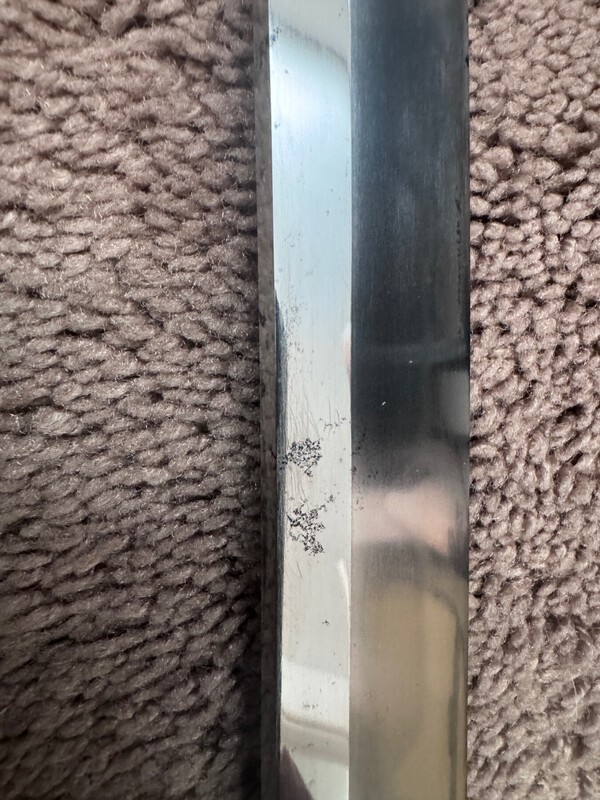
Hi, I’m hoping for some assistance with translating and identifying the mei on a katana in my possession. It was my father’s that I pulled out of his safe. The blade is signed, and the mei appears to reference a Seki Kane-smith, but I would greatly appreciate confirmation, correction, or any additional insight. The tang has a dark, natural patina with one mekugi-ana. The blade is mounted in traditional koshirae. I do not have papers for this sword. I have attached photos of the full blade, both sides of the nakago, close-ups of the mei, and the koshirae. Any help with reading the mei, possible smith attribution, time period, or whether the signature may be gimei would be sincerely appreciated. Thank you very much for your time and expertise.
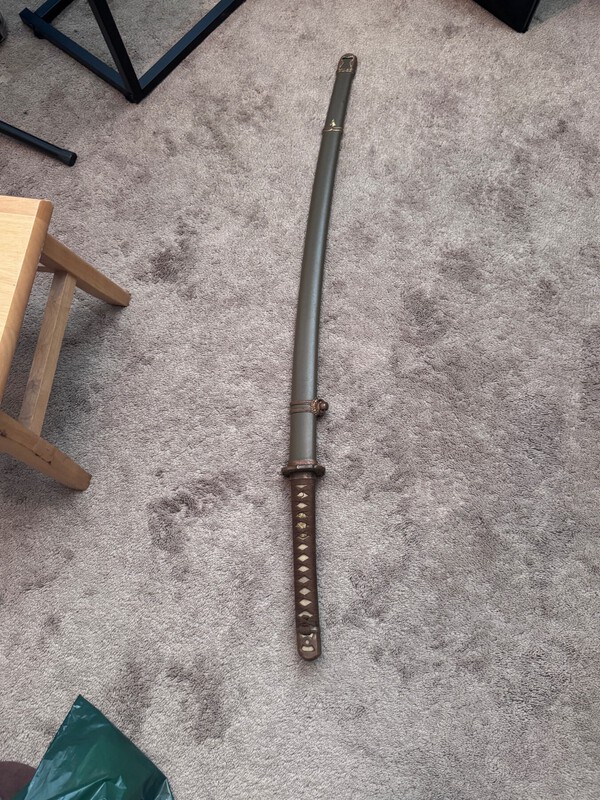





 1 point
 -
Sold - Influence of Masamune (both copies) - The art of Japanese sword polishing1 point
-
I think you are right. I scanned the sword descriptions pdfs I stored away and got roughly the ratio 12:1:3.5... With a caveat that my pdfs are obviously not representative and if anything they probably over-represent Kunzan and potentially Kanzan. If I take Tanobe-sensei's sayagaki at 3000 that would be 600-1,000 for Kunzan and 25-36,000 for Kanzan.1 point
-
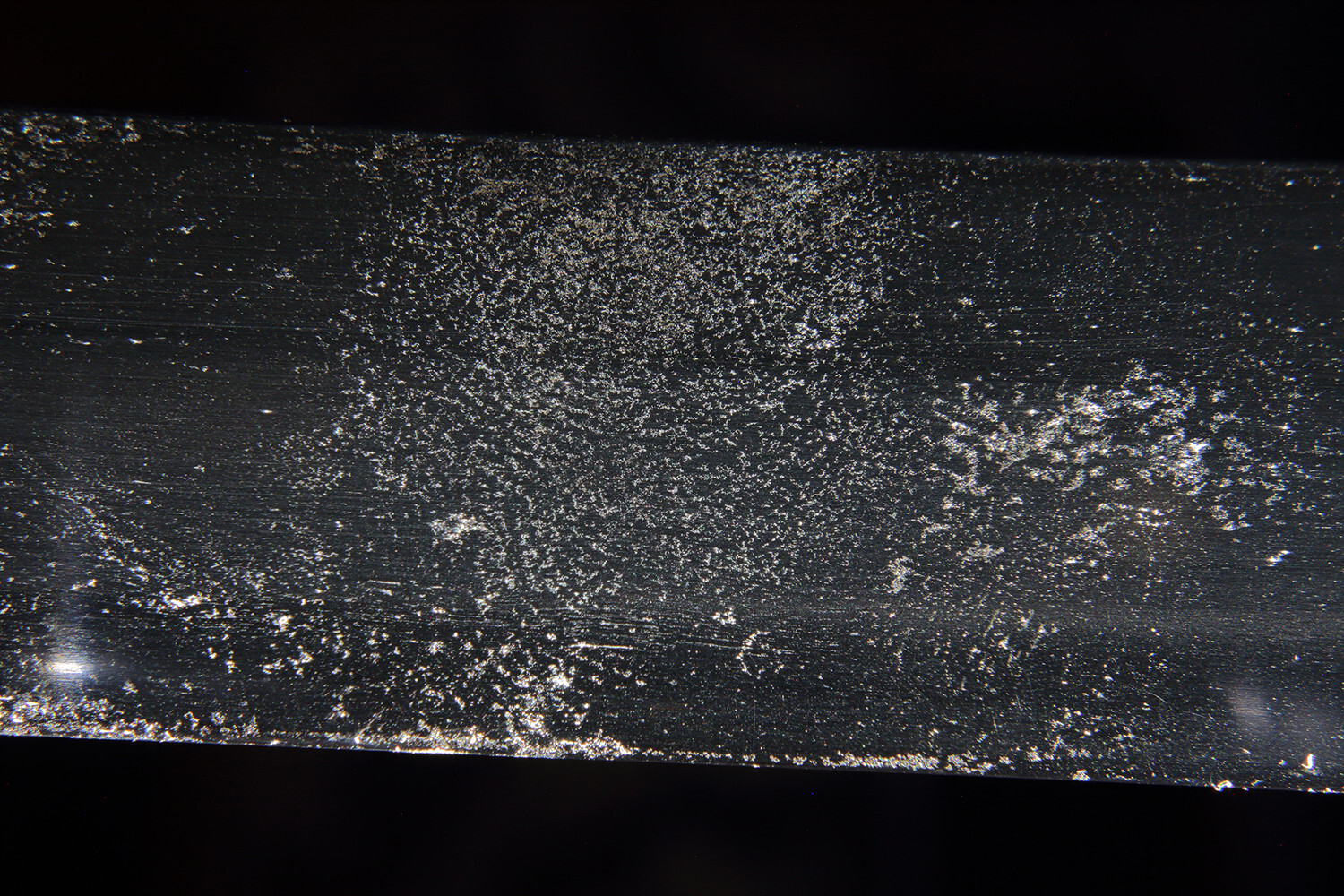
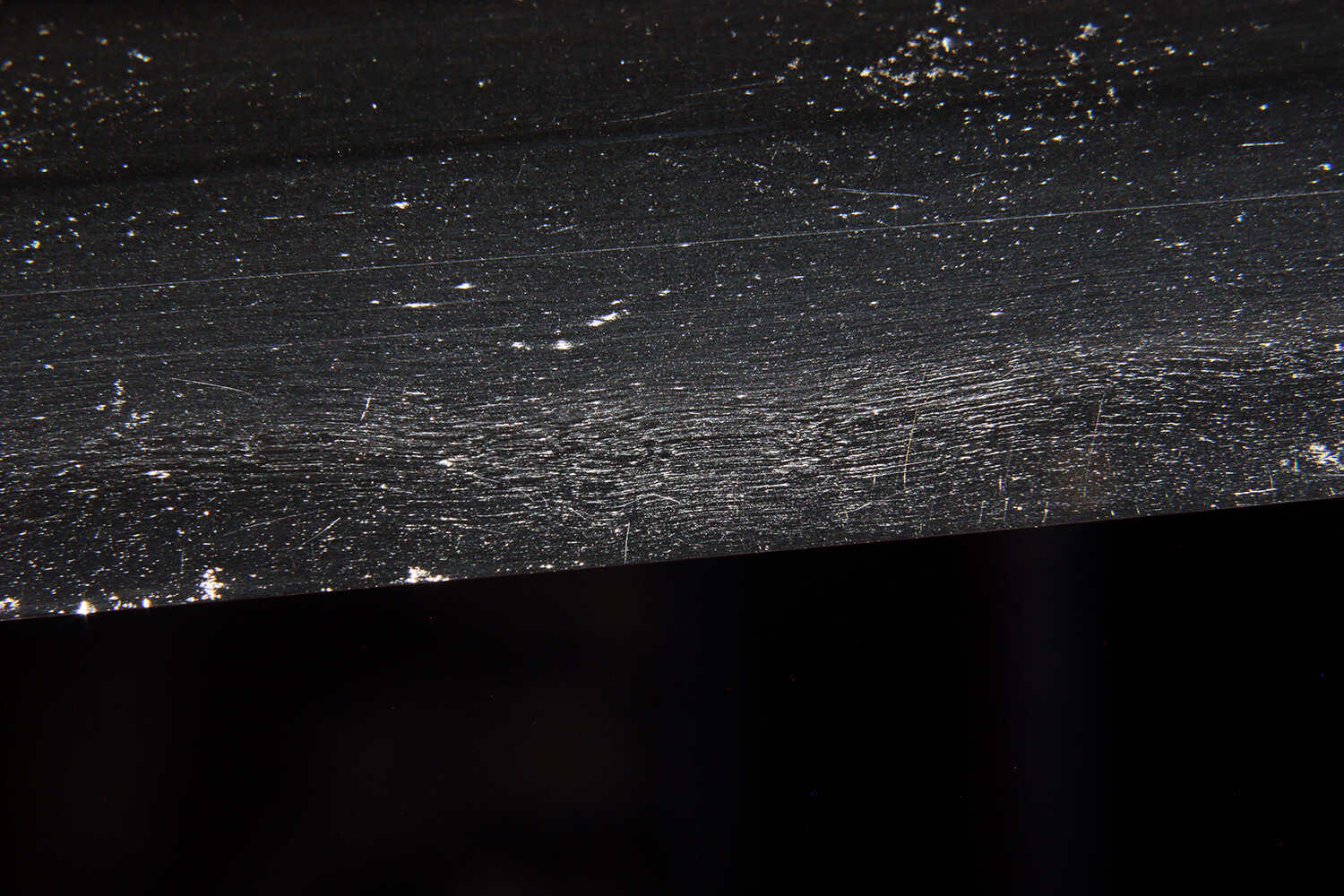
Went through my photos of sunagashi and found a picture that could be used as a clear example of fingerprints that became permanent. It doesn't look that bad in daylight, yet under the spotlight it became more prominent than shunagashi themselves. Another fingerprint (top right corner). And I like this blade with all its flaws anyway. Not only because it's the first gendaito I scored but because it gave me a lot to think about and to search for. I'll try my best so no further harm comes to it.

 1 point
 -
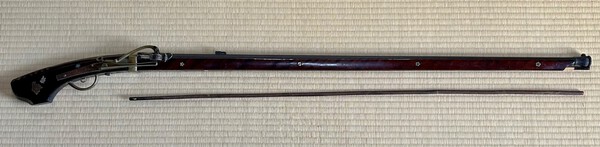
At an auction one guy was trying to sell a pair of ragged old bamboo cleaning rods for a teppō. There were no bidders, so he was trying to give them away. Still no takers. As I walked out of the door he shoved them into my hand, smiling. I left them in the hall at home and my wife moved them round to the trash corner. Today, a month later, I took a closer look and realized that the one with an old scrap of cleaning cloth stuck in the end is actually a very old bamboo karuka ramrod. So, that has now joined the viable replacement ramrod candidate pile; many guns that turn up either lack a ramrod, or have something unsuitable fitted. It’s quite long; here you can see it against my longest gun, from Sakai. Notice the hole for a cleaning rag. I wonder what kind of gun it originally came from.
 1 point
 -
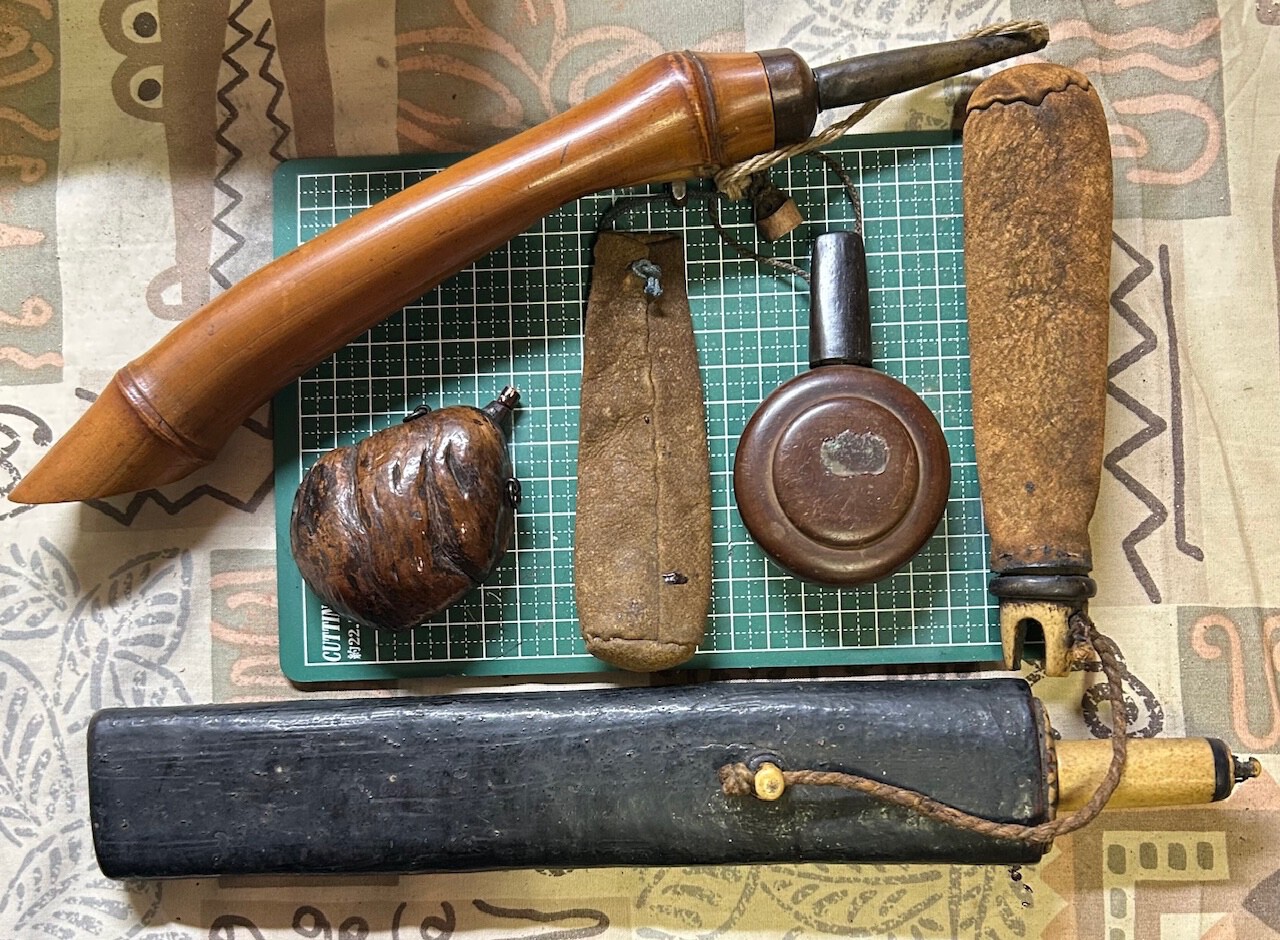
The guy selling had these in a box which he wouldn’t show anyone. I was the highest bidder, on a gamble. As you can see, only about 65-70% is OK. There was one more ‘powder flask’ in the box which I gave to someone. The long bamboo flask had a strange metallic cartridge cap, which I suddenly realized was the mouthpiece of a kiseru! That went straight into the scrap metals box.
 1 point
 -
@Bruce Pennington from Chris Bowen "Tokyo Kindai Tosho" (1867-1945) lists: XIII. Tokyo Dai Ichi Rikugun Zoheisho (東京第一陸軍造兵廠) These smiths made swords at the Imperial Army's arsenal factory in Akabane, Tokyo (1943-45). These swords are usually inscribed 'Tokyo Dai Ichi Rikugun Zoheisho'. Others may have also worked here on a part-time basis. 1. Nobutaka (宣威) 2. Kanemasa (兼正) 3. Katsunobu (勝信) 4. Morikuni (守国)1 point
-
Bruce, some background Tokyo First Army Arsenal Jujo Factory Tokyo Daiichi Army Arsenal - Wikipedia 6: Development as a "military capital" and after ~ Oji Takinogawa | Konomachi Archives | If you want to buy or sell real estate, Sumitomo Mitsui Trust Real Estate "Army Ordnance Supply Depot Ruins, Inatsuke Shooting Range Ruins" Walking around the battle sites of Nishigaoka, Kita-ku1 point
-
Thank you Ray That was a lot quicker than I expected.. have a great Christmas. Ian1 point
-
Indeed, Piers! Glad to have you by my side 🤓1 point
-
@wakiboy1 point
-
This is a rokkasen kogatana. Please see below. https://www.militaria.co.za/nmb/topic/21264-inherited-kozuka/1 point
-
Hard to estimate because its a non-random selection which tends to cluster around upper TH and Juyo, but one can estimate the ratio between three using just Juyo swords and then guess the number of sayagaki for one of them getting all three. My pure guesstimate would be about 1,200 for Kanzan, 100 for Kunzan and 300 for Tanobe sensei.1 point
-
Isnt it interesting that even after decades of collecting you still makes this mistakes? I do it in another field of collecting once and then. Only difference from before is that I now more like laughs at myself compared to the annoying felling that caught me before. Is it because of some sort of wisdom or purely because of growing old.......?1 point
-
You are close to incredible!! Thanks so very much Piers and Uwe. Will gladly forward your information to my friend. I know that for the moment his teppo are 500 kilometers away from him so no more photos were at hand. Fantastic how you managed to solve the riddle out of this only poor photo. Once again thank you for your time and knowledge 🙏1 point
-
here is a nice articel about this topic:1 point
-
Oh! Yes, I have 8 Kanemasa blades with numbers from 1889 to 1893. Mostly Murata-to in kyugunto fittings. I had this one in the chart, but didn't have photos for some reason. The larger number is a "5" 5 3311 point
-
I think there are few very skilled artisans in Japan that can fit very high quality blades & koshirae together and it would be very difficult to understand that they were not originally paired. Then there is the second class of joining old koshirae with an old sword and then it is pretty obvious. I think this is done by many dealers in Japan, and I am bit neutral on it. I can well understand this matching as the dealers and some people probably have lots of lower end antique koshirae laying around, and fitting them to blades makes them a package. I recently got a sword that has this kind of refitment done, you can see filled up old hole in tsuka, and feel the tsuka being bit "loose", however as I was only after this bit unique blade size it did not matter to me at all. With these lower end antique koshirae their parts wouldn't really make money selling them off in piece by piece. Sometimes there is a good sword with good koshirae, however they might get split as someone wants just the blade and someone just wants the high quality koshirae I can of course understand that too but it is sad when it happens.1 point
-
Assuming there's no fatal flaws and the price was decent, there's far worse you could do for a first sword. Wishing you luck!1 point
-
If the koshirae is for a beloved older blade and if cost is to be considered, I would suggest another option: buy a preexisting koshirae to display beside the sword in its shirasaya. Custom koshirae is, as Curran states, a money sink - you'll never recoup the cost when the time comes to move on - and the blade is best kept in a well made shirasaya anyway. For example, I have a nice, Higo, katana koshirae on my site that is priced at 1/4 or less what it would cost to have it made new. Grey1 point
-
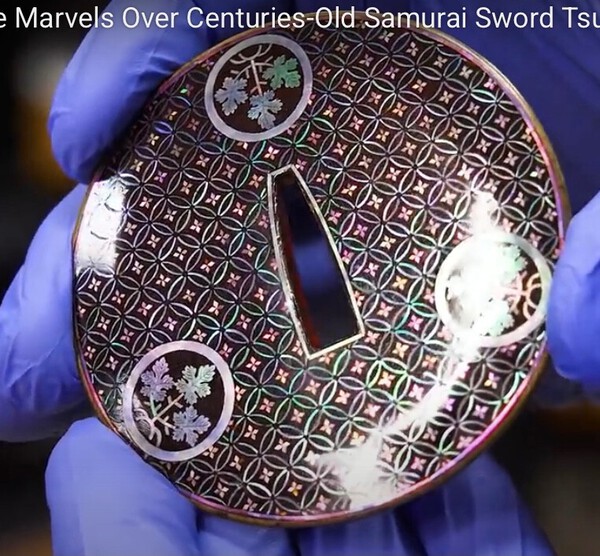
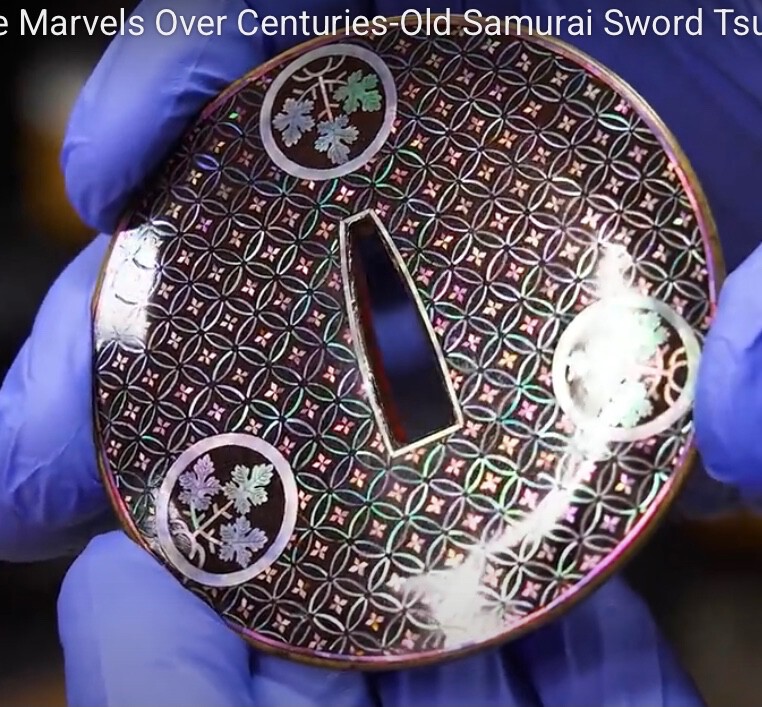
Thanks Rohan, but using unnecessary kanji on an English speaking website makes it difficult for many to follow the conversation and I suspect many will just move on….like I will in future. If @Charlie C reads what I said…..I never said the tsuba was Ryukyu lacquer, just that the technique is generally referred to as Ryukyu. It (the technique) originated in Okinawa back a few hundred years ago. I was simply pointing out how it was made. Another feature is that sometimes the base of lacquered and inlaid tsuba is wood. This is because metal can expand and contract enough to crack lacquer and dislodge any inlay. They were usually never intended for combat usage but looked great strolling around town in times of peace. Probably more popular with merchants than Samurai. See also shibayama tsuba.1 point
-
so to help clear details, what was the finish? and was that just the saya, not the tsuka ? or is that completed koshirae excluding the fittings cost? like this, neat and basic?
 1 point
 -
Looking back at the posts of mid-April this year (page 40 of this thread) where I was 'forced' to hand over an Inatomi-Ryu matchlock just acquired at auction. Slippery as eels, they are. Yesterday an almost identical situation arose, with an even better example, but this time I think I got the human relations angle right, and for the time being I am now the proud owner of an Inatomi school gun. Not only is the overall condition surprisingly good, but the Kamon on the barrel is beautifully done. Good for static displays, but could be fired anytime if necessary. Will need to give it a thorough check, and a new ramrod first. Back in November someone offered me payment for services rendered in the form of a matchlock, in lieu of cash. It's a good solid gun, but not in great condition. Subsequent TLC has improved it a little. That matchlock could now go into auction to help subsidize this latest Inatomi purchase. Photo of kamon
 1 point
 -
Enami, or the House of Enami, = Enamiya, were one of the largest and most prolific gunsmith organizations in Osaka. Great that there is a dated gun listed for this smith, giving us a working lifetime of what, somewhere around 1780 to 1820?1 point
-
So we have “摂州住榎並屋伊兵衛作” (Sesshū jū Enonamiya* Ihei saku). There is a signature recorded with the date “享和元年” (Kyōwa gan‘nen). That is 1801. * not sure about the proper reading…1 point
-
Hmmm… they could be persimmons, maybe, which slowly turn a dark rusty colour as they cure.1 point
-
Wouldn't petri dishes condense and amplify if there were any residual moisture?1 point
-
If this is the one you refer to the black background is lacquer. It is not inlay into metal. The technique is generally referred to as Ryukyu lacquer.
 1 point
 -
Once again a big thank you! I dived into this collectors field with absolutely no knowledge. Guess that the collector this items came from during a period also lacked knowledge. That reflects the diversity in quality among my five first items. Really had a lot of fun with my little "picnic box" transformed to a 17th century powder flask!! When examined by me now so obvious!!!! This last item, when explained by you, is 100 % made out of......plastic!!!!!! But not recently. Guess 1960-70 plastic. A true souvenier item. Not as the more "falsification" produced powder box from the picnic water thing. Very much appreciate your gentle way to lead me forward. Remember when I bought a few netsuke from a local auction (of course chinese newly made tourist object) and asked about them on an esteemed internet forum. My mistake. ........ Next time similar items will emerge I am gonna be MUCH more prepared. Have some Japanese matchlock weapons to present. Hopefully real deal....but you never know.....1 point
-
Recently sent a box from Japan to the UK, full of things left behind by a visitor. I paid ¥17,000, but the post office people were not happy with the papers I had spent three hours printing out that morning. 'The system has changed', they said. 'You must identify every item inside, declare the weight and value of each item, and state the correct category code for each'. They lent me the post office notebook and I spent a further hour there struggling with it. Finally one of the kind ladies came over and walked me through it. And boy, was I glad to get out of there! Later I heard that customs had charged tax at the other end too, even though the contents were listed as worth ¥6,000, for cups and plates and a teapot. Who even dreams up this complicated stuff?1 point
-
Its a cuty! Just 90 mm from tip to toe. Belongs to a very unusual pair of cased percussionpistols manufactured by a wellknown swedish gunmaker in Stockholm. In continental style but with a swedish touch. Extremely rare. Copper flasks in this style never produced in Sweden as I know it. I am a bit anglophile when it comes to muzzleloaders. British flintlock pistol from time 1780-1820 especially. Those kind of pistols I compete with.1 point
-
All good! This kind of long thin bamboo blackpowder container is one style that was probably pushed through the obi to carry in the same manner as a Tantō. Although long, they do not hold a large quantity of powder, which tells you the gun was a smallbore long gun, probably for a Matagi hunter shooting bird and small game. Powder left in the flask. OK. No ball in the bag? PS The top central plug has come loose and needs gluing in place. The cap should not allow ingress of rainwater.1 point
-
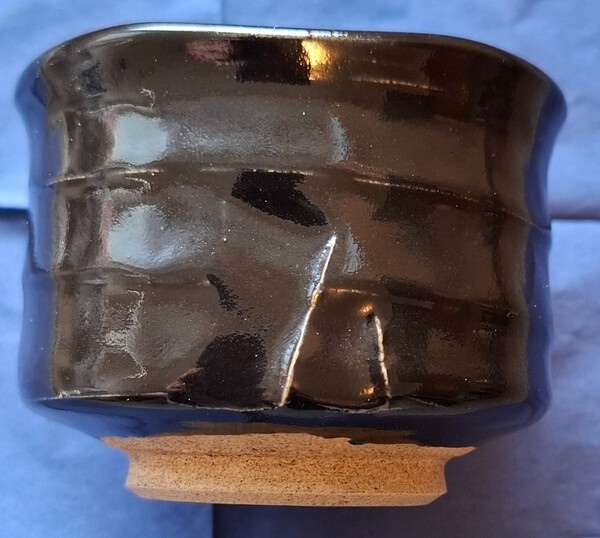
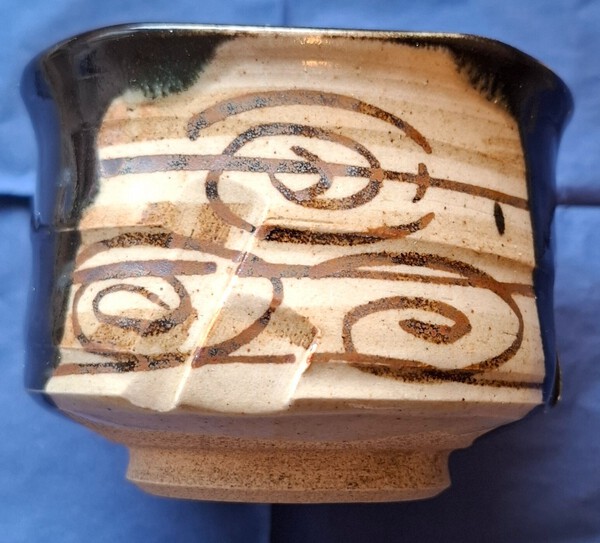
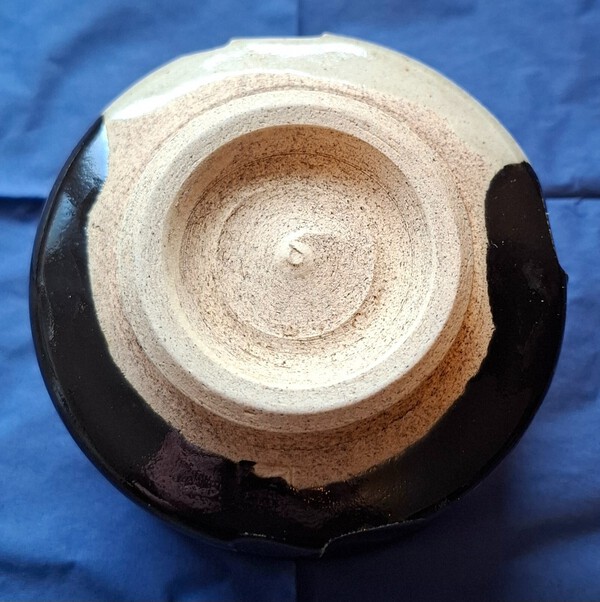
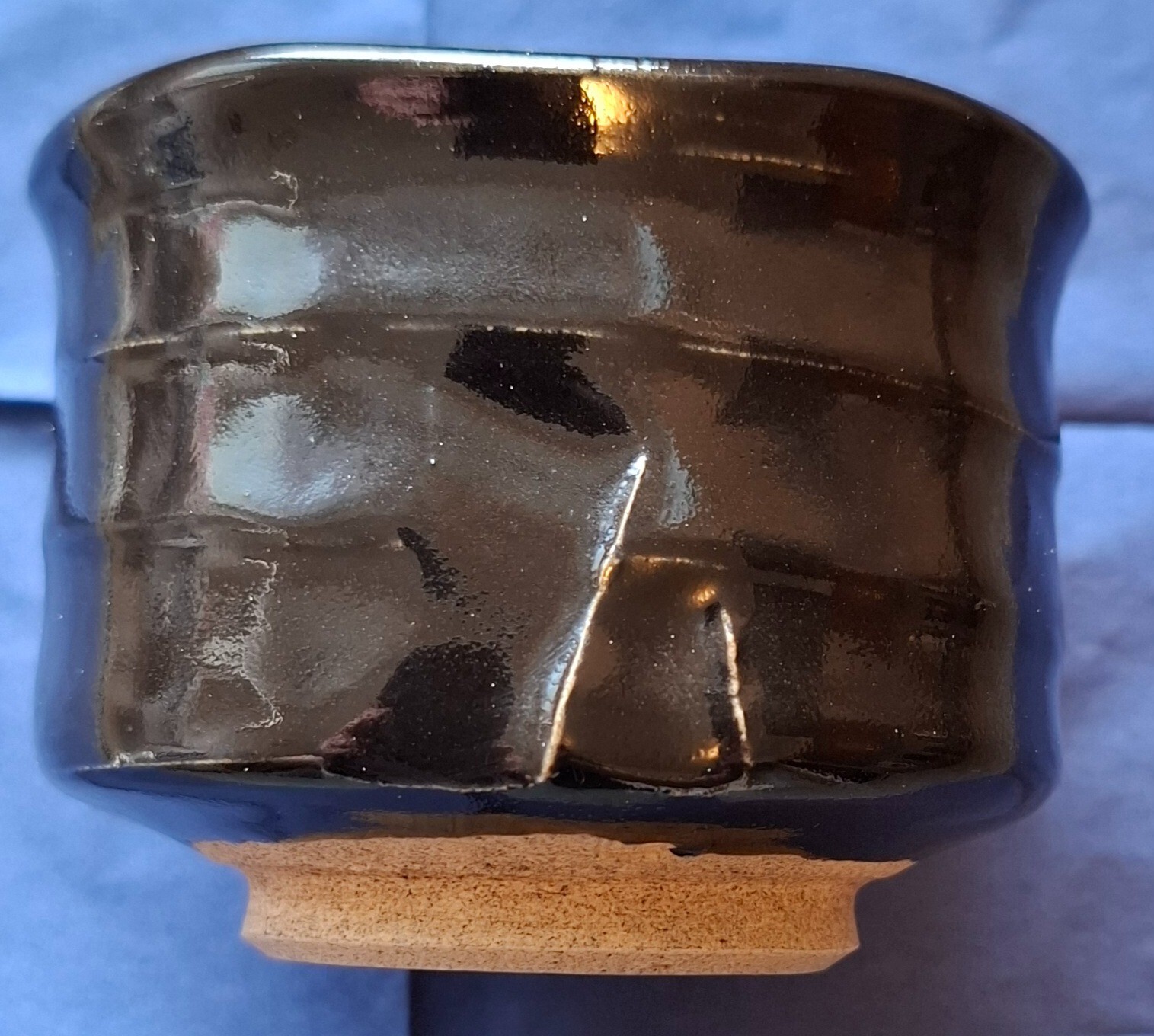
Hi, I have no idea about the school or age of this tea cup. Nor do I know its value. I would like to offer it here for €20 + shipping to support the NMB, as I am currently offering many tsuba from my collection for sale here. If anyone would like to pay more for the tea cup, they are very welcome to do so. :-))))


 1 point
 -
All markets have to operate in the pertaining real world circumstances and the past is usually not a guide to the future…..quite the opposite in fact. So we look at our world and what do we see…..serious actual conflicts, serious potential conflicts, serious economic problems/conflicts/extremes, incompetence of governments etc etc In times such as this will Japanese swords be viewed as an economic safe haven? This is a seriously obscure small market that as said above requires years and years of learning to become even vaguely knowledgeable. Why is gold soaring? What are todays embryonic collectors likely to jump into? The past will not decide what happens, we need to look ahead, not back. Hmmmm…..1 point
-
Great work, Jussi. If I’m not mistaken, the past several Juyo shinsa pass rates have hovered well below 10%, with Session 70 ticking slightly higher than 69, but still yielding the fewest accepted swords in decades. That trend alone speaks volumes about how much more difficult the process seems now. But circling back to the Hirotsugu blade Rayhan so generously shared—while I fully agree that a polish can make or break a Shinsa decision, there’s another factor that deserves equal attention: the Shinsa teams themselves. Boards of judges rotate. Tastes shift. The standards—and even biases—of individual judges can vary from session to session. Add to that the overarching policies and guidance from the Honbu, and you have a landscape where the definition of “Juyo-worthy” is a seemingly ever movable feast. These dynamics can weigh just as heavily as polish on the final outcome. Politics, too—unfortunately the bane of all human endeavors—can sometimes color the process too. Case in point: I recently sent a mumei ko-wakizashi back to Japan for re-evaluation. It had received Tokubetsu Hozon papers, but the attribution was to a group that technically wasn’t even a formal school. Upon resubmission, the blade was again granted Tokubetsu Hozon—but this time with an attribution to one of the top-tier smiths in the history of Nihonto. It was an unbelievable dream result. At that point, I was happy to walk away with the win. I worried that submitting it to Juyo might risk a reversion to the weaker attribution. But I was told by a prominent Japanese dealer that once a Tokubetsu Hozon team makes a bold decision, the Juyo team that immediate follows will often support it because of the need to project consistency. I took the leap, and the sword passed Juyo with the improved attribution intact. I am still grinning over the result. But how much of that result was luck? How much was due to the quality of the new polish? How much was owed to the power and allure of the new attribution? Or to internal consistency within the NBTHK? I’ll never know. But I’m convinced that if I’d waited for a different session or team, the outcome could easily have changed. Timing, polish, attribution, and personnel—all of it matters. The sword has not changed. It's still the same piece. But I would lie if I said my perception of it hasn't.1 point
-
Here are the amount of swords NBTHK has had passing through each phase of their shinsa. The numbers are not 100% correct but in the quite close neighbourhood and they will hopefully give you lot of insight. Starting from highest tier to lowest Tokubetsu Jūyō - c. 1,200 swords Jūyō - c. 12,000 swords Tokubetsu Hozon - c. 80,000 swords Hozon - c. 125,000 swords I am quite sure there are 2,000,000+ swords in Japan. I made a post about license numbers as it is a running system and you can see it here: https://www.militaria.co.za/nmb/topic/52155-naginata-naoshi/page/4/#comment-545277 The problem with running systems is that if the sword leaves the system (for example advances to tier above in NBTHK system) it just remains in the system as number even though the actual sword would not be Hozon papered anymore. Similarily if the sword returns to the system it gets issued a new number (sword gets a new license number when it returns to Japanese system, or for NBTHK shinsa the sword gets resent for Hozon and it gets a new paper and different attribution). Unfortunately these are the closest numbers that I can get. About the pass factor, I chose 2 sessions slightly randomly as they have pretty much the same number of swords sent in. And I do own books for both of the sessions so I have data on every sword passed. Jūyō 68 shinsa had 817 swords sent in to the evaluation. Out of them 66 swords passed. With my math that would be 8,1% pass rate Jūyō 25 shinsa had 819 swords sent in to the evaluation. Out of them 341 swords passed. Using the same math it would be 41,6% pass rate Pretty big difference... In the 2000's I think the pass rate has mostly fluctuated between 10-20%. There are some below that and some above that. It seems like the most recent ones 68,69,70 have all have been judged very stricly with very small amount of swords passing through.1 point
-
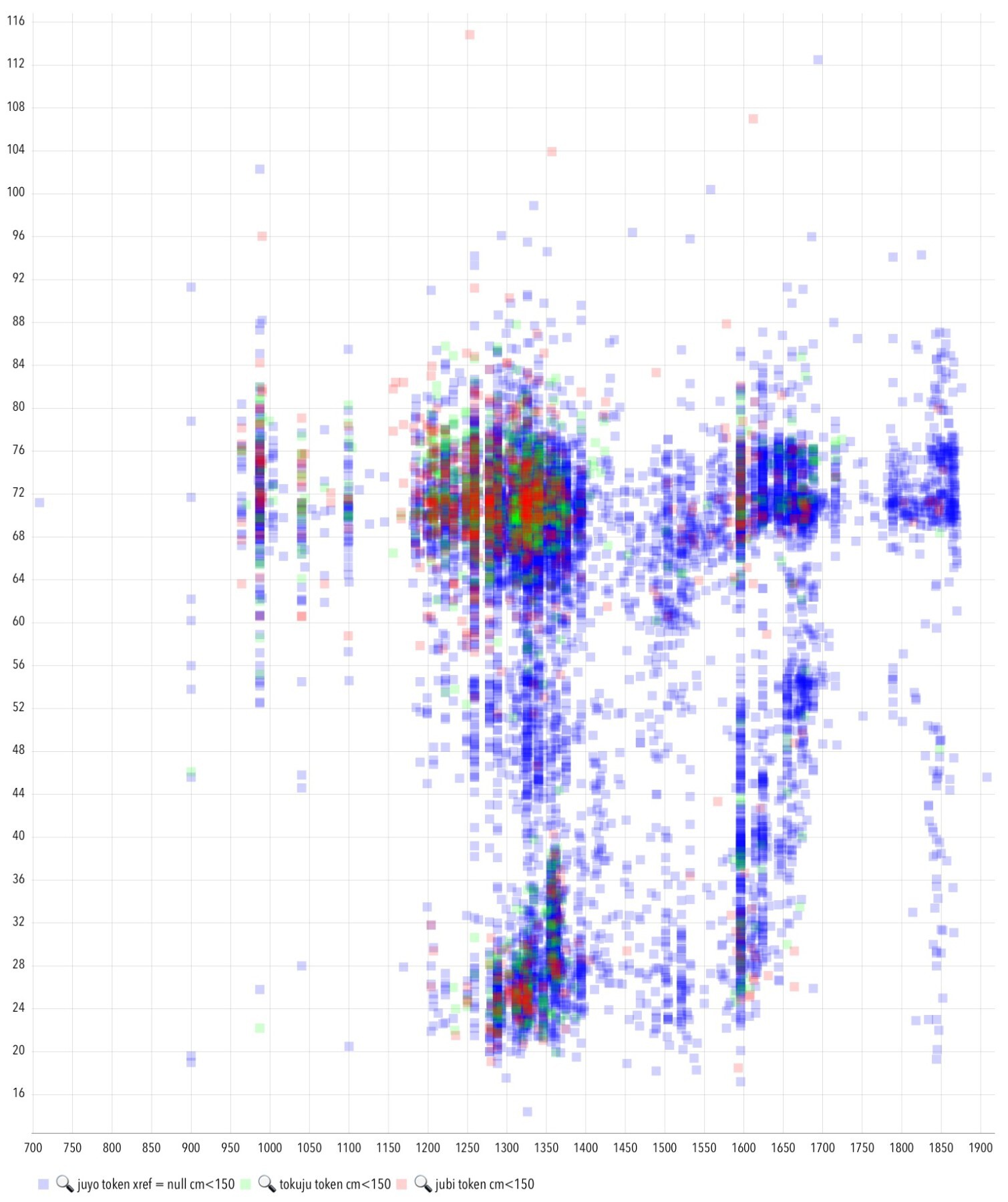
I have one of Darcy's visualizations saved that plots paper level with length and time of manufacture. It goes hand in hand with what @Rayhan and @Hoshi have posted above. I love this type of graph and I wish we had Darcy around to keep giving his insights on such matters.
 1 point
 -
KTK catalogue 2014 has a write up by Saulius V. Ploplys on a koshirae that contains a kogatana with a blade inscribed with the legend of Rokkasen. He makes some very insightful comments and observations that are worth reading if anyone is interested in Anthony's kogatana.1 point
-
Yes! You are right. Each is a four-character name. There are three names on the top, three on the bottom, arranged vertically (read as if you were holding the kogatana vertically, i.e. tip pointing upwards) top row 喜撰法師 Kisen Hōshi 僧正遍昭 Sōjō Henjō 文屋康秀 Fun'ya no Yasuhide bottom row 在原業平 Ariwara no Narihira 大友黒主 Ōtomo no Kuronushi 小野小町 Ono no Komachi1 point
-
If I'm not mistaken, the kogatana has "六歌仙" (rokkasen) written on it in large letters. https://en.wikipedia.org/wiki/Rokkasen If my reading is correct, the fine writing underneath it might be representative poems from the six poets of the Rokkasen. I have never seen anything quite like this on a kogatana, so to me it is interesting and enigmatic. If I could only go back in time and warn your grandfather to refrain from using any abrasive on it... Note my reading may be incorrect. The middle kanji isn't enough of a match for me to have complete confidence.1 point

































This leaderboard is set to Johannesburg/GMT+02:00