
Leaderboard




Popular Content
Showing content with the highest reputation on 09/28/2025 in all areas
-
I appreciate your candor, I of course was not expecting you to air your actual fees, but now that you have, $125/h seems extraordinarily reasonable in today's market for the amount of knowledge and experience you bring. Also serves to infuriate those like myself who have paid mechanics and other contractors, similar rates, for subpar knowledge and services. Such is life.....6 points
-
Basically, it boils down from my standard (non-translation related) consultation fee of $125/h. Has to make sense for both parties. For example, I would never dare to charge, let's say, $5k for a huge collection of objects, but which likely will only reel in $15k at the end of the day, that's not economically reasonable. It really depends on the breakdown @Hoshi posted earlier.6 points
-
I have done this several times in the past as a paid professional service for higher-end collections. That is, collectors were paying for the flight, two nights in a nearby hotel, with a prior discussion about number of objects and desired level of detail so that I was able to give a rough quote in advance. Pictures, and as many notes as possible taken on the ground, then compiled a folder or booklet of the collection back home, including rough estimates, comparables, etc., from past auctions and other sales, for example.6 points
-
万金産業袋 (also written 萬金産業袋), published in 1732, describes how to make iron tsuba. The method is to recycle old farming tools, no casting. https://kokusho.nijl.ac.jp/biblio/100258979/31?ln=ja It is all in Japanese and written in kuzushi-ji, but you can scan it with the miwo (みを) free application, which will give you the writing in typed text, which you can paste in a translation software.4 points
-
Another discussion that goes somewhere. I know a few dealers whom I reasonably trust on descriptions, photography and moneyback guarantee. I never bought much from them - they deal in things somewhat outside my interest. On the other hand Christies are awful in photography, descriptions, no warranty, false promises, random people. I bought from them and many people do. Because they have a brand and good items. Simply don't pay attention to most things they write down. There are more dangerous guys, those who do put in the effort when writing things, but either far more incompetent than they think they are (99% of dealers), or they are shrewd. Or both. Yes, Aoi Art has a thingy where they affix a koshirae to most blades they sell. I loved it as a beginner (its a real samurai sword), less than thrilled now, but there is some match between blade quality and koshirae, and even at the bottom its not "awful-awful". Big thoroughput shop with many good items.4 points
-
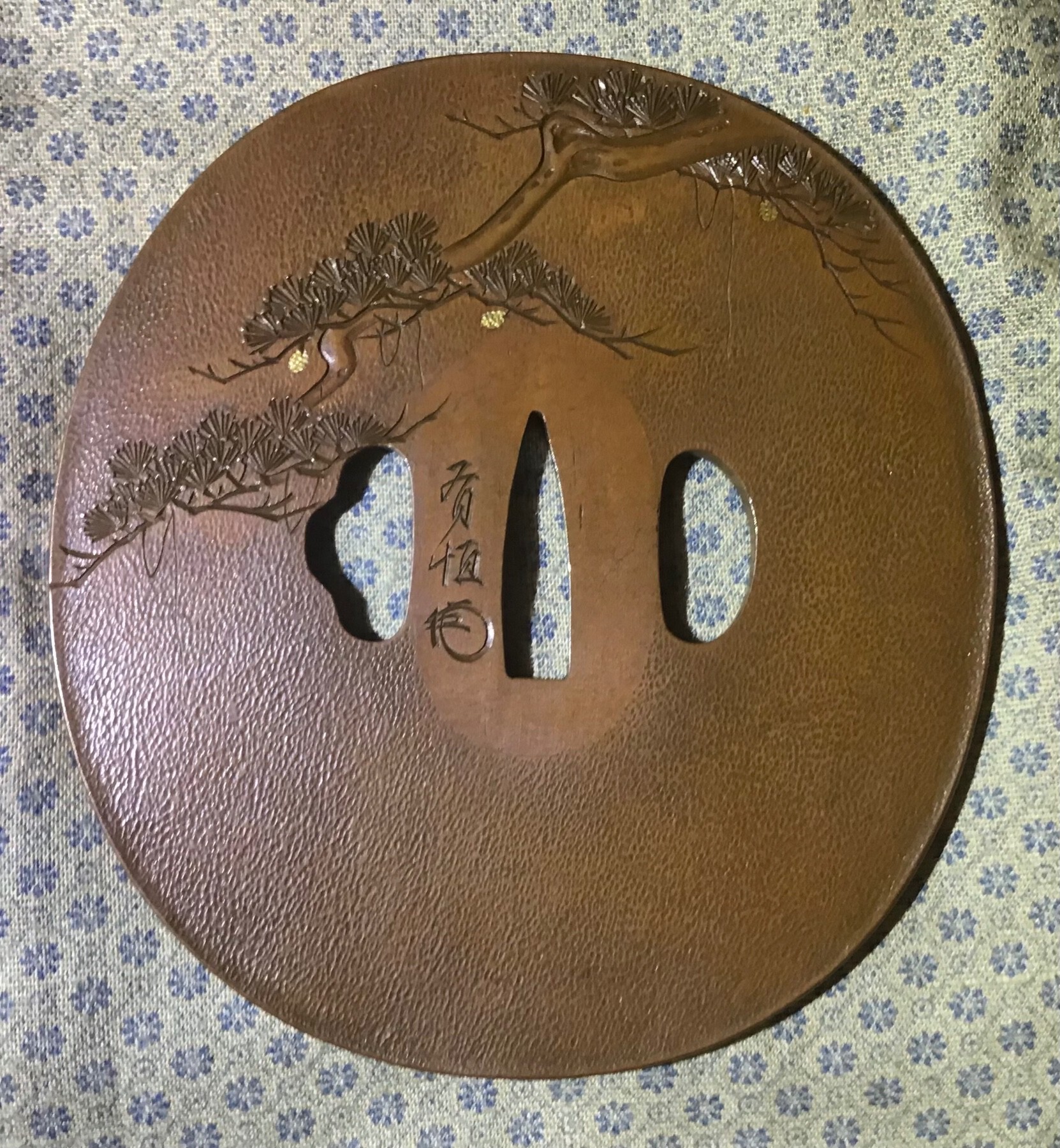
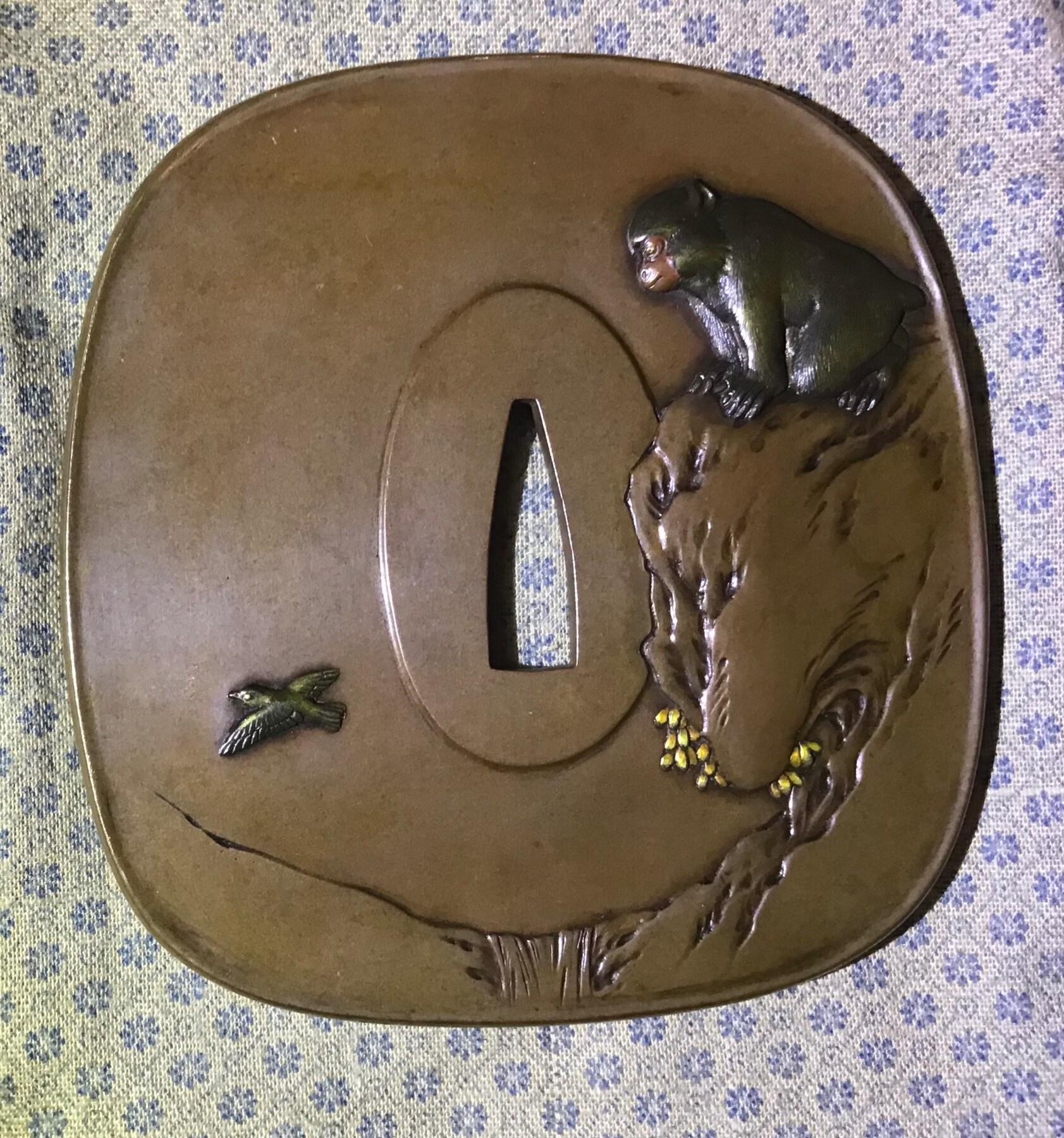
Agree, a little on the large side at 9.0cm! Many thanks Steve, greatly appreciated Thanks John, I’d been watching it (and the monkey item) for a while on a gun dealers website (at huge prices) but then he put his whole collection into an auction and bingo! Both the above came from his dispersal at slightly more realistic prices! Personally I think the pine tree and moon item is utterly beautiful and in pristine condition. ….and here he is in Haynes THANKS GUYS!
 3 points
 -
Aritsune 有恒 Another example below https://www.tsuruginoya.com/mn1_3/b00085.html3 points
-
Kuraya Hashimoto just down from Nijojo Mae station on a corner opposite Nijo Castle. 408-29 Ikemotocho, Nakagyo Ward, Kyoto, 604-8302, Japan Very friendly family run shop selling Swords and Sword related items. The owner has a good sense of humour and I've found him to be most helpful.3 points
-
from Markus Sesko's book: KANESAKI (兼先), 9th gen., Bunsei (文政, 1818-1830), Inaba – “Inshū-jū Kanesaki” (因州住兼先), “Inaba Fujiwara Kanesaki saku” (因幡藤原兼先作), “Myōichi Fujiwara Kanesaki” (妙一藤原兼先), “Myōichi Hōsetsu Nyūdō Kanesaki” (妙一峯雪入道兼先), real name Heki Yasaburō (日置矢三郎), student of Minryūshi Toshizane2 points
-
For traditional kai gunto, I would read Malcolm Cox's excellent manuscripts on Naval Part 1 (updated) and Naval Part 2 (updated) in the Downloads section. Focus specifically on KJT smiths, the navy equivalent of an RJT (some were both). Once you get a list of names, you can search for just those smiths when hunting for swords. John C.2 points
-
Hi John….here goes….

 2 points
 -
@ROKUJURO @uwe Many thanks for your help! It has enabled me to track him down in Haynes……this is he (but no guesses on the other one?☹️) This is the tsuba…. Greatly appreciated!
 2 points
 -
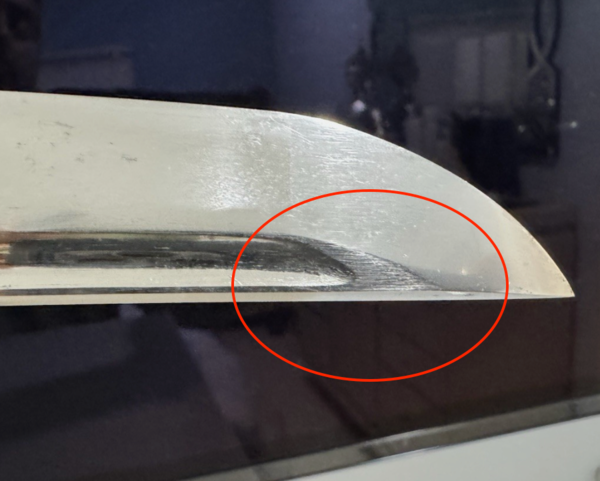
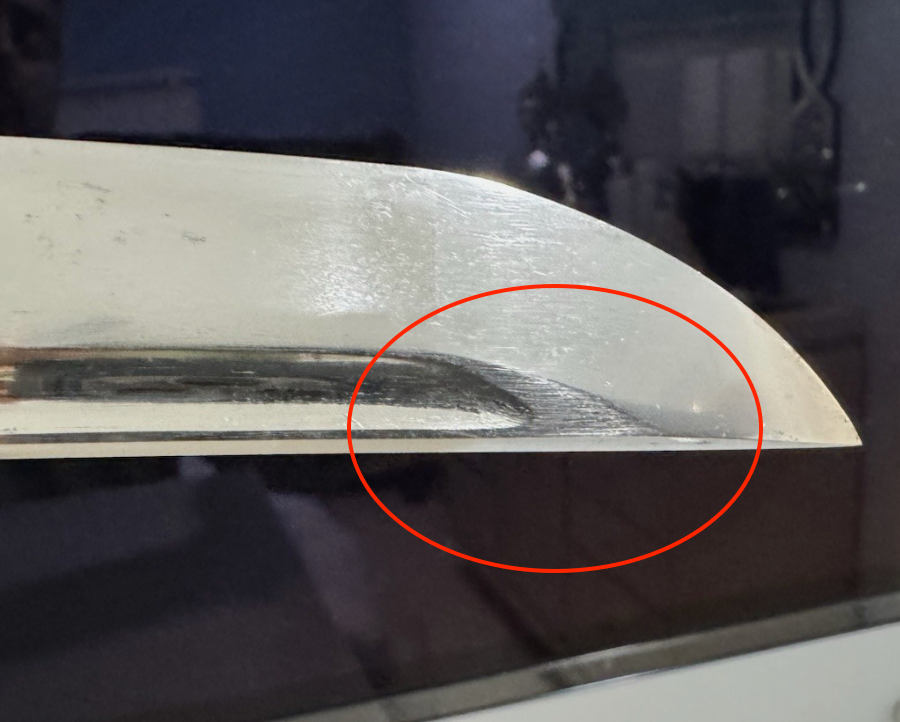
Steve: In my opinion, 3.5k for this sword is too much (unless the blade could paper as something special, which I don't believe it could). The area around the boshi looks like it has seen a grinder (see pic). The description is hopeful at best. "High ranking" officer? What gives that impression? Koto blade? Again, how is he coming to that conclusion? Never mind the poor grammar and low feedback. A separate question would be to figure out what your collecting goals are. Genuine WWII item with a WWII made blade or an older samurai-era blade that has just happened to be repurposed in WWII koshirae. John C.
 2 points
 -
Steve, may I suggest you acquire the book, Craft of the Japanese sword. What you appear to be lacking is, the ability to "Look into a Sword". Learn what features are desirable in each tradition. On the sword above, looks Shinto to me and of not very high quality.2 points
-
What I have done with my tosogu is to take an index card and write down as much information as I have been able to research and leave it in each box. I have also provided a rough price for each piece on the very low end if my heir was to decide to sell all at once. I have explained to her she may get more money if she was to take her time, but when this time comes, I will leave it in her hands. All I can do is try to leave her the best guidance I can. Jason2 points
-
It is right up my alley. NBTHK judged it as den Hōju and awarded Tokubetsu Hozon for it. I am personally a big fan of Hōju but it also tends to be an attribution bucket for items of "rougher" side like this one. Bit similar way how I think about Uda attribution is used. Some of the signed Hōju and Uda swords I have seen in museums feature quite nice workmanship, while some mumei work that gets attributed towards them is on rough side. Here are two similar very big naginata-naoshi attributed to Hōju as reference. I was actually hoping there would be a chance I could buy this one. Unfortunately not... this one is now in Funassyi collection and it was just on display at Osafune Sword Museum. Unfortunately they dont feature this sword at 2nd part of the exhibition that starts next week. https://web.archive.org/web/20220920221746/https://www.aoijapan.com/katana-mumeijudged-as-hojunbthk-tokubetsu-hozon-token/ https://www.city.setouchi.lg.jp/site/token/1315.html Here is a second one, these are not the most beautiful items in general but I like them. https://kako.nipponto.co.jp/swords2/KT218307.htm2 points
-
I can only add that for collectors, whose families have no interest, It might not be a bad idea to handle the sales for oneself. It can be quite the burden to leave it to loved ones. While I'm only 50, and hopefully still around for awhile, I have sold off several different collections knowing that if something were to happen it would be a big drag on my family. I keep a couple items that have meaning and sell the rest, which can be just as thrilling as the hunt and study of the object. I suppose this circles back to the question of quality over quantity. Of course, large and important collections, are a different animal.1 point
-
With blade that old with such a dark, dense jigane it's nothing. Rai?1 point
-
Hi Colin, thank you. Wow that is really lovely and very well done - there's a ton of work gone into that. I'll be interested to see who the maker is as it looks like you've snagged a good one there.1 point
-
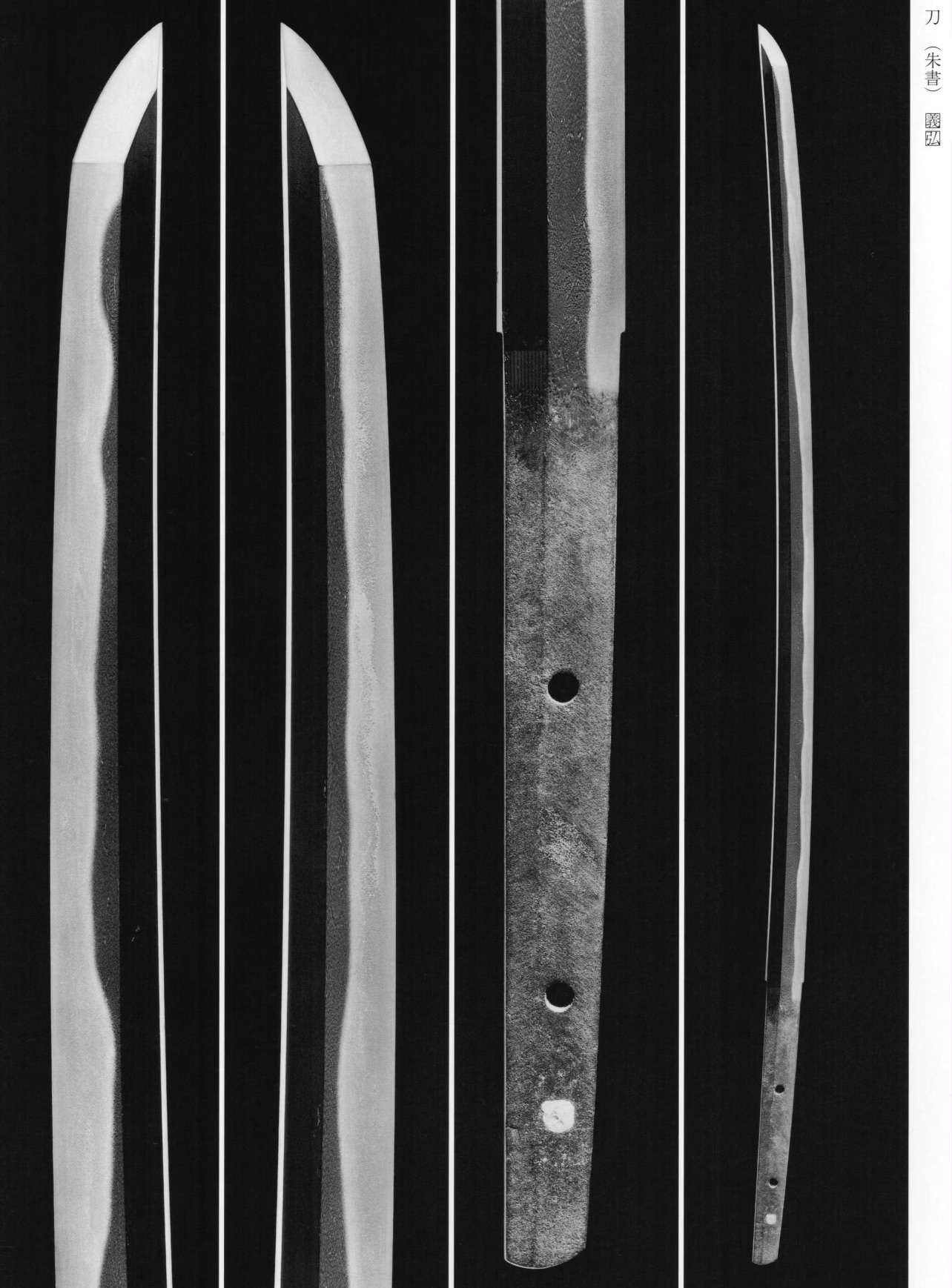
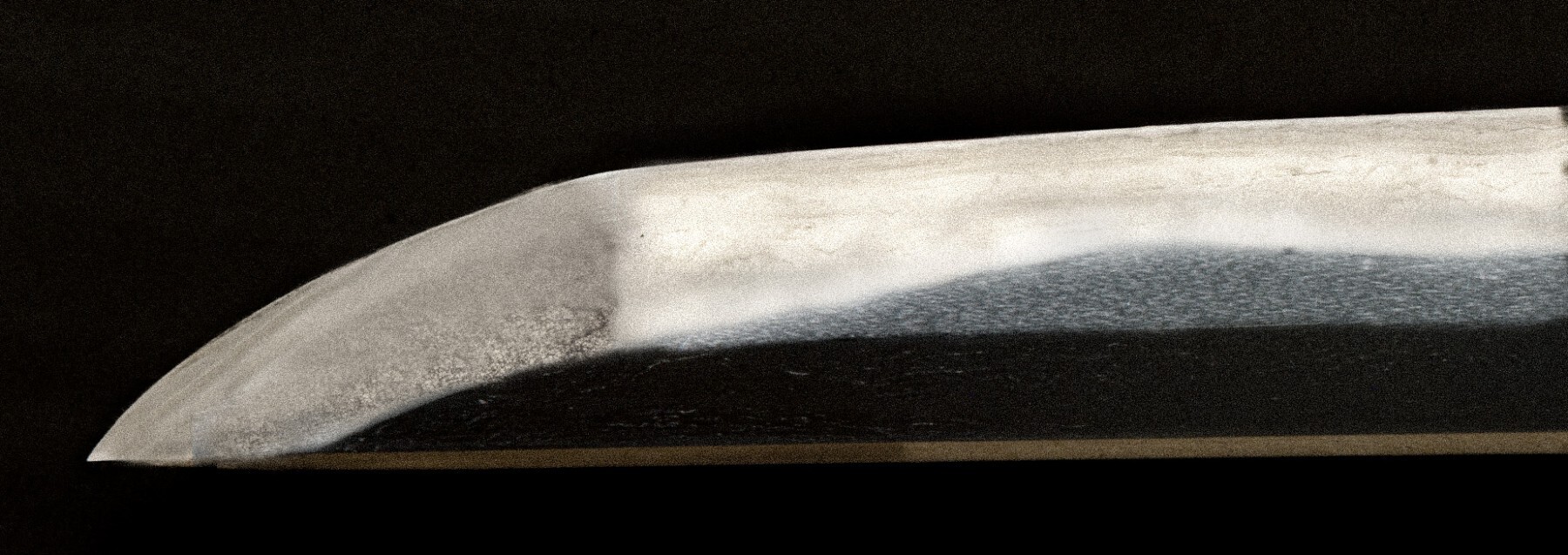
Most Go that I've seen that "widened" hamon, noticably did so within 10 inches below kissaki. The width variation exists, though noticably less pronounced compared to say Kaneuji, and it occurs differently compared to other schools - with particularly long "wide" areas. Hope this helps.
.thumb.jpg.37bd9c646ee0a2b48e4385b15e095ee4.jpg) 1 point
1 point -
Hi, It is a trait most often associated with Go Yoshihiro, as other have said. However, it extends to the broader Soshu movement, all the way to the Muromachi. Then into Edo, with smiths who were striving to emulate Go and Norishige. It is not frequently encountered, and if you see it - you can rule out traditions, schools, and makers. It's a "negative trait" in the sense that it's presence allows you to eliminate rather than pin-point. It is less discriminant than for instance, the san-saku boshi of the early Osafune school. I wish it was that easy, but it is not. For blades without Ko-Kiwame (This is very important to control for, as a Ko-Kiwame automatically removes the "Den"), the presence of the Ichimai Boshi (~25% of all Go) is spread between the "Den Go" and the "Go" rather equally. For Go, it is not the Ichimai boshi per se that is determinant (all else equal, supreme quality of nie, clarity of the Jiba, etc) - but the tendency of the Yakiba to be both high to begin with without much higher-frequency variation in height, and to rise gently over the entire course of the blade, culminating in a higher yakiba at the crossing of the yokote compared to the average height of the lower section of the blade). With this trait present, even if the boshi is not rendered fully in ichimai, the blade will tend to be placed with Go, unless contradicted by a Ko-Kiwame, rather than say, to Masamune. From a deki perspective, the quality expected from Go is on par with Masamune. Besides Go, the other maker from the Soshu-Joko line that occasionally rendered an Ichimai Boshi is Norishige, and these tend to be exquisite Tokuju. Outside the Soshu Joko, we see it also with blades attributed to Tametsugu, Naotsuna, Ujifusa, Uda Kunifusa, Sanekage, and Muramasa, and and very rarely with the Sa Ichimon. What we can tell from this pattern is that there is a rather clean lineage of praxis that begins with Norishige and Go (who, according to tradition, worked together at some point in their career), up to the Northern provinces with Tametsugu, Sanekage, and the Uda line. There is also a bit of inconsistency in the nomenclature between widely hardened boshi and Ichimai boshi - the line between both can be thin. Edo-period makers that were following into Go's footstep tend also to exhibit an ichimai boshi. Prime examples are Hankei (emulating Norishige), Inouie Shinkai, Nagasone Kotetsu, and Nanki Shigekuni (all three had phases emulating Go). Hope this helps, Hoshi Go illustration:
 1 point
 -
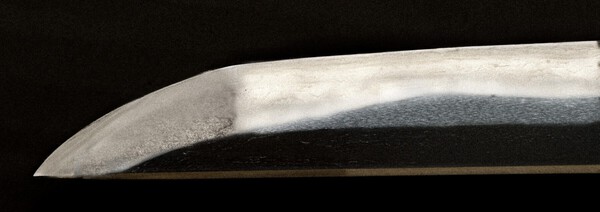
Not the image I am particularly proud of, but shows the general gist. AOI's Tametsugu definitely has this Go widening and Ichimai, but very tired, jigane is gone, nie is rough... But a very rare type of "Tametsugu" with Go features, indeed.
 1 point
 -
It is sort of Soshu, but first and foremost what is Ichimai boshi and what is "attributed" are not perfectly defined terms. In textbook pictures you see fully and uniformly hardened kissaki with nioi-guchi located outside yokote. This is rare. And if you see Go where hamon starts to widen before kissaki and then the entire kissaki is hardened - its ichimai, and the papers typically say simply "Go". Sayagai might say "kiwame Go". Then there are pieces where it widens or not before the kissaki, but within the kissaki the hamon is simply very wide, nie+nioiguchi covers 85% of kissaki area, but there is certainly some "empty space" left out. Then the papers might as well say "Den Go". The percentage of Ichimai boshi for Go strongly depends on whether you include "Den Go". But then a dealer also can describe the wide hamon as ichimai, it happens all the time.1 point
-
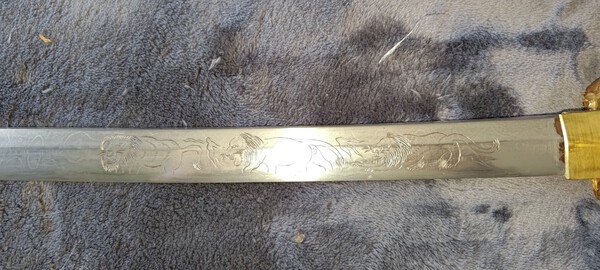
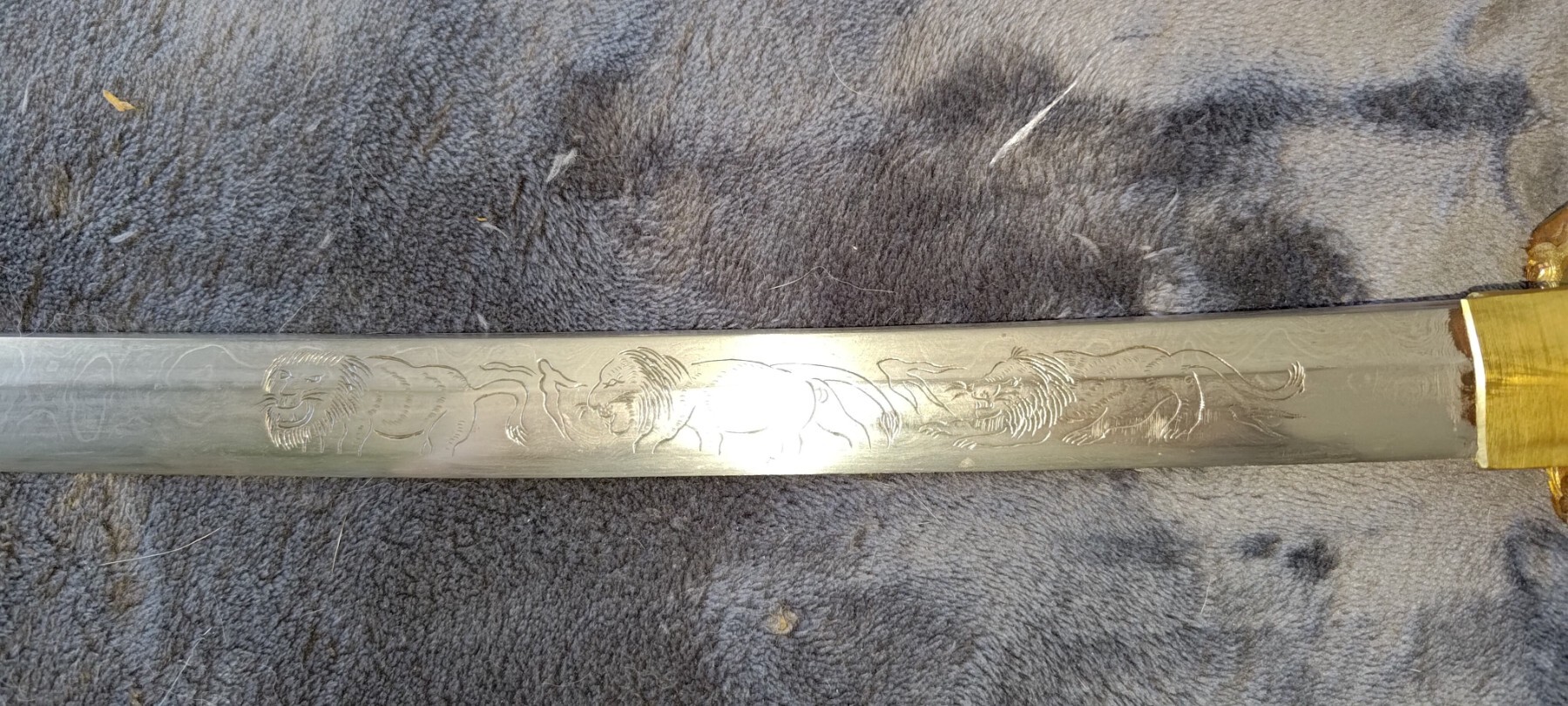
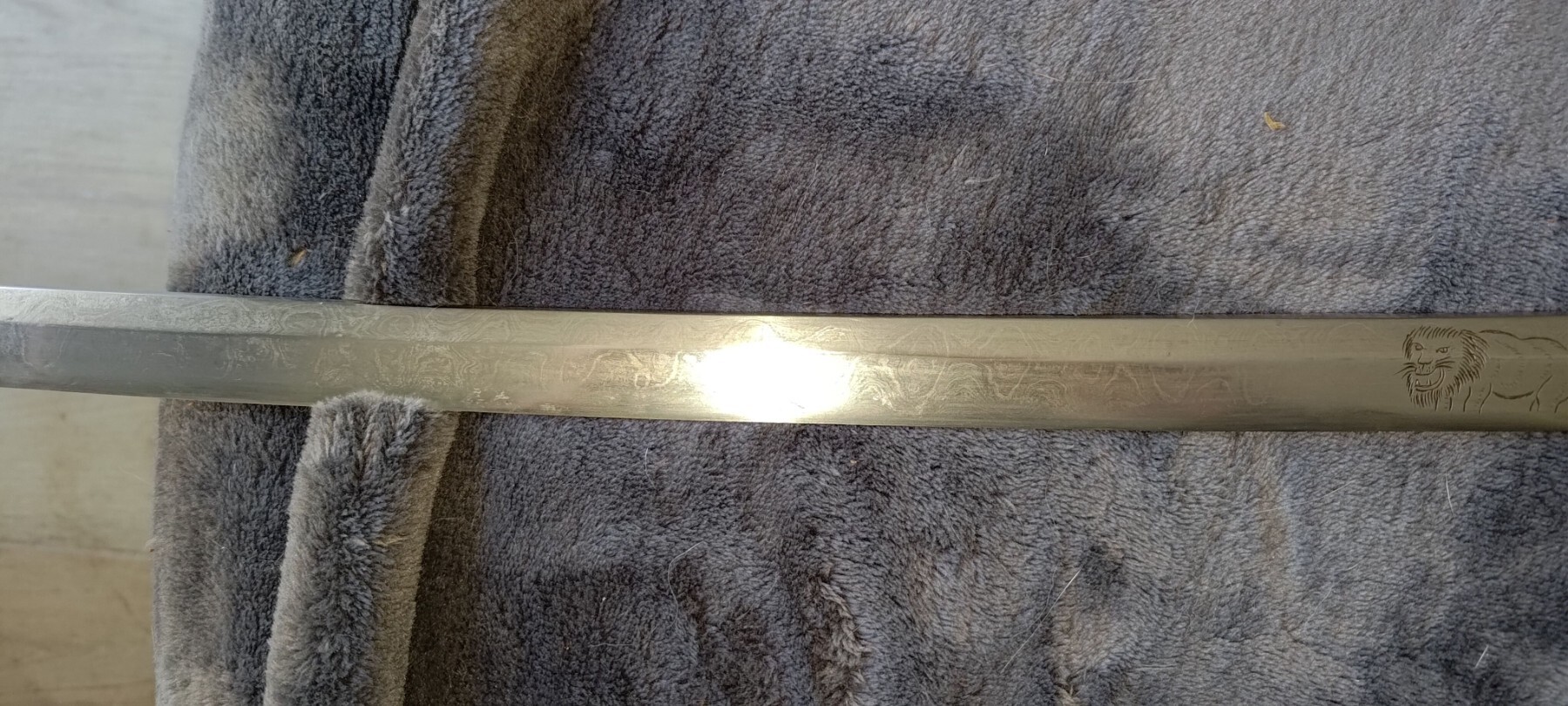
Thank you Brian and Ray, I have this sword in my possesion for about 12 years now, thinking it is a genuine piece. I really appreciate your sincerity. Thank you for the informative website. I have provided 2 more images of the blade itself. Kind regards, Joris
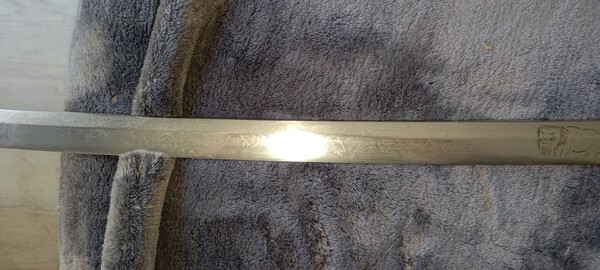 1 point
 -
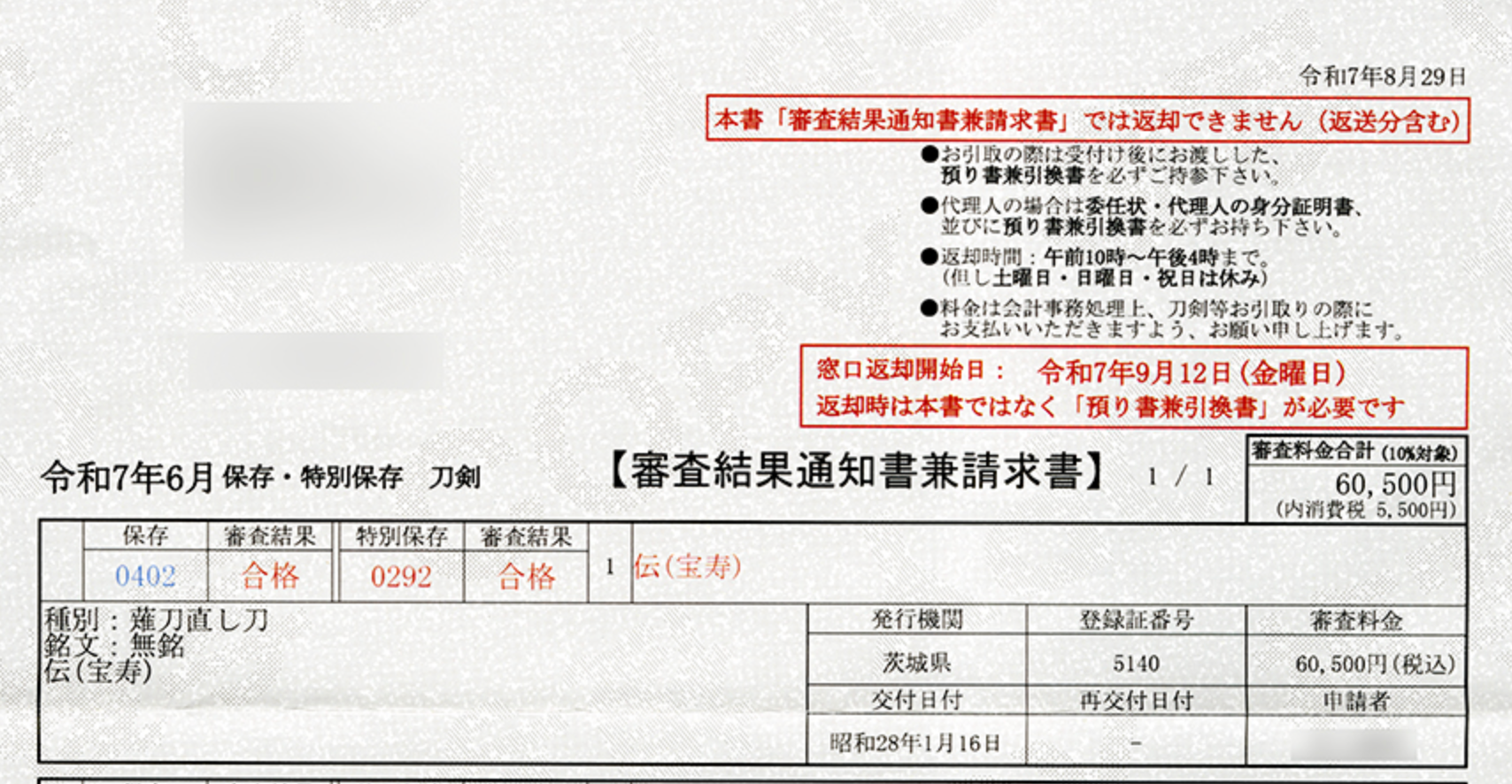
It passed TH 12/09/25. Seller posted the result but not the TH papers. 1953 Torokusho registration. Bidding up to 700k JPY でいますので振るってご入札ください。 「審査結果通知書」を見ていただくと分かる通り、つい先日審査に合格したばかりで、まだ鑑定書は出来上がっておりません。こちらに届き次第、郵送いたします。
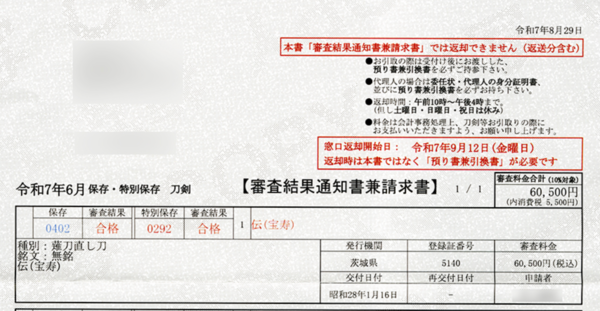 1 point
 -
 SOLD for the final asking price, NMB donation sent. Mods please move.1 point
 -
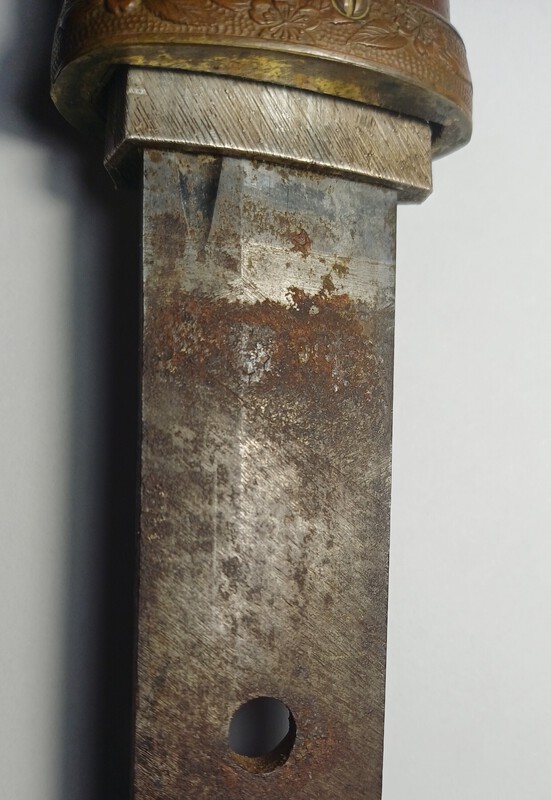
Dunno how to explain that buying sword in such a shape wasn't with profit in mind.
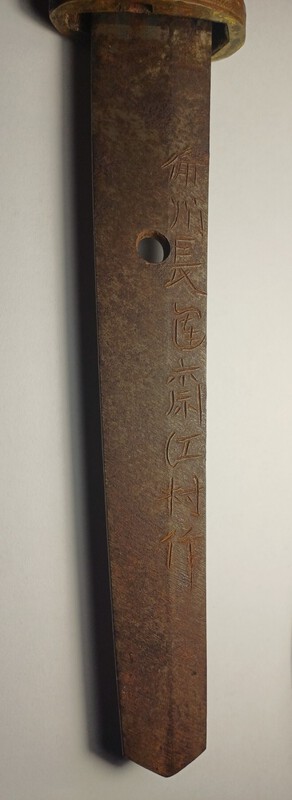
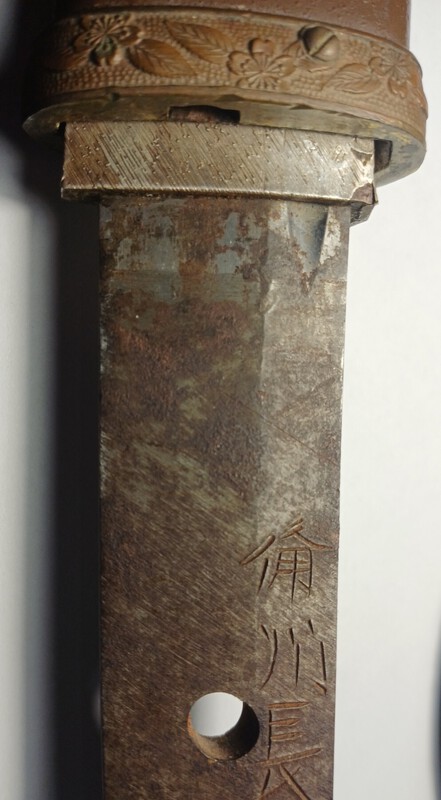
 1 point
 -
The better the items the more effort is spend by the owner to find a single buyer-collector and make the arrangements. If the collection is not only good, but specialized, there is a high chance this happening. In which case the sale often goes with a premium compared to the market price. It is a singular chance to make such acquisition and the buyer is aware of that. If it does not happen, it goes either to dealer who might offer a lump sum (20-60% of the expected), or they sell over many years. Or it goes into auction. Christies and Sotheby have less problems securing good submission, but smaller auctions like Rock Island can sometimes offer exceptional incentives and have pre-arranged bidders, so they end up handling the sale. Sometimes the sale is completely private - they send catalogue to 3-5 people, they immediately submit bids and the matter never gets into the room. Public sales have many issues, there are always "rumors" about pieces left with nonsense descriptions on purpose, bidders who collectively agree on bids versus bidders who purposefully drive up bids on items they know will sell at some significant premium etc. etc.. For certain subjects, auctions are chaos few understand, but in every sale there is a lot going on. They get strong feedback when working on the catalogue, another feedback when they see the bids. At all times going private or splitting the collection is an option they consider. Reasonably good collection was placed on sale and they got very high bids on items they did not think much about from a person they respected. They got really scared, pulled out half the auction, sold the stuff nobody cared much about, and offered everything else privately.1 point
-
The author of Nihonto Koza is merely giving his opinion. It is said that Morikuni's work resembles that of Kotetsu (with a certain difference in level), yet Kotetsu's work has nothing that can be linked to Osaka,Kotetsu is a pure EDO swordsmith. I will leave you to draw your own conclusions. Question worth 10000: What distinguishes Osaka from Edo?. Morikuni is also quoted in the Shinto Taikan by Iimura (3 blades) and in the Kanzan Sato's Shinto oshigata dictionnary 1 blade.1 point
-
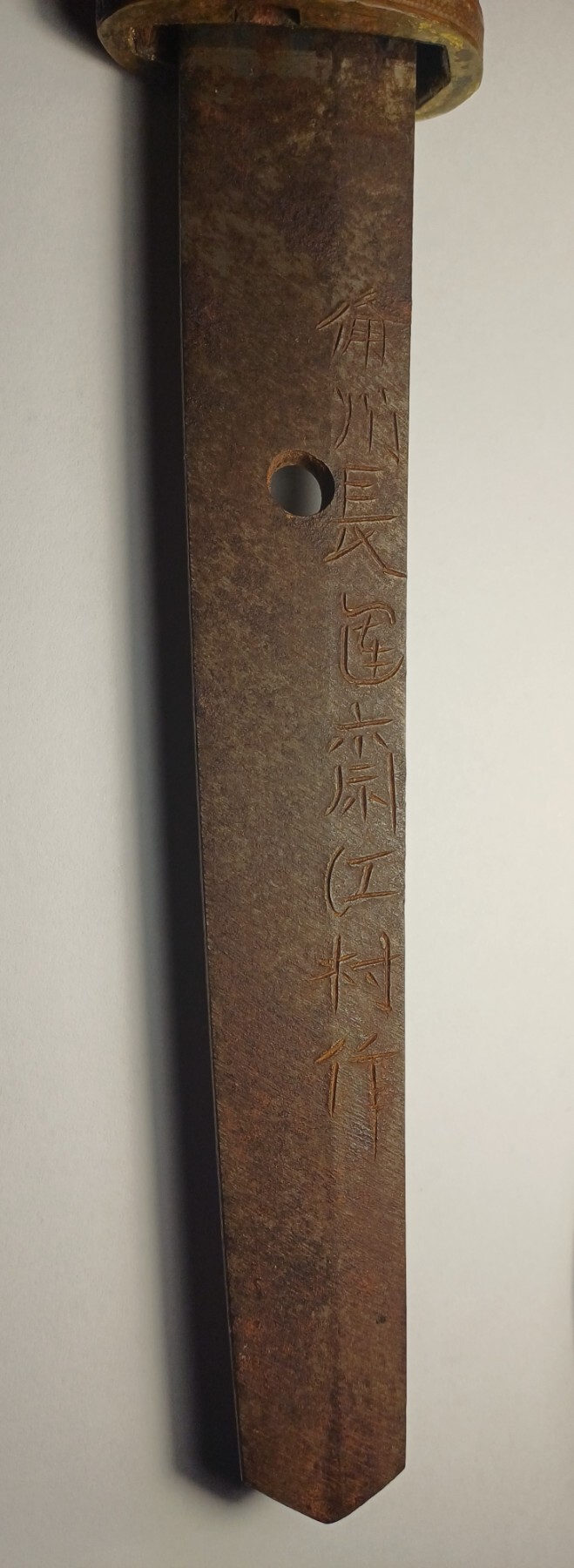
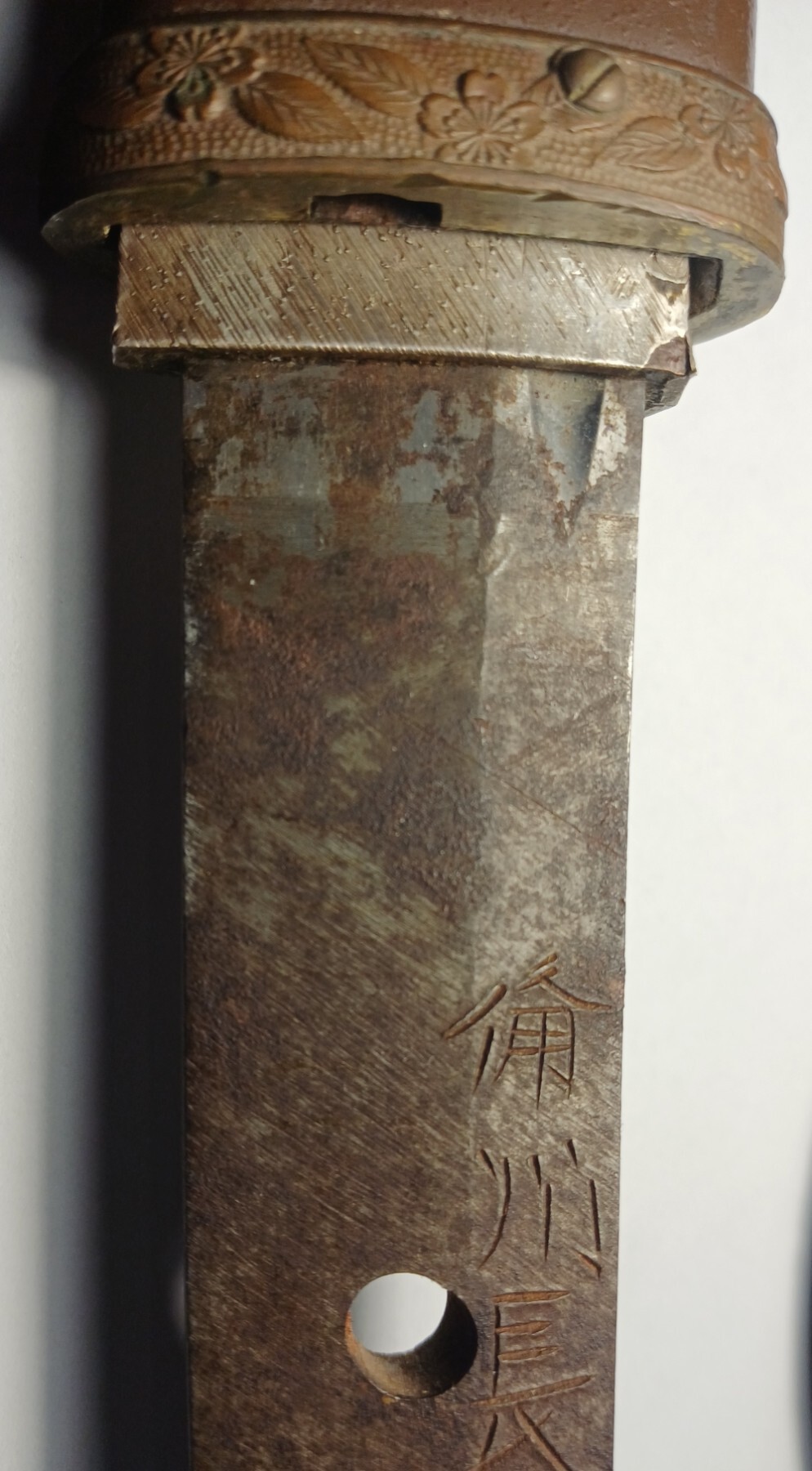
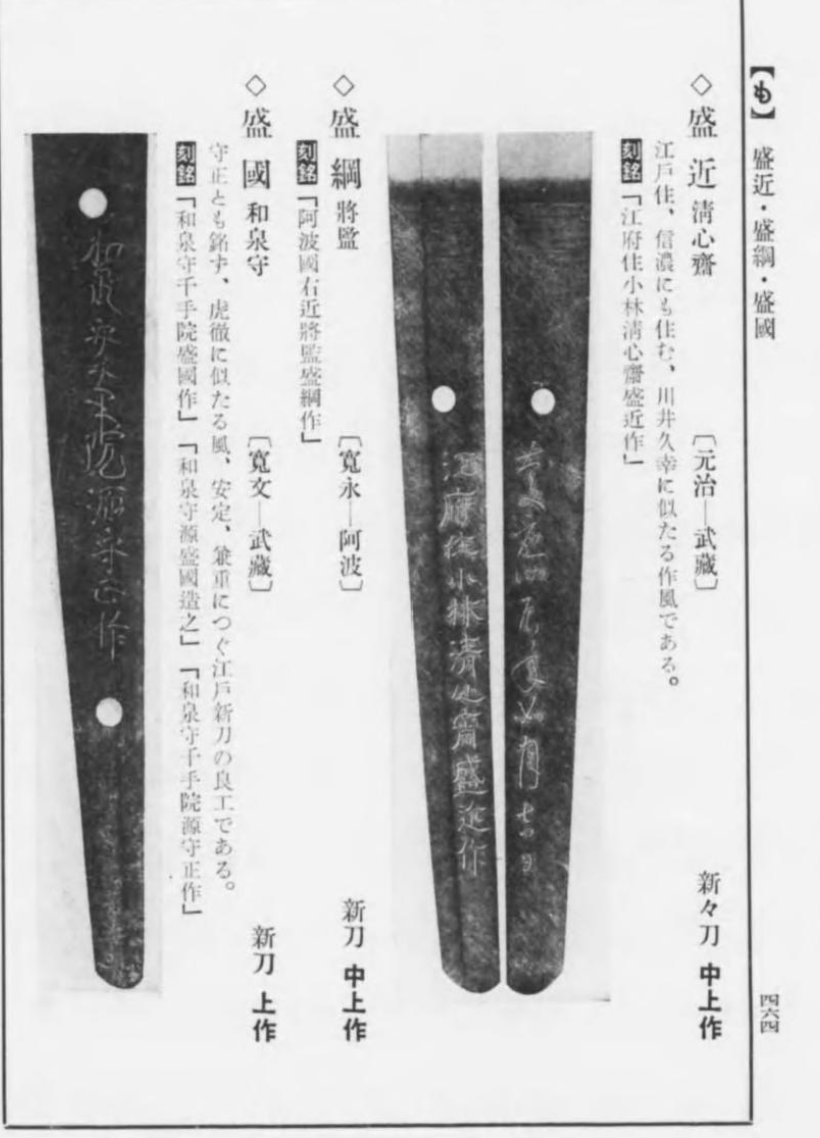
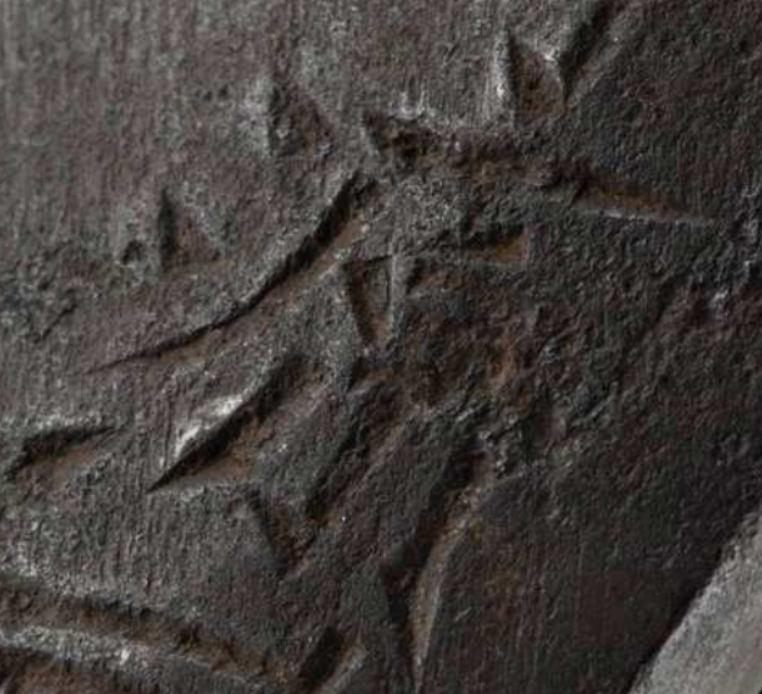
Thanks, I spent quite a lot of time on this before i started the kantei, It is much of a learning exercise for me too as i've spent most of my time in the last few years studying ko gassan works and this was a departure. Apologies if any of my replies were misleading it is difficult to give hints without giving it away. When it came to the classification of his work and school etc, obviously he is an edo smith of the senjuin lineage but I found references referring to his style as firmly in the osaka style. he studied under Izumi no Kami Kaneshige and is compared heavily to kotetsu understandably as they share the same teacher. from nihonto koza Japanese: 盛国は大和千手院派の出身なれども、その作、姿・刃文共に大阪新刀の風を帯び、助広・国貞の影響著し。元禄姿を示し、大阪伝に列すべきものなり English: Although Morikuni is from the Yamato Senjuin school, his work, appearance, and blade pattern are in the style of Osaka Shinto, and the influence of Sukehiro and Kunisada is evident. It shows the Genroku style and should be ranked among the Osaka tradition. and Japanese: 和泉守源盛国 [良業物] 元和頃大和千手院の出で江戸に住す。寛文・延宝・天和・貞享・元禄の頃に作す。初め千手院風を帯ぶるが、後には助広・国貞の影響を受けて、濤瀾風の乱を焼く。姿、元禄風にて、地鉄よく練れて精美なり。 English: zumi no Kami Minamoto Morikuni [Ryōwazamono] Originally from the Senjuin line of Yamato, later lived in Edo. He worked from Kanbun through Enpō, Tenna, Jōkyō, and into the Genroku eras. At first he retained aspects of the Senjuin style, but later he came under the influence of Sukehiro and Kunisada, producing ō-toranba (billowing wave) hamon. His sugata is in the Genroku style, with well-forged, refined jigane. I would be interested in peoples opinions and thoughts on classification here as this was one point i spent a while researching and trusting to excerpts from books in another language and doing visual comparatives of other swords and smiths to compare style are the only tools available i guess other than expert opinions so all comments are welcome. and as jacques pointed out he is in shinto-hen (full page included) but i also did not find him under any of his names in Meito Zukan there is some slight loss of metal here which obscures this character a little. i included a picture of the damage. It is suriage but has Tokubetsu Hozen papers

 1 point
 -
This doesn't feel right. Possible fake?1 point
-
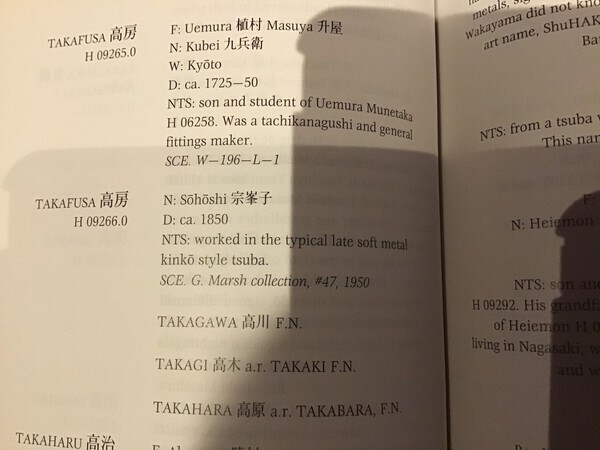
“宗峯子” “高房” [Hmm…Sōhō shi (ko) Takafusa?]. 宗峯 can also be read as Munetaka, so I’m not sure…1 point
-
First one might be YOKOYA school "SÔ X TAKAFUSA (?)1 point
-
The best one can hope is that treasured items go to those who appreciate them.1 point
-
Hello, The answer to this question really depends on which segment you operate in. The best strategy depends on your personal circumstances: the level of your collection, the tax policies of your country, and the family dynamics between the heirs. S Tier collection: At this level, items remain locked up post-death. Purchases are most often realized through a foundation, and items are preserved in a museum. The attrition rate on top items is driven by these types of Japanese collectors with a focus on legacy and creating persistent cultural institutions. See Sano Museum, or the more recent Token Museum of Nagoya. A tier collection: Top auction houses like Sotheby's and Christies are generally tasked with disposing of the collection (e.g., Paul Davidson, Compton collection) , but not always. Often, there are pre-agreements with the owner on the post-death sale of specific items. This is one of the only ways to access truly outstanding items, and some of the most formidable collections have been formed by placing these sort of "dibs" on items that owners would otherwise never sell. Another strategy is progressive dispersion: some owners will start trimming their collection from the bottom up early on, keeping only a few but extremely exclusive pieces for which there is ample demand, and have post-death sales or consignment agreements in place for what remains. If consigned, these truly exclusive items will be sold discreetly and without fanfare through trusted relationships with the dealer to his absolute top clients. B Tier collection: Items are usually triaged between first tier auction houses as part of a general "Samurai Art" sales and second tier auction houses for lower tier items. For example, promising items go to Bonhams, other less promising items go to Zacks. Consignments of entire collection with dealers are not uncommon here. C Tier collection: Consignments with dealers becomes the norm here. There is bargaining involved, as usually the dealers are unwilling to consign items of lower value. There can be quite some wait involved for heirs to "see the money" and this is where it becomes tempting to sell it all as a large discount for cash upfront. Partial cash and partial consignment arrangements are also possible, and should be planned ahead of time. D Tier collection: Ebay listings by family or friends, listing on the board here, and so forth. There are also major cultural differences, some of which are driven by tax policies across countries, suffice to say I won't elaborate. Family circumstances also play a major role, as sometimes heirs are distrustful of each other and auction houses act as "neutral arbiters" to pre-empt potential conflicts. Hope this helps, -Hoshi1 point
-
You might find Tsu da ro in Gion district in Kyoto - it is both a restaurant and antique shop. Closed Monday and Tuesday open from 13.00 - 18.00 Address is 570-121 Gionmachi minamigawa, Higashiyama-ku Kyoto 605-0074 http:/www.tsudaro.com No link to the antques, but I bought two tsuba there a few years ago. http://www.teramachi-art.jp/en/shop-info/antiques-center/1 point
-
This is true, however, the inflation rate doesn't always correspond to collectables as it does to other assets. As for knowing if something will gain value......that requires a crystal ball and a gypsy1 point
-
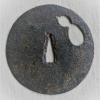
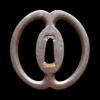
For $130 I don’t think you did badly at all. I believe the tsuba is Jakushi school. The tsuba shape is unusual and noteworthy in itself. Enjoy the tsuba, you can learn 10x more from things in-hand than photos alone!1 point
-
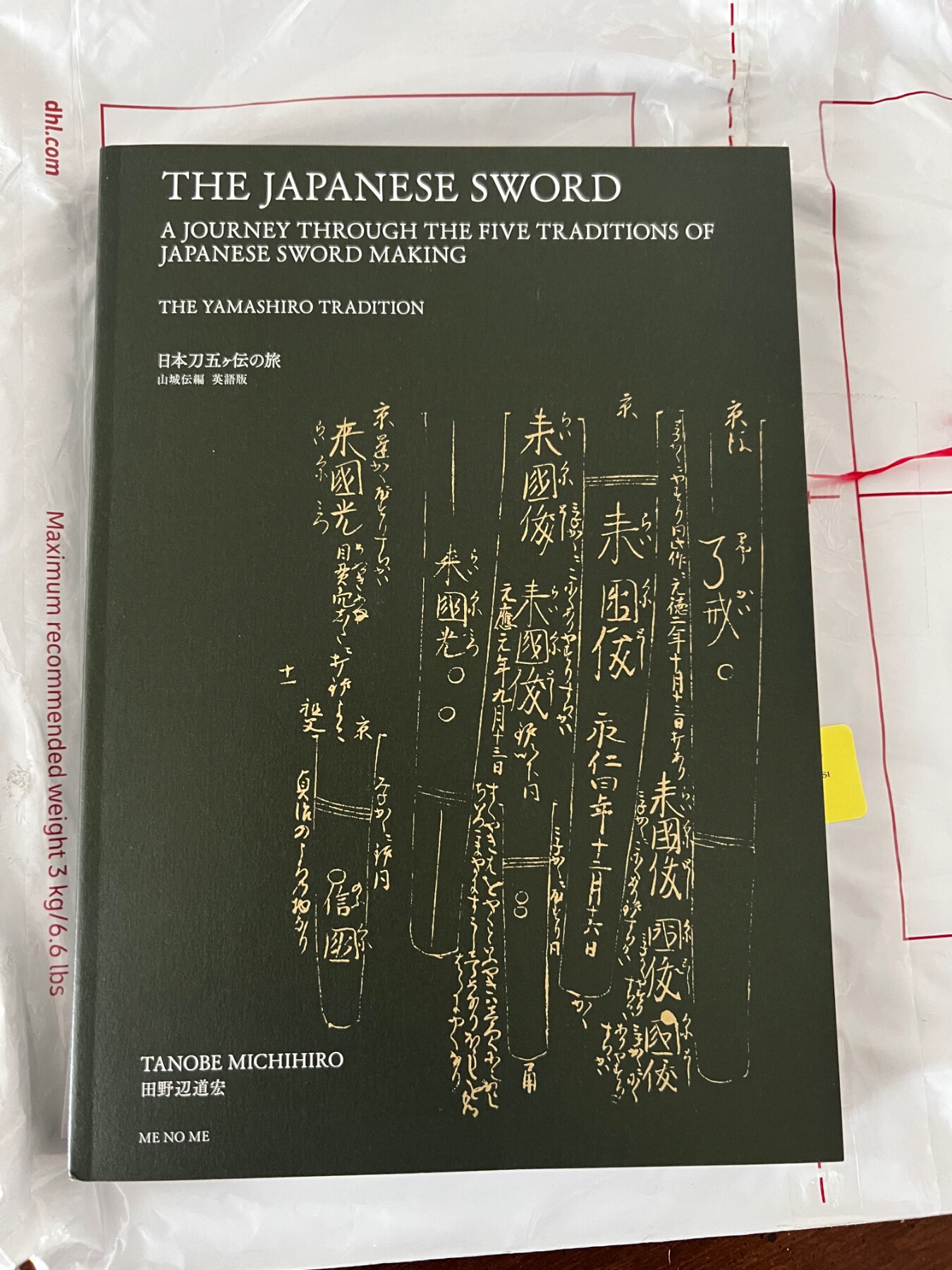
It does not. There is a short 2 page afterward but no extensive section like the Yamato book had.1 point
-
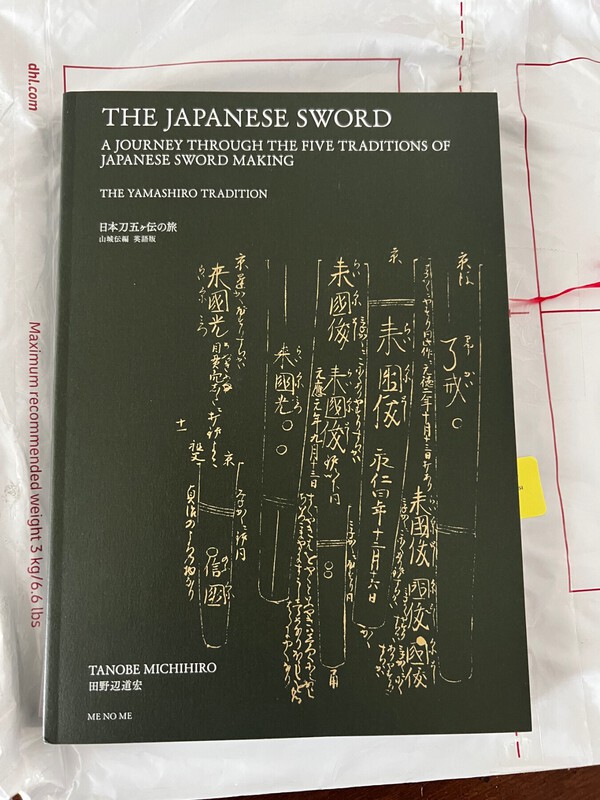
Wishing you all a successful delivery and happy study of the Yamashiro tradition!
 1 point
 -
Hi Brian, Kind of off topic here. So, in your last post you seem to be referring to instruction manuals written in the Edo period that tells and describes how to make an iron tsuba. In part of your post (which was referering to cast iron tsuba) you stated- “Clearly the Japanese were very embarrassed about doing it. Because they managed to hide all the old writings on it, pattern books, instruction manuals, pretty much all the documentation that they did routinely for all the other methods.” I would very much be interested to see those Edo period instruction manuals that describe and state, step by step, how to make a hand forged iron tsuba (hopefully they have been translated into English!) since as you stated- "pretty much all the documentation that they did routinely for all the other methods.” Could you please post some links or references so I can check them out? Thanks!1 point
-
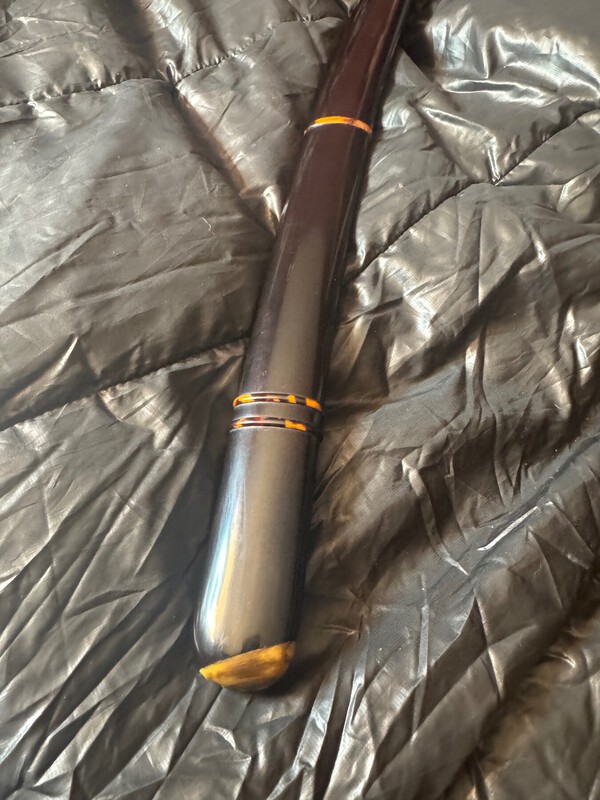
Quick pic from last night…
 1 point
 -
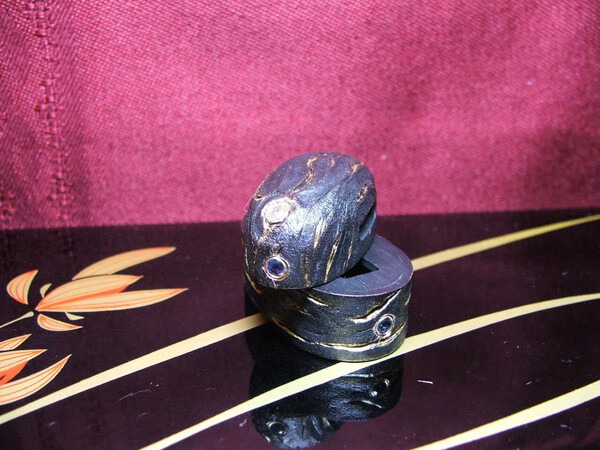
Here's a pic of the set I referenced above......I originally intended to have gems all the way around randomly, but after placing these sapphires, I wasn't as enthusiastic about the final look. Still plan on trying on a tsuba, just haven't found the right motif to accent.
 1 point
 -
Spending $130 on something you like is more than reasonable these days. You admittedly didnt buy this as some sort of investment but more for the buddhist significance, thats all that really matters. A good rule of thumb in ANY hobby is never to spend more than you're willing to lose. At the end of the day these are just "things" and are ultimately only worth what someone is willing to pay for them. Swords, tsuba, trading cards, guns, knives, paintings......at the end of the day all these things are made from relative cheap materials, so the "values" are artificial since they are largely based on emotion and rarity.1 point
-
Honestly Curran the $2,000 an eye was worth the money - I was so bad I could no longer drive - Glasses only help for so long. Now I don't need glasses at all and I watch the satellites going over every night - heck I can spot an eagle ten miles off - I wish I had eyes this good twenty years ago! Wow how is this for being1 point
-
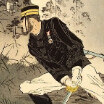
During the Edo period samurai using the ferries in Edo frequently did not pay the ferrymen and were known as Satsuma no Kami Tadanori. The Japanese word 'tadanori', using different kanji, translates as getting a ride for free, or freeloader. The theme was also depicted in a comic play or Kyogen, in which a monk tries to get a free ride on a ferry by saying that he is 'a noble of the Heike clan, Satsuma no kami Tadanori.' Perhaps it is a shame that such a famous warrior's name became associated with samurai not paying their way during their stays in Edo, but I guess the townspeople had a lot to put up with poor samurai not paying their bills. John To1 point
-
He died in the Battle of Ichi-no-Tani.[5][6] His body was identified by a signed poem that was fastened to his quiver. The poem read:[4]: 96 Evening drawing on, I'll take lodging in the shade of this tree, and make its blossoms my host for the night. Ref. Taira no Tadanori - Wikipedia1 point
-
This is a piece I probably wouldn't go for but $130 for an authentic Edo Period tsuba is an acceptable price and I concur with everybody else in the thread. The tsuba is mixed metal and has clearly been mounted once or twice. Not bad for one of your first purchases. You'll be hooked on the hobby, overspending and getting crushed by import taxes in no time Kai. (In a good way? Lol)0 points
-
Too many Emperor's not enough ashigaru. Shoutout to all the Daimyo's.0 points
-
When the Dr. told me I had a cataract, I said no. I don't have a Cadillac, I have a Dodge! Of course, I went out and got hearing aids after that! Ha, ha, ha, etc. Again, way off topic here but I had to put my 2 cents in!0 points






.jpg.d777e801e5a6781c3f602b2b3f2785a1.jpg)










.thumb.png.4c5df79fec171b2dc4a23af38e280a4d.png)
This leaderboard is set to Johannesburg/GMT+02:00