Bugyotsuji
-
Posts
14,639 -
Joined
-
Last visited
-
Days Won
294
Content Type
Profiles
Forums
Events
Store
Downloads
Gallery
Everything posted by Bugyotsuji
-
I am not saying that it is not, Oliver, but what convinces you that this is old, or even a Maedate? I have seen so many Maedate made more recently by craftsmen, that I am always suspicious first. Assume nothing if you can!
-
 Back to Steve's assertion above, I am coming reluctantly to the conclusion that my previously iron-clad informant may be wrong here. Sadly he is not a person to argue with, so I will keep schtum on this. Despite other assertions on the internet as to the existence of such a tax, the owner of a Juyo Bijutsu sword here has assured me that he is not liable for such a tax. The curator at the Okayama Prefectural Museum seemed unsure but pretty positive that there was no tax-avoidance issue involved in lending a private sword to a museum. So to Steve, and also to those up in the peanut gallery who took my side, I must apologize and eat crow/humble pie. (I tried to translate that expression for my sword teacher in the car yesterday!)
 -
"ho-No-To Kenma Project"
Bugyotsuji replied to Bugyotsuji's topic in General Nihonto Related Discussion
The coverage of this event went out on NHK on Sunday evening but I was too tired to watch it. This evening it will also be aired on RNC, (Nishi Nihon Television?), from around 7:00 pm. Took loads of photos myself, including the generous throwing of the red and white mochi to the crowd at the end, but sadly I could not get any good shots of the polished long blade. -
Yup, sadly I have to agree with the above. I have a beautiful wakizashi koshirae covered in the sideways Mitsu Hikiryo Mon on your Do above. "Miura?" Hopefully wagging my tail, I have shown it to several Japanese sword experts but they all seemed to shy away from naming any one family.
-
"ho-No-To Kenma Project"
Bugyotsuji replied to Bugyotsuji's topic in General Nihonto Related Discussion
They are being given to people who paid a certain amount towards crowd-funding this project. It was 5,000 JPY for an oshigata of the long Kunishige, 10,000 if you wanted your name recorded in the book at Takaoka Jinja, and 20,000 if you wanted the oshigata on a proper background scroll. The Togishi made the decision to leave the hakobore in the greater interest of keeping the original shape of the blade. In the old days such oshigata used to be two sheets stuck together I was told, to get the length but these are one long diaphanous sheet. You can see an example in one of the photos of yesterday, although for some reason the one they hung up at the shrine does not bear the Mei. -
"ho-No-To Kenma Project"
Bugyotsuji replied to Bugyotsuji's topic in General Nihonto Related Discussion
Like a scene from Spirited Away. I can't get it out of my mind. -
I know the curator at the Prefectural Museum where the Sanchomo is kept, so I will ask him.
-
"ho-No-To Kenma Project"
Bugyotsuji replied to Bugyotsuji's topic in General Nihonto Related Discussion
Shishimai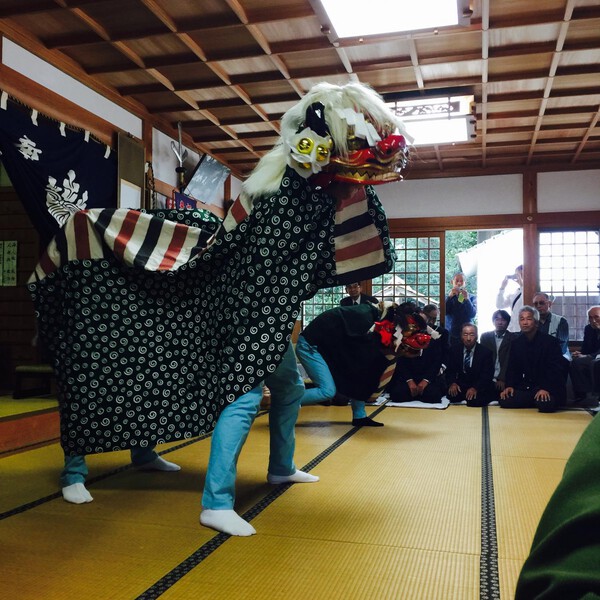
-
"ho-No-To Kenma Project"
Bugyotsuji replied to Bugyotsuji's topic in General Nihonto Related Discussion
Spent six hours yesterday helping to stamp and roll up 300 oshigata and box them.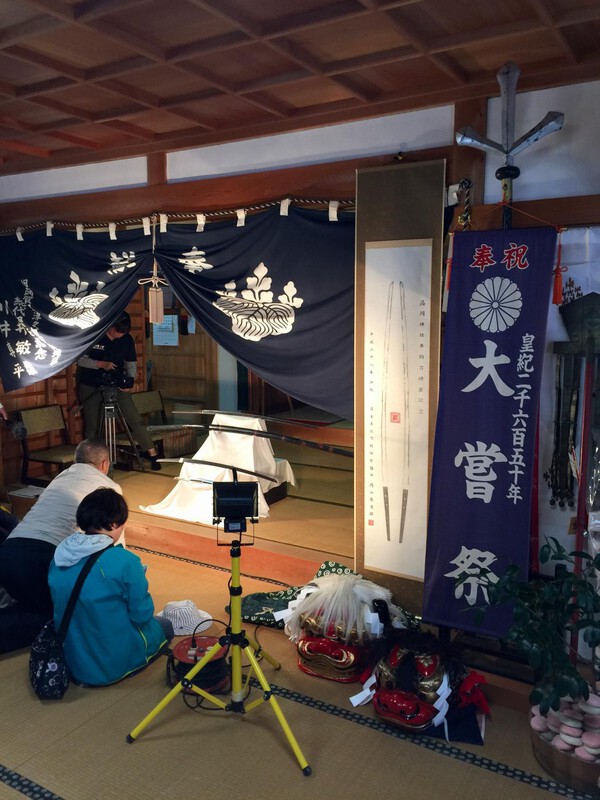
-
"ho-No-To Kenma Project"
Bugyotsuji replied to Bugyotsuji's topic in General Nihonto Related Discussion
Spent the morning at Takaoka Jinja near Mizuta where the two Kunishige katana and one Sukekuni wakizashi have been brought back with fresh polish for blessing and public display before they are sent off to the museum. The ceremony went on and on until the priests were satisfied and my legs were dead. Ended with a Shishi-mai performed with 150-year-old Shishi heads.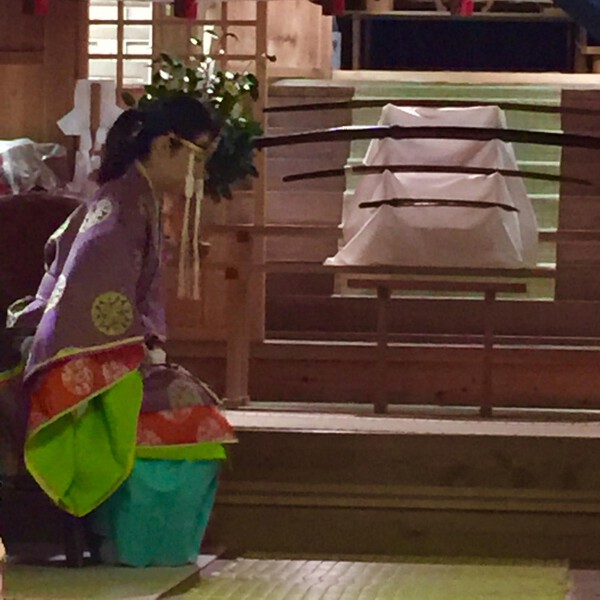
-
A very rich friend who knows the ins and the outs of the system, Guido. Perhaps the best way to solve this might be to call the tax office and ask them directly!
-
SteveM "There is no annual tax imposed on an asset like this in Japan. There are storage requirements imposed on national treasures, so these storage requirements may be something of a burden. The usual capital gains taxes and inheritance taxes apply if/when ownership of the item is transferred." Just went back to check my sources on this as I do not want to be called out in public! Apparently this sword would be considered liable to Koteishisanzei, 固定資産税 ie property tax, like a house or a Porsche (if it is declared to the tax authorities). The source said that the owner of such a sword would be expected to pay taxes yearly on it to the tune of 数百万円, ie "several tens of thousands of dollars". The way to avoid this is, as was said above, to lend it to a museum. This tax is not because it is Kukuho National Treasure, but because it is a possession of value. On the other hand, a Kokuho is not liable for tax at point of sale. You can only sell one though, if the central government, the prefectural government, the town and the village have all turned you down first. Mrs Oxxxxx offered it repeatedly to Okayama Prefecture, but they turned her down. Now some citizens are complaining that this artefact should never be leaving Okayama as it is a tourist draw and worth much more to the city in the long run. The Prefectural Museum has nothing else of value to show people it is also even being whispered!
-
You are forgiven, Stephen, for your blasphemy.
-
Jan, you said you would give it to me! Apparently the yearly taxes on this sword would be crippling, which is why she lent it out to the Prefectural Museum.
-
Chris, did you look at the photos in both links? If you still want more, then maybe it's time to jump on a plane.
-
Just for the record, So-Shu Oumi no Kami Sukenao could also also do a full Hitatsura katana, early to mid Edo. (Just held one the other day.))
-
Steven: "we all love dragons." If I ever get born again as a dragon, this sounds like a friendly place to be.
-
Forgive the thread drift!
-
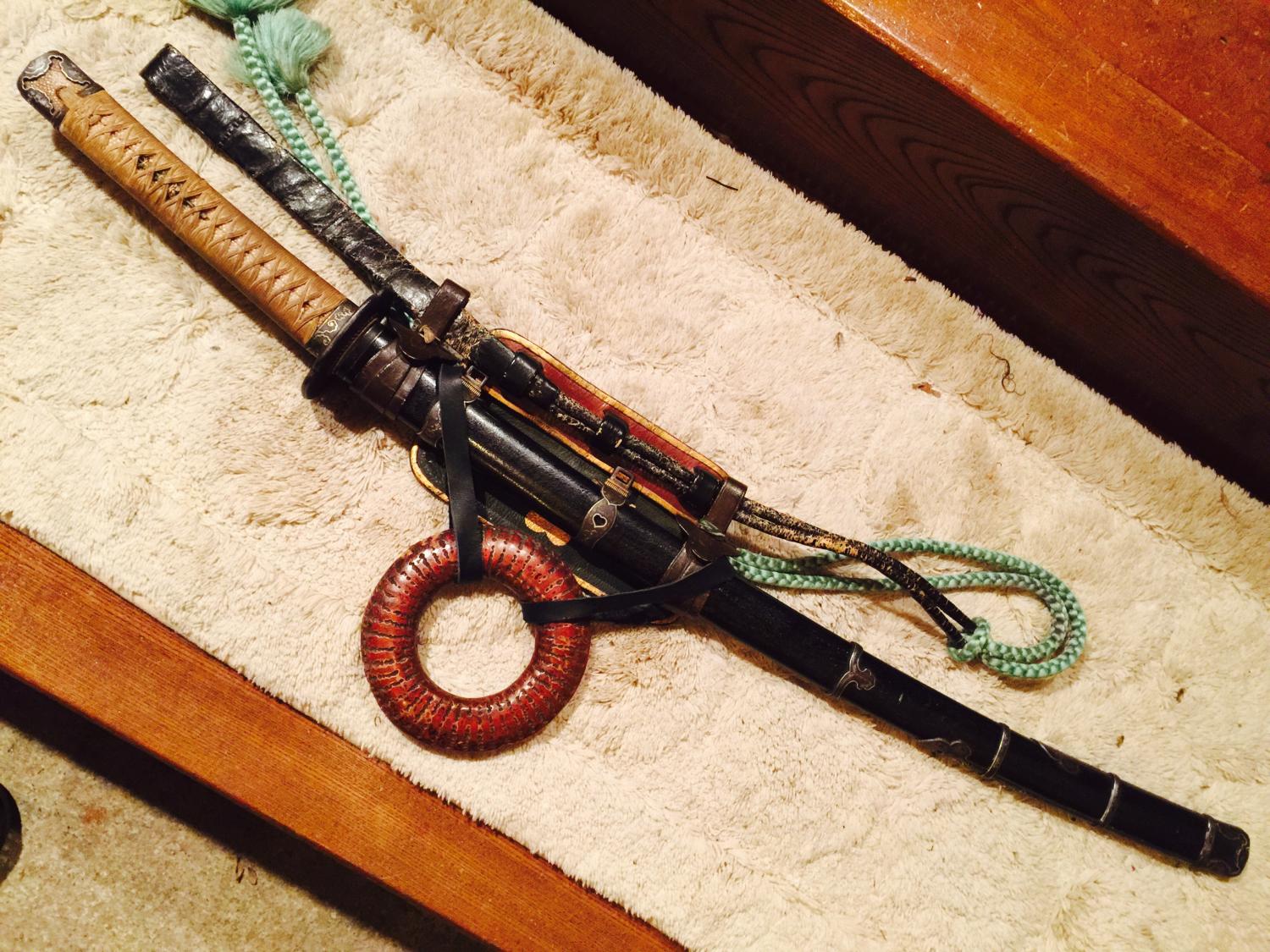
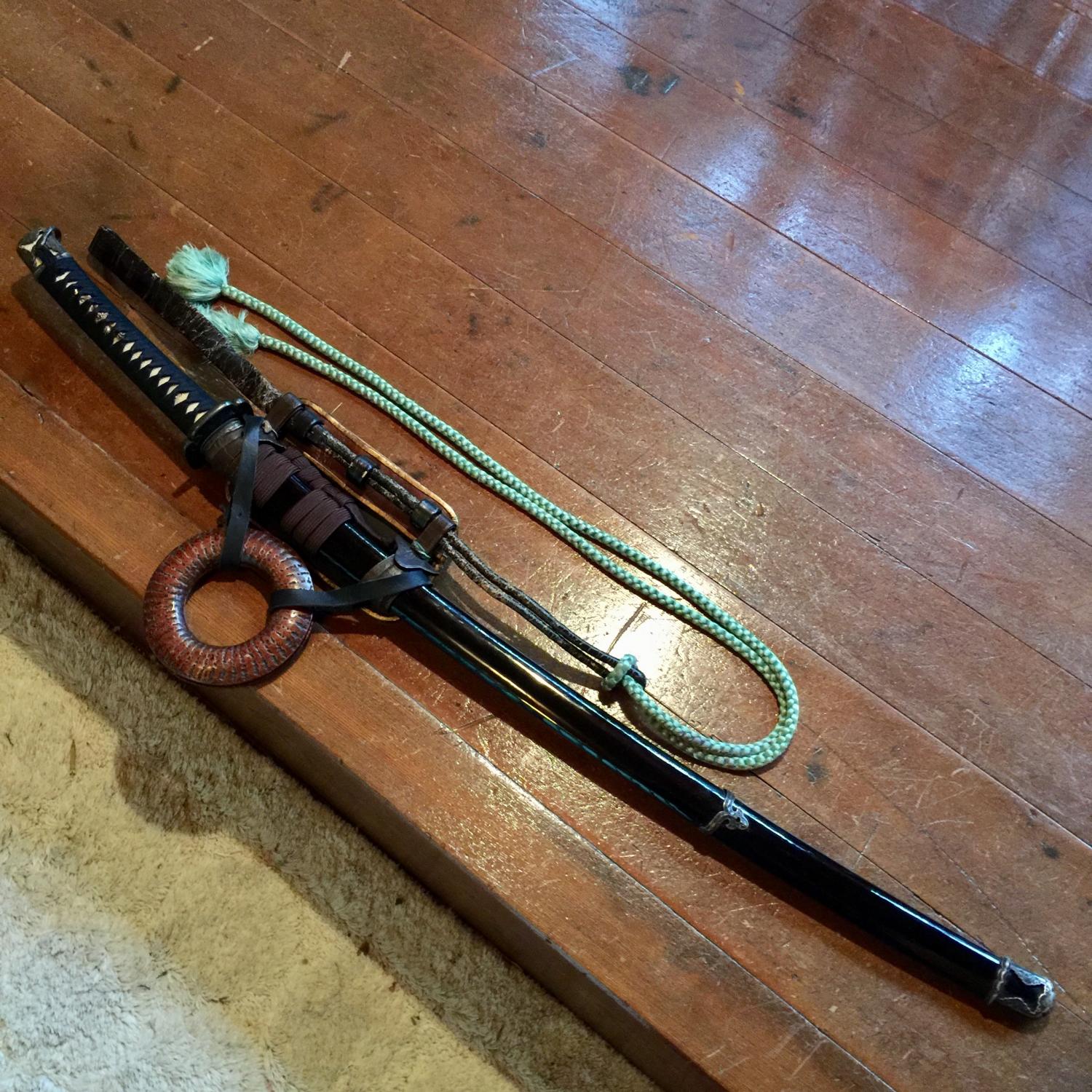
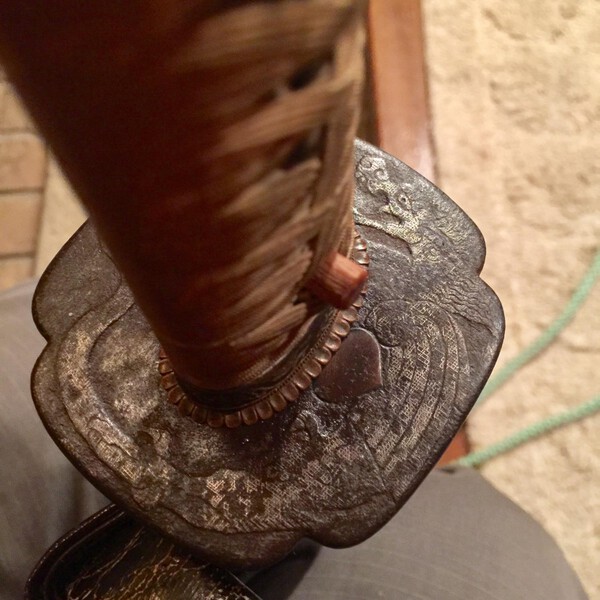
The tsuba, and a section of the naga-kojiri which has two dragons on the long edge and one on the shorter edge.

-
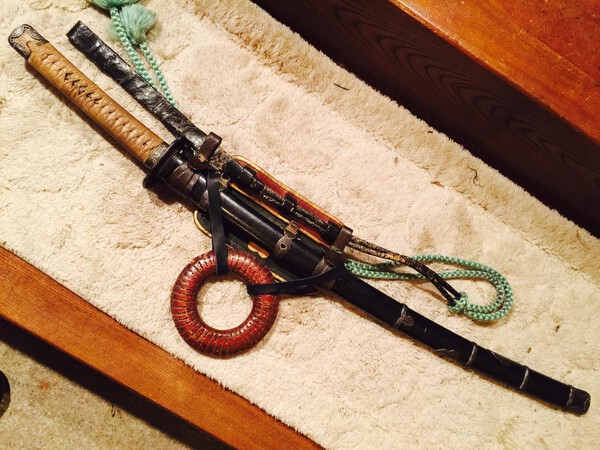
Then a *quick changeover of the koshi-ate and tsuru-maki onto the 'new' tachi arrival, ready for tomorrow's action... Tosogu is all dragons and clouds, zogan on what should be russet, but the menuki dragons are coiled around Ken. *'quick' means a bodge job as there's no time to do a proper sageo.
-
Here's the handachi that is going...

-
Well, there will be renewed attacks, that's for sure! He seemed genuinely surprised to hear that I had sent it off for papering, and it definitely changed his tune for a bit. He then asked why I hadn't gone straight for Tokuho. I casually mentioned all the things that are wrong with it, hoping that might reduce his ardour, but his brain seems to reset to that earlier resolve each time! Round 2 tomorrow morning. Steven. Photos of ... ?
-
Interesting follow-up story! Many thanks.
-
Hiromasa and Hirotsugu? I have just bought a Hirotsugu tanto. Gotta start somewhere, I guess, but it's like trying to set up a goalpost in a giant whirlpool. Perhaps it is a secret test of your character...? How far do you trust your instinct regarding this blade, even if it has a decent Mei cut into the Nakago? The paperwork is simply a random notation of the Mei, with no suggestion as to the blade's validity. So-Shu Ju nin Hiromasa 相州住人廣正 written down the middle. Down the left in smalller characters it says Raku-Yo Ju Fujiwara Hirotsugu 洛陽住藤原廣次 I would like to trust it and make a decent offer, but I would ask for a little help from your teacher first. "Come on, meet me half-way here. I do like the blade, and I do have some cash, but I am grasping in the dark." You can search for prices of Hiromasa Tanto offered by swordshops on the web. Perhaps your teacher has also done this already? I am guessing they will be around 500,000 JPY, though, but I could be way off the mark. (?) Do you have any better shots of the blade?
-
Sounds cool, Jamie. A sudden flurry of threads around Soe So-Shu, I see. An unknown area for me until now, so really very interesting. This morning armed with prayers and good wishes, and a little bulldog grit (thanks Brian) I got safely to first base. On offer were two very sweet and tempting blades which I would love to own in their own right, but not as a straight swap. One was a beautiful papered Bunka Nen ko-wakizashi with papered koshirae from Inaba on the Japan sea. The other was a small very pretty unpapered Fuyuhiro yoroidoshi tanto, with togariba to die for. There was also a Shinto So-shu katana in koshirae with amazing juka choji, splashed thoughout with tobiyaki which should look fantastic after a quick trip to the TogiShi. I am sorely tempted to raid the wife's savings... but I managed to look away from these goodies. Does a Bushi turn around and look back? (Oh, and I swapped out the long black handachi koshirae which I have been using for matchlock displays for a slightly shorter full tachi koshirae. All matching iron fittings and matching tsuba, though needing some TLC, as someone has attempted to remove the rust. It also needed a little extra cash to sweeten the deal, but what's cash between friends?)