MauroP
-
Posts
892 -
Joined
-
Last visited
-
Days Won
5
Content Type
Profiles
Forums
Events
Store
Downloads
Gallery
Everything posted by MauroP
-
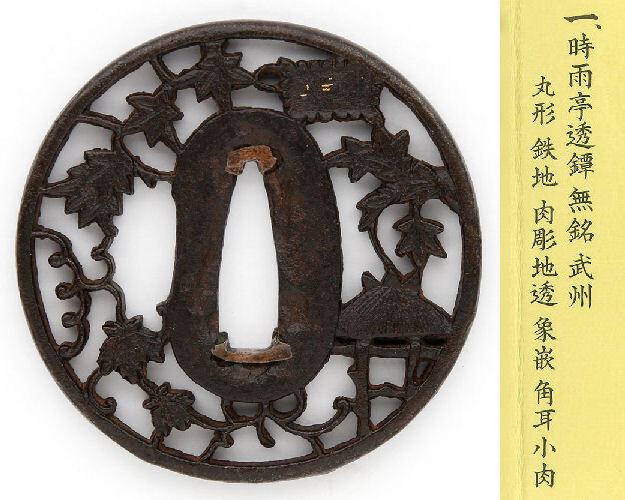
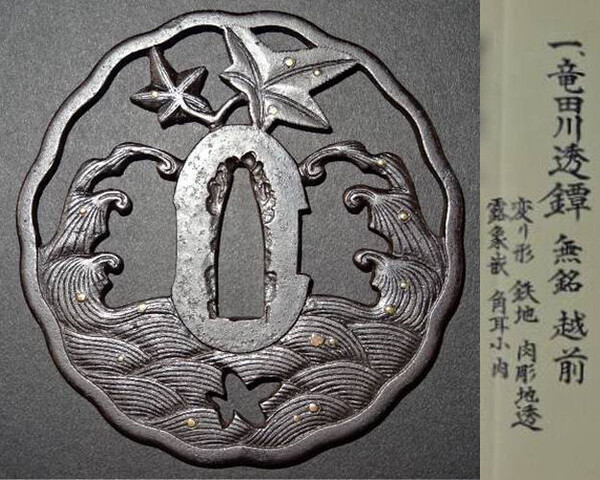
Hi Mike, nice catch as first tsuba. Curran prompted me to give my not-so-educated contribution. So here we have a piece we may describe as: mitsu tsuru no zu tsuba - 三つ鶴図鐔 maru-gata tetsu-ji nikubori ji-sukashi kin-tsuyu-zōgan - 丸形 鉄地 肉彫地透 金露象嵌 ryō-hitsu-shitate (kata-ategane) - 両櫃仕立 (片当金). I assume this is a wakizashi-sized tsuba from the middle/late Edo period, not easy to assign to a defined school/tradition. I would suggest 3 hypotheses: Echizen (越前), Bushū (武州) or Shōami (正阿弥). Here just one example for each call:


-
勾玉・曲玉 - magatama, literally curved jewel. Like hōju, magatama has also a religious significance, but it pre-dates (for many centuries) the Buddhist tradition. A magatama is one of the three imperial regalia of Japan (with a mirror and a sword).
-
A classical ko-kinkō tsuba, the waves design clearly would lose coherence if mounted on a edge-down blade. The signature looks quite amatourish in its quality, so mayby someone has carved it as a personal (and wrong) attribution. Just my hypotesis.
-
There is a counterexample for everything (in tōsōgu speculation, at least...), that's why basically I'm no more interested in attribution to school, provided one consider it no more than a fun game (like recognize incense flavours).


-
Nobunaga + Nagamasa, Help Please
MauroP replied to Bruce Pennington's topic in Translation Assistance
Actually the paper reports 無銘 (越前関) - mumei (Echizen Seki) -
Thank you Moriyama-san. So I suppose that hakogaki was not intended for my tsuba (and the attribution to Daigorō-ha should have made me doubt from the beginning).
-
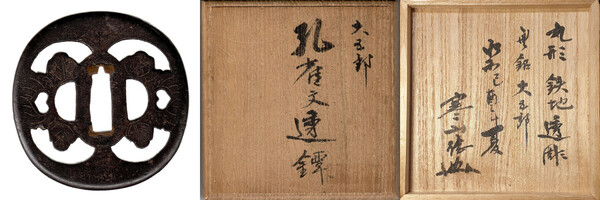
My latest acquisition is a tsuba with hakogaki by Satō Kanzan. Despite my effort I'm unable to sort out one of the kanji describing the tsuba, so I'm unsure about a matching between the tsuba and its kiribaki. The date of the appraisal is also unclear to me. Here below my partial transcription: 大五郎 - Daigorō 孔▢文透鐔 - ???-mon sukashi tsuba 丸形鉄地透彫 - maru-gata tetsu-ji sukashibori 無銘 大五郎- mumei Daigorō 昭和▢▢年夏- Shōwa ??? 寒山誌 - Kanzan shirusu (+kaō) Thanks all.
-
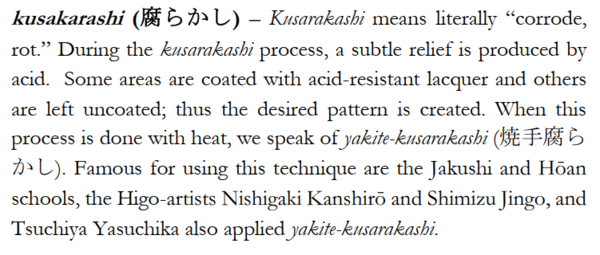
from: M. Sesko "Encyclopedia of Japanese Swords"
-
Actually the hozon paper correctly report Kyō-kanagushi, wich is different from Kyō-kinkō (and surely nothing to do with ko-kinkō).
-
The transcription is 哥德呀, but no idea how to read it.
-
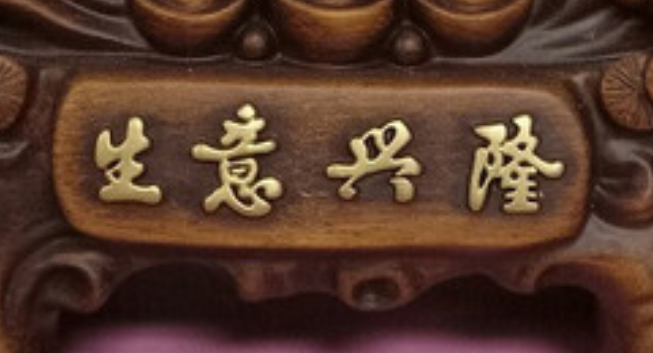
生意兴隆 Business is booming (or something like that)

-
The higher the percentage of zinc in brass, the harder the alloy (and so less apt for sekigane). I suppose that brass with low-content in zinc could be good for sekigane, but all iron tsuba I have in my collection have dark reddish sekigane, so more probably made of copper/yamagane. But I'm not a metallurgist...
-
Well, Thomas, actually I see a problem if at the best of knowledge the top experts give inconsistent or variable attributions. The point is simply nobody knows for sure, the attributions are no more than educated opinions. Present day believes, though different, are not better founded than those experts in the field erpressed one hundred years ago. The whole thing looks to me more like religion than chemistry. It's not science. Nontheless it's an amusing activity try to tune with this kind of exoterics...
-
Symmetrical hitsu-ana makes me lean to ko-Shōami. Kyō-sukashi could also be considered.
-
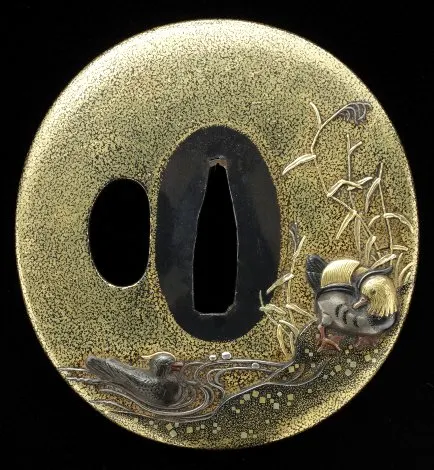
鴛鴦図鐔 - oshidori no zu tsuba from https://blog.goo.ne....1d33ed38de37dc7ff5ed
-
Hi Mark, your tsuba looks legit to me, possibly a ko-kinkō piece made in nigurome. Unfortunately the golden coloring seems an amatourish attempt to revitalize a weared gilt. All the best, Mauro
-
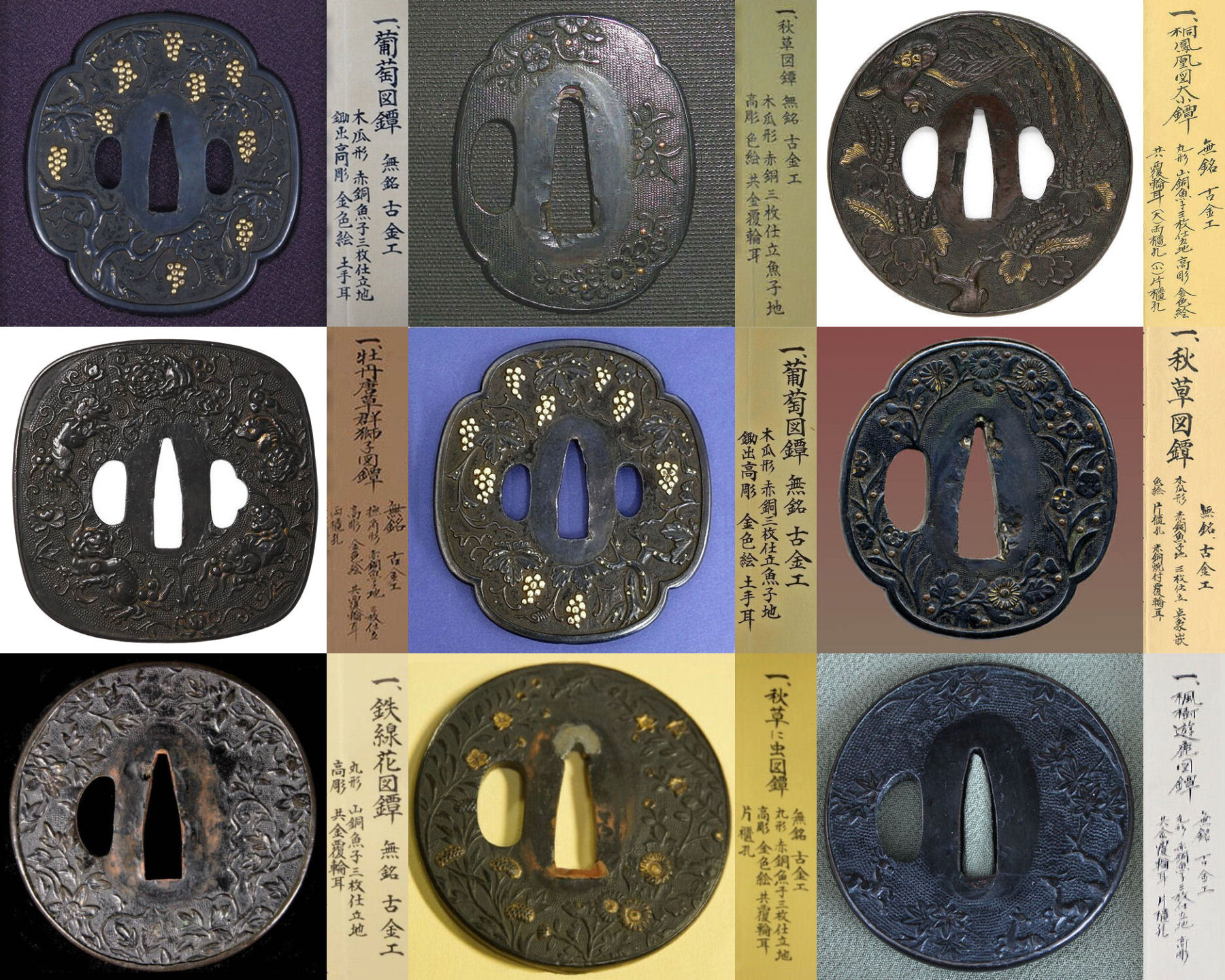
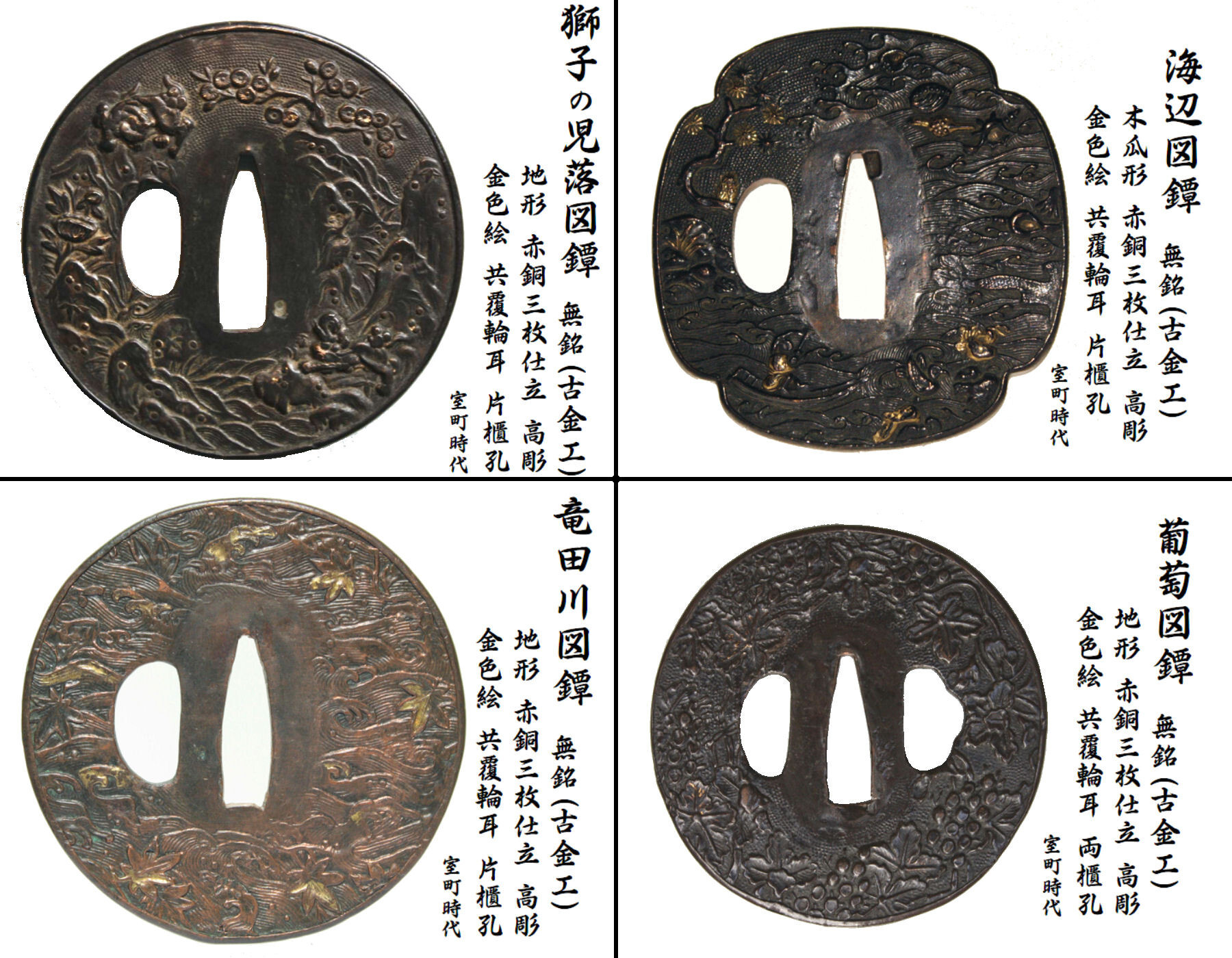
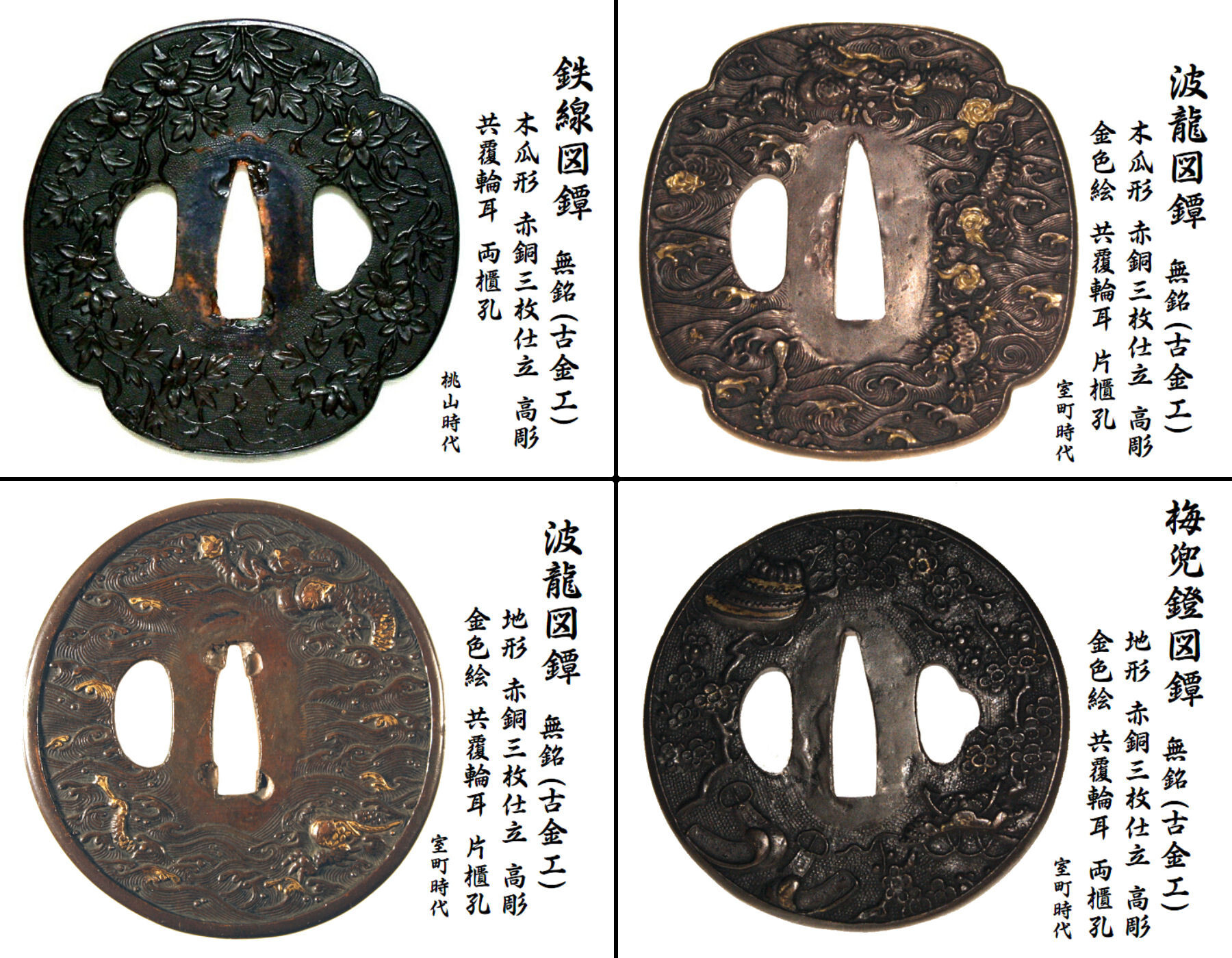
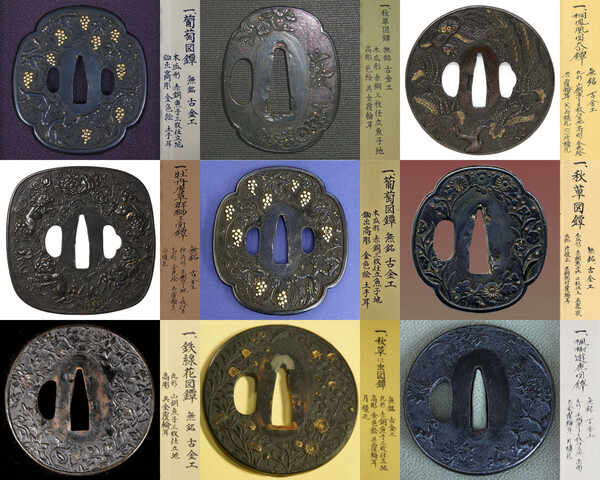
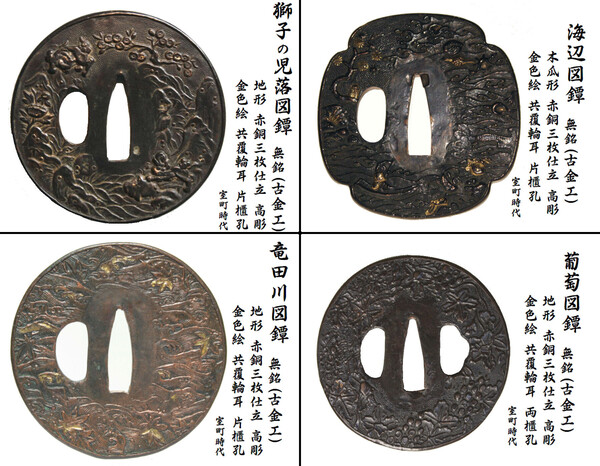
I like sanmai tsuba, and I've just realized I got more than I remember. Here below some more examples papered as ko-kinkō:
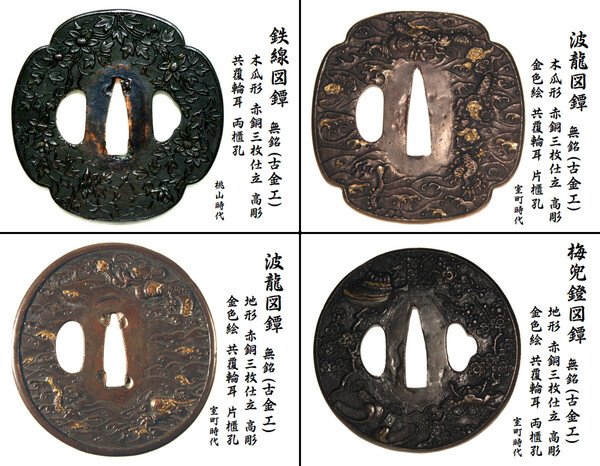
-
The signature should be 政行 - Masayuki, but I was unable to find a Masayuki written that way.
-
Hi Dan, I think your tsuba (a nice one, BTW) should be better described as hineri-kaeshi-mimi (捻り返し耳).
-
Ciao Luca, nice tsuba BTW. A remark on typo: 磨地 reads migaki-ji (smooth surface), tetsu-ji is 鉄地. About an attribution I’d suggest Hizen (thoght hitsu-ana shape could also point to an Higo school).
-
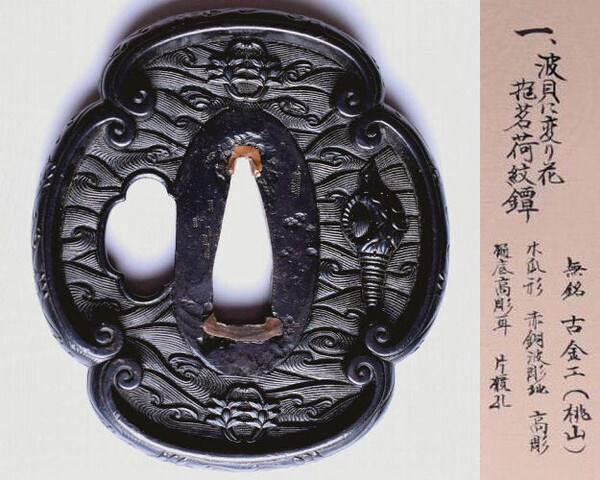
Hi Richard, I’ve found this (unfortunately no better images): The paper says: 波貝に変り花抱茗荷紋鐔 - namigai ni kawari hana dakimyōga-mon tsuba. Just a suggestion directly from a NBTHK shinsa panel.