
Leaderboard


Popular Content
Showing content with the highest reputation on 04/13/2026 in all areas
-
Look like 近江守助直 Omi no Kami Sukenao for the smith For the date... hard to read the first two... XX十一年二月吉日 (a lucky day in February, 11 years of XX period) Could be an attempt for Kanbun (but I could be wrong). If it is the case, it would place it in 1671. For reference : https://www.samuraimuseum.jp/shop/product/antique-Japanese-sword-katana-signed-by-sukenaonbthk-tokubetsu-hozon-certificate/?srsltid=AfmBOoqFBzvIQqRvZLHIVuerSmz8gYmMQlPAFpromZ5KjQ6AnIzs8klC4 points
-
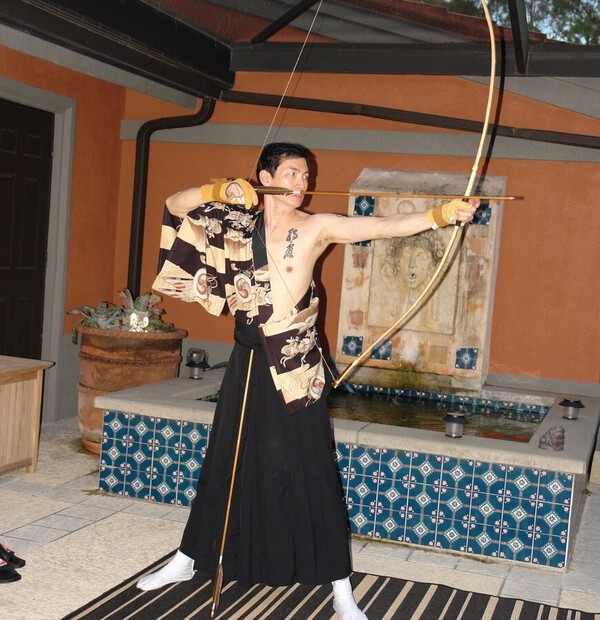
I started practicing kyudo in Boston in 2005 every weekend for about 1 years. With my move to Florida, practice was quite irregular. From 2015-2025, I didn't practice at all due to chronic pain from a nerve injury for which no form of therapy including surgery and every procedure and medication known to man provided even a little benefit. I stopped Zen practice. I stopped iaido practice. In my desperation and state of heightened anxiety, I convinced myself that the next procedure would be the magic bullet. However, even partial relief never came. There was no end to severe pain every waking moment. Then I realized that I had no weakness, no muscle atrophy, and no ongoing acute tissue injury. Every imaging and nerve conduction study was normal. The pain was just a loop that had taken up occupancy in my brain--just neurotransmitters running amuck. Pain-->anxiety-->more pain-->more anxiety, etc. I started to remind myself that there was no 5-alarm fire. The anxiety died down. About a year ago, I resumed daily kyudo, iaido, and Zen practice. Next weekend, I'm going to my first kyudo intensive in the past 20 years in nearby Eustis, FL. https://www.facebook.com/events/1392050959279976/?ref_source=NEWS_FEED Here I am in 2008. And here is a video I just shot yesterday. It's been a long journey...
 4 points
 -
Hell....you'll get a far better appraisal here for free :-) And trust me, if Ray says something, you can take that as fact 99% of the time3 points
-
Forgive me the advertising, but I don't want my auction go unnoticed. You will find it here:3 points
-
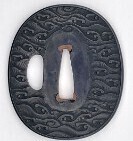
Thank you all for the help - I think some lessons are learned the hard way. The condition of it should have been an indicator that it was not an authentic production. I really regret not choosing another tsuba as certainly there were some much older tsuba that were being sold at a similar price, and it should have been a red flag that the seller could offer any information on a lot of the tsuba. This was the first tsuba I handled and I think there was something very satisfying about the weight, that I let sway me. I almost certainly overpaid for it and it stings a bit - but I will use it as a learning experience to shop for another tsuba. If I were to start visiting antique sword shops around Tokyo what is a safe criteria to have when making a purchase - after a little research it seems like a traceable signature and Hozon Tosogu certificate would be a much safer bet. Thank you again -Kent3 points
-
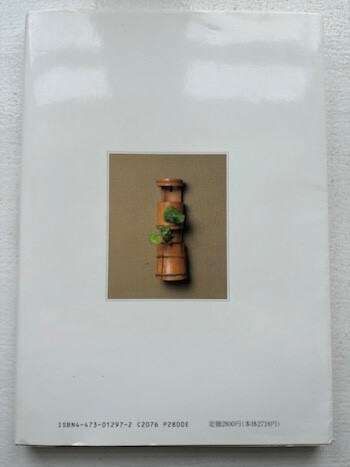
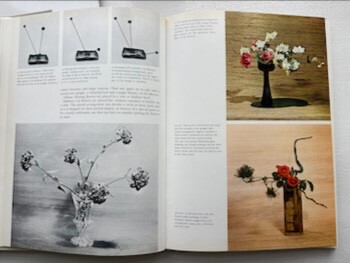
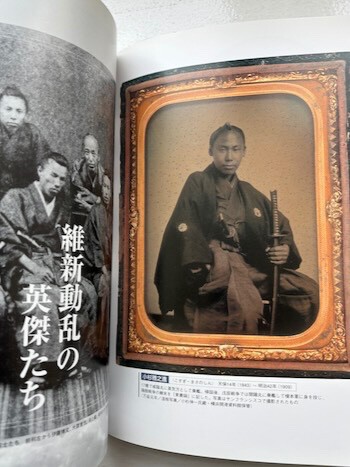
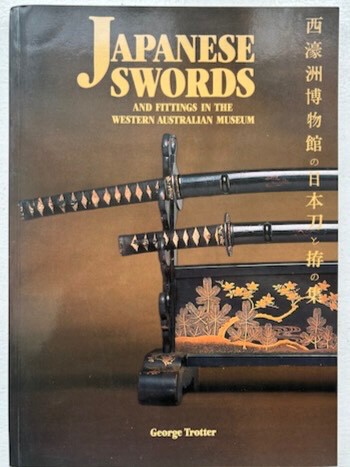
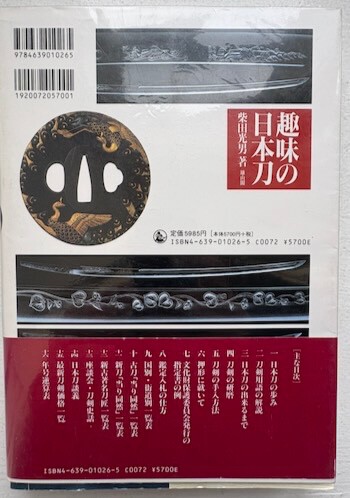
Let us make this a 10-day auction - ending on Thursday 23 April, midnight CET. Starting price for each book is $5 The highest bidder is expected to make a donation to the NMB, and upon confirmation from Brian I ship the book. I cover all shipping costs to EU, while shipping to the US should be $10 (if less, you pay less of course, If more, it's on me). Let us begin then 1. Ro No Cho, Nagai Sōkei A Japanese ikebana book. ================================================ ================================================ 2. Ikebana, Japanese Flower Arrangement, John March-Penney An American ikebana book ================================================ ================================================ 3. Japanese Dandyism: Samurai, Tokyo Metropolitan Museum of Photography A nice book with many 19th century photographs of Samurai. ================================================ ================================================ 4. Samurai Koshashin-chō, published by KADOKAWA Another book with many 19th century photographs of Samurai. Subtitled: Portraits of Men Who Lived by Bushidō ================================================ ================================================ 5. Sotheby's nihonto auction catalogue from 1979 ================================================ ================================================ 6. Japanese Swords and Fittings in the Western Australian Museum, George Trotter ================================================ ================================================ 7. Shumi no Nihontō, Shibata Mitsuo ================================================ ================================================ Good luck and thanks for participating









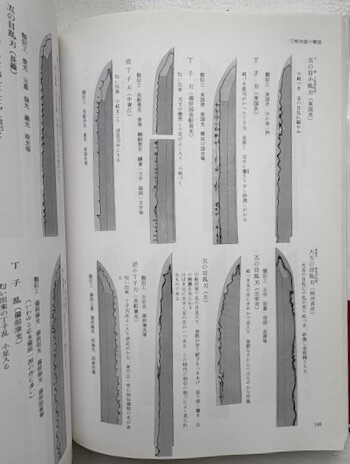
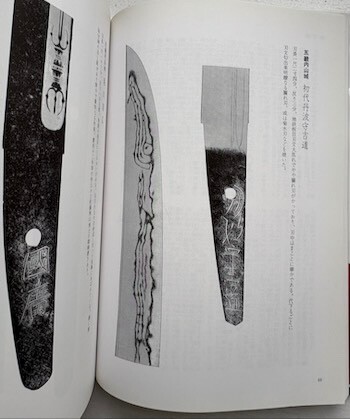 2 points
 -
Singer sensei knows his stuff and generously shares his knowledge with the rest of us.2 points
-
In all seriousness, if you paid someone to appraise your sword and they told you that it was a WWII era blade by Ichihara Nagamitsu and signed Bizen Osafune ju Nagamitsu saku you should ask for your money back. See below. On the left is an inscription by Ichihara Nagamitsu. On the right is an inscription by first generation Yasutsugu. Compare the kanji with what is inscribed on your sword. |
 2 points
 -
Wakayama lists one Toshiyuki (利之). Tokyo based artisan, active from end of Edo to Meiji. Surname of Yanagawa.2 points
-
Thank you Marius! And you too Sam. This will be a big help. Haven't mentioned it yet, but we are saving up for the end of the year inevitable large software upgrade See the bottom of this section. https://www.militaria.co.za/nmb/clients/donations/ Really appreciate the support. Some great books there.2 points
-
Found a photo of the whole thing posted by a guy named Willy. The reading/meaning hasn't changed. Its the Chinese zodiac name for the year 1660 ("Kanoe-ne", or year of the "metal rat").2 points
-
Here on the Nihonto Message Board, we are commited to the study and preservation of genuine Japanese swords and fittings. We do not condone or encourage DIY restorations or polishing. As with any antique or culturally important item; it's really important that you do not damage history. https://en.wikipedia.org/wiki/Ecce_Homo_(García_Martínez_and_Giménez) It takes an extremely specific skill-set, that's earned over years of apprenticeship with a qualified togishi. If you were unable to identify the blade or translate the signature, you are definitely not qualified to "grind" at a potentially 500 year old antique Japanese sword... Sincerely, -Sam2 points
-
Matsu-Kaze sells one with bone theme. No skull sorry. https://www.ebay.com/itm/4062494408372 points
-
I was wondering who ‘Nishioeda Yutaka’ was… it turns out it’s this person! Nishiōeda Yutaka(西大條 胖 or 西大条 胖) 西大條 胖 wiki-page (Japanese language only) (You might not need this, but …I’m writing this as a note for anyone may read this.) Hiro2 points
-
Paul, nice find. Thought you might like to see what Markus wrote about this 2nd Gen Kanesada. Interesting story and name evolution that fits with the 1684 date. KANESADA (包貞), 2nd gen., Enpō (延宝, 1673-1681), Settsu – “Sesshū Gorō Terukane” (摂州五郎輝包), “Echigo no Kami Kanesada” (越後守包貞), “Sakakura Gonnoshin Terukane – Echigo no Kami Kanesada kore o dōsaku” (坂倉言之進照包・越後守包貞同作, “joint work of Sakakura Gonnoshin Terukane and Echigo no Kami Kanesada”), “Sakakura Minamoto Terukane kore o saku – Echigo no Kami Kanesada” (坂倉源照包作之・ 越後守包貞同作), “Sakakura Gonnoshin Terukane – Echigo no Kami Kanesada inkyo” (坂倉言之進照包・越後守 包貞隠居, “joint work of Sakakura Gonnoshin Terukane with the retired Echigo no Kami Kanesada”), “Sakakura Gonnoshin Terukane” (坂倉言之進照包), “Sakakura Echigo no Kami Terukane” (坂倉越後守照包), “Terukane saku” (照包作), real name Sakakura Gonnoshin (坂倉言之進), he came originally from Mino where he had been a student of Terukado (照門) who was active around Manji (万治, 1658-1661), later he went to Ōsaka to study under the 1st gen. Echigo no Kami Kanesada (= Yamada Heidayū), first he signed his name Terukane with the characters (輝包), he was eventually adopted by the 1st gen. Kanesada and signed from the second month of the sixth year of Kanbun (寛文, 1666) with “Echigo no Kami Kanesada” too, when Iwamatsu (岩松), the natural son of the 1st gen. Kanesada came of age in the first half of the seventh year of Enpō (1679), it was Iwamatsu who took over the name Kanesada (包貞) and “Gonnoshin-Kanesada” had again to sign with “Itakura Gonnoshin Terukane”, this return to the name of Terukane can be dated to the second month of the eighth year of Enpō (1680), but from the second month of Tenna four (天和, 1684) onwards he once again added the honorary title Echigo no Kami in the form “Sakakura Echigo no Kami Terukane” to his signatures, one theory says that he officially received this title in Tenna four and that he had signed it before as a kind of trademark that he had taken over from his master and father-in-law, he made blades in Yamato-style with a wide shinogi-ji and a high shinogi, the jigane is a dense and finely forged ko-itame with masame in the shinogi-ji, the hamon is mostly a gunome-midare, chōji-midare or tōran-midare, sometimes he also applied a suguha or ō-notare, in his early years he tempered mostly a chōji-midare, from the time when he signed again with Terukane he focused on a tōran-midare in the style of Sukehiro (助広) whereas the valleys of the yakiba have a striped appearance because of the hakikake, he was superior in quality than the 1st gen. Kanesada, ō-wazamono, jōjō-saku2 points
-
If you want some reasonable certainty, then the NBTHK certs are a good way to ensure that you are getting a decent piece. Once you have a few pieces in hand you will learn to spot the more obvious issues to avoid when choosing in the future. There are threads on this board that will show examples of modern tsuba. SpartanCrest posts regularly on things he finds on various sites, so you can look there. This was my first mistake:2 points
-
I hear you. The 18 year old in me is frustrated to find himself in a 63 year old body. However, I am sometimes surprised at how much less pain I feel after intensive training. I did a 4 day zen intensive training recently consisting of 8 hours a day of zazen, chanting, and hojo walking. I was pretty convinced I couldn’t do that much sitting meditation without severe pain. I actually had less pain after the first day. Very encouraging.2 points
-
You may consider a laser welder. I can weld stainless and mild steel but have never tried iron. The problem will be getting the defect clean enough, or perhaps even filing it out before introducing the fill. You may see if there is a jeweler in your area with a LW, but make sure they also have argon or it will likely fail.2 points
-
Hi, John. There is a reason I have an archery backstop. I’ve only ever shot through the screen of the covered patio once—evidenced by a small exit hole. My wife doesn’t know about this. Imagine the skill it takes to his a smaller target at 28 meters standard distance for what is called enteki. I’ll be doing that next weekend. Yes, as a general rule in most styles the prescribed distance between the feet is the length of the arrow. If you use an arrow that is too long (it should just be long enough so that the tip is close to the string at full draw), the distance between the feet will be too be too great and the stance too wide to maintain good balance and support. We didn’t used to live so long a century ago. Now we deal with the wear and tear of life with advanced age and morbid obesity grinding down joints and the lower back. A lot of what I do for older patients is address painful orthopedic issues and neuropathy from long-standing diabetes.2 points
-
Hi folks, As many of you know, Mark Jones & I bought a large chunk of the tsuba and kodogu left in Skip Holbrook's collection when he passed away recently; I have been vigorously listing them to my site ever since. We will have everything that hasn't sold on our tables in Chicago. We also acquired Skip's library and I have listed many of the books on my site. There were, however, many more books than I wanted to list. I will have 3 heavy boxes of Skip's books on our tables at serious bargain prices; please stop by and lighten our load. And, since I drive to the Chicago show, I can bring with me any book from my site you might like to own - no charge for post. Check my book pages and send me an email from the site to place an order. I have recently taken on 2 other libraries beyond Skip's; I have a great inventory of very useful titles. Thanks, Grey2 points
-
This shows that there are still good things out there to hunt for, not just the mediocre pieces that the board gets bombarded with . Congratulations Paul2 points
-
Thank you Jean. The photo is making a lot of details look very off, chiefly the kiku which looks much more amateurish than it really is. The link is showing a blade by the first generation Yoshimichi, but I think mine is from the 4th Kyoto generation. I have compared it to many blades by that specific smith, and find the characters to be an exact match, with the kiku being the one detail that varies the most among different examples, namely the way the button is carved in. To illustrate my point, I made a superposition of this oshigata and the mei of the present sword. https://www.aoijapan.net/katana-kikumon-tamba-no-kami-yoshimichi-kyo-fouth-generation/
 2 points
 -
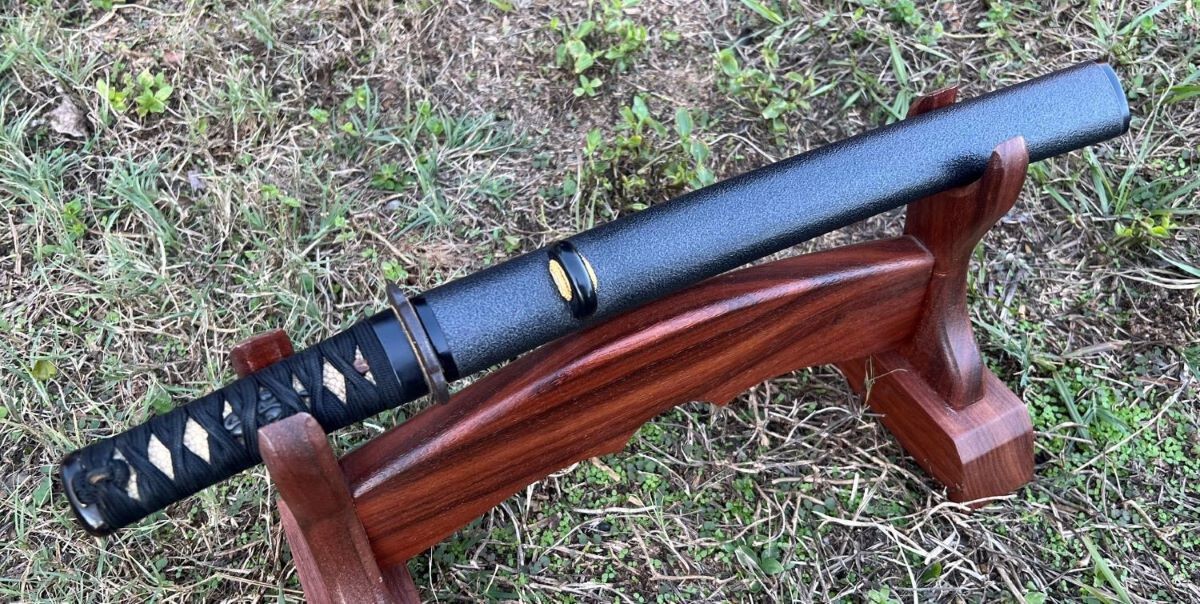
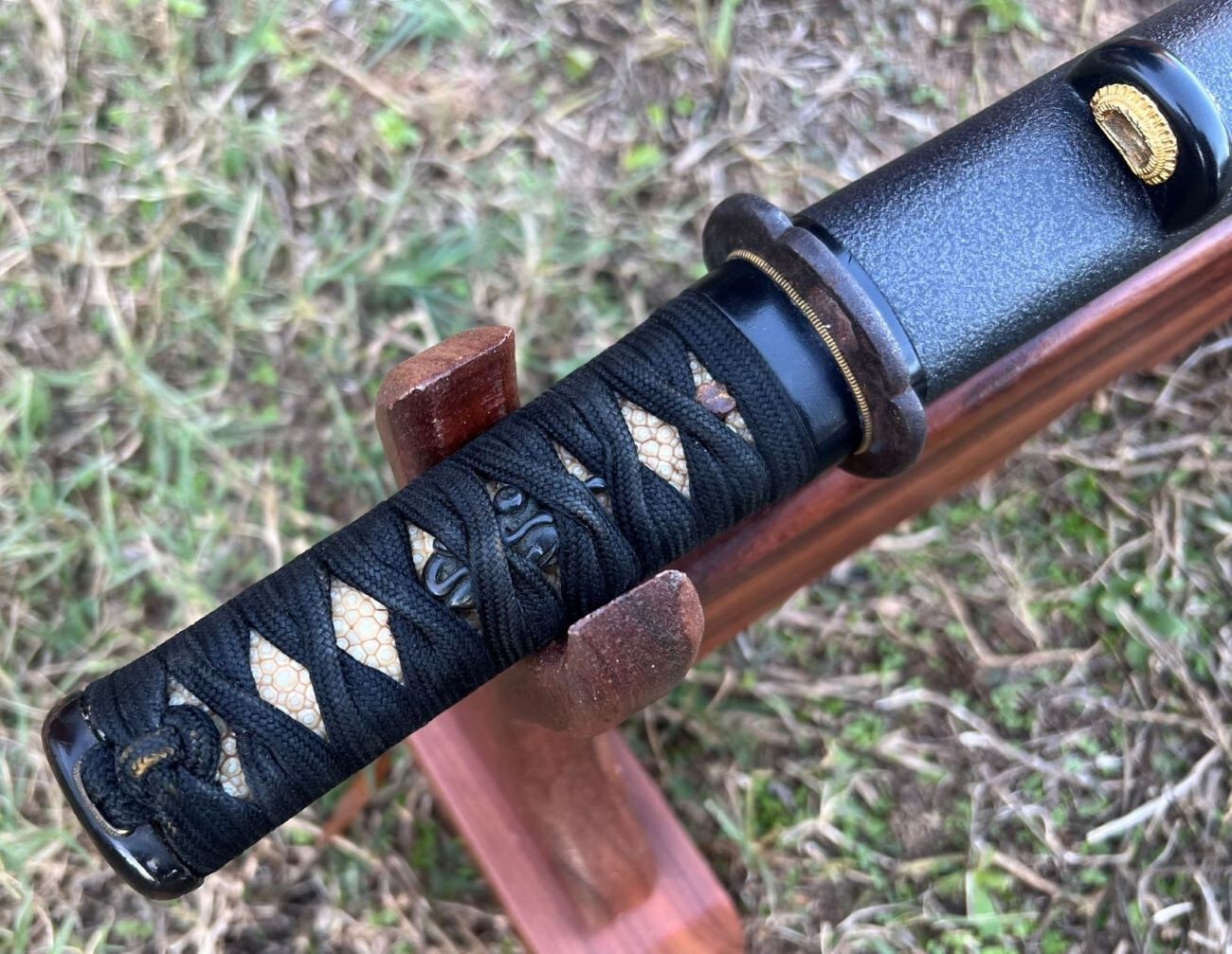
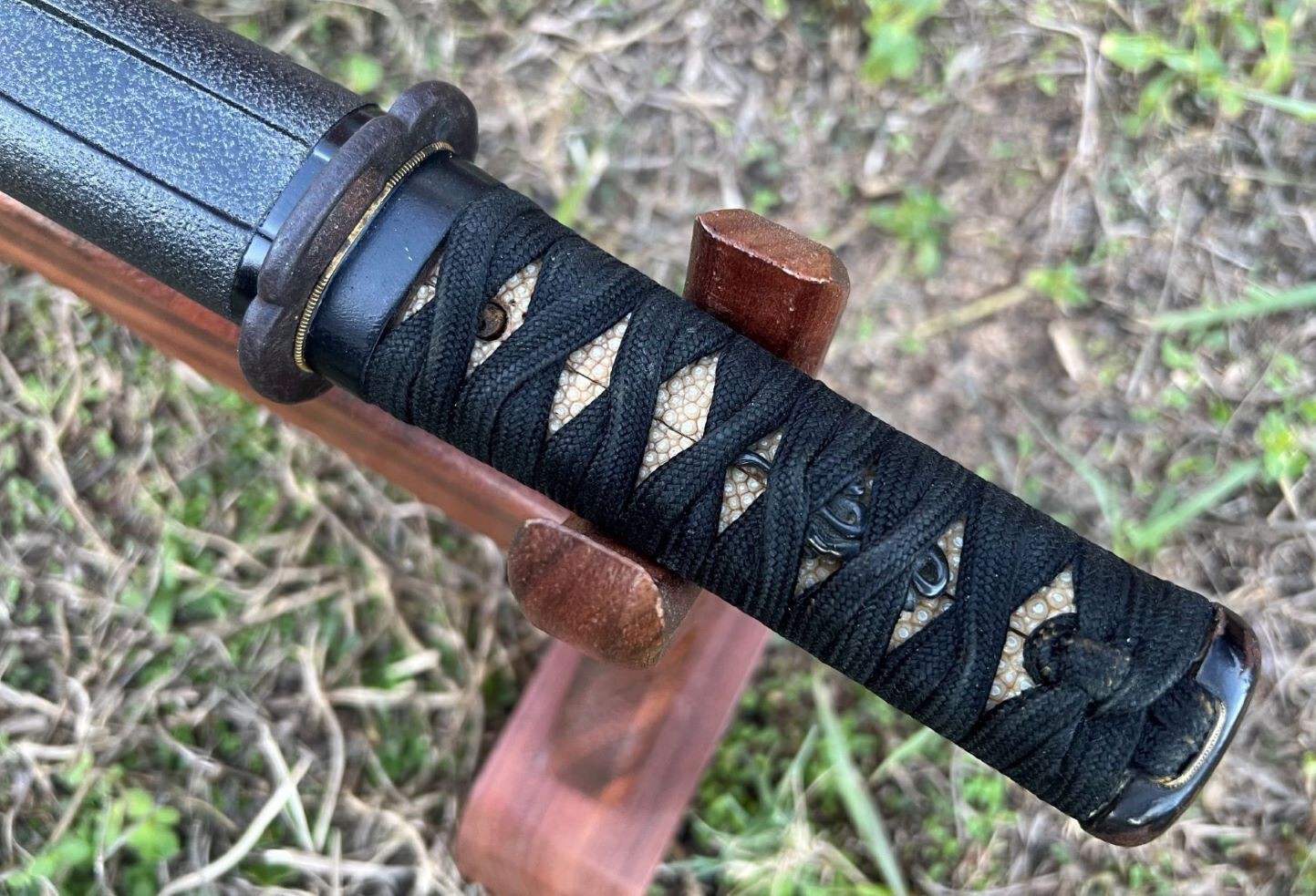
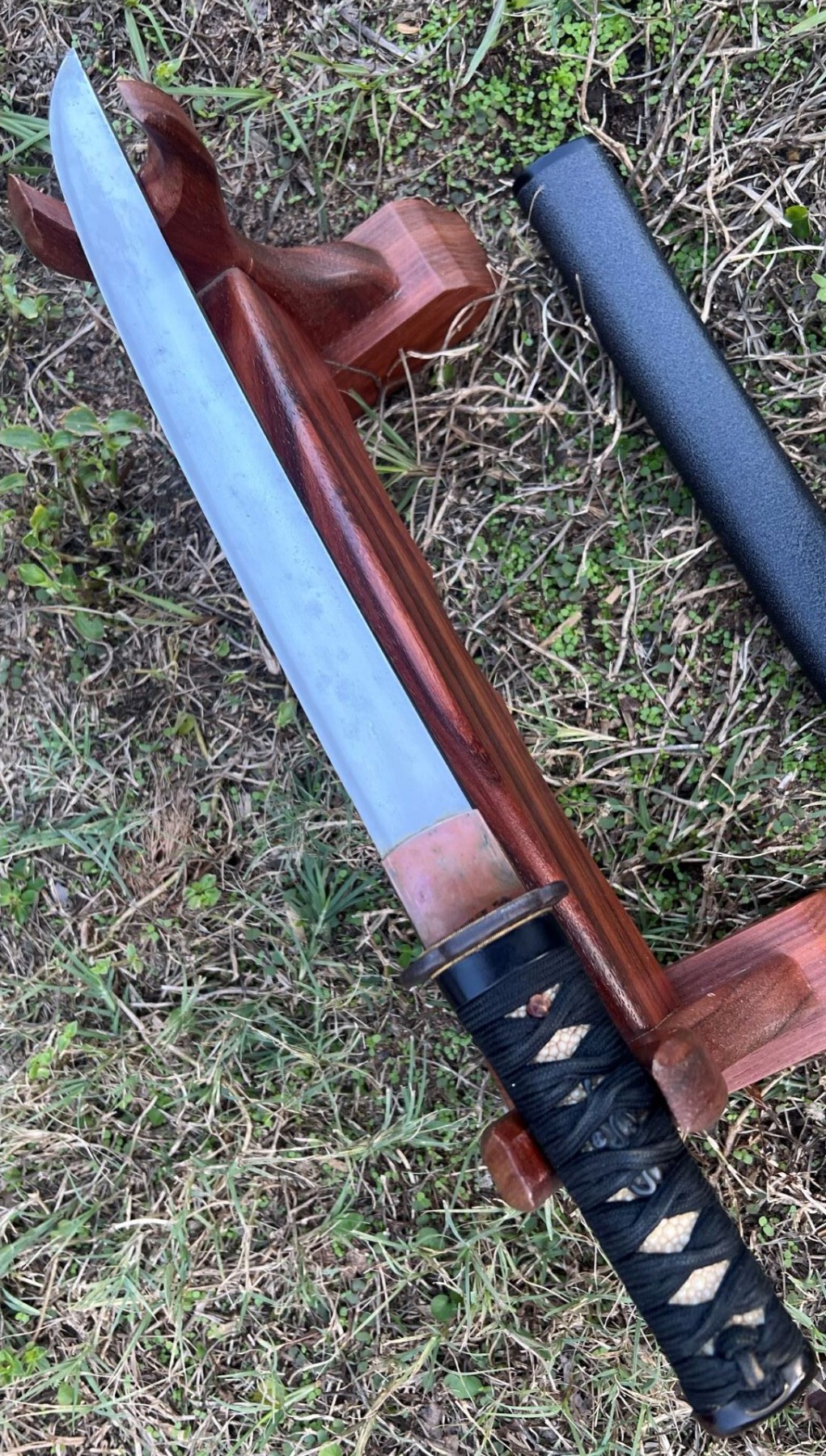
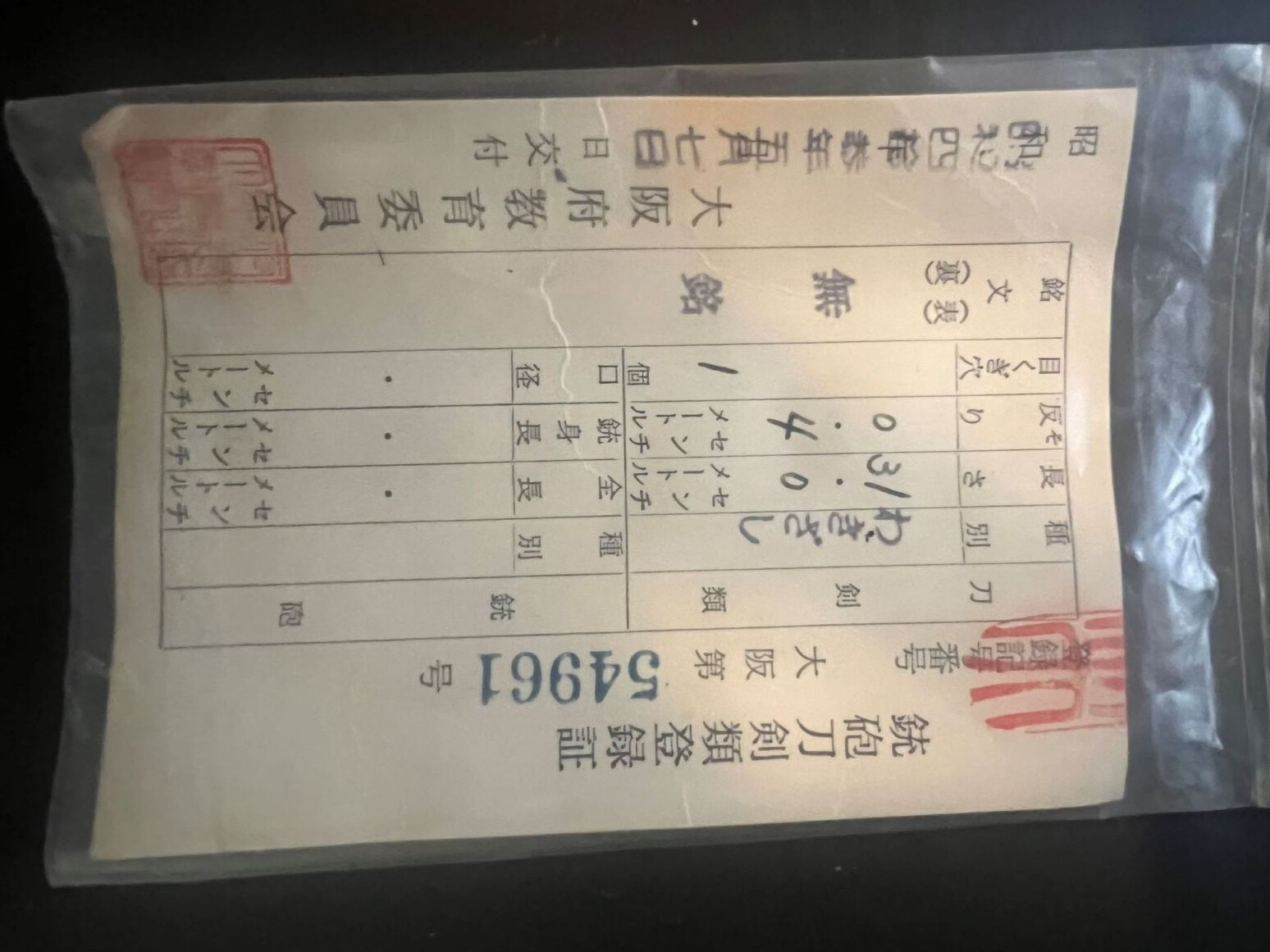
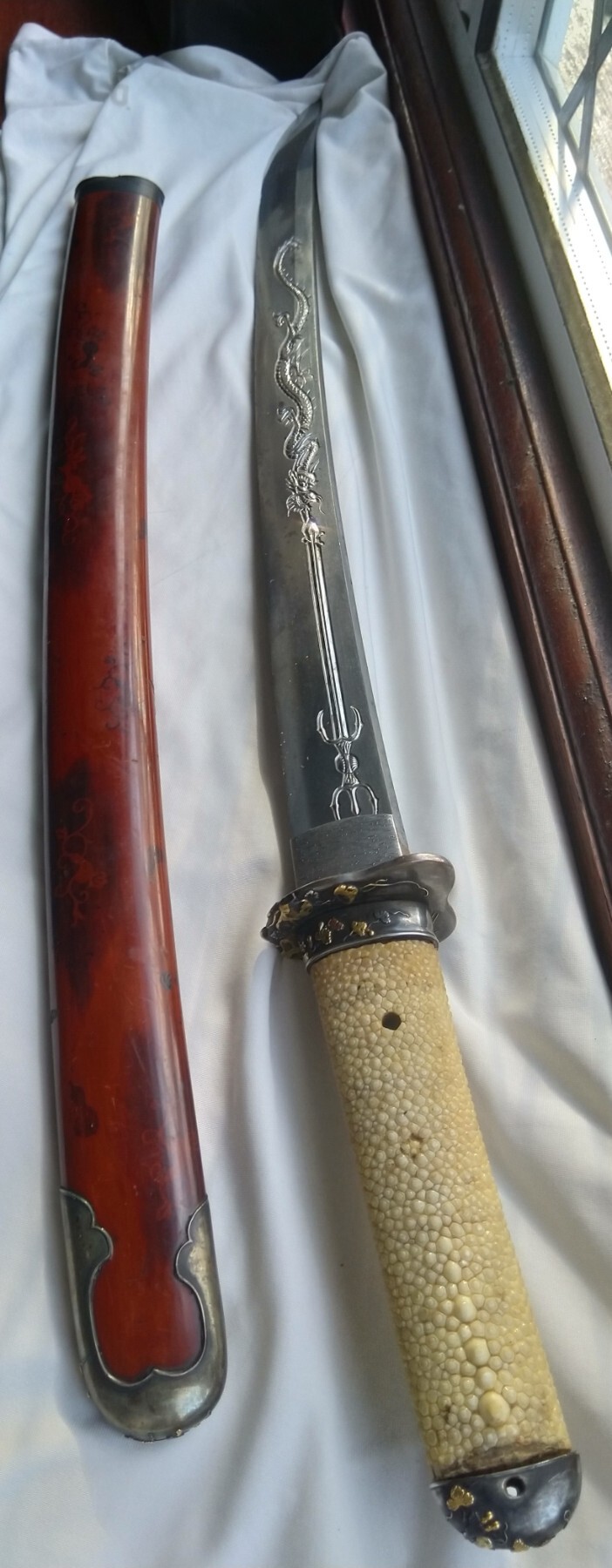
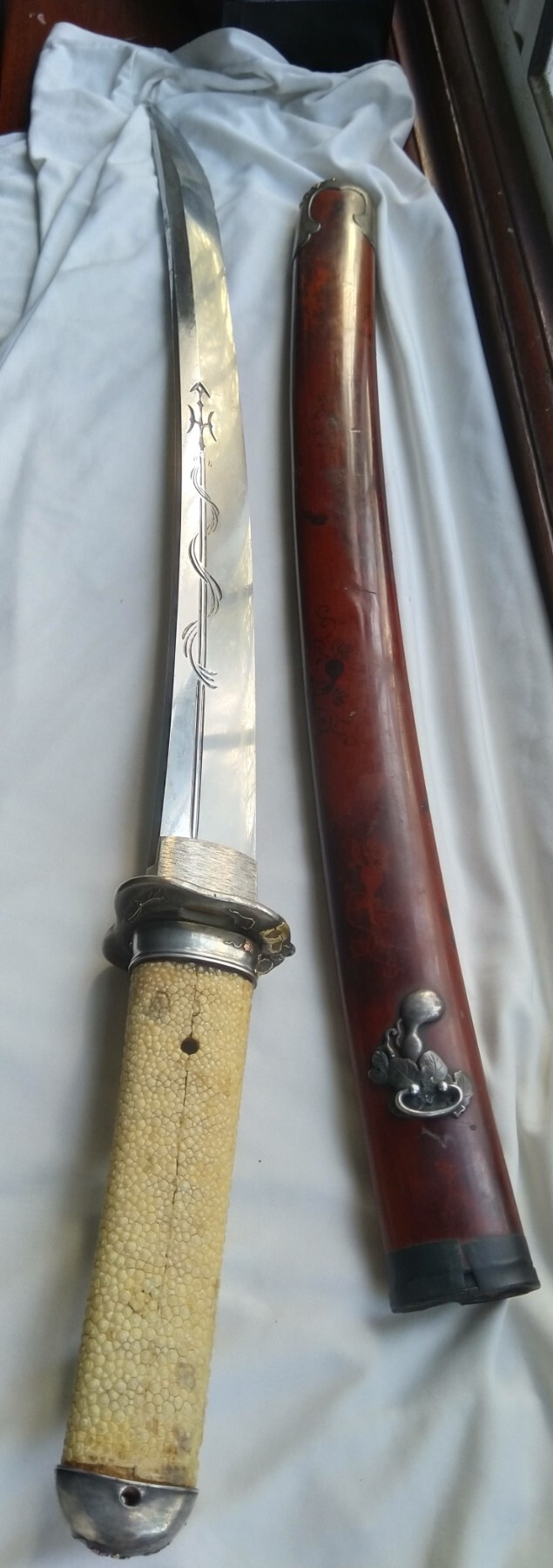
Ubu Mumei Wakizashi in original koshirae for Sale: Nagasa/Blade Length : 13 7/8th inches from tsuba to tip of kissaki. Sori : 4.4mm approx. Hamon Type : More of a Hoso-suguha Jihada : Very tight, too tight for me (and my novice eyes) to say one or another but in some areas in the right light you can see some nice light waves Flaws : There is hazy rust scattered throughout the blade, none active, light scratched visible in certain lighting, and some green build up under the habaki, though the habaki is easily removable and not stuck. Sword Location : Tallahassee Florida Will ship to : World wide Payment Methods Accepted : Paypal preferred, friends and family or you can cover the fees. But I also use cash app. Price and Currency : $1750 USD OBO. Other Info and Full Description : Selling this as a favor for a neighbor. She was given this as one of her wedding gifts as she left Japan. She doesn't have much information on it but she does have whats looks to be the original registration paper for it. So if anyone has more information please feel free to comment with any and all observations! Blade is in overall great condition, and though a fresh polish would help see more, there is still a lot that can be seen and appreciated in its current condition. Edge is in great condition with no knicks, blade and edge is straight, and is about 5.75mm thick! Looks to be a polished and lacquered buffalo horn kashira (could be wrong lol) and a lacquered soft metal fuchi, menuki looks to be monkey themed, and tsuba is a iron nature/mountain theme and is signed (haven't been able to translate signature yet.) . Saya has been restored as it was in poor shape; cracked, missing lacquer, and buffalo horn. I had Wally Hostetter do the work on this one, keeping as much of the original buffalo horn as he could, saving the core of the saya, and matching the original lacquer very well. Thanks everyone! Sal' from Koala Forge


 1 point
 -
Very strange post.1 point
-
Jussi is right, this is signed "Kongohyoe no-Jo Yoshifusa Saku", and dated "a day in August". That unhelpful date is frequently seen with Kongohyoe blades made during the Muromachi period. There were 2 Yoshifusa smiths, and I suspect this may be the work of the second, 1469 peak period, Hawleys reference YOS 1226. Rather than pictures of the furniture that have nothing to do with the sword, I would have expected some of the standard measurements, like Nagasa, Kasane, etc. to determine the exact period. This nakago appears to have been cleaned, hence the vertical marks that look almost made with a file. The rust appears to have some shale-like patches, so one might suspect it has been in a fire. I would check it out for being re-hardened. Lloyd1 point
-
A few more pictures


 1 point
 -
Hi Darin, not sure if this is the sword you intended to post but it is not a blade by Ichihara Nagamitsu nor is it signed Bizen Osafune jū Nagamitsu saku. The mei is Bushu Edo Echizen ju Yasutsugu and appears to be a Shinto blade, from the early part of the Edo period.1 point
-
Seeing the monospace font (and the term "grinding process") makes me hopeful that this is a translated reply from someone in Japan describing the progress of the restoration. I've seen Google translate and other apps translate polishing or sharpening as "grinding," and also the Kashima sisters on their website describe the initial removal of material at the start of the polishing process in this manner.1 point
-
It's not a Gendai sword , it is not made pre war , it is a classic oil tempered piece mass produced during the war years .1 point
-
Exactly. One of those items you search for your whole life, but are likely unable to ever own.1 point
-
Sorry Oli, I don't have books on TOSOGU, but other members will certainly be able to help.1 point
-
Sure I will post some this evening1 point
-
I looked at this again and the wear is too uniform and indicative of emulation. I do not advise traveling to for further examination.1 point
-
Thank you for the explanation. Makes sense. The rough part of getting old for me is the mind still thinks its 22 when I could run a sub-4 minute mile. A few steps to the mailbox reminds me I'm now on social security!! John C.1 point
-
You've done really well here, would you mind sharing some pictures of the full Koshirae?1 point
-
Really special piece for sure. Bittersweet goodbye on this one. This was most likely commissioned to a high ranking samurai at the time. Also agree on sayagaki. I regret not having one done before it left Japan. Would love to see Tanobe sensei's thoughts on the workmanship. Several high level Sukesada smiths overlap the date this was forged. Nidai Yosozaemon and Genbei, along with a few other jo-saku Sukesada workshop smiths that were known to sign with this particular signature. In fact, the 9m JPY Genbei that was on Aoi Art a week or so ago (now gone) had a Nakago very similar to this one.1 point
-
Man, I LOVE these. Pipe dream, but would love to own a genuine dragon or snake jizai okimono.1 point
-
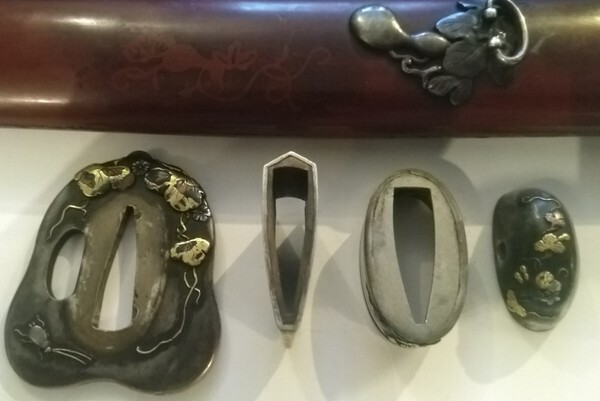
Couple more

 1 point
 -
As other said, it's not so much looking at what fakes look like, it's more knowing what real ones look like, then when you see something like this...nothing looks like the real thing. Spend some time checking out pics of real sword and reading through the forum and you'll soon see the differences. You need to get some real ones in front of you too. Every country has somewhere you can see real ones.1 point
-
To recognise a fake you first need to know what the real thing looks like, all the component parts, blade, fittings etc.You need to understand quality and artistry. That takes time and determined study. Or you can deliberately study fakes…..there are dedicated topics on this forum for that purpose. Once you have done that you will be able to tell the difference. It takes some effort. Every component of your sword sadly screams fake from the rooftops……but only when you know what you are looking at.1 point
-
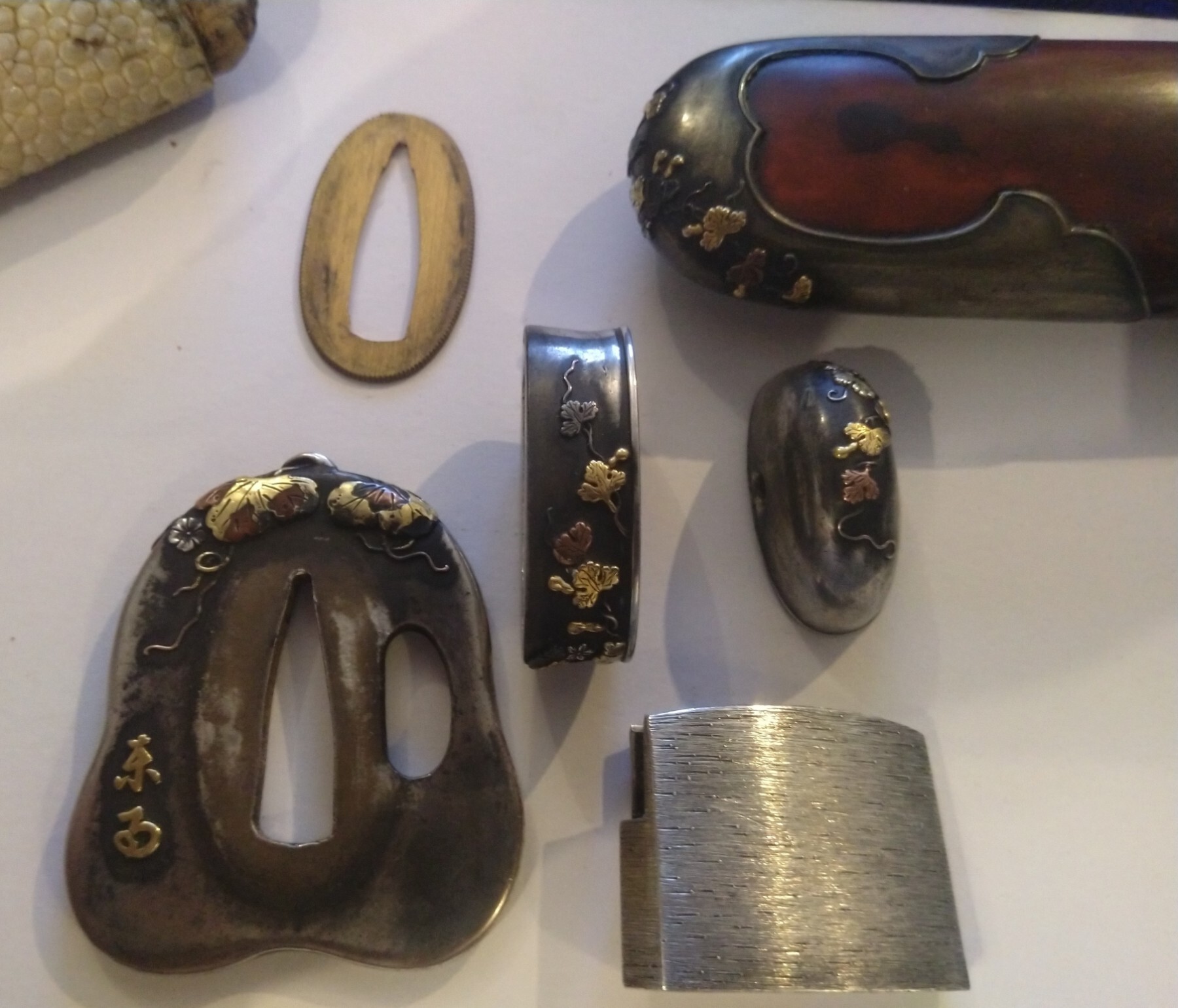
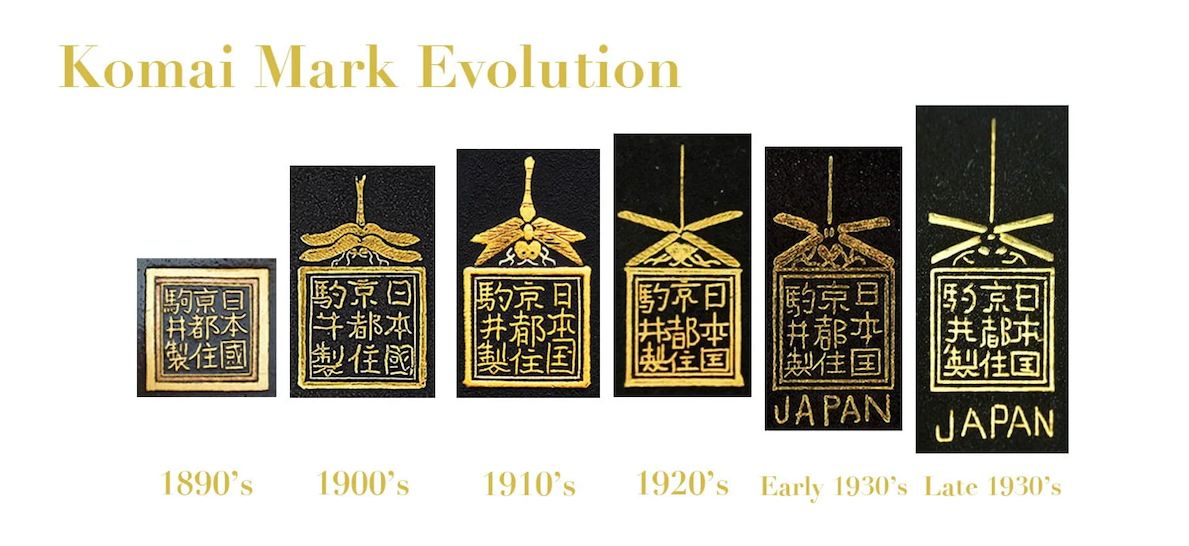
Thanks John, appreciate the help. The site I always thought would be available was much more inclusive of all the known artists who produced this beautiful work. What a shame it is no longer available for future researchers. Guess it might be a warning if you currently find a site useful it might be a good idea to download it as it might disappear sometime in the future! Howard Dennis1 point
-
This may not be what you are looking for, however here is a nice article on their history that does list several of their artists. https://jacksonsantique.co.uk/insight-the-komai-company-Japan/? John C.
 1 point
 -
Curran, in case the ANA are plugged from both sides, the copper inserts are a bit conical, so tapping them in would need more force than tapping them out. Once you get one side out, it becomes much easier. In older TSUBA, the URUSHI can become quite hard and brittle and will not move even with low heat. But on iron TSUBA, removing the plugs shold not be a big problem if you don't need to preserve them. This TENBO TSUBA has lost one insert on the left side.
 1 point
 -
Everybody sees that their own way! If it was only the metal parts.....1 point
-
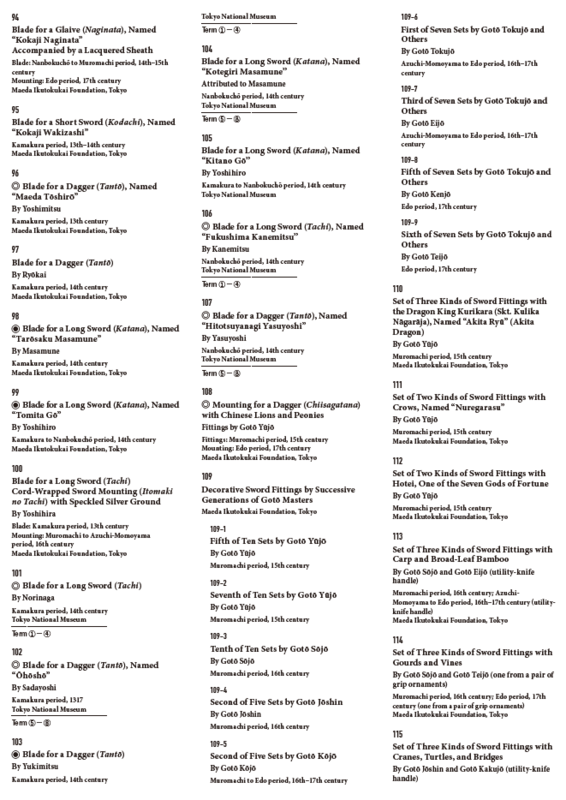
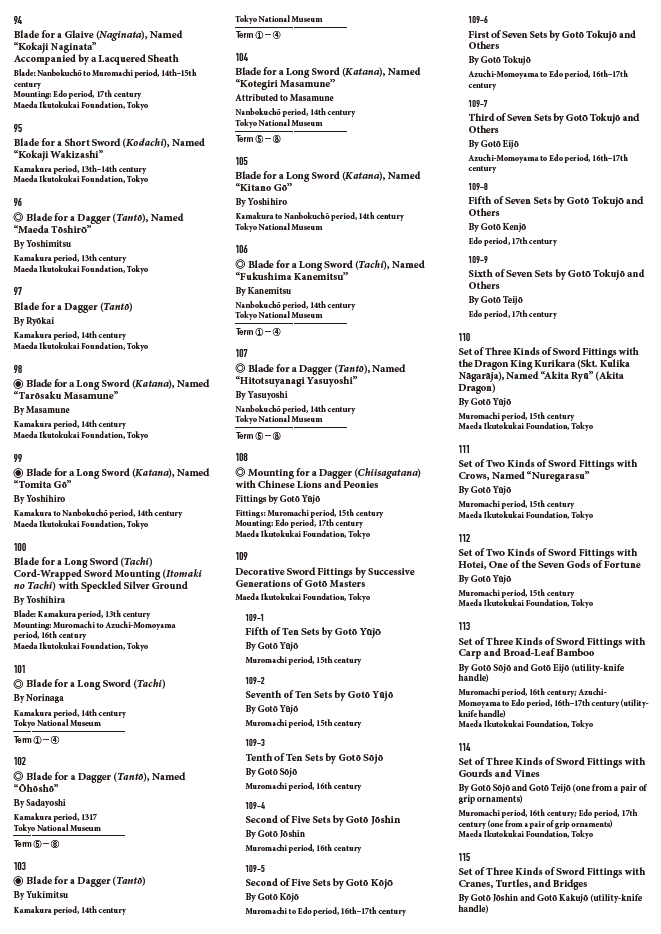
Hiro kindly informed us of a major Maeda Exhbition at the Tokyo National Museum. Here are some details of the swords on display. Not mentioned in the other thread is the Tarosaku Masamune. Wish I could attend. Hopefully some skilled nihonto photographers will be in attendance.
 1 point
 -
I should be able to catch the final days of the exhibition. I think I am getting way too specialized as I prioritized some rural museums over this one and I am most excited about number 94 the naginata and the 93 Ō-Denta. I am lucky this year to get the later rotation as I have already seen all the blades of Tokyo National Museum 1-4 rotation so it will be nice too see others. I do remember seeing Kotegiri Masamune years ago, will be nice to see it again and see if I think differently about it.1 point
-
1 point
-
No, they are often quite faint.1 point
-
@cookiemonstah47, now that we see these military stamps, I’ve relocated the thread to the military swords of Japan section. 名 = na = 名古屋陸軍造兵廠監督課 = Nagoya Army Arsenal Supervisory Section. ホ = HO = 小倉陸軍造兵廠第一製造所 = 1st Factory of Kokura Army Arsenal Interesting sword, -Sam1 point
-
If you’re lucky, they just might sell it back to you at half price1 point


























This leaderboard is set to Johannesburg/GMT+02:00