
Leaderboard


Popular Content
Showing content with the highest reputation on 04/03/2026 in all areas
-
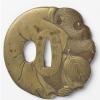
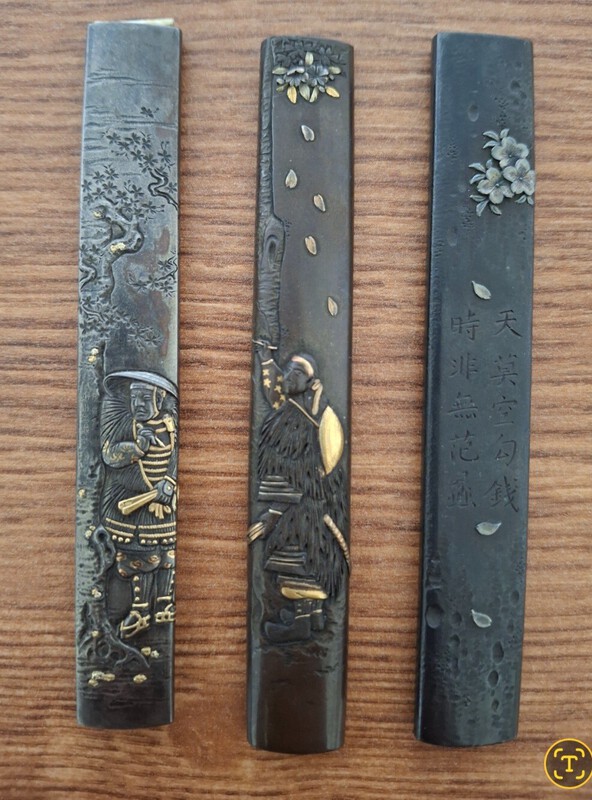
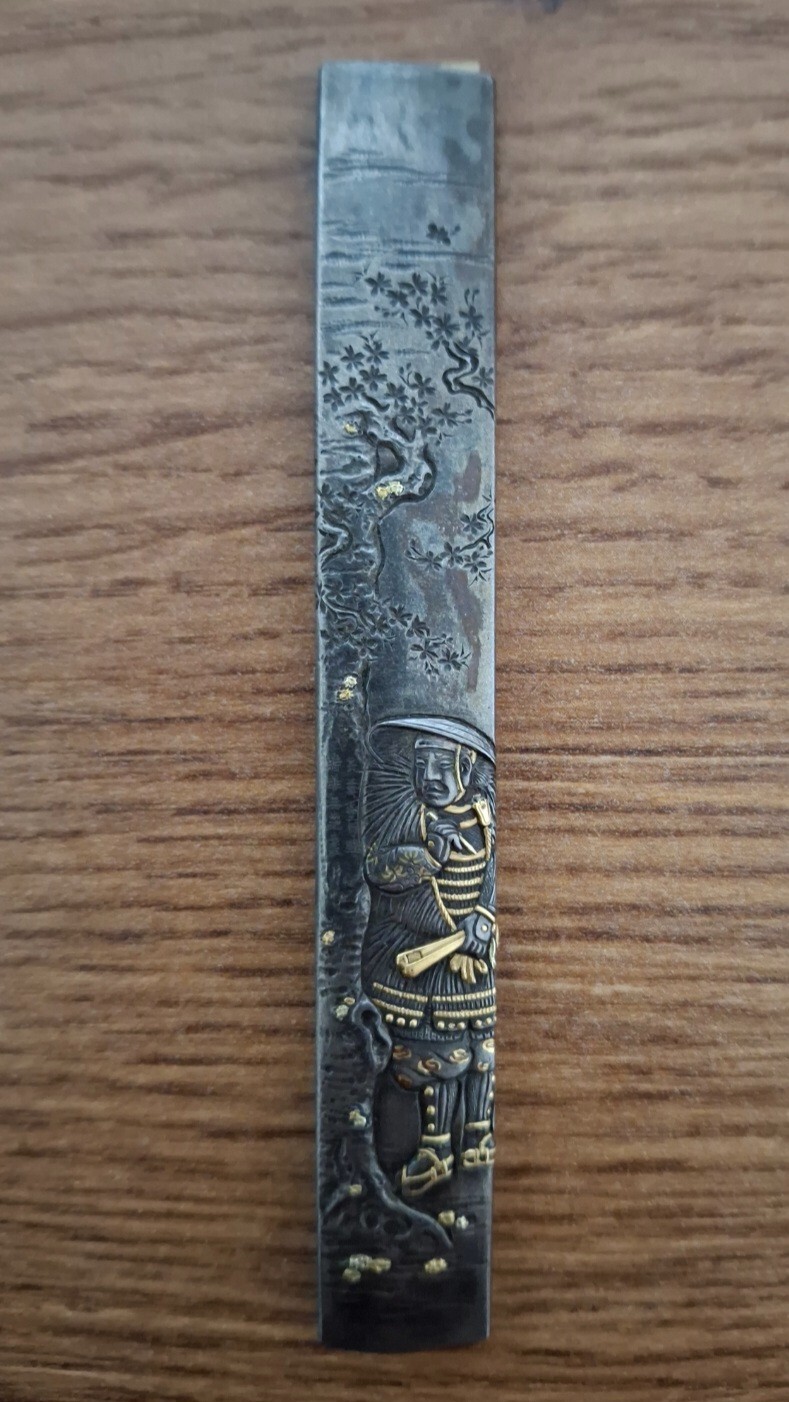
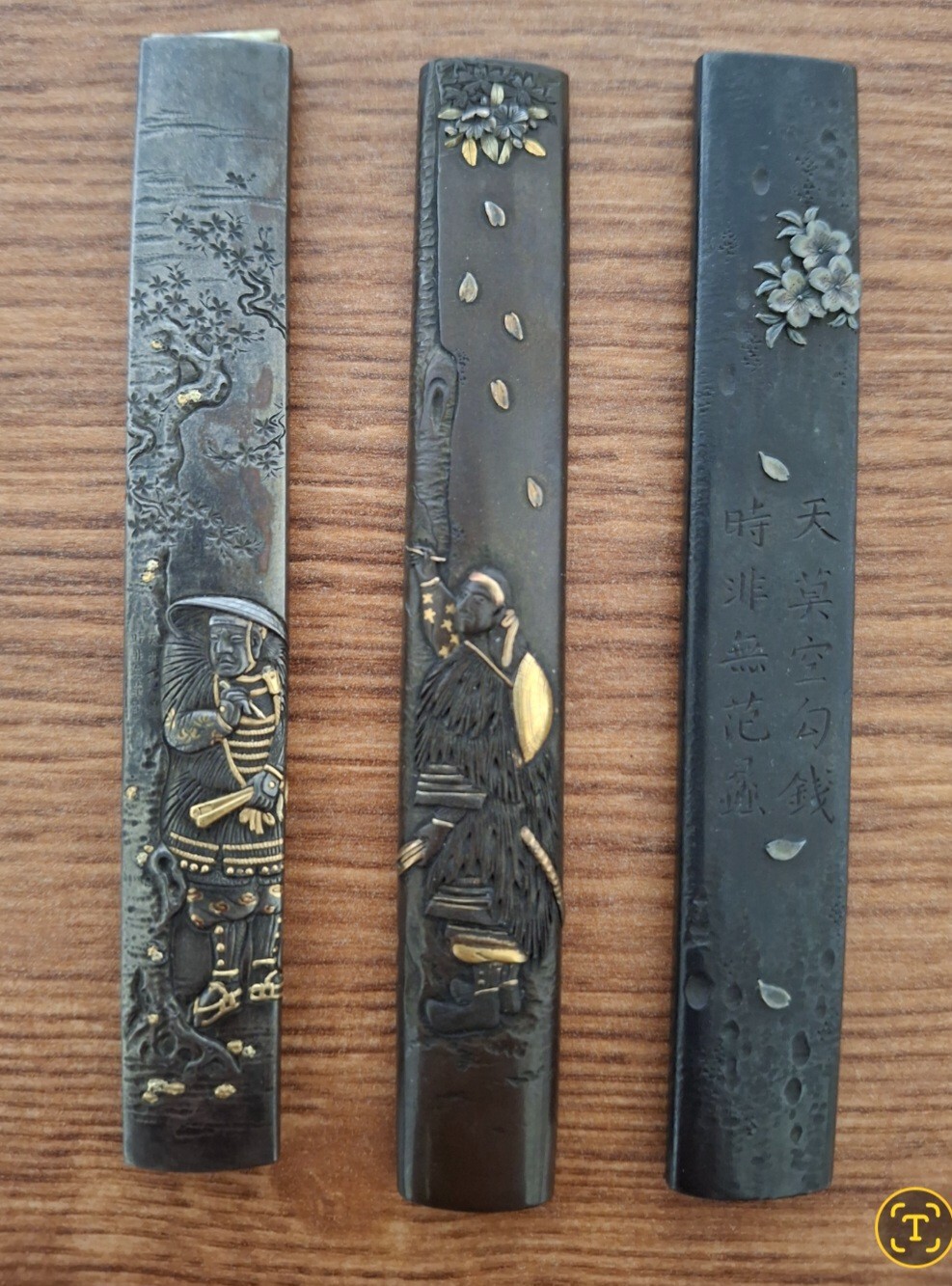
Sorry to reopen such an old thread more than 13 years after the oldest post but I wanted to share this kozuka I recently purchased. It is signed Aki Masa [Haynes 00041.0].

 8 points
 -
Because it’s an award, it’s recognition, who doesn’t want recognition of their work? Samuel Colt is considered a pioneer for his work in bringing the revolver firearm mass assembly into reality. That all on its own was a great accomplishment, but do you think he turned down the Silver Telford Medal? Of course not, why would anyone turn down an award. But that award gave him no more standing or value than he would have had without it. Awards are awards……..perhaps more valuable to romantics of history than the actual recipients.5 points
-
Changing the subject just for a moment, but loving the thoughts of woodworkers above! Last night I was watching a programme about restoring some of the walls and ceilings of a gorgeously appointed Bunkazai temple residence somewhere in Japan. (Missed the beginning so not sure where exactly it was.) Imagine large connected tatami rooms in Nijo Jo with colourful Kano-painted fusuma and wall panels, golden, with black-lacquered beams and gold fittings everywhere. That kind of place. One problem which the priest pointed out was a long vertical split in the samite gold cloth trimming down the right side of a sliding panel. They introduced the young artisan expert, wearing a backpack of tools, who assured us he would repair it in the traditional way as he had learned from his father and grandfather before him. The guy spread out a small plastic sheet on the tatami and placed upon it his minimal tool set. He opened a small Tupperware tub and showed us the glistening 'nori' rice-paste glue, the same as traditionally used by schoolchildren. "Repairs may have to be conducted again in the same place in the future" he explained, "so nothing permanent". "In fact," he added, pulling away some yellowed paper residue from out of the crack with his tweezers, "you can see how someone has done this before." He painted the Nori glue onto both sides of a hand-sized sheet of plastic, and slipped it under the edge of the gold cloth fabric, pressing it down with some brown paper as he withdrew his slide. Half an hour of repeating this process, and he declared himself finished. Could we see the line of the 'repair', well, yes, even as the camera crew said "no". Next we moved to a high-ceilinged corridor where one square-framed ceiling panel had a similar fabric split across the painting of flowers. He climbed an A-frame stepladder and used the same process over another half an hour. The after photo still showed a hairline crack and some discolouration where the Nori had seeped through(?) but at least the material was flat, stuck back in place. Educational? Yes, for me it was.5 points
-
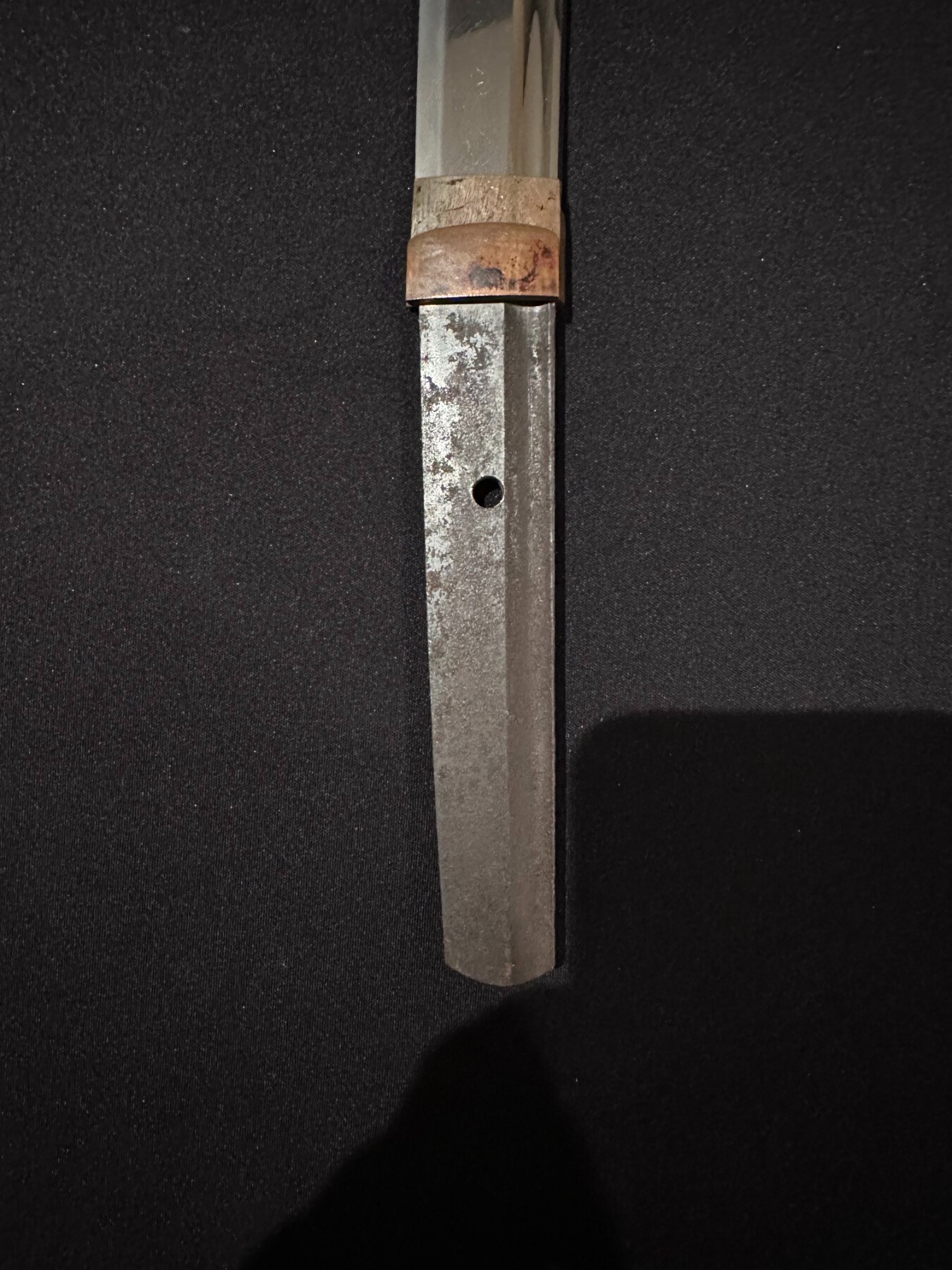
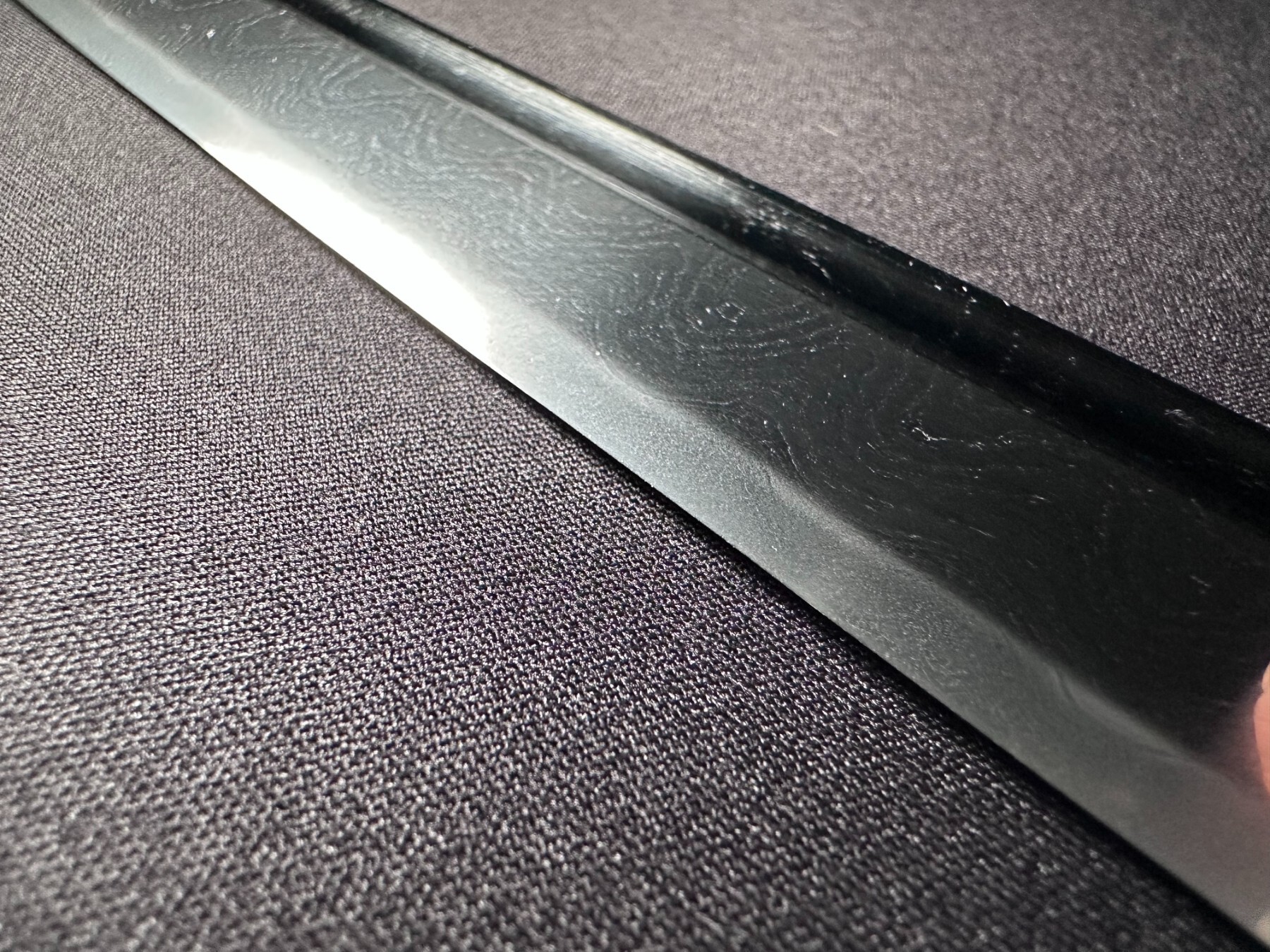
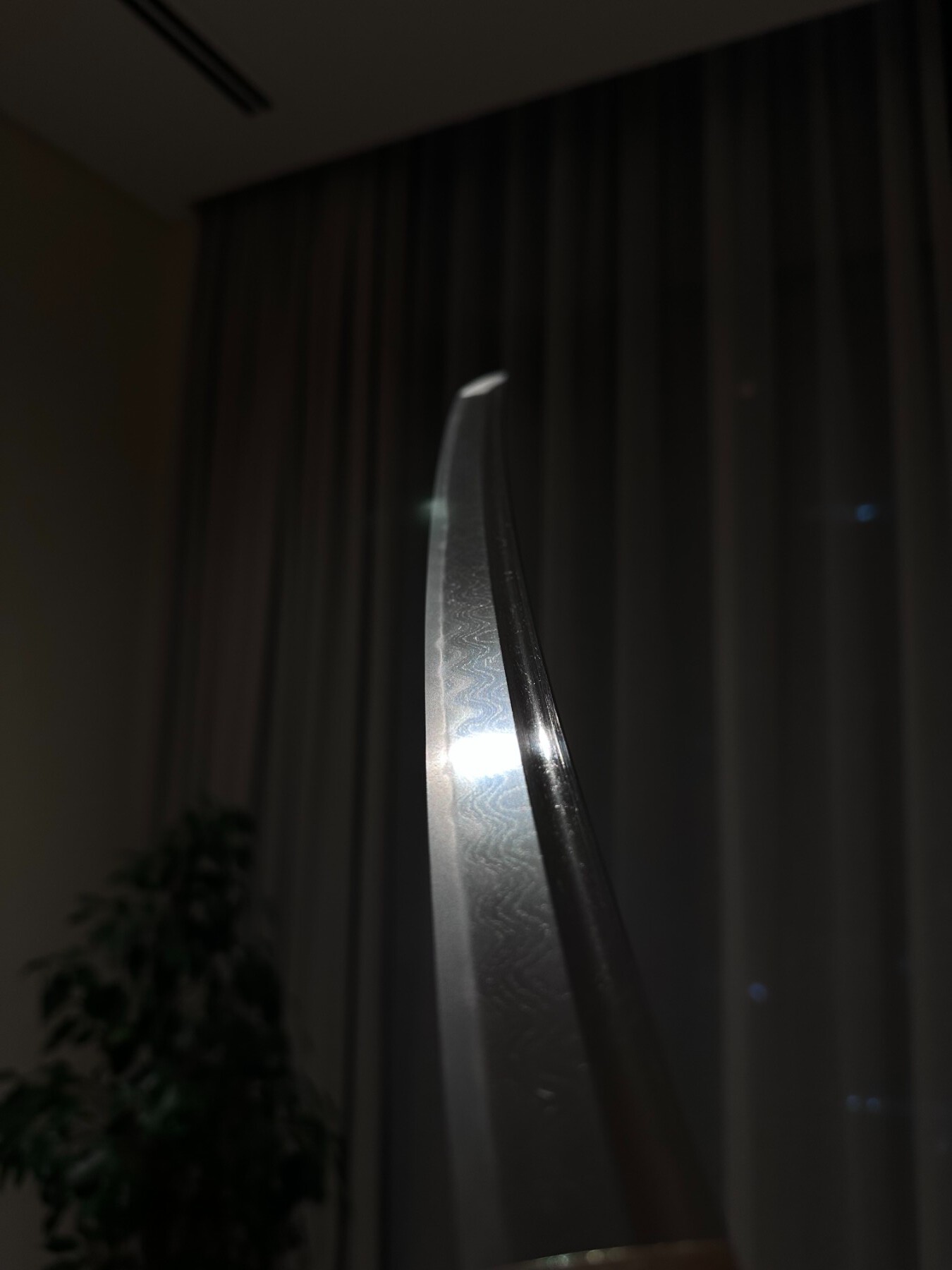
Hello all, I recently acquired a Gassan wakizashi (Hozon - Gassan) and would like to learn more about it. I would greatly appreciate your insight into identifying the period and any additional details you may notice. Thank you, and my apologies in advance for the photos.
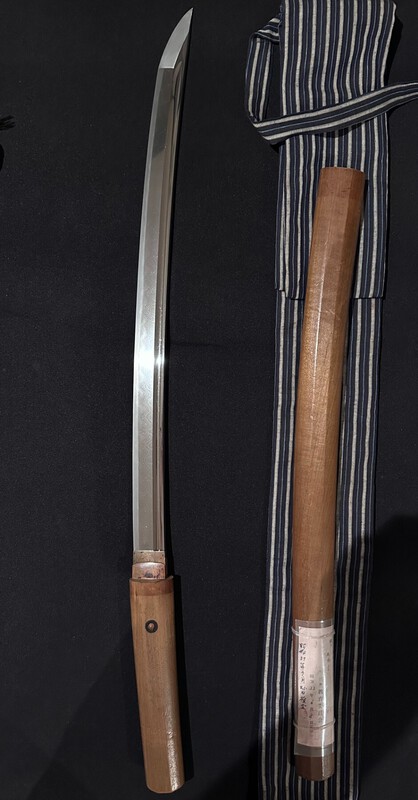
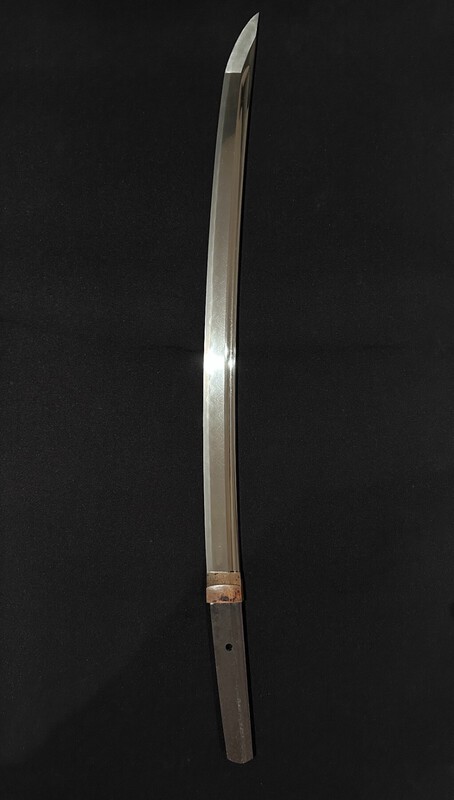
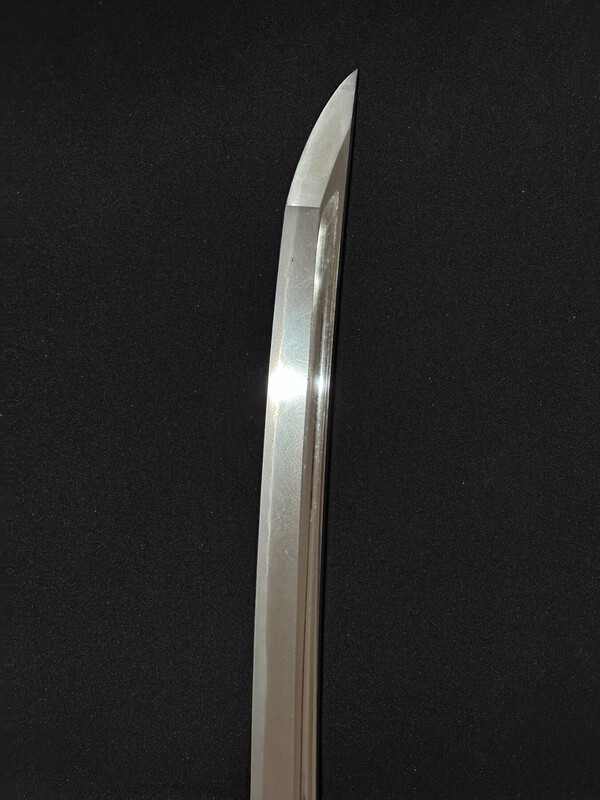
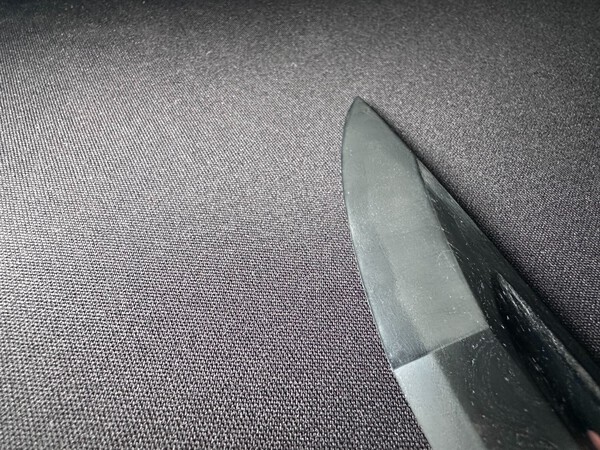
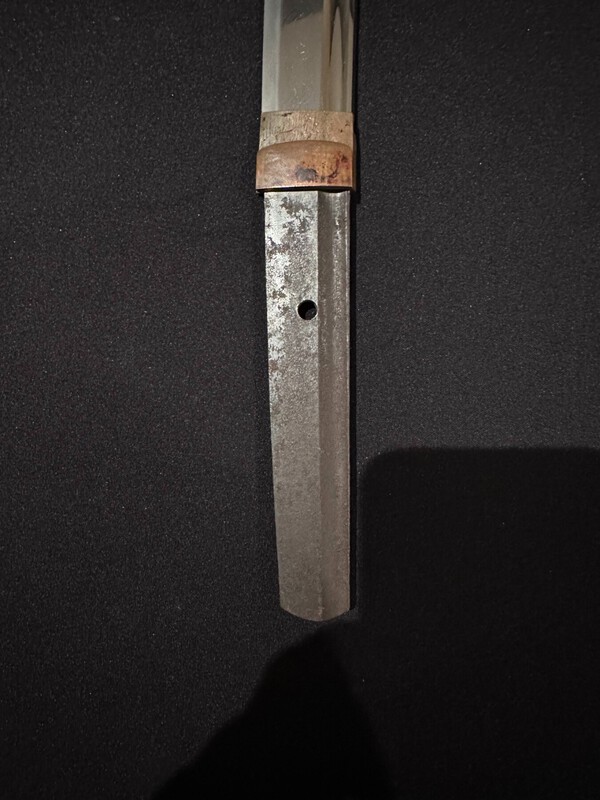
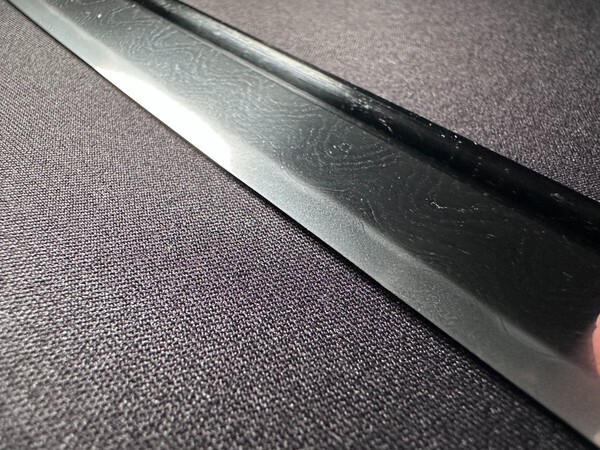
 4 points
 -
Jared, I’m sorry the information provided about titles didn’t meet your expectations. We are all here because we care about Nihonto. What’s historically important to the broader study of Nihonto isn’t always the same as what’s culturally or artistically worth preserving and respecting. All of it matters to most of us, and we feel strongly about it. With any fine art, there’s a spectrum of importance. The Mona Lisa’s significance doesn’t negate the value of a family heirloom or an older painting with more personal meaning. -Sam4 points
-
Yes indeed Mauro. In fact it is my third kozuka with the same topic! ( from Internet: Lovely scene of the warrior Kojima Takanori kneeling beneath a cherry tree, having just written a poem on a tree's trunk. Takanori was a loyal supporter of the exiled Emperor Go-Daigo, and attempted to rescue him while he was being transported to a remote location. The samurai was able to sneak into the camp, but could not reach the emperor, so according to legend, he carved a poem of encouragement in Chinese for the emperor on a cherry tree. In the morning, the guards found the poem but could not read Chinese, but the emperor could, and was heartened by the message. A shower of delicate petals falls down over him in the cool evening breeze, and a full moon glows softly overheard.)
 4 points
 -
Hello, After discussing with experienced friends in the business, generating credible and professional .pdf brochure is basically equipping scam sellers with nuclear-grade fraud material. My north star is to create a more trustworthy and reliable market for the field. So, can't have that, at least not in its current form. Shortest lived feature on NW, it will be accessible in a gated form at some point in the future. Cheers, Hoshi3 points
-
Indeed, it's a mass-produced souvenir: https://ebay.us/m/1HJRYB https://spicersauctioneers.com/catalogue/lot/3854b156aa2e7af44cf82585fc6f87b3/2a6fa85538c56e3991b429b74f737ad8/antique-and-fine-art-lot-294/ In these cases I usually suggest a comparison with a genuine example, but I don't recall ever seeing an antique version of this model. Anyway, this is what genuine birds in wood might look like: https://www.metmuseum.org/art/collection/search/590413 points
-
Musubi Karigane (結び雁金) is a traditional Japanese family crest (kamon) featuring a stylized wild goose whose wings are knotted or looped into a circle. It symbolizes "a bird that carries good luck and good news" and is closely associated with SAMURAI families, most notably the SANADA clan. It represents loyalty and is a variation of the Karigane (wild goose) motif. Key details about Musubi Karigane: Design & symbolism: It features a kari (wild goose), a migratory bird often linked to autumn. The bird is designed with its face facing left and its wings deformed/knotted into a circle. Samurai Crest: This crest was used by the Shinano-Sanada clan, as well as families like the Umino and Inoue. It was frequently used for armor, sword mountings (TSUBA), and other samurai gear. Variations: Often stylized as Shiri-awase Mitsu-musubi Karigane, where three knotted geese are arranged in a circle. Modern Usage: It is still recognized as a classic design in Japanese traditional arts, sometimes used on clothing or items related to Japanese history. Taken from the internet3 points
-
Wish you luck in getting it back. Stuff like this is a niche market and very identifiable, so hoping someone spots it. Don't want more stickies right now, but maybe will look at adding a separate page just for stolen items, let me see what I can do.3 points
-
The title is a nice thing to have. If you are from a lineage that has traditionally used the title, it is very important for you (and your succeeding generations) to continue to maintain and use this brand. It adds an aura of prestige. It is a kind of marketing tool. But it doesn't open any doors into the aristocracy. The smith just wants it because, in a way, it validates his position as a master swordsmith (even though the "validation" aspect was continually devalued by the bakufu selling these titles). Sukehiro's mentor did not have a title, so maybe Sukehiro or some patron felt Sukehiro's skill had surpassed that of his mentor, and was worthy of a title. Whether or not he can charge more for his swords after receiving the title is just speculation on my part. If you are a swordsmith from a province with dwindling need for swords, you probably don't have much leverage to raise your prices, even with a fancy title. If you are a swordsmith from a province that has great demand for swords, maybe you can use the title to justify raising your prices above those of your non-"accredited" peers. As others have noted, Suketaka was genuinely a master of his craft, as you can see from his several Jūyō-rated blades. So in his case, the title was well-deserved. The date on this sword is interesting because it comes from the period just prior to receiving the title, but that's about all we can say. If there are any flaws or blemishes on the sword, it greatly devalues the sword regardless of the date (and/or any title that might be on the blade). I don't think there is anything else missing. I mean, Fujishiro's swordsmith index notes that Suketaka received the title "Kami" on Dec. 19th, Kansei 10 (1798). There may also be some primary source documents in the Imperial Archives, etc... which also note the date on which he received his title. It really is just a title, something like Esquire. I doubt that Suketaka would have considered himself to be a revolutionary swordsmith. His lineage goes back to the Bingo Mihara smiths (spiritually, not by direct bloodline). He was able to consistently replicate the dynamic toranba style of temper pattern that Tsuda Sukehiro was well-known for in the mid-1600s. This toranba style of hamon was also admired and replicated by Suishinshi Masahide, so somehow the timing of these two smiths, Masahide and Suketaka, converged, and due to their admiration of, and ability to consistently forge, blades with toranba, the sword world considers them as part of a new era. But I don't think Suketaka would have felt he was making a break from the past. Edit to clarify: the complete title is Nagato no Kami (Lord of Nagato). Nagato was the province on the southern tip of Honshū. Present day Yamaguchi, or thereabouts. This is one of many cases where the location of the "lordship" has absolutely no relation to the smith. It's just used for convenience. And I don't mean to imply that Suishinshi Masahide's only contribution was an ability to replicate toranba. He was a smith who may have seen himself as advancing, or "restoring" the direction of swordsmithing in Japan.3 points
-
The examples I provided are all from papered tsuba, and all NBTHK papers reported the subjects as karigane. The stylized birds with "twisted body' are reported as 結雁金 - musubikarigane.3 points
-
Nice! I would think fully developed, periodic, profound ayasugi hada is basically post 1490, with o kissaki this one I would say might approach Tensho.3 points
-
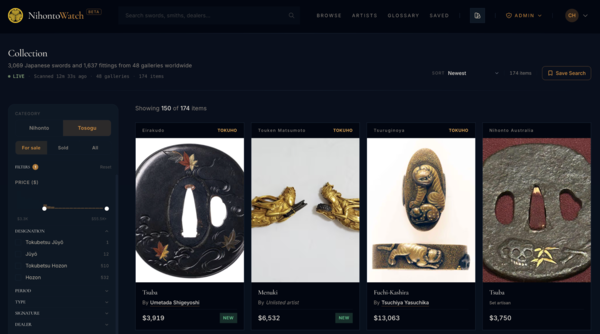
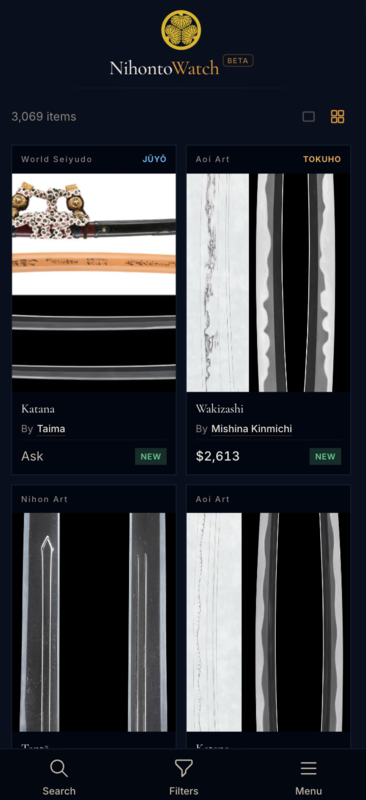
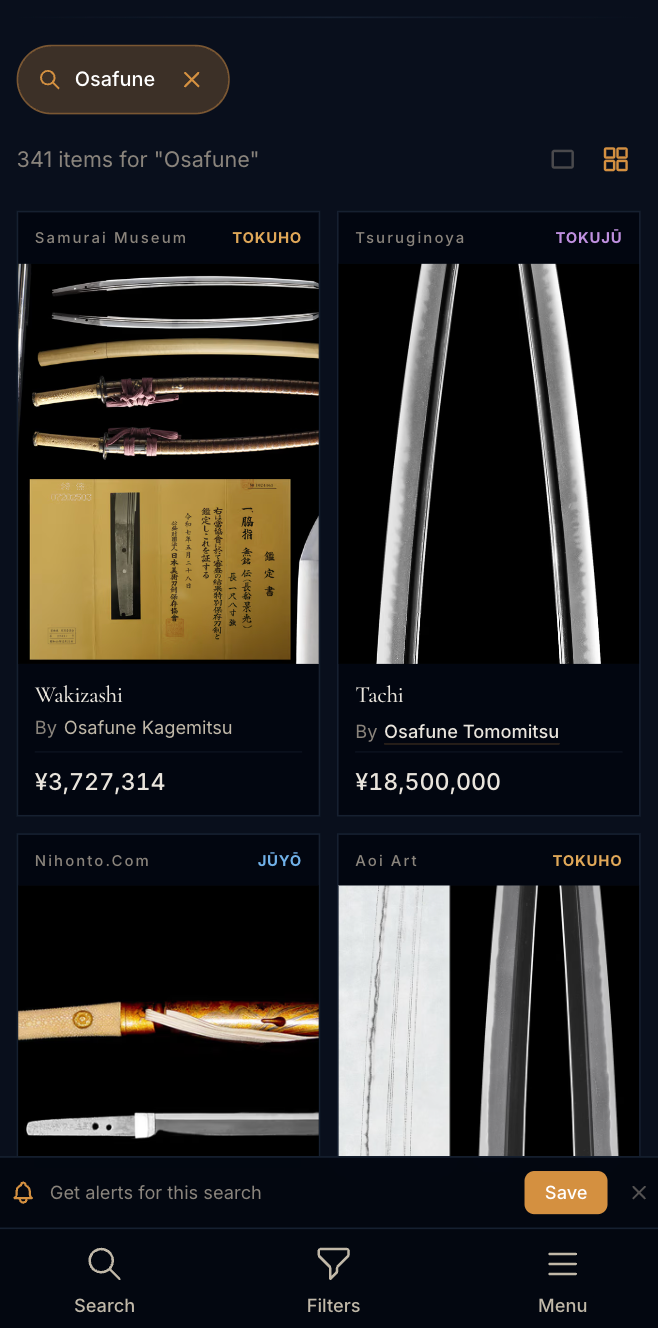
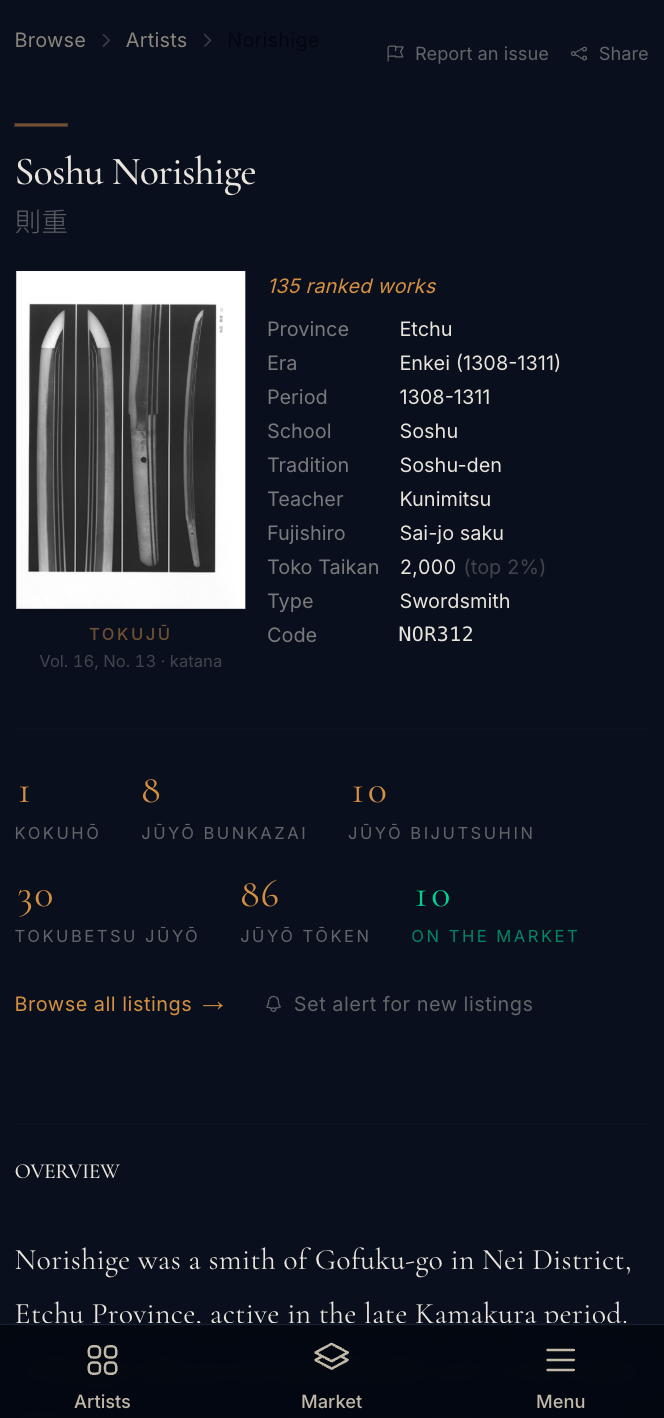
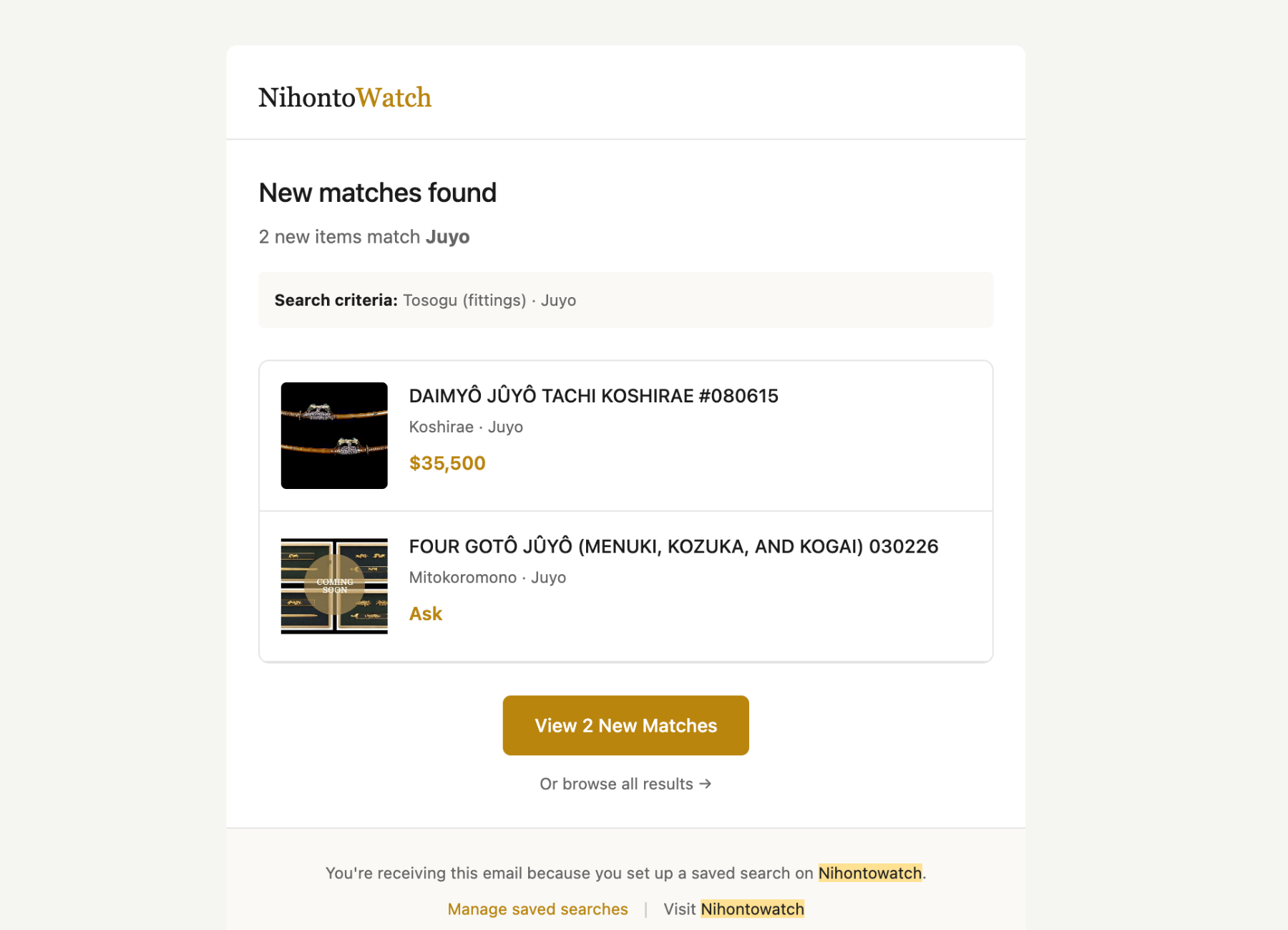
Hello everyone, TLDR: Interested in Japanese swords and fittings? I made this to help the field. Open nihontowatch.com on your phone browser, and add to home screen (Share → Add to Home Screen). Thank me later. --------------------------------------------------------------------------------------------- I have been thinking for quite some time about the future of our field. I have been blessed with incredible mentors and opportunities, most notably the late Darcy Brockbank, who was so generous in sharing his knowledge. Since his tragic passing, I have felt a responsibility to carry that work forward. What I am about to present, I built as an homage to his memory. Our field has problems. We operate in a field of extraordinary depth without being equipped with the knowledge and tools to understand what we're looking at when we browse the market. Refreshing dozens of dealer websites every week, most in Japanese, copy-pasting listings into translation apps, pinching to zoom on sites built twenty years ago — market awareness is just painful and you miss things constantly. You spend an hour and walk away unsure you have seen everything. And this is just the market experience. The deeper problem is access to knowledge. There are no catalogues raisonnés for artists. Yuhindo would have grown into it — it was planned. But alas, Yuhindo is no more. No way to know, with any confidence, whether a price is reasonable without decades of experience or tens of thousands of dollars invested in published references. No way to know why something costs what it does. Communication with Japanese dealers remains daunting for most. No easy way to know who is a reputable dealer. The barrier to entry is simply too high, and this friction keeps our field artificially small. Fine art has Artnet. Watches have Chrono24. Antiquarian books have AbeBooks — markets with comparable depth and comparable opacity, served by platforms that bring transparency and accessibility. These fields have benefited immensely: they have enabled new entrants in droves to collect in confidence. Our field needs more knowledge and transparency to build interest and trust.Japanese swords and fittings. Eight hundred years of collecting history at the highest levels. The category that contains the most national treasures in Japan. The indefatigable search for perfection of an entire civilization. And yet, we have nothing. This had to change. As I write this, there are 3,021 Nihonto and 1,607 Tosogu items for sale across 44 dealers, Japanese and international, in a single searchable interface. Every listing is structured with attribution, certification, measurements, and artist intelligence data. NihontoWatch is on track to follow 100% of the online market for genuine items with NBTHK papers. Refreshed 12 times a day. Everything is translated and structured, as it trickles in live. But what is this worth, if it's so hard to know what you're looking at? Especially for newcomers, it is so hard to tell what you're looking at. This is where the magic is. I am nostalgic of reading through Yuhindo's artist descriptions. It made me deeply appreciate the field. It got me in. NihontoWatch scales this experience and creates something approaching a living catalogue raisonné for every Tosogu and Nihonto artist. It matches every listing against a database combining the complete Juyo, Tokubetsu Juyo, Juyo bunkazai, Kokuho, and Gyobutsu designation data — over 23,000 items at the highest level, with rich text in classical Japanese. This data is then processed, synthesized, and presented into NihontoWatch's artist directory in a way that is respectful of the NBTHK's copyright. With this, you'll be able to discover a maker's historical reputation through quantitative analysis of exhaustive provenance records, in ways never seen before. Over time, all of these artist pages will come alive, forming an ever-expanding knowledge base. - How rare is it? - How many Tokuju? - How many designated works ranked Juyo and above? - Why is this important? - Where does it rank relative to other works? - What is for sale right now? - What was for sale recently? All the answers are in. These are questions that come up constantly in our community, and until now, answering them required years of collecting published references worth tens of thousands of dollars, and patiently indexing them with post-its or one-by-one in a spreadsheet. Only professional dealers or major collectors could afford to do this. This is a BETA, so there are errors. The more obscure the artist, the higher the error rate, and there are still basic errors I need to fix with some famous artists. A lot of algorithmic tinkering and curation ahead. It will keep getting better with your feedback. See the results for yourselves: - Soshu Masamune: https://nihontowatch.com/artists/masamune-MAS590 - Ichimonji school: https://nihontowatch.com/artists/NS-Ichimonji - Yasuchika (tosogu): https://nihontowatch.com/artists/yasuchika-TSU001 - Goto school: https://nihontowatch.com/artists/NS-Goto Click one and explore the designations, the provenance abalysis, the measurement distributions. This is just a first shot — over time this data will grow. Here is one where I have published an item I studied for my Substack article on Mitsutada: - Osafune Mitsutada: https://nihontowatch.com/artists/mitsutada-MIT281 Imagine Yuhindo, but with a page for every artist and every piece ever captured on camera. Saw a national treasure at an exhibition in Japan? Share your photos on NihontoWatch's artist catalogue. In the future, owners of particular works will be able to publish them to the artist's catalogue. Think of it as a growing, community-curated knowledge base for every artist in the field. And so much more Browse and filter: Designation, dealer, item type, school, province — all filterable, all instant. Prices display in JPY, USD, or EUR. Every filter combination is a shareable URL. The sold archive tracks thousands of items for pricing research. And it works for every budget, for collectors at every level. - All Tokubetsu Juyo Nihonto on the market - All Tsuba with Hozon or Tokubetsu Hozon, maximum price $2,000 Setsumei translations: On some items, you can press the floating book icon on any Juyo item to toggle between photos and the Juyo setsumei translated text. For most Juyo and above items, the NBTHK evaluation text from the dealer's page is identified by computer vision and translated into English. It will fail if the dealer has not posted the Juyo Zufu extract, but in the majority of cases they do, and the result is remarkably accurate. Do use responsibly — the quality is great, but not perfect. Always purchase professional translation from Markus Sesko when contemplating the purchase of a Juyo-designated piece. Search alerts: Never miss an item again. Define keywords and filters and save them. NihontoWatch will run your search every 15 minutes, and when something new appears, immediately send you an alert email. In practice, missing a listing that fits your interests becomes almost impossible. Tip: I recommend avoiding overly specific queries. "Juyo tsuba" or "Kamakura signed tachi" are safer than specific artists such as "Yozozaemon Sukesada," which would be more fickle. Broad queries give you the best market coverage. Inquiry emails: Press "Inquire" on any listing to draft a professional inquiry in Japanese. Handles etiquette and formality, and can help you request the 10% consumption tax exemption available to overseas buyers. Did you even know you could get 10% off? How many new entrants lost 10% on this, at least at the beginning? I for one did. I've seen countless high spenders neglect to request it while shopping across Japanese galleries. Glossary: The technical language of Nihonto and Tosogu is deep and specialized — needlessly so for non-Japanese speakers. Anytime a technical term comes up, you can click and see what it means. Over 1,200 terms, searchable, automatically linked from the setsumei translations. Who remembers always keeping an index open to keep track of terms when studying Juyo items? https://nihontowatch.com/glossary How best to use NihontoWatch While it works wonders on desktop, NihontoWatch works most beautifully on your phone. I use it every day — it feels like I have the market in my pocket. Open nihontowatch.com on your phone, hit Share → Add to Home Screen. And voila, you have an app. It becomes something you check with your morning coffee, the way one might check the news. A word of caution The data has errors — always verify independently. This is a tool to explore the market, not a substitute for critical thinking. If it looks too good to be true, it likely is, and this system can't easily correct online misrepresentations. Old listings where dealers have not marked items as "SOLD" will still appear as available. Listing errors will slip through, but data quality improves continuously as the system learns over time. Get involved - Missing a listing or dealer you like? PM me or post here. - Bug? PM me or post here with steps to reproduce. - Dream feature request? Reply in this thread. I will keep this thread active and share major updates when time permits. Everything is free right now, and will remain so until ready for official release. This is no trivial task, and it is expensive to operate — it will need to be covered in some way down the line. It will be tempting to keep it for yourself. But if we want our field to grow, we must share knowledge and expand market access and transparency. The single most impactful thing you can do right now is help others discover and use the tool. Share it with your study group. Share it with your collecting circle. Share it with a friend who has been curious about Nihonto and Tosogu but found the barrier to entry too high. That barrier just got a lot lower. Farewell, Darcy. This is for the teacher in you. Hoshi

 2 points
 -
I’ve been very impressed with how receptive and responsive @Hoshi has been with suggestions and criticisms. This is clearly an important project to him, and we all benefit from his labor. Great work!2 points
-
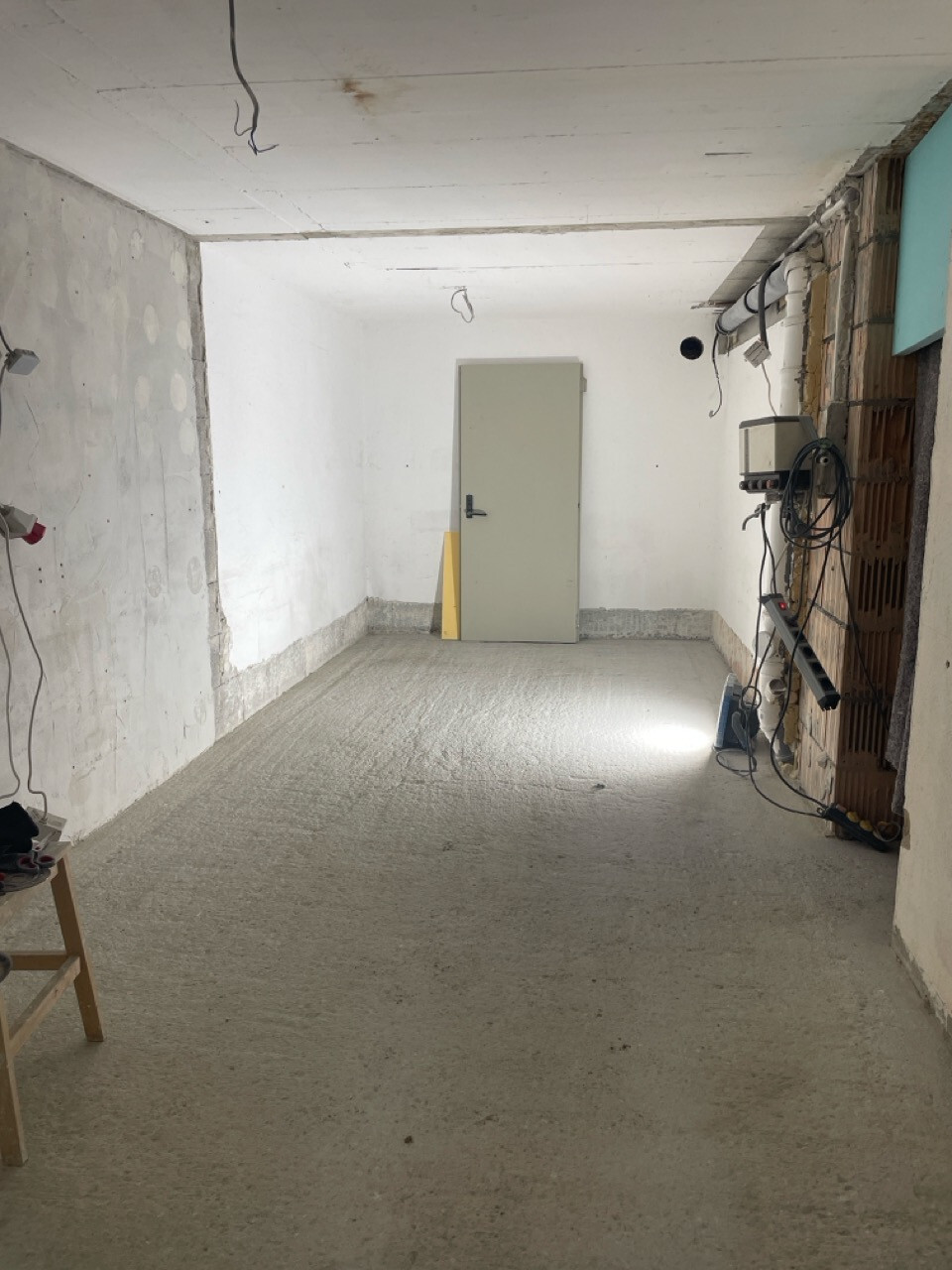
Thanks, Jean! Regarding the title: I think I'm a bit too old to get my 'Dr.' now, so I’ll just stay with Faustus. As for the 'presenting' part - I might be taking your museum comment more literally than expected! I’m currently in the middle of preparing a dedicated room for the collection (see the 'blank canvas' attached). It’s a lot of work, but I want to create a controlled environment where I can focus on proper storage and study. I’m especially looking into getting the lighting and humidity just right. Maybe it'll end up being a 'private study' rather than a museum, but I’m enjoying the process of building it from the ground up. Best regards, Faustus
 2 points
 -
March 2026 Update now available for the Stamps of the Japanese Sword. Download here: Stamps of the Japanese Sword - NMB Download Section What's new: -- Navy Tsuba with "Gunto Houkoku" "Serve the Country with Military Swords". It was the slogan of the government program to procure civilian swords for the war effort. -- Stamped mei - Kanemune -- Kikumon - new variant added in this section lacking better way to classify it - Botan/Peony Flower on a 26th Generation Kanenori. Significance unknown -- Kokuin - Kiyonobu and Kanenori added -- Kakihan - 4 added: Enshin, 1905; Masatsugu; Sukenao, 1696; Yukihide, 1853 -- Blades with both Kakihan & Kokuin - Naotane, used personal kakihan + kokuin of city the blade was made in -- Appraisors - Ho' nami Kotoku added -- Koshirae stamps - Itabashi Supervisory Unit, Army Ordinance Admin HQ -- Unknowns - Circled Yama; Circled kana -- Type 19 shop logo - 2 added. Enjoy2 points
-
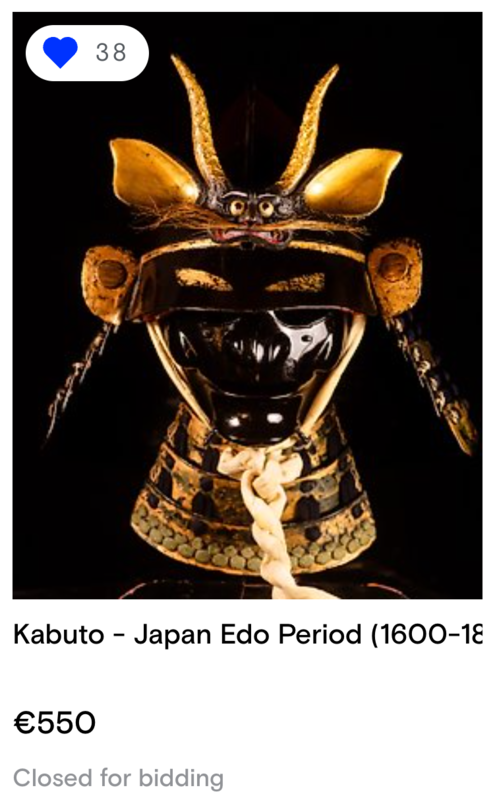
For those interested and for future reference, this only went up to 550. Thanks again for helping me make the decision to bid or not! For now doing some studying on armor and nihonto first, also bought Kokan Nagayama's connoiseur's book while I'm at it.
 2 points
 -
Noted and observed. Sorry to hear that; I'll add it to my list of stolen blades to look out for. I wonder if it would be worthwhile to have a pinned thread, or even a new forum area, for stolen/lost blades that folks can easily consult whenever they're buying a sword...2 points
-
This launched around a similar timeframe: https://nihonto-db.com/2 points
-
That hada looks beautiful!2 points
-
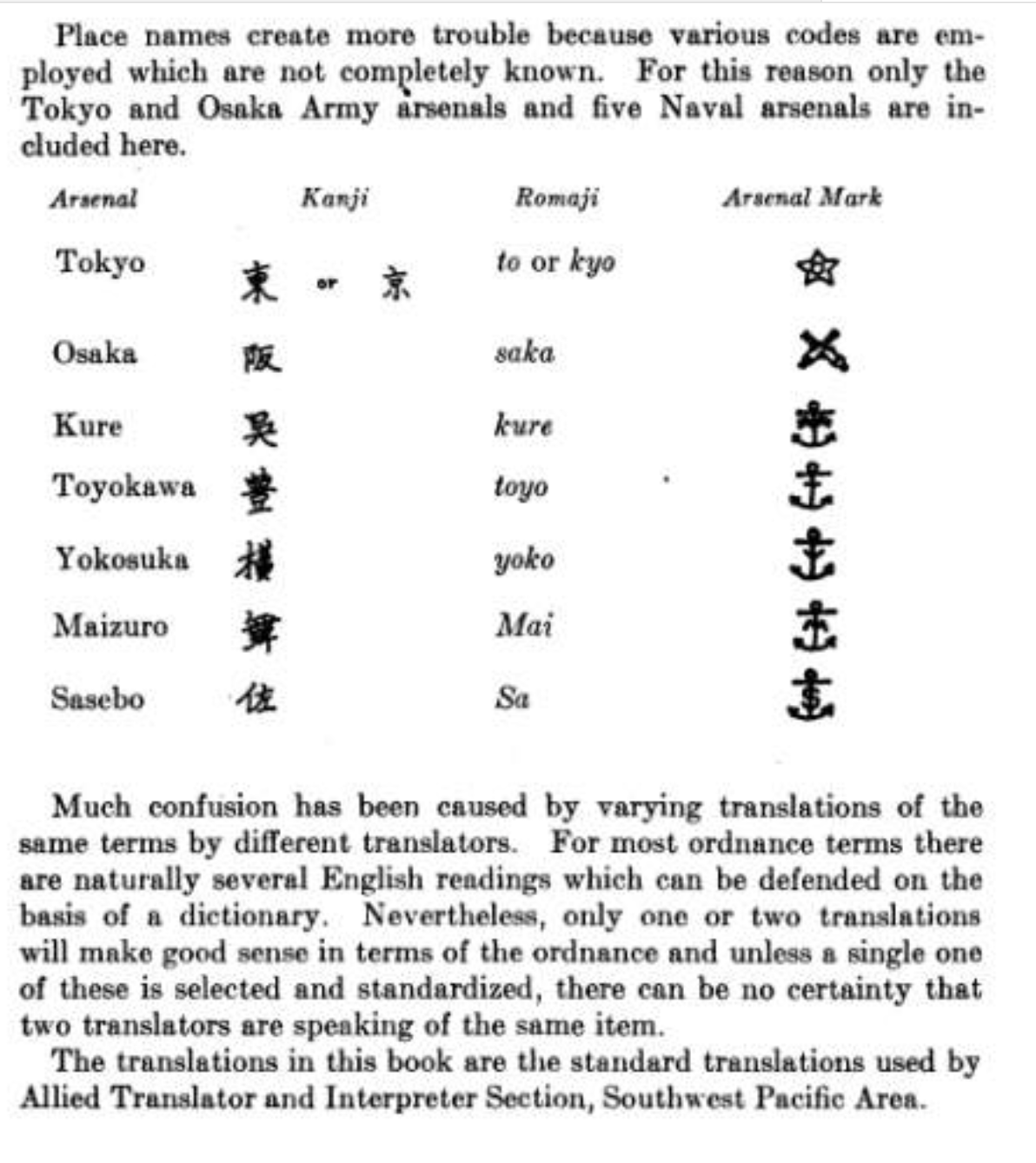
@Bruce Pennington Just adding this to "naval stamps" for your information and research. Note the variety of anchor marks. John C.
 2 points
 -
Actually, I really love that depiction of birds..likely geese. It is so "modern" that the depiction that way can only come from a nation that sees images depicted in bonji. A very futuristic depiction of a bird seen through an artist's eyes :-)2 points
-
In the forum, it has often been asked which books are truly suitable as introductory reading. One of the books that is surprisingly rarely mentioned is the masterpiece by Dmitry Pechalov: Japanese Swords: Sōshū‑den Masterpieces. Brett and others have already written very good reviews about it, and I have now worked through the book from cover to cover. It is so good that it inspired me to write about it myself. Many of us know the saying, “It is better to buy one great sword than a thousand junk swords.” I would like to add that the same maxim certainly applies to books. For that very reason, I want to praise Japanese Swords: Sōshū‑den Masterpieces — a book I now wish had been my introductory reading. When this work is mentioned, it is usually because of its extraordinary photography. These images are without doubt impressive – but the real substance of the book lies in its content. In terms of content, it differs significantly from classic reference works, which are indispensable when it comes to terminology and the classification of the various schools of Nihontō, but ultimately answer a different kind of question. D. Pechalov, by contrast, brings insight in a light, accessible way — showing not just what you need to know, but especially how that knowledge was generated and how to develop your own opinions and understanding. Individual observations that would otherwise be collected slowly and fragmentarily are brought together here generously and almost playfully into a comprehensive picture. This is precisely what is missing in many other works that remain confined to dry lists or rigid structures. The book makes no secret of the fact that even intensive source work does not guarantee absolute clarity. Attributions change, assessments evolve – and this is not presented as a weakness, but as an integral part of deeper understanding. You are guided to place expert opinions in context, rather than adopt them uncritically. You begin to understand why perspectives shift – for instance, when a blade’s attribution has changed over time. It conveys how swordsmithing traditions developed, how knowledge was passed down, which signatures carry meaning, and why contextual understanding remains crucial. New documents continue to surface, capable of unsettling supposed certainties. Earlier sources are not always reliable – they use different standards, hold to outdated attributions, or simply contain errors. Thus, we learn why there can be unusual attributions – for example, when a blade was originally given one name because kanji in old sources were difficult to interpret and were confused with one another. Not infrequently, oshigata of forgeries or blades with incorrect signatures have been published. This may initially seem sobering, but ultimately it proves liberating. What arises from this is not a dogmatic collection of answers, but a stance — a way of working. Against this backdrop, Pechalov’s approach gains additional weight. It gives the impression of watching over the shoulder of an archaeologist with extraordinary knowledge and keen intuition: knee‑deep in the exposed debris of past libraries, he lifts up fragments here and there and draws his audience’s attention to their significance and function. The only slight drawback remains the absence of photographs of genuine Masamune blades. But even this is understandable and explained by the author, so in the end one is not disappointed. A possible objection might be that the book deals exclusively with the Sōshū‑den school. Yet precisely therein lies a strength: it evokes those few years in which everything that could happen did happen — only more brilliantly than before and after. Conclusion This book does not replace practical experience, but it brings structure to a field that otherwise easily becomes fragmentary and dogmatic. Anyone who wants to learn to recognize connections and develop well‑founded assessments will find an unusually clear approach here. Controversial topics are not left out; instead, the author gives the reader space to form their own opinion and develop their own perspective. This is rare — and of invaluable worth, especially for beginners. Not the easiest introduction — but an honest one. And perhaps exactly the right one for those who are just beginning their search, and for the eternally curious among us. I hope that we all benefit from sharing this information. Thank you, Dmitry, and I hope that others in our community of enthusiasts will be just as kind and generous with their knowledge and follow your example, so that the rest of us can continue to learn and study.1 point
-
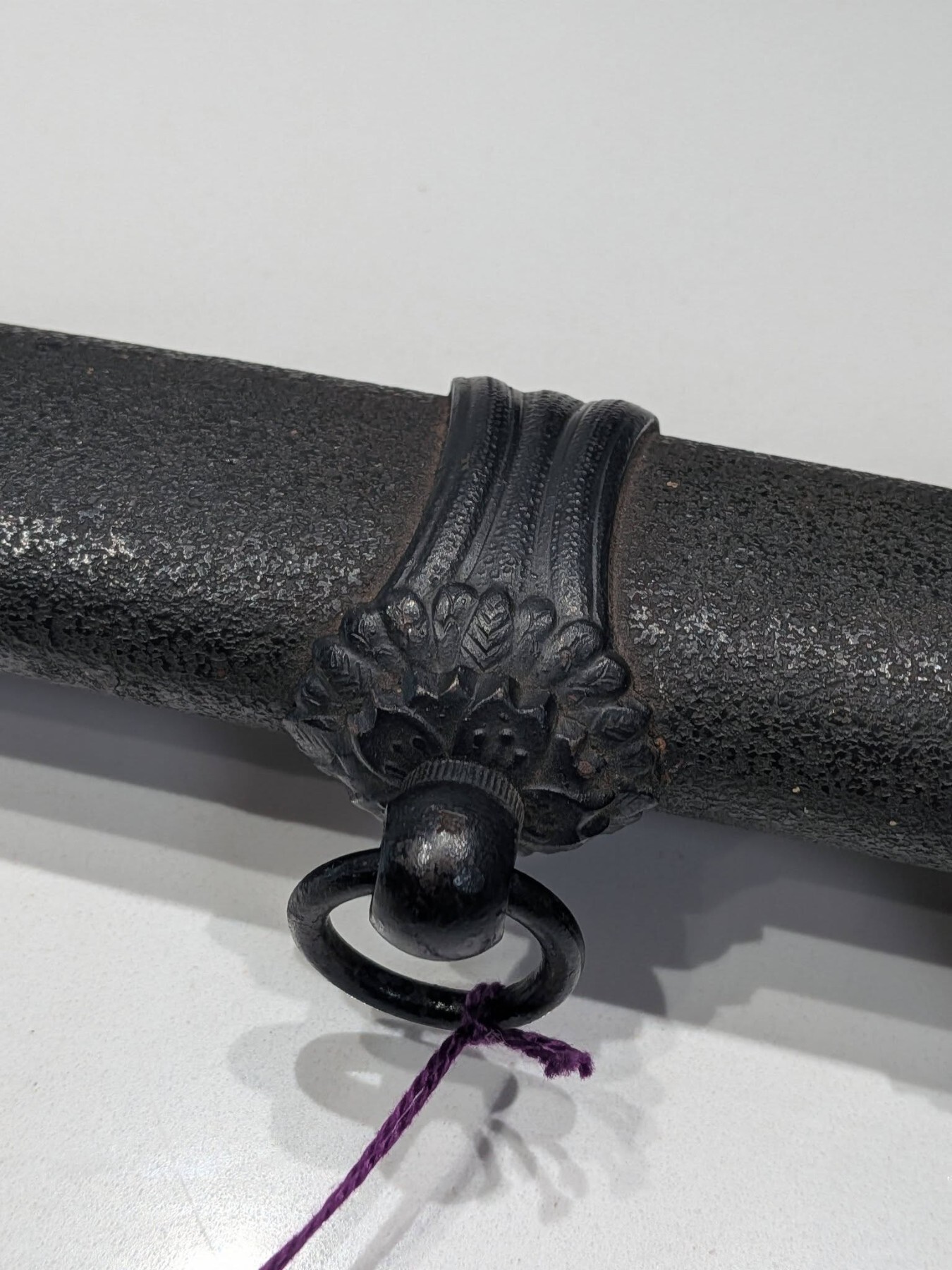
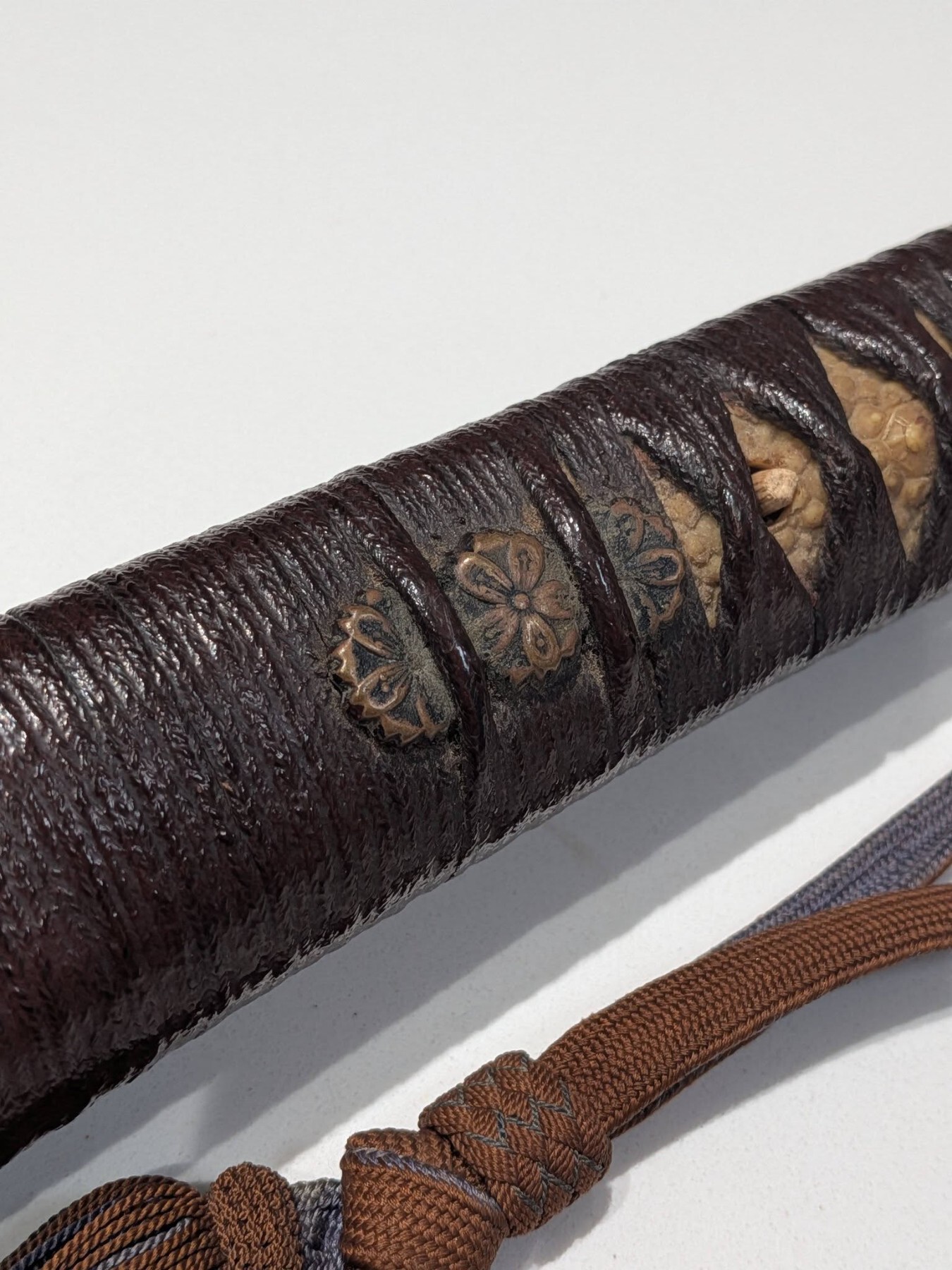
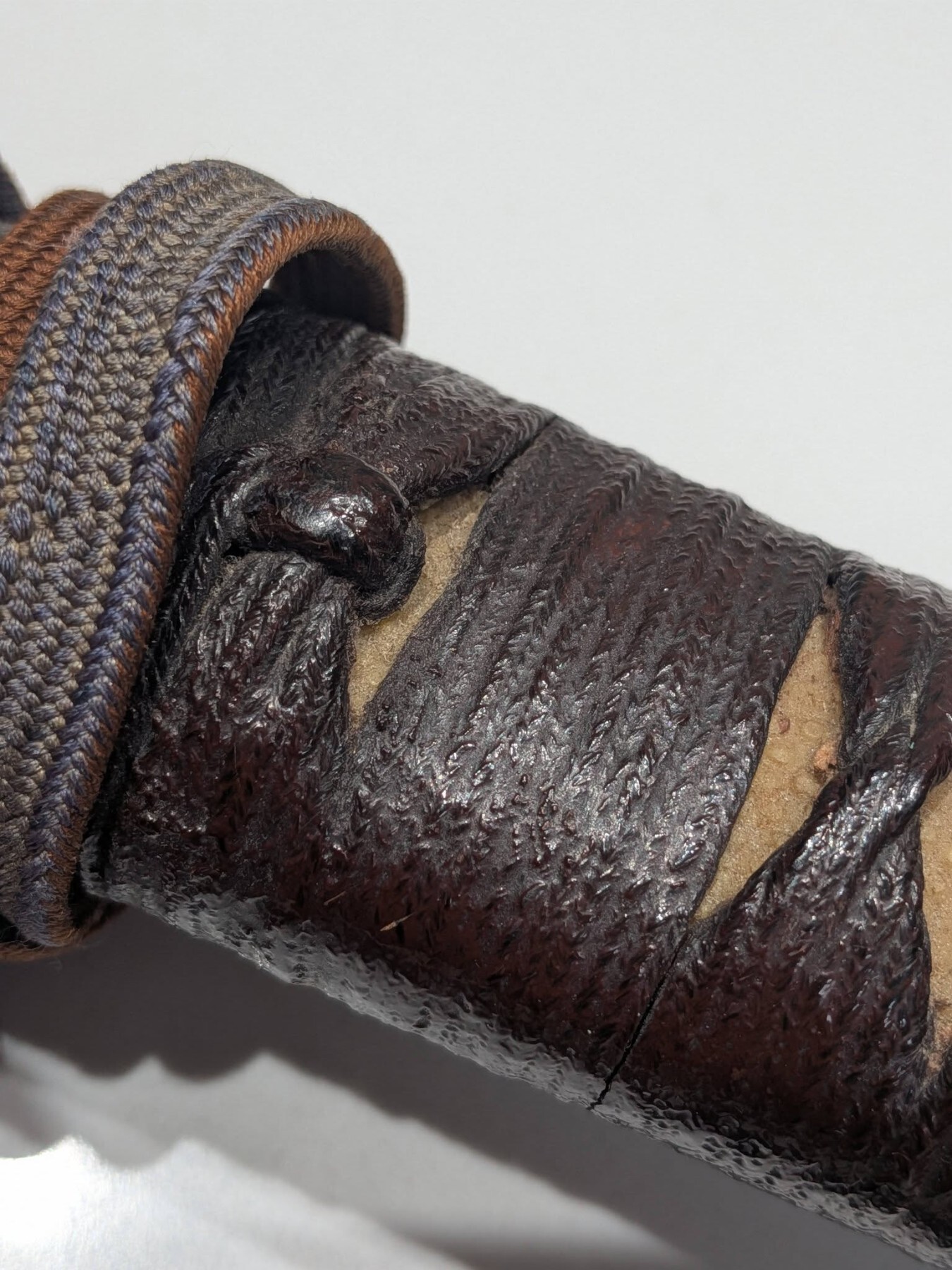
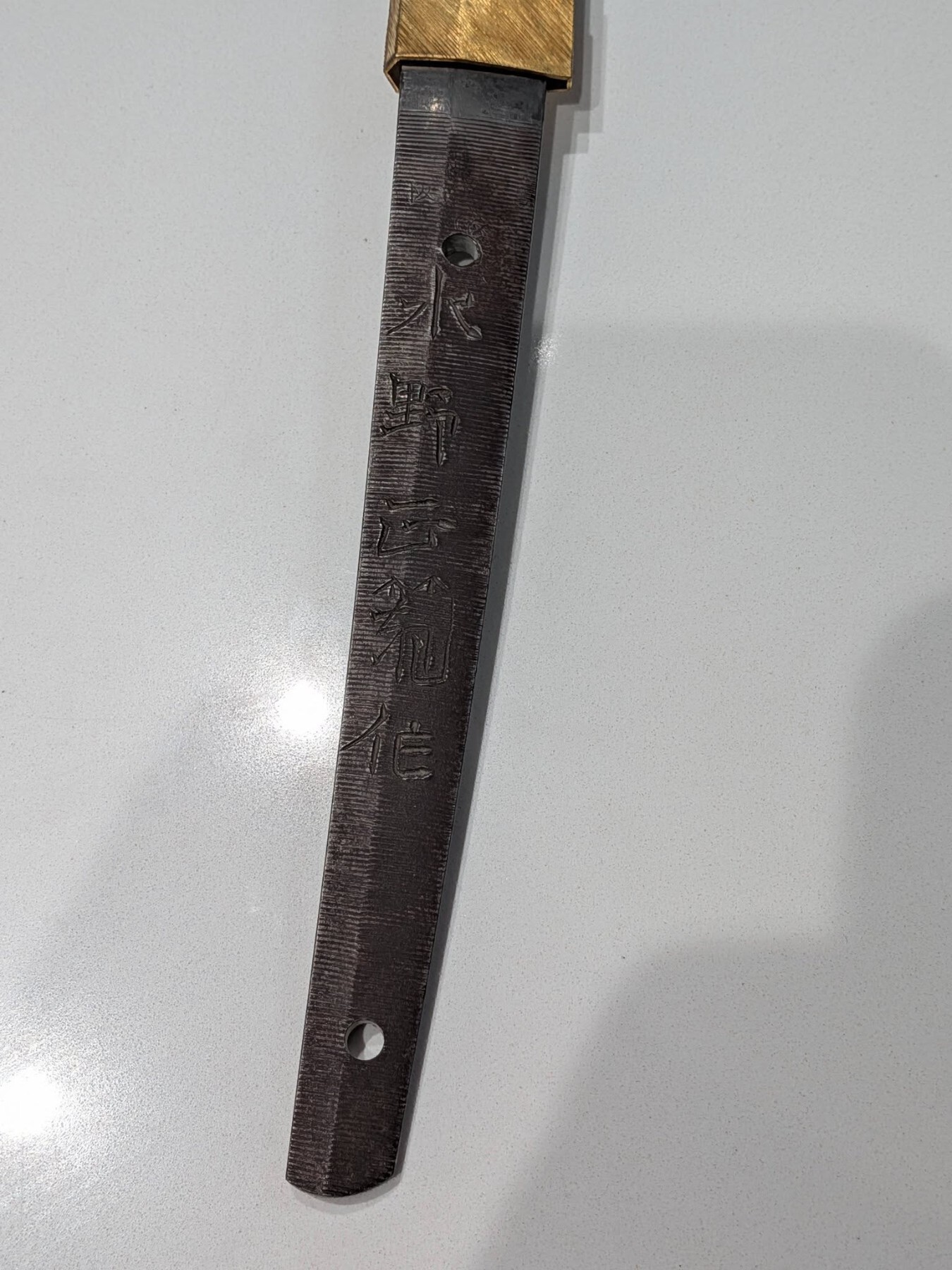
Hello Adam, welcome to the forum. What you have is an authentic Japanese Type 95 Military Sword. Sometimes called a Type 95 Guntō, or Type 95 NCO sword. Yours has the stamps on the ferrule indicating it was made by Suya Shoten, inspected by Tokyo first army arsenal, and administered by Kokura Arsenal. The "東" stamp on the blade (also middle stamp on the ferrule) is for 東京第一陸軍造兵廠監督課 = Tōkyō 1st Army Arsenal Supervisory Section. According to my study and interpretation, your sword was made between April 1941 and March 1942. It looks to be in good condition, although the hanger piece at the end of the hilt (the sarute) is not factory original. It's very common for the sarute to be replaced or missing entirely, so this is not a big issue. It also looks like the scabbard number does not match the blade, this is also common, but it does hurt the value a bit from a collector standpoint. Are you able to get a close up shot of the flowers in the handle? Also the side openings of the tsuba? I like to catalog these swords, and am noting some fine details. Nice looking sword, and thank you for sharing. All the best, -Sam1 point
-
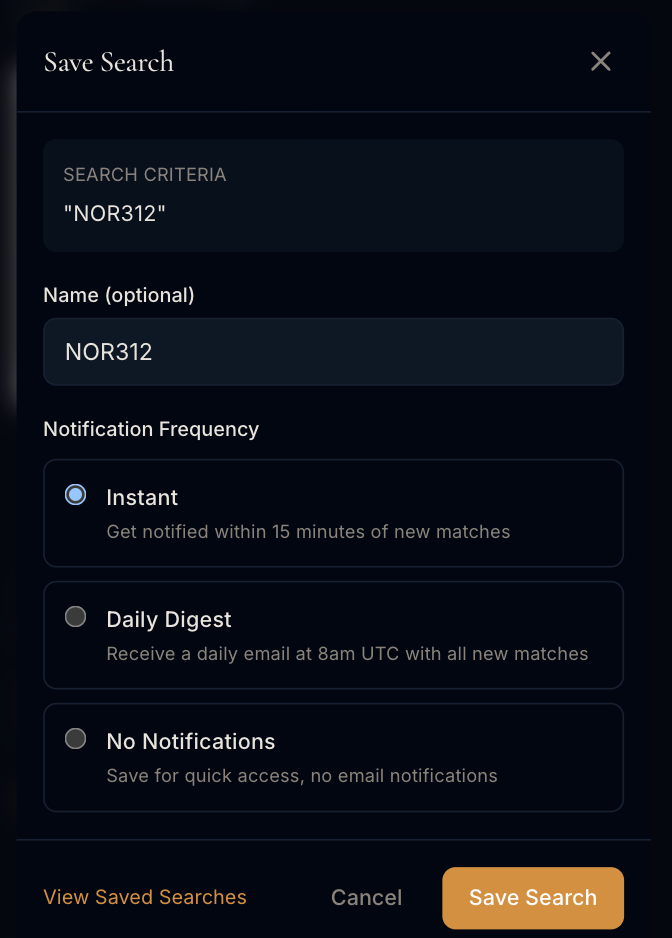
Hi, Thank you for all the club suggestions, I've added them all. It's possible to set specific alerts based on specific makers, even obscure makers. Here is the artisan Senjuin Yoshiro: https://nihontowatch.com/artists/yoshihiro-YOS1441 You need to click: Set alert for new listings - and anytime an item with the artisan code YOS1441 comes to the market, you will get an email notification within 15 minutes. Thank you. Feedback is super important, especially during the public BETA. Keep it flowing. Best, Hoshi
 1 point
 -
PNW Token Kai, for the pacific northwest USA states of Oregon, Washington, and Idaho. Although our club is in our infancy, and I am still figuring stuff out https://www.pnwtokenkai.com/ Including it might get me some more traction and members, but also no biggie if it's included or not. -Sam1 point
-
That looks like a good space for storing a collection!1 point
-
Just set up my collector profile (though I have been using NW since go) - I am a little hurt that the New York Token Kai is included in your list of clubs and not the NCJSC (Northern California Japanese Sword Club), we who bring you the annual San Francisco To-ken Taikai... -t1 point
-
Hello, @Rawa, you can now download a structured PDF of the item from the listing page. It takes about 10-15 seconds to generate a .pdf, which you can save on your computer. Press the "download document" button to begin the generation process. It will show you, in order: item, item photo, artist overview, and market comparables. Few observations: 1) On-demand PDF gen really hammers the server hard. I will be gating this behind login and possibly adding a per-user cap. 2) It will take time to polish in order handle complex edge-cases such as long dealer photos that need computer vision for page-size segmentation before vectorizing. Before I invest more time into this, I would love to hear from other users of the platform if they value this feature, so - let me know. Best, Hoshi

 1 point
 -
Not sure if this helps, but my uncle was in the Australian Army Engineers during the occupation of Japan 1946-1949. He was based in a place called Hiro which was not far from Kure. I always thought he worked at Kure but lived at near-by Hiro. Looks like Hiro might have been the place where his unit was stationed and also where they worked at the former Japanese Army (oops, meant to say Navy) arms production facility mentioned in babgbangsan's link.1 point
-
You know me too well. Excellent capability. Who doesn't want to know a Norishige posts 15 mins after it hits the dealer site.1 point
-
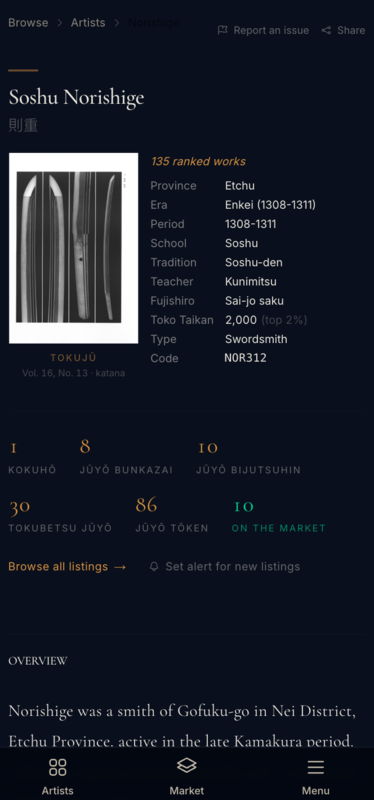
Hello, Yes, this is a core part of the product BETA features we are testing out. Oh my, I'm really dismayed you did not find the feature on the app immediately. Please let me know how to make it more obvious @Lewis B After running a search, simply press the "Get Alerts" button. It will add the alert to your account, and send you an email. Because the app is not an iOS native app, the notification will happen through your email notification on your phone. You can also go on the Artist pages, and select an artist you're interested in: Set your alert parameters: Alternatively, the easiest path is to conclude the onboarding via "Update my collecting preferences" in the app triple dot menu button. This will trigger a short questionnaire and tailor alerts to your preferences. You will then get email alerts as soon as an item appears in the market in the next 15 minutes. Best, Hoshi




 1 point
 -
In my review, that still stands, I regard this as one of the mostly beautifully done, and most impressive books on the subject anywhere out there. I have nothing but huge praise for the author and his publication. If you have the means, you definitely need this.1 point
-
Very lovely textbook example!1 point
-
Agreed; earlier Gassan work tends to have a more naturalistic ayasugi pattern (similar to how the Kanemoto sanbonsugi gets less even and regimented as you work backwards through the generations to the shodai). Edit: some examples of early ko-Gassan ayasugi - https://web.archive.org/web/20071213011622/http://www.nihonto.ca/ko-gassan/jigane-l.jpg https://nihontoantiques.com/project/name-sword-fss-693/ https://www.aoijapan.net/tanto-gassan/ https://www.aoijapan.net/katana-gassan/ https://www.militaria.co.za/nmb/topic/45265-nbthk-papered-ko-gassan-katana-with-kijimono-nakago/1 point
-
Wow what else did I miss during last 2 months? Crazy good. I checked on tablet and even greater experience. @Hoshi do You use any ai?1 point
-
By "research" you probably mean reading books or the internet, and the resulting statement above is kind of .... Its something who might own Suketaka would come up with. Because Suketaka did not pioneer or spearheaded much if anything, both he and Masahide at first followed Sukehiro, only Masahide essentially made Sukehiro forging the arch-nemesis of all good and noble in swords, continuing to more Soshu or Bizen inspired works, Suketaka remained where he was...1 point
-
Nice kozuka. I suppose you already know that the subject depicted is probably Kojima Takanori.1 point
-
I want to encourage anyone who still didn’t get his copy to leap at this opportunity.1 point
-
I understand exactly what you are saying! It may be different in case this was your daily work.1 point
-
update at 1pm Saturday the NBTHK-AB are having a presentation for NBTHK-AB members here is a link https://nbthk-ab2.org/chicago-sword-show-presentation/ at approx 3pm there will be a presentation highlighting the Changing blade shape during the Nambokucho period the hotel is about full, there are a couple of rooms friday, saturday, and Sunday nights.1 point
-
I have a collection like that too, Jean, except mine are mostly western, not Japanese. Bought a huge assortment as a lot from a roadside antique dealer in Wisconsin about 10 years ago - it was something like $60 for the lot - steal of a deal!1 point
-
On Facebook this number was popping up It seems the sword is located in France (French User S.Kifer)1 point
-
I only have about ~120 Variation#1 copper hilted swords cataloged. I include stamps, saya#, the source I found it, and any other notable features, damage, or paint colors, replacement parts, etc.. My highest cataloged serial number Variation #1 Copper Hilt Type 95 is #6561 (with #501 forward habaki). My lowest serial number Aluminum Hilt Variation#2 Type 95 is #6756 (SUYA). I continue to catalog more swords. I usually add about 5-10 new swords per week, and I think I have over 1000 total cataloged now. (I have not done a hard-count since I had around ~800, a while back). Best, -Sam1 point
-
I tend to agree with Robert. Hoshi also brings the nuance into light. When I was at Seiyudo last month they let me take out literally every sword in the store to inspect it. I was there picking up two fairly pricey swords so I think that’s why they invited me to do so. Anyway, they have a Ryokai there that is not listed on the site that they are planning to submit to Juyo and I want to say they told me it was currently around $60k. I asked them if the Juyo paper would increase the price they would sell it for and they said maybe, maybe not. I guess they were implying they would test the market at that time. Like Hoshi said, the paper just allows the market to potentially drive the price up since it’s gone through another level of scrutiny. All that being said, yeah some of these swords are just priced in already. Also what Julien said, two swords could be separated by a slight degree during judging and one wins out over the other. The sword might be important but this other one is more important at the moment. The owner or dealer doesn’t want to go through time and effort again etc. Doesn’t mean it isn’t Juyo, just means it hasn’t been granted it yet, and they just price it at Juyo. But smith name also doesn’t guarantee Juyo. Maybe it never will go. Just because it’s a Shintogo doesn’t mean it’s “important” to NBTHK in an absolute sense.1 point
-
Hi Brian: Good to communicate with you again. I can't complain. I have been trying to approach things with a new perspective. Hopefully, all is well with you too. I will be posting more in the near future.1 point
-
I am almost as far away from high end collector as you can be but I have spent lot of time with Jūyō data. First of all as a disclaimer I have to say I don't really like either of the swords. The den Gō should in my mind be a slam dunk for Jūyō - Date family ownership, excellent polish, Kanzan Sayagaki, Tanobe Sayagaki. Still every year I know that items that are in my mind bound to pass fail, and some other items that are unimpressive to me pass. The mumei Shintōgo Kunimitsu katana just passed Tokubetsu Hozon in 2025. Now take the following what I will write with a big grain of salt but I have sometimes really felt that way, just as a disclaimer I am not quality focused collector but historical. If you throw away the NBTHK papers attributing to Shintōgo Kunimitsu, would you pay 7,500,000 yen for that mumei sword? In my own opinion the NBTHK attribution sometimes carry too large value but market works how it works. Of course the fine workmanship of Shintōgo can not really be seen in few pictures. Still if I saw that mumei sword looking like it looks on the pictures I would just skip it without really even second thoughts about it, even if the price would be extremely lower than it currently is. I know it is a controversial take but hopefully it can get the discussion going.1 point
-
The only thing that stands in the way of this book being an instant recommendation for any newbie is its rarity and price - it was a limited print run and copies now are hard to find and expensive (especially if you don't live in the same country as the seller). Fortunately, Dmitry has generously made most of the content available online, and instead the web version can be recommended, with the advantage of being free and instantly viewable on any web-capable device: https://www.nihonto-museum.com/1 point
-
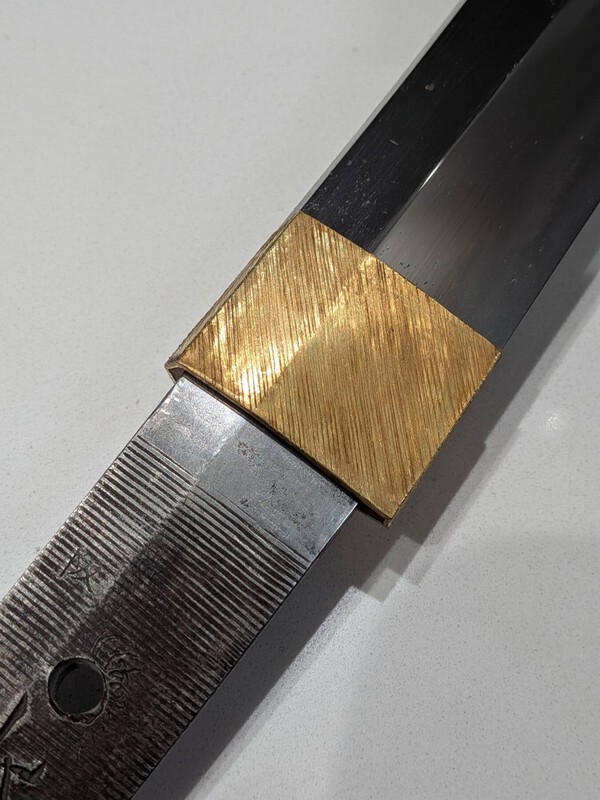
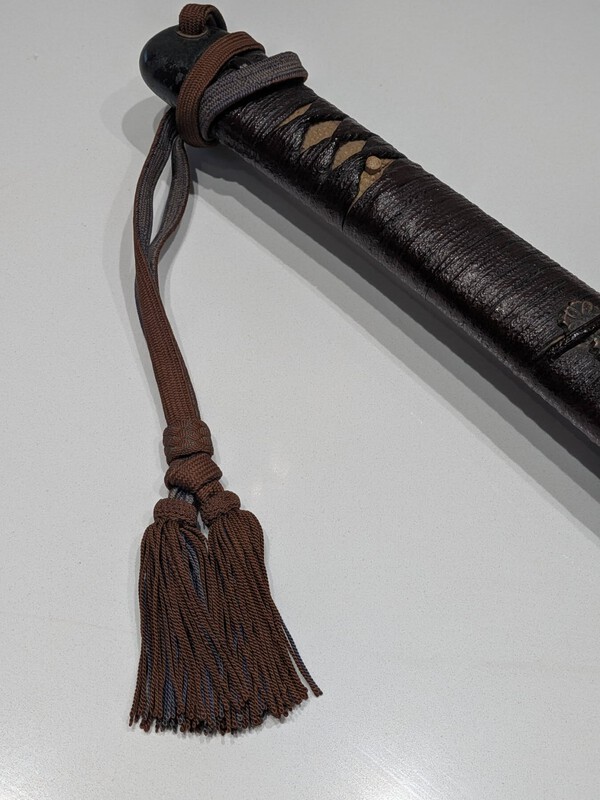
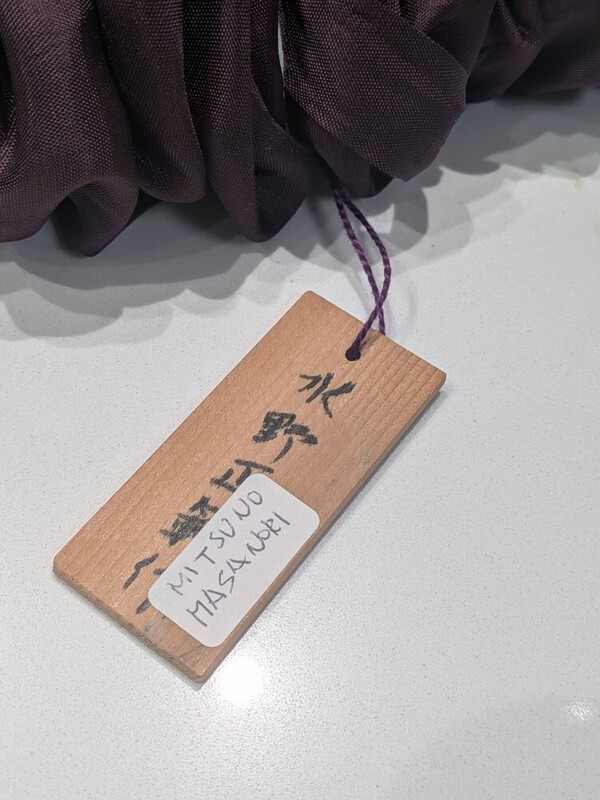
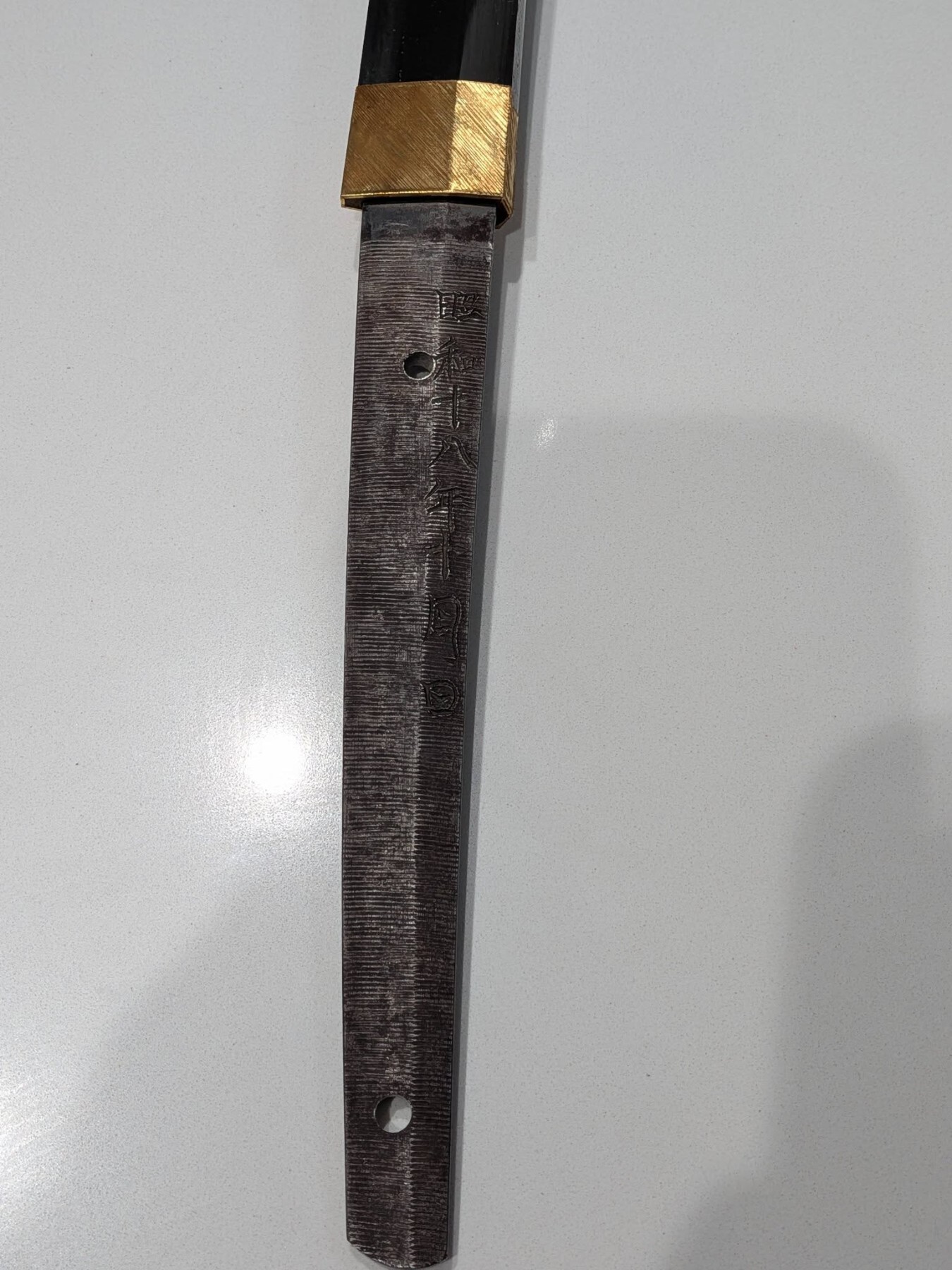
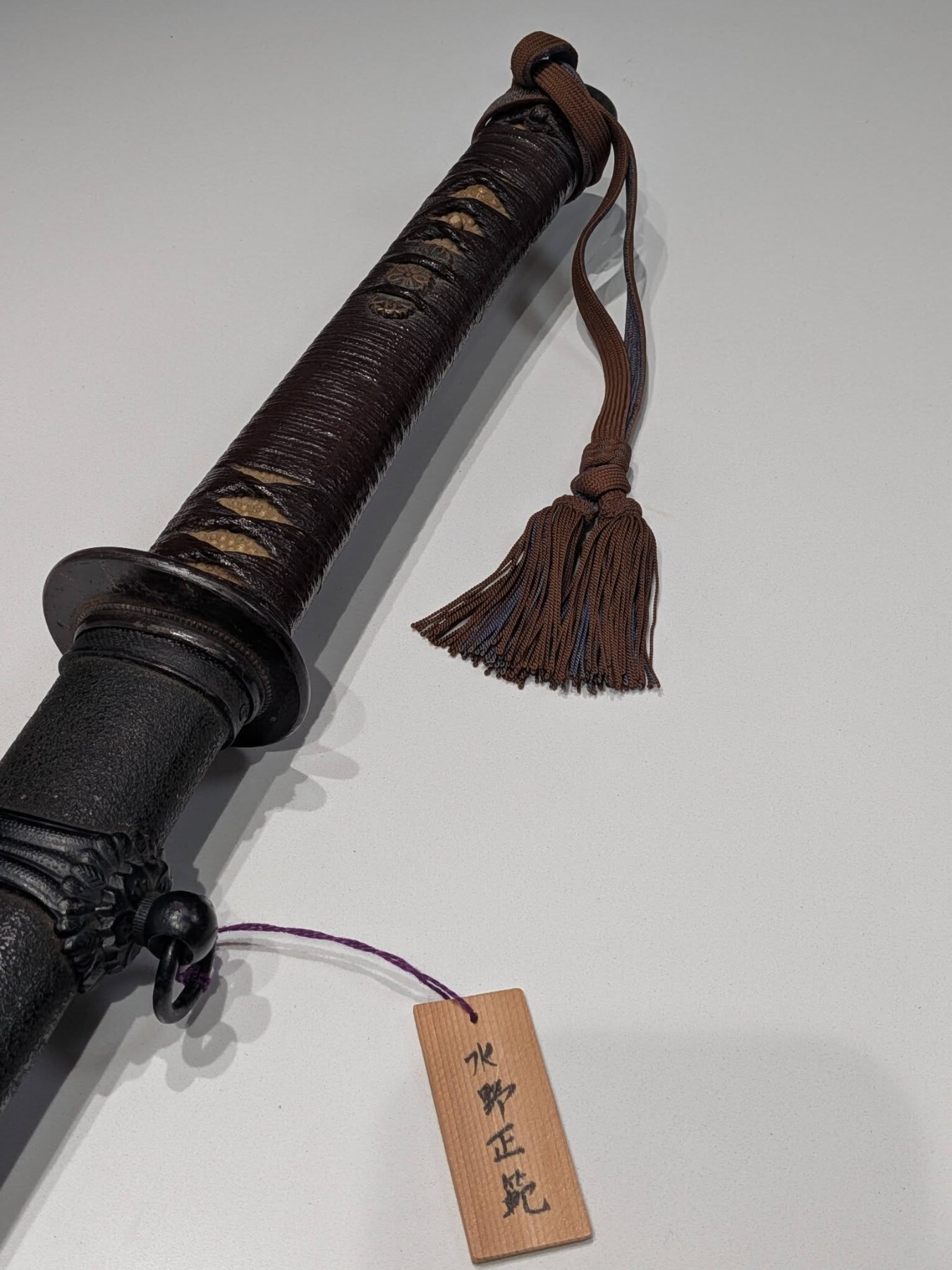
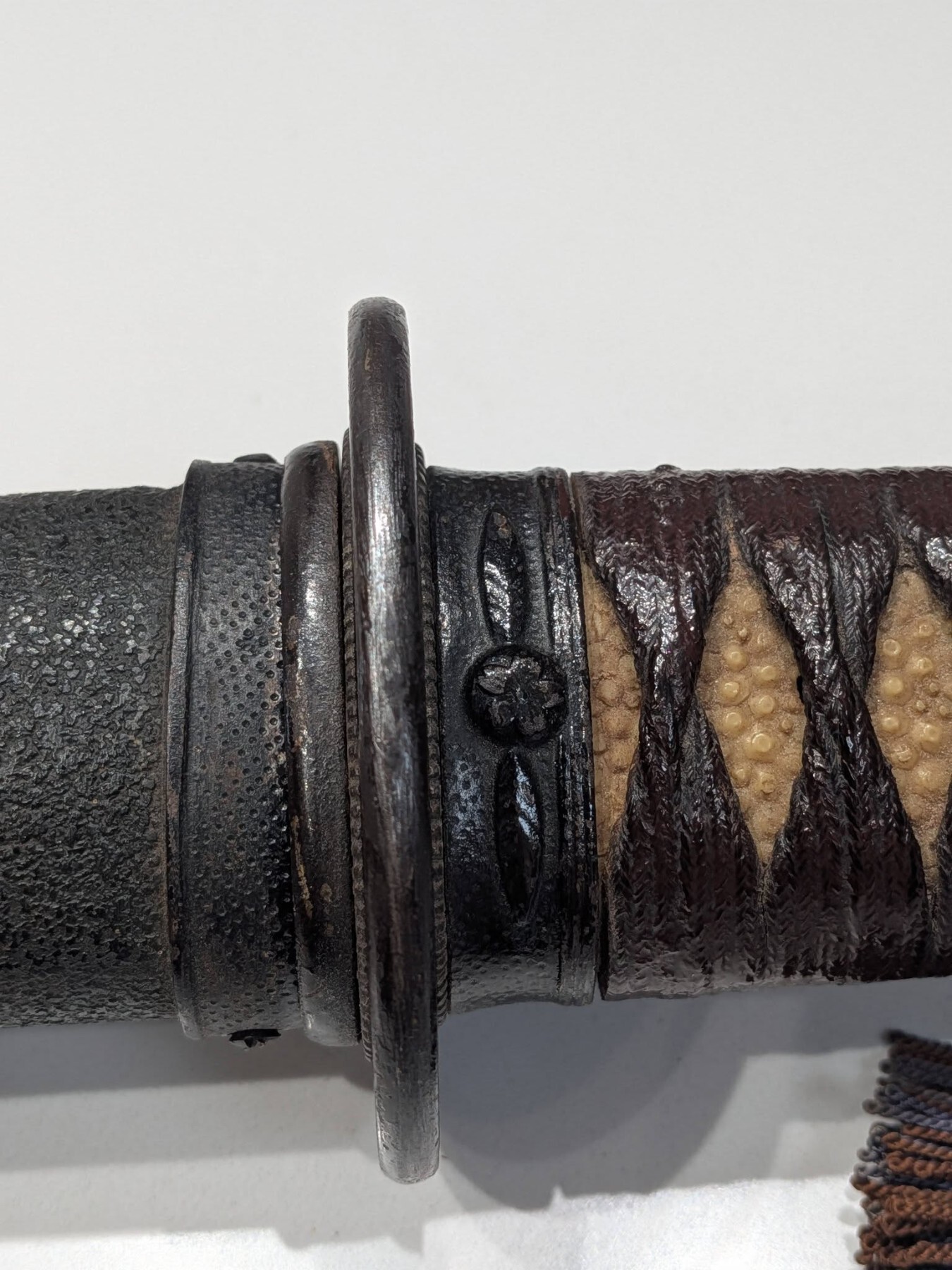
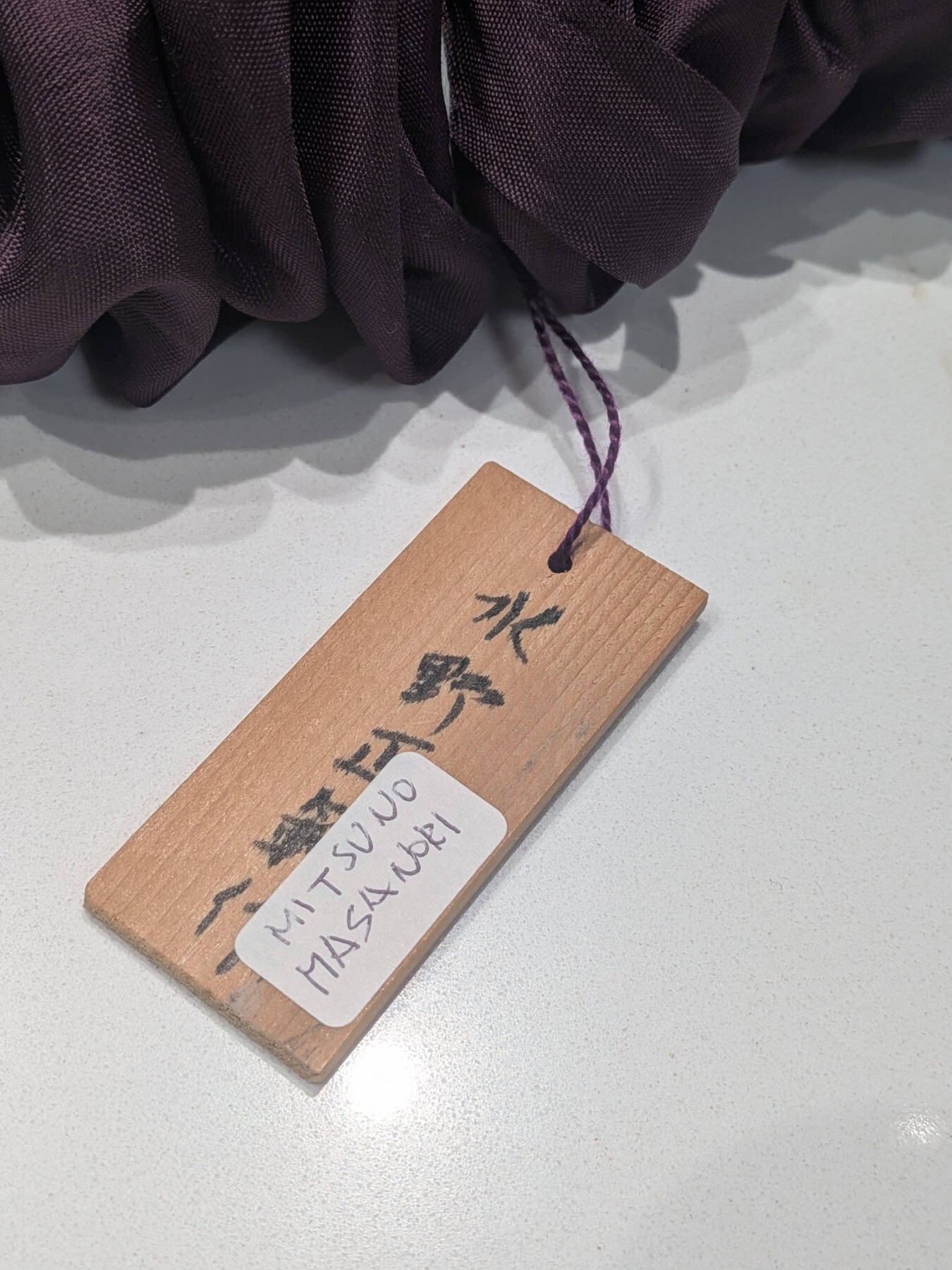
As some of you may have seen on my channels, I received a number of swords in gunto koshirae this past week (generally quality gendaito like Kawano Sadashige, Mitsuoki and others) along with older blades. Offering here a gendaito by the well-known smith Mizuno Masanori in Japanese polish and shirasaya, NTHK kanteisho and its original gunto koshirae. Please see below for photos and message me with any questions you have. $4,750 + shipping MASANORI (正範), Shōwa (昭和, 1926-1989), Ōsaka – “Zōtairan Mizuno Masanori kore o saku” (贈台覧水野 正範作之), “Sakaiura-jū Mizuno Masanori saku” (堺浦住水野正範作), “Masanori” (正範), real name Mizuno Teizaburō (水野貞三郎), born February 4th 1902, student of Sakurai Masayuki (桜井正幸) and Morita Masamichi (森田正道), gō Zōtairan (贈台覧), rikugun-jumei tōshō, jōkō no retsu (Akihide), Fourth Seat at the 6th Shinsaku Nihontō Denrankai (新作日本刀展覧会, 1941)





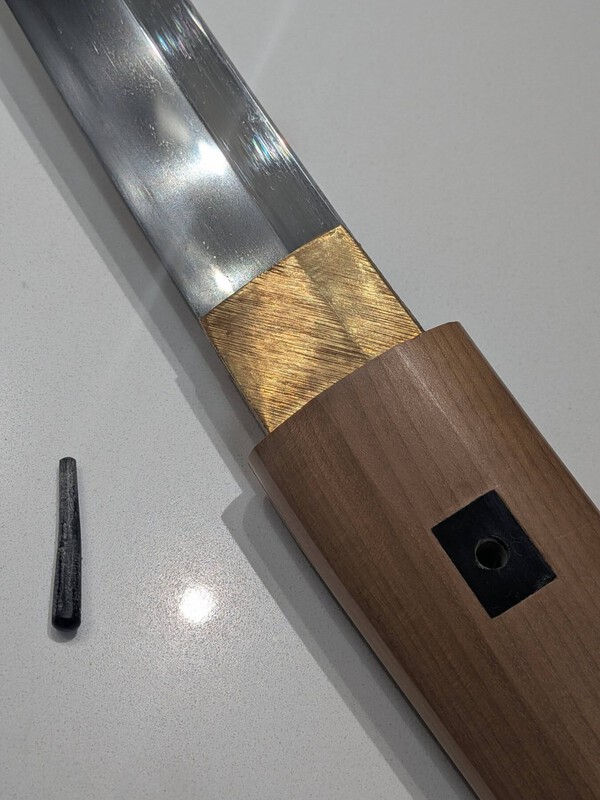
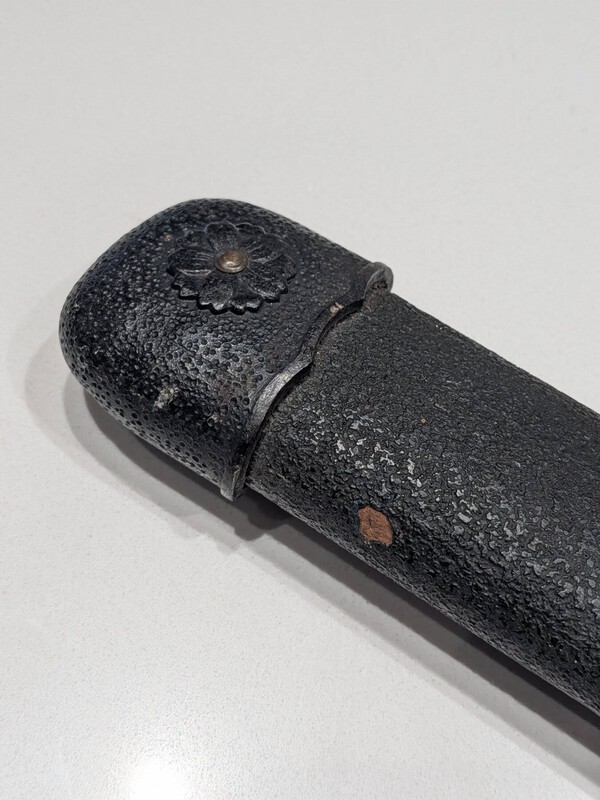


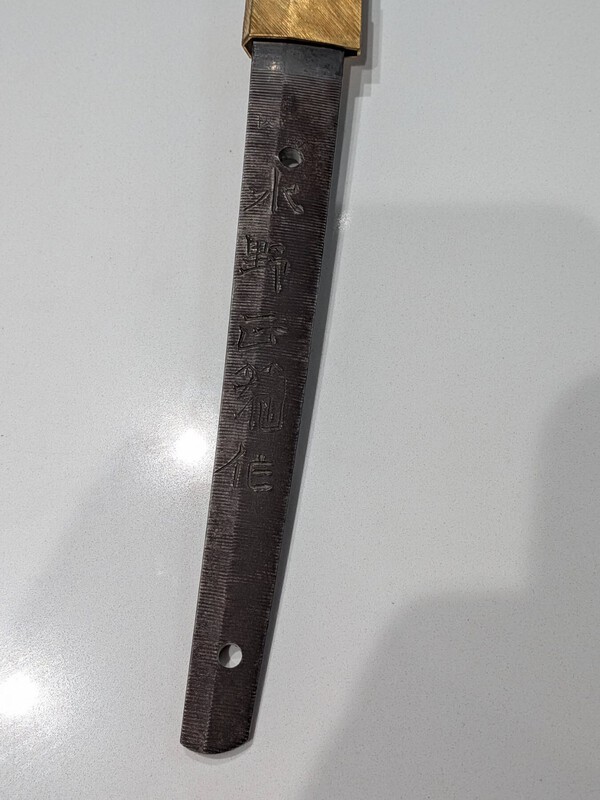


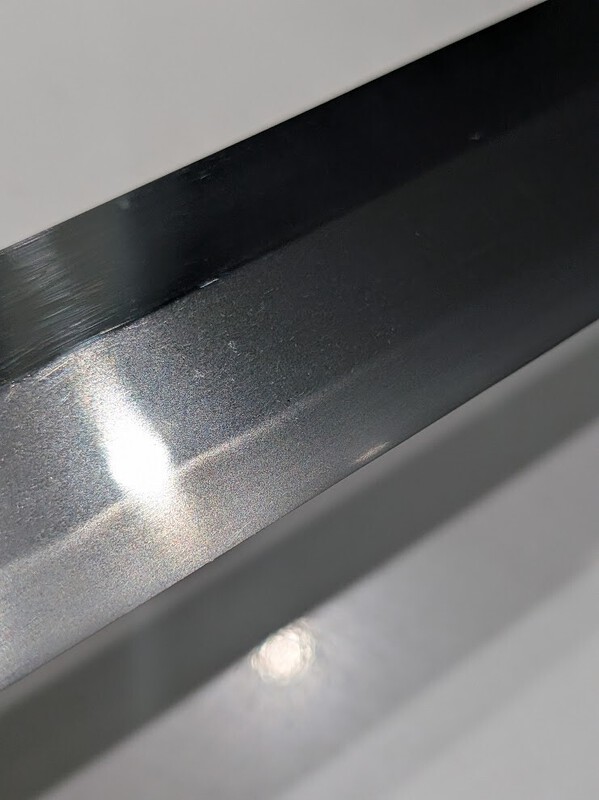


 1 point































This leaderboard is set to Johannesburg/GMT+02:00