
Leaderboard


Popular Content
Showing content with the highest reputation on 12/18/2025 in all areas
-
7 points
-
I first met Richard at the 2nd KTK convention in Tokyo in 2006 (as well as George Gaucys) and the three of us have been close friends ever since. We have been in contact pretty much on a daily basis for the last 19 years so needless to say Richard's passing has hit us very hard and we miss him dearly. We did a couple of trips in Japan and several road trips in the US after KTK conventions and we had a lot of laughs along the way. As people have already mentioned, Richard was an excellent photographer who put everything he had to getting the perfect image. He was a true scholar of nihonto and tosogu and a beacon in those fields. Richard was an engineer and his memory for detail and his intellect always impressed me but what I will always remember him for is that he was a genuinely nice guy; a fine upstanding guy who always cared about other people over himself to a fault. He was always happy to help someone out and give his advice and opinions which were worth hearing. The last three years of his treatment for myeloma has been a rollercoaster and he has been through hell with good days and bad. Richard is one person who absolutely did not deserve this but he maintained a stoic and strong attitude while not knowing how much longer he had until the very end. We had a FaceTime call shortly before he passed and he seemed chipper and coherent but the cancer won and his passing came as a shock. Richard was a few months younger than me at a young 66 years old. My deepest condolences to his wife, daughter, family and anyone else who knew him well enough to be saddened by his untimely passing. Andrew Amble Sydney, Australia


 5 points
 -
It's awful when you only find out about someone by news of their passing and then see how amazingly talented they were. After following the link provided here, I've been looking through Richard's photography and it is so stunningly beautiful. Rest in peace, sir.4 points
-
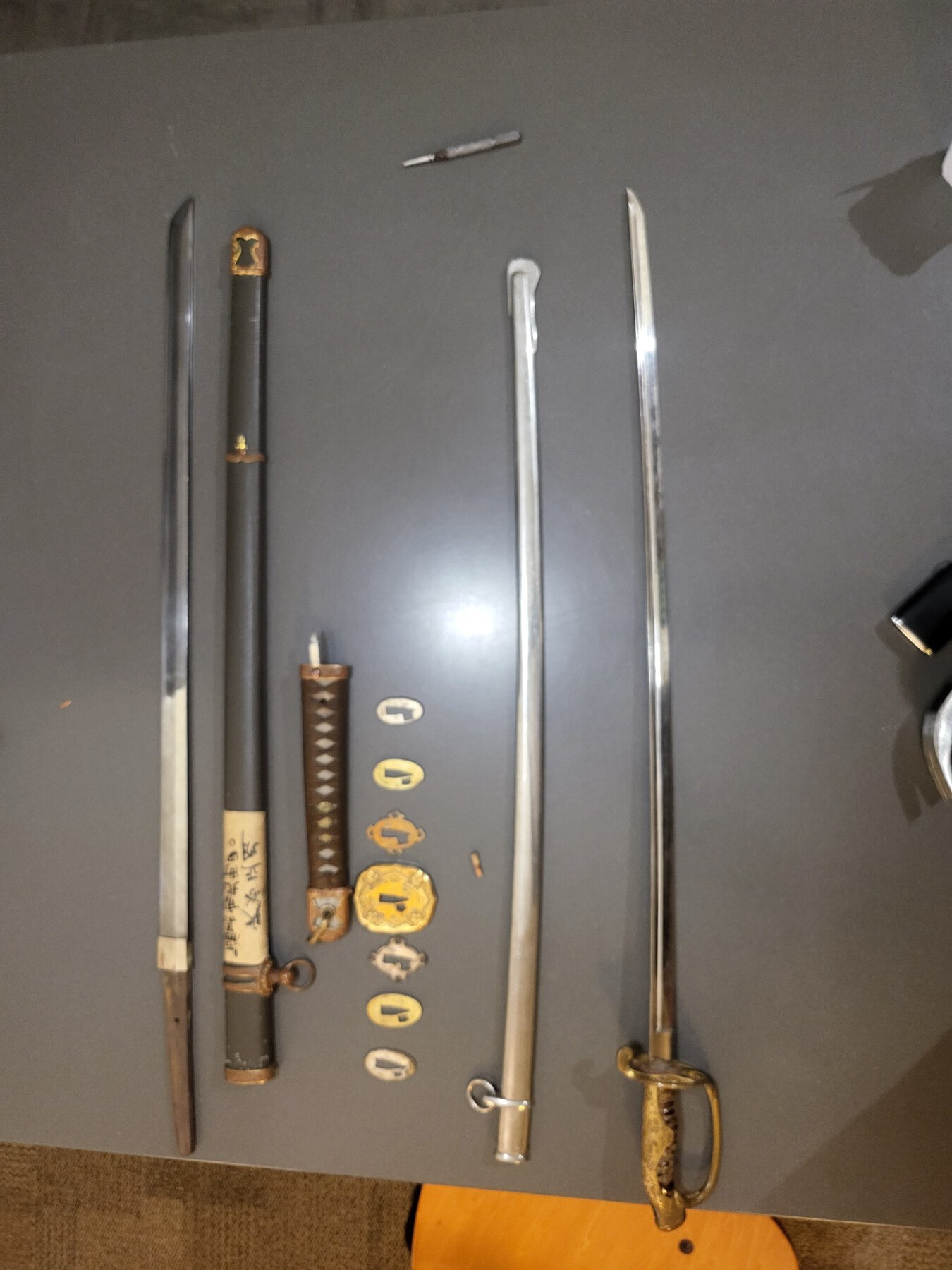
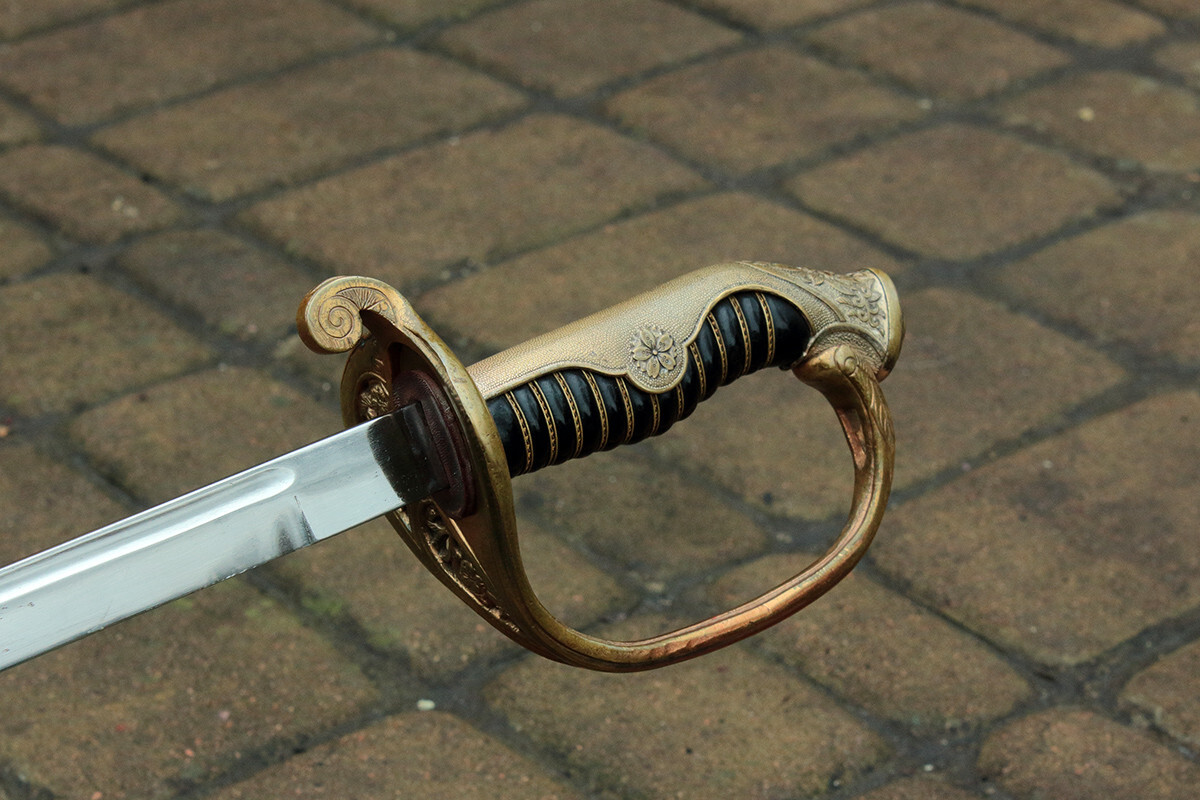
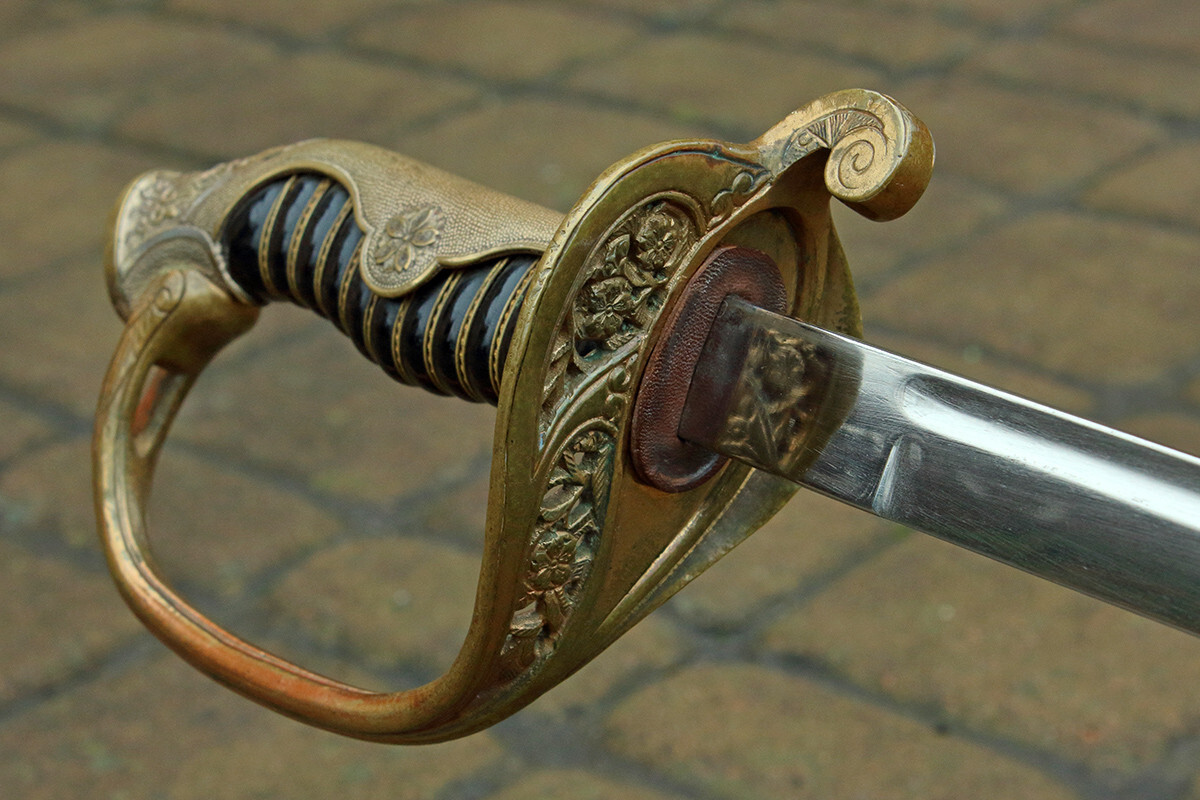
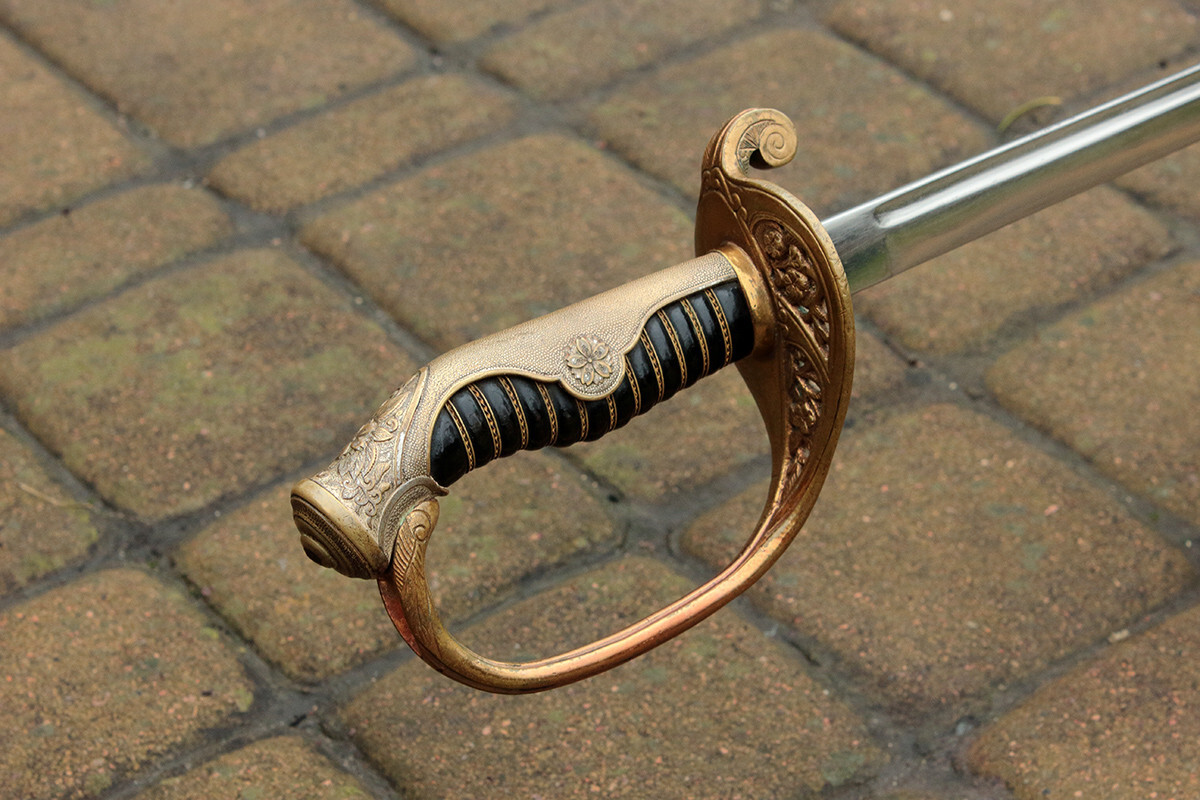
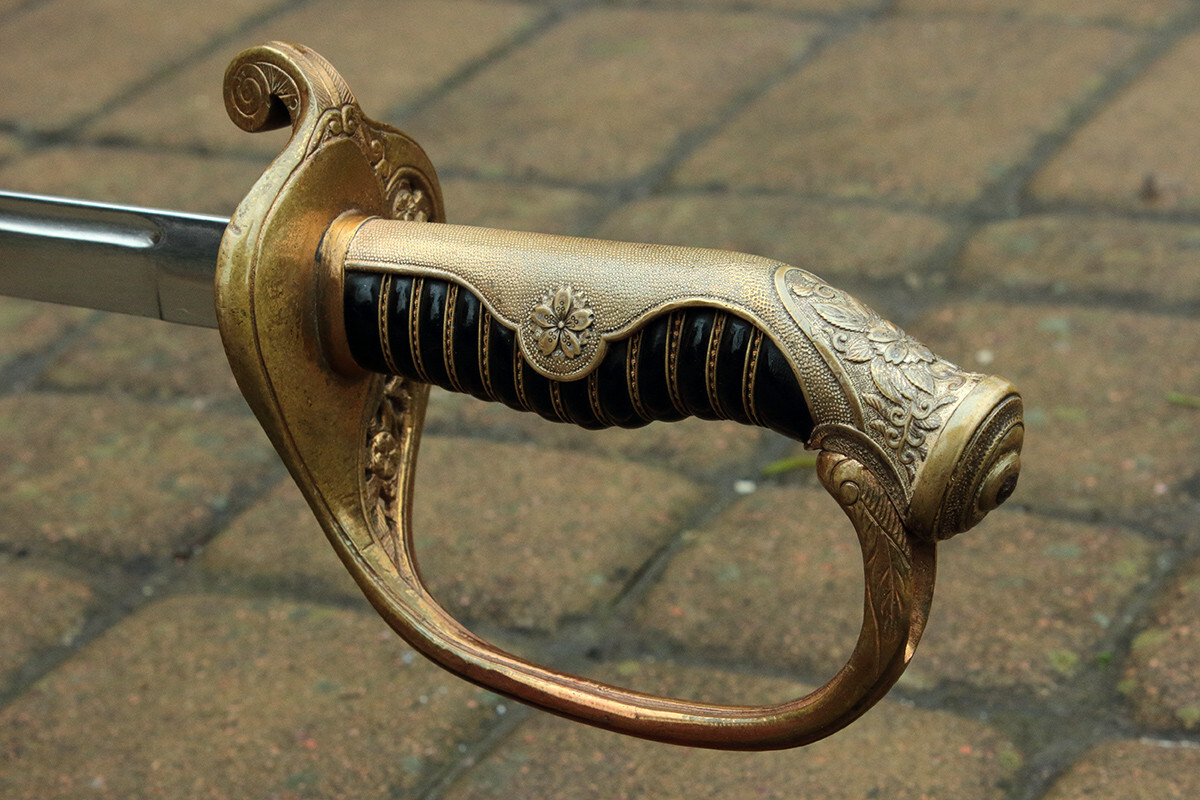
Hey, yall! I was recently given this Sword along with a type 98 shin gunto. I believe this is a general grade sabre, and is a parade style, I don't know if the mon on the handle belongs to a clan but looks just like the Sakai clan symbol. If anyone knows more about it I'd love to know!

.thumb.jpg.945293badcb38467af3625c5b902e645.jpg)
.thumb.jpg.5377288cc2d251958aaf00532f7c1e49.jpg)

.thumb.jpg.74e5ad1c01bdfce289413218e2aa6907.jpg)
.thumb.jpg.3c448b705a79370bc7207327e9c10a74.jpg) 3 points
3 points -
Some thoughts on a Netsuke I bought a couple of days ago. In hyoutan (gourd) style, an example of a Netsuke with natural attachment, i.e. no himotoshi-no-ana holes. You can find them plain like this, with the cord tied around the 'waist', or sometimes with a metal (silver, brass, etc.) ring fitment there. (I already had some from before, a pinewood 'koma kara uma' example, an Edo glass one, plain, and an ivory gourd with a ring fitment and wooden stopper, for example.) The material looks to be horn, possibly cow or buffalo horn. Under certain angles you can see the lacquered remnants of 壽 kotobuki, and some flower designs. The central waist looks well rubbed, as though that section had been worn with a cord or string for some time. The price was not too bad, but I could not really decide on how old it might be. I have a suspicion that it is early to mid 20th century. Even so, after some humming and hawing, I decided to undo the purse strings and place my cash on the barrelhead. After all, I can use it to hang other things from.
 3 points
 -
One interesting observation in respect to these swords is that the signed ones with suriaged nakago almost always were stamped on the upper right side of the nakago while the unsigned ones typically were stamped on the upper left of the nakago as were most Tenshozan Tanrenjo blades. Blades from Takayama forge typically used the 4 mm fishhook barbed circled anchor stamp. In my humble and not so educated opinion.😁2 points
-
2 points
-
Well, the blade might be a repurposed broken-off piece of a longer blade. Look at the thickness of the NAKAGO. It does not seem to be one of those newly made tourist TANTO blades in my opinion, but we are only looking at photos for a guess.2 points
-
You should be able to figure this one out by yourself. The kanji are really easy kanji to see and draw and are commonly used with few strokes. I'd recommend https://kanji.sljfaq.org ...as well as "Translating Mei" tool we have here: It will only make you more capable if you do this yourself because you ask about a LOT of swords here and many of them have very easy mei to read.
 2 points
 -
Fun video. That abalone tsuba is insane2 points
-
I will dig out this old thread for some updates. I had the pleasure to meet Jon last week in Japan, he is sound and well !2 points
-
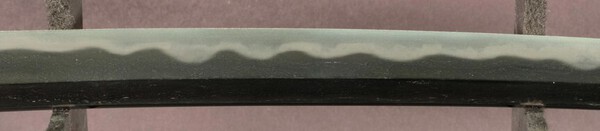
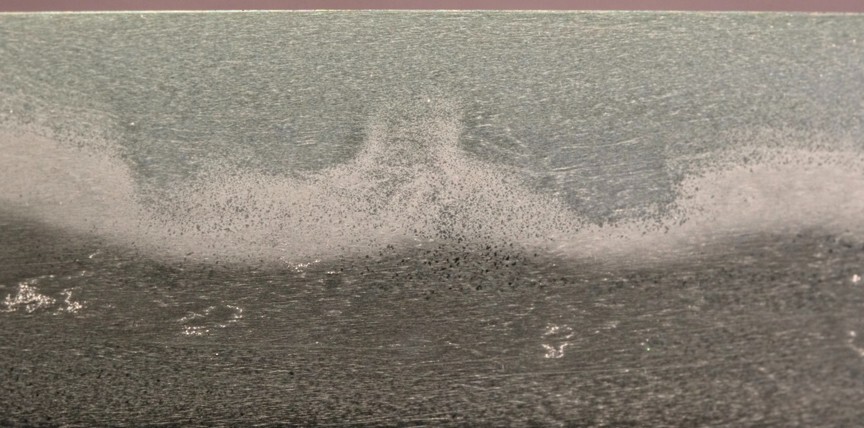
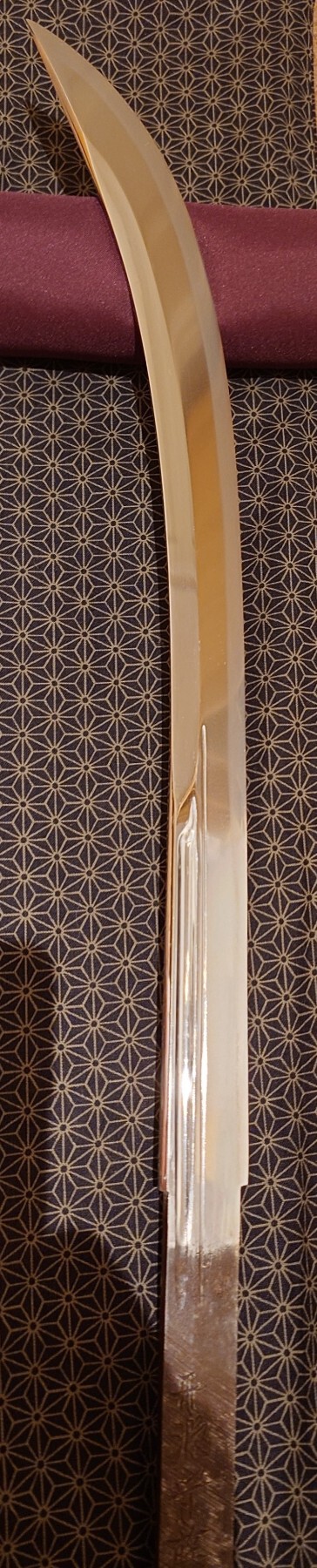
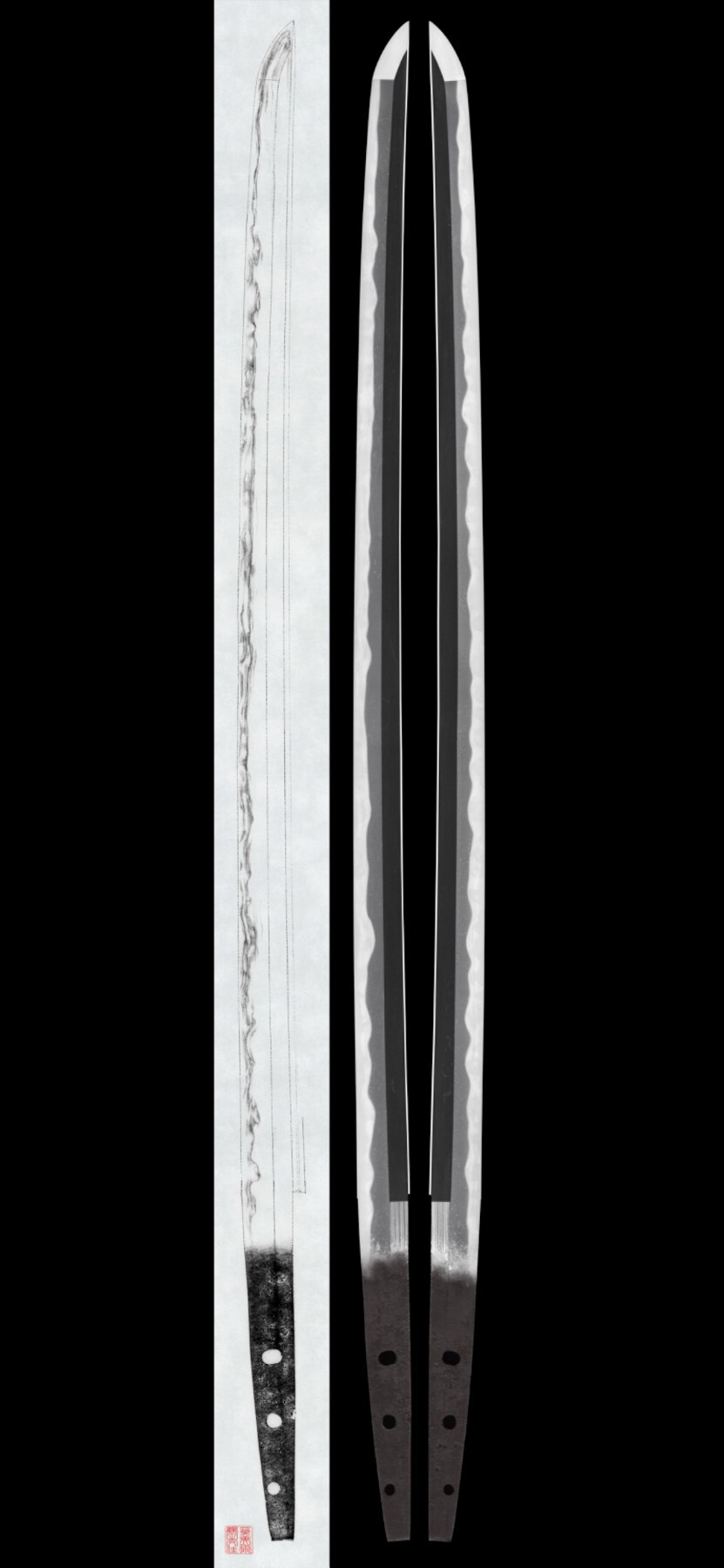
MUMEI WAKIZASHI MEI: MUMEI DATE: NONE NAGASA: 47.301cm (18.625") OVERALL: 59.69cm (23.5") MIHABA: 3.02cm (1.1875") KASANE: 0.63cm (0.25") SORI: 1.27cm (0.5") NAKAGO: UBU MEKUGI ANA: ONE YASURIME: KIRI MUNE: IORI HADA: KO-ITAME HAMON: NOTARE BOSHI: KO-MARU HORIMONO OMOTE: NONE HORIMONO URA: NONE HABAKI: 1 PIECE SILVER SHIRASAYA This wakizashi has a very elegant shape overall with considerable sori for the nagasa length. The chu-kissaki adds to its overall elegance. The nakago may be slightly machi-okuri as evidenced by the hamon extending beyond the ha-machi further than I would expect. Yet, the nakago retains one mekugi ana and the nakago jiri is Kiri. There are a couple of small ware which are barely noticeable. Polish is excellent. The hada is itame with masame in the shinogi-ji. The hamon is a gentle notare in nioi with lots of beautifu hataraki such as chikei, sunagashi, nie kozure, etc. There is hakikake in the boshi. Price: $2750 plus S/H Marked down for Christmas: $1200 plus s/h and any additional fees (Paypal, wire, etc)






 2 points
 -
In the TSUBA forging workshop I held for NMB members this summer, there was an opportunity to make a simple irom TSUBA (old iron dating from about 1880) with traditional tools and techniques. It proved to be a real challenge for the beginners in the forge, but nonetheless the results were very good. These were very basic TSUBA of the TÔSHÔ style, and comparing high-end work from renowned Japanese masters is a completely different galaxy, their work demanding the highest respect.2 points
-
Steve: Saw those on ebay as well. The hamon looks a bit like the Yokoyama school choji pattern. But like Brian said, the nakago is scary. Not sure what someone did to it. John C. BTW, while folks on Ebay still use the term NLF, we prefer not to as these swords were Army swords and not particular to any one group or unit.2 points
-
A scientific way to "clone" more!2 points
-
That nakago was severely messed with. Junk with an acid wash2 points
-
Here's a late war kaigunto I posted on a Warrelics thread Late War Kaigunto Discussion
 2 points
 -
Storing tsuba in Petri dishes, that'a a great idea!2 points
-
Thank you Brian can only confirm, that Kotani san was a kind and polite person and as we all know by now a great swordsmith! I was happy and proud to have been in good contact with him until his passing on March 1. 2003 a on nd special thanks to his granddaughter, who kindlydid all the translations between us. Once again, congratulations on your new Taketoku, we've already talked about it. An extremely rare signed example crafted by the great Kajiyama Yasutoku.2 points
-
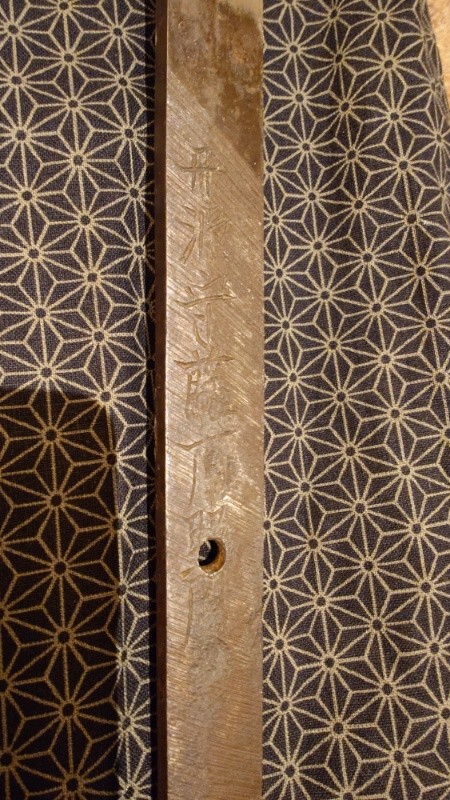
Just wanted to share my latest purchase. This is another Tanba no Kami Terukado blade. I bought this one at auction, and had it sent to shinsha - slightly worried as the mei had some corrosion, so I was only 80% confident. Anyways, it passed Tokubetsu Hozon, and I'd say the hamon is actually finer than some of the long sword examples I have. So very happy. Looking for a good ko-wakizashi or tanto next. 💪


 1 point
 -
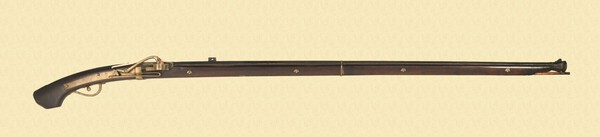
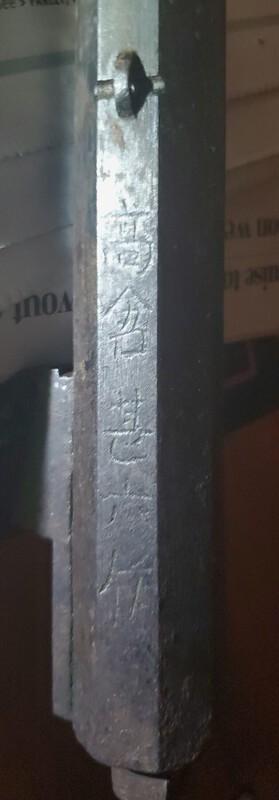
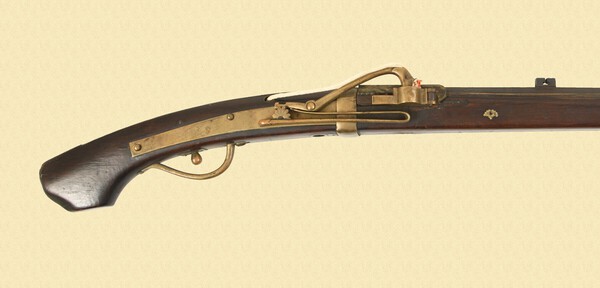
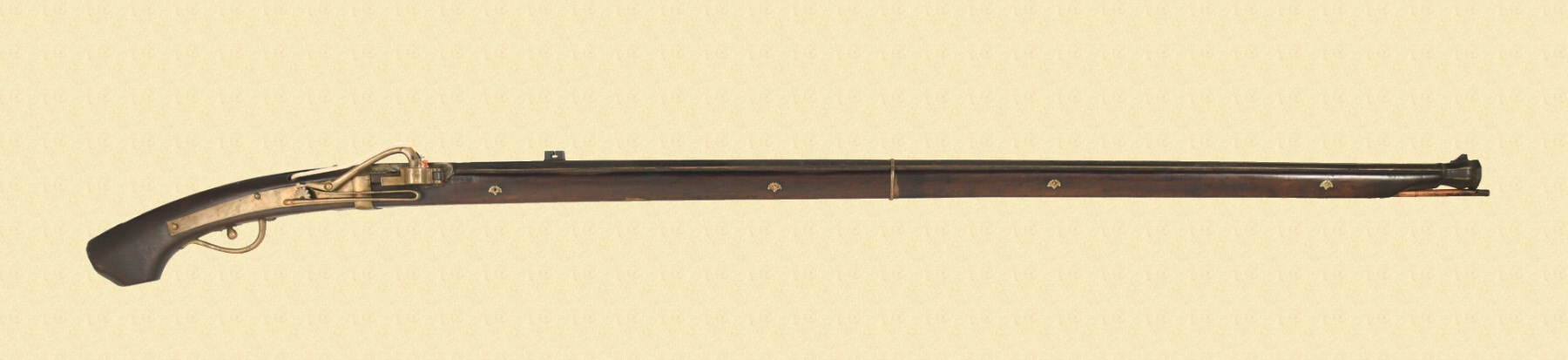
Hello, I'm brand new to the forum and I am interested about learning more about my newest addition to my collection. Most of my collection are antique European fire arms. This is my first matchlock. It seems to be complete and functional however the bore is pretty bad at the moment. The barrel is 106 cm long with a bore of about 11.9mm with a poppy muzzle. The stock is in decent shape with some cracks but stable. I got it all apart to clean up and to check to see if it is signed under the barrel. I'm also trying to get the bison out gently and address the rust under the stock. A translation of the Mei would be much appreciated. So far I have the following pictures. Thank you, Jay
 1 point
 -
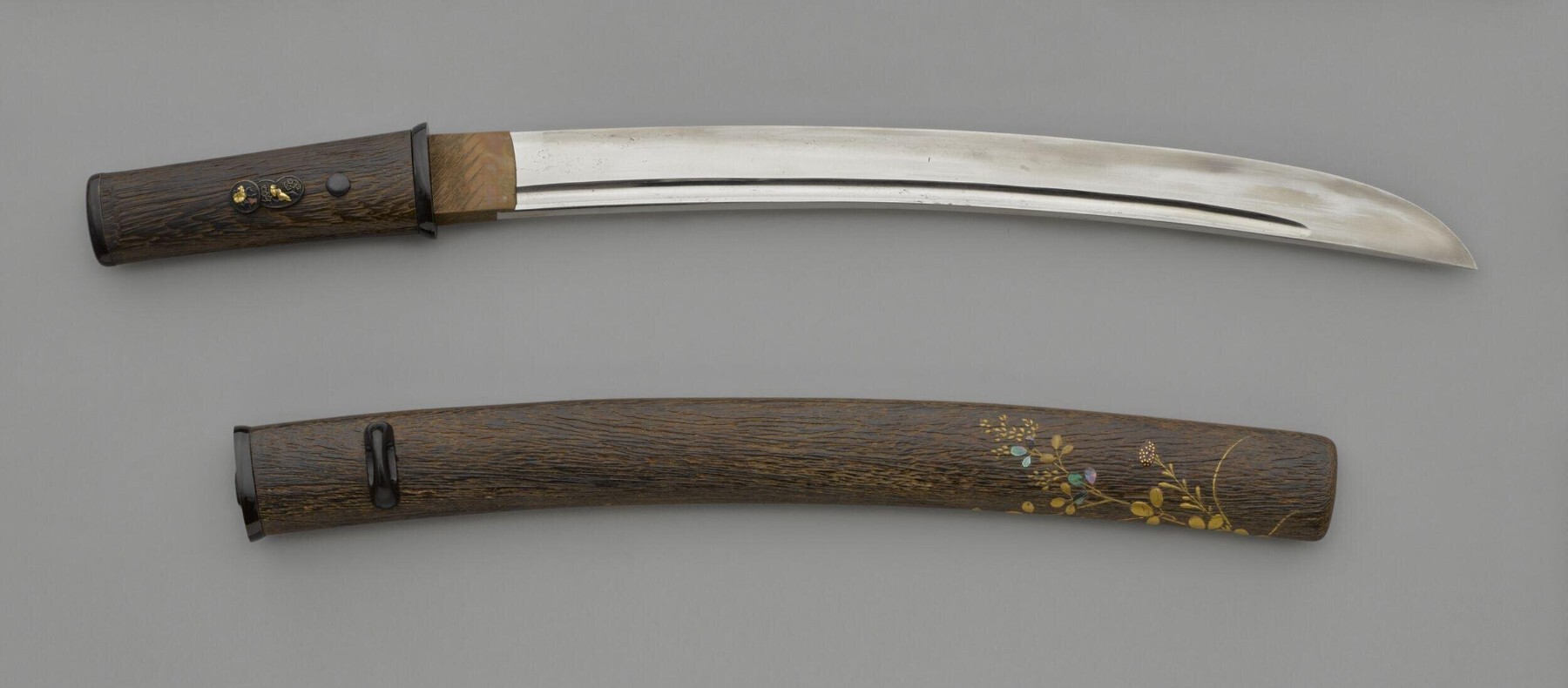
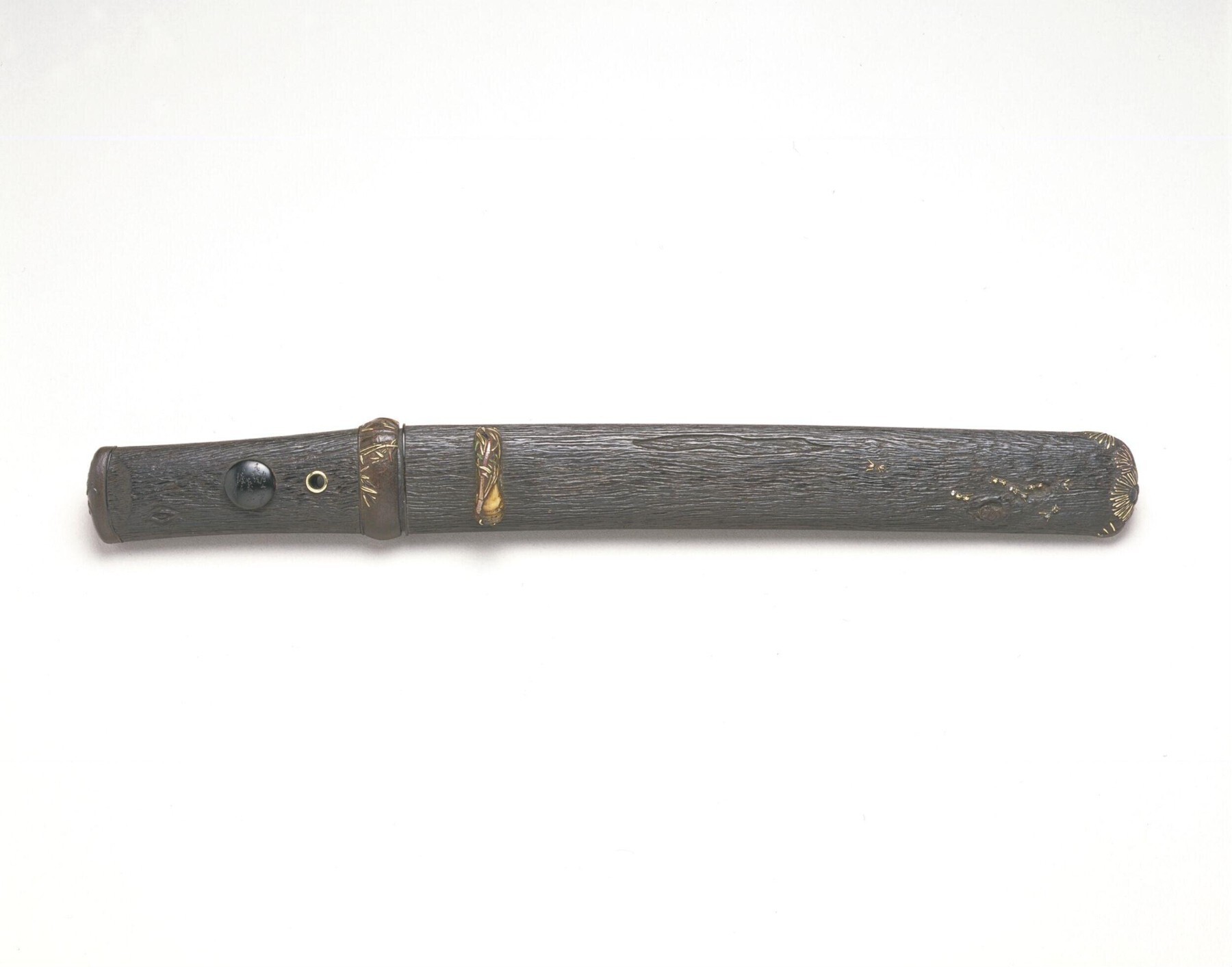
Greetings everyone! Can anyone help me identifying this style of koshirae? All i know it is an Aikuchi, but i have no clue about the finishing style... First from Victoria and Albert museum. Second, i do not remenber. Can anyone provide a propper, complete and correct english/Japanese classification? How is it made? Is the wood texture achieved by carving the lacquer? Or, is the wood carved and then lacquered? Thank you!
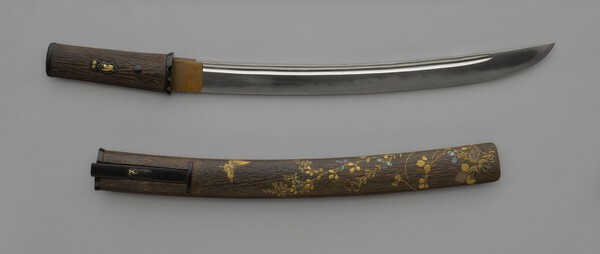

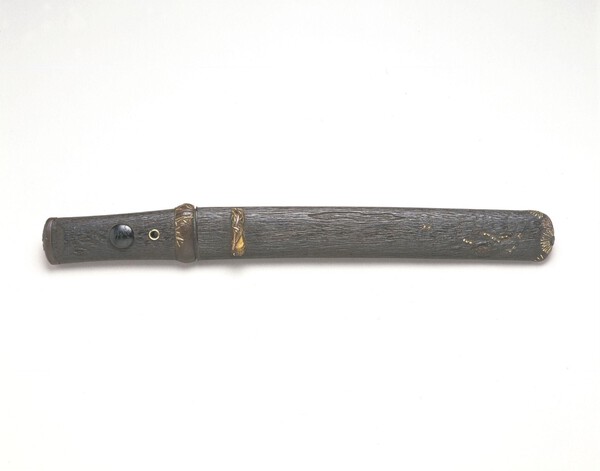 1 point
 -
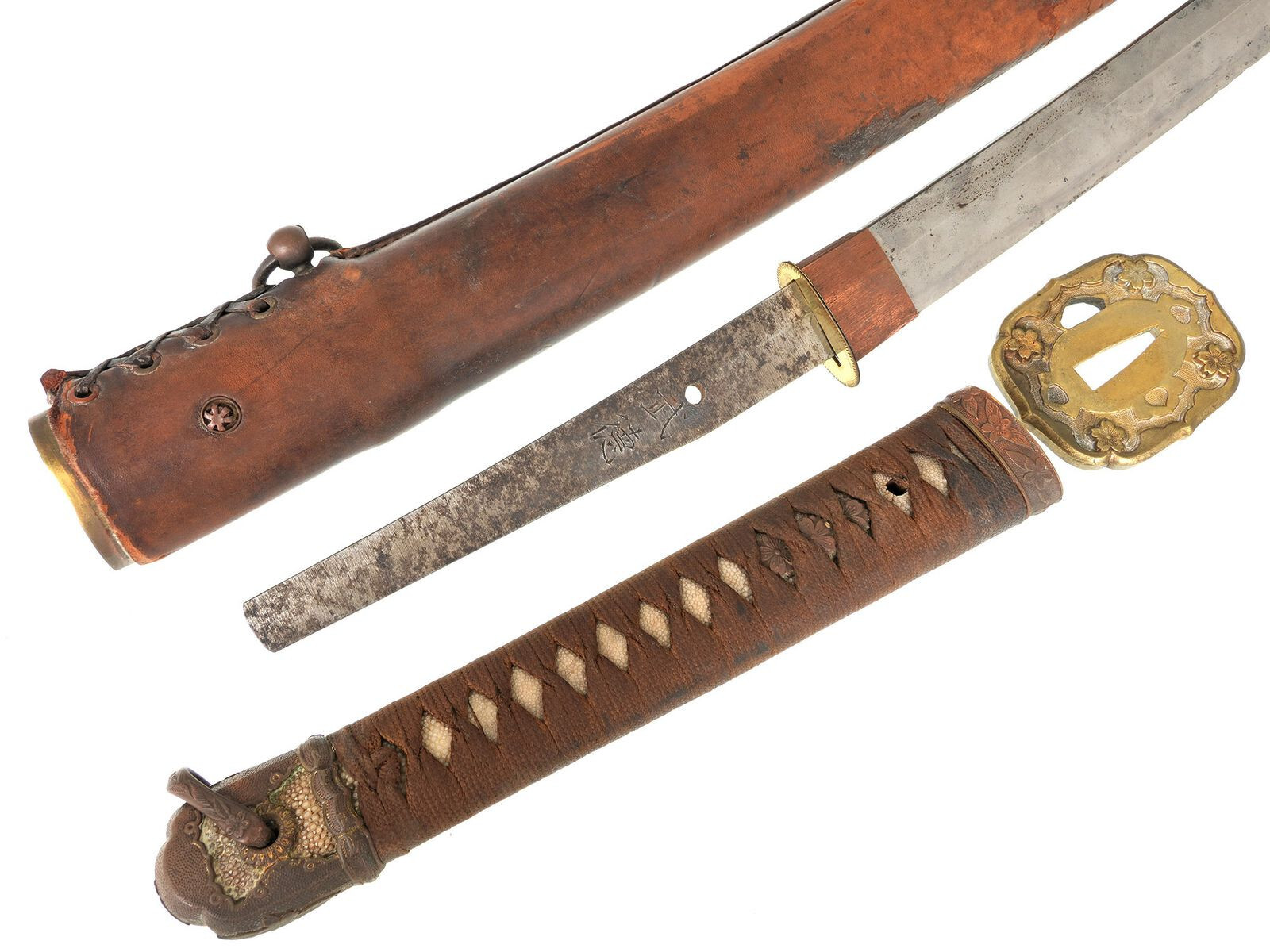
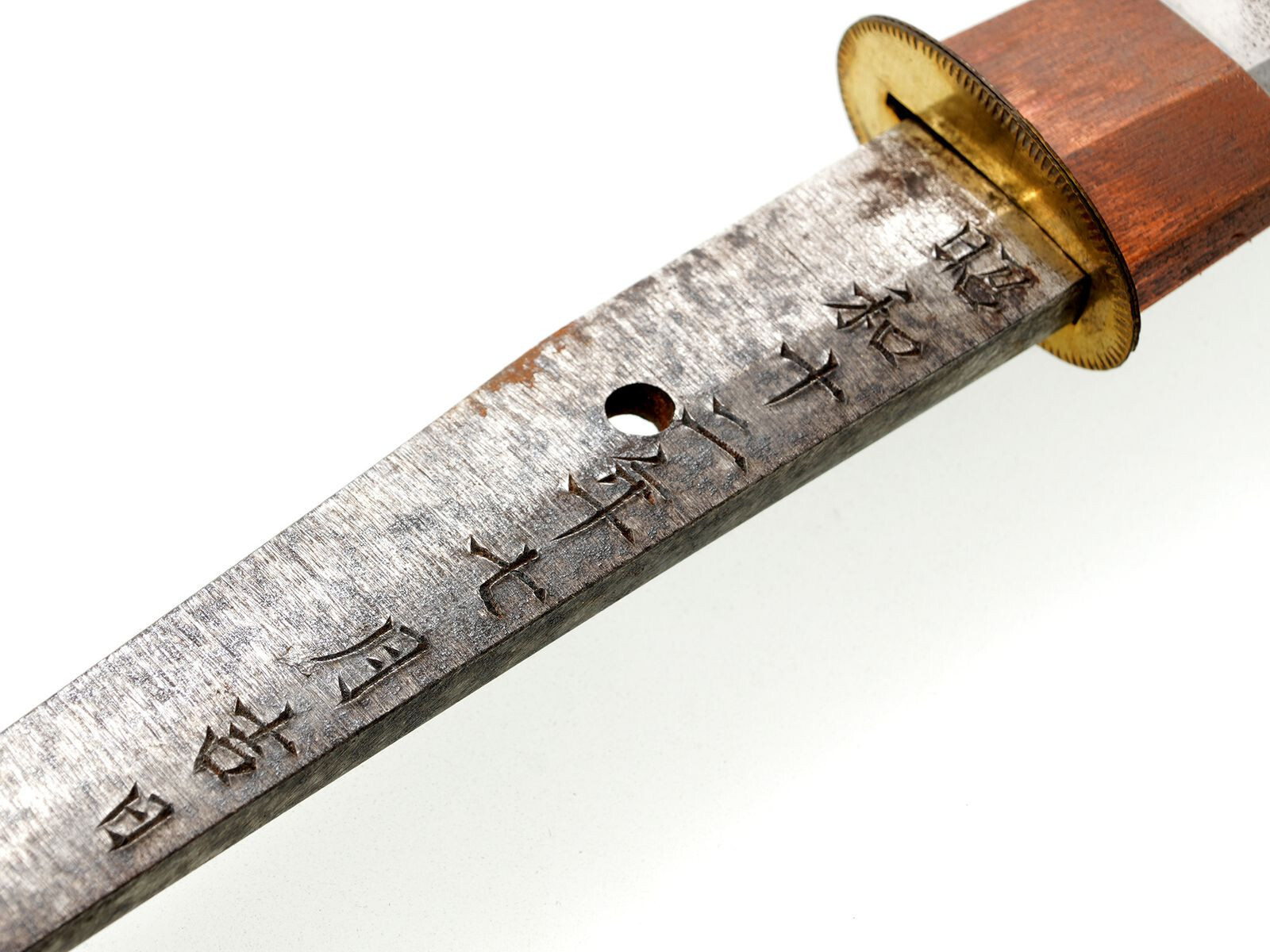
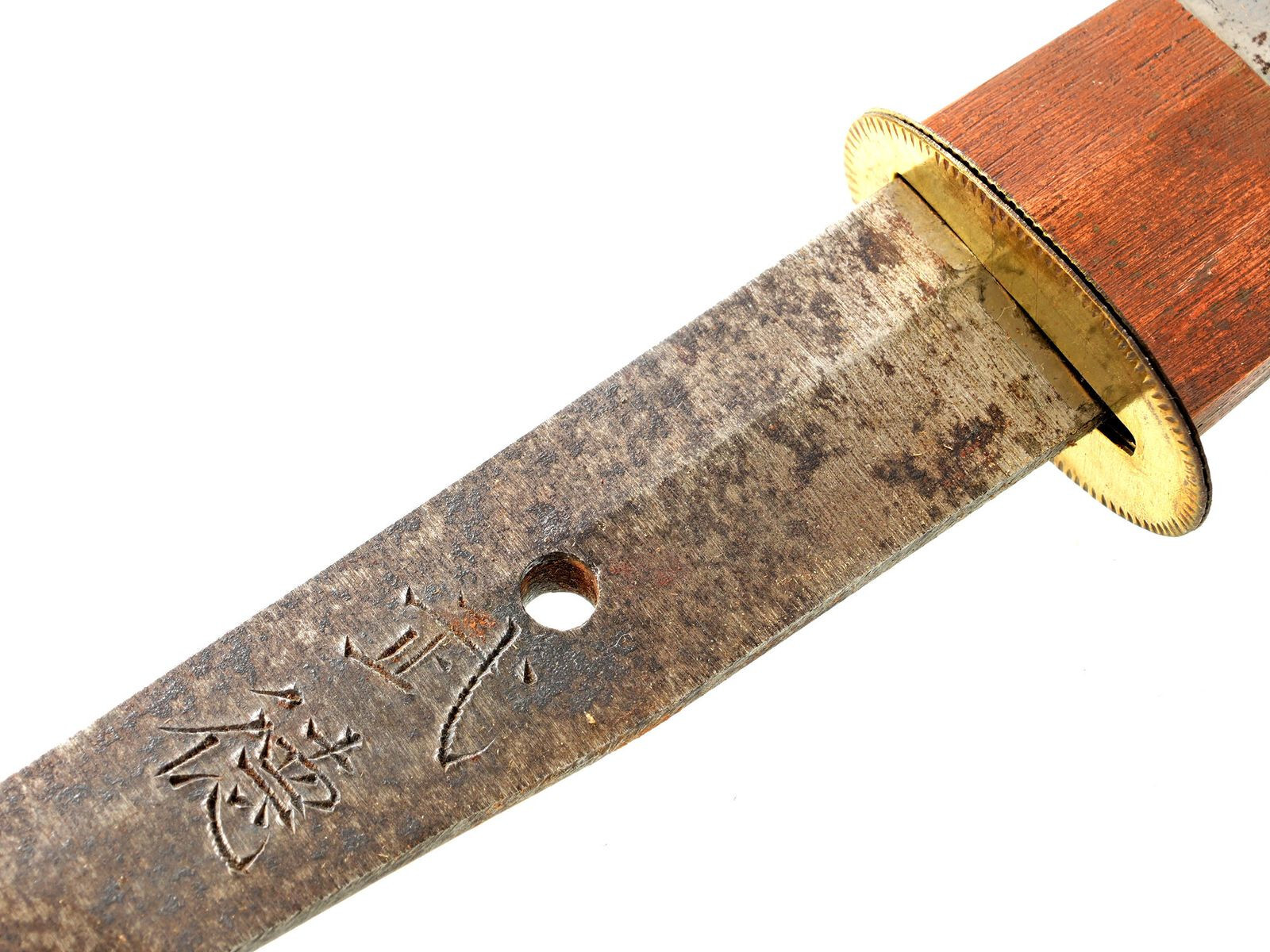
Even a blind squirrel finds a nut :-) I think I got my Xmas present. About a week ago, a respected and high end US collector of Gendaito posted on an SA site asking for advice on shipping a sword from SA to the US. All I could offer was the name of a lady that does knives for the collectors here, and the advice that shipping a sword from here is very complicated and difficult. None of the courier companies want to handle them. Anyways, I was interested how a decent sword would be found in SA of all places, since we hardly ever see Nihonto for sale here, but I forgot about it. About 3 days ago...I was browsing the website of a large local auction company that regularly has antiques and collectibles auctions. I have bought from them a few times, but almost never Japanese stuff. Usually knives and other small things. Imagine my shock when among the lots, I see a Shin Gunto for sale. I assumed it was a fake, but opened the pics anyways, and was surprised to see it was genuine, with a nijimei signature. Took me a few minutes, and I was gobsmacked to realize it was signed Takenori! (Later I realized it was Taketoku)| Realizing this was the Yasukuni smith, my heart went into overdrive. I realized this must be the sword that the collector had his eyes on, and i knew on an SA budget, there was zero chance I could compete. But I bookmarked the auction, and started planning what my budget was. A Yasukuni related sword has always been on my bucket list. Before the auction ended, I took the bid to a winning bid of about US$1150, and prepared for a fight at the end, and to see it end at far more than double that. Auction time, the lot eventually came up, and I prepared to lose, but at least to put up a fight. The lot starts...the price sits there. I'm waiting for other bids. Nothing? My heart is about to burst. Final call comes up...usually for about 5 seconds...this time it sits there for about 15 seconds. I am having a panic attack. Closed. I win it at $1150 plus about 20% premium. I don't know what I did to have some luck for a change, but I'm not complaining. Maybe shipping overseas was too complex. Don't know why locals didn't bid, that's cheap even by local standards for a regular Gunto. I was lucky..a friend was flying down to that city yesterday and driving back, and he agreed to fetch it. After some complications (Auction house decided to close yesterday and i had to reach out to the owner) my buddy brought it back late last night and I got it today. A lovely Kajiyama Taketoku Gendaito, made privately while he was working at Yasukuni but after he changed his nakago shape to kijimomo to prevent confusion between himself and his nephew Kotani Kenzo. Dated 1937 and in very good original polish, some stains but everything can be seen. Cleaned up nicely with isopropyl alcohol and some oil, and has a stunning sugata, tapering to a small ko-kissaki. Kijimomo nakago, nagasa is 655mm. Signed below the mekugi ana, which is something I need to research. It's only in hand you can appreciate how different these are to military swords. Light in the hand, with a Koto feel. Has a straight and active ko-choji hamon that I am still getting into examining. Lots to see and beautifully forged. Hard to take photos, so will add as i go along. But consider me one very happy guy. No idea how this got to South Africa, or the story behind it. But for now I am happy to be its owner, and thanks to that collector for giving me the shot at it. It has a good home and will be well cared for.
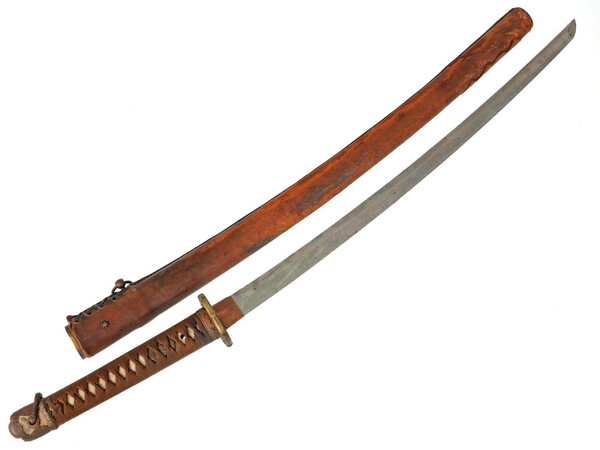
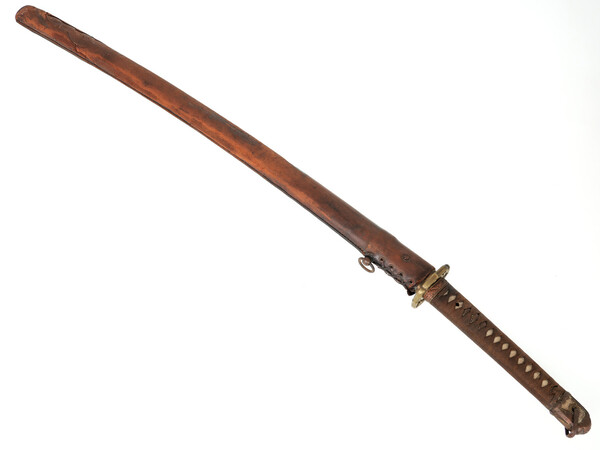


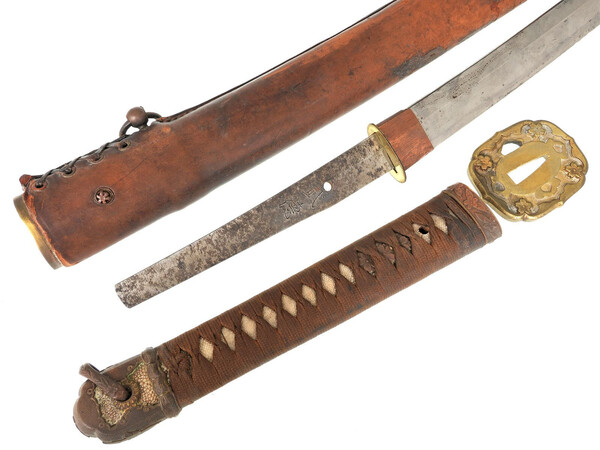
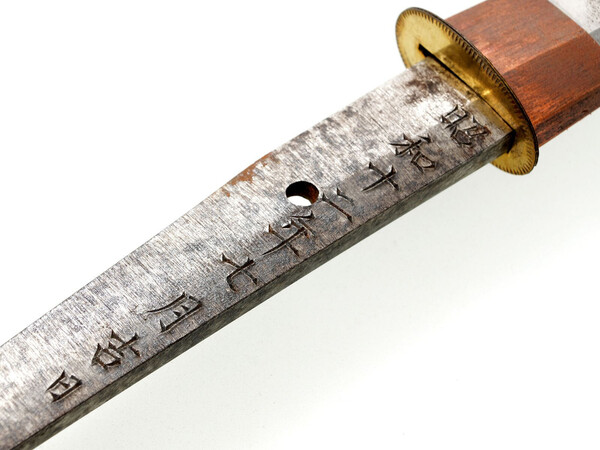

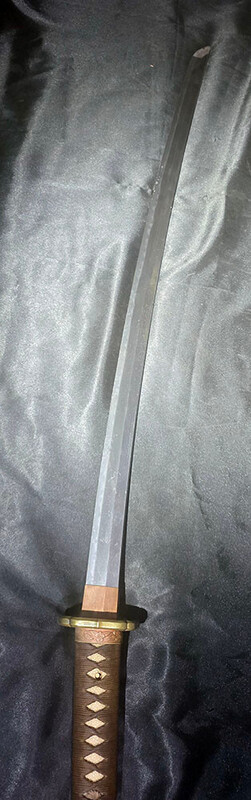
 1 point
 -
I wanted to pass along some information regarding the whereabouts of Jon. He has recently moved back to Japan and I had a chance to meet up with him prior to leaving. One last hurray at our favorite Mexican restaurant before he took off for Japan. His website is up and running and I know that he checks the NMB often, so please feel free to reach out to him and if you are in Japan, he will make a most excellent tour guide. I am already planning a trip to see him next year. I have some videos from interviews Mr. Bowhay conducted while he was in Japan studying the art of the togishi. Really interesting stuff. As soon as I get them converted, I will post them on YouTube. I will also post a list of some books he recommended on Japanese history. I have ordered a couple off of Amazon and have two in my collection right now. Cheers, Toby1 point
-
Have a dress sword too. Nothing fancy, though. No mon, no markings.
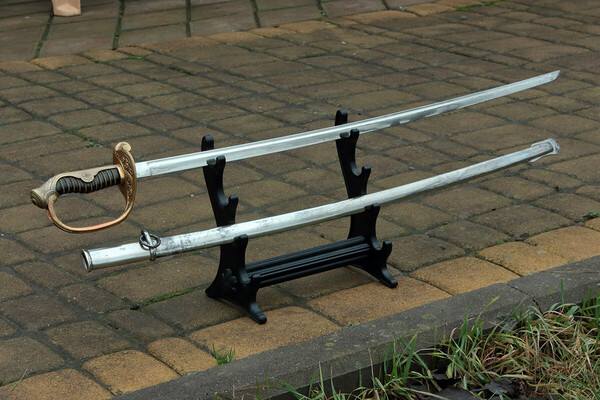


 1 point
 -
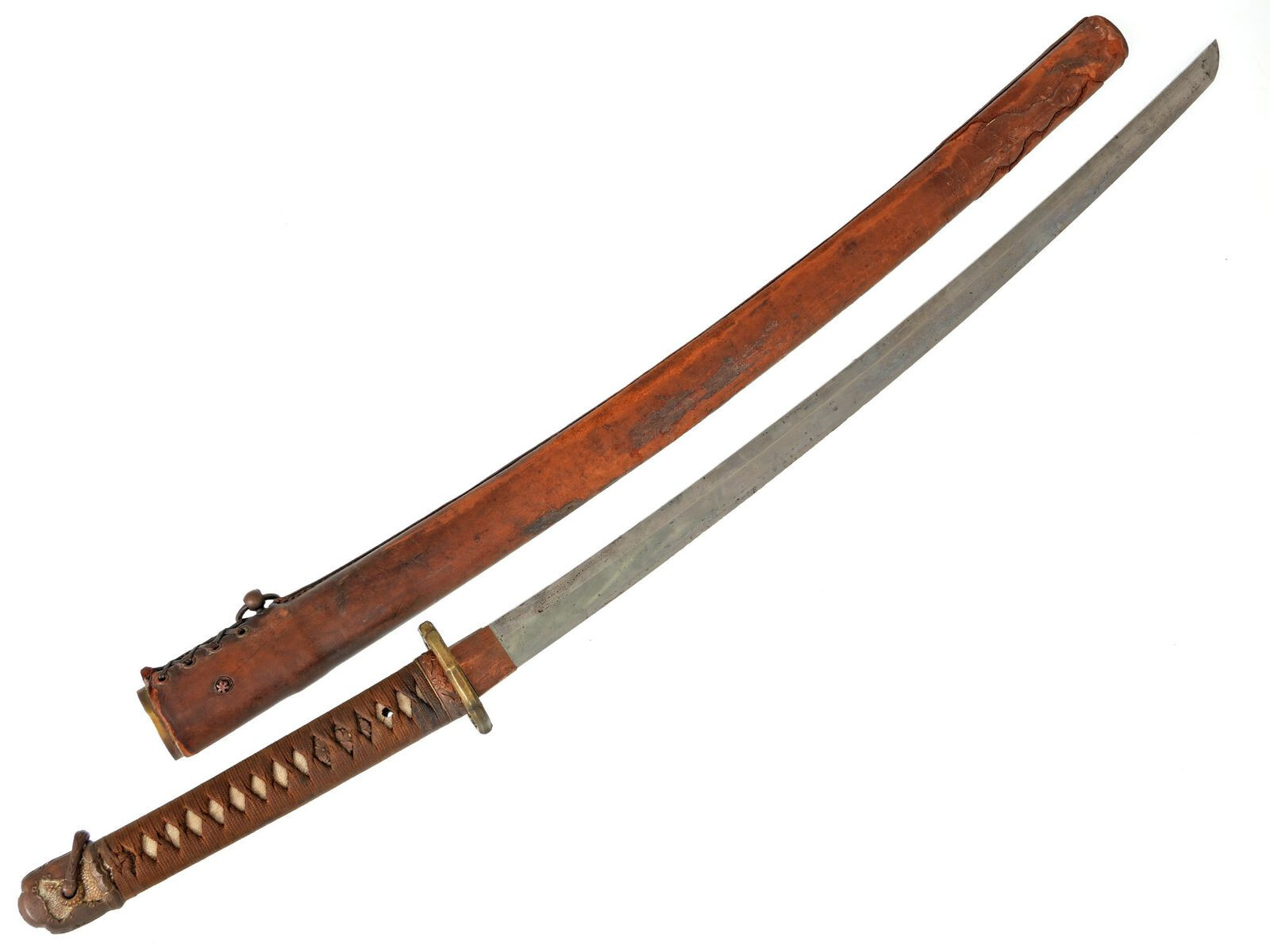
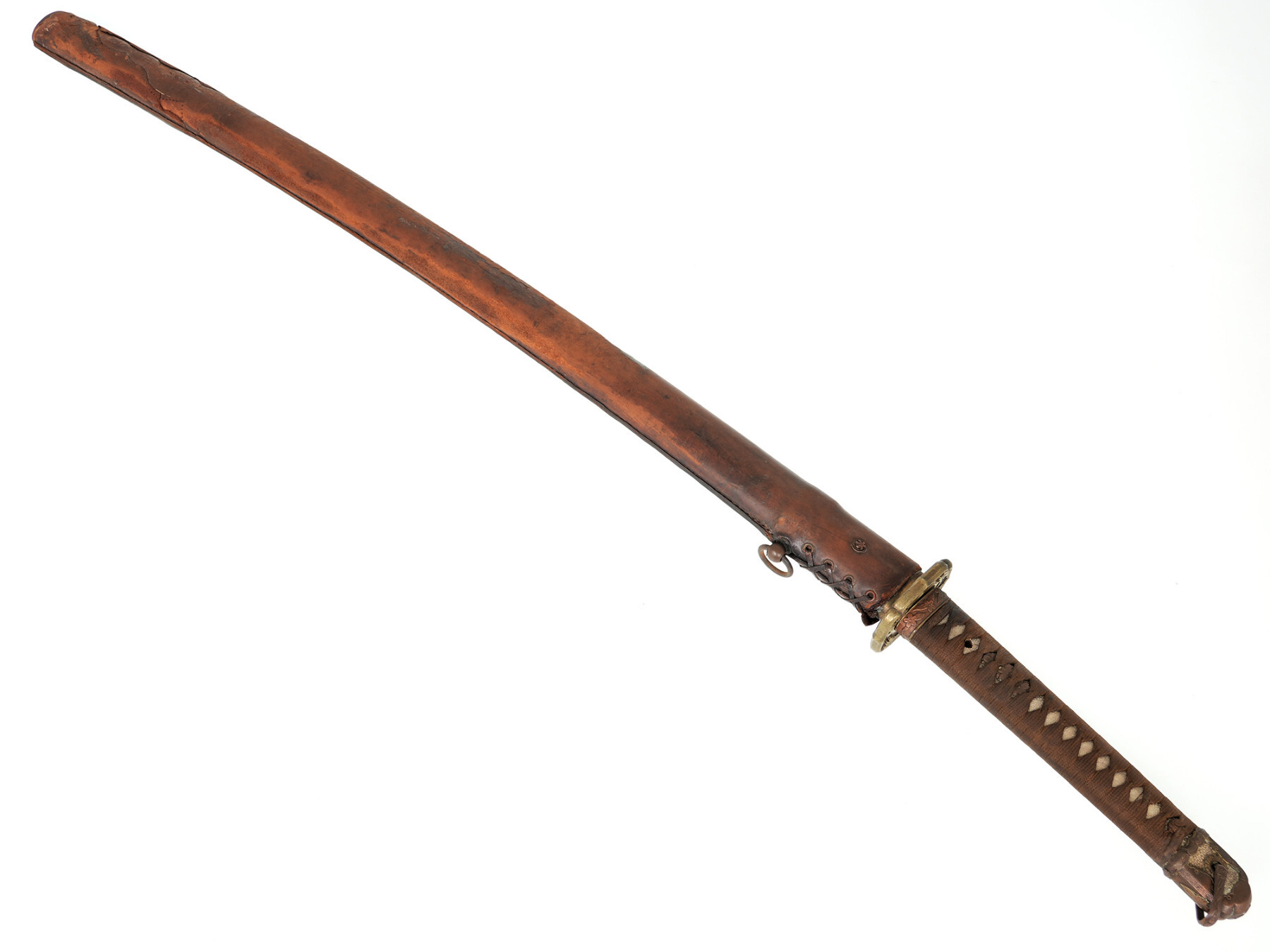
Hello K, You might want to update your title to include "kaigunto" as this is a Navy officer sword. There are people who are looking for kaigunto, and the added word would help yours show up in online searches. They are worth more than Army gunto, in general. Yours also has the upgraded shark skin on the saya, which looks nice. Good luck with the sale!1 point
-
Nice video. There's also an video about kabuto.1 point
-
Rohan, Thank you so much for highlighting that for me! I've messaged Rivkin. Might be a lead! Yes, I've finally really narrowed down what sugata, kissaki type, sori, etc. I love that combines what I love for my eye and most agreeable to my handling preference. I think this blade would be wonderful as a daito to my shoto wakizashi I will have paid off from Aoi Art end of next month. A Sekishu Dewa Sadatsuna Wakizashi. See picture below! Absolutely love both of these blades. Best regards, Barrett Hiebert
 1 point
 -
Oh, thank you so much for your kind and timely answer. Now I know more about it..I do treasure it and it is beautifully carved. I also follow the Chinese horoscope, although I am a dog. Thank you1 point
-
Took a second look and just noticed the boshi appears to run completely off the kissaki. IMHO that's the kind of thing you should be looking out for rather than the fittings.
 1 point
 -
Thank you, Piers for the quick response. There is nothing left of the bamboo pins when removing the barrel but everything seemed to line up. I will know for sure when it all gets put together. Hopefully I will have collected some updated pictures too. Thanks again, the info on the Mei is much appreciated.1 point
-
The acid etching is something and Joe Bloe and do which gives an appearance of a full polish to the untrained eye, without spending thousands of dollars for a real polish. And as an FYI, all the fittings, not just the tsuka, are Rinji Seishiki (Type 3; Type 100; Type 44; etc; etc).1 point
-
I see why you're thinking Mantetsu - that last kanji on the second photo is "Spring" and 90% of Mantetsu dates are Spring. In actuality, though, there were a few other smiths that used seasons, too.1 point
-
I thought it was just a number signifying the contents (one tsuba). Kind of like how NBTHK puts a "一." (hitotsu) in front of the items listed on their authentication certificates. Something of an old-fashioned formality. I'd feel more confident in this if I'd seen him do this on other boxes, but, as I said its the first time to come across this notation. 老... feels a bit off, but already I have some bias affecting my judgment, so I remain open to the possibility.1 point
-
Decoration, mostly sold at souvenir and craft shops for tourists1 point
-
I used 99.5% Ethyl alcohol on a saya with Kamon. They were barely visible as the Urushi darkened and became foggy. It had no problems dissolving it enough that I was able to buff it. Question is, will there be a "ghost" of the old kimpun mei left once removed? Especially if the nakago around it developed more patina.1 point
-
Saw one with similar dark patina at the antiques market on Monday and nearly bought it for illustration here! Attached to a kinchaku purse. If this were to be worn as a Netsuke, you would think that the string would come out of the single hole at the back, showing the decoration at the front. The front holes could have been added later for decorative effect, or possibly the string could have come out through a couple of them to tie at the front in a fancy knot or bow. The base rim crenellated notch design suggests it had dual-purpose use as a funky okimono.1 point
-
I realize this is obvious... but perhaps "lacquer thinner"?1 point
-
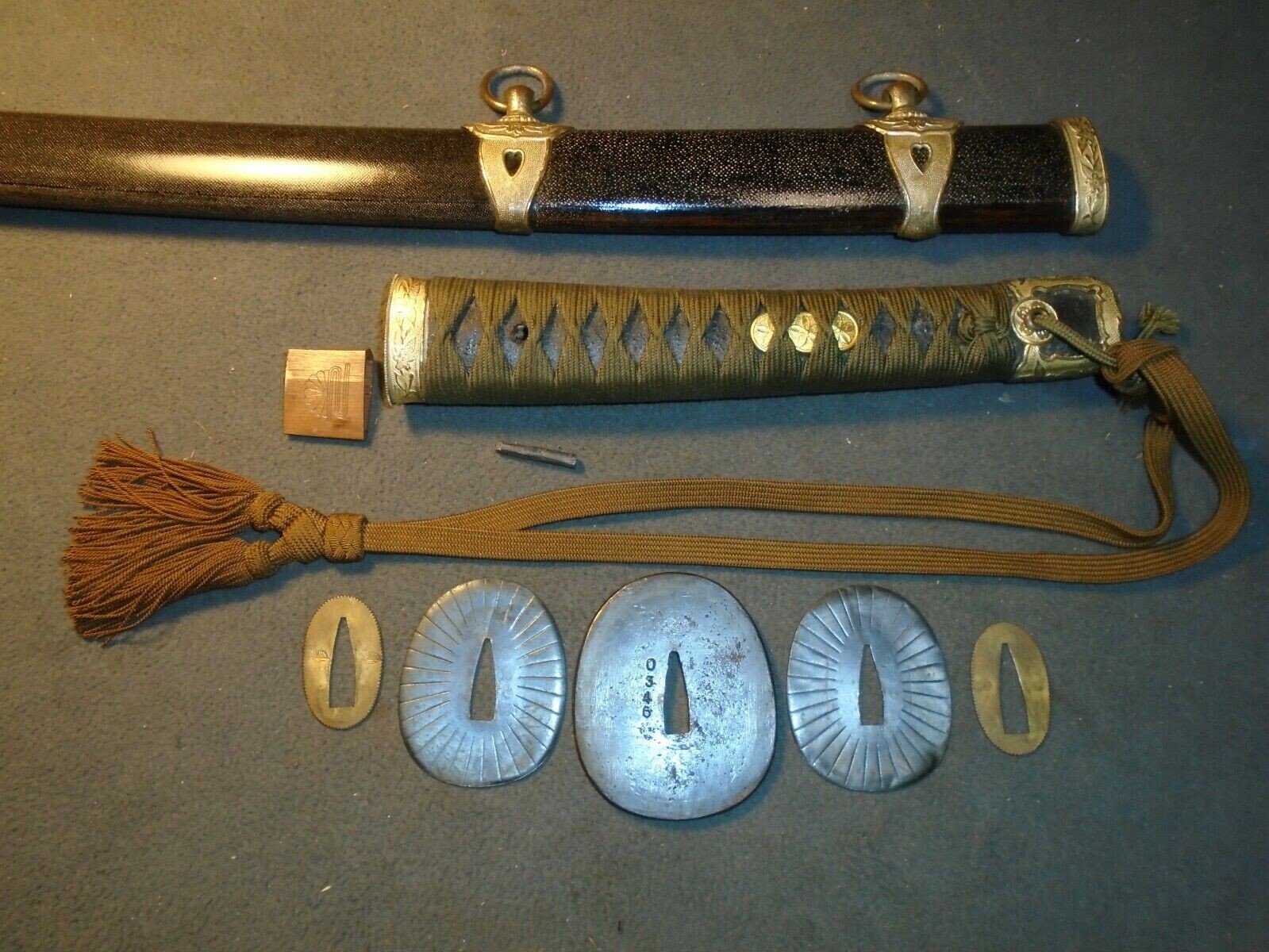
Thanks for taking the time to post these Bruce! Interesting read on Warrelics. I guess I need to take back what I said. I have never seen a type 98 or a good quality kai gunto with the the fuchi/seppa combo before now.1 point
-
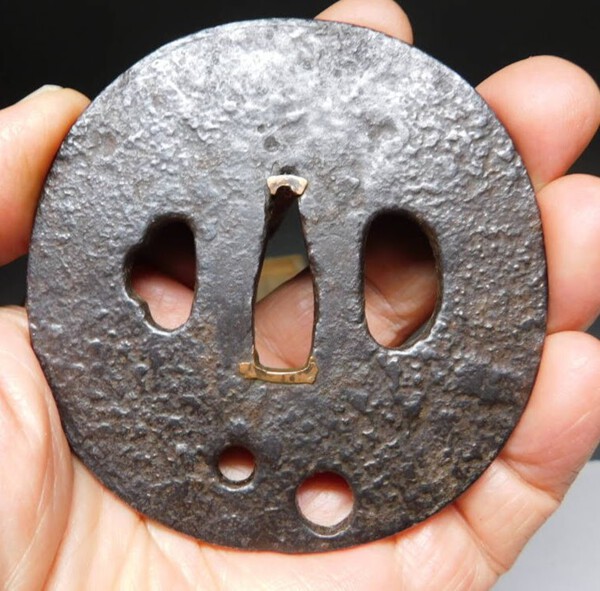
Can anyone read this mei? Yakite shitate of this tsuba is great.


 1 point
 -
Great choice!1 point
-
Its a cuty! Just 90 mm from tip to toe. Belongs to a very unusual pair of cased percussionpistols manufactured by a wellknown swedish gunmaker in Stockholm. In continental style but with a swedish touch. Extremely rare. Copper flasks in this style never produced in Sweden as I know it. I am a bit anglophile when it comes to muzzleloaders. British flintlock pistol from time 1780-1820 especially. Those kind of pistols I compete with.1 point
-
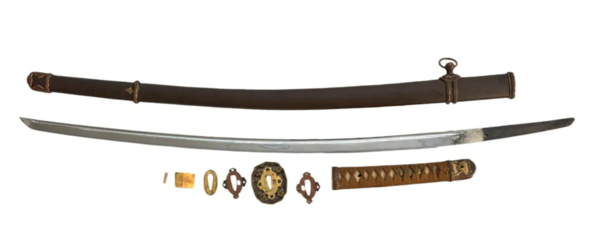
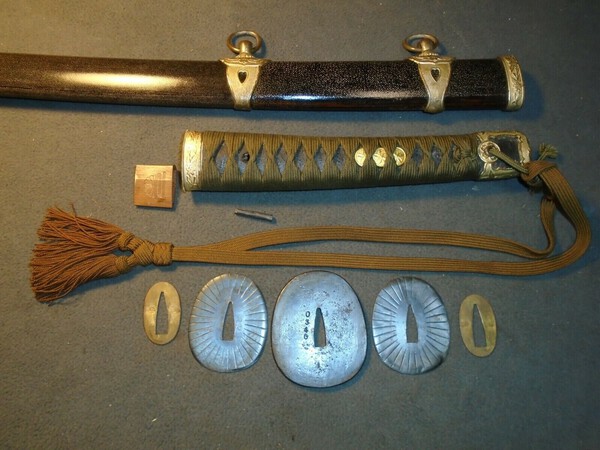
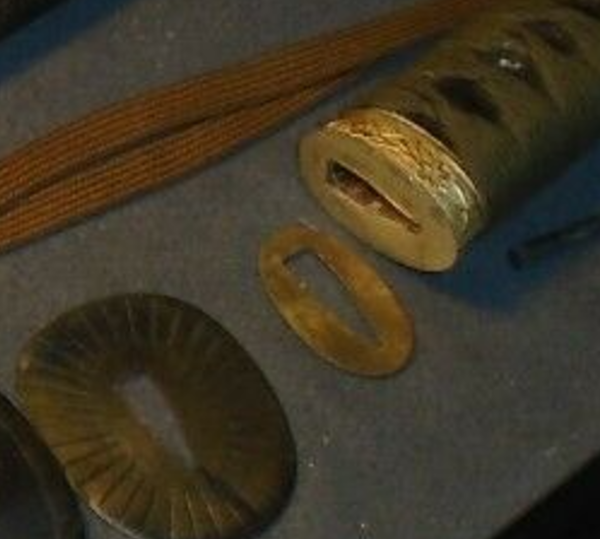
Matt, Still searching, but I have these 3 already: Posted by @Tonyatm HERE. He doesn't show it seperately, but you can see it's one piece: When he shows the tsuba/seppa set, there is only 1 small seppa: This one is on an Army Type 98, found at an auction site, with a zohieto blade: This one is on an upgraded kaigunto with a 1943 Masanao blade: It's a little blurry in zoom, but you can see the edge of the seppa sticking out:


 1 point
 -
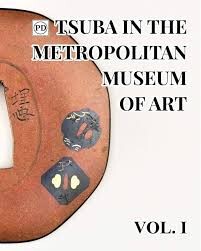
About 800 in these books!
 1 point
 -
The seppa you are looking for must be smaller ...Not larger with the latch opening on the opposite side. The tsuka side seppa are always slightly smaller than the saya side. What is the size of the remaining alloy seppa ? The correct size seppa will be slightly larger than the remaining alloy colored one. as it will sit in front of it. The correct shape and thickness is another factor. Doug1 point
-
So I've been looking for a reputable appraiser in the US that could also provide documentation for a sword, are there any suggestions? Thanks in advance!1 point
-
There are plenty of US collectors and dealers with expertise enough to give you an opinion. An appraisal by one of these folks might be useful for insurance purposes, but it would not be of value to collectors that might buy the sword. Collectors only rely on the Japanese appraisal organizations or the judgement of themselves and trusted friends.1 point
-
Where are you located? I assume you would prefer to meet in person, so tell us your general location and we may be able to help ou.1 point
-
In normal times the NTHK have at least one shinsa in the US, normally at the Florida sword show which is usually around this time of year. There may be individuals who are willing to look at your sword and give an opinion but the NBTHK and NTHK authentication papers are the gold standard (some would argue only NBTHK for high value swords) so having an opinion or paper by anyone else won't really carry any weight in the market but might give an indicator as to whether a sword is worth a polish and/ or going to the trouble of papering.1 point




.jpg.b6354d7384762a01bbdef9638561d9ba.jpg)
.jpg.e2e7230ea58f8b63b1f0f881e0cbd830.jpg)

.jpg.7f316e916215561d7620b2de035bb70d.jpg)
.jpg.9a3764da86acd3f7a3bc1fa50c9d0a5b.jpg)





































This leaderboard is set to Johannesburg/GMT+02:00