
Leaderboard



Popular Content
Showing content with the highest reputation on 10/17/2025 in all areas
-
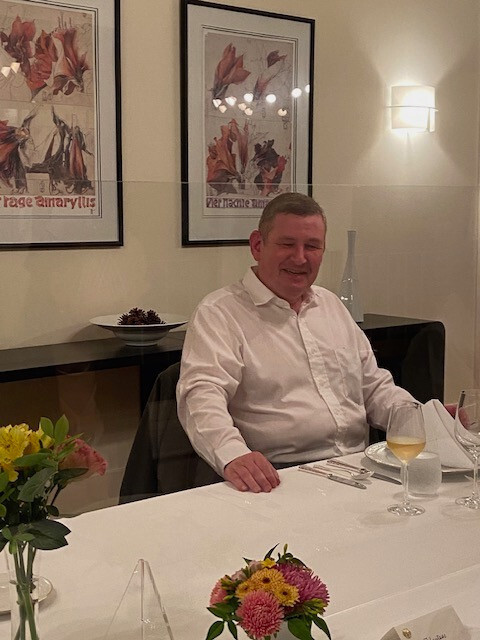
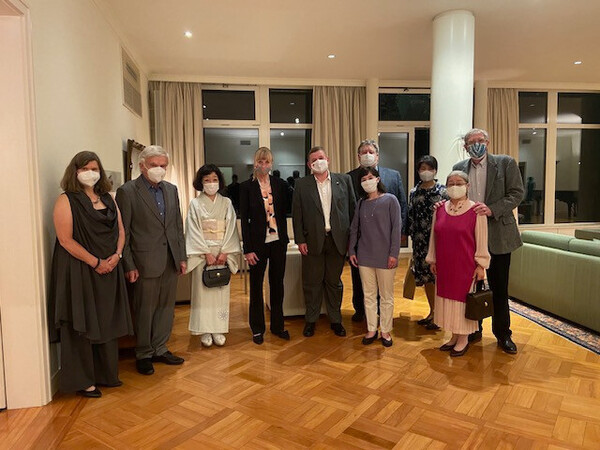
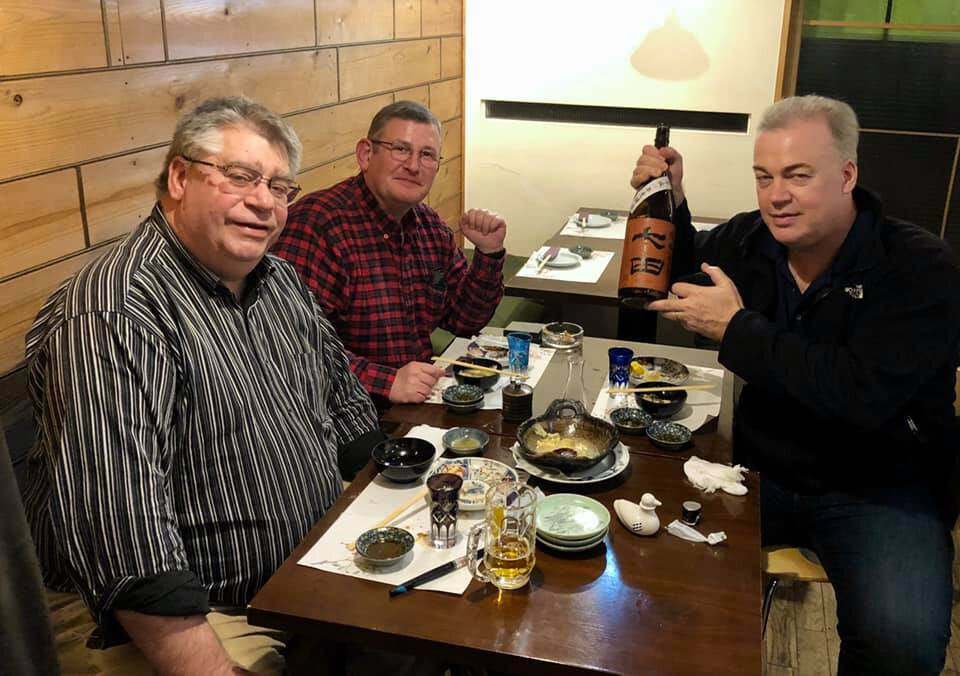
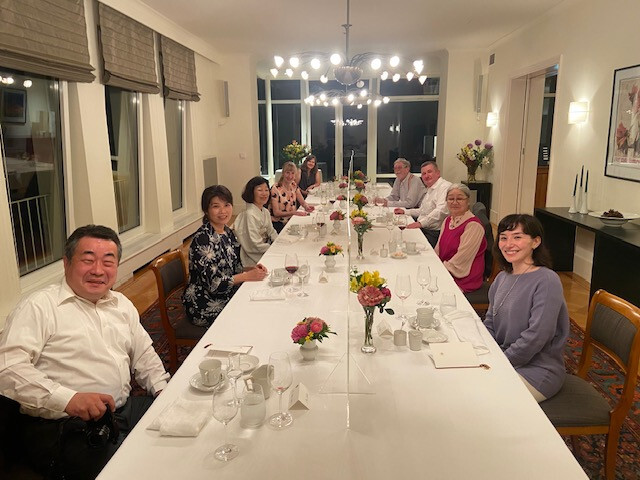
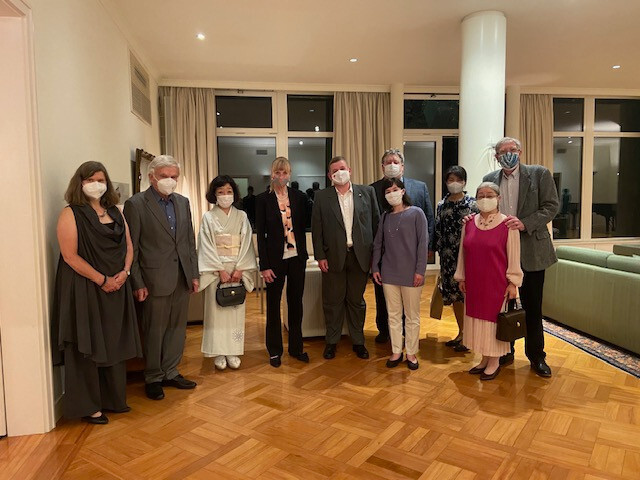
With a heavy heart from a recent phone call from Minako Schiller, I wish to report that Guido has taken his leave from this plane of existence! Guido was an early and a long time member of NMB! From his posts, you will recall he was not shy and well... he called a Panzer ... a Panzer! As a career diplomat, he served the German Embassy as an Attache in several Asian countries. He greatly enjoyed his two postings at the embassy in Tokyo. This was certainly his sweet spot because he was very much at home in Japan. In all our years of associating in Japan, I cannot recall a time when we didn't imbibe when meeting. any occasion was an opportunity or an excuse for a Kampai! We had no illusions of grandeur... it was either beer or nihonshu... or beer then nihonshu. We traveled a lot together domestically but only once internationally when we ventured over to Macao! Suspicious minds out there... I know what you are thinking! No, it was not to gamble! We had been invited to attend the gala events for the opening of the History of Steel in Asia Exhibition at the newly opened Macao Art Museum (MAM). Guido, Roger Robertshaw, and I were honored guests for we contributed the entire display of Japanese swords, tsuba, and armor for the three month exhibition. All our items from Japan were shipped through the Embassy diplomatic channel. Edged weapons from seven Asian countries were on display as the Chinese government made their pitch to demonstrate the historical importance of their homeland in the development of edged weapons. Guido was an avid collector! When he was stationed in New York at the United Nations, he collected some fine Civil War firearms including a nice Sharps rifle, a Henry rifle, and several cap and ball revolvers. While in Jakarta, he put together a collection of Kris blades, and in Japan he was in Nihonto heaven and he developed a netsuke collection as well. In mid 2021, during Covid, Guido was recalled to Germany to take his final posting for his remaining two years prior to retirement. To this end, the Ambassador of the Federal Republic of Germany, Her Excellency Ina Lepel sent out a limited number of invitations for the farewell dinner for Mr. and Mrs. Schiller held on May 17 at 7 p.m. at her residence. During this solemn period of emergency pandemic privation, on the day in question, my wife and I made our way to the German Embassy to determine if there really was cause for celebration and if the rumors were true. In fact, Her Excellency Ambassador Ina Lepel, had indeed made great arrangements to send Guido and Minako Schiller back to Germany. It had not been determined if this action resulted from an infraction or if it were a benevolent gesture. It was entirely possible that Attache Schiller had been doing good work and this reassignment was, in fact, a reward. Yet, was it a reward to send a man home to sausage and sauerkraut after years of eating Tokyo’s finest sashimi and raw oysters? Is it even possible to willingly give up the range of heavenly sake found in Japan? What hypnotic spell could shots of Apfelkorn or Rumpel Minze Schnapps have over the infinite variety of locally brewed sake? To this day, these questions remain unanswered… unsolved mysteries and unanswered questions to compete with Guido's speculation on the missing Masamune sword. Like a Teutonic knight, loyal to the order, Herr Schiller was indeed packaged up and moved to his ancestral home. Unfortunately, the final stage of Guido's employment was not completed. He suffered a massive stroke and fell into a coma from which he never recovered. He remained in this state until October 10th, 2025. He is now only with us in our memories of his deeds, a man who served his country well as he rose to officer level in the army and then entered diplomatic service. Of greater importance was his service to his family, to his wife Minako and his daughter Hana. Sadly, Guido never got the opportunity to play with his new granddaughter. Guido is greatly missed... by me... his drinking buddy... I mourn this loss!



 11 points
 -
I have moved this to Community News, because Guido was such an important part of the community. I'm really sorry to hear this Bob. No doubt all of us were expecting it for years now. He has been in a comatose state for so long, and I was told there was no chance of recovery, so for him I think it is probably best. But it's terrible news for all who knew him. Met him in Japan, and he was a real character. What a sense of humour! Guido was known to be blunt and to the point, which was an asset when teaching the finer aspects of collecting. But underneath that, he was a real knowledgeable guy who had a ton of info to share. And he knew how to party! A giant of a man, I'll miss him terribly. Condolences to all who knew him and his family. What a sad loss to us all. RIP Guido.6 points
-
Greetings sword connoisseurs! If you have time please check out the latest edition (#15) of Super Samurai Market that Paul Kremers and I created especially to herald the Dai Token Ichi which will be held on November 1st and 2nd! We hope to see you in Tokyo! Best Regards, Robert Hughes https://youtu.be/Z64qdjk92LU4 points
-
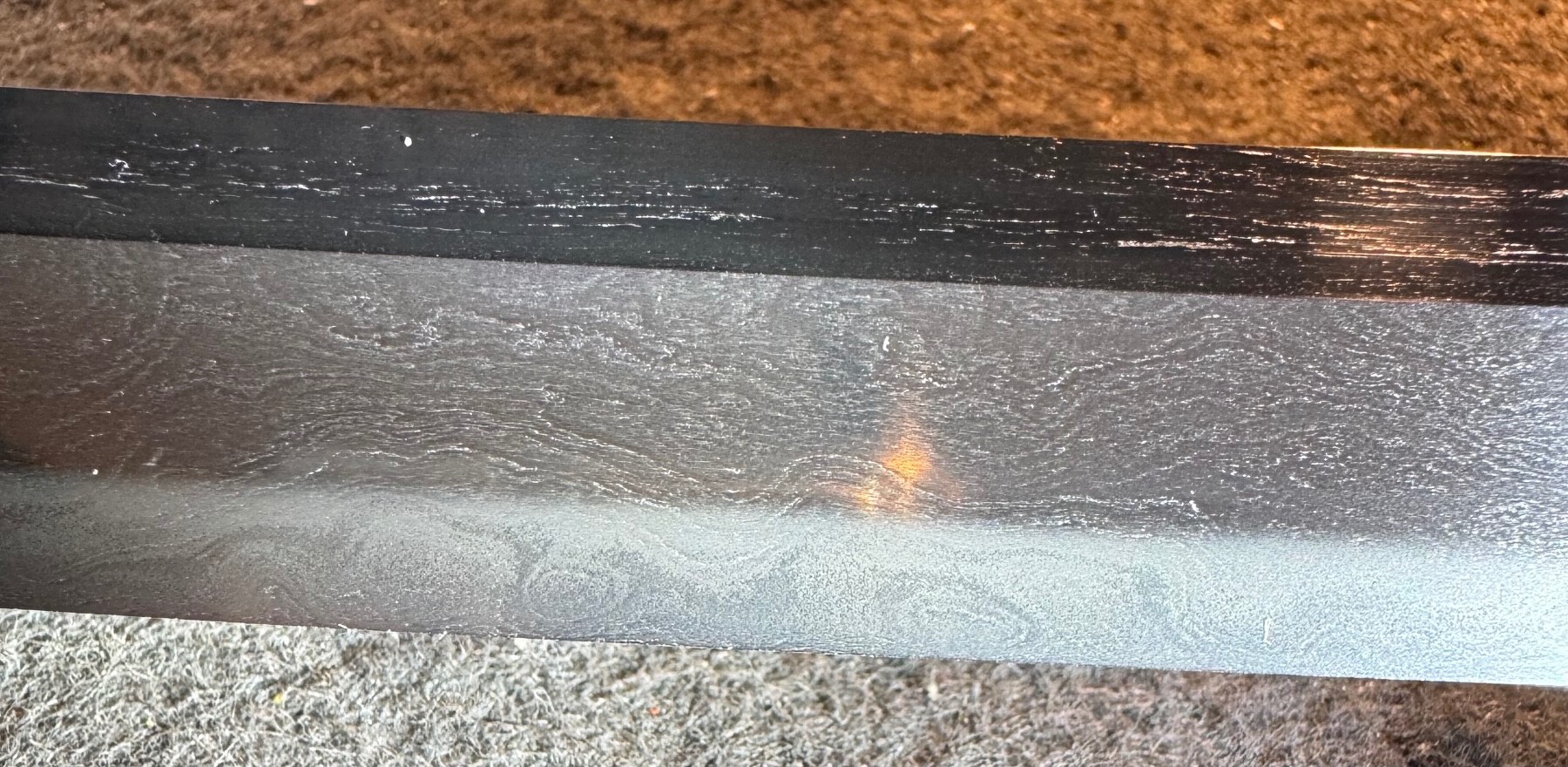
The topic of how to photograph Nihonto appears here regularly Here you will find a few posts on the subject of how to photograph Nihonto All you need: macro lens with manual focus at least an APS-C sensor in the body (FF is ideal) tripod remote shutter release for the camera several light sources ... and above all a lot of patience I am attaching a few photos of kissaki


 3 points
 -
Not that it matters to the sword, but just an interesting little bit of information for members. I very nearly got scammed, trying to buy the sword. Liveauctioneers was hacked and scammers got their hands on the email system and pretended to be the Auction house that sold these items. Several people lost a lot of money and I was very nearly scammed if it was not for Visa and their automatic fraud prevention system I would’ve lost close to US$4000 with no way to reclaim it. The lesson is be careful even if you think you’re dealing with a large Auction house or an online auction platform you can still get scammed. If something looks weird it probably is if someone asks you to pay through PayPal and send it to friends and family. It is a scam if they ask you to pay through a different payment system it is a scam if you cannot speak to someone personally or the telephone number of the Auction hours doesn’t work. It is a scam a visa or your credit card company automatically blocks a transaction. You should probably reconsider paying this person as it is probably a scam. Lesson learned. You would think an online platform like liveauctioneers would be safe and even that wasn’t.3 points
-
https://katanahanbai.com/en/katana/gassan-sadayoshi/ Saw this while browsing, anybody see the point of this? I get it is the owner of the blades name? but why not inscribe it on the Nakago? Interesting blade shaped like a machete as listed in the description. Unfortunately I quite have a liking for the additional oddities.2 points
-
Catalogue2 points
-
This is one of my latest images in my ongoing battle to achieve Japanese dealer-like images. Photographing on plexiglass with a dark background. Using large LED lights to light the blade from both angles with a camera above. In this case, I removed the background in post in Photoshop and then composed the two images of the tanto together. I was taking some inspiration from Darcy's guide (can be found in the Links section, although the link does not seem to work anymore). I will add the guide to this post. Photographing_Nihonto.pdf
 2 points
 -
Okan you actually did it! A massive congratulations on pushing through and making it happen. In the oast, Okan reached out to me at a time where it was very welcome and I can personally vouch for his character. I can't wait for your website to go up so I can have a look👏2 points
-
Dear Charles, I once had the chance to examine an Emura blade and, like you, found it to be a thoroughly practical, combat-ready piece. Mr. Omura’s article contains an obvious contradiction: on the one hand he describes a large-scale, mechanised shop, while on the other he insists that Emura-san personally performed every yaki-ire. If the machine totals and manpower figures are accurate, the warden would have had no time left for prison administration—he would have spent every minute quenching blades (•_•). My guess is that he must have trained a small group of inmates to handle at least part of the heat-treatment; the report is probably not as literal as it sounds. (I don’t doubt the existence of the hammers—East-Asian penal institutions have long used similar labour schemes, and a state-sponsored workshop could certainly obtain both machines and men far more easily than it could obtain one warden doing every single quench.) All of the above is only my own speculation and rambling, of course; I hope it doesn’t spoil your mood. Like you, I’m still hoping for hard figures and solid documentation. Best regards, Sam2 points
-
It depends. Here's the most succinct answer I've found: Juyo Token 1) Blades made in a period from Heian to Edo, having Tokubetsu Kicho, Koshu Tokubetsu Kicho, Hozon or Tokubetsu Hozon papers, of extremely high quality workmanship and state of preservation, and judged as close to Juyo Bijutsuhin, may receive Juyo Token paper. 2) Blades that meet the criteria given above and made in or before Nambokucho may receive Juyo Token paper even if they are mumei. Blades made in Muromachi and Edo periods, as a rule, have to be ubu and zaimei to receive Juyo Token paper. Now a blade can be slightly machi-okuri as you stated and still be ubu. The criteria above dont mention that but just mention if the tang is ubu or suriage and zaimei or mumei.2 points
-
Thanks. If I remember correctly, I had a naked bulb on the mune side and within a couple of feet of the sword. I held the nakago of the sword and kept adjusting its angle relative to the lens as I took photos. That's probably one out of 20+ I took in that position. Photos of the other side of the sword were also good for showing the activity in the boshi, but it shows the reflection of the phone.
 2 points
 -
I believe these are the fittings that are on your sword Tsuba: https://www.seidoshop.com/products/minosaka-tsuba-washi-tm001 Menuki: https://www.seidoshop.com/products/minosaka-menuki-kuromon-m013 Fuchi & Kashira: https://www.seidoshop.com/products/minosaka-fuchi-kashira-higo-karakusa-fkm105 I would assume it is an iaito, and possibly made by Minosaka brand. I think many places sell these, for example Tozando, Seidoshop etc. You can see Tozando Higo Koshirae iaito has these same fittings but different tsuba: https://tozandoshop.com/collections/minosaka-iaito/products/minosaka-higo-koshirae-iaito however for long time it has been possible to customize iaito, so you can see the selectable basic tsuba options have the Eagle tsuba as 1st one in options. Also when you showed the 2nd nakago picture on the side without markings to me that looks like the iaito nakago I have personally seen. Unfortunately I haven't really been checking martial arts equipment for last 10 years or so as that is not my thing.2 points
-
Ōtagaki Rengetsu (1791-1875). This calligraphy with painting is one of her most famous waka, evoking a melancholic solitude that was part and parcel of the life she led as a Buddhist nun. The moon or sun peeking out from the clouds is a lovely touch. living deep in the mountains i’ve grown fond of the sighing pines-- on days when the wind is still how lonely it becomes yamazato wa (やまさとハ) matsu no koe nomi (まつのこゑのみ) kiki nare te (ききなれて) kaze fuka nu hi wa (かせふかぬひハ) sabishikari keri (さびしかりけり)
 1 point
 -
Hi, I'd like to purchase 2-3 exemplars of very low quality swords. The worst, the better. Examples of what I'm after: - A mass produced Sukesada, showing uneven hada, ware, and nie-kuzure in segments of the nioiguchi. - A bland Shinshinto or Kanbun Shinto work. The steel should be almost muji, without any jinie whatsover, and a hamon that feels hand-drawn without any activity in the ha. Bonus points for tobiyaki that feel like they've been painted on. Chu-saku on a Sake Hangover. - Mino Muromachi, with very rough, grey-looking hada and a gunome that has no coherence. The only constraint is that they must be in good polish and in shirasaya Because a good polish is expensive, I'm willing to pay a good amount commensurate, minimum, to the value of the polish. This is your occasion to recoup your sunk costs. The more terrible the blade and fitting of the archetype I'm looking for, the better. Hagire, ware, lack of boshi, crow's beak, and so forth are welcomed, even encouraged. PM me your swords with a google drive link that contains decent picture. Best, Hoshi1 point
-
A scholarly article that some may find interesting. https://newvoices.org.au/volume-2/understanding-samurai-disloyalty/ John C. @Scogg Sam: should this be in some other category?1 point
-
It can go both ways. Sometimes a nakago-jiri might be slightly truncated and the hamachi/munemachi left in the same position. In other cases, the nakago-jiri might be untouched leaving a longer (sometimes exceedingly long) nakago. I believe there was an early Rai tachi in the Compton collection that had an ubu nakago-jiri and a raised machi that left the nakago with an exaggerated length. All things considered, I believe that machi-okuri is less impactful to shinsa outcomes than modifications to the nakago-jiri, but these things becomes less-and-less important the older the sword is (ie. o-suriage is acceptable for a Nanbokucho blade that is otherwise a juyo candidate, and even moreso for Kamakura-jidai, etc).1 point
-
http://www.toukenkumiai.com here you go.1 point
-
Back in black! https://www.jauce.com/auction/m12043095791 point
-
Thanks Pav, Yes,I got quite excited at finding another Emura . . . . . . until I saw the price. The seller did have two,one mounted and the other a bare blade,this would be a couple of years ago,both blades in poor condition with lots of pitting,I did email him for his best price,he replied "Make an offer ....". I thought he might be offended by £300 so didn't respond . . . . Like the No. 10 bus,there'll be another come along shortly! regards, charles.1 point
-
Yes because @Jussi Ekholm is spot on Some of these iaito were/are pretty heavy and people over here used to sharpen it themselves on a grinder.1 point
-
Hello everyone, Okan Asik here. I'm based in Dubai and specialize in authentic Japanese swords and fittings, which I source directly and exclusively from Japan. Some of you may already know me and my story. My interest in Japanese swords began many years ago as a collector and researcher. After moving to Dubai a few years ago, I decided to go full-time and build my life around Nihonto. Since Japan doesn’t ship swords directly to the UAE, I personally travel to pick up each piece. For me, this isn’t just business; it’s about placing these works of art in the hands of those who will truly appreciate and take care of them. I look forward to sharing items with you all on the forum. Warm regards, Okan PS: My website will be up in a few months(hopefully), but in the meantime I’m going to share items and updates on social media so please follow! facebook.com/ginzamaru.dubai1 point
-
That’s always best I think. This is very unusual though and a big problem for a large auction platform like Liveauctioneers. It’s the equivalent of Sothebys or Christie’s getting hacked because these larger platforms are doing just as much business as the major auctions these days1 point
-
Is machiokuri generally a deal-breaker for Juyo? Any sense of whether suriage or machiokuri is weighed more heavily (i.e., is an ubu with machiokuri more likely to pass than a suriage blade)? It seems some level of re-machi is necessary on most swords with anything but the most minor of suriage, but minor machiokuri can occur as a result of a changed tsuba, new tsuka, etc. Is that right? I've always associated the two quite closely, assuming suriage meant re-machi, but not vice versa.1 point
-
i did not do the magnetic test yet.. thats my next step. thank u guys sooo much for helping me! i really appreciate it.. insane community here <31 point
-
Sam, There are Emura blades 'out there',I know of two in an English antique shop in poor condition and grossly over priced (I think one of Pav's photos is one of them). I think your estimate of 'several thousand' blades is a bit strong considering that the personnel involved were not trained sword smiths having served an apprenticeship but inmates schooled by an amateur sword smith. Although the forge was state sponsored that would not guarantee an endless flow of raw material,the economy was on a war footing so there must have been restrictions on supply,priority (who got first call) and transport. I also read that Emura-san was responsible for all yaki-ire,which I presume means from applying the clay to quenching the blade,all very time consuming and would limit output,the Yasukuni smiths produced just over 8,000 swords from 1933-1945 and while it's wrong to draw a direct comparison it gives at least some idea of sword production. Emura-to were produced with power hammers apparently,which would be quicker than hand forging but still a lengthy process. I am a big Emura fan,I think they show 'character' as opposed to many RJT blades that can look a bit bland and those that I own and have owned have all been good in the hand,well built and designed for combat. Keep the Emura faith! charles.1 point
-
Sebuh, What immediately comes to mind is that the Osaka Gassan smiths purportedly created their signature ayasugi-hada by drilling a linear series of indentations into the steel, which were then hammered flat. This treatment strikes me as what a sunobe might look like before it was hammered down (midway through the process of creating ayasugi-hada). That at least is my speculation. Best regards, Ray1 point
-
Just to close this particular loop, on pages 154-56 of Paul Martin's Japanese Swords and Armor, the author has included photos of several pieces of tosogu attributed to Miyamoto Musashi, as well as a bokuto attributed to him. With respect to the bokuto, Mr. Martin states the bokuto "was made by Miyamoto Musashi at the request of the lord of Matsui Castle, Matsui Yoriyuki. He asked Musashi to make a bokutō...to the same dimensions as he had used in his last duel on Ganryujima. The bokutō is of faulty standard dimensions ensuring its ease of use, just in an extended length ." (italics omitted)1 point
-
Just watched this informative documentary about the 47 Ronin1 point
-
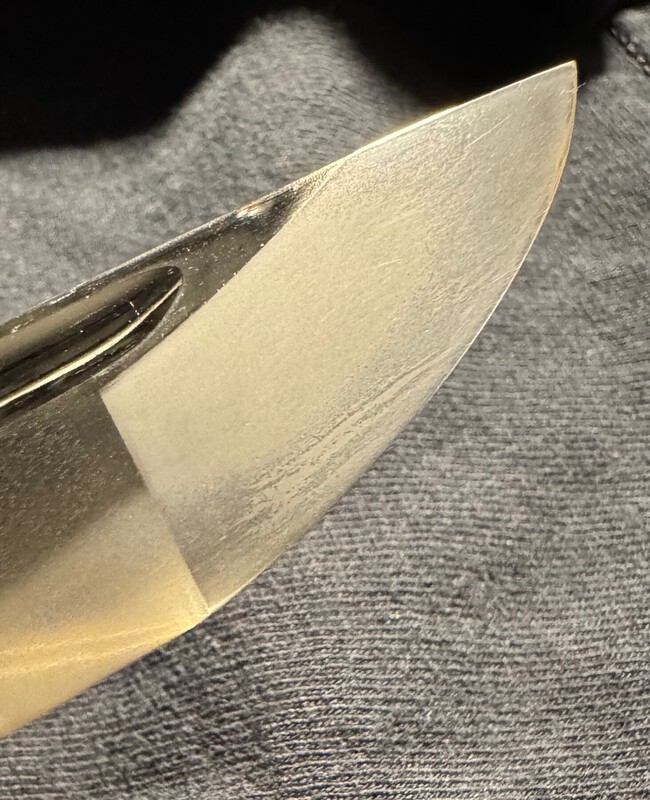
I am always impressed with the good photos of nihonto that some people are able to take. I’ve tried playing around with it a bit, but it seems like the fancier I try to get, the worse the photo. So I’ve resorted to just using my iPhone. Dust, reflections, lighting—all so frustrating. Just when I think I have a decent photo, I notice something is off. And good luck capturing a boshi!


 1 point
 -
With Jussi's juyo oshigata as a reference, I think this shows that it would be impossible for current nakago-jiri to be original. As said above, the current nakago-jiri would be uncharacteristic and the nakago itself too short to be functional.
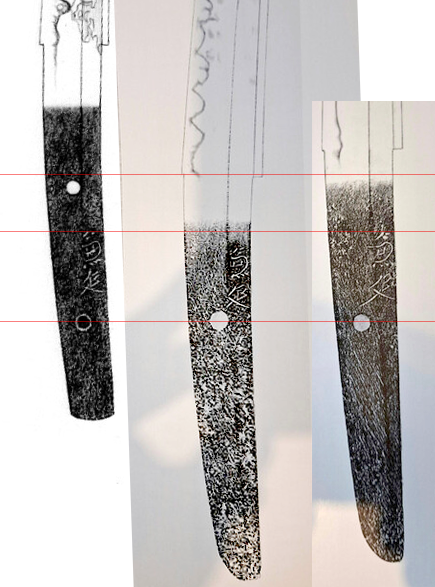 1 point
 -
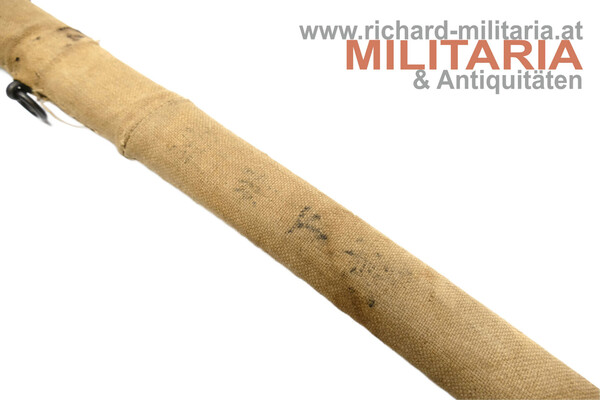
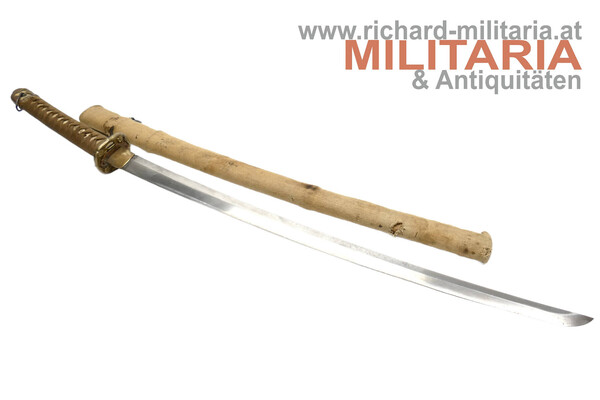
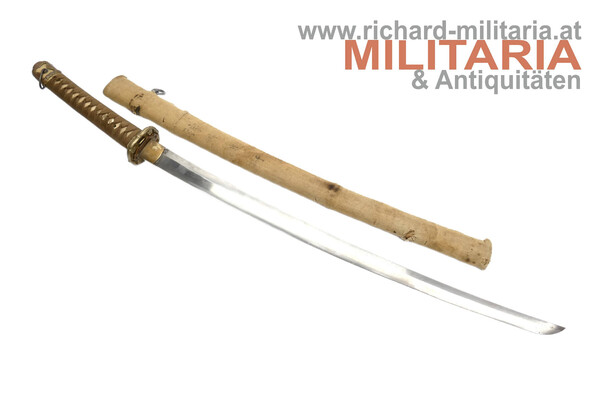
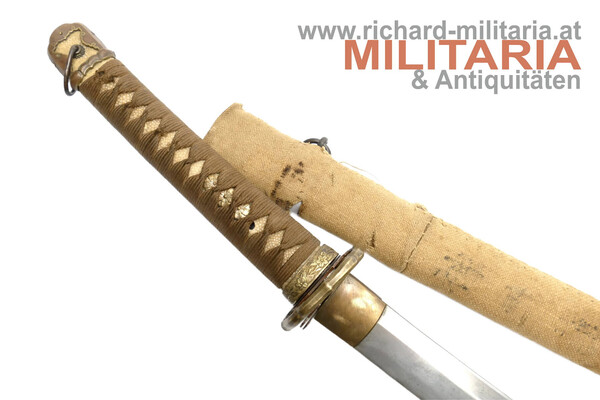
Some photos in case the page ceases to exist.

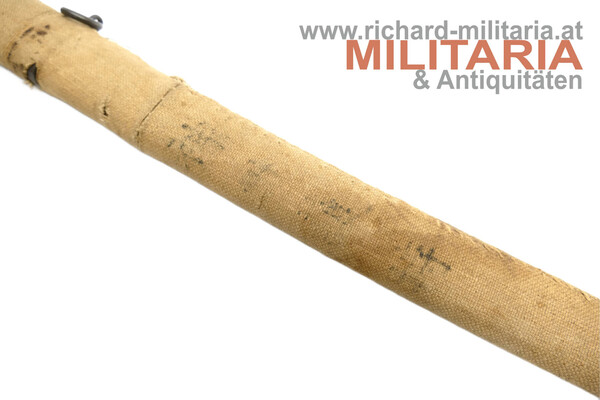
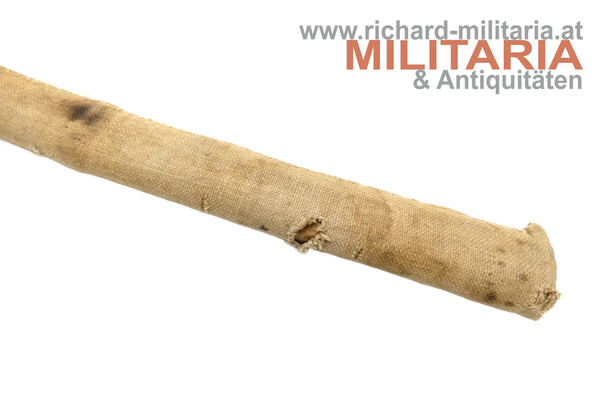
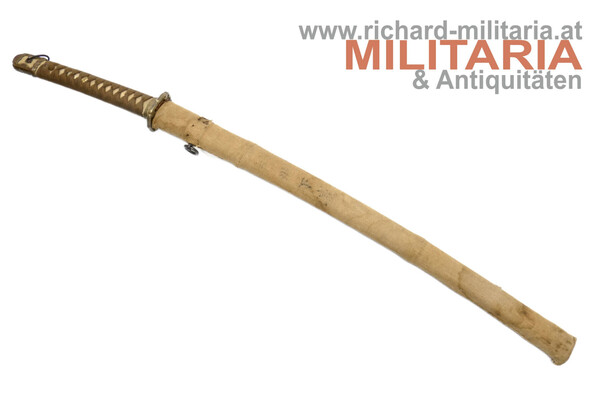

 1 point
 -
嘱託=contract employee1 point
-
一、昭和二八年四月一日 岐阜県金属試験場のX託として、岐阜県下金属工業技術生の鍛造技術実習を指導 I am missing one of the characters so .... Yes, that is the same laboratory that is mentioned in the first post. The document only has an historical outline and does not list former staff. It appears Kanehide was an instructor there.1 point
-
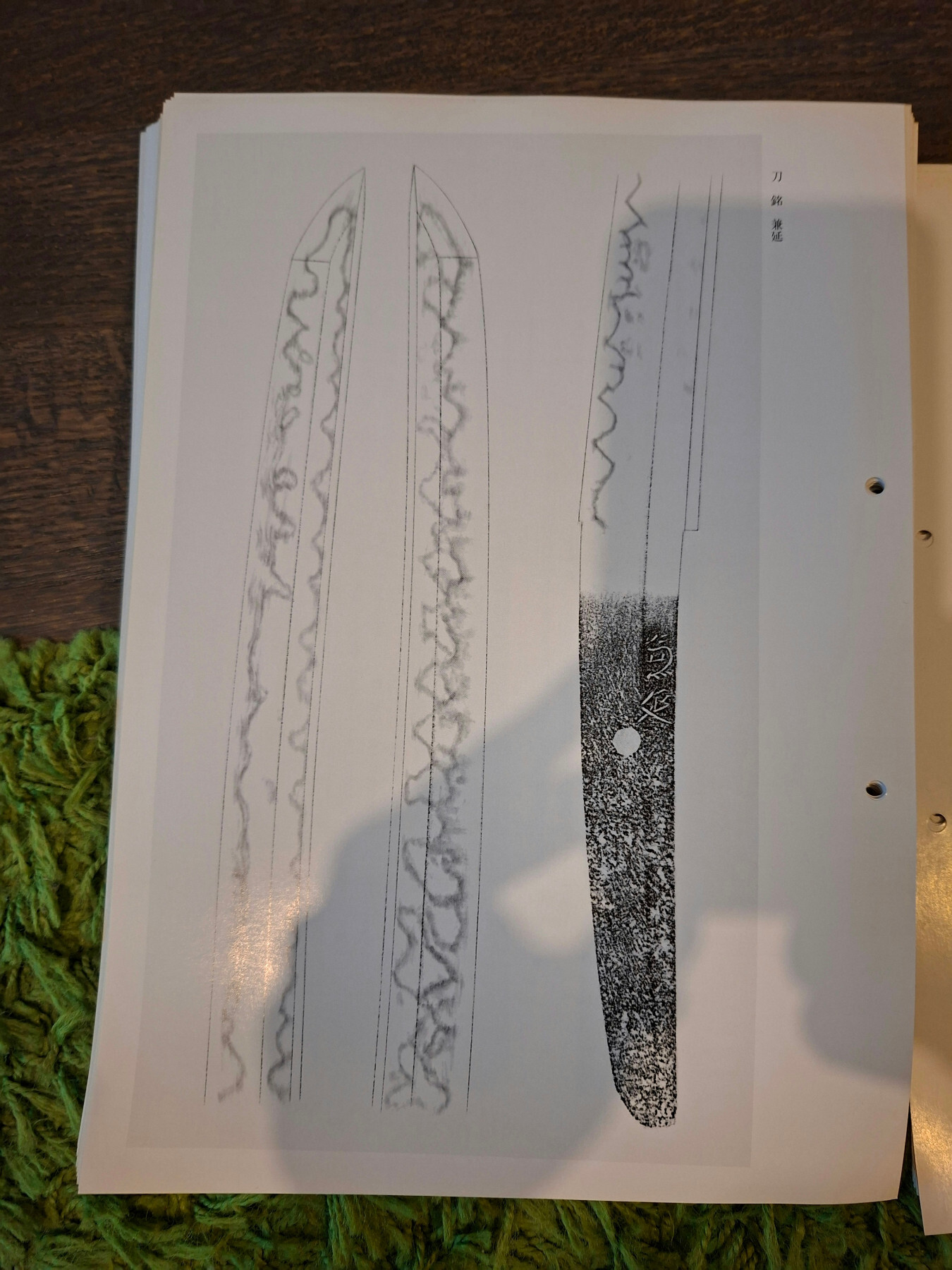
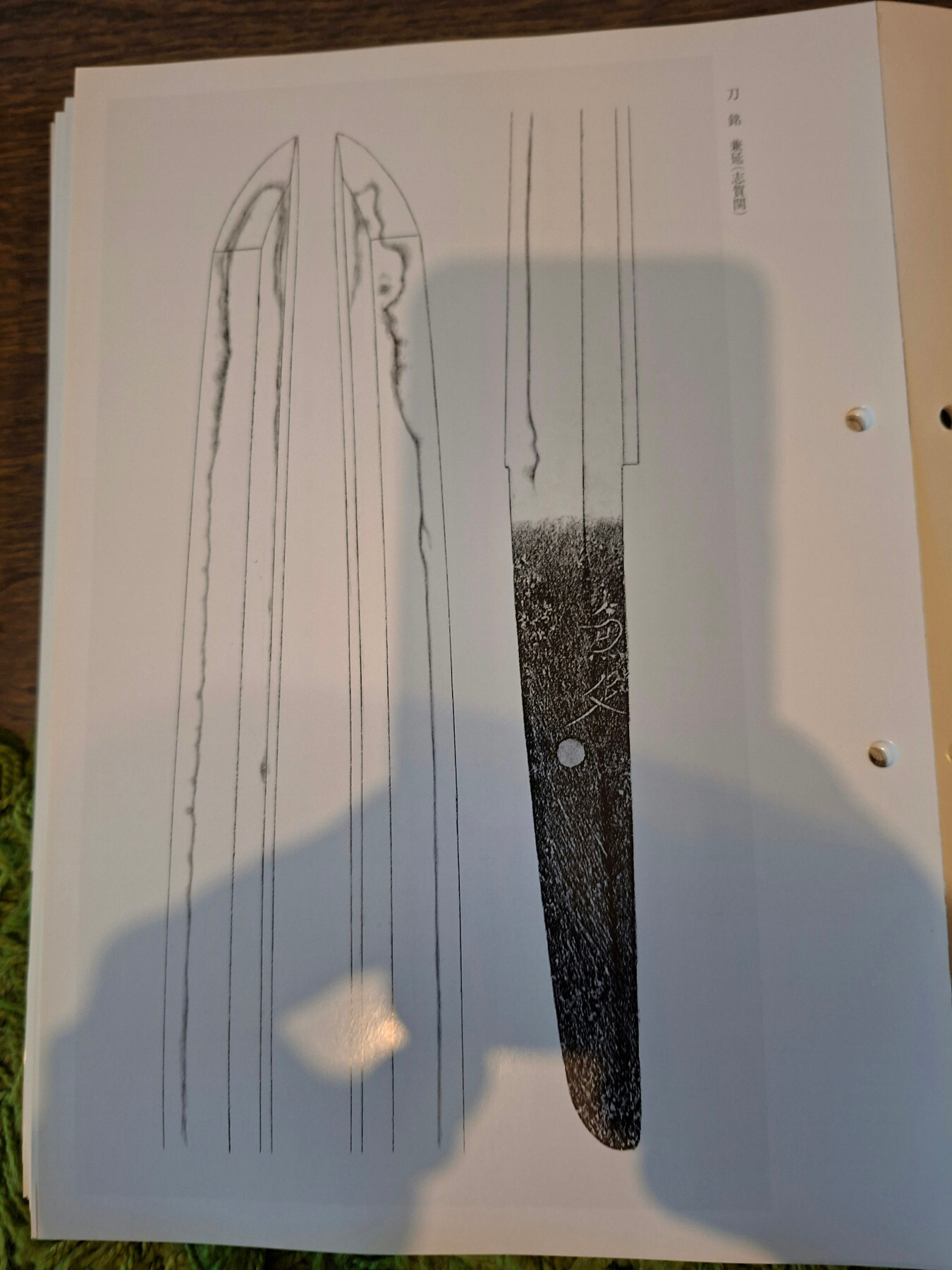
To me it seems like very nice sword based on the oshigata, I like it. However I think the sword has been shortened. Like Ray I think the lower ana is the original one. While that might not be a huge deal for me personally I think for Jūyō shinsa it could be a major point. There are only 3 Kanenobu (兼延) swords that have passed Jūyō. In sessions 41, 49 and 58 (unfortunately I don't have the 58 book yet but I will post the 2 others). They are both ubu and you can see that 41 session sword is hitatsura like yours. I have never sent anything to shinsa but I think I would just enjoy it with current papers it has.
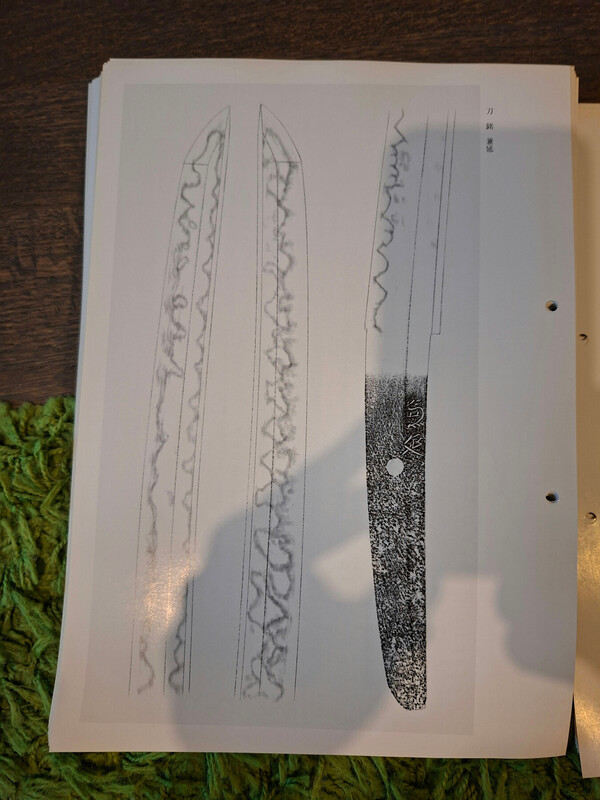
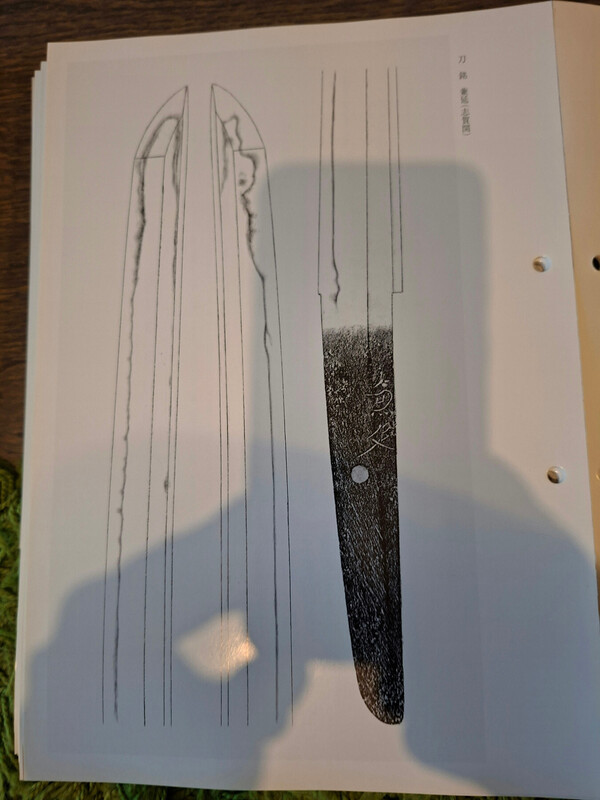 1 point
 -
Thanks for posting this Reinhard.1 point
-
Judging by 90%+ posts we see here, I beg to differ. Even the dealers with decades of experience do a p!ss poor job of it.1 point
-
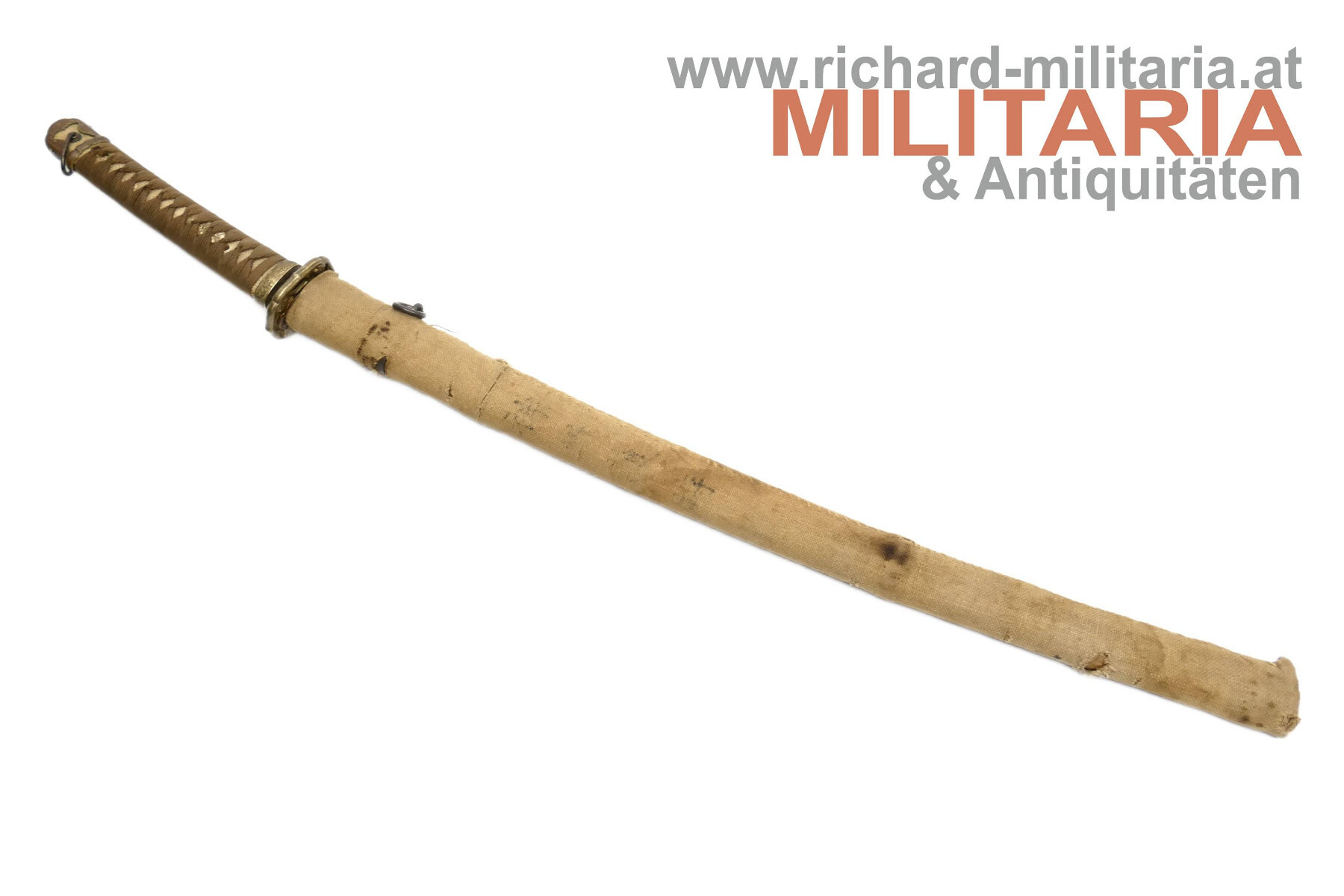
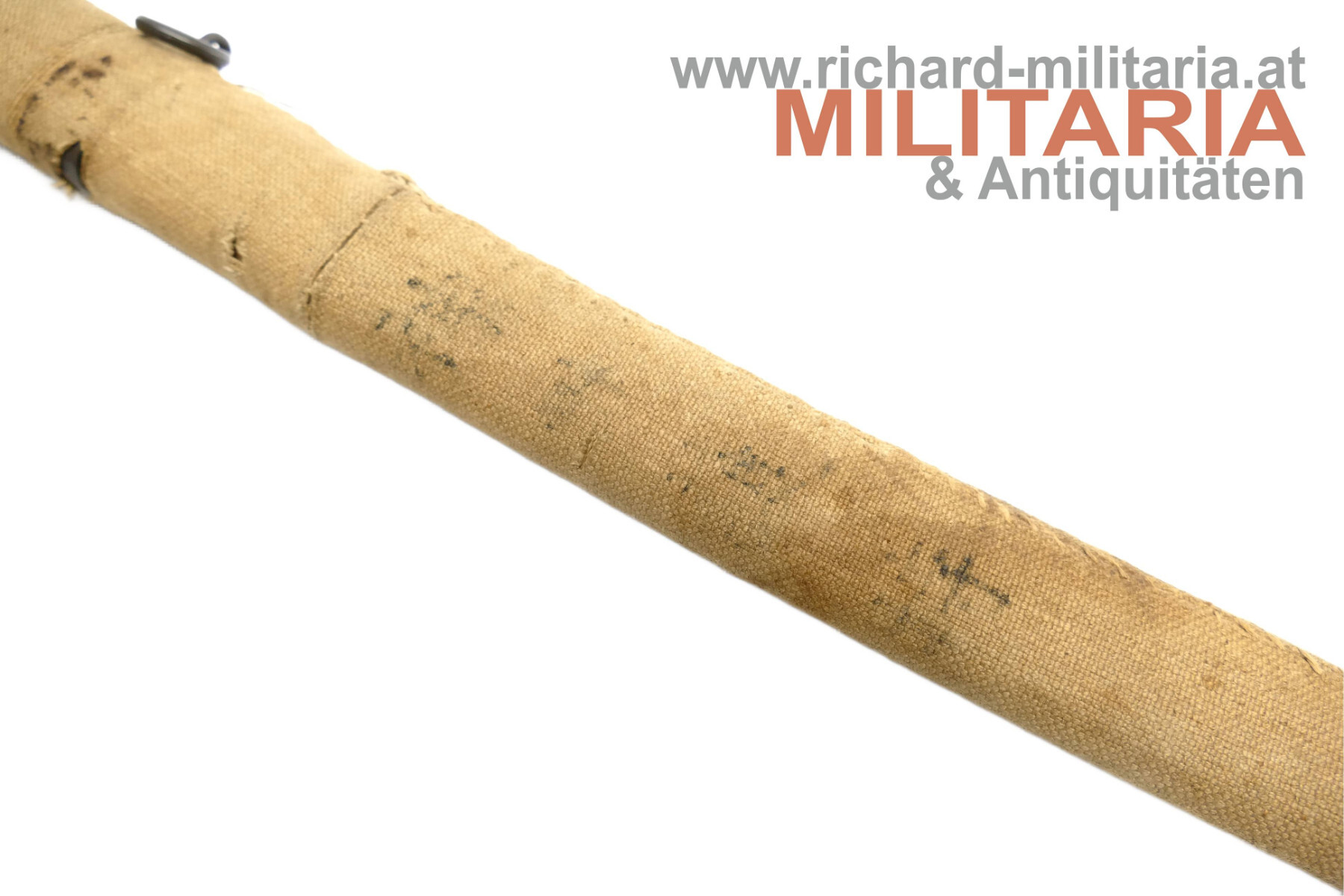
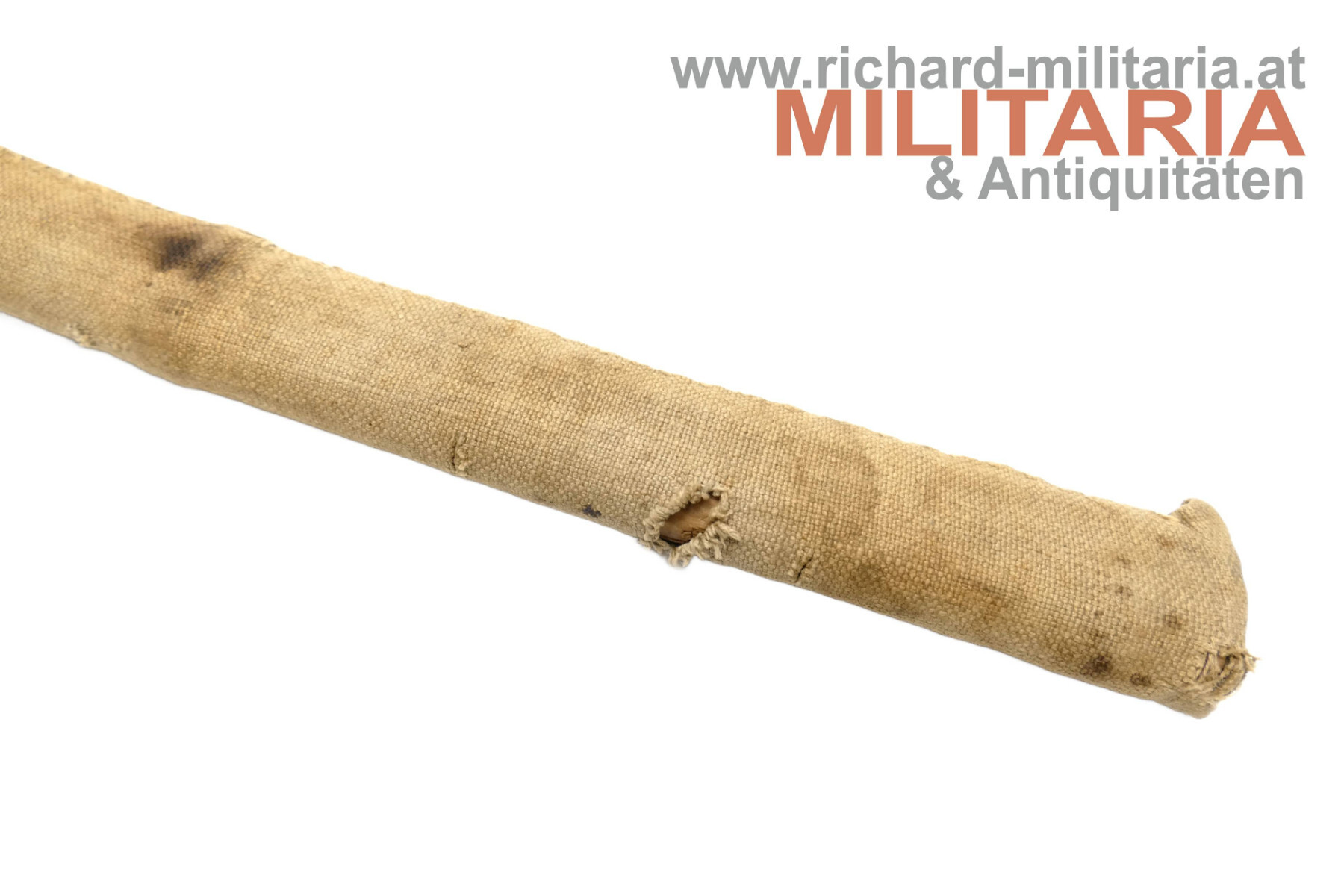
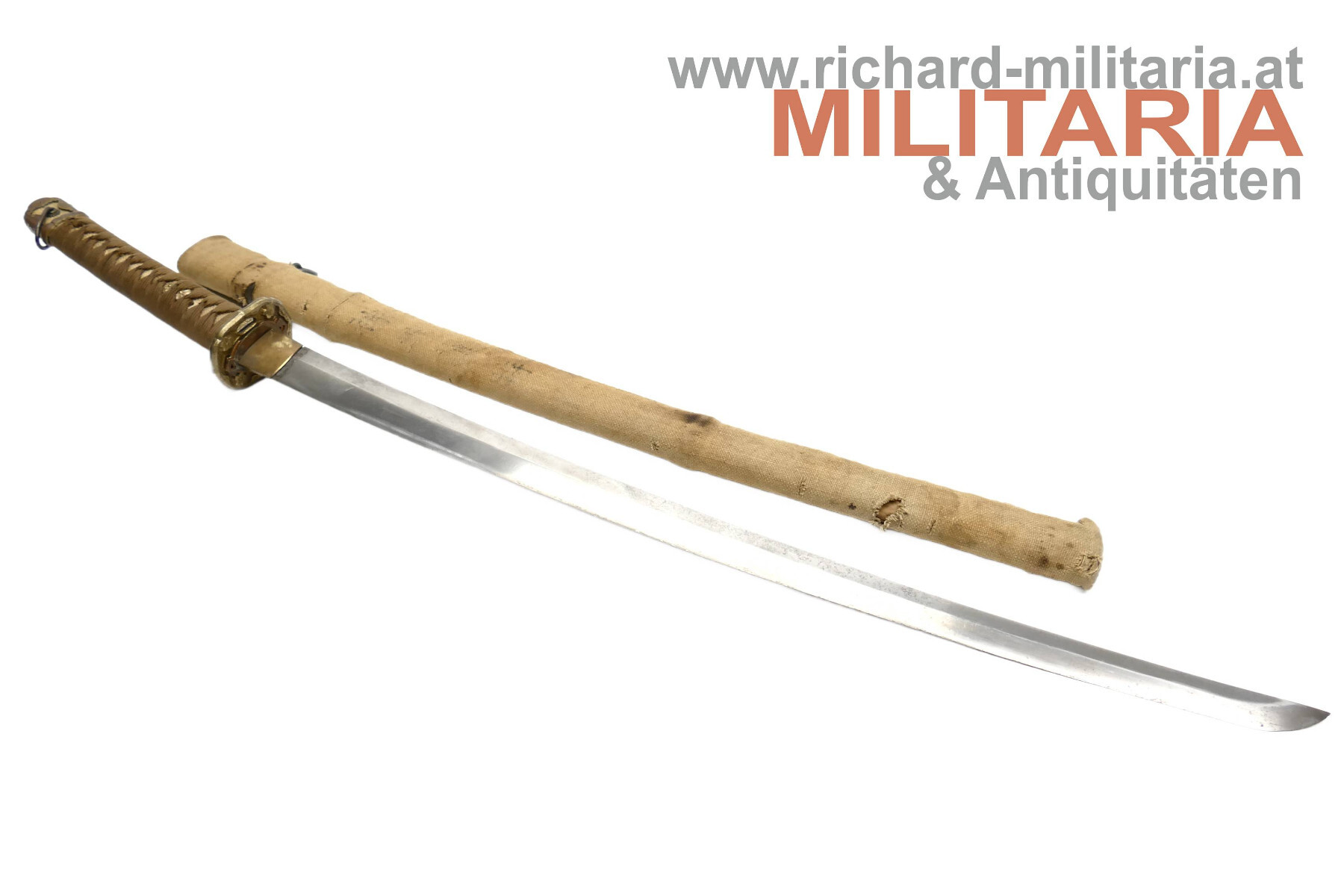
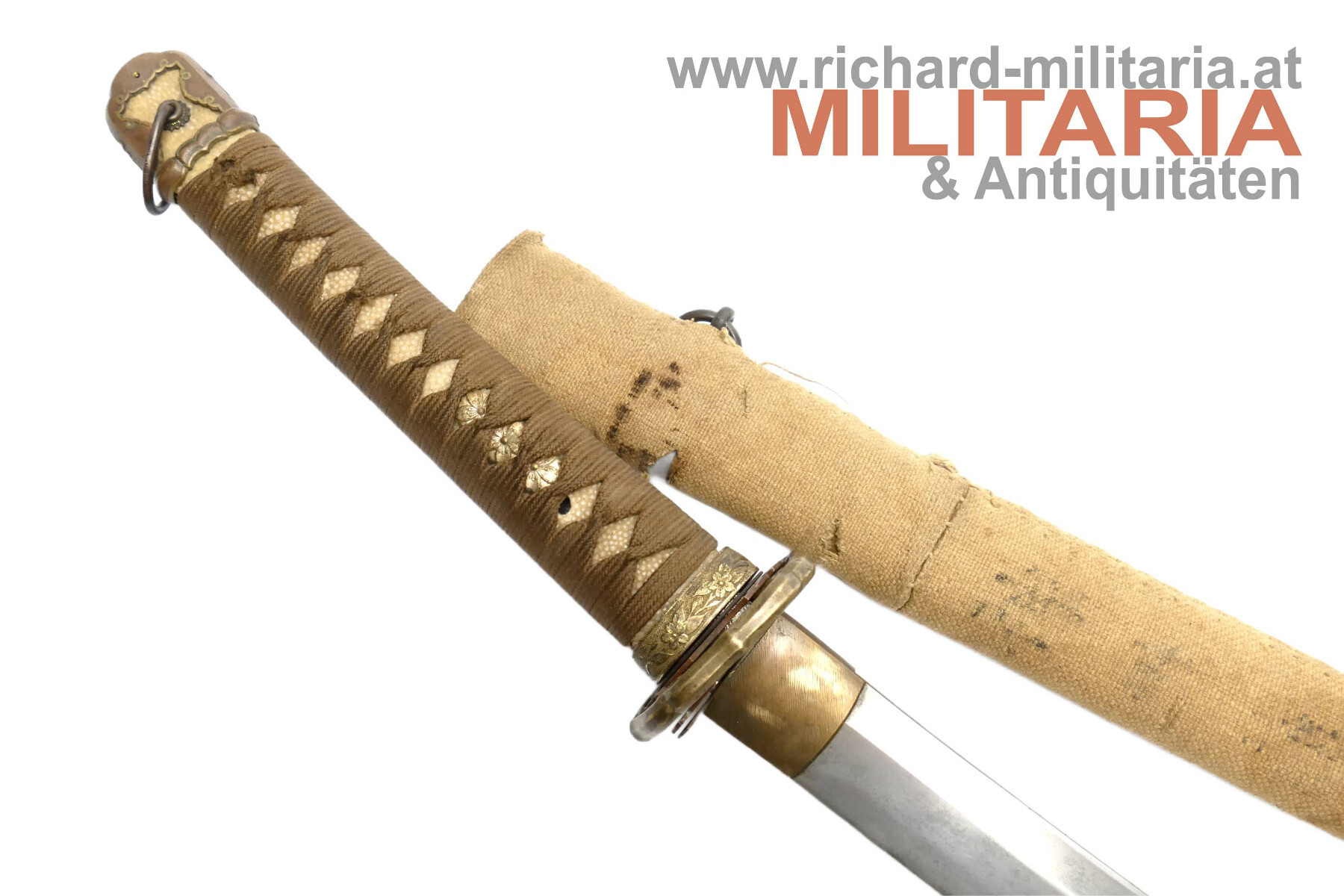
Not helping Matt but just for information I have both Kai gunto and Shingunto with older wakizashi blades. Is that what we have here? All the best.1 point
-
And a wakizashi koshiraé in a corner…
 1 point
 -
There was another katana, though. and 2nd gen Hizen Munetsugu


 1 point
 -
Best I could get, Nathaniel.

 1 point
 -
Moody shot of an egret on Ako Castle ruins.
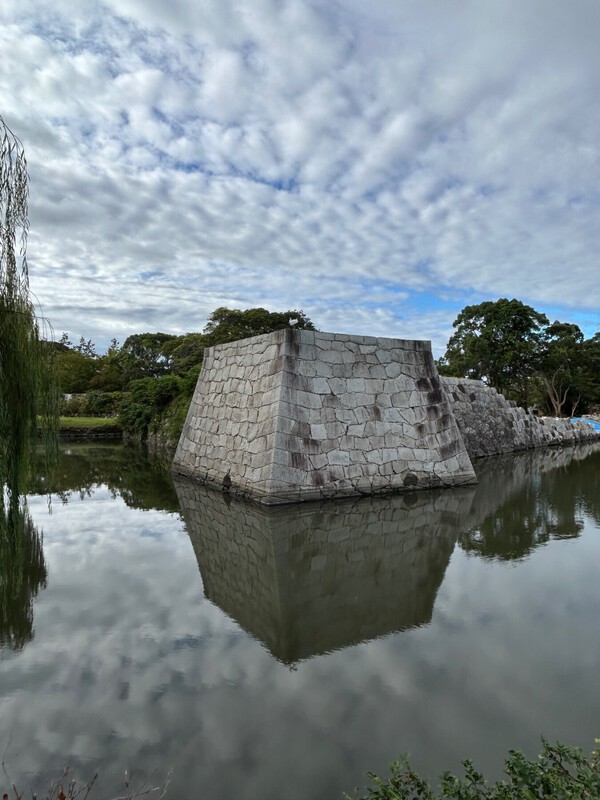 1 point
 -
With a bit of twister I got further shots. The Yasumitsu wakizashi was turned away and almost buried in the display cloth, so I could get no clear shots of it.
 1 point
 -
@tbonesullivan David, looks to be a good sword from a very good smith. From Sesko: “Masatsune” (正恒), real name Amachi Reiichirō (天地鈴市郎, first name also reads Suzuichirō), born. September 23rd 1894, he worked as guntō smith and died May 12th 1949, Fourth Seat at the 6th Shinsaku Nihontō Denrankai (新作日本刀展覧会, 1941). He was a Seki smith, born 1894 and who registered early in Seki on Showa 14 (1939) July 1. In NMB Downloads (top of page) my paper on Japanese Naval Swords part 1, has his background and quite a few examples. He was a key swordsmith. With Sho stamp your is early war.1 point
-
Other side says 安来鋼 Yasuki steel. See this one as well1 point
-
Not a Gendaito. Hamon and stamp prove that. But likely a high end Showato.1 point







.thumb.jpg.b230d369cb581228bdc2ca90f9259959.jpg)
















This leaderboard is set to Johannesburg/GMT+02:00