
Leaderboard


Popular Content
Showing content with the highest reputation on 09/04/2024 in Posts
-
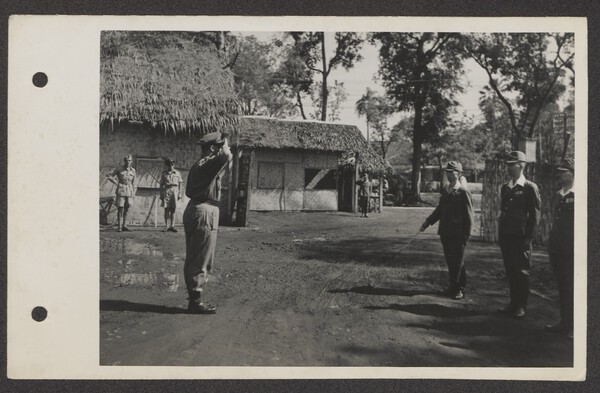
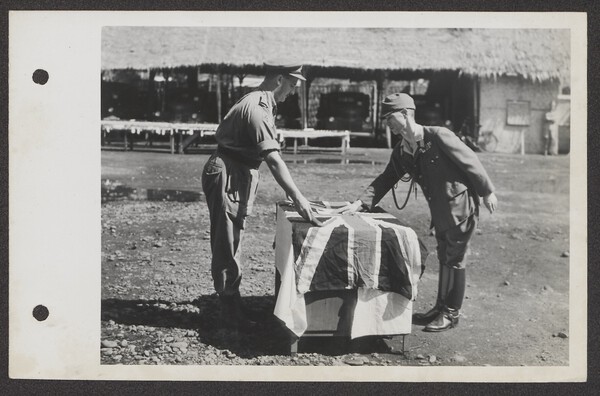
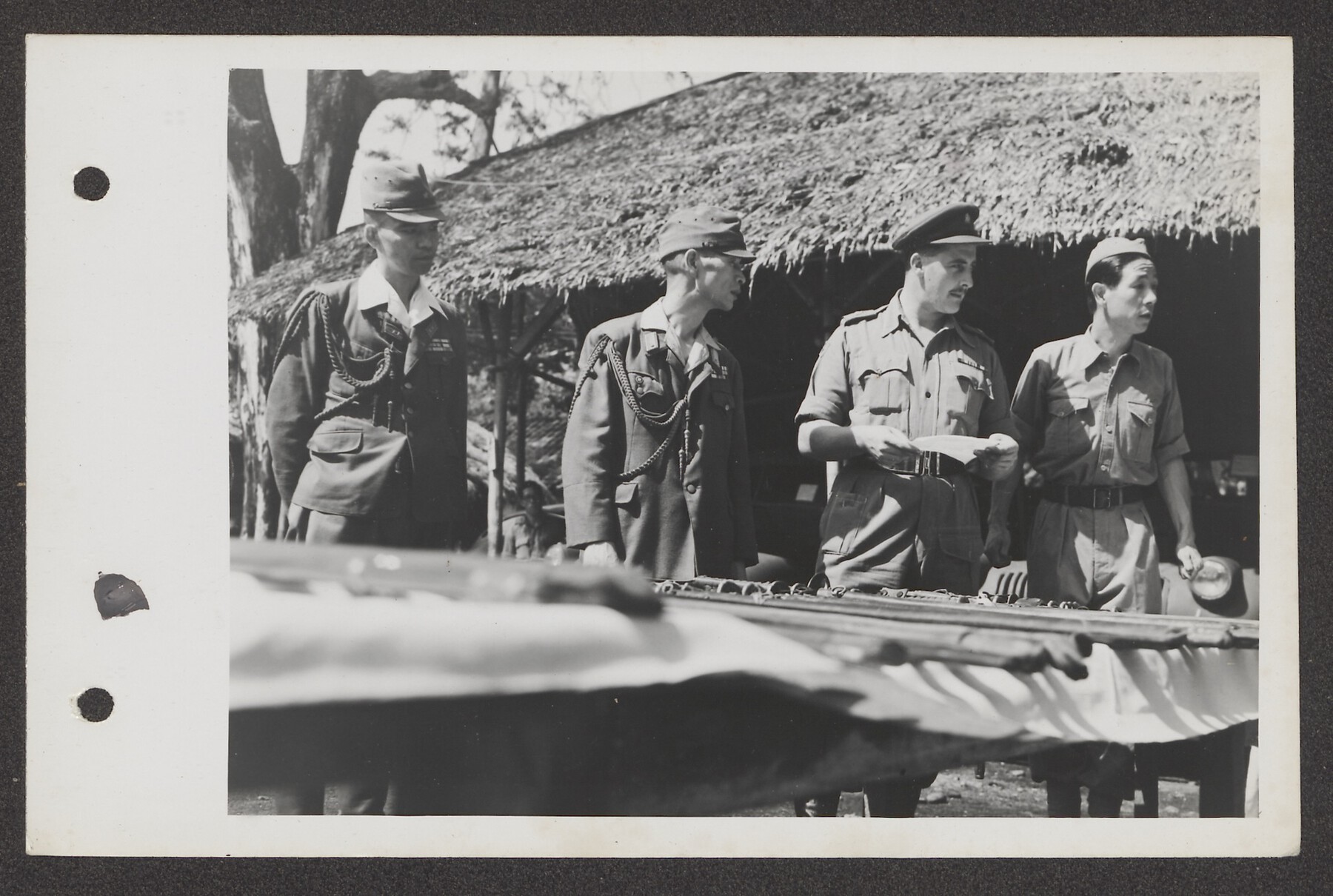
Interesting photos of the official Japanese surrender of the weapons in Batavia on 15 May 1946. The allied representative is Major P.A.A. Haining of the Allied H.Q. The Japanese representative is Major-General Nishimura. .


 11 points
 -
Butterfly menuki in probably gold leaf.

 6 points
 -
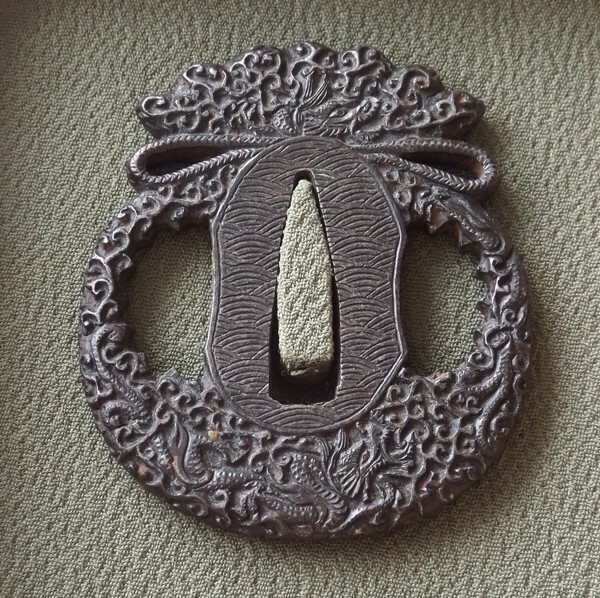
Just for fun, this sweet little Namban just came home and I thought some of you might like it. It's just 61mms by 53mms and in a form that I've never seen but I'm sure Dale can come up with one. All the best.

 5 points
 -
Note, this is a couple of years old. She also did a day with a smith (Masataka Futsuno); link is at the end of this video. And her shtick seems to be kinda anime clothes (which perhaps isn't so surprising for a youtuber in Japan). Some of it is in English; most in subtitles. Interesting, though very much focused on the general public. Polisher seems like a very nice guy.5 points
-
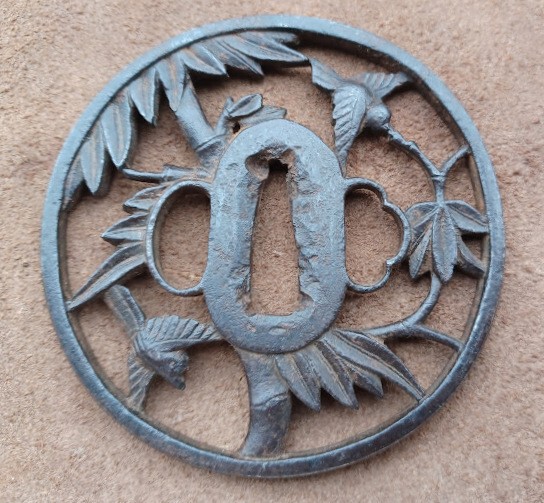
KYO SHOAMI TSUBA with bamboo and sparrow:
 3 points
 -
I have decided to do the patina again after I made the video because there are some ugly spots… But it looks cool in the video so here it is and I don’t think it will change much.3 points
-
A recent acquisition (following along the greenery theme). -Zac
 3 points
 -
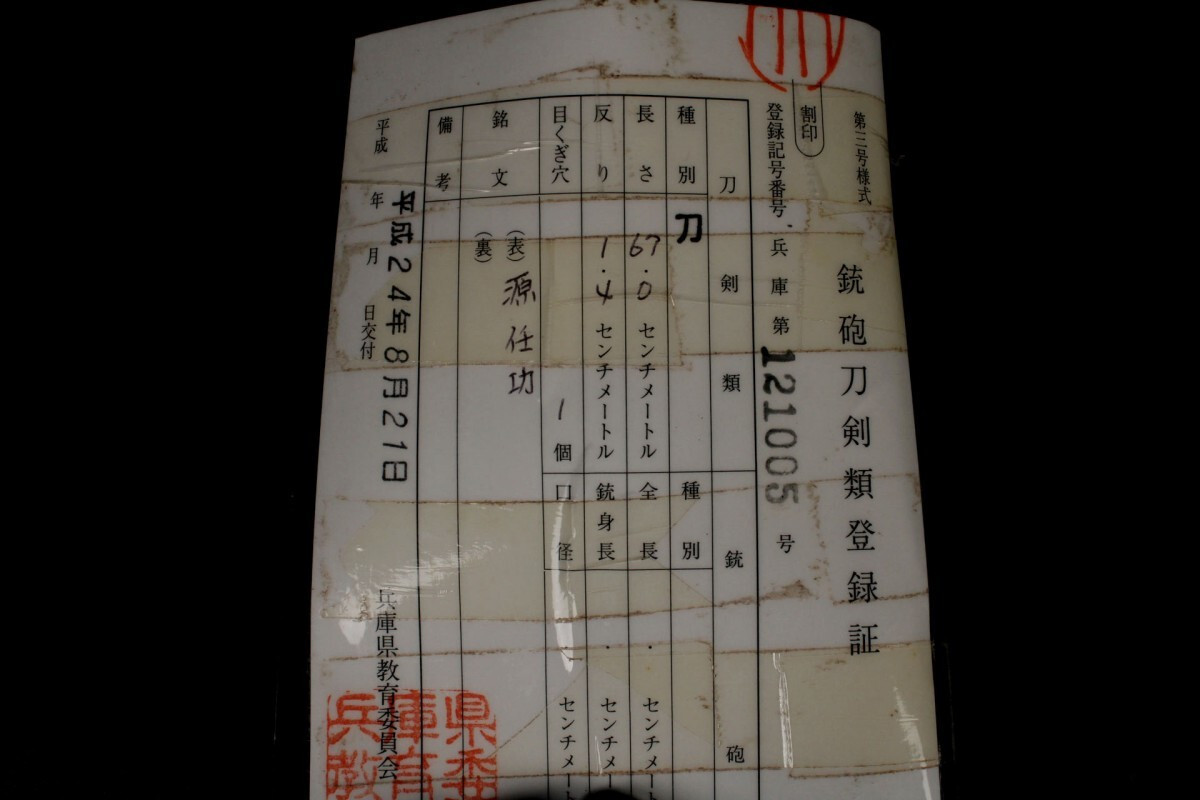
@Josharic & @Bruce Pennington as noted your swordsmith is from Gifu, Yoshinori” (嘉則), real name Matsuyama Umeharu (松山梅春). He was born Meiji 43 (1910) August 26 and from Nagasumi-cho in Seki-machi. He registered as a Seki swordsmith on Showa 17 (1942) April 9 (age 31). In the 6th Shinsaku Nihontō Denrankai exhibition in 1941 he was ranked as Fifth Seat (5/5). In 1942 there was a list (Banzuke) of around 400 swordsmiths; with around another 44 smiths he was an additional late entry, in the category of Shinshin (新進) ("new comer") (5/5). Some oshigata: 1. Seki Matsuyama Yoshinori saku (Japanese Gendai Swordsmiths). 2. 勇 現代刀業物 関住松山嘉則 軍刀展刀匠第1部新作刀第五席新進 二尺一寸四分五厘 切れ味のいい傑作刀 蔵出し 刀 日本刀(刀、太刀)|売買されたオークション情報、yahooの商品情報をアーカイブ公開 - オークファン(aucfan.com) (nagasa 65.0 cm, sori 1.1 cm)

 3 points
 -
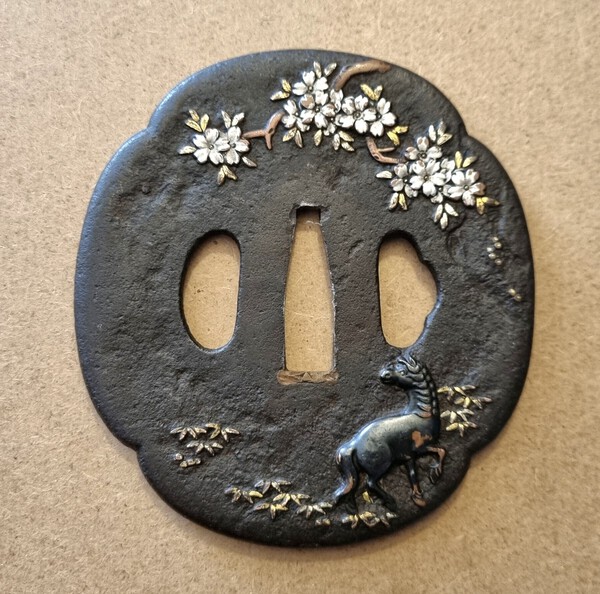
Another horse!
 3 points
 -
Jacques, I respect Zenon's opinion, but why did you not follow his advice? You are not really helpful when you put up the yardstick in unreachable height! Of course you are correct that looking at and handling good blades is the real thing, but what novice can start at this level? And to get a bit more personal: You have a very high level of competence, but how was your own start into this field? Maybe you inherited a collection or had a friendly mentor to guide you? Looking at myself, I did not have opportunities to see or learn from good blades when I started almost 50 years ago. There were just a few books in English available, and they were expensive (and not all were good as I know today). Looking at high-end blades was impossible, and still today, many wealthy collectors keep their treasures well protected and away from curious newbies. Today, I could join the local NBTHK assembly or the only sword-club available but I would have to drive quite far for it - once or twice a year! I think it is not so easy for beginners, and we should encourage them, hoping they will be patient enough for a long learning journey.2 points
-
Pretty. Both the Uesugi family and the Date clan of Sendai and Uwajima, used bamboo and sparrow arrangements for their kamon, Jean.2 points
-
Dale 一成 is a different Kanji than 一斎2 points
-
@Brian Will be back later this fall on a more regular basis here 👍2 points
-
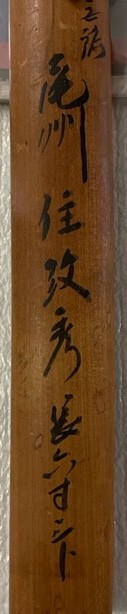
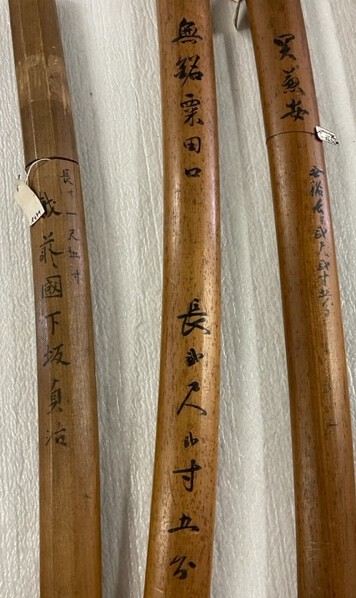
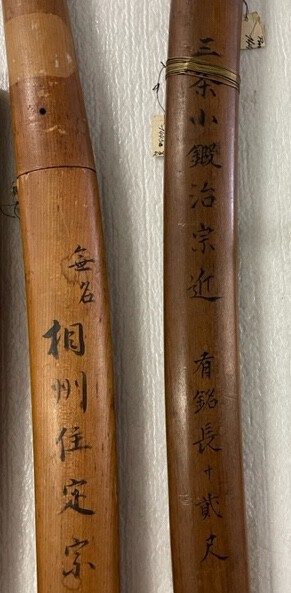
And just to complete the reference matter, in case anyone is interested. First one is on the Masamune.









 2 points
 -
True. And also studying paintings is pointless, since the 3D texture of the paintwork is just as important as the design, and the way it is viewed in natural light is the only way to truly appreciate art. And studying ceramics is pointless unless you see them in real life and are able to view and feel the actual surface and textures. And looking at pictures of cars is pointless, you really need to drive them to understand the attraction. Hmm....collecting and studying custom knives is also a waste of time from pics. You need to feel it in hand and appreciate the sharpness and fit and finish. Actually...now that you mention it, collecting and studying anything is really pointless unless we have it in hand. I see now we are all wasting our time. I suggest everyone stop collecting and studying absolutely everything unless you have the chance to see every example in hand. Everyone, stop immediately. Thanks for showing us the light.2 points
-
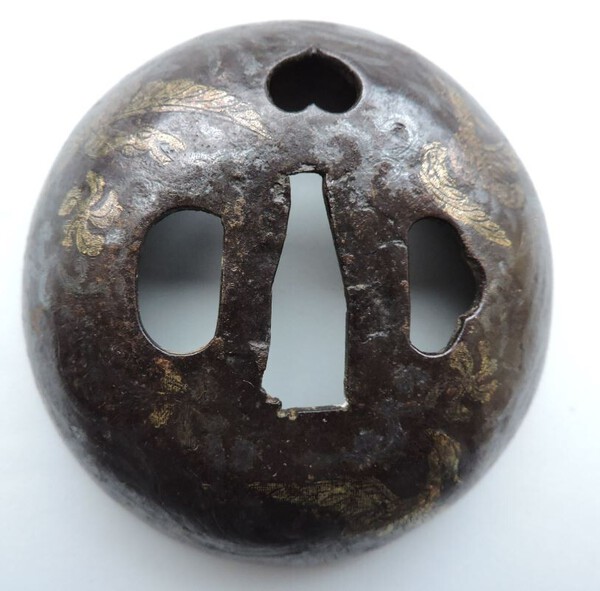
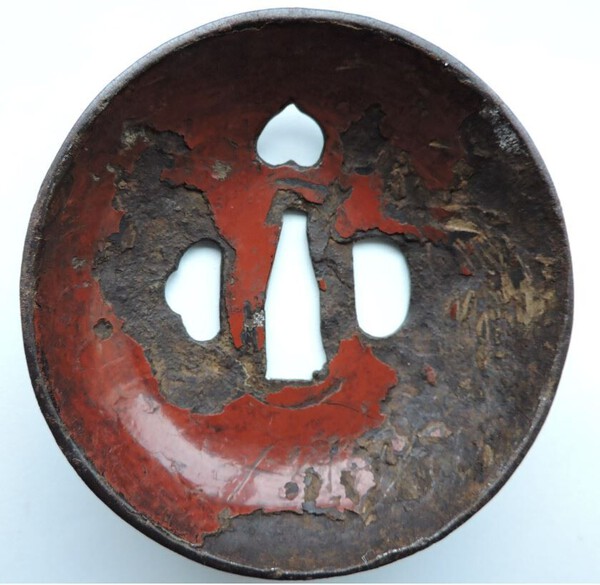
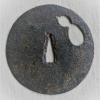
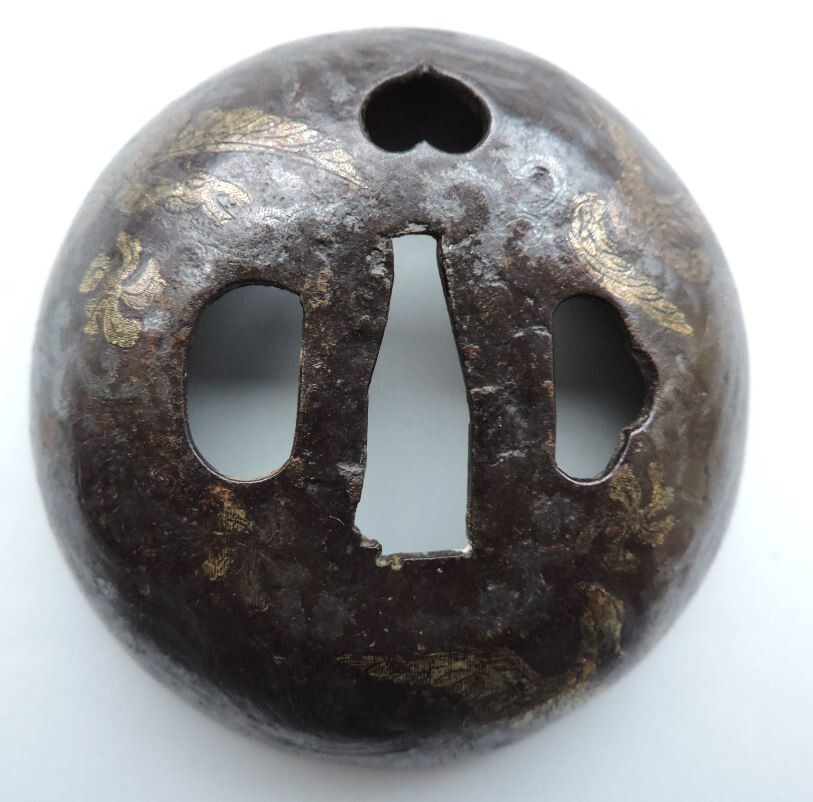
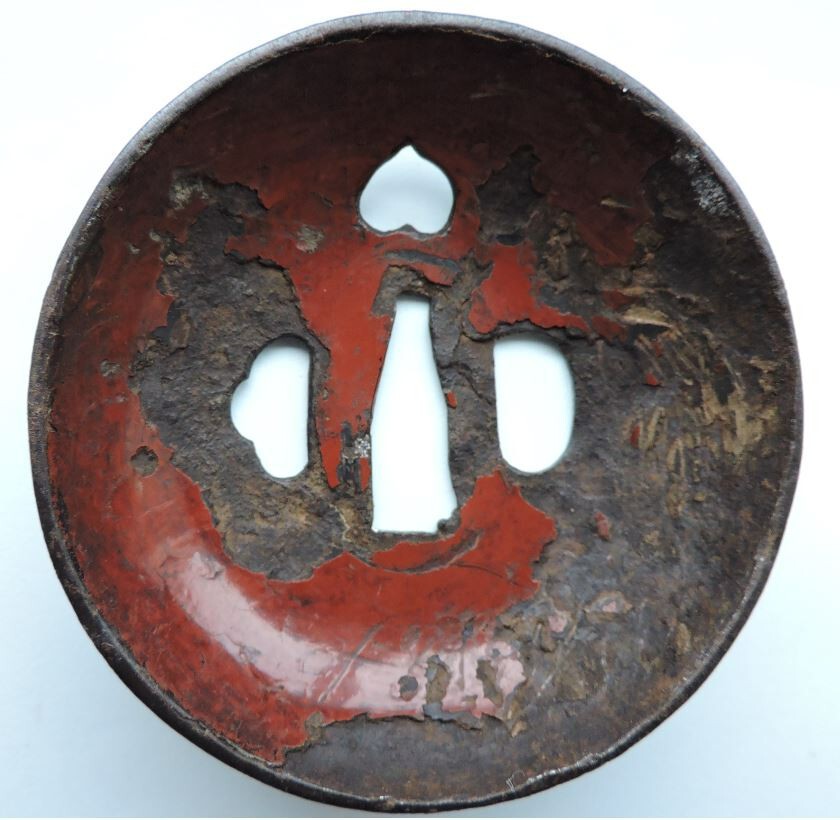
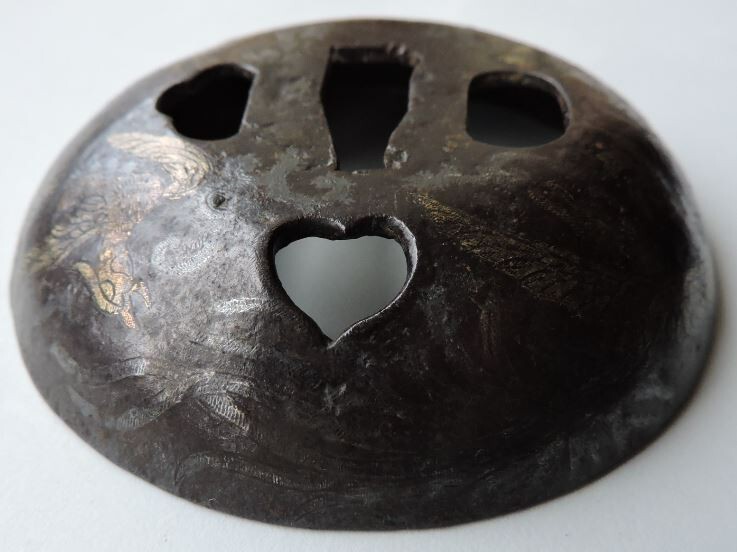
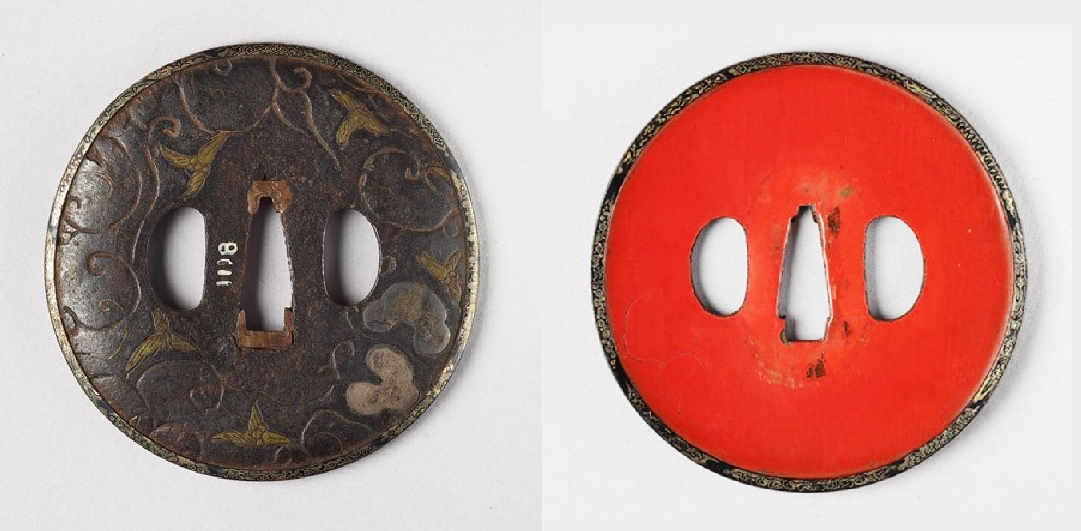
I forgot all about this tsuba I bought as part of a job lot from the Albert Newall (artist and antique dealer) collection a few years ago. I think that I have posted it before, but.. At first glance the tsuba appears to be from a European rapier, but the nakago ana shows its Japanese origin. The Japanese had a craze for Portuguese and Spanish armour in the late 16th C (Momoyama) and perhaps this tsuba dates from then. The iron on the inside has become delaminated, which again makes me believe that this tsuba was made from Japanese folded iron. The inside is coated with red lacquer and I think it would be interesting to have this carbon-14 dated. The tsuba is a thin steel wan-gata (tea bowl) shape and has a large inome (boar’s eye) cut into the top. Usually, Japanese tsuba have four inome and the large single one on this tsuba makes me believe it is a European heart shape; the Heart of Jesus being a powerful symbol of the catholic faith. The tsuba is also decorated with gold and silver highlighted engravings, including three phoenixes in gold (sorry about the photo which does not make them clear). The phoenix is a bird that rises from the ashes, i.e. is resurrected, and the Christian panoply of gods is made up of the trio Father, Son and Holy Ghost. So, is this a Christian tsuba? Best regards, John
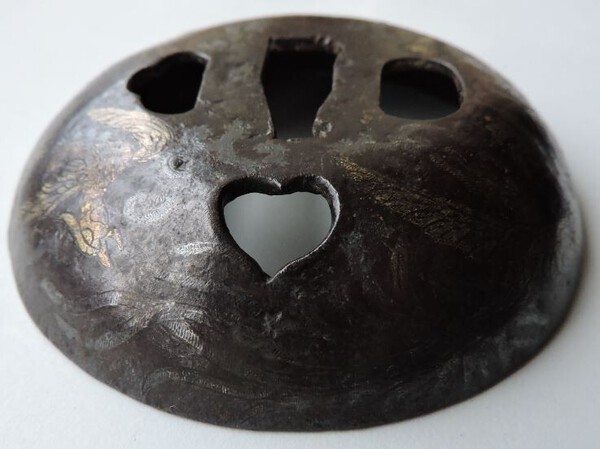 2 points
 -
Here's one from my collection... No animal tsuba yet though! Apologies for the amateur mobile phone photography!
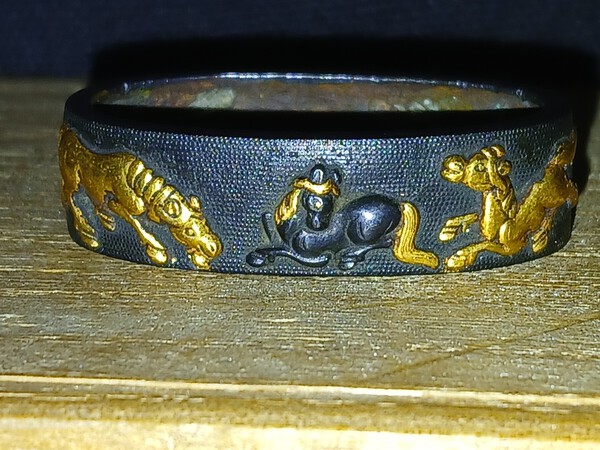
 2 points
 -
Lesser Cuckoo
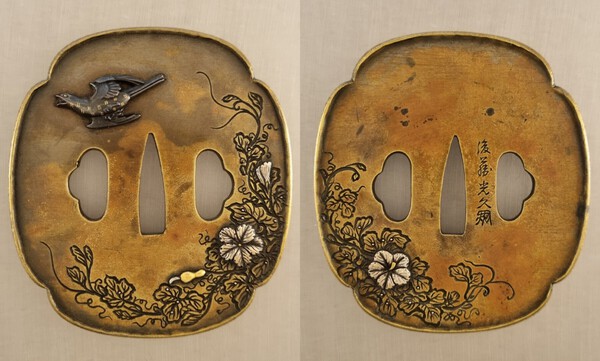 2 points
 -
@Markus Don't forget to post these specials here on the forum too. We can't always rely on people stumbling across them and posting it here. As you can see, it bears fruit2 points
-
The appearance of the nakago patina is very unusual, which you can see both where patina runs into the nakago mune and at the habaki-moto (compare with a normal and natural sabigiwa). My impression is that the piece has been repatinated. I'm not trying to put down something that you said was intended to be an inexpensive display piece, just sharing my thoughts as you posted here for feedback.2 points
-
Good news, Tanobe sensei has agreed to write the sayagaki.
 2 points
 -
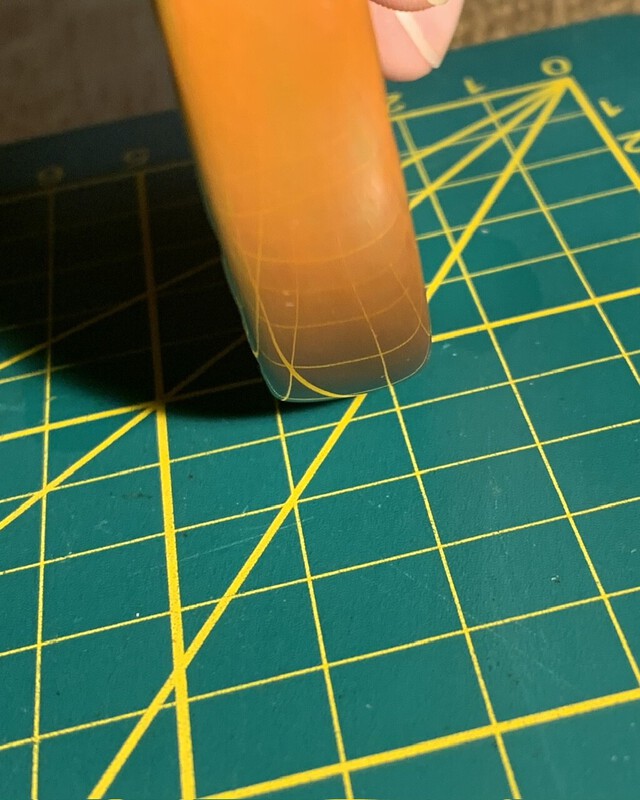
The color is the same on both sides, just a flaw in my pictures. So here enjoy my 360 grams of ignorance just want to share and hear some opinions. Definetly not a masterpiece, but a fun project that really improved some of my skills. So I can’t stop making Tsuba after I started this and will try to share some of my projects here.


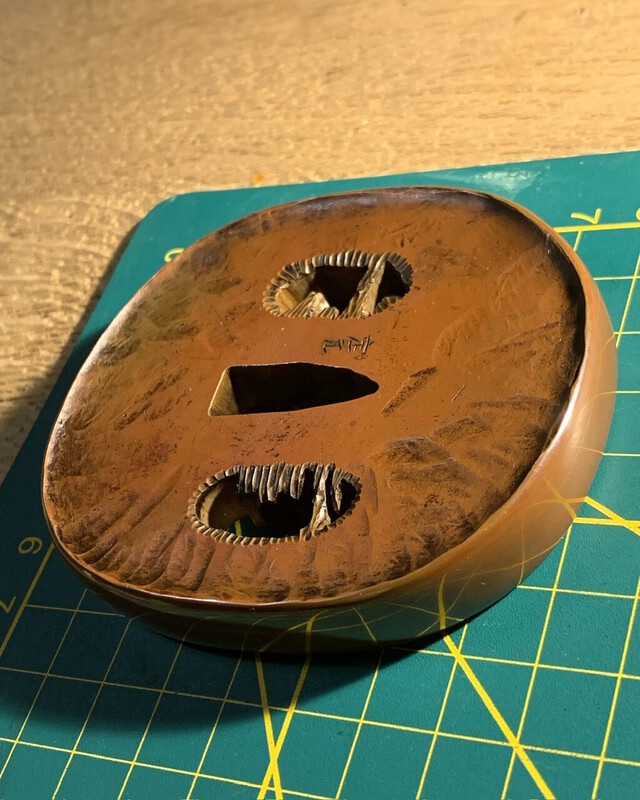


 1 point
 -
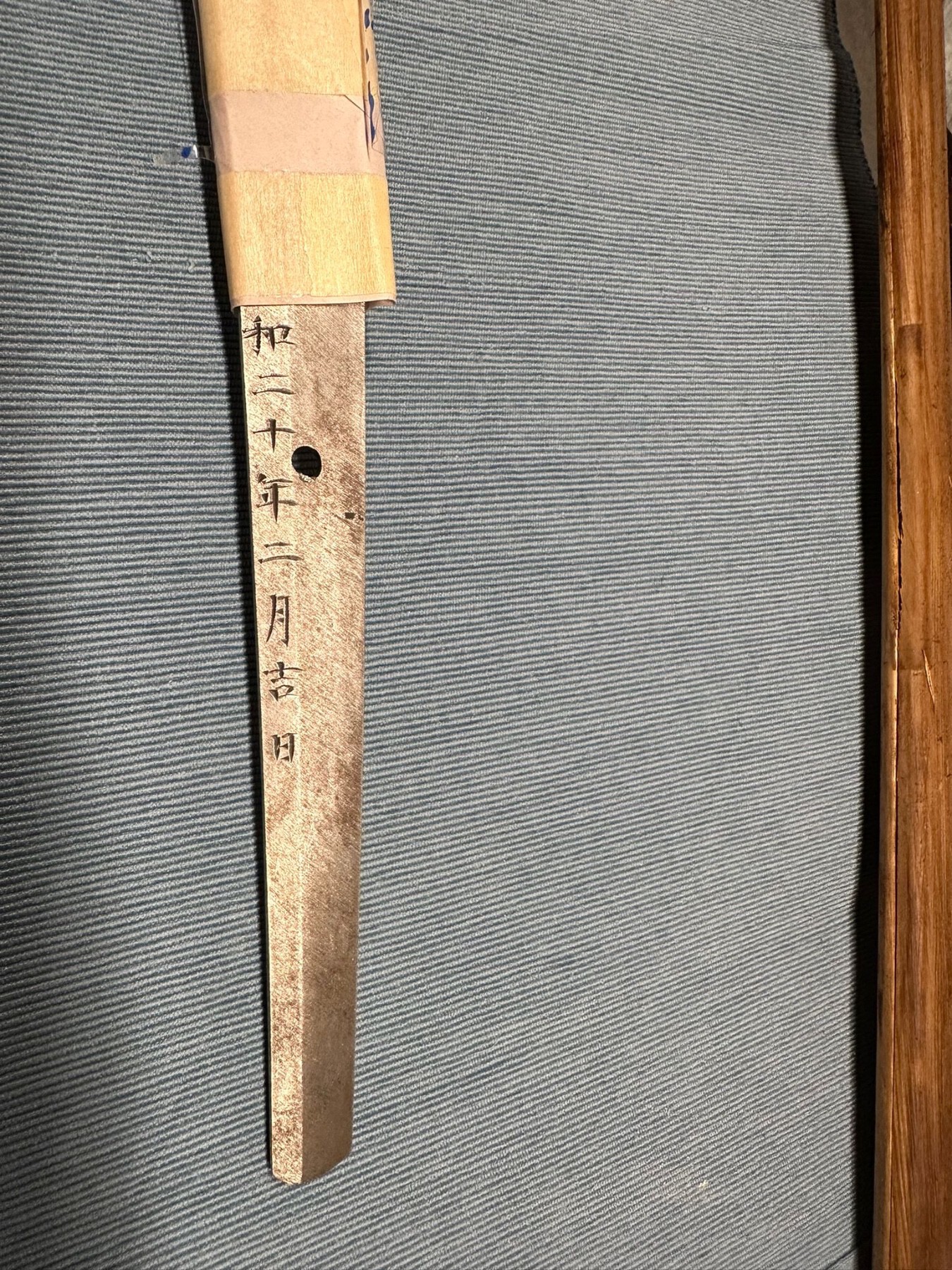
WW2 bring back. Looks like the signature includes “with respect” & “made by” but that’s as far as I could get. And the date is in Spring. Also, from lurking and reading through various threads, I’d like to point out the little “m/w” stamp at the end of the tang! Thanks.


 1 point
 -
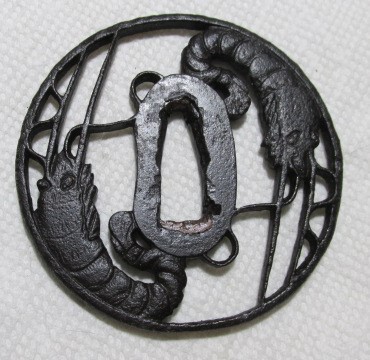
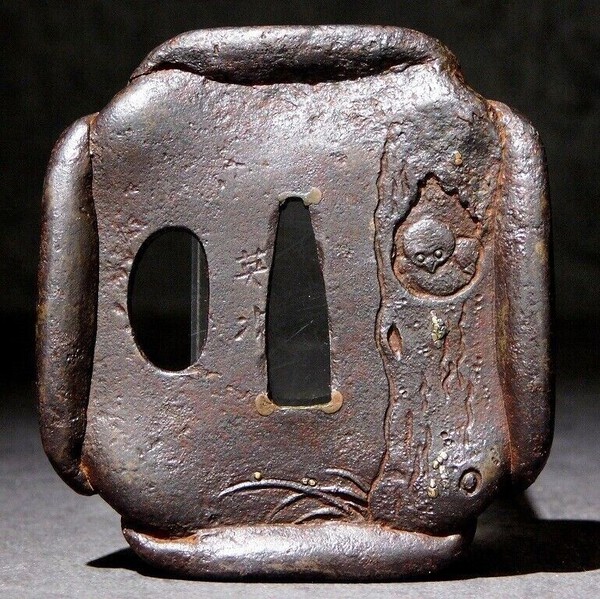
I don't know! How about some ocean creatures? And then a little owl looking out of a tree. How about that lion looking tsuba!

 1 point
 -
Gendai? see Post August 17, 20221 point
-
It is interesting in these period photos to see the majority of swords had leather covers.1 point
-
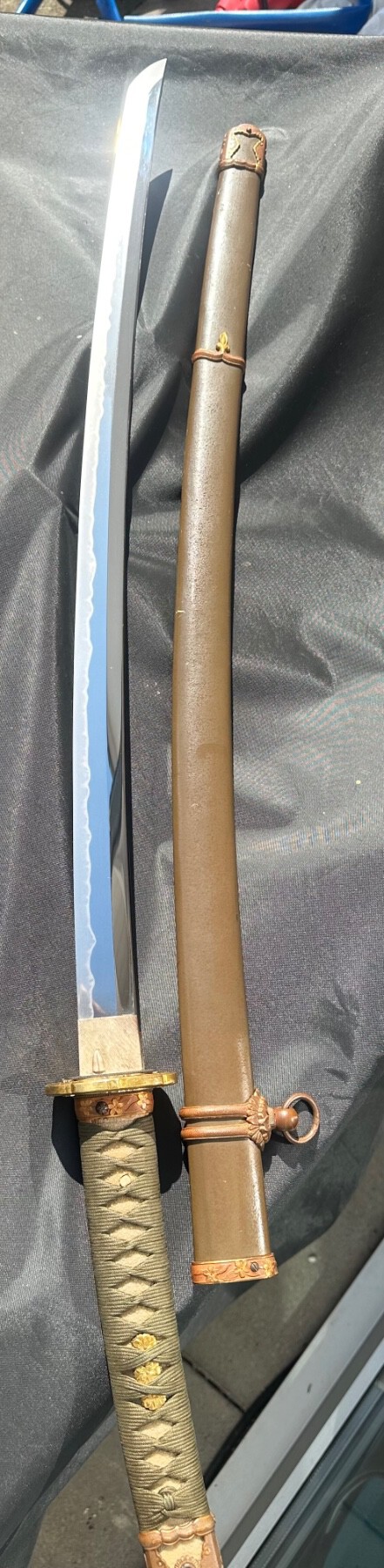
I like them both. If I had the money I’d buy the Kajiyama Yasunori (Yasutoku). Looks like a high quality sword from a top notch Yasukuni Tosho with a very early date. Comes in fantastic polish in new shirasaya also with original gunto koshirae and origami to boot.1 point
-
There is a similar Wangata in the Ashmolean museum shallower cup and two piercings later filled with silver. Two suhama ("sand-banks", three-lobed devices forming the badge of the Sanada) EAX.10158 http://jameelcentre....ection/7/10237/10344 I like the vermillion red lacquer on the ura. [PS good luck finding the ura image on-line. Why do museums like to hide things?]
 1 point
 -
I found two other swords by this swordsmith. @Markus Below is the first one. Not much other than the characters. Interpreting kanji on samurai sword The second one is in naval fittings, same as the one in the OP. It is over at auctree, item b1106655914. I will post the link but it will come up forbidden. It has the same style habaki as the OP. https://aucfree.com/m/items/b1106655914

 1 point
 -
Umm, in the books vs swords first debate, can I just say it's actually quite hard as a beginner on a budget to feel justified in buying a small library of expensive books and it is also equally (if not harder) to find places that would let you see quality in-polish nihonto, let alone handle them? Yes I understand the value of both now, and have access to the right knowledge through here and my local Token society, but starting out it's a big ask. To be honest I think one of the best free recommendations I'd give is reading through two or three years worth of the threads here and in the military swords section - I learnt a metric tonnes of things just by observing other people's beginner and advanced questions, and it cost me absolutely nothing1 point
-
Hi John! You've got a very fine Mantetsu sword there! 2nd photo Koa Isshin Mantetsu made this 3rd 1942 Spring Serial number: RA 1027 Interesting note, you now have the earliest know Mantetsu blade with the "W/M" stamp! Our understanding is that it is a "halfway inspection" mark. It's seen on all sorts of military equipment of the era, but they started showing up on blades in 1942 when the Army assumed control of all sword production. Ray's link has all the essentials. For a more in-depth read, you can download our South Manchurian Railway - The Mantetsu Blade article. @Kiipu @BANGBANGSAN1 point
-
Please see below regarding mantetsu-to. https://www.japaneseswordindex.com/koa.htm1 point
-
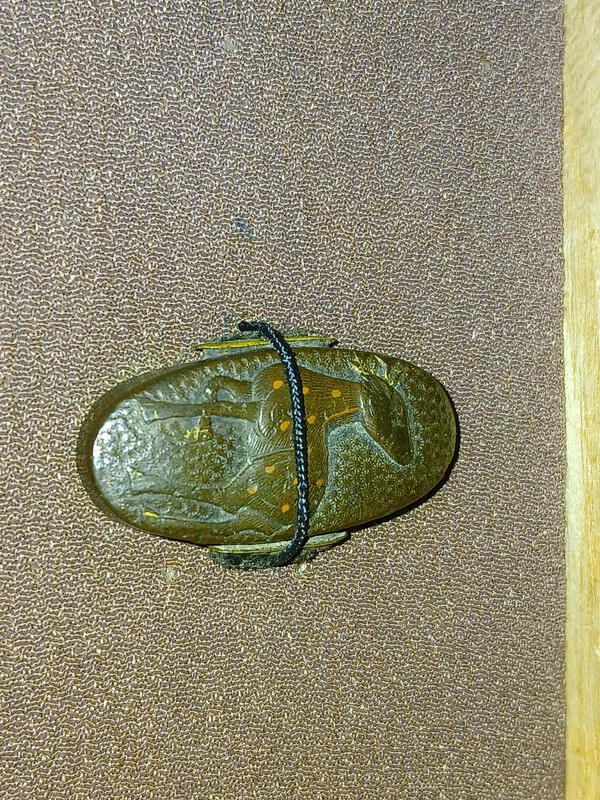
And another...
 1 point
 -
Menuki. Kani crabs, silver.
 1 point
 -
https://www.the-sale...71-b410-a41f0107f62c1 point
-
Dear Cornelius. I think Yoon has suggested that the signature may bee Nobumitsu rather than Nobuiye. All the best.1 point
-
Roger that. Yeah, he had a lot of items for sale. Honestly, I bought this as a display piece for our fireplace mantle...more or less to have something "worry free" - But I will enjoy it for what it is. There will be other Nihonto in our future for sure, but I can't justify keeping a more expensive item out in the open. Edit: And now that I have researched this a little bit more, I see what you are talking about. LOL. It's all good, and this wasn't that pricey of a purchase, but caveat emptor. For my fireplace mantle, not unhappy with what it is.1 point
-
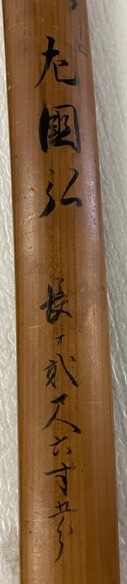
Well you could well be right. Even so I had an absolute blast and got to see the entire collection of 60 blades of which 40 I removed from their shirasaya and inspected. The overall condition I have to say was a little upsetting. The blades have been languishing in a storage room since Anton Petermandl donated them to the museum in the late 19th century. The curator was more than gracious and allowed me to remove the tsuka and inspect the nakago of the 40 blades. I spent 3 hours in the room with the swords that were stored in 4 pull out drawers and could have enjoyed 3 days. When people say old polish that would have described these blades, probably rarely out of their saya in over 100 years. There were 2 Heian era blades and a total of 4 or 5 blades that had signatures. Then we can judge if Albrecht von Roretz had been taken for a ride. The Masamune is in desperate need for a polish. So much Ware and uchiko like scratch patterns it was almost impossible to see the finer detail hiding underneath. At first blush it looked like a good blade, whether it is up to the standard of the top Soshu master is yet to be determined. The motohaba was approx 2.9cm. I will post the photos I took of the sayagaki for the 30 or so blades that had attributions and the Mei on the Nakago. Maybe those more knowledgeable will be able to say who wrote the sayagaki. My first cursory inspection suggested there were maybe 5 blades that could benefit and justify the post of a proper polish. One Bizen blade and what might be a Go seemed especially worthy. Here's a teaser. I was a little perturbed a Masamune would have a copper habaki though.
 1 point
 -
In my humbled opinion, the best material on the subject in English is the 59 volume set of English Token Bijutsu written by the staff of the NBTHK: https://japaneseswor...ition-all-59-issues/ on my site. While there you can search for many of the other books mentioned here to get an idea what they're like. Cheers, Grey1 point
-
Scott: Not to disparage your purchase, however that particular seller often, but not always, sells blades with some sort of problem. Not that they aren't real, just that there will be some sort of defect, blemish, or other issue. Just keep that in mind for future purchases. I personally have no problem with buying from him, just know what you are getting and look for the issue. His pictures are generally good enough to look the blade over carefully. Just my two cents. John C.1 point
-
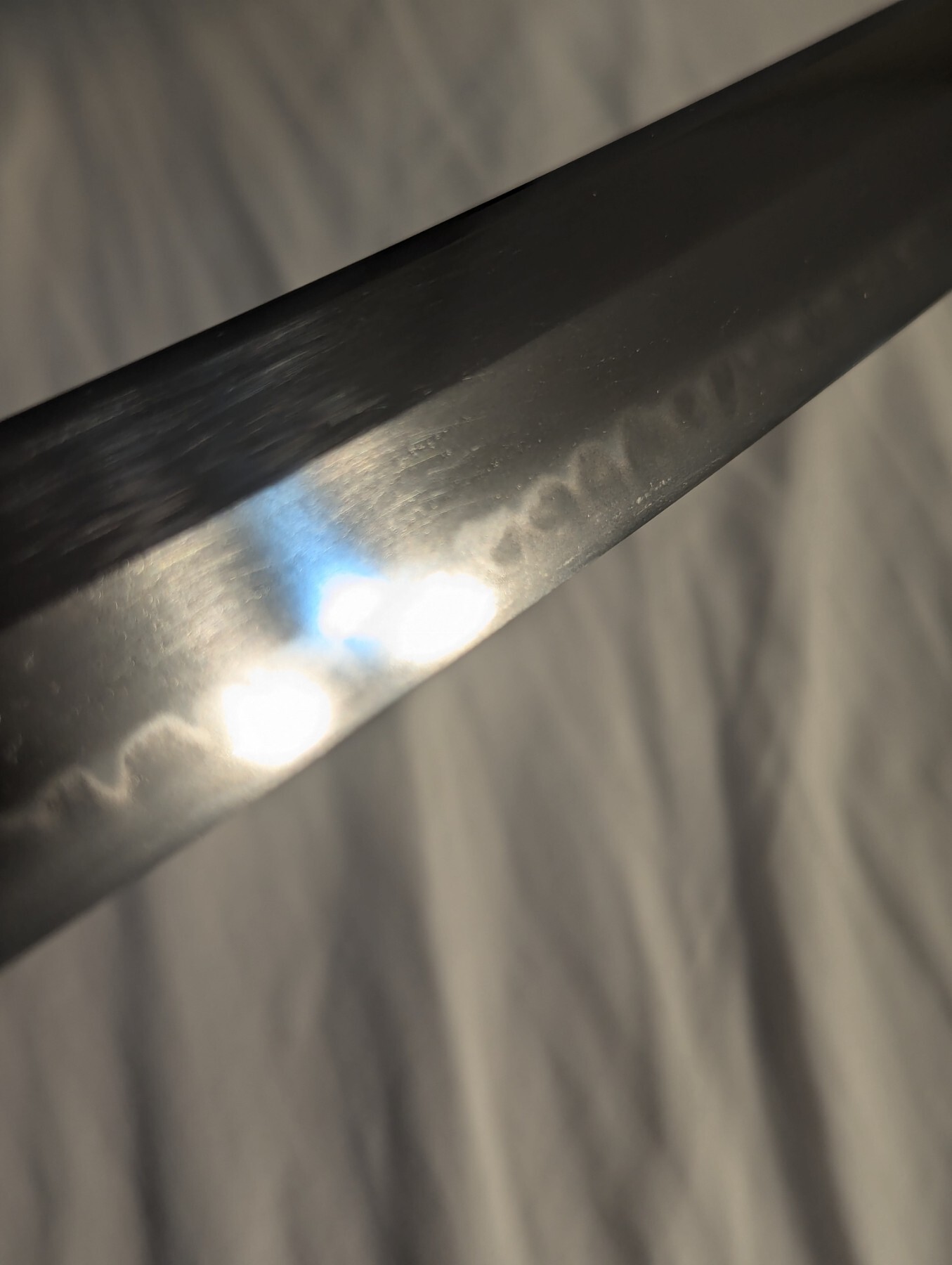
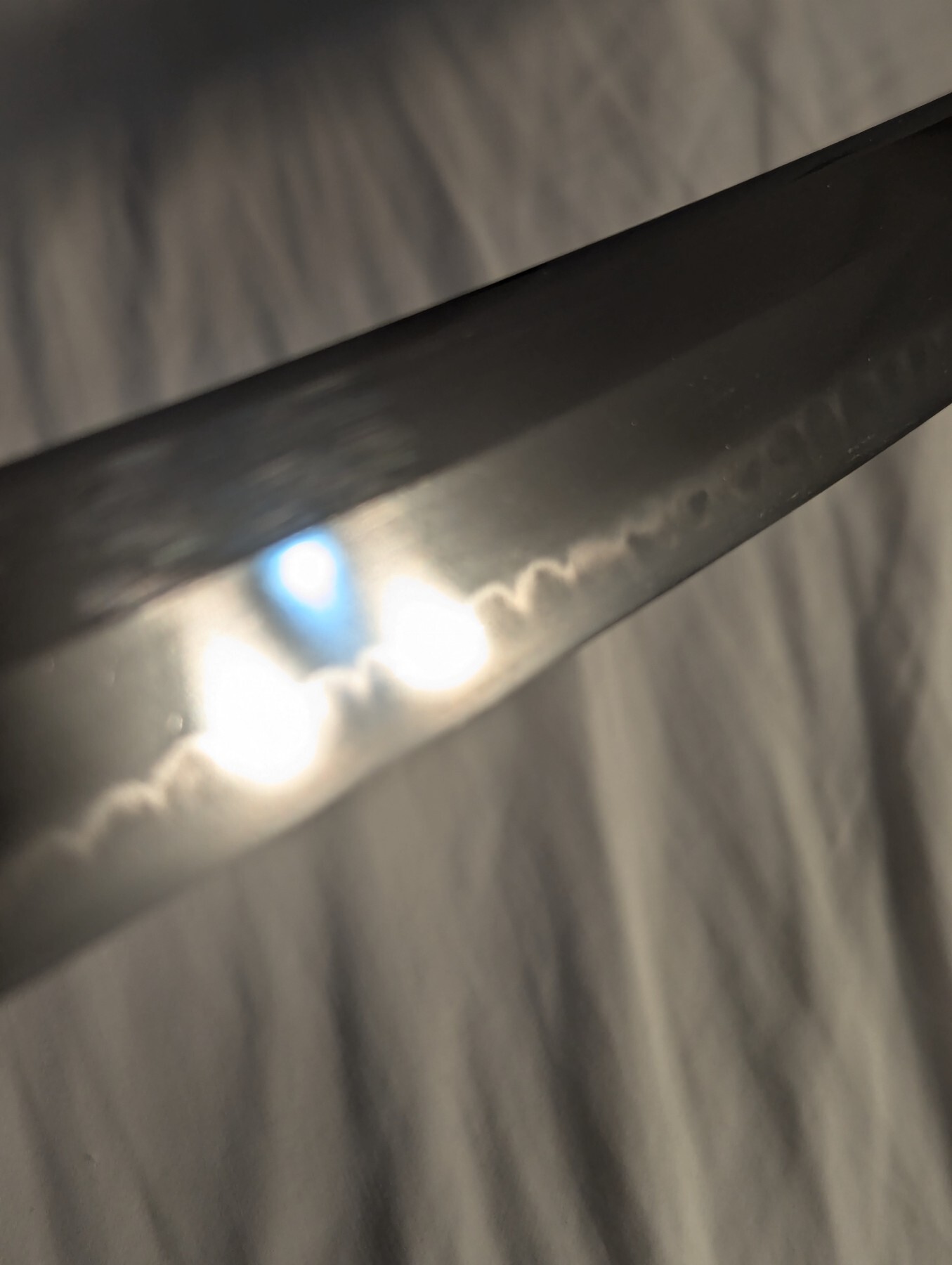
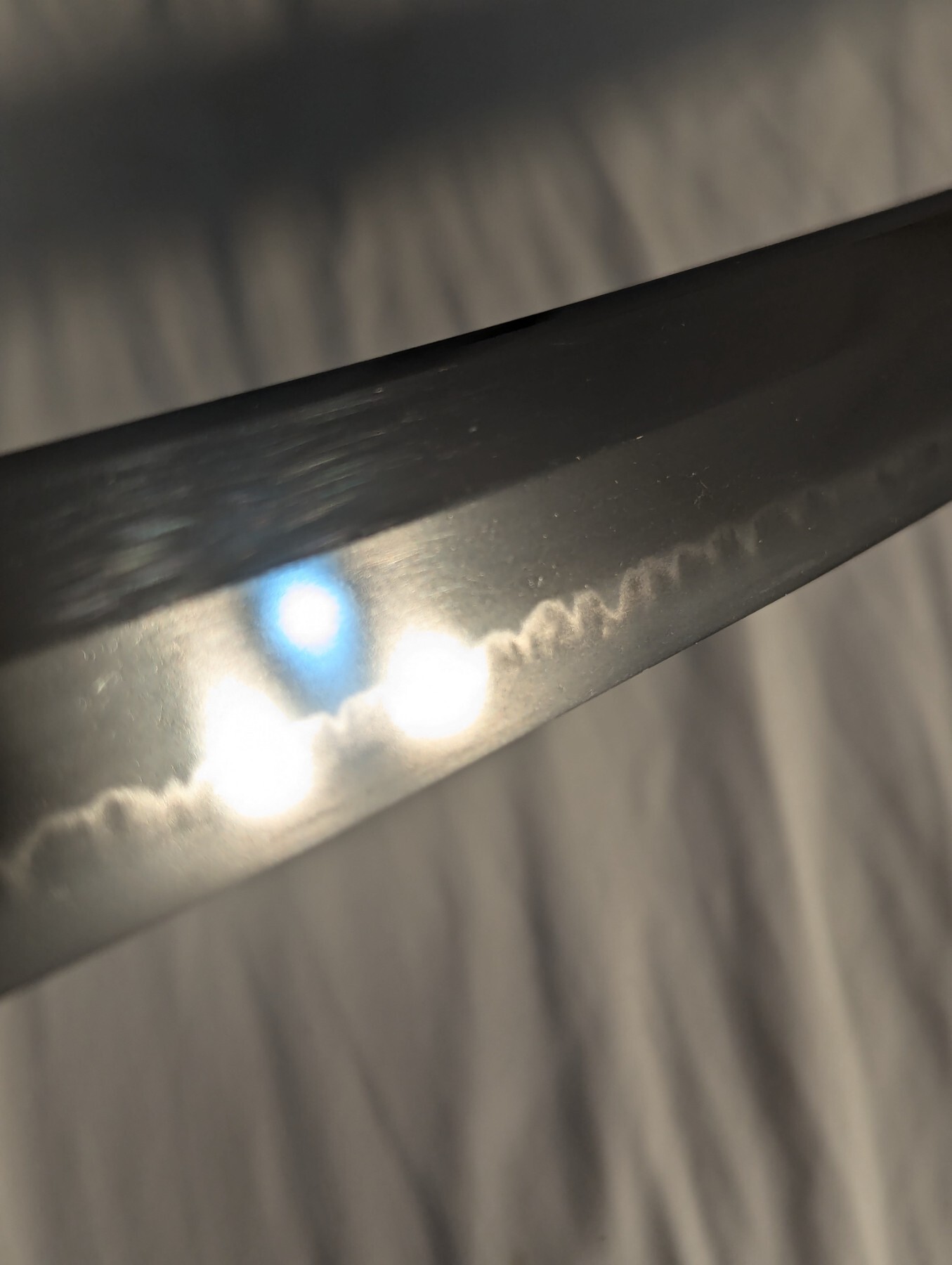
Just to clarify my previous comment - the wear is just so even! There just doesn't seem to be any marks from people taking it out of koshirae like there are on my blades. Here's some pics for comparison - I think you'll see what I mean (note the shinier steel on the edges): I wonder if this could all be explained by it having been in an old shirasaya for a very long time, building up the even patina without any wear, and then it had a newer polish that removed most of the transition between the patina and polished steel?

 1 point
 -
I enjoyed the video, and thank you for sharing! Whether we like it or not, on an internet forum, we are forced to share videos and photos; and there's nothing wrong with that. I think that's why a lot of us are here. Maybe someday, someone will invent a method to teleport blades through a computer - so we can finally solve the issues of viewing a sword on a screen . Until then, Cheers, -Sam1 point
-
Wild geese (or are they swans?) are well known motifs on TSUBA:
 1 point
 -
... I guess condition is unusual. I was involved once in a rough evaluation of Reich chancelorie and department of foreign affairs properties taken by the Soviet Union. Nothing appeared terribly interesting, mostly modern-Meiji things, actually there was considerably more Chinese pottery and decorative paintings (in 1920s there was a lot of back and forth gift exchanges) with the emphasis on pretty. There are plenty of personal/diplomatic Asian gifts everywhere, they are just not spectacular and more often than not budget friendly.1 point
-
A three part interview of Paul Martin conducted by Shohei Nagatsuji of Japan-Forward.com. Interview1 point
-
It's nice to be able to see the efforts of various Togishi, along with their names.1 point
-
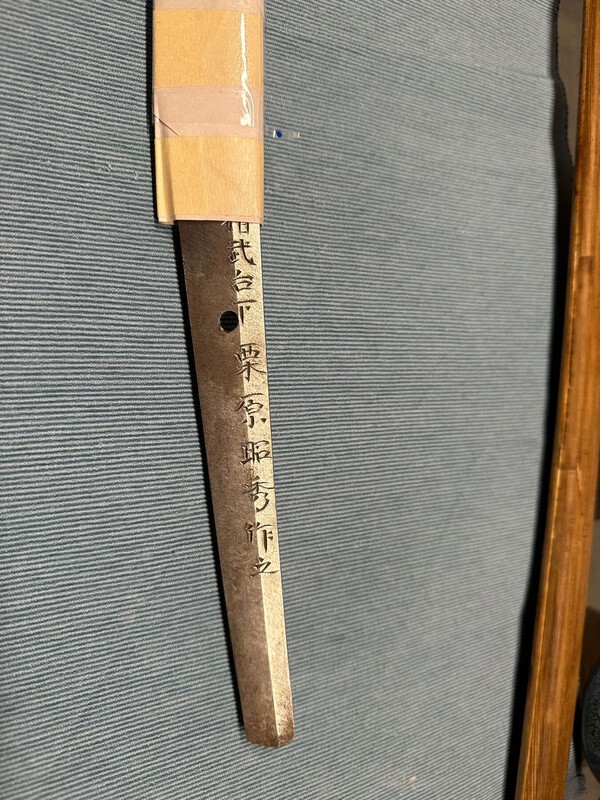
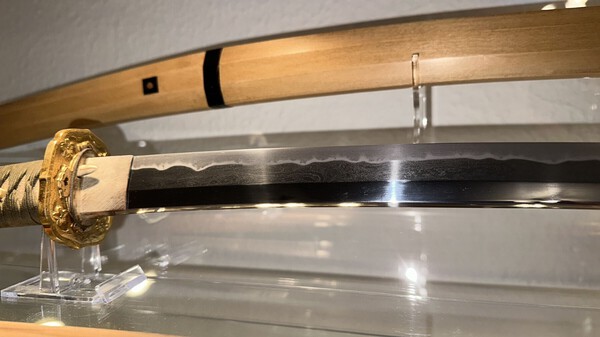
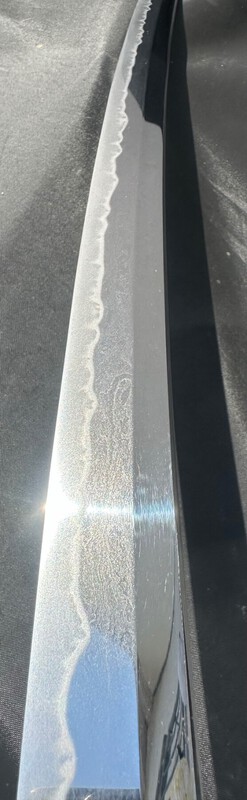
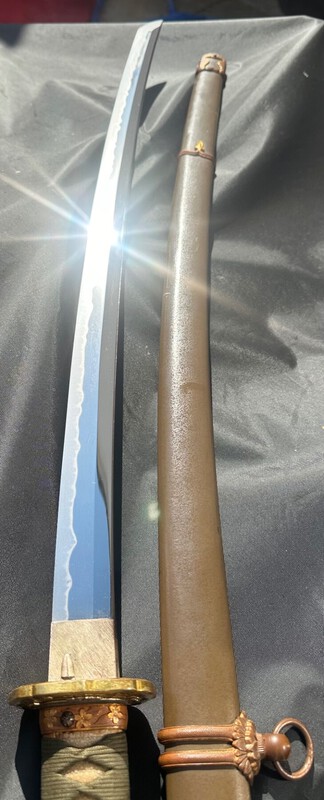
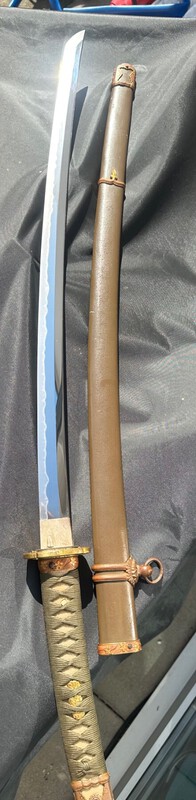
Today I would like to introduce you to my Kurihara Akihide Subudai from 1945 I love the Hada




 1 point
 -
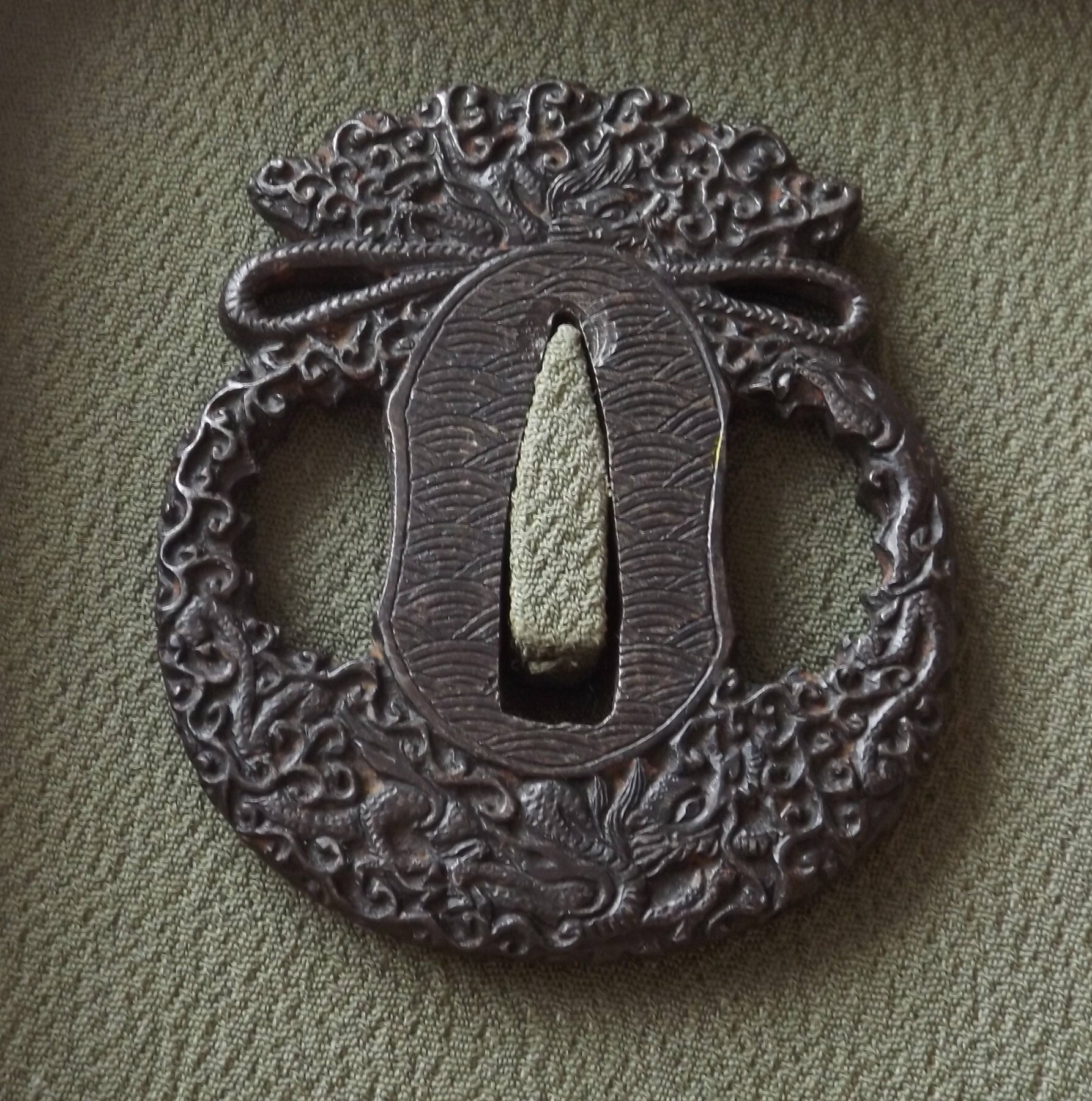
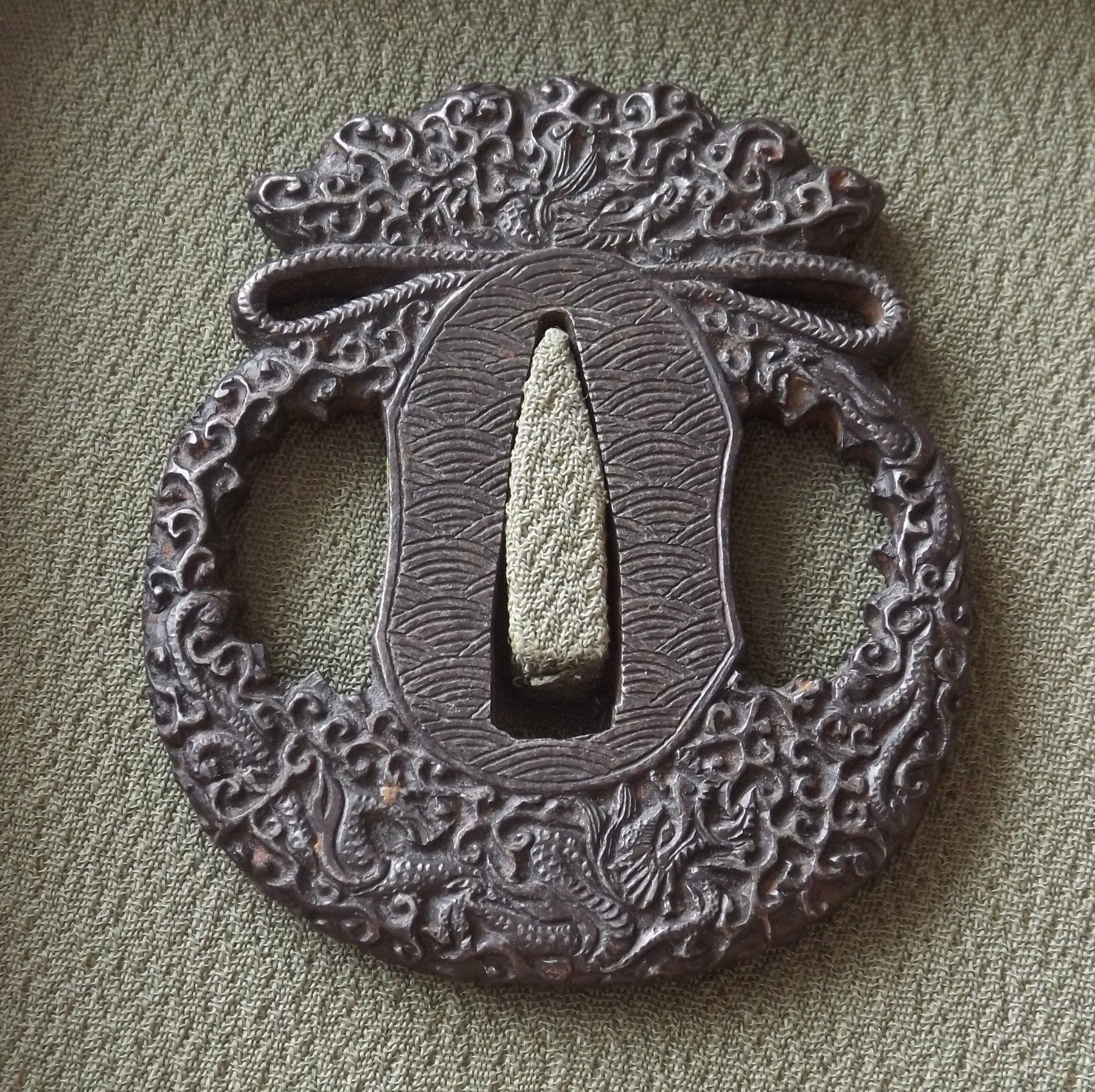
Ah, yes, I remember that one. Very nice. And this other one has plenty going for it too. Notice the bukunaoshi plug showing the pan has been rebuilt, a sign of much use in its time! Both typically flashy Sakai guns, but definitely better quality examples, worth preserving. Glad they have found a loving home. Perhaps you lived in Sakai in a previous life. There is an interesting novel on Sakai smiths which I translated for the book that Jan and I are writing together. Taking this as a challenge, I started working on the unusual Mei. It comes out as 摂州成合住金屋七郎 作 半巻張 "Living in Nariai in Sesshu, Kaneya Shichiro Saku. Han makibari" (Half bound). There is a company that reads 成合 as Seigo, but Nariai may be the correct local area reading. There is a record of an archaeological tomb excavation there. Han makibari must have been a proud statement back in the Edo Period when makibari binding was a rare and desirable feature, but then smiths started doing 'full makibari', then 'double', and later 'triple'.1 point













.thumb.png.4c5df79fec171b2dc4a23af38e280a4d.png)


















This leaderboard is set to Johannesburg/GMT+02:00