Scogg
-
Posts
1,666 -
Joined
-
Last visited
-
Days Won
15
Content Type
Profiles
Forums
Events
Store
Downloads
Gallery
Everything posted by Scogg
-
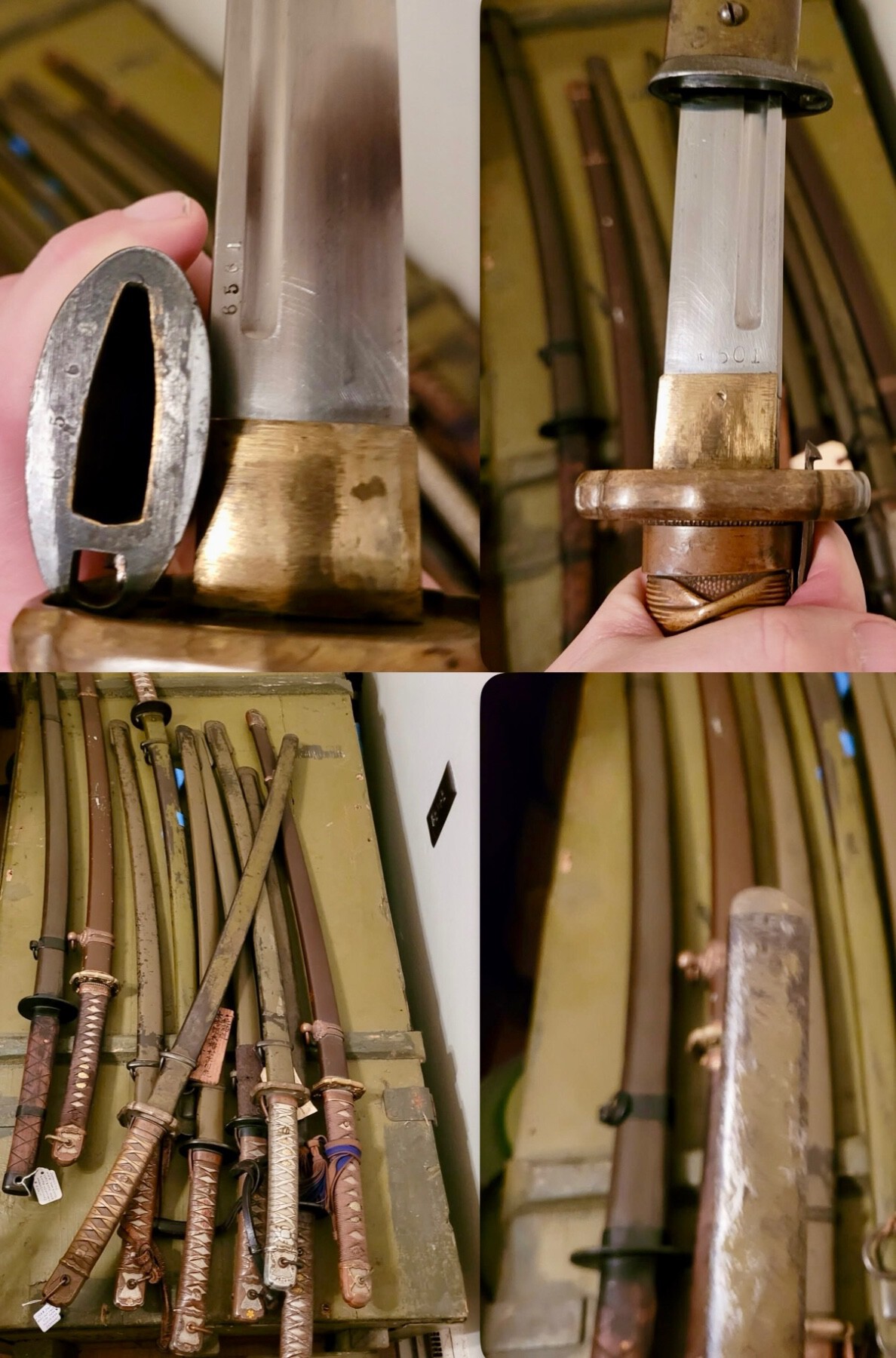
Spotted on Facebook this week. This pattern1 copper hilt Type 95 once appeared on an Australian list from Donald Barnes over 20 years ago; and is also listed in Jim Dawsons Cyclopedia. In all sources, the 501 number forward the habaki is noted. What makes this one extra interesting, is that it’s the highest serial number pattern1 that I have on file. Obviously, there are probably higher serial numbers out there, but this is the latest that I've ever personally seen and cataloged. Pretty cool to see it surface again. Sharing is caring! Seasons greetings, -Sam Copper tsuka pattern 1 Type 95. Serial number matching saya 6561 , with 501 forward the habaki: (Not my photos)

-
 Great eye @Curran, yes it was a marvelous brass tsuba; and if I remember correctly, early edo period. It was overlooked by most because of all the blades, but it really was something special. I have not focused on tsuba very much, otherwise I’d have retained more information about it. A high class piece, no doubt. We’d love to have you, and I hope you have a safe and easy move out here! It’s a wonderful place to be. Let me know when you’ve settled in. Would be great to put face to name -Sam
 -
It does not appear Japanese to me. Even in the very unlikely event that it was once Nihonto, one has to ask why someone would alter it so drastically; especially in a way that closely resembles common Chinese reproductions. Even amateur or at home restorations typically don’t replicate the consistent features seen on Chinese forgeries like the nakago and mei. I apologize for any bluntness, but that is my honest assessment. Best regards, -Sam
-
I’ve had this hanger for a couple years and photographed it more than once. Didn’t notice the numbers until I brought it out to compare with Hectors . I find it interesting that in our small sample size, so many have just 4 digits. -Sam
-
Picked up some nice sword related militaria.
Scogg replied to Hector's topic in Military Swords of Japan
Makes sense about the baggies, good call. How fascinating about the 7’s! And what a coincidence at that! I wonder the significance. Thanks for sharing, -Sam -
Hi @Darren20, I hate to be the bearer of bad news, but what you have is not a genuine Japanese sword. It is a fake; likely made in China. https://www.jssus.org/nkp/fake_japanese_swords.html Best regards, -Sam
-
Picked up some nice sword related militaria.
Scogg replied to Hector's topic in Military Swords of Japan
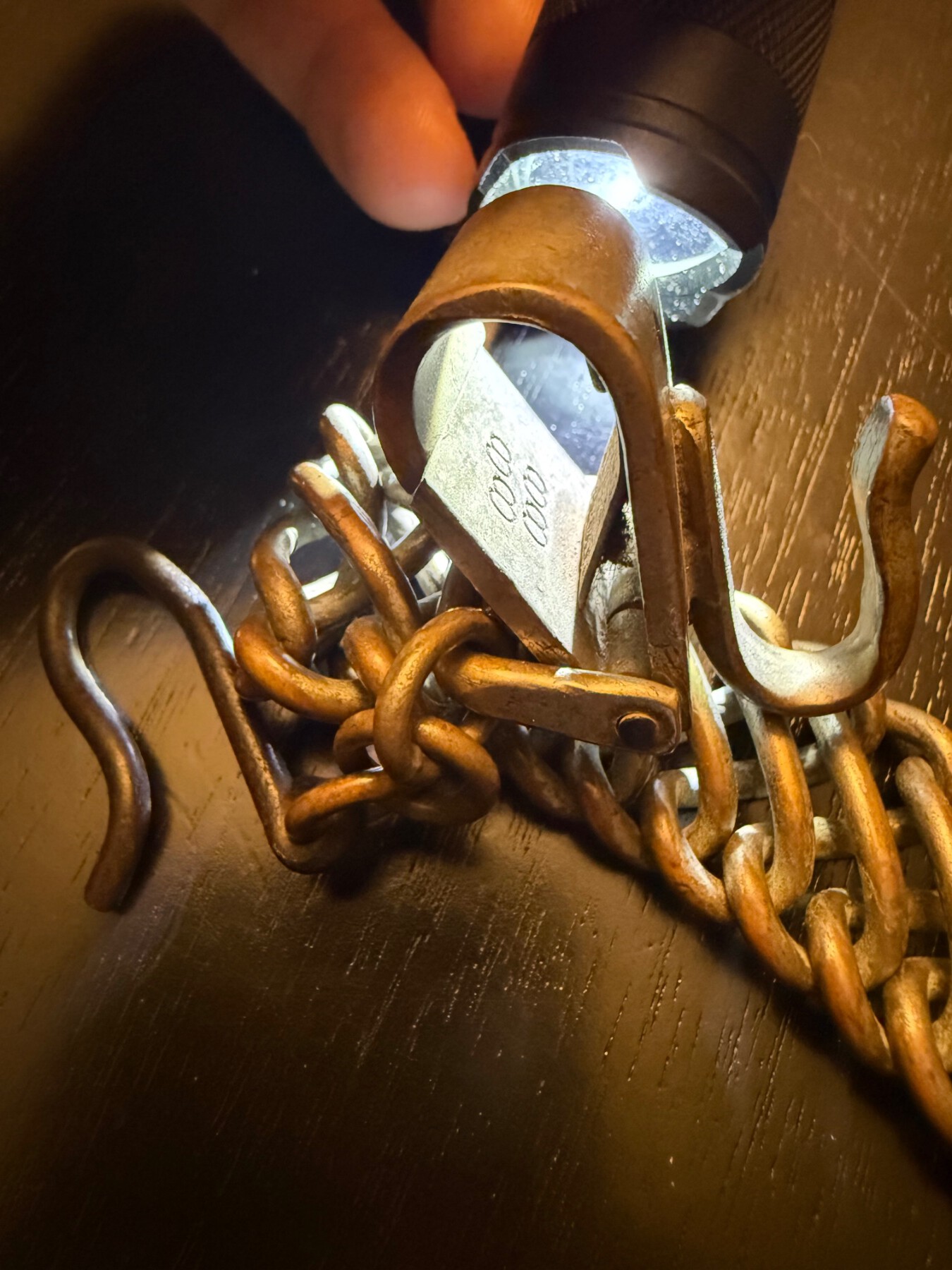
I can understand Hamfish’s initial skepticism, because everything looks so pristine. The zip lock baggies add to that “brand new” look. If this is all genuine, it’s a seriously awesome haul!! Congrats! I have that same model hanger chain. Mine is much more used and abused, but it looks identical to yours as far as I can tell. Down to some pretty subtle features. Curious, does yours have any 0000 marks inside the clip? -Sam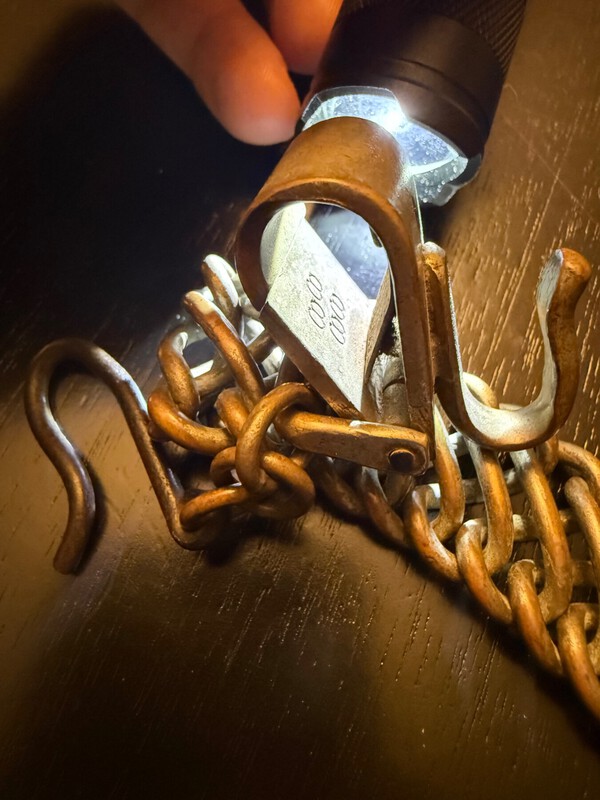
-
It is considered unethical to polish a nihonto unless one is a properly trained togishi within the Japanese tradition. General metalworking experience, even decades of it, does not qualify someone to work on a Japanese sword. Polishing a nihonto without that training risks permanently destroying historical, cultural, and artistic value that cannot be restored. The steel itself is fundamentally different. Nihonto are made from tamahagane derived from iron sand, and it behaves unlike other modern steels or metals. Its structure, layering, and heat treatment require specialized knowledge developed through years of apprenticeship; not transferable from other forms of metalwork. Here on the Nihonto Message Board we are dedicated to the study and preservation of Japanese swords; and DIY polishing is entirely opposite of those goals. I hope this clarifies things. Sincerely, -Sam
-
Obligatory disclaimer: Only a highly qualified togishi should be tasked with polishing genuine Japanese swords. Any attempt to polish yourself at home, will likely cause more harm than good. It's better to leave them in poor condition, then it is to attempt any unqualified polishing. I agree with Chris (Vajo), that tsuba looks promising. -Sam
-
type 19 kyu gunto dress swords, i love them.
Scogg replied to lonely panet's topic in Military Swords of Japan
Hi @Sable, and welcome to the forum! Sorry for the late response about your saber, I wanted to refer to my book from Jim Dawson “Swords of Imperial Japan 1868-1945 Cyclopedia Edition”. It looks like you have some really interesting swords there. I’d love to see more of that type 98 too, in another thread maybe. Your parade saber indeed appears to be a Type 19 General Grade Kyu-Gunto. What differentiates the general grade from the field grade is the hawksbill turtle shell handle. In Dawsons book he notes that they exhibit high quality workmanship, and often have some additions. Like a mon or etching on the blade. They're pretty desirable to collectors, so congrats on being given one! I’ve never seen on in-hand personally. Does it have any stamps in the brass area, around where the blade enters the handle? Is there anything decorative etched on the blade? Thanks for sharing, -Sam -
Maybe it will “chip” off with a bit of carefully applied force. Im thinking the corner of a block of wood, at a less than 45 degree angle, and some light tapping. Although, before I would try anything, I would try to at least speak to a togishi about it beforehand. I would hate to negatively impact the sword in any way. A blemish caused by my hand would bother me way more than a gimei kinpun mei Sincerely, -Sam
-
My instinct leans toward Sue-Seki or Sue-Bizen. Both possibilities share characteristics with your blade, particularly the nakago and nakago-jiri (end of the nakago)
-
Hard to tell how large or small it is. I was thinking obidome, too. I once bought an item listed as an obidome that turned out to be a repurposed kashira https://www.militaria.co.za/nmb/topic/46031-shakudo-nanako-obidome/
-
Thank you so much Moriyama-san! Very much appreciated for the updated translation. Very interesting. When Ray helped me earlier with translation, he was working with much worse photos (my fault). Very cool for me to have a date on the polish. 1976 makes sense to me considering the state of Nihonto in Japan, as I understand it, in the 1950s versus the 1970s Sincerely, -Sam
-
Hi Dan, I think it’s a good idea. The collection of information is always a noble effort. Maybe such a catalog would help your heirs know what to do with them. It might even spark that interest in Japanese art for one of them in the future. I say, why not? Sincerely, -Sam
-
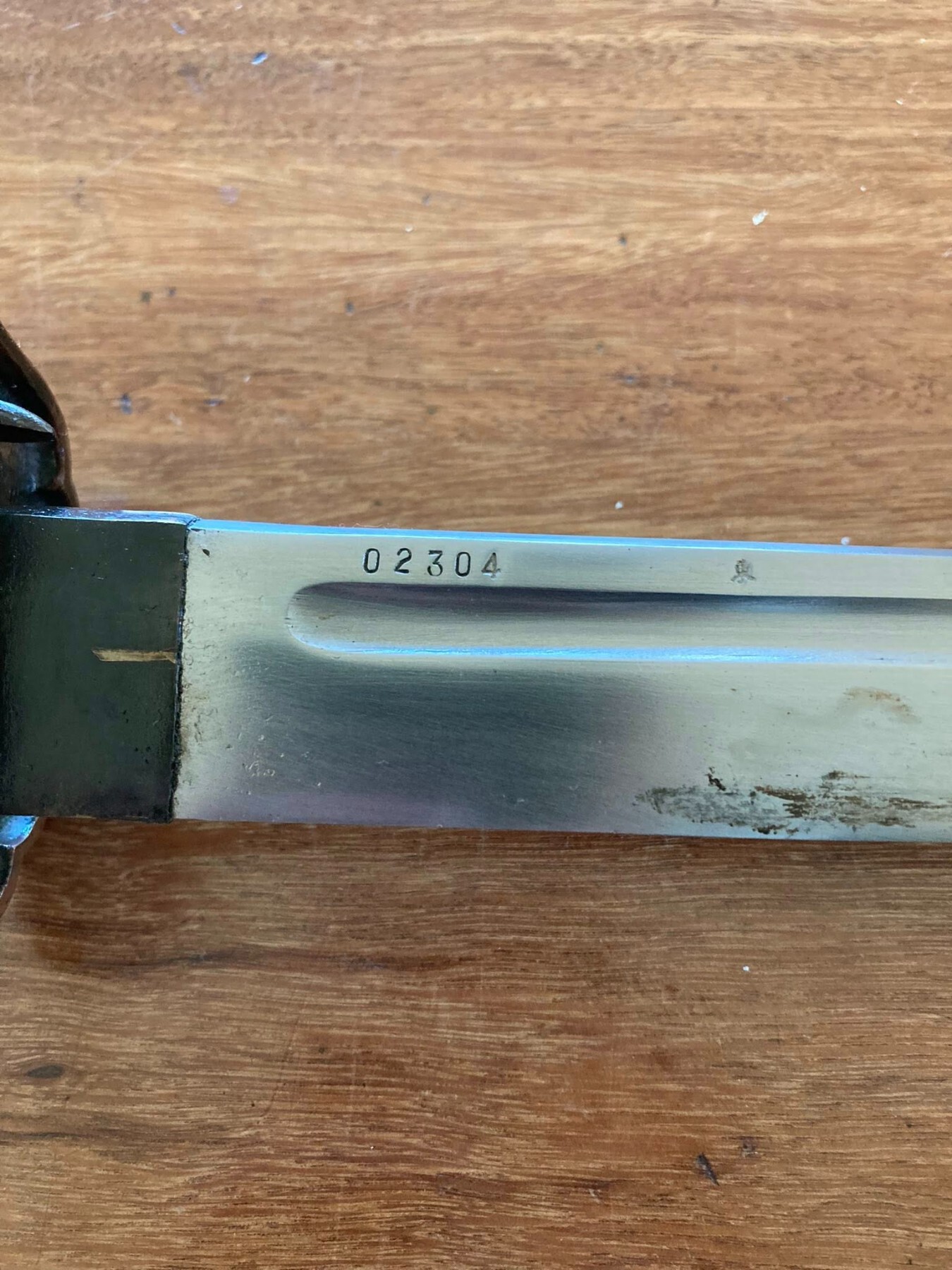
No. I have never seen a genuine Type 95 with a serial number that starts with zero. I do have many fake examples cataloged that start with a zero. The example in the photos below are an example of a well-done FAKE. This exact example has appeared on facebook 4 times now, from the same individual, over the last 6 weeks. Varying commenters falsely proclaim that it's legit. Unfortunately it's not real. -Sam
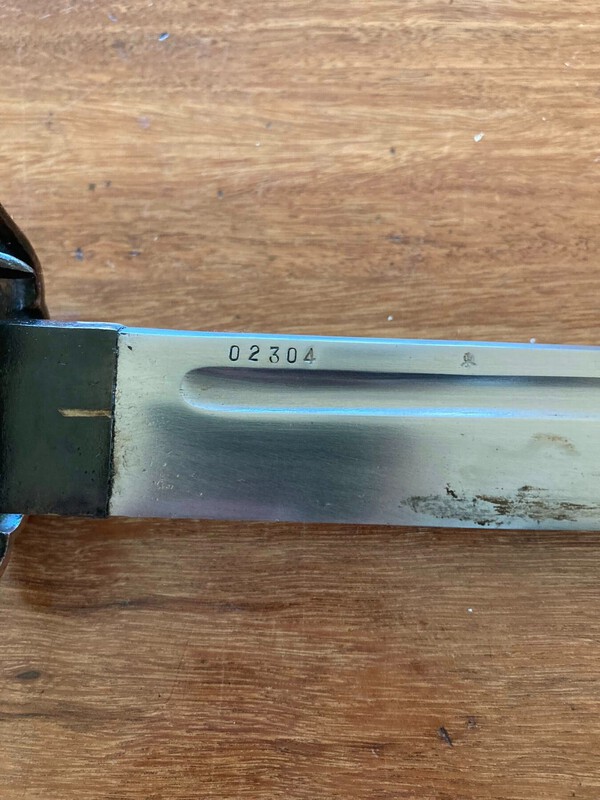
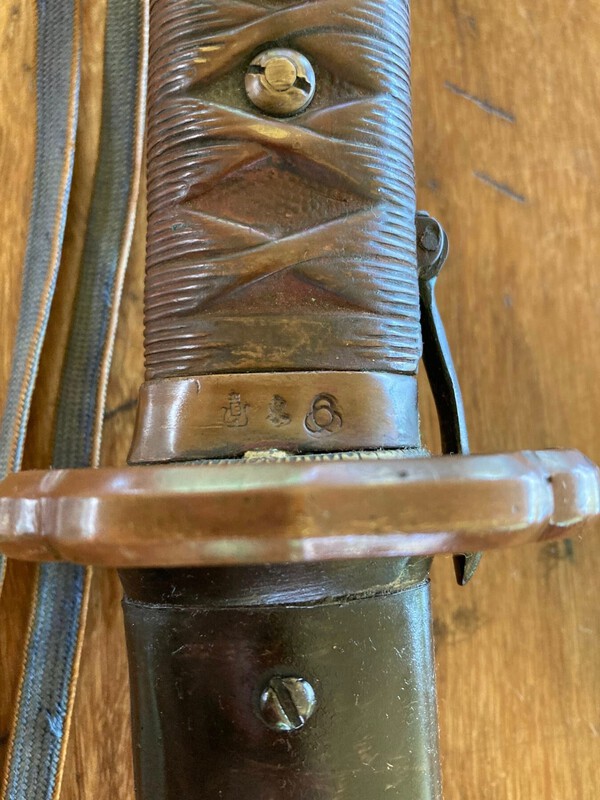
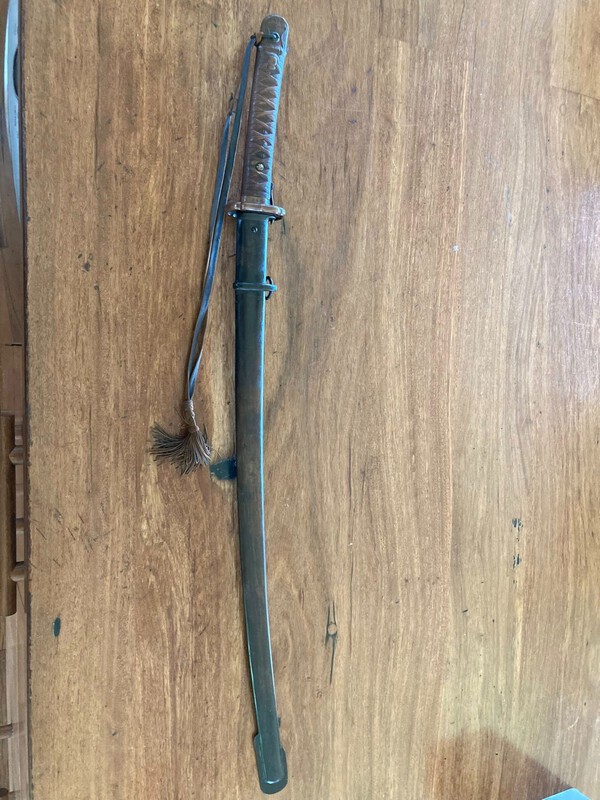
-
Had a photo session this morning and was able to get some better photos


-
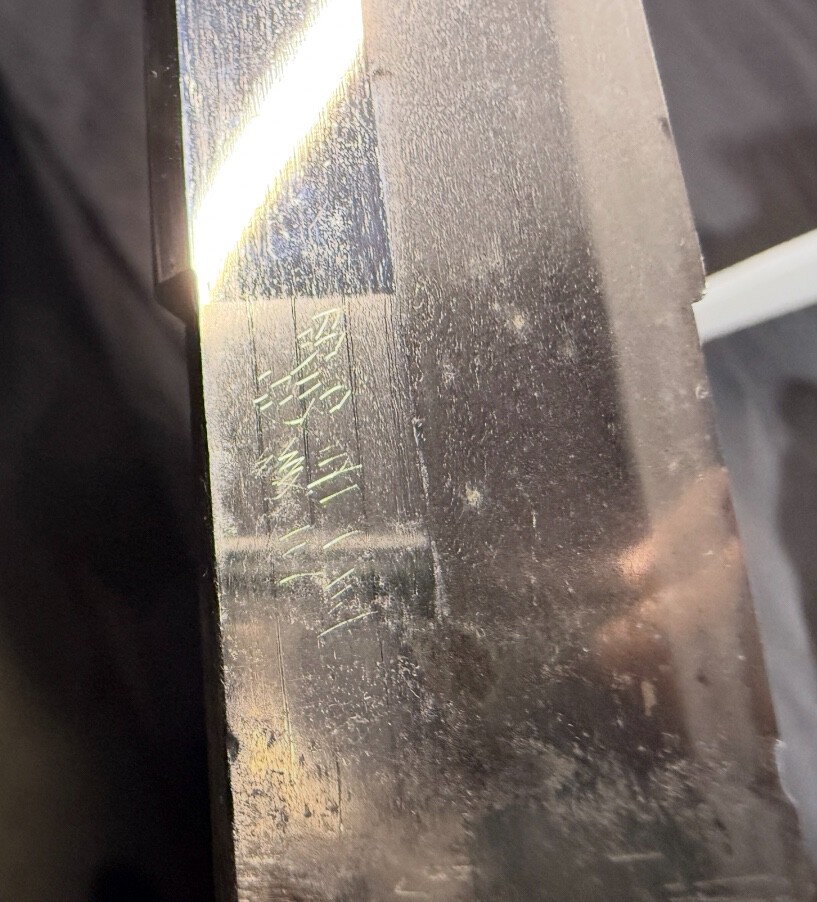
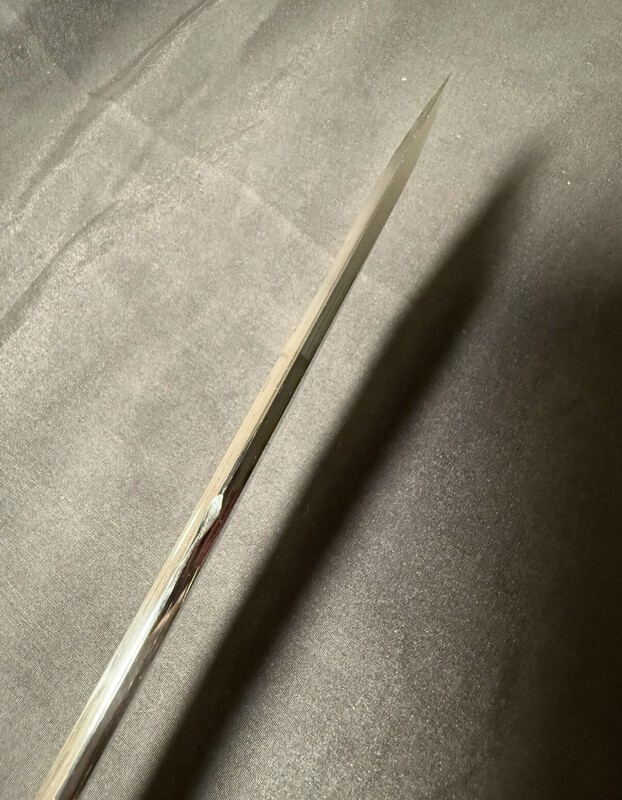
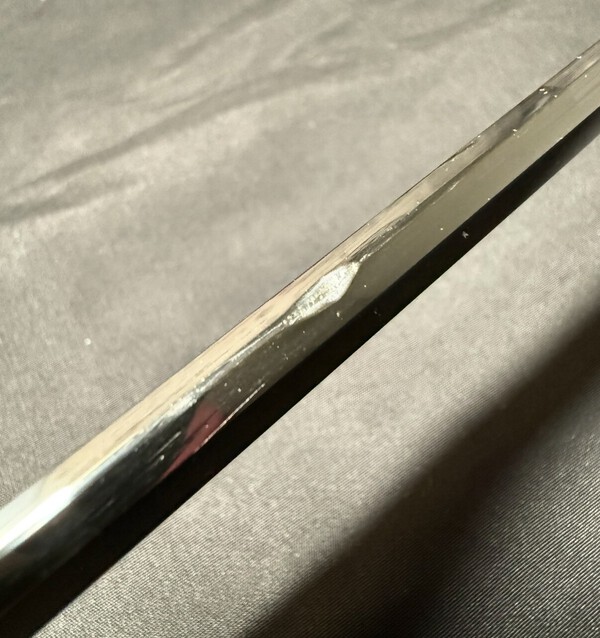
While I don’t have a time machine, and cannot confirm with certainty that these marks are battle damage. I suspect that at least one of them is kirikomi. At the very least, it is fun to think about. O-suriage mumei katana. -Sam


-
Please help me identify this sword
Scogg replied to TheTinkerBard's topic in Military Swords of Japan
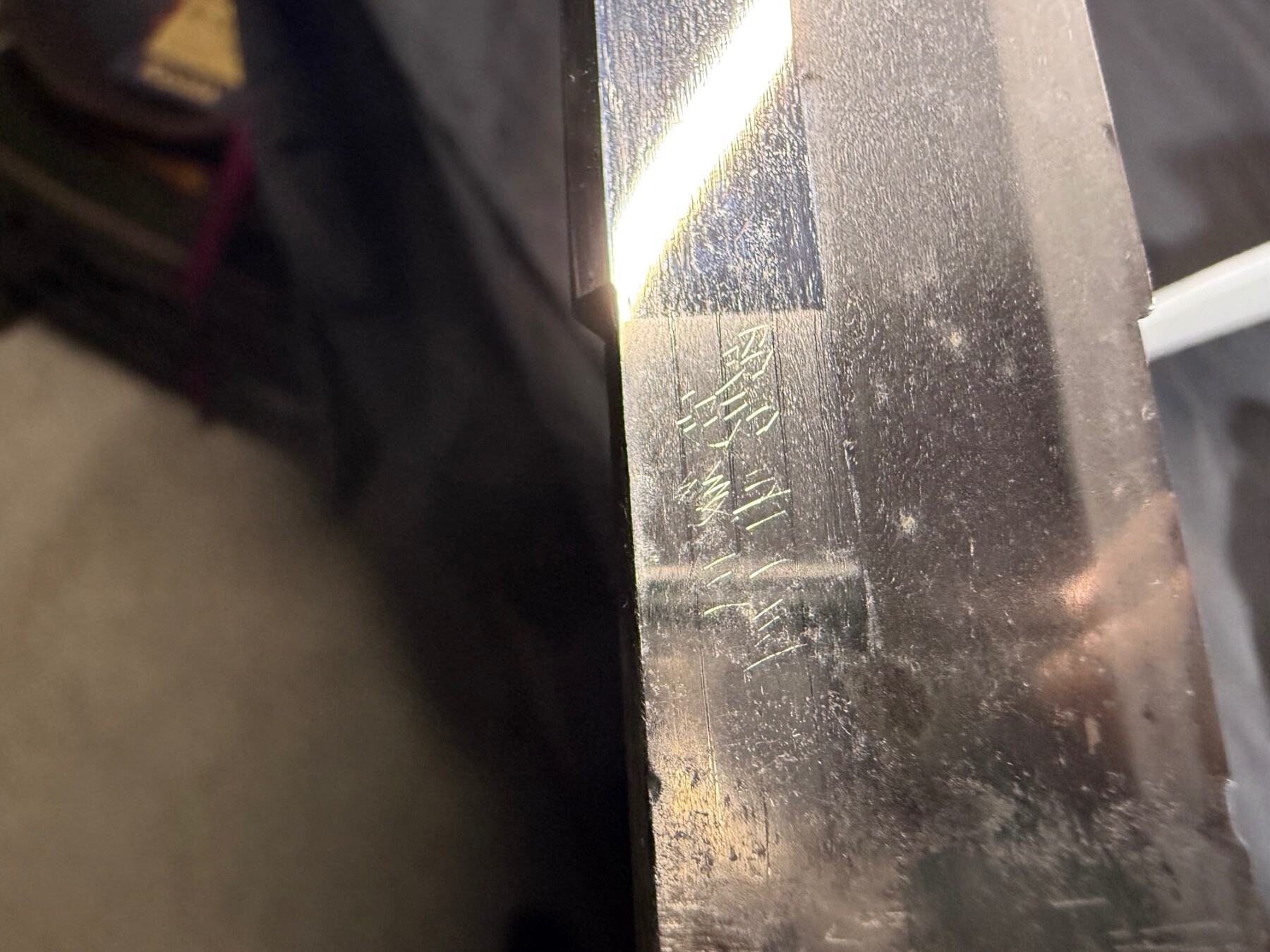
Some collectors describe certain wartime mei as “chippy” because the strokes appear to be done quickly and lack precision. This can make them difficult to read and translate. Your sword is a good example of this type of signature, which is why matching the characters can be challenging. Best of luck, -Sam -
Good eye John! Thank you. I’ve been sitting here with a flashlight trying to get good photos. The seam is very hard to spot from the outside, but where you note, and on the inside, it is clearly a two piece construction

-
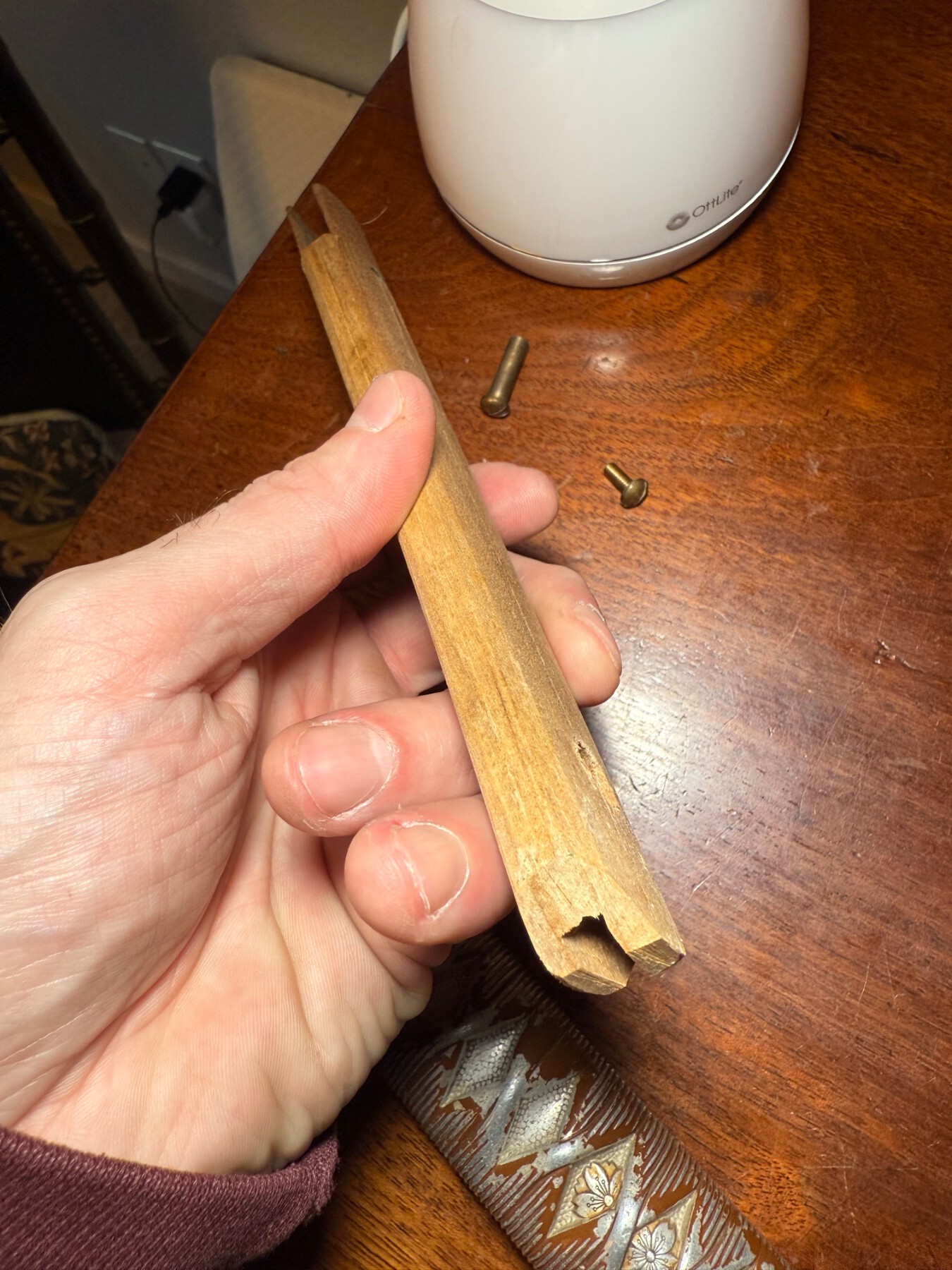
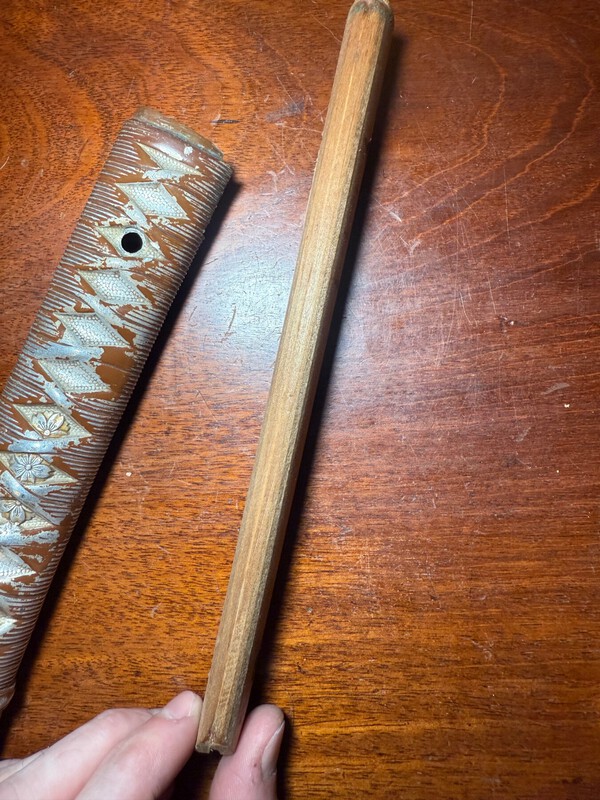
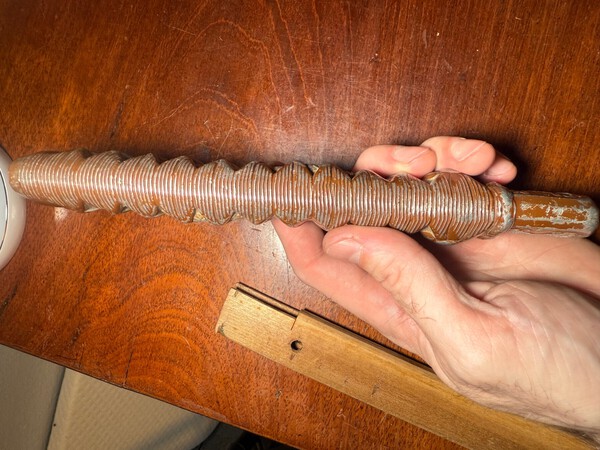
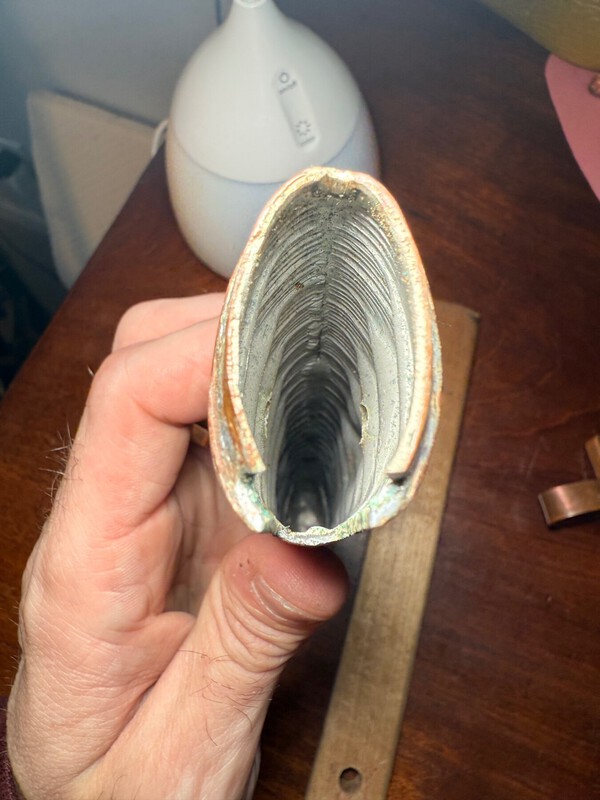
Hi @Kiipu, To my eyes, the wood insert appears to be one solid piece. Although, some splitting and scratching on the mune side gives me pause, and makes me second guess that judgement. The aluminum tsuka also appears to be one solid piece, with the only casting seams visible on the interior. If there is a tell-tale way to determine if it’s been cast as one, or joined, please let me know and I will check. I’d be happy to mail it to you if you’d like to check it out in-hand. -Sam Edit: Wood insert is a two piece construction




-
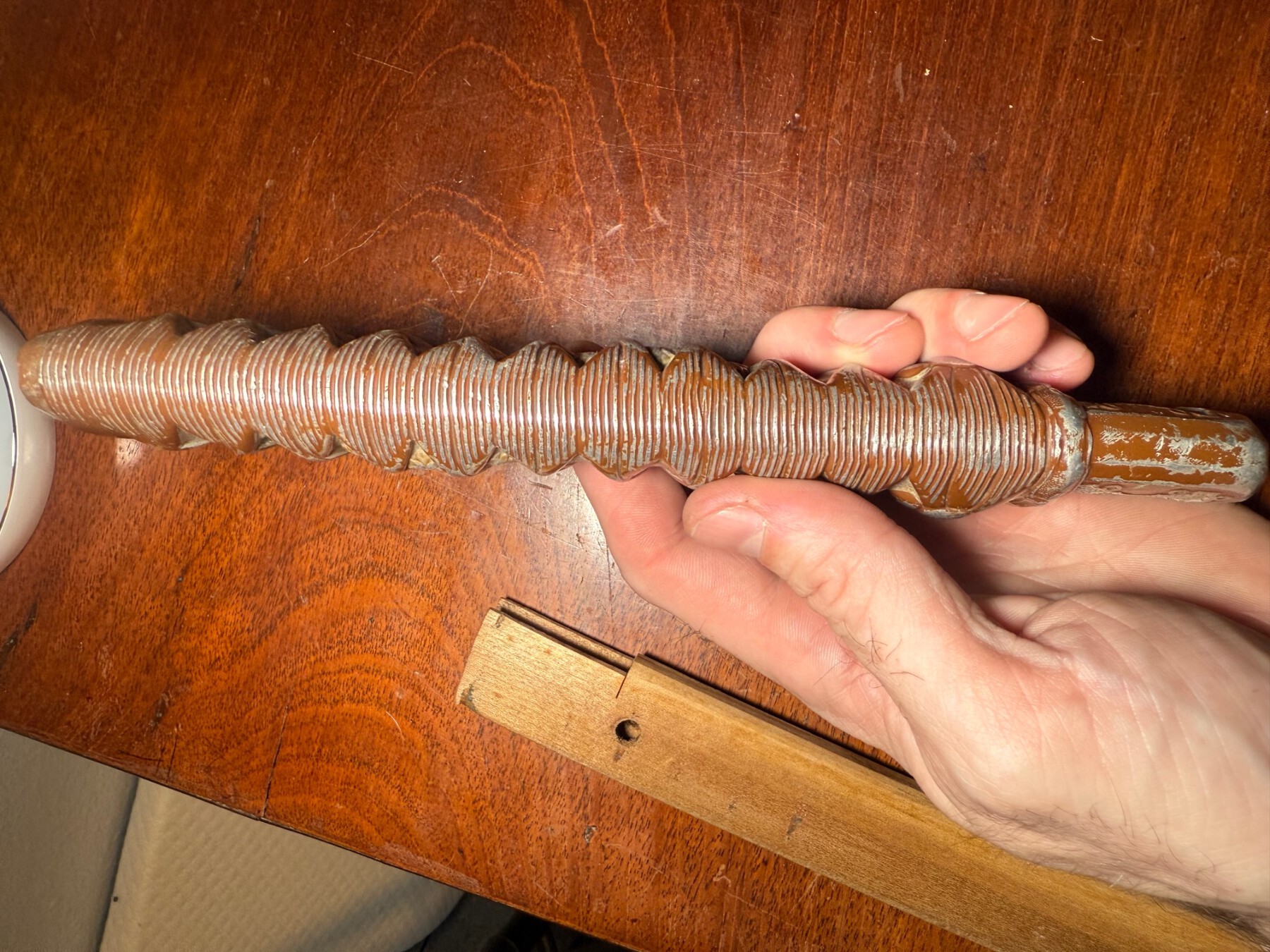
I was given this tsuka over the weekend. Just the tsuka and fuchi, no blade. I disassembled the barrel nuts and removed the wood insert. I thought I’d share here. It is not recommended to disassemble type 95 swords, so I figured this might be an interesting image for those of you who have wondered how it looks. This specific example has the four cannonball stamp, Nagoya 名 stamp, and Gifu 岐 stamp. -Sam



-
Sorry To Report
Scogg replied to Grey Doffin's topic in Sword Shows, Events, Community News and Legislation Issues
More of his photography can be found on his related Facebook page https://www.facebook.com/share/1DAqLdB2Cn/?mibextid=wwXIfr -
I was given this tsuba over the weekend along with some loose type 95 and 98 parts. It has the Gifu in Sakura stamp on one side, and a partial seki stamp on the other


-
@drb 1643, amazing! Thank you so much! Now I only need the one more example to complete my photo needs. Wooden handle with bohi. If I see one for sale anywhere, I will let you know. Thank you again! You’ve been a huge help. -Sam