Ray Singer
-
Posts
5,374 -
Joined
-
Last visited
-
Days Won
147
Content Type
Profiles
Forums
Events
Store
Downloads
Gallery
Everything posted by Ray Singer
-
I really should have read that correctly. I found a Bizen Yoshimitsu (能光) relatively recently and the 能 kanji should have been fresh in my memory. Jussi is of course correct with the reading above.
-
__真作 is also possible, depending on what was under that spot of rust.
-
__具作 __tomo saku Struggling a bit on the first kanji.
-
Another item that may help is that this very nice naginata appears to be Sekishu (Iwami) but in the initial title is referred to as being Seki (Mino). Likewise, this naginata is the one I would choose. Good luck with your sale Ed.
-
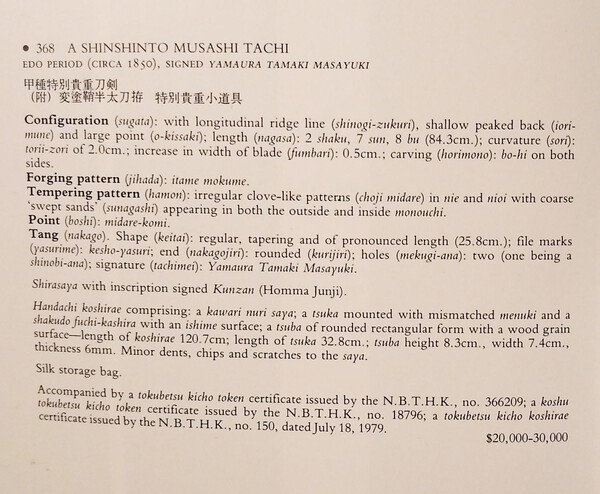
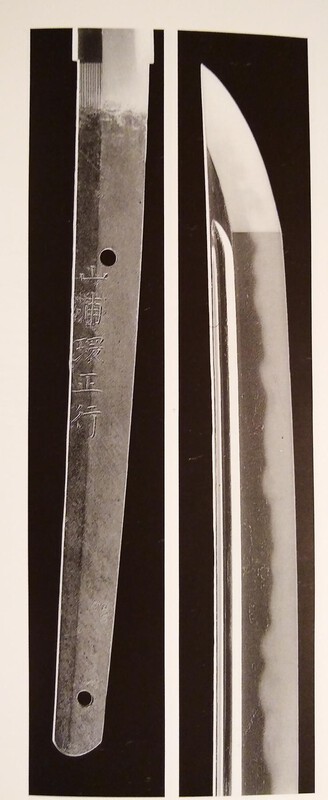
I believe you are referring to the Masayuki which Tsuruta-san (aoijapan.com) purchased in 1992 at auction for $242,000. Edit: I've updated this comment with the pages from Compton auction 1. And yes, the blade sold well over 10x the low estimate.
-
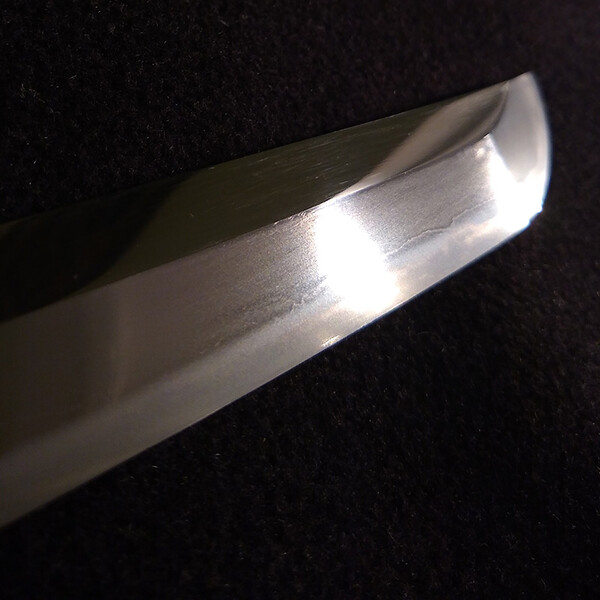
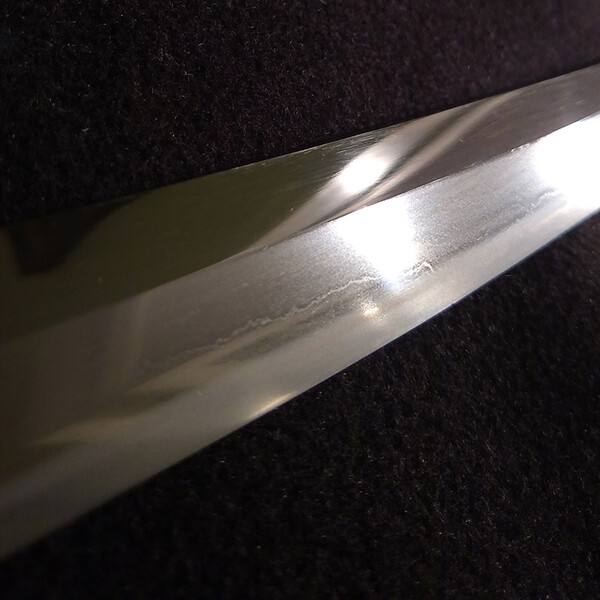
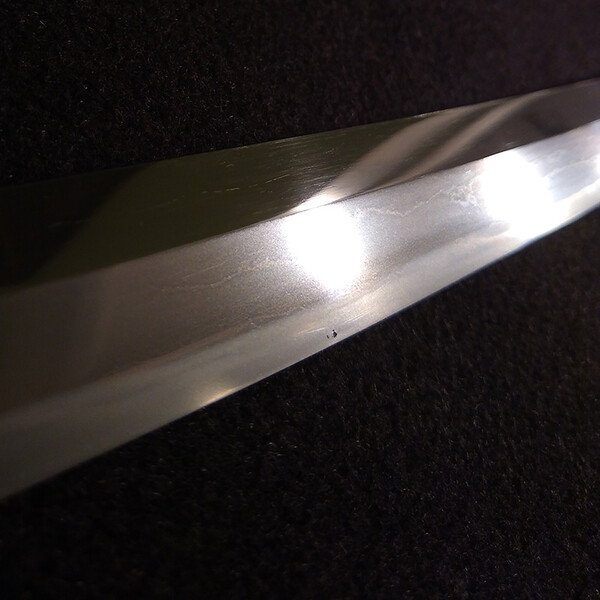
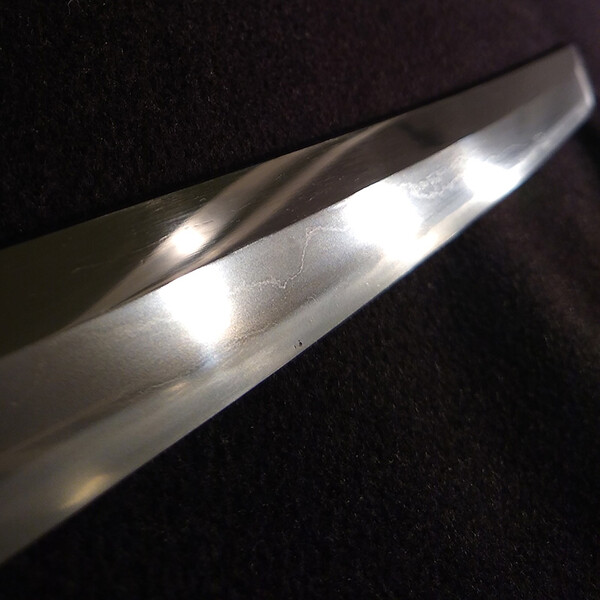
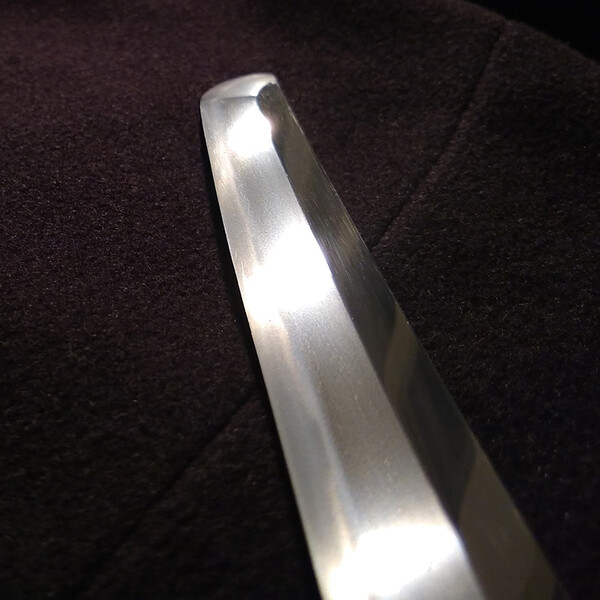
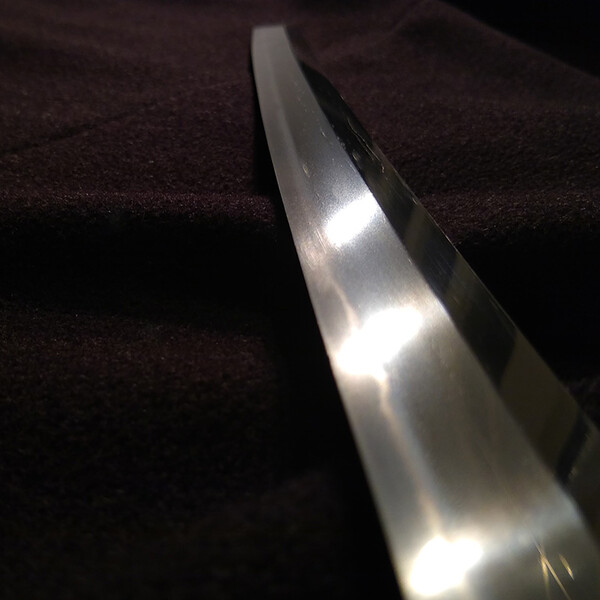
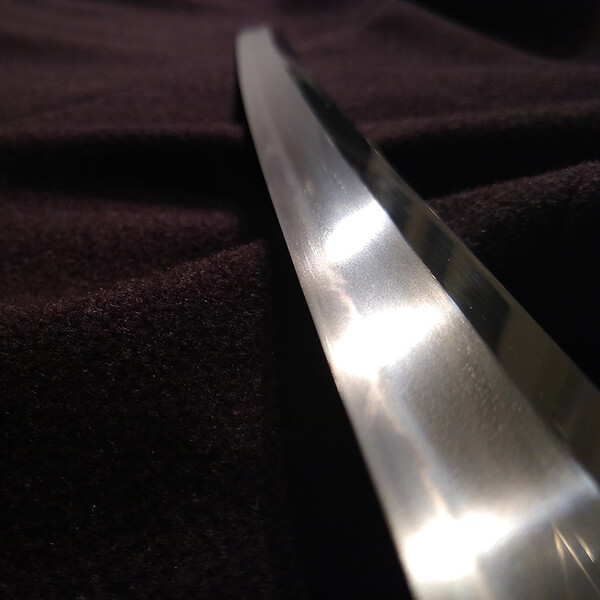
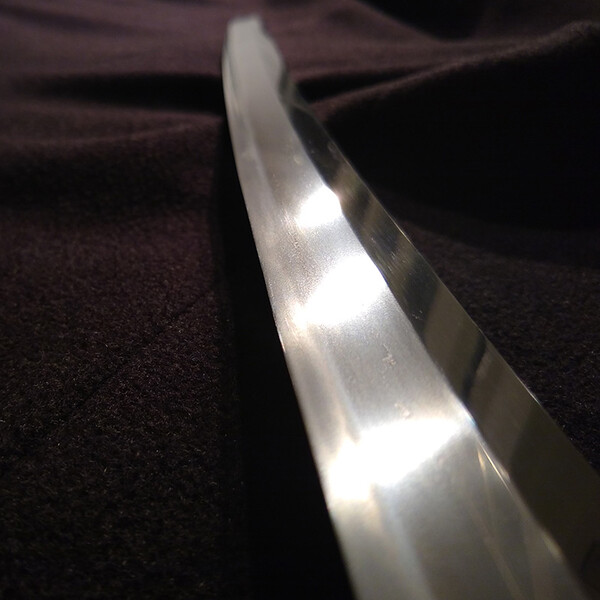
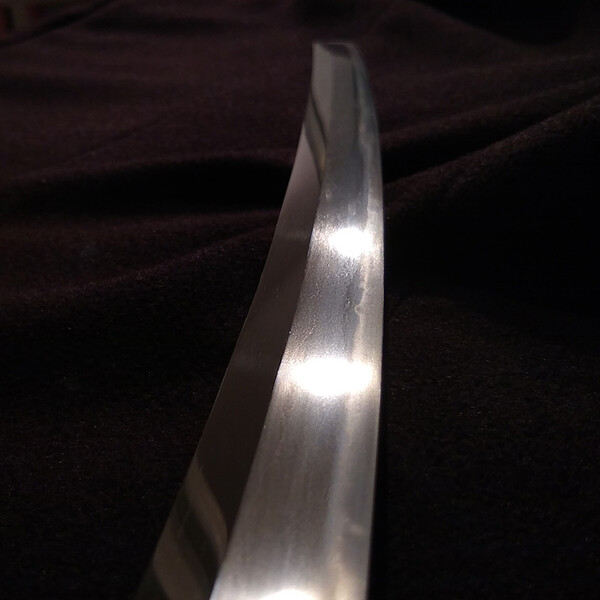
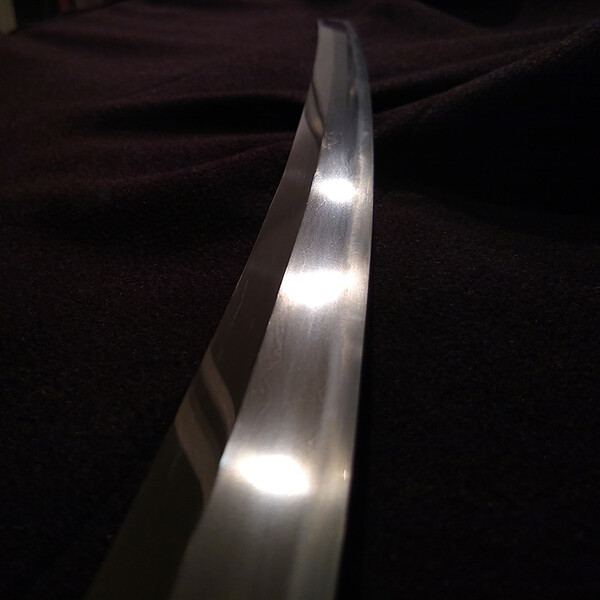
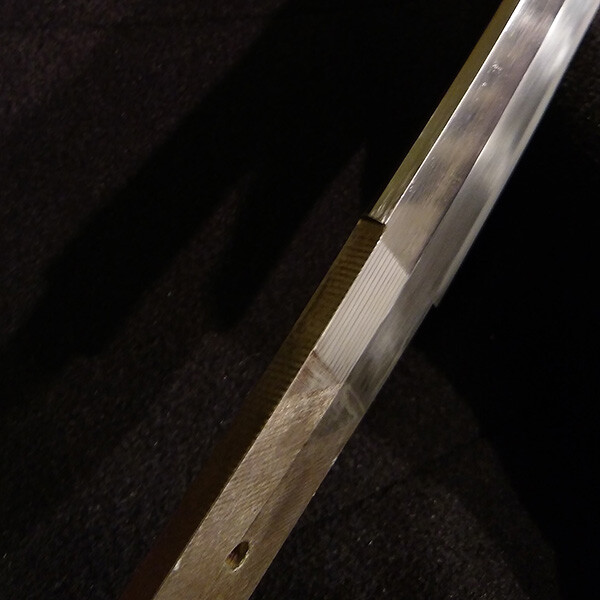
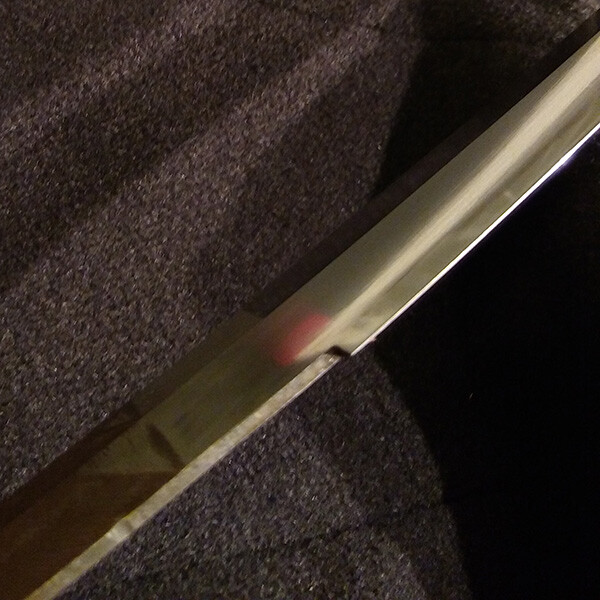
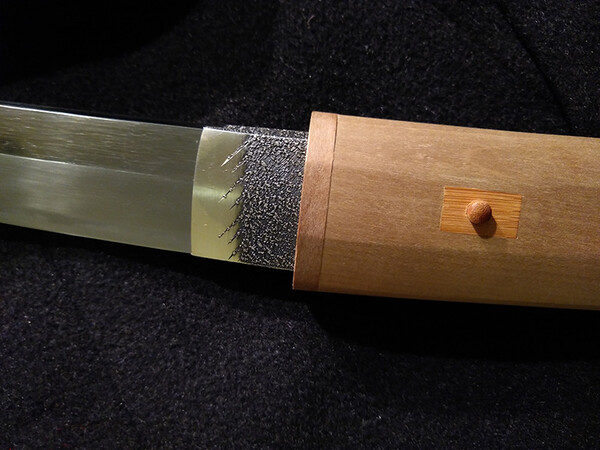
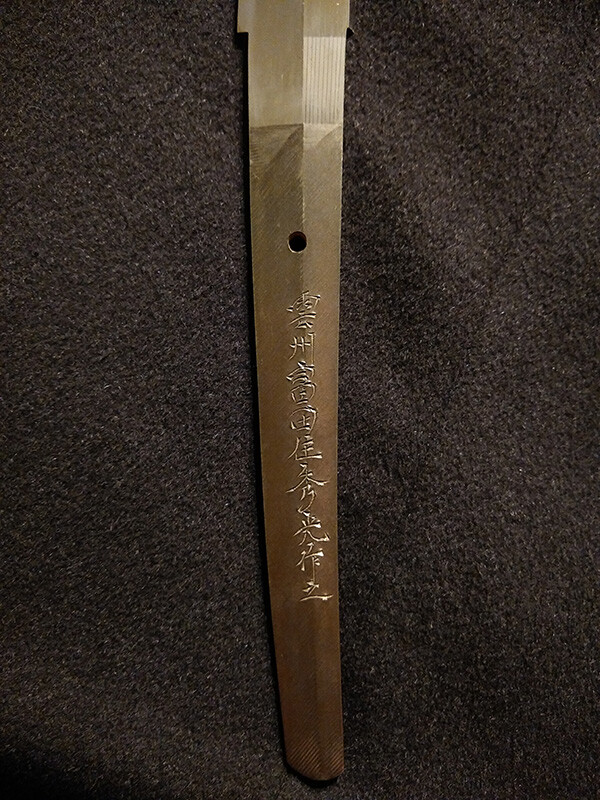
Listing a very nice gendaito by Unshu Hidemitsu. This is a blade which measures in 66cm. with a 32mm moto-haba. The jihada is a beautiful mixture of ko-itame with an itame nagareru. The hamon is a suguha-based ko-midare in ko-nie with fine activities along the edge. The gendaito is in shirasaya with an accompanying shin-gunto koshirae in very nice condition (with tsunagi). The blade also has a single piece silver habaki. Mei: Unshu Takada ju Hidemitsu kore o-tsukuru Best regards, Ray


-
Expanding on what Uwe wrote above, 橘信連 (Tachibana Nobutsura). http://www.e-sword.jp/sale/2012/1210_3002syousai.htm
-
Klaus, the nakago, mei (and even the habaki) have a worrying appearance. Are you sure this is not a newly made sword and that it is even Japanese?
-

Remember this blade? Thought was Mino/Kanemoto but could be earlier?
Ray Singer replied to Blazeaglory's topic in Nihonto
This does look like a nice example of Muromachi Mino to my eyes. I would not go in the direction of Ichimonji (or anything from Bizen). -
thoughts on tachi for auction..
Ray Singer replied to nickm's topic in Auctions and Online Sales or Sellers
The horimono look like they were cut with a dremel tool. -
Hi George, I was the individual who resigned the spot with Tanobe-sensei (arranged last year), as I felt that this was something exceptionally important whose discovery should see light of day. I would really encourage you, as Darcy mentions above, to consider what is best for the preservation and survival of the sword. We may not see another ubu, signed Ko-Ichimonji tachi emerge again from outside Japan. Even having a flaw in the hamon, this is something that has a great deal of historical and artistic importance. Like a Faberge egg with a dent, this is still something very special which requires a skillful restoration team. As it is now, the sword is at risk of degrading further. Being stored in an old mounting which likely contains rust and dirt will result in further corrosion. There also appears to be a fukure (blister) in your photos with rust underneath, which will worsen without the proper repair in that area. There is no one outside of Japan can that do this work properly. You have received good advise above, but I wanted to share my thoughts as I hope the Munetada will survive and be cared for and appreciated for a long time. Best regards, Ray
- 190 replies
-
- 12
-

-
If I understand your comment correctly about utilizing a Japanese calligrapher in Europe, my thoughts are that a retouched sayagaki will always be found questionable. Both its authenticity may be doubted later and it would no longer fully be the work of Kanzan. I would preserve the sayagaki as is. As Steve mentions above, a new shirasaya is a good choice. It seems that we occasionally see important swords with new shirasaya, alongside older ones having valuable sayagaki, and containing a tsunagi. If you are concerned about the Kanzan / Naotane sayagaki degrading further, that would be my same recommendation.
-
This gendaito is still available. Best regards, Ray
-
Tachi By Hachidai Tadayoshi With Zokumei (1836)
Ray Singer replied to Ray Singer's topic in Sold Archive
The Hachidai Tadayoshi is still available. Any questions, please just let me know. Best regards, Ray -
While Tegai generally seems to fall to the lower end of the Yamato spectrum, you also have a smith like Tegai Kaneuji who is one of the best smiths of all time. Shikkake also generally gets categorized as one of the lesser Yamato schools, and the jitetsu can be coarse at times, however the shodai Norinaga was an excellent smith. I have a sword of his, formerly from the Suzuki Kajo collection (he owned two Norinaga), and it is one of the best Yamato blades I have ever seen across all schools.
-
I do not know that Hosho should be considered to be on top. Taima is an alternate consideration when looking at a sword which may be Soshu Yukimitsu. I have seen swords move back and forth between Taima and Yukimitsu on their way up the chain to Juyo. Some of the best Yamato swords I have seen were Taima. At that same level of quality I feel would be Ryumon Nobuyoshi from the Senjuin school.
-
There are five main schools of the Yamato den. Hosho, Senjuin, Taema, Tegai and Shikkake. Tegai is not considered a subcategory of another school.
-
http://www.sho-shin.com/chikuzen-nobukuni.html
-
Juyo Naoe Shizu On Aoi Art
Ray Singer replied to Vermithrax16's topic in Auctions and Online Sales or Sellers
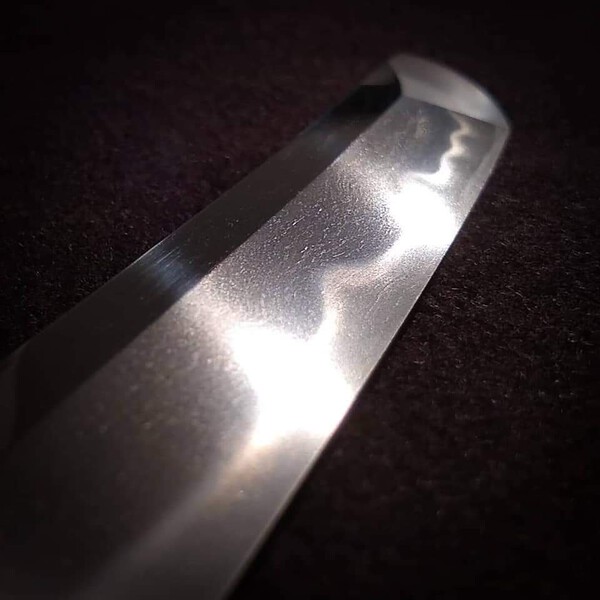
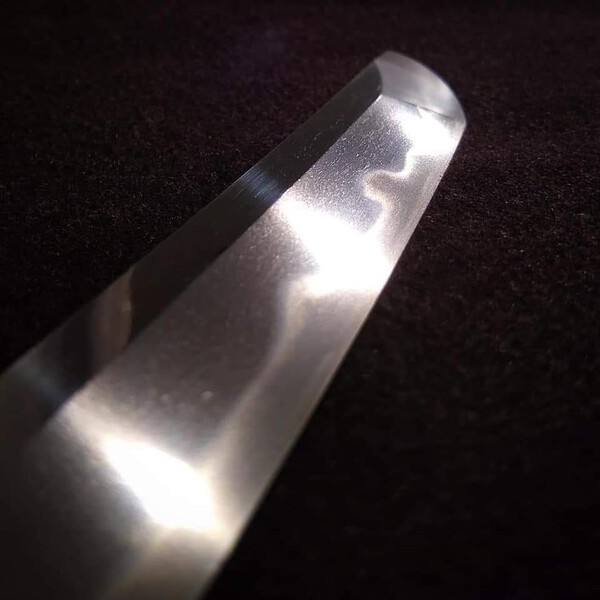
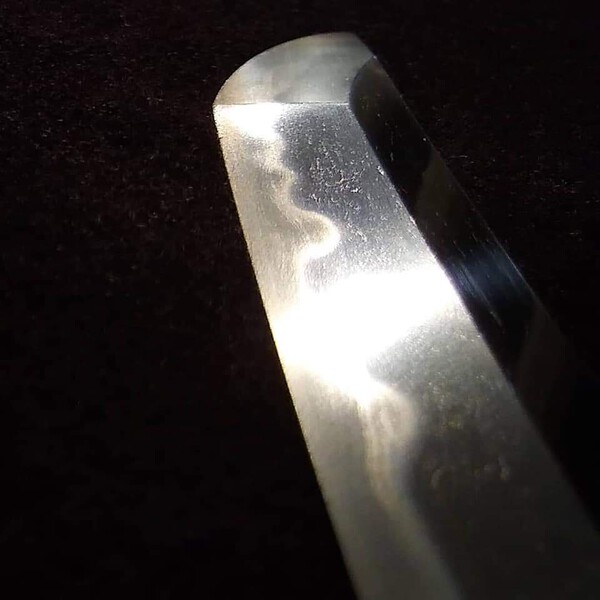
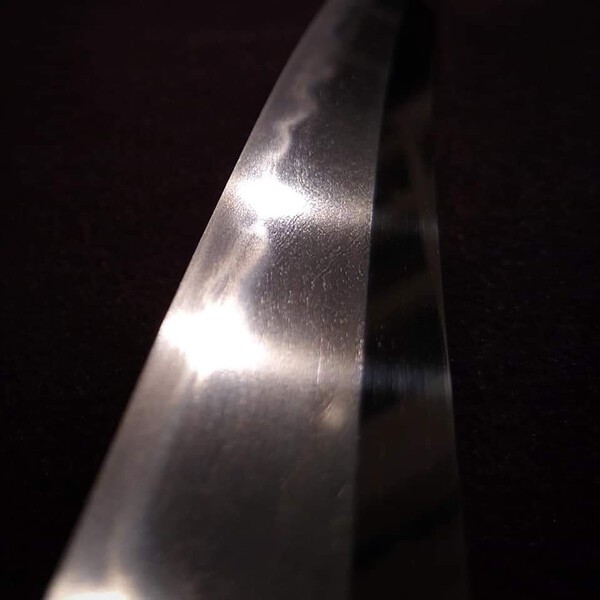
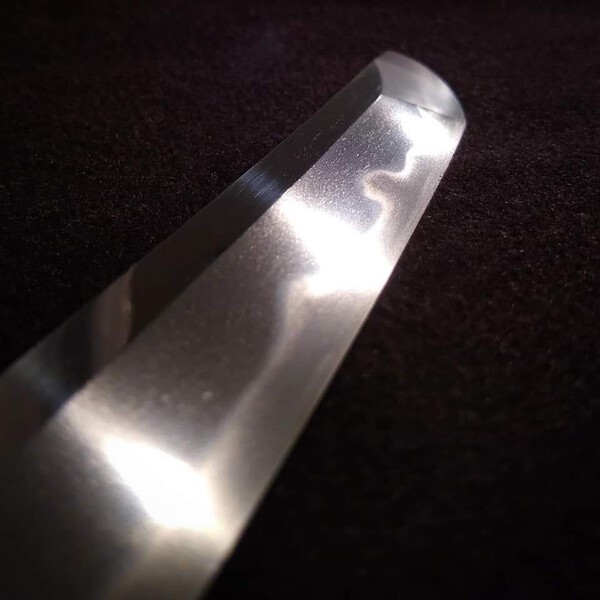
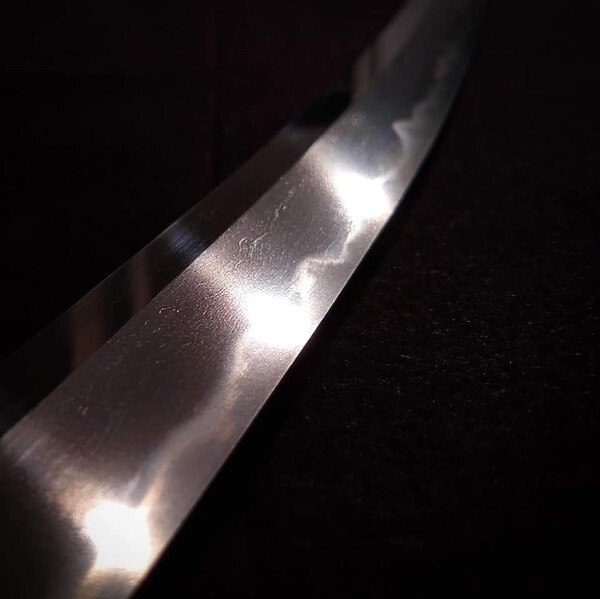
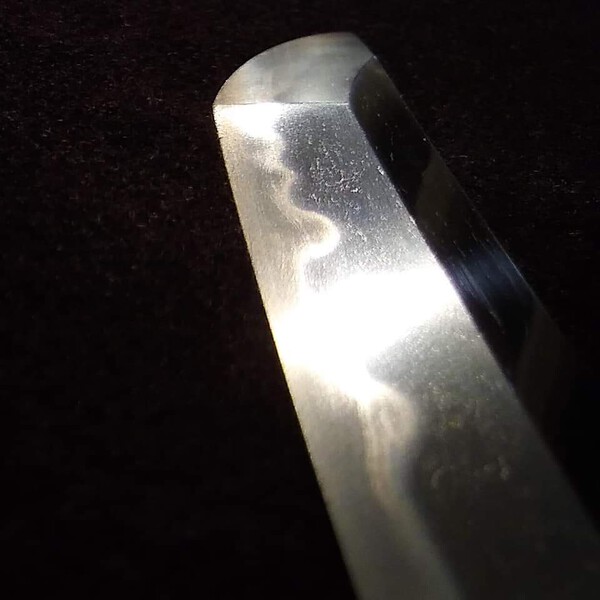
For reference, this is the Naoe Shizu Jeremiah mentioned which I purchased recently from Jean. I love this sword. I suspect, in a blind test between the two swords where I did not see the kanteisho, it the one I would choose.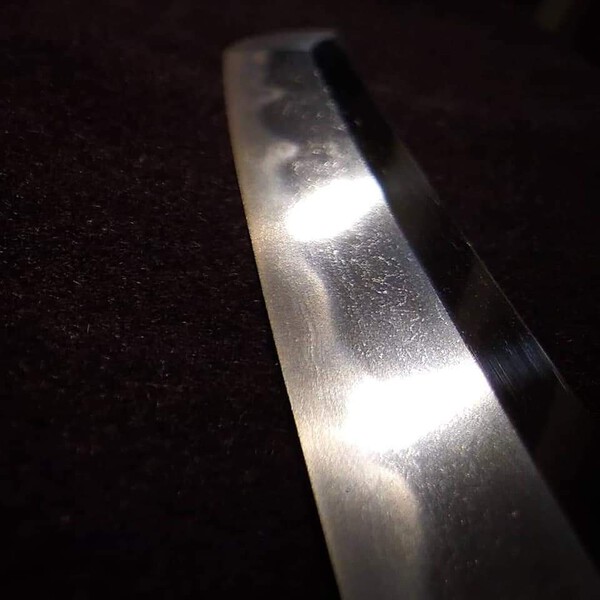



-
Further, this is an amateur tsukamaki. The refit of this tsuka to another sword was done recently. Loot closely at how the format of tsukamaki changes completely halfway down the tsuka, and how the ito bunches at the kabutogane because the wrap was not planned correctly across the length of the tsuka. The knot is also not properly done.
-
I believe an alternate reading is kaimushi.
-
Chris, if you have not already done so look into Hōjōji Masahiro for your research on this sword.
-
Need Assistance with a Shinsa Paper
Ray Singer replied to Tom Darling's topic in Translation Assistance
Please show the other side of the kanteisho. -
Speaking of long shin-gunto. http://www.japaneseswordbooksandtsuba.com/store/swords/k75-29-katana-yokoyama-sukenao-custom-gunto-koshirae#
-
Nakago Mei With Chrysanthemum Translation.
Ray Singer replied to Logan09's topic in Translation Assistance
That's it Logan. The 2nd month of Kanbun 5 (1665).