Ray Singer
-
Posts
5,374 -
Joined
-
Last visited
-
Days Won
147
Content Type
Profiles
Forums
Events
Store
Downloads
Gallery
Everything posted by Ray Singer
-
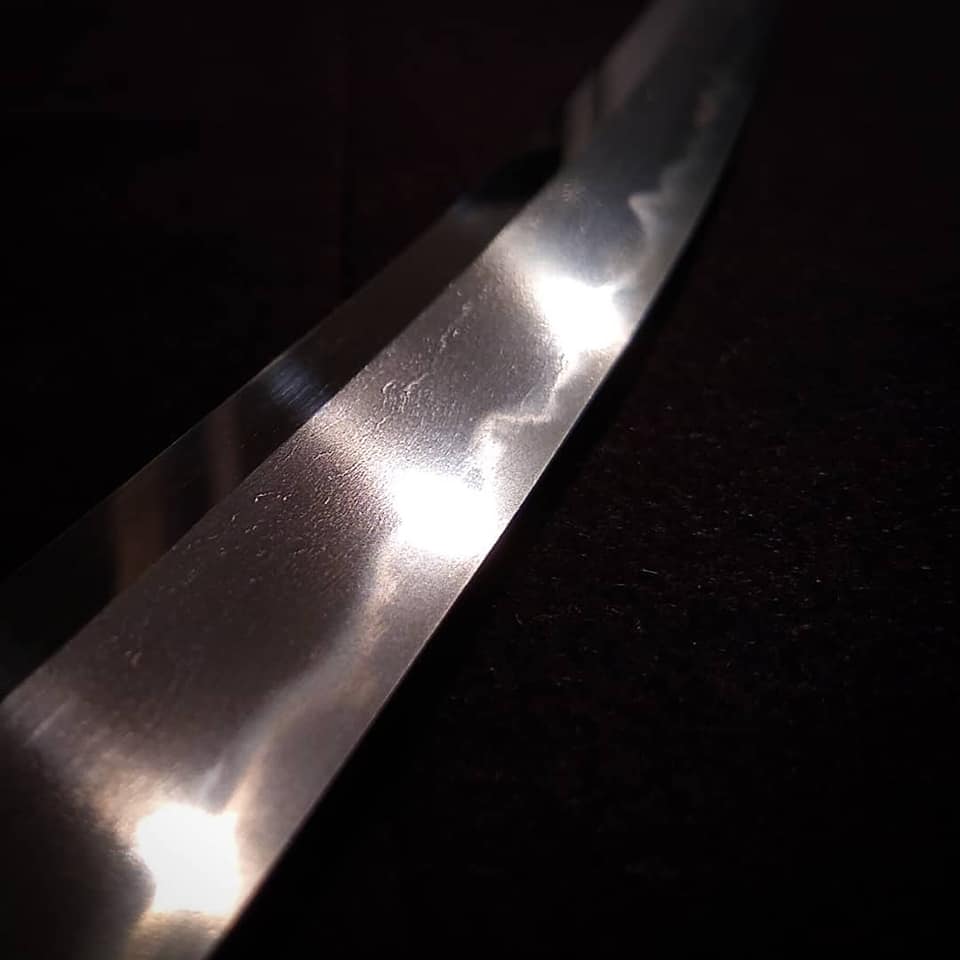
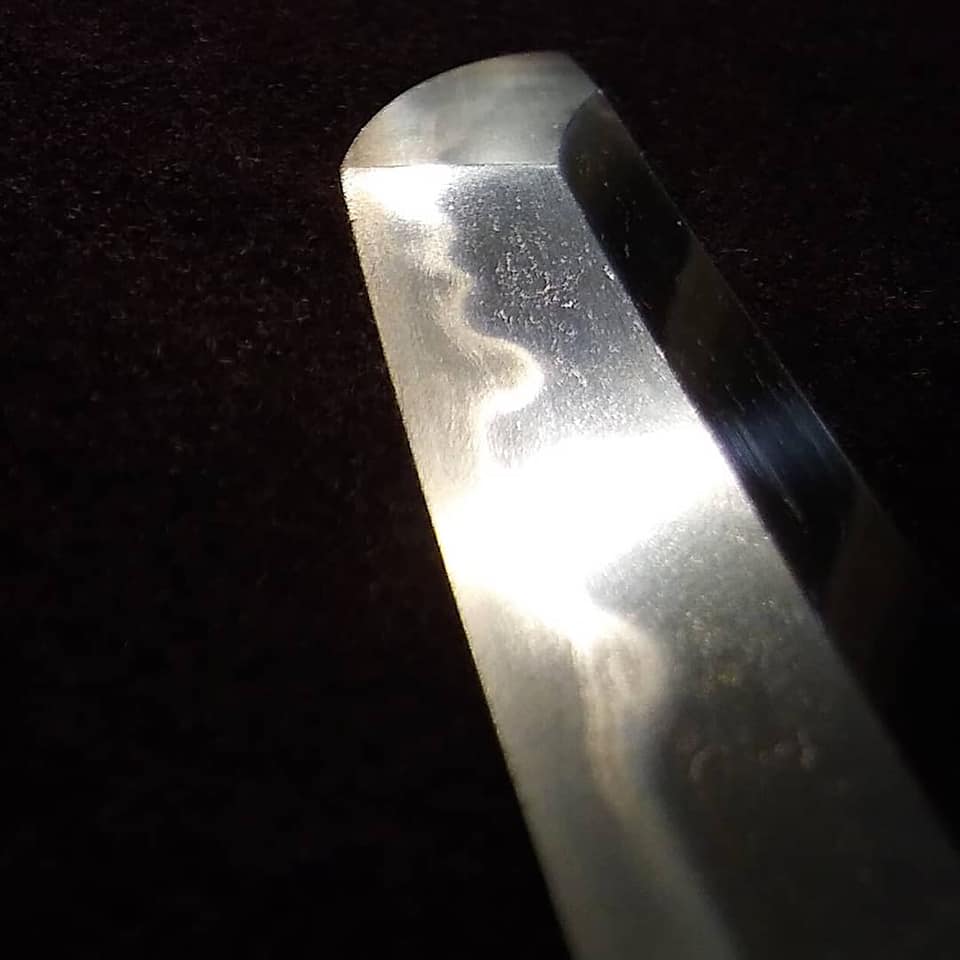
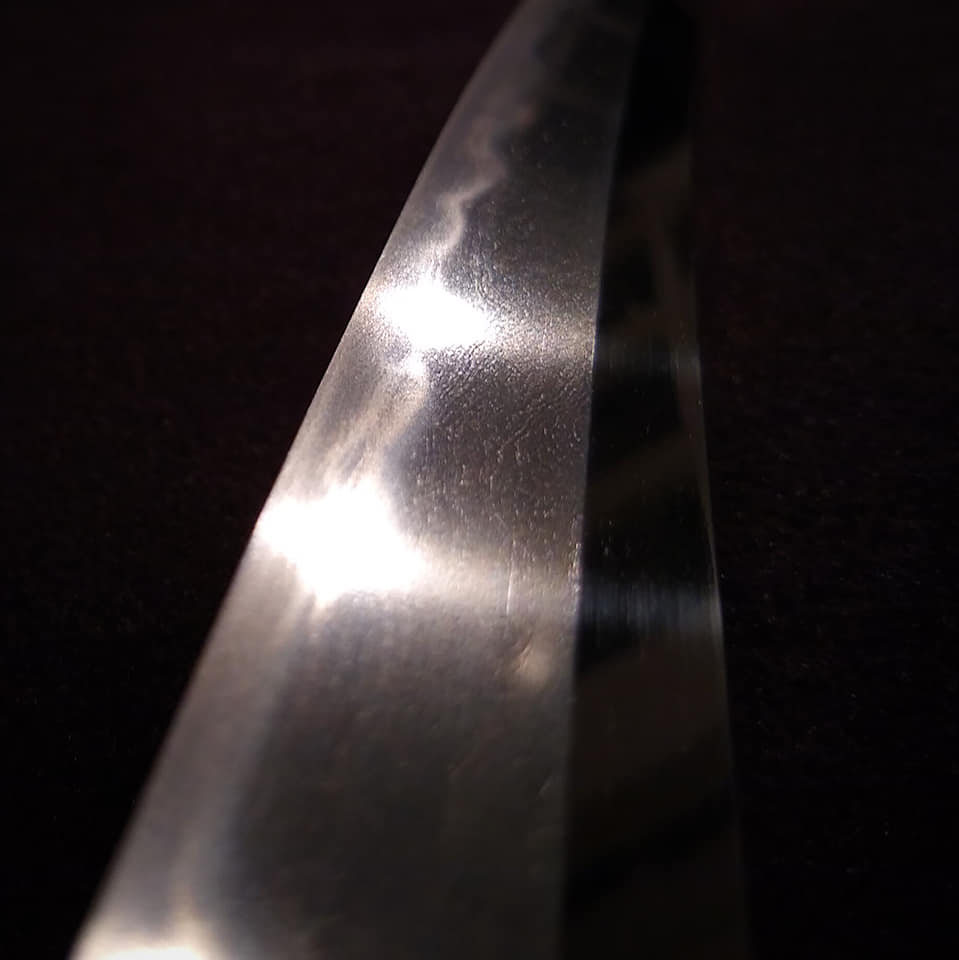
Hi Jean, Your sword has what appears to be a darkish jigane, which is what is associated with works from northern Japan. The jitetsu appears to be a combination of large patterned itame with areas of a flowing itame (nagareru) which is seen in Uda / Ko-Uda. The sugata has an old feel to it (to my eyes) with a somewhat stretched kissaki that has a feel of Nambokucho. The hamon is a low-lying midareba showing Soshu influence, that is (among others) representative of Ko-Uda. Shinogi-ji is proportionately narrow. There is a trace of soe-hi visible in the nakago. This is an old sword. A few reference examples: https://www.aoijapan.net/?s=kouda&x=0&y=0 https://www.aoijapan.net/katana-mumei-kouda-2/ Kind regards, Ray PS. I might be 100% wrong, but as requested am giving feedback on what details I noticed. I do not follow a structured approach to kantei, going sequentially through sugata, jitetsu and hamon. Often, the attribution I suggest will be an impression based on what a sword reminds me of from past examples I have studied. Usually it is a gut reaction that a sword looks like one or more blades I have studied which show similar attributes.
-

Nakago Mei With Chrysanthemum Translation.
Ray Singer replied to Logan09's topic in Translation Assistance
If you want to try your hand at translating the date, I have a chart here. http://swordsofjapan.com/Japanese-nengo/ -
Nakago Mei With Chrysanthemum Translation.
Ray Singer replied to Logan09's topic in Translation Assistance
Inoue Izumi no kami Kunisada, and yes dated on the reverse. -
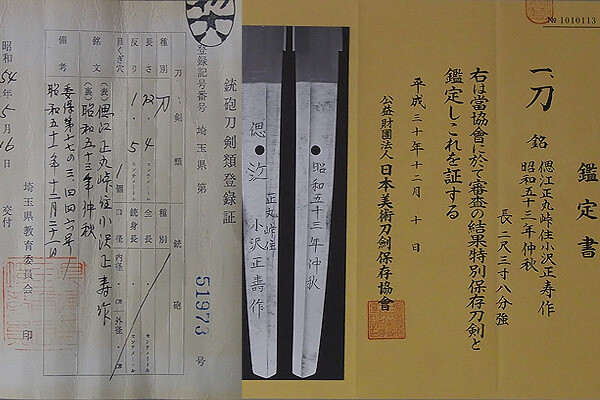
Here is another example of a shinsakuto that has passed Tokubetsu Hozon. Ozawa Masatoshi. https://page.auctions.yahoo.co.jp/jp/auction/s651467682?fbclid=IwAR3a1PpwbqgXXrrQcmtGOYadrl92S_n4klchsiLPrMgSs29Gcv7kg2ekDQw
-
Hi Jean and welcome. This looks like a potentially very nice sword. Nambokucho period Ko-Uda would be my call. Has an iori-mune (rather than mitsu-mune). Boshi appears quite narrow, not sure to what extent it is still present at the end. PS: Please check on the large fingerprint (clean and oil the blade). http://www.nbthk-ab.org/Etiquette.htm. If you decide to have restored, please also do so in Japan. The hamon, as narrow as it is in places, should be handled by a good, licensed togishi. I would recommend Paul Martin as a good choice to assist.
-
Help With Translation My Great Uncle's Sword.
Ray Singer replied to tominfukuoka's topic in Translation Assistance
Iga no kami Fujiwara Kinmichi 伊賀守藤原金道 -
Confirmation Of My Mei Translation
Ray Singer replied to rantoulpawn's topic in Translation Assistance
I was leaning towards 義 as it appears that there are three parallel horizontal strokes at the top. The pitting makes it difficult though. -
Tom, as mentioned above Yoshi is a slightly different kanji : 吉
-
Confirmation Of My Mei Translation
Ray Singer replied to rantoulpawn's topic in Translation Assistance
Yoshisuke -
古田 Furuta
-
Chris, I sent you a PM with a few suggestions. Kind regards, Ray
-
Vendor Claims From Japanese Market. Chinese Made? Another Kimono?
Ray Singer replied to O-Midare's topic in Nihonto
This is a seller we have spoken about in the past (also sells under the user name Changtian-swords). http://www.militaria.co.za/nmb/topic/25062-sword-up-for-sale-on-ebay/ -
I would consider a madoake as a starting point, to help you evaluate health of each sword. It is a fairly low cost investment which will give you a more informed perspective on the restorablility of these blades.
-
Is This A Family Mon? Fuchi And Kashira
Ray Singer replied to Logan09's topic in General Nihonto Related Discussion
These appear to be two additional kamon. For example...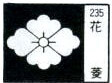
-
Unfortunately not authentic. Please see the link below. http://www.jssus.org/nkp/fake_japanese_swords.html
-
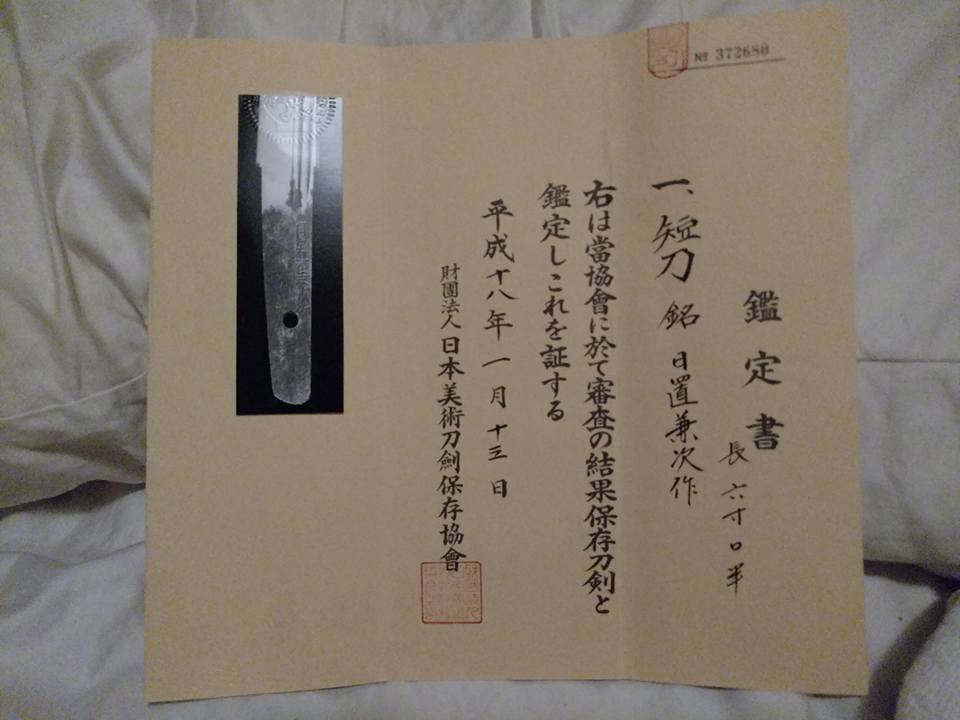
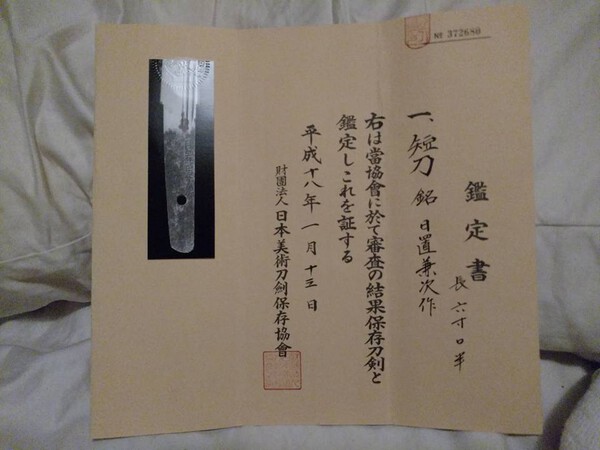
Thanks Steve! Franco, I just updated the post with nagasa of 6 sun, 18.2cm (per the kanteisho). I don't have the piece on-hand here at work but will confirm the moto-haba and update with that information as well. Best regards, Ray
-
The kamon may indicate maternal and paternal lineage. Fabulous koshirae BTW. I would think the blade is a Kamakura naginatanaoshi. A friend had an almost identical Aoe naginatanaoshi juto. I think I can see some utsuri there. Perhaps look at Aoe and Ichimonji as options. Definitely worth going through the process of shinsa in Japan.
-
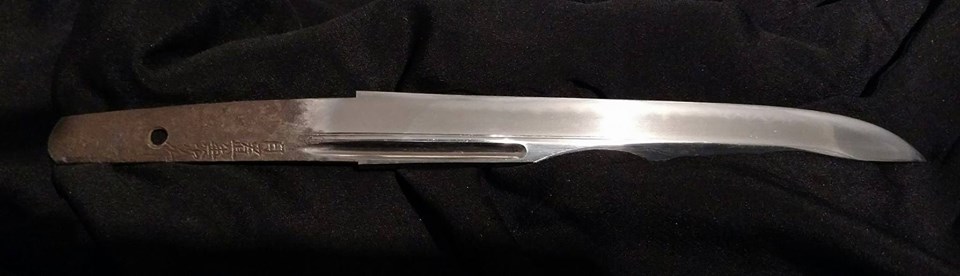
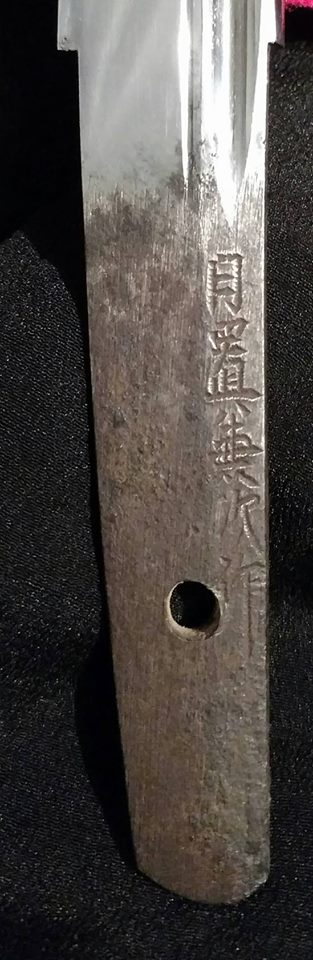
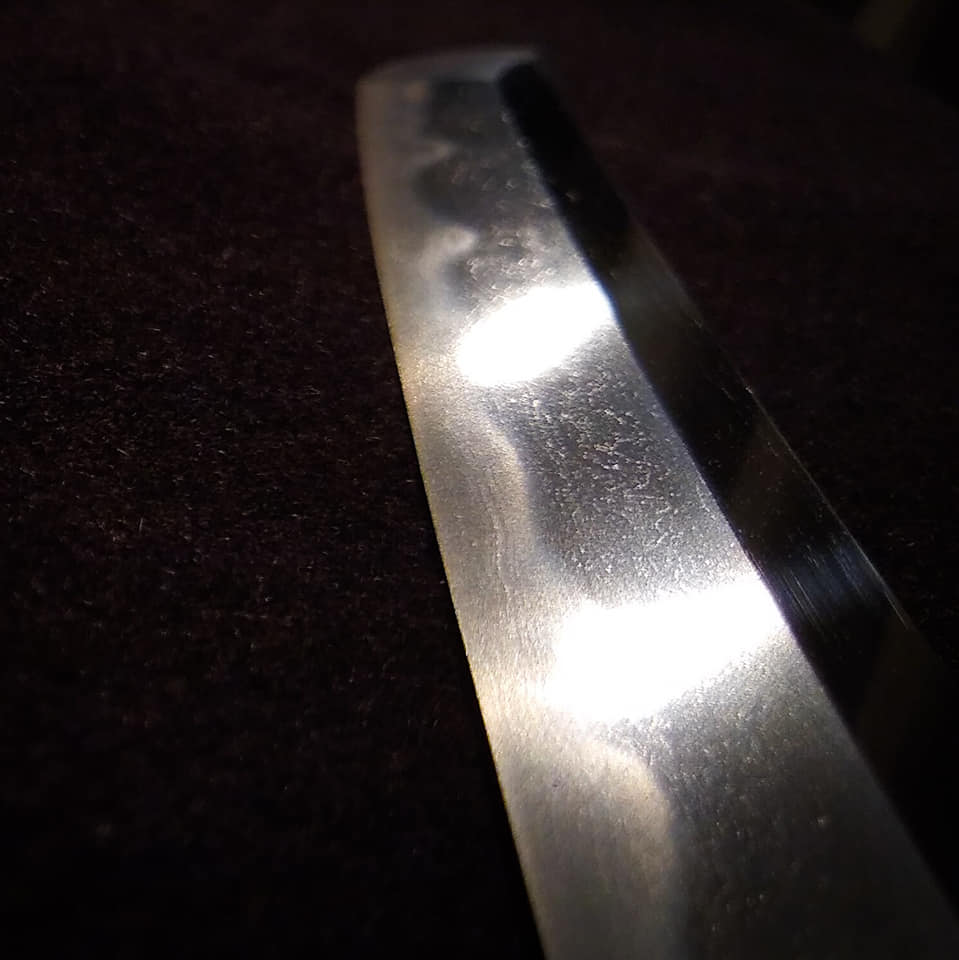
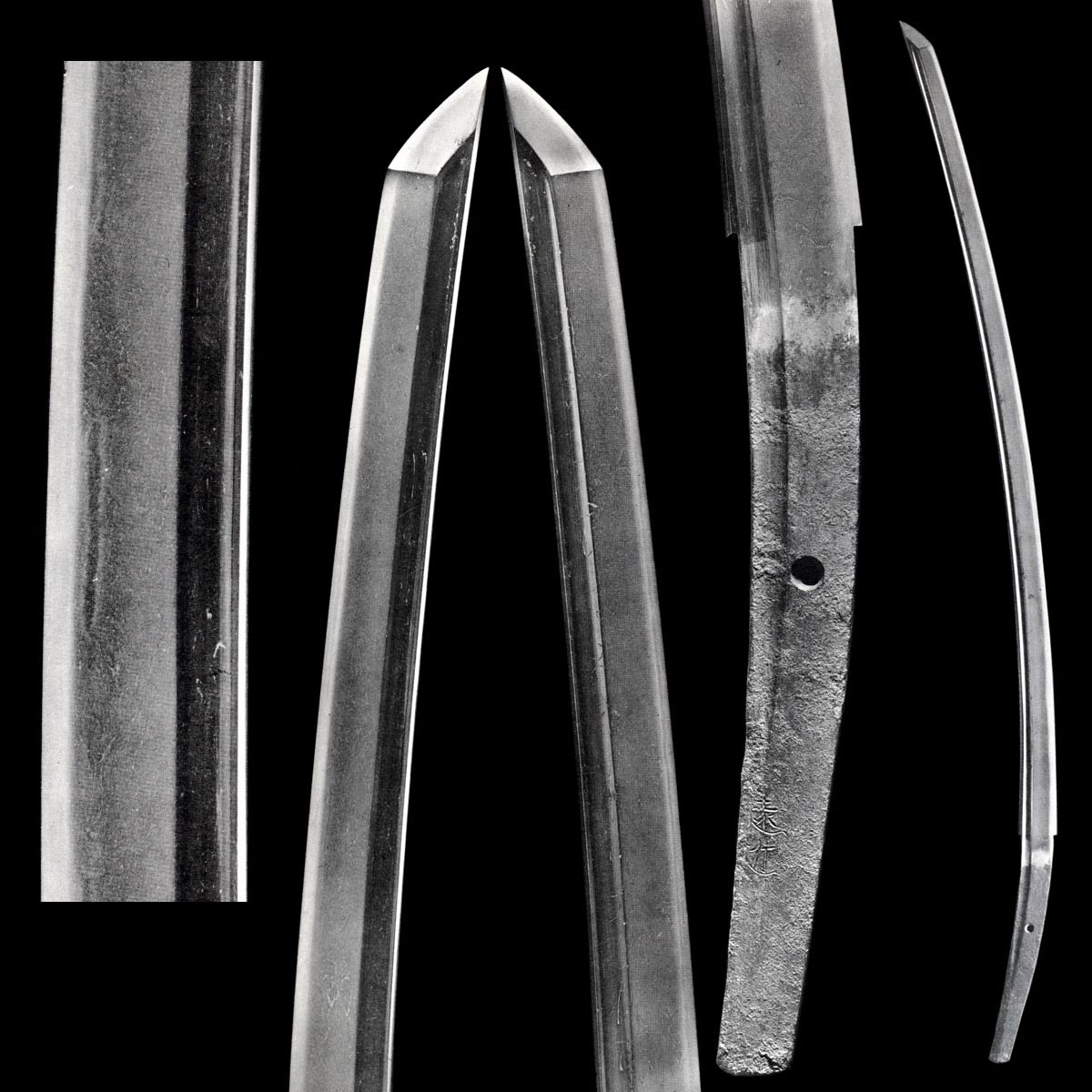
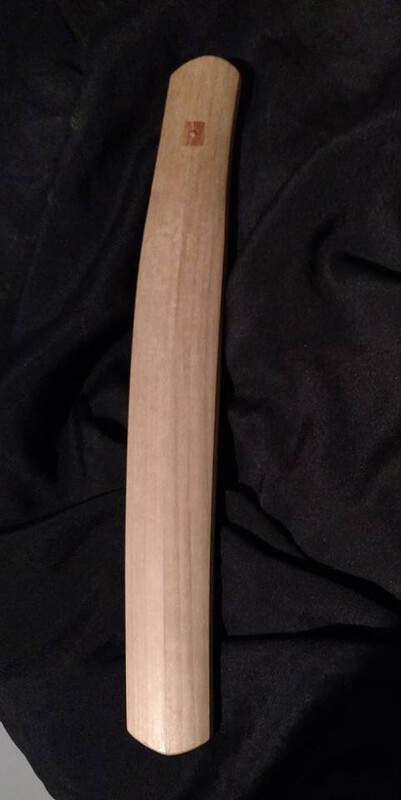
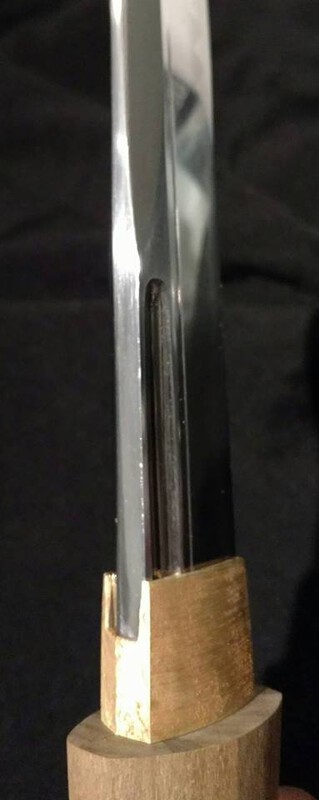
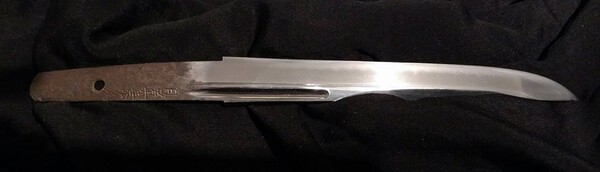
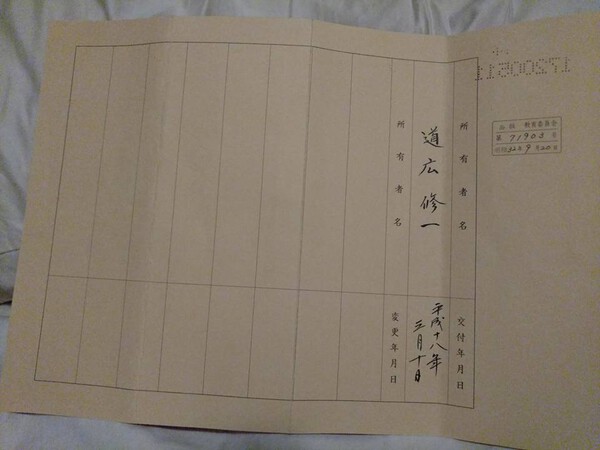
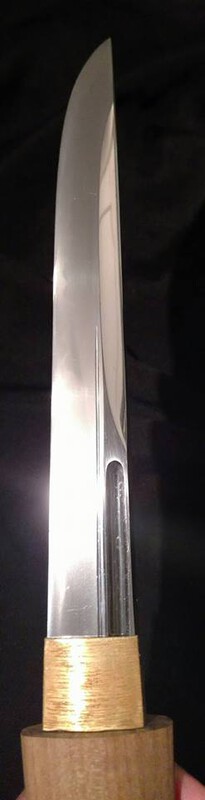
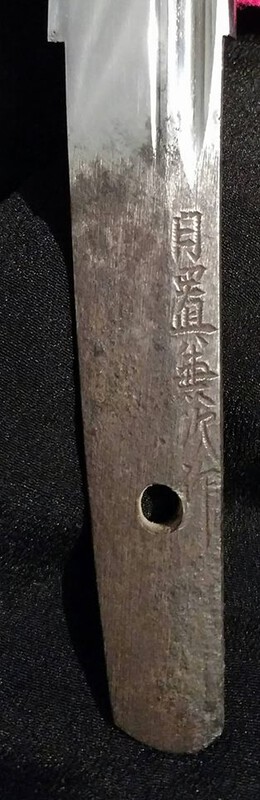
This is an excellent quality tanto by the shinshinto smith Hioki (Heki) Kanetsugu. He worked around 1865-1868 and was of the Inshu Kanesaki line, having studied under the 10th generation Kanesaki. He also studied under Yokoyama Sukekane and later forged swords alongside Minamoto Kanenori. This is a thick, healthy and flawless tanto in unokubi zukuri. The kasane is a very healthy 7mm. Nagasa is 6 sun (18.2cm). The jihada is ko-itame and the hamon is a togari gonome is nioi and ko-nie.
-
I don't recall having seen this specific arrangement before. This is a date of Showa 3 (1928).
-
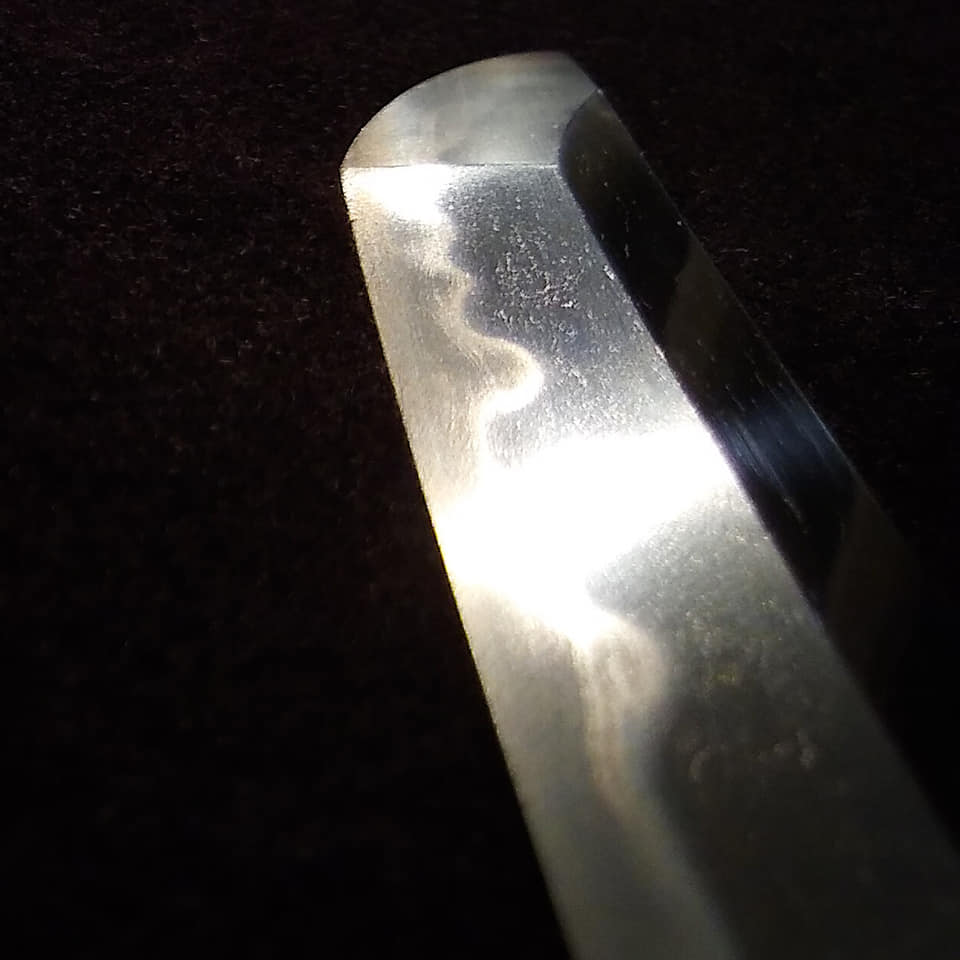
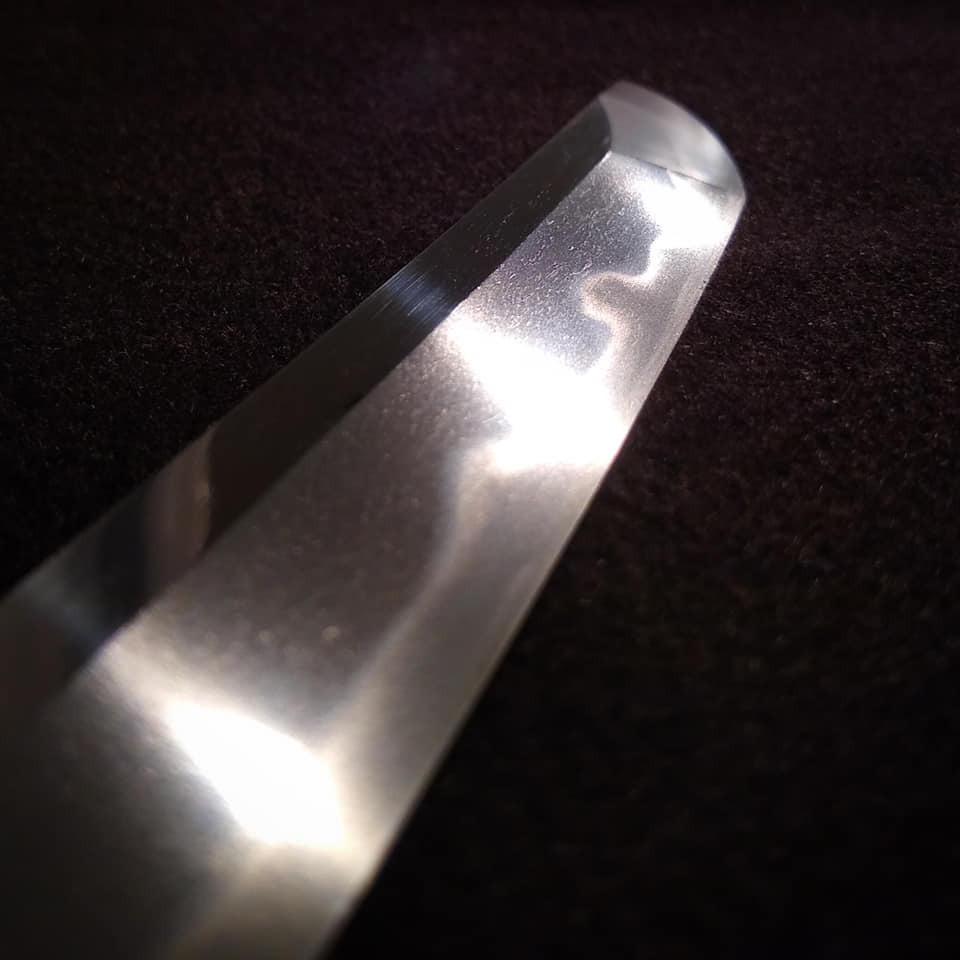
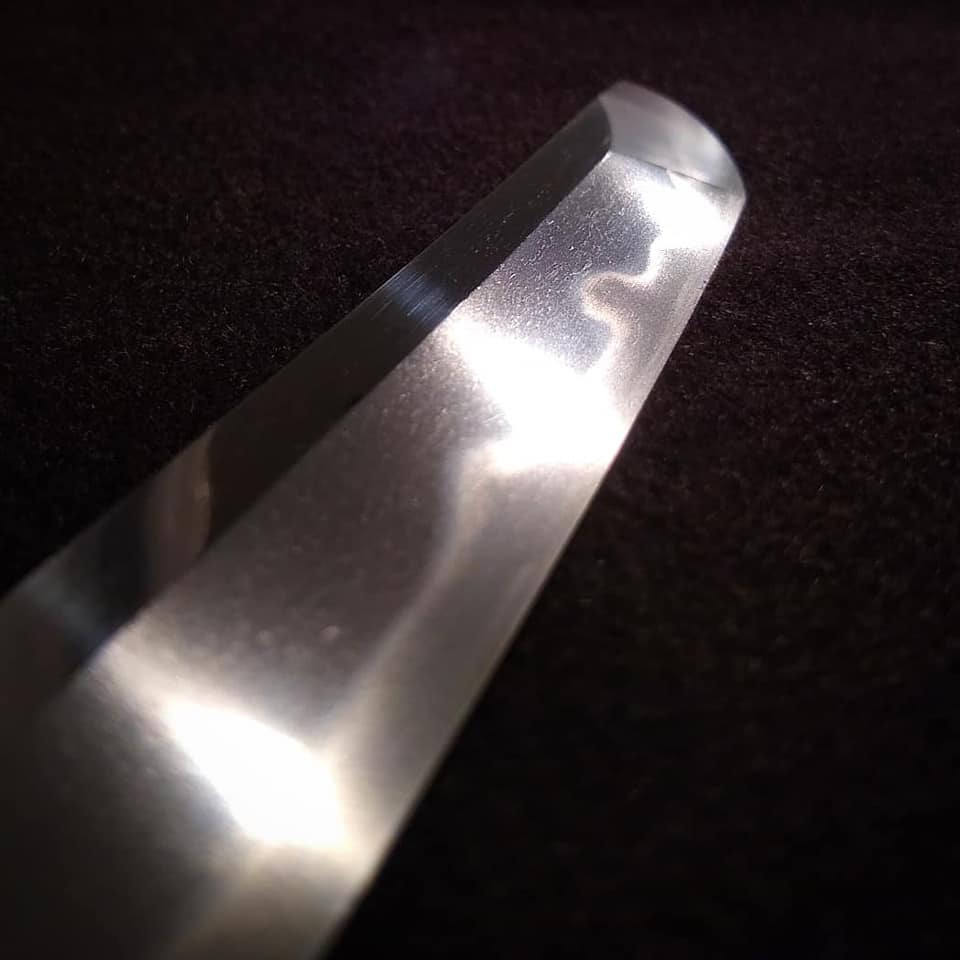
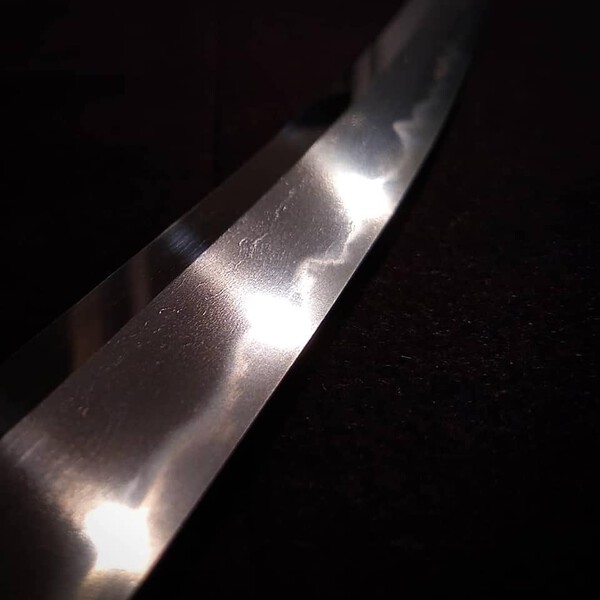
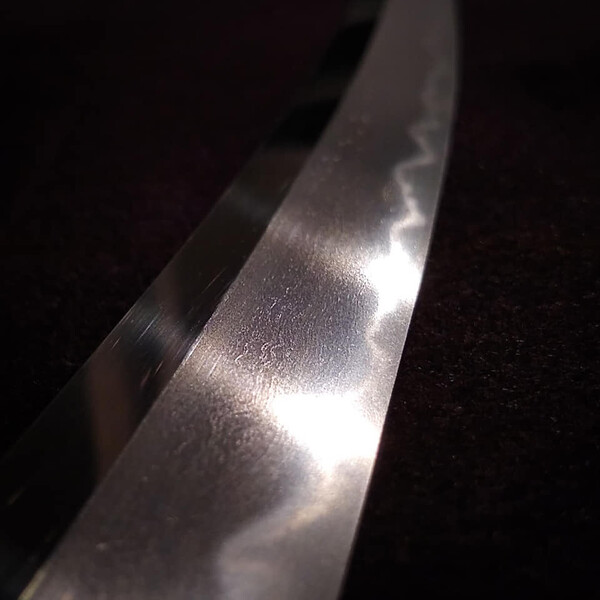
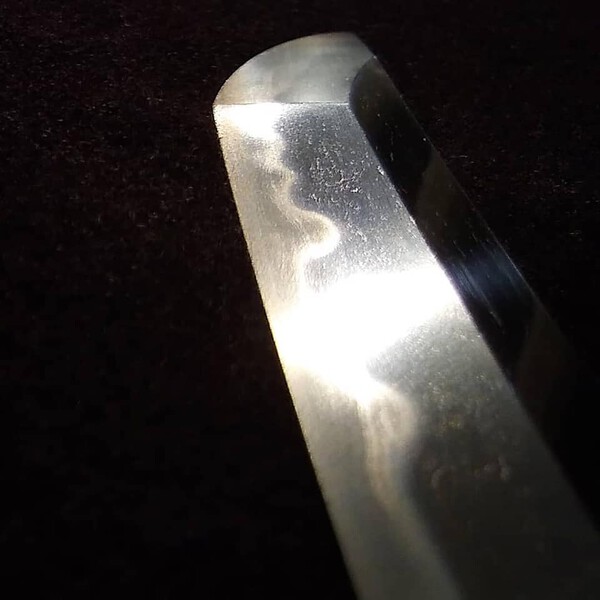
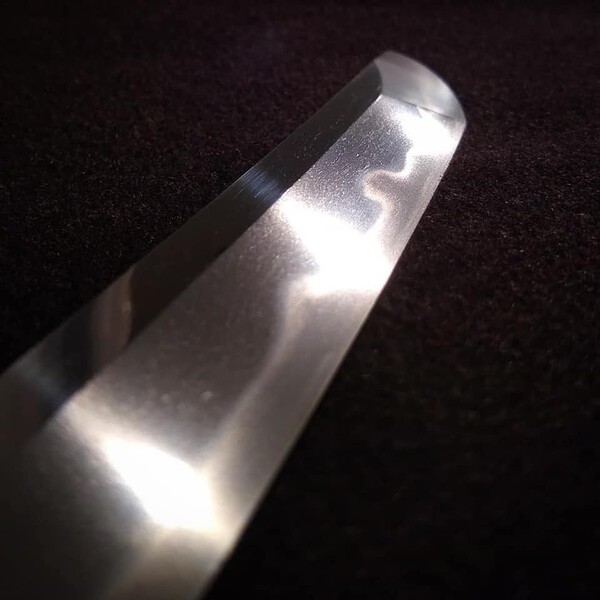
This is a sword I recently acquired from Jean, and is my favorite acquisition in a very long time. NBTHK attribution to Naoe Shizu, with an old attribution (on a "daimyo" torokusho) to Shizu. Jitetsu looks more Shizu (in my opinion, and Benson had the same observation) and while the hamon looks very Naoe Shizu. Lovely and strikingly healthy sword, with mitsumune. Enjoy the photos

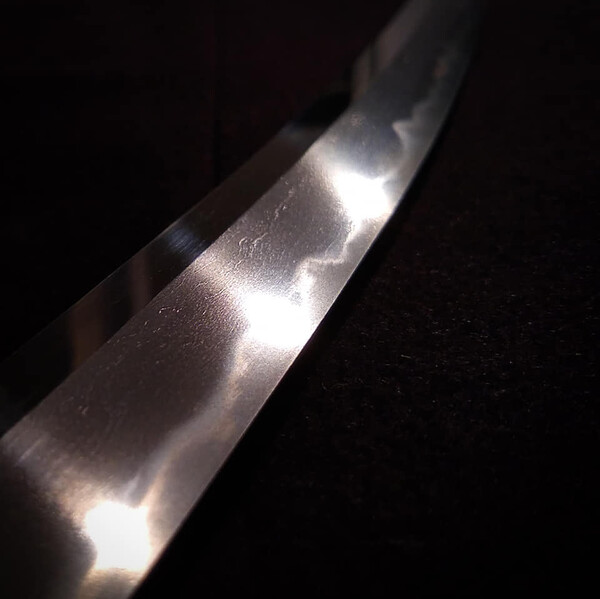
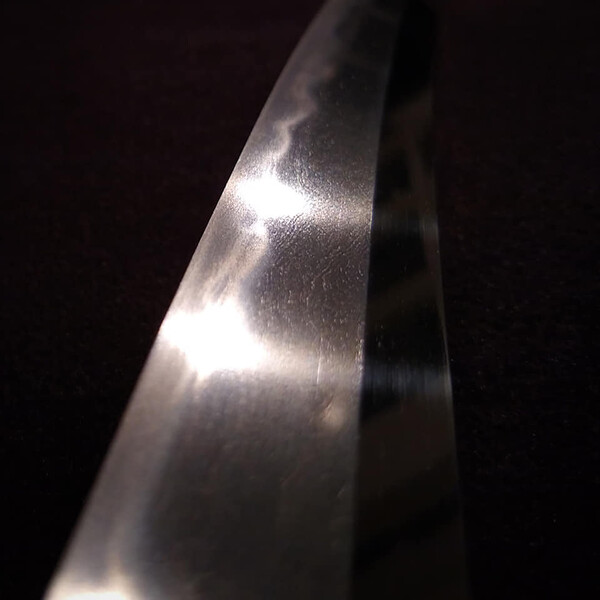
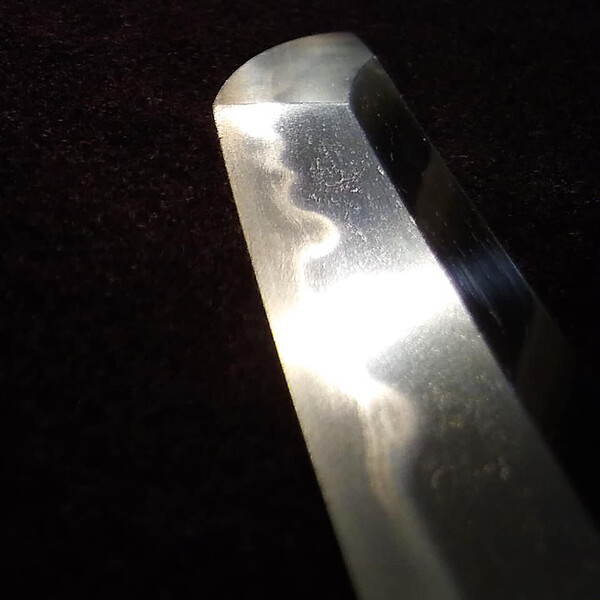
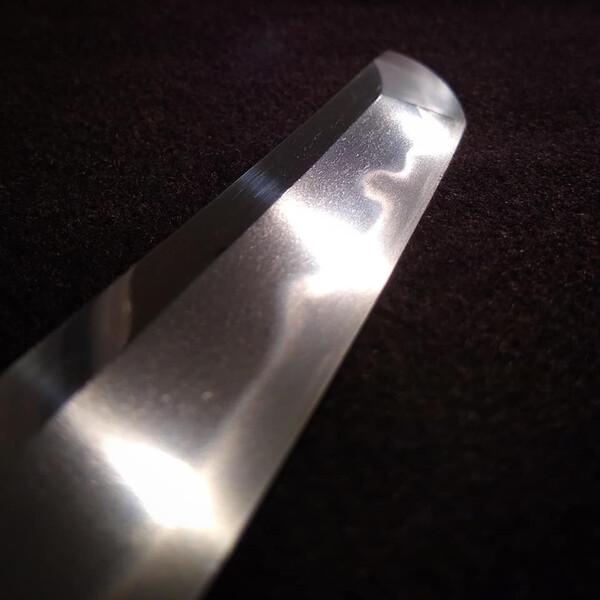

-
What a wonderful presentation, congratulations on putting this very nice reference together Chris.
-
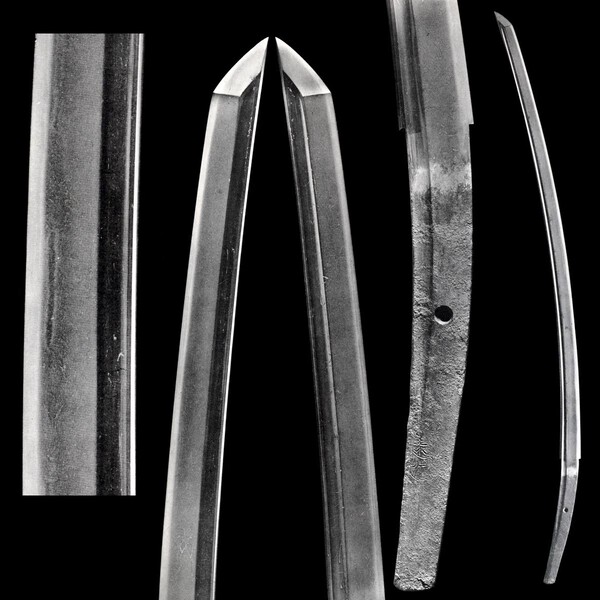
I have seen a healthy Ko-Bizen which showed some feeling of kamasu kissaki. That feature is specific to the earliest blades (going back to chokuto, which all had kamasu kissaki) and into Heian. In terms of schools, I would look to schools which worked at those earliest time period. Ko-Senjuin, Ko-Bizen, Mokusa, etc. Ko-Bizen Tochika attached.
-
Rereading that article makes me even more appreciative to have had a sword pass in session 57.
-
Tachi By Hachidai Tadayoshi With Zokumei (1836)
Ray Singer replied to Ray Singer's topic in Sold Archive
Thank you Luis -
Tachi By Hachidai Tadayoshi With Zokumei (1836)
Ray Singer replied to Ray Singer's topic in Sold Archive
Still available. I know its only been a few days since my initial listing, but I wanted to restate that this is something quite special. A signed and dated hachidai Tadayoshi with zokumei, and one which shows a very high level of work.. Any questions, please don't hesitate to ask... Best regards, Ray