
Leaderboard




Popular Content
Showing content with the highest reputation on 08/06/2026 in all areas
-
I was asked if I could jump in and clarify. Its a super confusing topic, but as Jacques pointed out, the general rule is an IS vs. WAS. I will put down my notes below. Traditionally, and currently, the NBTHK uses the following classification. Buckle up, hehe: Tachi (太刀) for a blade that still IS or can STILL BE recognized as such, that is, a blade intended to be a tachi, which means a blade meant to be worn carried edge down suspended from the waist cord. This can, but must not depend on the time period it was made. Tachi were prevalent before the Edo period, but tachi were still made in the Edo period and later. Production time is a major indicator, as is the placement of the signature. First, katana (see definition later) were not common until the late Muromachi period (16th century). Long swords made up to that time were most likely intended to be a tachi. Second, Japanese blades were traditionally signed in a way that has the signature face outwards when worn. Thus, when suspended from the waist cord, edge down, the signature is on the side with the cutting edge facing to the right when you hold the blade tip up in your hand. There were exceptions (Aoe School, etc.), but that is the general rule. Accordingly, when you have an unshortened long sword predating the late Muromachi period, or a somewhat shortened blade that retains its signature on said side, it is classified as a tachi by the NBTHK. An unshortened, but unsigned long sword from the Edo period may still be classified as a tachi by the NBTHK if it is prominently of a shape that copies earlier tachi shapes. Katana (刀) for all long swords in general that measure above of 2 shaku (60.6 cm) and that CAN NOT be recognized as a tachi. (FYI, even after being shortened to an extent that the entire original tang is lost [referred to as ō-suriage], a blade still classifies as a long sword as long as it measures more than 2 shaku.) There is no “katana now, but originally a tachi” in the nomenclature currently used by the NBTHK. For context, katana is the abbreviated form of the term uchigatana, which originally meant “striking shorter sword” (there was no textual distinction between dagger and short sword in early periods, only long sword, tachi; ANYTHING shorter was called a katana). Uchigatana (打刀) for all swords in hira-zukuri measuring noticeably above of 1 shaku (30.3 cm) and to around 2 shaku (60.6 cm) in their ORIGINAL, unshortened condition made before the Muromachi period (when short swords in shinogi-zukuri started to become common). This was the then period term for that kind of sword, or blade, and it is still followed. If a blade from said period and construction measures just somewhat above of 1 shaku, it will be classified as a wakizashi, even if other terms existed for it in the past (e.g., hira-zukuri ko-wakizashi, ō-tantō, ō-danbira, sunnobi-tantō, etc.). NOTE: Even if late Murmachi period long swords in shinogi-zukuri were still referred to as uchigatana in contemporary texts, those are currently classified as katana by the NBTHK. Wakizashi (脇指・脇差) for all blades measuring between 1 shaku (30.3 cm) and 2 shaku(60.6 cm), regardless if made to this length originally or shortened to this length later. If a tachi was shortened to below the length of 2 shaku, it is now classified as a wakizashi. There is no “wakizashi now, but originally a tachi or an uchigatana” in the nomenclature currently used by the NBTHK. See above for the exception of an uchigatana classification. Hope this is helpful.11 points
-
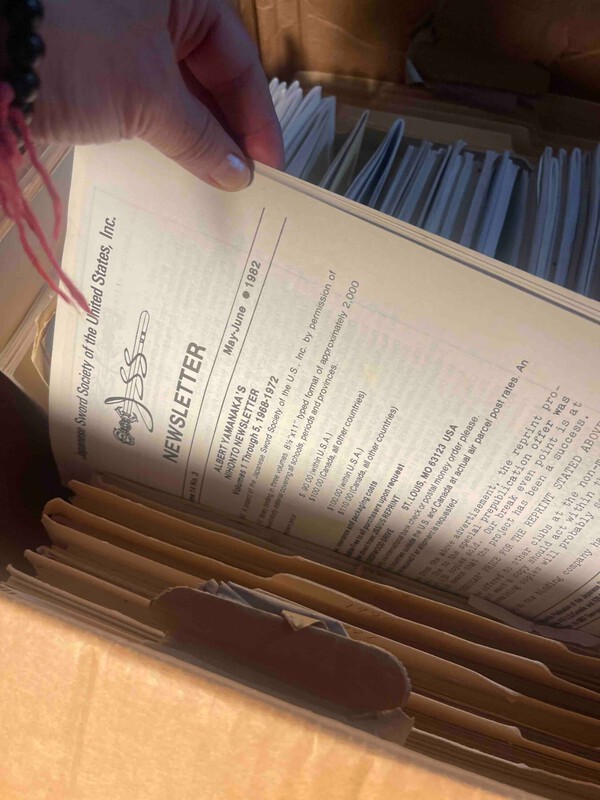
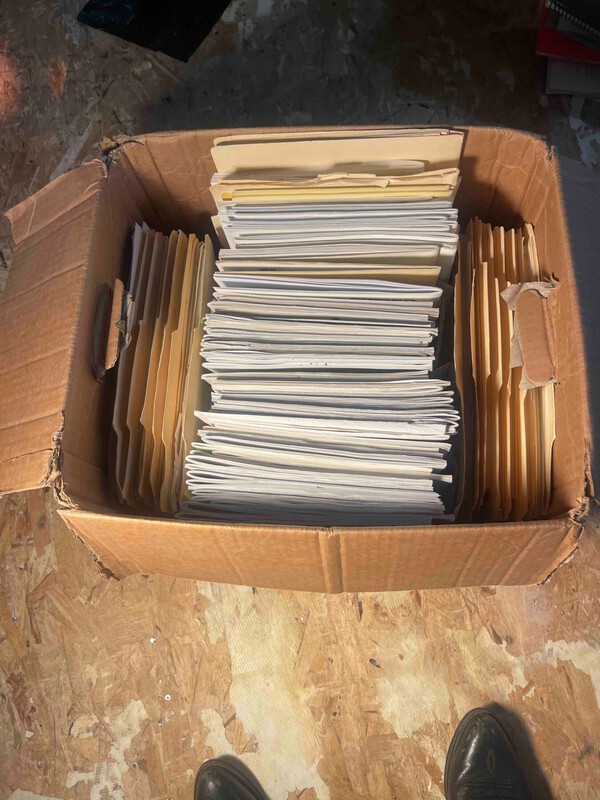
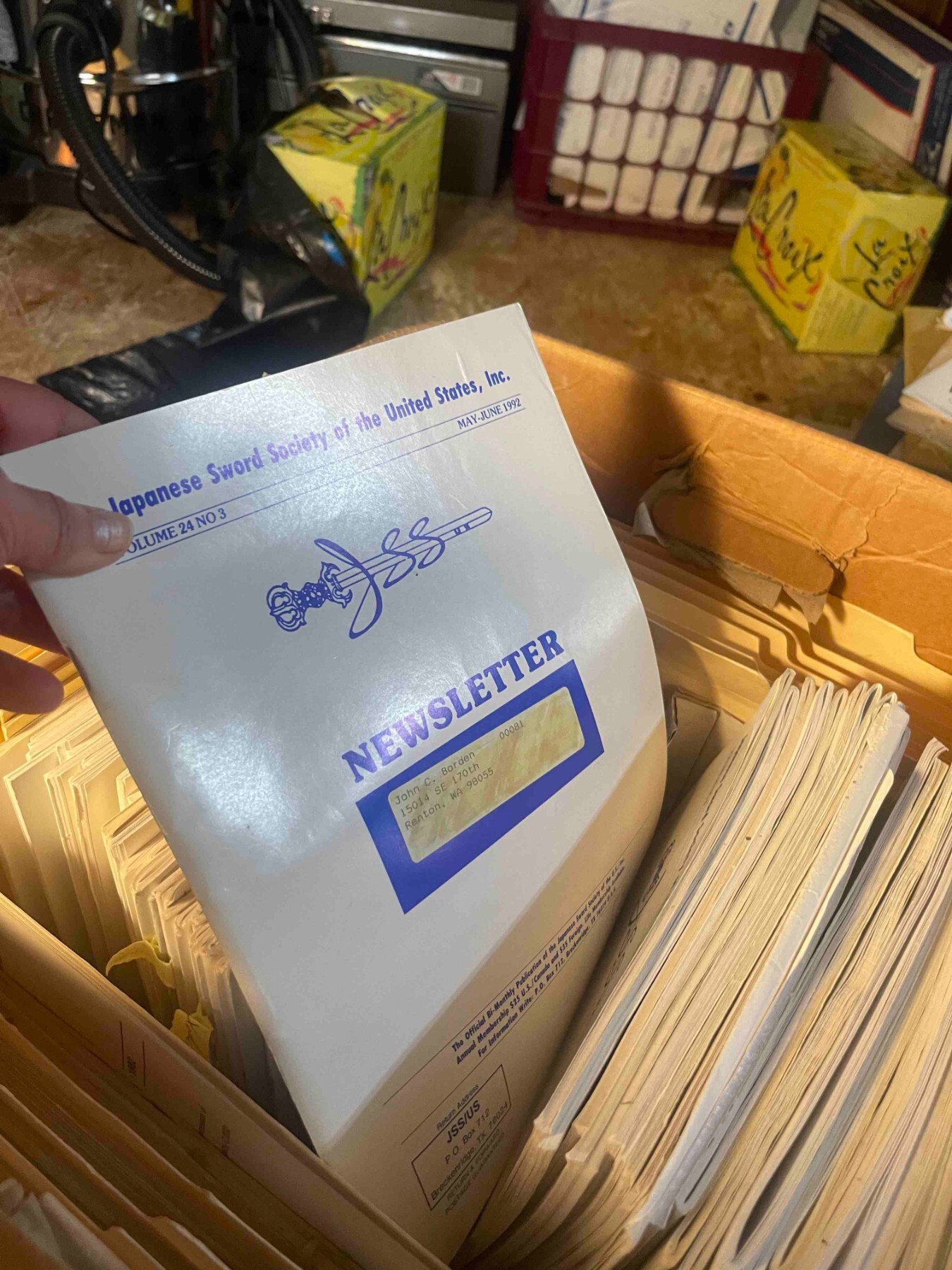
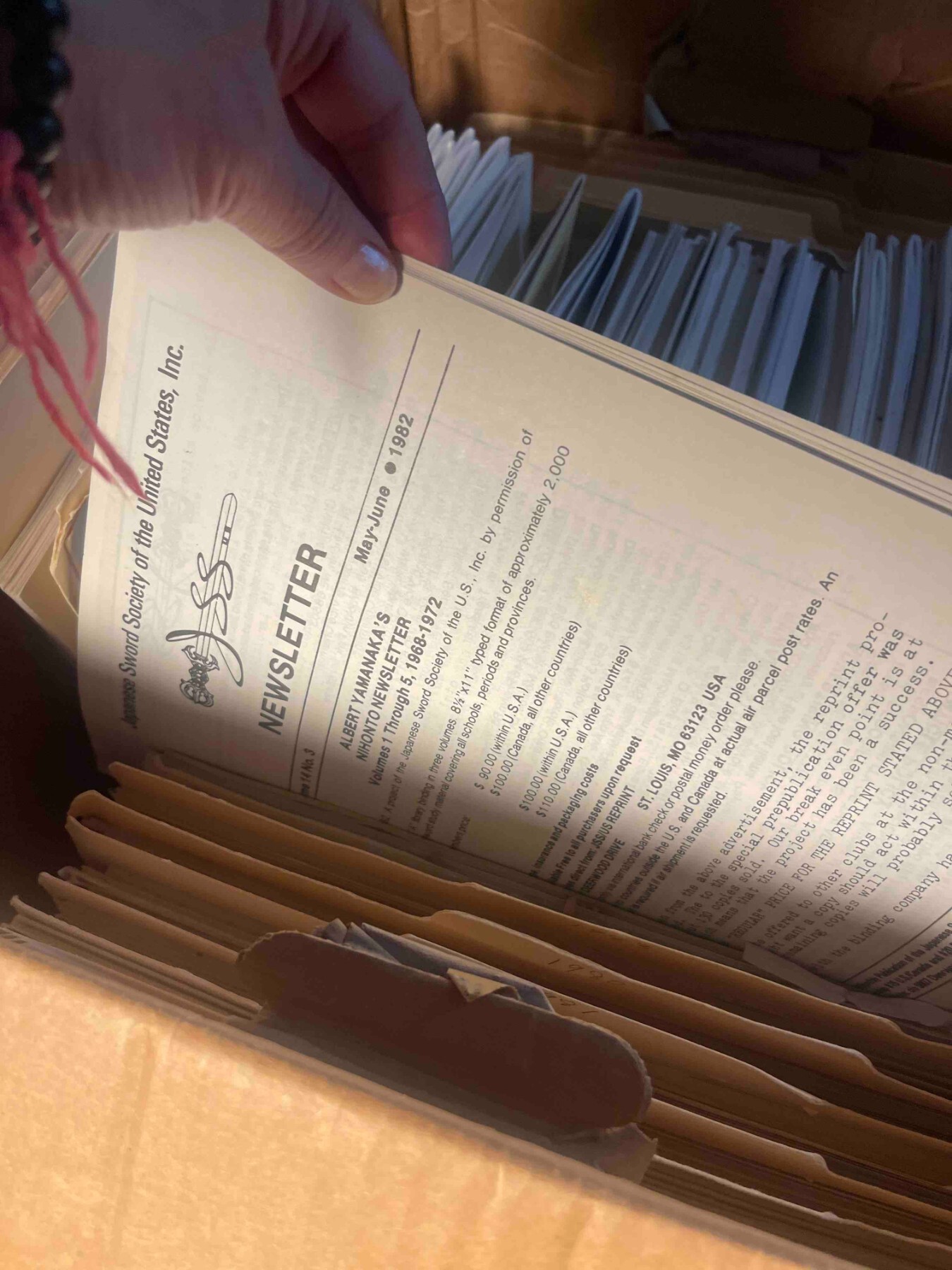
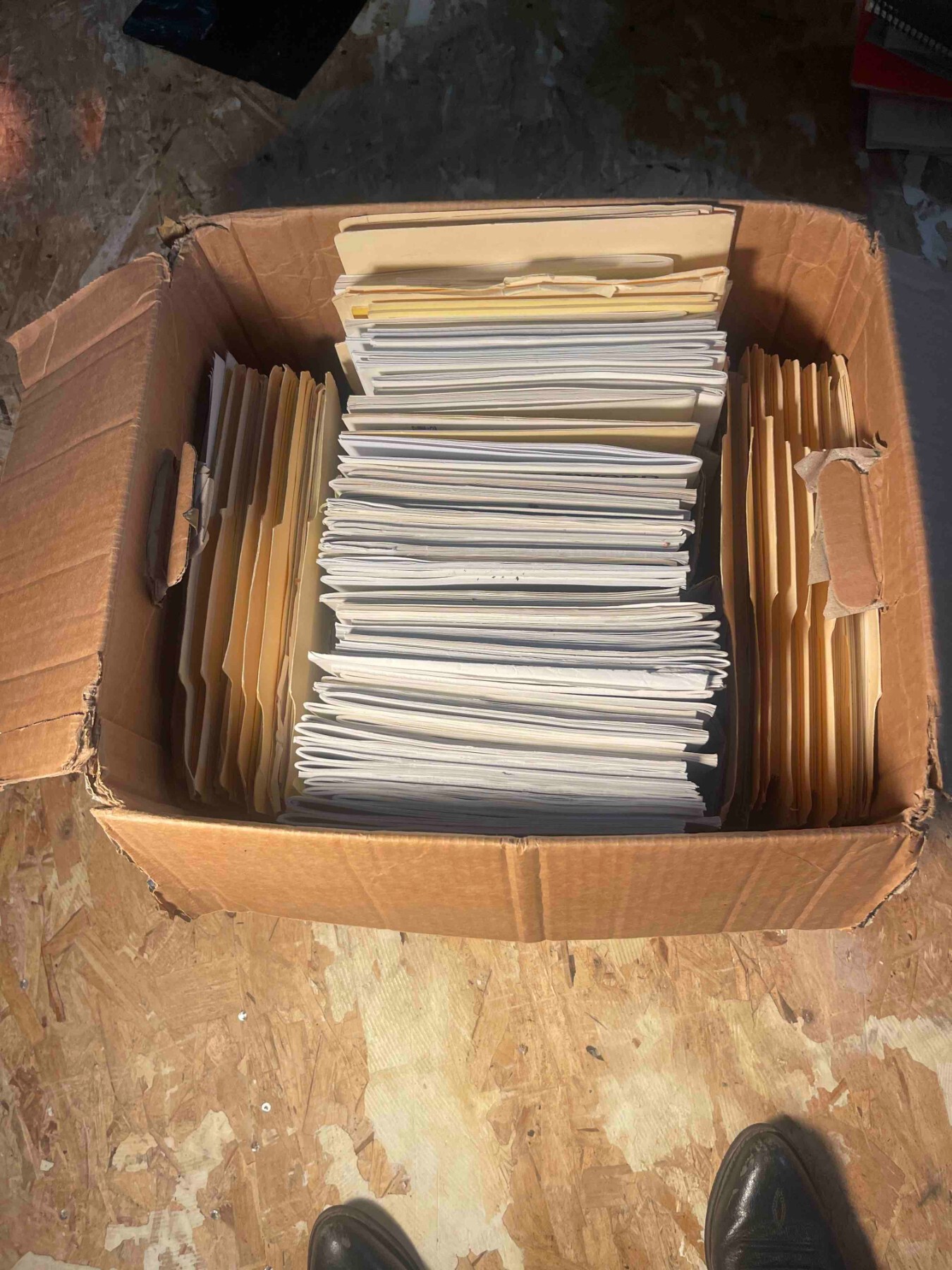
Hello, I am the Daughter of Steve Strauch who was a sword collector- he passed away recently. I have a ton of news letters from various clubs dating back to 1978. Newsletters that I need to give away or throw away. They seemed to be gifted from another collector J. Borden- who I do not know how to contact. I am located in Portland, Oregon. It only really makes sense if you can pick them up- really soon. I do not want to trash them so I'd love to have them be treasured. If you want them shipped I would need to get payed something for shipping and handling. I can NOT provide more pictures, so forth, as they are free. The box is very heavy, most likely over 40 pounds. PLEASE TAKE IT AWAY!!!


 6 points
 -
AFAIK, their definition is: A blade, signed in tachi-mei or unsigned, in shinogi-zukuri that is ubu (or has just the nakago-jiri slightly cut off), measuring around the ballpark of what constitutes a long sword, and that dates not later than Nanbokuchō. From the Muromachi period onwards, such a blade needs to be signed in tachi-mei to classify as a kodachi, otherwise its going to be either just a wakizashi or a katana, depending on the nagasa.6 points
-
Hello Marah, my condolences about your father. I am likely nearby, and would be honored to have them. I have sent you a message. All the best, -Sam6 points
-
I wouldn’t read too much into the spiritual aspects of various Buddhist traditions and sword smiths. What is unfortunately often overlooked, however, is the remarkable economic prowess of monasteries, particularly those of esoteric traditions such as Shingon and Tendai. As some of the largest landowners of the time, they were also exempt from taxes. Temples skillfully established all kinds of businesses and craftsmen near their temples in Teramaemachi. Since they, as landowners—or indirectly through their representatives, the Kuge—could also levy customs duties, monopolies often formed around services, products, and goods produced under their protection and on their lands. Thus, veritable “commercial enterprises” sprang up not only at monasteries but also at shrines, as was the case in Awataguchi. And the famous forges in Awataguchi produced not only fantastic swords but also countless nails for the construction and maintenance of various temples in the immediate and wider vicinity. No swordsmith could simply move from A to B just because he liked the area so much. The trades were clearly organized into guilds, which were generally administered by monasteries or shrines. There were a few exceptions, including Seki, which governed itself. This system was only dismantled by Oda Nobunaga, as the Za’s monopolies and countless tariff barriers hindered the country’s economic development. As for religious motifs on blades, people were relatively pragmatic. On the one hand, it depended on what the client wanted—and that was usually something believed to have the greatest impact. On the other hand, they also used symbolism that did not necessarily reflect the specific school of thought to which they themselves belonged. The “Kamakura Buddha” temple originally had an esoteric orientation. And Masamune was not a follower of Zen, but rather a Nichirin priest.4 points
-
Victors write the history books. They also take whatever they want. That's 'Rules of Warfare 101'. The subsequent perspective on those actions may change decades or centuries later - until, inevitably, there are debates such as this one. Hindsight always has a more finely tuned moral compass than that of combatants who have just defeated an enemy nation in an extremely bitterly fought war.4 points
-
Or the Heshikiri-Hasebe. Or the Honjo Masamune (cut through a helmet). These blades were no cabinet queens. https://japaneseswordlegends.wordpress.com/2015/10/01/the-heshikiri-hasebe/ and the Ishida Masamune (with deep kirikomi)
 4 points
 -
I'm not entirely sure about that. My understanding is that Soshu blades were in fact highly regarded battlefield performers, which is why the particular visual markers unique to their school became held in such esteem by the bushi of the era. The Ishida Masamune in particular has two very large chunks of the mune taken out by other blades; the fact that it was able to survive such punishment without any (visible) structural weakening would have been of great interest to the warriors of the time (and indeed, to both artists and craftsmen today).4 points
-
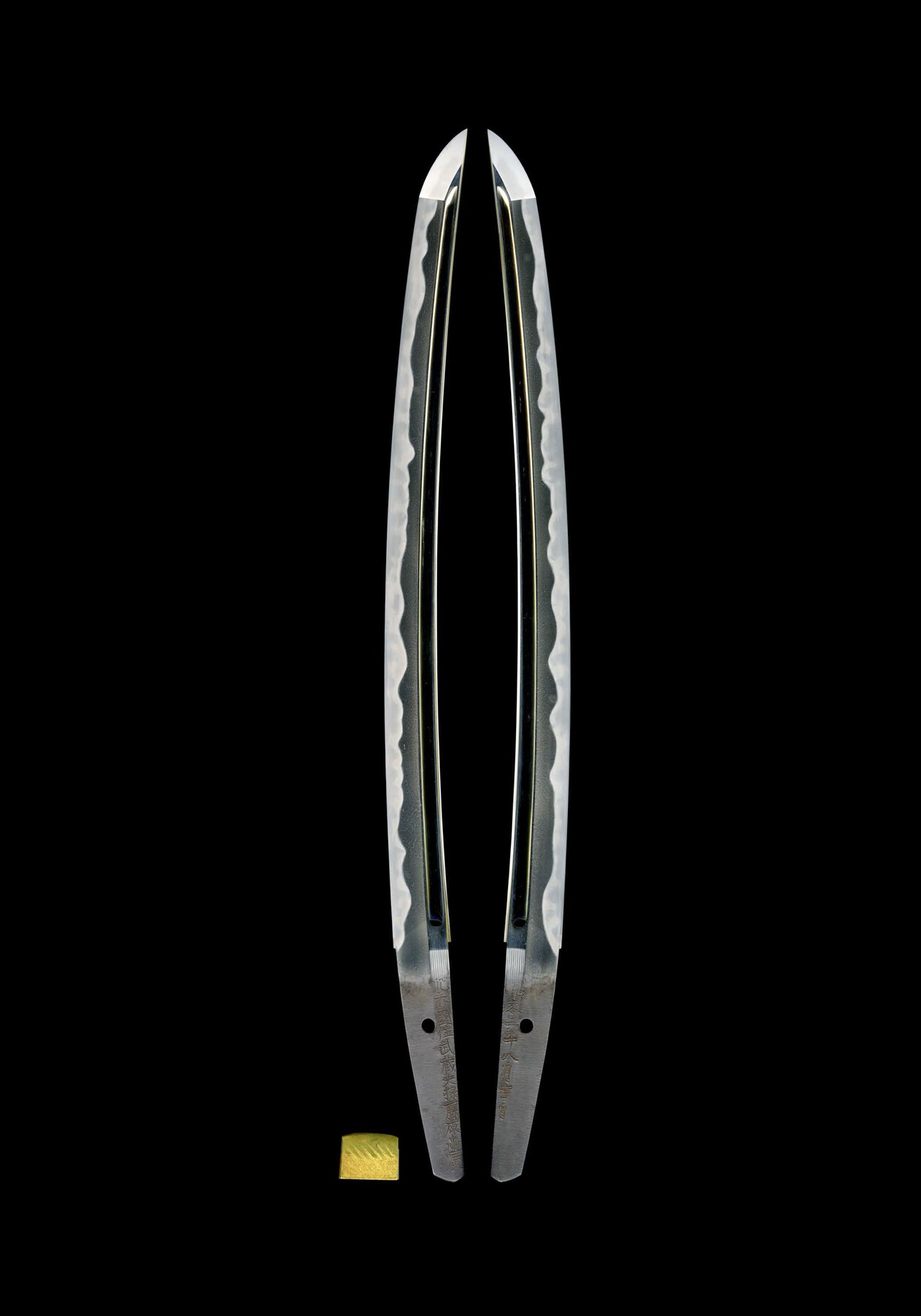
Mei: Kashu ju Fujiwara Kaneshige Date: an auspicious day in the 8th month of 1857 (Ansei 4)3 points
-
Working through it all carefully. Starting to list items here. https://ebay.io/m/DxoRnc and also going to sword shows.2 points
-
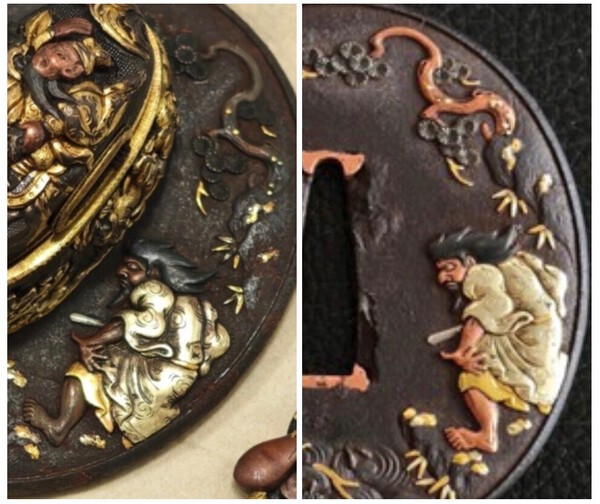
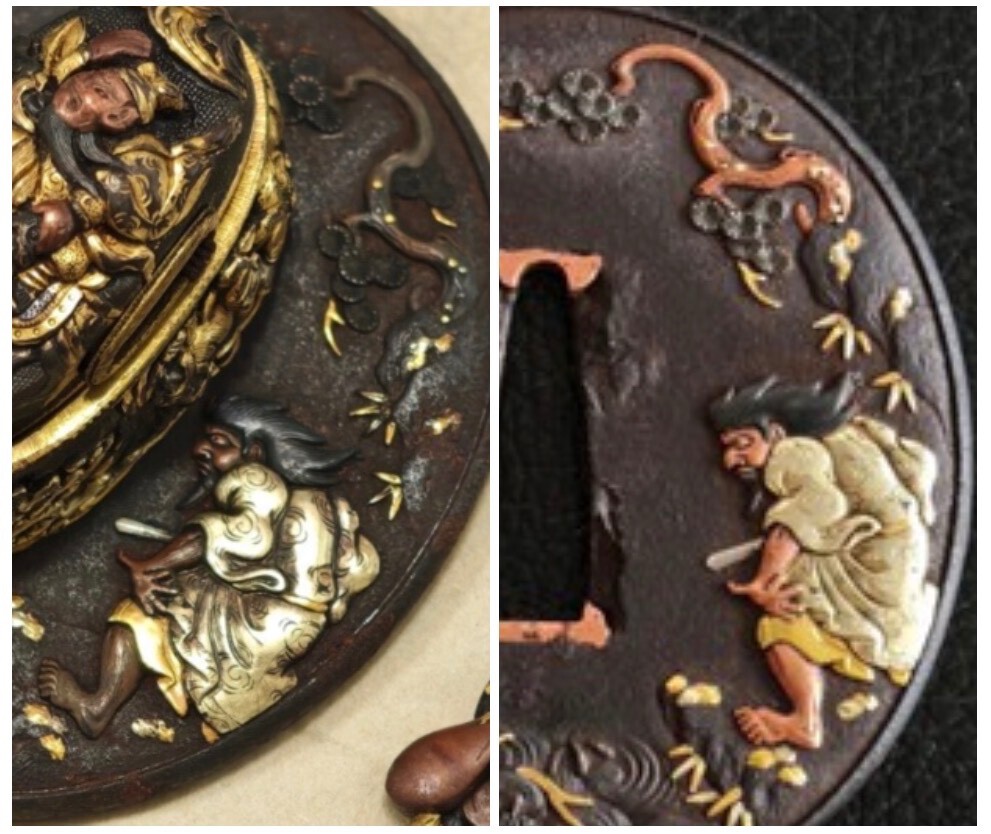
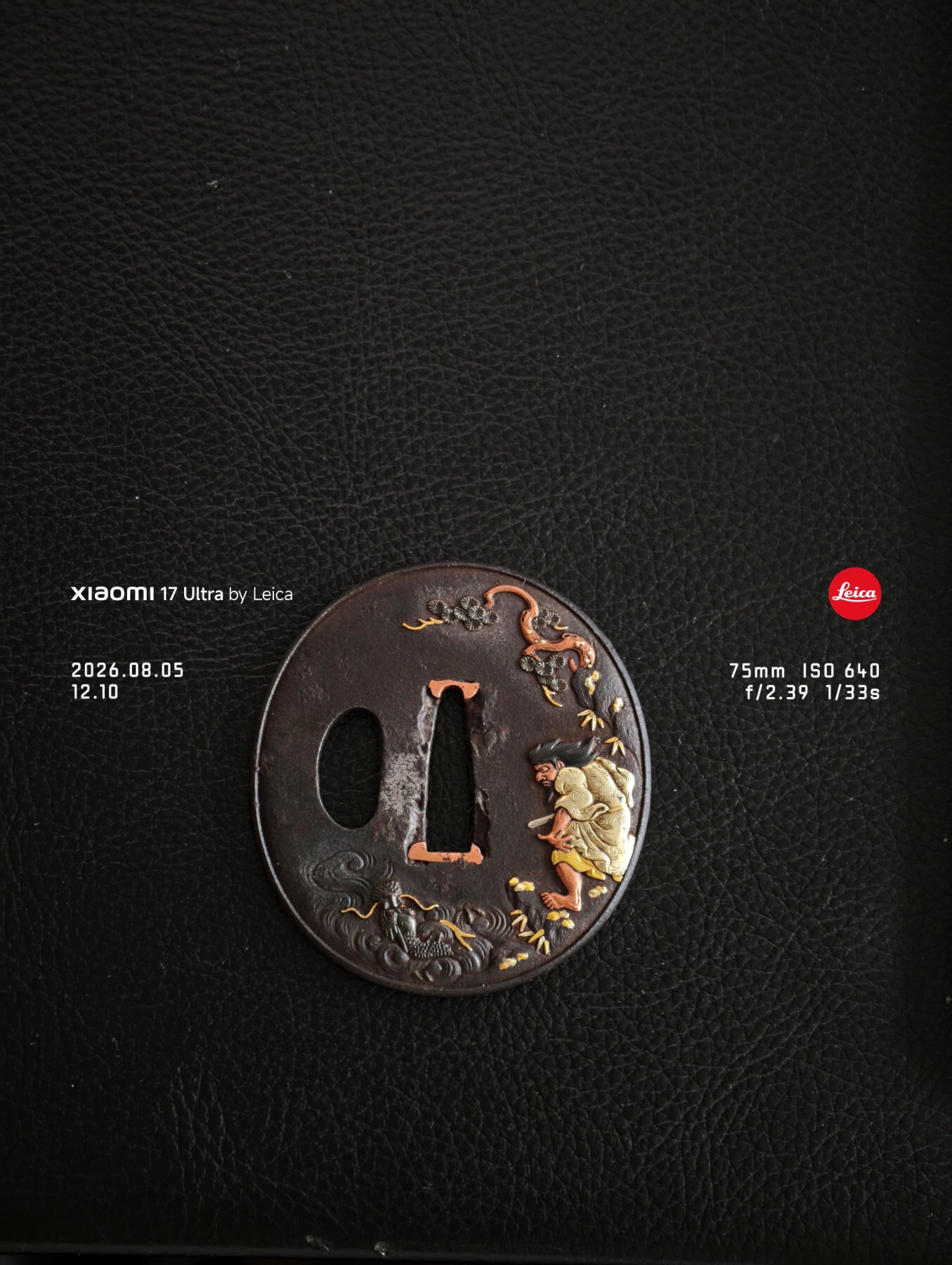
I agree. In this case, the cleaning appears to have been chemical. That's worse than simply losing the patina. The copper color will never be the same again because the top layer of the metal has been chemically etched.2 points
-
The patina is ruined but could be recovered by someone who knows what he is doing. Chen, the copper inlay should be a dark red/plum/brown colour (depending on the alloy content) which is achieved by a boiling/pickling process that coats the metal in an oxide. You have stripped that surface off and it looks horrible.2 points
-
Chen, you have obviously no idea what you are dealing with. All soft-metals in Japanese metalwork are treated in special ways to protect them from corrosion and to make them appear respectfully used (look under WABI SABI) insted of new.. On your TSUBA, the original colours are gone, and so is a good part of the potential value of your TSUBA. It looks horrible, unfortunately.2 points
-
That is absolutely heartbreaking. @xiaopangshizi Why did you remove all the beautiful old patina? 😳
 2 points
 -
Such a strategic flex... Reading into situations where hostages were offered during feudal Japan, there's this entire element of "distrust" that is symbolically displayed when hitojichi are accepted. Almost like a "I don't trust this person, so I'm going to take their son so they don't try me in the future" kind of vibe. So Hideyoshi saying "No" or refusing hostages at the initial offering hits so deep in a way that says so many things here... A) I'm in control, B) I need you, C) You're gonna do what I say... which is similar to A, but a bit more nuanced in the public eye to show supremacy... It's just a slightly more humble way of saying it from my perspective... This is exciting stuff! I definitely think that the art of the strategic flex has been lost over the years lol -Mitchell2 points
-
Interesting to note that the only acknowledged signed Gō blade was a tanto called the Kurikara Gō. Which was lost down a well. The Kamakura Shogunate actually adopted the new Rinzai (Zen Buddhism) when they first got into power and as such it quickly spread and became the dominant religious institution within Kamakura Japan. This was a shrewed political move by the shogunate to draw power away from the Buddhist Temples in Nara and the Emperor in Kyoto. This is the same reason why the Kamakura Buddha (c. 1252) exists today. As the Shogunate practiced Zen Buddhism so did the Samurai and all associated with the Shogunate. Gō as we know was a Samurai. Lay monks became very popular during this time. We know two that certainly would have influenced Yoshihiro and his thinking in Ko-Nyudo Kunimitsu and Goro Nyudo Masamune. The Zen Buddhist belief of denial or letting go of ego is also considered a major reason for the lack of signatures (Mei) over the Kamakura period. Zen often compares the ego to a clenched fist. Opening the hand does not mean destroying the hand; it means stopping the strain of holding on too tight. Fudo Myoo is a major character in Zen Buddhism as it acts as a fierce guardian and a symbol of unshakable mental stability and decisive wisdom cutting through ego and drawing one closer to Nirvana in your everyday. His swift vengeance is reserved to cut through lies, ego and untruth which is why horimono of him or his sword appear on so many swords of the day. As a Kamakura swordsmith and Samurai the image of Fudo Myoo in Gō's forge is very appropriate to the time. Note after the fall of the Kamakura Shogunate in 1333 we start seeing this letting go of ego slowly dissapear and we start to see alot more blades with Zamei, especially from the newer smiths who were not influenced by this religious zealotry.2 points
-
There goes that standout workmanship, the hallmark of the early Hizen tradition... I see blades like this and its a reminder of how I could so easily fall into collecting only hizento. The presence here is balanced and ultra-commanding... A beautiful wakizashi to say the least.2 points
-
For anyone who's interested in an account of a Masamune blade's performance in war, here's one named for a specific battlefield feat: https://markussesko.com/2013/06/25/the-kotegiri-masamune/2 points
-
They do sometimes specify kodachi, as in the Juyo zufu for this one by Osafune Nagamitsu: https://www.nihonto-museum.com/collection/exhibit/bizen-osafune-nagamitsu-ko-dachi Interestingly, the same blade was listed in the Yūmei Kotō Taikan as a tachi, showing that even among experts there are disagreements on how one should classify these things (images for both publications are at the link above).2 points
-
@Scogg or @Ganko Anywhere near you?2 points
-
I would still say they are considered special and a bit rare, considering the vast amount of Hizen swords produced. I have one from Shodai Tadayoshi with mizukage (yakidashi-utsuri) and an interesting hamon incorporating gunome, chōji, pointed peaks (togariba), “crab-claw” formations (kani-no-tsume), and tobiyaki... signed "Hizen-koku-ju Musashi-daijo Fujiwara TADAHIRO, Auspicious day in the 8th month Kanei 3rd". (1626)
 2 points
 -
Condolences on your loss, and appreciate you reaching out to us here. Seems like a treasure trove for folks in the area - hopefully somebody on here will be able to help you out (unfortunately not me, as I am on a different continent).2 points
-
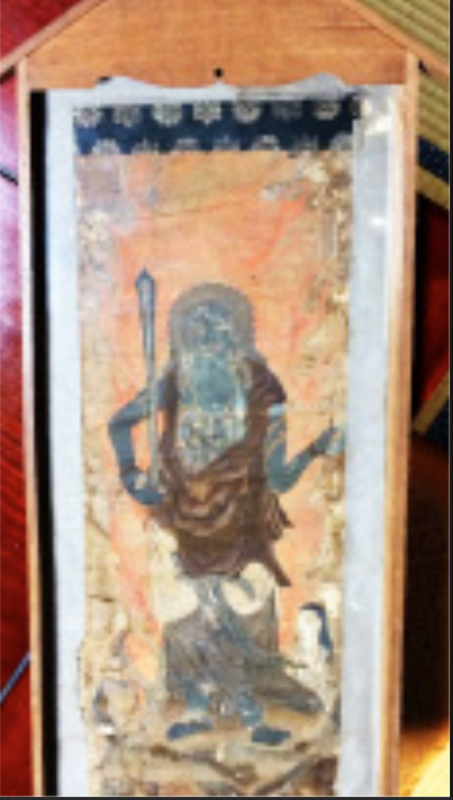
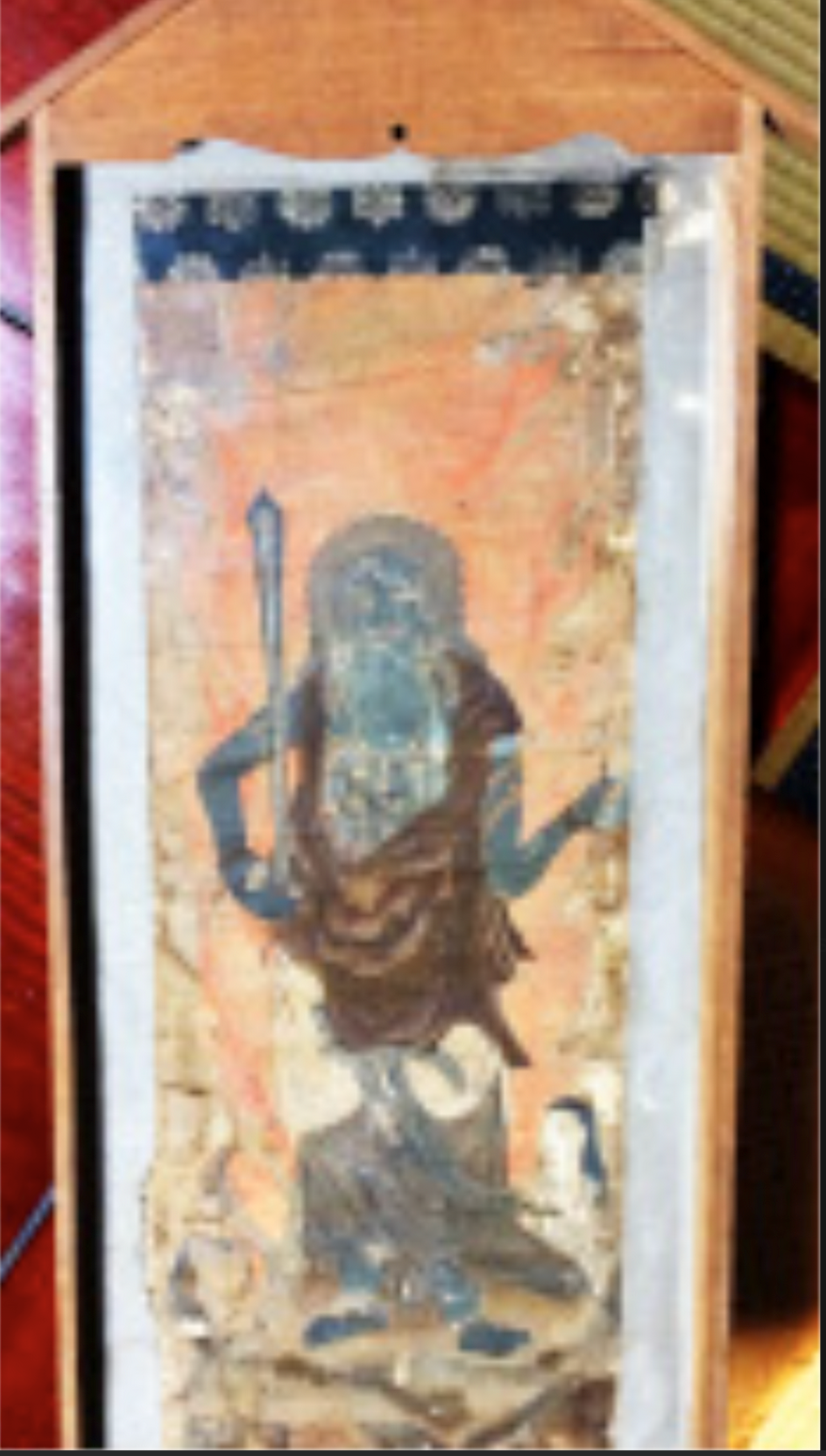
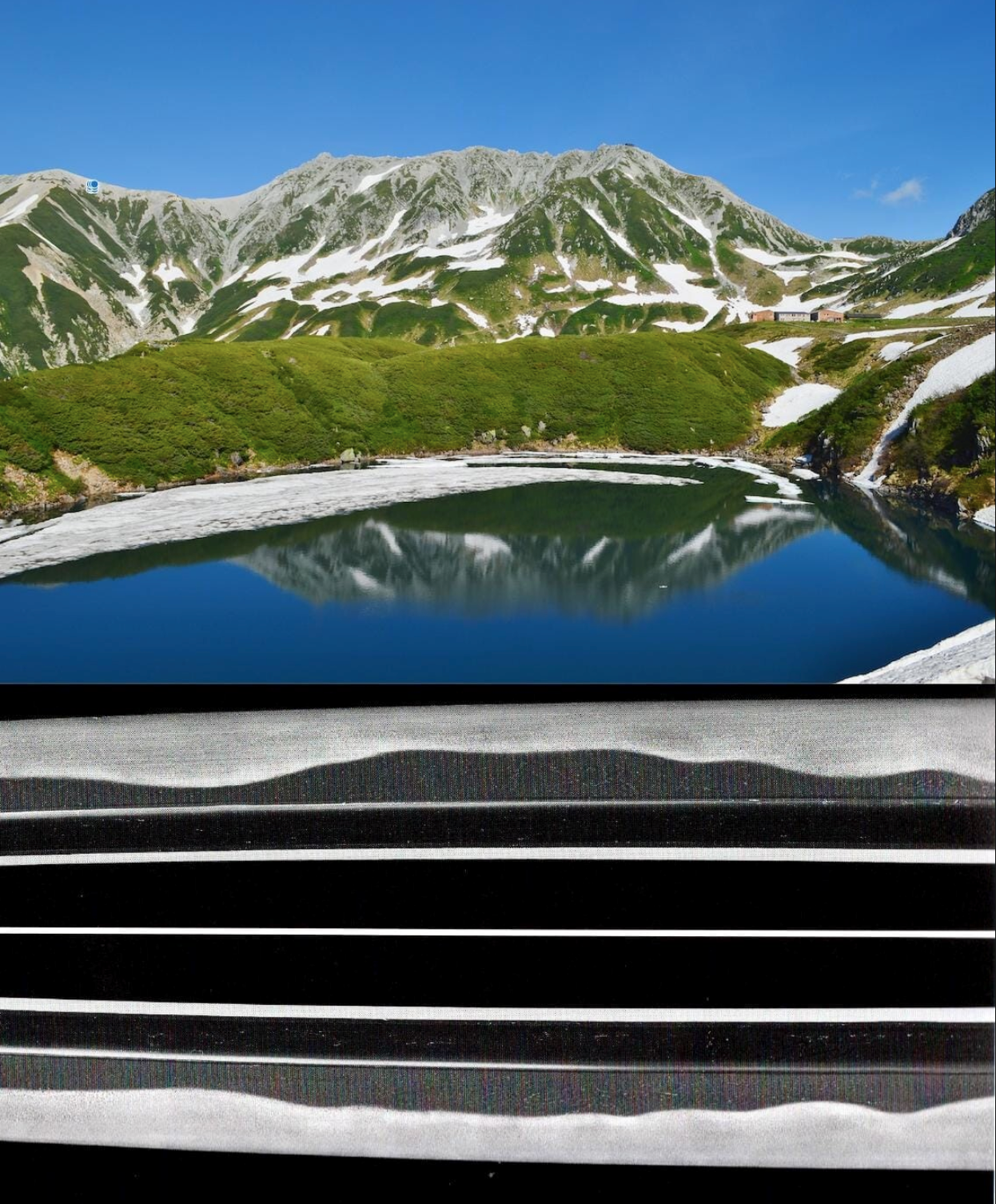
I want to add a little more to this deep dive into the life and time of Go Yoshihiro. I'm fascinated by the imagery of this depiction of Fudo Myoo, a major protector deity in Japanese Esoteric Buddhism and why Go might have had this displayed in his forge. It surely wasn't just an aesthetic choice but one made with deep spiritual meaning and maybe a nod to his earliest mentor. The deity was first depicted in 839AD in the early Heian period in Kyoto's To-ji temple. Some key features of the image: Blue/black body colour indicating wrathful manifestation to overcome ignorance and evil. Right hand holds a 3 pointed vajra sword symbolizing the cutting down of delusions, greed and attachments. (now I know how this imagery translates to the common horimono motif) Left hand carries a lasso to bind negative forces and draw lost individuals back toward the path of clarity. Background. Fiery orange flames symbolizing purification and burning away anger, passions and worldly desires. All very appropriate for a swordsmith dedicated to a goal of perfection. While devotion to Fudo Myoo was widely understood throughout Japan its significance for Kamakura and Nanbokucho era smiths was variable. Logically the deity received most attention in the Monastic Center of Nara in Yamato. These smith's weren't just artisans and craftsmen they were monks or temple servants called monzen-kaji. Then there is Yamashiro, the Cultural seat of Japan where some of the most revered Awataguchi and Rai smiths worked. The capital was surrounded by the foundational headquarters of Esoteric Buddhism including the Shingon sect on Mt Koya and Tendai on Mt Hiei. And then there was Soshuden. The smiths in Sagami would have been influenced by the Kamakura samurai who were attracted to Zen Buddhism for discipline but actively relied on Fudo Myoo for battlefield protection and victory. Thus application of religious iconography expanded, be it Fudo Myoo on the Fudo Masamune tanto or countless blades with associated imagery like bonji, the 3 pointed vajra sword or Fudo Myoo's Kurikara dragon. There could be many reasons why this image of Fudo Myoo would have been important to Go. Important enough that it was preserved according to family legend, from the time when he was working in Matsukura Castle. If its true Go was initially trained within the Yamato tradition, then later as a student of Masamune (himself a lay Buddhist priest), one can see why religious iconography would have been an essential element when undertaking the spiritual process of swordmaking and continued after he returned to modern day Toyama province. @MassiveMoonHeh has already mentioned how its conceivable the nearby Tateyama mountain range provided artistic inspiration for the intensity and structure of his hamon, where he collected high grade masa satetsu iron sand and maybe there is even a direct connection to the Fudo Myoo. In the 14th century Tateyama was the epicenter for a syncretic religious movement called the Tateyama Shinko. These mountain ascetics practiced Shugendo blending ancient shamanism, Shinto animism, Taoist magic, and esoteric Buddhism. The volcanic craters on Tateyama leaked sulfur and steam and they believed this was the physical manifestation of Buddhist hells. Fudo Myoo was the gatekeeper according to local lore where he would subdue the hellish demons and protect the pilgrims. Thus the iconography of the scroll placed in a prominent part of the forge would have had multiple levels of meaning for this young, master swordsmith working in the Matsukura foothills in sight of the Tateyama mountain range. The perfect manifestation for someone in the pursuit of perfection.
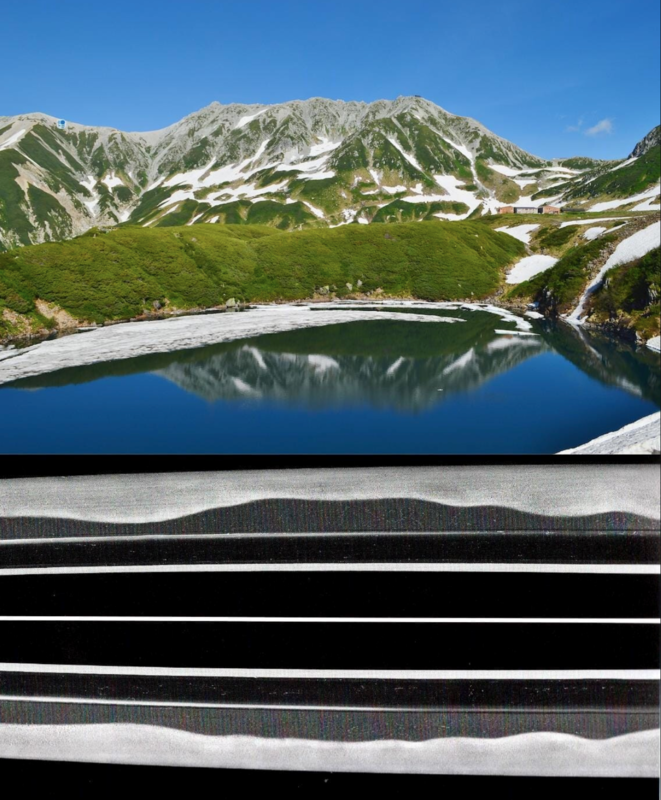 2 points
 -
What a pity! It has not been restored expertly in Japan!2 points
-
2 points
-
No, certainly not a casting seam. These occur where the two halves of a mold are opening, and they are always single. They are only visible in case they are not carefully removed. Usually, you will not see fissures on cast TSUBA. Casting seams are protruding ABOVE the surface of the surrounding metal, while fissures are going INTO the metal.2 points
-
In the simplest terms, from a US perspective anyway, "spoils of war" is legal because it refers to military use equipment and material from the other side. Looting, the taking of personal property, is illegal and is considered a war crime. So if a sword were carried in battle, then it could be classified as a spoil. But the same sword taken from a home by an occupying force would be considered looting and would be a war crime, under US law. John C.2 points
-
Do not use the white powder (uchiko) if you have never used it before or are unsure of the quality/origin; if used improperly it will damage the polish and can leave long, unsightly lines on the steel. Spray it with some isopropyl alcohol (also called isopropanol), at least 99% pure. Then wipe it down several times with a microfiber cloth, the kind you use to clean eye glasses or a camera lens. Afterwards, apply a very thin coat of the oil to both sides of the blade to prevent new rust from forming.2 points
-
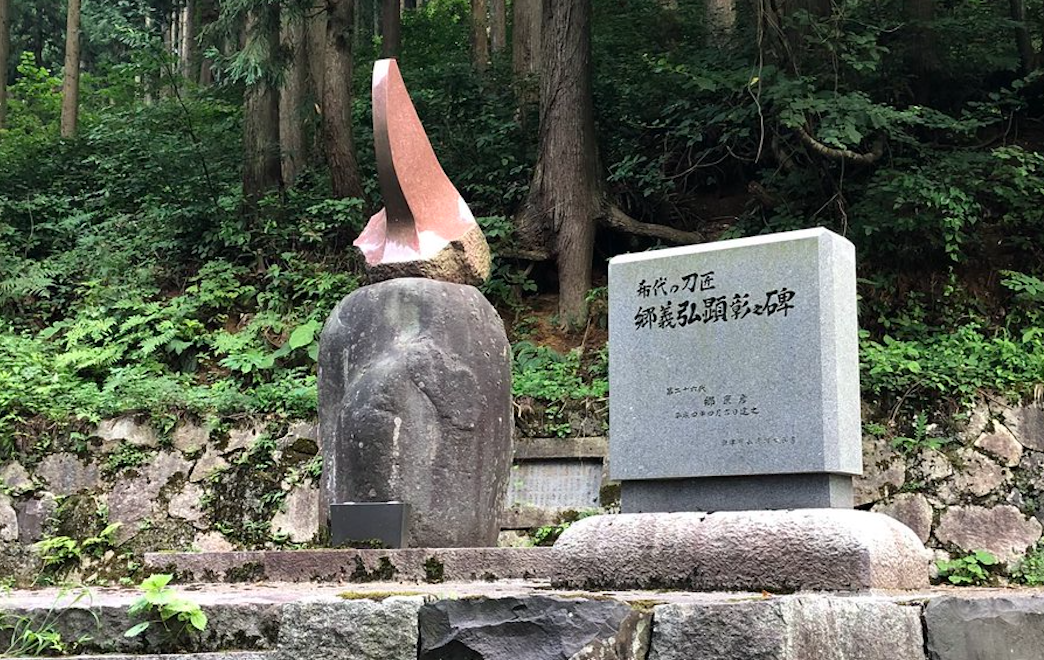
Have been digging a little deeper into Gō Yoshihiro blades recently - hoping to share more soon but in the mean time I found a really interesting article written in 2020 by Kurobe City that puts some flesh onto this mysterious, legendary sword smith. In the article they share some pretty incredible stories, myths and legends and even some stories and pictures from his descendants the Gō family. Yes, turns out the origin of the name Gō apparently comes from his surname Gō(郷) and it was not Gō(江) which is now used for his swords and that is only one of the amazing and super interesting tit-bits found in this article. I hope you enjoy reading this as much as I did. After reading it, it kind of reminded me a little of that line from Braveheart, where it is said William Wallace shot lightning bolts from his arse - that is, like all good stories there is a sense of blurring the lines between myth, legend and reality but with so little available on this enigmatic man and because we all love hearing a good story I am so grateful that these oral traditions have been collated and shared. As they say, there is always a little truth in the rumour. Enjoy. Gō Yoshihiro - The Master Swordsmith who created famous swords in Matsukura-Gō, Niigawa-gun, Etchū By Kurobe City (May 13, 2020) Gō Yoshihiro The Three Great Works Many mysteries surround the life of Gō Yoshihiro, one of the "Three Great Swordsmiths of Japan." He was a samurai who lived during the Kamakura period, estimated to have been born in 1298 (Einin 6) and died in 1325 (Shōchū 2). In his short life, he made a name for himself as a sword smith and left behind many excellent works. Although Yoshihiro's swords do not bear his signature, their high quality makes them unmistakable, and they were favoured by Sengoku warlords, including Toyotomi Hideyoshi. In the Edo period's "Kyoho Meibutsucho" a catalogue of famous swordsmiths), he is counted among the greatest three sword smiths of all time (the "The Nihon San Saku"), and his reputation remains unshaken to this day. The "Three Great Swordsmiths of Japan" refers to three sword smiths: Awataguchi Yoshimitsu (1229-1291), Gōrō Nyūdō Masamune (1264-1343), and Gō Yoshihiro. While Masamune and Yoshimitsu were professional swordsmiths, Yoshihiro was a samurai. For Yoshihiro, sword smithing was a hobby, and he died at the age of 27 (by traditional Japanese reckoning), so his time as a sword smith was extremely short. However, through his innate talent and extraordinary effort, he produced masterpieces of divine beauty. The Nihon San Saku Scroll with Gō Yoshihiro (top left), Masamune (middle right) and Yoshimitsu (bottom right). Loyalist and anti-shogunate patriot Gō Yoshihiro, was said to be a loyalist and anti-shogunate activist, who lived in Matsukura-go, Niikawa-gun, Etchū Province (present-day Uozu City). Some documents suggest he was the Lord of Matsukura Castle, but the details are unclear. At the end of the Kamakura period, when public order was in disarray and the shogunate was losing its ability to govern, Yoshihiro was a samurai under Inoue Toshikiyo, the deputy Gōvernor of Etchū Province, and there is a theory that he secretly harboured loyalist and anti-shogunate aspirations together with Toshikiyo and was acting in secret. Gō Yoshihiro, a samurai who became a nationally renowned swordsmith at a young age, went to Kamakura at the age of 21 and became an apprentice to Masamune. There, he honed his sword-making skills while also gathering intelligence on the shogunate's activities. However, the shogunate learned of Emperor Go-Daigo's plot to overthrow the shogunate, and the emperor's close associates were exiled or placed under house arrest (Shōchū Incident, 1324), and pursuers were sent throughout the country. It remains a mystery whether Gō Yoshihiro, who had returned to Matsukura in Etchū Province, committed suicide to avoid implicating his Lord Toshikiyo and Masamune, or whether he was captured and executed as a samurai close to the imperial court. What we do know is the remaining Gō family fled Matsukura with their family temple and moved to what is now Kurobe City, where they became ordinary blacksmiths. This is a hanging scroll depicting Fudo Myoo (Acala), has been passed down through the Gō family. Family tradition says it once hung in Gō Yoshihiro’s forge. The Legend of Inamuragasaki After the death of Gō Yoshihiro, Emperor Go-Daigo regained power in various regions, and in 1333 (Genko 3), Nitta Yoshisada finally attacked Kamakura. However, Kamakura was a natural stronghold, surrounded by mountains on three sides and protected by the sea in front. Unable to make progress, Yoshisada advanced to Inamuragasaki to try to attack from the sea, but his path was blocked by sheer cliffs, and furthermore, enemy ships were waiting offshore, firing arrows, so he could not break through. In the Taiheiki, it is said that at this time Yoshisada prayed to the dragon god and threw his golden-mounted sword into the sea, and the tide went out, moving the ships far away and removing the threat of arrows, so he was able to easily cross the coastline and attack, and brilliantly defeated the shogunate army. It is suggested the sword that was thrown into the sea in this episode of the attack on Kamakura may have been a sword presented by Gō Yoshihiro to Yoshisada. It is believed that Gō Yoshihiro was well-versed in astronomy and knowledgeable about the ebb and flow of tides. The story is told that he informed Nitta Yoshisada of the timing of low tide when he sent him the sword, and Yoshisada used that information 8 years later to launch his attack... if this is true, then Gō Yoshihiro was indeed a brilliant strategist! Inamuragasaki cliffs A rare sword The highly sought-after and nationally treasured sword "Inaba-Gō" is considered the finest masterpiece among Gō Yoshihiro's works. "Tomita-Gō" is considered its equal, and is also designated a national treasure. Gō "江" refers to Gō"郷", and five other swords by him—"Kuwana-Gō," "Matsui-Gō," "Murakumo-Gō," "Buzen-Gō," and "Samidare-Gō"—are designated as important cultural properties. His early works show influences from older schools such as the Yamato-den (Nara) and Yamashiro-den (Kyoto), but after studying under Masamune, he based his style on the Soshu-den (Kamakura), resulting in a refined, bright, and brilliantly beautiful style. Yoshihiro's aesthetic sense is also reflected in the blade patterns, some of which depict the landscape of the Tateyama mountain range. Because Yoshihiro's swords were favoured by warlords during the Sengoku period, most of them were treasured possessions and never seen by the public. As they were moved from place to place, many were destroyed by fire or lost. "Kurikara-Gō," said to be the beloved sword of Akechi Mitsuhide, is one of those that went missing during the turbulent times. The more we learn about the many legends surrounding him, the more we regret that Yoshihiro did not live longer. Gō Yoshihiro's swords bear no inscriptions. There are various theories as to why, including: "He was not a blacksmith who made swords for sale, but a samurai (or nobleman)"; "He often presented the swords he made as gifts, and he hesitated to assert his own identity by inscribing his name to the recipient (a person of high rank)"; and "He had absolute confidence in the swords he made, and believed that anyone who knew would be convinced that they were Gō Yoshihiro's works." We can only imagine Gō Yoshihiro's character from the works he left behind and fragmented anecdotes. Kokuho: Inaba Gō National Treasure author turned into musical In 2014, a musical featuring this great sword smith as the protagonist was performed in Uozu. Toshiro Kitahara (representative of Hatena no Machi Concert), who was in charge of production, faced a lack of materials and various difficulties, and at one point almost gave up on making the work. However, he persevered with his research, completed everything from the script to the direction from scratch, and successfully staged the performance. Flyer for the Gō Yoshihiro Musical in 2014 Memorial monument The monument to Gō Yoshihiro stands near the main keep of Matsukura Castle. It was erected to honour the 26th generation descendent of Yoshihiro who died in the line of duty in 1985 who wished such a monument erected - a wish that was fulfilled by his mother Gō Toki and the City of Uozu. It is the last known monument to be erected for one of Masamune's Ten Disciples (Masamune Jittetsu). A monument modelled after a Japanese sword anvil was also built next to it. Not many people know that Etchū Province was once a centre for sword production or that sword smith Gō Yoshihiro existed, but recently, games that personify swords have ignited a Japanese sword boom, and attention to Gō Yoshihiro has been increasing. Gō Yoshihiro only lived in his hometown Matsukura for a few years after returning from Kamakura. Although there is very little evidence of interaction with the local community and no detailed records or historical documents, it is certain that Matsukura-go in Niikawa-gun is the place where many famous swords, including his national treasures, were created. Even after 700 years, his extraordinary talent and story continues to fascinate people. Monument to Gō Yoshihiro erected by his descendants and Uozo City at Matsukura Castle in Niigawa-gun, Uozu We would like to thank Toshiro Kitahara, who is the concert representative of Hatena Town and produced the Uozu hometown musical "Gō Yoshihiro" for sharing so much information about Gō Yoshihiro. [References] Toyama Prefecture Shimoshinkawa District Office, “Shimoshinigawa County History, Vol. 2” (1908) Toyama Prefecture Youth Activities Practical Council, “People Shining in the Local Area, Vol. 1” (1962) Uozu City History Compilation Committee, “Uozu City History, Vol. 1” (1962) Nobuaki Tamagawa, “Toyama Photography Portraits” (1975) Junji Okuda and Hiroshi Yonehara, “Etchū People (Toyama Bunko 11)” (1976) Toyama Shimbun, “Etchu Hyakuke, Volume 2” (1981) Koji Nojima, “Shinkawa Monogatari” (1987) Monthly Uozu Doujinsha “Legend Uozu” (1988) Toyama Social Studies Education Research Group, “The People Who Built Toyama Prefecture” (1985) Matsukura Promotion Association, “Jusan no Sato (No. 13) Special Feature on Yoshihiro Gō” (1993) Junji Okuda, “Illustrated History of Uozu, Kurobe, and Shimoshinkawa” (2000) Hometown Development Research Institute, “Kaleidoscope No. 218 Swordsmith” Yoshihiro Gō” (2010) Toyama Prefectural Board of Education “Stories of People from Hometown and Yama” (2011) Hatena Town Concert “9th Uozu Hometown Musical Yoshihiro Gō” (2014) The original Japanese version of this article can be found on the Korobe City website here.


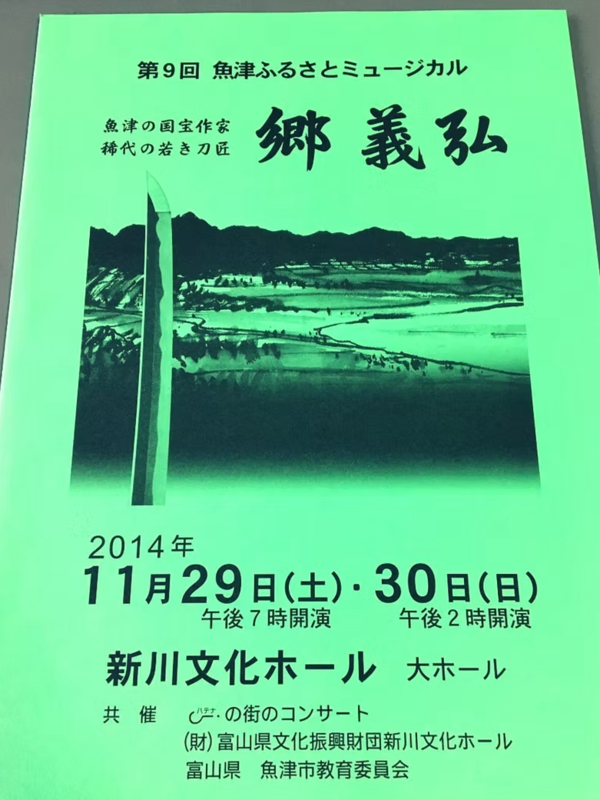 1 point
 -
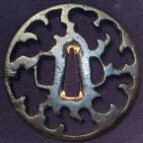
@Hector I thought this was most likely out of the bunch, simple, nice patina, iron sukashi tsuba, maybe early Edo? Some images below (not against black as I am finding on my camera it just blows out the exposure.)
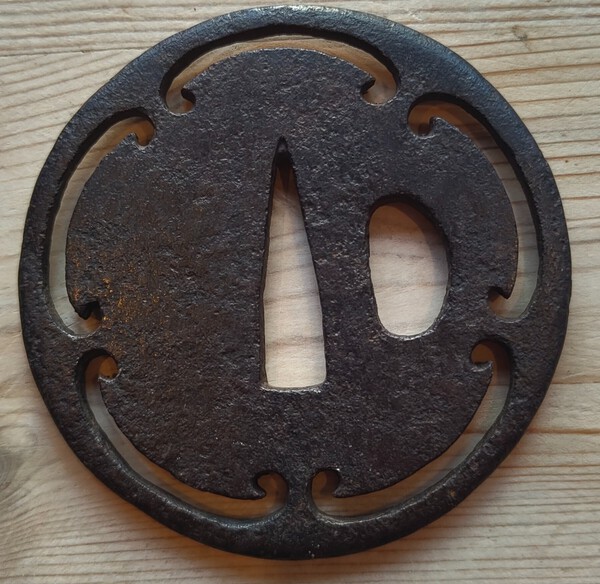
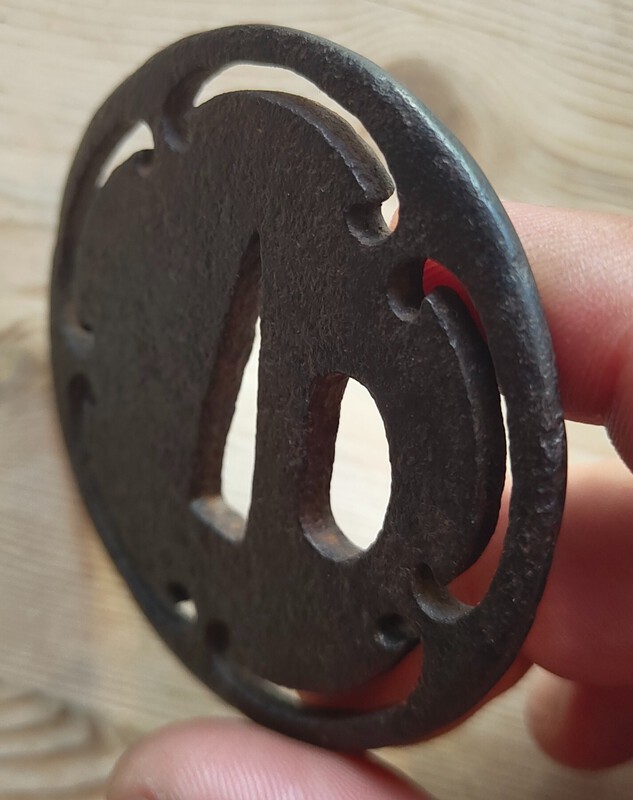 1 point
 -
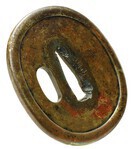
Based on these photos, it does not appear to be shakudo, it is more likely a later alloy. However, the construction looks original and does not appear to be a modern reproduction. I think it is simply an ordinary late-period piece.1 point
-
And yet many swords were taken from temples and shrines, despite Article 44 of the Lieber Code from 1863. I'm Gen X, my grandparents' generation fought in WW II. Although I knew many WW II veterans growing up, and despite almost 1 million blades being confiscated by the US military, I was never shown a single Nihonto growing up, nor ever saw one in a display case. So while some reports claim that 500K - 1 million came back with US soldiers after the war, my own lived experience contradicts this, even if we account for dusty garages swallowing them, or irritated wives discarding them over the 30 year period between the end of WW II and my childhood. Only 2 Nihonto surfaced on the TV show American Pickers. This makes me hopeful that few swords of any historic significance (i.e. not gunto) made their way back to the States, or escaped the net of runners cast by Dr. Compton. Given the large number of antique Nihonto still in Japan, its obvious most were hidden during confiscation efforts (that's what I would do). Famous swords lacked a veil of obscurity, but my understanding is most were returned, with a few casualties such as the Honjo Masamune still missing.1 point
-
The key attribute of "art," is object possessing an aesthetic that induces emotion. What constitutes "aesthetic" is subjective, and left to the opinion of the individual. Andy Warhol famously painted Campbell’s Soup cans, and an audience of flatus huffers praised the exhibit. Art doesn't require or imply effort in it's creation; case in point, Japanese viewing stones, which are relatively unmodified rocks to be stared at, contemplated, and appreciated. A "craft" requires skill and applied knowledge, both of which are learned and honed over time. All artists are craftsmen, but not all craftsmen are artists. A factory worker at a hammer factory may consider himself an artist, take great care in its appearance, with aspirations someone will display it without using it to drive nails. Another guy in the factory will consider himself a craftsman, and focus on the hammer's practical aspects and durability. Someone at a store selling the hammers may pick up a hammer, and find a certain aesthetic about it, but will live their entire life without pounding a nail. A carpenter will pick up the same hammer and go about their day building a house, never appreciating it as possessing any beauty. It seems likely some swordsmiths considered themselves artists, even centuries ago. Someone like Masamune surely knew their swords would never find their way into battle, and would be appreciated for the aesthetics of their craftsmanship alone (i.e. whether they realized it or not, considered themselves artists). Other nameless smiths during the Sengoku period would have considered themselves craftsman, fueling the unending need for blades of war.1 point
-
Asking for a "friend" eh? Depends... I don't know that I'd ever get the chance to have another like it.1 point
-
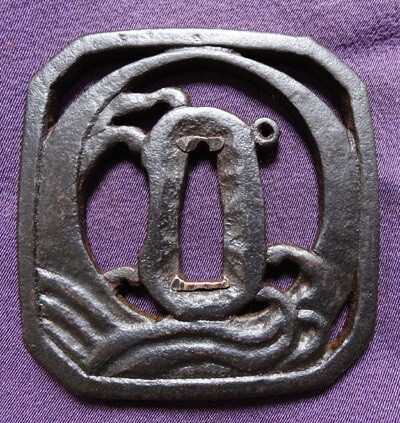
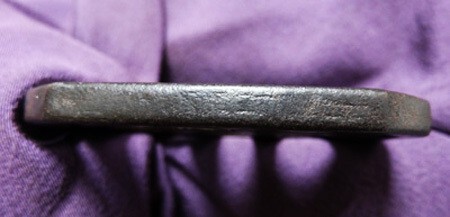
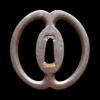
Here's another example to have a look at...
 1 point
 -
Update: Yamanaka Newsletter Volume 5 Issue #6 available: Yamanaka V5 NL061 point
-
and in case you are looking to buy one, there is one on eirakudo's website. https://eirakudo.shop/8032941 point
-
Regarding your question, the last 3 Gō attributions (1 Jūyō and 2 TJ) have all been den including both Andrew's blades. When it comes to mumei blades the den is generally given, as @eternal_newbie advises, to those blades without Hon'Ami attribution. If Hon'Ami attribution or significant DenRai does exist (read Tokugawa) then the blade will generally be labelled without the den. There are some exceptions, with reference to Gō for example: 1. The second Gō in Jūyō Shinsa 11 was mumei without Hon'Ami attribution but was labelled Gō - I have found no explanation for this. 2. The TokuJu 25 / Jūyō 35 Gō was attributed to Gō again without Hon'Ami attribution but I suspect that this was because it was re-attributed from Taima to Gō and the NBTHK wanted to cement their decision that this blade was a Gō. That said, when TokuJu 16 / Jūyō 31 was re-attributed from Kashu Sanekage, some 9 TJ Shinsa earlier, it was re-attributed to den Gō, so the rule does appear to be flexible according to the Shinsa. Certainly when it comes down to it with regard to the two most famous mumei smiths Sadamune and Gō the den does not really matter as all of these blades as @Jussi Ekholm points out have had to be attributed whether it was last week or 400 years ago. If the NBTHK calls it a Tokubetsu Jūyō blade then because these smith's blades are so rare and so desirable (you may only get 1 or 2 cracks in your life to ever acquire one and only if you have the money and are well connected) then big money will be spent regardless of the den status. In fact, you can say that for most famous smiths with high mumei counts such as Masamune. If the NBTHK has given it a status of Jūyō or above then big money will not really care about the den status. At the end of the day the name, the quality of the blade and its exclusivity is all that matters. It is as much a bragging right as it is a investment. And in this regard when people whether it be nihonto fans, collectors, owners or even people in the industry talk to these blade they generally do not talk to a den Masamune or den Sadamune or den Gō but instead generally talk with some excitement and even reverence about the blade and when they do they generally drop the den label. Most people will simply say "I saw a Masamune" rather than "I saw a den Masamune." As such whilst den is an important factor for smiths who regularly sign their blades as we move into the arena famous mumei heavy smiths the den label is less of a factor especially at the higher level designations due to this understanding of attribution, the scrutiny they have already gone through to get designated and finally because of the exclusivity of just being anywhere near any of these blades. Therefore for these blades if they have cracked the Jūyō and above designation then den or not, it does not really matter, the name and quality is all that counts.1 point
-
1 point
-
The following part from 北条市-Wikipedia is translated by AI. Meiji Period 1. With the enforcement of the municipal system, it became Hojo Village. The districts of Hojo, Tsuji, Dotenai, and Yasujima merged. 2. April 1897 (Meiji 30) - Kazahaya District was incorporated into Onsen District along with Wake and Kume Districts, becoming Hojo Village in Onsen District. 3. November 1898 (Meiji 31) - Hojo Village was elevated to town status and became Hojo Town. Ref. 北条市 - Wikipedia1 point
-
1 point
-
Reinhard, no one is arguing that text wasn't read right to left, or even that it wasn't the main form of writing horizontally. I am merely pushing back on your statement that kanji HAD to be written right to left. This is false, and there are examples of where it was written left to right. Here is a copy of a mathematic textbook from 1939 written left to right Here is a copy of an advertisement from 1919, again, left to right.1 point
-
Hello Jean Pierre, I wonder if that "somewhere" might be this page about the 1964 exhibition "Arms and Armor of Ancient Japan: An Historical Survey": https://drdeanhartley.com/ColHartley/Oriental/ArmsAndArmor.htm If that is indeed the case, I suspect there is an error in the wording within the "Other Higo schools" chapter, because everything seems to indicate that the known representatives of the Kumagai 熊谷 "family", originally from Sendai and having entered the service of the Hosokawa household, worked only in Edo, in the Yotsuya district. Furthermore, in the few signatures I have seen, the mention 肥後 (Higo) is not accompanied by the character 住 (jū) which would indicate a residence and therefore seems to refer only to their affiliation with the Hosokawa and the metallurgical tradition of the Higo.1 point
-
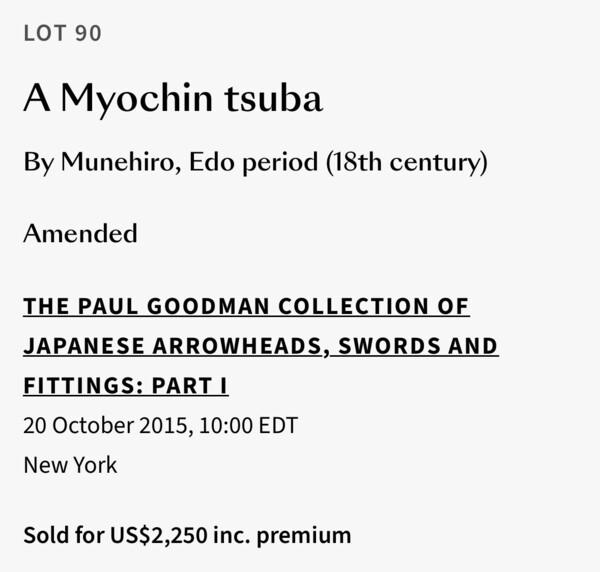
This sold at Bonhams in 2015. (You can tell it's a major auction house because there are fingerprints all over the tsuba.)


 1 point
 -
Mino was the kiss of death for smiths like Echizen Tametsugu. His forging style suffered massively IMHO after making the transition from Echizen to Mino. The hada became coaser and less aesthetically pleasing. In a word the blades from this later period are a bit blah. Compare his Mino output with work that was influenced by Norishige and through him, Go, and it all just feels a bit sad. Could this have been the materials available locally, certainly, but I think its more the Mino-den effect and perhaps a lack of ambition and a desire to excel. Tametsugu knew how to make great swords, but regardless, quality declined over time. I'm sure all the swordsmiths would have loved to have had access to highest quality Masa tamahagane that the early Bizen smiths were using, but many adapted and made the most of their inferior local raw material. Take Shintogo Kunimitsu for example. If he could make superior, awe-inspiring works using inferior Akame tamahagane made from the local red iron sand (satetsu) with its titanium, sulphur and phosphorus impurities, there is no reason why lesser quality materials could not have been used to produce equally excellent blades in Mino.1 point
-
Battlefield pick ups are fair game. Confiscating civilian swords falls under retribution, punishment, and dare say looting.1 point
-
or temple...1 point
-
Smiths_Soldiers_Diplomats_Block_Sesko-FINAL.pSmiths_Soldiers_Diplomats_Block_Sesko-FINAL.pdf Markus Sesko and I used to talk about how much we knew about Horikawa Kunihiro's life and travels compared to virtually every other smith before 1600. Then I came across Koyama Kanami's 1977 study of Akamatsu Masanori and his associates Katsumitsu and Munemitsu, I realized Kunihiro wasn't the only pre-Edo smith hiding in plain sight in the historical record. Markus and I began talking about a deep dive, and the result is the attached paper, which I hope stands out in a field where we know far more about the metallurgical features of great swordsmiths than about the men themselves. I am sharing it here with you guys first. It could not have been written without Markus's translations, discussions, and editorial judgment, which are evident on every page. I Hope you enjoy Smiths_Soldiers_Diplomats_Block_Sesko-FINAL.pdf1 point
-
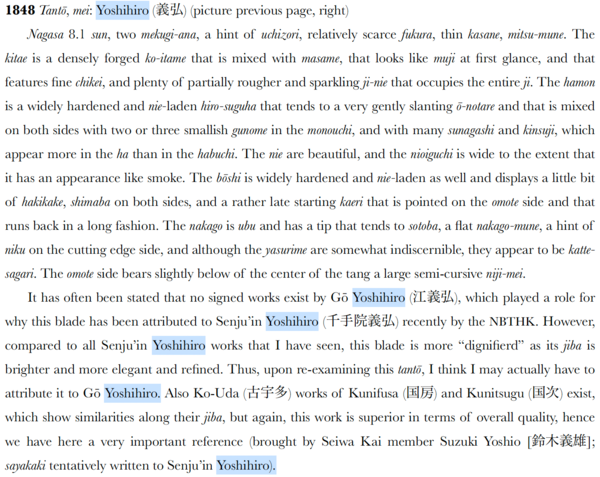
Kunzan believed this to be a signed Go tanto. Although attributed by the NBTHK in mid 70's to Senjuin Yoshihiro, the quality of the jiba exceeds that of the SY blades he had examined. An important reference work.
 1 point
 -
Per request, I will post photos of the Sanemori sword here - originally posted earlier today under the "Show us your high-class Gunto" thread in Military Swords of Japan category on this board. I had the pleasure of visiting with my local mentor again recently and this is one of the swords he showed me. This sword had been in Japan for months waiting to be papered. My mentor received it back last week. A fine Gunto indeed!


 1 point
























This leaderboard is set to Johannesburg/GMT+02:00