
Leaderboard


Popular Content
Showing content with the highest reputation on 01/05/2026 in Posts
-
This same sword appeared on the forum some months ago;6 points
-
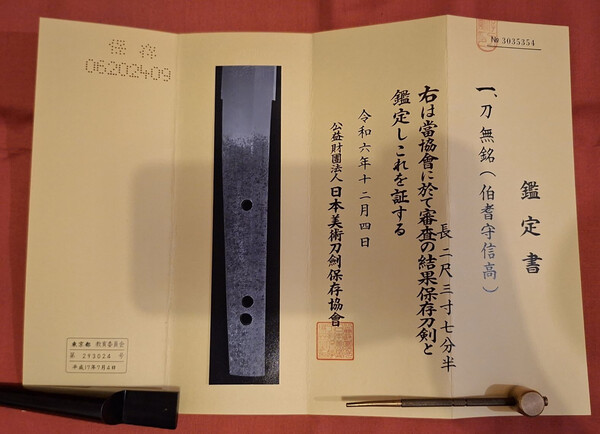
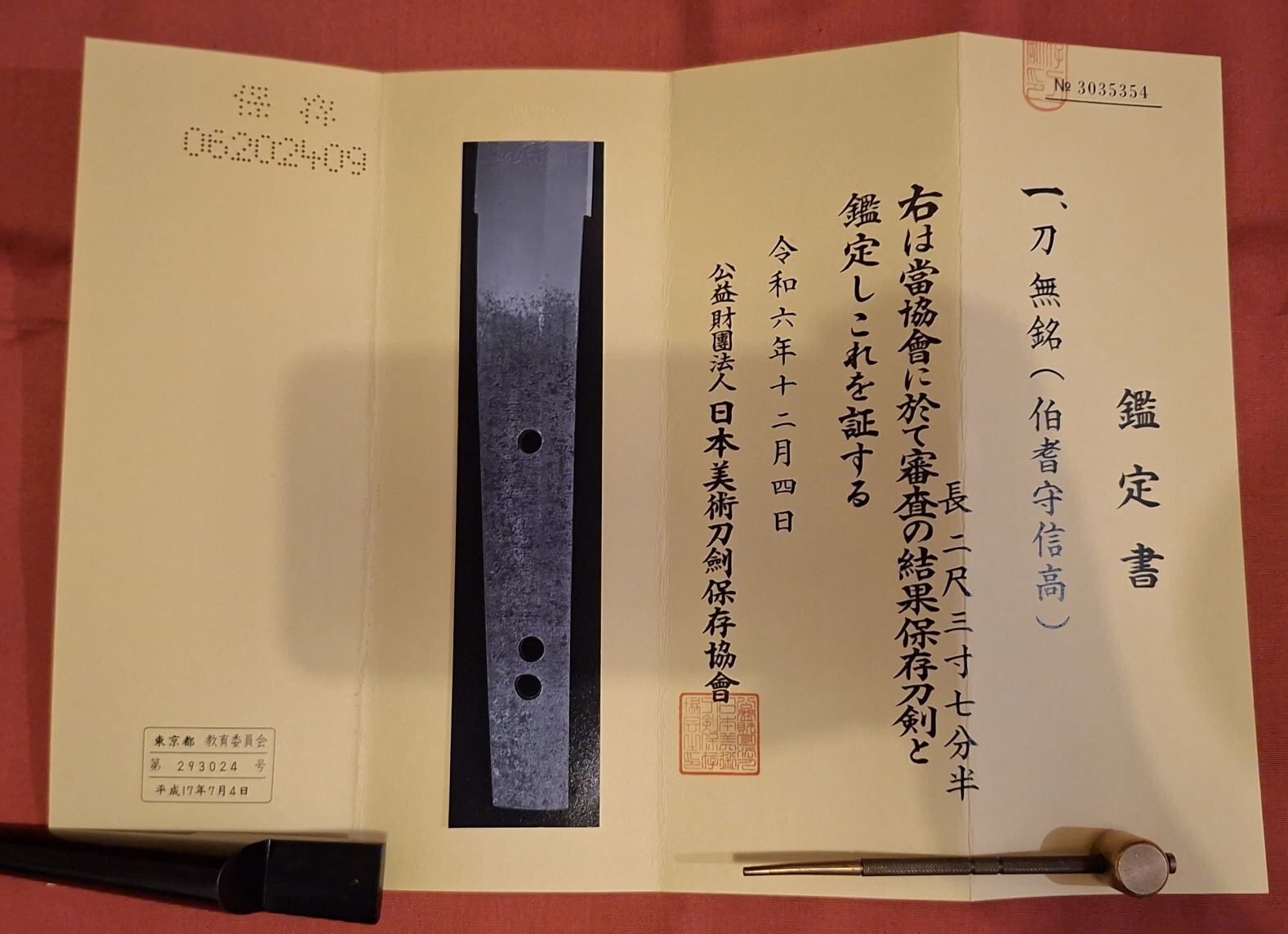
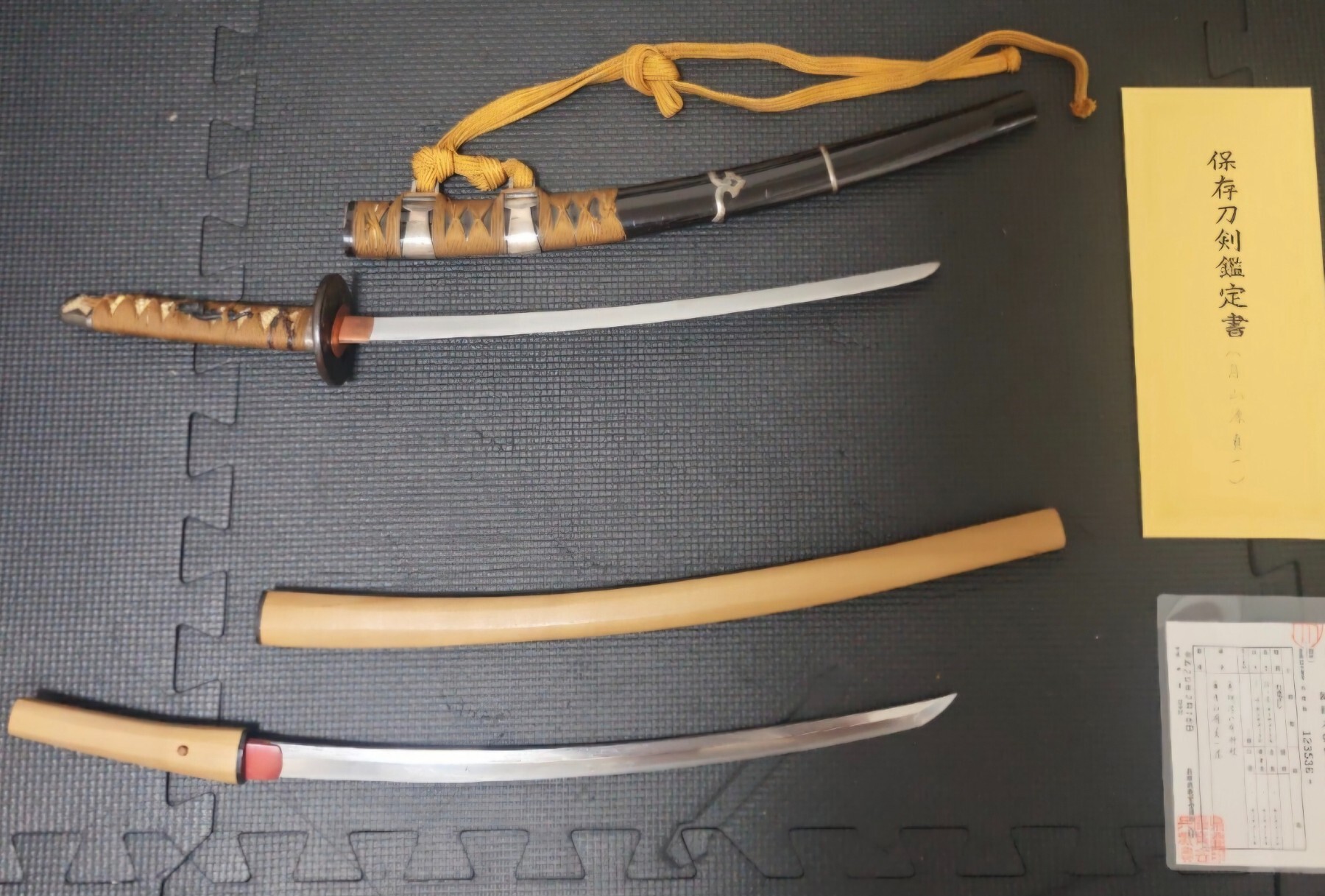
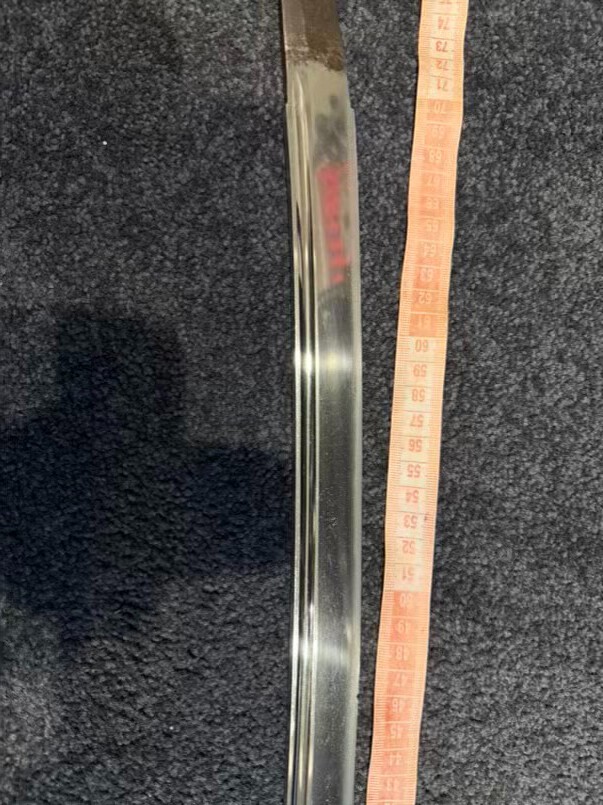
Well I am tad early with the answer but as I am not sure about my day tomorrow, I think I will post it today. Thanks for everyone participating and I hope it was fun. The sword is indeed now mine and I knew the attribution when getting the sword. I did not care about the attribution at all, I just wanted the sword because of size & shape. NBTHK attributed the sword to 伯耆守信高 Hōki no Kami Nobutaka. I would assume that they see this as 1st gen Nobutaka and possibly a Keichō-Shintō sword from very end of Muromachi to early Edo period. Nobutaka is seen as one of Owari sansaku, one of three Owari masters, so he is well regarded smith. However when such a mumei sword gets attributed to Edo smith it kinda demolishes the value. I have seen few nice mumei swords that I thought were Nanbokuchō swords that got NBTHK papers to Hizen Tadayoshi. I happened to see Owari special exhibition at Nagoya Tōken World last summer, back then I didn't know much about Owari smiths, and to be honest I don't know too much now either. I have found few Edo period wakizashi by Nobutaka smiths that have very wide sugata but so far I have not been able to find a reference long sword with very wide sugata. Most of the katana by Nobutaka smiths I have been able to find are just normal early Edo sugata. This was the sword at Nagoya exhibition, by 3rd Nobutaka: https://www.touken-world.jp/search/13753/ I do admit the hada and bit "featureless" hamon might be actually quite close to work on some of Nobutaka line items I found online and in books. However I think 1st Nobutaka work would be better than on this mumei sword. I personally would think like many did in this thread that this would be late Nanbokuchō to Early Muromachi sword. Naoe Shizu would of course be maybe the most optimistic outcome that I can think of and something like Mino Senjuin I could easily see, however it seems I am way off in time. This sword was sent to NBTHK by a small sword dealer at the end of 2024, and I would believe they were not too happy with the attribution that was given out. You get attribution like Naoe Shizu you are very happy and it is a valuable sword, you get Edo smith attribution and the value sinks really hard. I know this was bit of a curveball as it has been for me too. I think all discussion is welcomed and would be also fun to have some discussion, as unfortunately we cannot view and discuss the items in person.
 5 points
 -
Hi Sam, Happy New Year! I now have links to presentation on my homepage of my website. Here is the direct link: Tsuba Otaku | Reflections of a Not So Empty Mind. You should be able to click the link on the homepage and the presentation as a PDF should download and viewed using Adobe Acrobat or Adobe Acrobat Reader. Please share it with members of the PNW Token Kai. Let me know if you have any questions or concerns. Thank you.3 points
-
Tsuba is tea ceremony (Chanoyu) equipment theme. Feather (haboki), iron pronged stand for the tea kettle (go-toku), tea scoop (chashaku), and small ceramic tea container (chaire). I very much like this theme.3 points
-
I sometimes write in English what I am reading in Japanese. Makes for some rather interesting sentence structures. Like Scogg, I frequently edit my posts later. Some are just better at English while others are better at math.3 points
-
Steve, this resource is only worth getting if you actually intend to use it. To be blunt, your forum history shows a consistent pattern of ignoring recommended materials and coming back to have the same information spelled out for you. At this point, it comes across less like you’re here to learn and more like you’re here to avoid learning, by outsourcing the effort to others. If that doesn’t change, there’s no reason to believe these books will be any different from the resources you’ve already ignored. I genuinely hope that pattern changes, but only you know your true motivations. -Sam3 points
-
Japanese Swords and the Making of Japan's First Foreign Swordsmith | Japan Forward interesting dedication under sensei Mukansa Kubo Yoshihira in inland Hiroshima2 points
-
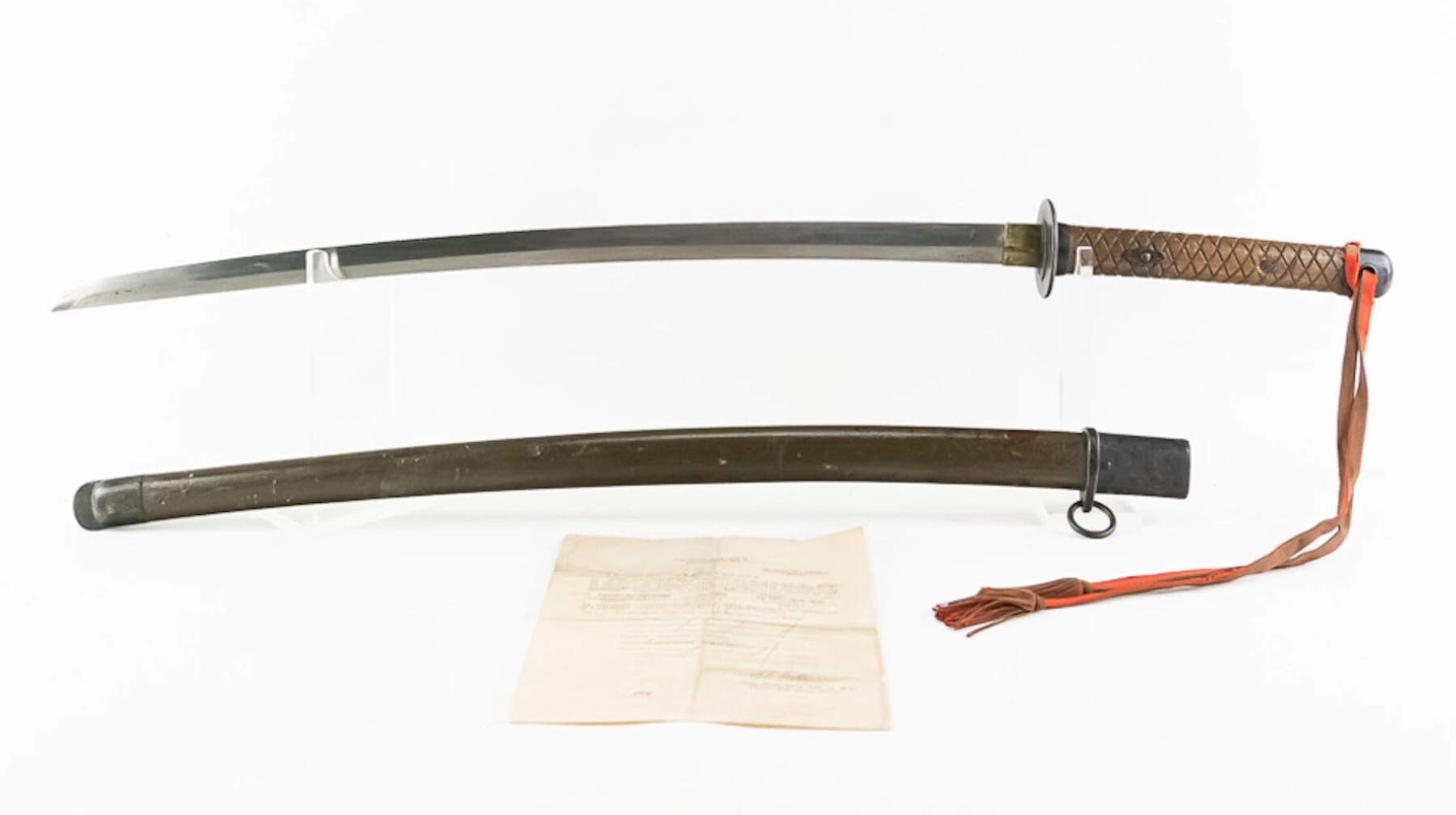
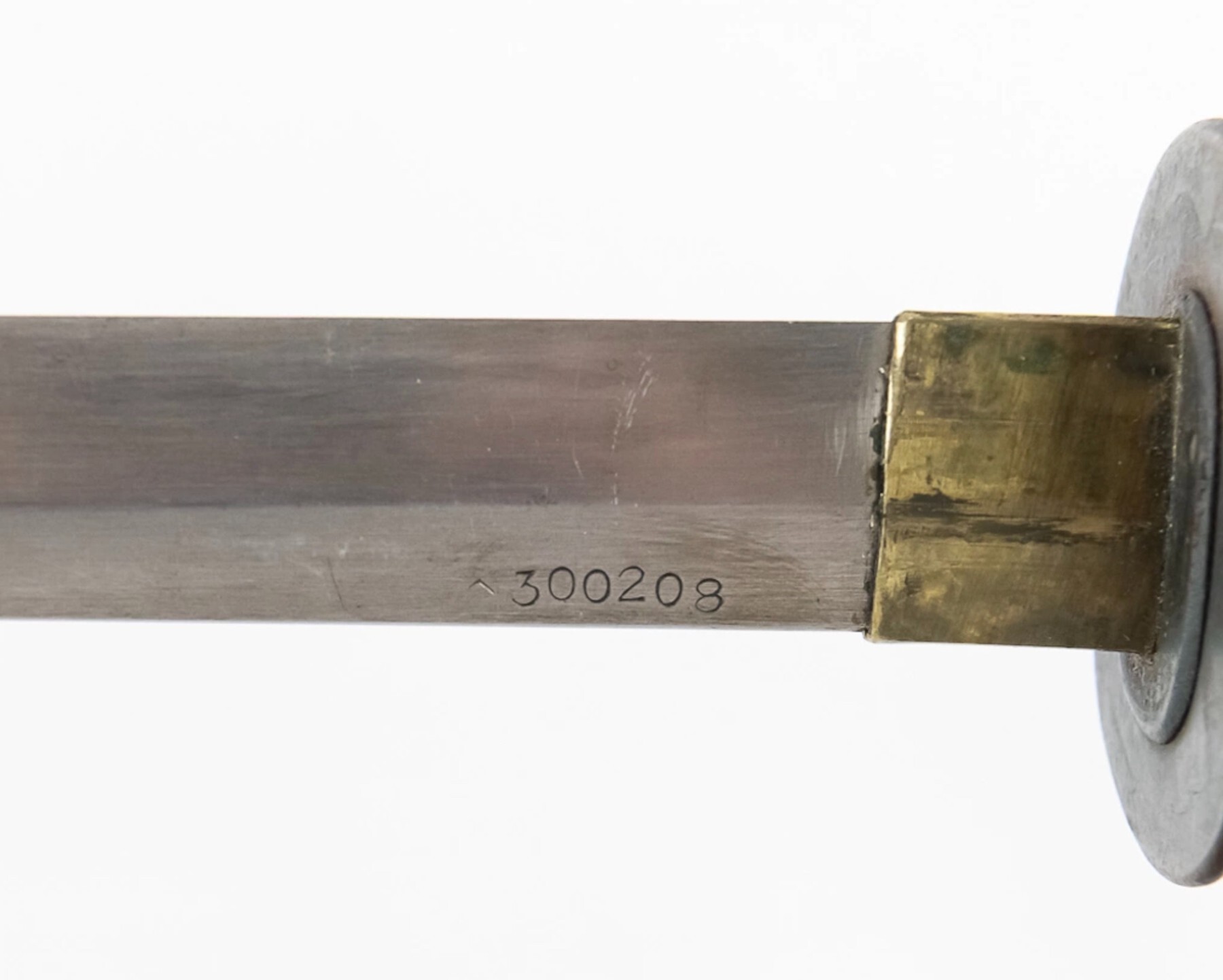
And here is 300207 I think, a very long time ago, @PNSSHOGUN had asked if a consecutive number had ever been seen. This is the first i've encountered.
 2 points
 -
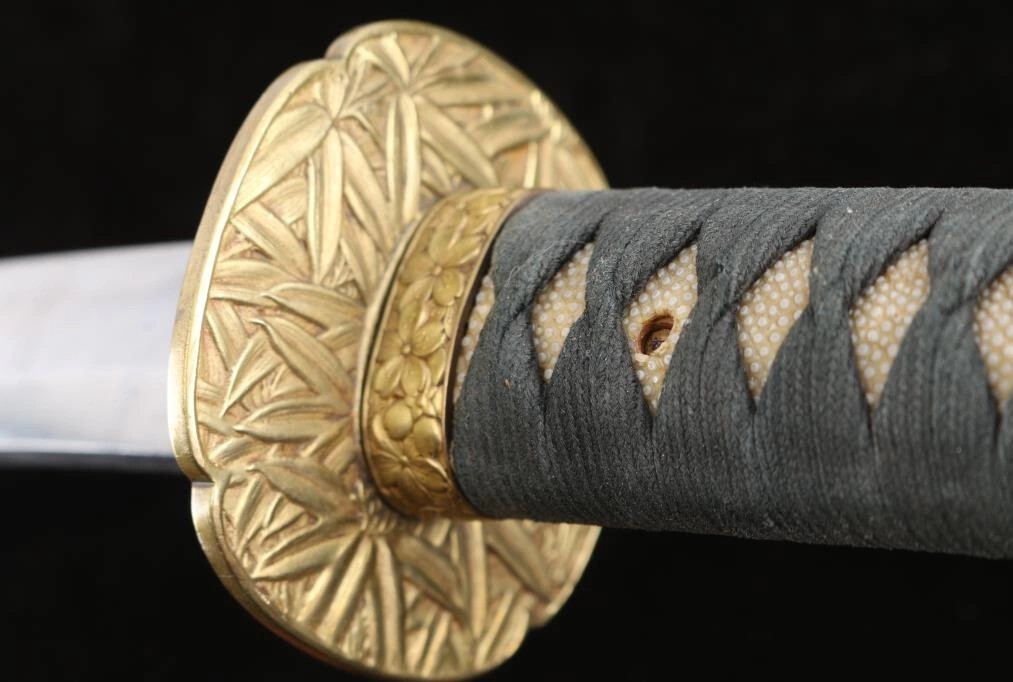
Found this one on an auction site. Slightly different in that it's got the bamboo leaf tsuba, but sakura fuchi, and plain kabutogane: It has a 1940 Hidetoshi blade in it.


 2 points
 -
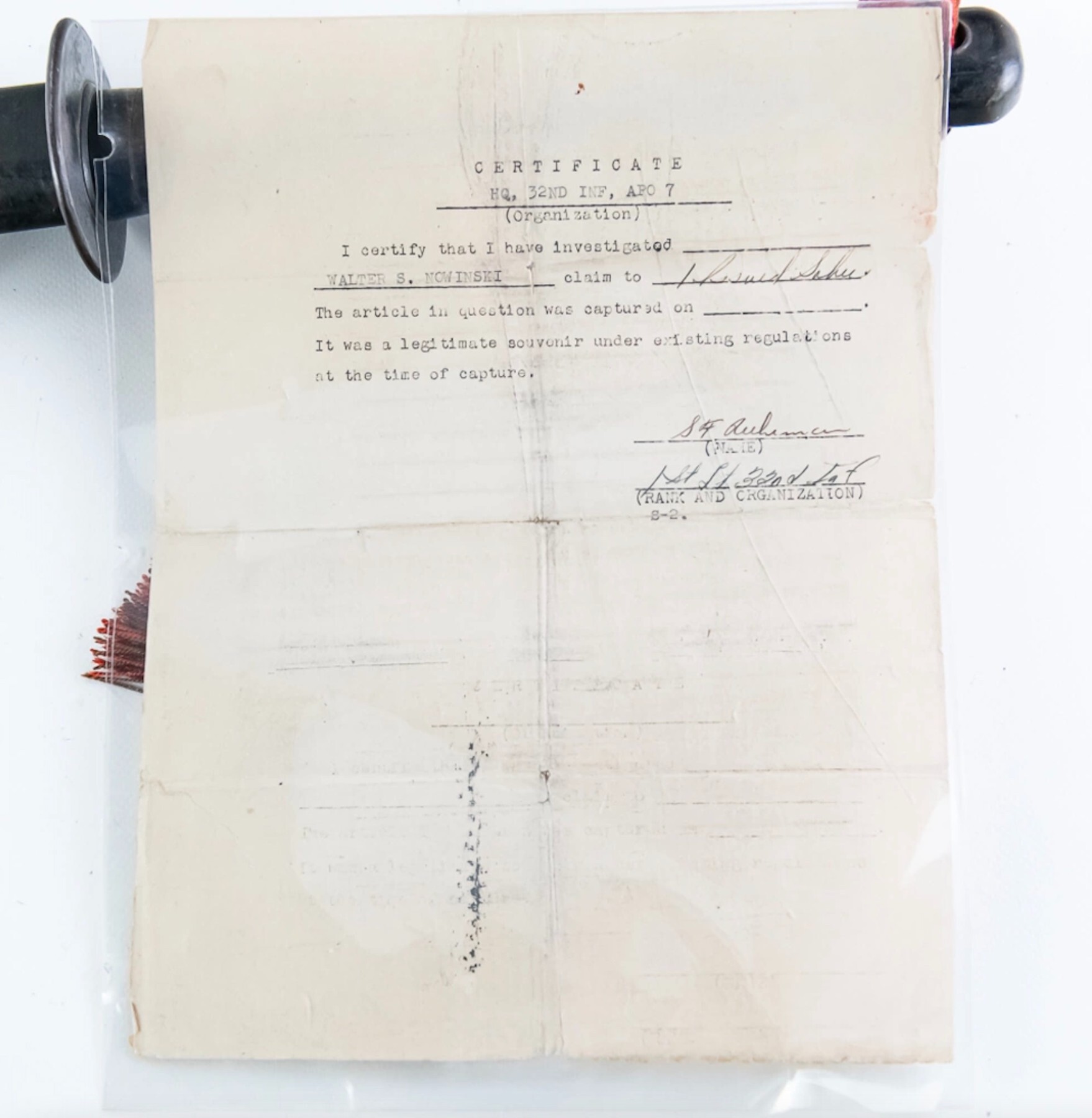
Thanks to Bruce's help, for the first time I have encountered consecutive serial numbers. These are on wooden handle pattern 6 swords, with the wooden saya that has the metal chape. 300207 ヘ 300208 ヘ Pretty cool to have the surrender paperwork with it too, showing it was taken in Korea in October 1945. Thanks @Bruce Pennington! -Sam


 2 points
 -
Unfortunately, Pierre Nadeau from Canada could not complete his apprenticeship in Japan. There are a number of inspiring videos by him under Soulsmithing:2 points
-
From the same site and off this particular topic...but interesting anyways. https://japan-forward.com/how-japanese-sword-making-changed-a-british-mans-life/ @Bugyotsuji Did you know there was a Brit working in the Osafune museum?2 points
-
Bifu Ju Norisuke Saku. Owari, there were two generations.2 points
-
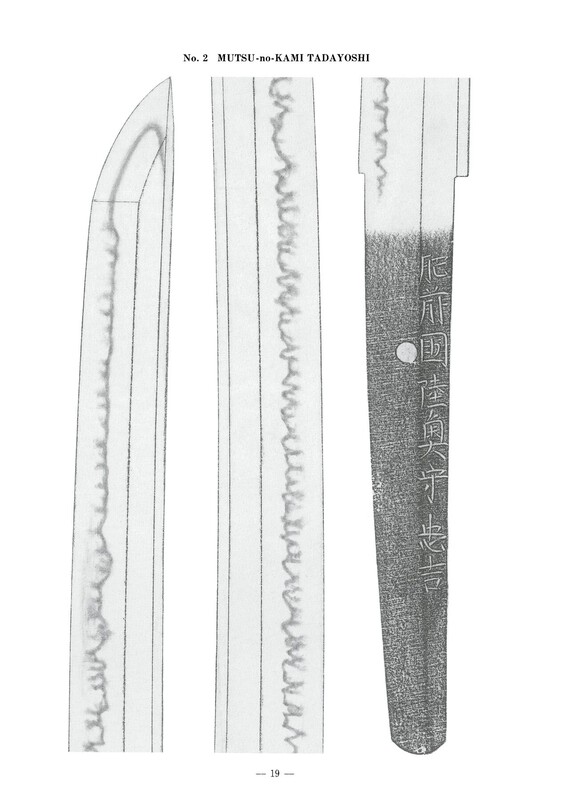
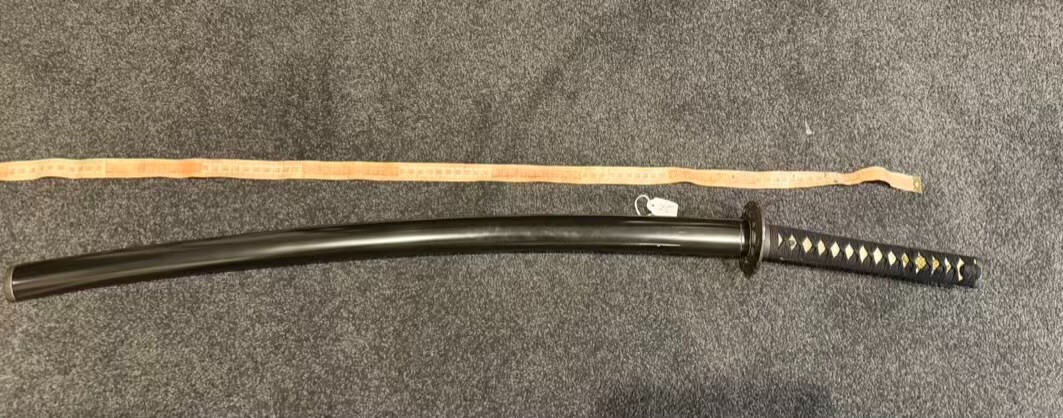
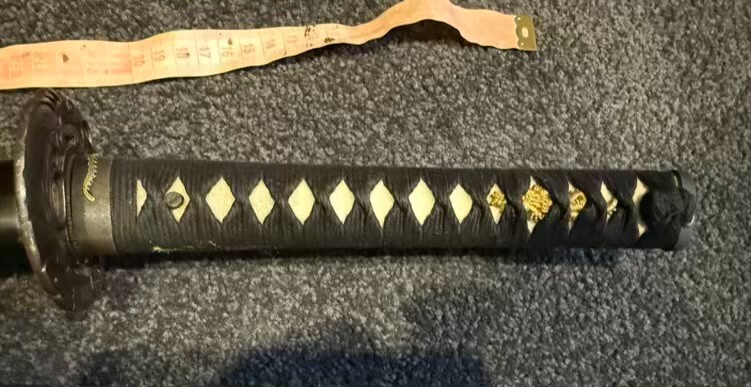
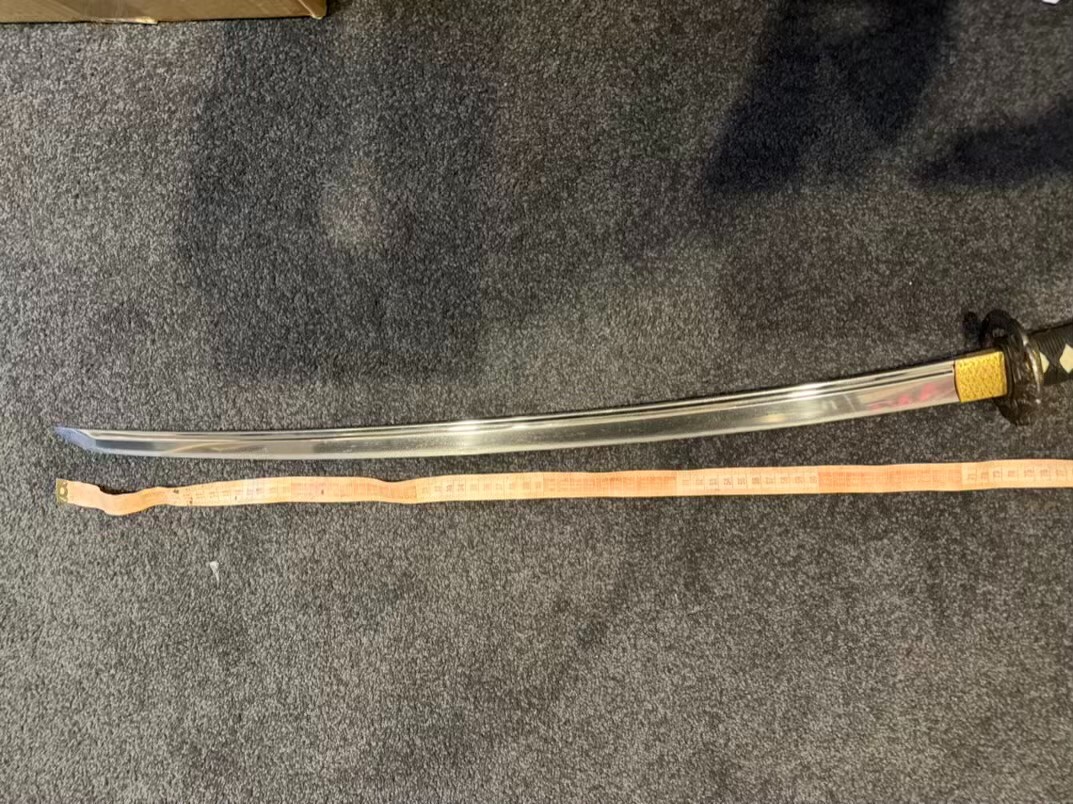
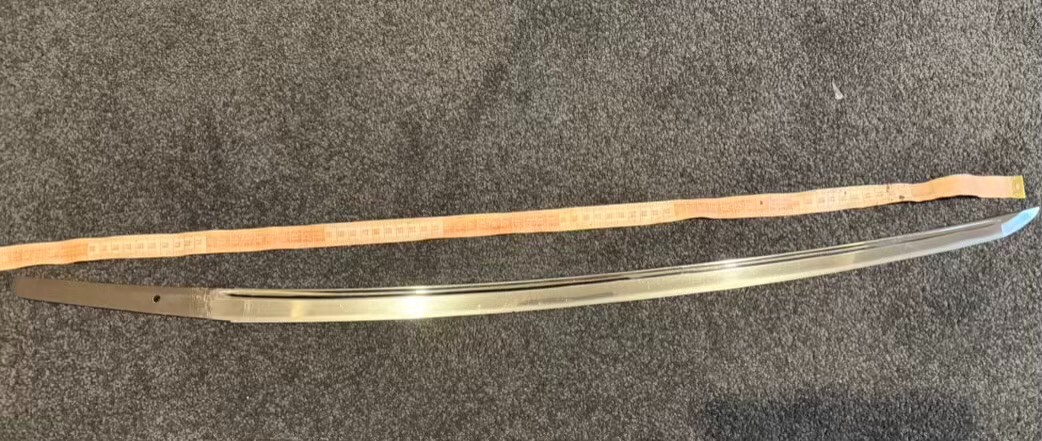
I found this one. Katana, 64,2 cm.
 2 points
 -
I have posted some of them but credit of this file goes to @Wim V as he posted this amazing file few years ago2 points
-
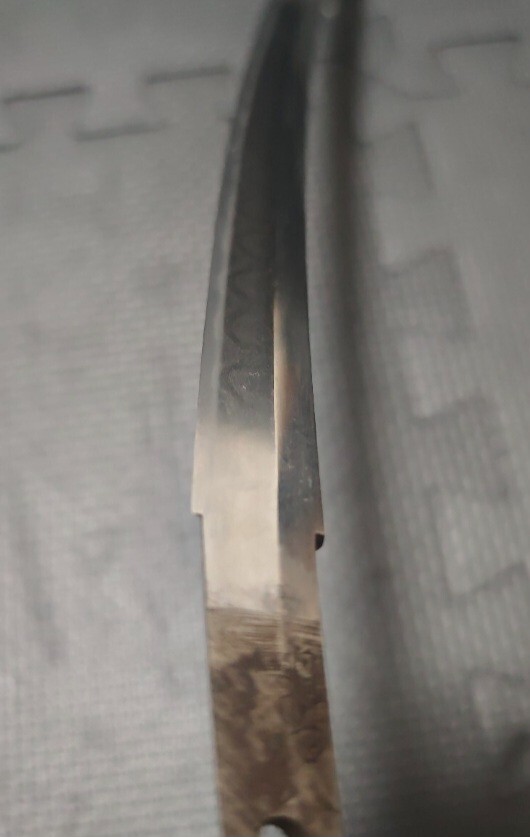
TSUBA looks to have tea ceremony utensils as theme, NAKAGO looks o.k. in these not so good photos. MENUKI look like the handle shape of early KENUKI GATA TACHI. Please show the blade as well (tip-upwards, without HABAKI)2 points
-
Fittings seldom have anything to do with the maker, and were so frequently changed over time that any possible connection is usually long gone. It's also much easier to change a tsuba than menuki, so I wouldn't look too hard for a connection.2 points
-
Being a diagnosed dyslexic myself, makes this stuff pretty challenging. Even keeping word order and spelling straight in English can be rough. I usually reread my posts 5-10 times before I finally catch mistakes that other people notice almost immediately. Sometimes I don't even see those mistakes until I leave and come back with a fresh perspective. It gets even harder when kanji are involved, especially counting strokes. A lot of that comes from just not being familiar with another language, but it still takes a fair amount of effort. I've done it before, but I don’t really like using dyslexia as an excuse, because it’s just part of my everyday life. It’s very common, and most people who have it don’t even know, and those who do, often don't lean on it like an ailment. I literally don't even know what it's like to NOT have dyslexia . As I understand it, there's varying levels severity with dyslexia, so I must have the more common mild version... So it may be the cause for mistakes in spelling here and there, but it's typically no biggie. It makes me a slower and more careful learner, and I think that's a good thing. I even read slowly, which is how I was flagged to then be diagnosed while I was in school. I still have to google MENUKI and MEKUGI half the time, so I don't mix them up -Sam2 points
-
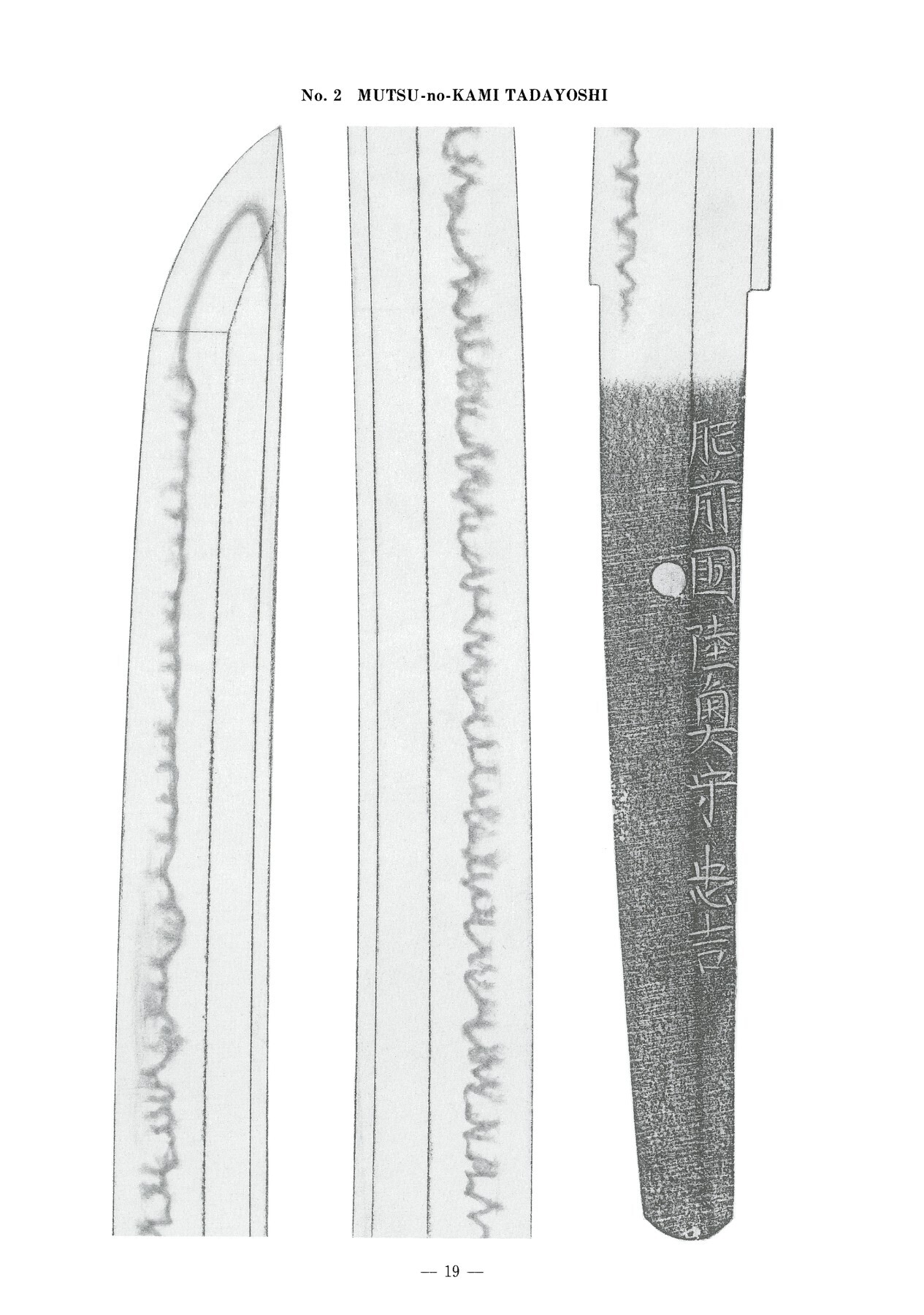
Shodai Tadayoshi NEVER received the title Omi Daijo. That's 2nd Gen. Shodai Tadahiro received Musashi Daijo. A LOT of Musashi Daijo are dai-mei, but not the early ones.2 points
-
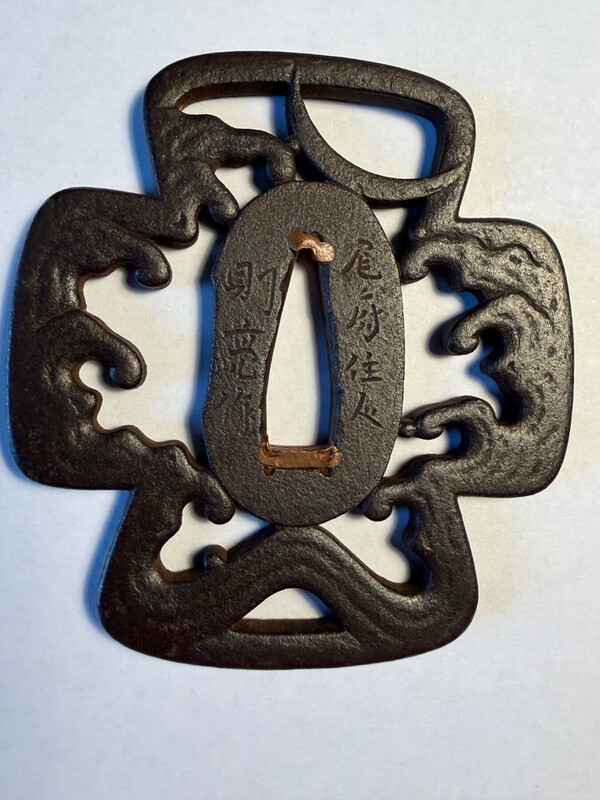
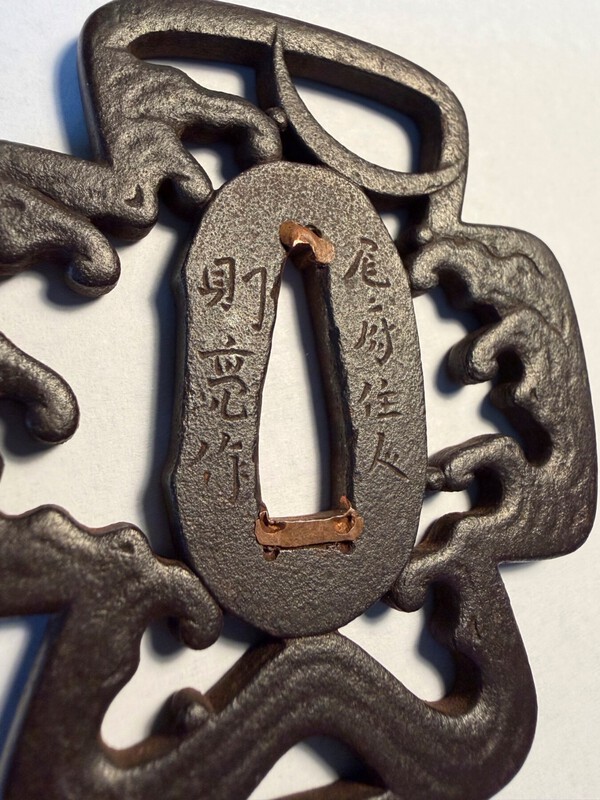
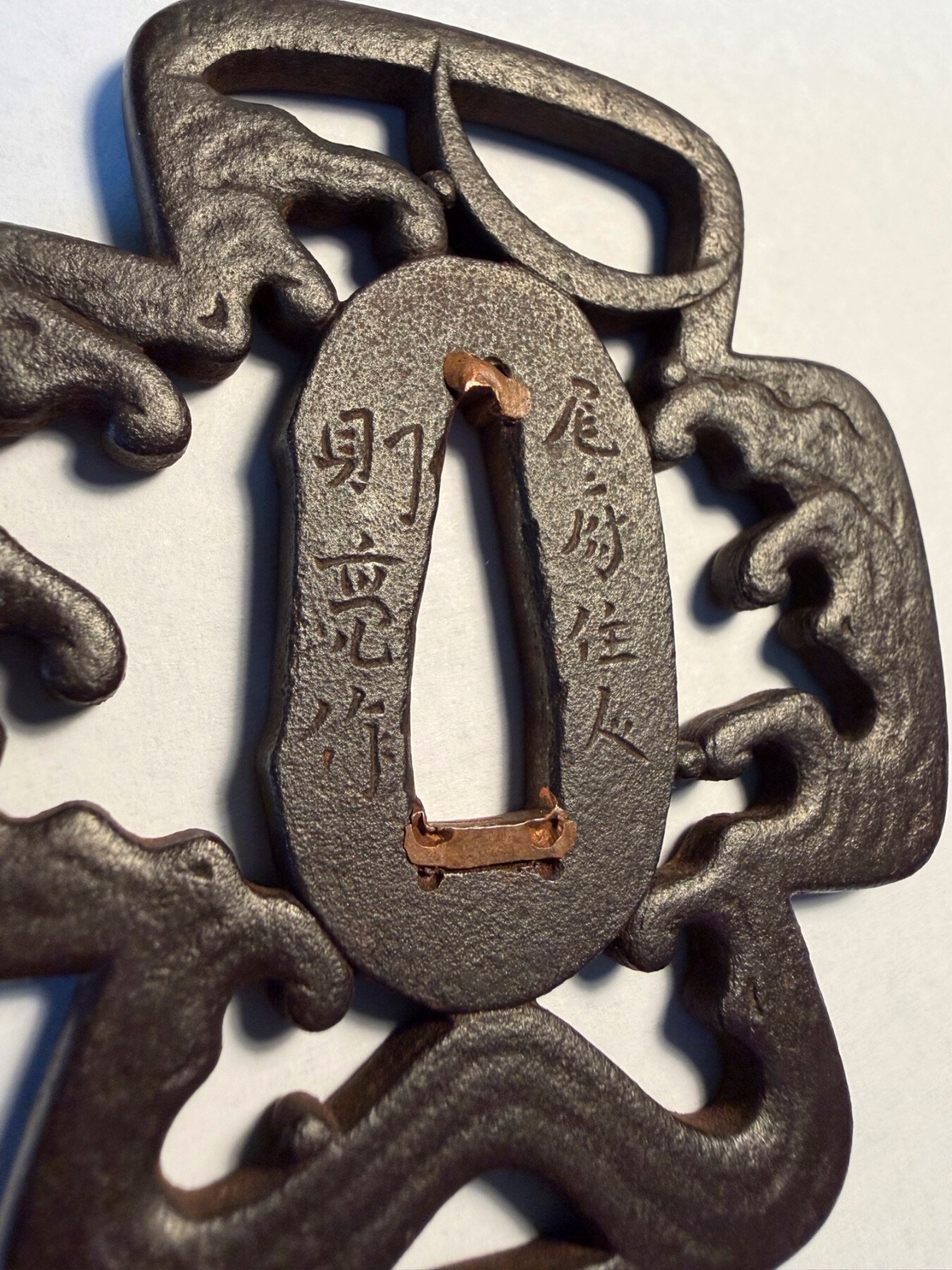
I'm hoping for some assistance with the Mei on this iron tsuba, as well as any insight into the maker/style. Thank you in advance...

 1 point
 -
I think it also depends on the polisher, their workload, and the anticipated amount of rework required. I only used one polisher, but I've never inquired about kissaki reshaping. You could find one, show the picture, and ask for a quote perhaps?1 point
-
Markus will get back to you. As pointed out it is the holidays and to be honest, I think at times he gets overwhelmed with requests. I had written him prior to the holidays and he wrote me back yesterday saying he had gotten sidetracked twice while meaning to write. For me it is no big deal, I am in no rush. Point he is very dependable and will write you back. Be patient grasshopper. If you want to know more, I would go with Swordsmiths of Japan by Markus Sesko. You can order any of his books on the LULU website. If you want something cheaper, I have a copy of Hawleys (Brown one). It is worn and the corners have been bumped pretty hard, but the pages are intact and I would let it go for $100 plus S/H and any related fees.1 point
-
Believe it or not it s not a major procedure. I thought the same when I inquired about having one of my sword adjusted and was quoted $300 plus shipping. Im sure it varies case by case but your situation isnt much different than mine1 point
-
That is correct or how I think currently. I feel the Kongōbyōe school is bit problematic as there are extremely few signed old items and dated old items are like unicorns. There are the Moritaka tantō that is Jūyō 23 and it is In my opinion most likely dated either 1359 or 1369 but one crucial character is missing, and there is the 1370 dated Reisen Sadamori tantō that is Jūyō Bijutsuhin. I know there can be different opinions about the origins and timelines etc. However for me Ko-Kongōbyōe = Nanbokuchō as that is where I see the school starting, and Kongōbyōe = Muromachi. So far in my search I have not been able to find a signed tachi by Kongōbyōe smith that would be Nanbokuchō period. NBTHK does not often specify the generations of Moritaka smiths in the appraisal paper, to me that is huge bummer... I do feel this particular Moritaka could be an Early Muromachi one possibly from Ōei. I might have been too critical for many of the signed Moritaka katana I have seen online as to me they have seemed like later Muromachi work, so I haven't included them. Of course I am no authority at all but I needed to draw a line somewhere when I gather items, as there are lots of lineages that continue during Muromachi period. I would have to include so many more items by those smiths. And as NBTHK or other organizations might not identify the generations on appraisals it does not make it any easier. Sometimes it is problematic for schools or lineages that used same signatures over a long period of time. One of my personal favorites 宝寿 (Hōju) gets very often described as late Heian period by sword dealers. However in my opinion there are only very few Early Kamakura period items by the school and majority of old works are from late Kamakura - Nanbokuchō periods. Now as the school continued into Muromachi period using the same 2 characters it can be tricky to identify the age. So I mostly just refer to expert opinions.1 point
-
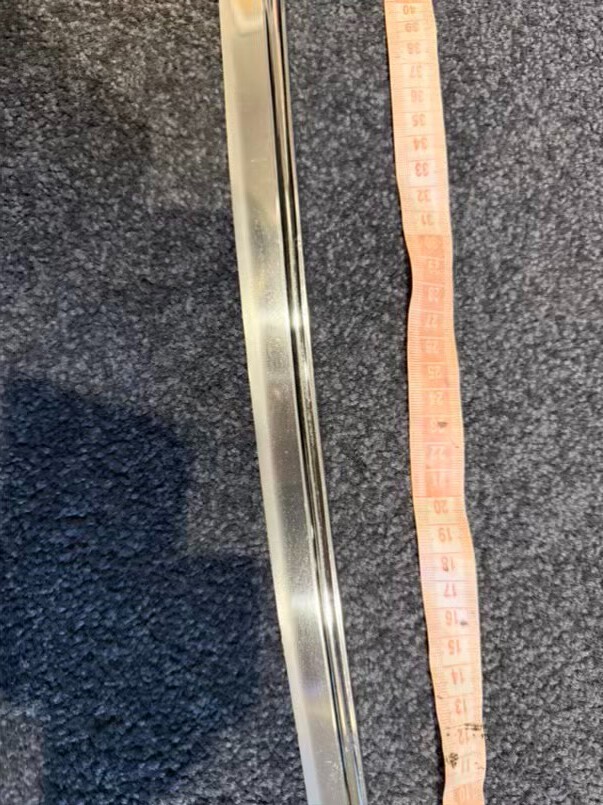
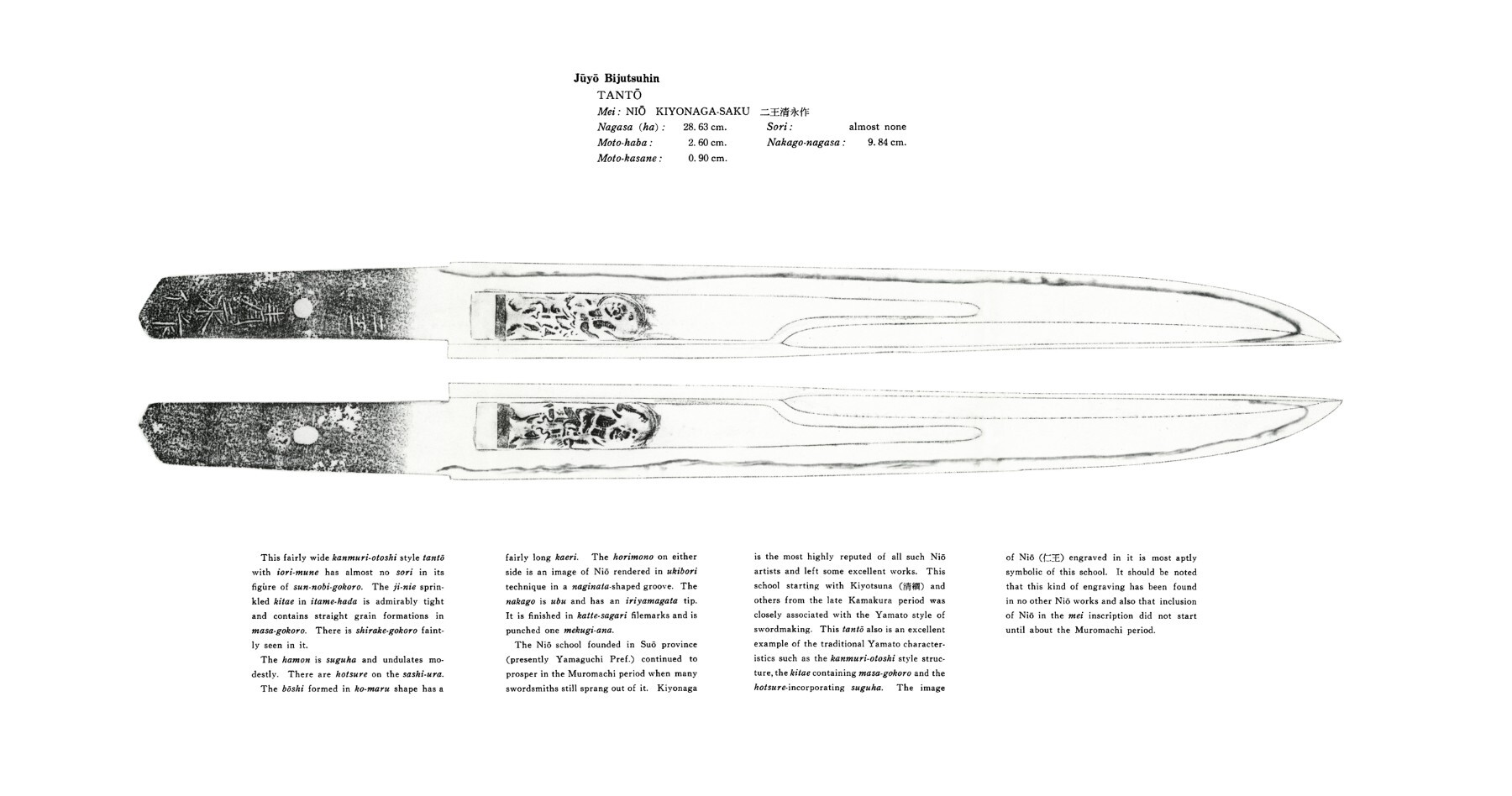
This sword has been rubbed with abrasives at sometime. The resulting damage extends to the nakago, partially removing the patina and wearing down the signature, which I believe reads Nio Kiyonage. I know the story of the tachi that cut the chain to the temple door to save a statue from fire, So I can understand how the menuki might compliment this sword. I'm not sure if the tsuba might also be connected in some way? Opinions would be welcome. Thanks.

 1 point
 -
Hey guys, did I get this one right? Thanks! 1940 Hidetoshi

 1 point
 -
I met him at the Japan Art Expo last June in Utrecht.1 point
-
It states that this young man is "the first non-Japanese swordsmith". That was Keith Nobuhira Austin. Keith Nobuhira Austin | NCJSC1 point
-
@Wim V & @Jussi Ekholm thank you so much for taking the time and passing on this collated data. It is super appreciated and valued.1 point
-
“尾府住人則亮作”. Like Ed said, only “nin” is to add!1 point
-
Thanks, Piers. I too am not a fashionista. And I think I did read somewhere the longevity of this type of netsuke was fairly short, having become popular just about the time western clothing with pockets also became popular. John C.1 point
-
Finding myself reluctant to join this conversation as clothing styles varied greatly not only by class but also by area of Japan. Kimono fashions in Edo for example, were quite different from Kyoto and Osaka. I can imagine someone looking at examples of Netsuke and then trying them on their obi for size, grip, etc., but there must have been some measure of flexibility rather than one rigid rule. Some obi were relatively hard, others soft. As pointed out above, the obi-hasami type of Netsuke may have been somewhat impractical and that could be one reason (beside the ending of the era) that it was not in fashion for long.1 point
-
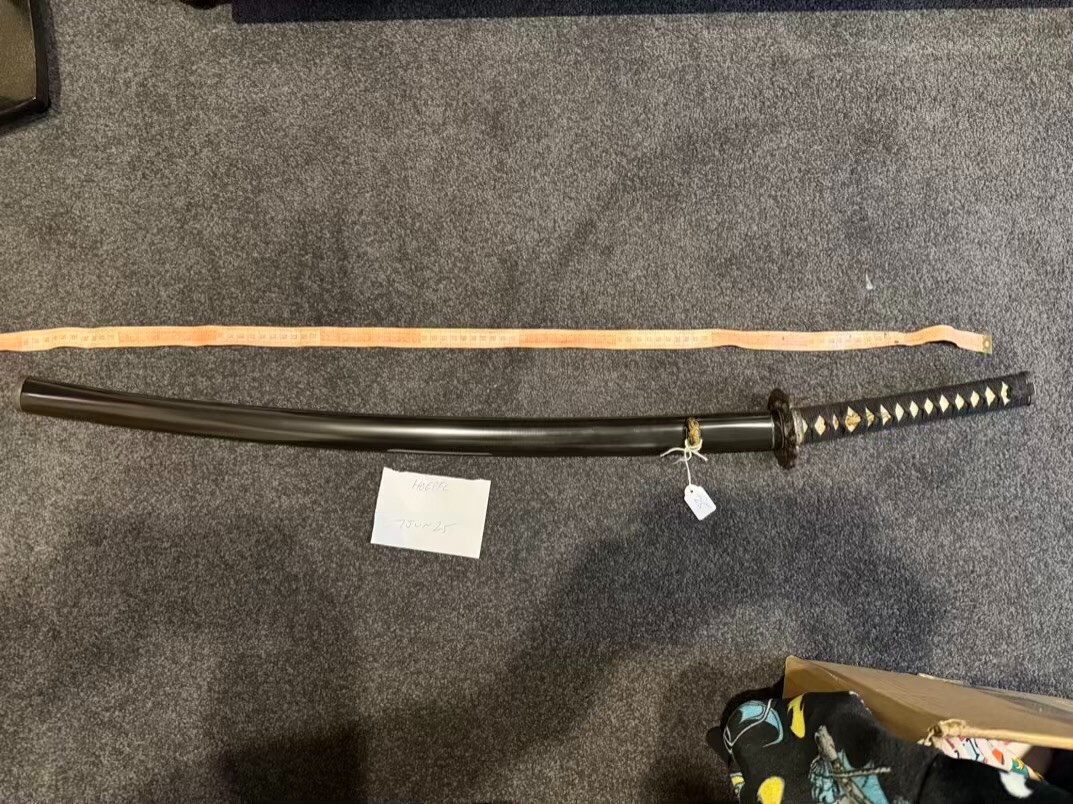
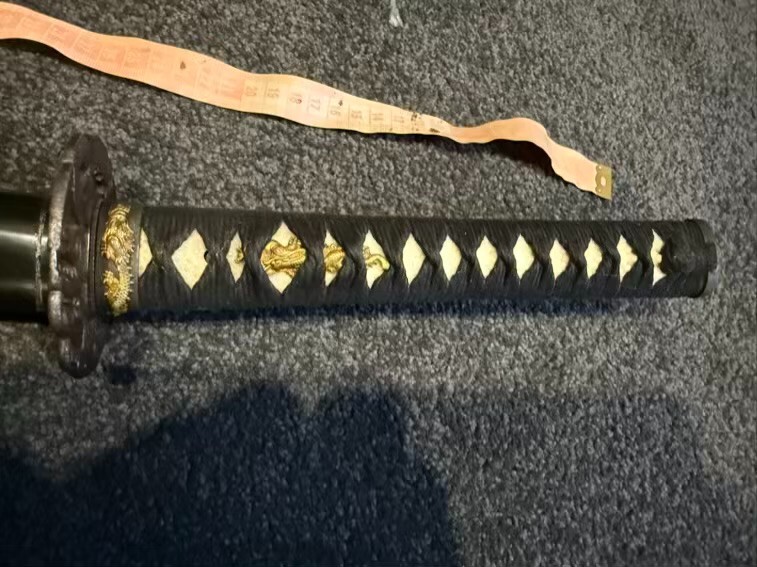
Consigned from an old collection Antique blade signed Soshu ju Masahiro. All dragon Shakudo fittings and Echizen Kinai style tsuba with dragon. New scabbard with old fittings. Blade has a small chip but very interesting Soshu style activities, Muromachi period. Please note blade has a small chip. This item is not papered. Price including worldwide shipping is US 1,900.00. Priced to sell.





 1 point
 -
PRICE DROP USD 1,500 including worldwide shipping and paypal fees.1 point
-
John, you are of course correct! I did not think of men's OBI, which are definitively narrower. I only know those used in KYUDO which are indeed about 75 mm wide, if I remember correctly.1 point
-
Okay. So were men's obi not as wide as women's? The opening for the obi-hasami is around 3 inches (7,5 cm). At one shaku, I guess one could fold it in half twice and it would be about the right width. John C.1 point
-
https://buyee.jp/item/jdirectitems/auction/e1202919591 Perhaps this could be an interesting example of this type of mini sword. Gassan Hada! Only wealthy families could afford something like this.1 point
-
THIS is Kamakura Senjuin. Masame hada mixed in and a suguha hamon. Two things I really find suspicious: the condition of the tang and the two holes at the bottom seems to be drilled.
 1 point
 -
Nio Kiyonaga
 1 point
 -
John, as far as I know, OBI were made by folding in two the fabric coming from the standard loom so that the width of OBI is usually close to one SHAKU. I can take measures later. (To be clear, I don't wear them, I use them for sword bags! )1 point
-
Yes, I thought of the kenuki-gata tachi tsuka as well. Kenuki (毛抜) means "hair clip/hair tweezers", which is what that shape is meant to represent. https://picryl.com/media/tsuka-of-kenuki-gata-tachi-at-ise-shrine-ef881e https://nihontoart.com/shop/a-museum-one-of-a-kind-kenuki-gata-tachi-by-suishinshi-masatsugu/ https://samurai-jpn.com/kenukigatatachi_en.html1 point
-
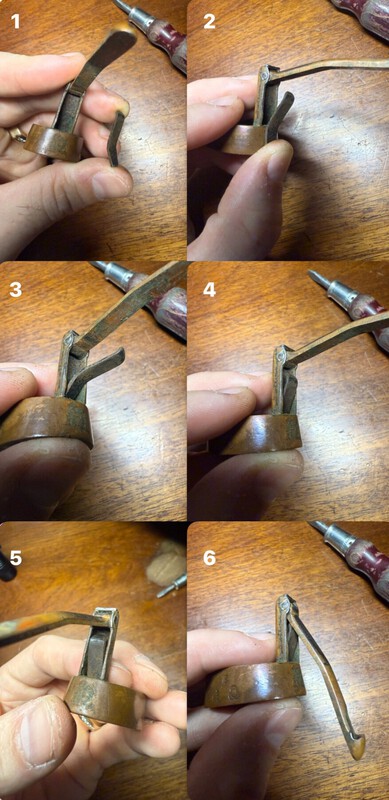
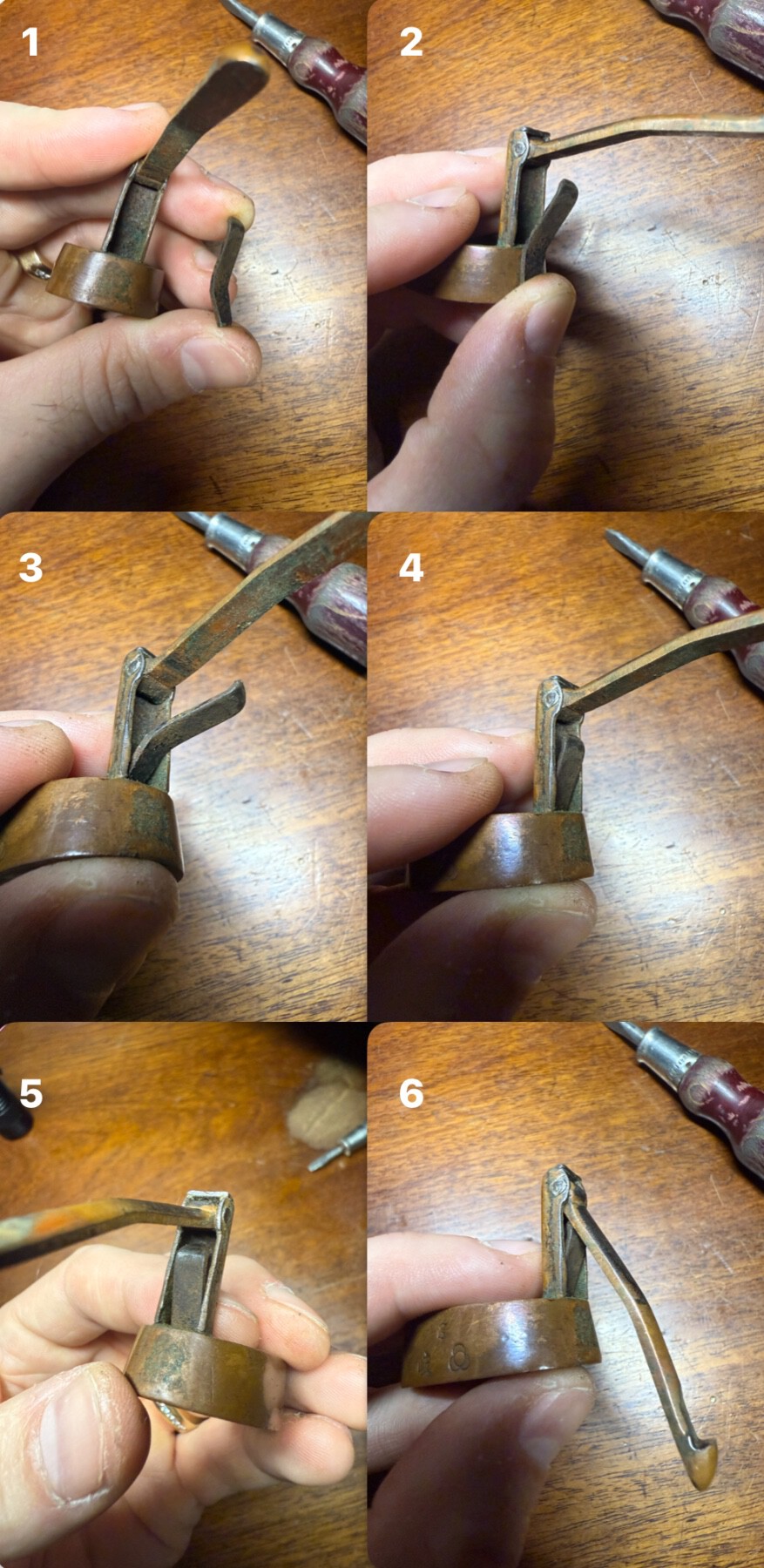
Maybe old news to some of you, but I found it fascinating how the tension spring for this latch was engineered. I put together an infographic to show how it works. The “spring” is a small, hardened piece of metal. There’s no solder, glue, or fastener involved. Instead, it’s precisely sized and held in place by tension and geometry; and can only be removed when the fuchi is separated from the other fittings. It’s no surprise that this piece often goes missing on some examples. Another good reason not to disassemble the Type 95 Gunto. (This is from a loose tsuka and fuchi that came to me without a blade). -Sam
 1 point
 -
It is possible the next kanji is Tsune. Bishu Osafune Tsune__. Several smiths used this kanji including Tsunehiro and Tsunenao. https://nihontoclub.com/view/smiths/meisearch?type=All&mei_op=contains&mei=備前長船恒1 point
-
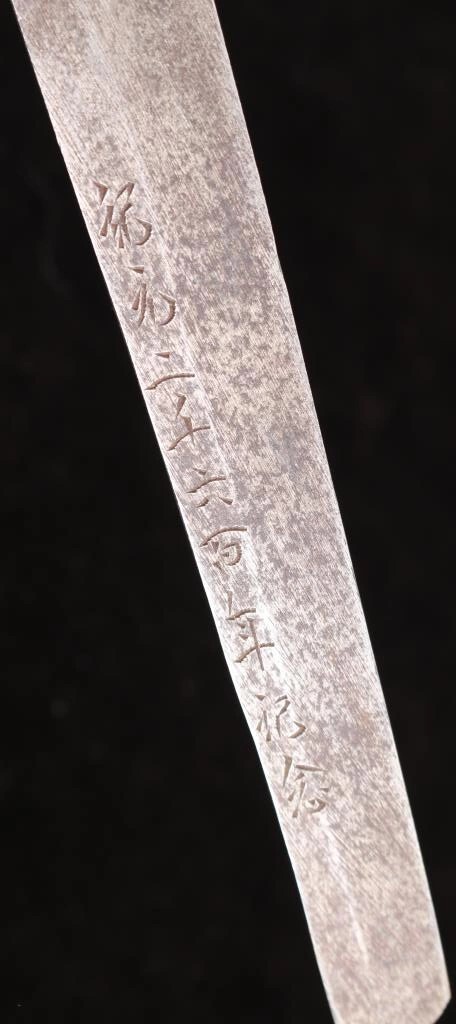
I'm afraid this is a clear case of a Chinese fake/reproduction. The Japanese never put kanji on a blade in this manner.1 point
-
Hello Jussi, Rivikin and Klee Thank you very much for your comments and appraisal. Below are some more photos of the Tanto, been described as follows a good 20 years ago: School (Den) Yamato School, maybe Shikkake or Taima. Production period Late Kamakura period, 13th Century. Jitetsu (Jigane) Masame Hada, Chikei in jitetsu Hamon (Temper line) Suguha, Ko-Nie-deki. Kinsuji Sunagashi.
 1 point
 -
Steve, These encyclopedias are literally a list of names, with some brief description of the smith and when he worked. No pics, no description of swords. Just a dictionary of all the smiths and who they were. useful, but not if you are only ever going to look up 5 or 6 smiths.1 point
-
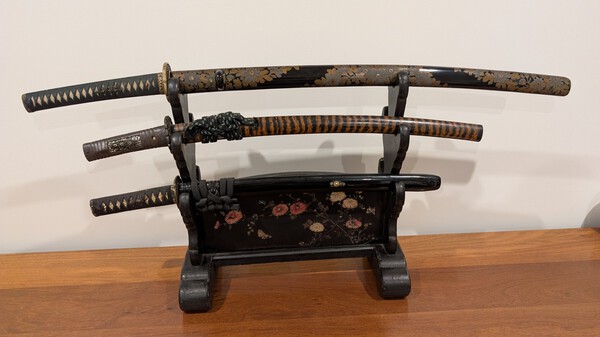
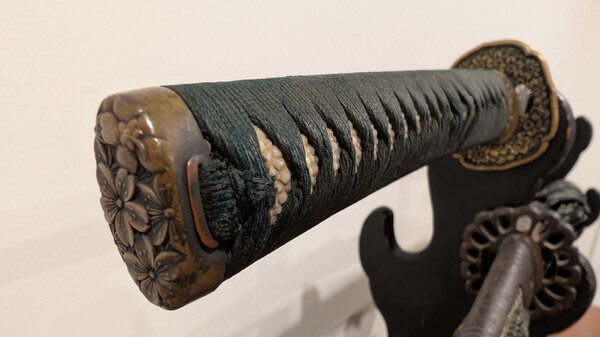
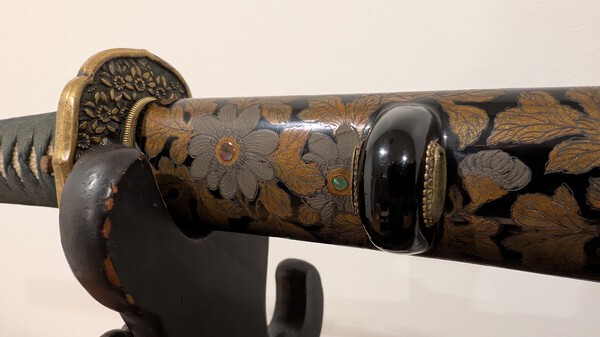
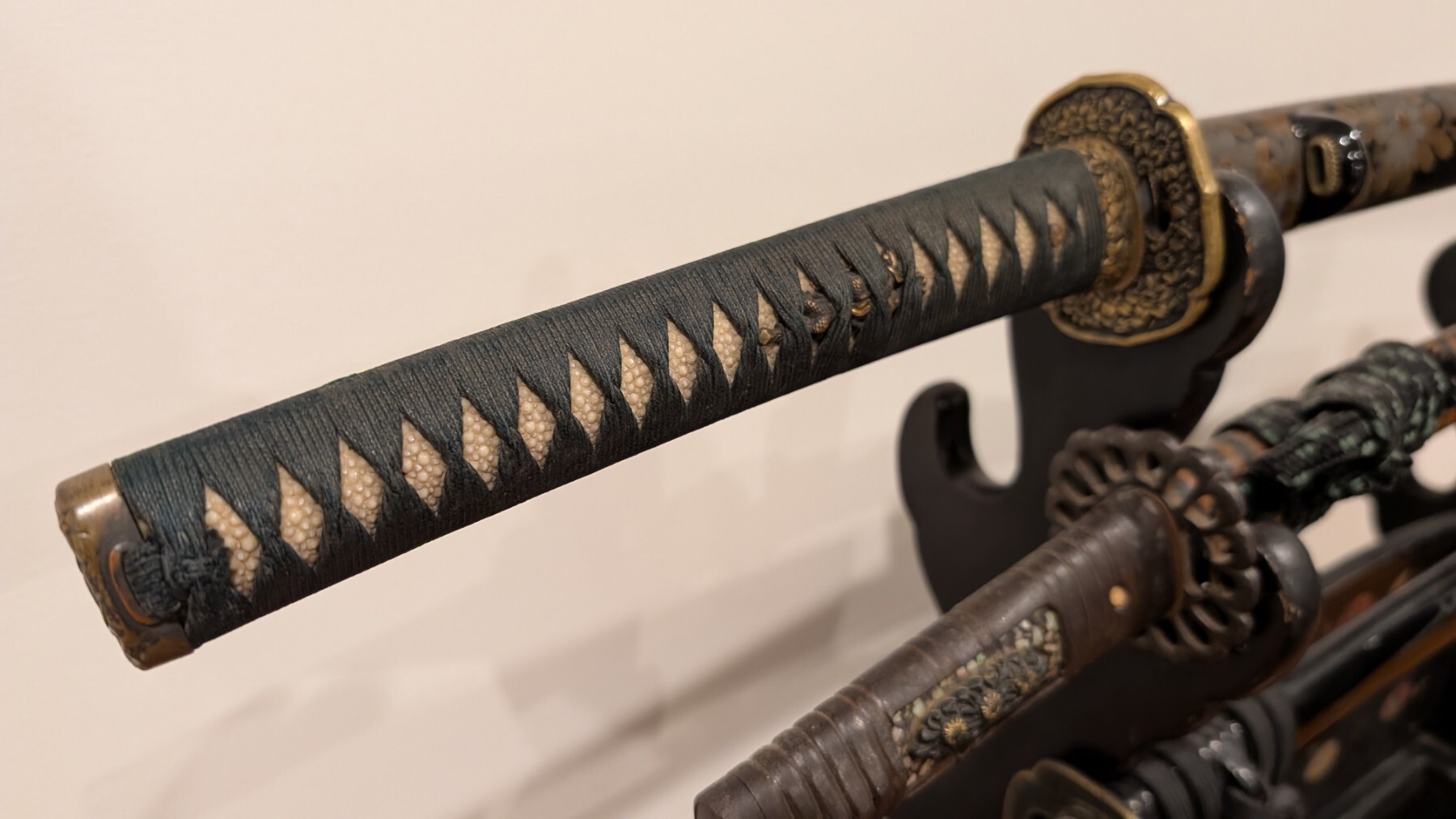
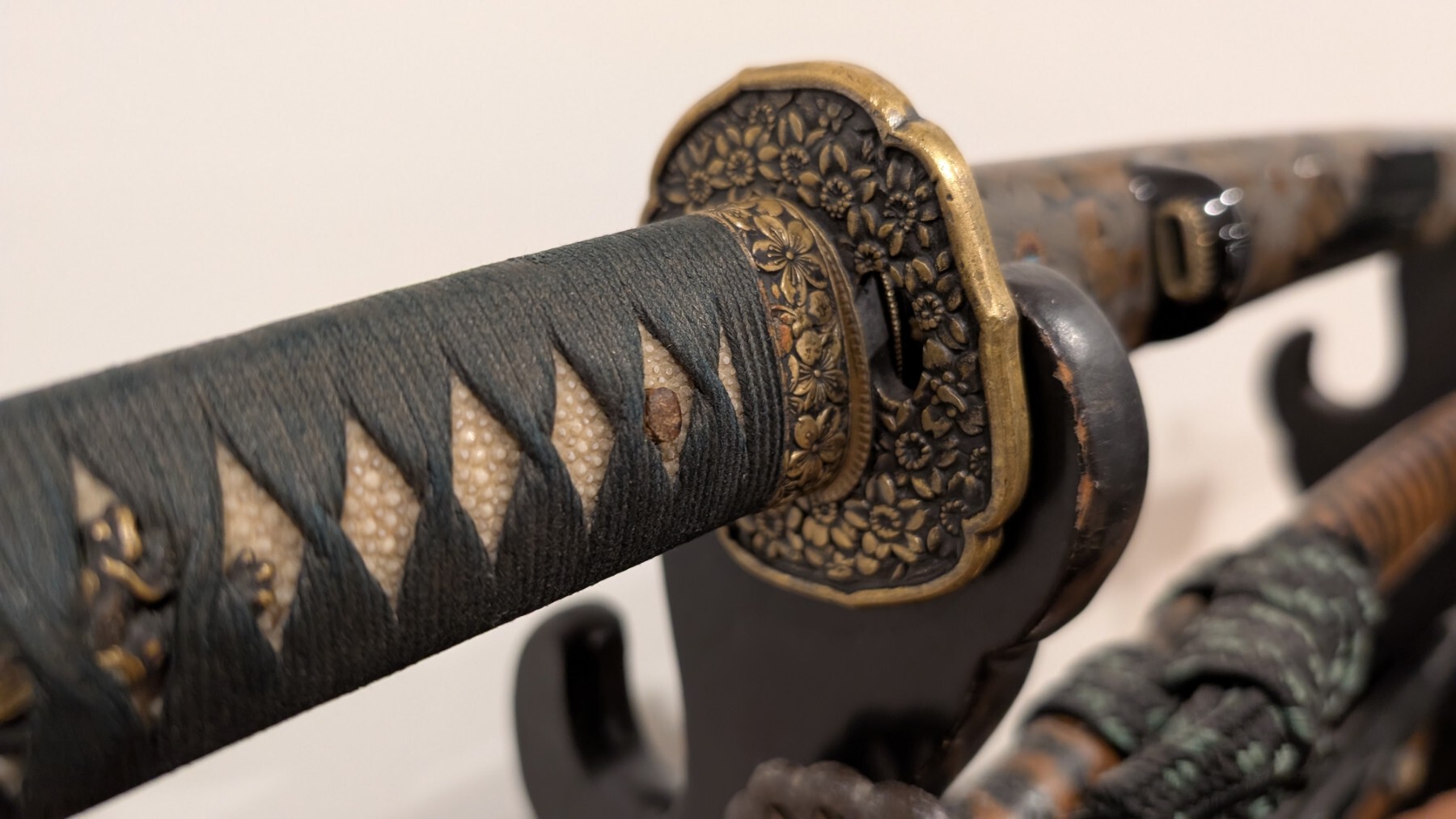
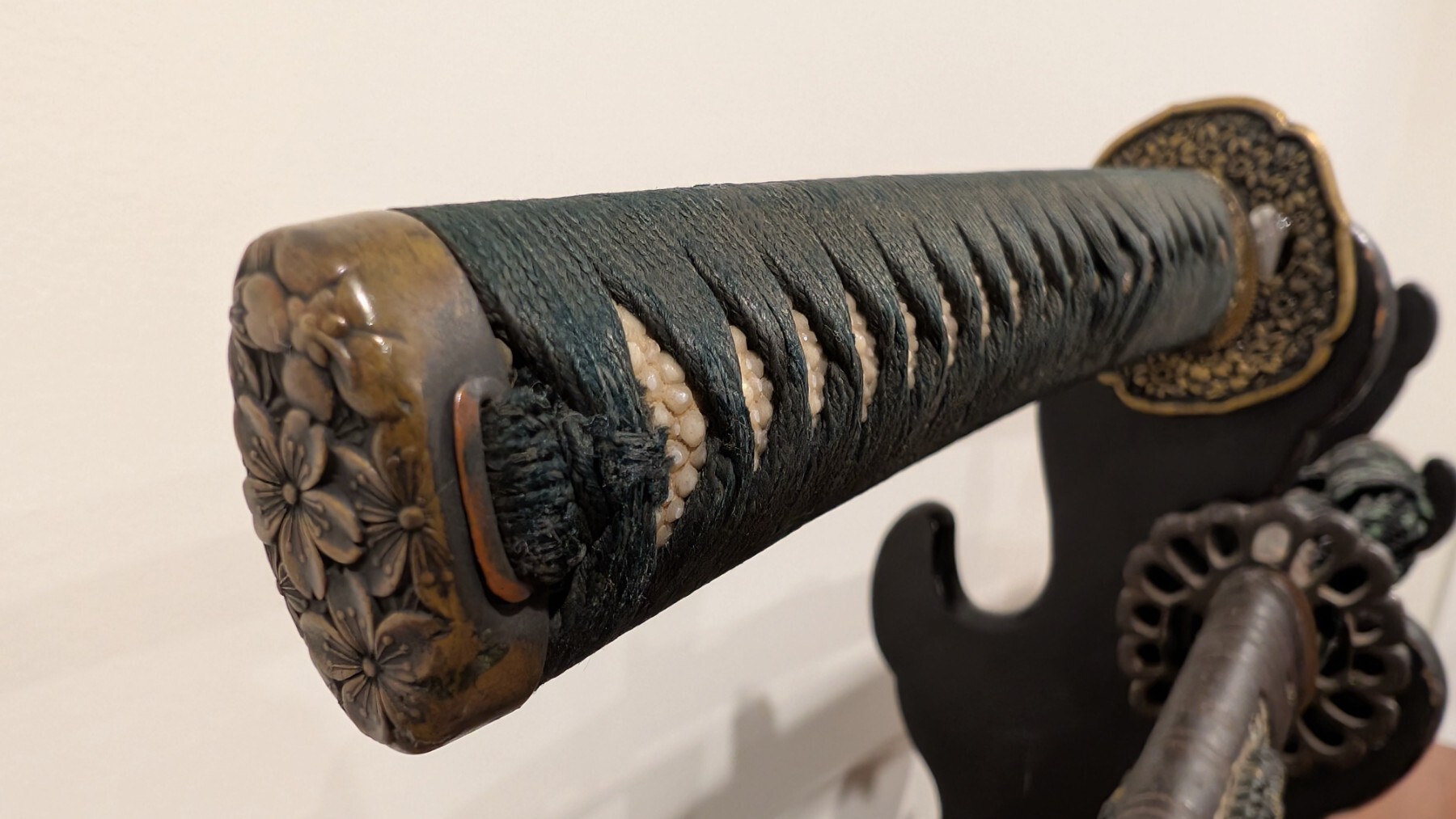
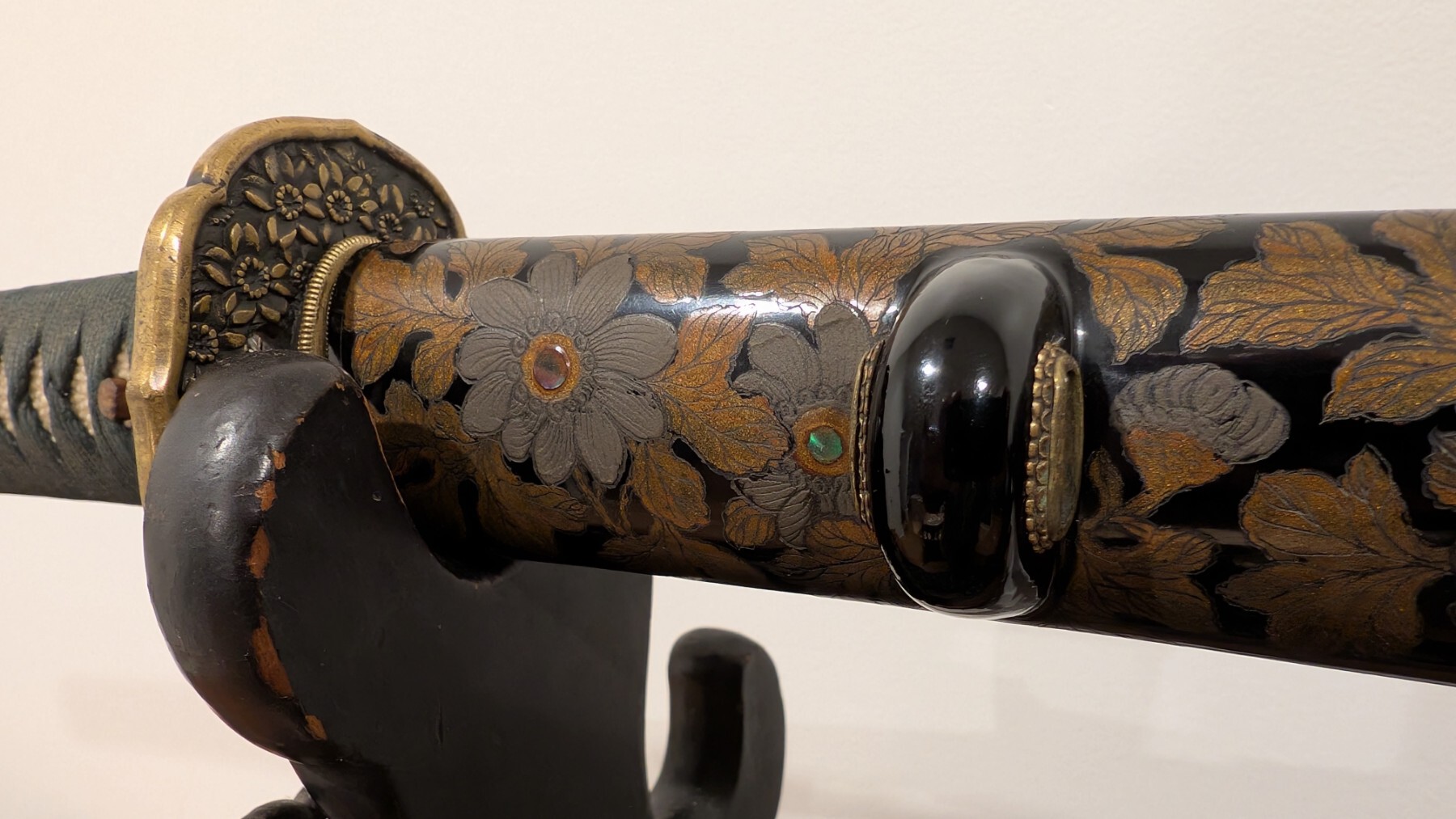
Picked this Koshirae up recently and thought I'd post to add to this thread. Looks to be one of the civilian sakura tsuba with matching fuchi kashira.


 1 point
 -
Dear all, I started this juyo and tokuju "pass rate exercise" already a while ago, based on the results published in Token Bijutsu, and you can find my overview in attachment. For Juyo the table is not complete as my collection of Token Bijutsu only goes back to 1968, for some years the results are not listed in the magazine (for example juyo sessions 21 and 22) and I don't have the Zufu books. As some already have mentioned, you can see that until juyo 28 the pass rate was indeed quite high (sometimes over 50%). From juyo 29 on the pass rate seems to be more around 10 - 15%. Wim NBTHK_Juyo_Shinsa.pdf1 point




































This leaderboard is set to Johannesburg/GMT+02:00