Bruce Pennington
-
Posts
14,660 -
Joined
-
Last visited
-
Days Won
176
Content Type
Profiles
Forums
Events
Store
Downloads
Gallery
Everything posted by Bruce Pennington
-
I've got the next revision in the works. It's only been 5 months since the last update, so I'm trying to make myself hold out till March for the next. Thanks for the kudos @vajo Chris. It has become more of my love of the hobby than the swords (WAIT, no I didn't say that! Delete if I've broken something!!! Ha!)
-
Thanks Mal! I'm going to change that one in my Stamps Doc. I had it listed at the kao for Tadahiro, but I think it would be better listed in the Buddhist markings page, now that we have 2 unrelated smiths with the symbol. George, thanks for checking on that. Considering the date, Feb '42, I'm now not surprised there is no kana. That early, the only kana/number blades are the Matsu on the Yamagami brothers. I have a Masakazu marked "フ 37" with Star, in RS fittings, but no date. It was likely made in '43 or '44. I'm slowly gathering files on fittings that used kana + number, but it's pretty random, and doesn't seem to be limited to RJT blades or particular areas. Still too little data. Thanks for the help guys!
-
Pulling this one up from the past as a good friend has just sent me a very similar one, but it's on a Kumazuma Kanetoshi blade! Slightly different as this one is surrounded by a "gourd" shape. @mecox @george trotter or anyone else know if these two smiths worked for the same forge at some point? @PNSSHOGUN, John, earlier, commented that the image might have Buddhist significance. Anyone know? It might explain why the same image is on blades by different smiths. Maybe it's not a kao, but simply a religious symbol/meaning?

-
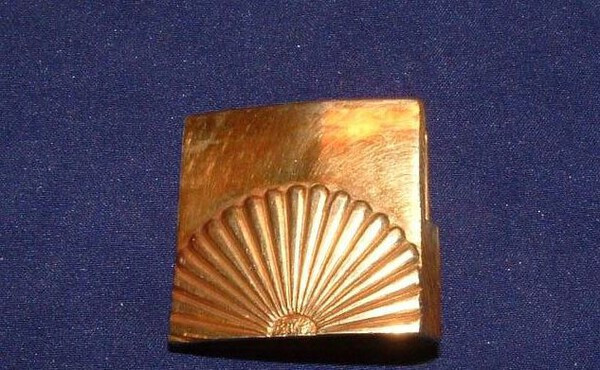
Thanks George! Not to detract from this line of searching, but just came across this one with possibly a chrysanthemum? 19 visable petals, so @ChrisW thought it could be either that or sun rays. I'm going with the chrysanthemum angle. Posted HERE.
-
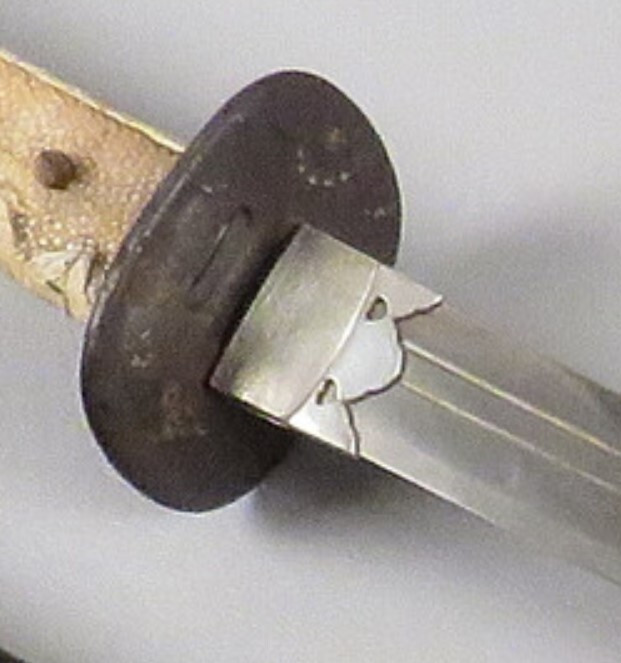
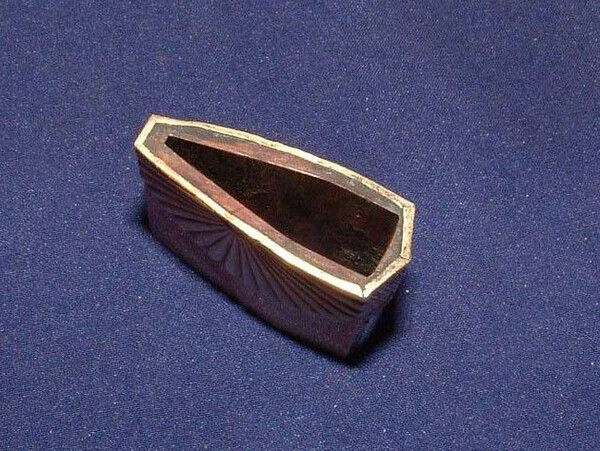
Inome, or "boar's eye" pattern from @AntiquarianCat HERE. I think it's only the second habaki I've found with the design. Please add yours if you have one! Here's the only other one I have (which is likely to have been posted already, but adding for comparison)


-
I have another habaki on file with a similar design concept (don't recall the source): Yours is only the 2nd I've recorded.

-

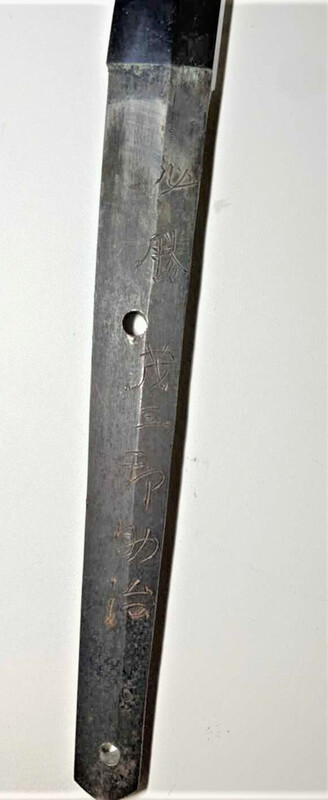
Sukeharu? on a Kaigunto
Bruce Pennington replied to Bruce Pennington's topic in Translation Assistance
Thanks Steve. I was just puzzled because both Sukeharu in Marcus' book used 助春 rather than 助 治, but both of them were well before WWII. Thanks for the help! -
Not sure if the Care and Etiquette pages touched on the active rust issue. And I'm not a nihonto guy, so if I'm wrong about this, guys, chime in! The active rust can be stopped with coating with an oiled rag. It can actually be reduced with some work with a deer antler and oil. I recently used this technique on a small blade and it actually removed quite a bit with apparently no marks to the actual blade. You can find cut deer antlers at pet stores (dogs love to chew them).
-
Just like to confirm. A guy over at THIS GUNS.RU THREAD, who seems to know his stuff, translated it as Sukeharu. Can't find a WWII smith by that name in either Sesko's list or Slough, so wondering if the google translation of his translation is correct. Thanks!

-
This is all there is on him in Sesko's book: "KANETSUNA (兼綱), Shōwa (昭和, 1926-1989), Gifu – “Kanetsuna” (兼綱), real name Ikeda Tsutomu (池田勉), born August 13th 1907, he worked as guntō smith"
-
Hi Keith! You've likely been hearing that from guys that don't study WWII blades. So, it depends upon what a collector considers "good". There were over 2 million swords made for the war and many of them were made by top-ranking smiths. Mantetsu, Yasukunito, and Minatogawato were swords made for the war that were better than many, if not most, swords made in centuries past. The RJT system put out thousands of traditionally-made blades from top smiths. Now, having said that, your blade with the large "Seki" stamp was likely not made "traditionally", but like the Dave's chart shows, that simply may be that it was oil quenched, not water quenched, but could have been made with the same skill and techniques of the traditional smiths. From my observations, most blades with the large Seki are quite good, to high, quality. A system of inspections was put into place early in the war to weed out poor-quality showato. Those passing inspection were stamped with the Seki or Showa stamp.
-
Thanks Steve! That's a new one for the files. Many of my Kanemasa on file are
-
An RS gunto, mumei … for George T
Bruce Pennington replied to paulatim's topic in Military Swords of Japan
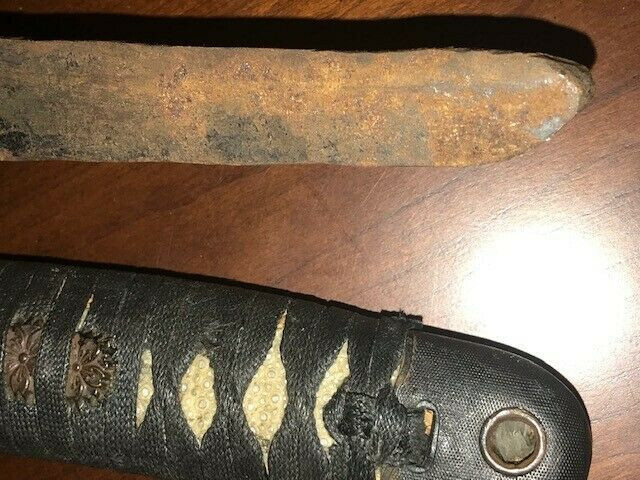
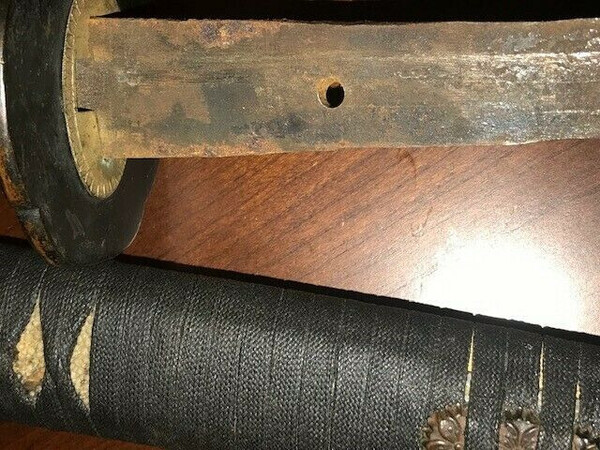
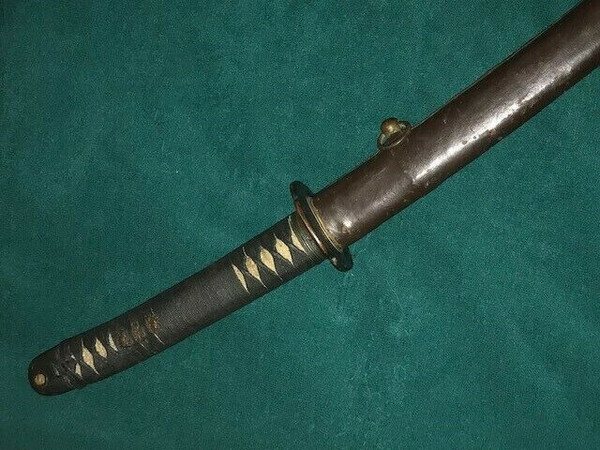
These are really puzzling to me. The blade and kissaki look really good: But the nakago are horrid. I might lean toward Dan's @DTM72 idea, as this blade doesn't look Japanese, but rather off-mainland made. With Nick Komiya's post in mind about mainland sword production being almost totally wiped out in the last year of the war and production being forced over to occupied territories. If the blade were crap, I'd even lean toward total fakery, but it looks appropriately aged for WWII, so I'm 51% at a combination of George's and Corry's thoughts - civil tsuba/saya, late war tsuka, island-made blade. In other words, a late-war, work with what you've got, sword.

-
Corry, I have a few different Kanemasa on file with both Seki and Showa stamps, but I don't see one signed this way. Have you had the mei fully translated? @SteveM - mind helping me with this one?
-
Astonishing! This story shows why we, today, struggle to make sense of some of these mei. Really love seeing the human story of these guys.
-
Yellow or Gold Tassels on Gunto
Bruce Pennington replied to Bruce Pennington's topic in Military Swords of Japan
Yes. After reading the whole discussion on that one, it seems likely that Richard Fuller's commentary about a post-war maker putting that kind out there. Just for future reference, though, the sword was surrendered in Bangkok, just in case others like it, from the same area, show up in the future! -
Attention Mantetsu Owners: A Survey
Bruce Pennington replied to Bruce Pennington's topic in Military Swords of Japan
Thanks Adam! Already have that one on file, but appreciate the tip! -
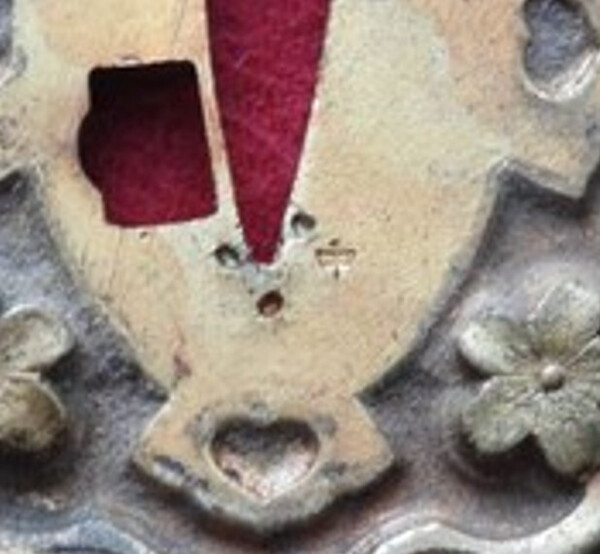
I know I've seen that kanji discussed someplace before, but don't recall the place. Is that on a dai-seppa? I have a Type 98 tsuba with a similar stamp, unknown meaning. May not be the same, or maybe the one on the 98 tsuba is poorly struck of this same kind?
-
Can someone help identify this sword?
Bruce Pennington replied to Misconstrued's topic in Military Swords of Japan
Hey, looks like a typical Christmas display for a sword guy! I like it! -
Yellow or Gold Tassels on Gunto
Bruce Pennington replied to Bruce Pennington's topic in Military Swords of Japan
I saw that post. John thought it might have been something to do with police. You could still post it here, or a link. -
For some reason the fakers like the numbers in the 30000 range, though I have 1 or 2 in the 40000 and 50000 ranges. Here's the one you're likely remembering from Wehrmacht-Awards post:


-
Ok, Piers, had my way with her! Lot of hard rubbing with the deer antler and multiple soaks in the Mineral spirits/ lindsead oil. Hard to see them in these photos, but the blade has fine yasurime-like lines diagonally across the full surface of the blade.


-
Can someone help identify this sword?
Bruce Pennington replied to Misconstrued's topic in Military Swords of Japan
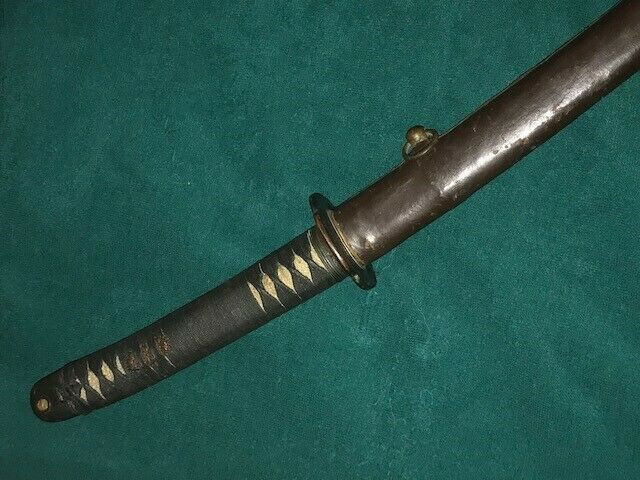
I agree with Stegel on this. Can we see the scabbard? In the second photo, there is a shadow of it (or you're really excited about this sword!!!! HA!)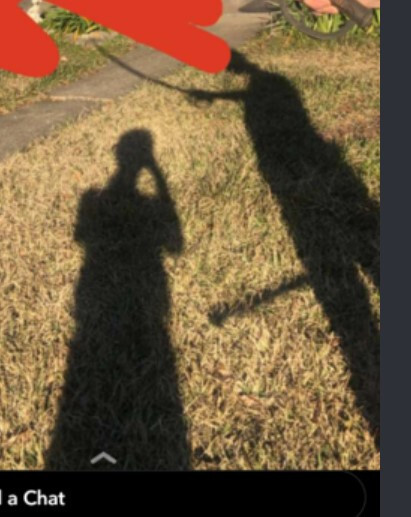
-
Yellow or Gold Tassels on Gunto
Bruce Pennington replied to Bruce Pennington's topic in Military Swords of Japan
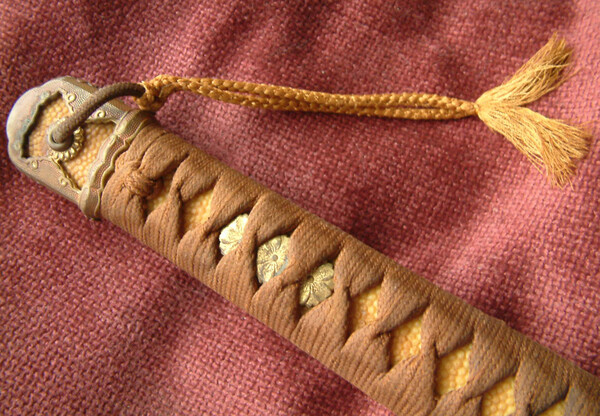
I know there have been many yellow cords posted, but after searching for "yellow cord" "gold cord" and "sword bag cord" these other 2 are the only ones I've come up with. If fellow researchers can find others to post or link here, I'd appreciate it! On a civil blade re-mounted for the war, posted by @CrazyforYou This one on an Indonesian bring-back, posted by @Johnbull


-
We've all seen these. They look like the cords you see on sword bags. Many appear to be WWII era. This one from some email correspondence with @Bob M. (if I got the right guy!?). It's a much smaller cord and appears to have been woven or stitched on. If we can get some close-ups shots to show it, I'll update. Or Bob can if he's following this.