
Leaderboard



Popular Content
Showing content with the highest reputation on 02/11/2026 in all areas
-
One of NHK's more recent videos explores the use of Nihonto in Kabuki theatre. It explores the Japanese mindset around swords, how legends influence culture and this space through dramatisation. Nihonto have found a lot of interest through the recent Touken Rabu manga series which has now been brought to life in Kabuki. Animating the sword, makes the people associated with it come alive and makes the art form even more interesting. It was a fascinating watch to get an insight into the spirit of the Nihonto. https://www3.nhk.or.jp/nhkworld/en/shows/3025180/5 points
-
Well, feel i have to add something positive here as folks seem keen on pulling Aoi apart. All i will say (in my experience), there are no special saint type dealers in this game. Every dealer will have sold something to someone that has ******them off. Its how they respond that makes the difference. My experience with Tsuruta San has been 95% positive, he accepted a sword back that i was not happy with, without making a big song and dance about it. Antiques in general is a minefield. Personally, i think there are far worse dealers to moan about. Lets face it, buying swords online is less than ideal.4 points
-
Signed: Bishu Osafune Yasumitsu - 備州長船康光 Dated: Oei kyu nen hachi gatsu hi - 応永九年八月日 (a day in the 8th month of the yar 1402)3 points
-
Some photos of inal result with bayonet.
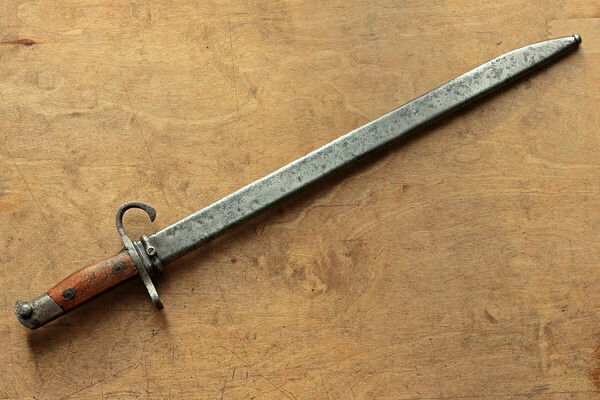


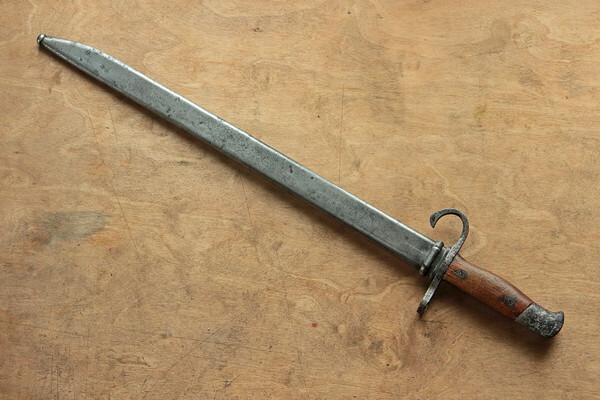 3 points
 -
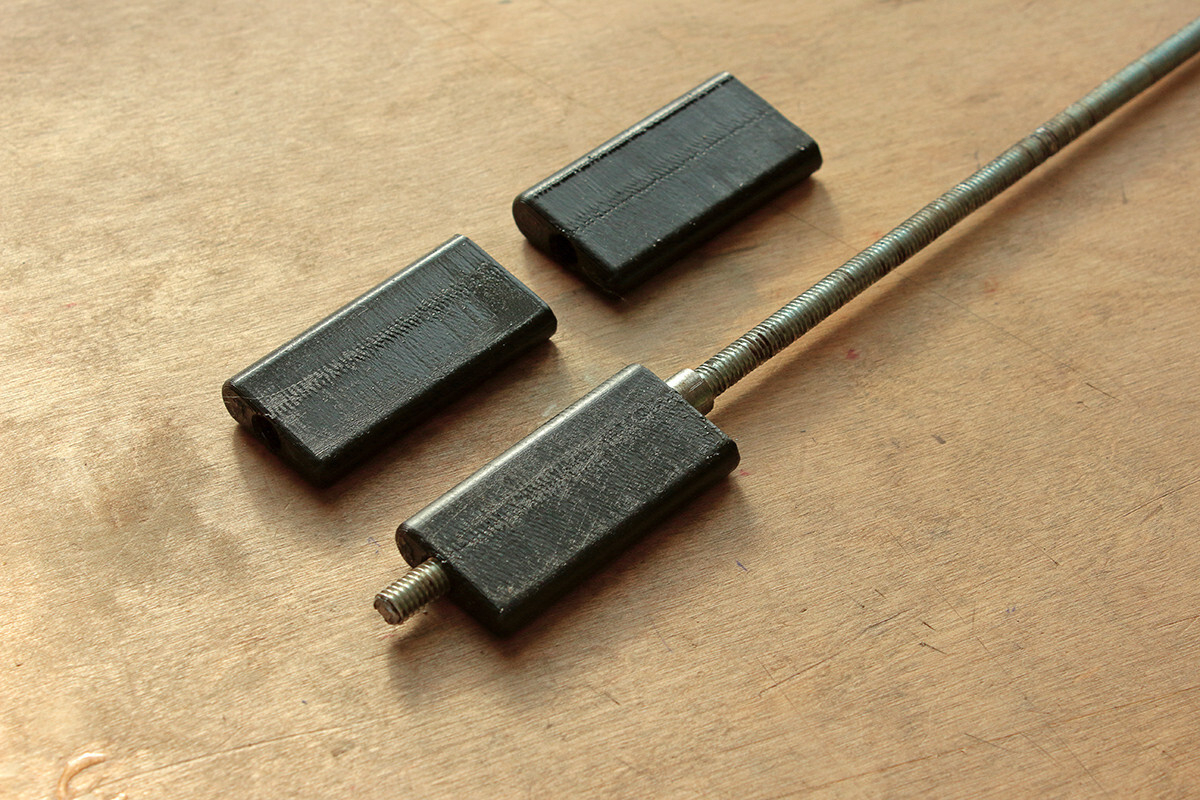
The idea with dents removal is simple: one has to design a series of plastic bushings of different sizes that could be put into the scabbard tightly. This means that bushing not only perfectly fits a cross-section of scabbard but it tapers slightly to its end and therefore it fits scabbard all along its length. Bushings are equipped with threaded holes, so they could be screwed on the threaded rod. Once the bushing is put on that rod it has to be fixed in place by means of a lock nut (ordinary nut, but grinded). Bushings have to be oiled before they are put into scabbard. Threaded rod allows to chase bushing down the scabbard. To remove bushing from scabbard one has to use a couple of washers and a nut. It is crucial to measure distance from the end of the rod to the beginning of bushing. In this way one could always tell where the bushing is. Therefore, bushing could be positioned right where the dent and dent is and what remained of the dent could be straightened by means of wooden rod. Bushings of different sizes fit different sections of scabbard. Using smaller bushings first allows to remove dents gradually.
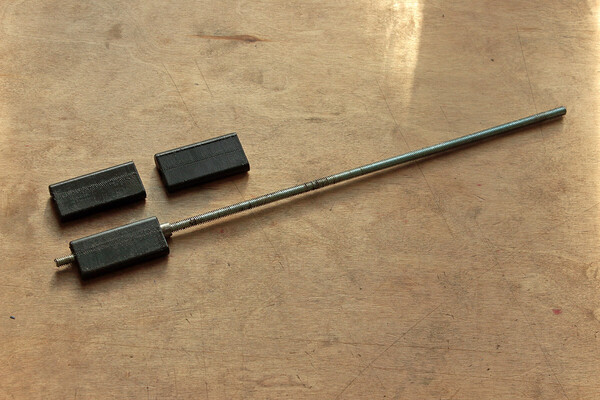
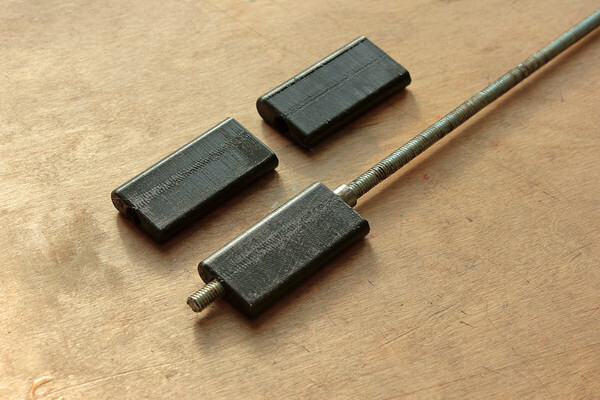 3 points
 -
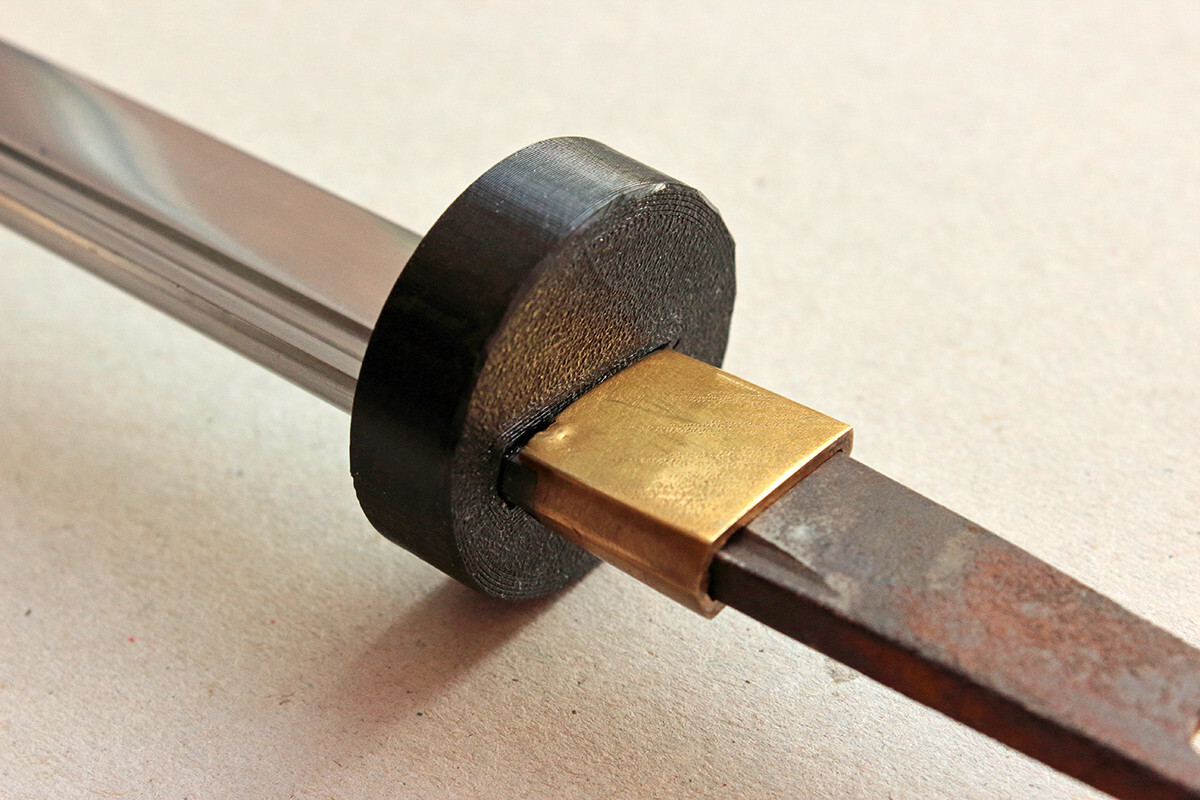
For the sake of not creating new topics, here is a bit of offtopic about 3D printed tools. The very first tools I designed and 3D printed were habaki removers for my navy dirks. I have a couple of them and with each I experienced the very same issue: habaki was impossible to remove by hand. Sure, there is a traditional method for removing habaki, yet dirks' habaki are tiny and thin compared to those of swords, so I was afraid to damage them. One of the diks demonstrated that this fear wasn't baseless as one of previous owners already slightly damaged the edge of habaki. So I designed a bushing with a hole whose shape corresponds to the cross-section of the dirk' blade. This bushing serves as a support and provides maximum contact with habaki. With this bushing a tap of rubber mallet on nakago jiri was enough to get habaki removed. In this way none of the dirk components were damaged.


 3 points
 -
AI is full of shit. That's the bottom line. It's clearly a repro, and that was fairly clear without the nakago. We are very far from a world where AI can give you an accurate assessment of swords.3 points
-
Looks cool to me, as a milennial . The samurai with the rubber ducky is probably made by a quite famous Japanese artist (forgot the name), who is kown for his hyperrealistic samurai statues in quirky situations.2 points
-
Leather is the easiest to fake, seen sooo many fake swords with what looks like 80 year old leather. Wet molded and aged a bit, and it looks ancient. I suspect they have people who do just that all day. Some fake combat covers look better than the real thing. I'm guessing labour and materials are so cheap there, that it means nothing to do a half decent job. Either way, your next one will be better. But it's vital to look at some real ones, then the fakes become very very obvious.2 points
-
I don’t see a peg to remove and I think you will end up doing more damage in long run. 100% reproduction, no reason to remove handle it would be crude and unsigned and fake Chinese signature. Enjoy the cool look it is. Doug2 points
-
At 1.00 you can see the Yoshikane tachi and Tametsugu katana they have. By quick glance both would seem to be very nicely viewable. I hope it draws in big crowds and gets people excited about Japanese swords2 points
-
2 points
-
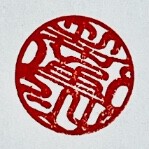
細野惣左衛門政守 Hosono Sozaemon Masamori2 points
-
Hello fellow woodworkers: I wanted to share this shirasaya I made for a naked Monju Kanesada yari. Mostly because of the saya's unusual shape. The shape was inspired by an existing shirasaya I have on a Inoue Shinkai yari. The wood is aged (i.e., very low to no VOC's left from the tannic acid) hard maple with an ebony inset for the mekugi. What makes it particularly difficult to manufacture are the number of compound angles. There is a central peaked rib that runs the length of saya but only on the top, which makes it easier to index which way the top aligns to the bottom half. From the rib, the width is a flattened oval, widening out just after the mekugi ana to accomodate the extra width on the blade section and rounded on the back side. The rear end is also dome-shaped and the tip is sort of boat or airplane shaped. All of which brings me to the challenging part - this must all be done by hand. No power tools involved (with the exception of drilling the mekugiana to keep it straight). Just a kanna (Japanese block plane), some different sized oire nomi (chisels), a bench scraper, and some files. The finish is a standard woodworkers finish of boiled linseed oil followed by carnuba paste wax. Thanks to the various bench scrapers, the wood is extremely smooth and tactile. The Japanese do not usually use sandpaper so I didn't either. It's tough not to hold it! If you have any questions on the process, I will be happy to answer. John C.

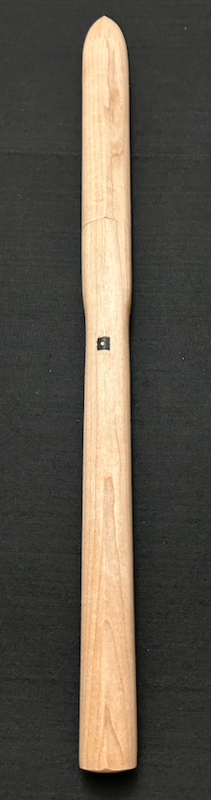
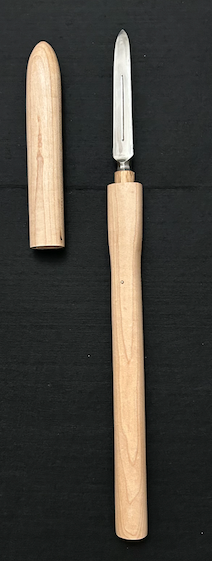


 1 point
 -
For everything that has been said about the Bristish Museum in the run up to its latest exhibition... Samurai. Here is some footage from inside the British Museum's first exhibition of their Samurai collection. It is a visual effects tour deforce. If I was to describe it in terms of fashion I would call it "Samurai - The Retrospective." And I think that is what this is, a fashion show that would make any Parisian Fashion House proud. It is visually stimulating. Introducing Gen Z to the Museum World. Is it meant to be a exhibition that truly explores the history of the Samurai? Probably not. Does it try to make Samurai Art/Fashion cool and hip to a new generation? I think yes. I think Gen Z would walk in and say... this is pretty cool. So what if some of the facts may be muddled - they are not reading the boards anyway. This is a selfie moment and it looks cool. And subculture is important. Therefore anything that can be done to break into that is a positive. We need to remember the general theme of museums for Gen Z is... boring. This exhibition is not. Would not be surprised to see strong Japanese themes in the next summer lines coming though Tiktok. The exhibition ends with a Samurai Riding a rubber duckie... this is the high light of the exhibition. Social Media remember. I am sure if Tokugawa Ieyasu was trying to reach Gen Z to promote his Japan, he would approve. Ok, to be honest I am not sure what he would say... This is not a serious, stuffy exhibition for Japanese sword nerds! But it is a lot of fun! And like Touken Ranbu, this does introduce a new audience to the wonderful world of the Samurai. And for that... I think we can count this as a win. (If they really love it they will do their own research anyway!) https://youtu.be/Gk8M78g_FXA?si=tBXqAsTvDeQaIwnh1 point
-
If the date were authentic then around 624 years old, however my impression is that the mei is not an authentic example of Oei Bizen Yasumitsu. https://www.google.com/search?sca_esv=51f7e736cc3ae313&rlz=1C1YTUH_enUS1164US1164&sxsrf=ANbL-n5ZA1YvSe7fFuacZEAz9Ky50sgU8w:1770829463352&udm=2&fbs=ADc_l-aN0CWEZBOHjofHoaMMDiKpaEWjvZ2Py1XXV8d8KvlI3ppPEReeCOS7s1VbbZz2TLt2sOibMbYx2XAHg-v8xM5VF21PBaI65iLKFQqYKyuNIrDnm7F1EBiwvvxej7VarpUVOsmaAouY6YfTb0P07uvJ1kSkBvJv3ZPqOgqj5jRBD5oez8Cr0DJEYrGkGqbLAnVBWawLvlnnreVGZ3Efk-KXWnq72g&q="備州長船康光"+"応永"&sa=X&ved=2ahUKEwizqvvo9dGSAxUvhIQIHXlgCJMQtKgLegQIExAB&biw=1085&bih=790&dpr=2.51 point
-
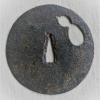
Hey Robert Equinox 800 is a really good machine, finding gold always fantastic, yes this find took me by suprise. I just added it to my collection to sort out later, at first thought it was some key eschuseon excuse the spelling. When I was sorting it all out I just had a light bulb moment when looking at it again and then started researching. I can't remember exactly where I found it unfortunately but was in Cape Town.1 point
-
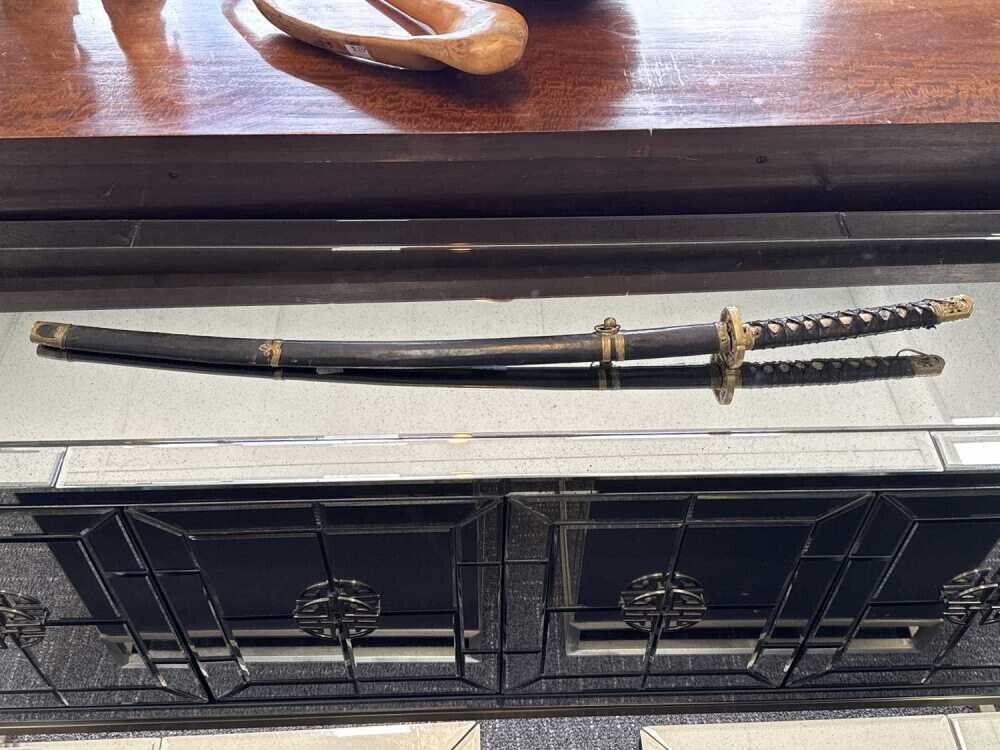
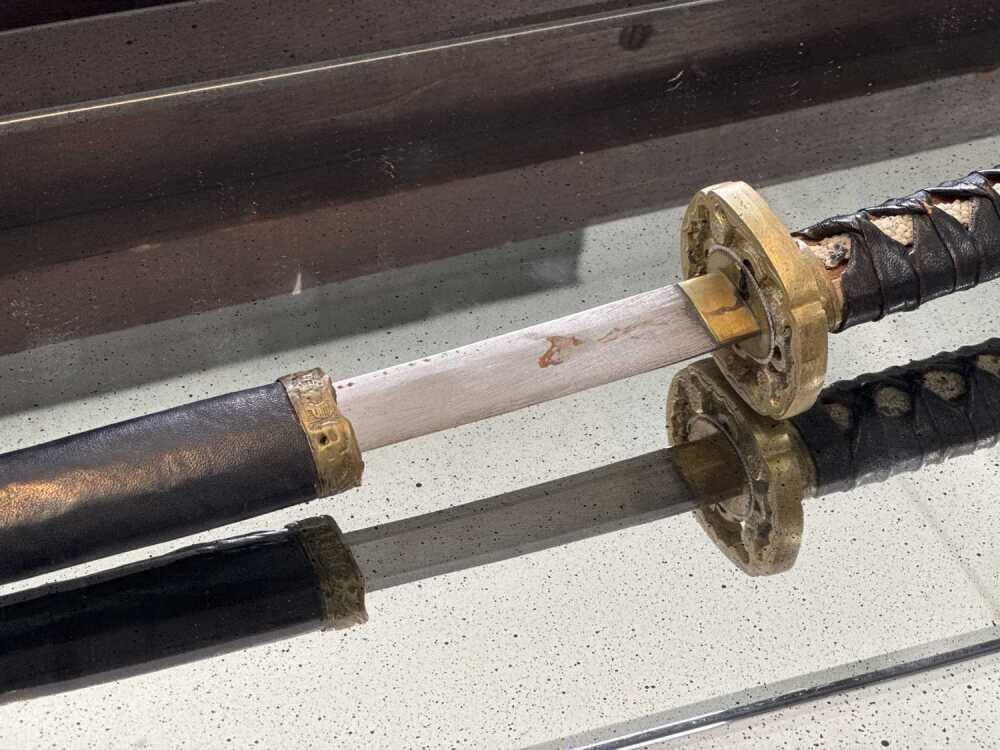
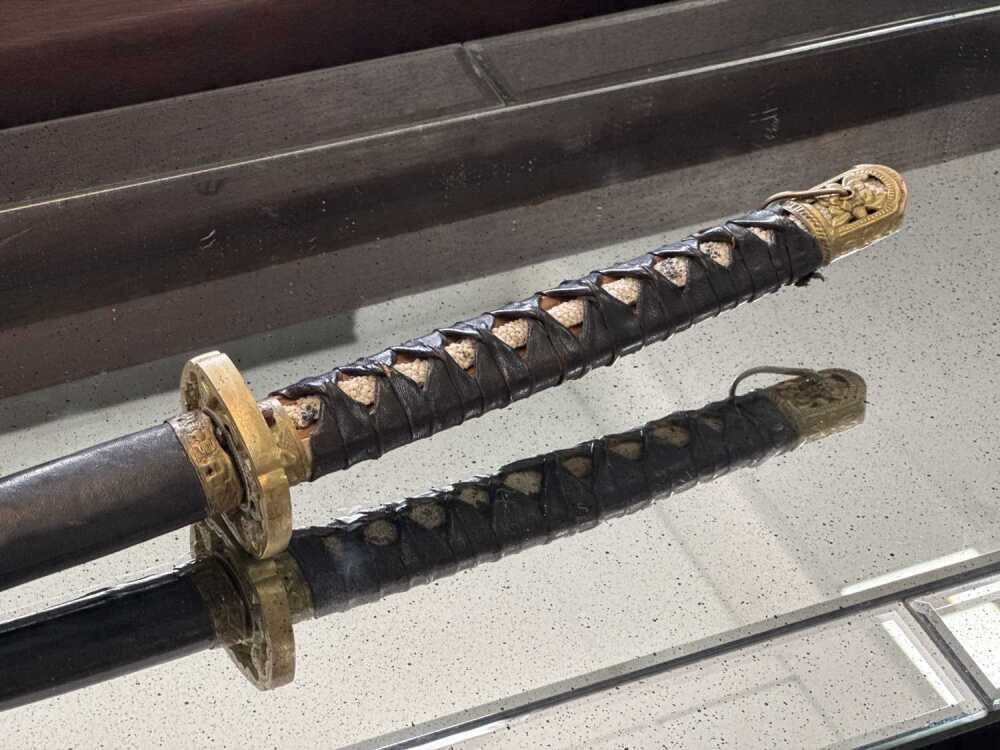
Fair points all. It was bought at a general estate auction, along side a few obvious "cosplay" examples. The images were limited (see below), and the auctioneers had no idea, and were not inclined to take it out or photograph it any more. It was in a glass case (unlike the cosplay ones), and my initial thoughts were it resembled a WWII sword. The AI indicated this was not the case and suggested it was a civilian sword and after quite a bit of questions and prodding it was quite adamant on this... You cant always ask the questions you would like before hand so took a punt. Never thought it was of any real value, and was surprised at the AI comments, particularly after getting it and taking some better shots.... and still having it say it was real. To answer some of the questions. The leather wrap is dry and old. I deal with horses so see a lot of crap leather. Easy enough to remove, but dried in place for some time so held its shape (painted on outer side). Had to be carefully not to tear or damage it further. The same is real rayskin, two panels one each side that have simply shrunk with age/drying, these are certainly organic and not plastic. Yes the Tsube is a cast mess, it has two seppa (wafer thin) on either side. Did not remove the habaki to examine it, but it looks thin. The saya is wrapped in leather. There is enough tarnish, dirt, dust, scapes, and scratches to suggest it was not made yesterday. I get its a fake. I do wonder why a fake would use real leather, and real rayskin. Why not just paint the Saya black. Use fake rayskin, and cord for the wrap. Why run the ray skin under the kashira. Why use two layers of brass/plate on the koiguchi when one would have had the same effect. Why put in a spring latch at all... same for the seppa... it would all cost money to produce on what would have been ultimately still a cheap fake, that would have looked remarkably similar without them... Anyway its done. Now to decide what to do with it.


 1 point
 -
I am looking for Early Kamakura or Nanbukucho signed uncut Tachi or Katana. Anybody know of something currently for sale?1 point
-
To add to Rohan's list. This one is a little more on the budget side with nice koshirae and a Tanobe sensei sayagaki https://eirakudo.shop/2038871 point
-
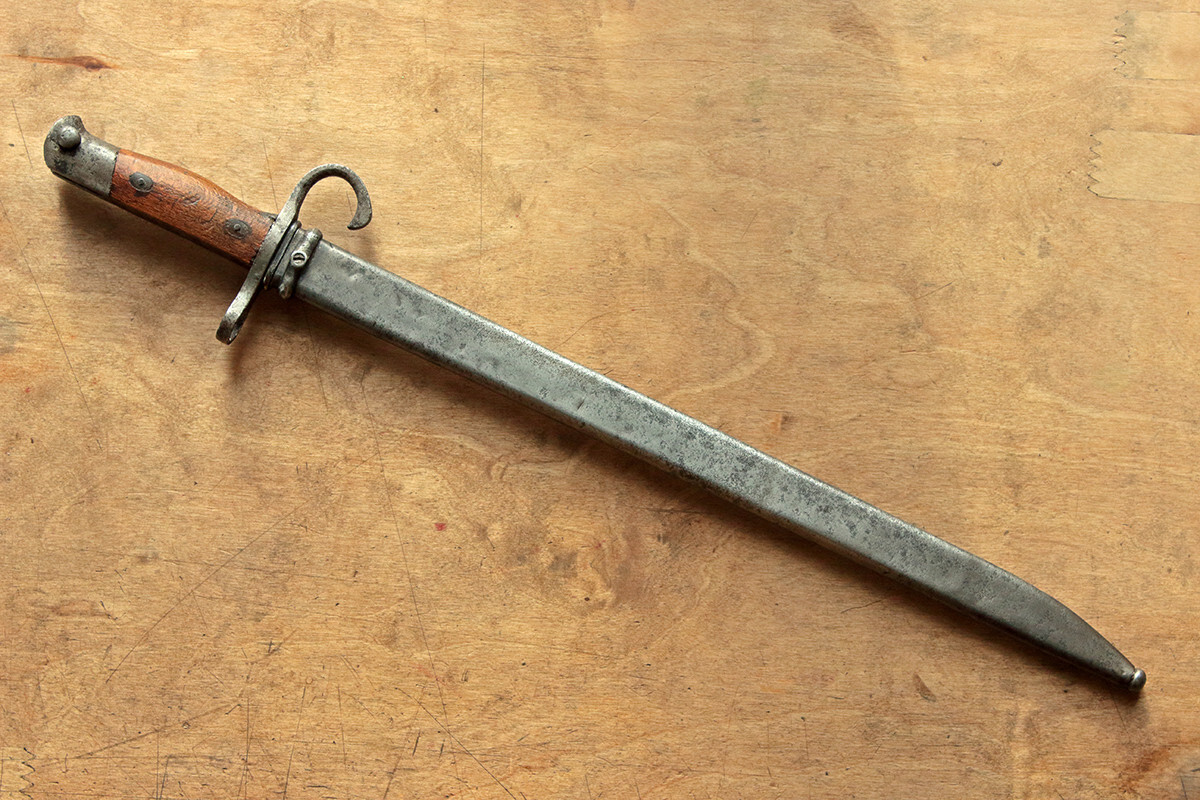
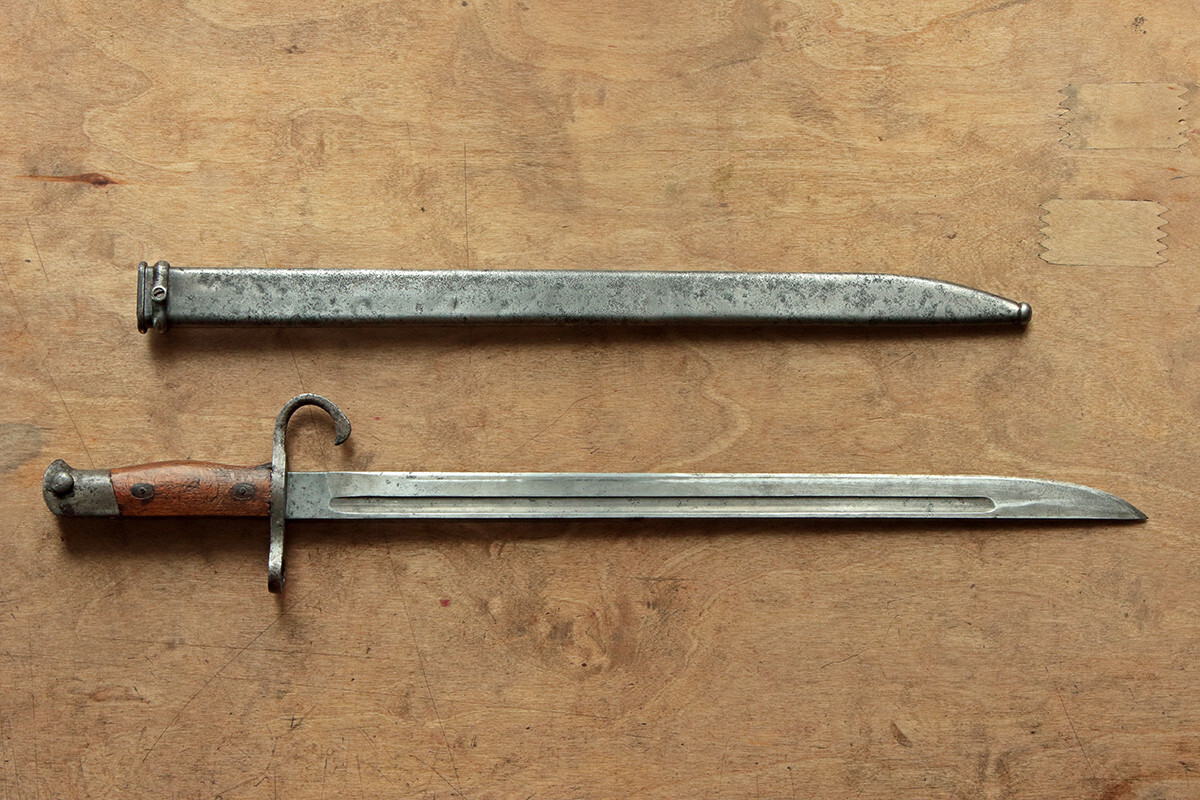
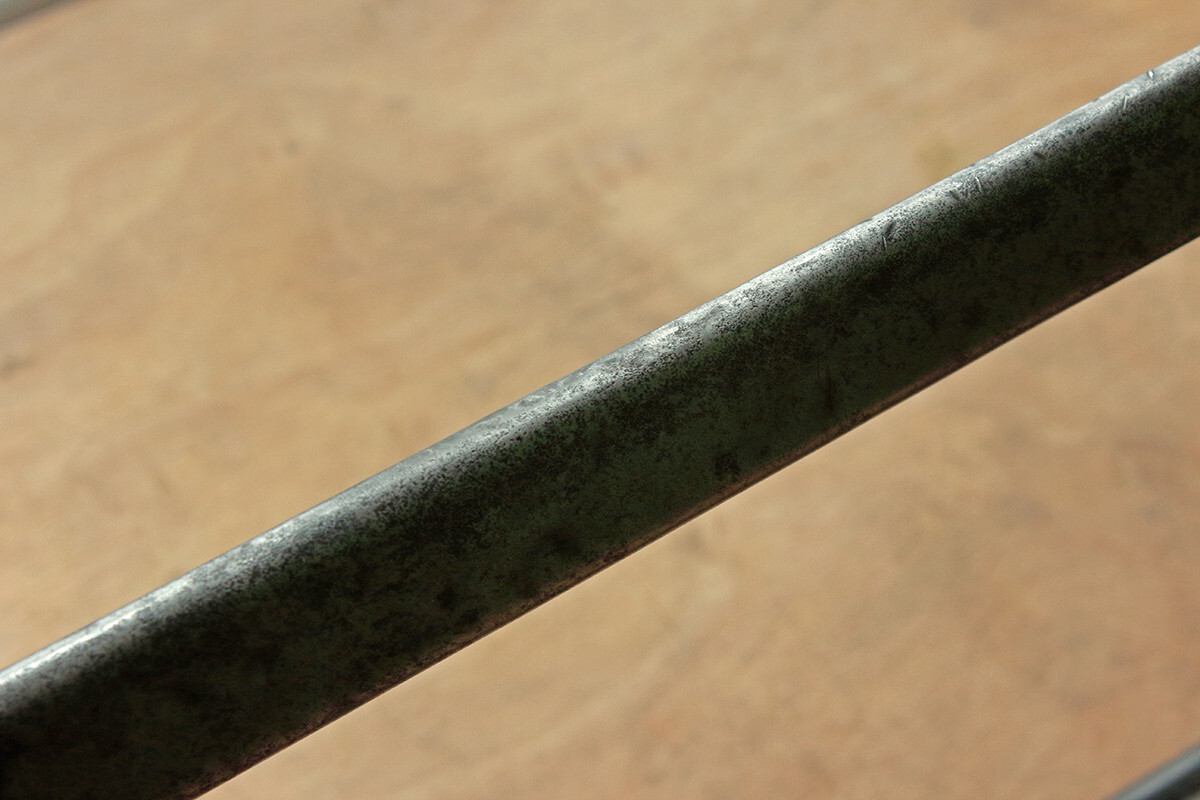
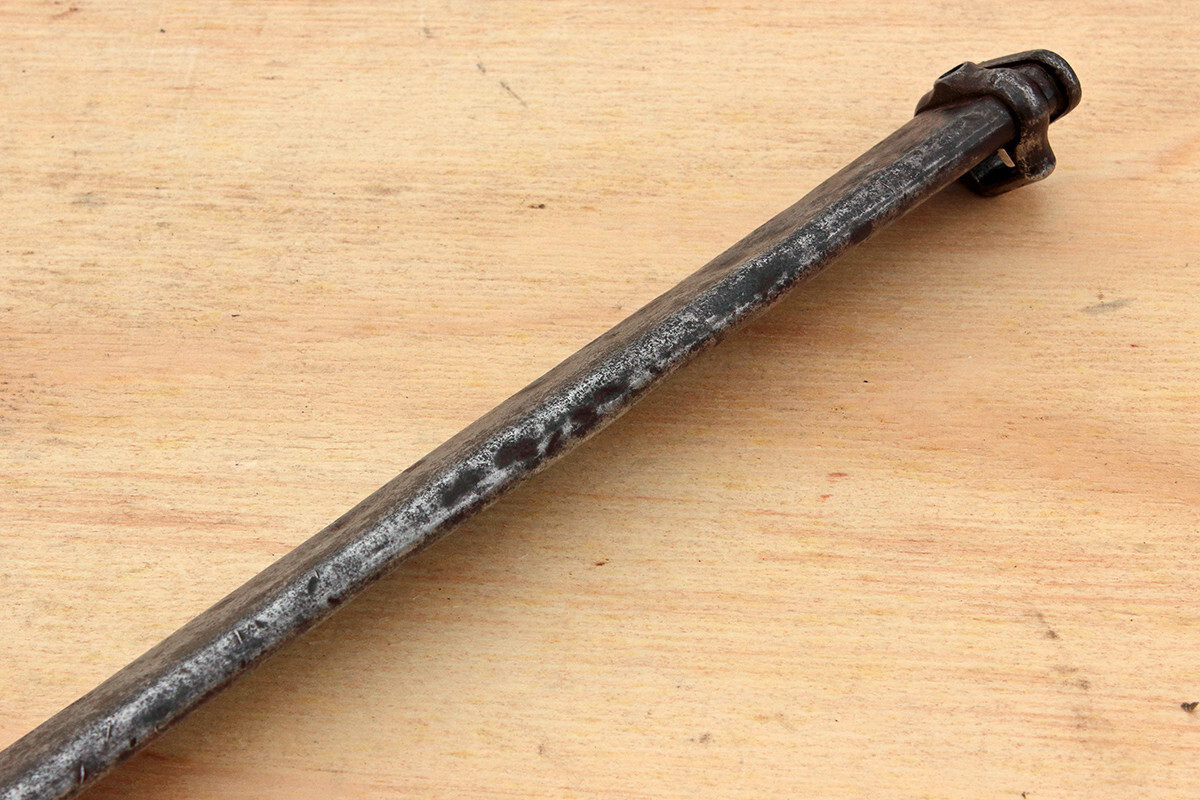
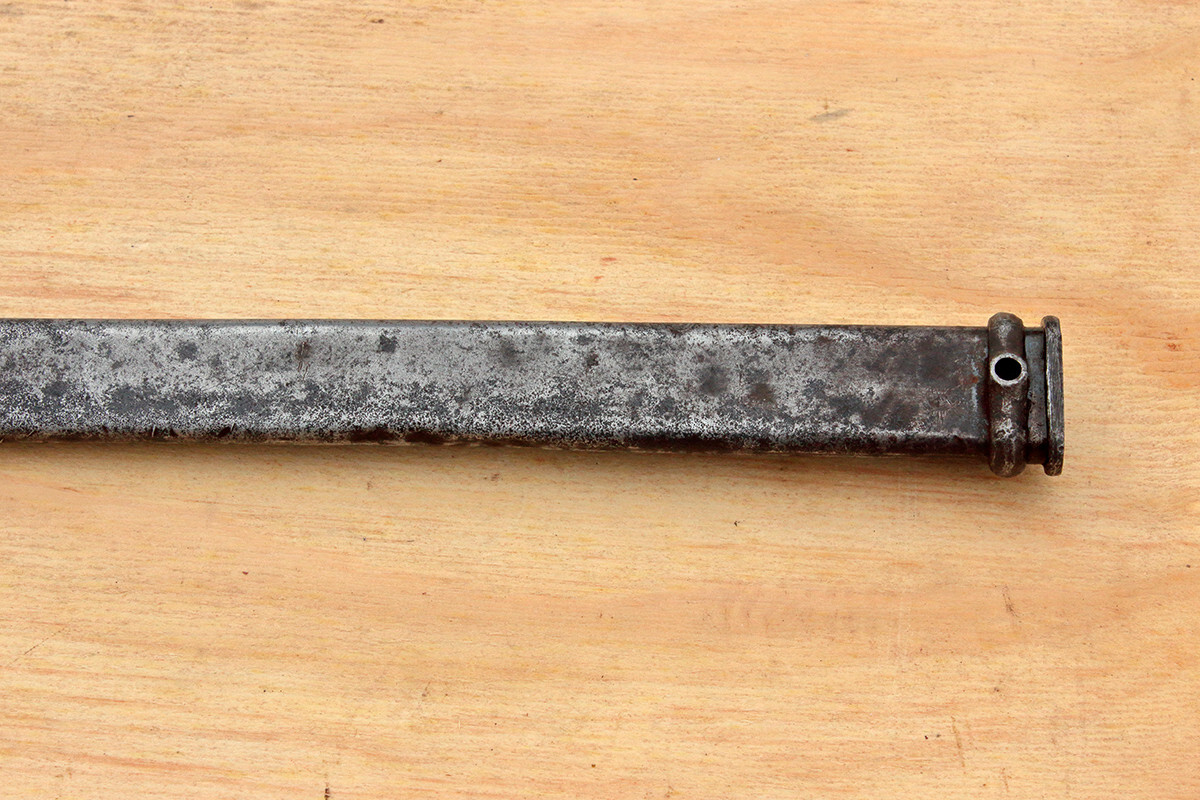
The result is not perfect, but for one reason, I didn't want it to be perfect. It's hard to put into words my opinion on the subject. These dents and scratches are part of this thing's history, yet there is a difference between total neglect/intentional damage and traces of time. I believe one has to work out his own opinion on every single case. For another reason, I greatly missed the variety of hammers I have in my workshop in Kyiv. To address dents like these properly, one needs not only wooden tools and plastic bushings, but some custom made copper and lead hammers. Some steel hammers too, however of a certain size and with a working surface of certain configuration. Yet, I did my best with what I had at hand. After I finished removing dents and straightening, I worked the surface using paper towels and abrasive solution until the scabbard looked like it belonged to the bayonet. Also, I applied some effort to the steel liner to ensure its smooth operation and make it look OK.

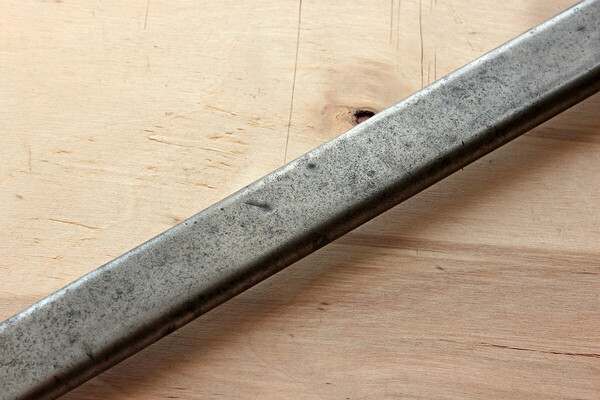


 1 point
 -
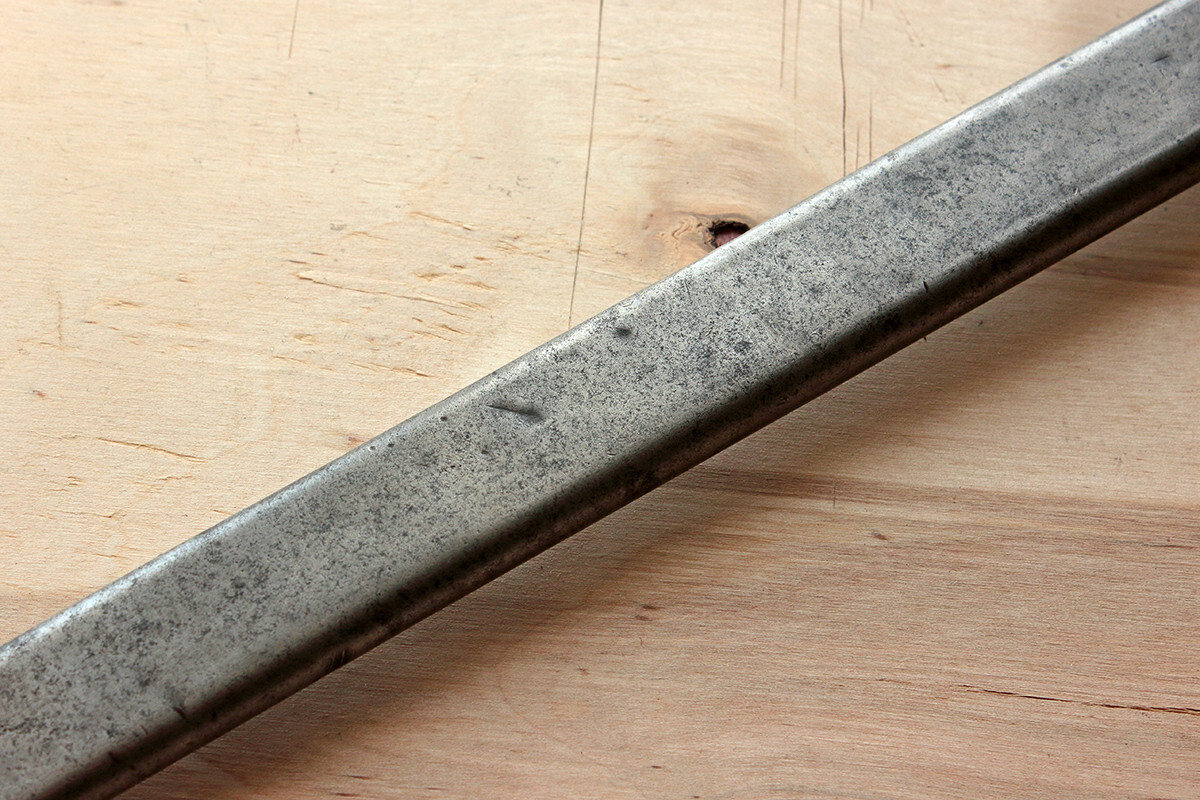
When I encountered dented metal scabbards for the first time, I figured out that this issue could be addressed by using 3D printed tools too. The only condition is that scabbard's inner liner has to be removable. It's quite easy with bayonet scabbards or in the case of European swords, where the liner is made of strips of thin veneer or. To show how dents could be fixed I shot some photos while working on this scabbard for the Type 30 bayonet. I have Type 30 bayonet without scabbard and sourced scabbard for it recently but it was in poor condition: not only dented but also slightly bent. Yet it provided a nice testing ground. I performed an initial "cleaning" to reveal all problem zones and only then I realised that I shoot no photos of the original state of the scabbard. However, I believe it's clear even from these photos. As for the cleaning itself, I do not use sandpaper or Scotch-Brite even for scabbards. Instead, I worked out another solution that was inspired by Uchiko powder. The idea is to use diamond powder mixed with oil. I found ready mixes (two of them of different grit) locally and tested them. Similarly to Uchiko it is a slow way, but it works and leaves no traces. I have no intention to use this method on Japanese swords, but I did use it for my another test project: Saxonian infantry dress sword restoration. I was satisfied with the result, therefore I used it for this scabbard too. So I removed the metal springy liner and found out it needs some work too.

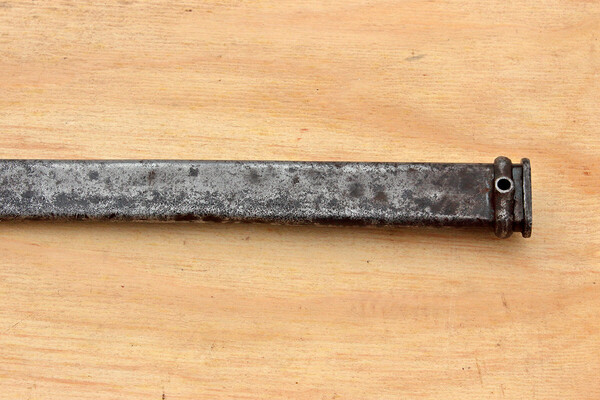

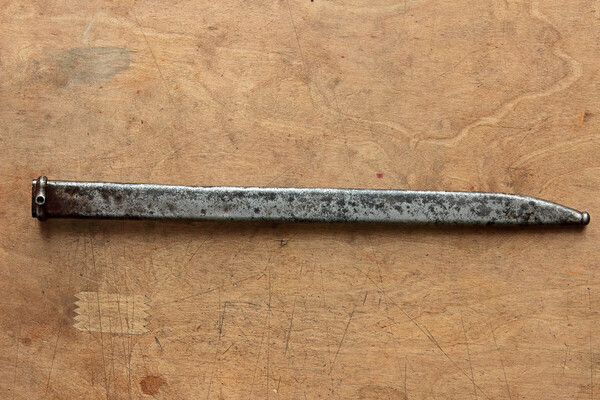
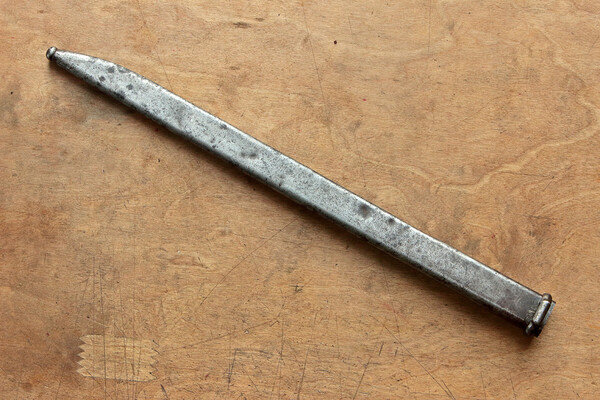 1 point
 -
An interesting observation (eternal_newbie) about AI and giving you answers you wish to hear rather than what it can observe in the images. $100 is not much for a wall decoration. A Cosplay sword would have cost me more.1 point
-
100% fake, most production Chinese blades have a better shaped tang than that. The metal around the hole being broken is another giant red flag for both safety and quality. I need to stress here that the AI is not analyzing the blade in the photos you are providing it with; it is analyzing the questions you are asking and providing you an answer it estimates you will like. In particular, it is blatantly lying about: Kissaki correctly shaped, not reshaped or clipped (the kissaki is not at all correctly shaped) Brass sukashi tsuba, Kyoto kinko-influenced aesthetic (the tsuba is a standard military style, with bits cut out, and waaayyy thicker than anything you'd find in kinko) Blackened samegawa showing age-related shrinkage (the samegawa is white and is not shrunken but panelled) The other inaccuracies at least could be forgiven in a real person who doesn't know enough to discern between good and bad quality, but those things above are straight up wrong, "don't believe your lying eyes"-style lies. Regarding the question of age - fakes such as these were commonplace when I first started collecting 20 years ago, and at that time plenty had already been around for 20 years. That's more than enough time to collect wear and tear, especially if used by a backyard warrior to cut bottles or branches over the years. That said... for 100 Aussie dollars, you at least didn't get hugely ripped off, so I agree with you on that part; it's a reasonable enough price to pay for something to put on display or liven up a dull corner of a room.1 point
-
I also believe it to be a reproduction, likely Chinese. Aside from the lack of visible mekugi (which suggests a rat-tail tang or a glued tang, neither of which are generally found in authentic Japanese swords), the grain of the blade looks far too unrefined, the kissaki shape is all wrong, and while it could be the lighting or photography, the shinogi (ridge-line in the middle of the sword) looks uneven and poorly defined. https://www.jssus.org/nkp/fake_japanese_swords.html1 point
-
Thanks John, I certainly didn't pay much for it, so it could be a repo, but I don't believe that to be the case. The Saya is covered in real leather, it all looks worn and age weary, nothing looks bright or machined. Not elegant by any means, what you might call a working sword, but I don't thing its repo (doesn't really matter if it is). I wondered about the latch too. But it moves freely and is not holding it together. The Saya has an internal cutaway to accept it, but the outer edge is well beaten down by it, so it has clearly been this way for some time. Anyway it does not appear to be holding the tsuka on.1 point
-
Michael: My first impression was that it may be a reproduction. But what is going on with that latch? Could that be holding the tsuka on? Could just be the lighting. John C.
 1 point
 -
An update for anyone who may be interested! I took this item to a local antique dealer I was purchasing something else from, and he identified what it is! It is indeed a piece of forehead wear, but not for a man, but a horse! He said it was probably Bakumatsu or Meiji period in origin, and that such thing would usually be seen in ceremonial settings. I should have guessed as such at first, as it is drastically oversized for a human forehead.1 point
-
John, I'd buy the Tegai yoroi doshi if I had the money! Beautiful blade, if it is indeed ~ 1400 AD. I love the earliest example koto yoroi doshi examples! So sweet! I hope you find a patron for it! Best regards, Barrett Hiebert1 point
-
As I am not connected to art world in any way I am curious how this Catalogue Raisonne works. Is it a free publication open to everyone to view? For the Japanese swords I would dare to think that people and organizations are very protective of their items. I have read many stories how even the best Japanese experts have had difficulties to get to even view some items. One hurdle would also be who would be the ones authenticating the items, as I know there are items for which some of the experts have varying views. Would already designated items get a free pass or would they also require lot of study and some might perhaps even fail at passing modern panel. What Piers wrote sounds like the absolute horror story and it isn't the only one like that I have heard, well of course this is the most extreme one as the smith would be Sadamune and actual proof was discovered too. I just cannot understand why the mei needs to be removed, I am absolutely against a mei removal regardless if it would be even an obvious gimei. Of course people see things differently and there are different opinions. Uwe provided absolutely amazing complilation of information about the National Treasure Uraku Kunimitsu, that is wonderful and shows how important it is to have multiple references. Also the text portions give an insight of the history of the sword and it is understandable how the quality and history combined make this sword a National Treasure. Item like this require very high level of understanding of history and appreciation of quality, unfortunately I am still lacking in both of them. I have seen this sword in 2024 and 2025 at Nagoya Tōken World, to me it was very well made sword of obviously very high quality but my level of appreciation is not enough for an item like this. On their top floor there are always just so many other items that are way more to my personal liking and I appreciate them a lot more even if they would be way below this amazing item in quality and historical value.1 point
-
Is a picture worth a thousand words? Rare Rifle ;)1 point
-
Please don’t get me wrong — your koshirae is still very nice and would be a welcome addition to my collection. My comments were purely educational. I’m not a seasoned or wealthy collector, but you can take my words as someone who spends entire days studying top-grade pieces in books and museums.1 point
-
Thanks for the response. Admittedly, I'm only starting out on the journey of Tosogu collecting- I'm still very much in the "honeymoon phase", which may come through somewhat in my writing. I have no doubt that more seasoned (and wealthier) collectors can aqquire much better. I know it's subjective, but for me this is among the nicest I've handled. Just wanted to offer something to the forum, other than my usual reel of questions.1 point
-
@Lawrence_Lee requested the latest version of the Mantetsu Survey chart. All are welcome to it. Over 445 blades now! See attached. kiipu-mantetsu serial numbers (rev1).docx1 point
-
There is a Inntel Hotel in the centre of Utrecht https://www.inntelhotels.nl/utrechtcentre/. They give a reduction in price when you have a JAF ticket. It is next to the Utrecht Central Station, a 15 minute stroll from the Karel V. Pierre1 point
-
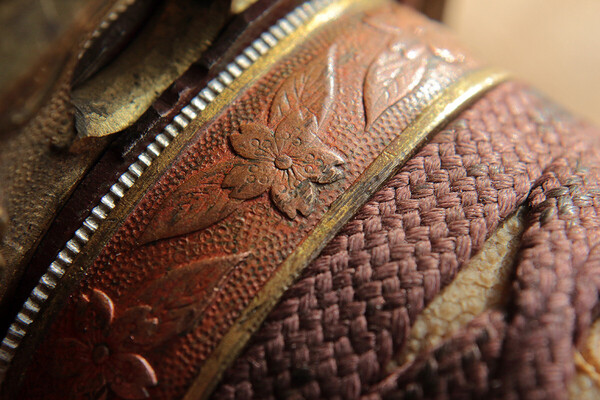
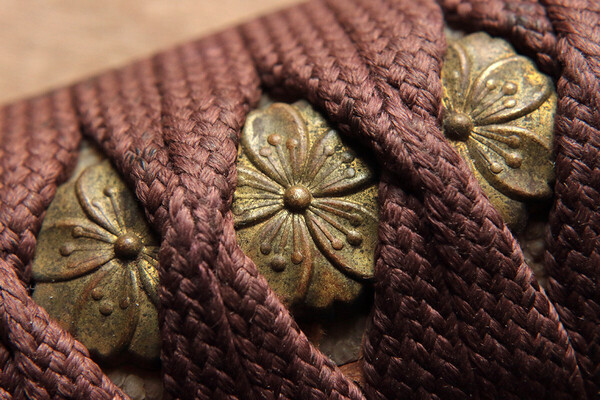
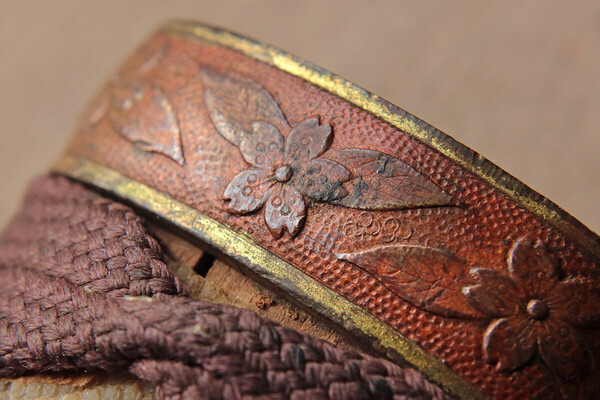
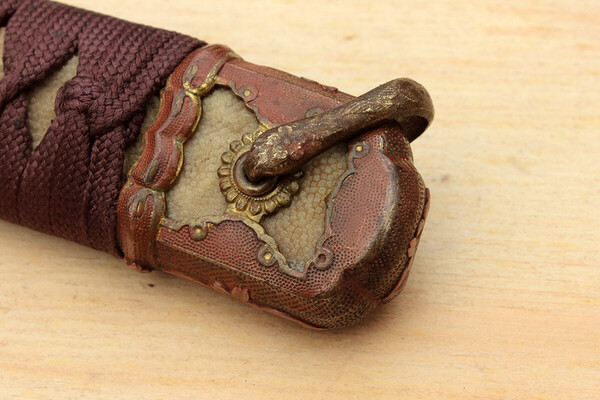
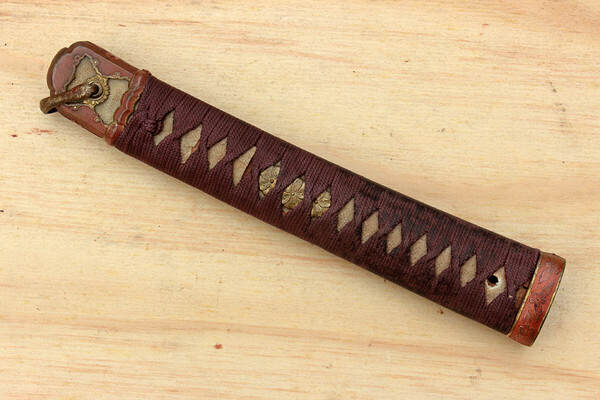
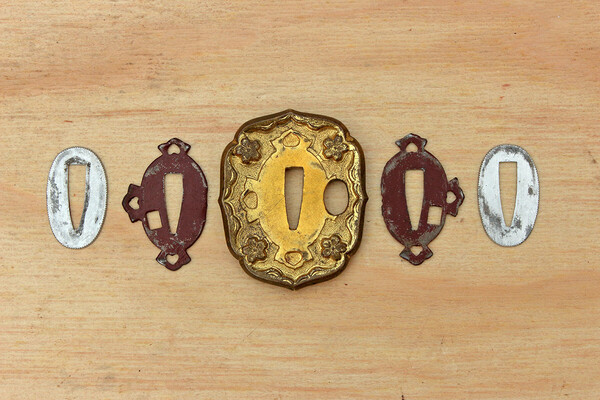
I found no numbers or any other marks on tsuba, seppa, fuchi or habaki. The inner surface of habaki is quite rough. The only thing that has a mark on it is tsuka. There is a kanji on its inner side. Seems to be 氷.


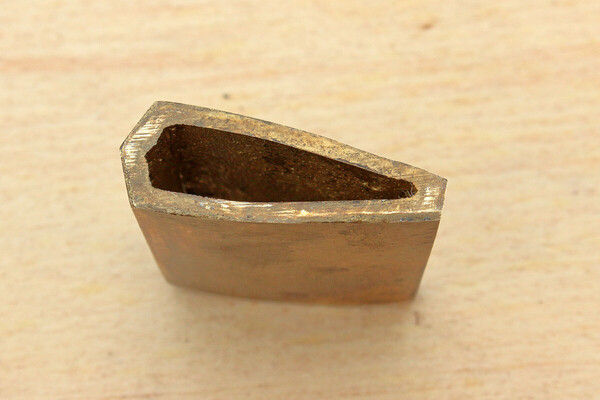 1 point
 -
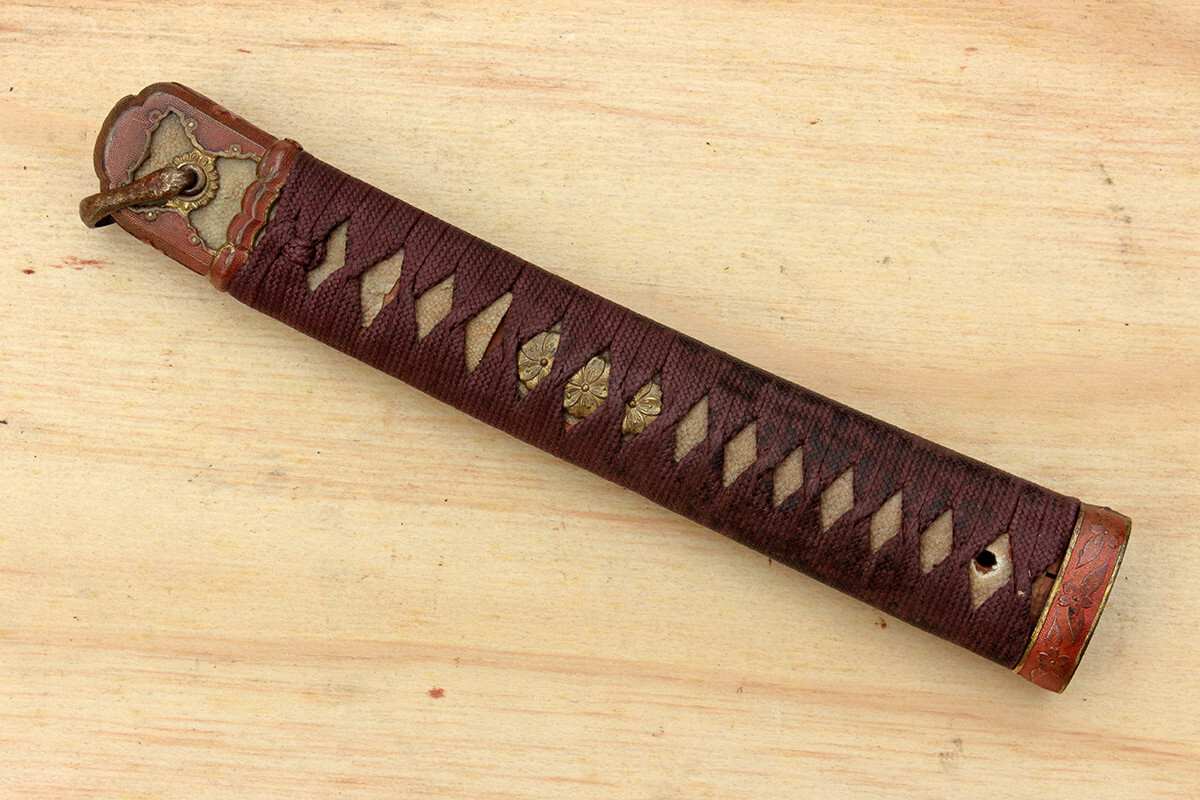
Painted seppa are from the set made for tsuka with chuso, while mine originally was equipped with a leather strap. I wonder if these seppa are original to this sword, or are they a later replacement? Some closer looks at parts:

 1 point
 -
So, I am back to my swords for some time. Even though I like the process of uchikoing (I found it to be quite a meditative occupation) I decided against further application of uchiko to the blade. The hamon and hataraki are already visible and I doubt that I could get something new and exciting out of this blade by using uchiko. Also, uchiko works indiscriminately which means it works out all the crevices. While working uchiko I felt with my fingers what you may see in the photos of the balde above: unevenness of surface. I doubt that this may be explained by buffing alone. I think it might be the result of inept polishing. I would like to take some new photos of the balde, but the weather sucks and constant precipitation (snow or rain) rules out any kind of outdoor photo shooting. And the indoor lights are insufficient for proper shots. So, let's proceed to koshirae. Original saya has gone, and the saya that came with the sword is of unacceptable quality. I doubt very much that in the foreseeable future I will have time to take a swing on crafting new saya on my own. So the idea is to order saya from a guy dealing in nihonto and swords I met around Christmas. It wouldn't be an original thing, yet at least it would be made to fit this sword. And here is what left from original koshirae:

 1 point
 -
@Nazar, I’m always amazed when people remember what books I’ve got in my reference library Yes, I’ve got what you’re looking for. I only found Kiyonobu in one of the three, and it’s the same one from that old thread. I’ll include all the pages relevant to Kiyonobu below. Something that immediately grabs my attention, is the abrupt change in nakago-jiri on the arsenal setting example. I hope this helps, Best regards, -Sam


 1 point
 -
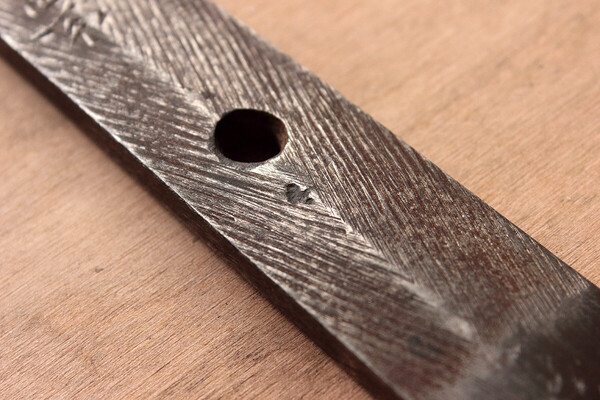
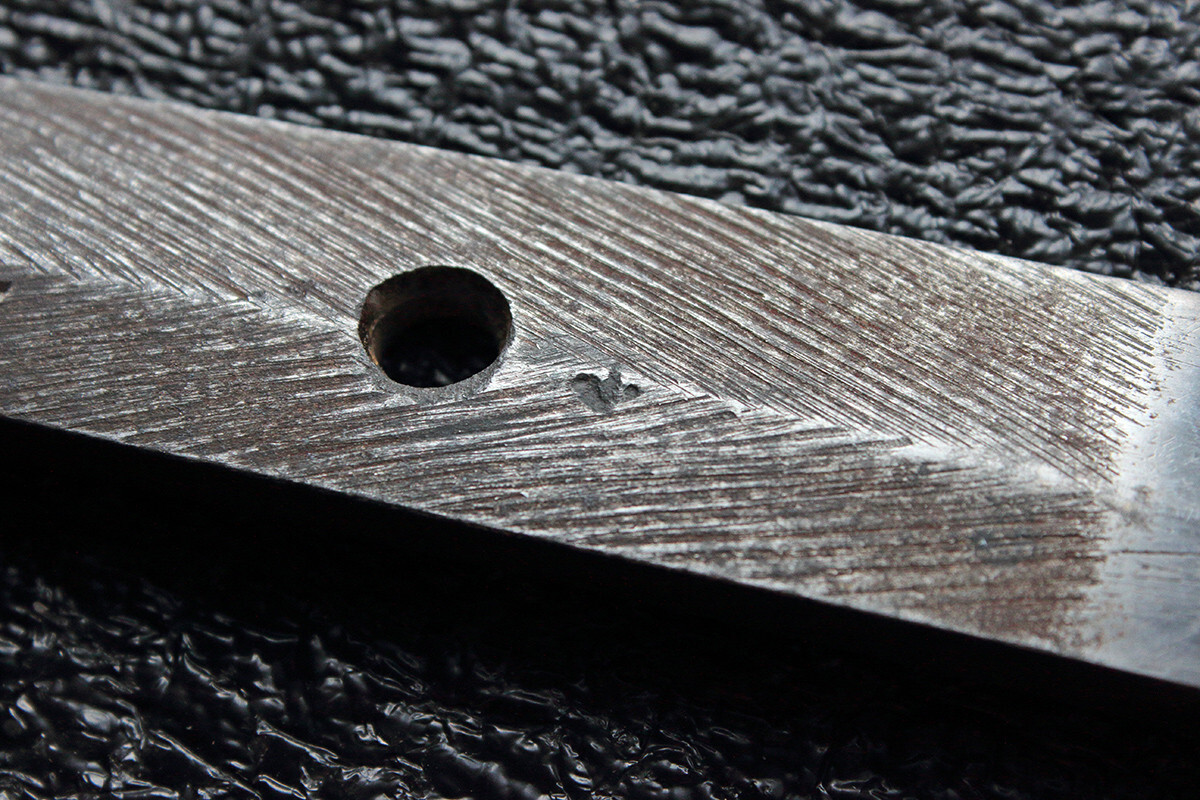
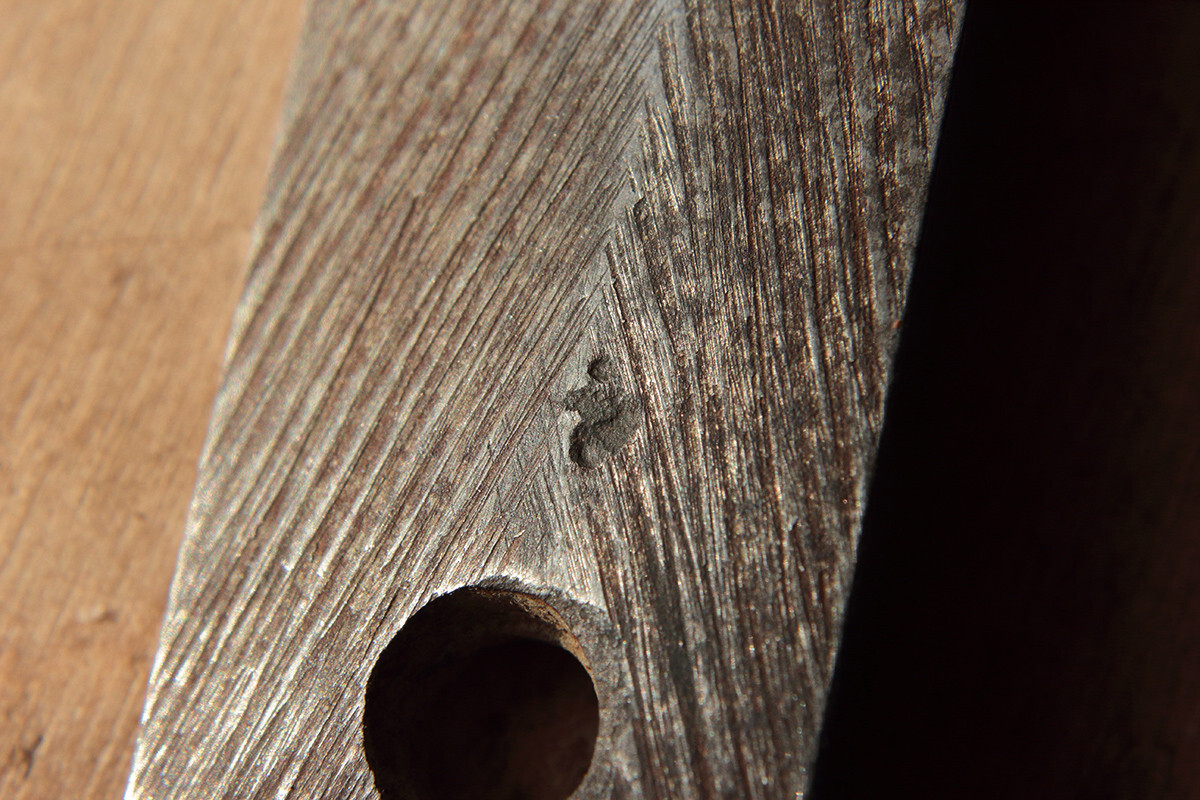
The thing about that stamp is that I believe the nakago of my sword has the very same stamp too. One may find it in the photos of nakago above. Out of all cases of Kiyonobu swords I gathered, there are only two nakago that feature this stamp. Both have short two-Kanji signatures with V-shaped strokes in Kiyo. My only guess is that this stamp is some kind of personal mark. As for how they were made. I guess that it's three punches in a row with the fourth punch slightly aside. In the case of the nakago of my sword, it seems that one of three main punches may have chipped a bit of metal. Yet, I might be wrong. Here are some close photos of the stamp.


 1 point
 -
Thank you for your discussion, Nazar. It’s nice to see you enjoying and growing in your hobby.1 point
-
I hate to say it but some Japanese "treats" can taste very bland or even awful to a European palate. I almost starved in Japan till I found an Indian curry house0 points
-
In the video, it looks as if they have strung the bows on the wrong side and in addition to that, positioned them upside-down.0 points
-
I think the sniper version of that rifle used a piece of PVC pipe as a scope. John C.0 points
-
Hurts being this generations outlier0 points
-
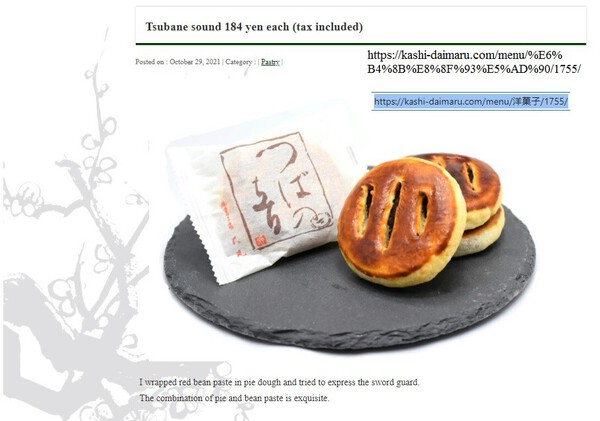
Let them eat cake! [chocolate for desert!]

 0 points































This leaderboard is set to Johannesburg/GMT+02:00