
Leaderboard



Popular Content
Showing content with the highest reputation on 01/30/2026 in all areas
-
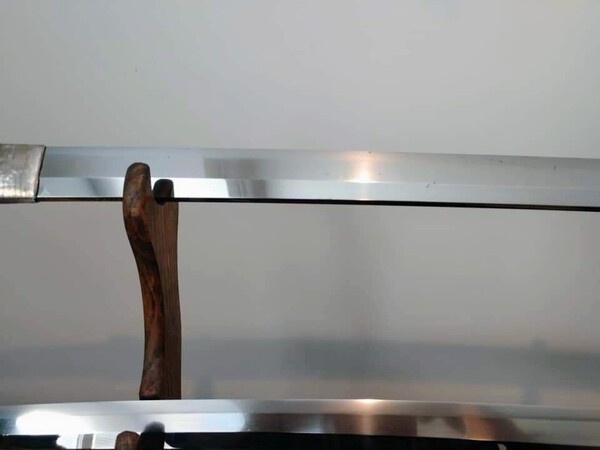
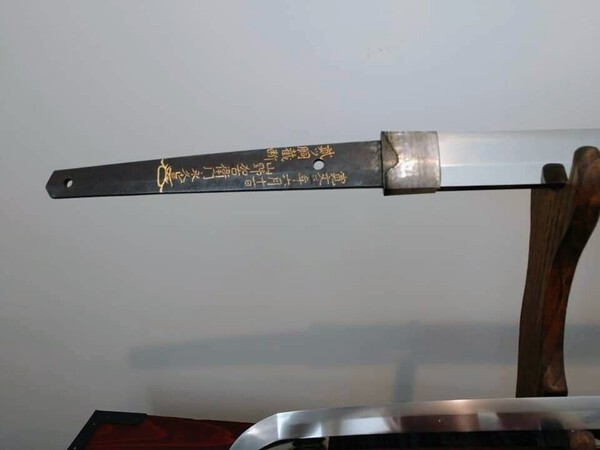
Dai - signed Harima Daijo Tadakuni - ubu 75 cm with koshirae Test cut - yamano Nagahisa cut 2 bodies in half dated Sho - signed Harima Daijo Tadakuni - ubu with Koshirae 43.2 cm Test cut - Yamano Nagahisa cut 2 bodies in half same date as the Katana Nagahisa was the most famous test cutter of the Edo period . Rare to find daisho with test cut on the same day



 8 points
 -
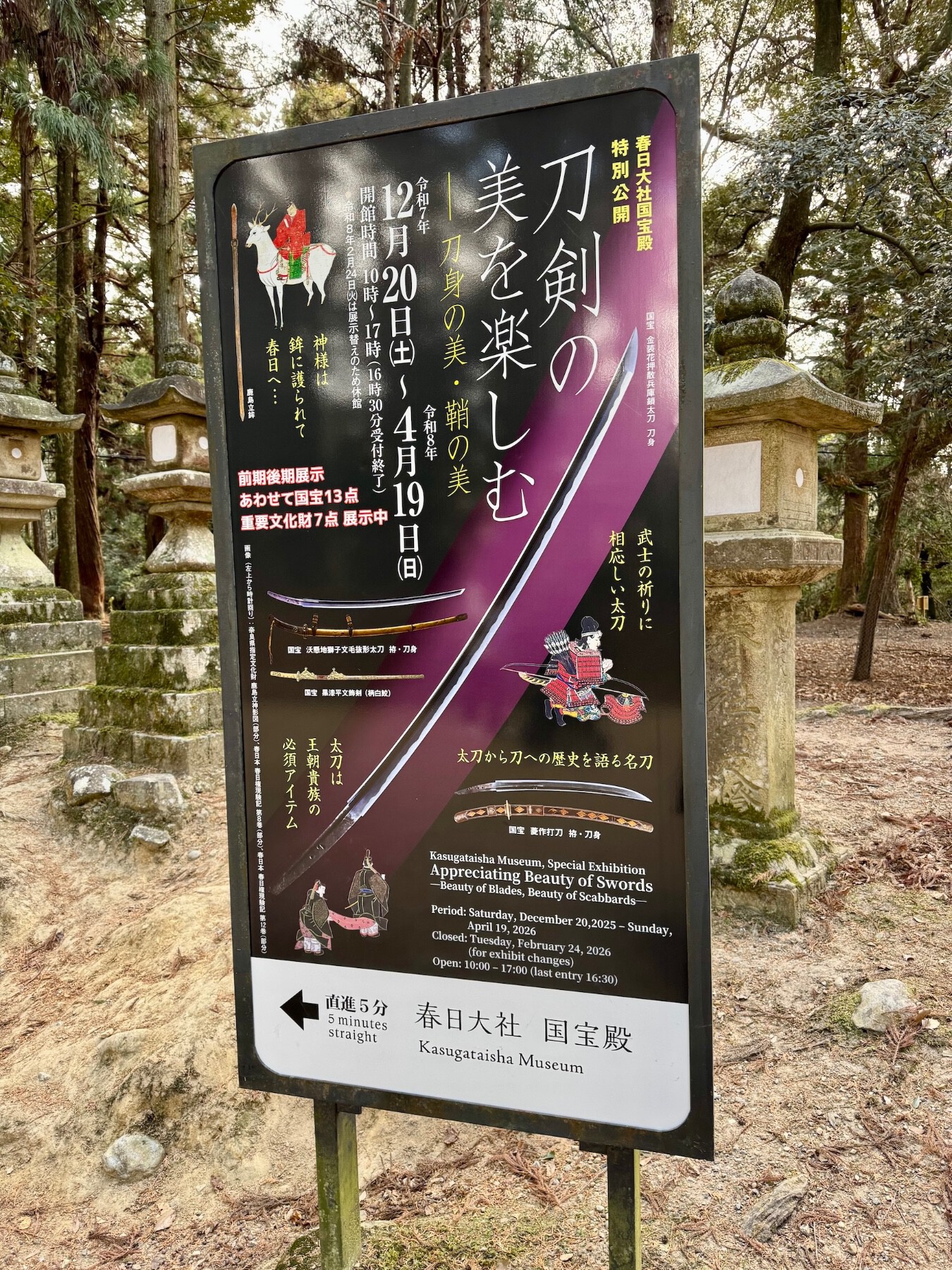
I thought this might be of interest: The Kasuga Taisha Museum in Nara currently has a special exhibition titled "Appreciating Beauty of Swords", where they've got all six of their National Treasure sword fittings (along with a number of other impressive items, including several Heian-era blades and a massive ōdachi) on display. The exhibition will run until the 19th of April, and is well worth a visit if you happen to be in the area. Unfortunately photography was not allowed, but they do have pictures and descriptions of at least some of the items on their website, so here's a little preview: https://kokuhouden.kasugataisha.or.jp/en/e9/ https://kokuhouden.kasugataisha.or.jp/en/e19/ https://kokuhouden.kasugataisha.or.jp/en/e16/ https://kokuhouden.kasugataisha.or.jp/en/e14/
 6 points
 -
Tsuba are art objects and old artifact that deserve to be treated accordingly. Restoration shall be done properly with proper techniques and tools. Dealing with hundreds of years old artifacts put us in the position not of owner but of keeper. We have the responsibility of taking care of objects that will outlive us to pass them down to future generation. This sentence of yours, Dan, shows that you have completely misunderstood the heart of this hobby! I suggest you to read this thread: What it is said in this post for swords also applies to tosogu. You can call me a snob now, frankly speaking I do not care! Luca5 points
-
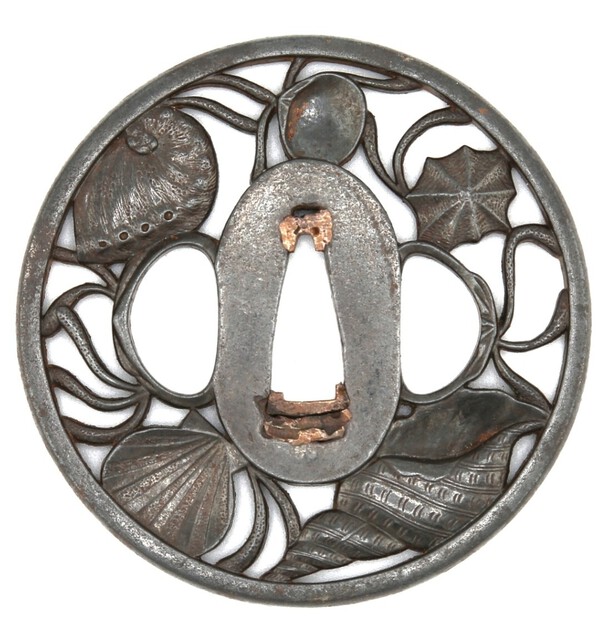
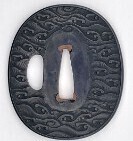
I wanted to share with the group this interesting (Echizen Kinai) piece in my collection (with a lovely nautical theme) which has multi-tiered sekigane instead of a single piece (perhaps more distinguishable on ura). I can't say that I've seen sekigane stacked like this before, but definitely looks like this wakizashi-sized tsuba could have been mounted on a tanto given the resulting size. Damon

 4 points
 -
Yes. We've been using "Kao" as the generic term for a smith's personal "trademark." There are two kinds, the inscribed kind, like this one, called kakihan; and the hot-stamped kind called kokuin.4 points
-
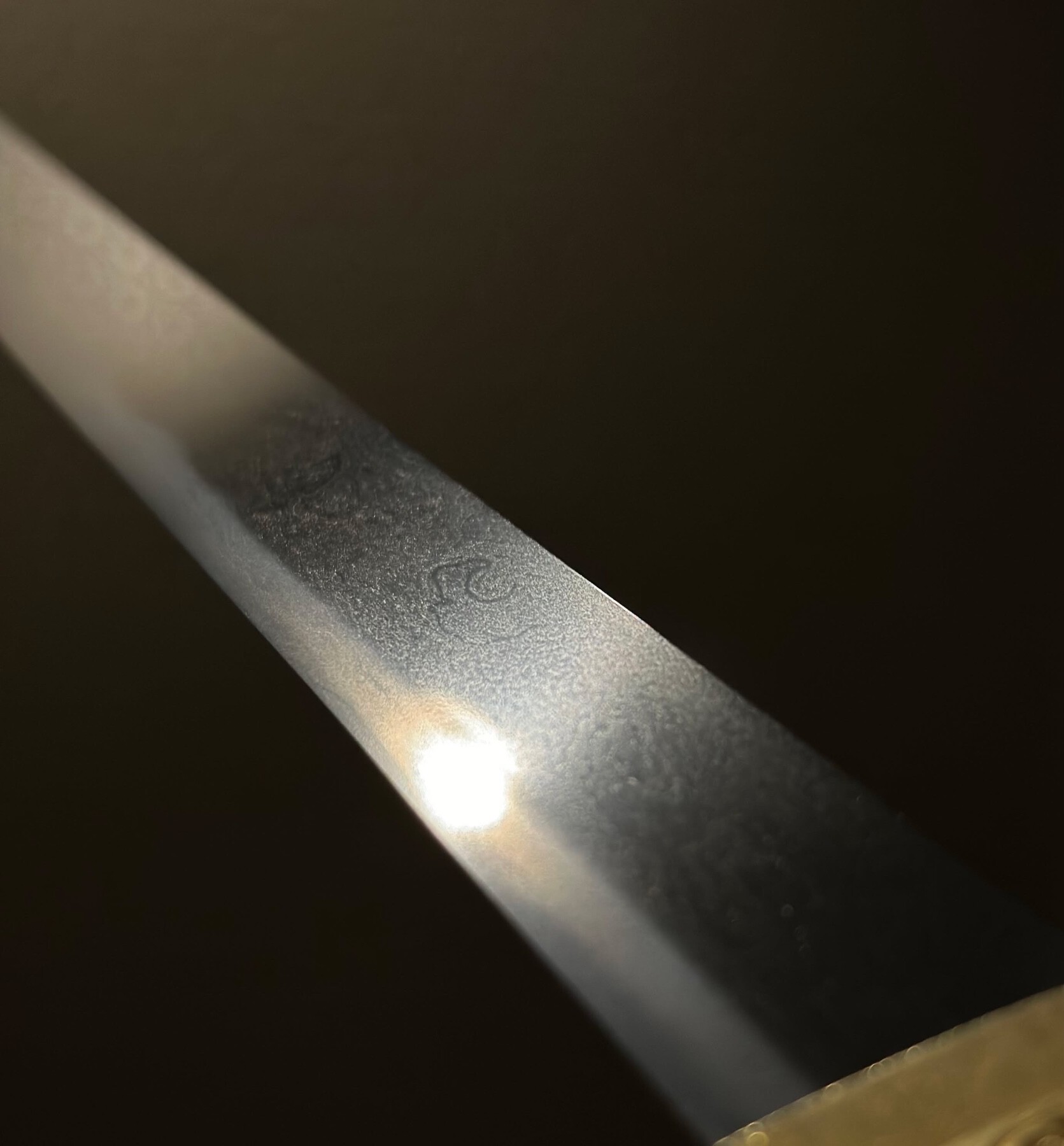
“…the shingane appearing is a distinctive feature throughout all of middle Aoe as the sumi hada of Aoe.” From Fujishiro Koto hen A couple of pictures from my mu-mei blade attributed to Chu Aoe Yoshitsugu by NTHK-NPO

 3 points
 -
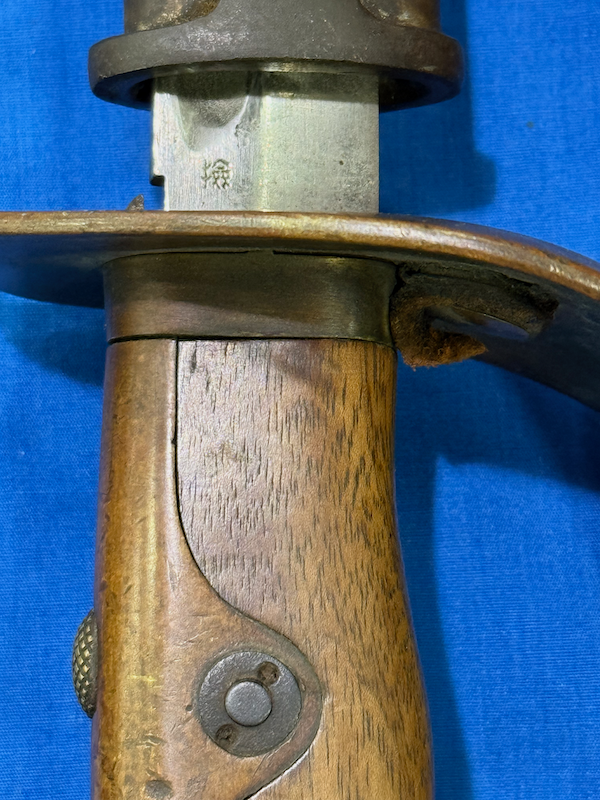
@John C Here’s another one- serial number 5419. There were no stamps on the guard and as you can see it was put in a Type 32 scabbard. These are the only two pictures I grabbed because the blade itself was in rough shape.

 3 points
 -
Not dissimilar to the first tsuba I bought. Fortuitously fits my small Senjuin katana perfectly with zero movement.
 3 points
 -
After more time and experience, I want to add some clarification to my original post in this topic. The tsuba that I reported on was one in which I was saving/improving an existing patina, once I had removed whatever was on it there was a good basis to work from. I am currently using the same methodology on another tsuba which, after using bone scraping to remove rust, was showing bright metal. The method is working but is much slower, taking many weeks with intermittent rubbing with a soft cloth. Cheers, Michael BC3 points
-
I love this sentiment. I collect because I love the aesthetics of the tsuba, and I pick pieces that I want to look at every day. I never get tired of them, and I aspire to have so many that I too will be able to rediscover them when I go digging into my cabinets.3 points
-
伊賀守源包道 = Iga no Kami Minamoto Kanemichi3 points
-
Ishido Teruhide3 points
-
You are doing it wrong, Jacques. You are supposed to say "I am but an eternal student of the sword, humble in knowledge". You friend is then supposed to chime in with "Jacques is a Scholarly Scholar! Celestial star, who shines over the True Path", etc. etc..3 points
-
Just by way of sharing experiences with sellers. I have made two purchases in the last year or so from this seller and have been very satisfied with my dealings with them. I found them to be cordial to do business with and Yuji-san provided excellent and prompt communication. Their prices seem reasonable and the quality, at least in the purchases I made, is there. Of course one should know what one is looking at and ask questions, important in any distance transaction. Michael BC2 points
-
If I had a time machine I would like to know more about Norishige's origins. Nothing is known about his father or earliest swordmaking experience. I believe he was already trained in the basics before arriving at the Shintogo Kunimitsu workshop and was there for a short time to master the new forging techniques pioneered by Shintogo, which he then incorporated into his own distinctive forging style. In contrast to the other connected members of the atelier Norishige seems to be a bit of an outsider, coming from a backwater province with no strong tradition of sword making prior to Norishige and therefore no apparent pedigree. There are Shintogo's 3 sons, Yukimitsu (son of nidai Bungo Yukihira, not the earlier gobankaji Yukihira), Masamune (son, adopted son or younger brother of Yukimitsu) and then this outlier Norishige. Shintogo must have thought highly of this young smith to take him on.2 points
-
I've seen officers signing their names in pencil, on a couple of Type 98 swords I used to own. Ive not seen any signs of this on Kyu-Gunto though. Ill do my best to photograph more of the koshirae over the weekend, with a focus on the individual fittings. I quite enjoy the unique 'East-meets-West' aesthetic of 'Russo-Japanese' wartime mounts.2 points
-
Over the last week I have been attempting to recatalog my small assortment of kozuka, menuki, and tsuba on this side of the planet. It's confusing because I have a different set of numbers at either end, and when I carry some backwards or forwards the numbers can clash, needing renumbering. There were a couple of tsuba I do not remember buying, and for some reason left no record of how much I paid. Aaarrrgghhh... While doing so though, I rediscovered several that I had forgotten, or was thinking that I had swapped out or sold. It was a joy to see them again, and to consider that years ago I had appreciated them enough to have chosen them back then. Some of them I would never sell, I realized, as they speak to me personally and it is not a question of market value. It was a delight to hold them in hand and to find new aspects or details to appreciate. Why collect these things, people ask? Well, one answer could be that as my Alzheimer symptoms progress, I will soon be able to experience the joys of rediscovery as often as there are weeks in the year or days in the week! "A thing of beauty is a joy forever." Endymion, John Keats.2 points
-
Well, we use "knock off" in a negative way. When this sword was made (assuming we are right about it being made for collaboration forces), it was an honest attempt by a non-Japanese sword smith to make a real weapon for a real collaboration officer that was inline with the Japanese Army. So, yes, it was a a best-effort at making a sword in the image of the Japanese army gunto.2 points
-
Thanks, I have something of a history with this particular sword... I was really invested in the sword when it came up for auction, but couldn't match the winning bid 😁 Yet somehow the sword found it's way back to me a little over a year later, in a dealers private collection.- It took 12 months of gentle negotiation before we could close a deal2 points
-
2 points
-
My nihonto book collection is growing. In addition to the usual generic classics I had before making my purchase, I've now acquired these since they are Bizen-specific and have received them: Osafune Chōshi - General Bizen Sword History Osafune Chōshi - 2 Vol Research Ed (this is the big mutha) Nihonto Koza - Vol IX - Koto Part III - Bizen I'll be busy the rest of this year going through them :D2 points
-
I’ve already thought about this more than once. I agree that at the present time we have very favorable conditions for purchasing tosogu. https://nihonto.com/nakai-koshirae/ I’ve already cited this article as an example before - it shows very clearly that for each option, such as nanako, inlay with specific metals, additional carving - there was a substantial surcharge for every request. Now, however, the work can cost less than the price of the metal itself, simply because demand for these items is low. But if we ask someone to recreate something comparable to the work of a great master, as Ford Hallam did, the price would really surprise us and would most likely be higher than that of an Edo-period piece.2 points
-
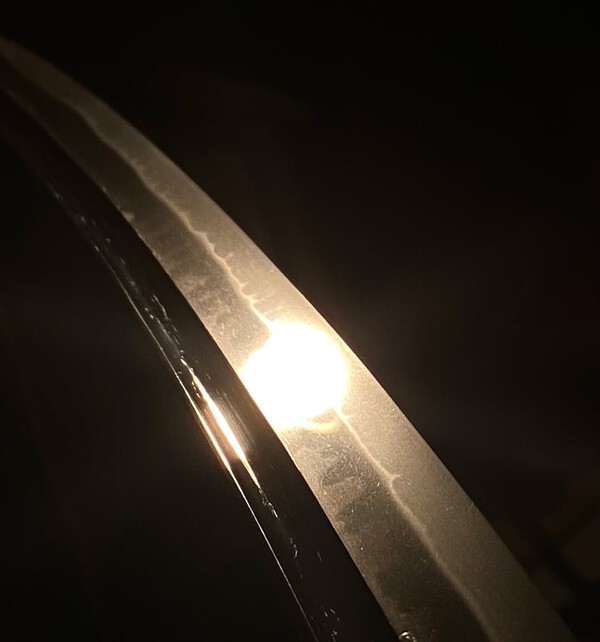
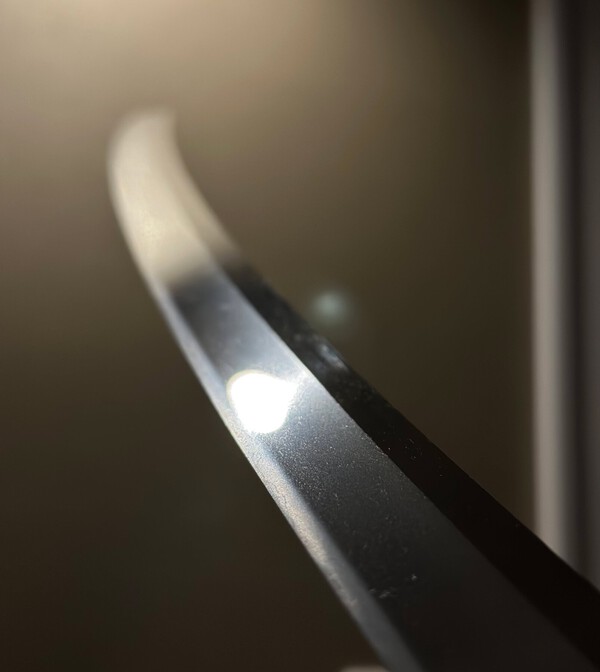
Just wanted to share some images for study that Keisuke over at https://www.katana-case-shi.com shared with me today during a chat. In the order from the title.

 1 point
 -
The right side of the character is 僉. It is most likely a Chinese character used in a name. Trystan or Conway S might be able to figure out the left side.1 point
-
You're probably right, Alex. I mean having it refitted for different blades would indicate it was loved and worn.1 point
-
I also have purchased a sword from Yuji-san, he handled the export paperwork like a champ. He is just a great person with a passion for Nihonto that's contagious! If you are in Nagoya his shop is a must see, but be prepared to spend hours, there's a lot of swords and tsuba there.1 point
-
I have one with a triple stack also, I always tell myself it means its been much loved by previous owners.1 point
-
untilHosted by the Toyama Japanese Sword Study Group. Listen to explanations and tour the Shusui museum, then hold a famous sword in your hands. Enjoy delicious winter seafood from the Sea of Japan, including winter yellowtail, and local sake, while chatting and exchanging information with fellow sword enthusiasts! This is a luxurious training camp packed with activities. Please join us! Beginners are welcome! Please feel free to inquire. Venue: ① Shusui Museum Tour (Capacity: 20 people) ② Training Camp: Minshuku Kozaburou, Ao, Himi City (Capacity: 20 people) ③ Famous Sword Appreciation Event (Capacity: 35 people) 10 swords and 5 sword fittings will be on display. *No bidding or appraisals will be held. Don't worry! Takaoka Techno Dome, Takaoka City, Toyama Prefecture *You can choose to participate in only one of ①, ②, or ③. Please let us know which one you would like to participate in when registering. Fees: ① Museum admission is free (entrance fees are at your own expense). ② Training camp: ¥19,000 (includes one night's stay, two meals, drinks, and an after-party). A ¥500 one-way fare is required for those using the shuttle bus from the museum to the guesthouse and from the guesthouse to the exhibition venue. ③ Famous Sword Appreciation Club: ¥2,000 for Toyama Sword Research Society members, ¥2,500 for the general public. *Students receive a ¥500 discount on the exhibition membership fee. *First-time participants are required to attend an etiquette seminar. Course Fee: ¥500 Schedule: Saturday, February 14 1:00 PM Meet at Shusui Museum of Art (Toyama City) 1:00 PM - 3:50 PM Visit the Shusui Museum of Art's Tachi Praise Exhibition. 4:00 PM Shuttle bus departs from Shusui Museum of Art (5:00 PM arrival at the hotel). 6:00 PM - 8:00 PM Social Gathering (may transition into an after-party if appropriate!) Sunday, February 15 7:00 AM - 8:00 AM Breakfast (bus departs for the venue at 8:30 AM) 9:00 AM - 10:30 AM Arrival at the venue. Unloading and setup begins. 10:30 AM –11:00 AM : Exhibition reception 11:00 AM –12:00 PM : Exhibition etiquette seminar (for those who are eligible) 11:00 AM – 4:00 PM: Sword and sword fittings appreciation 12:00 PM – 1:00 PM: Luncheon lecture (optional) 4:00 PM – 5:00 PM: Dismantling For more information or to register for the event please DM Toyoama Japanese Study Group - https://x.com/toyama_touken.1 point
-
I found this one a few months ago. Part 1 of French-language edition of Otake's text on Katori Shinto Ryu, The Deity and the Sword. Le Sabre et le Divin 1 by Otake, Risuke1 point
-
Can we know more about the Ko-Aoe Koretomo? I have a particular interest in this smith. Les1 point
-
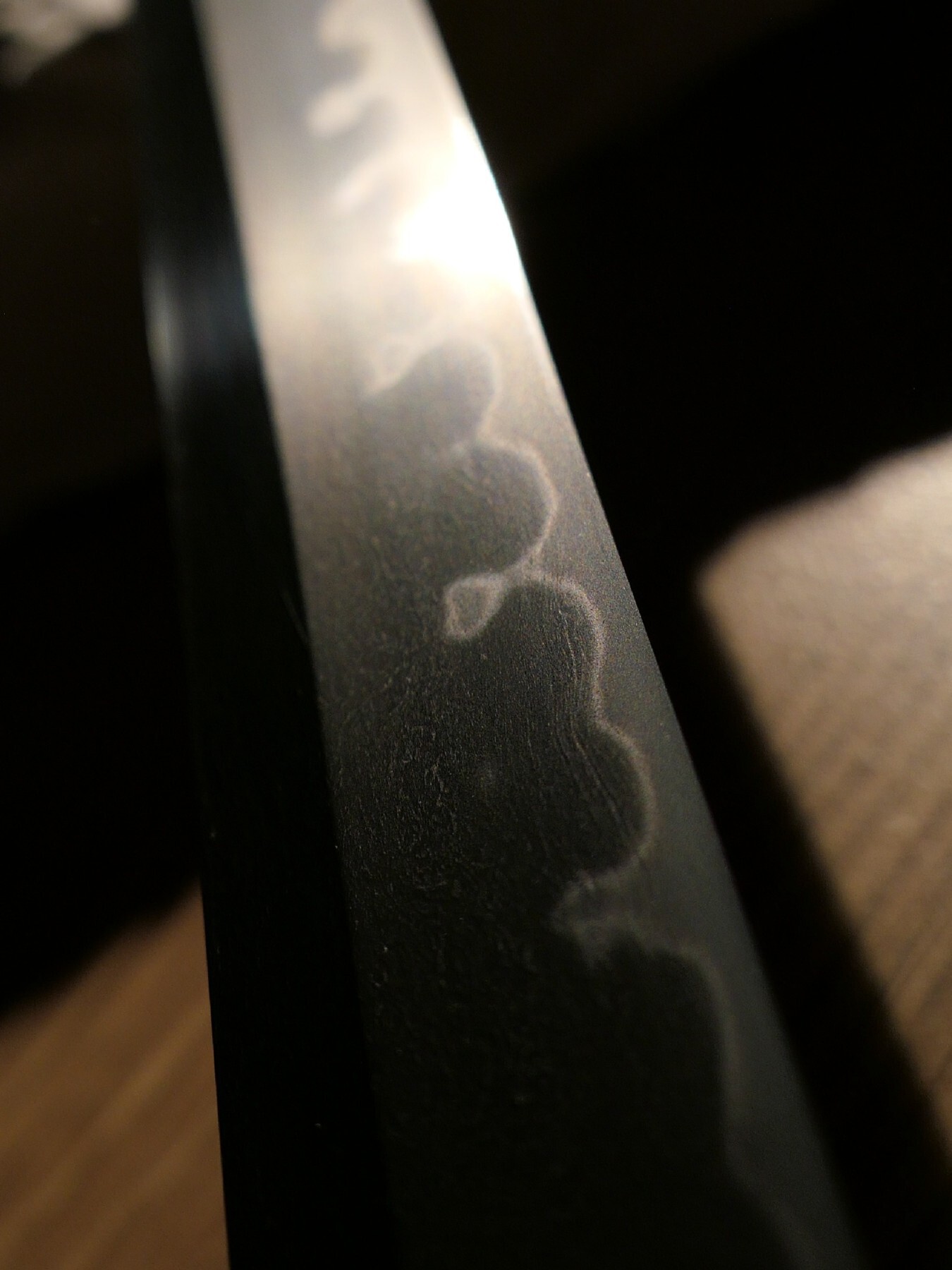
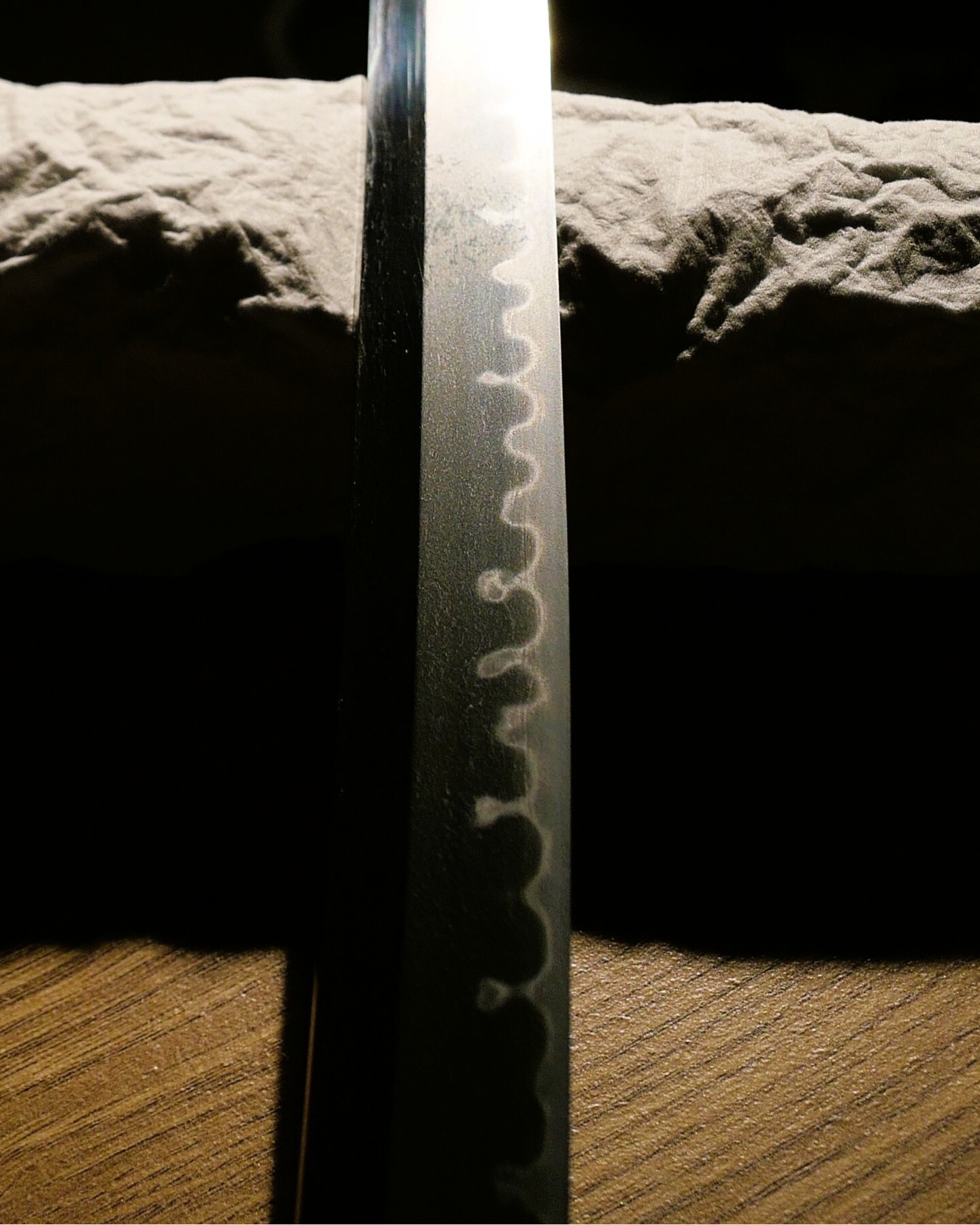
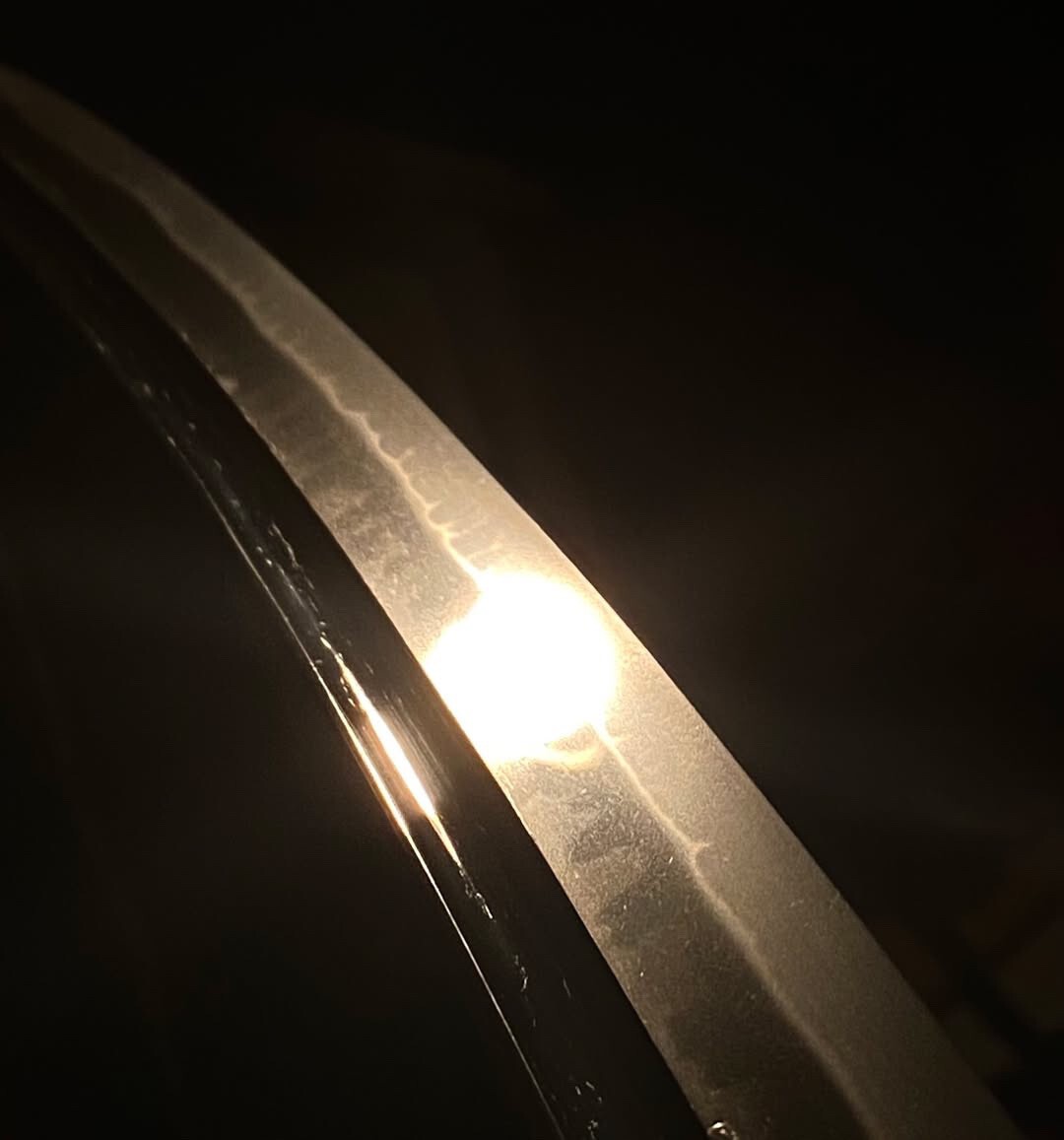
Thank you, for the kind words. It is very reminiscent of Bizen-den in the lower portion of the blade; especially with the lobes of tadpole choji. Its only the later third of the blade, before you start to see that classic Mino-style gunome.1 point
-
Wow thank you null device. I'm still curious, is the last what is the last character. Is it "kao"?1 point
-
In the first place, preservation has nothing to do with the value of an object. Any antique iron TSUBA will turn into oxide earlier or later, but with a proper protection treatment (which can mean rust-removal and new patination) and good care (e.g. not hanging it on a nail wall...), it can survive more centuries. But that has to do with some understanding of the processes and the necessary responsibility.1 point
-
The cost of NBTHK papers just went up recently. Not that it matters much in this small financial debate about the restoration of a Yagyu. I have seen them cleaned up before, worked on a bit, and then off to NBTHK for papers.1 point
-
Yes, my point was simply that if someone is lucky enough to acquire a piece like this for under USD 150, then investing another USD 400–500 in proper repairs and papers makes good sense. If I had spent USD 10,000 on it, I’d probably be sleeping with it under my pillow.1 point
-
John & Trystan are correct. Take a look at the plum blossoms on the crossguard. It is World War II Chinese collaboration sword. Many thanks for sharing the pictures of a really interesting sword variant.1 point
-
Hi everyone Just wanted to bring this up because i am tired of getting negative comments from a troll who thinks it funny to to criticize my threads I had this issue from another member a while back but haven’t heard anything lately I get rid of one troll and here’s comes a another one Maybe I don’t have thick skin but I don’t need this crap I thought the idea of the forum was to share information not criticism ! Enough of my complaints I appreciate the help from others and wish everyone the very best and keeping alive the history of Japanese swords Steve1 point
-
I think everyone here knows you VERY well too Jacques. Personally I'm veering more towards provocative at this point. I meant it in exactly the way Bobby says. No one said the traits are unique to Shintogo but the similarities in forging style of that Awataguchi Nobukuni tanto and an archetypical Shintogo produced tanto suggest that there had been some influence in swordmaking technology, through contact with Nobukuni or any of his close associates. Historical references put them in the same region of Japan at the same time. So you're discounting any influence by the Awataguchi school? And why is it pointless to attempt to understand and test hypotheses on the origins and influences on Shintogo's swordmaking. No one will truly know of course since there are no contemporary historical documents to consult, but that still shouldn't prevent discussion on the subject.1 point
-
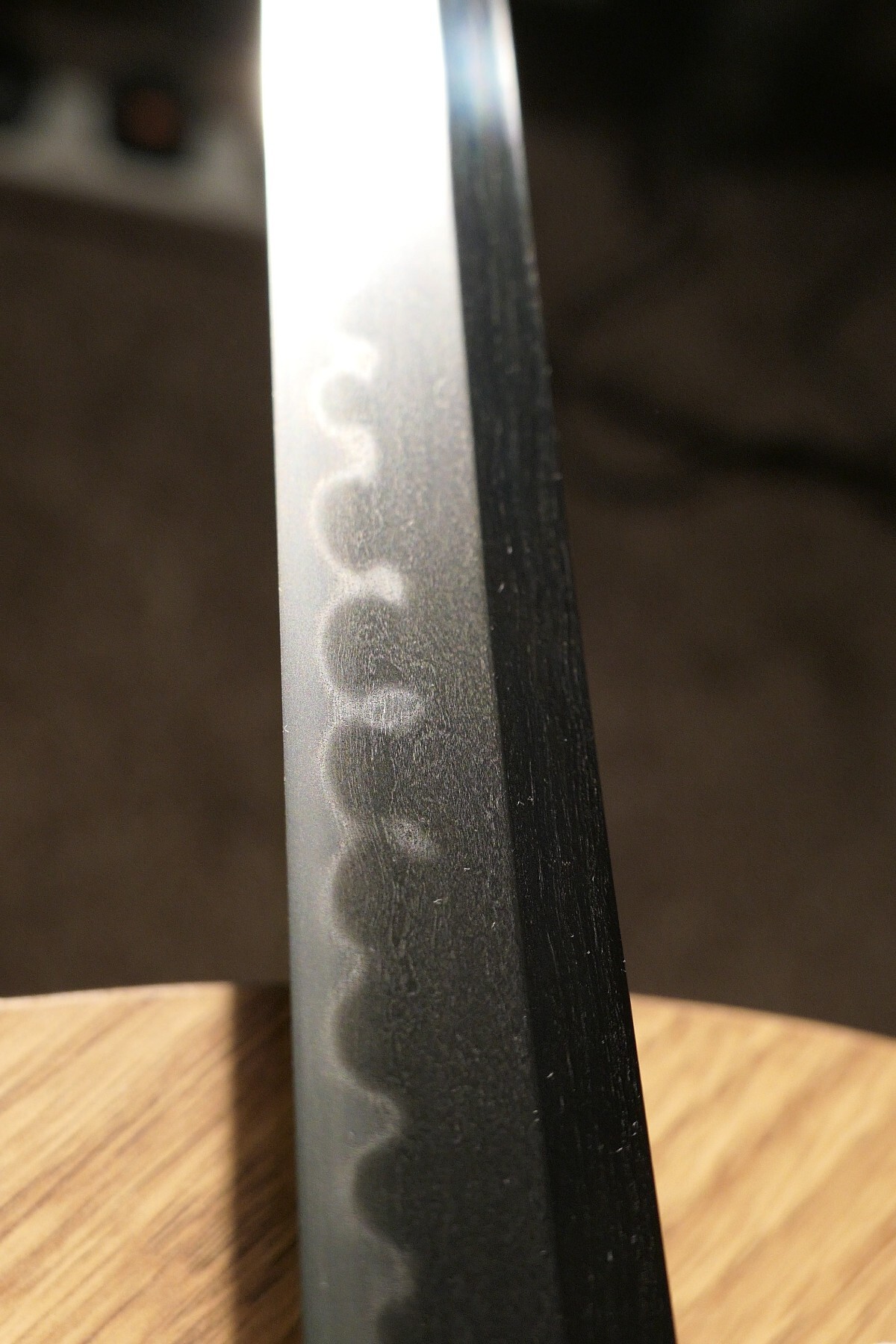
Perfectly captured utsuri1 point
-
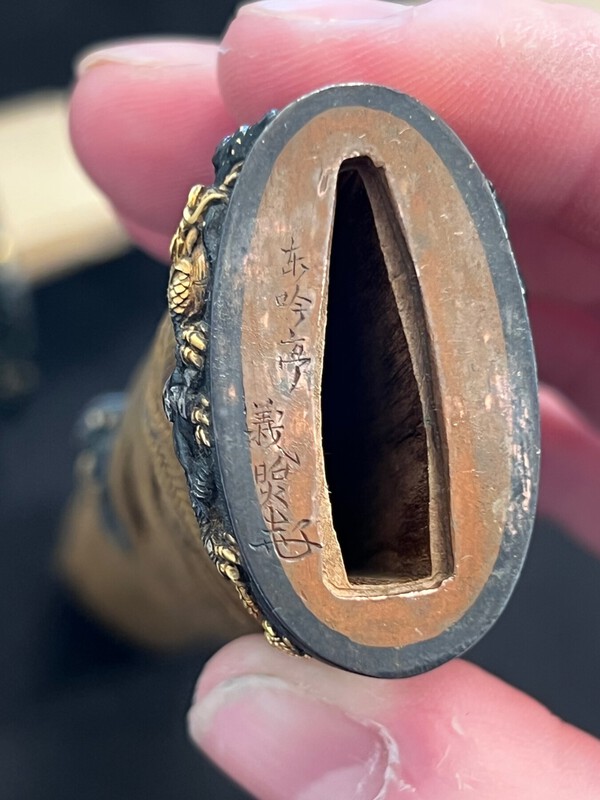
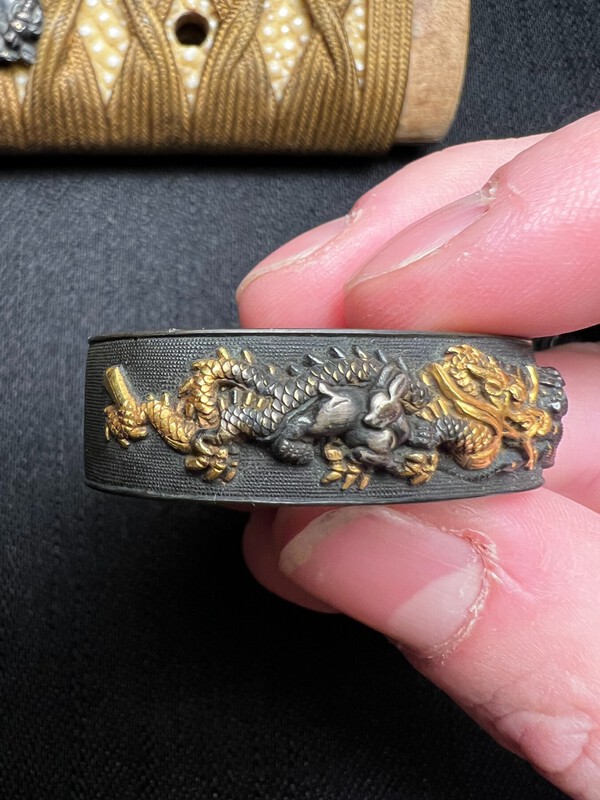
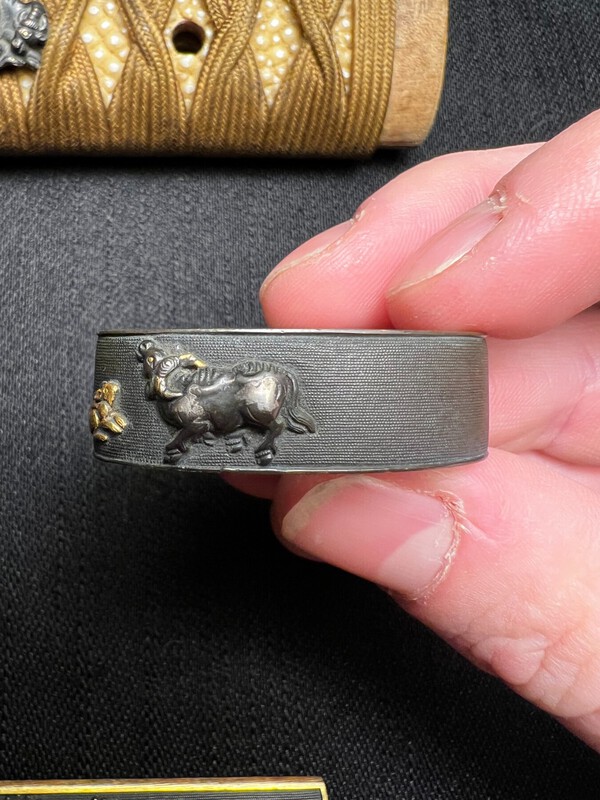
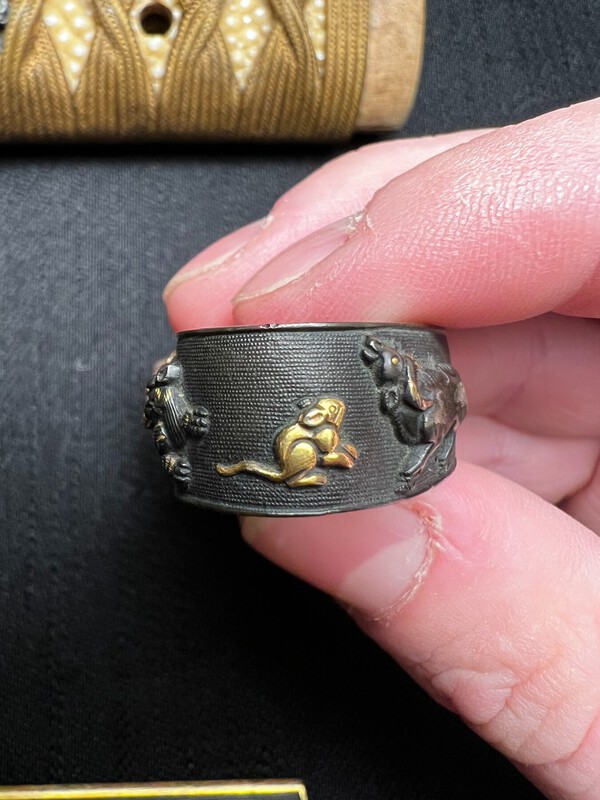
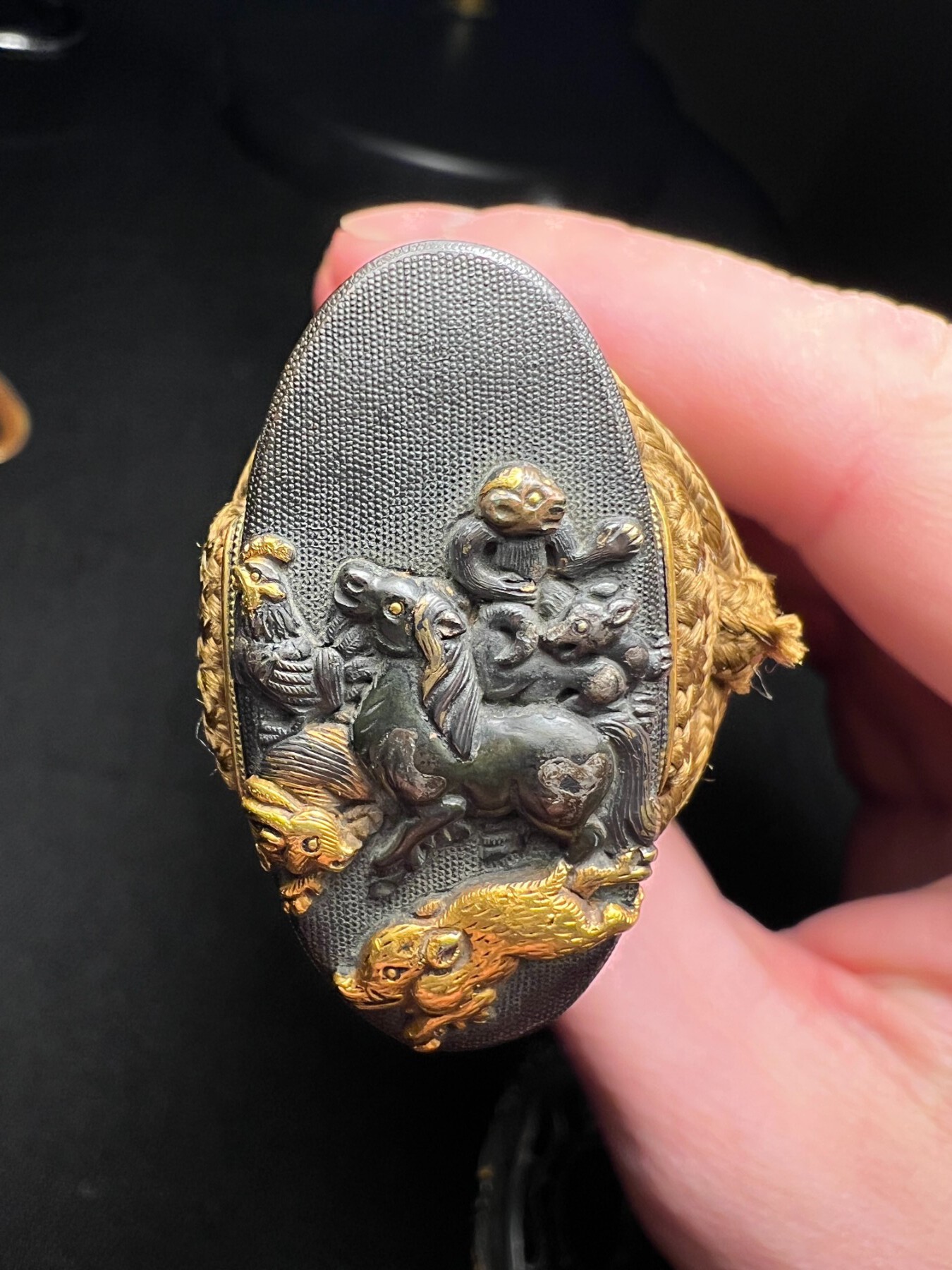
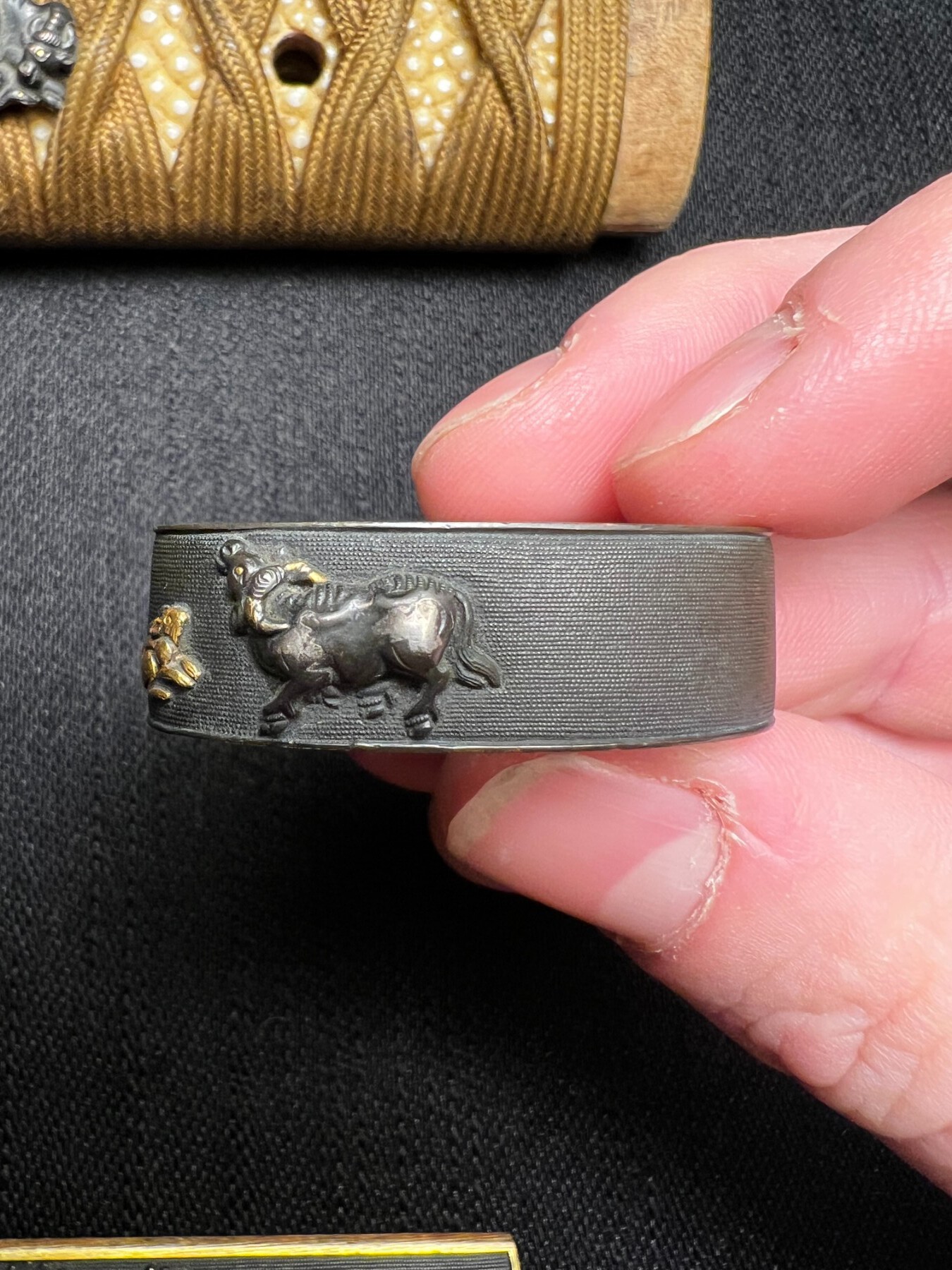
I received the koshirae for one of my blades today and after taking everything apart I found the fuchi is signed. I’m not knowledgeable at all about tosogu and would love more information. I figured out the mei is Togintei Yoshiteru (Kao) 東吟亭義照 (花押) and that he was a Shinshinto fittings maker who has made some nice examples of work I've seen on Aoi, Tsuruginoya, and other auction sites. The fittings are in good shape but just a bit covered with grime. Only the fuchi is signed but the theme among the fittings is all the same zodiac animals and the work to my eyes looks to be of the same maker (particularly looking at the gold inlaid tiger stripes).

 1 point
 -
And finally the kashira and better photos of the tsuba
 1 point
 -
The Kusanagi-kan Sword Treasury can rightfully claim to be one of the most architecturally beautiful Sword Treasury/ Sword Museum in the world. Part of the Atsuta Shrine, the Kusanagi-kan Sword Treasury is open to all visitors before or after saying your prayers. They just put out a notice advising that they have just changed their exhibits as part of an exhibition called "Blades of the Hokuriku Region" Starting from today, Wednesday, January 28, 2026 through to Sunday, February 23, 2026. There will be a total of 13 blades in the exhibition including a Tachi, signed by Tomoshige (Kaga) that is designated an Important Art Object by Aichi Prefecture. Please read the notice from the Atsuta Shrine regarding the festival events in February 2026 here. #草薙館 #熱田神宮 #太郎太刀 #次郎太刀 Information provided by: @etudes24 on X.1 point
-
It was my third year attending the Las Vegas show, and I had a great time. There is something for everyone there--items are at all price ranges. I always enjoy seeing friends and meeting other collectors. While it is still a relatively small show, more tables were occupied than last year. And there were some dealers I had not previously seen at this show, such as Ginza Seiyudo with a really nice Ayanokoji tachi and a couple of nice kabuto. As @Scogg mentioned, Brian Tchernega's presentation was very informative. Mike Yamasaki gave a short behind-the-scenes presentation about his work on Pawn Stars, and there was an entertaining iaijutsu demonstration. The large, adjoining antiques arms show is also worth seeing. Several dealers over there had nihonto, menpo, and kabuto, including a nice kawari kabuto.1 point
-
Yes, a Pawn Stars regular.1 point
-
1 point
-
More photos
 1 point
 -
One formula of many for patination of iron tsuba - https://www.jimkelso...rials/ironpatina.htm All entail a little risk.1 point
-
Deanne, you did well to remove the red rust! Now a good patina can build up. Iron TSUBA should be "cuddled" with bare hands quite often as this will help build up the protective black iron oxide layer. This process will take some time so be patient!1 point
-
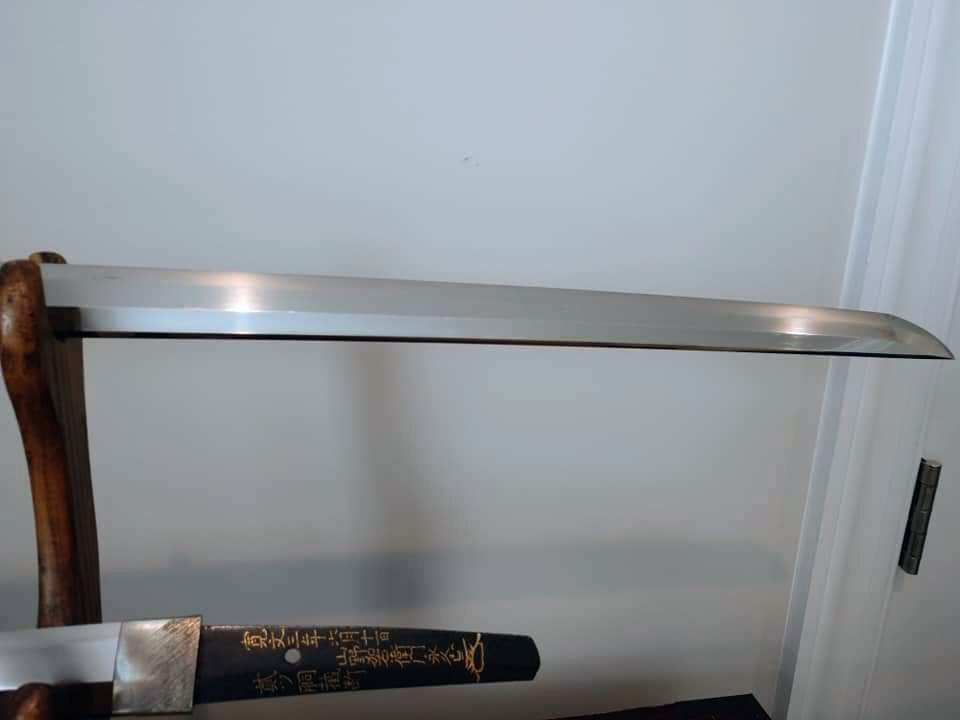
Probably because a sword did not take a day to make, the smith did not regard a certain day as the manufacture day...but a period of time. When was it finished? On the final quench? When it came back from polish? When the koshirae was finished? I suspect the generalization was an acknowledgement that the sword was a process, and not just one day. Brian1 point























This leaderboard is set to Johannesburg/GMT+02:00