
Leaderboard


Popular Content
Showing content with the highest reputation on 11/05/2025 in all areas
-
PREFACE This new series „Tsuba are beautiful - Kantei Series“ is dedicated to collectors, friends, and enthusiasts who appreciate genuine Japanese art as much as I do. I share my knowledge from today’s perspective, offering insights that may help when, perhaps in a hidden corner of your favorite antique shop—or even online—you come across a precious Tsuba that captivates you, though you may not yet know much about it. By following this series, you’ll learn to work methodically toward identifying unsigned Tsuba on your own. I hope it will be helpful for your future collecting journey and maybe even ignite the spark for new collectors to begin theirs. Please enjoy—and feel free to ask questions or share your opinions. Let’s discuss kindly and respectfully, whether you agree or disagree. Remember, collecting is a shared journey; respect for others’ views keeps our community strong. You will find the link here: Tsuba are beautiful - Kantei Series #01: “The Black Shakudo Tsuba - Ko-Kinko, Kyo Shoami or Soten?“ Enjoy reading! Best wishes, Tobi www.nihonto.art www.tsuba-no-kake.com
 10 points
 -
Dear members, please find attached link to an ebay auction of a beautiful iron Higo tsuba made by the late Ford Hallam. Ford was a keen and active member of this board and a good friend to many of us and in honour of this I will be donating 10% of the final selling price to the NMB. The auction starting price is way below what I paid 15 years ago but it gives more people a chance to own one of Ford’s beautiful works of Japanese art. https://www.ebay.co.uk/itm/257192052932 Happy to answer any questions. kindest regards Michael ps I also have two other antique Higo tsuba listed.

 5 points
 -
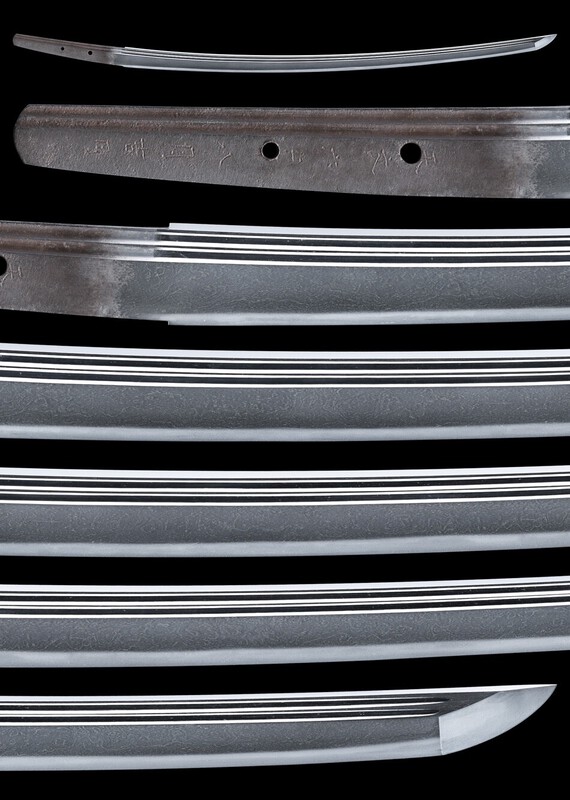
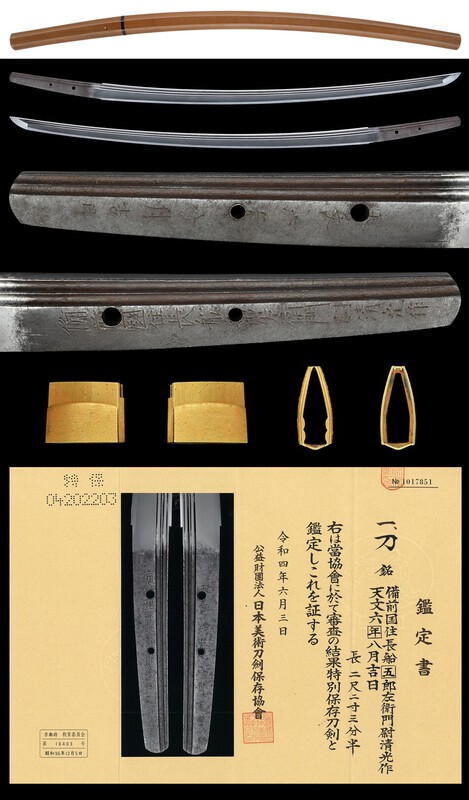
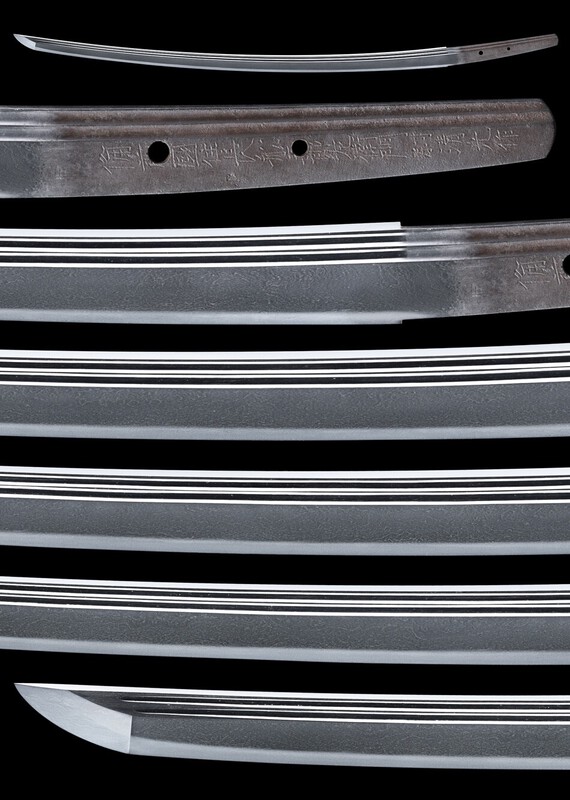
@Jussi Ekholm needs to weigh in on this one - I know from his past threads he supports signed and dated BIzen blades. I will post the Tanobe sayagakai soon, once finished.
 5 points
 -
Tobais: VERY NICELY DONE! I like your STEP 7: DIVE in the scenery most. So many tsuba have a lot more story to them than we appreciate. These days, finding the story often means the most to me.4 points
-
I saw that blade in person last week. Very nice, very tight. Kotetsu personally isn't for me, but they let offered to let us see it even though they knew I was mainly looking at earlier koto blades.3 points
-
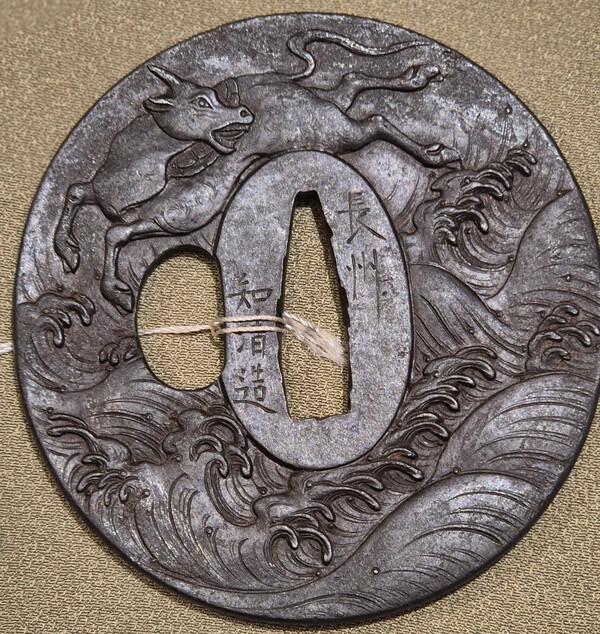
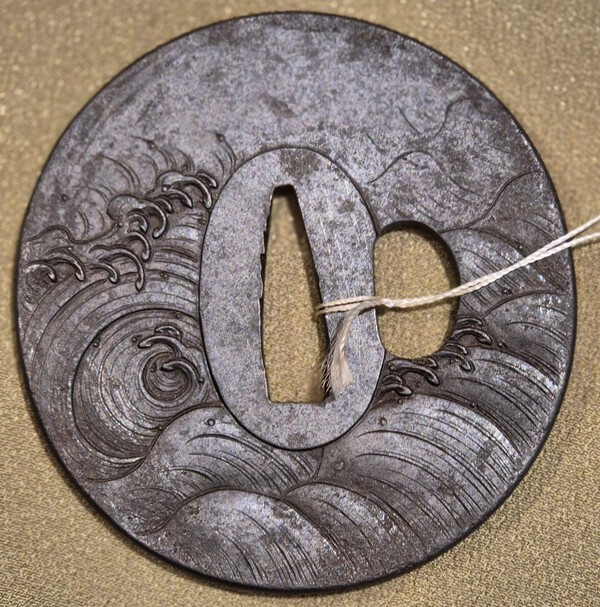
Hello There, found a very nice Tsuba. Now iam looking for some help.. I would like to have informations about school and the handcrafter of it. Also maybe the Time from where it is. - If you know any books wich could help me or you have informations would be great! Thanks. Kind regards! - Jeff
 2 points
 -
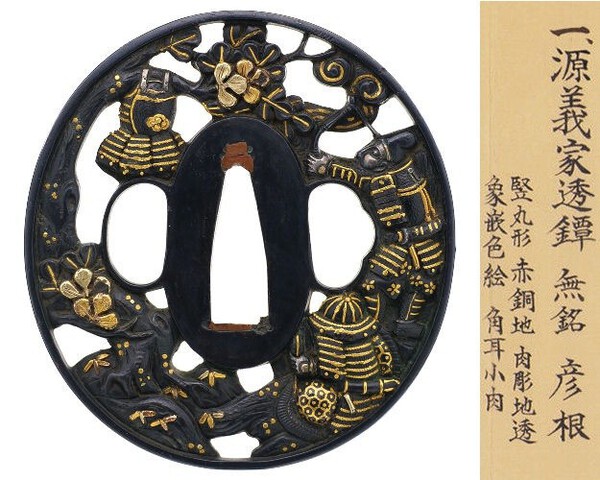
Brilliant analytical writing, very well done! (... but personally, I would lean toward the Hikone/Sōten attribution).

 2 points
 -
It depends, for resale (with confidence), especially to newer collectors, an NBTHK certificate is invaluable. However, the attributions (especially mumei) can change - it's not a perfect science. However, you are getting what's considered to be the most recognised/valued expert opinion. It's difficult for newer collectors to "buy the blade, not the paper" but being aware of the quality and condition, will help ensure you don't overpay. If you're looking to purchase a big name, I'd recommend one of the prominent, trusted dealers (some are on here). It's well worth the price of their expertise.2 points
-
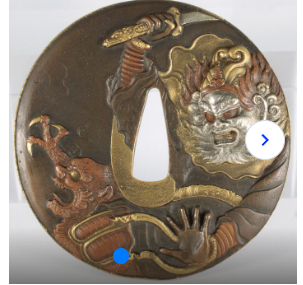
That depends on if you believe the sellers information, I think personally they are meiji period but I think some of these have been produced for an extended period, so age would be a guess. Not helped by Chinese copies of Japanese copies! The first https://www.bonhams.com/auction/20190/lot/7/a-bakumatsu-shakudo-tsuba-by-seishu-meiji-period/ is described as Bakumatsu [turn of the 20th century] https://www.bonhams.com/auction/21008/lot/3459/a-shakudo-tsuba-with-mixed-metal-accents-meiji-period/ Meiji [I think it is more modern, junk!] https://www.catawiki.com/en/c/1261-Japanese-art?epik=dj0yJnU9aFpPRXptbnNkUmtSYmlLTUU4ZWxzYkRZV2tSczhfc2gmcD0wJm49MVV5VXYySHJUa18zRU5sdFdKTUt0ZyZ0PUFBQUFBR2tLOVpB The Hamano signed one can be seen: https://www.bonhams.com/auction/18980/lot/15/a-bakumatsu-shakudo-tsuba-late-19thearly-20th-century/ Described as Bakumatsu [turn of the 20th century] However a papered piece which is less convincing and still a copy in my opinion can be found here: https://world-seiyudo.com/product/tu-050320/ described as Edo period
 2 points
 -
Odd spots of depatination, looks like an alloy. Never mounted. Probably made as something for export. As Rivkin says there are areas where the carving is poor, the outline of the seppa-dai on the top right ura and the scratch marks around the top bird - why so much time spent on the rest but no clean up? Probably like these much more common examples: Colourful does not seem to be a problem - being mass produced is!2 points
-
Wordsworth said something about emotion recollected in tranquillity. On Saturday I laid out a table of objects, this and that, and with the help of the organizers, gave a talk to an audience of local citizens. Since then I have heard back through the grapevine that it was an acceptable afternoon and that people enjoyed it. I may have put a noose around my own neck though, as the city has now asked me to do a static display for their children's event later this month. Hmmm... Onko Chishin, 温故知新, learning from the past, to fashion the future? The past can teach you about the future?2 points
-
Hi George , no need to show photos of this to someone in Osaka as there are people in Victoria , including some in rural Victoria, who can tell you about the sword. Ian Brooks2 points
-
Here is a tachi blade worthy of consideration if you're interested in Ko-mihara. Ubu, zaimei, nengo (1384), quality koshirae and fittings. Juyo papers. Approx 80cm nagasa https://www.toukentakarado.com/item-tk019-juyo-token-mihara2 points
-
I must say your Sukesada looks like a wonderful sword, I am personally liking it more that the Kiyomitsu. However the Gorōzaemon Kiyomitsu must be a wonderful sword in overall. I admit I do have a very soft spot for these late Muromachi "named" Sue-Bizen smiths. They made wonderful items, and I personally value them very high in appreciation. I think the quality in my eyes is often better than some of the cherished Kamakura smiths for example. Some items by Yosōzaemon Sukesada that I have seen in museums have been just stunning. I think Jūyō submission might always be a very complicated process, and to be honest I don't really have a clue what they are searching for. As was discussed in one other thread there are pretty much always "the usual suspects" that will pass regardless of the session. I was looking that Gorōzaemon Kiyomitsu has currently 16 Jūyō swords passed. The last one passed in session 65, unfortunately I haven't yet got that book. However the one before that one passed in session 45. So 20 year gap between passes, and I am sure some nice swords by the smiths must have been submitted within the 20 years. A rough guideline drawn from the last c. 15 years of results is that unless it is a "named" Sukesada (and among them most notably Yosōzaemon), your late Muromachi Bizen might have hard time passing through. Here are the total numbers of the 1500's Bizen smiths passed in last 16 sessions Jūyō 55 to 70. There are 5 Yosōzaemon Sukesada, 8 other named Sukesada, 7 non-Sukesada Bizen smiths from 1500's. So 20 1500's Sue-Bizen blades passed in total in 16 years. Now just for fun comparison in the same 16 years 39 unsigned Rai Kunimitsu blades have passed...1 point
-
Kokura 58478 https://www.facebook.com/share/v/14PHGjAJZMV/?mibextid=wwXIfr1 point
-
Looking forward to seeing your site grow, Curran. It also gives me a ready place to "visit" that superb Nidai Yamakichibei tsuba.1 point
-
https://blog.goo.ne.jp/tsuba_001/e/539b5021857b21549e591e169f6e6d57 I will have a look in some museum collections and see when they were donated to the museum - it won't tell me when they were made but give me a starting point to work back from.1 point
-
I will list tsuba to fund my quests for things like a Juyo Hoan or a certain type of Nobuiye, but I don't want to be a dealer. This is to say.... don't expect a whole lot of listings. I want to build out the site as at least 60 to 70% educational or linking to smart people like Ito-san's blog. It seems the design organization might be challenging.1 point
-
Some of these fakes are so good you need to handle them to determine if there is genuine mixed metal inlay or if they are very cleverly coloured and gilded. Some are very convincing including mei.1 point
-
When did these kind of TSUBA appear first? I don't remember seeing them 20 years ago, so I personally think that they are all recent copies, made with modern tools and techniques. From a craft point of view, they may appear well made as silicon molds and new casting technology yield good results. But there is no artistry behind it, in my view. They are way different from the opuilent TSUBA I used to see in the black COMPTON catalogue.1 point
-
A lower grade hamamono with exaggerated expressions and very simplistic execution in most places, except essentially for one figure. I don't think its modern (not being tsuba specialist) because such uneven execution is very typical for lesser hamamono.1 point
-
Nice site - easy interface - look forward to shopping here...1 point
-
Offhand, I do not know the definitive answer, John, and would have to spend some time looking it up myself. It could be some type of sageo cord, to prevent slippage, and ‘lock’ it in place behind the obi.(?)1 point
-
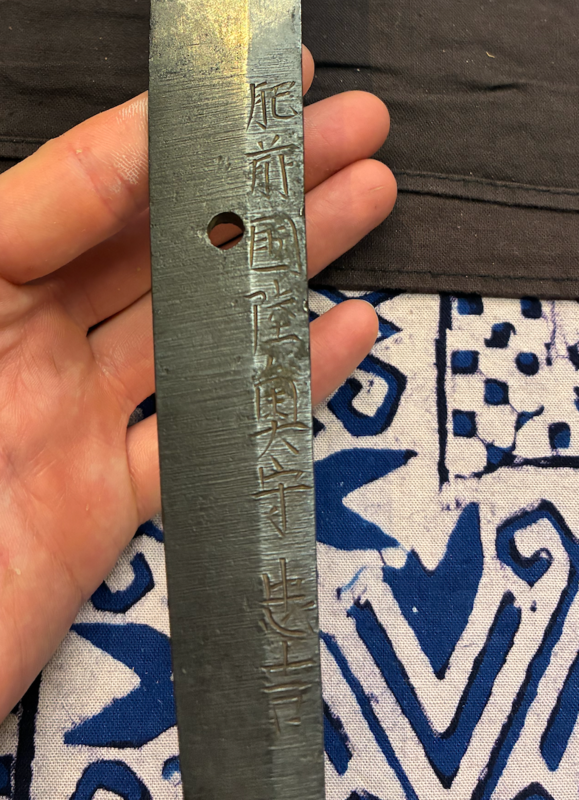
Besides what others have said, I personally think the biggest problem is the lack of deep file marks on the nakago with your blade. Every single Sandai I have seen has had very aggressive filing marks. You can see my blade below, but also the one linked above has the same deep filing.
 1 point
 -
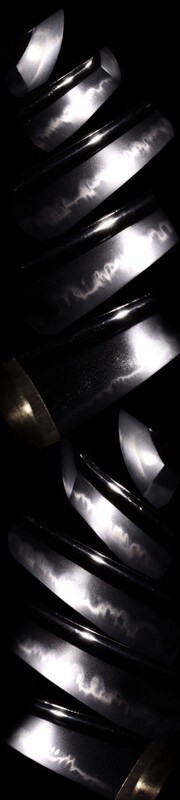
@2devnul So the jigane will actually be done slightly differently on blades that do not have suguha hamon. For Tadayoshi blades with suguha, the jigane will be done in a very luxurious way, while the blades with hamon like yours will be done in slightly lessor way, for whatever reason. Maybe to let the hamon take more of the attention. I will post some more images of mine, but you should also inspect the images below, which are a Sandai Tadayoshi, with hamon like yours.

 1 point
 -
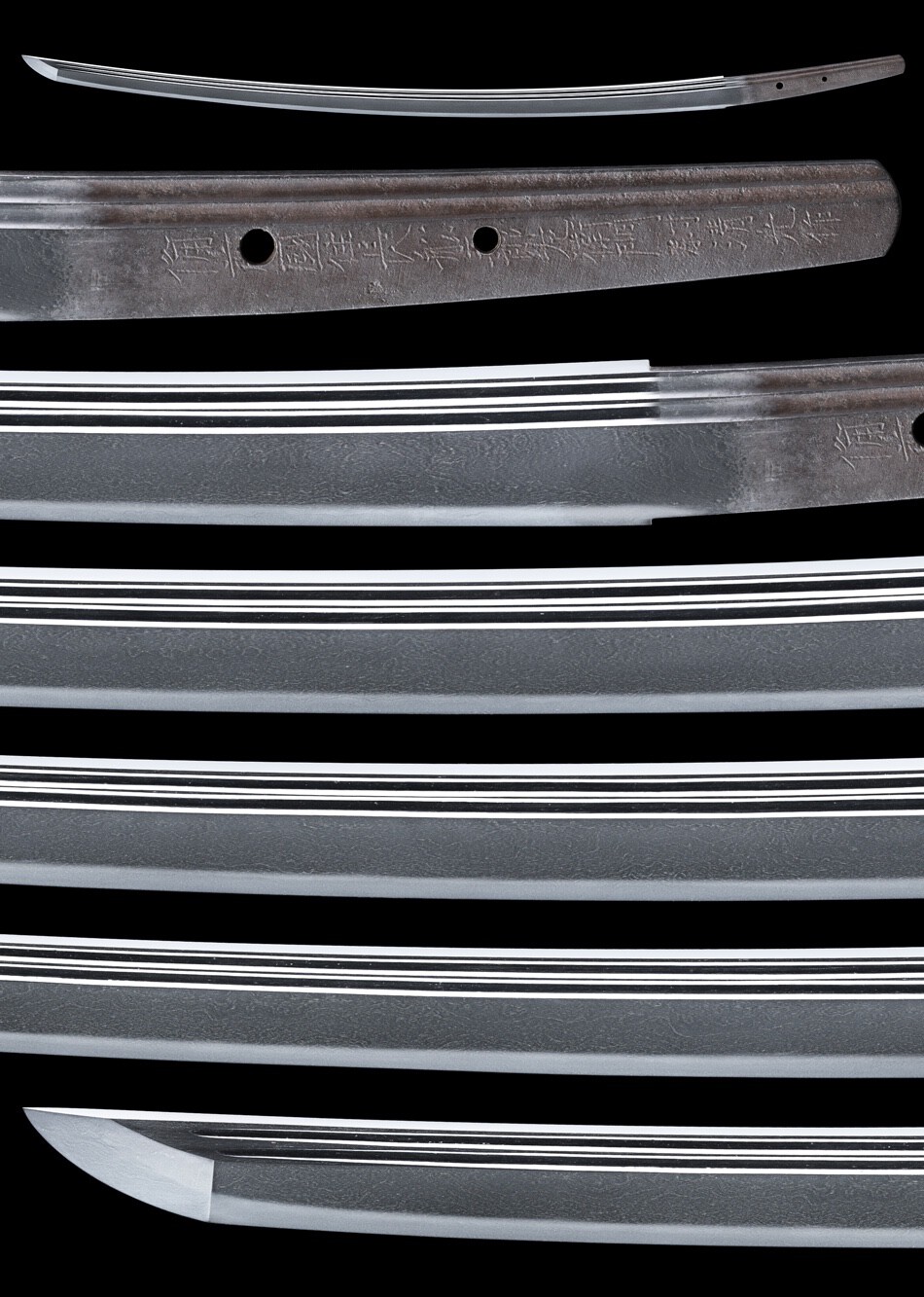
Hello At our auction, we have this tanto coming up, the handle was seized so seeing the tang wasn't possible, but with some more effort and correct tools we got it off and it had this signature, has anyone got any what it says, I'm very interested, sorry for my lack of correct terminology. Any help would be much appreciated.


 1 point
 -
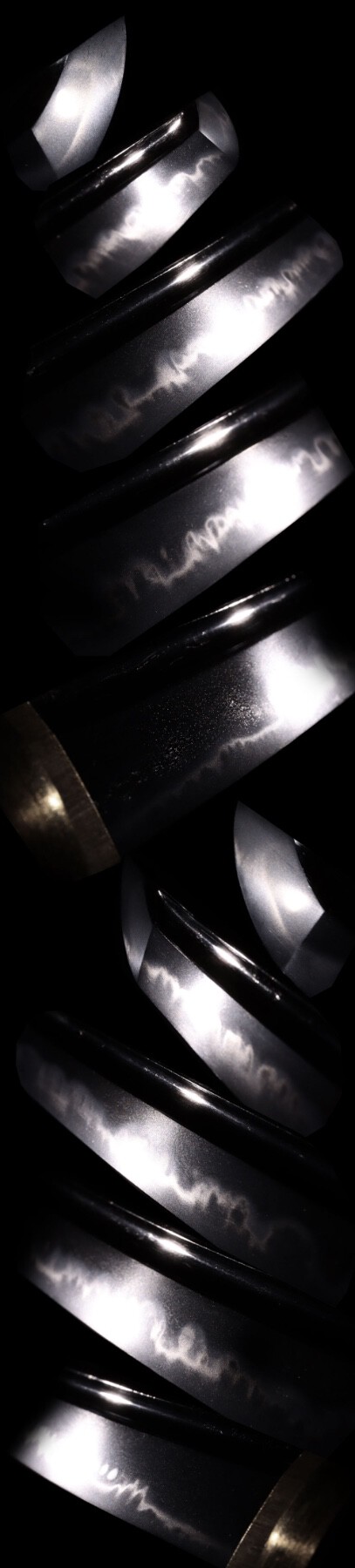
As a regular resident of the Tosogu section I just purchased my first blade (about 2-3 hours ago at time of writing this post) and wanted to share with the forum! The blade is a hozon certified kinnoto (imperial royalist sword) from the Gassan school dated August 1863 by Unzenshi Sadahide. It is a very large katana with a 75cm blade and 27cm nakago. The blade has a lot of weight and thickness to it, I'd say about twice as heavy as an average katana. Aside from the size and heritage of the sword, I really like the lengthy kissaki as well. The blade should make for a fun koshirae project in the future! Let me know your thoughts, I am still a novice when it comes to blades! Here are a few photos:1 point
-
Fuchi: 乙柳軒 味墨 = Otsuryûken Miboku Tantō: 城慶子正明 = Jōkeishi Masaaki 慶應二年八月日 = on a day in the eighth month of Keiō 2 (1866 CE)1 point
-
Here is one of mine with the same style carving Jason
 1 point
 -
Thank you fellas! Seems like they had some casting-mould problems during this pattern transition Very interesting, and something that I will note going forward. I am attempting to make a PDF photo guide of the pattern types including transitional patterns and some of the more subtle features, so things like this are important to include. Still a work in progress. I'd love to consolidate much of the information about Type95s that's currently dispersed throughout many forums and sources. Thank you everyone, it is very much appreciated and helps my efforts greatly. -Sam1 point
-
Hi, I can help. The Mikazuki Kanemitsu sold for over 1.5M$, with the final amount unknown. It was purchased by the wonderful Nagoya Museum "Token World". Not bad, given that it was found in a restaurant in Florida as a wall-hanger. In general, swords of this calibre do not make it to the open market. In the private market, however, such transactions (and above) are not uncommon. Best, Hoshi1 point
-
宗與 – Soyo (Yokoya school) Ref. The Yokoya school in Edo1 point
-
Dear G. Well so far this is not a military sword but rather a katana in samurai mounts. At the top of the page is a link to image resizing software that might help with adding more images but from what we have the scabbard or saya is covered with lacquered same, a type of ray skin. The soft metal fittings on the hilt ar probably shakudo, a Japanese alloy that is usually patinated to a blue=black colour though someone has had a go with the metal polish and ruined that. You need to take the sword apart, a routine process for Japanese swords but this one might be a tad awkward if it has been in storage for a long time. Some research will tell you how to do this but basically there is a single tapered bamboo peg through the hilt or tsuka, push or tap this from the smaller end and when it is out you should be able to remove the tsuka, keep a note of the order in which the parts come off. There may be a signature, there may not but don't do more than a gentle wipe with a cloth and send us the photographs. Looking forward to seeing what emerges. All the best. Geraint1 point
-
Let's add an example related to the topic. In this case, there is no inlay, only a gold coating.

 1 point
 -
Yes, that's right. It becomes perfectly clear when you see it in person. You can tell by the sharp, straight contour lines. Sometimes you can even see the incisor mark (about 50-100 microns thick) When a coating is applied, the contour becomes slightly blurred, and under magnification, you can see the difference in thickness.

 1 point
 -
You open the lid, light the end of the matchcord, and close the lid. The sukashi is for oxygen intake and smoke egress. These are the two candle holders, Left and right.

 1 point
 -
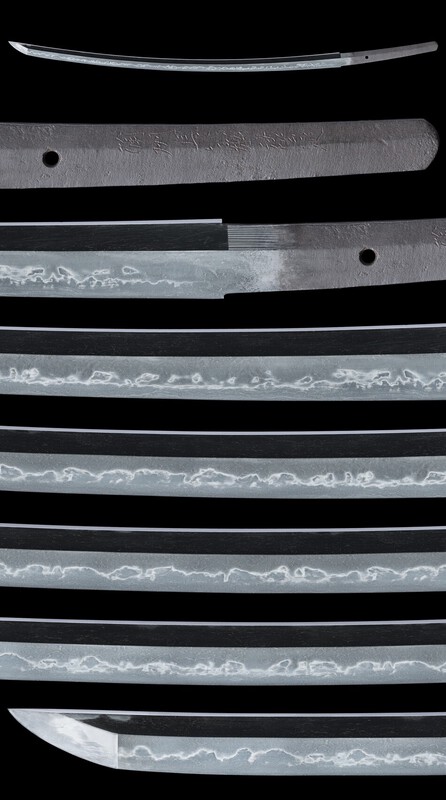
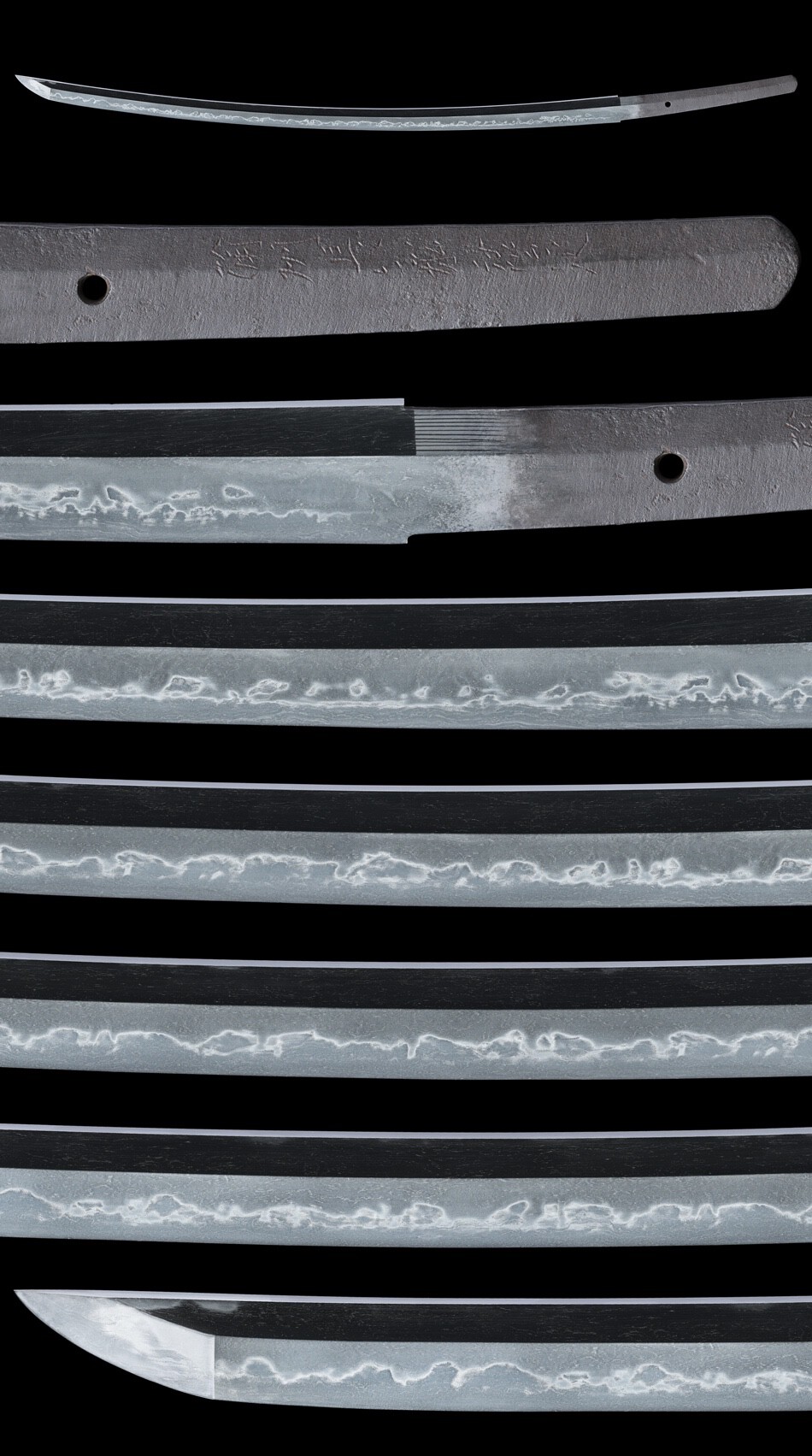
Blade length(Cutting edge): 71.5cm Curve(SORI): 2.5cm Width at the hamachi(Moto-Haba): 3.22cm Thickness at the Moto-Kasane: 0.77cm Wide at the Kissaki(Saki-Haba): 2.55cm Thickness at the Saki-Kasane: 0.60cm

 1 point
 -
It is 100% not an antique and is modern made. That means it could easily be 30-40 years old...but waaaay newer than WW2. Not traditionally made. As Jussi said, a "modern" Iaito, even if it was 40 years ago. Zero chance it's a fighting sword made for the war or earlier.1 point
-
I believe these are the fittings that are on your sword Tsuba: https://www.seidoshop.com/products/minosaka-tsuba-washi-tm001 Menuki: https://www.seidoshop.com/products/minosaka-menuki-kuromon-m013 Fuchi & Kashira: https://www.seidoshop.com/products/minosaka-fuchi-kashira-higo-karakusa-fkm105 I would assume it is an iaito, and possibly made by Minosaka brand. I think many places sell these, for example Tozando, Seidoshop etc. You can see Tozando Higo Koshirae iaito has these same fittings but different tsuba: https://tozandoshop.com/collections/minosaka-iaito/products/minosaka-higo-koshirae-iaito however for long time it has been possible to customize iaito, so you can see the selectable basic tsuba options have the Eagle tsuba as 1st one in options. Also when you showed the 2nd nakago picture on the side without markings to me that looks like the iaito nakago I have personally seen. Unfortunately I haven't really been checking martial arts equipment for last 10 years or so as that is not my thing.1 point
-
The similar black ‘patina’ on the habaki and seppa makes me think it is not old. Hard to see much in the photos. Try taking it to a sword show for certainty. OK, we get it’s not brand new, but 30 years, 40 years, 50 years is nothing in the life of a Japanese sword. All modern.1 point
-
I have created this section (on a trial basis) to archive all swords (we will look at fittings at a later date) that turn out to be fakes, from the worst kind of junk to the more modern and clever fakes. This is NOT a place for people to ask about their swords. Swords that are posted elsewhere that turn out to be verified fakes/clones/reproductions will be moved here. This accomplishes 2 things. 1) Fakes won't take up discussion space in the Nihonto/Military sections, and 2) People who are newcomers to this will have a place to learn from by browsing the posts, and seeing pictures of what to look out for. People may post external links and discuss fakes from elsewhere here, but only for educational purposes, advising what to look out for and the pitfalls. There are a few pages on the net briefly discussing fakes, but with such a wide variety of things to look out for, a comprehensive section advising on the things to watch out for is needed, and would be valuable to those who are starting out. I would like this section to only contain verified fake swords that are not disputed. This can range across the board, from "Damascus" serial numbered junk that is blindly obvious, to the suspected modern made Thai or Chinese swords with gimei signatures intended to deceive. It is NOT intended for gimei or poor condition Nihonto, or anything that may have fake mounts but a genuine blade. It is purely for swords crafted to fool buyers at any level. As mentioned, I am trialing this section to see if it is useful. Please follow the usual rules and remain respectful. If people purchase fake swords, after verifying they are fake, they will be moved here to assist others in future. As always, buyer beware and it is far better to ask before purchasing than find out you made a mistake after. - admin -1 point
-
I'm eating in the wrong restaurants.0 points














.thumb.png.4c5df79fec171b2dc4a23af38e280a4d.png)






This leaderboard is set to Johannesburg/GMT+02:00