Dave R
-
Posts
1,691 -
Joined
-
Last visited
-
Days Won
11
Content Type
Profiles
Forums
Events
Store
Downloads
Gallery
Everything posted by Dave R
-
Traditional Chinese military swords often have writing on the blade, unit designations, location, date and etc. They carry this practice over to their fakes of Japanese swords.... thankfully!
-
Broken down for ease of shipping, or the saya rotted away?
-
The Kabutogane looks to have been made from copper pipe, so definitely a field made piece in that regard. I am wondering about O-suriage, or very bad corrosion to the tang.
-
My first thought was that it was from our old friends the Pembela Tanah Air , but the blade shape and habaki etc are too good. A real katana repaired after serious damage to the hilt? Or a decent job copying such for a new made officer?
-

Folded paper under tsuka-ito... doesn't look like hishigame?
Dave R replied to WilBru5's topic in Military Swords of Japan
I could be wrong, (I often am) but to me that looks like a sloppy amateur re-wrap. -
I have no idea of the distribution of these. I posted a question about this very thing some time ago on this forum, but there was little interest, and little response.
-
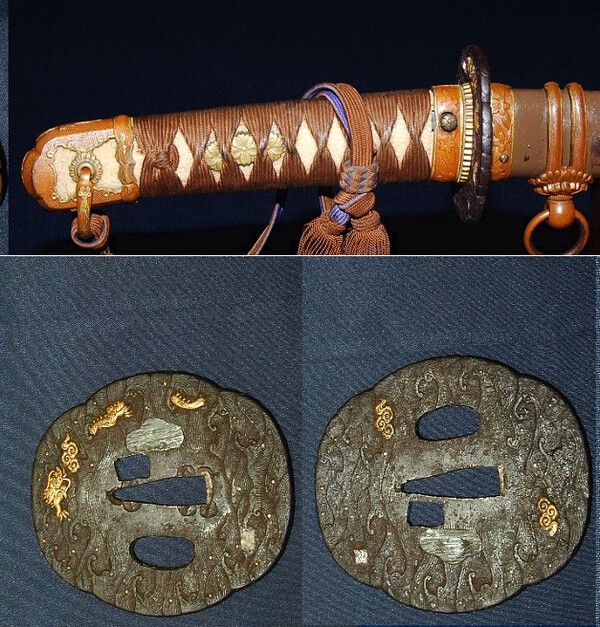
Getting back to tsuba, one intriguing thing I found was how often even a regulation metal saya mounted blade had a non standard tsuba. As for the field scabbard types.........
-
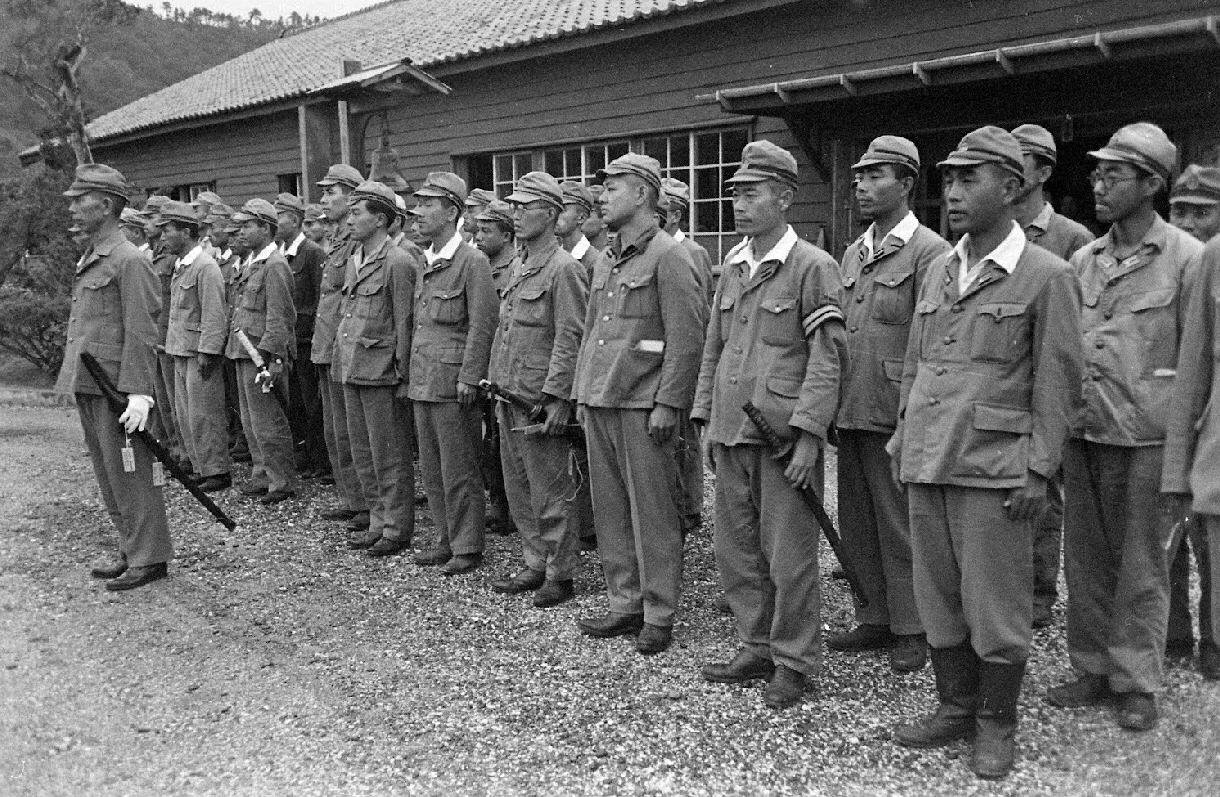
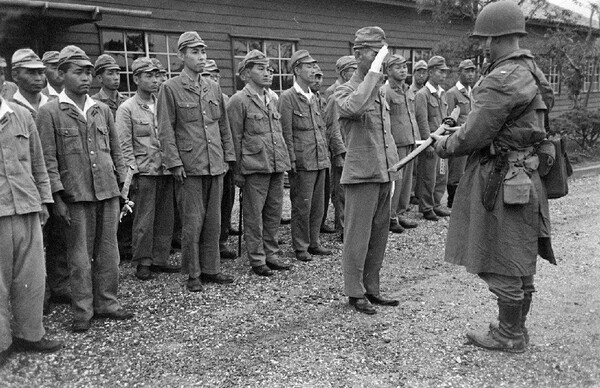
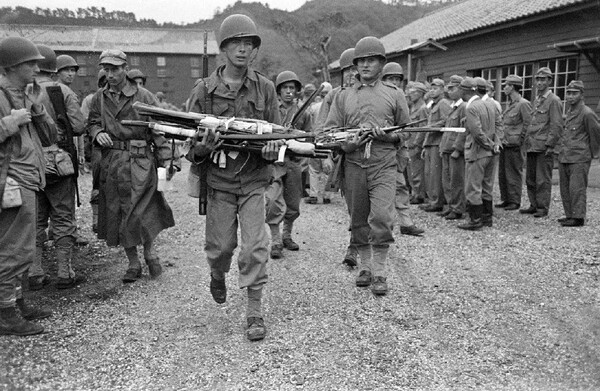
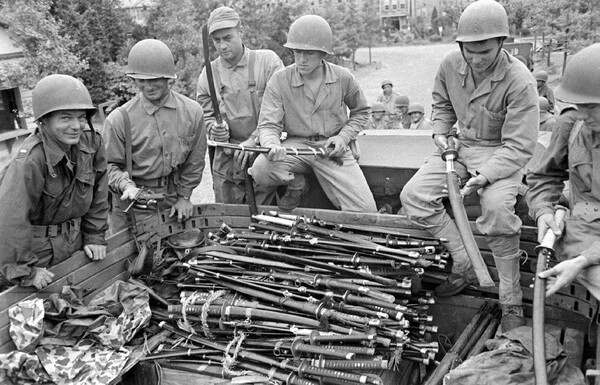
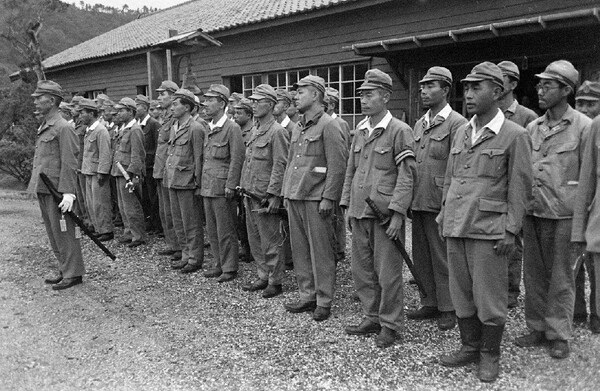
1945 and surrendering to US marines..... More photo's from a fairly famous set. Very useful for the variety of swords shown, from a credible and dated source.
-
Remember, these guys were Navy personnel, (Yokusuka naval base) and look at the variety they carry.
-
That presumes that the "new" nakago follows the line of the the old blade.... It may very well be heavily reshaped.
-
I would describe myself as an enthusiast and a collector, rather than a scholar, though there are scholars here indeed.
-
I put the link up because there is a lot of information on the site if you follow up on the links from it. I have had a look at the book and it's reviews, but not bought a copy myself. I have used the information from the pdf' accessible here to repair and redo the ito on a couple of my own swords. I have also had a lot of information from the gallery. It's just a very useful and educational site in general.
-
Dredging things up from the depths of my memory... But I remember reading about the different virtues of the various styles of Tsuka Maki. One point made was that the style and quality of the Same had a lot to do with what would and would not work on the tsuka. I think it might have been somewhere here, which is a good place to peruse anyway. http://www.tsukamaki.net/tsuka/
-
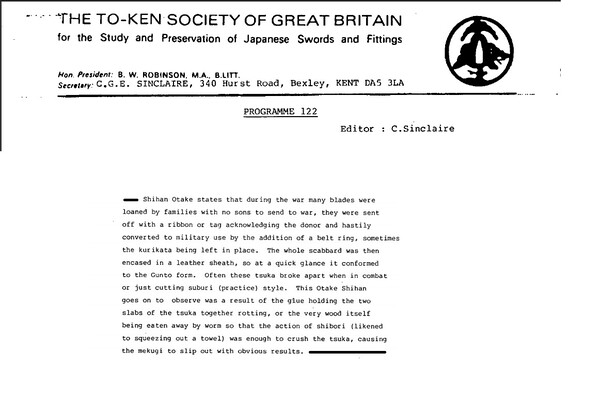
It looks like a traditional Samurai era sword taken to war, World War 2 in fact. Not exactly common, but far from unknown.
-
The most likely reason for all the oddities and discrepancies is that it is an assemblage of parts, possibly during the war, probably post war. Either scenario is likely, swords were damaged and repaired in the field all the time, using what was to hand. The same think is done by collectors (cough) and dealers to complete damaged or stripped swords.
-
People are always saying this, "if only they could talk"! Frankly, given what the Pacific campaign was like, and "the Great Eastern War", you should thank G'd that they are silent.
-
Being the sort of obsessive geek that I am, I went looking for Ryuichi Yokoyama and found him here. http://culport.jp/mangakan/english/life/life.html What made the search difficult is that he is far better known for his art work than his career in WW2.
-
We have a few practitioners and ex-practitioners in our branch of the To-Ken, and everyone of them has a story of the day they ended up in hospital with an accidentally self inflicted wound.
-
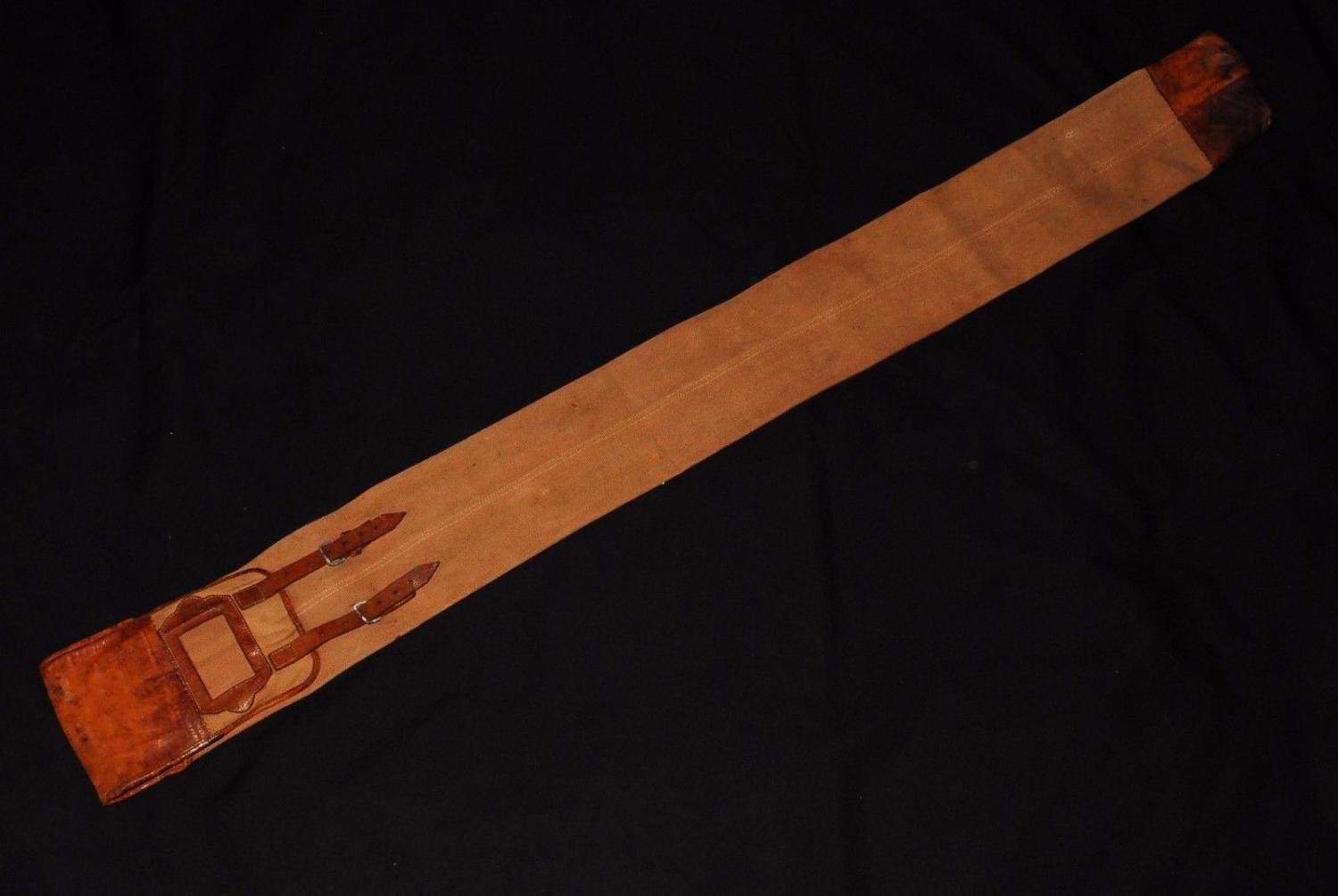
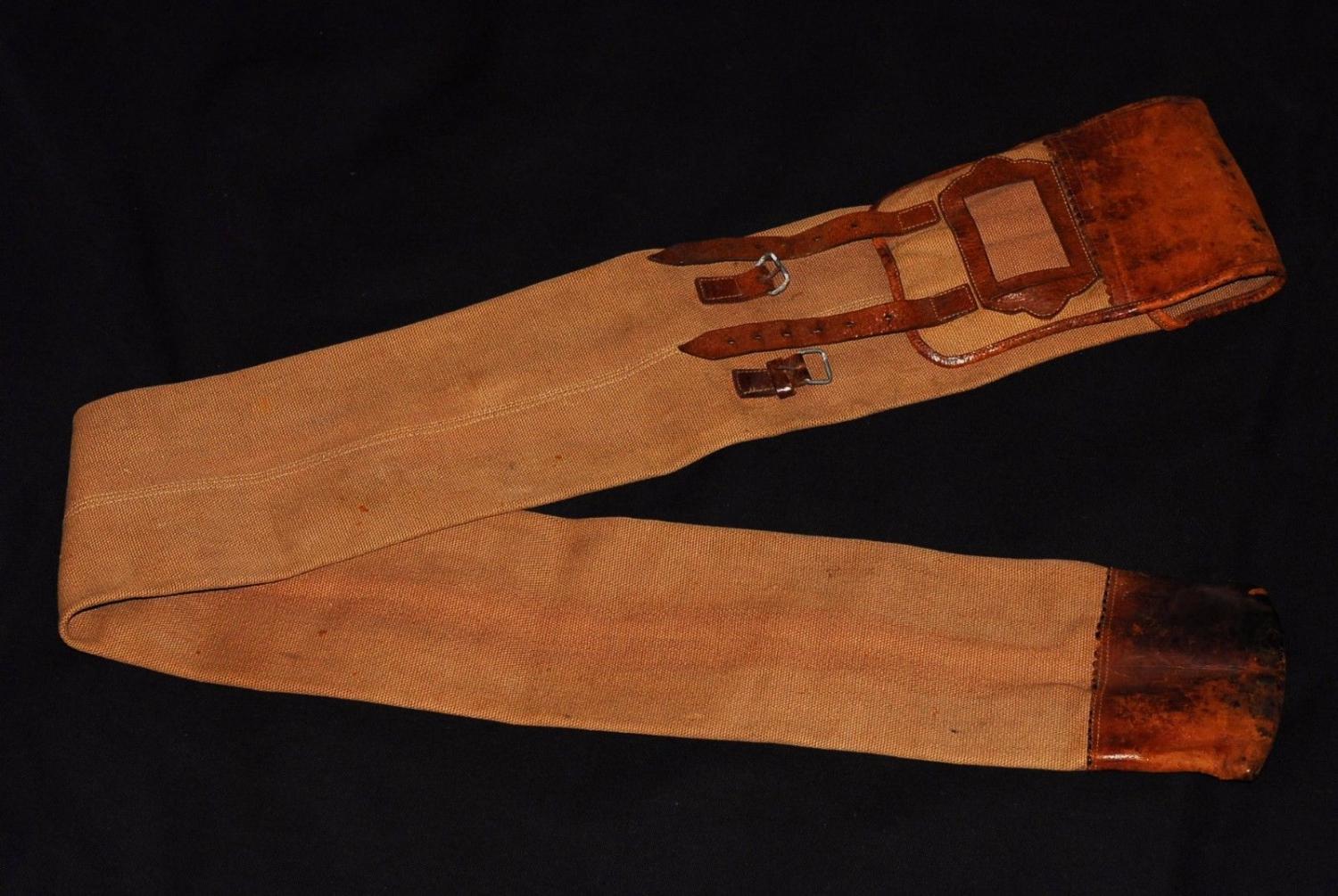
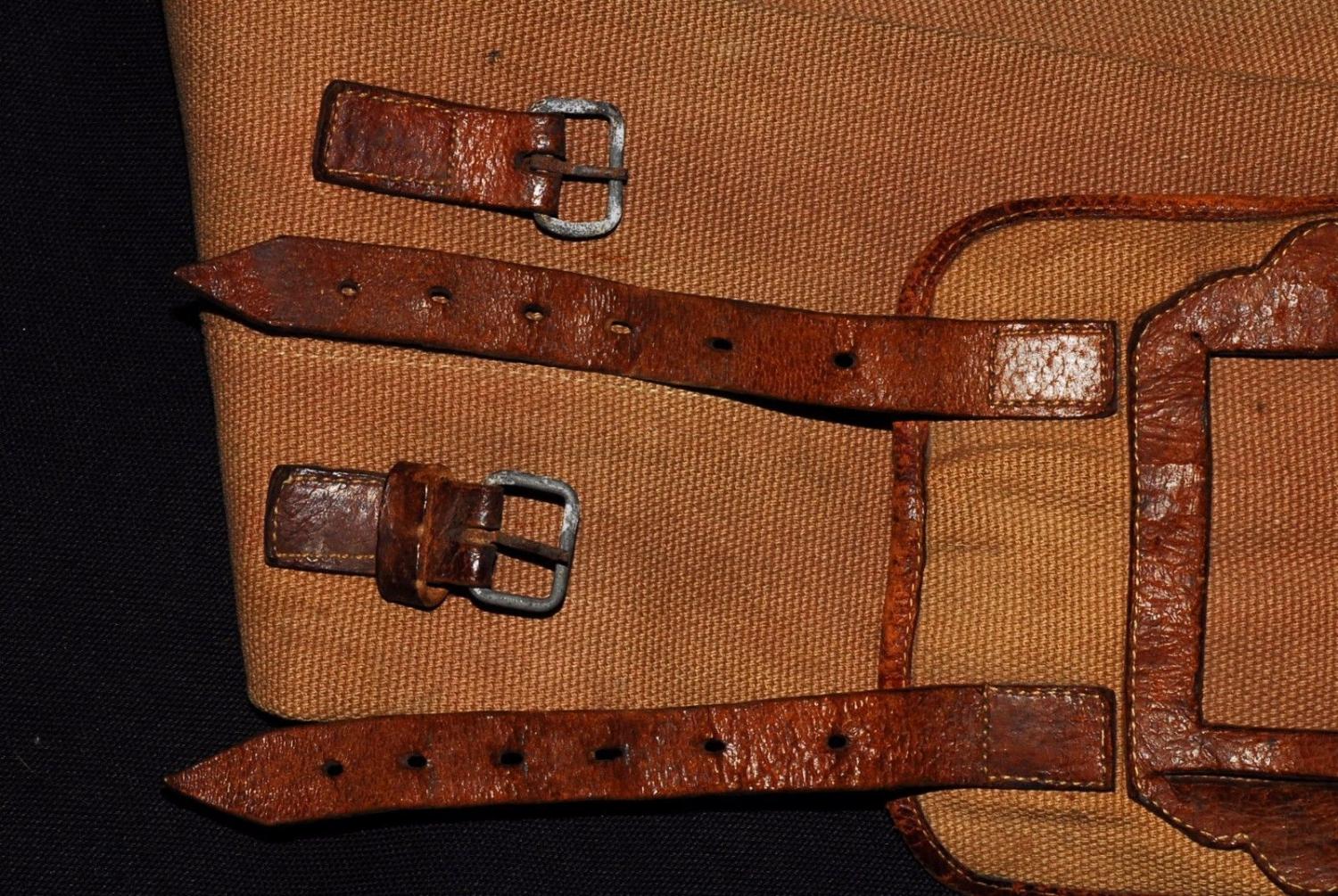
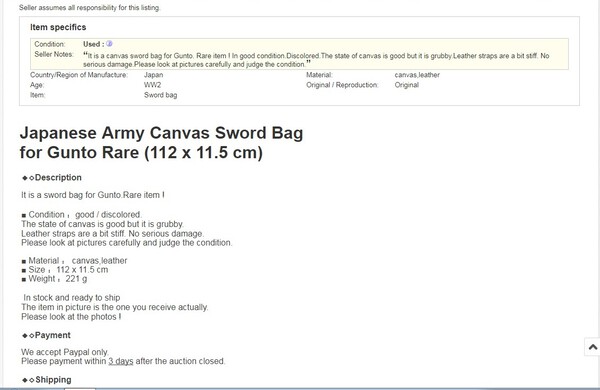
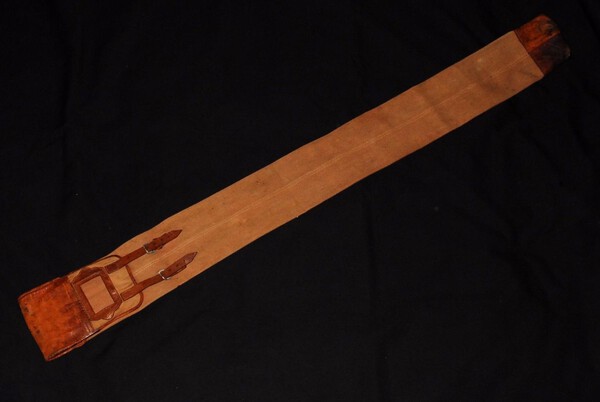
I make no claims on the authenticity of this item, I do not own it or the photo's. Shared for educational purposes only.... I thought it worth saving the pic's though.
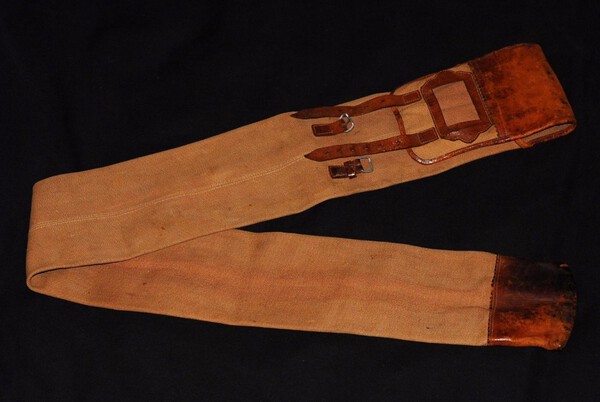
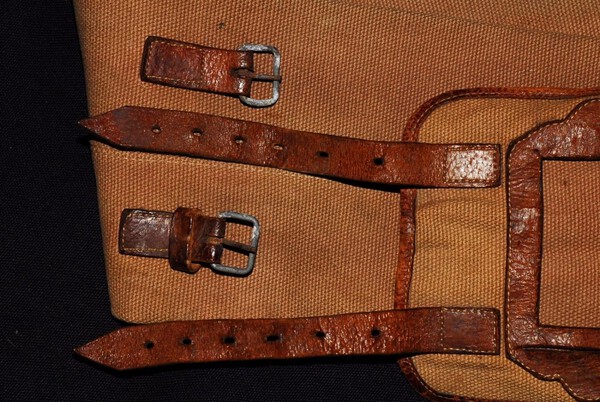


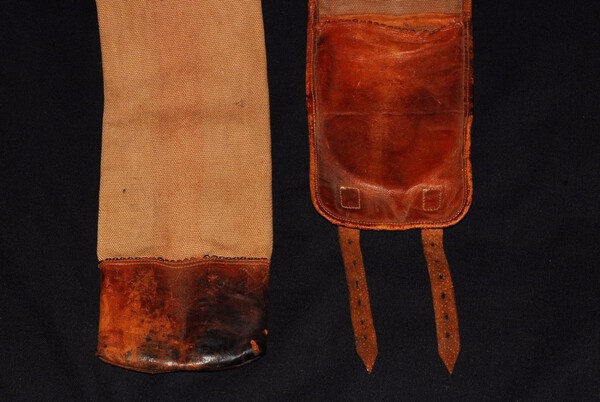
-
There are quite a few Showa era "Wakizashi" around, and I doubt they were made as part of a Diasho. I use the inverted commas because the modern definition by length is just that, a post 1945 definition used by the occupation forces. Perhaps a better term would be Shoto, or even Kodachi as they were not thrust through an Obi, but hung from the belt with a haikan on the saya.
-
One of the stories I was told about these, is that they were made as "cutters" for martial artists in Japan. When they get a bend or a chip, they go to Komon jo. I have no idea if this is true, but the source for this was someone who went to Japan on a regular basis, and was involved in sourcing and buying Japanese antiques. I have no theories or stories about the Mei.
-
When I decided that I wanted a gunto, I sat at my computer and searched every damn site I could find for information, before I bought my first example..... I am in no way an expert, but I am a well informed tyro.
-
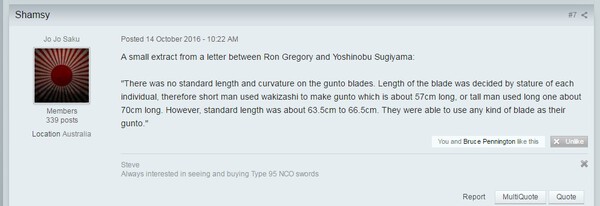
Officially they start a bit shorter than that, and unofficially they can be much shorter. The late war buying programme for civilian swords was accepting the longer wakizashi. Below an extract from another thread on this site.
-
I belong to a couple of different clubs where Nihonto often go on the table for discussion, and the general opinion is that you only see the blade in it's last set of mounts, never the first... With the exception of Showa Gunto, and even then, not always.
-
There's a lot of remounted blades in type 98 mounts. Any blade made before 1934 is going to be a remount, and there are swords made after that date that started in Buke Zukuri koshirae, and were then put into Shin Gunto a few years later. There is also the factor of repaired swords, with the hilt being one of the most frequently damaged parts.