Dave R
-
Posts
1,691 -
Joined
-
Last visited
-
Days Won
11
Content Type
Profiles
Forums
Events
Store
Downloads
Gallery
Everything posted by Dave R
-

Sharpness of a sword? Auction problem
Dave R replied to vajo's topic in General Nihonto Related Discussion
No need to get complicated, just include a whetstone....
-
Difference between Han-tanren-to and Sunobe-to
Dave R replied to djcollection's topic in Military Swords of Japan
The rail track swords are quite well known, and researched, but a bit of a digression here. My take on some of these Showa blades is that they were modern steel folded to give an obvious grain, possibly even several different steels for contrast. I would put Amahida's mixed metal specials in the same category. The were not art swords, but pre war were made as aito for martial artists for use as "cutters, and in wartime as something a bit "better" than plain steel. I would say that quality of polish was another factor, early Showa there were problems with such, and one of these blades would look quite handsome in the hand even with a less than perfect polish... and if you are cutting you don't need or want a perfect polish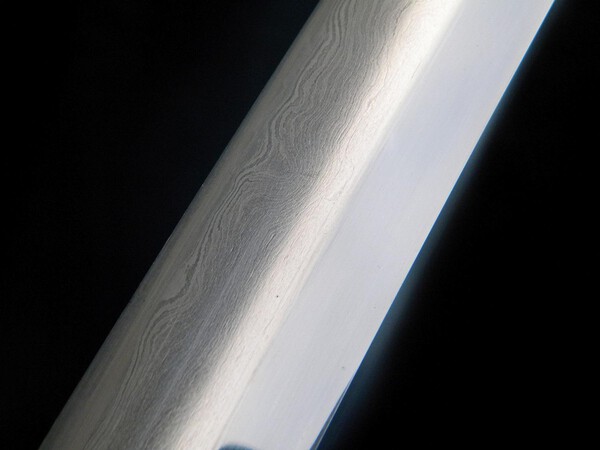
-
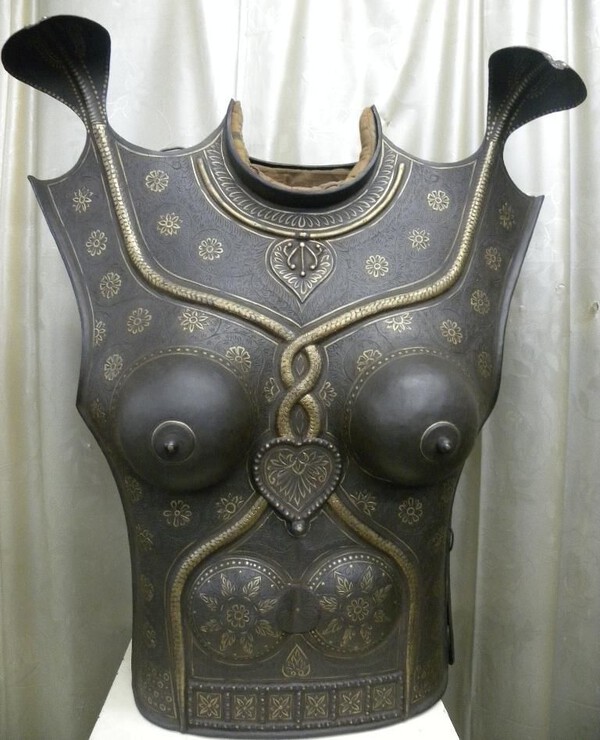
Possibly one of these originally.... Which as far as I know is Indian temple armour.
-
Difference between Han-tanren-to and Sunobe-to
Dave R replied to djcollection's topic in Military Swords of Japan
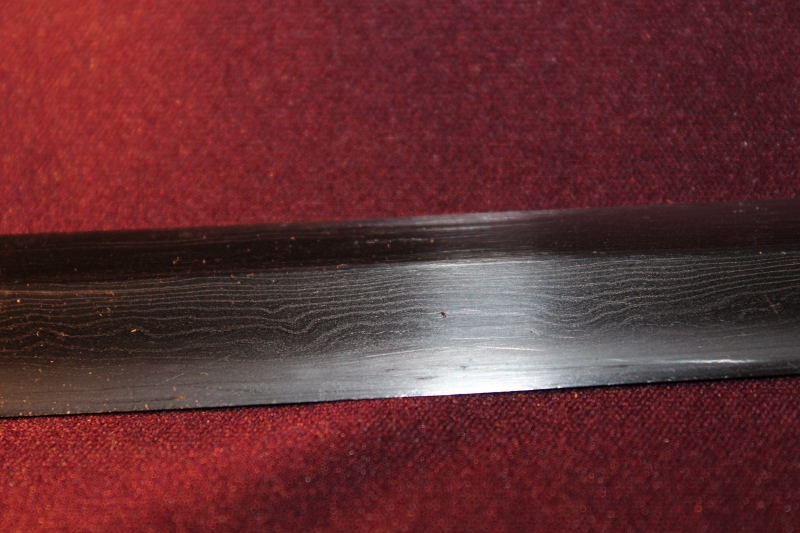
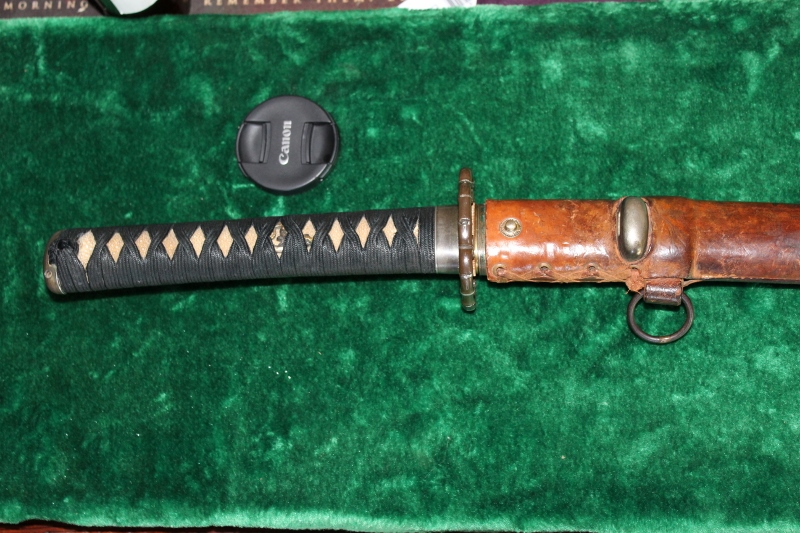
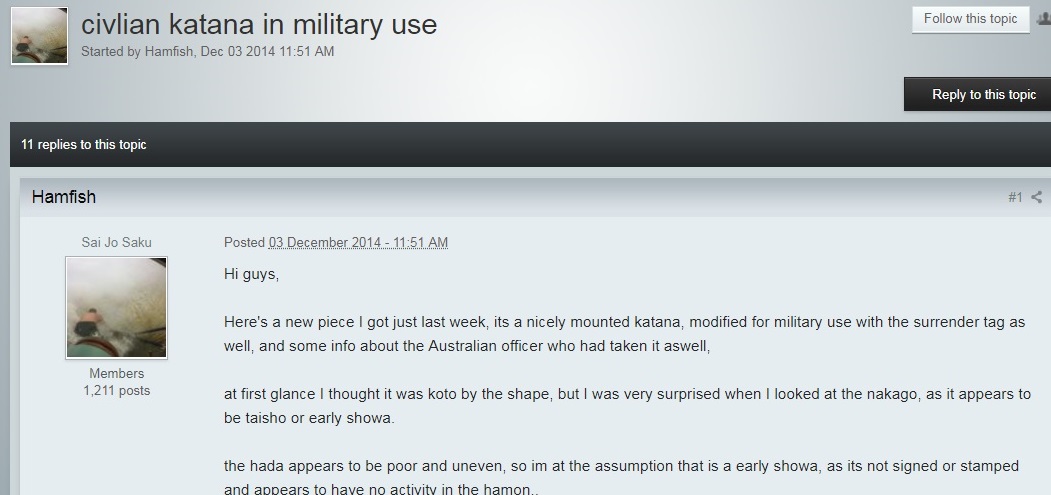
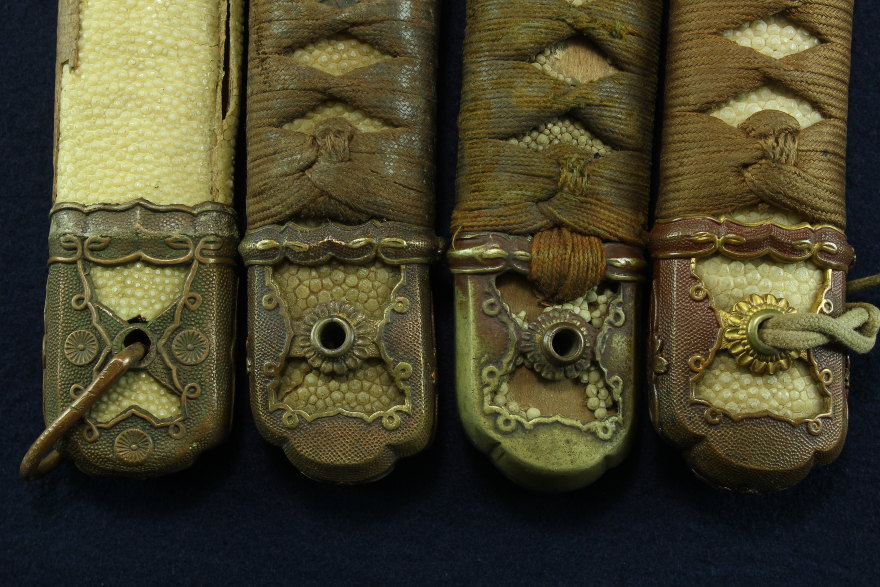
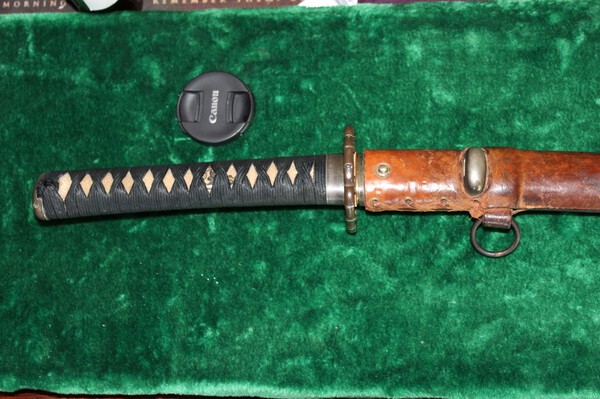
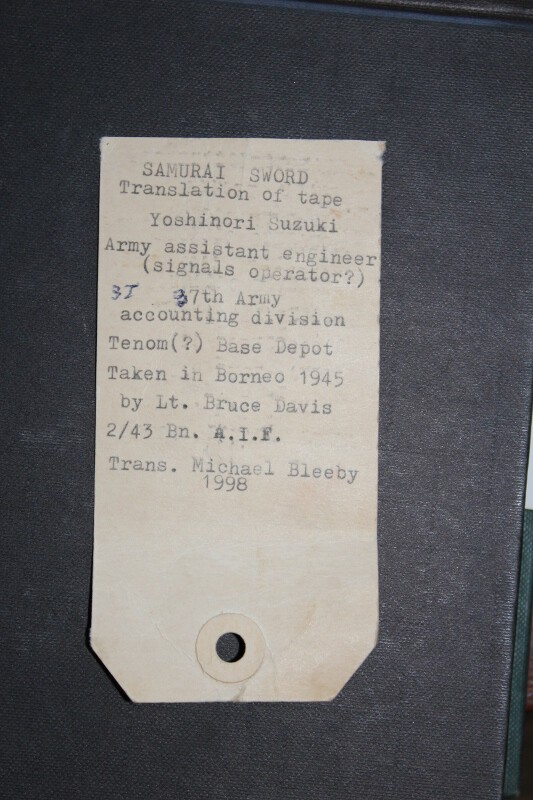
Got a PM from Hamfish, and he is OK with me posting his pics from my files.... This is possibly the most classic example of a Han-Tanren you are going to see. Made as an Aito with Showa era Buke Zukuri mounts, and then militarised for the war.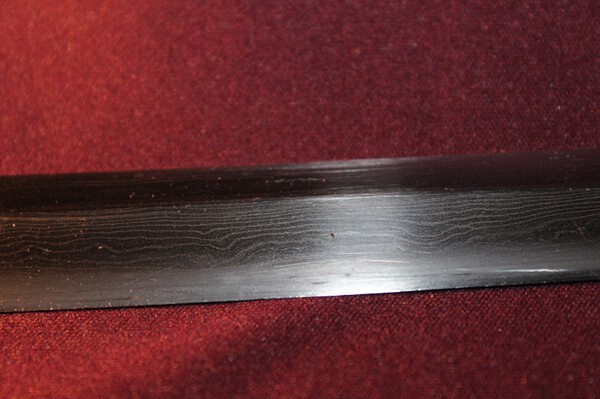

-
Difference between Han-tanren-to and Sunobe-to
Dave R replied to djcollection's topic in Military Swords of Japan
If you are OK with it, I can post them from my files......... -
Difference between Han-tanren-to and Sunobe-to
Dave R replied to djcollection's topic in Military Swords of Japan
If you are looking for a term to generally describe a sharp blade of no antiquity ..... https://en.wikipedia.org/wiki/Shinken All the other terms are defined quite nicely by Usagiya which is a Japan based shop for Nihonto. They also provide a polishing service and even blade smithing . http://www.ksky.ne.jp/~sumie99/profile.html -
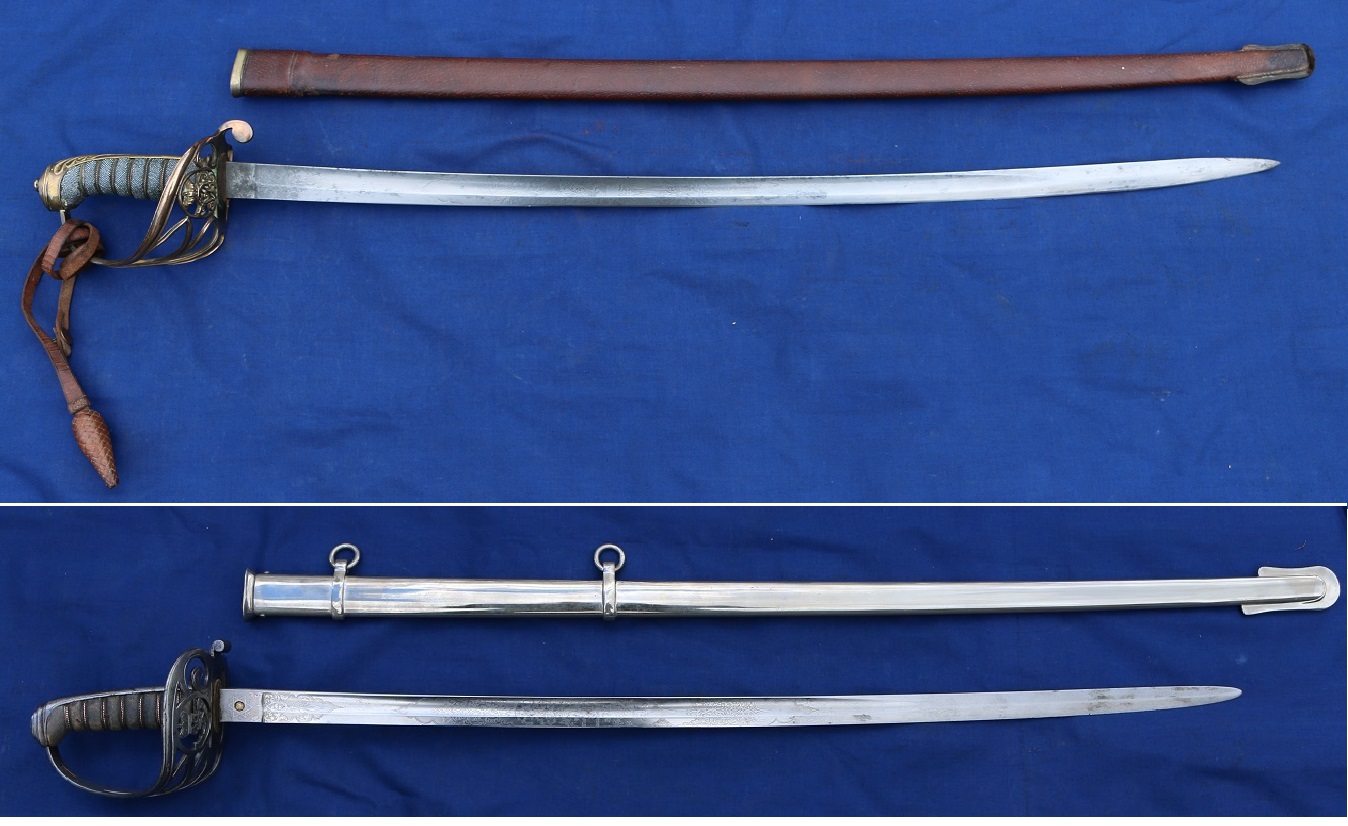
In the British army swords came with two scabbards, a bright polished metal one, and a brown leather covered wooden one. These were defined as being "dress scabbards" and "field scabbards". To the best of my knowledge (happy to be informed otherwise) Japan was the only other country to adopt this practice. I wonder how many Shin Gunto came with two scabbards in the British fashion?
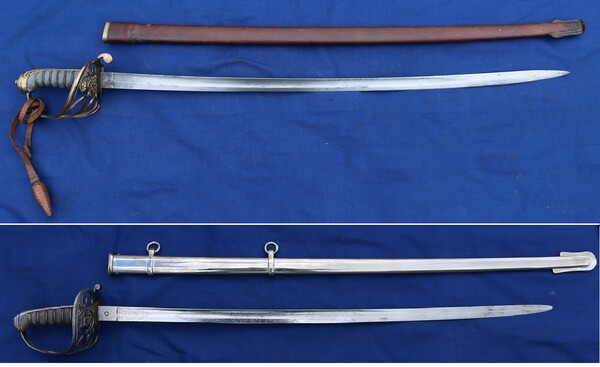
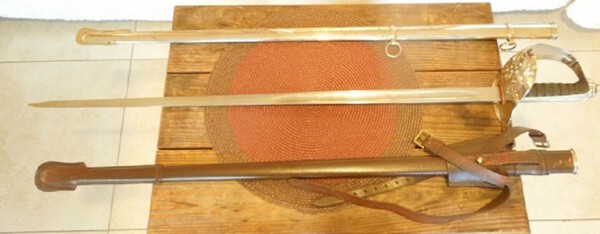
-
What I took away from the post, is that this was how the terms were to be written! Pronunciation is a whole other mine field......
-
Difference between Han-tanren-to and Sunobe-to
Dave R replied to djcollection's topic in Military Swords of Japan
In the end, you have to look at the entire package, and if you are lucky you might have a decent backstory to validate the blade..... I do wonder though, if han-tanren blades have influenced the Chinese fakers in their blind imitation of "Damascus"? -
I always have!
-
Difference between Han-tanren-to and Sunobe-to
Dave R replied to djcollection's topic in Military Swords of Japan
A nice exposition here... http://www.ksky.ne.jp/~sumie99/sunobe.html -
Difference between Han-tanren-to and Sunobe-to
Dave R replied to djcollection's topic in Military Swords of Japan
Yep, but if you study them you can see the difference. If you are "in to" Showato, it's worth getting to know them. -
Difference between Han-tanren-to and Sunobe-to
Dave R replied to djcollection's topic in Military Swords of Japan
Most Han-Tenro- to (half forged swords) are Showato "Aito" often in Bukuro-zukuri mounts, then sent off to war as the sword shortage bit harder. I rather like them, and would in fact swap a nihonto wak' for one. Not just a short-cut but I think a sword made for a popular audience, easily discerned "grain" a decent cutter, and at a popular price... and an anathema to a modern nihonto collector. -
It's not like this will cause any upset... http://www.warrelics.eu/forum/Japanese-militaria/sword-terms-spelling-bee-ija-way-755564/
-
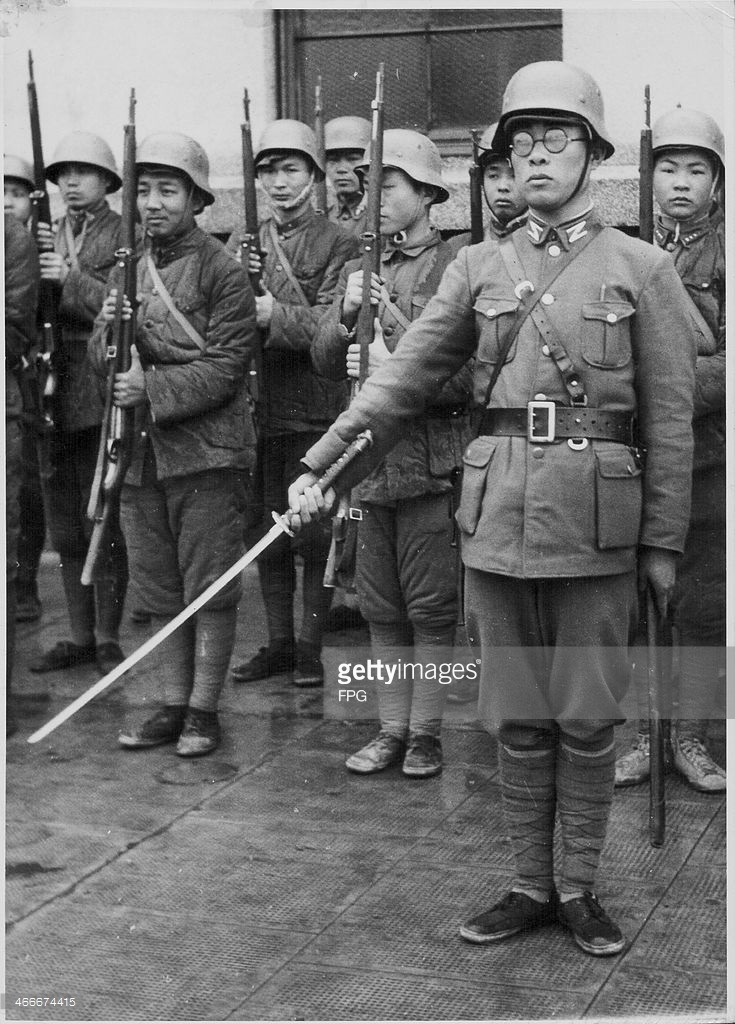
I have seen similar online, but better quality mounts, and my guess is Manchurian army or possibly Ta-Tao collaborationist officer. Not Japanese, but still collectable militaria. One photo is from a seller based in Japan, and the other is a Getty image and original WW2 era photo of Ta-Tao troops.
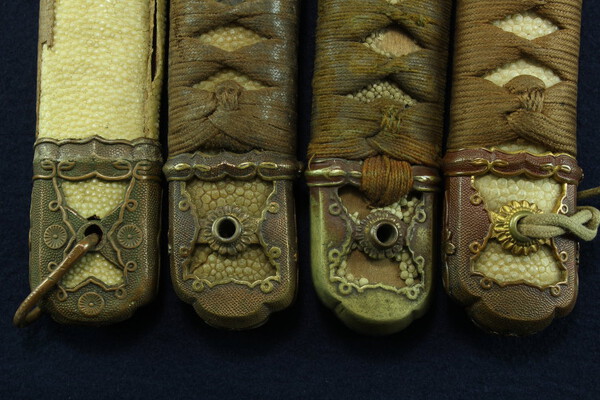
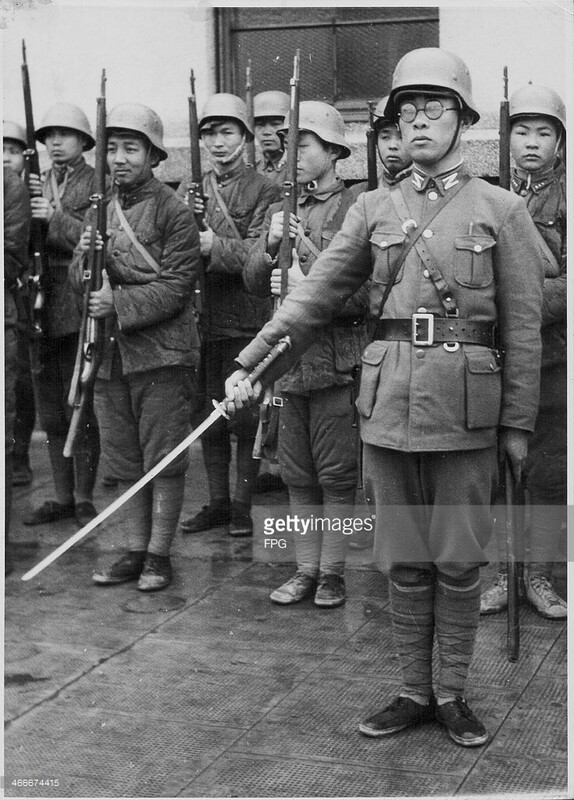
-
Difference between Han-tanren-to and Sunobe-to
Dave R replied to djcollection's topic in Military Swords of Japan
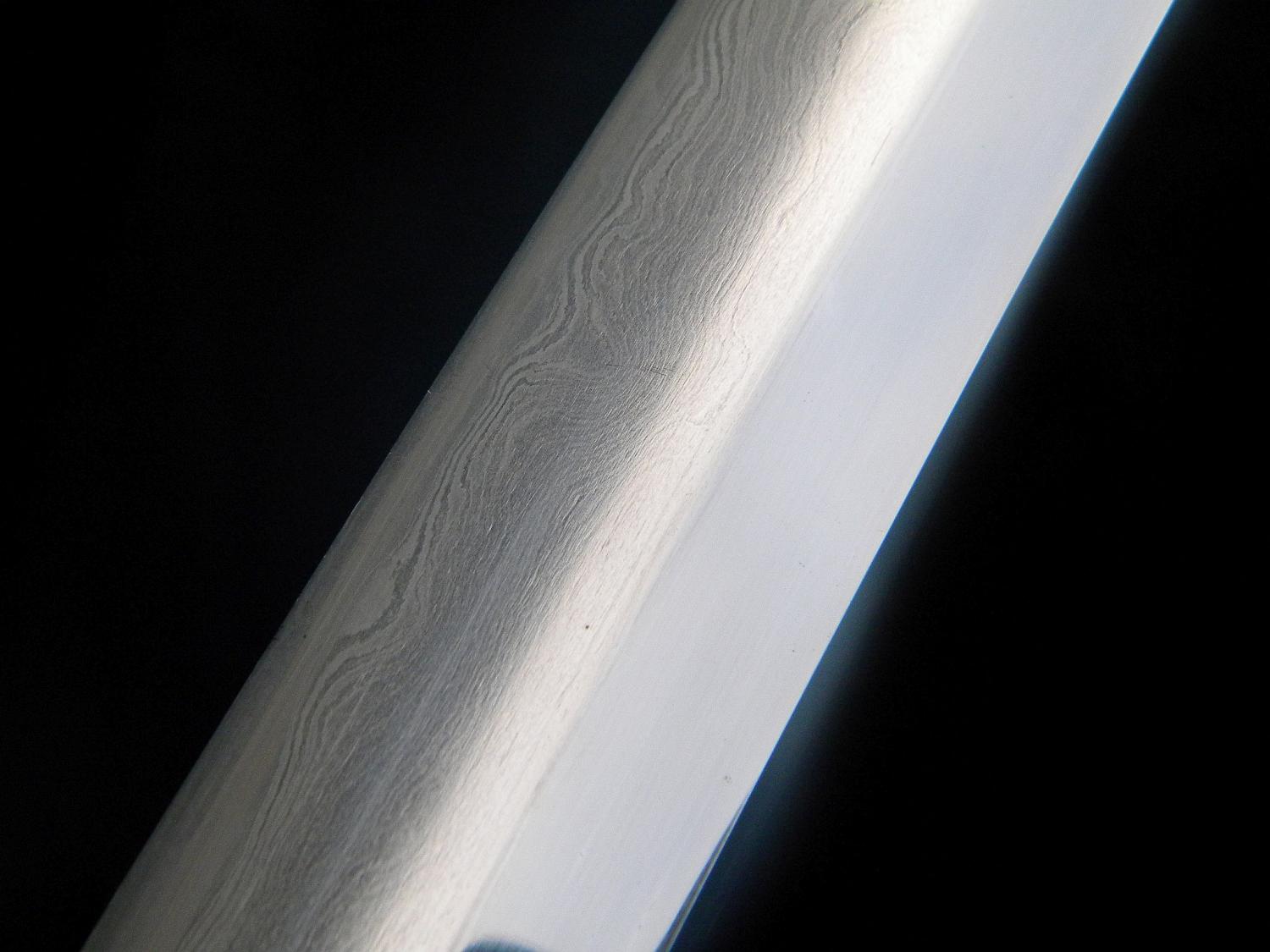
"Hamfish" has an excellent example of one of these, but I will wait for him to post pic's and looking at that and others, the most obvious difference is a very clear and coarse grain, possible even to mistake for a modern Chinese damascus.... as has happened on this site. I think a fair few of Amahida' swords fall under this description as well. This pic' is from an online sellers page.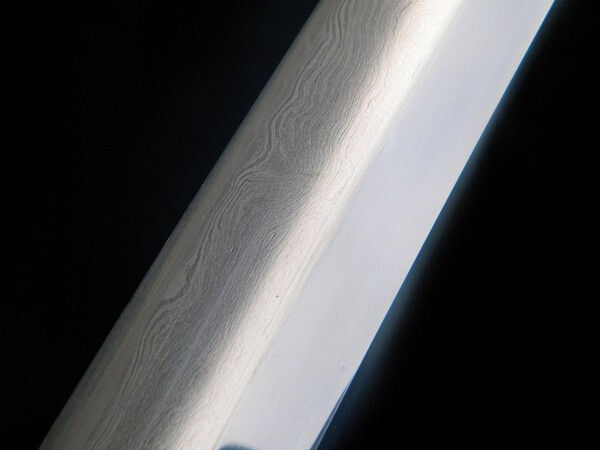
-
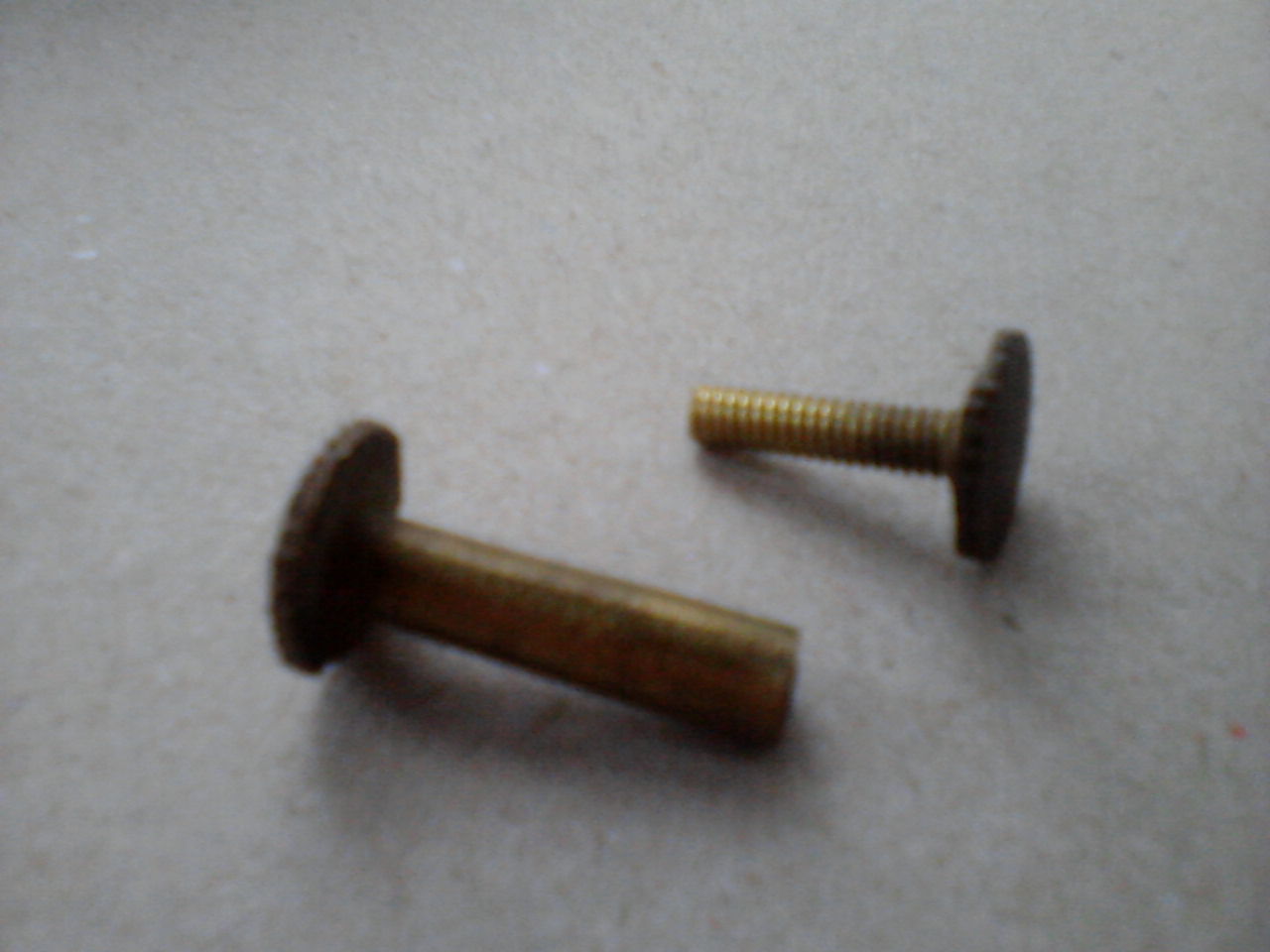
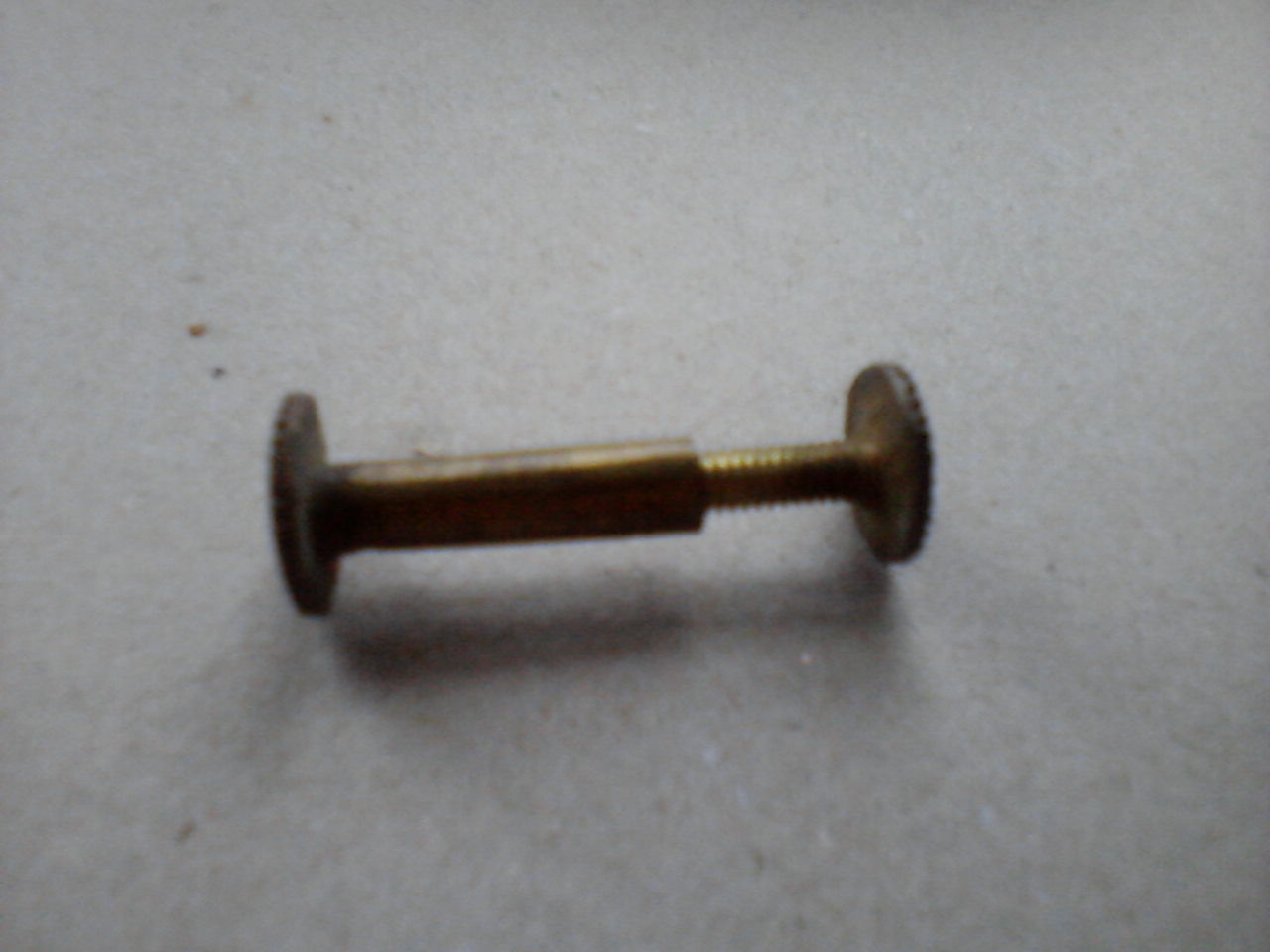
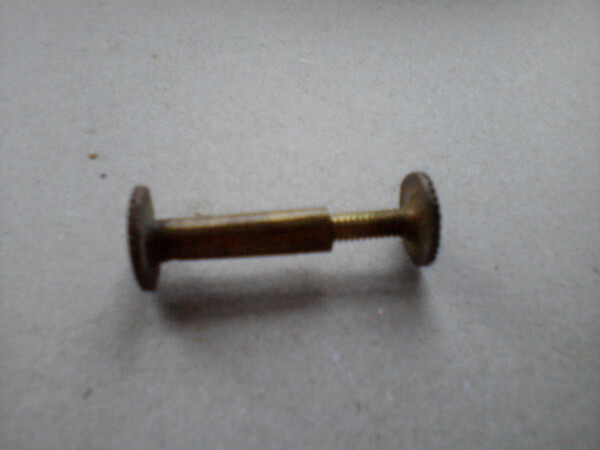
I think what you have there is the two piece metal mekugi (retaining pin). The older style is two pieces, one of which friction fits inside the other. The later style has the narrower piece screw into the other.

-
Sharpness of a sword? Auction problem
Dave R replied to vajo's topic in General Nihonto Related Discussion
That is bloody ridiculous, a perfectly decent katana at what I would consider a bargain price, and he complains! Both buyer and auction house are idiots. -
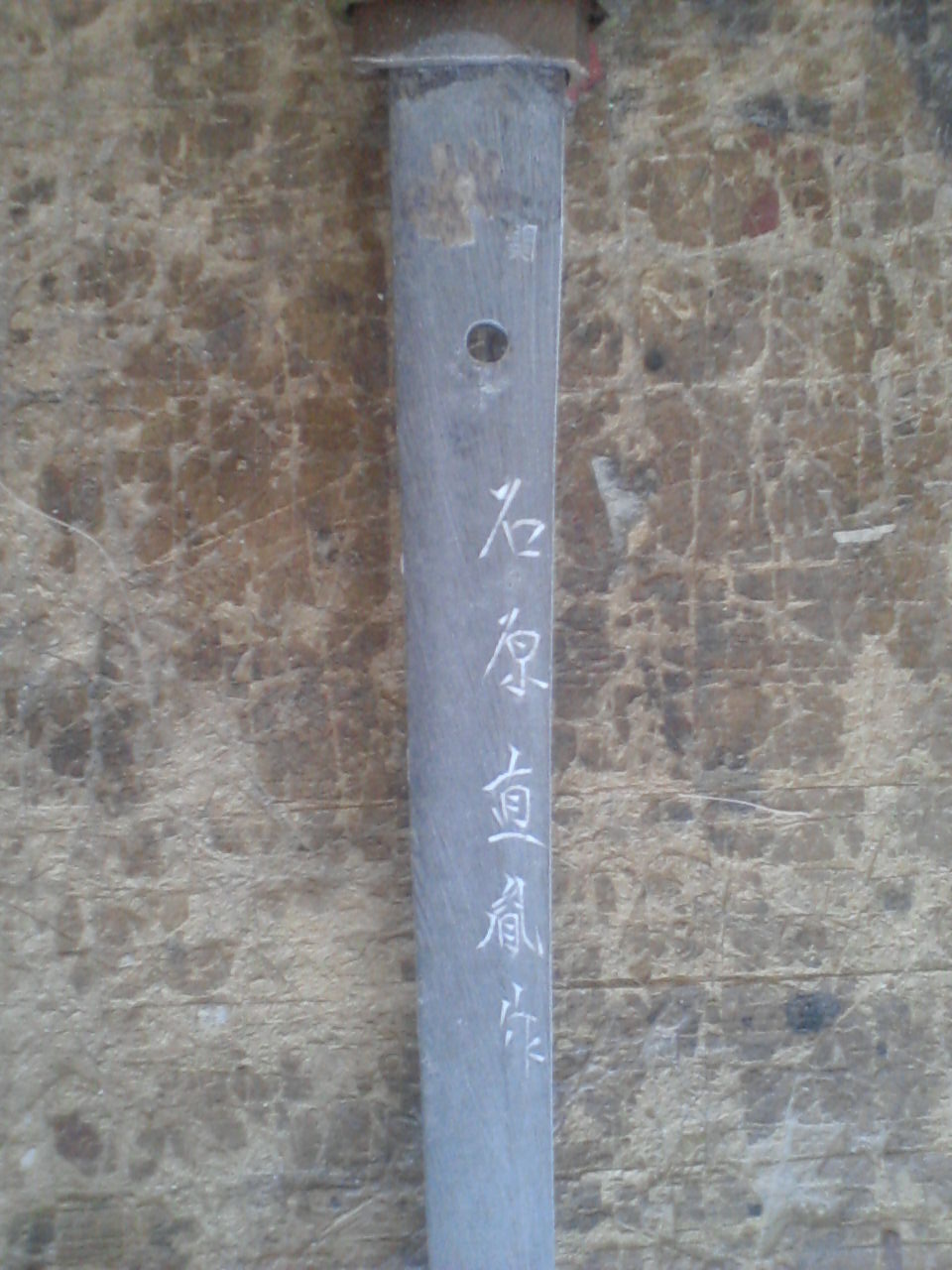
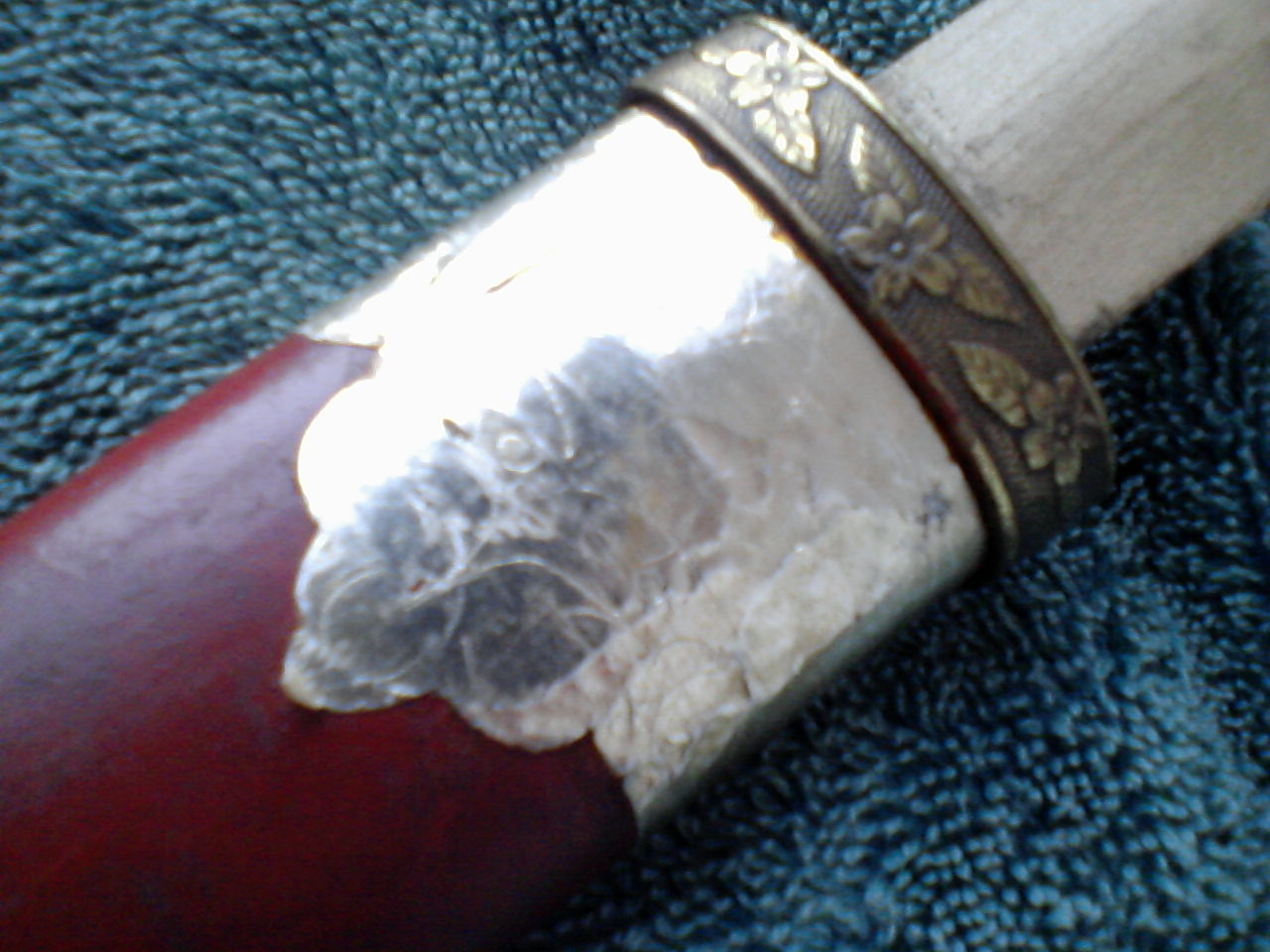
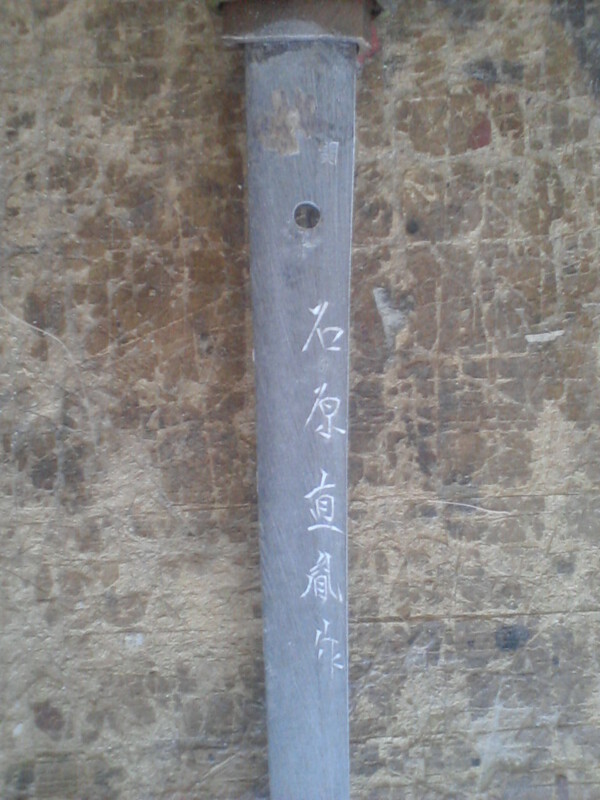
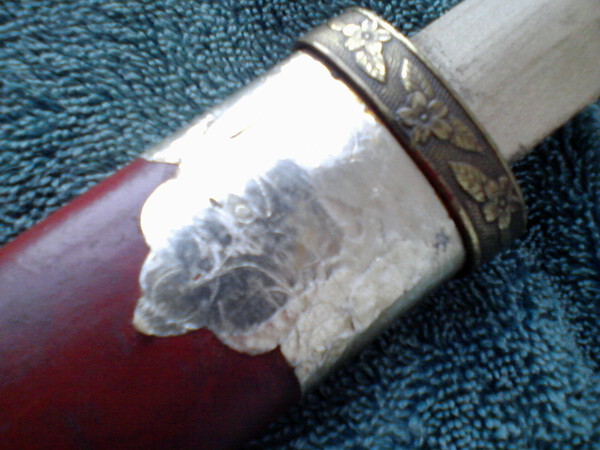
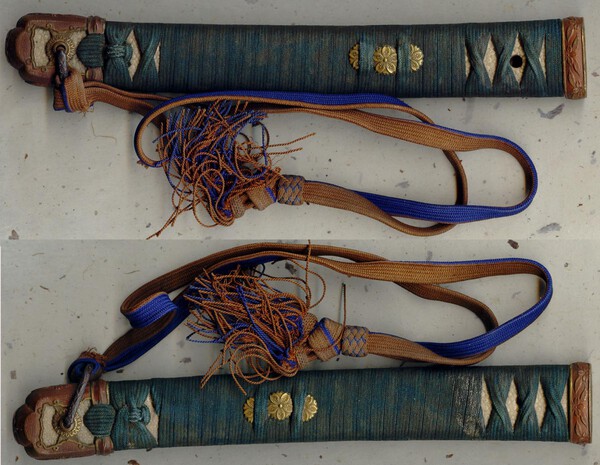
Interesting. I am currently fitting out a blade in a deep maroon metal saya, and that has me now considering a deep green/blue Ito instead of the usual brown khaki colour. The blade is by Ishihara Naotane with a Seki stamp, and the Saya has a gold foil label at the mouth.

-
You might like this one then, from Thomas Buck's site....
-
Click the link and read on, but it states in the quote shared, ." Officer gunto production also lost all blade workshops, both within the arsenal and at private companies. " So it would seem that Officers 98's were also heavily affected, and let's face it, there were problems with keeping up with demand from very early on. .That's why you see such a mix of blades in surviving examples. I have blades from 4 type 98's, one signed Gendai, one oil tempered and signed Showato with Seki stamp, one oil tempered with no signature, and one unsigned traditionally made Taisho or earlier blade reused as a 98! That's a hell of a variation in such a small sample.
-
Have a look over at Mr Komiya's information. Late war they were struggling to the point where I doubt they bothered with stamps signatures or yasurimei any more. It also highlights how many blades and fittings were made in small workshops, with little uniformity in production.
-
He noticed and commented on the upsurge in interest, and expressed his willingness for his posts to be shared, as long as he is credited for his work.
-
To quote,...."1. Minutes from factory foreman meeting of 13th March 1945 Regarding Gunto in general, they start out by requesting a wider range of material substitutes to be permitted, including use of items of civilian market origin. It further explains that Gunto production had chiefly relied on private companies that are little more than mom and pop shops, lacking in proper business structure, who cannot shake off old artisan attitudes, bringing production output to a crawling pace." Well worth reading this update in full. http://www.warrelics.eu/forum/Japanese-militaria/short-development-history-type-95-gunto-676112-9/#post2034792
-
Making a sword stand...thoughts?
Dave R replied to OnTime2Day's topic in General Nihonto Related Discussion
Good to know about the base. Regarding wear on the saya,should the sword be in a bag anyway?