Guido
-
Posts
3,242 -
Joined
-
Days Won
99
Content Type
Profiles
Forums
Events
Store
Downloads
Gallery
Everything posted by Guido
-
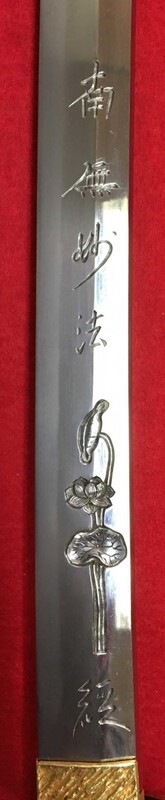
At a recent sword meeting someone showed us a wakizashi with horimono that I found quite witty.Sooo, what does it say and why/how?
-

Don't Lecture Me!
Guido replied to Guido's topic in Sword Shows, Events, Community News and Legislation Issues
-
Don't Lecture Me!
Guido posted a topic in Sword Shows, Events, Community News and Legislation Issues
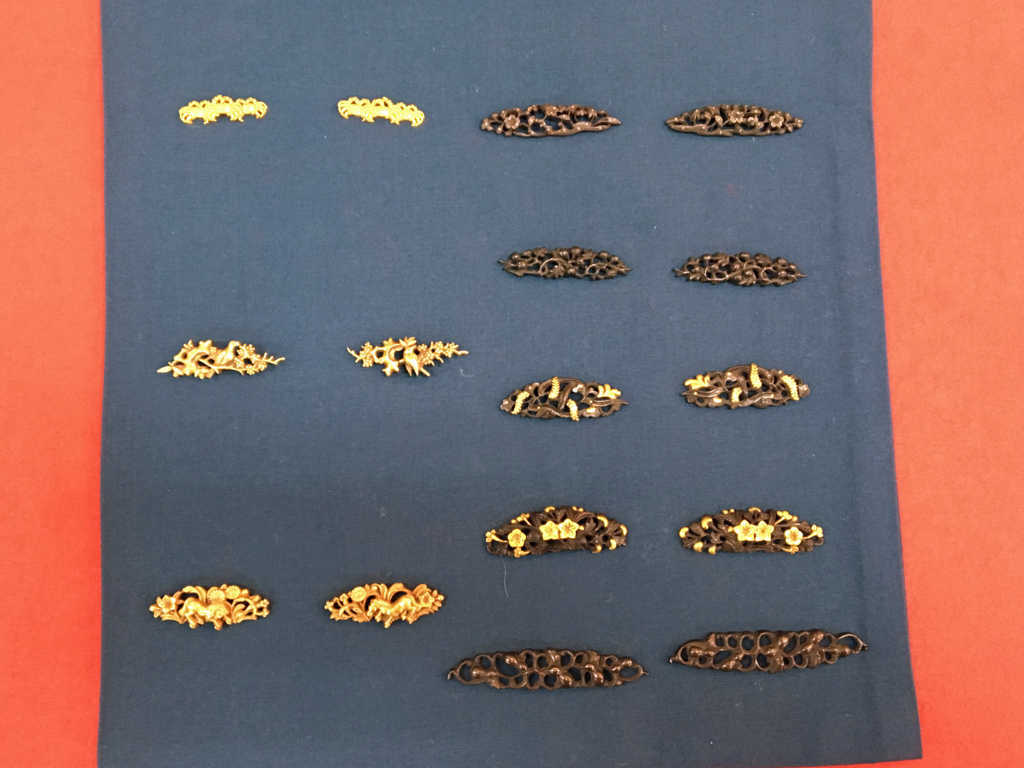
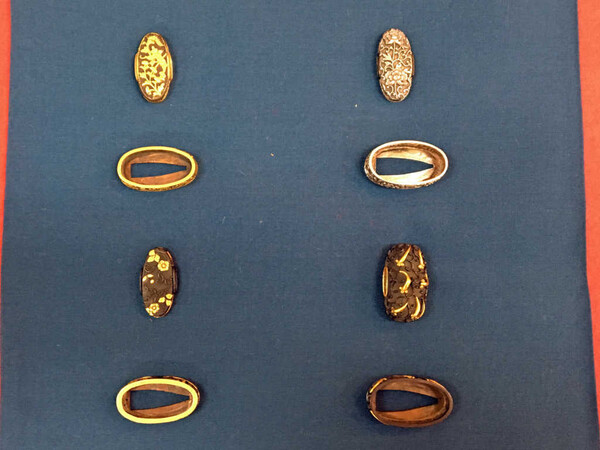
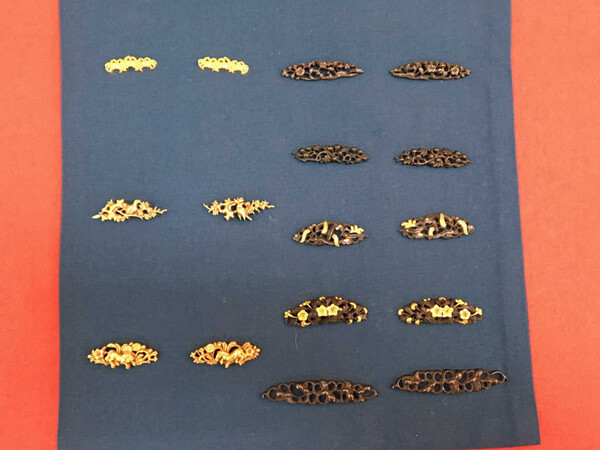
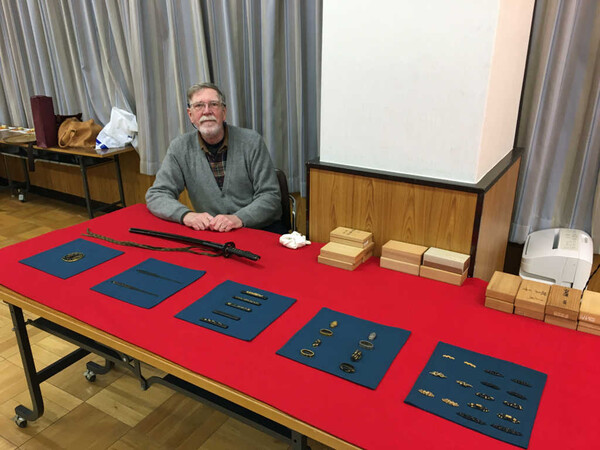
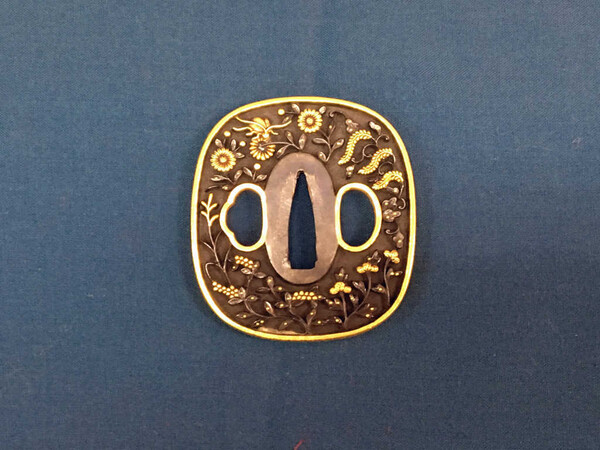
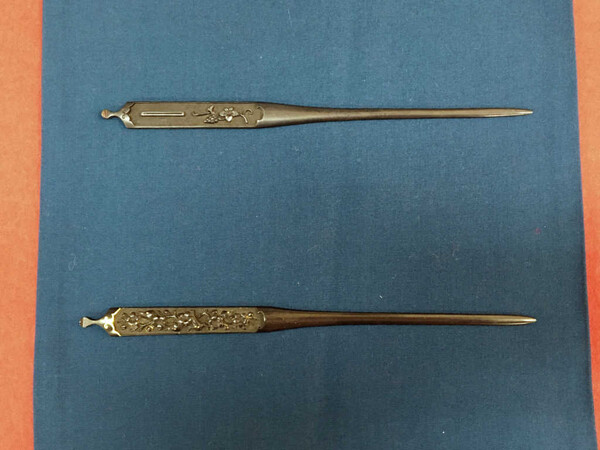
But Gordon Robson did anyhow, at yesterday's NTHK Meeting: on Ko-Mino fittings from his personal collection, so all was good . Some very good explanations on workmanship, motifs (they are not all flowers and insects), and historical development. One of my favorites was a "solid" silver fuchigashira, you don't see that too often.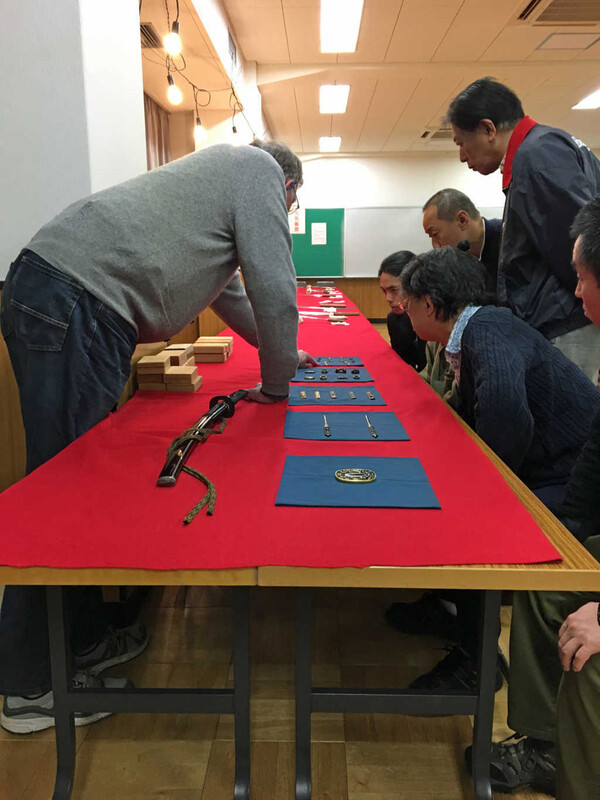

-
Objectivity - when judging technical skills, sure; but when it comes to art? Ford gave the perfect example: is van Gogh better than Cezanne, or Picasso better than Vermeer?
-
Actually, there is no such thing as a "certified" togishi: usually your teacher decides when you are ready to become independent. The myth of the ten years apprenticeship is due to the traditional training of the Honami school, where much of that time was spent cleaning the workshop, just looking over the shoulder of the master, and doing kantei. The Fujishiro apprenticeship always lasted about 5 years due to their different teaching methods. And things even changed within the Honami tradition, almost no student studies for 10 years anymore. Andrew Ickeringill, who's mentioned here, studied for 6 years, and I consider him indeed "fully qualified".
-
Does that mean you are self-taught?
-
As far as I know, there's no book in English about habaki, and even no Japanese one dedicated only to this craft.
-
I own the original (Japanese) version and the translation (first edition), except for the language there's no difference, including the pictures.
-
No real explanation is given (i.e. none that makes real sense, popularity is one of the criteria), but the ranking is 名人 meijin 名工 meikō 上工 jōkō 良工 ryōkō & no ranking It kind of reminds me of the Fujishiro ranking system, and is used among kodōgu collectors in Japan the same way.
-
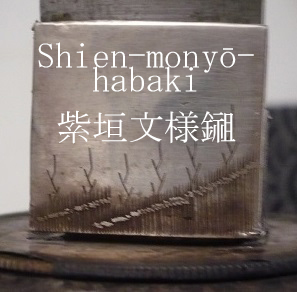
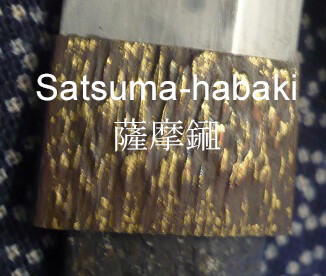
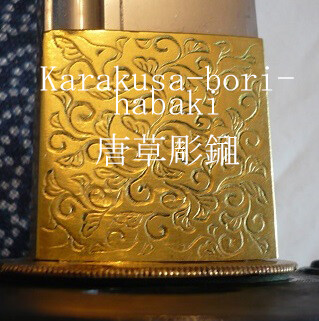
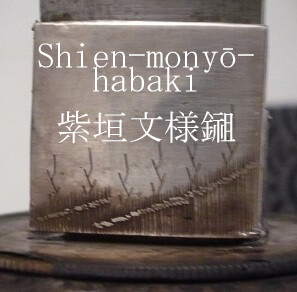
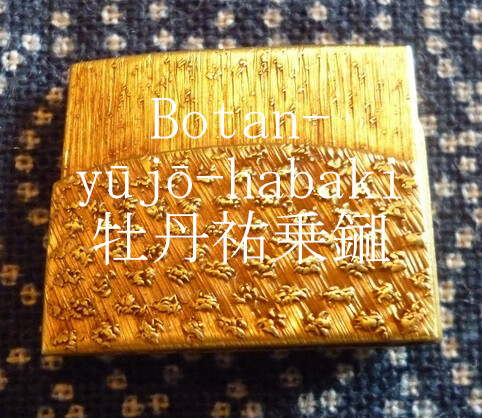
I would be surprised if a habaki was made by the same craftsman as the tsuba or other fittings - they are usually done by specialists, the shirogane-shi 白銀師. Anyhow, here's my take on the habaki posted:
-
Date Signature Translation Help Please
Guido replied to Daddy Cool's topic in Translation Assistance
I think the correct reading is "made in China". -
Anything else would be quite unusual. However, I'm not familiar with armor terminology, so of course it could mean something different ...
-
The second photo shows the right orientation, the last wo characters are the family name Tanaka 田中. I have no idea about the first two kanji.
-
I'm with Franco and Paul: in Japan it's a well known ploy to slap an expensive, solid gold habaki (like the one I attached a picture of) on a mediocre blade to pimp it up. Usually there's always someone who falls for it, so it's a sound investment. Something along the lines of "I got it from an impoverished branch of the Tokugawa, naturally it never was papered. Don't tell anybody!"

-
Dti 2017 Date?
Guido replied to Mark's topic in Sword Shows, Events, Community News and Legislation Issues
The dates haven't been announced yet, that will be done here: http://www.zentosho.com/daitokenichi/ -
Franco, I have heard nothing but good things about Brian's habaki, and of course I think that a snug fit is the way to go - but you said in your initial post that it took effort to move it, wich isn't something I would expect from a high class habaki for which he is known for. In any case, I stand by my remarks that a properly made tsuka prevents to a certain degree pushing the habaki against hamachi and/or munemachi. I visited a very well known collector and scholar/author of sword books today, and looked at 30+ blades - no problem getting the tsuka back on without the danger of harming the habaki with any of those blades, so I guess my own collection isn't an exception. And quite a few had a small recess in the tsuka to accomodate the habaki, which was made intentionally by the shirasayashi, and certainly not due to extensive tapping. Btw, I examined a Sengo Masasane katana that had a thicker nakago than blade (a case I mentioned above), and the effort it took to remove it and put it back on can be compared to the pressure point of a high class rifle. That's exactly what I expect from a good shiroganeshi. Brian, today there was rain almost all day long in Tokyo, and humidity reached 100% at times. I'm not saying that climate doesn't matter, but it doesn't influence well made shirasaya (or koshirae) in the way you describe. I also didn't say anywhere that dropping a nakago in a tsuka is a good idea - quite to the contrary. I think it all comes down to the quality of work that is done, and even then your mileage may vary. All I did was reporting from my own experience.
-
I'm not easily offended, and I'm certainly not in this case. But why do you post those speculations after reading my eyewitness acount?
-
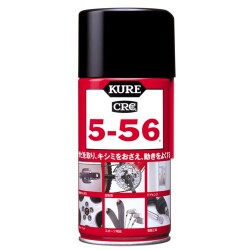
You are quite right - that's hilarous! However, I think that this is just bad video editing, I've never seen him using traditional oil at his shop. Mostly he uses something like Kure 5-56 (the Japanese equivalent of WD-40) that he sprays on cloth.
-
Franco, I usually agree with your posts, but what you are describing above seems to be a little odd. First of all, a habaki shouldn’t require effort to remove (or put on). There can be a problem when it comes to an often polished blade and – as a result thereof – slightly thicker nakago in relation to it, which needs considerable skill by the shiroganeshi to manage a proper fit. Secondly, a properly made tsuka will usually prevent it from going above the line where it meets the habaki. Only a gentle tap (emphasis on gentle) might be required to close the last gap of a fraction of a millimeter – at least that’s how it was/is on all my swords, past and present. You kind of feel how much “force” is needed by carefully tapping the tsuka ever so slightly. Only if the sword is in old shirasaya or koshirae, it’s indeed advisable to hold habaki and nakago at the same time while putting back on the tsuka. In my experience, the tsuka sits quite loose in those cases anyhow, so no tapping at all is required. Unless one wants to look cool and “professional”. I can’t imagine that a dealer or the people of the papering organization caused the damaged habaki in your case. I have, however, a very low opinion of many people at the tōroku-shinsa-kaijō; I have material for many hours of anecdotes how some of those fruitcakes treat swords and make mistakes all the time. But generally speaking, I don’t see any reasons for paranoia when it comes to putting back a tsuka if you know what you’re doing. But of course it’s always better to err on the side of caution.
-
If I'm not mistaken, there are 122 swords with kokuhō designation, quite a few of them in private collections. Will all be covered with up-to-date photos?
-
In Japan, artists who produced sword fittings are traditionally divided into two categories: those who worked in iron (tankō 鐔工), and those who worked in soft metal (kinkō 金工). However, there is quite some overlapping, and artists who originally came from kinkō lines, or who put their focus on soft metal inlays and decorations on iron plates, are usually considered kinkō as well. Among those are Gotō Ichijō, the Tanaka school, Tsuchiya Yasuchika, the Hamano school, Kanō Natsuo, (all off of the back of my head) and, yes, sometimes even the Tetsugendō school. And it was so high on my Christmas wish list to finally get some iron-clad rules regarding Japanese swords & fittings, but alas, Santa didn’t hear me …
-
Welcome to another episode of "Forensic Reading", also known as "F*ck the Glass House".
-
... … swords with matching jūyō koshirae, the current sales exhibition at Japan Sword (http://www.japansword.co.jp/) will be right up your alley. Yes, there are many jūyō blades around, but far lesser jūyō koshirae, but seeing (and handling) at least a dozen of those combinations – including daishō – isn’t something you experience every day; at least I don’t. I know that not many forumites will hop on a plane to visit that exhibition, but those who collect this kind of high end merchandise might do just that. Say hello when you arrive.

- 1 reply
-
- 5
-

-
Thanks for the update, Markus, but that wasn't meant as a kind of subtle reminder to you, just a subtle stab at those who had you waiting for payment for your last translating project (Nobuie).