O koumori
-
Posts
353 -
Joined
-
Last visited
Content Type
Profiles
Forums
Events
Store
Downloads
Gallery
Everything posted by O koumori
-
First give 'em a good shake! Dan K
-
How to wash microfiber towels https://lifehacker.com/how-to-wash-microfiber-towels-without-ruining-them-1847616896?utm_source=pocket-newtab Dan K
-
Ah...'year of the dog,' not 'dog years.' Thanks! Dan K.
-
I don't understand the date reference... https://www.aoijapan.com/katana-sassyu-ju-masayoshianei-7-dog-years-february/ Dan K.

-
Identification assistance on acquired collection
O koumori replied to 10thRoyal's topic in General Nihonto Related Discussion
This sugata is known as U no Kubi-zukuri or "cormorant's neck." Dan K -
I've been using the blue ones pictured for about 3 years; work great - no issues. Dan K
-
Here is the response to a letter of inquiry that I sent in 2019: *** Hello, Thank you for your interest in the collections at the Truman Presidential Library and Museum. We do have a Masamune sword in the collection. Unfortunately, it is not currently on display. You can schedule a viewing of the sword between 9am and 3pm Monday-Friday. Please give me two days notice and let me know how many people will be in your party. I'm afraid you will not be allowed to touch the sword. Attached below is some information you might find interesting about the sword in the Library's museum collection. Kind regards, John Miller Museum Registrar Harry S. Truman Presidential Library 500 W. US Highway 24 Independence, MO 64050-1798 816-268-8204 *** Dan K
-
While I haven't seen this on nihonto fittings before, they could represent the Shimenawa - sacred rope - and Shide - paper streamers - used in Shinto shrines. Dan K
-
You could try some water with mild soap or detergent, and a SOFT bristle tooth brush. Don't get too aggressive; rinse very thoroughly and blot dry. Repeat as needed for the level of 'shine' you need. Dan K.
-
Chris, I like the "kojiri" on the one on the left! Dan K
-
I have a wakizashi that was named "Mr. Chips" by the Togi-shi... Dan
-
PM sent Dan
-
Here are some more pics... Dan


-
Metal detector and Nihonto
O koumori replied to Blazeaglory's topic in General Nihonto Related Discussion
Could be Titanium Dan Study of Microstructures on Cross Section of JAPANESE SWORD.pdf -
Masamune Tanto on LiveAuctioneers
O koumori replied to Infinite_Wisdumb's topic in Auctions and Online Sales or Sellers
On Robert Cole's website Sho-shin, he describes Chikashige 1, the founder of Shitahara, as "Musashi Masamune." http://www.sho-shin.com/tokai8.htm Different smiths? Thanks, Dan -
Geoffroy, please PM me about my blade. BTW, Ricecracker.com has a papered mumei Muramasa tanto for sale for $17k US. Dan
-
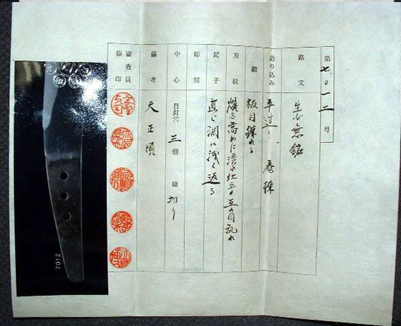
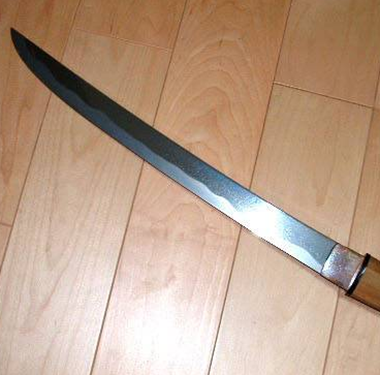
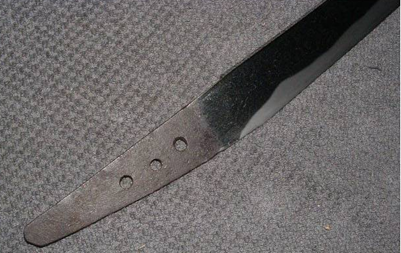
I have one of these – mumei, attributed to Sengo Masashige. NTHK papered to 2nd generation (the one supposed to be Muramasa’s grandson). The jihada on mine looks a bit more pronounced than the one for sale, , and the hamon is different, but the sugata matches well. As already stated, I’d be wary of the flaw… Dan
-
Kokan Nagayama in Connoisseur's Book of Japanese Swords says: "The purpose seems to have been to improve the sword's flexibility to prevent breakage during use. Usually made of steel that is softer than the rest of the blade's surface." Dan Kedzie
-
Central Missouri
-
Hmmm... Sounds like a Shintogo splinter group... Dan K.
-
Home - made Dan K.

-
140 Blade lengths (with relevant historic laws)
O koumori replied to Gabriel L's topic in General Nihonto Related Discussion
Gabriel, Fine work! If you can find it, Thomas Temple Hoopes did his PhD dissertation on Nihonto in 1931 at New York University. He did a complete dimensional analysis of 103 blades, with accompanying descriptions. I think the Smithsonian Institution might have a copy in its library holdings holdings, or maybe you can obtain a copy from the university... Dan K. -
One, Please Dan
-
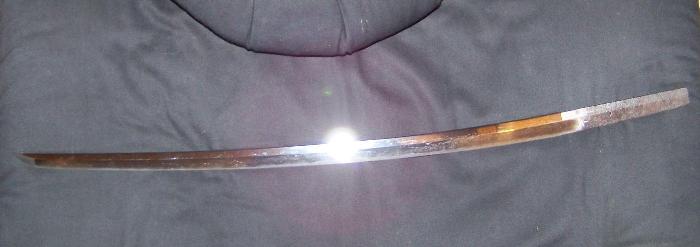
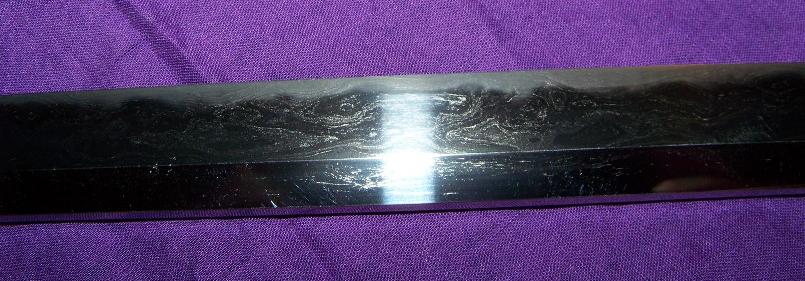
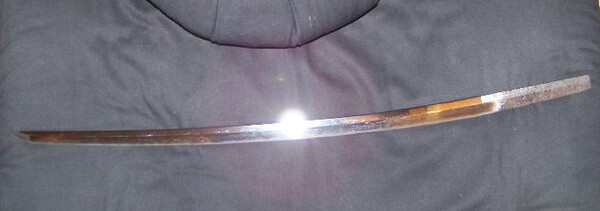
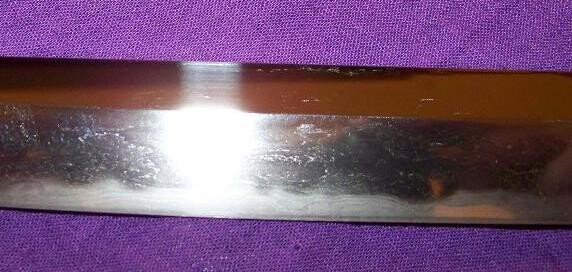
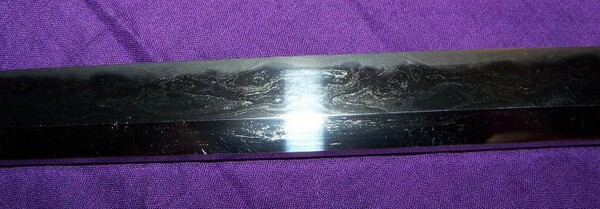
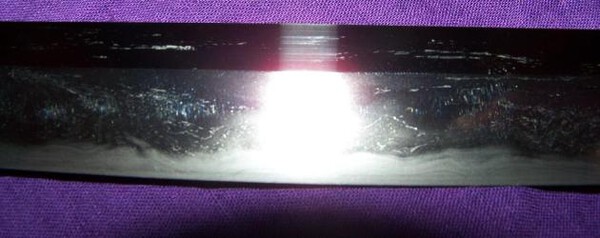
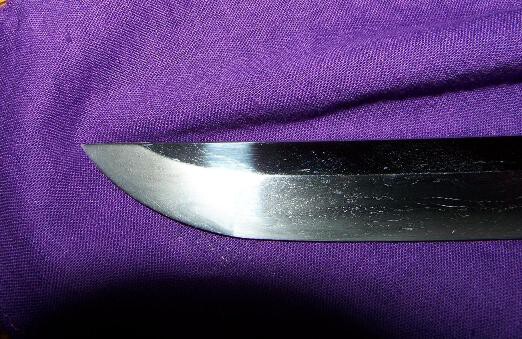
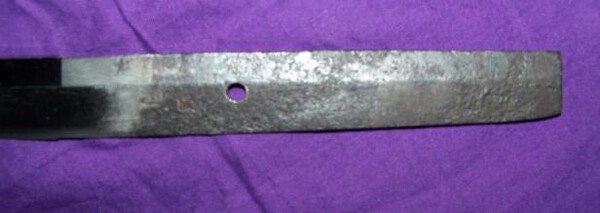
Clive, Great information! Here's an O- suriage Kaga Kiyomitsu katana from Tenbun (1532-ish), or so sayeth NTHK at 2004 Chicago shinsa. Please pardon my abysmal photography. Nagasa is 62 cm. Found in plain wood saya with disintegrating leather combat cover, no fittings; assume it was carried in WWII. Dan
-
It might be that a smith had one (or more) blades in progress, and became ill or died before inscribing it. Conceivably it might have been sold in "as-is" condition. Dan