rodrig4
-
Posts
148 -
Joined
-
Last visited







rodrig4's Achievements






-
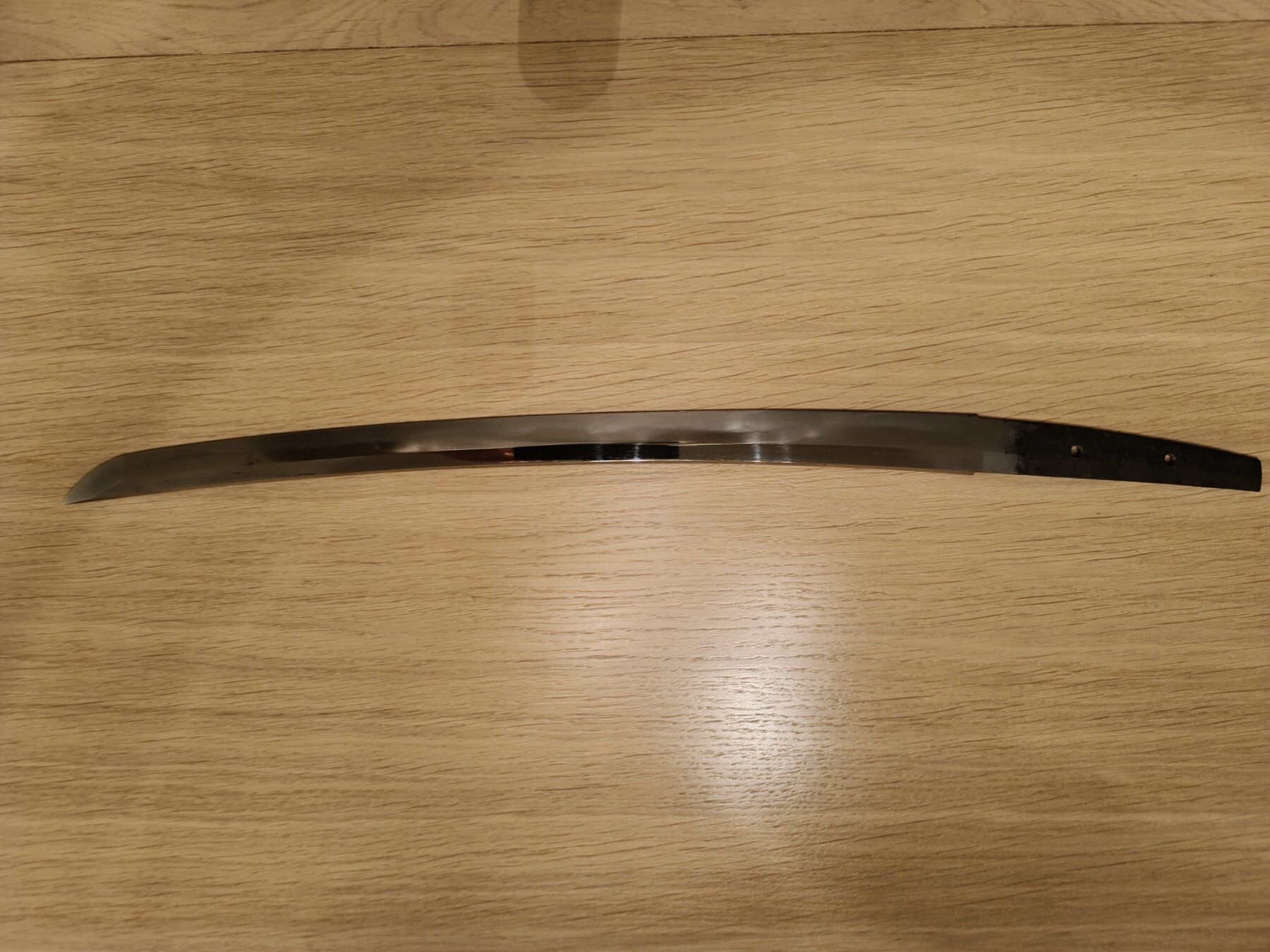
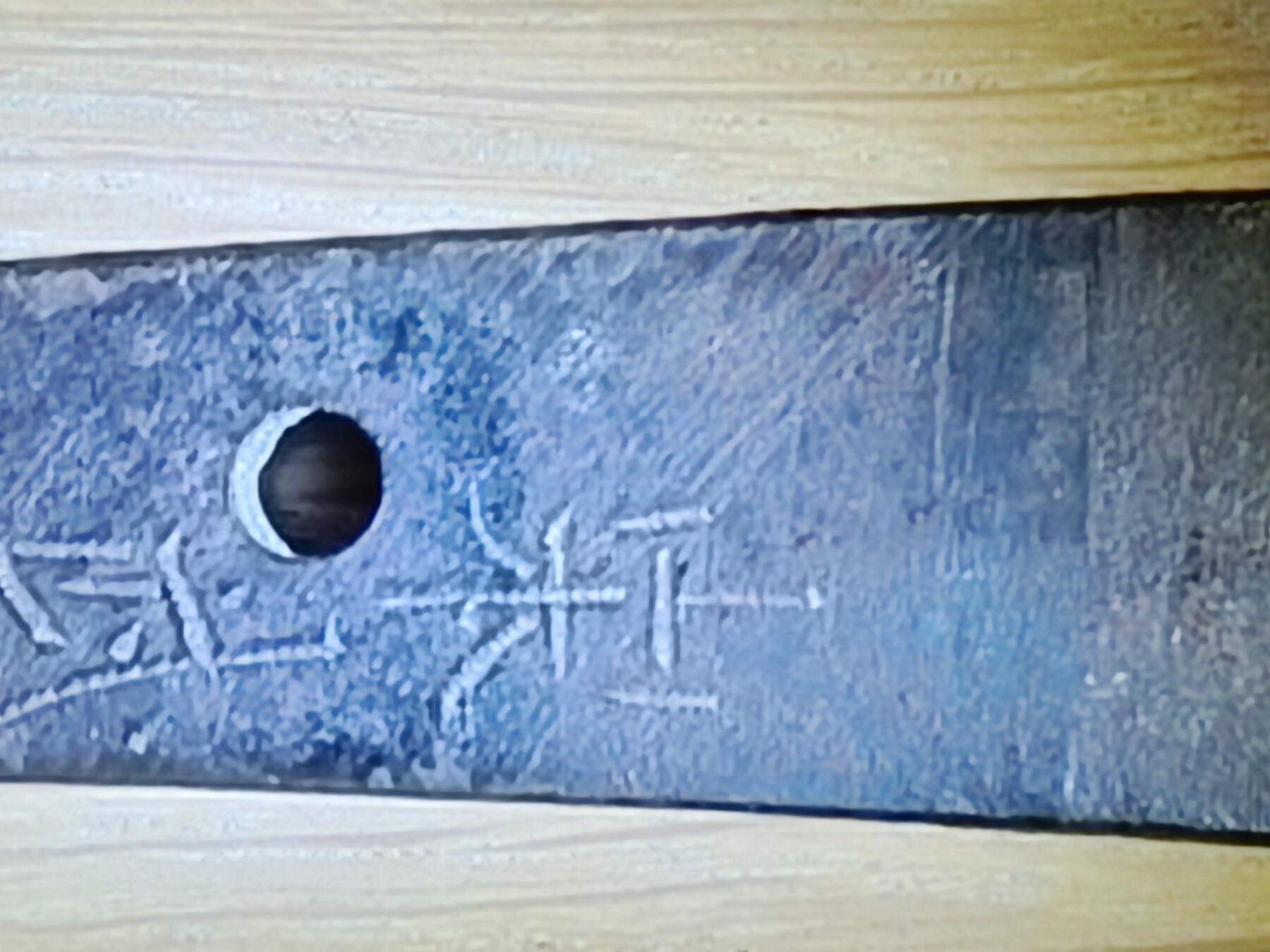
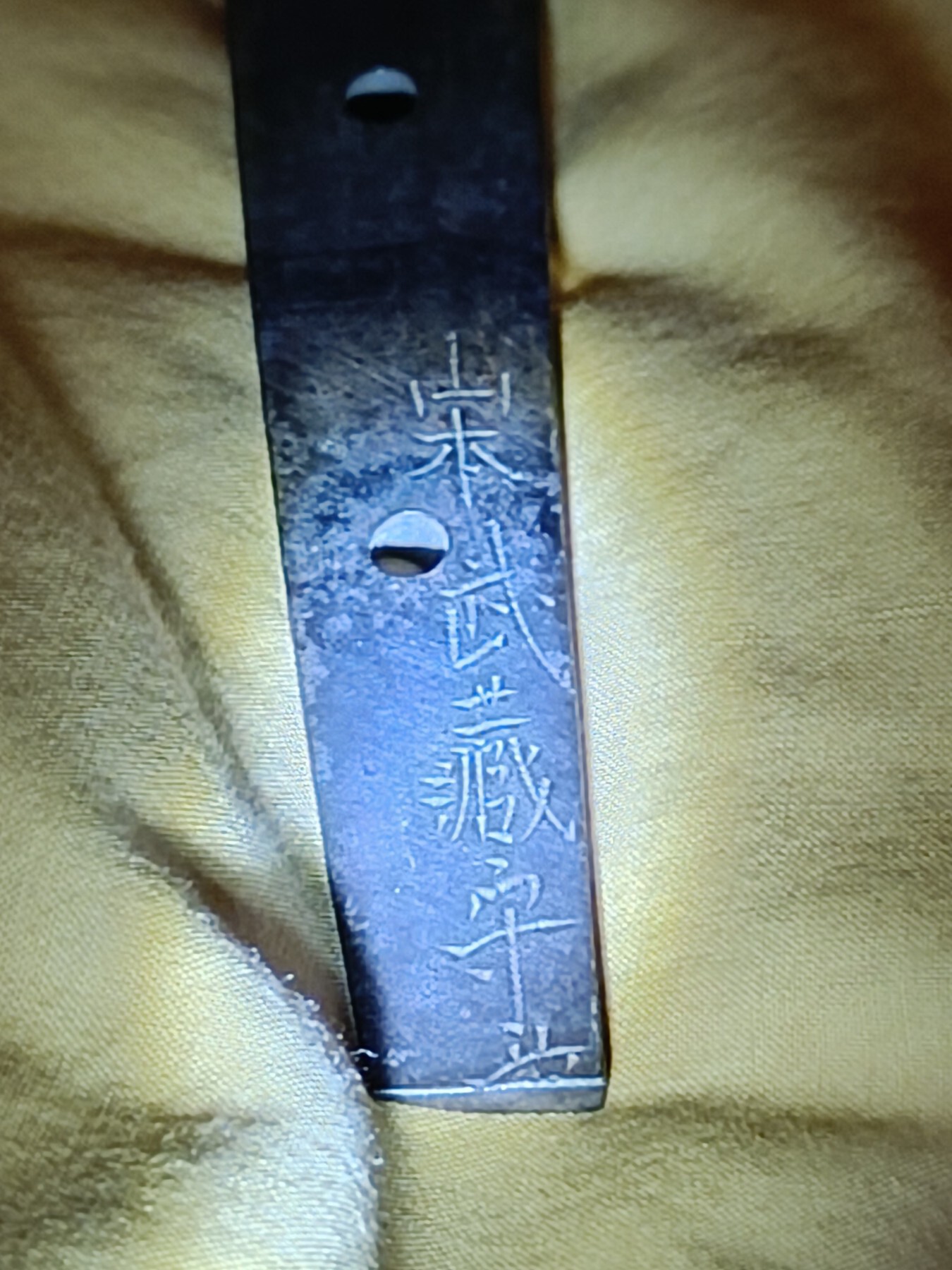
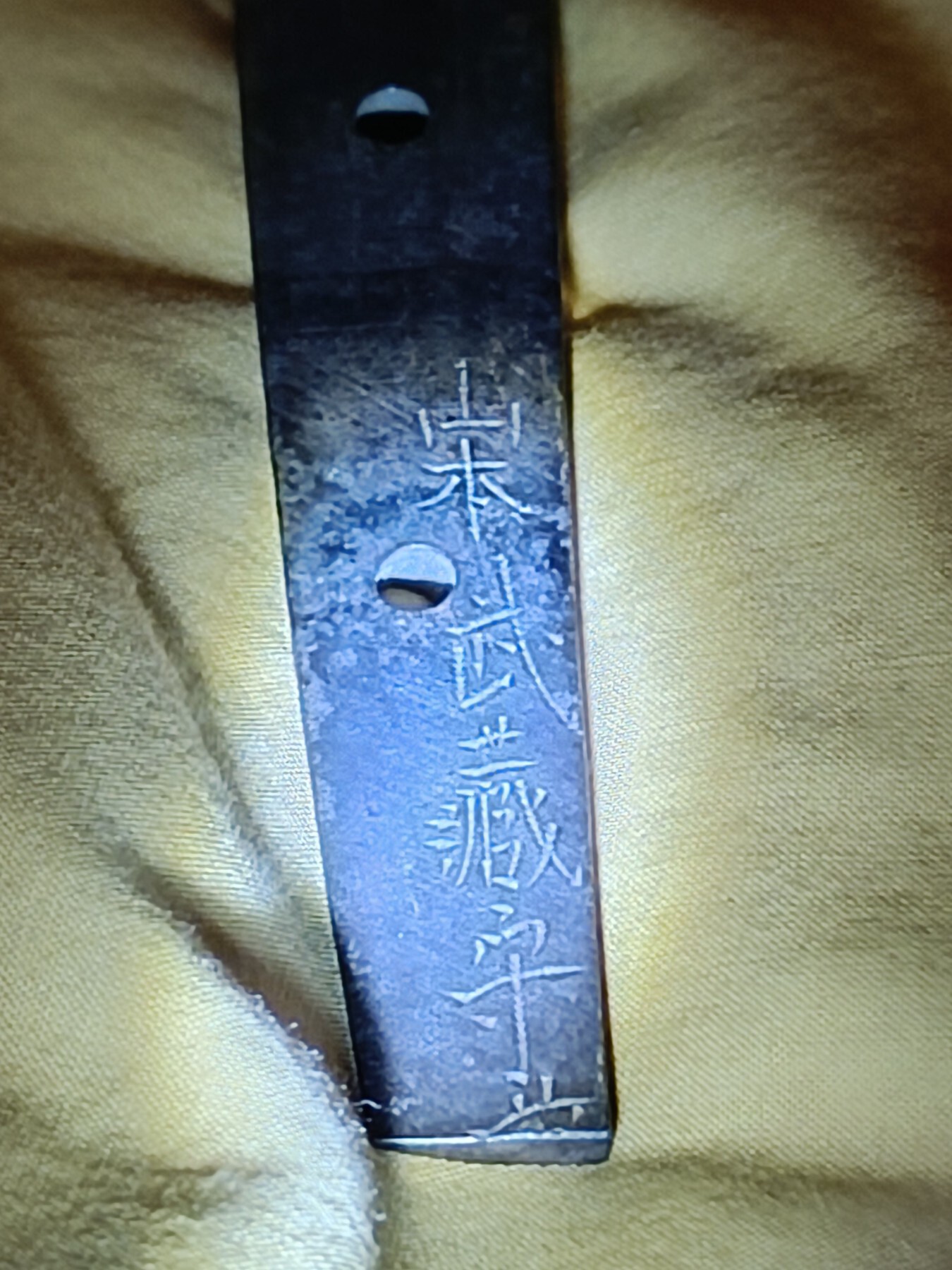
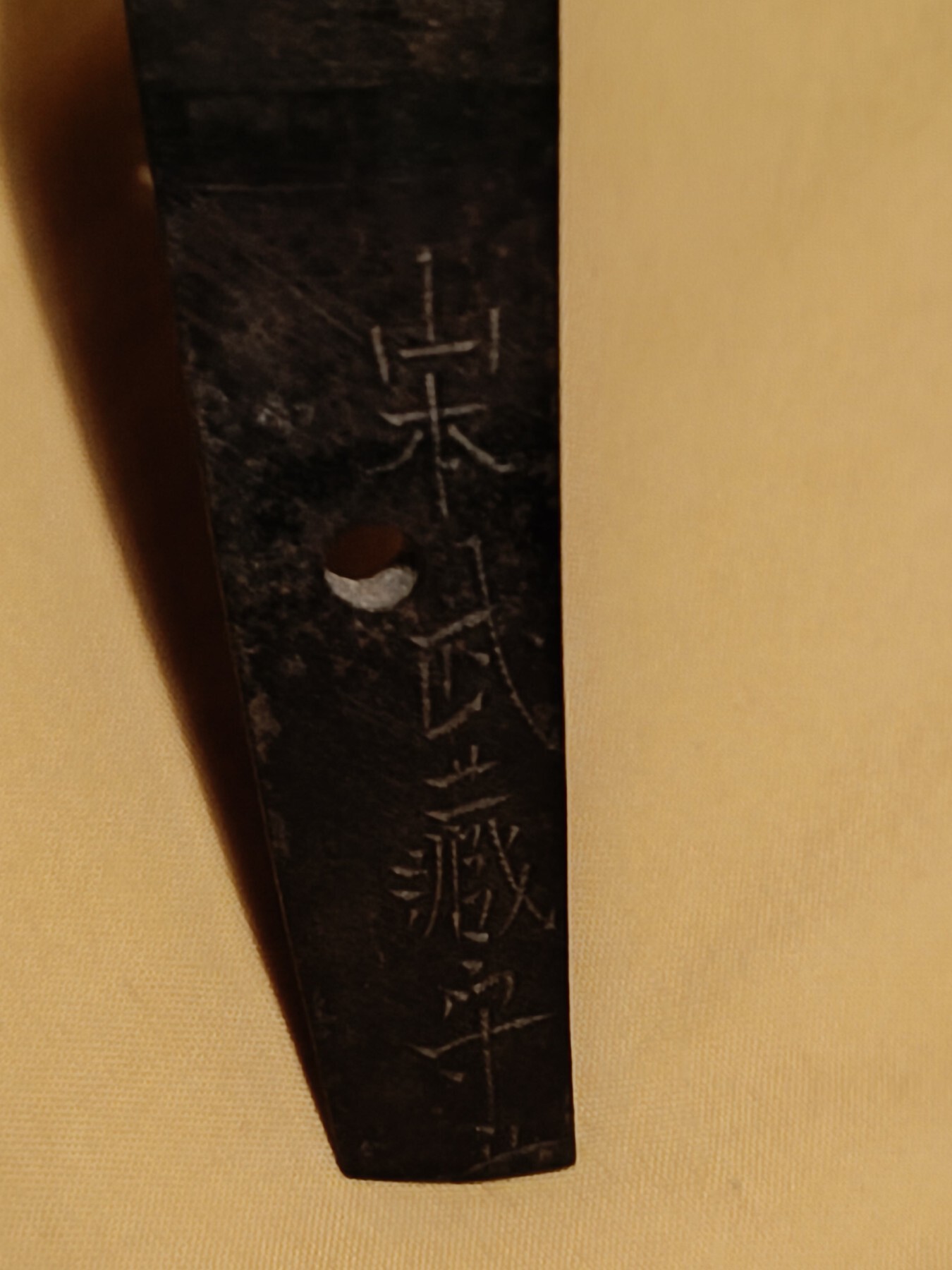
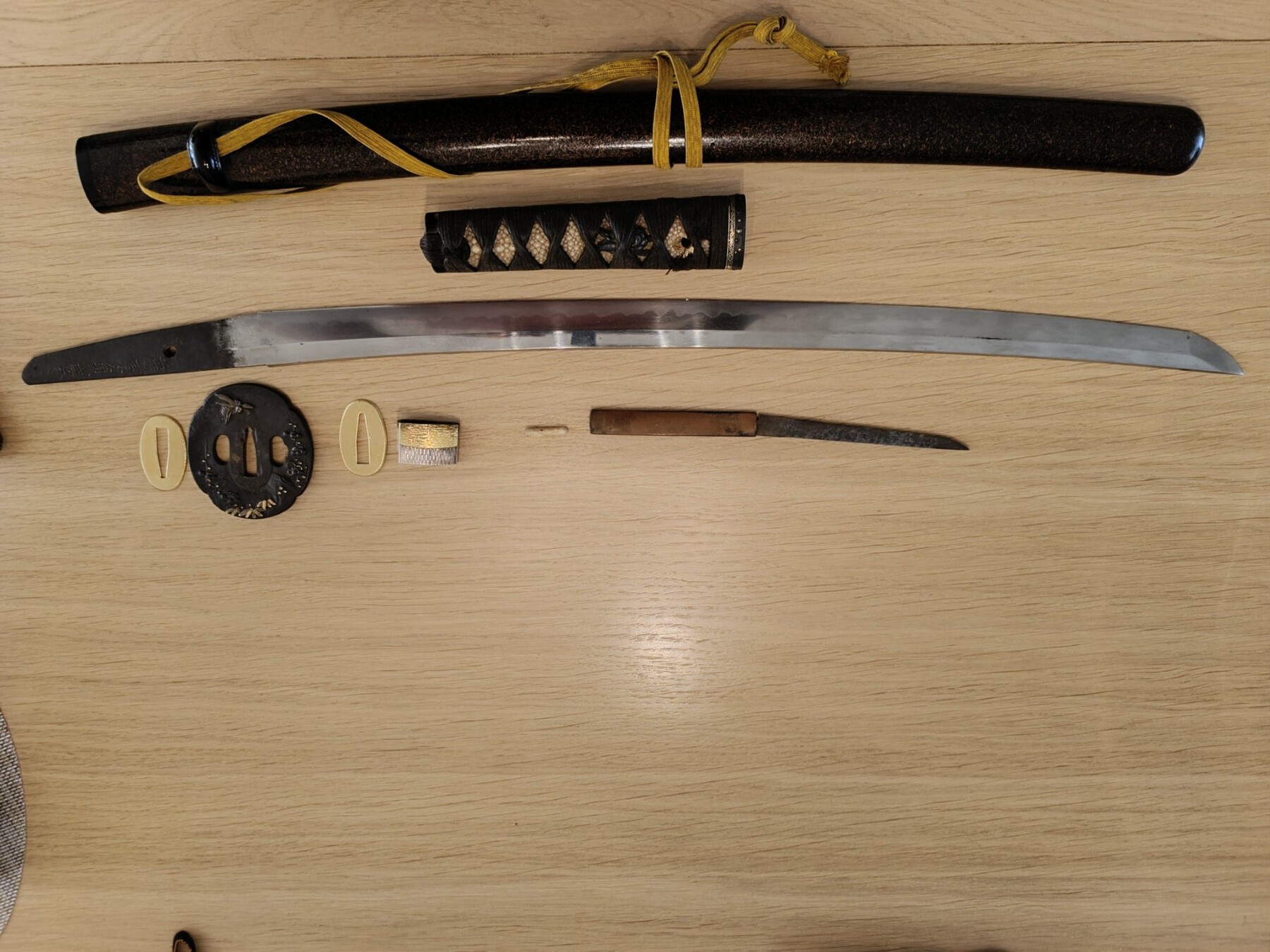
Hello. I recently acquired a wakizashi signed: 伯耆守藤原 --- Hoki No Kami Fujiwara---. Unfortunately, the last kanji are illegible. Could you please tell me if, besides Hoki no kami fujiwara NOBUTAKA and Hōki no Kami Fujiwara Hirotaka, any other swordsmiths have received the official title of Hōki-no-kami Fujiwara district? I compared the kantei (character markings) of the two swordsmiths, and they do have some similarities to this wakisashi. Thank you in advance. Have a good day. Sincerely,


-
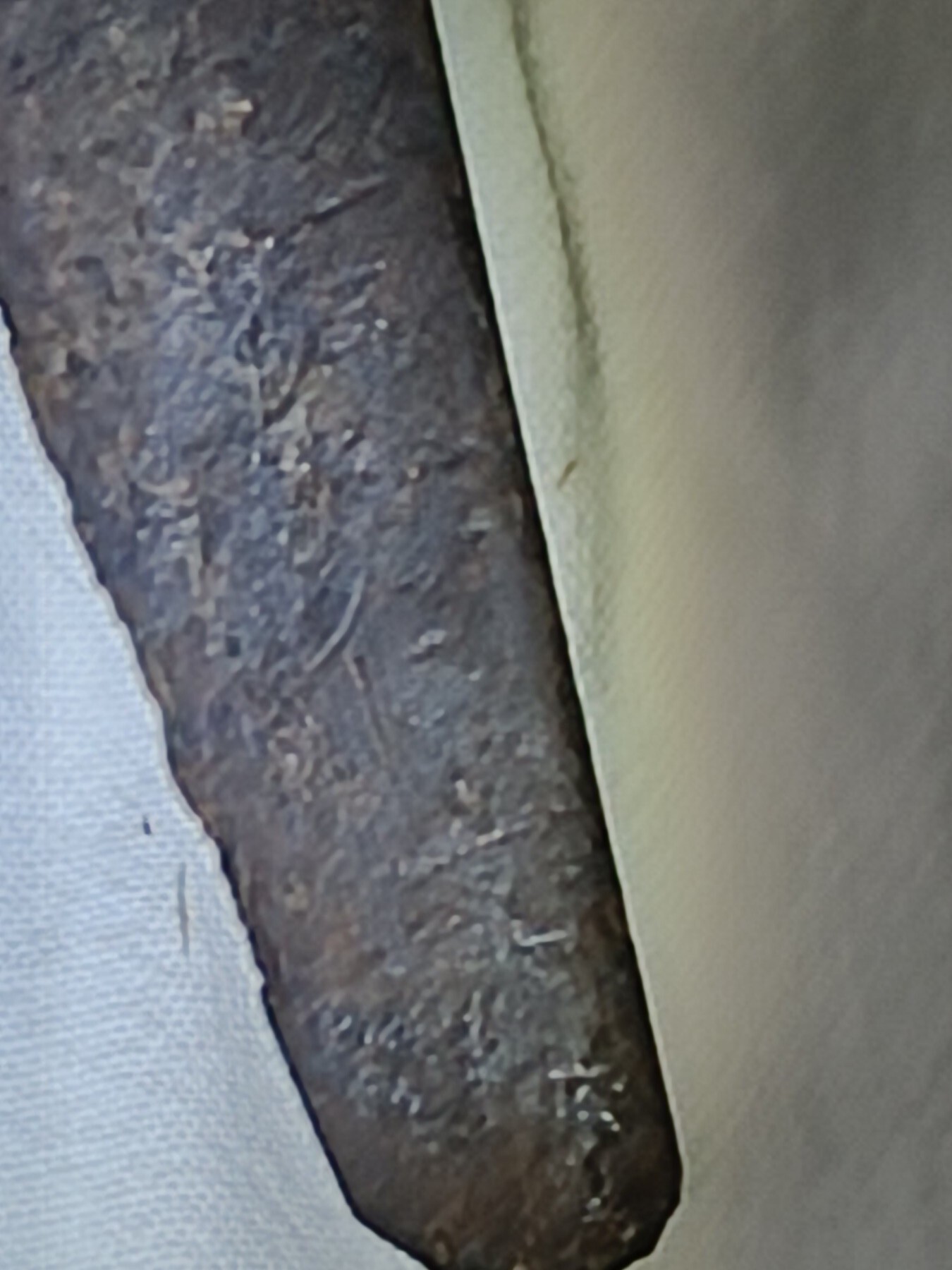
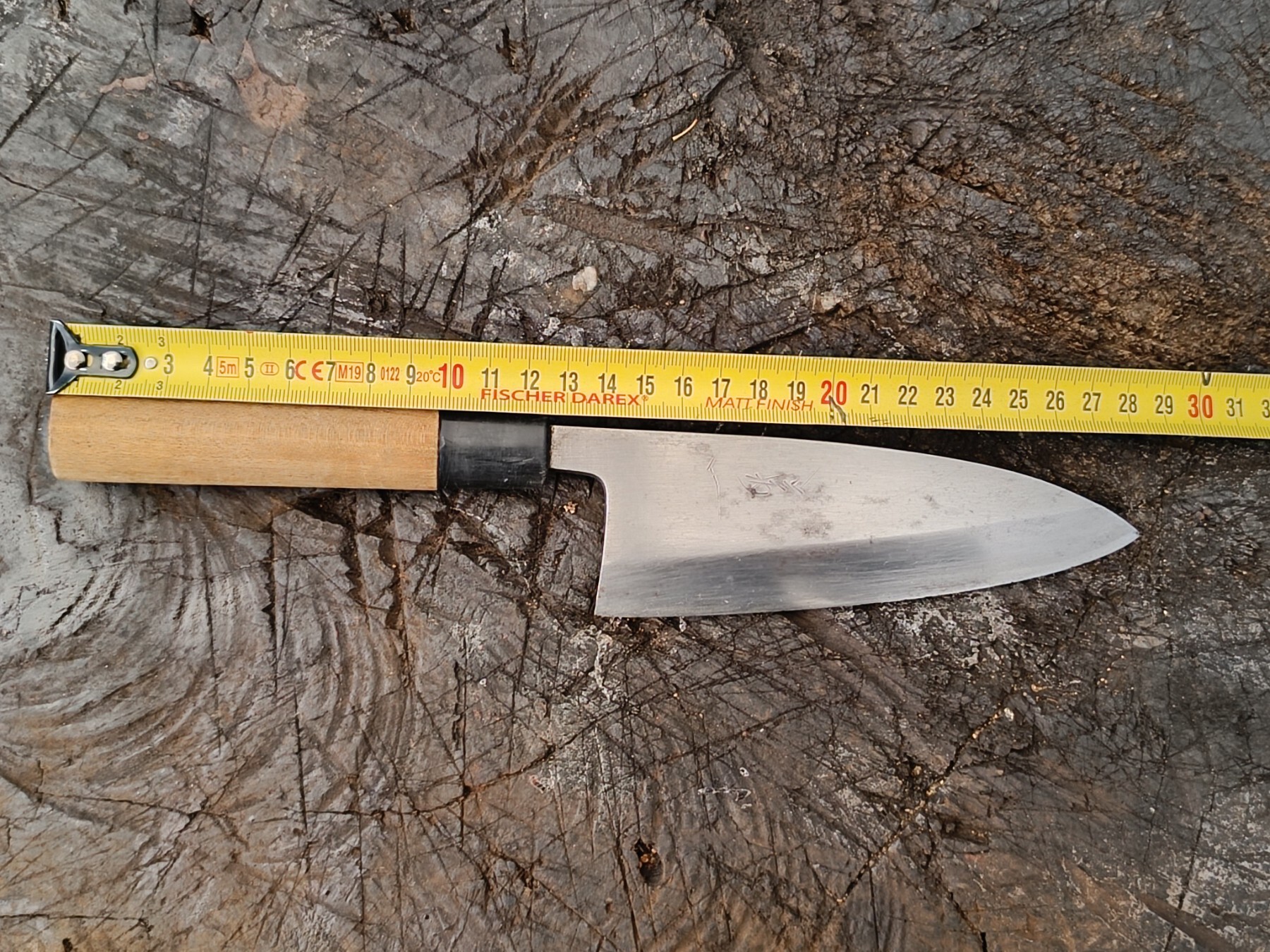
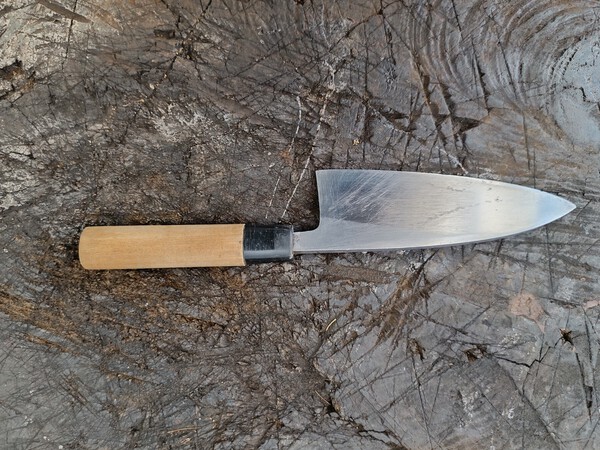
Hello. Would it be possible to translate this signature from a Japanese deba kitchen knife? Thank you in advance. Sincerely, RG


-
Hello. Here's what I think of this blade. Have a good day. RG.Caractéristiques de la lame.docxCaractéristiques de la lame.docxCaractéristiques de la lame.docxCaractéristiques de la lame.docxCaractéristiques de la lame.docxCaractéristiques de la lame.docxCaractéristiques de la lame.docx
-





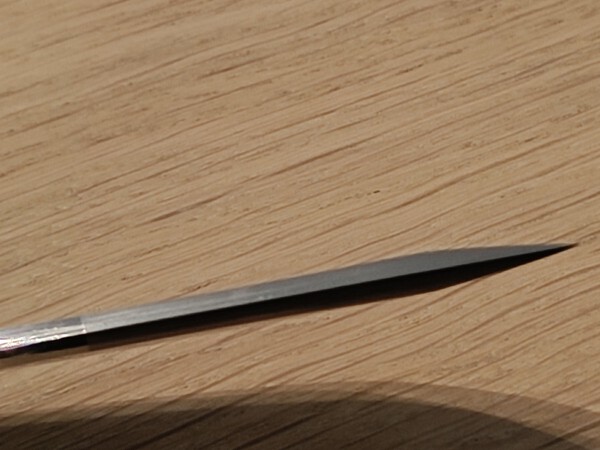
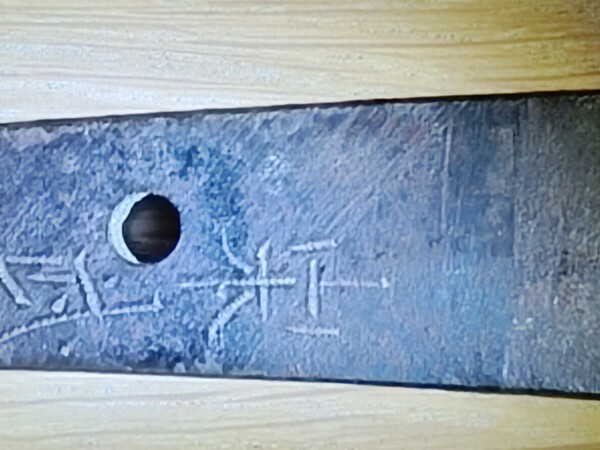
-
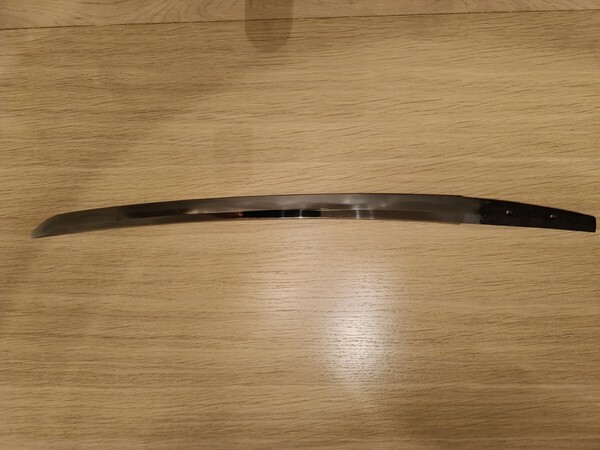
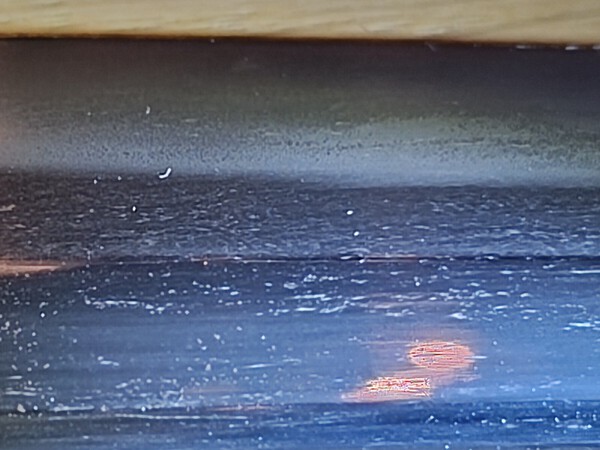
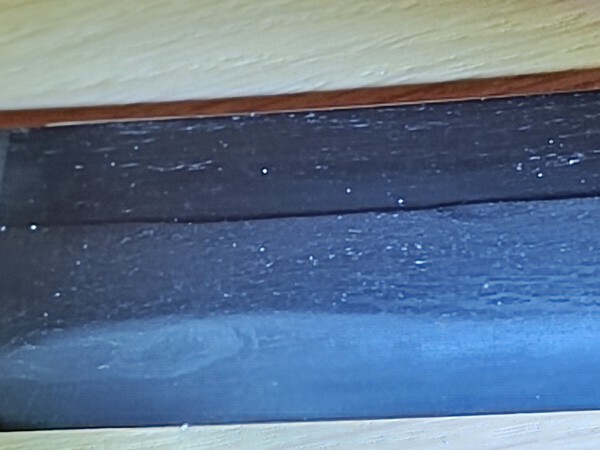
Good evening. I apologize for my late reply. Here are some photos. I'm also sending you the signature because the last part is missing, which is why I'm asking for your help. One of your colleagues is leaning towards Kanenaka or Katsuyoshi. Sincerely, RG

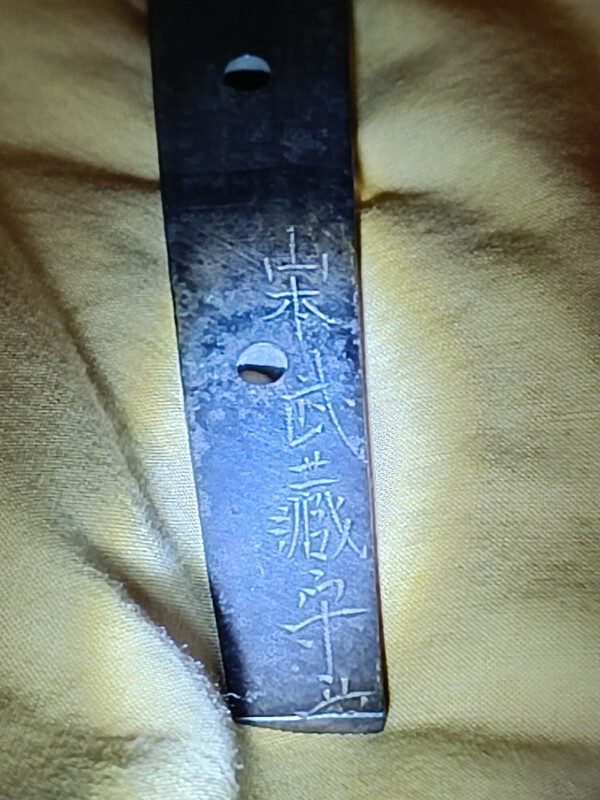

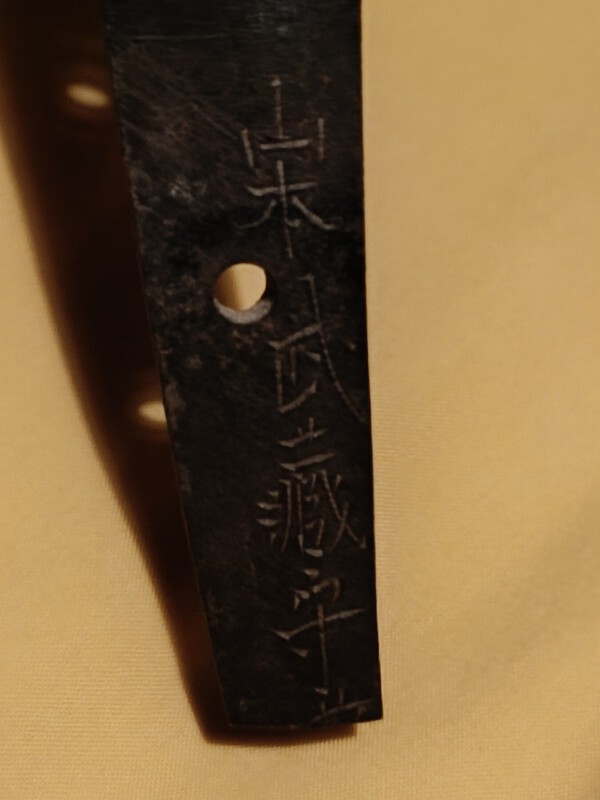
-
Hello. Here is a signature that I don't understand, as it's suriage. The first two kanji seem to be yama and moto, but the rest of the signature is unclear to me. Perhaps you could determine if it's a mei or a gimei. Thank you in advance. Sincerely, RG

-
wakisashi Signed: 藤 原 貞 廣 Fujiwara Sadahiro
rodrig4 replied to rodrig4's topic in Swords and Edged Weapons
vendu. -
wakisashi Signed: 藤 原 貞 廣 Fujiwara Sadahiro
rodrig4 replied to rodrig4's topic in Swords and Edged Weapons

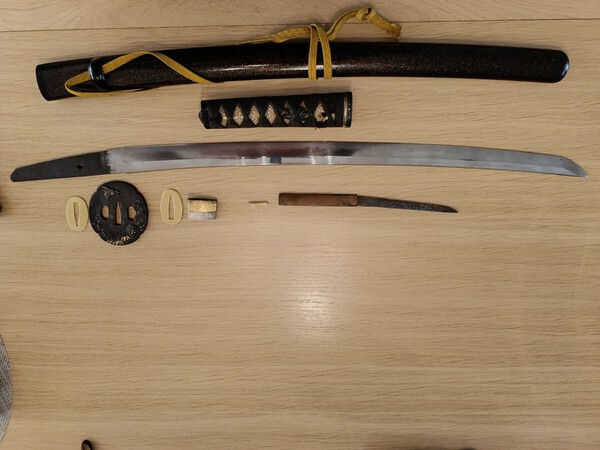
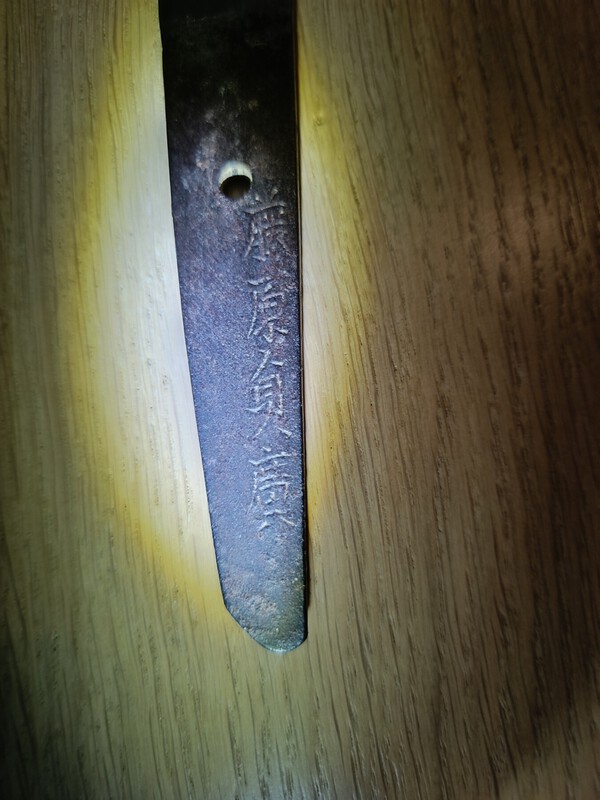


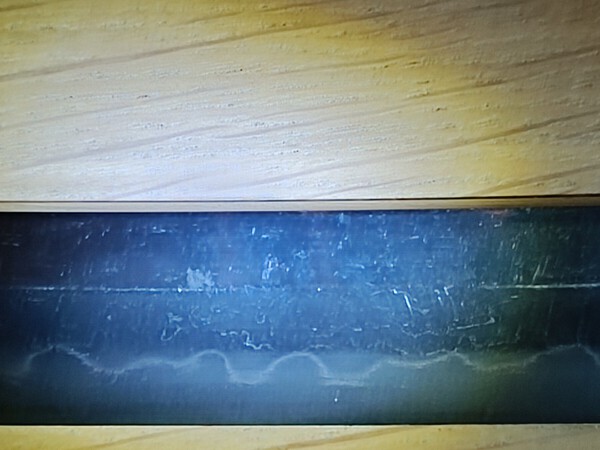

-
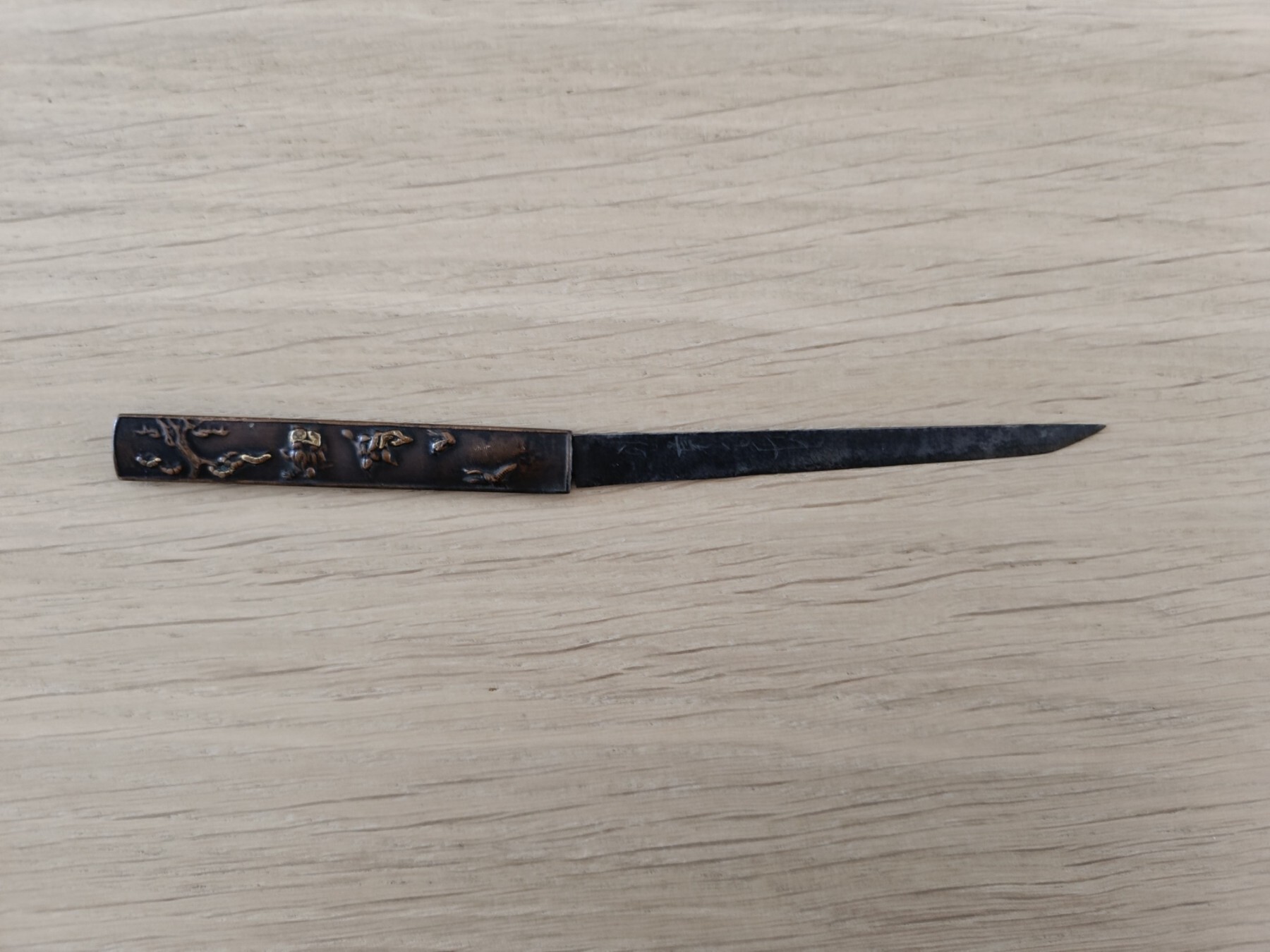
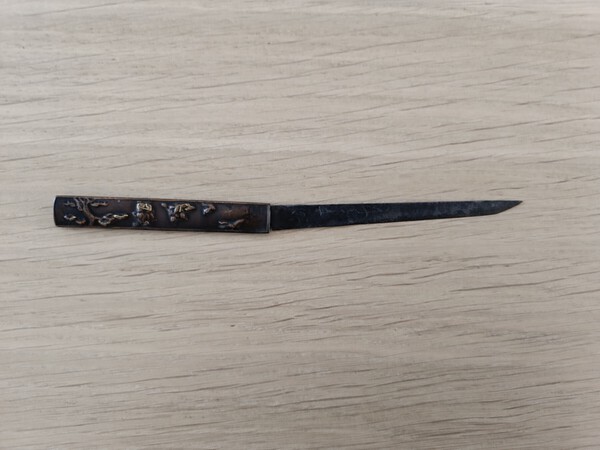
Primary Material: Tamahagane Original/Reproduction: Antique Original Region of Origin: Japan Wakizashi in Koshirae. Signed: 藤原貞廣 Fujiwara Sadahiro. Nagasa 51.6 cm. Sori 1.1 cm.Saki-zori. Motohaba 2.9 cm. Motogasane 0.65 cm. Sakihaba 2.0 cm. Sakigasane 0.5 cm. Nakago 13,5 cm Nagasa 51,5 cm Le kogatana est signé: Inoue Shinkai . Kissaki: chu-kissaki. Mune: Iori-mune. Nakagojiri: Iriyama-gata. Yasurime: Sujikai. Hamon: quelques tobiyaki, mélange de suguha et de toranba (turbulent blade). Jigane: mokume hada. kitae kizu. email address: gr24975@gmail.com tel: 33 06 22 26 23 24 France this wakisashi is sold at the price of 990 euros. RG.
-
Hello. I am only very little familiar with the kanji, but this signature escapes me completely. Could you help me. Sincerely. RG



-




-
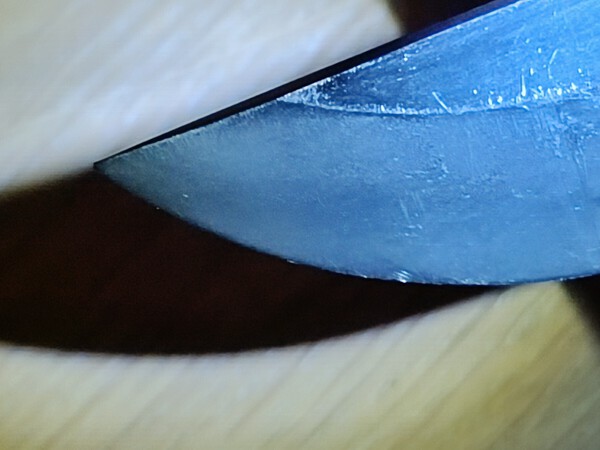
Wakizashi in Shirasaya. Signed: 相 州 住 助 広 Soshu Ju Sukehiro. Nagasa 44.4 cm. Sori 1.6 cm. Motohaba 2.7 cm. Motogasane 0.7 cm. Sakihaba 1.9 cm. Sakigasane 0.5 cm Sori: saki-sori. Kissaki: chu-kissaki. Mune: iori-lue. Shinogi: shinogi-zukuri. Nakagojiri: ha-agari-kurijiri. Yasurime: kiri. Nioi deki (匂 出 来) and nie deki(沸 出 来) : nioi and nie deki are present on the hiraji. Hamon: gunome (互 の 目) Hada: mixture of mokume and very tight itame hada. Boshi: kaen. Kitae kizu. Prix 860 euros



-
wakisashi signed of 1477 Bishu Osafune Norimitsu .
rodrig4 replied to rodrig4's topic in Swords and Edged Weapons
price 1000 euros. -
wakisashi signed of 1477 Bishu Osafune Norimitsu .
rodrig4 replied to rodrig4's topic in Swords and Edged Weapons