Gakusee
-
Posts
1,951 -
Joined
-
Last visited
-
Days Won
22
Content Type
Profiles
Forums
Events
Store
Downloads
Gallery
Everything posted by Gakusee
-
Come on guys, for people seriously interested in the hobby you should know this website by heart : https://www.touken.or.jp/english/aboutus.html Shinsa prices are there
-

katana Polished Koto Katana in Shirasaya - possibly Bizen
Gakusee replied to TheGermanBastard's topic in For Sale or Trade
Sorry, but this does not look Bizen to me.....Bungo is a different call to Bizen -
Juyo 51 = 2005. Also, there is writing on the back of the certificate. And also, there is the setsumei.
-
The Juyo paper usually has two places where you can see the year. One is the perforated number in the upper part of the paper (where you can see something starting with 16 and then the actual year starting 200…). The other place is the Japanese text (third column from left) starting with 平成 and followed by the number 16 (16th year of the Heisei era, which started in 1989). The equation for years is: starting Japanese year of Japanese era+ number of the year - 1 = Christian nomenclature. So 1989+16-1= 2004. More specifically, the certificate says 15th day of tenth month, so 15 Oct that year.
-
I agree in principle. One should always approach dealer certificates with a large dose of salt.
-
To me, it would have and was. If you buy Rai, you want proper Rai - flawless hada, nice jinie, beautiful hamon….. Here there were remnants of some nice jinie and chikei here and there but overall disappointing
-
Thanks, Michael. I looked at it, initially dismissed it as gimei but then some doubts crept in that there is a bit of a chance of daisaku mei. But the condition of the jigane was not good.
-
How much did the tanto go for?
-
I have red, bronze and green I think. All the same quality but different sizes. Top notch
-
Ok, folks. Let us get to the point here. This is not nijuba but Aoi Art’s wishful interpretation of the hamon. They are often, let us say, “creative” in the way the depict hamon. The rather crude nie kuzure is symptomatic of lack of control as it is not consistent along the habuchi.
-
Translation and basic info on potential sword
Gakusee replied to nickm's topic in Translation Assistance
Is this rust in the monouchi or has been inserted in a flame? If the latter, will have lost its hamon in that area. -
Looks like a helmet bowl - a type of hachi?
-
Koto Blades - Trivia Explanations
Gakusee replied to ken kata's topic in General Nihonto Related Discussion
Well, the blade hamon looks like classic Mino..... As to the mei, do not assume that all Kanesada might have been recorded.... This might have been some offshoot or later generation etc. The signature is indeed not a match to the bigger-named Izumi no kami Kunisada. Books will get you to a point; from there on, it is human interaction, physical handling and experience... But books can definitely explain the tenets posited above. -
Koto Blades - Trivia Explanations
Gakusee replied to ken kata's topic in General Nihonto Related Discussion
1. Start with this: https://www.amazon.co.uk/Study-Japanese-Swords-Chronological-History/dp/1954297254/ref=sr_1_1?dchild=1&keywords=yurie+endo&qid=1629717175&s=books&sr=1-1 2. Then move to this https://www.amazon.co.uk/Connoisseurs-Japanese-Swords-Kokan-Nagayama/dp/4770020716 3. Then, if you have energy and desire: http://www.shibuiswords.com/kozaAFU.htm -
Sayagaki on Mumei Late Koto/Shinto Katana
Gakusee replied to Kaigunto230's topic in Translation Assistance
Michael - try looking it up in Markus Sesko’s swordsmith index book or Hawley’s, which are much more extensive than the little Yumoto primer (which is really only a starter booklet). Good luck and keep persevering. -
Sayagaki on Mumei Late Koto/Shinto Katana
Gakusee replied to Kaigunto230's topic in Translation Assistance
Well, Michael, the way to check if it matches: a) study the characteristics of Kashu swords per textbooks and compare to the ones on yours. The name on the tag and saya matches - Kanemune b) measure the length of you sword and compare to the sayagaki inscription. Note that the numbers on the sayagaki are the formal Sino characters used in formal documents. I think the nagasa per the sayagaki should measure around 66.5cm or thereabouts Number Common Formal 1 一 壱 2 二 弐 3 三 参 5 五 五 10 十 拾 -
help with sword identification!!!
Gakusee replied to Ankh's topic in General Nihonto Related Discussion
This would be unlikely to paper to den Muramasa today. The kitae does not seem Muramasa or even Sengo school. i cannot be fully certain but the photos remind me of the dealer Touken Komachi, which in the past did have several Muramasa (and in fact the two I owned came from them). -
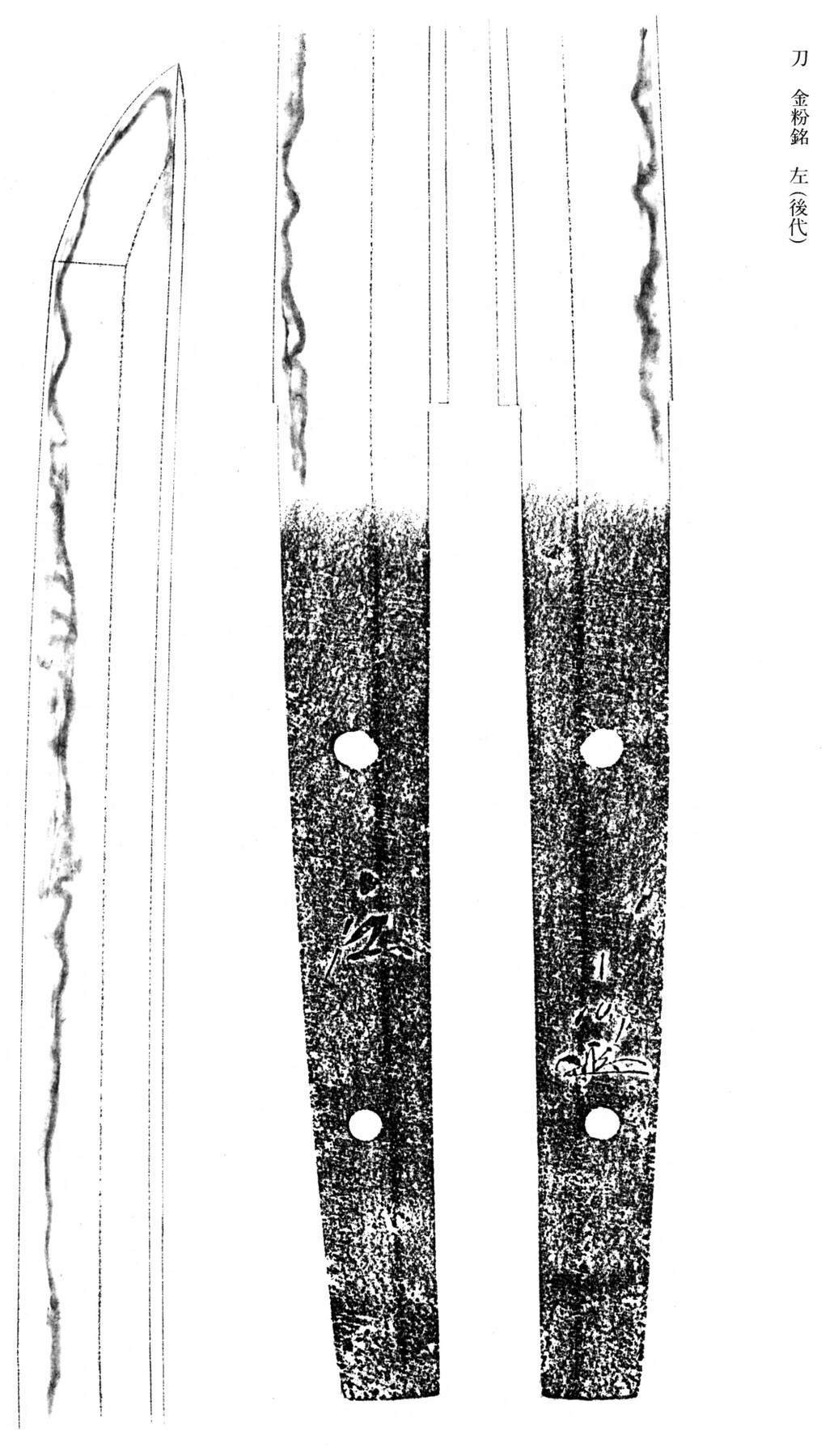
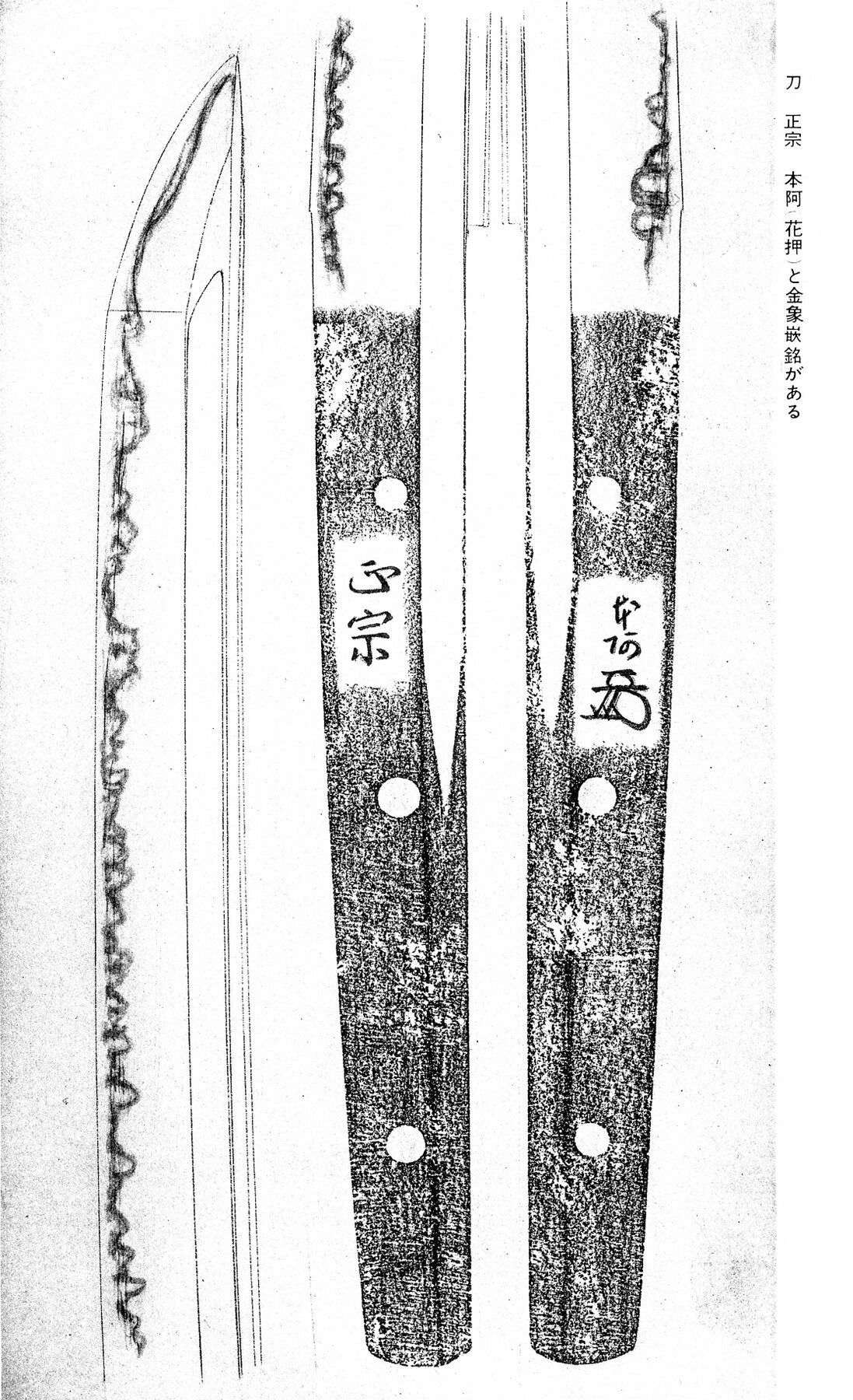
So, Brian, what I have heard from some experienced sources is that the NBTHK could still paper something but on the setsumei they will say they disagree with the attribution. For example, here below with the Sa blade the Honami attributed it to Sa, meaning O-Sa, but the NBTHK Shinsa in the setsumei said ‘definitely not O-Sa’ and gave it to Sue Sa. on the front, in brackets they say “後代”, which means later generation, ie Sue Sa. Below with the Masamune blade, they papered it but: - on the front they say “to kinzogan mei ga aru”, which means “there is a gold inlay signature”, and generally this could be a red flag (NB this is an advanced topic as such a “to mei……” attribution might disappear from Juyo to TokuJu) - on the back, in the setsumei they say it is definitely a high-end Soshu blade - they go as far as to say the blade looks more like Sadamune and could not go as far as attributing it to Masamune Now, the above are rare instances but comprise an excellent learning resource. However, in most cases, especially if the Honami is very reputable, they will uphold it.


-
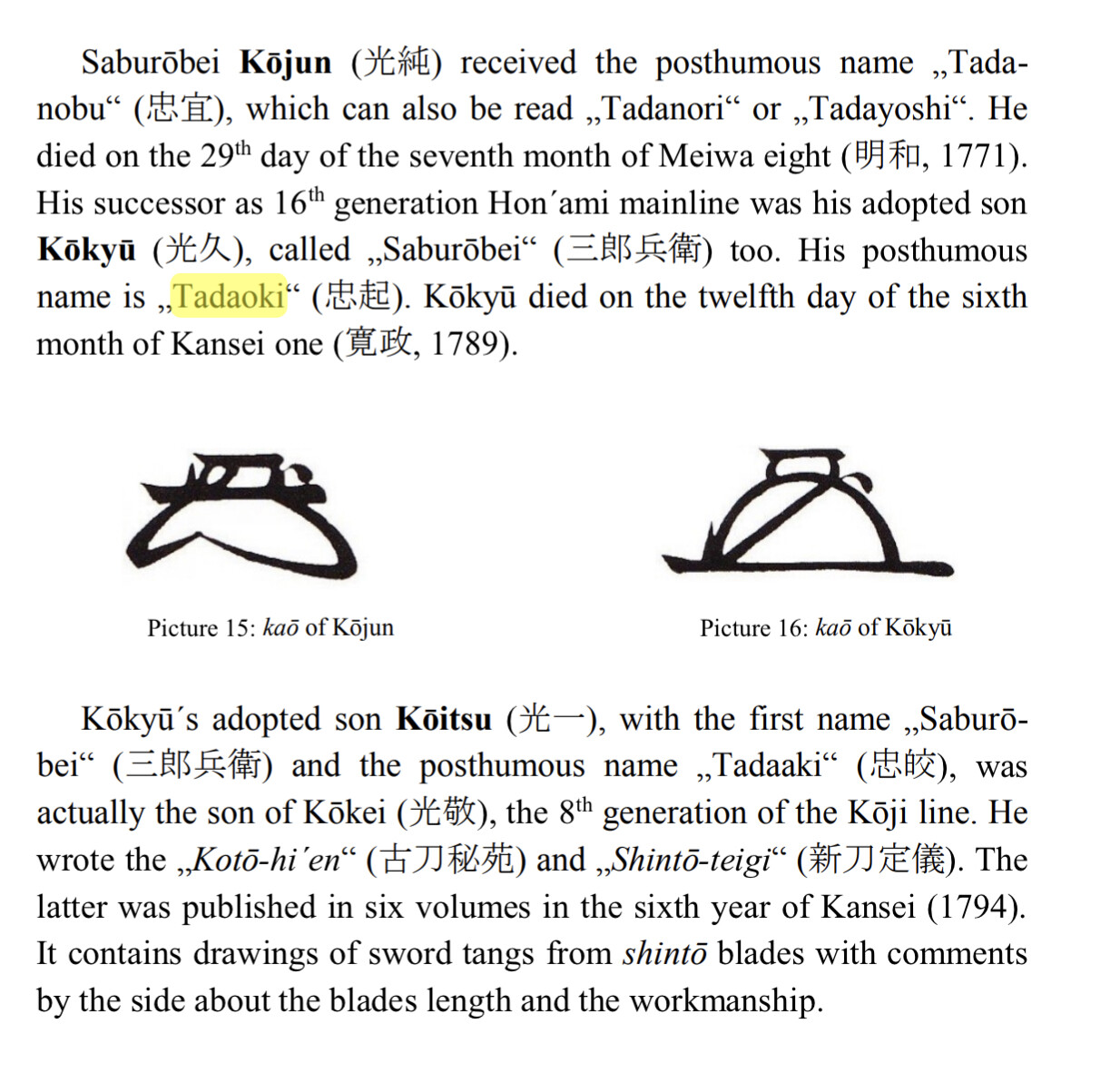
Stephen, Excellent endeavour and thank you! These photos are much better to grasp what this is about (even if we cannot see the detail of the sword). It looks like a great and precious package - the koshirae itself seems very elegant and precious and the sword per these records belonged to the renowned Matsudaira family. So, what a great provenance! Brian commented about gimei; however, the sword is not signed with a Masamune mei chiselled by the smith, so cannot be gimei in that sense. It has an attribution mei by a Honami. Well, it is a different matter if the Honami over-appraised a nice Soshu blade (eg a Shizu etc) as a Masamune…Thorough, in-hand inspection could shed some light (eg, elegance and finesse of the hada, presence of chikei and type of chikei, the vibrancy of kinsuji, sunagashi and inazuma). For those who have a chance to view it in person and take a look at the nakago, below is an excerpt from M Sesko’s Honami book about this particular Honami, Kokyu; please take a look and compare the mei. Again - kudos to Stephen for digging deeper.
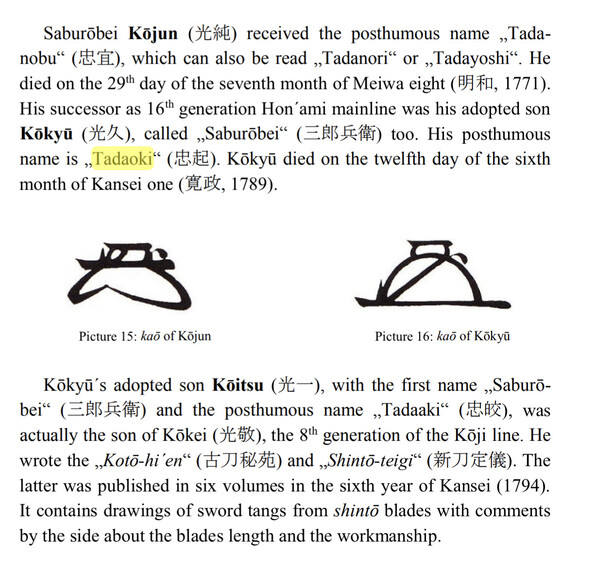
-
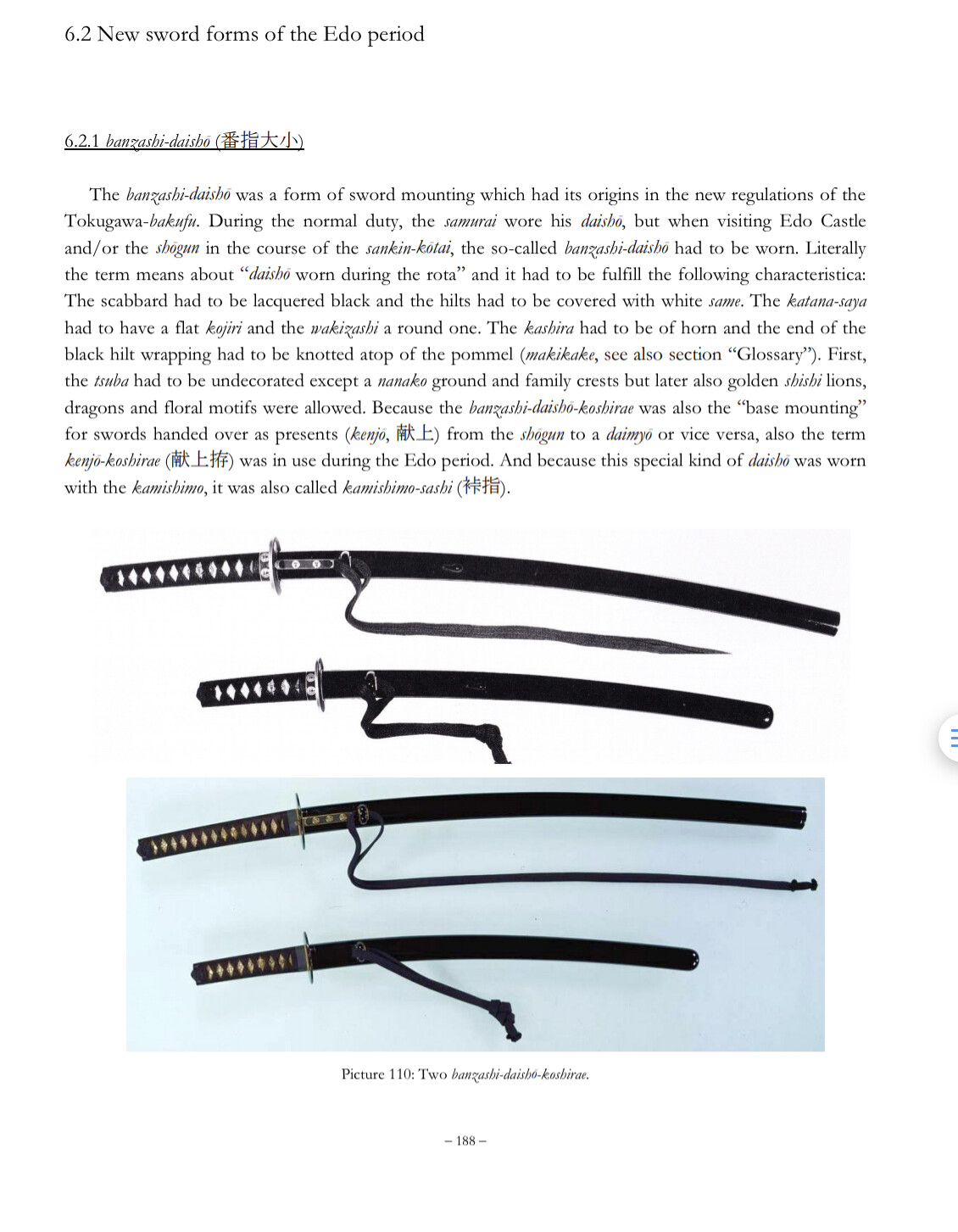
Apologies, Jean, I meant to say for visiting the shogun / Edo castle as opposed to the Imperial court (for which you are right- various tachi were prescribed, such as kazari, hoso-, efu- and itomaki depending on one’s rank). So, given the obviously short length, this would have been classified as wakizashi mostly (even though some might have honoured it standalone as chisagatana possibly) and therefore its current koshirae is the formal banzashi koshirae. I think the kashira (and its knot over it) is very similar to the enclosed excerpt from Markus Sesko’s Koshirae Taikan and gold mon are allowed in the formal koshirae .

-
“Japanese polearms” by Roald Knutsen is my first reference in English.
-
Definitely, this is very high-end formal Daimyo koshirae. As to the sword, the photos are not detailed enough to say anything. But I think I heard that it was suriage (in response to Jacques valid comment)
-
Must be this sword. https://www.trumanlibrary.gov/photograph-records/64-131 I have heard from friends having seen it that it is indeed high-end Soshu. I hope it is better handled and cared for these days than back when the general had it.
-
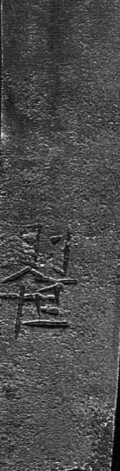
Koto 2 of the Koza has some interesting facts about some of the “old” Noritsune…. Worthwhile having a read. Meanwhile the oshigata below is from KoAoe Naritsune and the photo from a TokuJu F Ichimonji. The latter has a different “Tsune” kanji.

-
Jussi, signed tachi mei as it is plus the patina / yasurime being what it is, I think it might be a bit older than that. The sori in the monouchi moves it beyond the early / mid Kamakura blades. Now, of course, the few Noritsune mei I have access to do not look like this at all, which is making me pause. Different light sources and different angles can provide a better understanding of the patina and mei. The problem is that this blade is one which must be examined in hand. It is not your standard, straightforward Shinto.