Search the Community
Showing results for tags 'daisho'.
Found 9 results
-
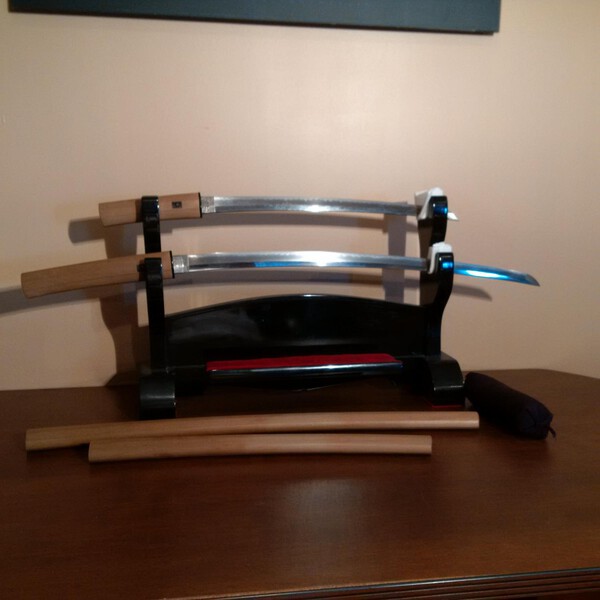
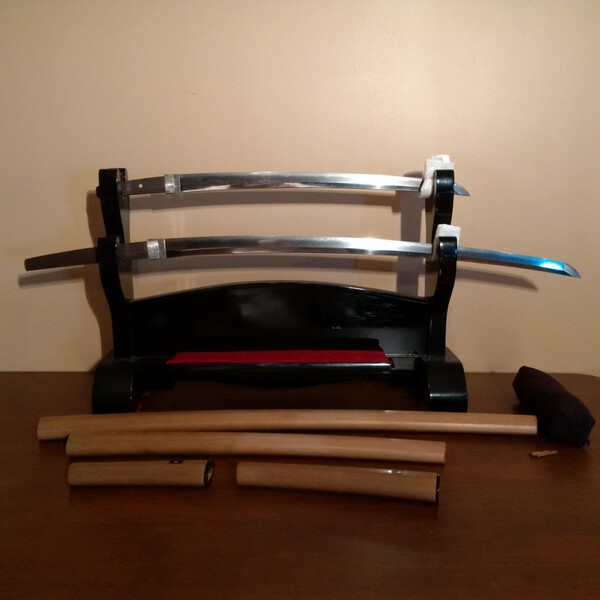
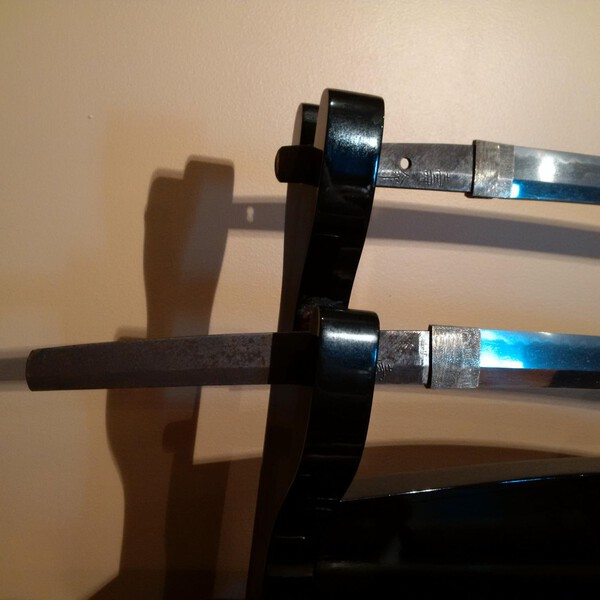
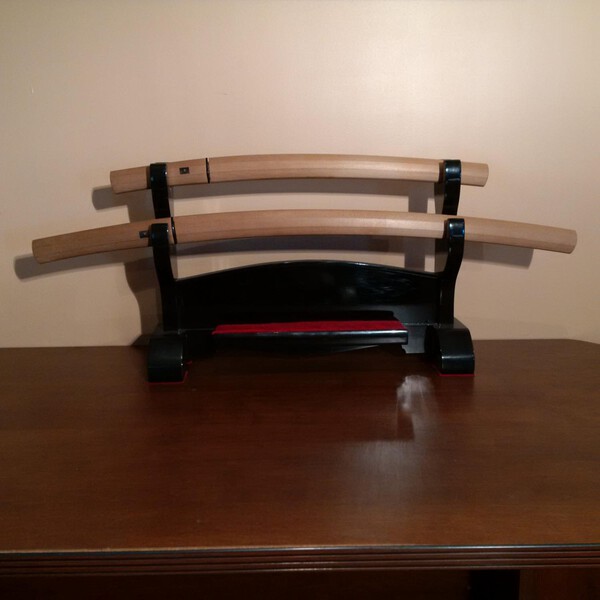
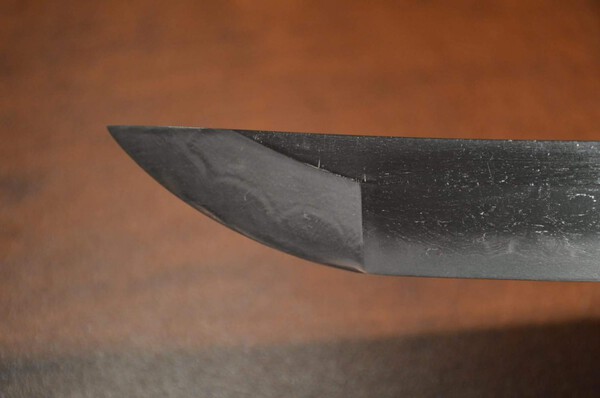
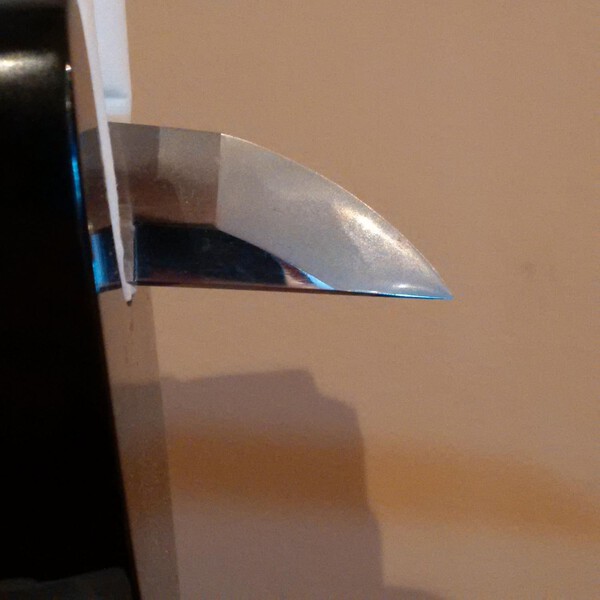
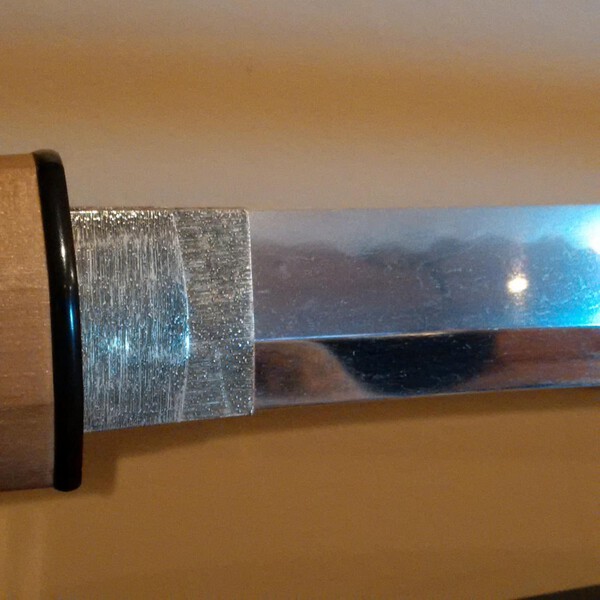
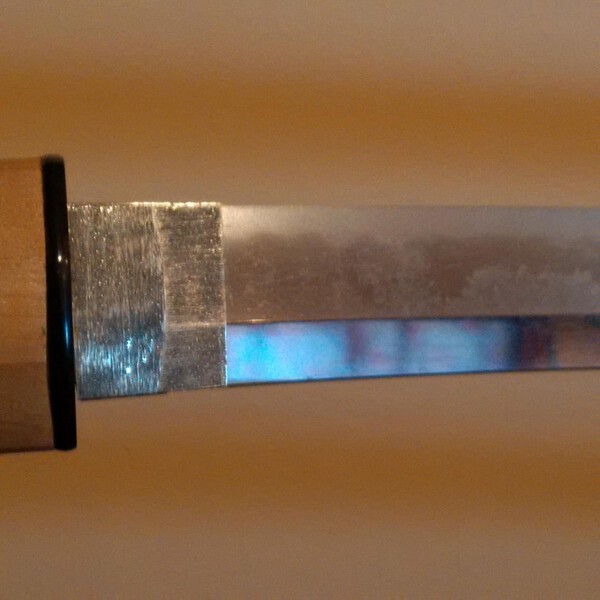
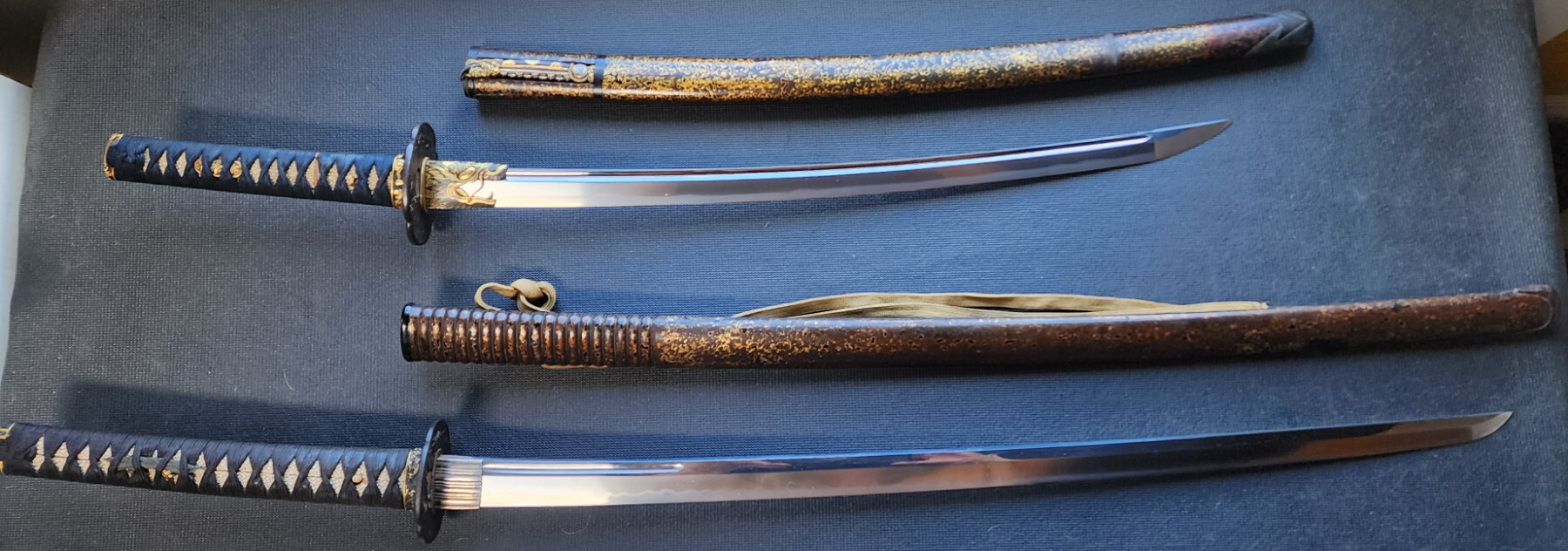
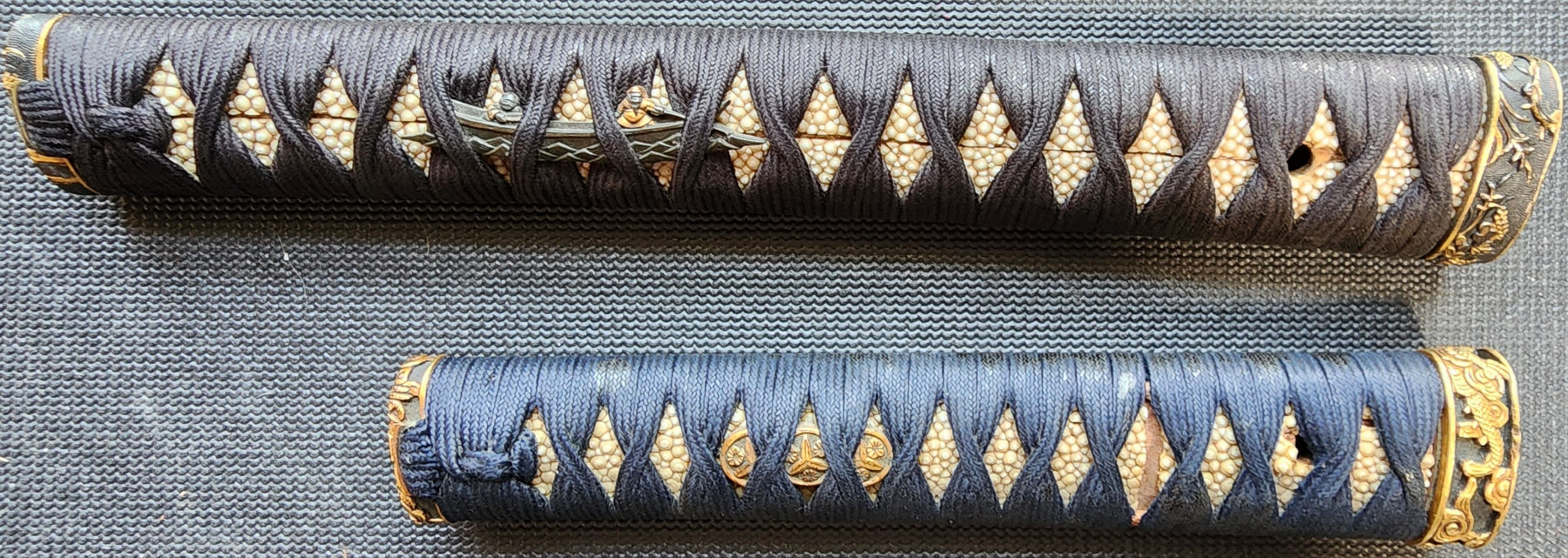
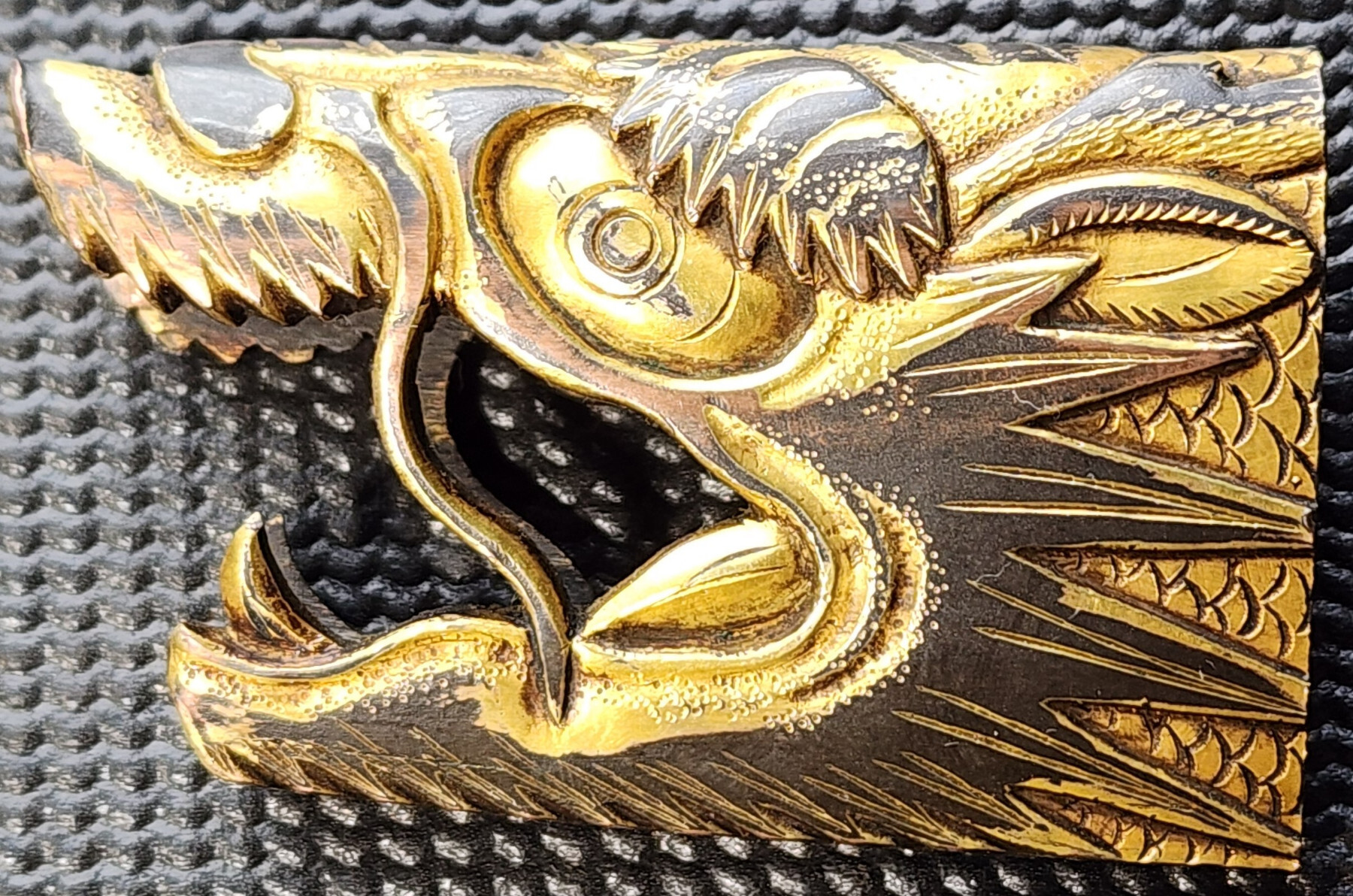
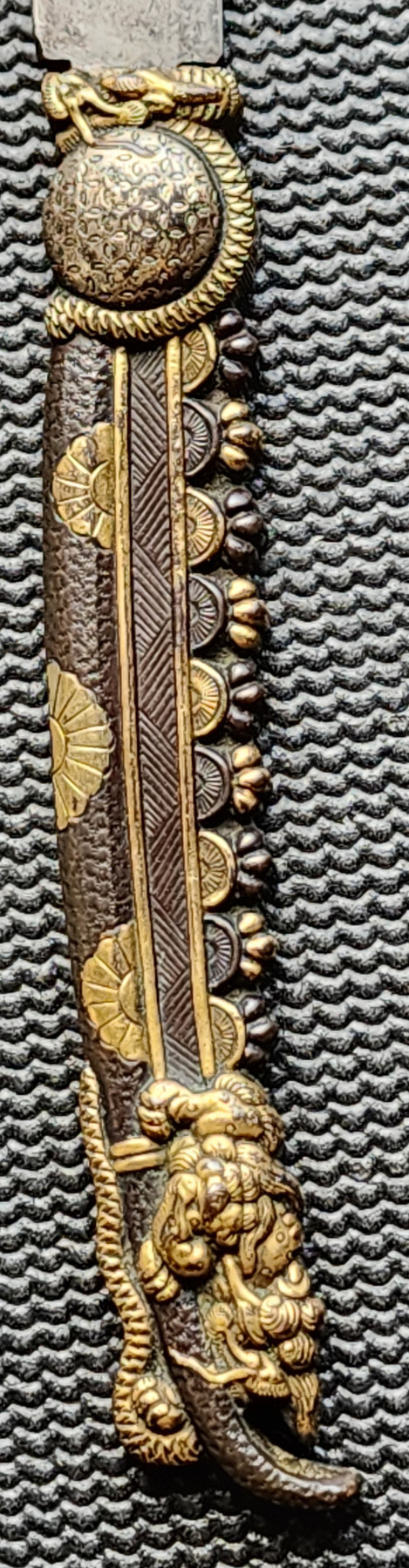
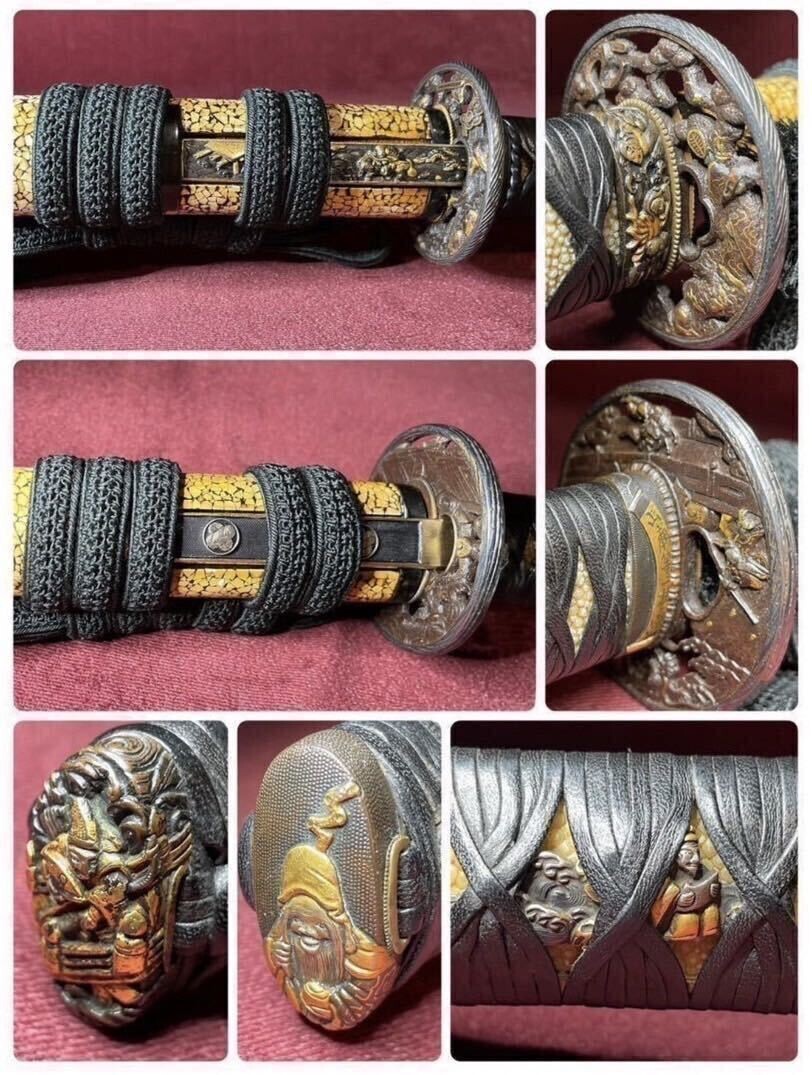
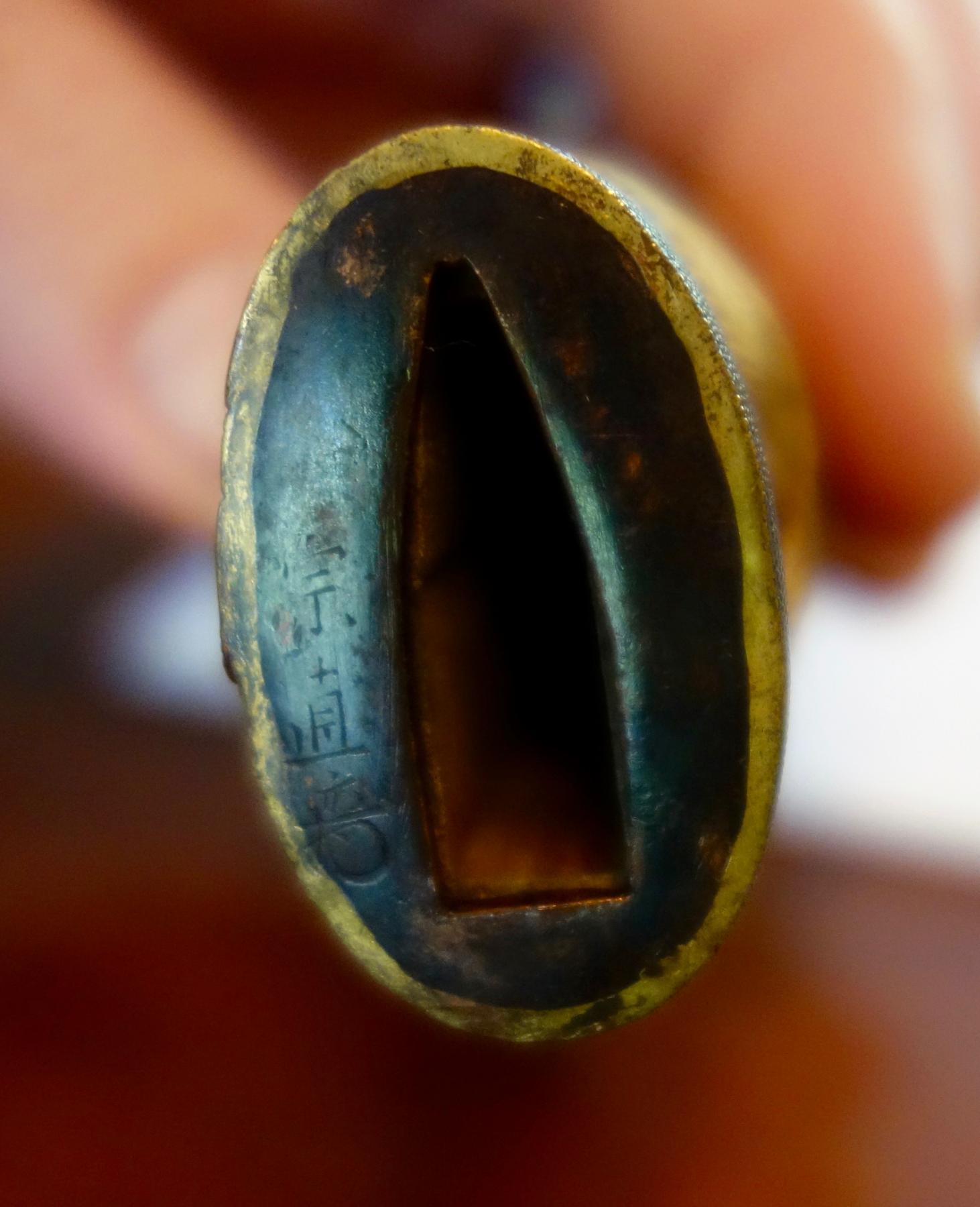
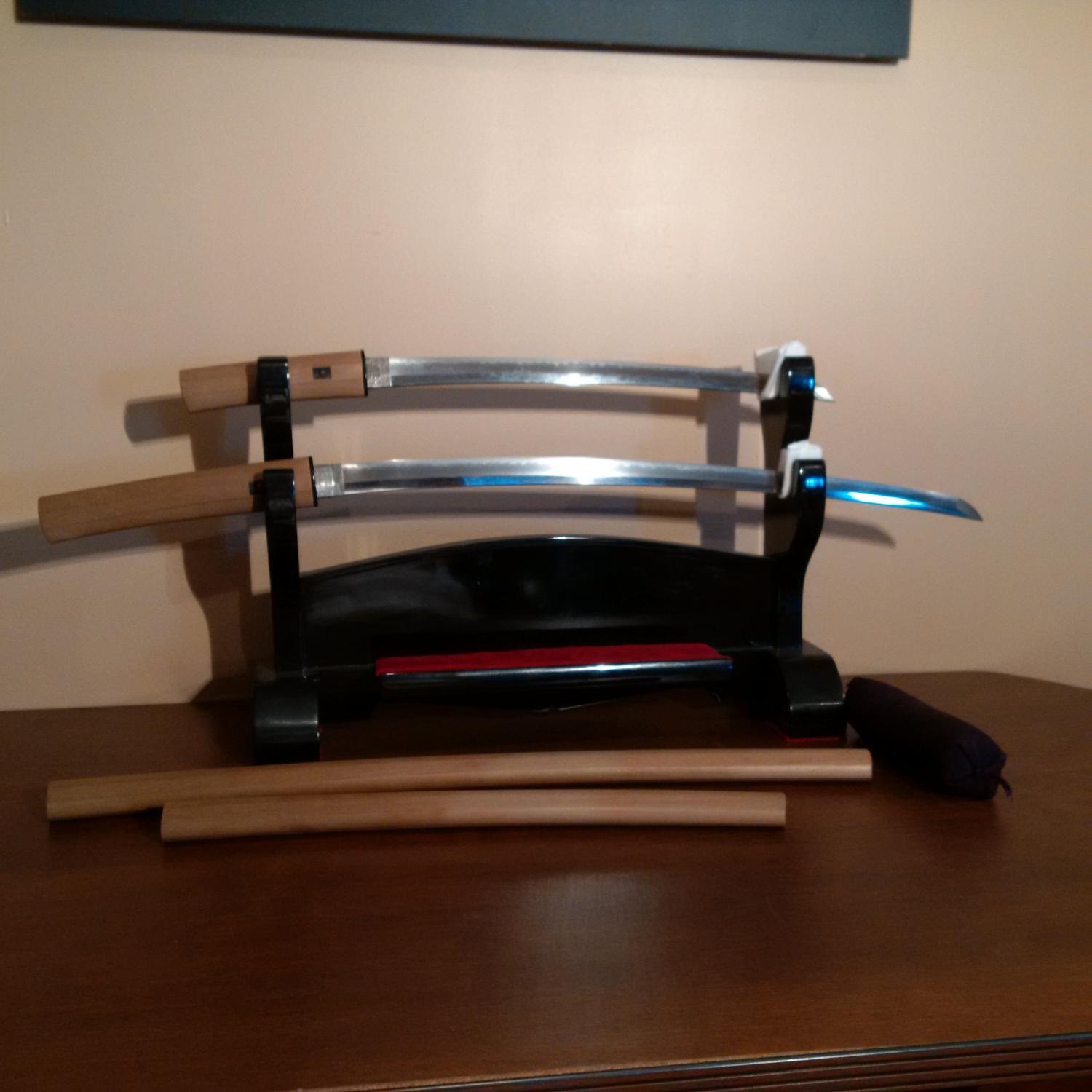
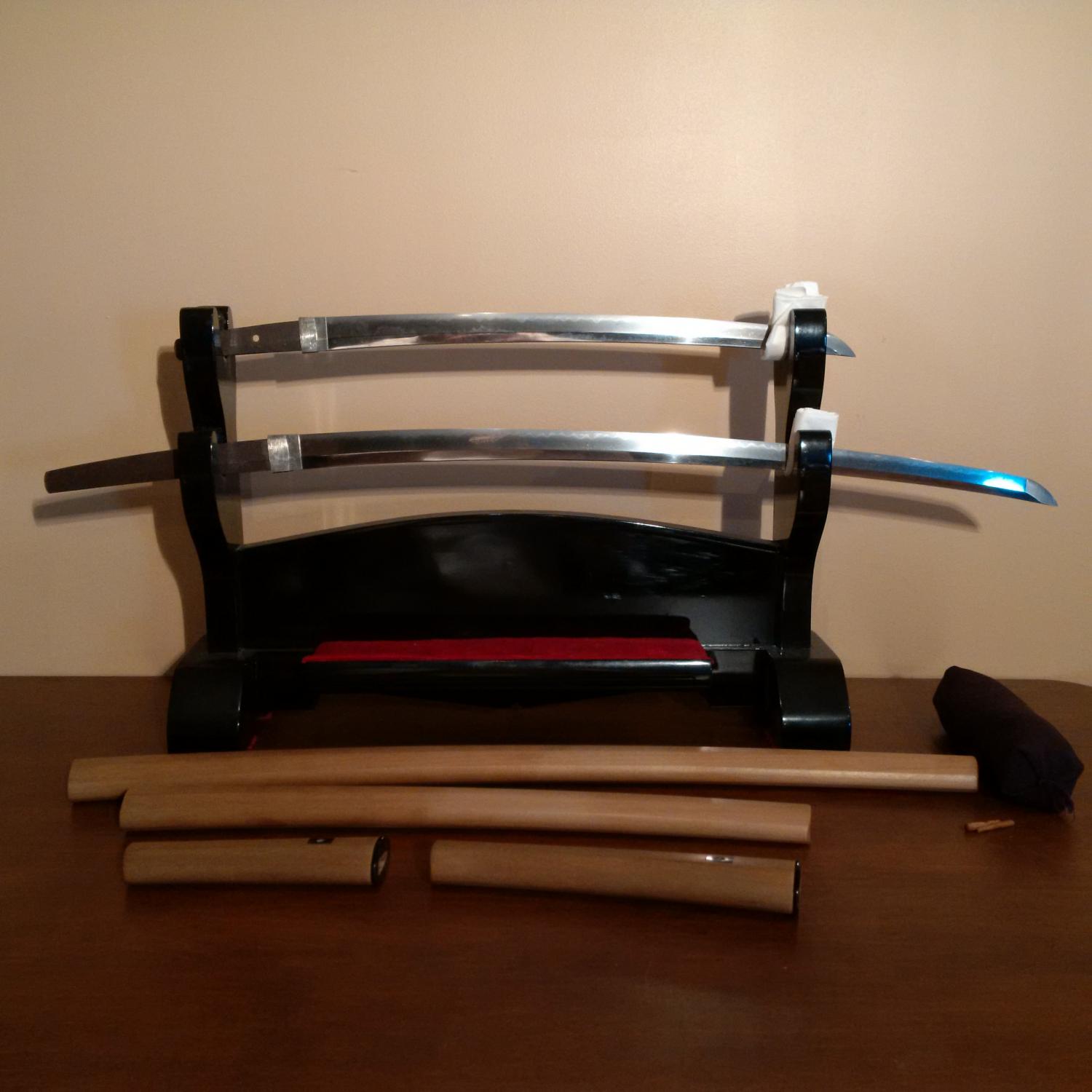
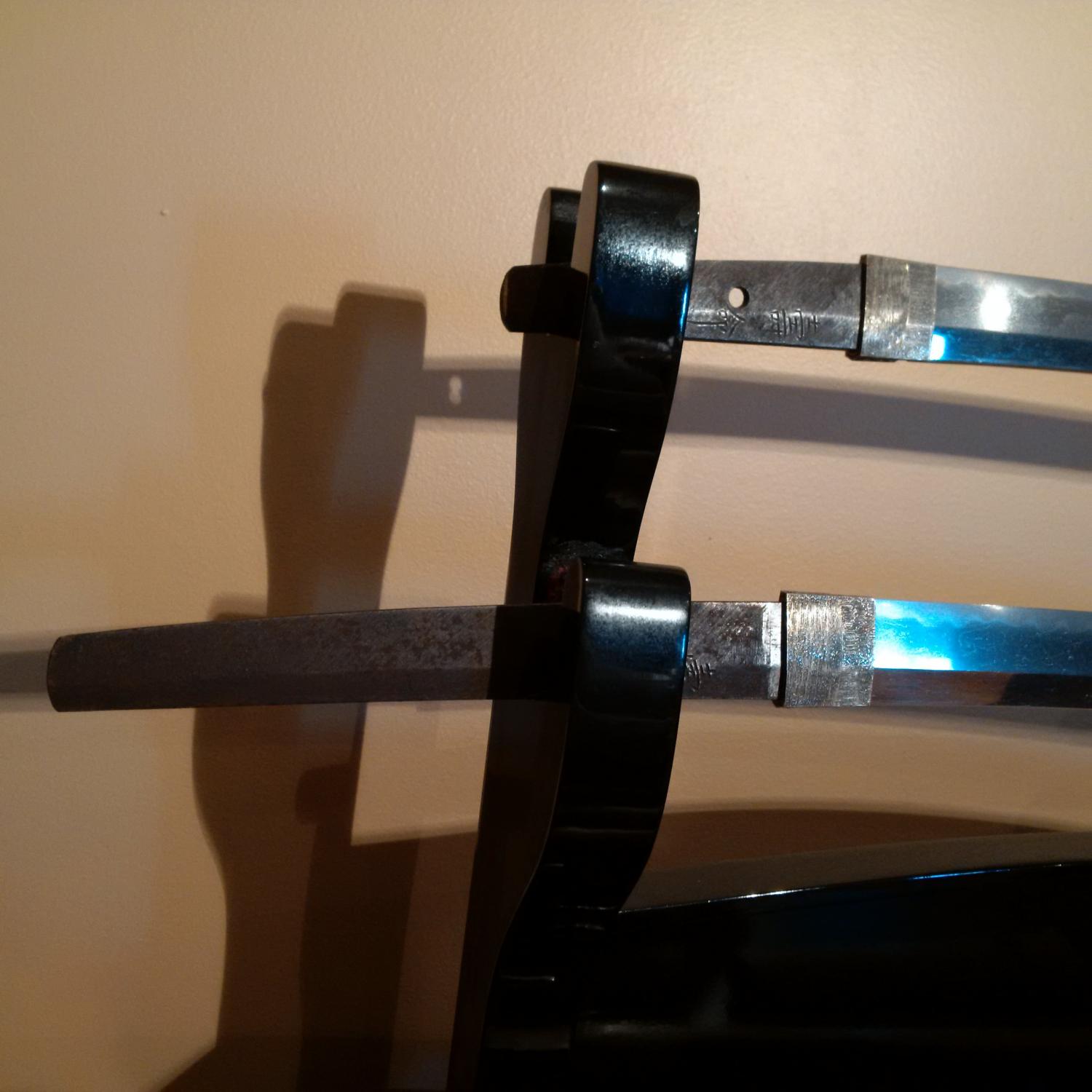
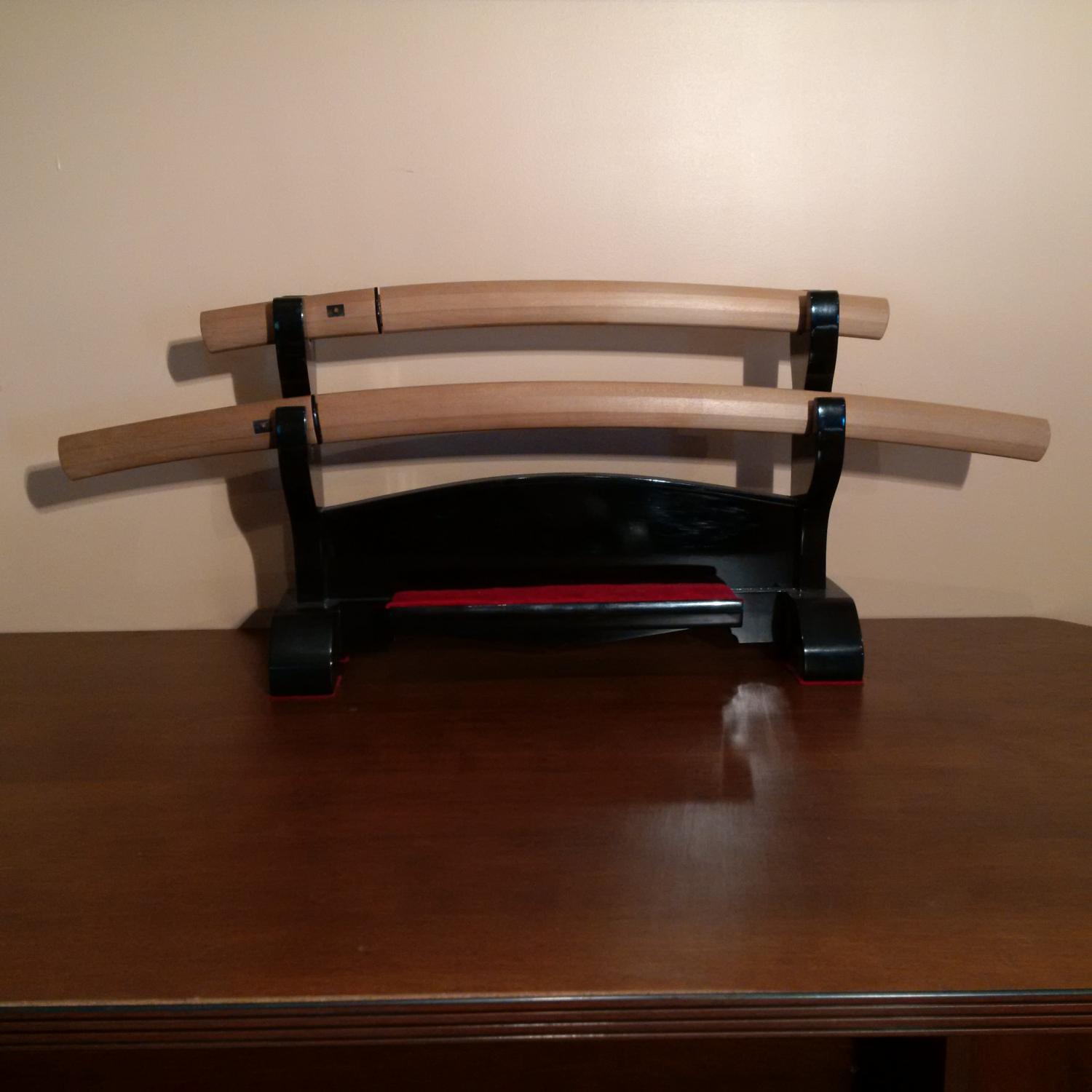
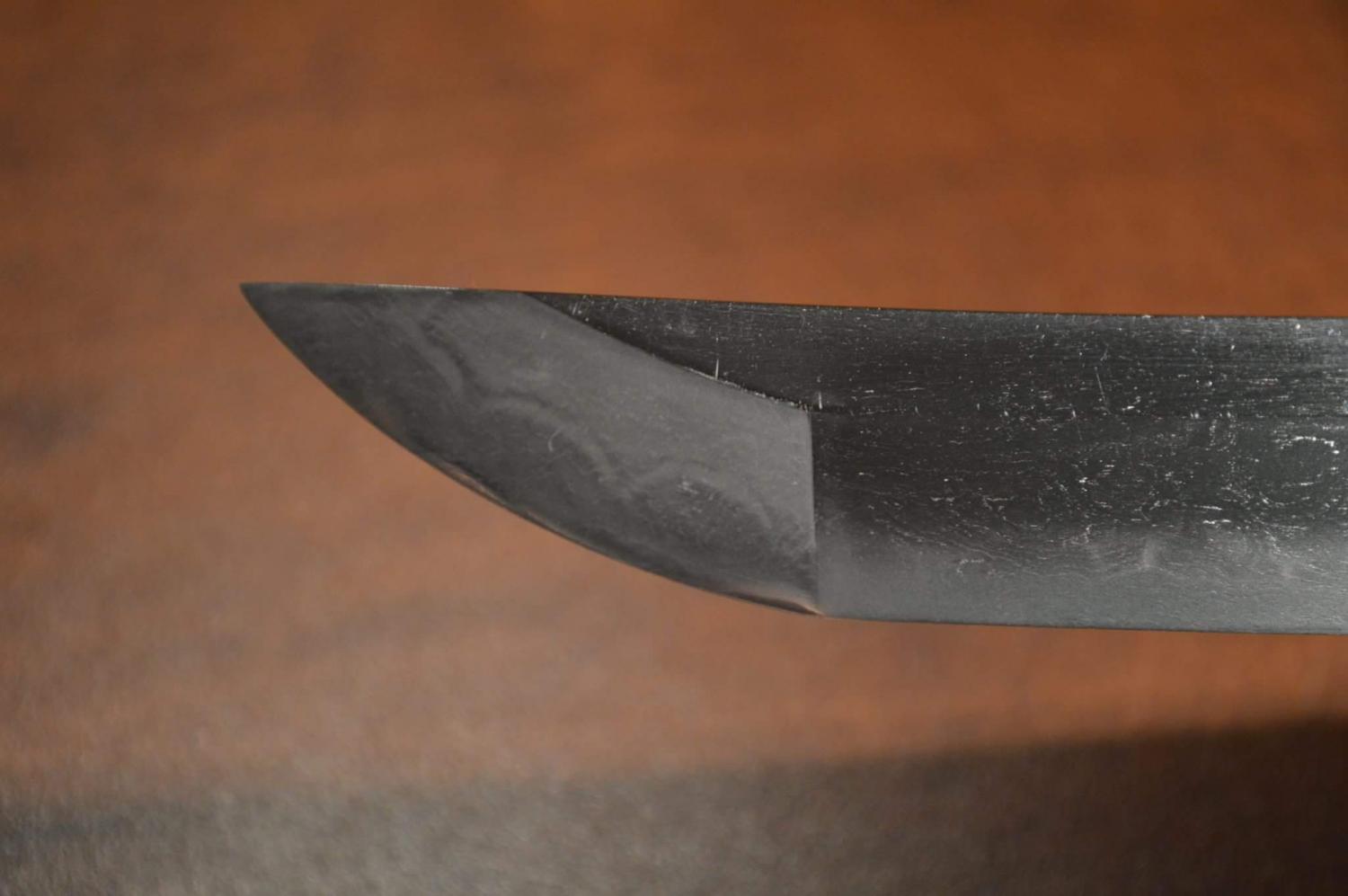
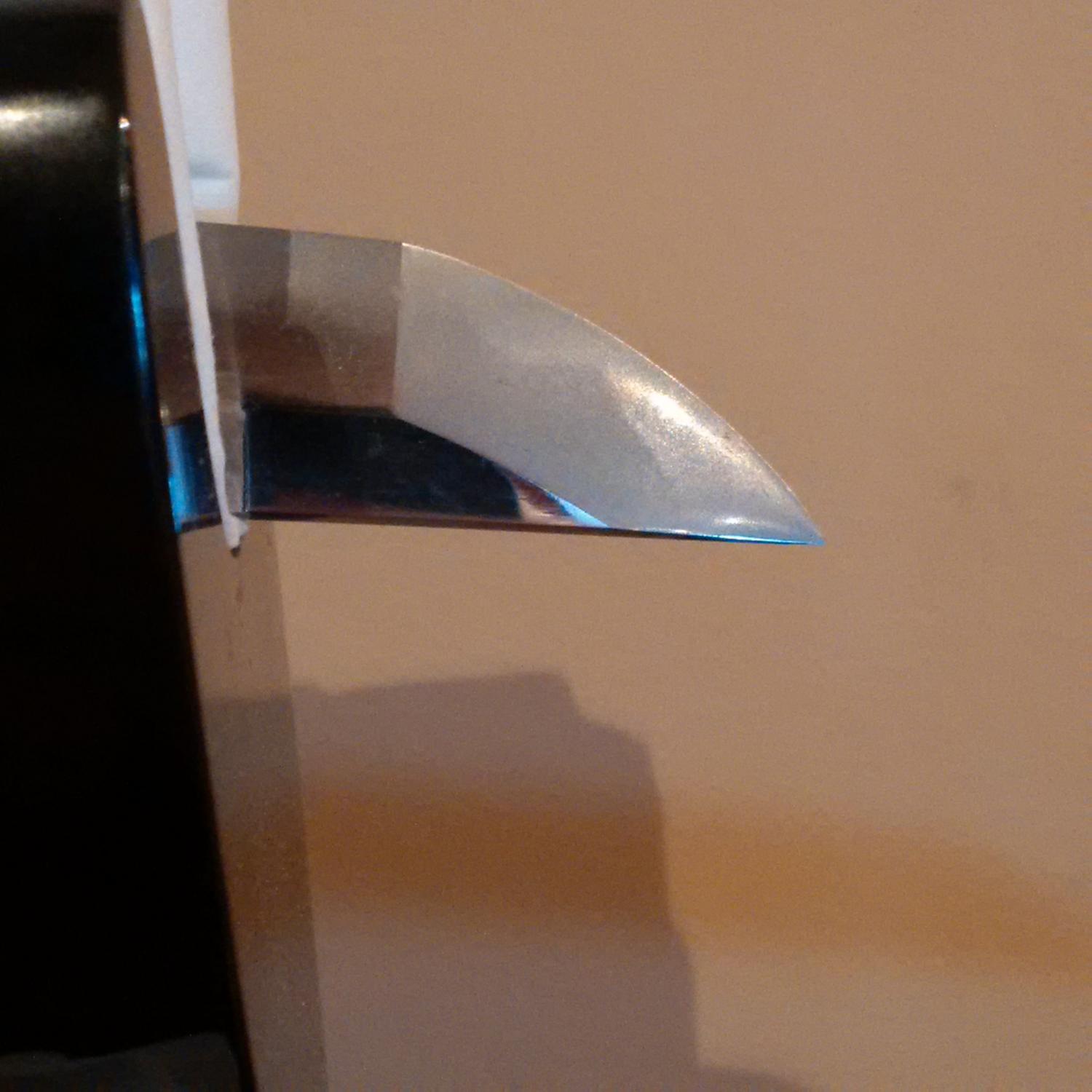
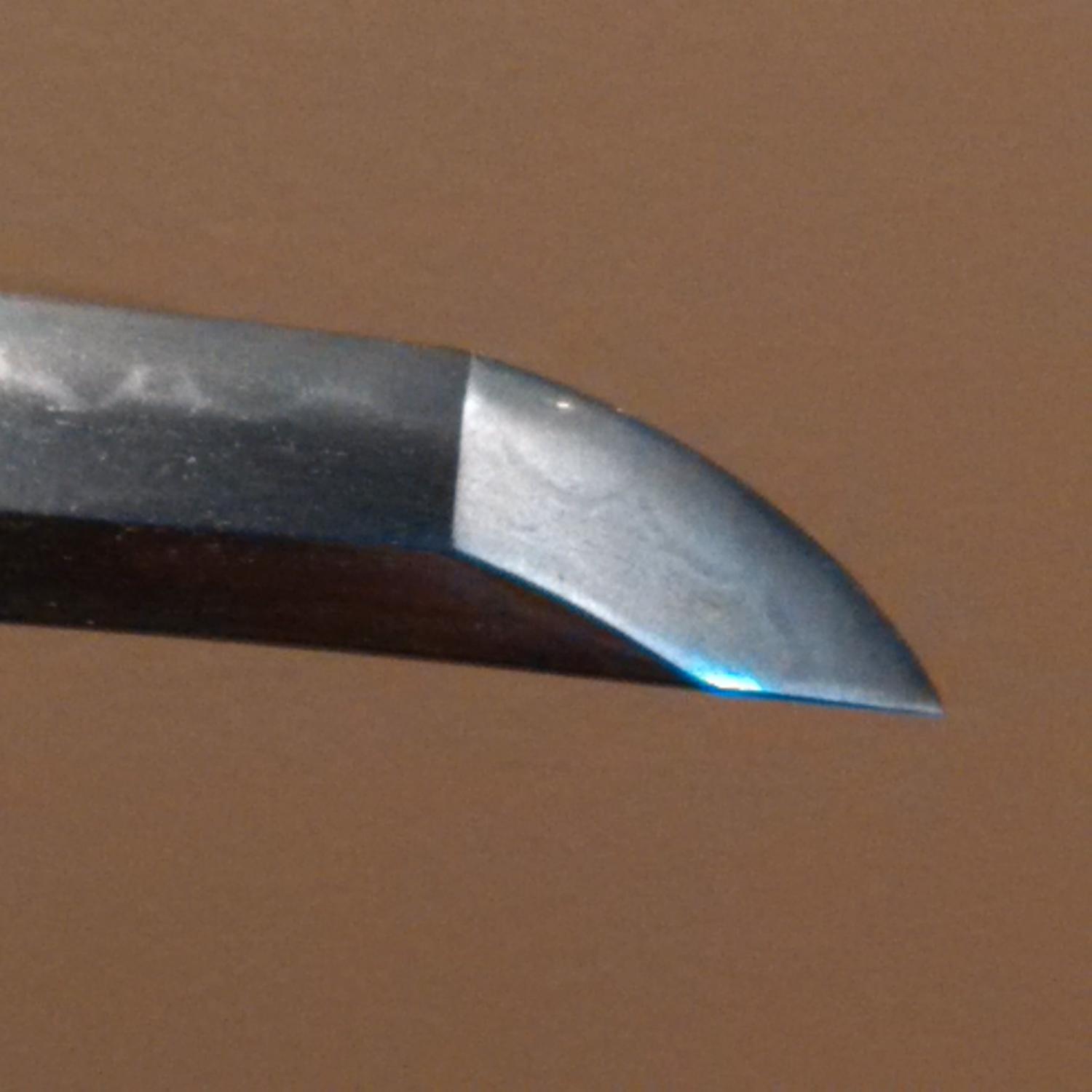
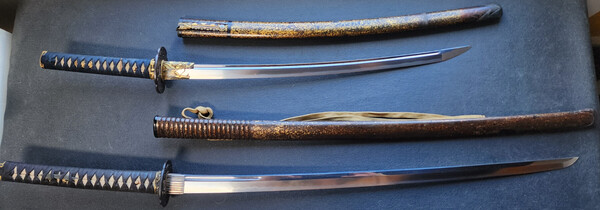
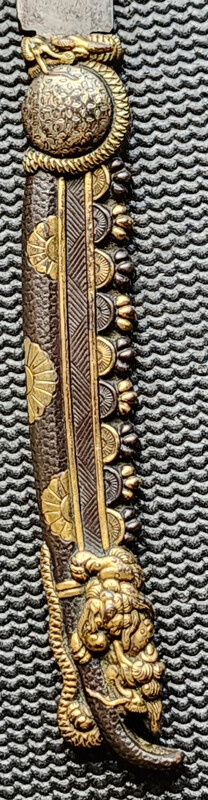
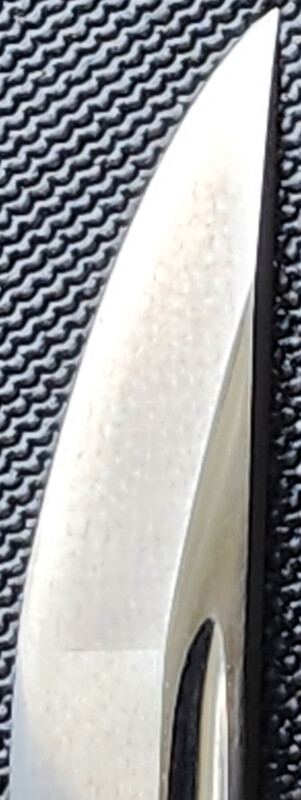
Hello again ladies and gentlemen, today I am offering up for sale a pair of swords that someone went to a good amount of effort to present as daisho. Type (Tachi, Katana, Wakizashi, Tanto, Naginata, Other) : Katana + Wakizashi (former tachi). Ubu, Suriage or O-Suriage : Katana is suriage, wakizashi is o-suriage Mei : (Mumei, Signature) : Mumei for both. Papered or not and by whom? : No Era/Age : Early Muromachi to Late Muromachi. Shirasaya, Koshirae or Bare Blade? : Full Koshirae for both. Nagasa/Blade Length : 27.5" for the katana, 22.5" for the wakizashi. Sori : 0.5" for the katana, 0.75" for the wakizashi Hamon Types : Very regular gunome that is borderline sanbonsugi for the katana and an irregular and beautiful Soshu midare-ba with notare for the wakizashi. Jihada : Itame for katana and itame with mokume for wakizashi. Other Hataraki Visible : Kinsuji, inazuma, Kaen. These blades have different hataraki present as is appropriate for their den. Flaws : Micro-scratches as is appropriate for blades in older polish. Minor pitting on katana near yokote. A few ware on wakizashi on one side. Sword Location : Canada to Indiana then to anywhere USA (will explain below) Will ship to : USA primarily, international contingent on laws of destination country. Payment Methods Accepted : Paypal, Cashapp. Shipping discussed below Price and Currency : $8000USD (Shipping included for USA buyers) + tariff import fees. Other Info and Full Description : Comes in full koshirae. On offer are a pair of antique blades that someone in the past, likely their last samurai owner, went to great pains to present as daisho. The wakizashi is likely to have been a tachi in its original incarnation since it appears to be completely or close to o-suriage. It is also likely to be of the Soshu tradition, given that it has an irregular Soshu-style midare-ba on notare hamon with an itame/mokume mixed hada. It possesses a very nice o-kissaki with nice kaeri and kaen present within the boshi. Beyond calling it Soshu, I am not enough of an expert to say what lineage it may belong to. This would make for a very fun submission to Shinsa, as it does not need any polishing work done to it! My belief is that this blade is probably an earlier Muromachi piece, perhaps late 1300's or early 1400's. This blade has three mekugiana, with two of them being plugged with silver. The bohi run deep down into the nakago. The katana is slightly suriage and appears to be of the Mino tradition. I predicate this belief on the fact that it possesses a very regular gunome that could be called sanbonsugi paired with a very wide-flowing itame hada. This blade is also in very appreciable polish and possesses only some minor old pitting near the yokote. What is interesting besides the workmanship of the metal itself is that this blade possesses two short bohi, one on each side, that terminate after only about 8 inches. This blade has two mekugiana. What truly makes this pair stand out though are the very nice quality fittings they come in. The wakizashi possesses a kind of habaki I have not seen before. As shown in the photos below, it is a gold-washed copper habaki of a three-dimensional carved dragon's head with its mouth open, evincing an image of the blade coming directly out of the dragon's mouth! The habaki for the long blade is a very well-made silver-plated one-piece with interesting vertical grooves that gives me the impression of a bamboo forest. The saya are both very nice gold-flake lacquered saya which are in need of some repairs as they are suffering from age and dryness, causing some longitudinal splits. They both possess very nice iron sayagiri and black horn accents. The shorter saya has a kogatana slot, while the longer saya has some beautiful ribbing along the upper portion. The shorter saya is missing a kurikata, which is the only thing absent from this entire package. The kozuka is a fantastic piece with a long dragon wrapped around a jewel of wisdom and an onishi on the other end; this piece is done in gold and shakudo. The kogatana blade itself appears to be forged and has a signature; though I will leave that to the new owner to deal with. Moving on to the tsuba, they appear to be a proper daisho for each other, with their presenting faces being the opposite side of the other. The tsuba are a matched set of the Mito tradition, prominently featuring a ‘land and sea’ motif as inverses to each side. One side of each tsuba illustrates a scene of farmers working their land with an oxen under the view of a gingko tree, while the other side shows fishermen at work in the sea or river, trying to bring their catch in with birds overhead. Accented in some gold on points of highlight, such as flowers, lily pads, the hats of people, etc. The fuchigashira sets from both blades are extremely similar and might actually be true daisho: with the fuchi from the wakizashi being signed. The silk wrap on both is similar and appear be the same color of silk, but one has faded more than the other so appear to be slightly different colors at first glance. The menuki on the longer blade is a scene of monks or fishermen in a boat. The wakizashi’s menuki are of three of the same mon in a set, possibly representing the Omodaka clan with a tie-in to the Tokugawa shogunate. Lastly, the seppa appear to be gold-plated; which is correct giving the amount of gilding and gold-leaf work present through the rest of the fittings. The only missing component is a kurikata from the wakizashi saya, which has apparently fallen off and been lost. It would be fairly trivial to match and replace this piece since the longer blade still has the kurikata on its saya. The other thing to note is that this blade is currently located in Canada with the current owner and I am performing the role of estate liquidator. There will be an assessed tariff fee to be paid by the purchaser and will be assessed once a final purchase price is reached. Since I am the estate liquidator, the swords will be shipped to me and then I will ship it direct to you! I am doing this at the request of the owner to protect their privacy. There are a couple videos of these swords as well as many more photos available upon request. If you are interested, please drop a message in this thread, then DM me here on the message board or email me at ChrisW7290@gmail.com First come, first served of course. ~Chris




-
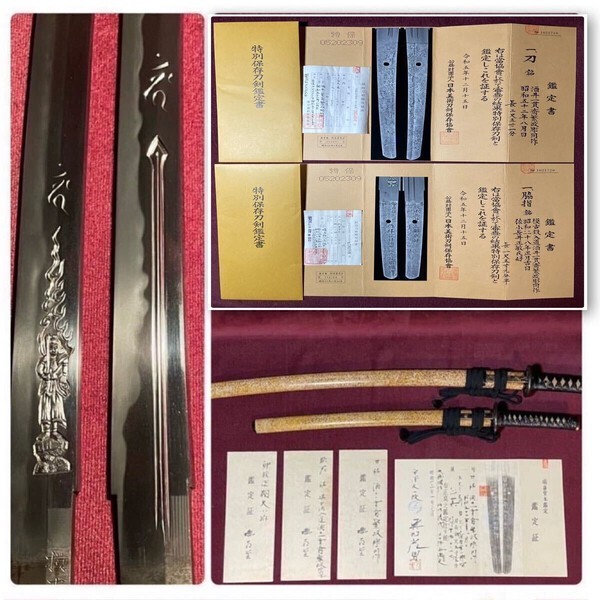
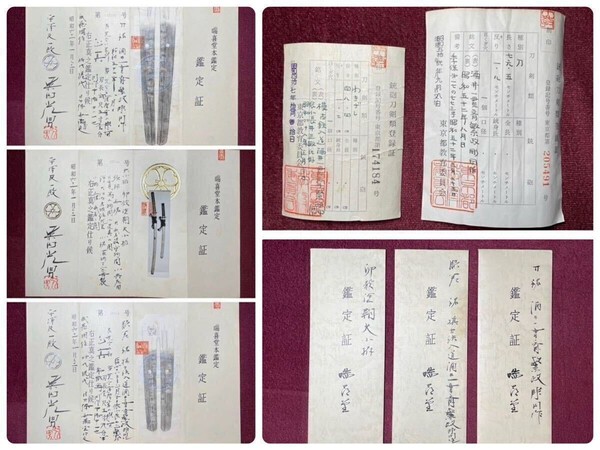
This is a daisho by Sakai Ikkansai Shigemasa with a beautiful paired eggshell lacquer koshirae. I’ve never seen a koshirae made to this level of quality, and some to whom I have shown the daisho think that the koshirae of a higher quality than the blades themselves (which says quite a lot). The handles are twist-wrapped with leather. Both blades also have kozuka. Both blades were made in 1971. The blades+koshirae come with additional kantei papers from Mitsuo Shibata. The dai is tremendously long, coming in at over 2.5 shaku. Both blades are in good condition, and have nice horimono. Daisho Type: Katana + Wakizashi Ubu, Suriage or O-Suriage : Ubu Mei: Sakai Ikkansai Shigemasa Papers: NBTHK Tokubetsu Hozon, Mitsuo Shibata kantei Era/Age : Gendaito Shirasaya, Koshirae or Bare Blade? : Matching daisho koshirae Katana (Dai) Weight: 999 g Nagasa/Blade Length : 76.5 cm Sori : 1.8 cm Mekugi-ana: 1 Width at base: 3.2 cm Width at tip: 2.4 cm Thickness: 0.6 cm Wakizashi (Sho) Weight: 548 g Nagasa/Blade Length : 48.4 cm Sori : 1.2 cm Mekugi-ana: 1 Width at base: 2.8 cm Width at tip: 2.4 cm Thickness: 0.6 cm More Information: This is a daisho with a beautiful paired eggshell lacquer koshirae. I’ve never seen a koshirae made to this level of quality, and some to whom I have shown the daisho think that the koshirae of a higher quality than the blades themselves (which says quite a lot). The handles are twist-wrapped with leather. Both blades also have kozuka. The blades+koshirae come with additional kantei papers from Mitsuo Shibata. The dai is tremendously long, coming in at over 2.5 shaku. Both blades are in good condition, and have nice horimono. Smith Details: Known Signatures: Shigemasa (繁政) Shigemasa (繁正) - initial signature Sakai Ikkansai Shigemasa (酒井一貫斎繁正) Tōtō Jōhoku ni oite Sakai Ikkansai Shigemasa kinsaku (東都於城北酒井一貫斎繁正謹作) Sakai Ikkansai Shigemasa (酒井一貫斎繁政) Sakai Shigemasa hori-dōsaku (酒井繁政彫同作) Civilian Name - Sakai Hiroshi (酒井寛) He was born on August 19th 1905 as third son of Sakai Yasujirō (酒井安次郎), the younger brother of Miyaguchi Shigetoshi (宮口繁寿), in Shizuoka. In 1925 he started his apprenticeship as a swordsmith under Kasama Shigetsugu (笠間繁継) and became independent in 1932. During World War II he worked for the forges “Nihontō-tanrenkai” (日本刀鍛錬会) and “Ōkura-Nihontō-tanrenjo” (大倉日本刀鍛錬所). During this period, he forged ten tantō for Admiral Yamamoto Isoroku (山本五十六, 1884-1943). He died 1995 at the age of 91. Like his master Shigetsugu, he was an excellent horimono carver. Kantei Details: The additional kantei papers come from Mitsuo Shibata, who was a student of Fujishiro-sensei and of Japan’s foremost sword appraisers. He was a member of many Japanese sword appraisal organizations, including the Sword Appraisal Committee for the Japanese Agency for Cultural Affairs and the NBTHK. Sword Location : Seattle, WA Will ship to : US (can discuss for overseas) Payment Methods Accepted : Bank Wire (open to discussion) Price and Currency : $15,500 USD



-
Hi everyone, I would like first to thank all for the great source of quality information regarding daisho in general found in this forum. I would really appreciate your opinion on the following daisho: https://www.samuraim...u-hozon-certificate/ As far as I can see from the certificate it's a real daisho not a dealer assembled side project, do you agree? Do you think price is reasonable? What is your opinion on Naotane as a sword smith? One other thing that bothers me is that it doesn't have a koshirae and the shop is not willing to ship to a 3rd party (i.e. koshirae maker) and I live in Australia. How much do you reckon a koshirae for a daisho like that would cost? Thanks!
-
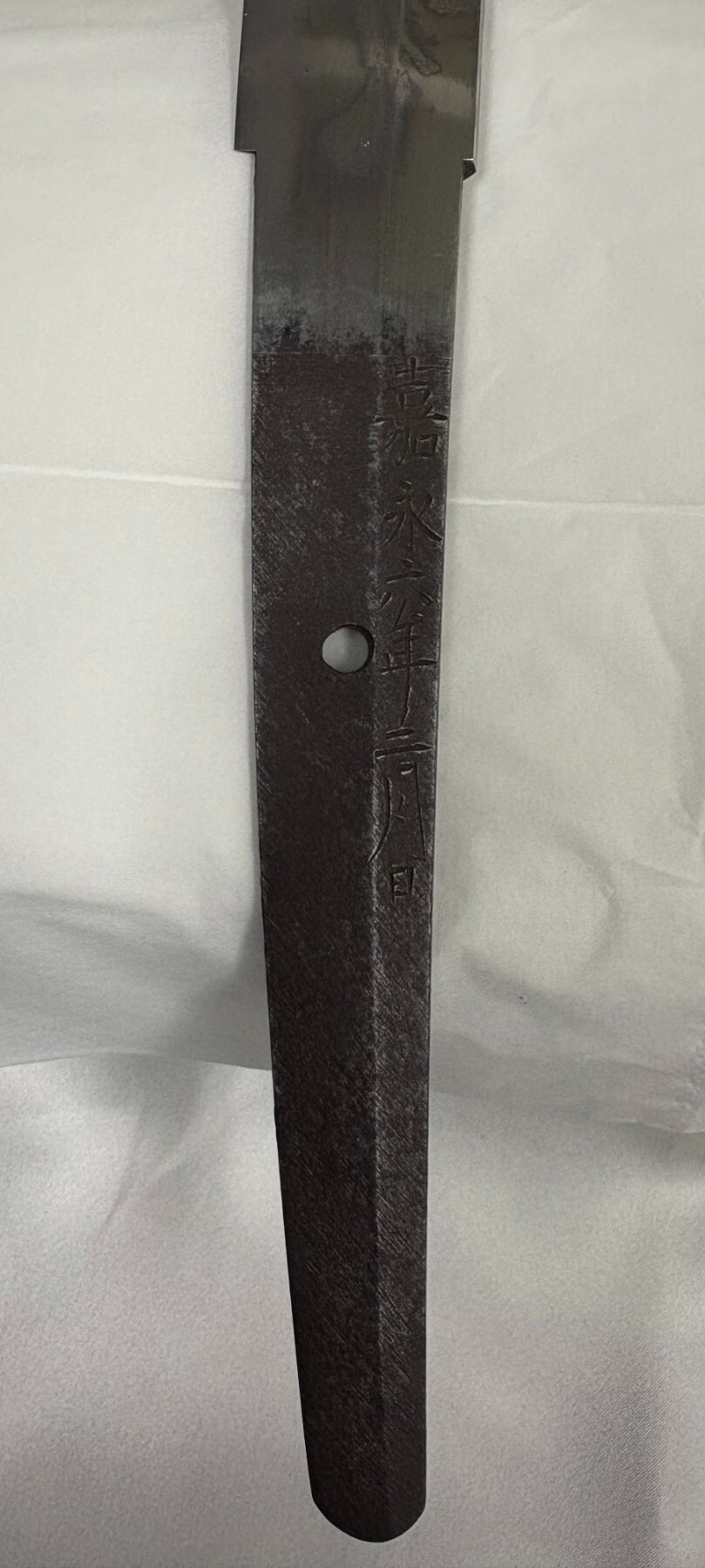
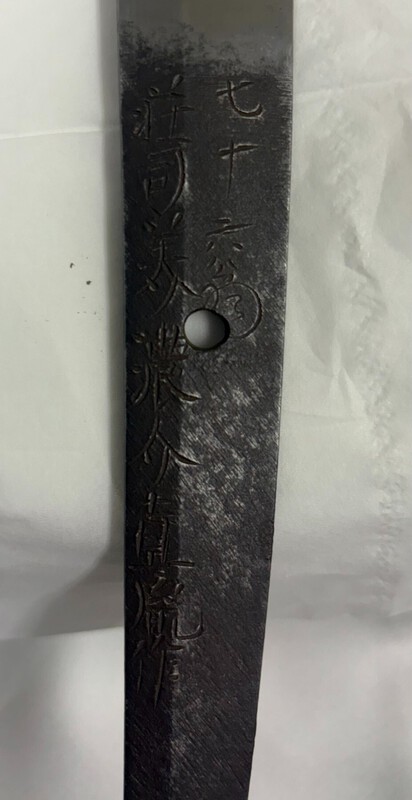
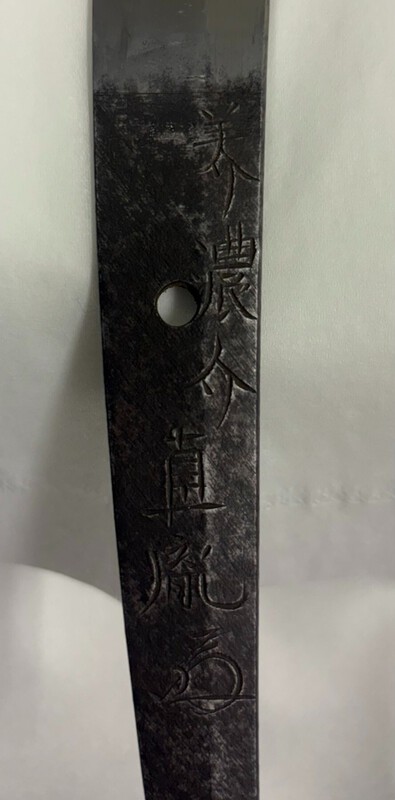
Hi all, I need your expertise/opinions on the following nakago, whether real or fake. The blades have a certificate but as you know papers can be forged. Katana (.heic files): Katana - Google Drive Wakizashi (.heic): Wakizashi - Google Drive Certificate (.heic): Chiba 10078-10079 - Google Drive What worries me is Naotane's monogram on the katana, the way mekugi ana takes a portion of it. What do you think? I've found some examples on genuine meis but it look Naotance modified his signature over the years. I am attaching the jpg version of the pictures.



-
Raising $ for my Kanayama/Owari Fund. This is a love daisho with plum branch and blossom theme in copper, silver, gold, shakudo inlay/overlay. $650 including shipping in US (ask for quote for international). Links to similar examples with various attribution to Ko-Nara or Umetada. https://www.worthpoi...-guard-ume-tsuba-for https://www.ngv.vic....llection/work/54298/ Katana: 73.2, 68.6, 4.5, 4.0 mimi Wakizashi: 69, 62.8, 4.0, 3.2 mimi


-
 long story, but got my stuff back from Hans and also got stuff that's owned by Chris Martin and a guy named Joseph Machids. do you know him?
 -
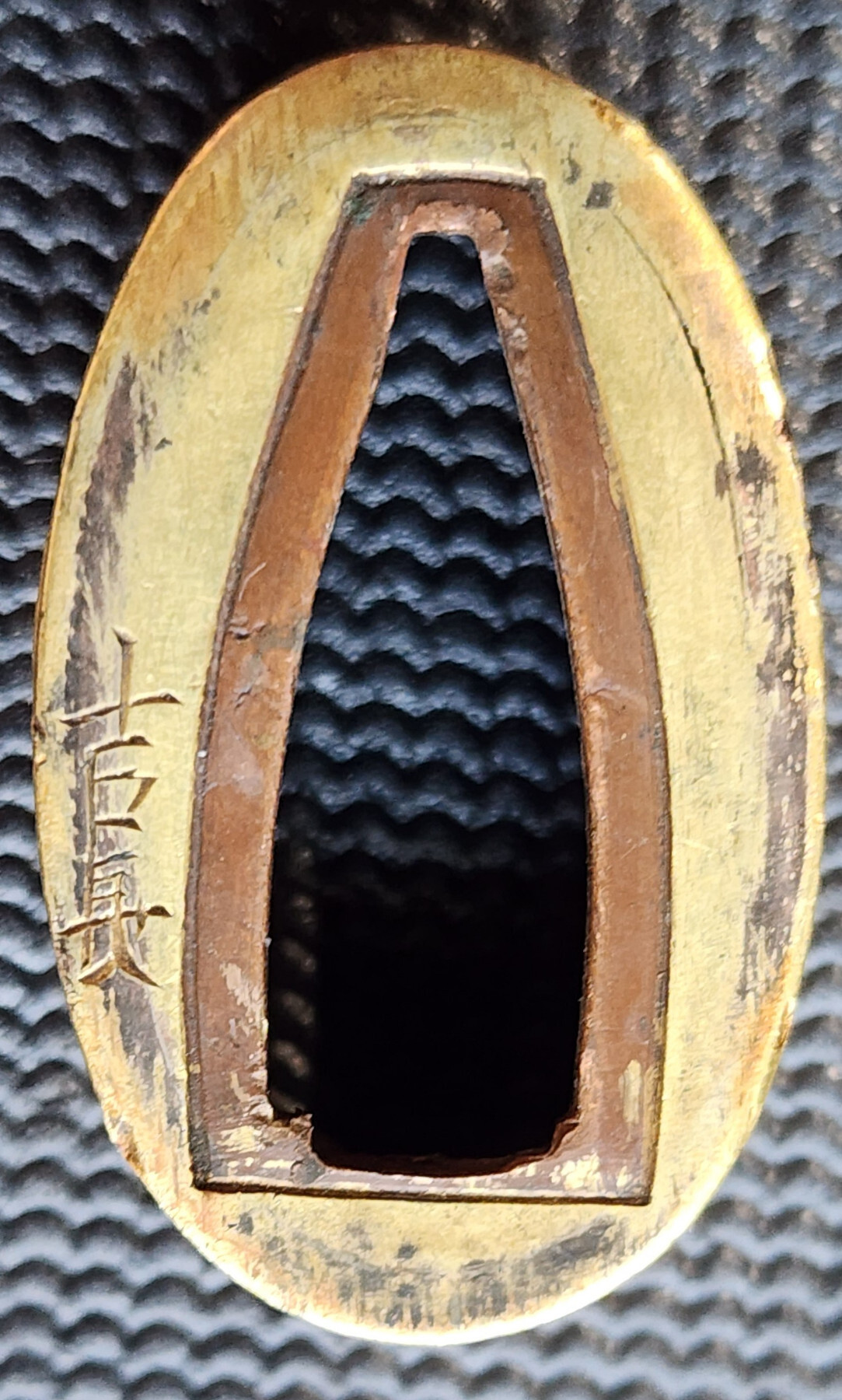
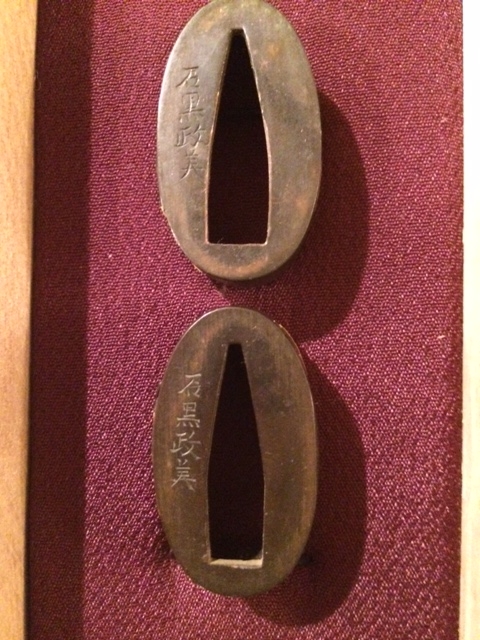
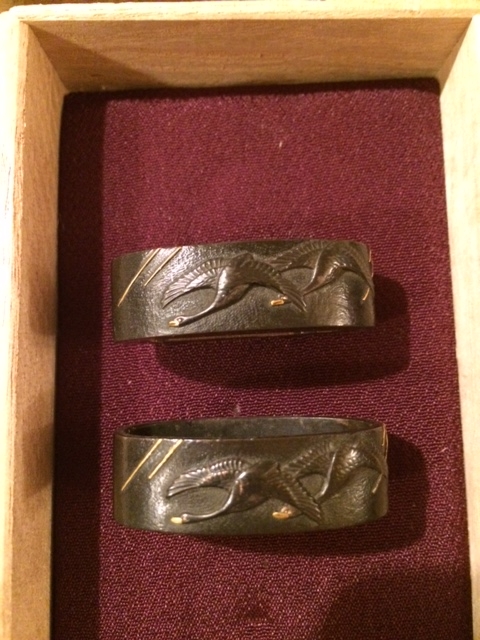
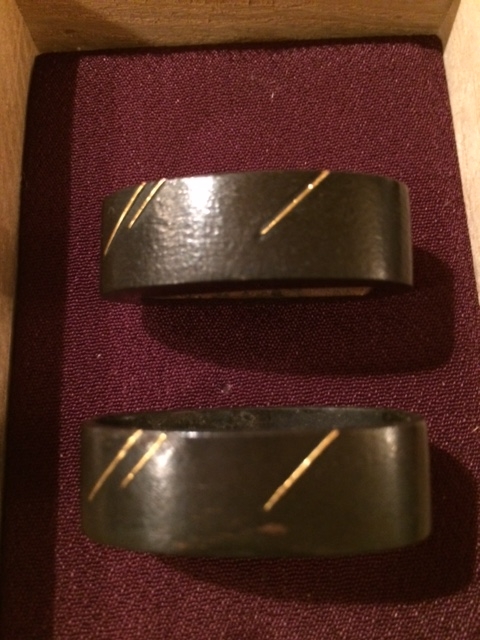
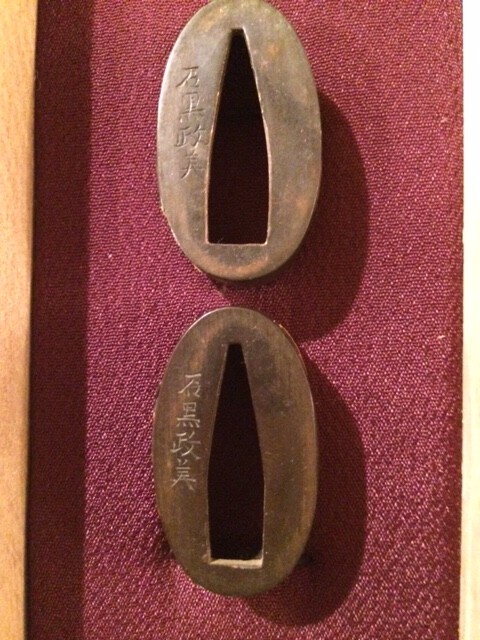
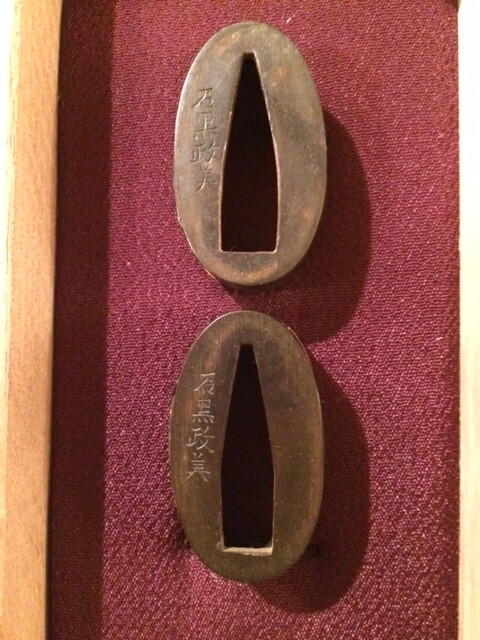
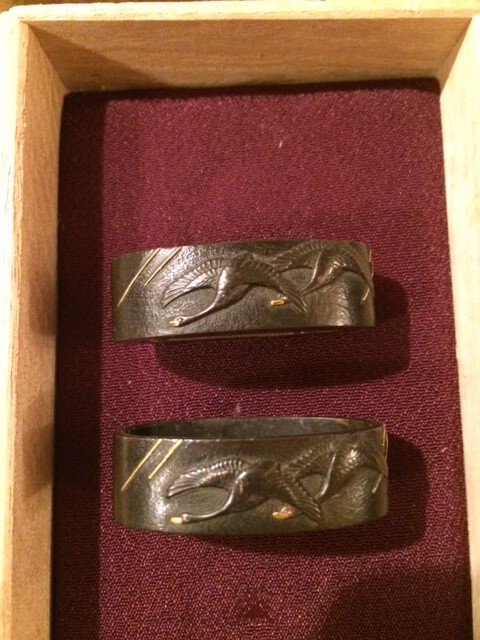
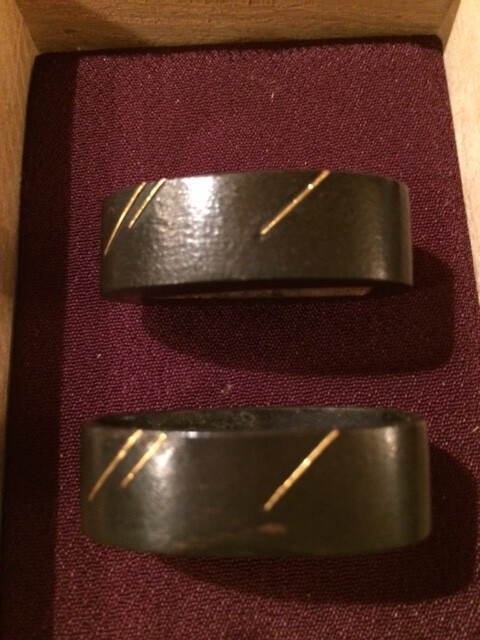
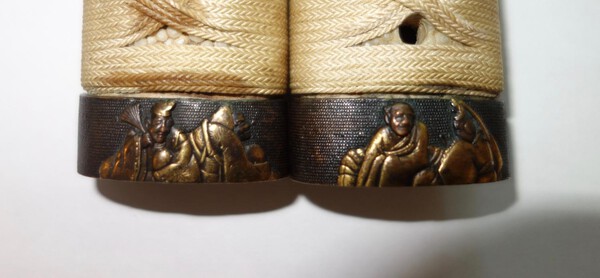
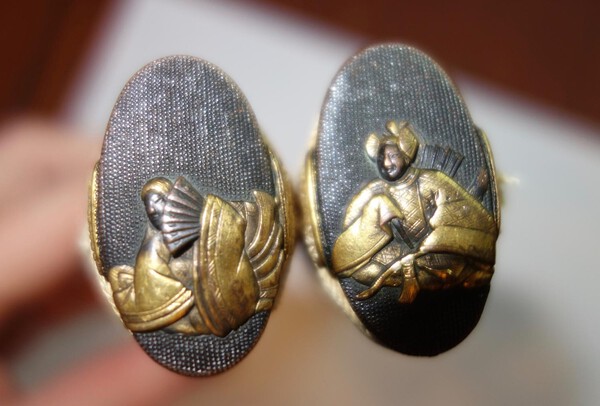
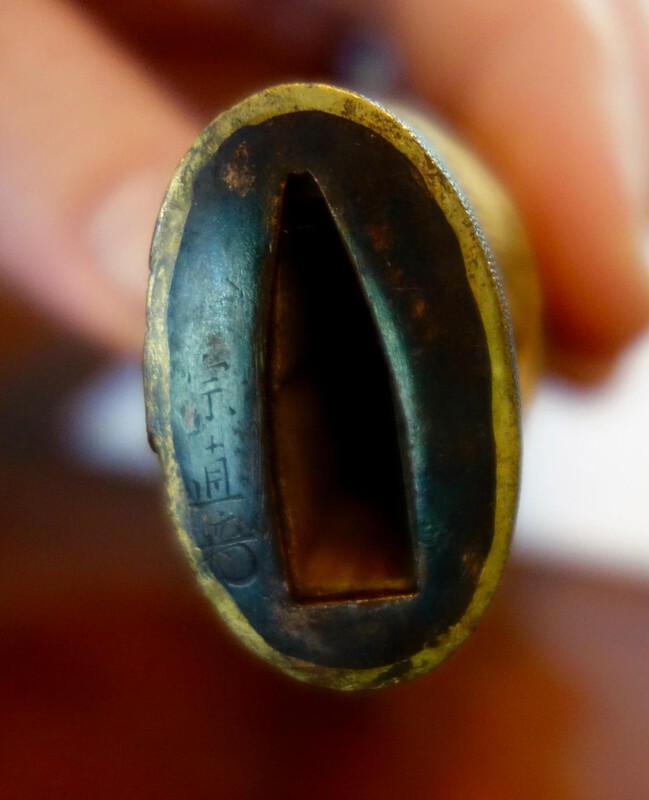
Dear NMB Members: I would appreciate any help the members can give me in translating the maker's mei on this pair of daish fuchi, and any information you may have regarding this artist. The last two kanji appear to be Masayoshi, but I am not sure of the first two. The finish appears to be shakudo or shibuichi. I have the two tsuka that came with these fuchi, but the kashira is missing on both handles. II would be interested in knowing the likely school these came from. Regards, Bill E. Sheehan (Yoshimichi)
-
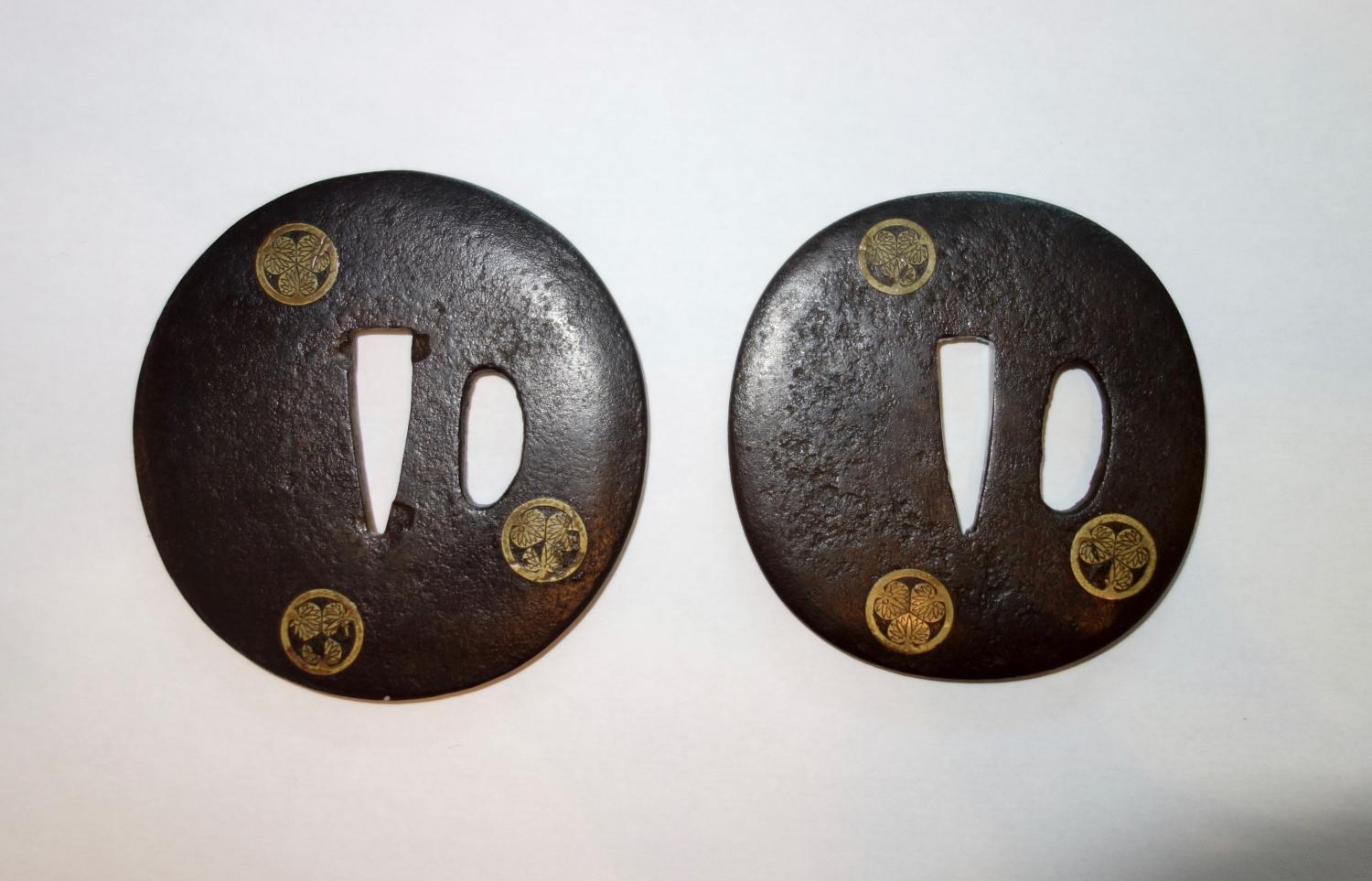
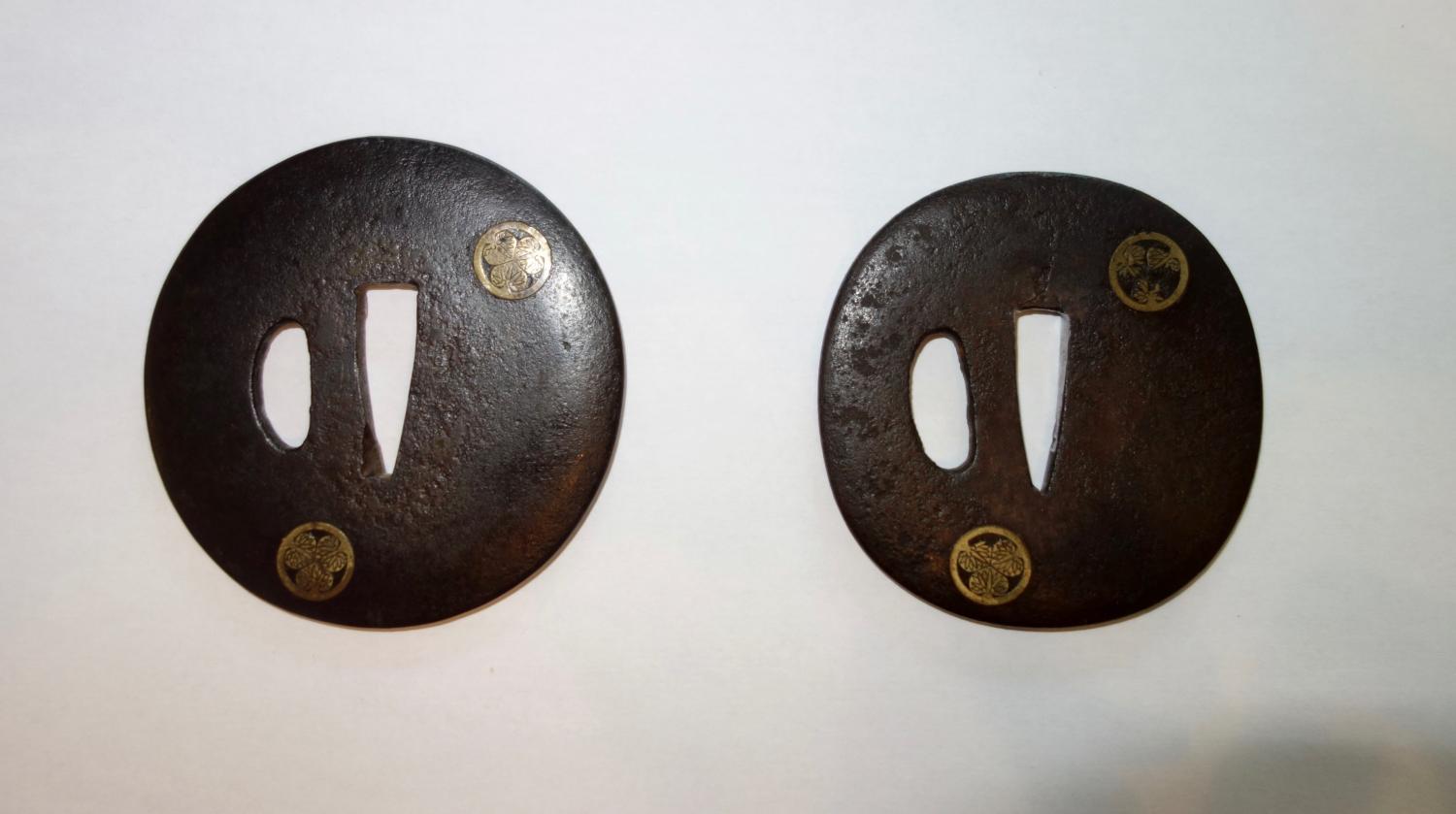
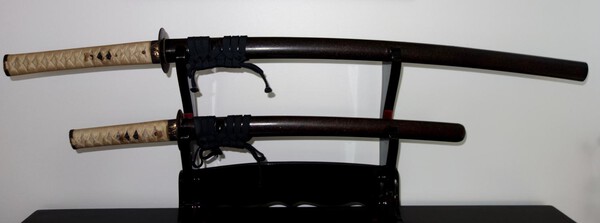
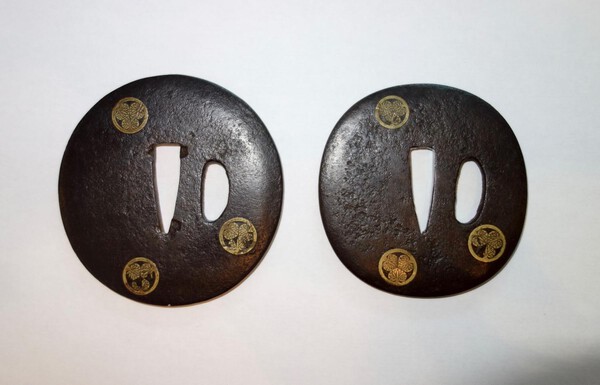
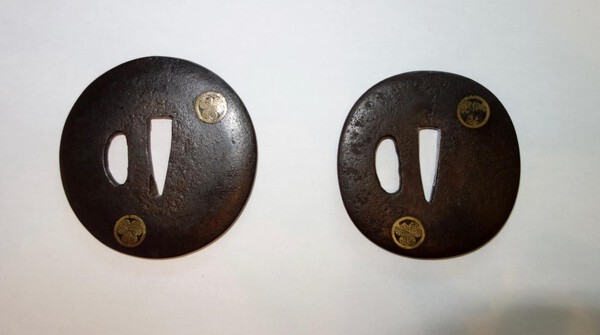
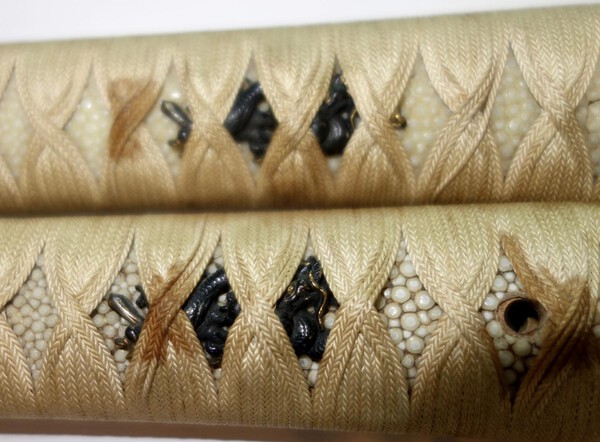
Hello. I acquired last month a daisho koshirae, which I got in an estate auction in Paris. I don't know what to think about the quality of all the fittings. IMHO, the pair of tsubas with tokugawa aoi mon look good quality, but the fuchi kashira (mei "mune nao" I think) seem to be in copper instead of shakudo. I'm not very good in fittings, so any thoughts about this is welcome. Sylvain
-
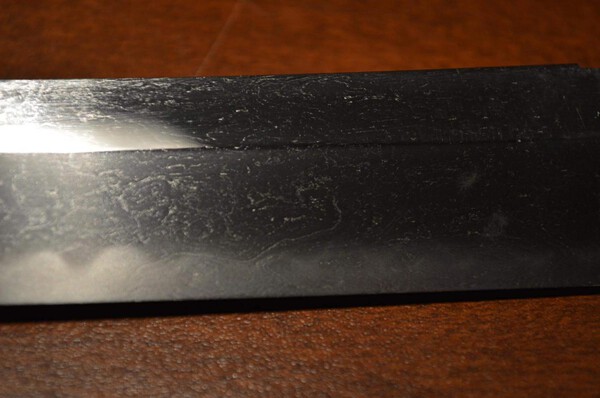
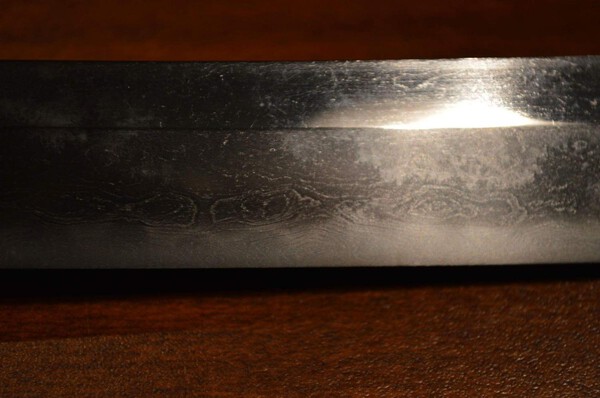
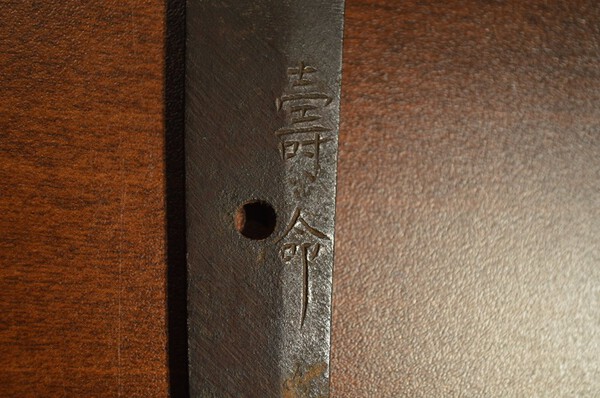
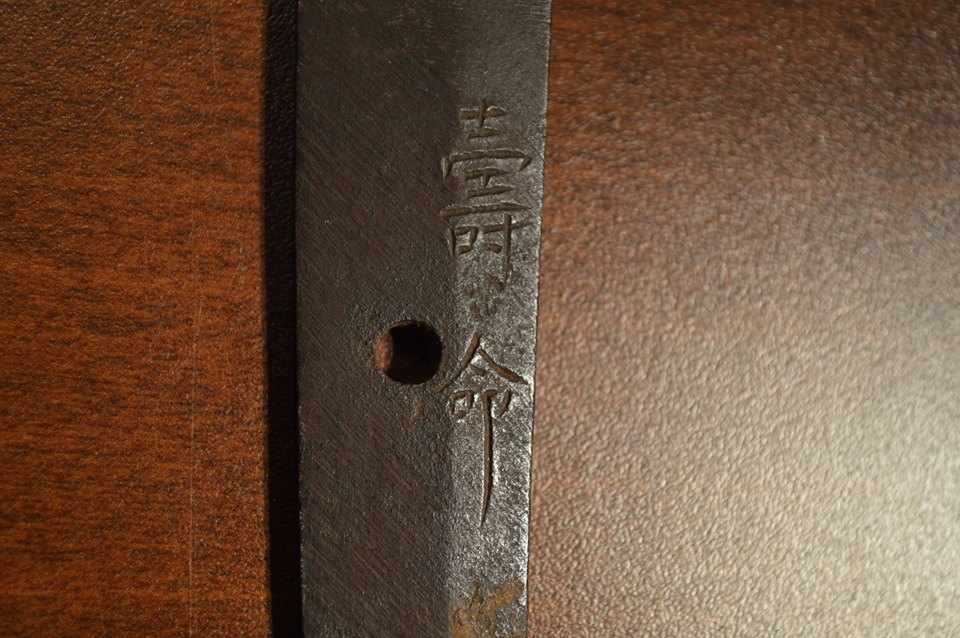
Hello Gents, I'm offering my Jumyo Daisho for sale. Jumyo comes from a long line of sword smiths based in Mino province working in the Mino Tradition. 1st Generation Jumyo is said to originate from Yamato province, dating back to Einin (1293-1299). Swords from this smith are said to bring good luck and were commonly used as gifts. The workmanship in this daisho looks to be Sue-Koto or early Shinto period work. Irregular Midare, bold Mokume hada in areas. The Boshi is the real stand out. Both swords are ubu and signed "Jumyo". Nagasa: Daito 59.2cm Shoto 42.8cm Both of these swords are of wakizashi length. The daito being just 0.8 cm under katana length. This is a true daisho, not a mixed matched pair of swords. The workmanship and signatures on each sword are the same. They are both stored in high quality shira-saya with horn koiguchi and solid silver two piece habaki. Both swords are in an older state of polish and the shoto has some old oil stains. The daito has also had a small repair on the mune at some point. These swords would benefit greatly from a professional Japanese polish (sashi-komi would be best), new koshirae and papers if one so desired. That was my plan anyway, and still may be. I'm only posting this for sale ad for a few days due to some recent financial strain. If they don't sell in a few days I'm going to take this ad down and gladly keep them. I'm based in Canada. Depending on your location, I can work with the buyer a bit in regards to the shipping cost. A great opportunity to own a true daisho for a fair price. $3,500 USD. Best way to reach me is by email. Thank you. Travisclarke@telus.net