Scogg
-
Posts
1,885 -
Joined
-
Last visited
-
Days Won
20
Content Type
Profiles
Forums
Events
Store
Downloads
Gallery
Everything posted by Scogg
-
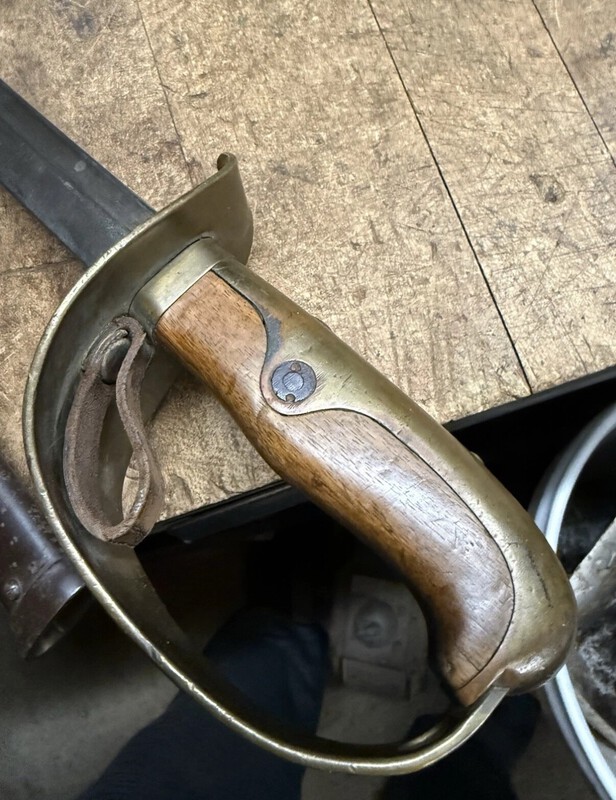
Another example on eBay https://ebay.us/m/Ox8mXy


-
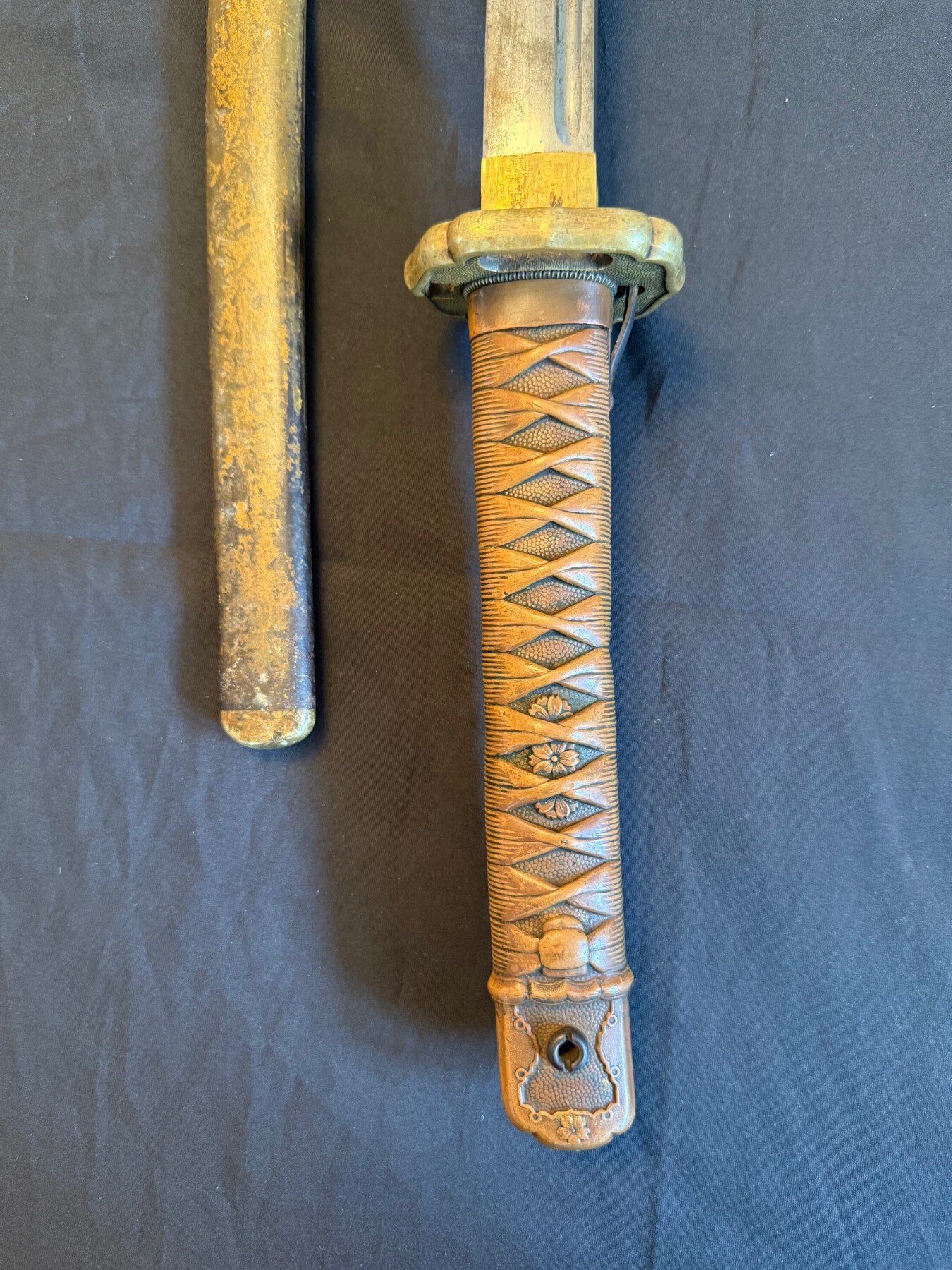
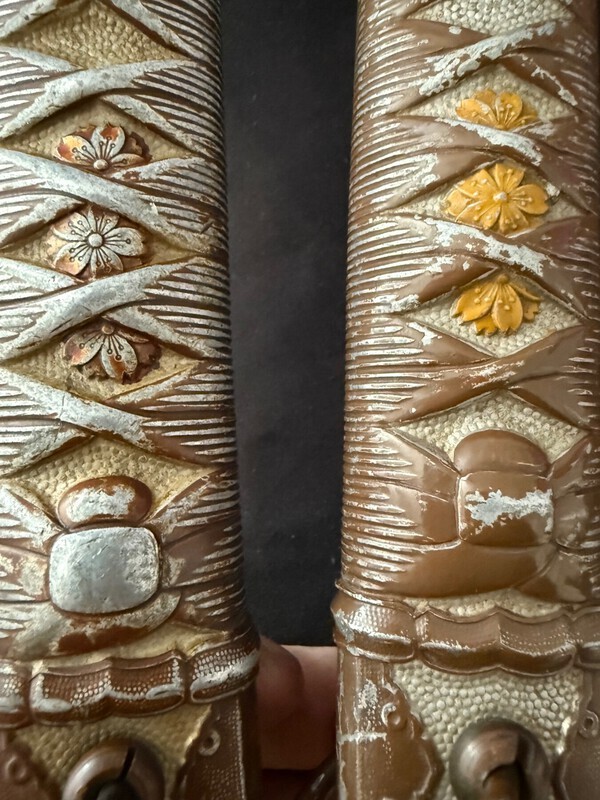
Indeed interesting. This one has been on eBay for some time now. It actually has sparked a big question for me... I notice that the stamen on the sakura menuki have raised details. Whereas a sword in my collection in the 151k range with the same ferrule stamps has engraved stamen on the menuki. I have since been trying to narrow down when this change happened. Along with fine details on the tsuka amongst all subcontactors. Someone out there might already know the answer. I'm leaning toward the interpretation that Suya may have switched casting moulds around their last batch of production. Other interpretations may vary... -Sam (Sword on the left is serial number 151,957 東 with ferrule stamps: Suya, 東 , Tokyo1st Star.) (Sword on the right is just a side-by-side example of the difference found in sakura stamen details. 54,683 東, no ferrule stamps, "Dawsons 2a", with thick seppa.)
-
The sugata does not resemble Heian sugata. Personally, I would not go through the effort to see this particular sword in-hand. I think there's enough showing here to raise all the red flags necessary to make an informed decision to avoid this item. I think the blade was made relatively recently, probably outside of Japan, and in an attempt to "look old" for internet photos. All in my opinion of course. Gamble at your own risk. -Sam
-
I just find the arsenal landscape of World War 2 Japan fascinating, and have an interest in military swords of Japan. Yours looks signed with some skill and care. Also, while mune stamps are not unheard of, they are outside the norm. For those reasons I think it’s interesting. All the best, -Sam
-
@cookiemonstah47, now that we see these military stamps, I’ve relocated the thread to the military swords of Japan section. 名 = na = 名古屋陸軍造兵廠監督課 = Nagoya Army Arsenal Supervisory Section. ホ = HO = 小倉陸軍造兵廠第一製造所 = 1st Factory of Kokura Army Arsenal Interesting sword, -Sam
-
I would not. In my opinion, it looks like a fake. It looks like it’s trying to be a gunto, but the fittings look like the ones often seen on forgeries. Best of luck, -Sam
-
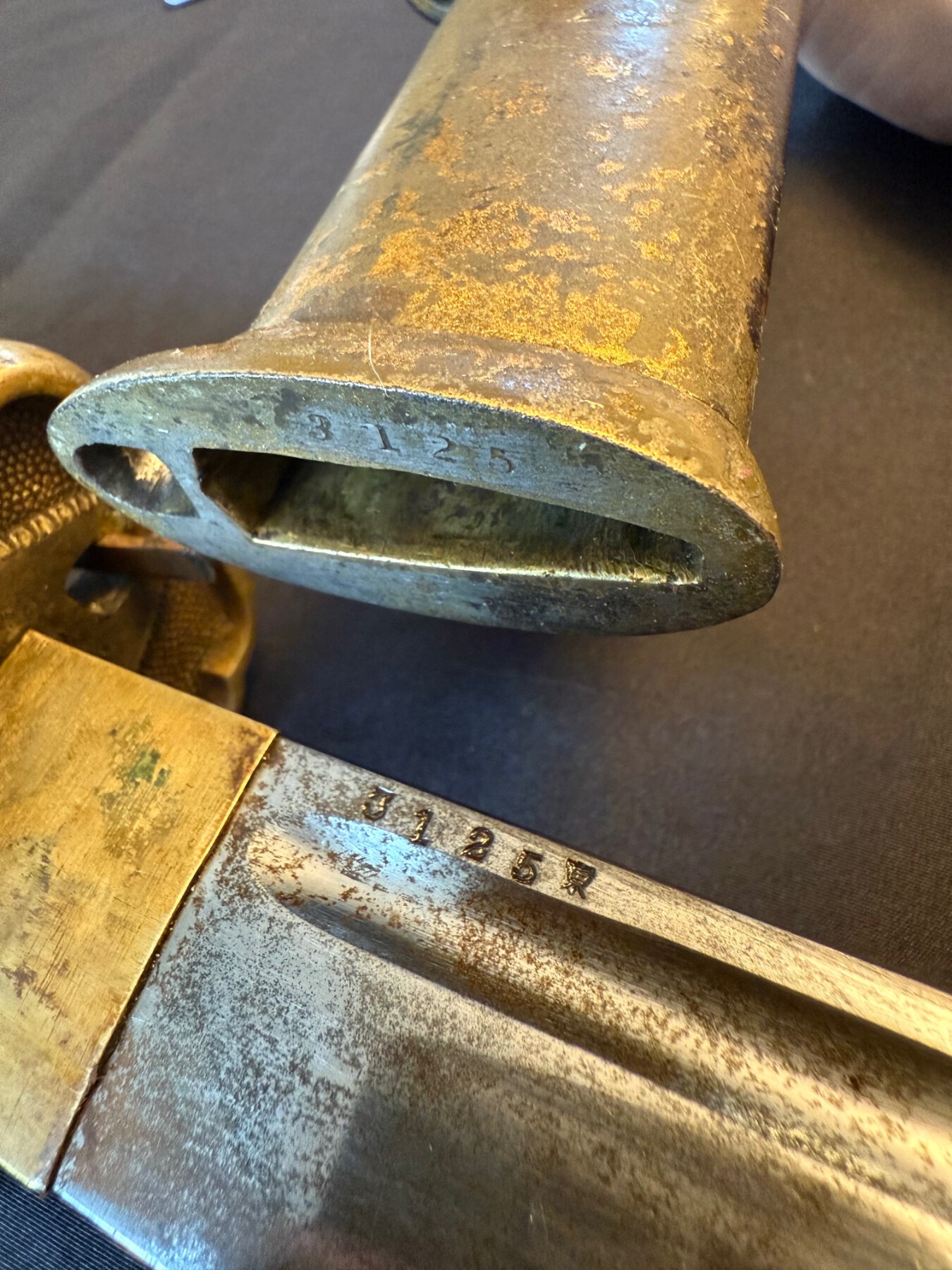
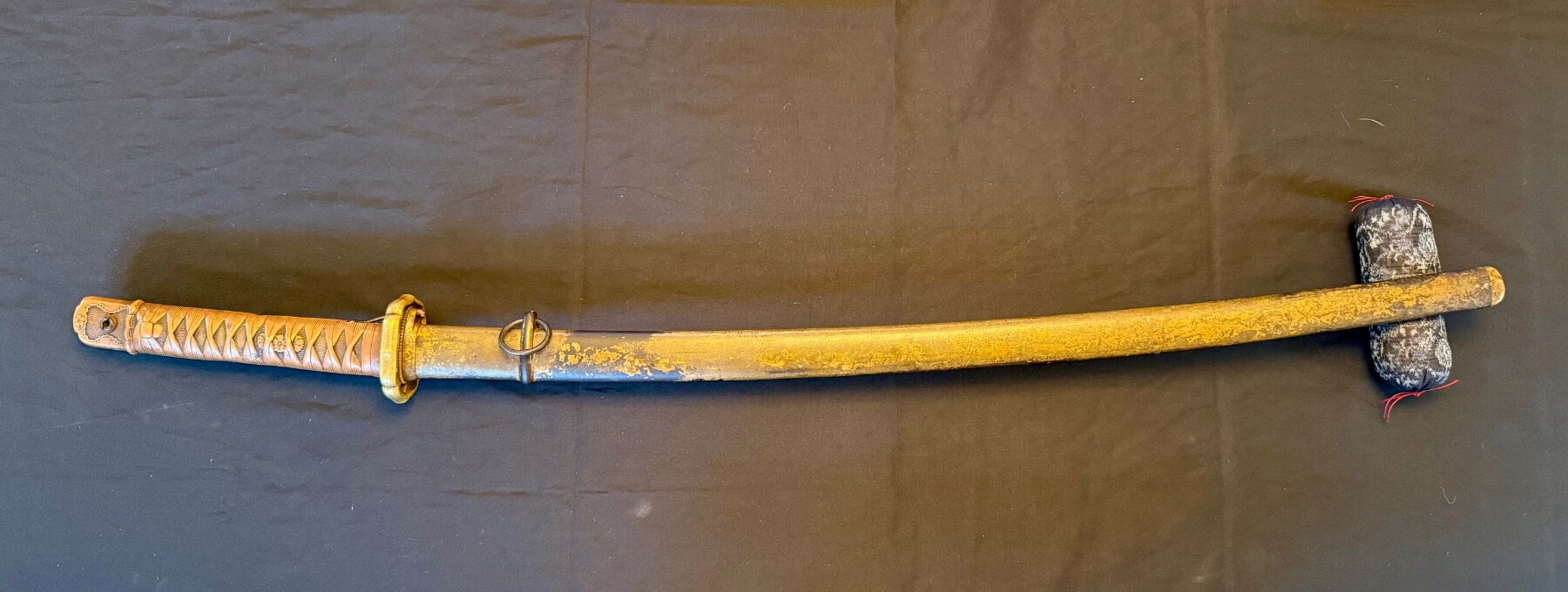
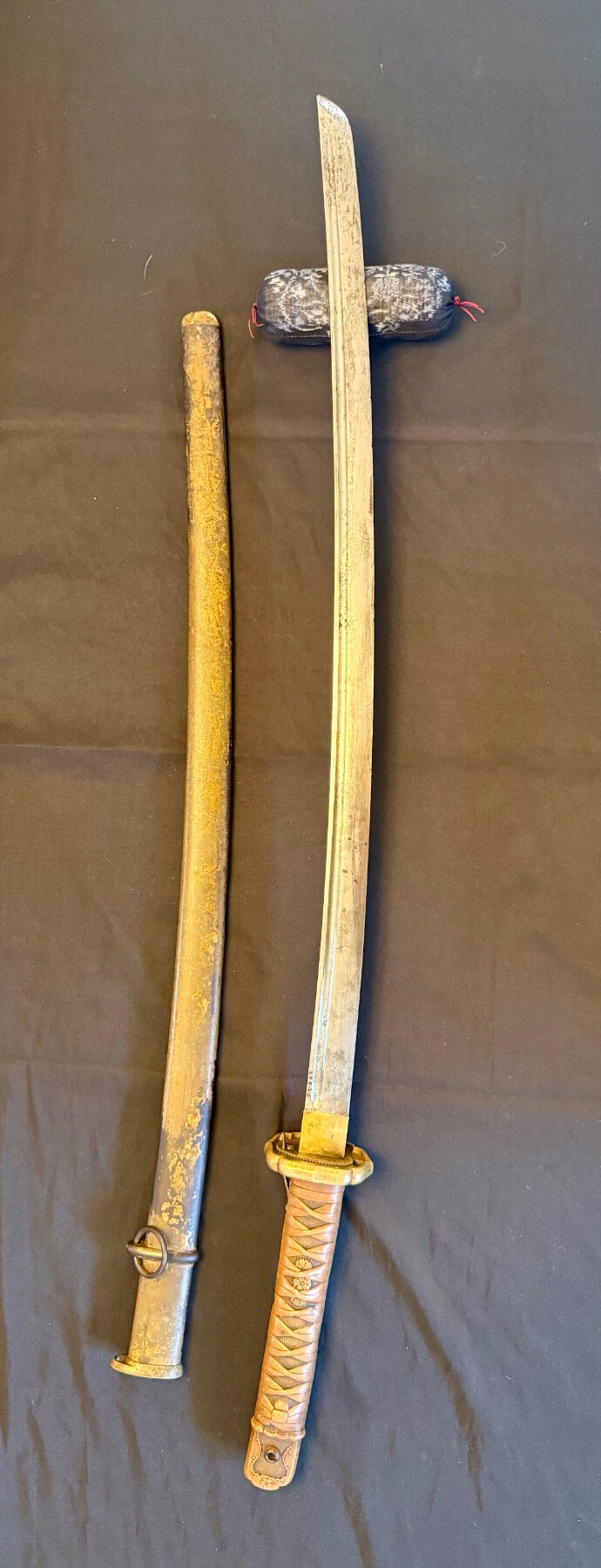
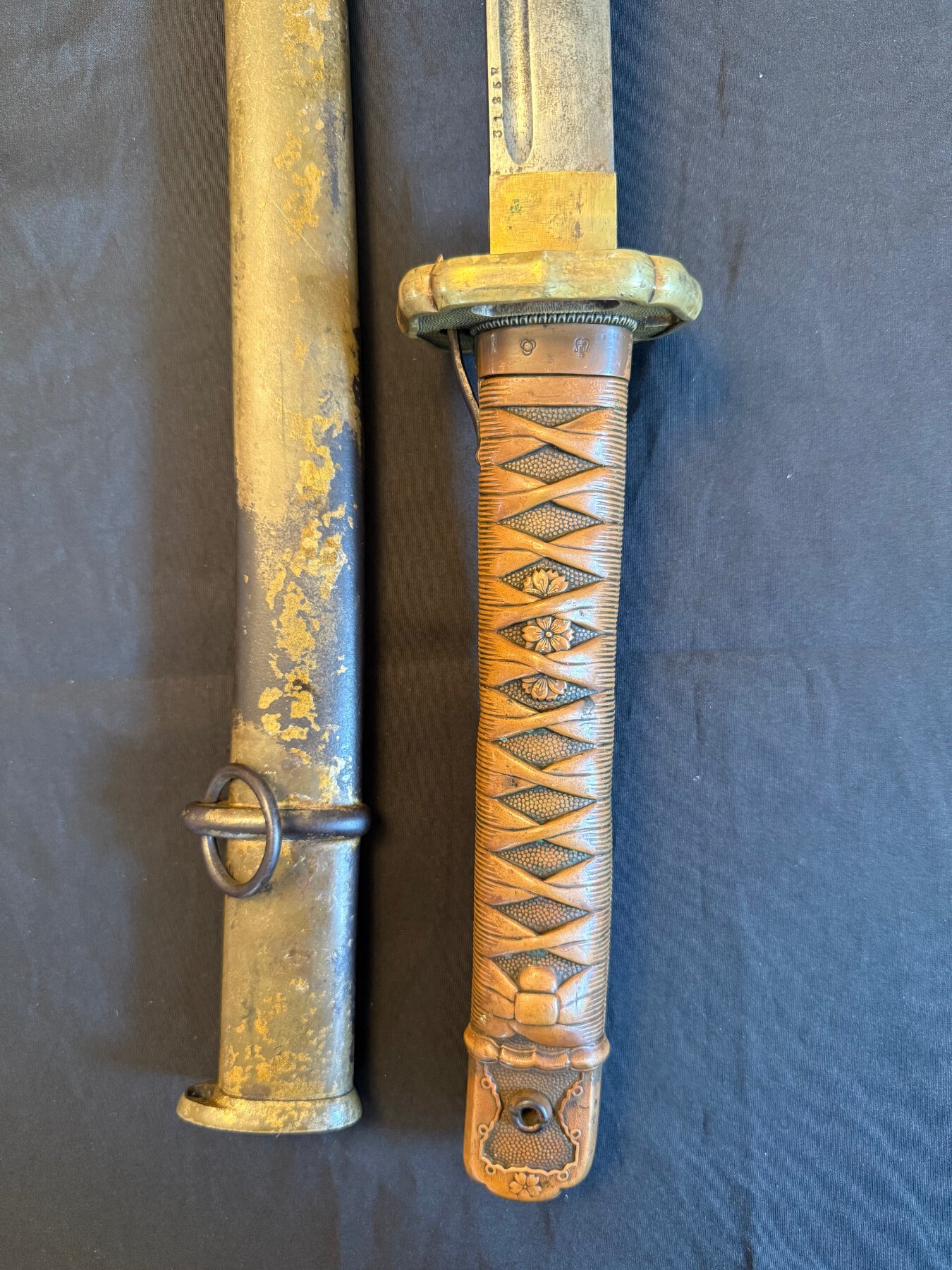
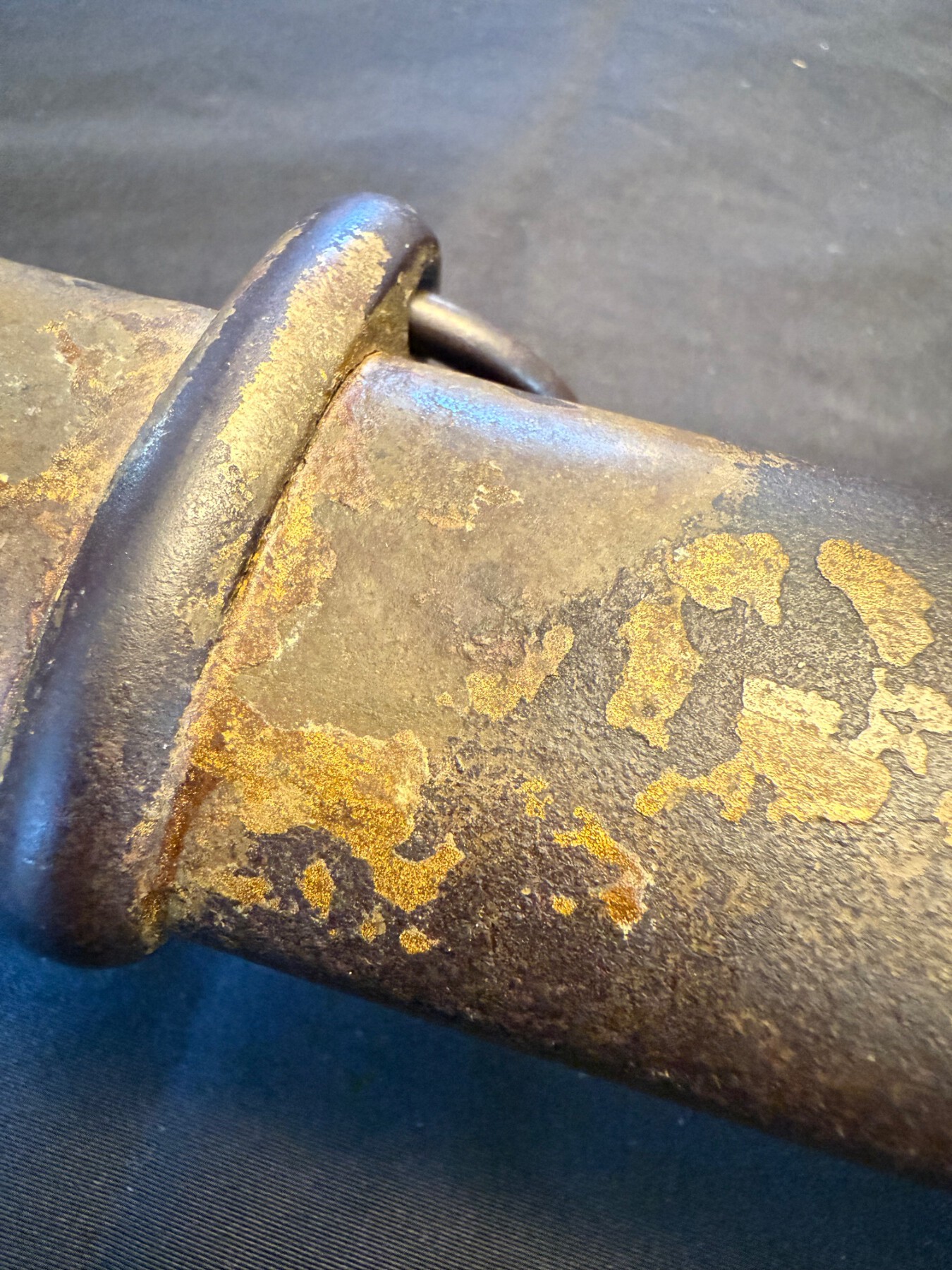
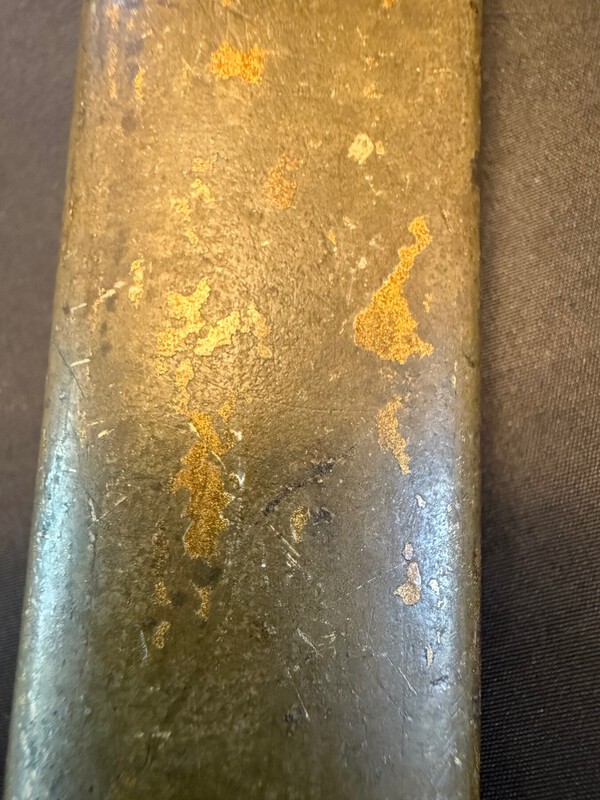
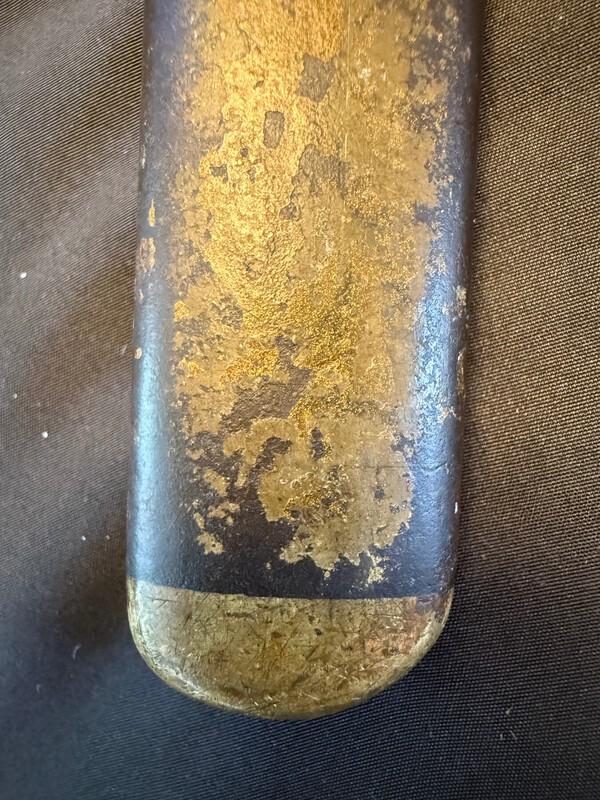
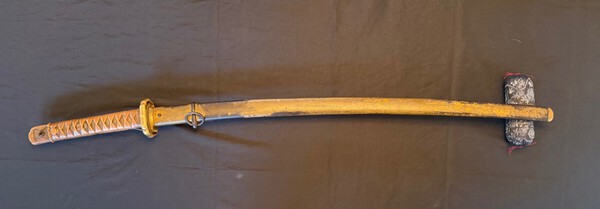
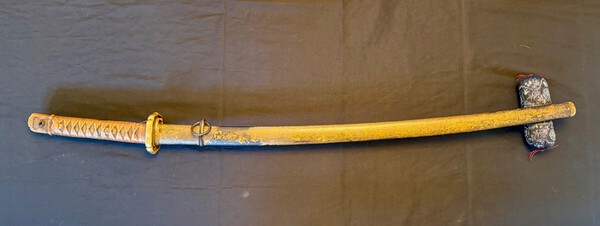
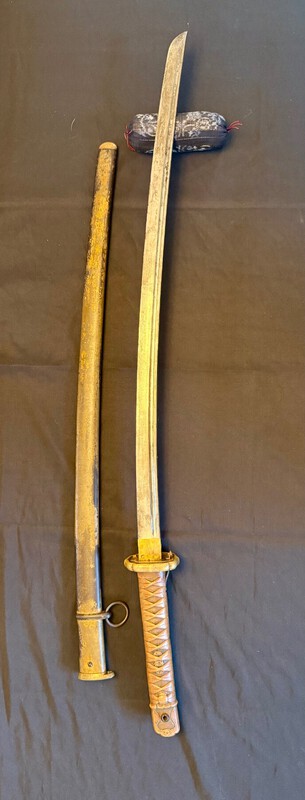
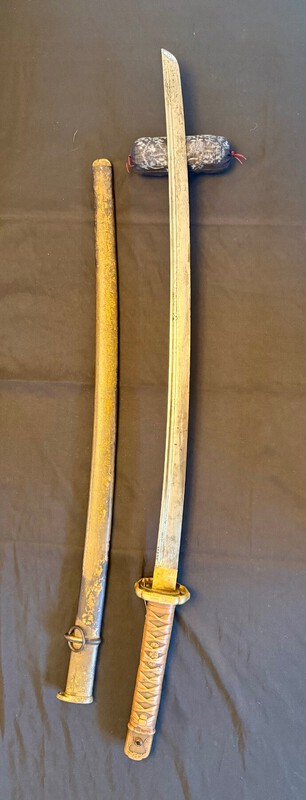
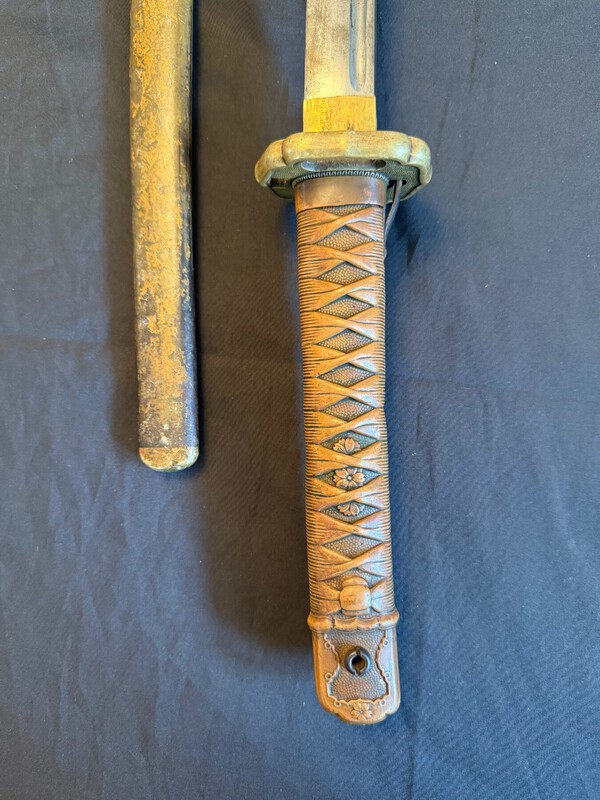
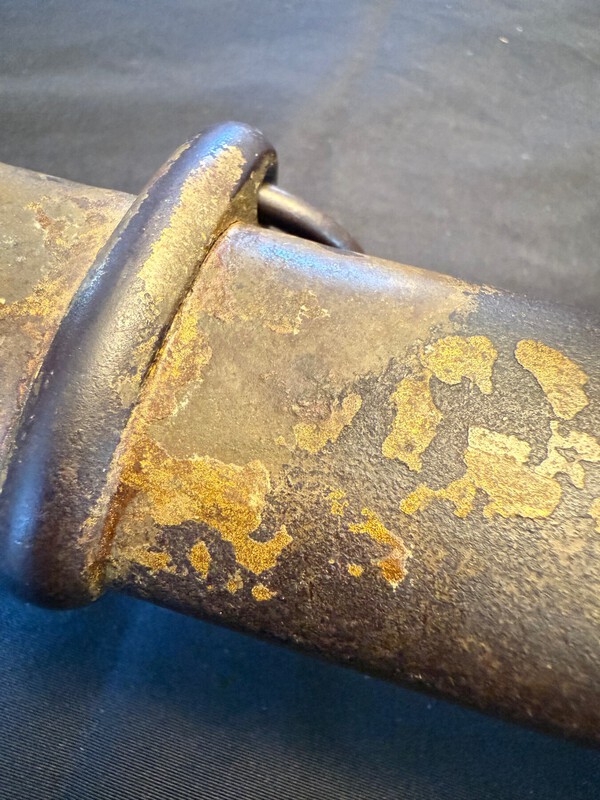
Thank you Bruce. I’ve been closely inspecting this sword for a couple days now. I suspect that on my Variation#1 Type 95 scabbard, that the gold paint was applied after the original olive/green paint. The gold paint also appears over the darker corroded areas that have lost the olive paint. This leads me to think that the gold paint was probably done later, or post-war. It’s got some glittery aspects to it also. -Sam

-
 Very excited to have acquired my first Variation#1 Type 95. Serial number 3125 with matching scabbard number. @Bruce Pennington with remnants of thick gold paint on the scabbard. Im surprised to have found one of these so quickly. Fun stuff -Sam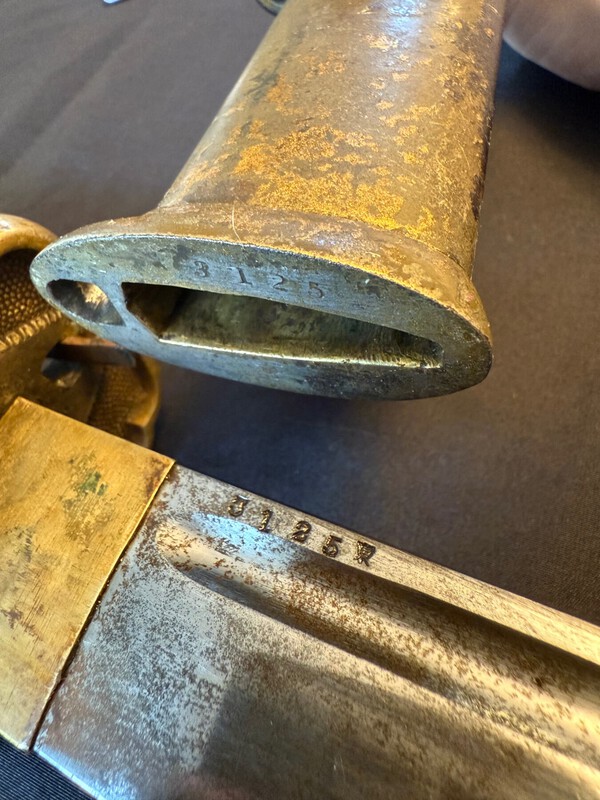

-
Novel ‘oddity’ or painful to the eyes?
Scogg replied to Mark S.'s topic in General Nihonto Related Discussion
Suriage and osuriage has never really bothered me. I'm sure my collecting budget has something to do with that. Of course, I wish all swords were ubu. I also wish that I was taller I think it's interesting for what it is. That said, I'm not sure I would ever shop for, or buy something like this. -Sam -
Attention Mantetsu Owners: A Survey
Scogg replied to Bruce Pennington's topic in Military Swords of Japan
Awesome example in great looking fittings. I was drooling over that one, and other gunto on Mr. Singers Instagram recently Thank you for sharing, -Sam -
Help with any info on a Japanese military sword.
Scogg replied to AdamF's topic in Military Swords of Japan
Yes those are great, thank you! If you’d like to read some more on these. Here’s a great couple links: http://ohmura-study.net/794.html http://ohmura-study.net/957.html Additionally here on the NMB in the download section, I have written a document about the variations and evolution of the Type 95 military sword. Best of luck, and happy to help. -Sam -
Help with any info on a Japanese military sword.
Scogg replied to AdamF's topic in Military Swords of Japan
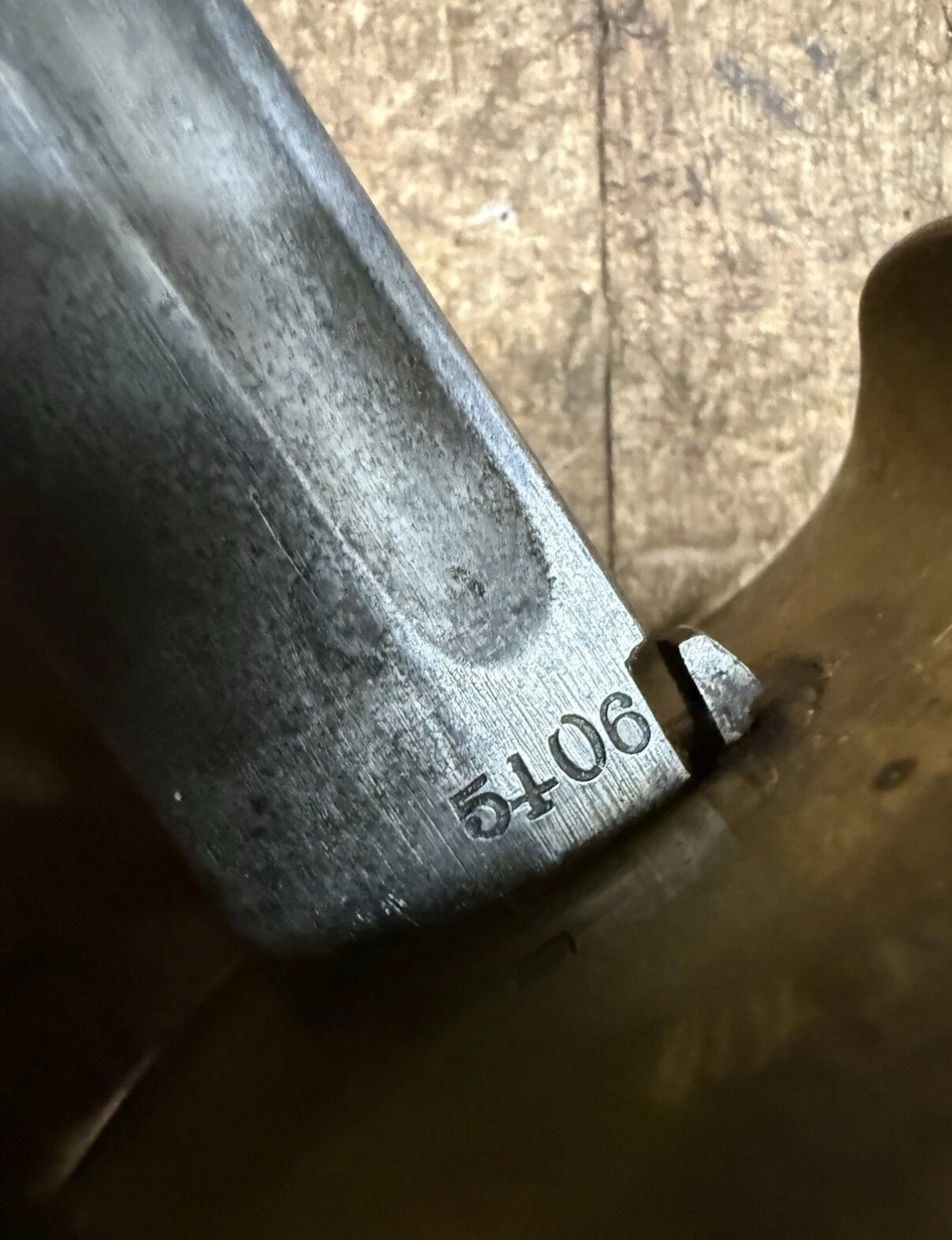
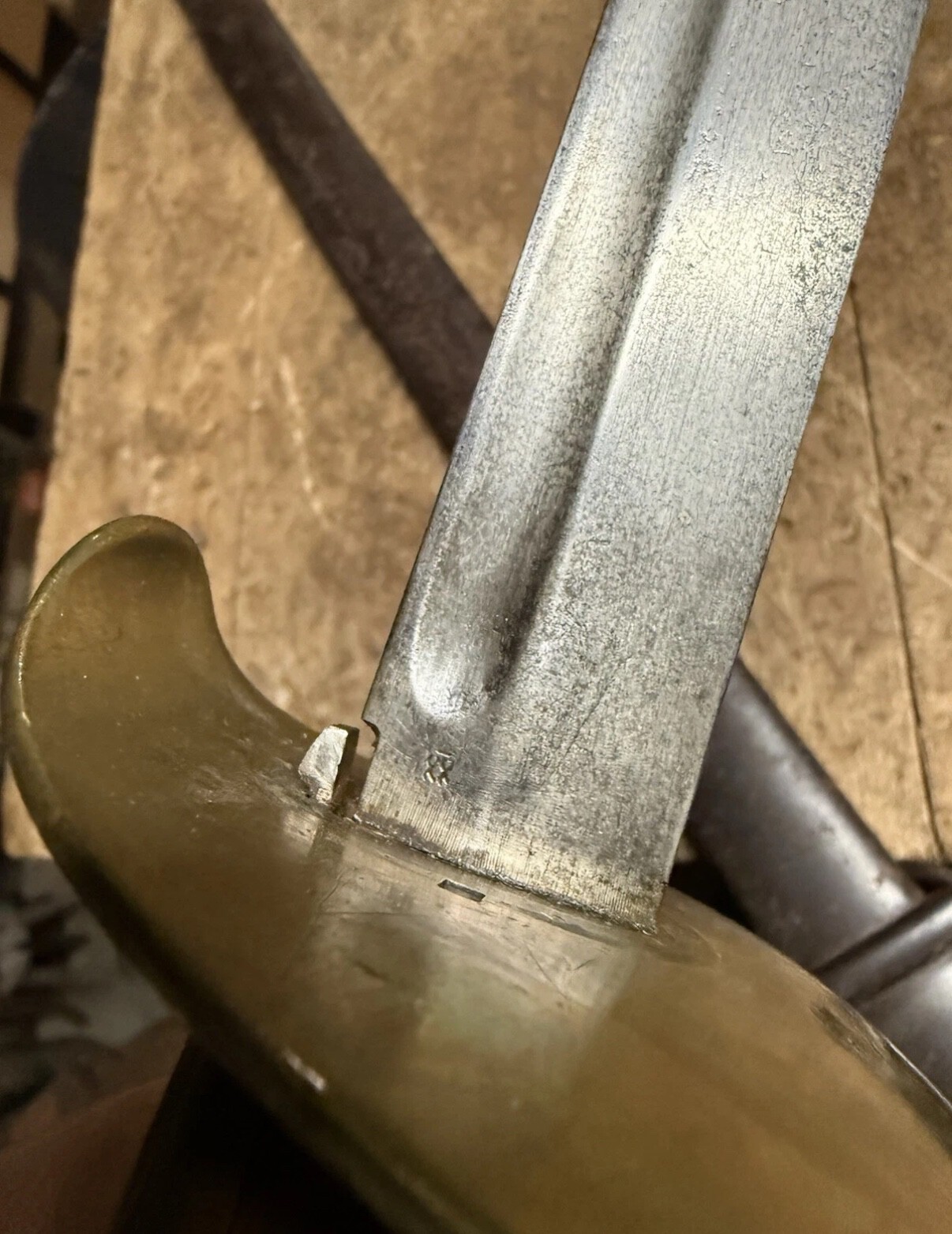
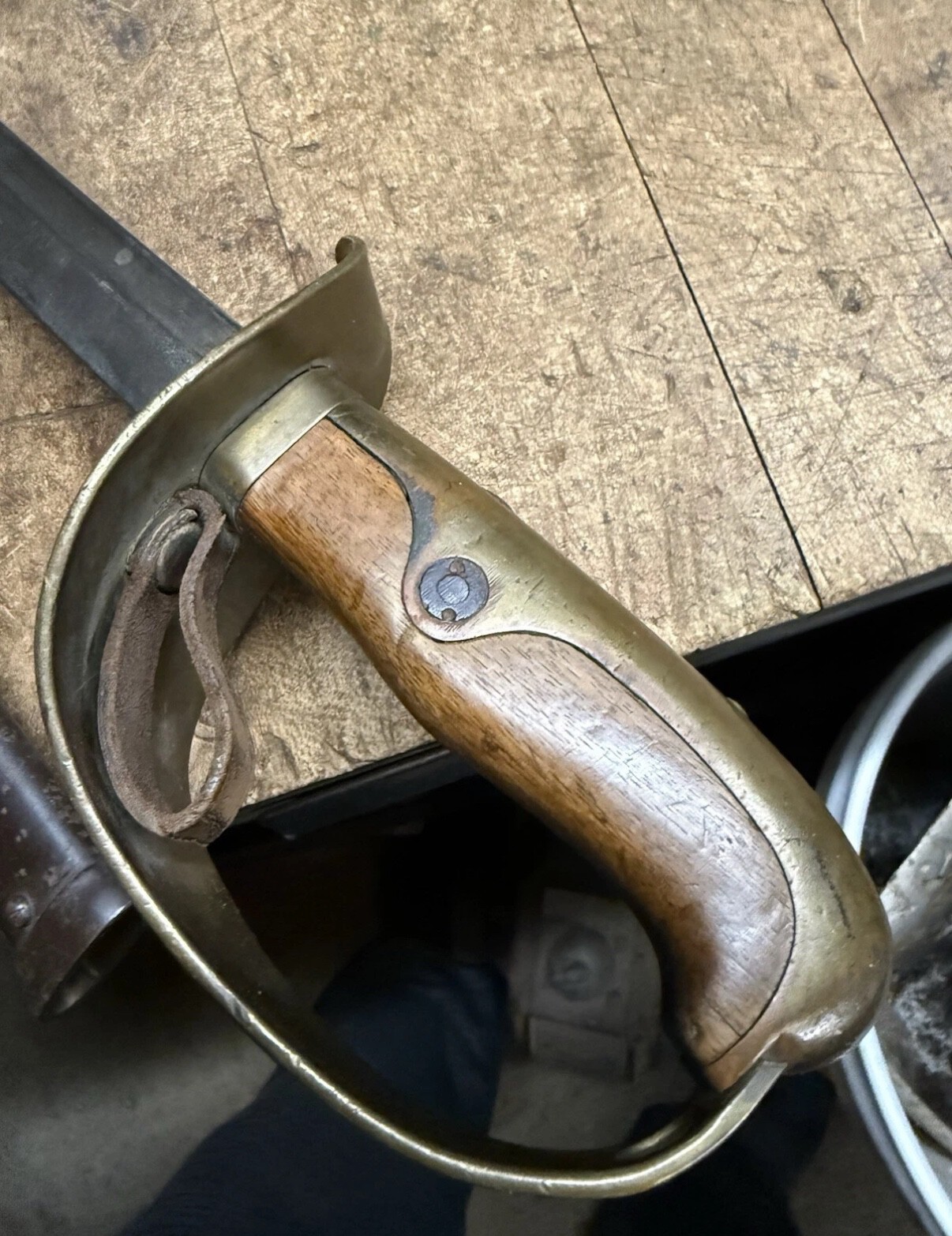
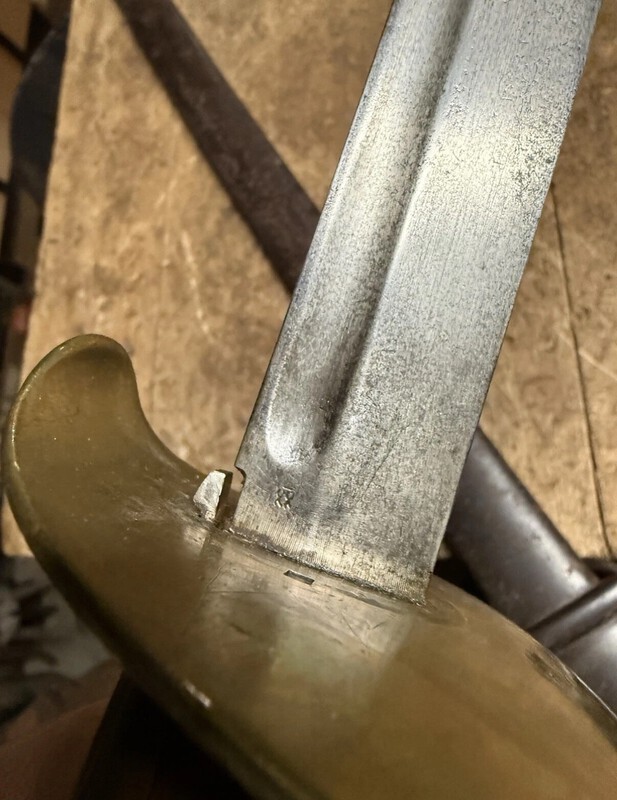
Hello Adam, welcome to the forum. What you have is an authentic Japanese Type 95 Military Sword. Sometimes called a Type 95 Guntō, or Type 95 NCO sword. Yours has the stamps on the ferrule indicating it was made by Suya Shoten, inspected by Tokyo first army arsenal, and administered by Kokura Arsenal. The "東" stamp on the blade (also middle stamp on the ferrule) is for 東京第一陸軍造兵廠監督課 = Tōkyō 1st Army Arsenal Supervisory Section. According to my study and interpretation, your sword was made between April 1941 and March 1942. It looks to be in good condition, although the hanger piece at the end of the hilt (the sarute) is not factory original. It's very common for the sarute to be replaced or missing entirely, so this is not a big issue. It also looks like the scabbard number does not match the blade, this is also common, but it does hurt the value a bit from a collector standpoint. Are you able to get a close up shot of the flowers in the handle? Also the side openings of the tsuba? I like to catalog these swords, and am noting some fine details. Nice looking sword, and thank you for sharing. All the best, -Sam -
PNW Token Kai, for the pacific northwest USA states of Oregon, Washington, and Idaho. Although our club is in our infancy, and I am still figuring stuff out https://www.pnwtokenkai.com/ Including it might get me some more traction and members, but also no biggie if it's included or not. -Sam
-
1798 Ozaki Gengomon Suketaka
Scogg replied to Frye1001's topic in General Nihonto Related Discussion
Jared, I’m sorry the information provided about titles didn’t meet your expectations. We are all here because we care about Nihonto. What’s historically important to the broader study of Nihonto isn’t always the same as what’s culturally or artistically worth preserving and respecting. All of it matters to most of us, and we feel strongly about it. With any fine art, there’s a spectrum of importance. The Mona Lisa’s significance doesn’t negate the value of a family heirloom or an older painting with more personal meaning. -Sam -
I only have about ~120 Variation#1 copper hilted swords cataloged. I include stamps, saya#, the source I found it, and any other notable features, damage, or paint colors, replacement parts, etc.. My highest cataloged serial number Variation #1 Copper Hilt Type 95 is #6561 (with #501 forward habaki). My lowest serial number Aluminum Hilt Variation#2 Type 95 is #6756 (SUYA). I continue to catalog more swords. I usually add about 5-10 new swords per week, and I think I have over 1000 total cataloged now. (I have not done a hard-count since I had around ~800, a while back). Best, -Sam
-
Hello @Dken, I'm going to relocate this post to the "translation assistance" section. I think you'll get a faster reply there. Welcome to the forum, and best of luck. -Sam

-
Indeed, @John C. There are actually a few variations that are more scarce than the Copper Hilt Variation#1 swords; but for that rarity to reflect itself in the market $$$$, people would have to know about said scarcity. Few people are dedicated to learn the nuances of these interesting swords. I think another factor is that people often associate early/pre war Japanese military with high-quality, and late war Japanese Militaria with low-quality. That said, I recently saw one of those late war Jinsen Variation#9 swords sell for $2250. Maybe views are evolving? -Sam
-
A really great example. Unfortunately I just bought one myself that should arrive this week. I have seen these sell for as low as $2,000 and as high as $9,000. I would think one in this condition with matching numbers could easily bring around $5,000. That probably sounds crazy to the Nihonto guys, but that's what i've witnessed in the market. They made fewer that 7,000 swords of this copper hilt variant. -Sam PS: I cataloged this sword last year, when it was shared on the Wehrmact forum. If it's from the same individual, they at least know a little about it.
-
MILITARY books By Richard Fuller & Ron Gregory
Scogg replied to Rawa's topic in Military Swords of Japan
I like having them both, and using them in conjunction with Dawsons 2007 cyclopedia -
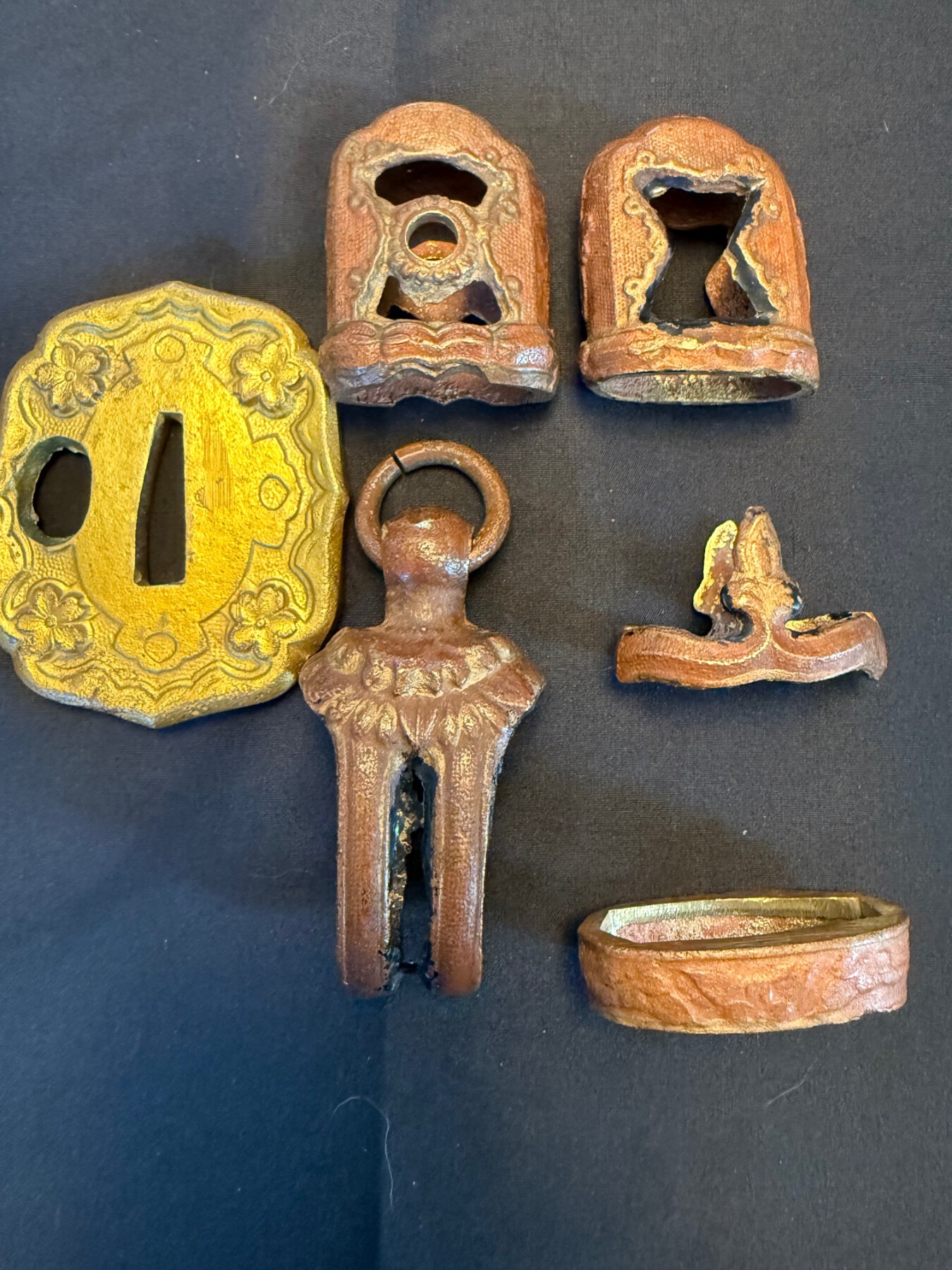
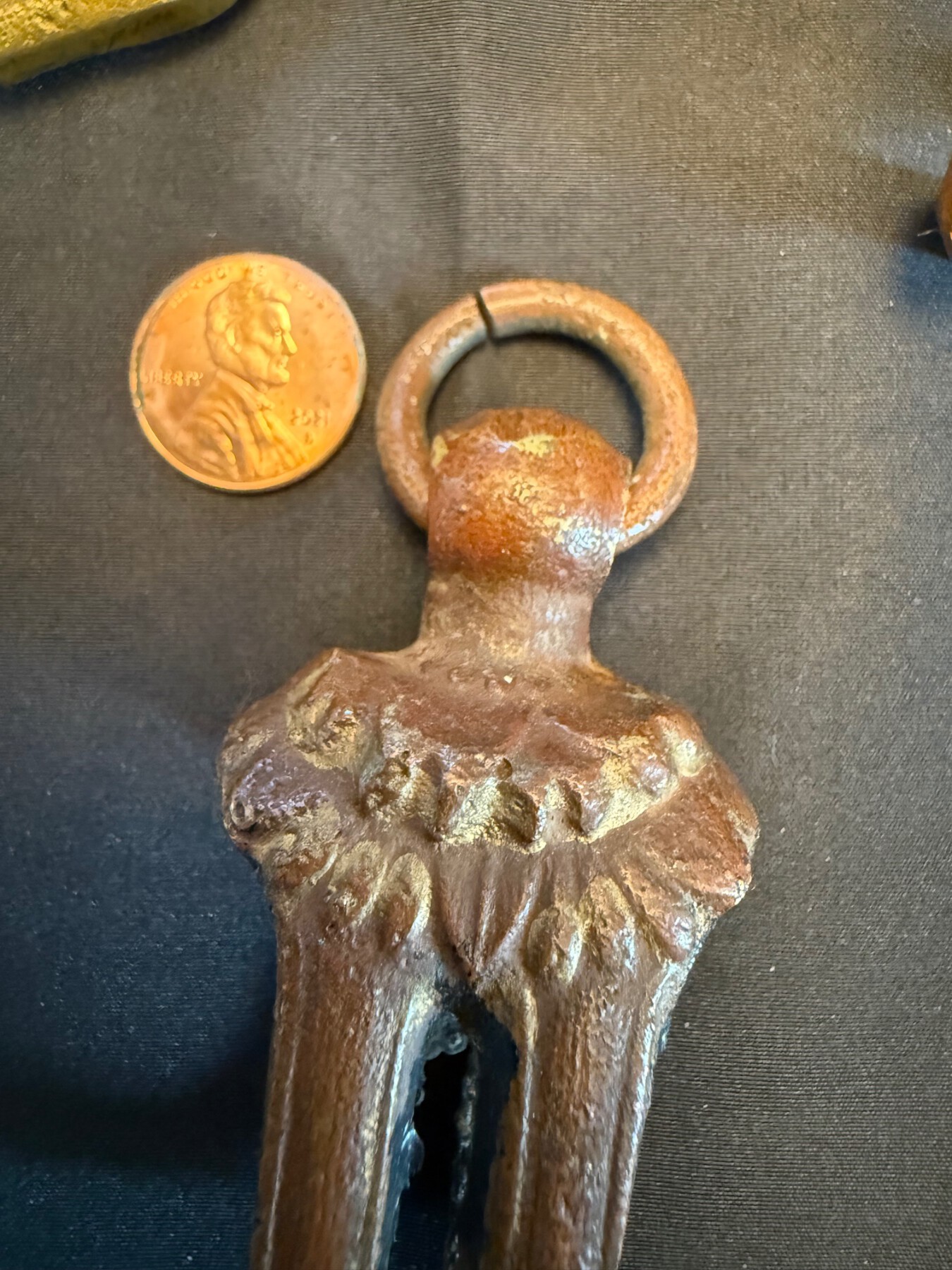
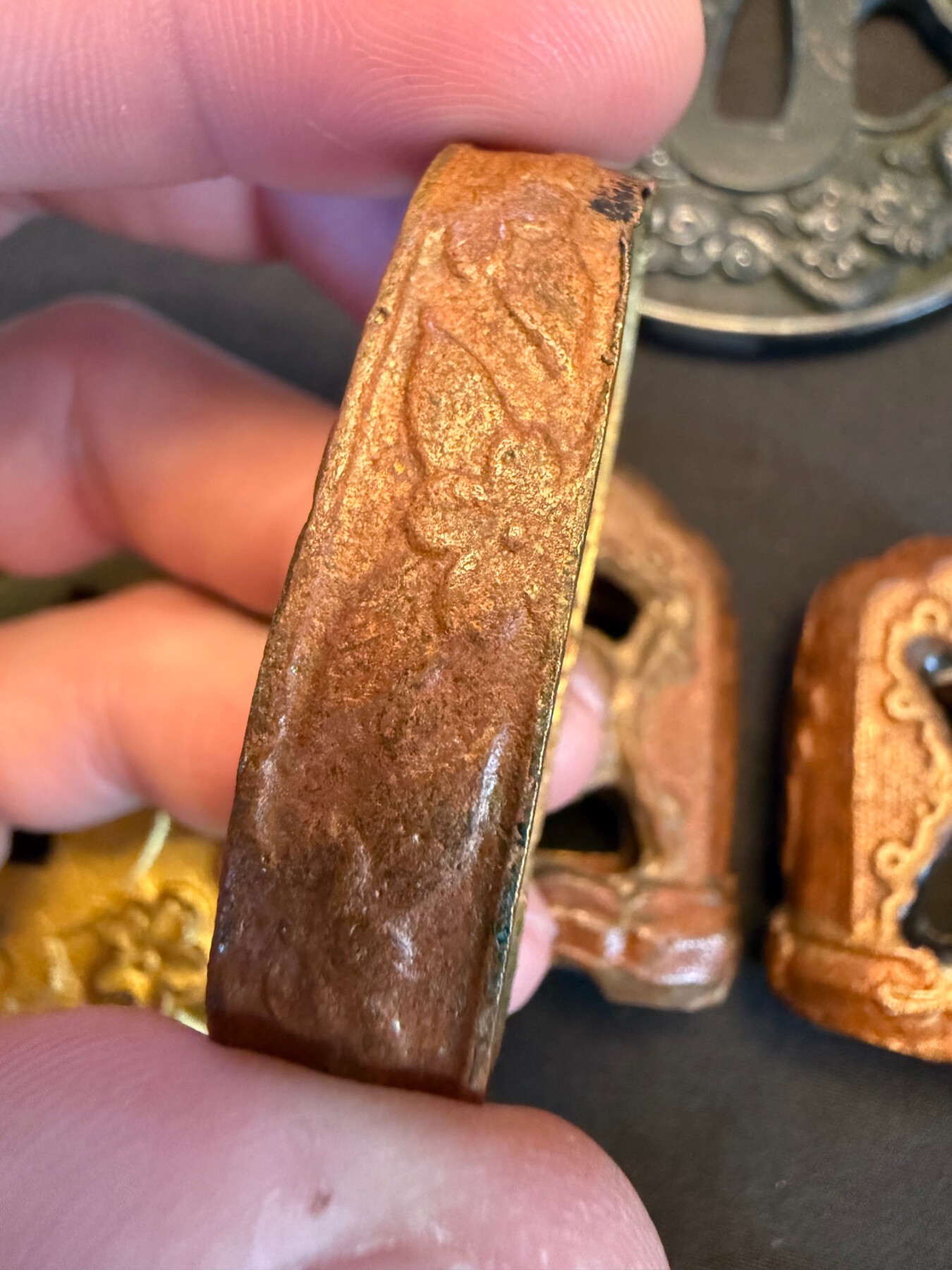
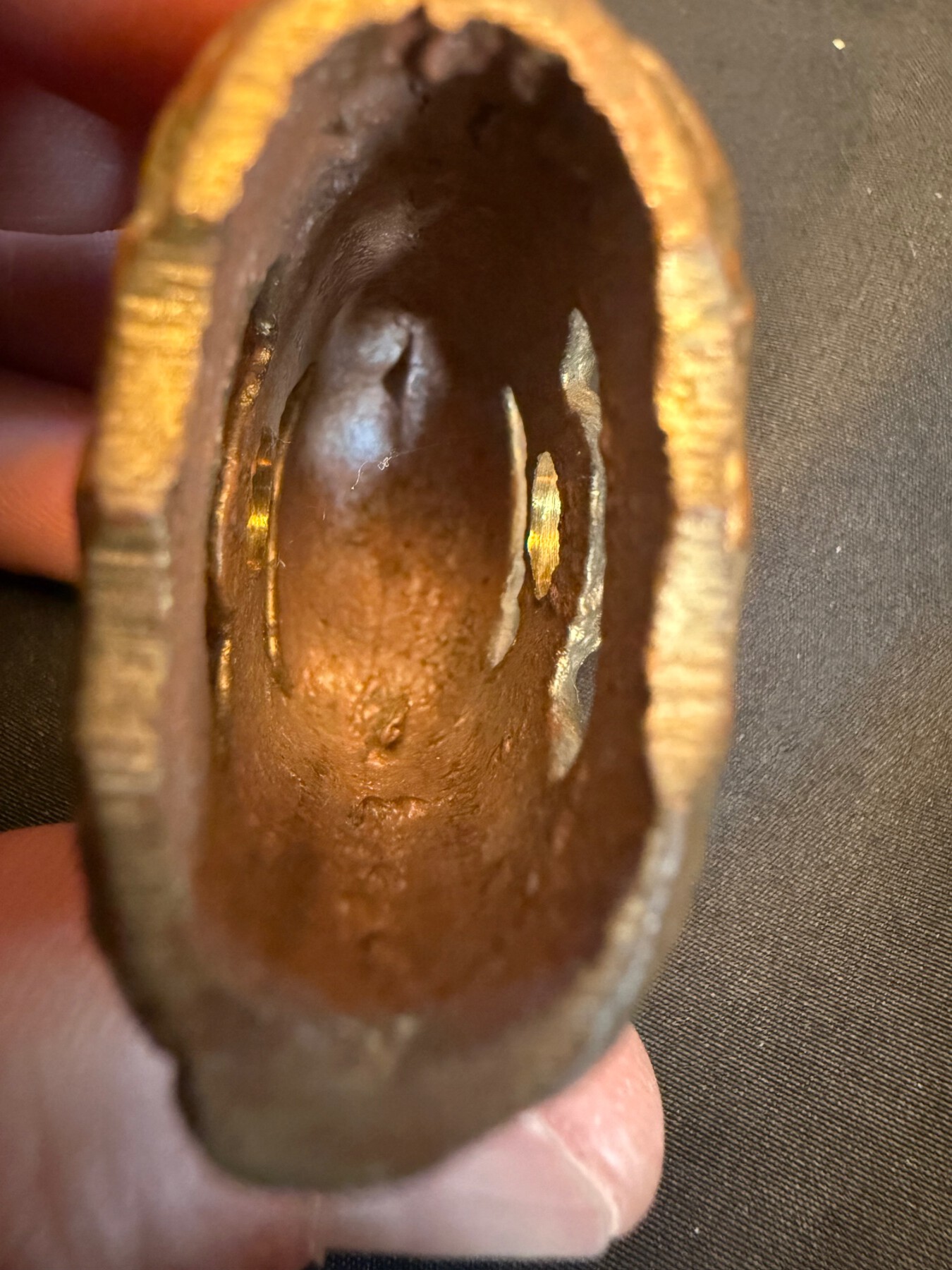
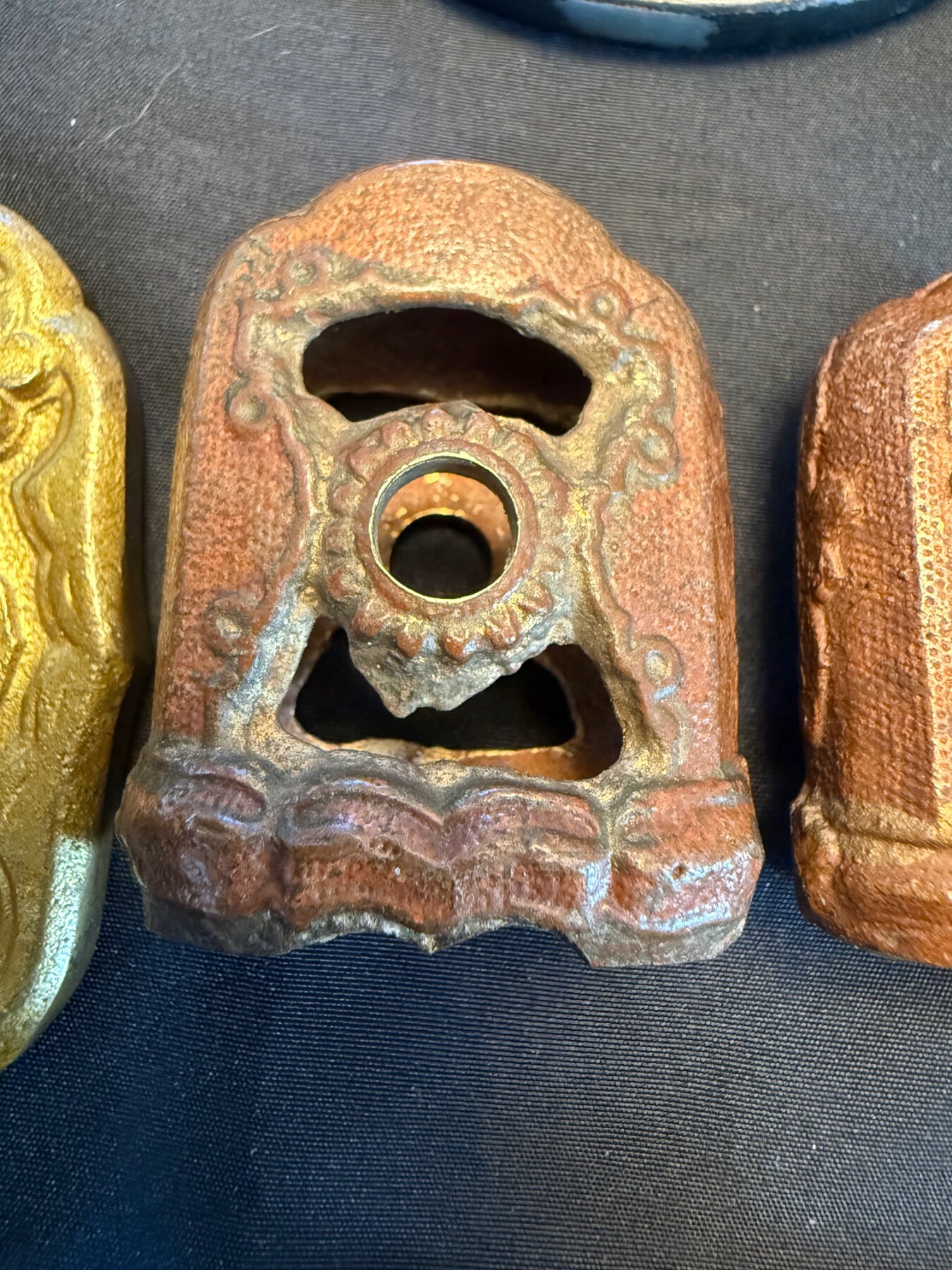
Personally, I do not wonder. I keep my crudely cast parts separate from my collection; because I have always believed them to be fake or modern-cast repros. At least until proven otherwise. -Sam
-
Indeed. I’m not the seller of this sword, and my photos are from a different but similar set of crude looking fittings. The scratches on my tsuba might be obscuring something. There’s a raised area at the bottom left of the scratching that could be some kind of logo. Unfortunately I cannot determine what it is, if anything at all. -Sam
-
It’s a rule we all follow to learn about katanas on this platform. I think Reddit is anonymous, if that’s what you’re after
-
I agree with Geraint. In my opinion, at best it’s a piece together with a mix of real and fake parts. If these crudely cast fittings were actually late-war; I would think that we would have seen them more frequently on other late war examples. Here they appear ill-fitted and with brand new tsukamaki. I do not think that is writing on the sarute. To me, it looks like scratching from using a tool to crimp the sarute into place. Another sign this might have been put together recently. -Sam
-
I have watched a few videos of modern smiths adding broken pieces of older nihonto to their billet. I imagine this would help provide a level of diversity from one sword to the next in steel composition. Interesting stuff, -Sam
-
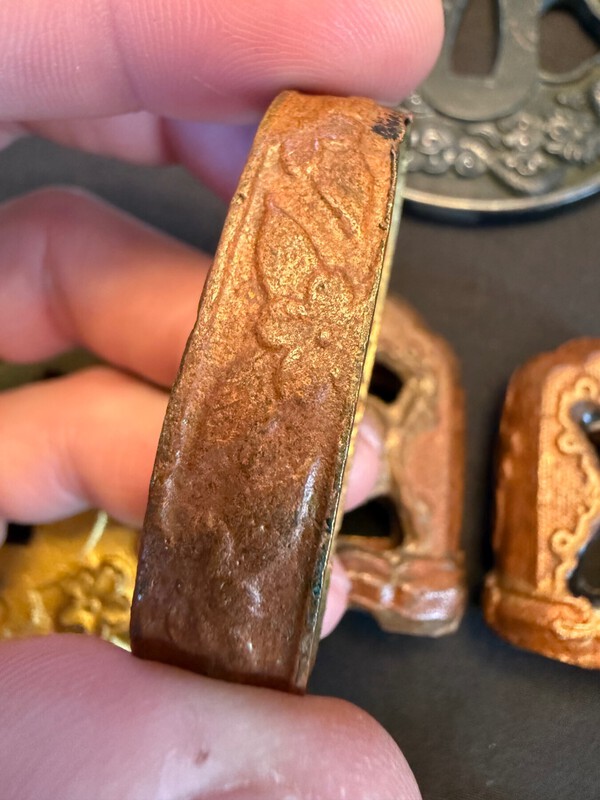
I think I have a very similar set of this type of very crude fittings. They came to me in a bag of miscellaneous parts and fittings. It has always been my assumption that they are modern reproductions or outright fake. They appear extremely crudely cast, and the hanger looks too small. Mine have remnants of paint on them. Again, I always thought they were fake, and keep them as a curiosity. -Sam