Bruce Pennington
-
Posts
14,517 -
Joined
-
Last visited
-
Days Won
175
Content Type
Profiles
Forums
Events
Store
Downloads
Gallery
Everything posted by Bruce Pennington
-
Yes, my thoughts too. I know the kao is just a personal mark for the smith, this blade shook my subconscious assumptions loose when I saw it had both the Seki stamp and kao. I'm firmly planted on the "inspector stamps mean non-traditionally made" side of the camp. As to the original question - how long have smiths been using kao - I want to say I've seen some pretty old blades with them, but I haven't kept track of them and/or the ages. Hopefully some of the nihonto guys can opine.
-

Kai Gunto - Just Sharing Excitement
Bruce Pennington replied to Erwin's topic in Military Swords of Japan
I have a small collection of loose seppa and one of them is that same color. The more you get into the hobby, the more variation you'll come across. Do us all a favor and introduce us to some of your gunto! -
I have seen leather covered saya with the standard haikan underneath. So maybe this saya is simply missing the leather cover.
-
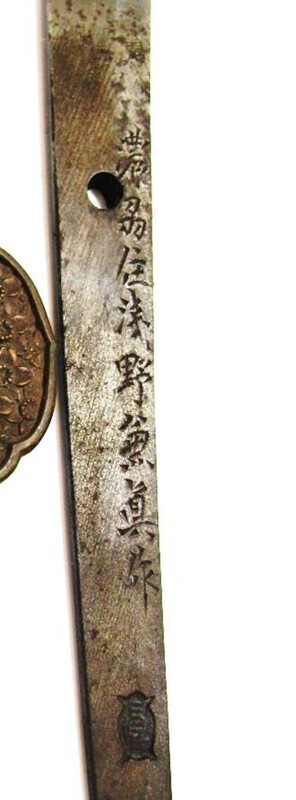
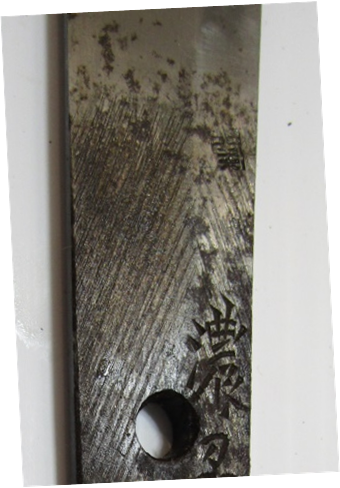
There is a Kanezane blade being discussed HERE that has Kanezane's kao, but it also has a Seki stamp. I had been assuming that the presence of a kao (hot stamp or an inscribed mark) would indicate the blade was made traditionally, because blades can be found by that same smith that don't have the kao. But this blade has a Seki stamp which means it was not. Hmmmm. Of course, this hearkens back to the debate about stamps - are they always an indication of a non-traditionally made blade, or could they sometimes simply be an acceptance stamp. The answer could lie in the reality that some blades with a smith's mei were really made by apprentices, so maybe the kao would indicate that this blade was made by the smith? Another issue is that many WWII blades were signed by a professional mei-cutter (there's a word for that). Maybe the presence of the kao, simply means the mei was cut by the smith himself? What we know for a fact is that the government ordered all non-traditionally made blades to be stamped. We do not have proof that stamps were being used in other ways, so with the assumption that the Seki stamp on the blade means that it was non-traditionally made, then the kao's significance lies somewhere else, like who made it or signed it.
-
Speaking of the kokuin, I had been assuming that the presence of a kao (hot stamp or an inscribed mark) would indicate the blade was made traditionally, because blades can be found by that same smith that don't have the kao. But this blade has a Seki stamp which means it was not. Hmmmm. Of course, this hearkens back to the debate about stamps - are they always an indication of a non-traditionally made blade, or could they sometimes simply be an acceptance stamp. The answer could lie in the reality that some blades with a smith's mei were really made by apprentices, so maybe the kao would indicate that this blade was made by the smith? Another issue is that many WWII blades were signed by a professional mei-cutter (there's a word for that). Maybe the presence of the kao, simply means the mei was cut by the smith himself? What we know for a fact is that the government ordered all non-traditionally made blades to be stamped. We do not have proof that stamps were being used in other ways, so with the assumption that the Seki stamp on the blade means that it was non-traditionally made, then the kao's significance lies somewhere else, like who made it or signed it. Sorry for cluttering up your thread with my ruminations, but it was rolling and I needed to work through that!
-
Well, that could shed some light on some of the officer/NCO combos we’ve been seeing through the years!
-
I'd like to hear the answer to that question too! While we wait, I can tell you that the small stamp at the top is the "Seki" stamp. I assume there is no date on the other side of your nakagoa? They are seen on blades from 1940-1945, with the majority of them seen on 1942 blades. So that will give you an window of time you blade came from.
-
Mike, Your sword is a Japanese officer sword Type 98 (could be a 94, but with the second belt suspension loop missing, as they often are). You can read about all their history and the variations here: http://ohmura-study.net/900.html I'd appreciate seeing more of the blade and saya (scabbard), particularly the tips of both. The small stamp is the "TO" of the Tokyo Arsenal inspectors. I'm not used to seeing them on officer blades. From the limited pictures, your blade could be what's known as a Zohei-to, or factory blade, You can read more about them here: and here: http://ohmura-study.net/911.html
-
Interesting Presentation Sword?
Bruce Pennington replied to Ontario_Archaeology's topic in Military Swords of Japan
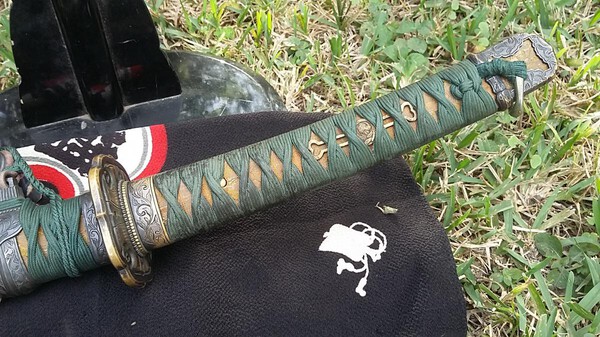
This Mantetsu presentation is a little more elaborate. I just realized that yours is the first Navy presentation sword I've ever seen. VERY COOL!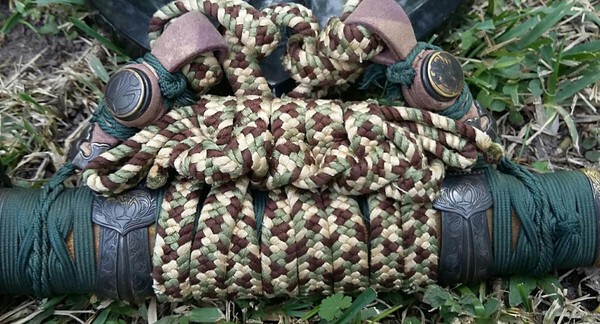

-
Interesting Presentation Sword?
Bruce Pennington replied to Ontario_Archaeology's topic in Military Swords of Japan
This one was a 25 yr employee presentation.
-
Interesting Presentation Sword?
Bruce Pennington replied to Ontario_Archaeology's topic in Military Swords of Japan
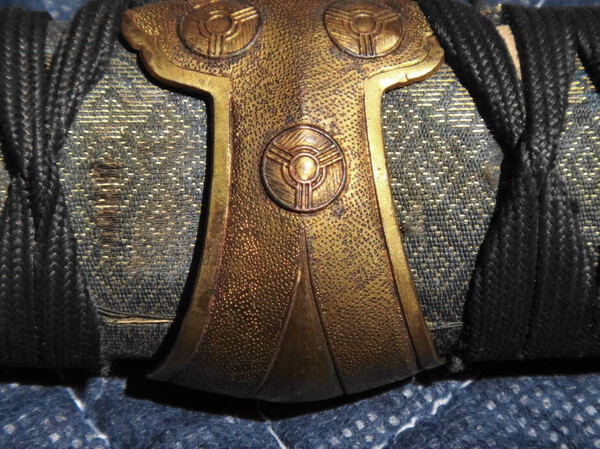
{edited post after seeing Matt had already mentioned the mon} Matt, Thought I'd compare yours to some others I have filed and it seems to have similarities in wrap and mon placement, so I'd vote original.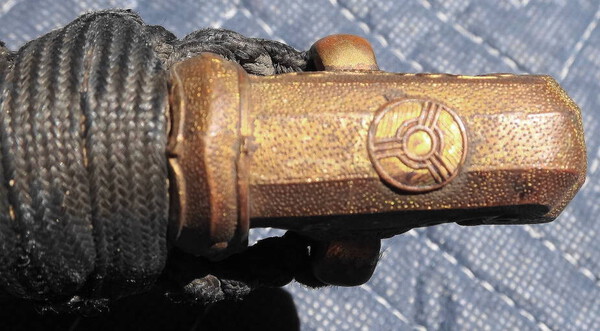

-
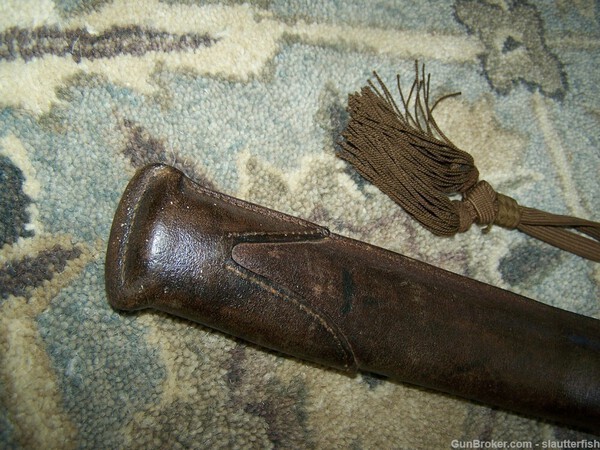
All-brown
-
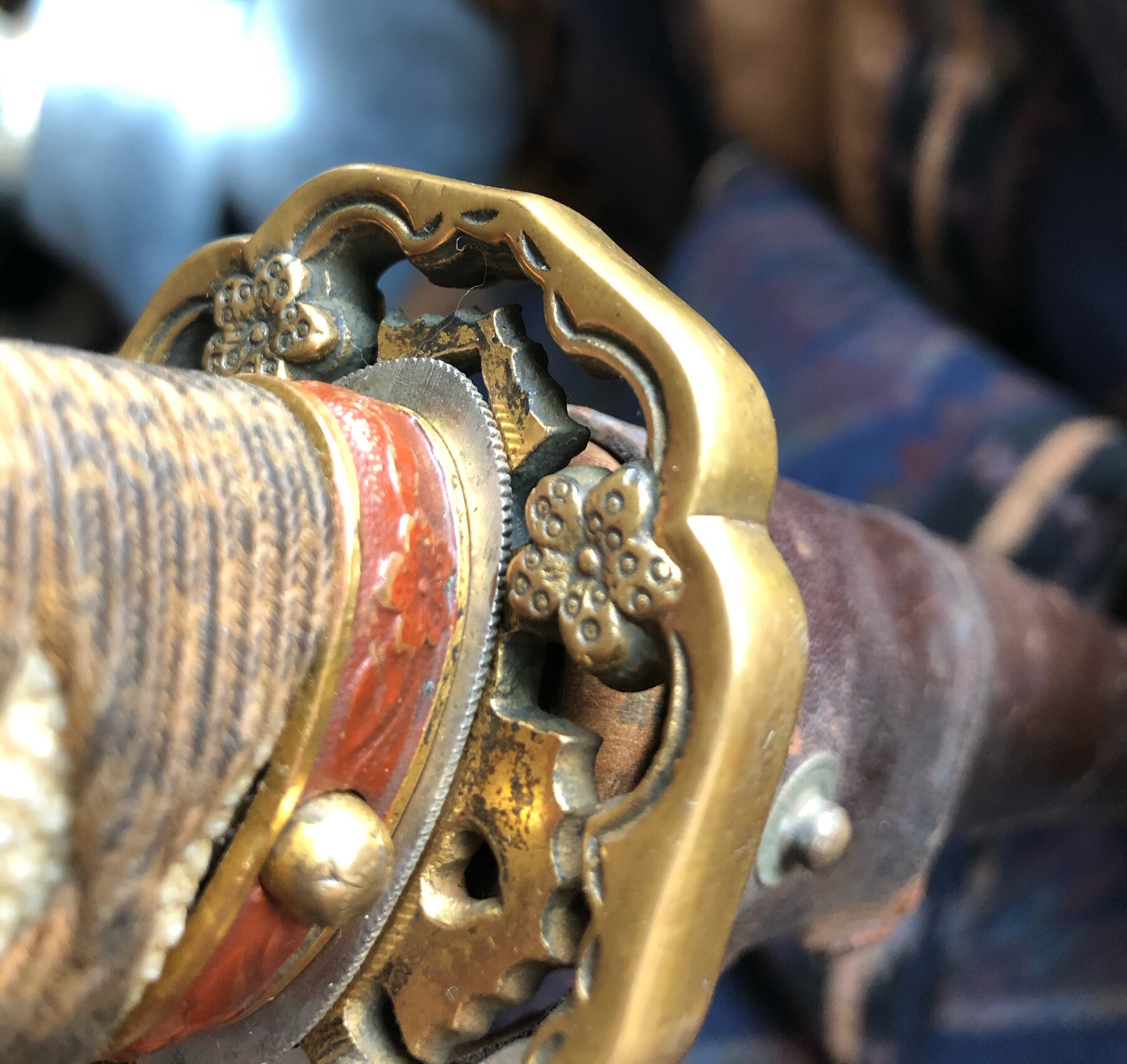
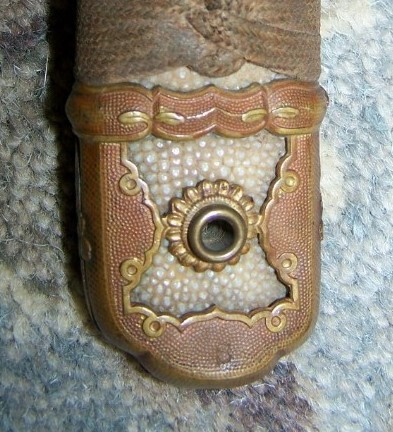
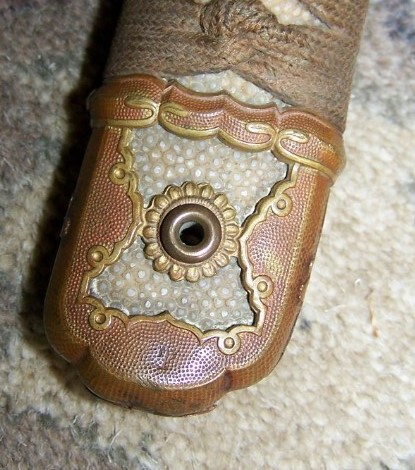
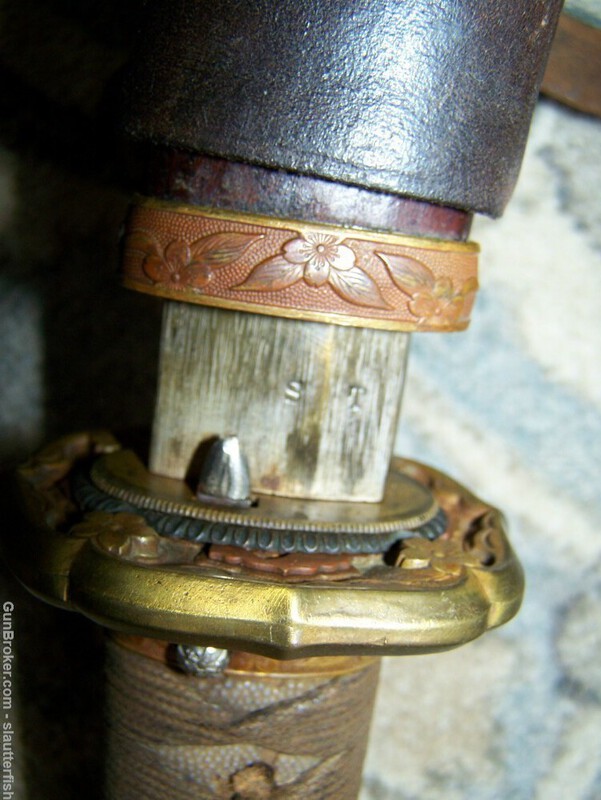
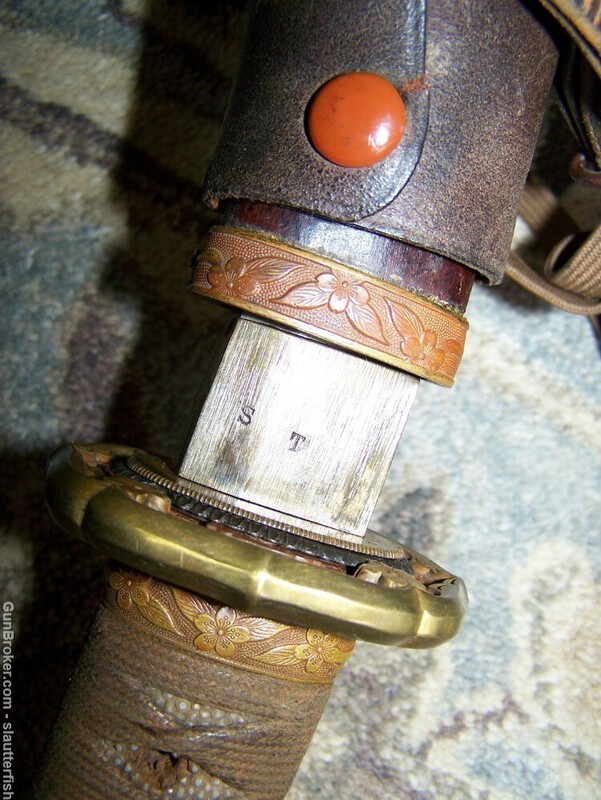
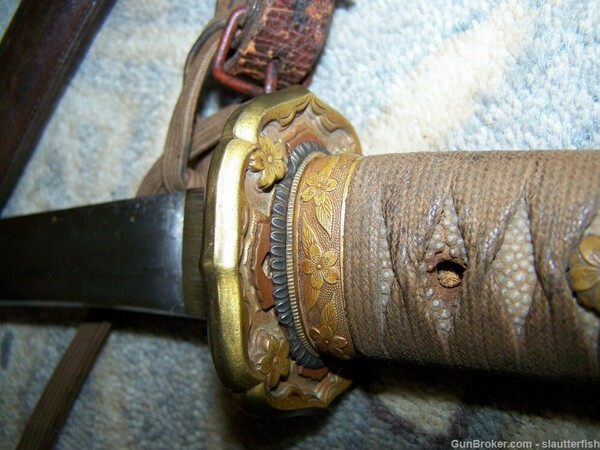
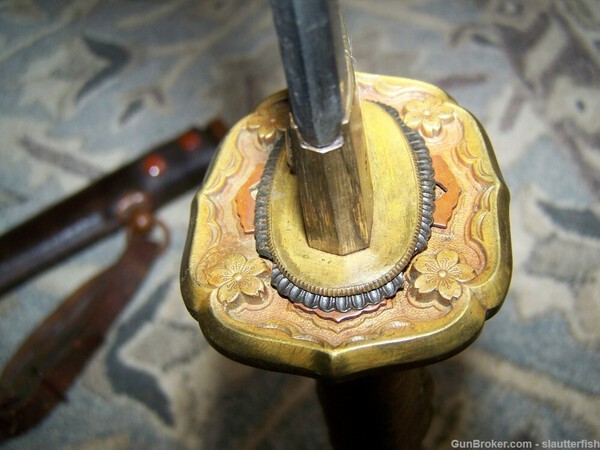
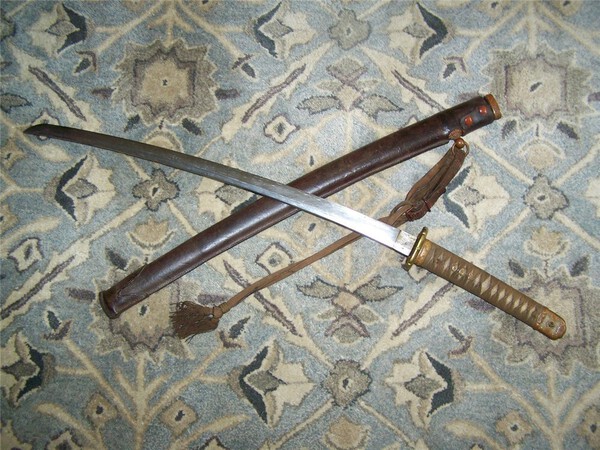
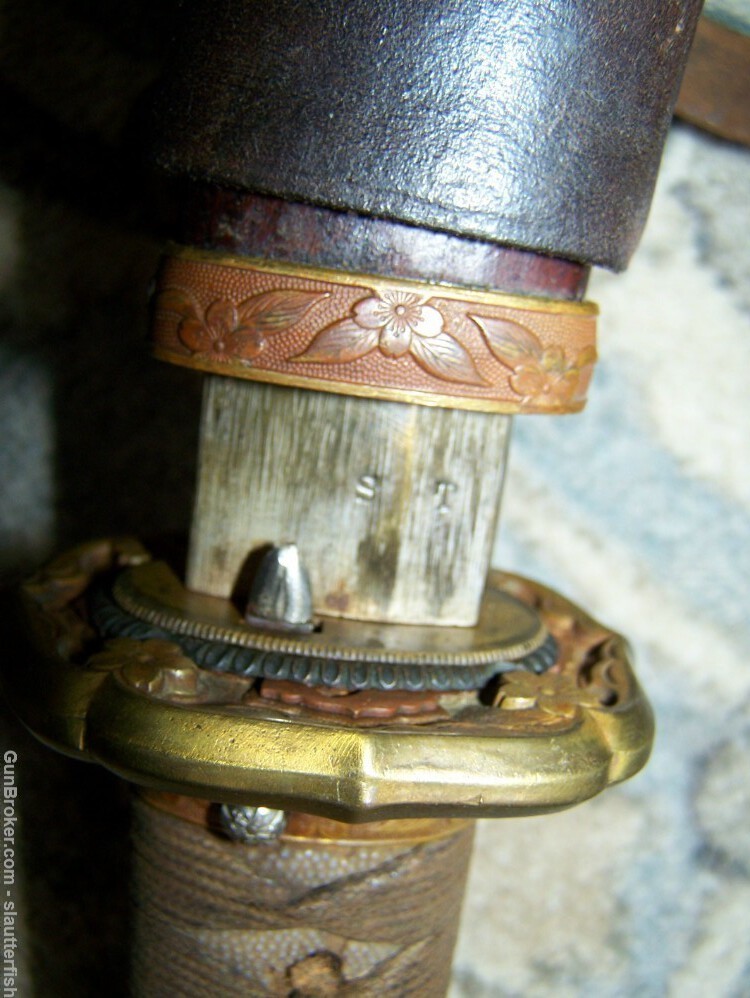
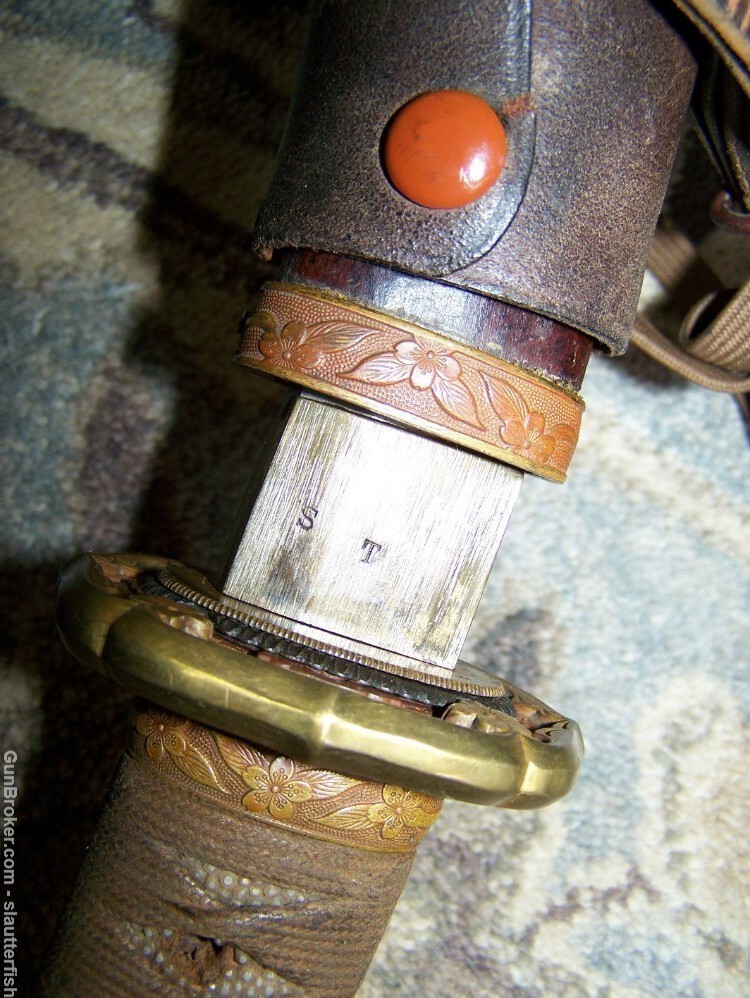
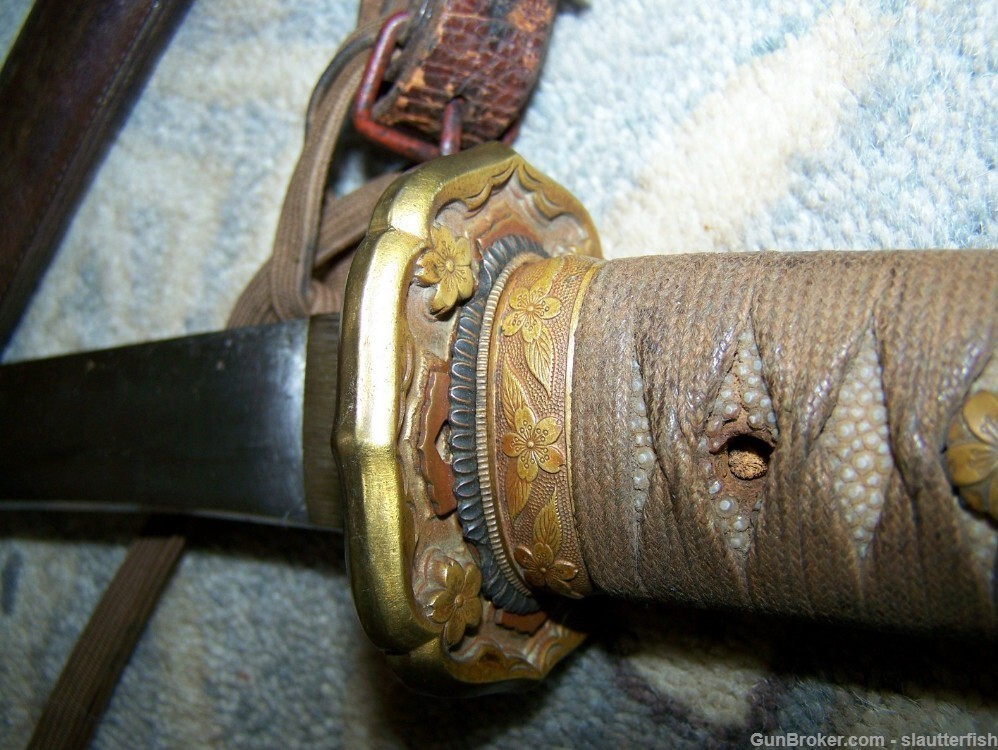
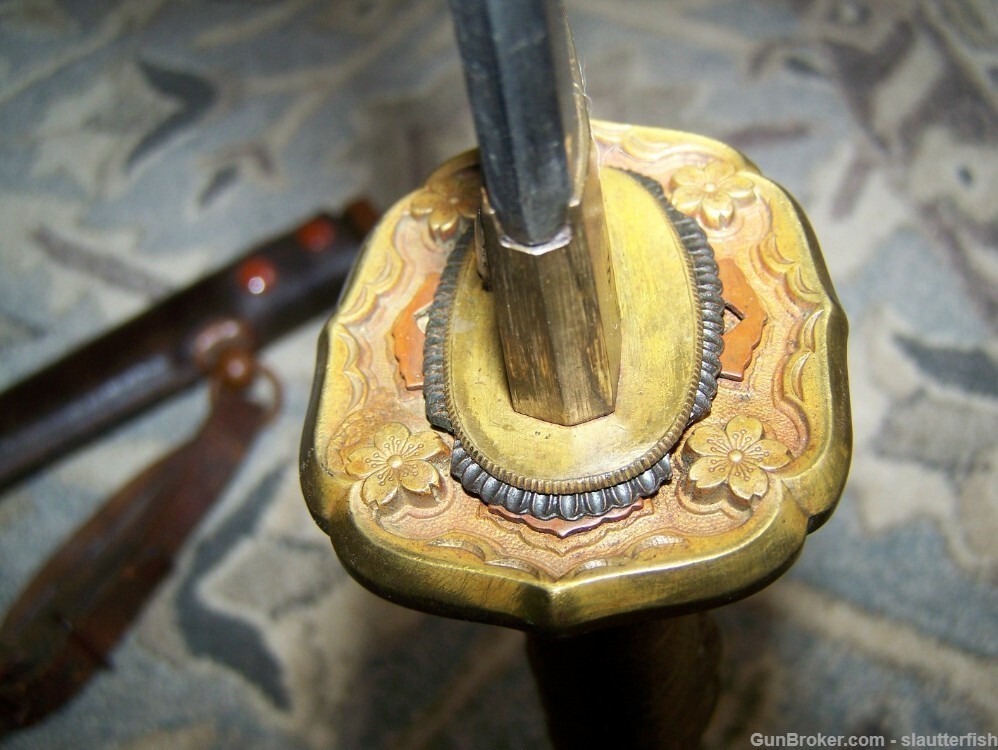
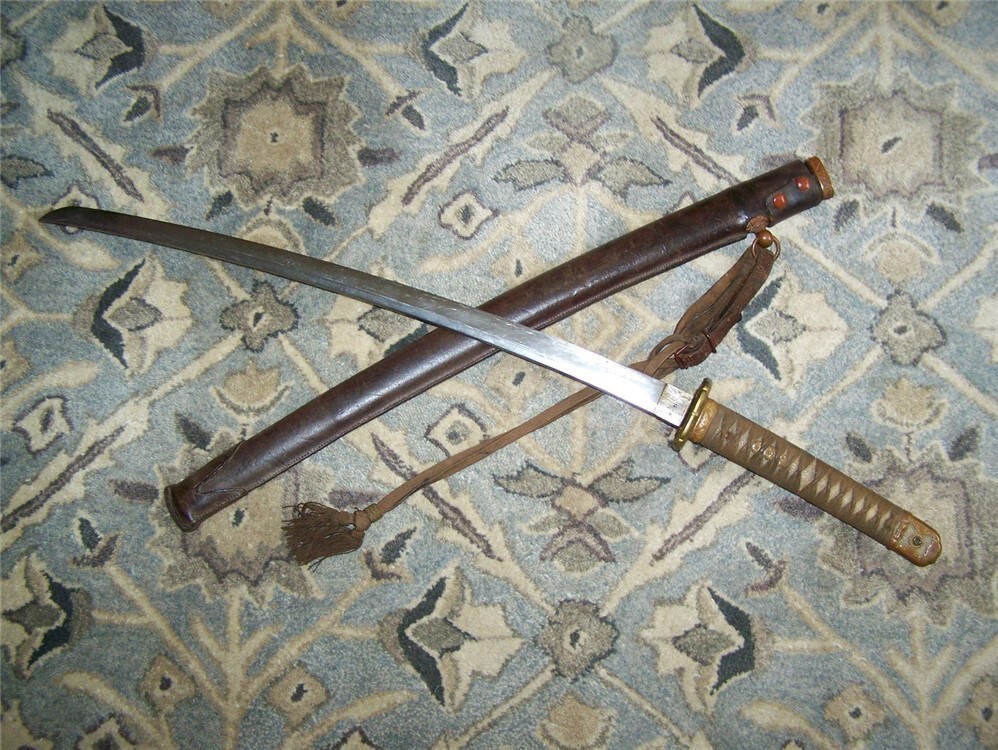
Came across this unknown shop stamp during a conversation with a guy about a gunto. I don't think I've ever seen it before. "S" on one side of the kabutogane, and "T" on the other; then "S T" on both sides of the habaki. The seller didn't post pics of the nakago, but said in the description that there is a Toyokawa blade in the fittings. I suspect the shop did a top-dollar custom job on the fittings by the look of that seppa, cut to fit around the sakura on the tsuba. If anyone has any info on this shop, I'd love to hear about it. Likewise if anyone has similar fittings from this shop, please post. I was going to post this on an old thread about fittings with stamps on the kabutogane, but I can't find it.
-
Enjoying the conversation about these unique gunto! Thomas, glad to see you're tracking them. I enjoy seeing your chart (must be on another thread) almost as much as seeing these great blades! Ha!
-
Prince Chibata's gunto practice sword
Bruce Pennington replied to Jim Manley's topic in Military Swords of Japan
Ohmura calls the stamped number a serial number, so it's possible the Arsenal was numbering these, or it could have been a system started by Murata himself. No way to know. -
Brass Scabbard NCO Copper Handle
Bruce Pennington replied to IJASWORDS's topic in Military Swords of Japan
Ha, I find it quite annoying that life keeps getting in the way of my hobby time! What’s your serial number on that one? Is it close to Neil’s? -
Peter, I would appreciate a picture with the Seki stamp showing for my Stamps Survey!
-
I would also appreciate seeing if there is a stamp higher on the nakago (tang), likely under the metal fittings, you'll have to remove them to see the stamp. Have you read up on this style of gunto? It was a contingency model, often called a "Type 3" or "Rinji seishiki", designed to be cheaper (officers had to pay for their swords) yet more durable to the rigors of combat. The style caught on in the latter part of the war and became quite elaborate. It would be nice to see pics of your rig as well. You can read about them HERE.
-
Attention Mantetsu Owners: A Survey
Bruce Pennington replied to Bruce Pennington's topic in Military Swords of Japan
I just got some pics from the auction house - everything BUT the serial number I asked for!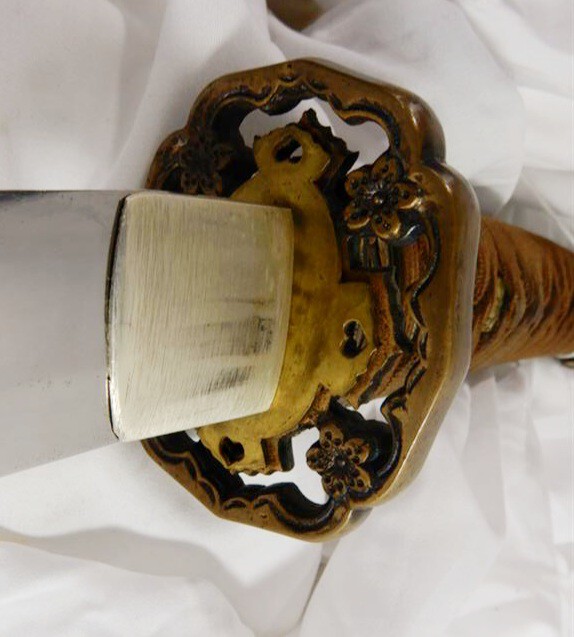
.thumb.JPG.5b109bb6829dfa1bfe2e4f98ab8059b7.JPG)
.thumb.JPG.b6e232f46a0b2397d001839c796946ef.JPG)
.thumb.JPG.c795023ec66a5d2706267e30ad420469.JPG)
-
Attention Mantetsu Owners: A Survey
Bruce Pennington replied to Bruce Pennington's topic in Military Swords of Japan
That General's Mantetsu at auction has the same fat tsuba with the identical pattern around the edge-face.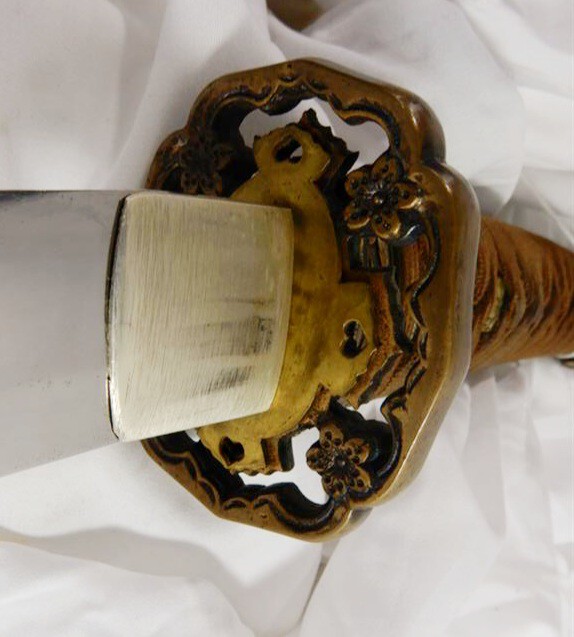
-
Attention Mantetsu Owners: A Survey
Bruce Pennington replied to Bruce Pennington's topic in Military Swords of Japan
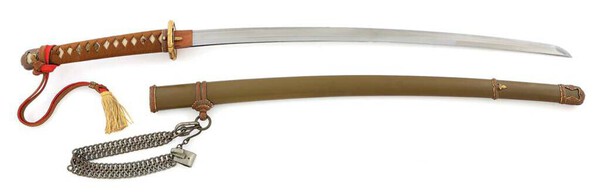
Make that 217! John just fed me a link to one Bill Brannow had sold a while back. It's got a General Officer tassel and up for auction again. Wish I had the fun-money to go for it!!! I've posted it HERE if anyone wants to have a go at it. -
Attention Mantetsu Owners: A Survey
Bruce Pennington replied to Bruce Pennington's topic in Military Swords of Japan
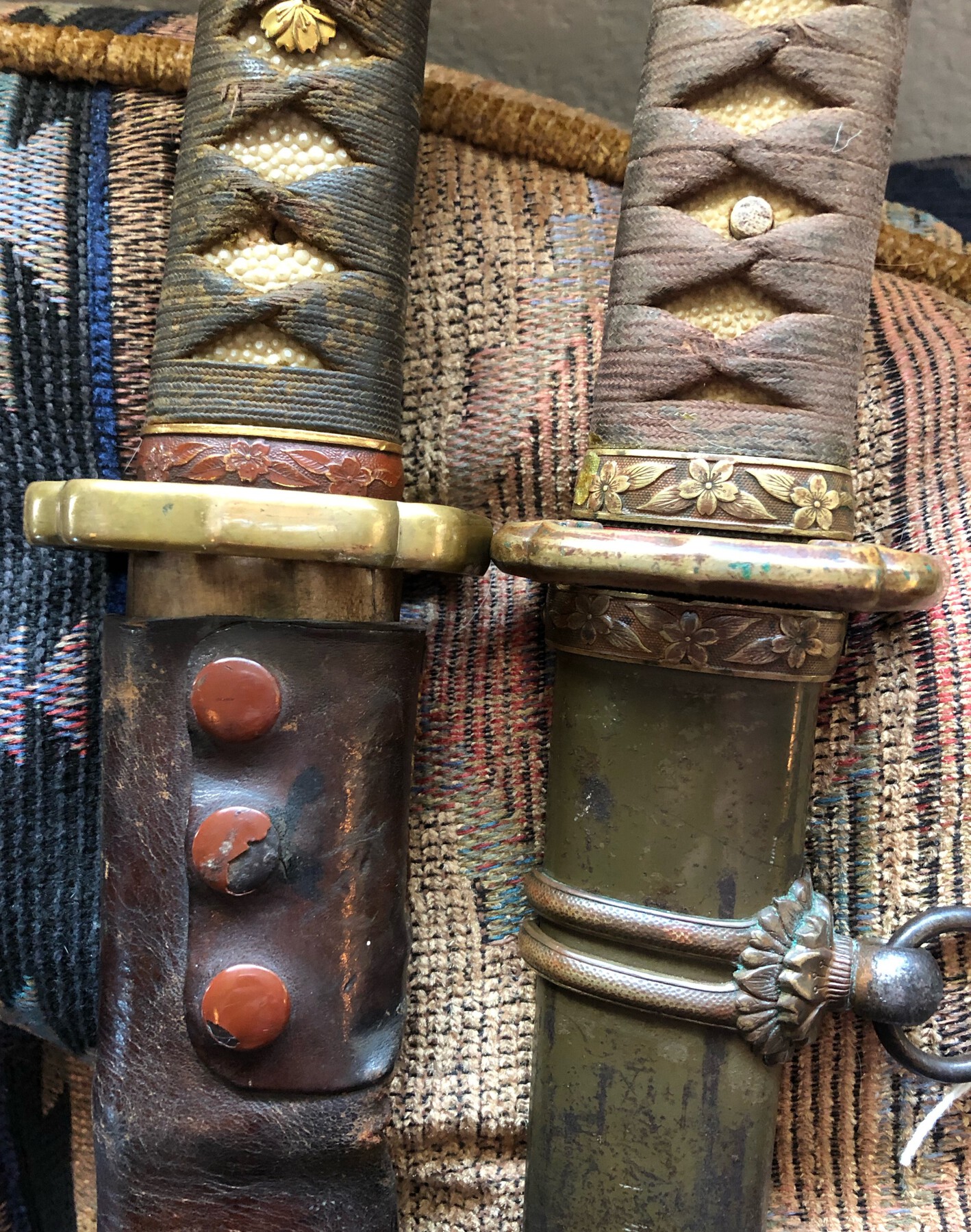
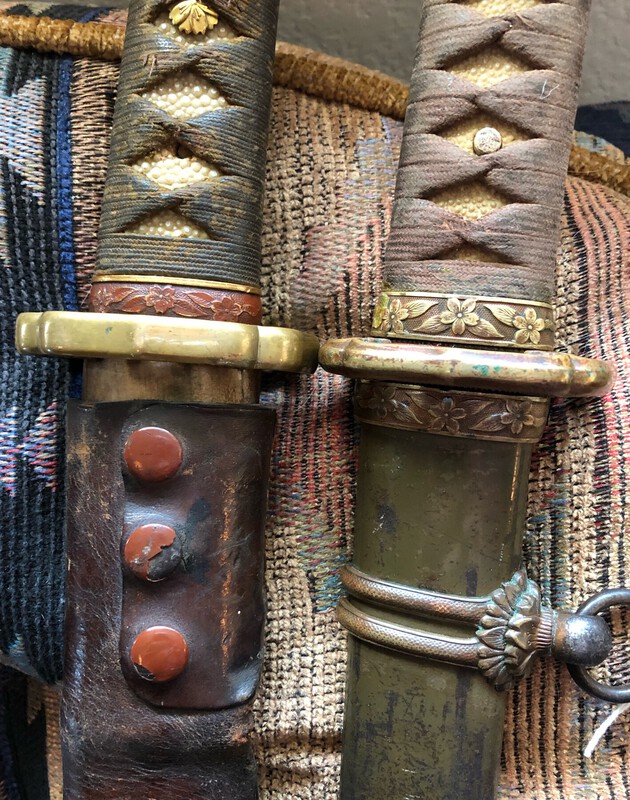
Wow, Trystan, my '39 Mantetsu has that same exact tsuba! Had to have been the same koshirae shop! My thought was the same as John's on the thickness, but was hoping he'd comment. He's far more knowledgeable on koshirae. Here's mine. Next to my '41 Mantetsu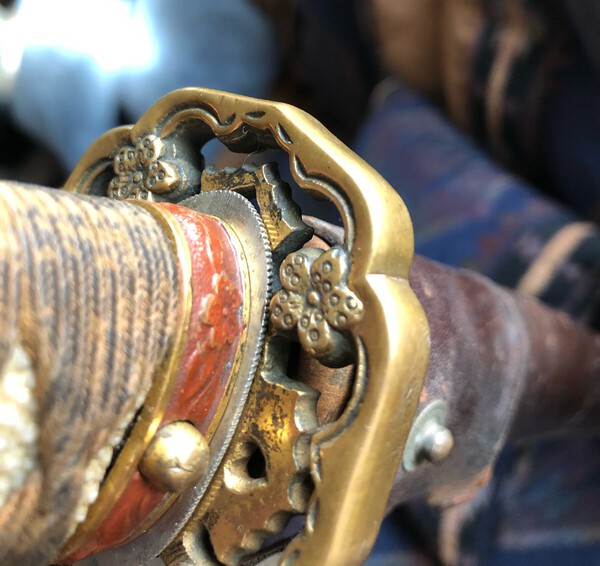
-
Attention Mantetsu Owners: A Survey
Bruce Pennington replied to Bruce Pennington's topic in Military Swords of Japan
216 with full numbers, mei, and date. There would be more, but many pictures found on the web don't show the serial numbers. -
I have not skin-in-the-game on this auction or item. I'm just not able to bid, financially, and want guys to know this baby is up for auction in 2 days. https://www.proxibid.com/Firearms-Military-Artifacts/Military-Artifacts/Superb-Signed-WWII-Japanese-Officer-s-Sword/lotInformation/57745860#topoflot
-
Attention Mantetsu Owners: A Survey
Bruce Pennington replied to Bruce Pennington's topic in Military Swords of Japan
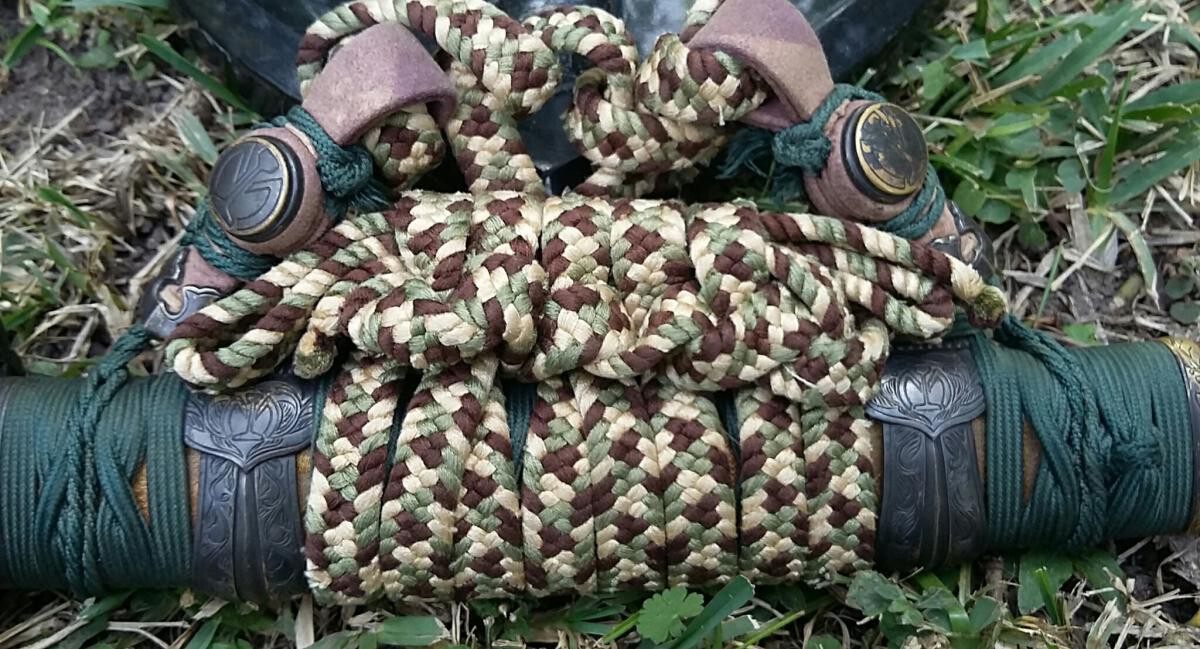
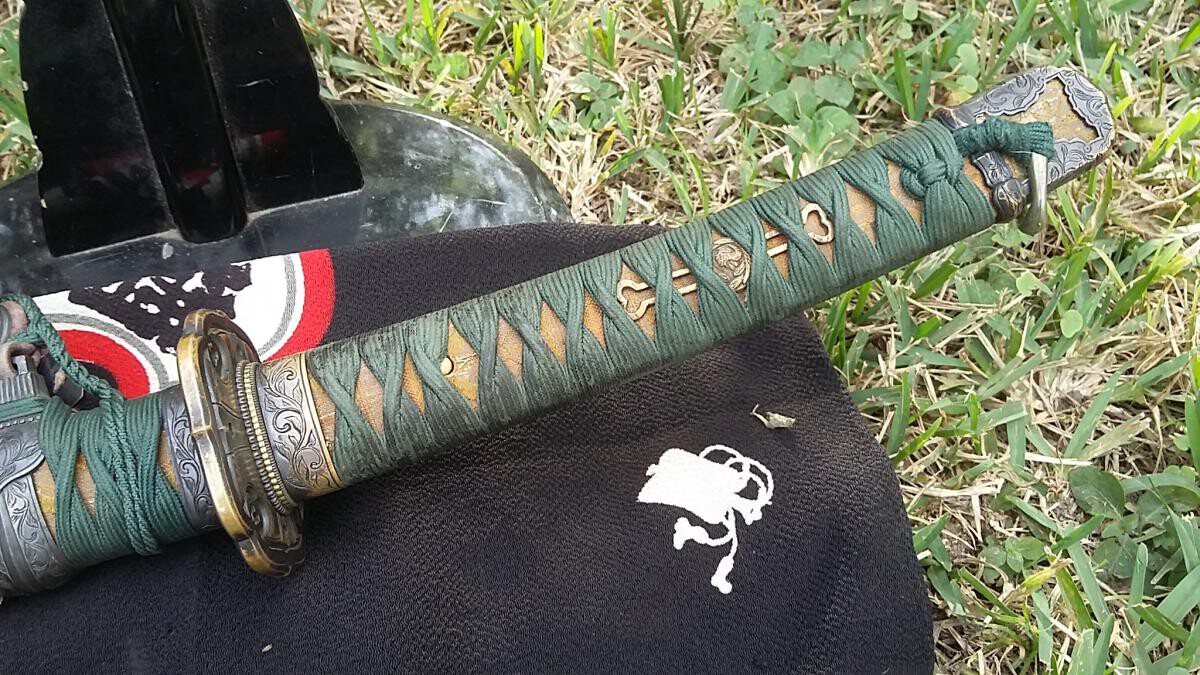
Got both, but thanks for your help!



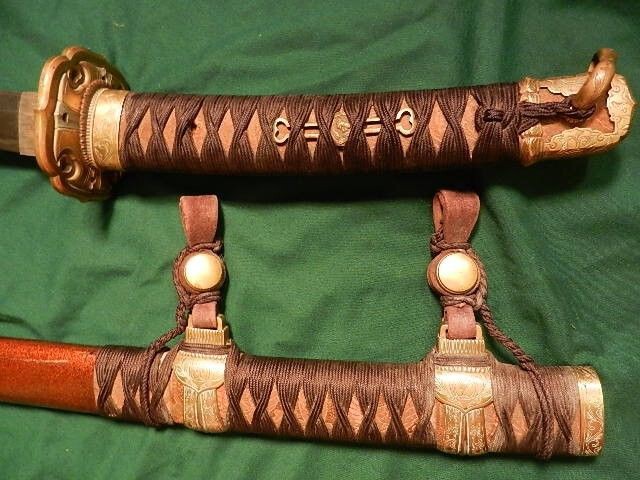
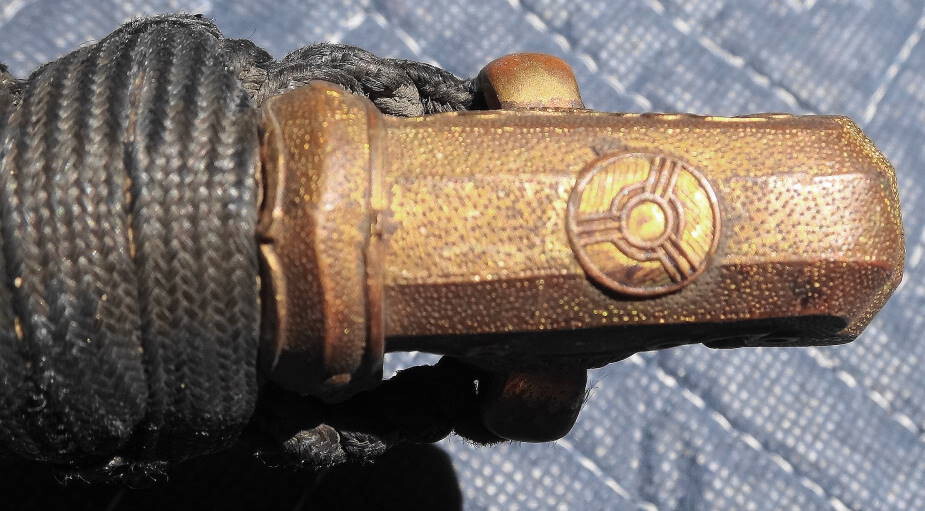


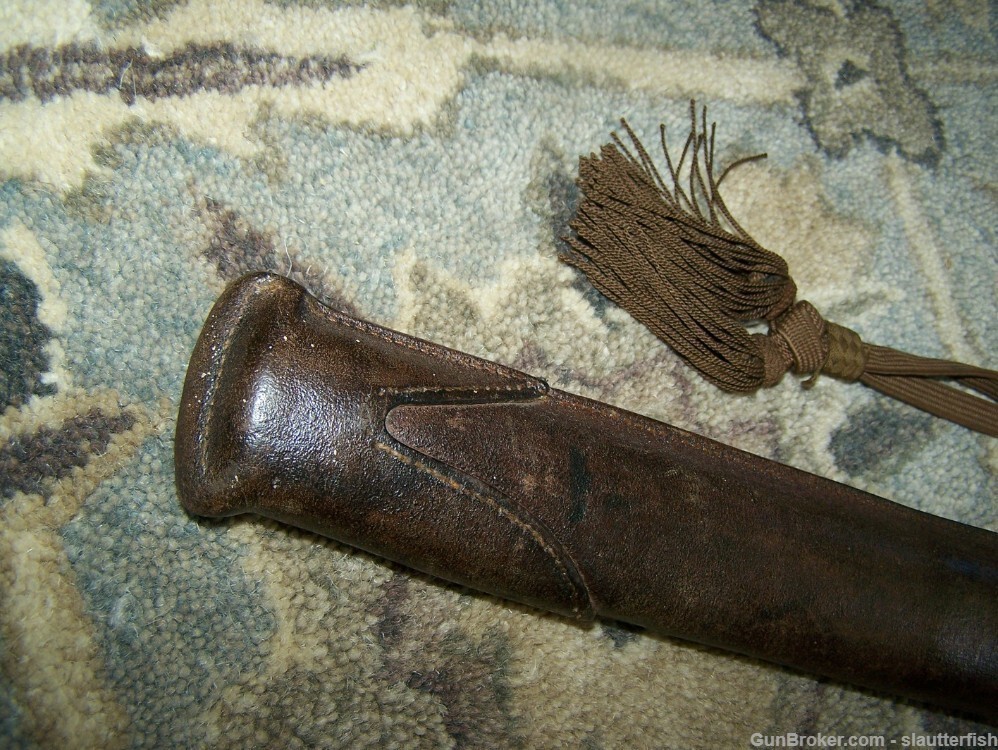
.JPG.49f235b02a86f2726db16878e1941d9e.JPG)
.JPG.aef9e52d9361759d05efffcd31693f53.JPG)
.JPG.4c683e9b60e76b2ea81ca15ca50fb424.JPG)