Bruce Pennington
-
Posts
14,351 -
Joined
-
Last visited
-
Days Won
171
Content Type
Profiles
Forums
Events
Store
Downloads
Gallery
Everything posted by Bruce Pennington
-
March 1942. Can’t do mei, but someone else will.
-
Sorry, George, it's not mine. Part of a likely souvenir sword from THIS THREAD.
-

NCOs with Private Swords
Bruce Pennington replied to Bruce Pennington's topic in Military Swords of Japan
Yes! I was hoping that would show up. And isn't this one dated in WWI? -
Survey on distribution of Mon
Bruce Pennington replied to PNSSHOGUN's topic in Military Swords of Japan
Did you say what kind of blade this is with? -
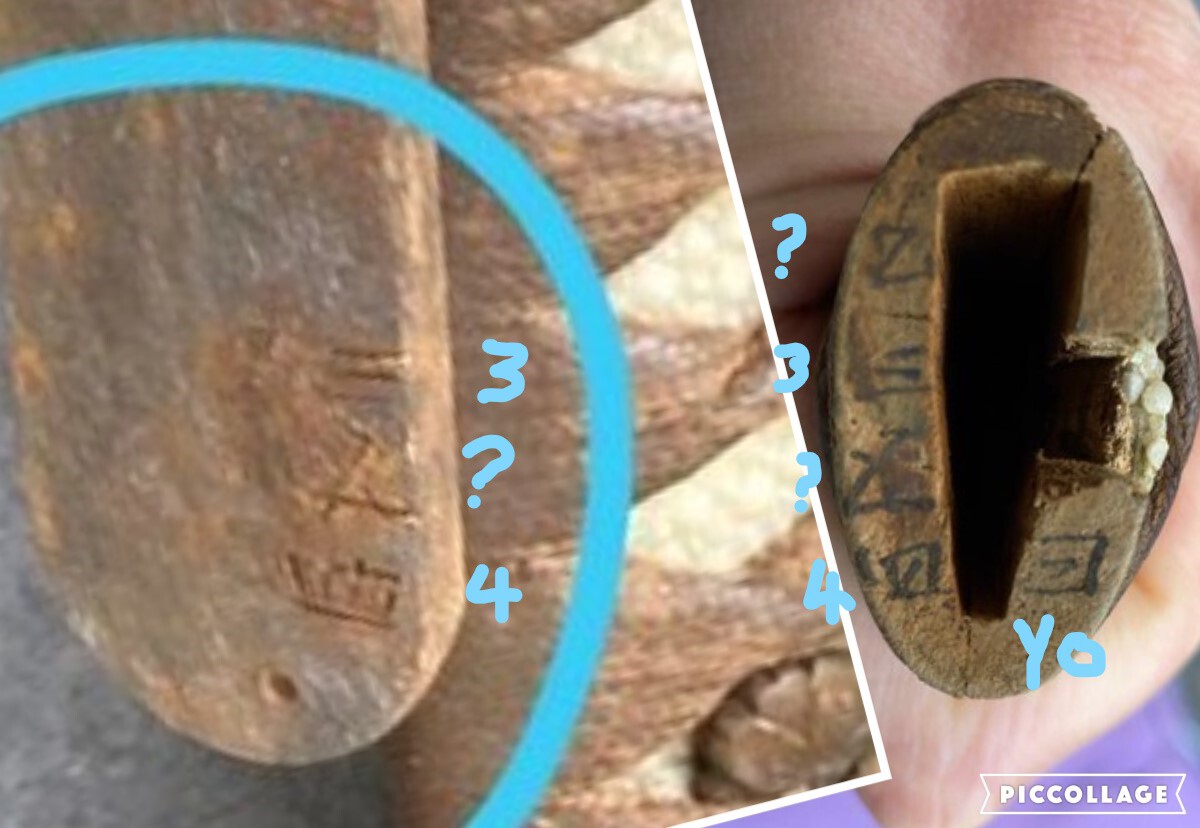
Ok, Nick, thanks, both on the confirmation about the 乙 and the info on your grandfather. After another look, minor point, but there is a "1" there, too. More visible on the tsuka (not the saya like I said earlier), but you can see it faintly on the blades too. So, 乙 1354. Here is the version of the 5 from Steve's reference. You'll note on the tsuka, even the 4 is a variation/simplification.

-
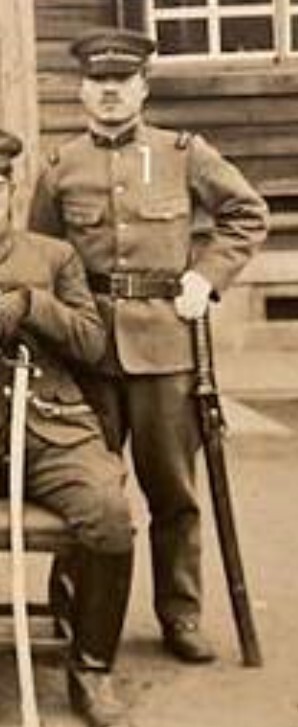
Came across this picture of a MSgt carrying what appears to be a civil/private sword re-fitted for WWII. HERE AT WARRELICS. Nick Komiya uncovered, earlier, an Army order officially permitting the practice - in 1945! But we all have seen pictures as far back as WWI of NCOs holding private swords. This photo was taken in 1939. Late edit: Nick Komiya is aware of the practice as early as the China Incident!

-
Bruno, So MITSUNAGA SAKU. Does this mean it's Japanese made? But maybe for souvenir? Or by Mitusnaga for real purposes? Sorry for the rookie-style questions, but I don't know the tsuba world.
-
Nick, Is the slider near the top metal or leather?

-
Thanks Steve! That makes more sense than the alternating kanji that I was thinking.
-
Showato inheritance, very little information
Bruce Pennington replied to TroyTF's topic in Military Swords of Japan
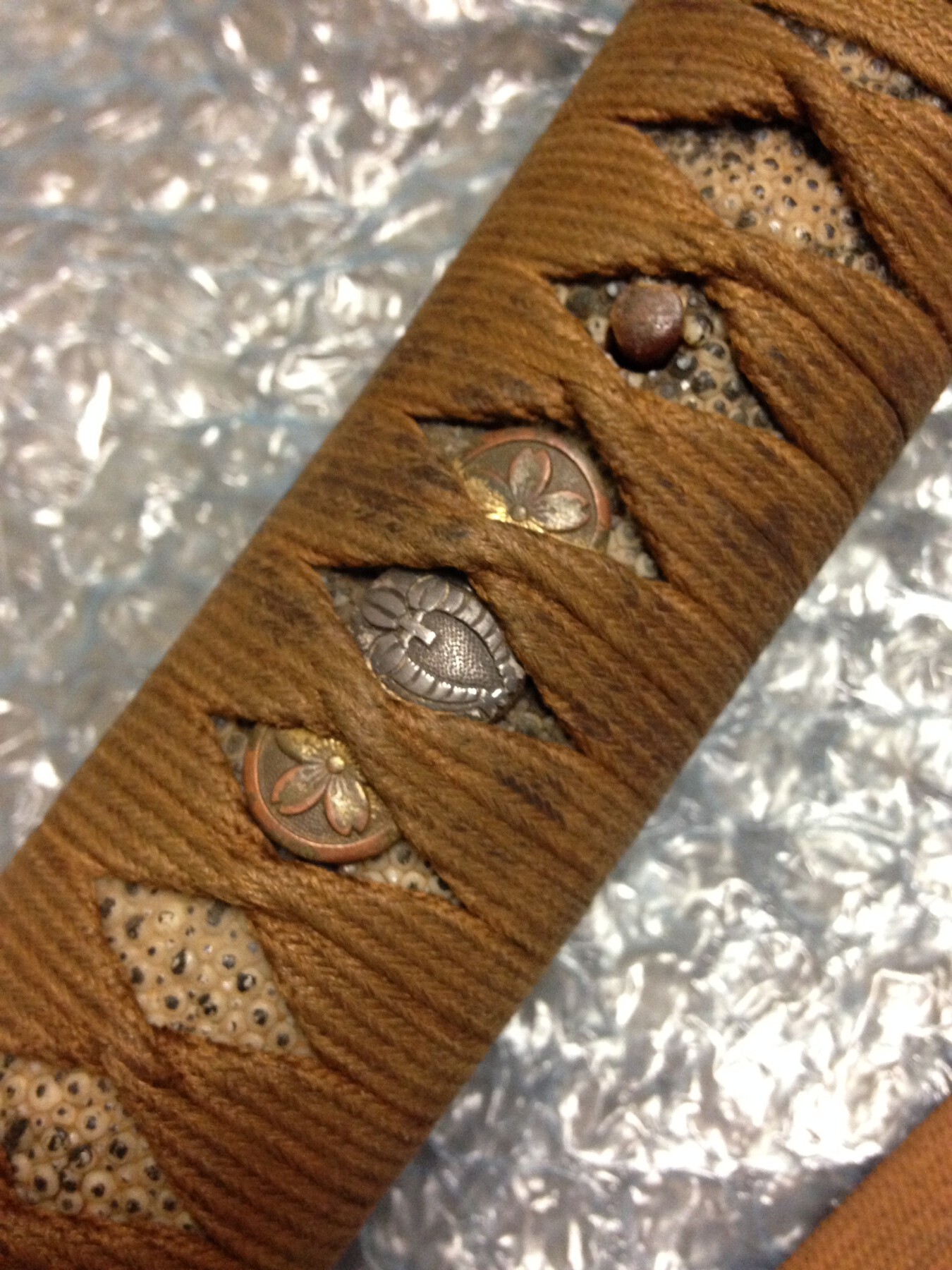
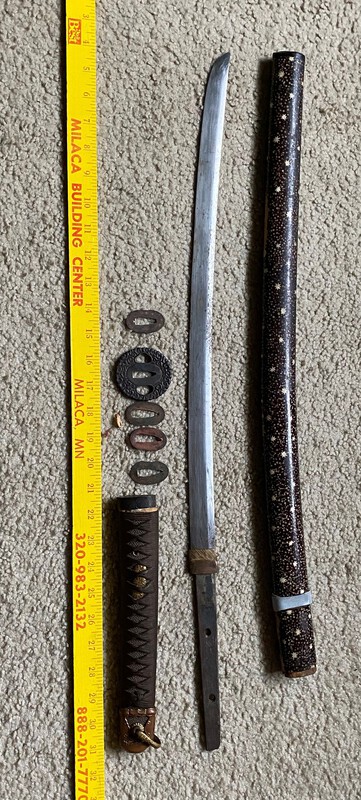
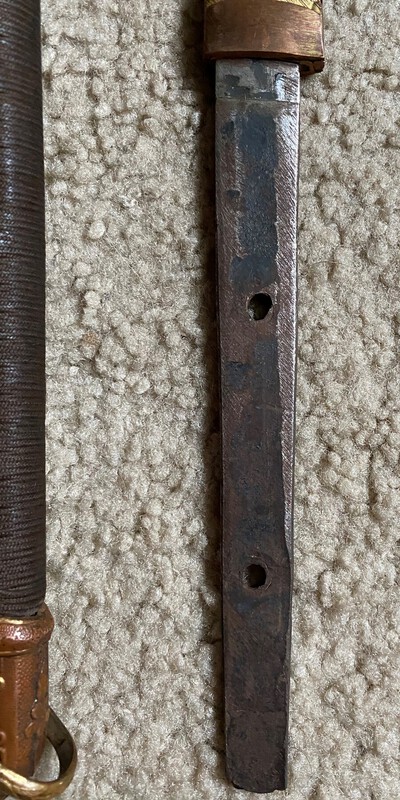
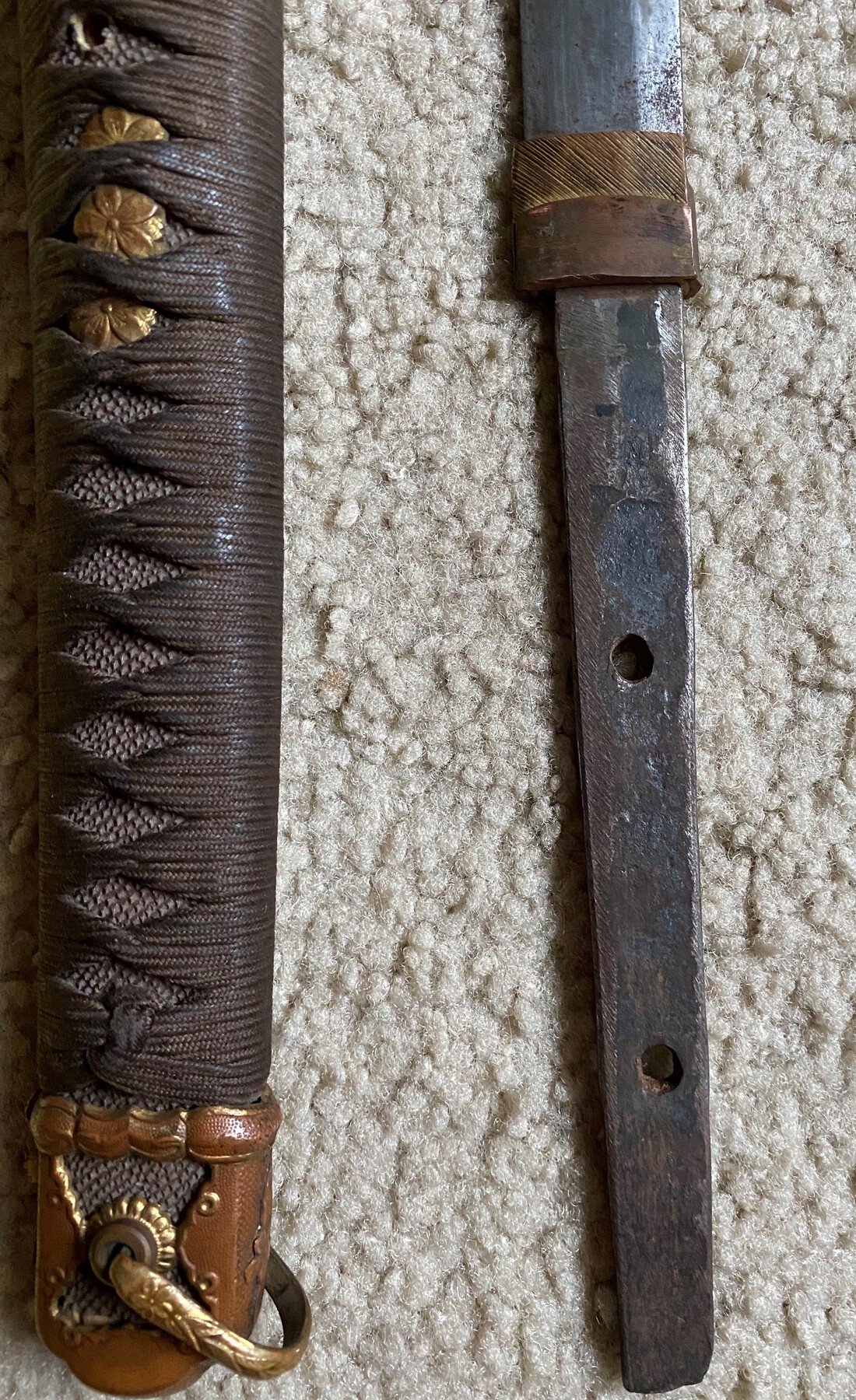
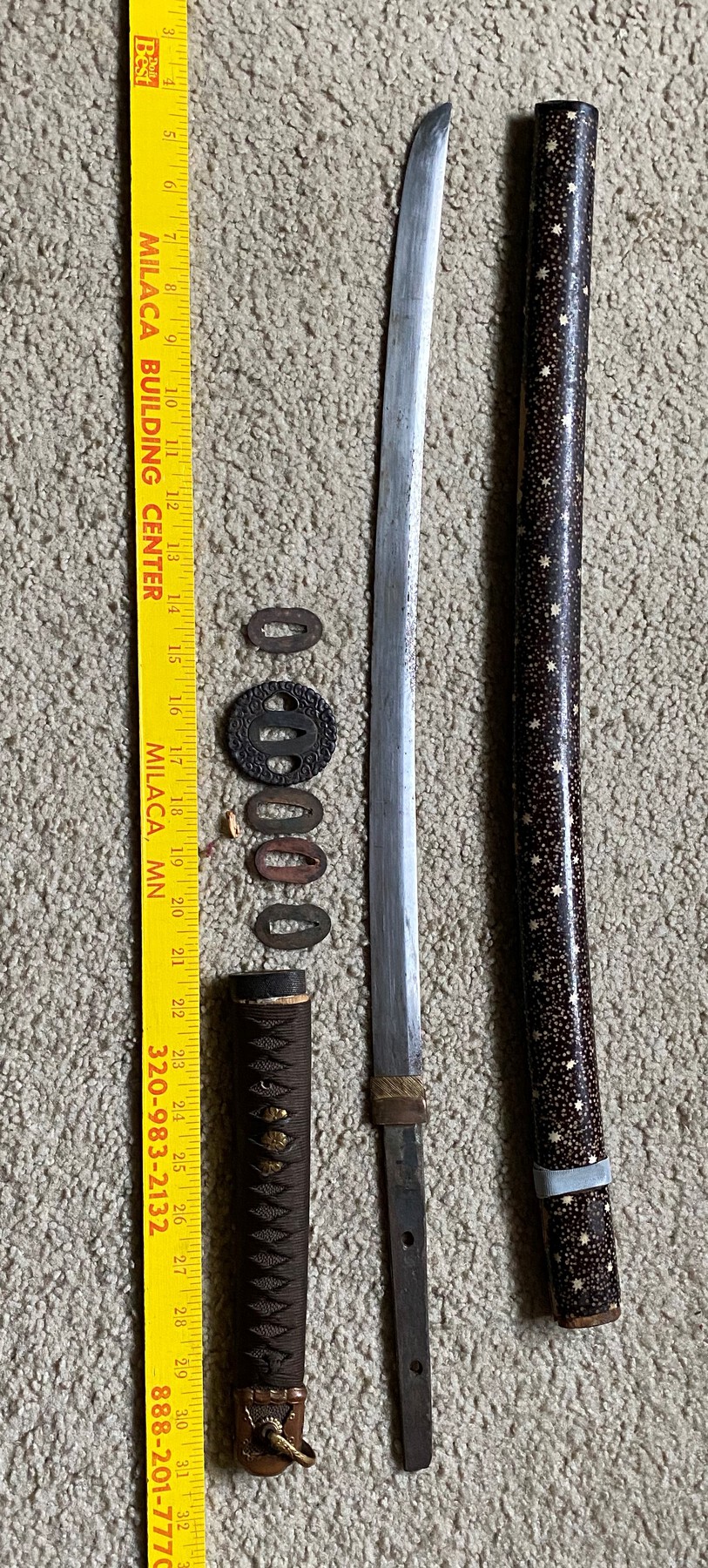
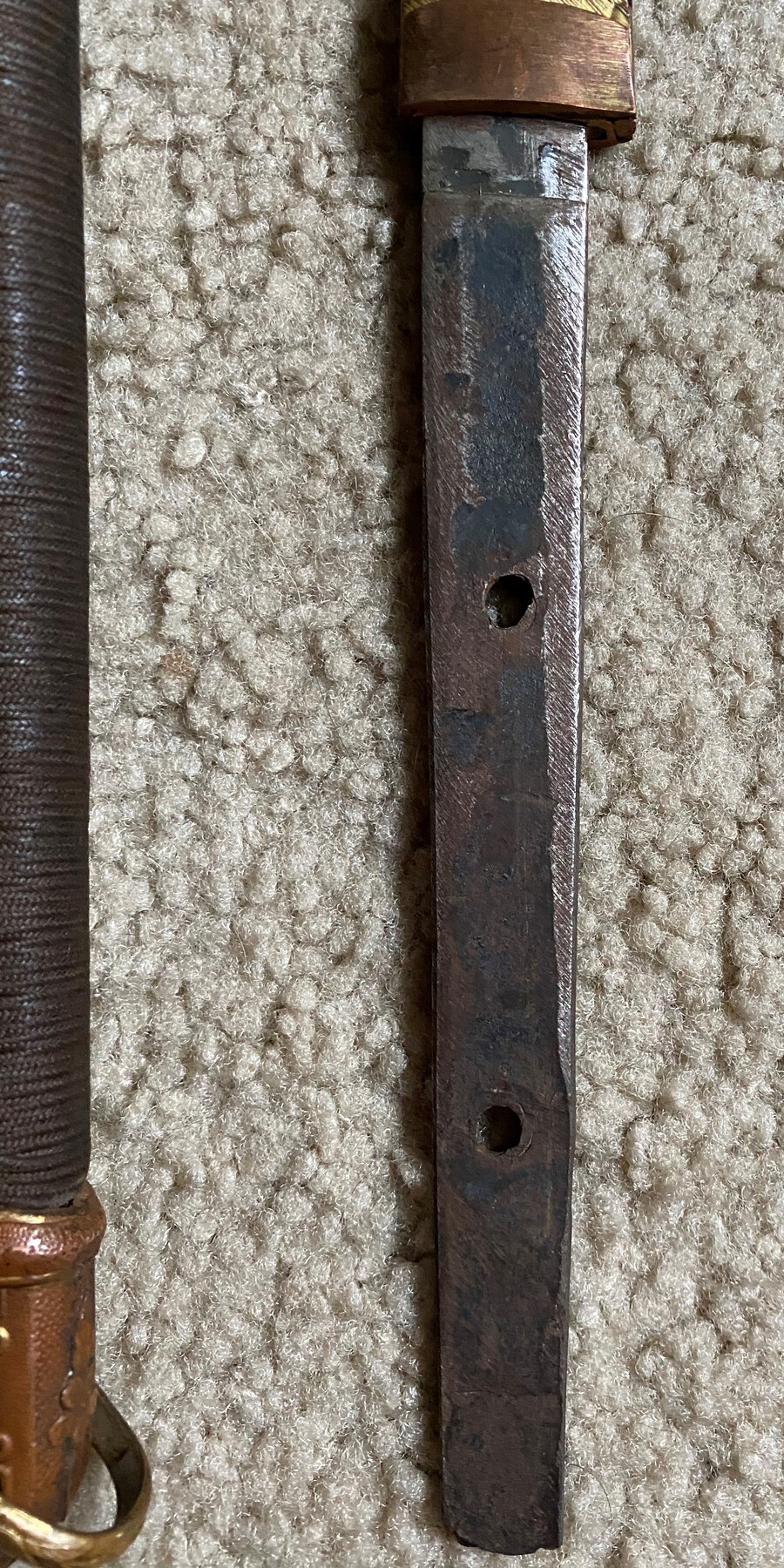
The tsuka has some fabulous sharkskin same'. I'm thinking a post-war tourist souvenir, but I'm not sure a Japanese shop would make a nakago like that, even for a tourist. The nakago is along the lines of island-made. That's why I'd like to hear the time-frame the relative served and when he came home. Plus the added requested pictures. -
Thanks Adam. It comes from, what I think is a possible post-war tourist piece ON THIS THREAD. If the kanji are Japanese, and legit, then it's likely a Japanese-made souvenir, but if it's gibberish, then it's some other type of fakery.
-
Is this mei legit, or fakery? Thanks guys!

-
Showato inheritance, very little information
Bruce Pennington replied to TroyTF's topic in Military Swords of Japan
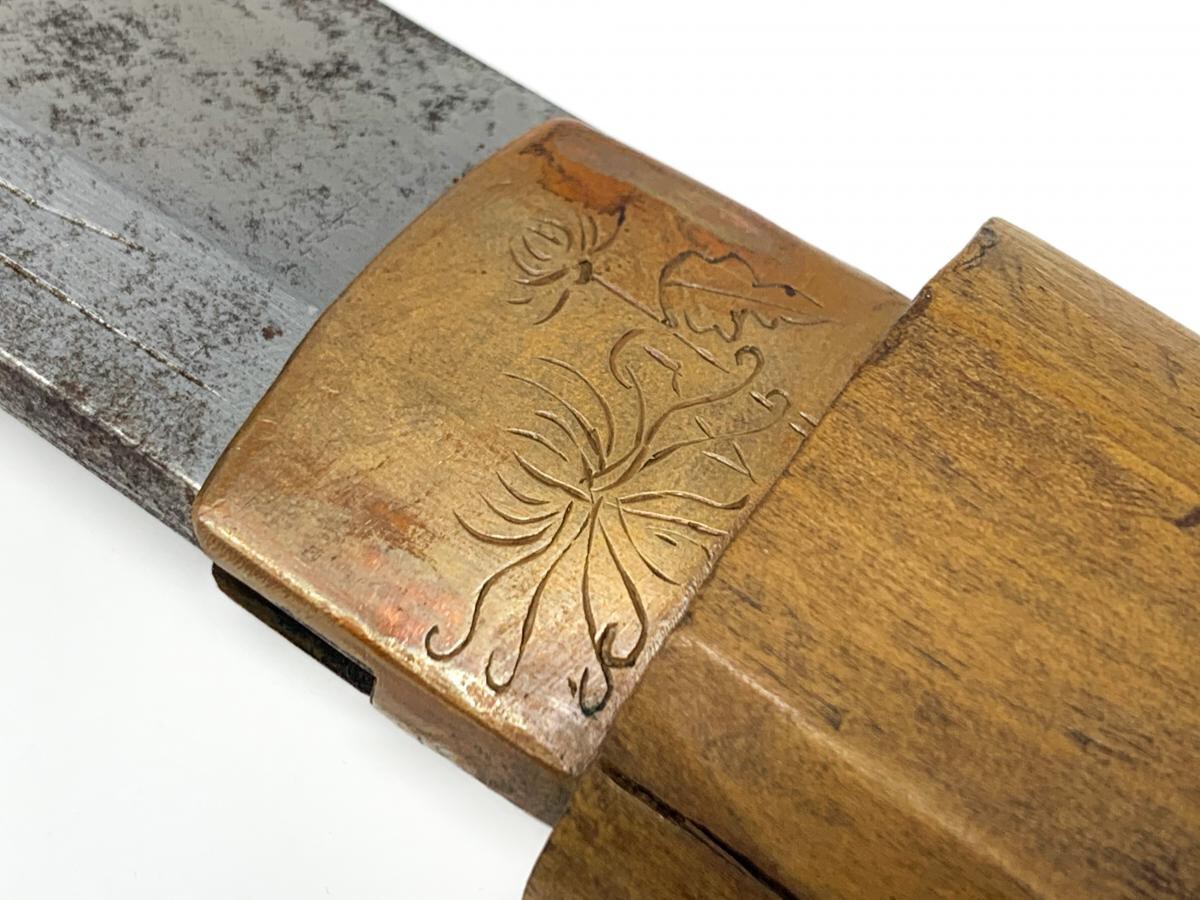
Troy, I don't see the stamp you refer to. Could you give us a photo of that? Also, I could use a picture of the area under the brass habaki, with the habaki off. The habaki is that brass sleeve still on the blade in your pics above. There are notches (machi) in the blade I would like to see how they align. A picture of the blade tip would help, too. Do we know what years your great uncle was over there? What year he came home? Adding your pics in .jpeg to simplify. Looks like Apple has gone and made everything more complicated with their .heic photo software!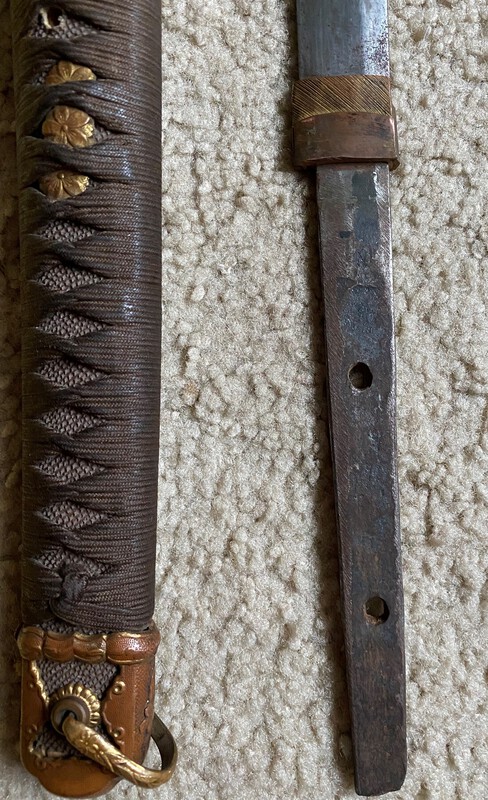
-
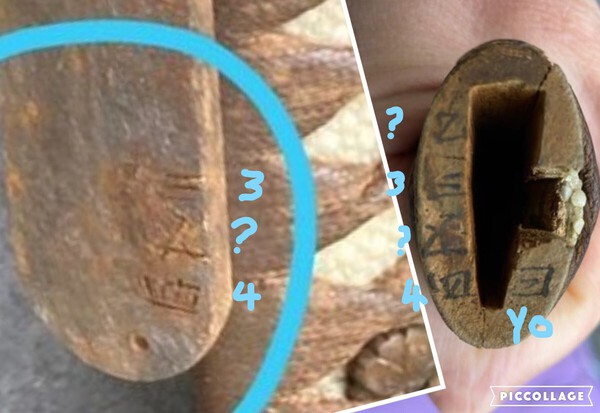
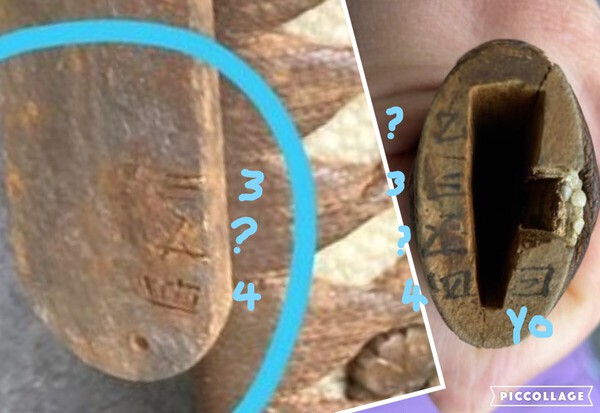
These are on a gunto brought back by a grandfather of the person at THIS THREAD. Cool pic of him boarding a ship with gunto in hand! Normally, they are just numbers, but this one has a mix of kanji and numbers, and I can't make out the kanji. One is a katakana "Yo", but the rest aren't katakana. Can I get some help, please?

-
Nick, The kanji on the end of the nakago (tang) - 3 ? 4 - and are most likely put there by the shop that assembled the blade to it's fittings. They often will have matching numbers on the metal parts, like the tsuba (handguard) and seppa (spacers), but not always. In fact, the numbers match those on the mouth of the saya (scabbard), pic attached. Yours seem to be a mix of kanji and numbers. I'll post on the translation forum for clarification. But they are still likely to be assembly markings. The officer gunto that come back with NCO tassels are a mystery. I've seen a number of them lately. Your picture shows that this came home that way, as opposed to being added back home by a collector or dealer. Now, it's not known if the gunto was found that way, or if the soldier added the tassel before coming home. If your grandfather is still alive, it would mean a lot to us if you could ask him if it was found that way.
- 13 replies
-
- 1
-

-
- tsukamaki
- manufacture
- (and 1 more)
-
Survey on distribution of Mon
Bruce Pennington replied to PNSSHOGUN's topic in Military Swords of Japan
On a kyu for sale by Randall: HERE
-
Survey on distribution of Mon
Bruce Pennington replied to PNSSHOGUN's topic in Military Swords of Japan
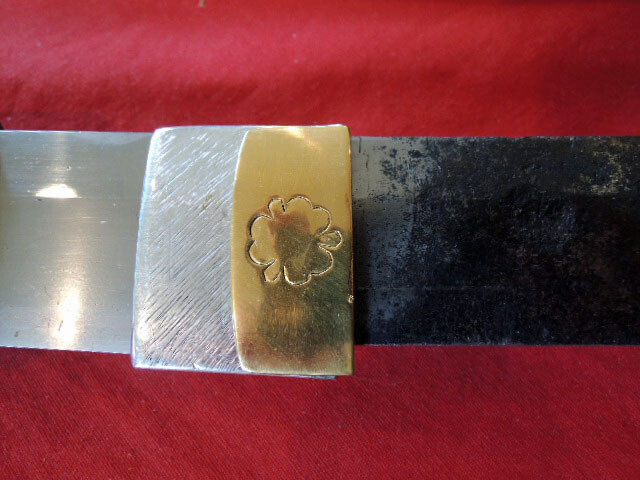
I wish I had kept record of where I got this, recently, but here's one on a habaki. I think it's on an old waki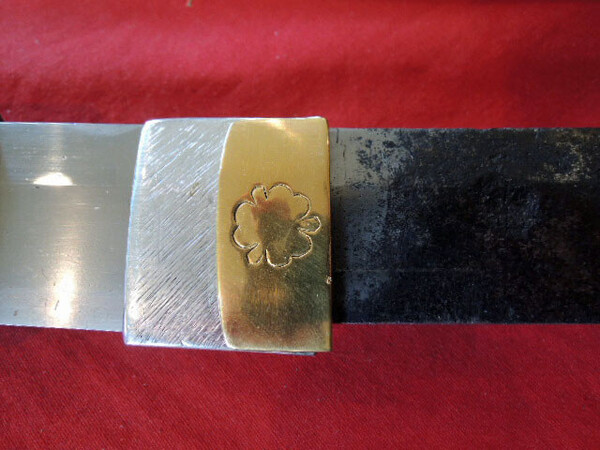
-
Fake Gunto's on egun with higher bids
Bruce Pennington replied to vajo's topic in Military Swords of Japan
That's a pretty standard example of the fakes. Hard to see the fittings well enough. They might be legit. -
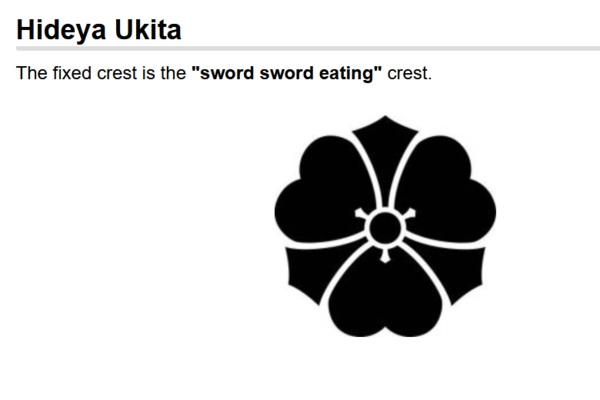
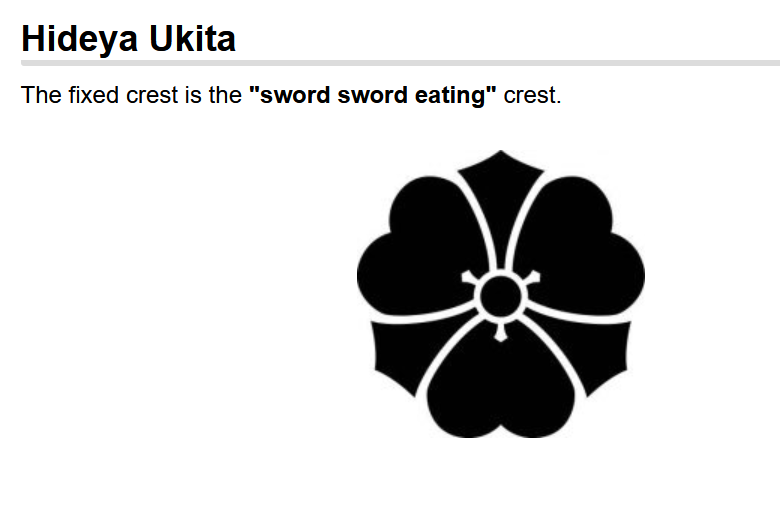
Here's one. An outline of the Hideya Ukita Samurai crest

-
Survey on distribution of Mon
Bruce Pennington replied to PNSSHOGUN's topic in Military Swords of Japan
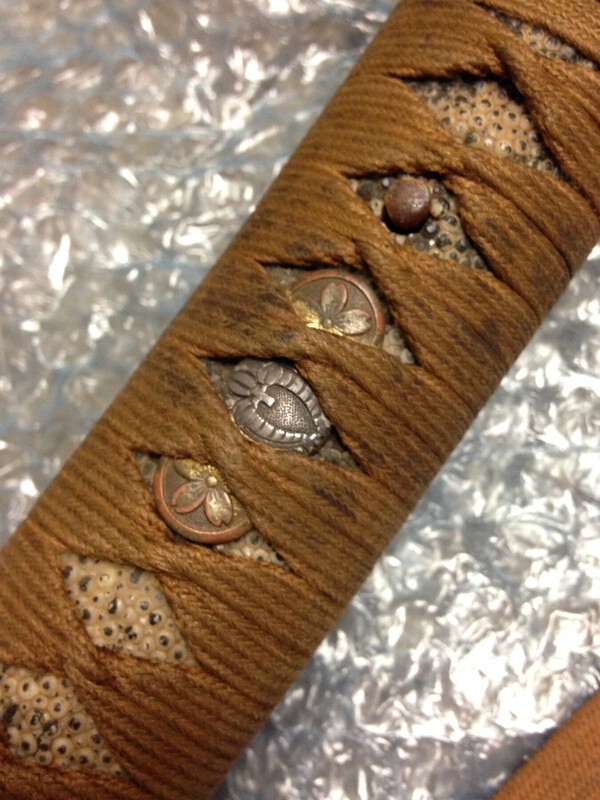
John, Interesting discussion! I only have 2: Kaigunto - 1 Kyugunto - 1 I second George's thoughts about the Kyu, as I can recall seeing several over the years. Percentage-wise, seems they have mon more than showato 98s..thumb.jpeg.4f5e70d3b2615b12855063b0ed5e3e46.jpeg)
-
Agree. As far as I can see, it's "9 0". Beautiful kai Mike. I've always loved the 2-tone, brass tsuba on those.
-
That is very interesting Dave! I think you may be right about it being late war. Like we have learned about the late war Navy, the army no doubt, must have had some late war stuff too.
-
Wow, here's one I haven't seen before: at Wehrmacht-Awards
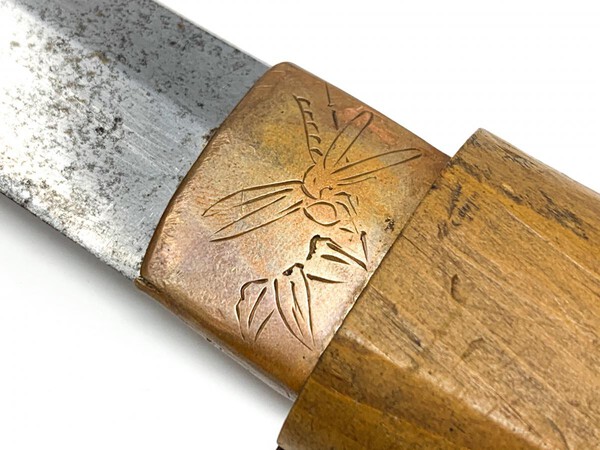
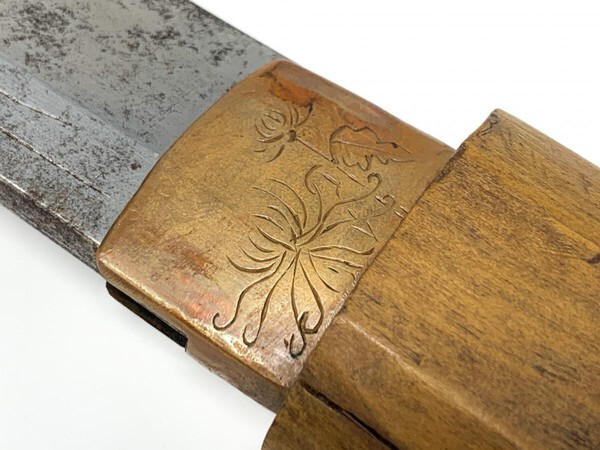
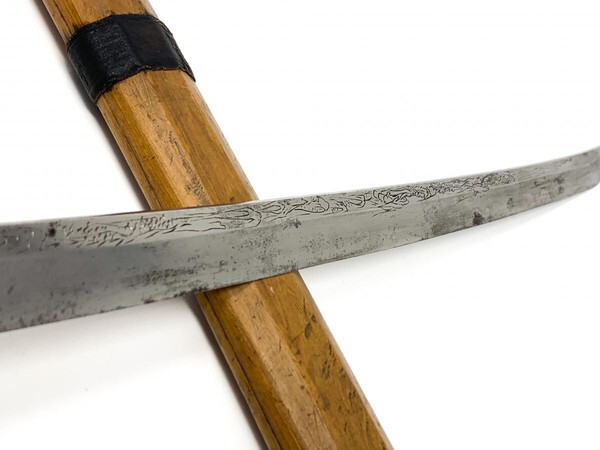
-
And this is something gets overlooked sometimes in our "academic"-level discussions. How does it look in hand? From the (poorly lit!!!) picture, it does have that old, worn look. In zooming in, the habaki had been painted and mostly worn off. The seppa look to me to have a brown paint, like to dull the shine that would come from brass fittings.
-
Ok, I see where’s you’re at. Maybe some more guys will give some input.
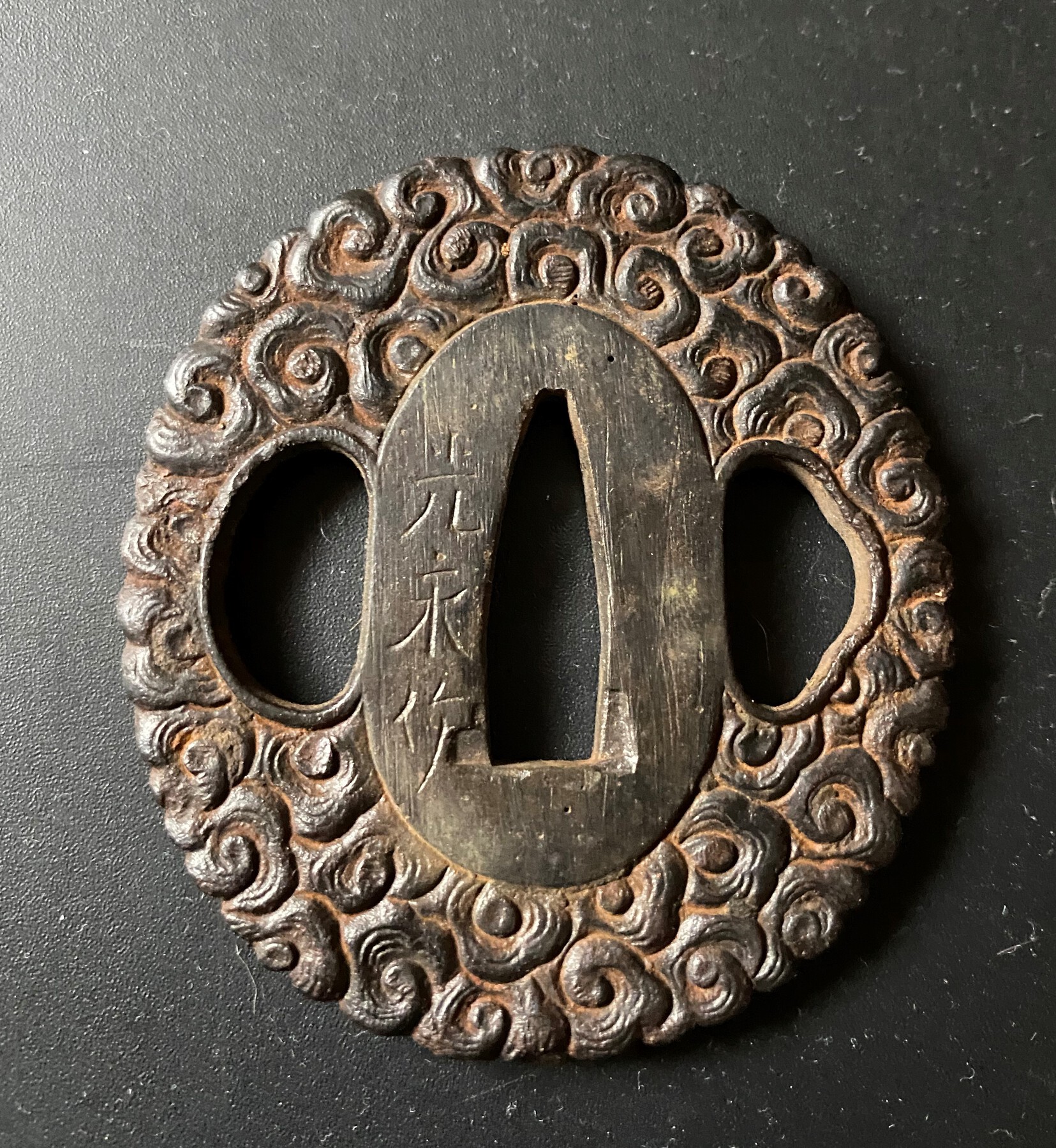




.jpeg.0f81bf8fa94e9284c9fe4420400d2c06.jpeg)