Bruce Pennington
-
Posts
13,963 -
Joined
-
Last visited
-
Days Won
169
Content Type
Profiles
Forums
Events
Store
Downloads
Gallery
Everything posted by Bruce Pennington
-

Attention Mantetsu Owners: A Survey
Bruce Pennington replied to Bruce Pennington's topic in Military Swords of Japan
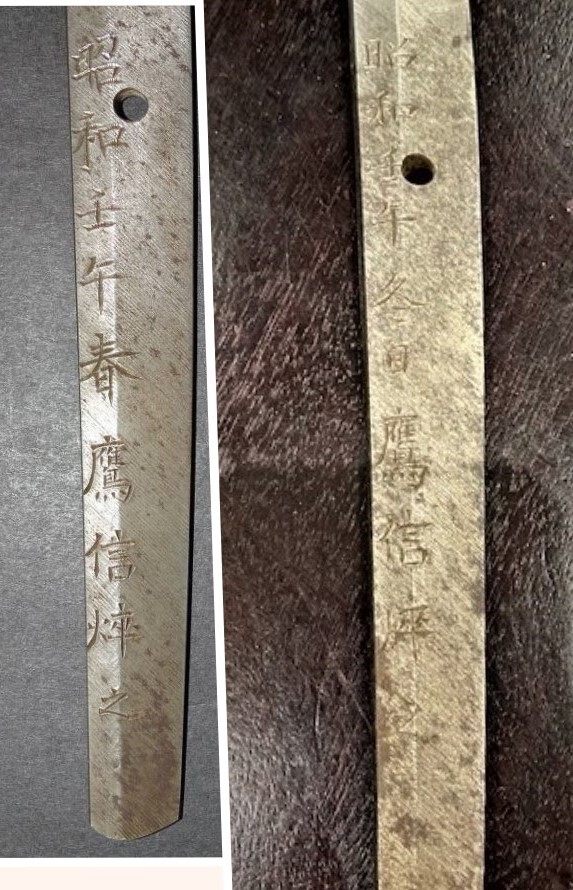
All we know about Takanobu is that he was the engineer managing the Mantetsu blade production for SMR. Of course this doesn't preclude him from traveling, and working with a smith in Seki to try his hand at some of the craft, but it's simply not known. Yes, oddly, the winter blade mei is the worst I've ever seen on a Mantetsu, while this Spring 1942 mei looks good. The serial number on the W42 is ヤ 246, which is the correct katakana for the year, but the "winter" stands out because all the other "YA" numbers are "Autumn." I got an email back from Buyee, and they simply said "Oh sorry, we see you're not eligible to buy this item. See ya!" and didn't answer my question! Grrrr. I'll try again with more explanation.
-
Attention Mantetsu Owners: A Survey
Bruce Pennington replied to Bruce Pennington's topic in Military Swords of Japan
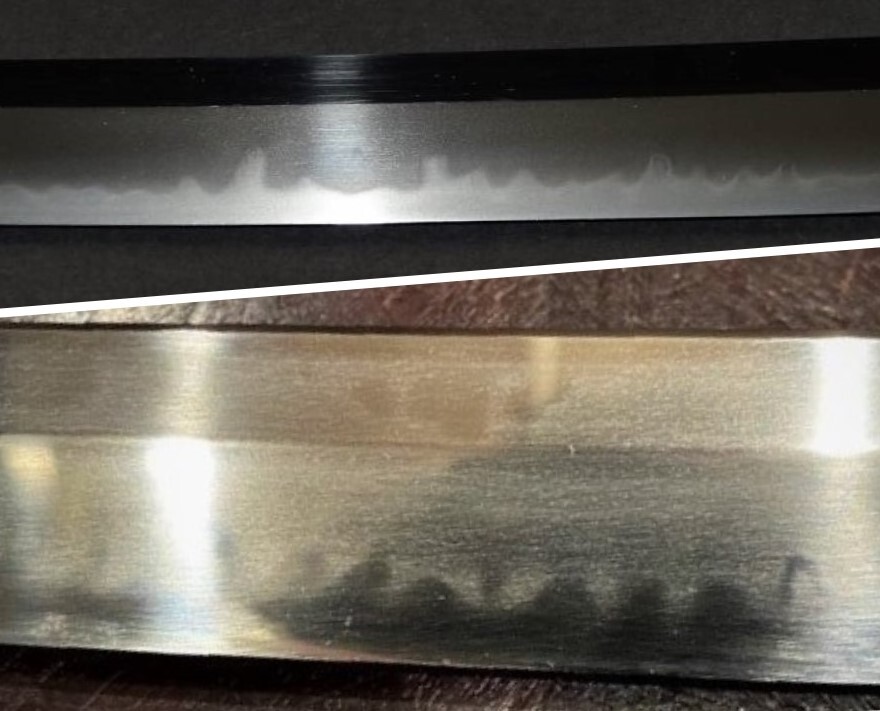
We have another Mantetsu with the same inscription by Takanobu. It's a Spring '42, where this new one is Winter '42. The mei cutting is different on each, but that could be due to different mei cutters (word for that?). Both have the wavy hamon: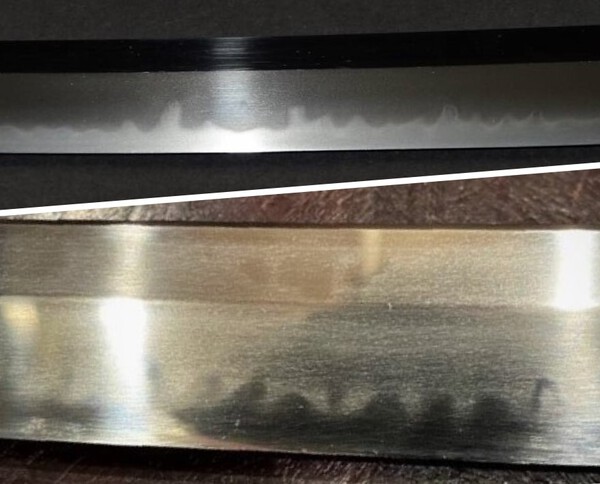

-
Attention Mantetsu Owners: A Survey
Bruce Pennington replied to Bruce Pennington's topic in Military Swords of Japan
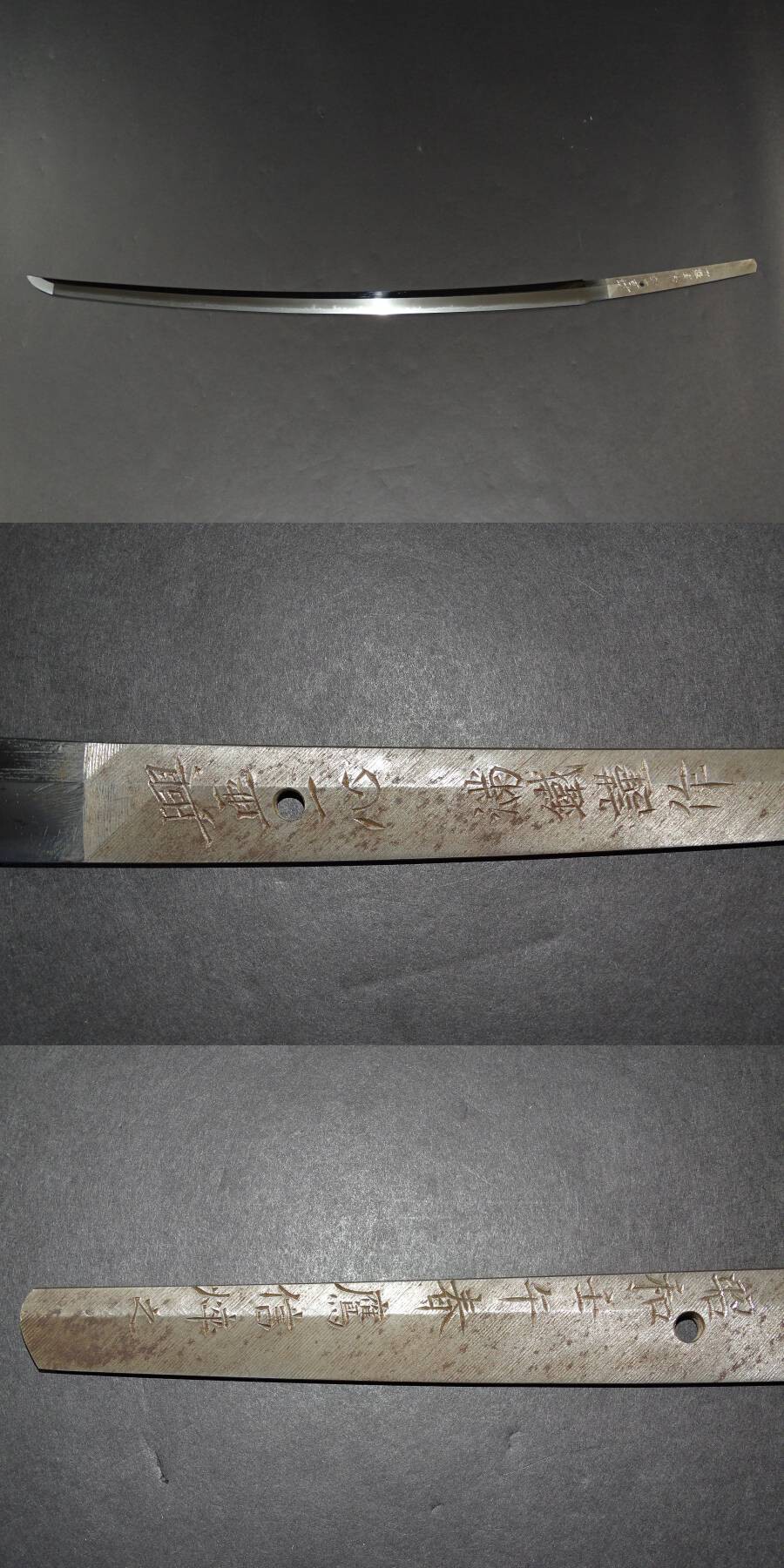
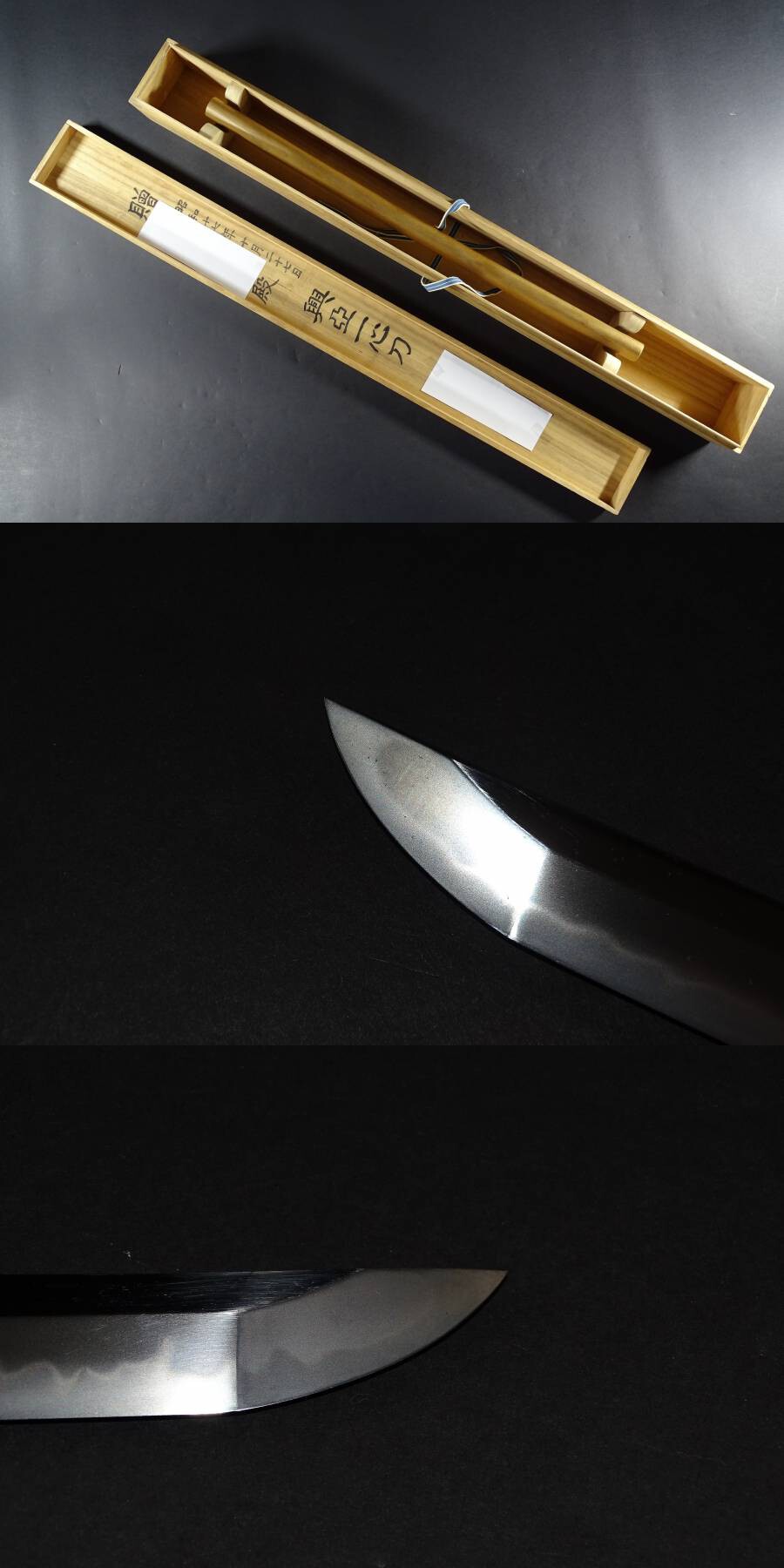
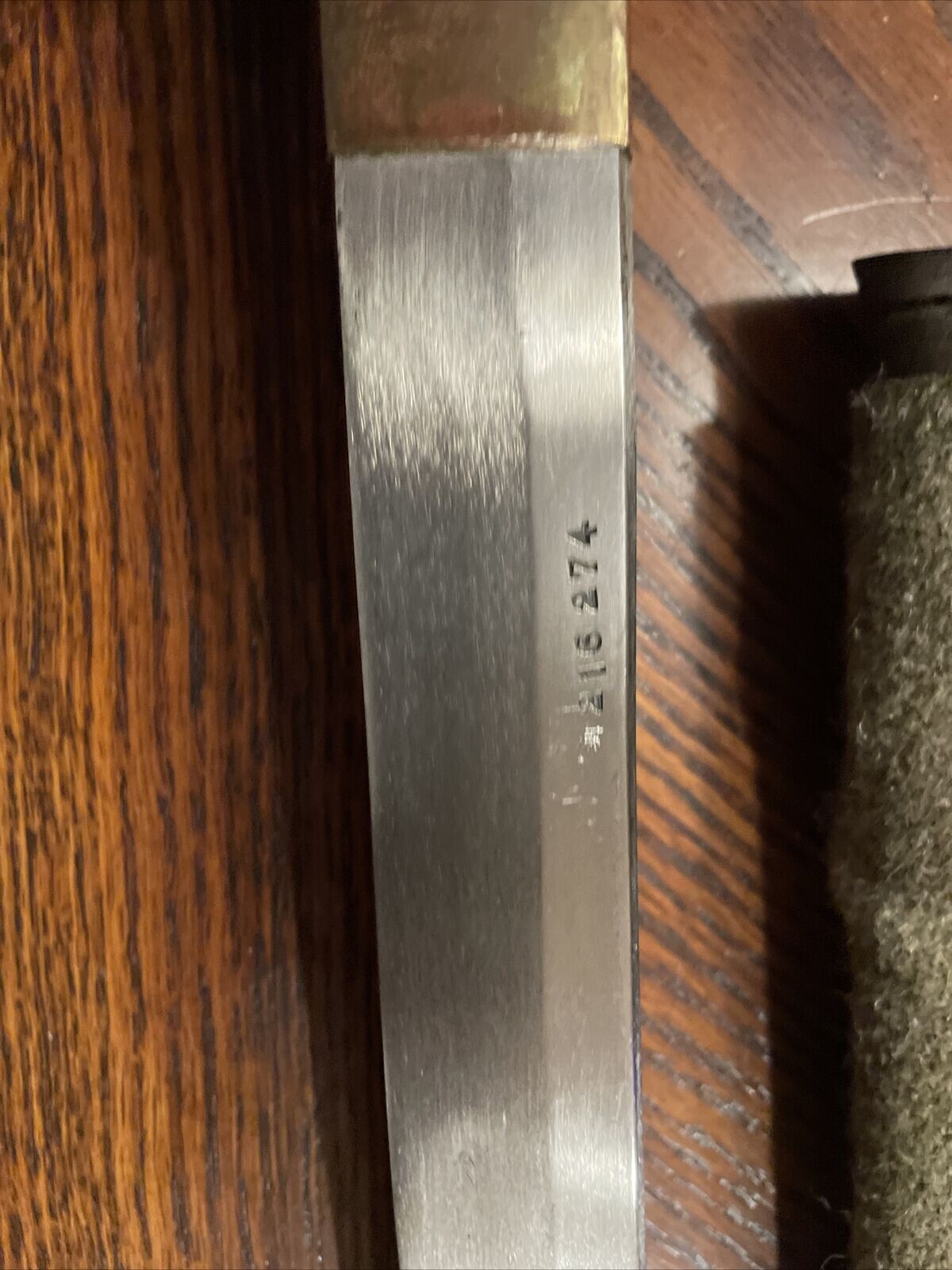
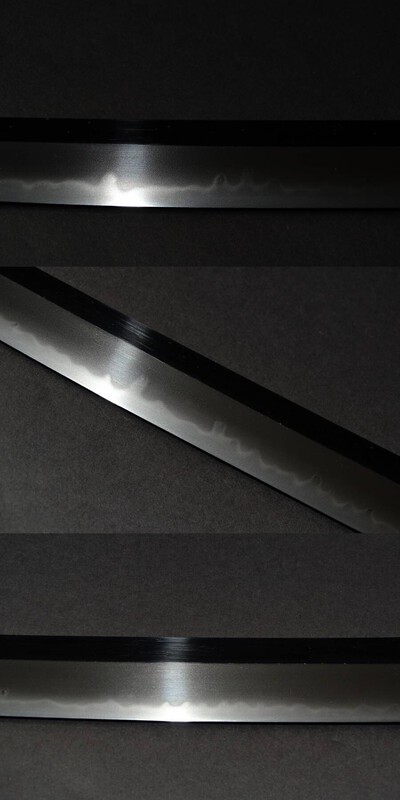
I requested a photo of the nakago mune. Buyee says they'll forward the request and get back with me. I won't be surprised to find a blade that was a special order. We have seen presentation Mantetsu, and tachi Mantetsu. But we haven't seen a convincing blade with such a hamon yet. Hopefully we'll get a reply on the serial number request. I'd still like to hear what the added comment is under the date. -
Attention Mantetsu Owners: A Survey
Bruce Pennington replied to Bruce Pennington's topic in Military Swords of Japan
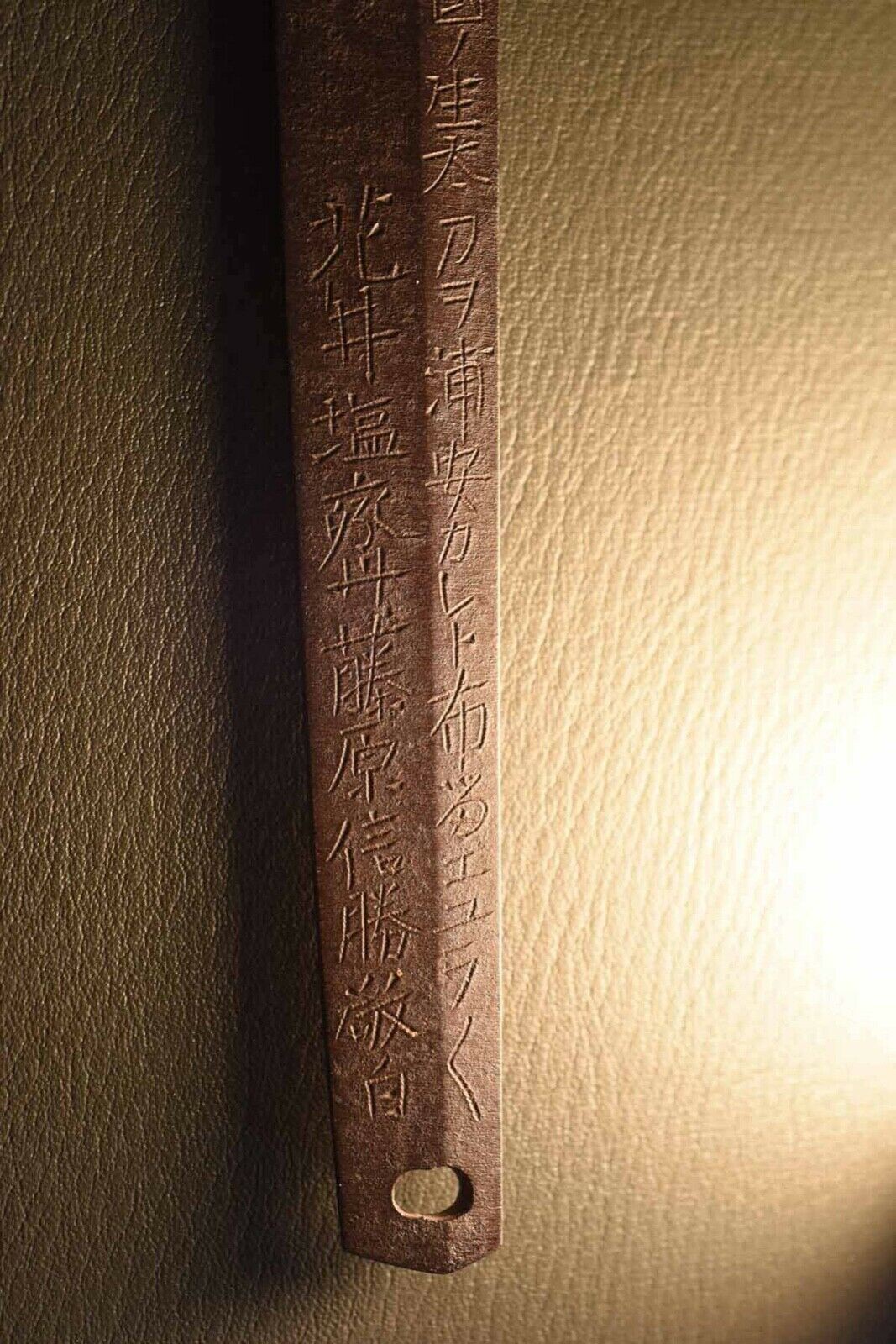
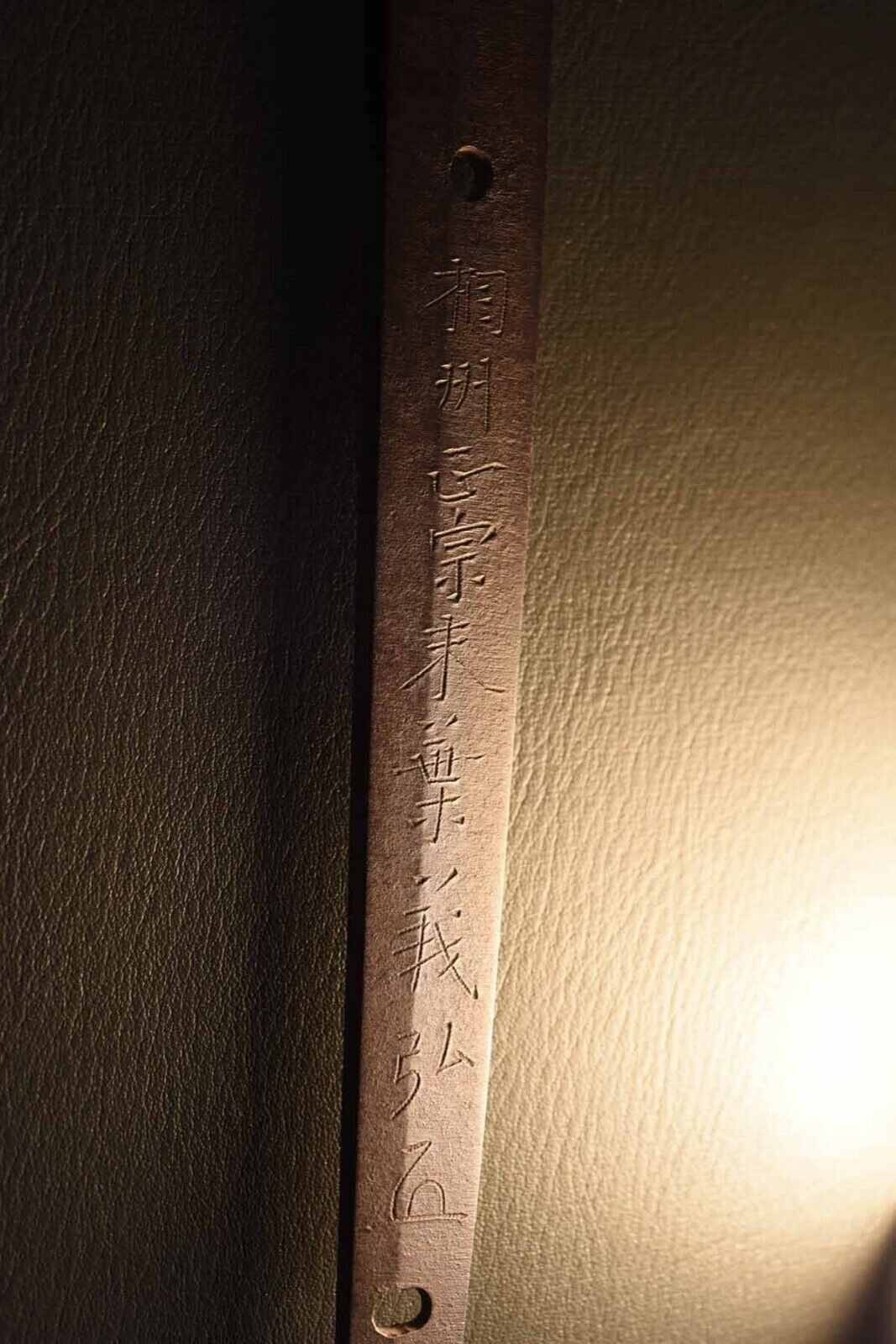
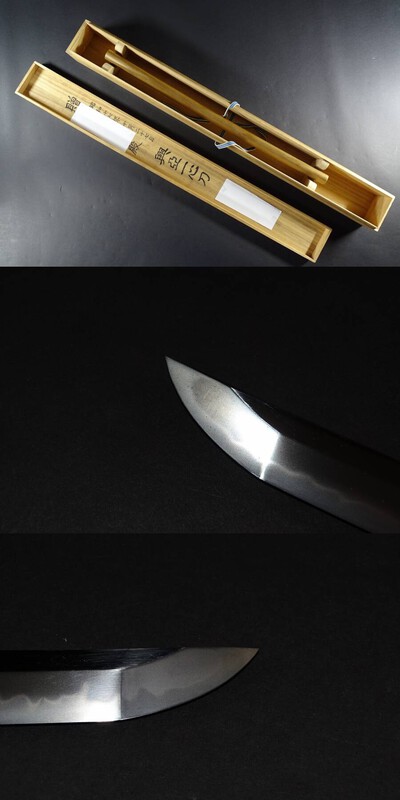
Posting pics for posterity. Can anyone translate the kanji under the date?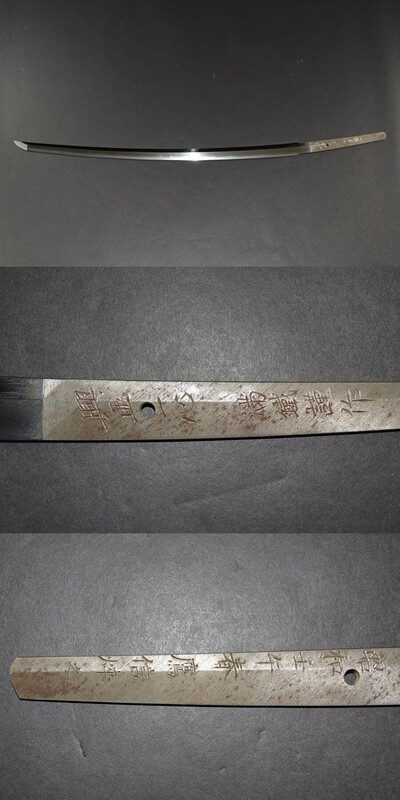

-
Emergency Late War Officer Gunto
Bruce Pennington replied to Bruce Pennington's topic in Military Swords of Japan
The last version of the type 95 was pretty ugly too. It was Japanese made, so still “prettier”, But these weren’t even Japanese made. -
Gorgeous enough to tempt me into Nihonto!
Bruce Pennington replied to Bruce Pennington's topic in Nihonto
If you want to buy it, you can ship it to me as the delivery location, then I will ship it to you. I’ve done that for other guys in Australia. -
The discussion seems to have gotten mixed. Storage versus display. But the owner said he plans to do both, with his real question being “do I display in original fittings or in shirasaya?” From all the answers, it seems that his answer should be to display as proposed- in shirasaya with original fittings fitted with tsunagi (sp?). I live in Colorado, with very low humidity. So I don’t feel concerned about displaying bare blades.
-
Help please, way out of my league!
Bruce Pennington replied to Bruce Pennington's topic in Translation Assistance
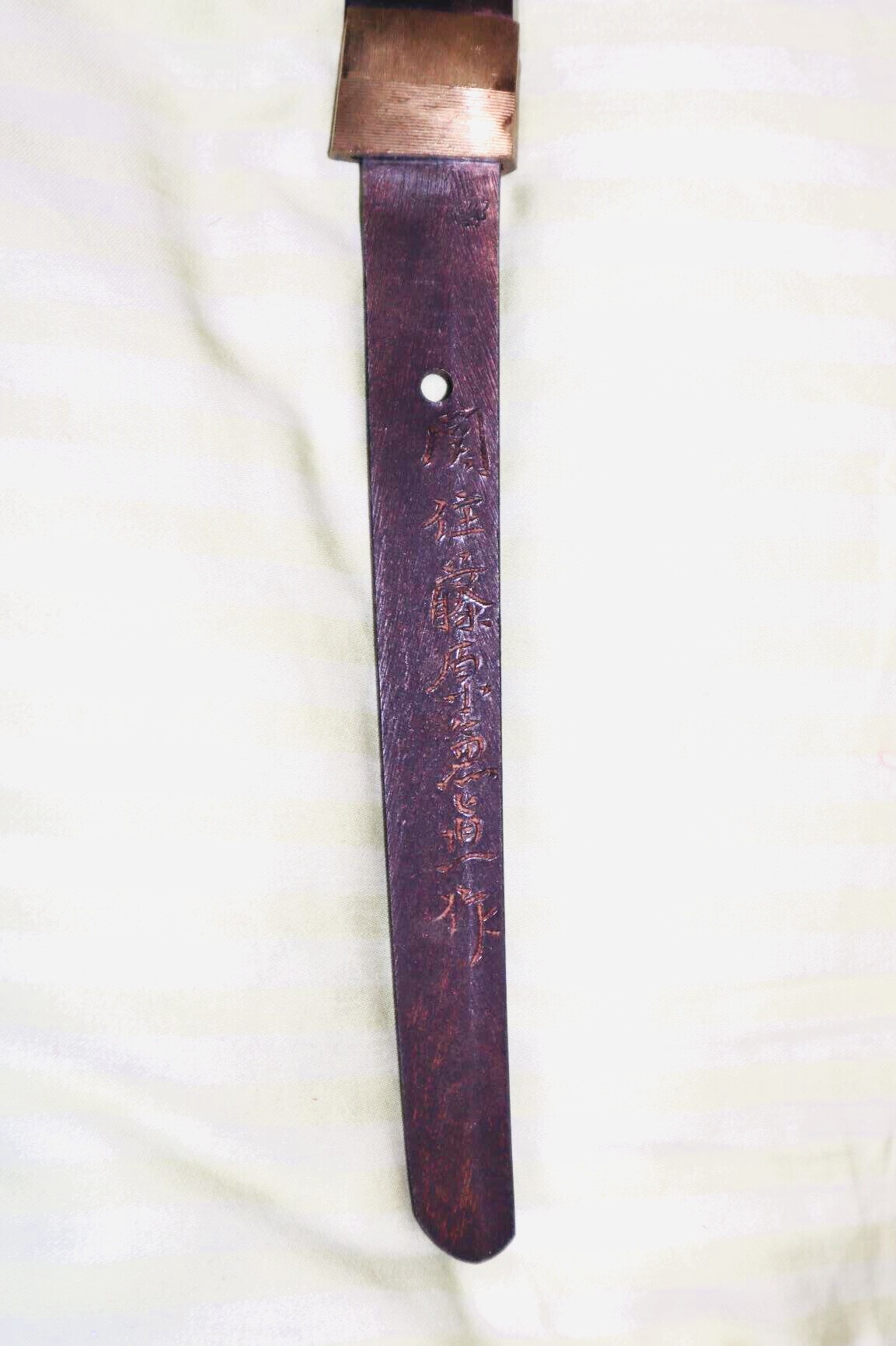
That’s it, thanks! 濃州住栗木兼正勤作 Nōshū-jū Kuriki Kanemasa kinsaku. -
Late War Army Officer Sword
Bruce Pennington replied to Guntoguy05's topic in Military Swords of Japan
Do you still have this? If so, can you check the back edge of the nakago for a serial number? -
Emergency Late War Officer Gunto
Bruce Pennington replied to Bruce Pennington's topic in Military Swords of Japan
I understand. But that is precisely the point. These were not made by the Japanese. The emergency stamp on it, according to Fuller, means that it was made by the Chinese, in factories controlled by the Japanese, for officers working with the Japanese. -
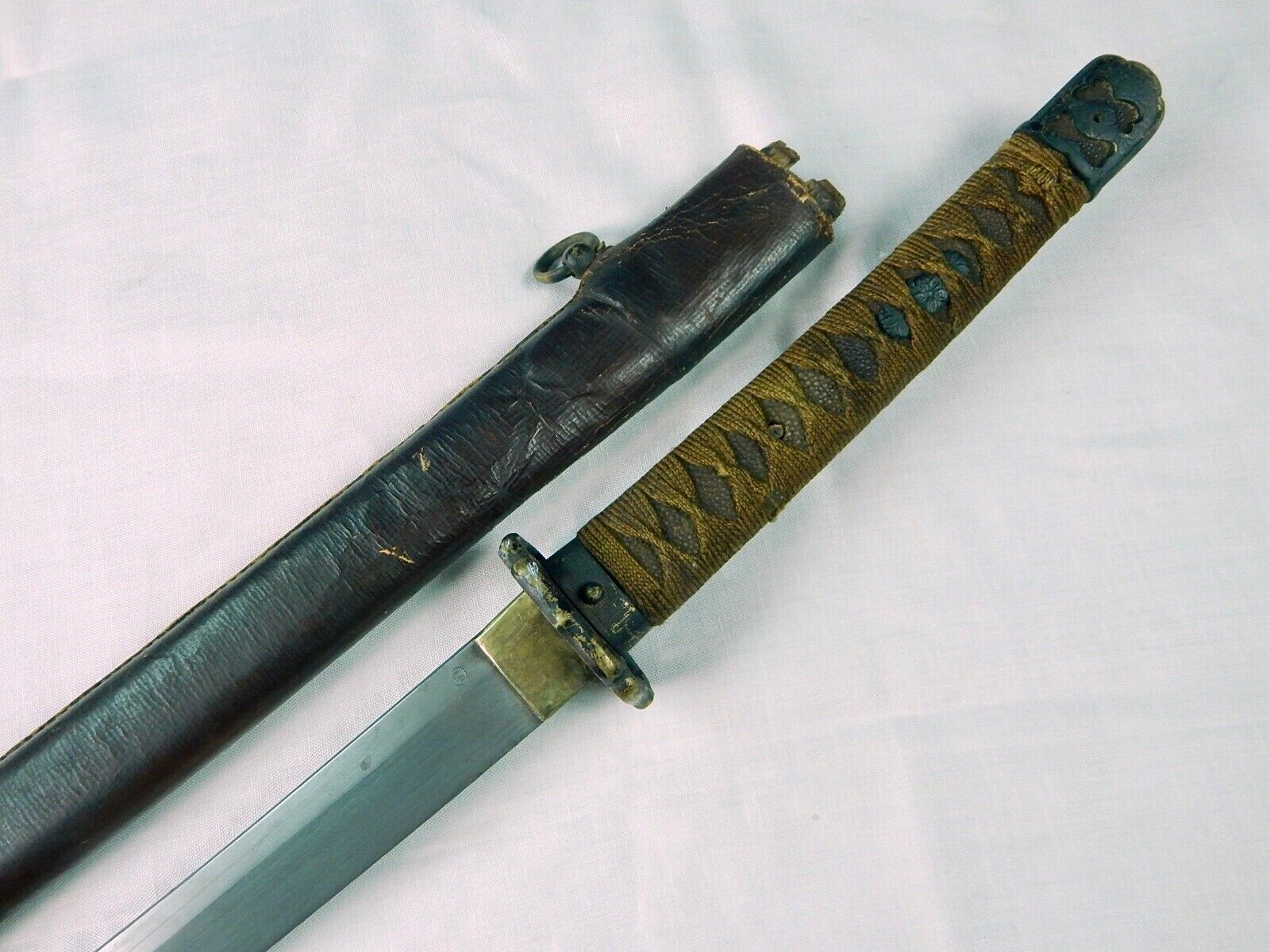
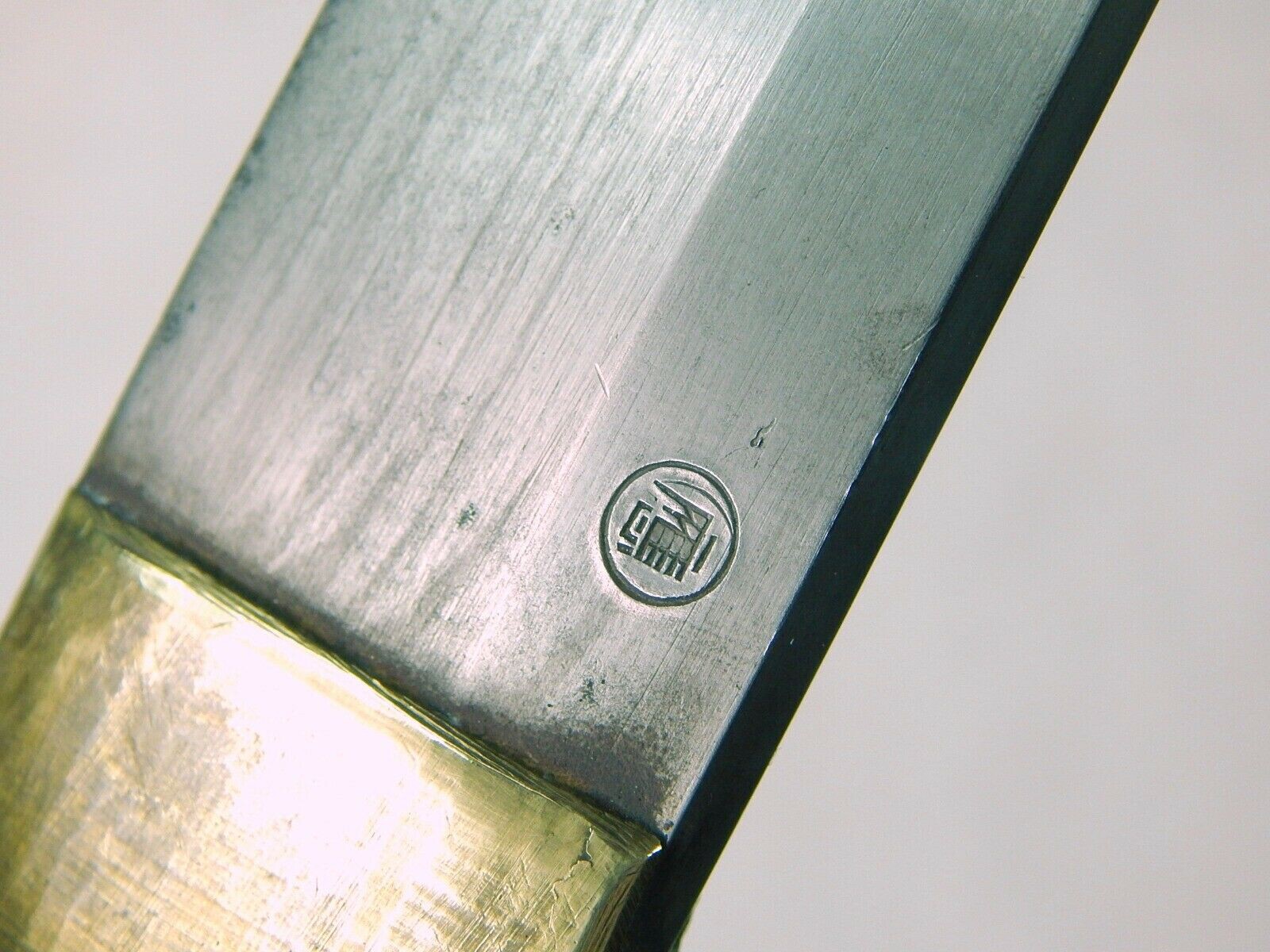
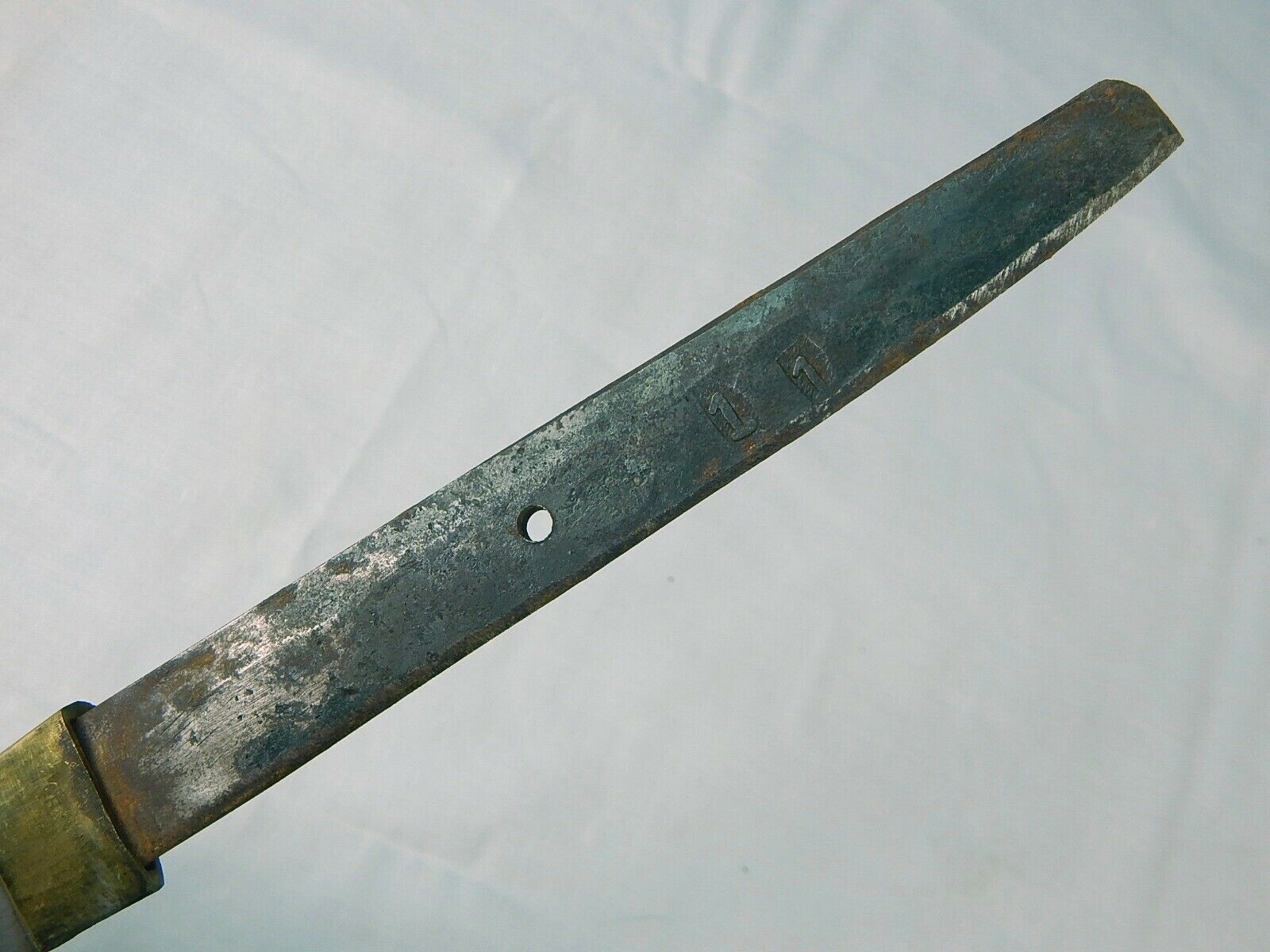
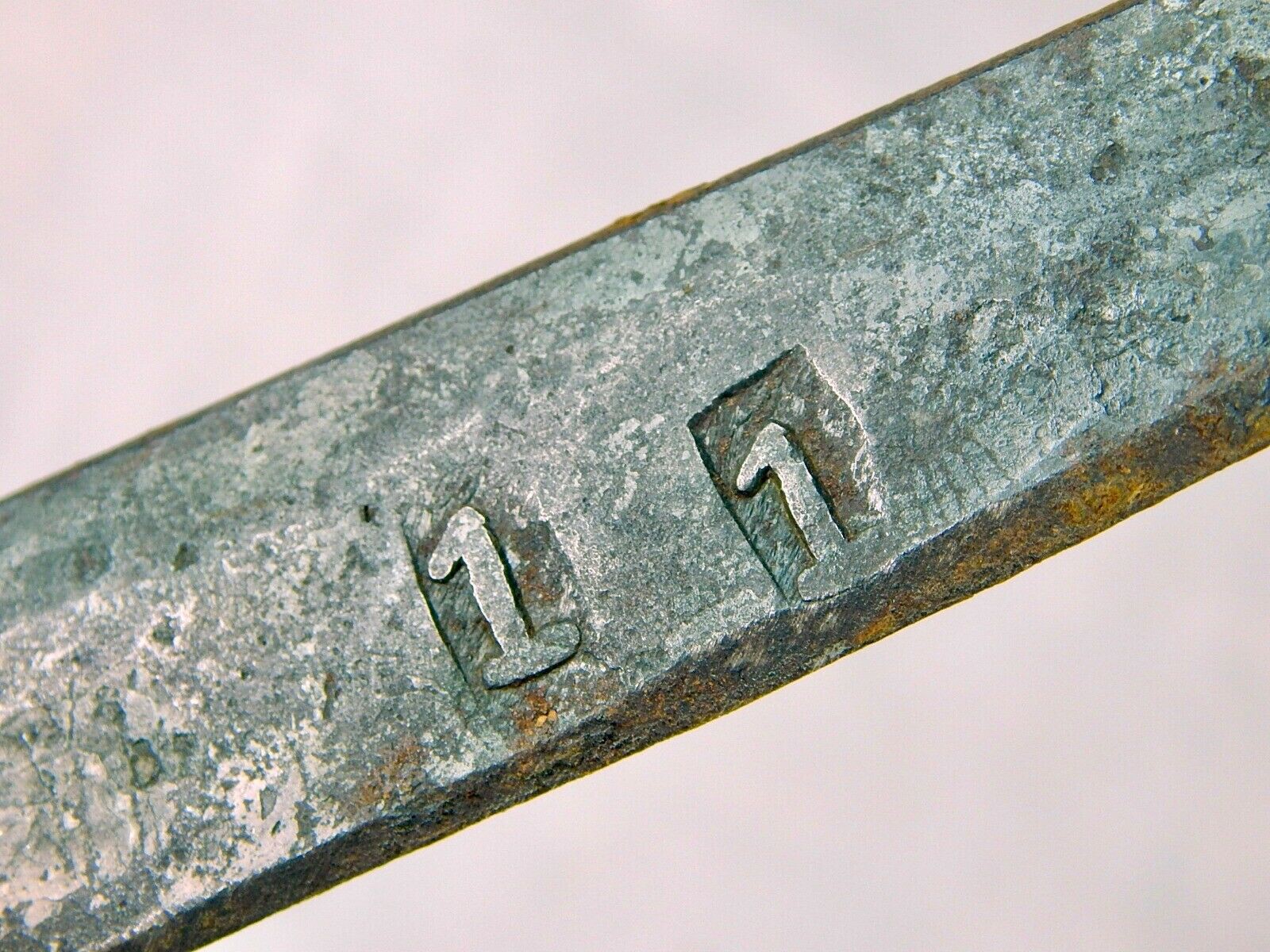
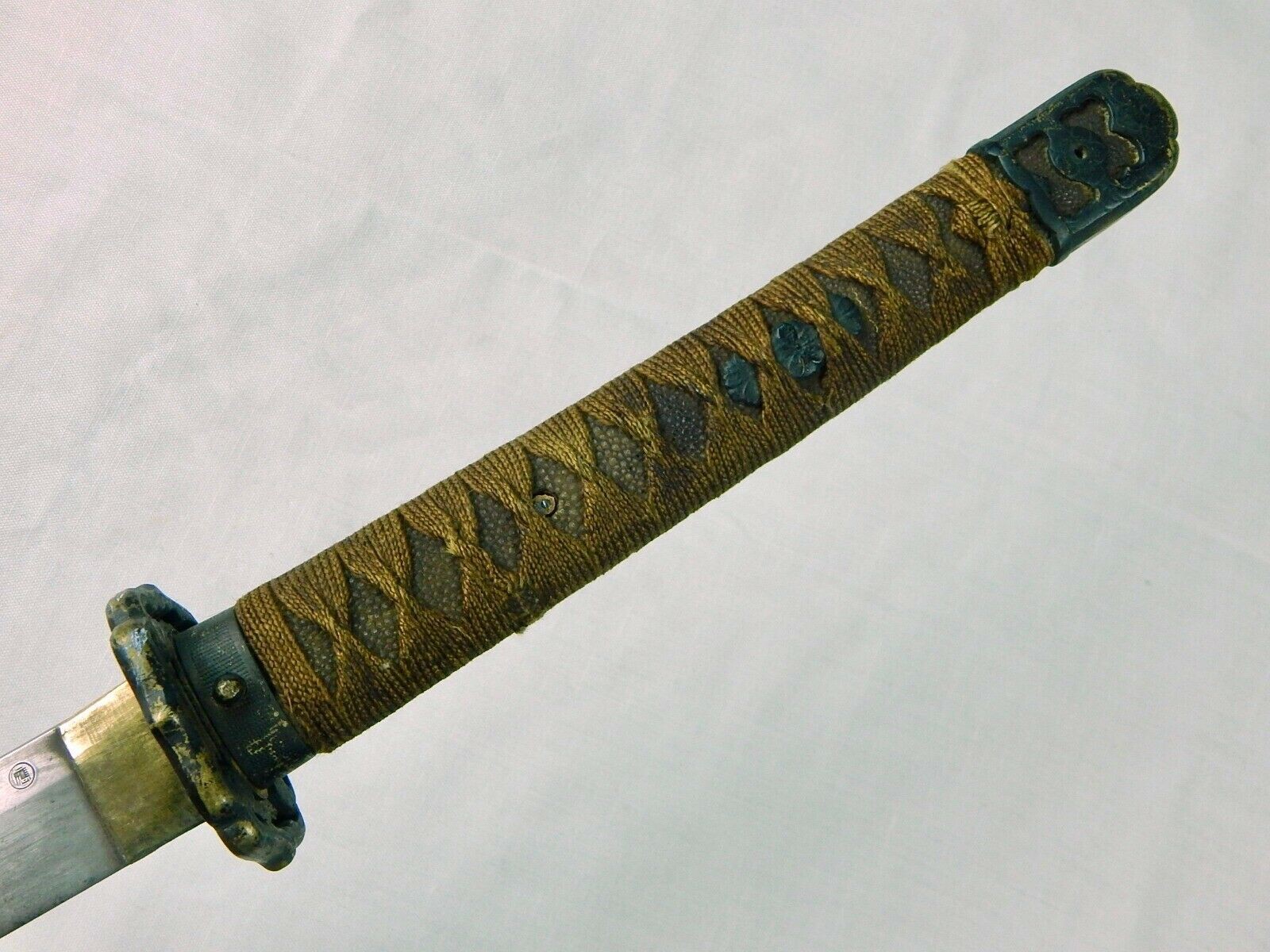
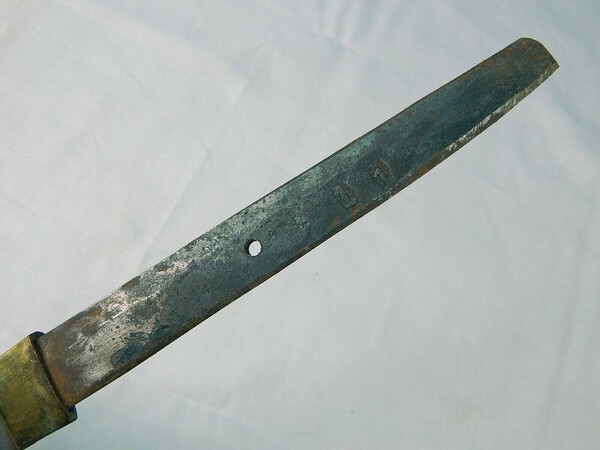
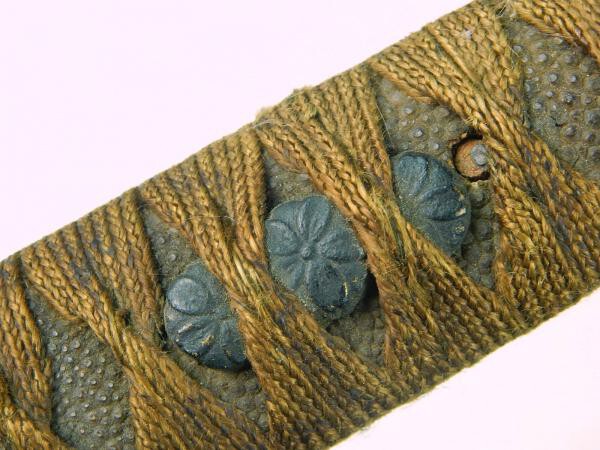
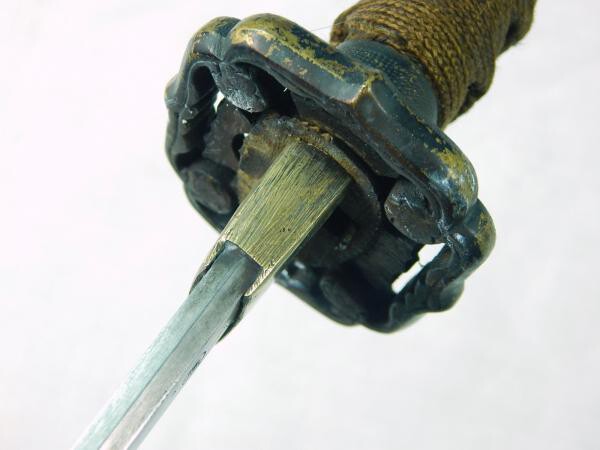
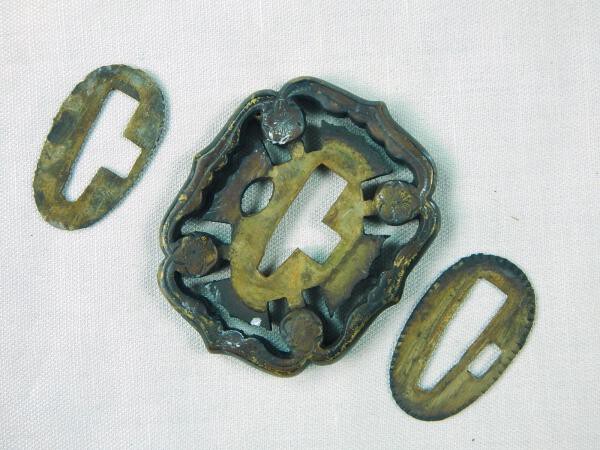
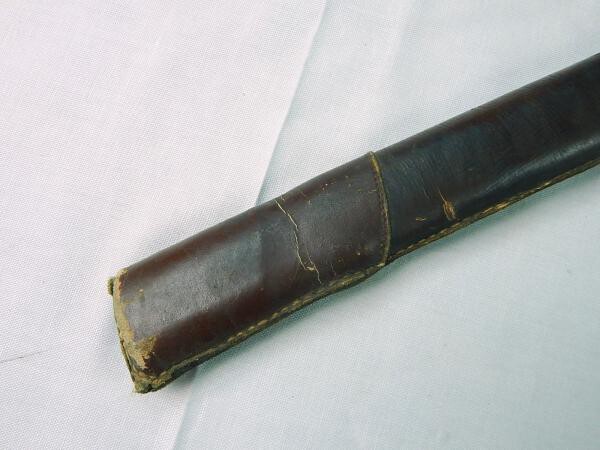
Found the best example of the emergency produced, late-war officer gunto that I've ever seen. Posting all the photos here as a study on the item. Without the "Emergency" stamp, I would have been tempted to write this off as a bad Chinese copy. In a sense, it was. At the end of the war, Allied bombing had ruined a great deal of sword production capacity in mainland Japan. Production was shipped out to Manchuria/China/Korea, and orders were sent out reducing the stringent mil specs on weapons in general. As Nick Komiya loosely translated "If it shoots or stabs, make it" became the Quality Control standards! The seller, hennadiy2006, in his sale on fleabay, HERE, said the gunto was made by the "Chinese Mukden Arsenal." My memory is sketchy on that, but I THINK I remember that Mukden was taken over my the Nanman Army Arsenal, and became a private manufacturer of swords (and maybe other weapons) for Nanman. Here's the gunto, enjoy:






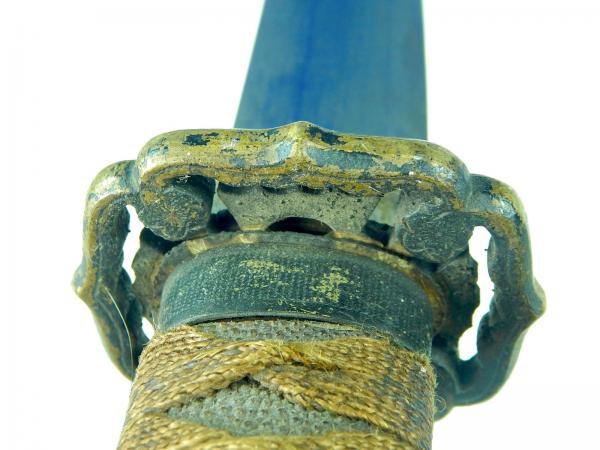
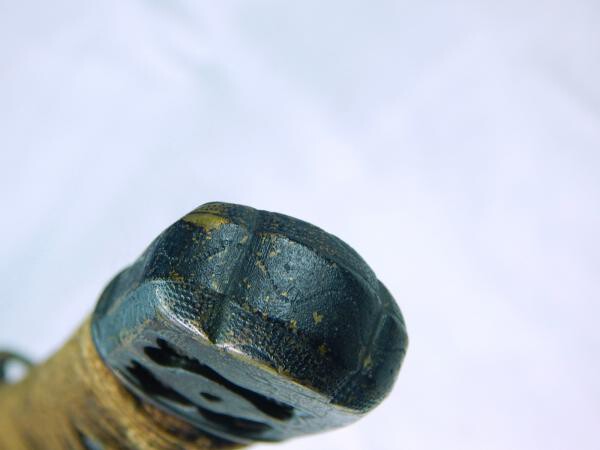


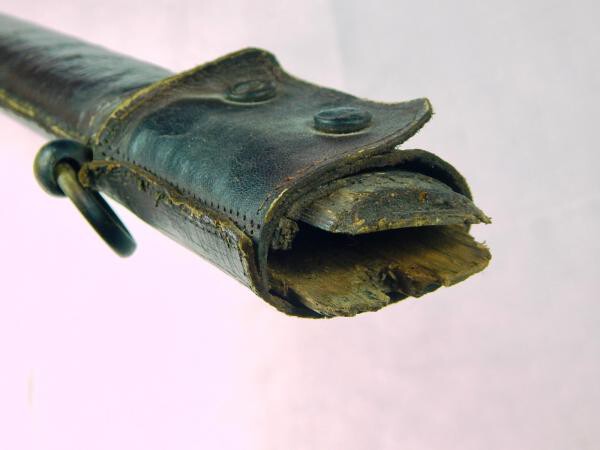
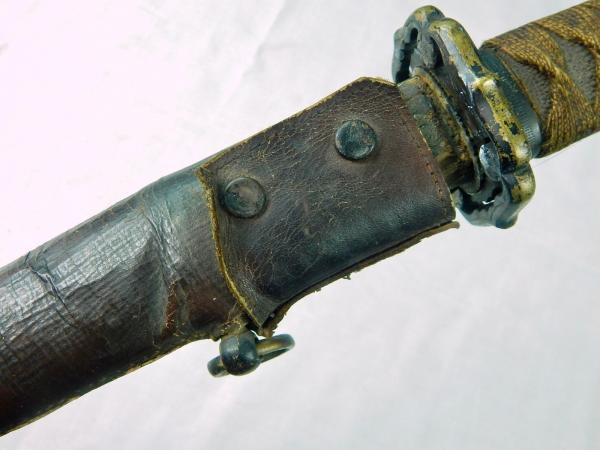

-
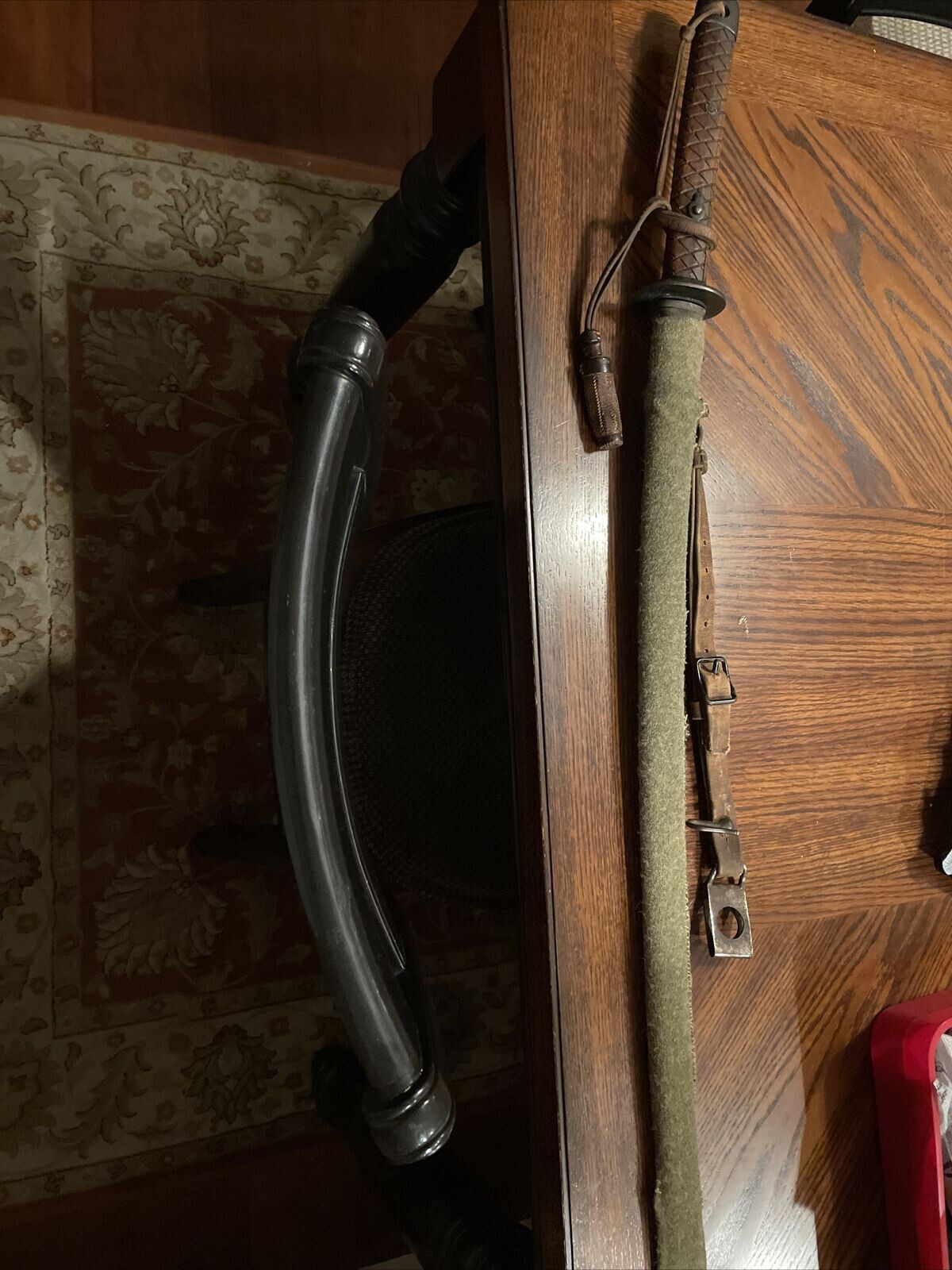
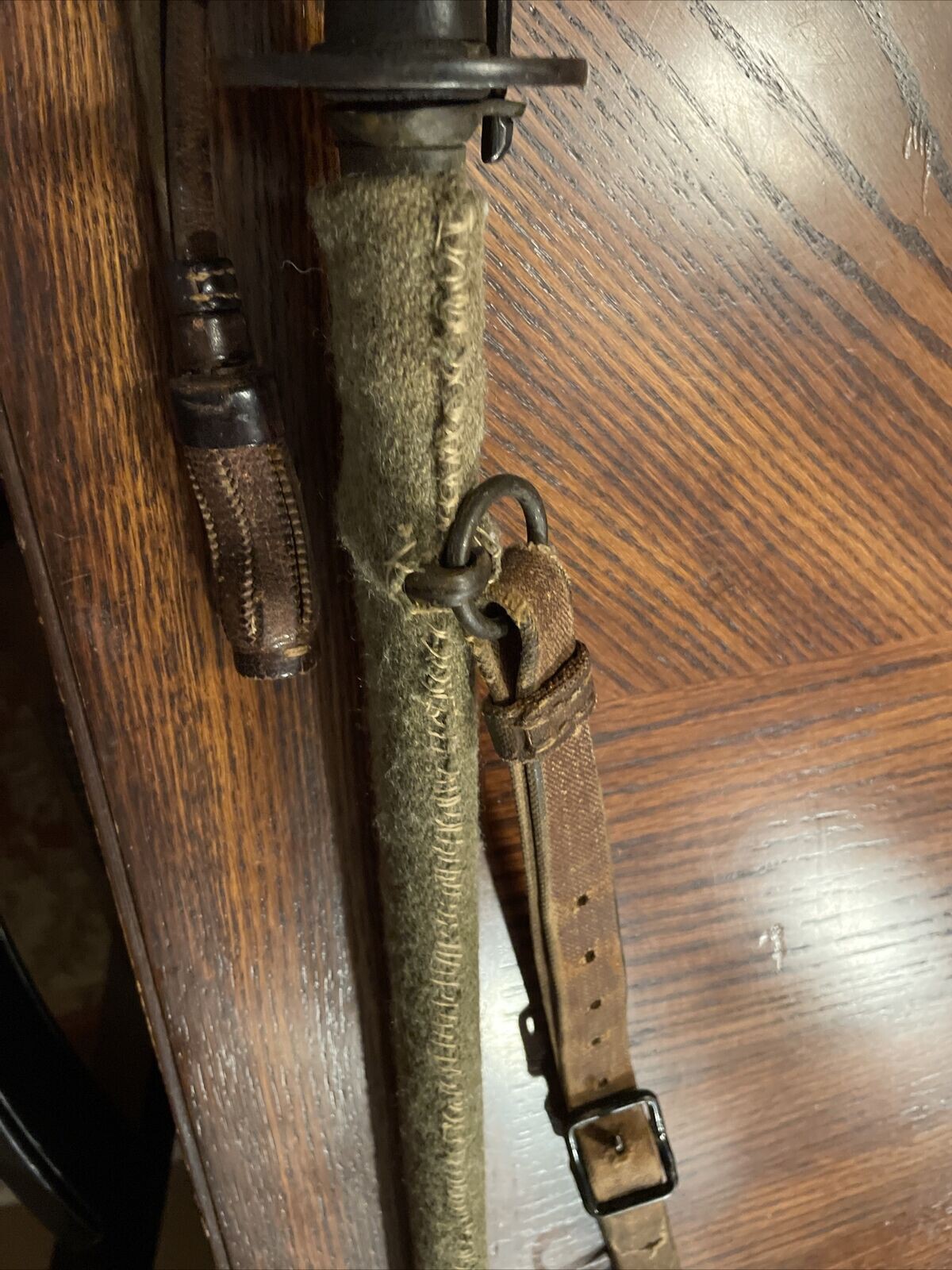
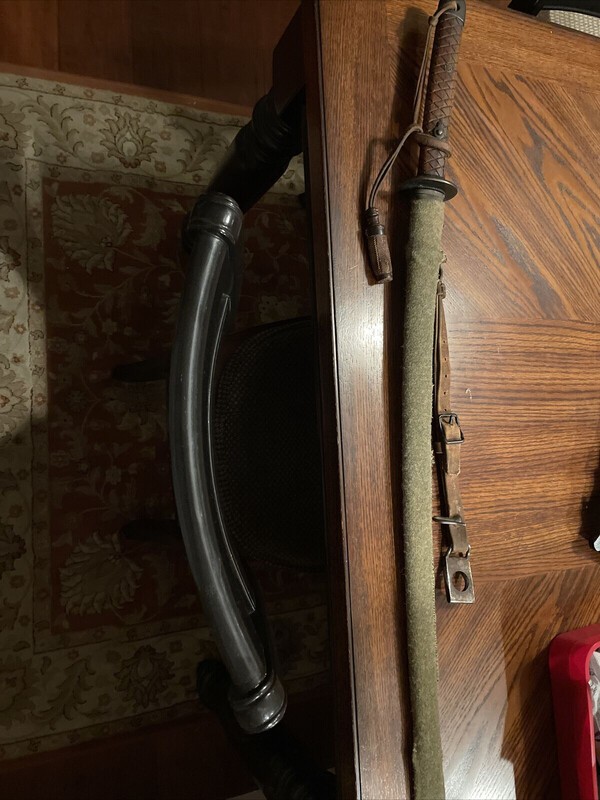
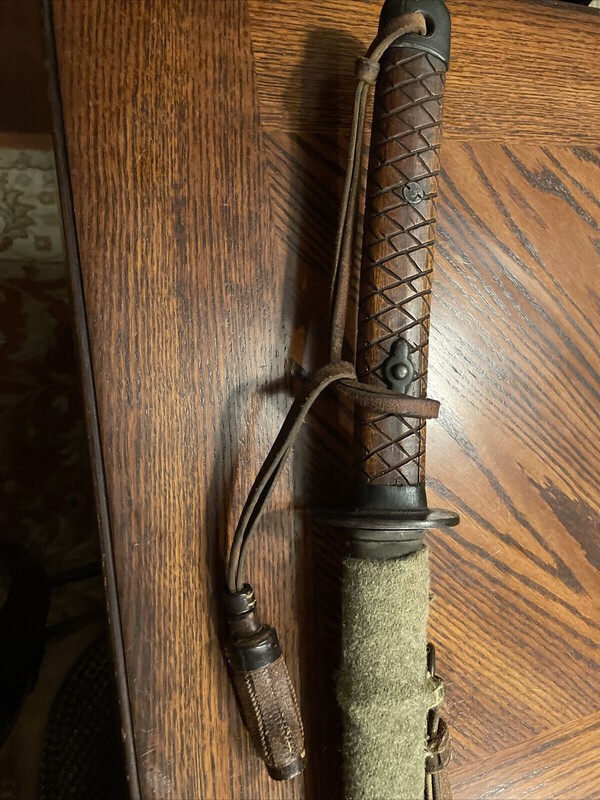
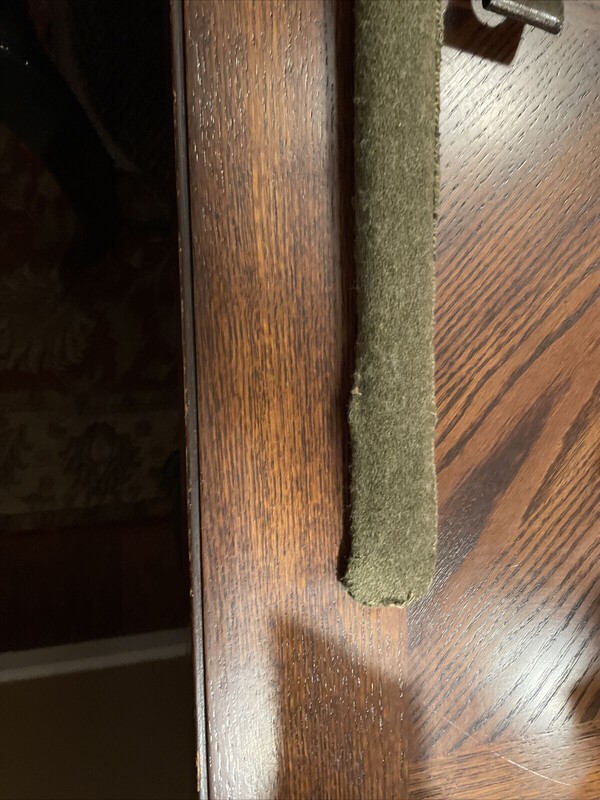
Wanted to post this late-war 95 with, what appears to be some sort of fabric (not canvas) cover. These are talked about all over the place, especially in the "Show Us Your High Class Gunto" thread, but I didn't want to post this one there (though for a late-war 95, it's pretty nice!). So, here's a thread to collect these fairly rare items. Not part of the sale. It was found on fleabay HERE.


-
Could use a translation for my stamps survey. It has the Large Seki stamp. Can't make out the mei, though. No date. In Type 98, combat saya, leather cover missing. Thanks in advance!


-
Help identifying a WWII-era sword
Bruce Pennington replied to ELK's topic in Military Swords of Japan
I think it's "Kanenao" see this: -
Help identifying a WWII-era sword
Bruce Pennington replied to ELK's topic in Military Swords of Japan
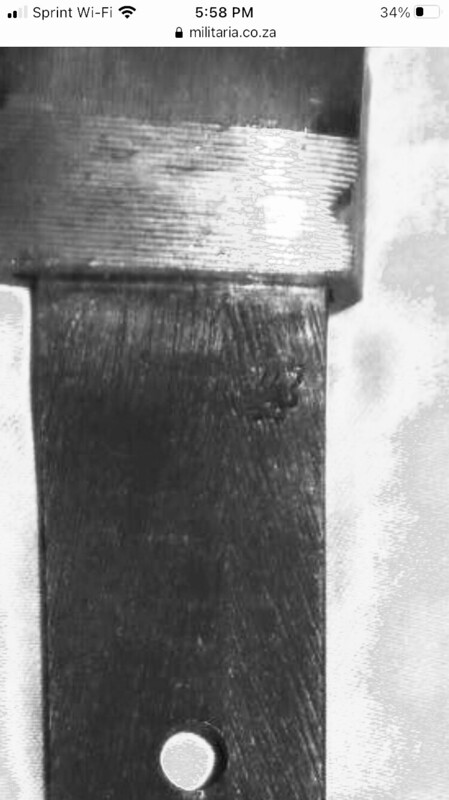
Improved the pics a bit. Just got to my computer, and you are right about it being a Showa stamp. When you get the sword, check the other side for a date, if there is one. I'd appreciate it.
-
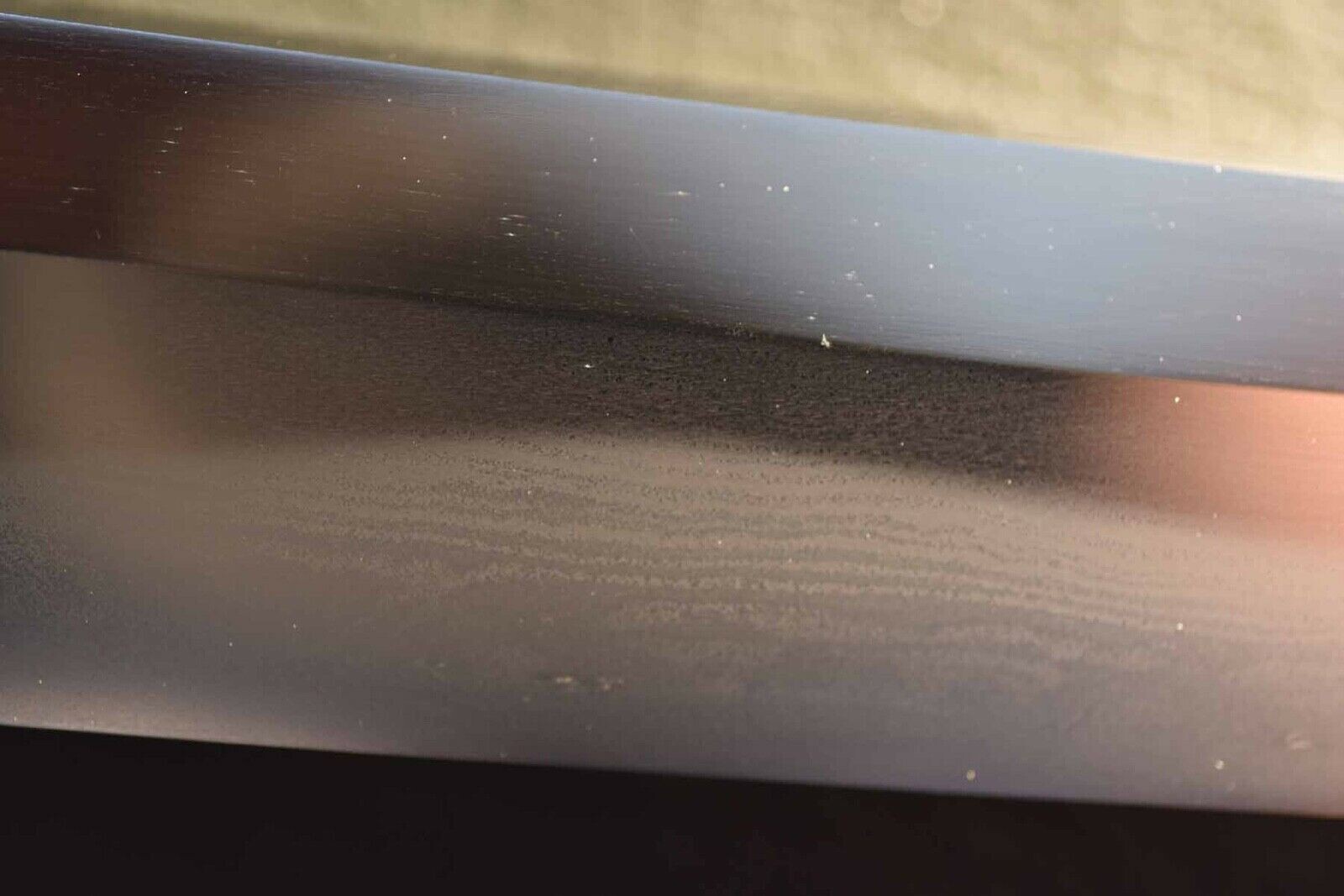
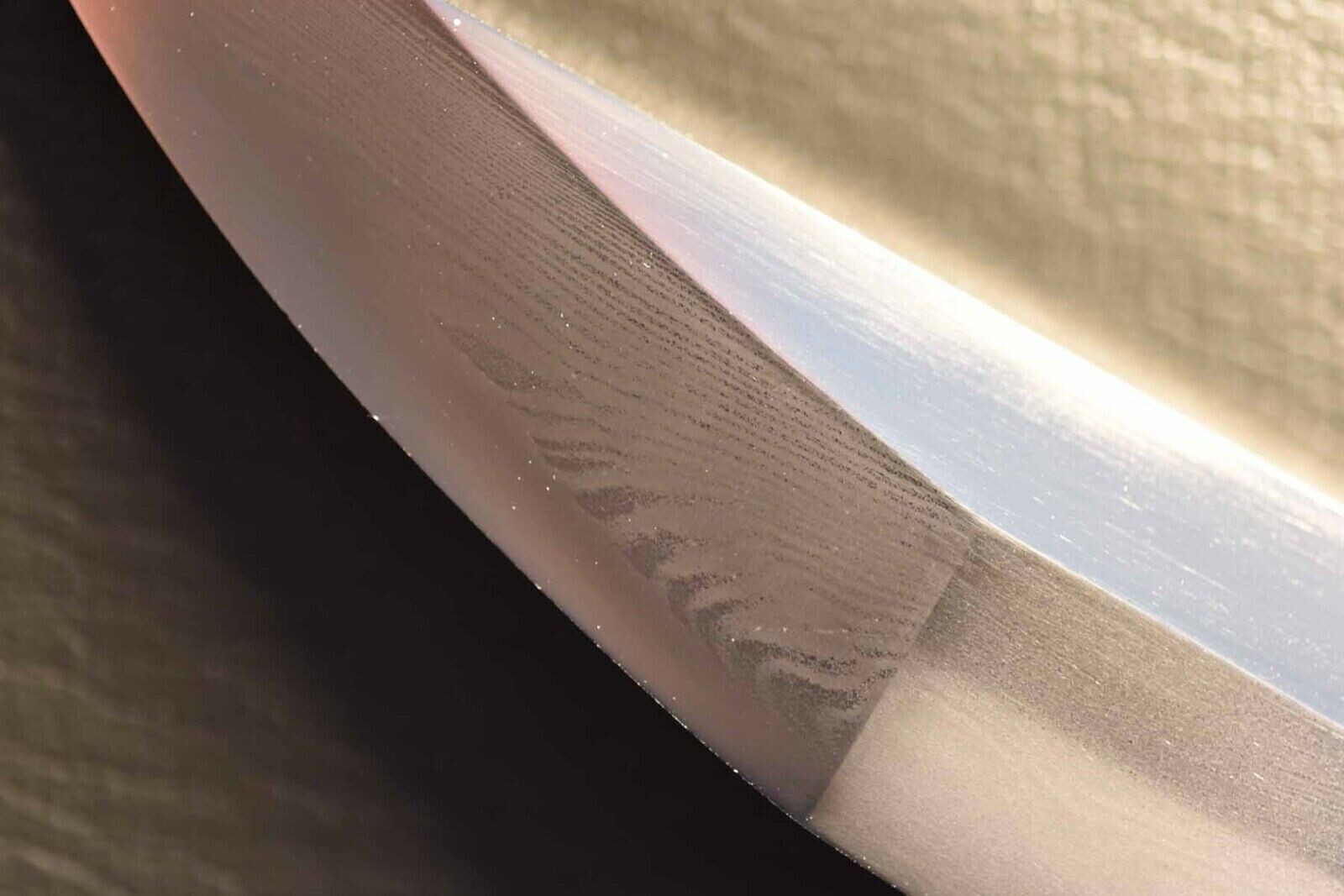
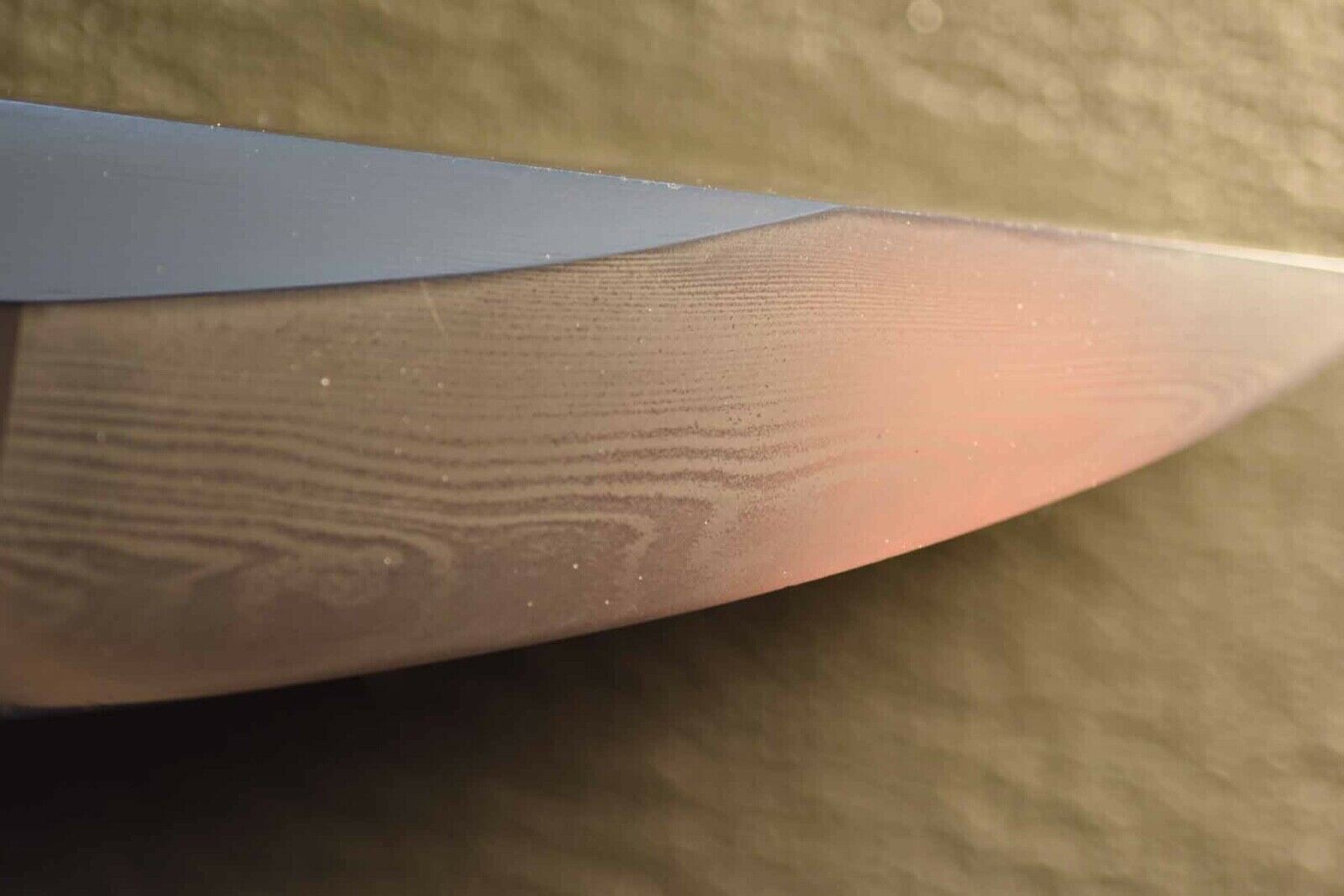
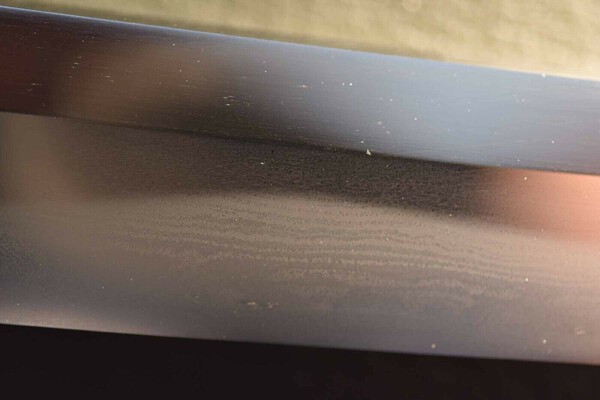
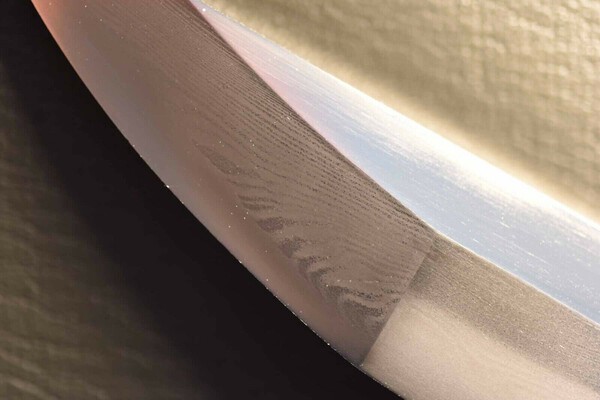
"Wayben" selling this on fleabay. Just had to share. The hada looks like wood-grain at the kissaki. Pretty cool! A Yoshifhiro (kao added to Stamps doc!) Not involved in the sale, but if anyone is interested it is HERE.

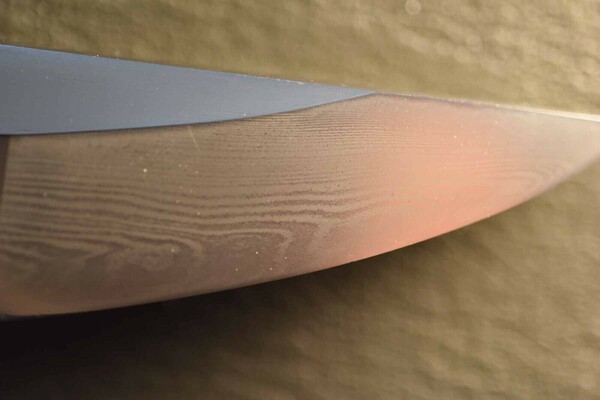
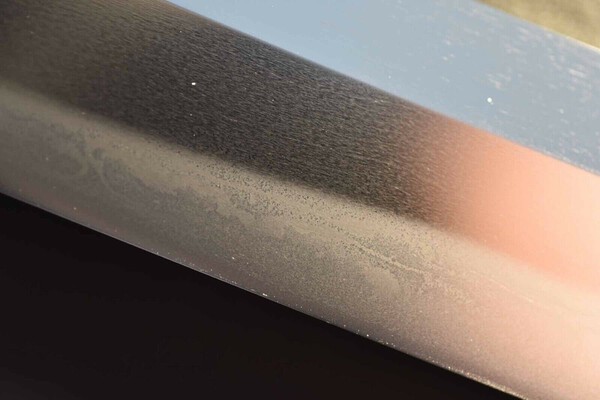
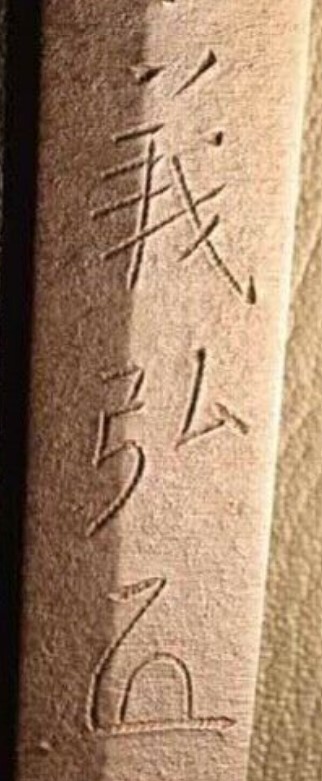
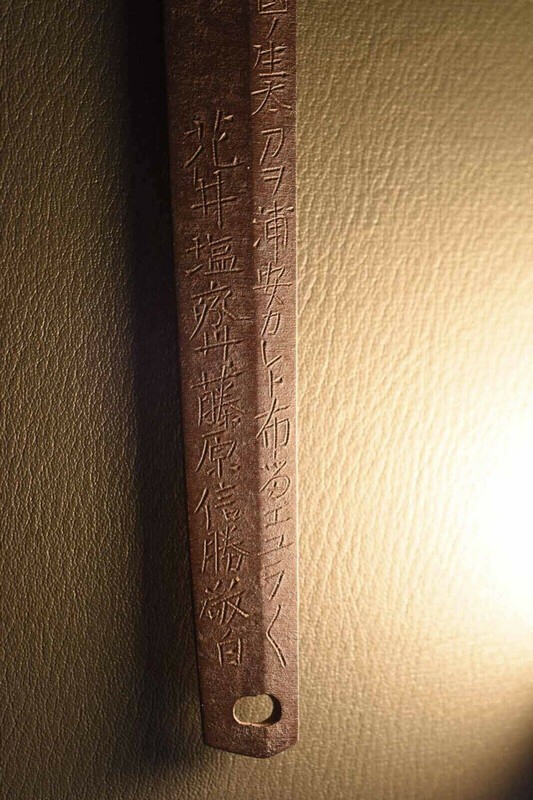
-
New Tsuka and Tsukamaki
Bruce Pennington replied to cuttingedge59's topic in General Nihonto Related Discussion
Your tanto now has a happy place to live! Looks good. -
Help with Gunto translation
Bruce Pennington replied to Jim Manley's topic in Translation Assistance
Jim, i’m usually wrong on the Sword Smith names, but here’s what I think: 正道 (Masamichi) We will see who it really is when the real translator show up! -
Help with Gunto translation
Bruce Pennington replied to Jim Manley's topic in Translation Assistance
Looks to me like Showa 19, so 1944. -
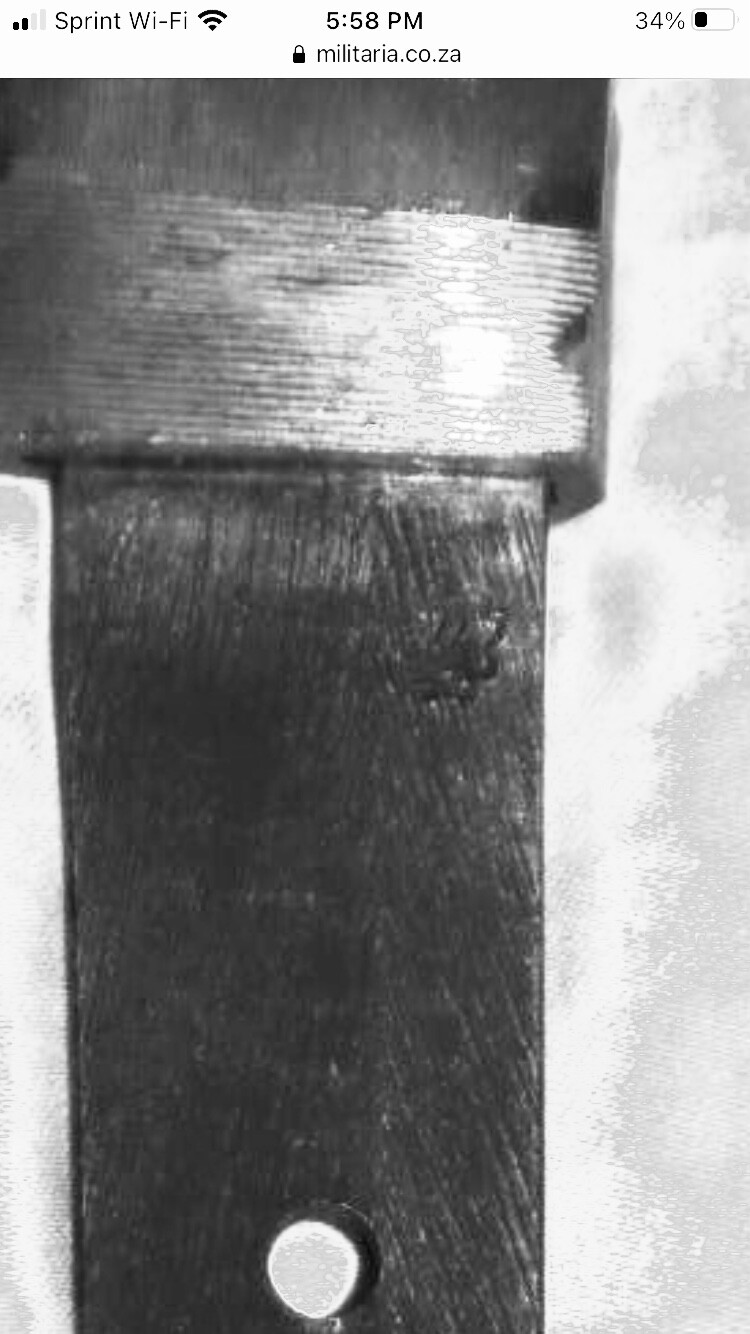
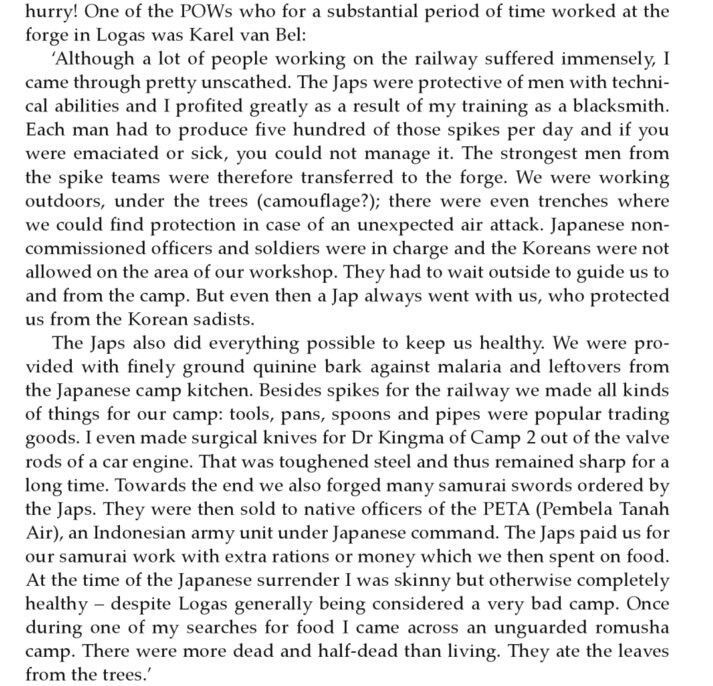
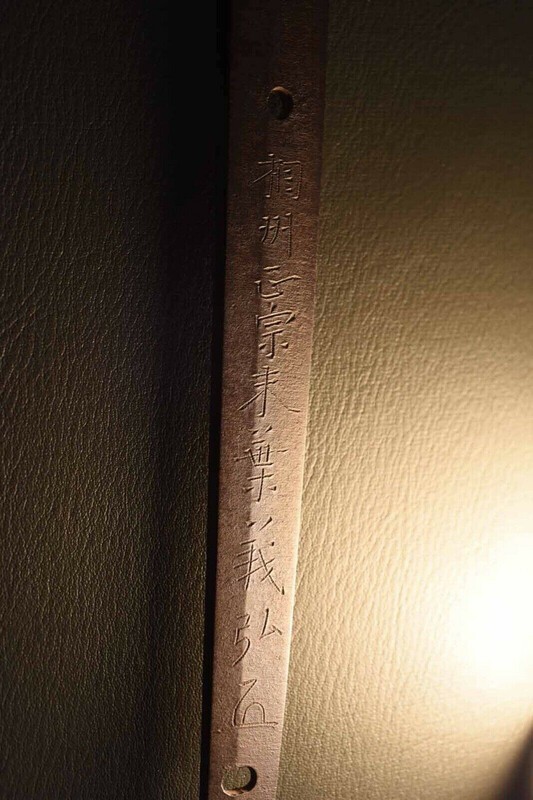
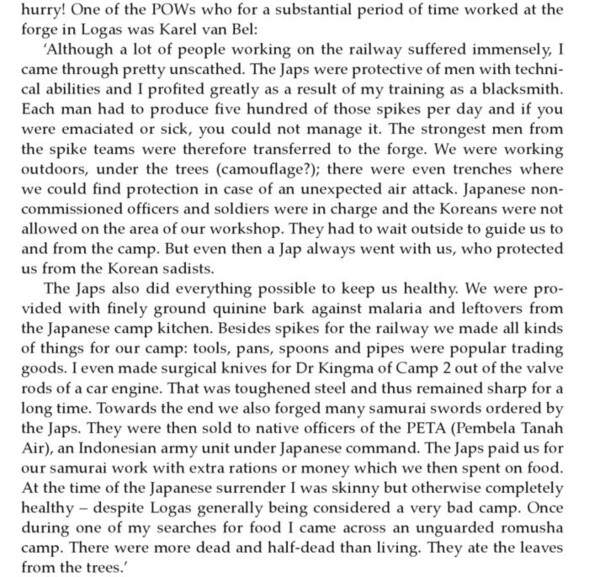
Marsel, I have noticed a lot of blades collected in Southeast Asia have suffered quite a bit from years of heat and humidity. Such massive corrosion makes it difficult to say much. I'm puzzled by the area I've enlarged here. Is it just corrosion that has been smoothed over? The whole thing seem really poorly made, and maybe even not finished, like Uwe mentioned about the habaki. The saya is made to be leather covered, but the covers often are missing. My first gut feel makes me think of an article someone posted about POWs being forced to make swords. It looks Japanese, but, to me looks crudely made and unfinished. Here's the story:

-
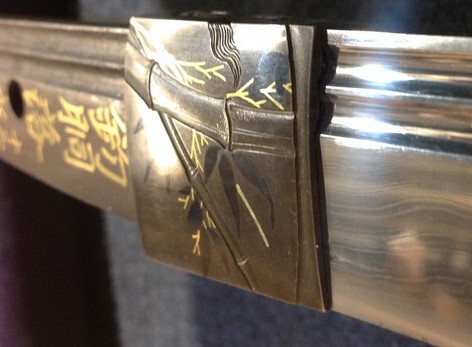
Bamboo, found HERE.
-
Thanks for that tip/reminder Steve. Ohmura states that a navy official resided at the workshop to do the inspections! Interesting bit of behind-the-scenes info!
-
The date is August, 1943. Someone else will help you with the Smith name.
-
The date is February, 1942. Someone else will have to look at the Smith name for you.
-
Thanks Thomas! I've added the additional photos. Seems these are showing up often on Masafusa blades. What do you think of Morita-san's explanation: "It is formal that 眞金(shin-gane) pronounces as "Ma-gane"."? "