Grey Doffin
-
Posts
4,174 -
Joined
-
Last visited
-
Days Won
31
Content Type
Profiles
Forums
Events
Store
Downloads
Gallery
Everything posted by Grey Doffin
-

tampa show
Grey Doffin replied to lbkmd43's topic in Sword Shows, Events, Community News and Legislation Issues
Au contraire Pierre. We had lots of action at our table; I don't think the show was ho hum at all. I do agree; Al did a great job. Grey -
advice on the first blade
Grey Doffin replied to Rivkin's topic in Auctions and Online Sales or Sellers
My opinion on the subject: The 1st blade has a hagire and blades with hagire are very difficult to sell. Some day you'll want to sell whatever sword you buy now and this one will be a tough sell. The 2nd is mumei with paper to an unpopular school; once again a tough sell. The blade and koshirae are quite nice and if you love it nothing wrong with buying it. If I were you I'd try to get to one of the big sword shows in the US or Japan. You'll have great fun, learn lots if you make the effort, and your budget is healthy enough to allow you to buy something you can love. Grey -
Hi Jason, Sekigane on a tsuba are put there to provide the proper fit to the blade's nakago. They are always made using soft metal (copper usually) so the tsuba doesn't wear away at the nakago. When a cast copy is made of a tsuba with copper sekigane, the copy is all iron. See if a magnet sticks as well to the sekigane as it does to the rest of the tsuba. If so, pretty certain you have a cast copy. Grey
-
Jim The best way to know if a blade is o-suriage is to know what the blade is (and was). For example: if you know that your 27.5" katana is Chu-Aoe dating to mid Nambokucho, you know it was much longer originally. Grey
-
Hi (name please), This isn't common but not unheard of either. I've seen maybe 4 or 5 in 27 years. Grey
-
Patrick, There were gobs of Kiyomitsu in Kaga. Can you narrow the search a bit: time period, actual signature, whatever? Grey
-
hanabusa bizen no kami no sukekuni?
Grey Doffin replied to M_F_Dumont's topic in Translation Assistance
Hi Matthieu' I find him listed in the index; look again. Grey -
Help Please new Sword in Tachi Koshirae
Grey Doffin replied to BRUNROX's topic in Translation Assistance
I don't think the nakago has been burnt, but it does look 20th century, possibly with some chemical patina to add age. You see swords like this from time to time, some with gimei to an older smith and others with honest Showa-to. Were they made for Western tourists or for the Japanese market; anyone know? Grey -
right end up Grey

-
The link takes me to a video shop in Minnesota. Nothing there about London meetings. Grey
-
Translation assistance please! Rather urgent...
Grey Doffin replied to slavia631's topic in Translation Assistance
The mei starts with Seki and ends with Kanenori Saku. WWII era blade, I'm sure. Grey -
Rich, Against better judgment, let me try once again. I don't know what David Hoffine will charge for polish but I do know that the cost of a polish from a properly trained polisher, when added to the cost of shira-saya and possibly a habaki, will add up to more than what you'd have to spend for a similar sword, without defects and in polish and shira-saya. You will spend more your way and you're taking a huge risk that the sword will be severely compromised (read worthless) once you're finished. And you can't spread out the costs of polish, habaki, and shira-saya; they all come at the same time. Grey
-
Hi Rich, Shobu refers to shobu-zukuri, the shape of the blade without yokote at the start of the kissaki. What should you do with this blade? Be very careful before you spend any more money on it. The ha-machi and mune-machi don't line up (red flag) and the condition is terrible. It is possible for a blade to be in this condition and come out of polish looking great but usually that doesn't happen. And I would expect any blade sold out of Japan to have been checked before sale; you don't find sleepers (diamonds in rough) with the Japanese dealers. Every last one of us, when we first get into Nihonto, wants to own one representative sword which we want to have polished and for which we want to have koshirae made. And a few years later nearly every last one of us wishes we hadn't wasted so much money on a fruitless project. If you do what you're planning, when you get done you will have spent enough to buy a decent sword in polish and with nice koshirae, and odds are good that you'll end up with something worth a lot less than what you've spent. Before proceeding you need to show this blade to a properly trained polisher, maybe have a window opened if he thinks it makes sense, but I'm guessing he will tell you to save your money and spend it more wisely elsewhere. Grey
-
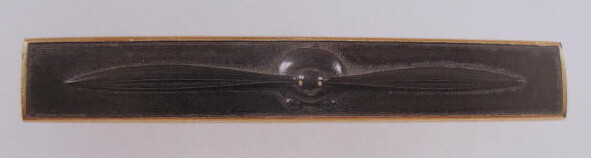
Kotsuka attributed to Goto Eijo. I don't own it. Grey
-
From Fujishiro's Shinto-hen. Grey


-
Nearly all of the tsuba Yumi sells have been coated with a clear finish. Makes them look shiny but it doesn't belong. Grey
-
HI (name please), Not a forgery. Just one of thousands of tsuba made in the style of Nobuiye by one of many tsuba-shi who signed with the famous name after the name and style were made important. Grey
-
If you bought it from a knowledgeable dealer for less than $10,000 you can be sure that it isn't the famous Nobuiye. :D Grey
-
The blade looks real enough. "Blossom in wind" painted on the nakago I think refers to: Shi Sho Gi Hana Buki (please excuse all the mistakes I just made transliterating the Japanese into Romanji), which translates to something like: After death, like flower petals blowing in the wind. No idea why it would be painted in English. Grey
-
But, if you don't tell them what's inside and there is loss or damage, they can claim their policies don't allow for shipping swords and you have fudged about the contents and therefore you have no insurance coverage. You lose. The US Postal Service has no problem shipping and insuring swords; have you checked with South Africa Post? Grey
-
HI (name please), The JSS/US sells, Glossary of Japanese Sword terms, compiled by Gordon Robson, which is very thorough and reasonably priced ($10, I think). I would guess that answers to some of your questions, possibly all, are included in the book. A copy can be purchased from Harry Afu Watson, who you will find with a link at the top of the Message Baord's home page. Grey
-
Hi Solomon, What people are getting at: The signature of your sword doesn't match those of authenticated examples in our references. What's more, the characters are cut clumsily (the gap between Kuni & Hiro is especially bothersome to me). While it is possible that the signature is by some unrecorded, later smith, it is more likely that the signature is a gimei; it's a forgery. Forged signatures are very common with Nihonto, and Hizen Kunihiro is well enough known that forgeries are to be expected. The horimono (artwork/carving) is very poorly done, nothing any self respecting smith would allow on his blade. Sometimes horimono is put on a blade decades or even centuries after it is made to cover/remove a defect that has surfaced due to repeated polishing; this is a possibility here. It is also possible that the horimono and questionable signature were done at the same time, not terribly long ago, to make an otherwise uninteresting sword more desirable to the unsuspecting. None of this can be know for certain, at least not by me. Bottom line, though, is that this sword likely isn't a treasure or even close. Grey
-
I believe the date is a lucky day in January of 1937. I also think this was chrome/nickel plated by the returning GI after he got back to the States. Grey
-
Hi Keith, If you posted pictures of the tsuba we might be better able to offer suggestions. Grey
-
Sorry; this smith isn't included in any of the references included as yet in the index. Grey