Guido
-
Posts
3,242 -
Joined
-
Days Won
99
Content Type
Profiles
Forums
Events
Store
Downloads
Gallery
Everything posted by Guido
-
Shirasaya + Sayagaki = Shiragaki? In any case, this Wakizashi 脇差 was made by the famous smith Mumei 無銘.
-
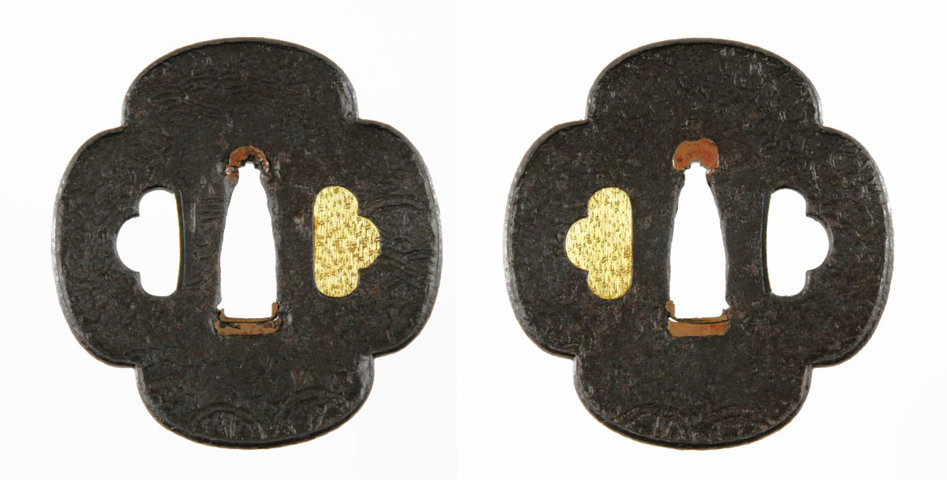
The objects depicted are Kotoji, of which the shape (of the top) is called Warabite (or, more precisely, Warabimon 蕨文) - not need to get into an argument when basically all are right! :D http://www.finesword.co.jp/sale/kodougu ... 6/1146.htm
-
simonjbinks David Blencoe aka Marked Hamon KizuKazu Do you want to set a record for most accounts by an individual on this board?
-
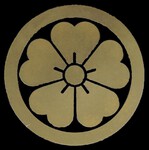
The swastika symbol is more than 3,000 years old. Earliest archaeological evidence of swastika-shaped ornaments dates back to the Indus Valley Civilization. The term "Swastika" was originally the name for a hooked cross in Sanskrit, and swastikas have been found on artifacts, such as coins and pottery, from the ancient city of Troy. Not only are swastikas associated with ancient Troy, the symbols are found in many other cultures, such as Chinese, Japanese, Indian and southern European. By the Middle Ages, the swastika was a well-known symbol and had many different names, depending on the country. Throughout its history, the swastika represented life, sun, power, strength and good luck. In the early 20th century, it was still considered a positive symbol. During World War I, it was found on shoulder patches of members of the American 45th Division and the Finnish air force. In some cultures, such as in China and Japan, the symbol is sometimes turned counterclockwise. In Japan both the left-facing 卍 (左卍 hidari manji) form or its mirrored right-facing 卐 (右卍 migi manji) form are widely used in Kamon. The most prominent among those who adopted the hidari manji are the Matsudaira, Takagi and Hirosaki. The swastika gained popularity among German anti-Semitic groups through the writings of Guido von List and Lanz von Liebenfels in the mid-19th century because it was associated with the Aryan race and Germanic history. At the end of the 19th century, German nationalists used the symbol on periodicals and for the official emblem of the German Gymnasts’ League. By the 20th century, it was a common symbol used in Germany to represent German nationalism and pride. The swastika officially became the emblem for the Nazi Party on August, 7, 1920, at the Salzburg Congress. When Hitler called for suggestions for a banner, all of the submissions included a swastika. The one Hitler finally chose had been designed by Dr. Friedrich Krohn, a dentist from Sternberg. Hitler traveled widely in Germany and Austria, but never went to other countries, especially not Japan. Edited to add two examples:


-
Hi there, neighbor - I live in the Sanlitun area. Shoot me a PM if you would like to get together for a couple of beer and some Nihontô talk!
-
This Koshirae may not be "fine art" (the Fuchigashira etc. are rather generic and often seen on late Edo period Koshirae) but it's a very decent set, the Tsuka appropriately shaped and the Saya very nicely lacquered - I wouldn't be ashamed owning it myself. I also see nothing wrong with the shape and size of the Tsuba. It may be a worthwhile project to find a Tsuba and Kozuka to match the Menuki, but keeping it as it is is o.k. as well. In any case, it's way above all the junk that is often posted on NMB. You're on the right track, Kaigunair, and I would like you even better if you'd get rid of that silly handle
-
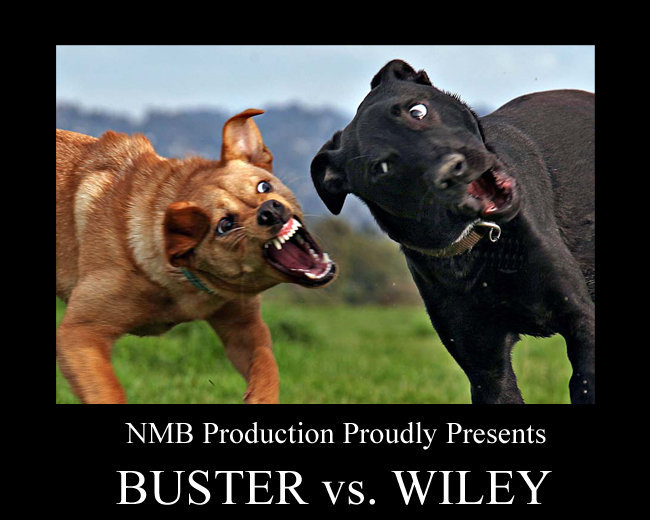
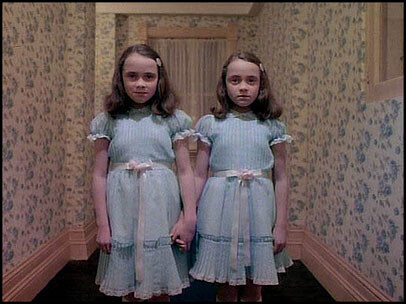
Who's who, what do you think? Hint: my evil brother is a little taller than me ...
-
Congratulations, Jason, you just completely re-wrote Nihontô history as we knew it until today! Never waver from your path, the people of this forum are just trying to confuse you - you obviously got it all worked out.
-
I read 村井秀次作 & 國行.
-
My new Yokohagi Ni Mai Dou Gusoku
Guido replied to Justin Grant's topic in General Nihonto Related Discussion
I applaud him for that since it's the only sensible approach. -
ship arms or weapons of any kind from US to Austria
Guido replied to cisco-san's topic in Military Swords of Japan
Actually the Austrian Armed Forces has 15 Eurofighters and no Navy: http://en.wikipedia.org/wiki/Austrian_Armed_Forces P.S.: The Austrian Special Operations Forces training sounds less demanding than what I went throught in boot camp in Germany. -
Uhm, something like this: http://nihontou.jp/choice03/iai/kodougu/5.jpg ...?
-
Another term for matching fittings is Soroe-Kanagu (揃え金具). In this particular case it seems to be Higo inspired, IMO Edo-Higo (江戸肥後).
-
John, if you use MS IME Japanese this Kanji can be displayed: 弎
-
Talking about making heads and tails of it LOL: no animal tails (shippo) but "the seven treasures 七宝" (shippô).
-
Well, my dictionary defines *frottage* as "consensual sexual rubbing between partners" - I never tried it with a Tsuba, but if it works for you ...
-
Piers, I'm don't have my books with me right now (arrived in Tôkyô on the 25'th of April and will stay for three more weeks), but googled "Bizen Shôami" and found out that this group indeed existed. It just didn't ring a bell, and I still don't remember any Tsuba that caught my fancy with this attribution. "Lack of exposure" seems to be the key-word in my case . Anyhow, I've seen this shiney grey surface on Tsuba that have been "polished" one way or the other. My guess is that you'll wear out about three pairs of jeans until a natural patina develops - 頑張って下さい!
-
a) I never heard of "Bizen Shôami" b) The unnatural, shiny surface makes me think of someone putting a brass or nylon brush to the surface to get rid of every spec of rust.
-
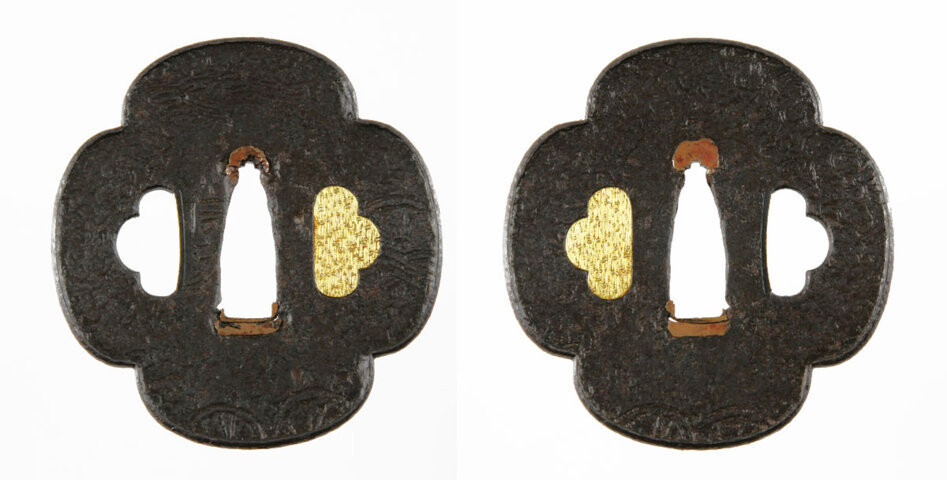
The cornerstone of my collection, and a keeper until hell freezes over:
-
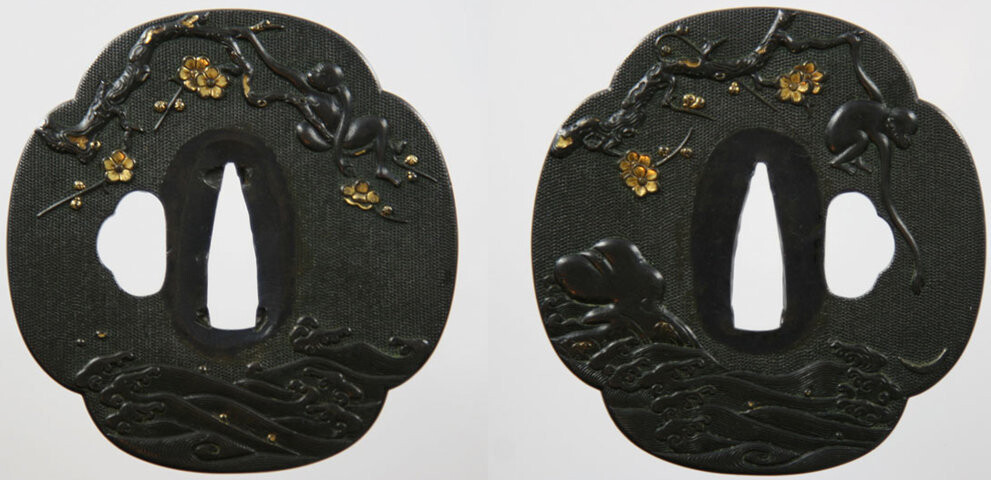
Had a bad day, Brian? Yes, I agree that both the Tsuba that started this thread, and the one in the eBay link, are not exactly top of the line (see, even I can be civil when I try really hard). However, the discussion about the portrayal of monkeys in Japanese art that ensued certainly is worthwhile, isn't it? And to make it all better for you, here's a Tsuba I posted in another thread some time ago: Tokuho, Momoyama Ko-Kinko.
-
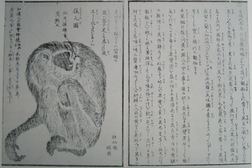
Gibbons are indigenous to China (however, nowadays there are only to be found in South China) and were a subject of Japanese art since the Kamakura period, when Chinese monochrome paintings of the Song (960 ~ 1279) and Yuan (1279 ~ 1368) dynasties dealing with this theme became popular.
-
-
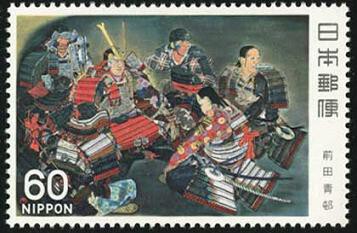
Maybe he means those little sticky paper thingies you put on envelopes ...?
-
John, that's the info for NeuStar, the registry operator for .biz - I think it's different from individually registered .com addresses.
-
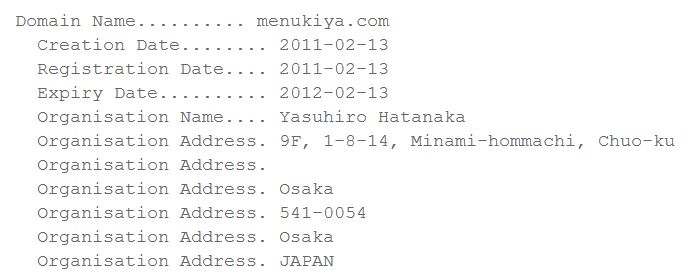
I find it it little strange that his website is in English only, that all prices are in US$ and €, that there's no phone number, that he states a shop address in Tôkyô but his domain is registered in Ôsaka. Since I'm in Tôkyô from next week on I might check this shop out.