
Leaderboard



Popular Content
Showing content with the highest reputation on 06/06/2026 in all areas
-
Just finished watching the four part series called The Samurai by Tom Holland & Dominic Sandbrook part of their podcast The Rest is History. For those who don't know Tom Holland, he is a brilliant British historian who eloquently breaks down world history. This series appears to have been influenced by the current Samurai Exhibition at the British Museum. It gives a wonderful account of the early history and rise of the Samurai in Japan. A must watch for anyone interested in Japanese Swords, Early Japanese Military History & Japanese Legends. I will leave a link to the episodes here: The Samurai - Episode 1 Samurai Japan was Brutal - Episode 2 Samurai Battles Were Worse Than You Think - Episode 3 The Samurai Civil War: Japan's Greatest Epic - Episode 4 Enjoy!6 points
-
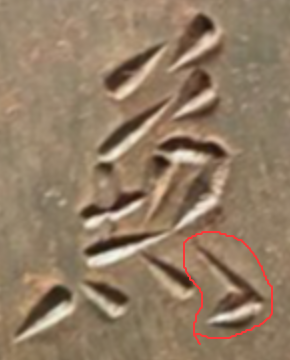
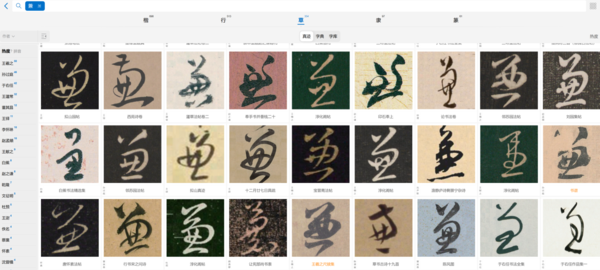
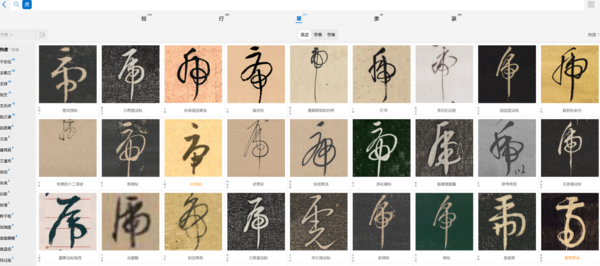
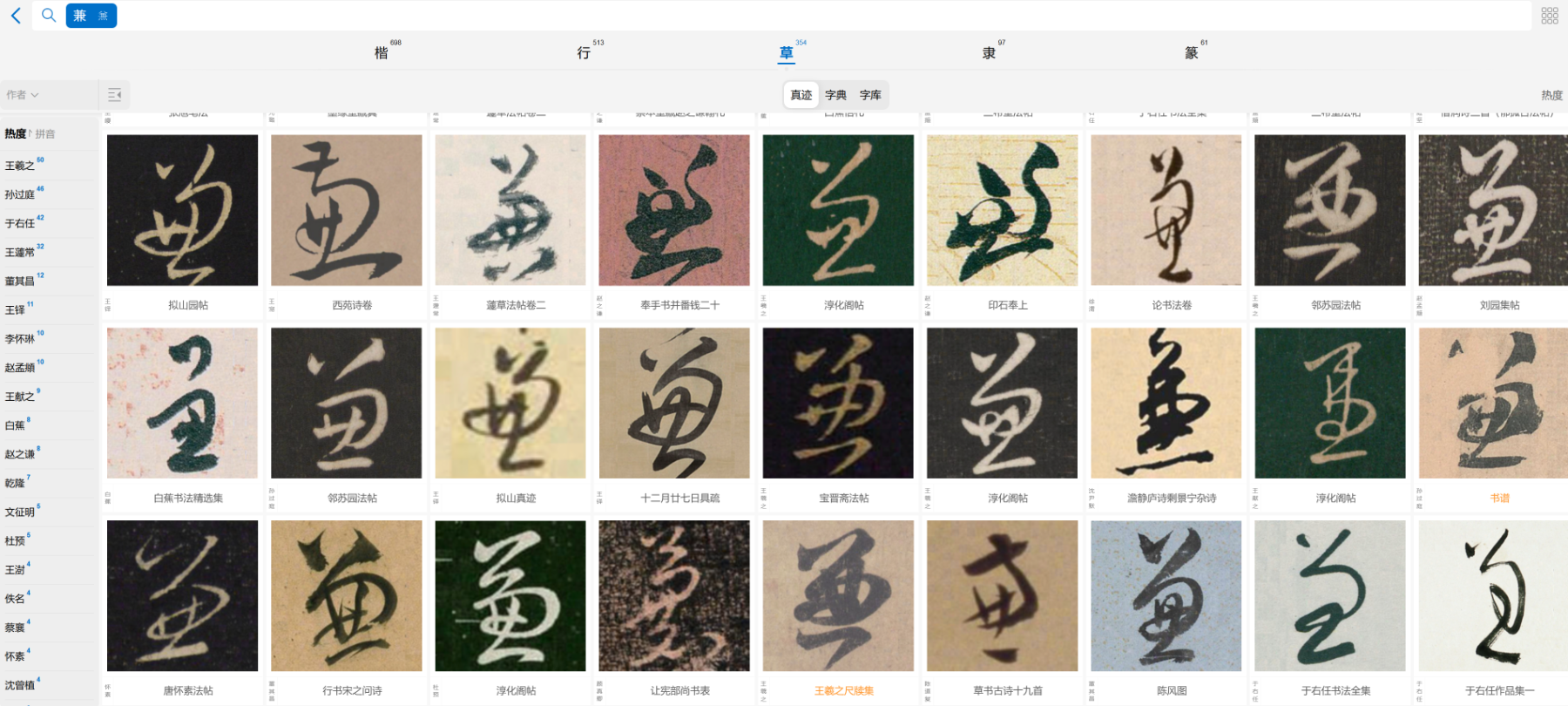
Hi! I think the official stroke counts of a character are calculated in their 楷書体 (Kaishotai/regular script, most of the fonts use this as their baseline, and this is the first and usually only script style taught to Chinese and Japanese children when in school). Stroke counts are used in many ways, even for fortunetelling (姓名判断/Seimeihandan/onomancy) in Japan, I think. This would be counted as one single stroke (a "hook" as we say), too. Even though it took two strokes of a chisel. Stroke counts of a Sosho/grass script character can vary vastly, as shown below. (That trippy and seemingly deformed two-stroke 兼 at the bottom-right corner is written by one of the greatest modern artists, Yu Youren, too.) The word for tiger (虎, as in Kotetsu's 虎彻, he uses this Sosho version in some of his work) in Sosho is usually written in one stroke, too. There is even a specific genre because of this called one-stroke tiger ("一笔虎"), where the one character is the only content of a whole artwork. ...wait, what was I talking about again? Anyway, I'm afraid stroke counts are very much subject to change in any style other than regular script, therefore not applicable as a tool for deciphering a Mei : (
 5 points
 -
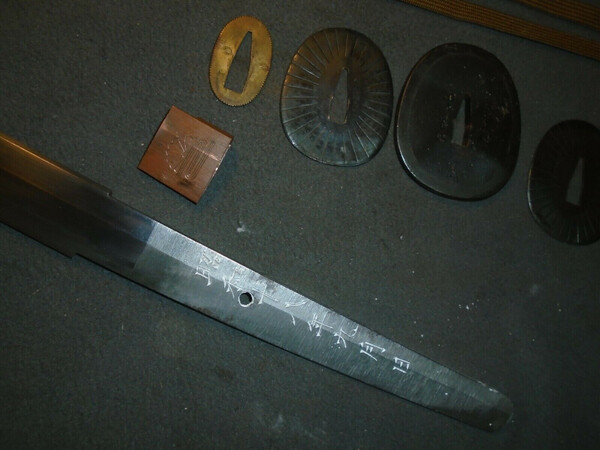
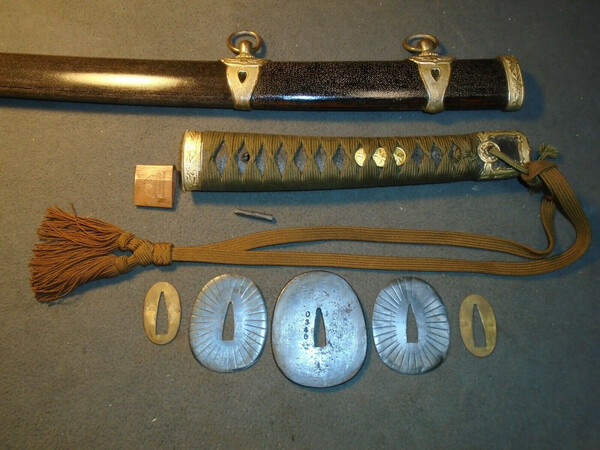
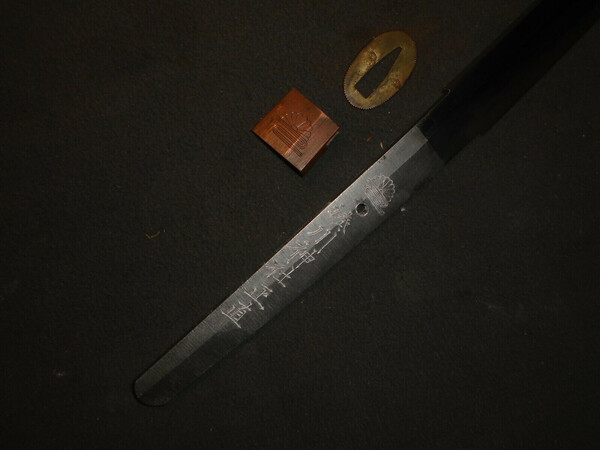
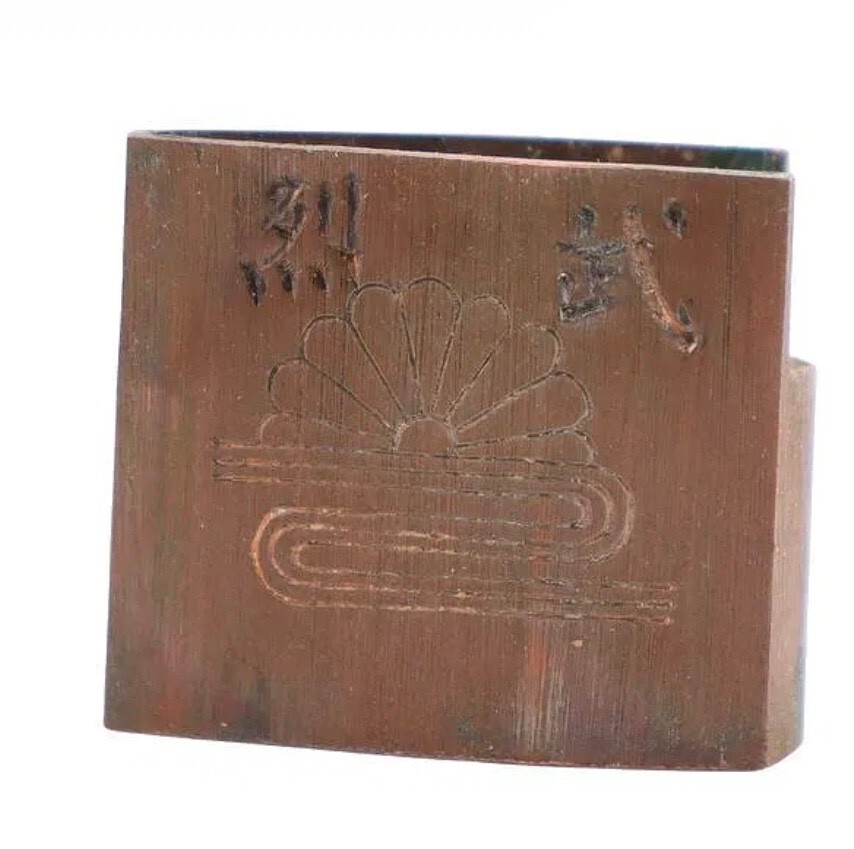
I see what you mean. For such a special sword (by the engraved habaki), it seems odd to have used poor quality late-war fittings. Quality fittings were still being found all the way to the end of the war. On another note, I have another Masanao on file, with kikusui, dated Sep '43 in nice quality fittings, but still using the 1 piece fuchi/seppa. Although, the tsuka seems to have no rayskin, but lacquered wood instead.

 3 points
 -
Yes, this one carries all the red flags - bad stamps, no dimples in diamonds, bad bohi, brass tsuka, wrong barrel screw ....3 points
-
Paul Martin or Robert Hughes would be the better contacts to pursue, they won't give you cryptic responses.3 points
-
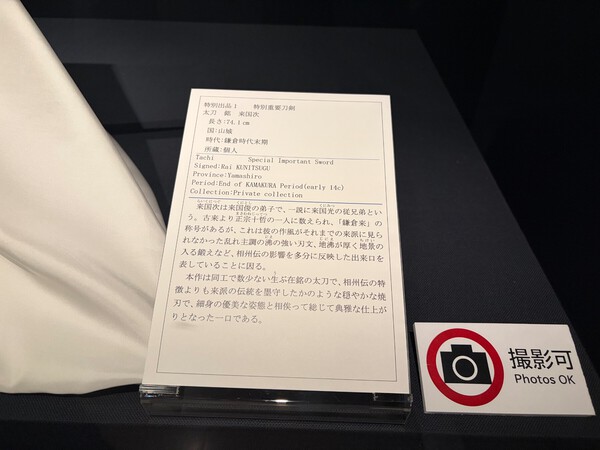
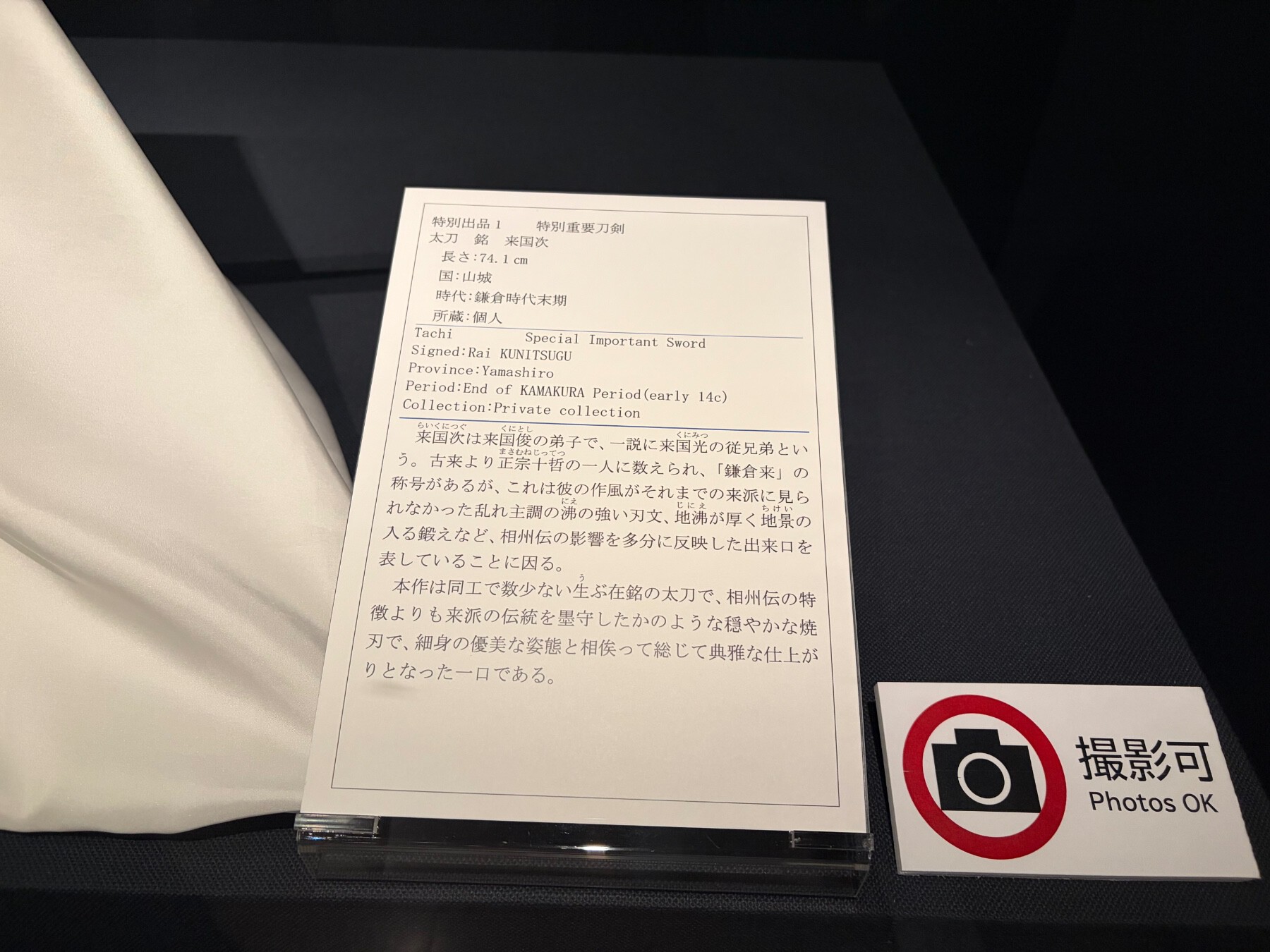
Had to pleasure to attend the opening of the new Tokubetsu Juyo exhibition at the Japanese sword museum this morning. Wonderful turnout with many young faces with great interest in our hobby. The NBTHK student workshop also came into the museum room. It was a group of about 10 young girls, I think around 16-18 years old. They were lectured shortly on some swords, whereafter they were tasked to appreciate the swords and identify key characteristics of traditions. I am to be honest a little relieved to see so much interest from the younger generation. This ensures our wonderful hobby can continue into the future. Only a few swords were allowed to be photographed unfortunately. Which I did of course! But of the exhibits the Norishige Tanto really stood out to me, although this could just be personal preference. I was not allowed to photograph it unfortunately.

 3 points
 -
Some possibilities for 記 based on the rough appearance of the kanji surrounding it: 南記重国 Nanki Shigekuni 英記直宗 Hideki Naomune 武州住内記康重 Bushu [Shitahara] ju Naiki Yasushige2 points
-
In the long range, I hope this will happen. There are perhaps a few well-known smiths specializing in YARI which may narrow down the search. And of course, Ray and SteveM can read EVERYTHING....2 points
-
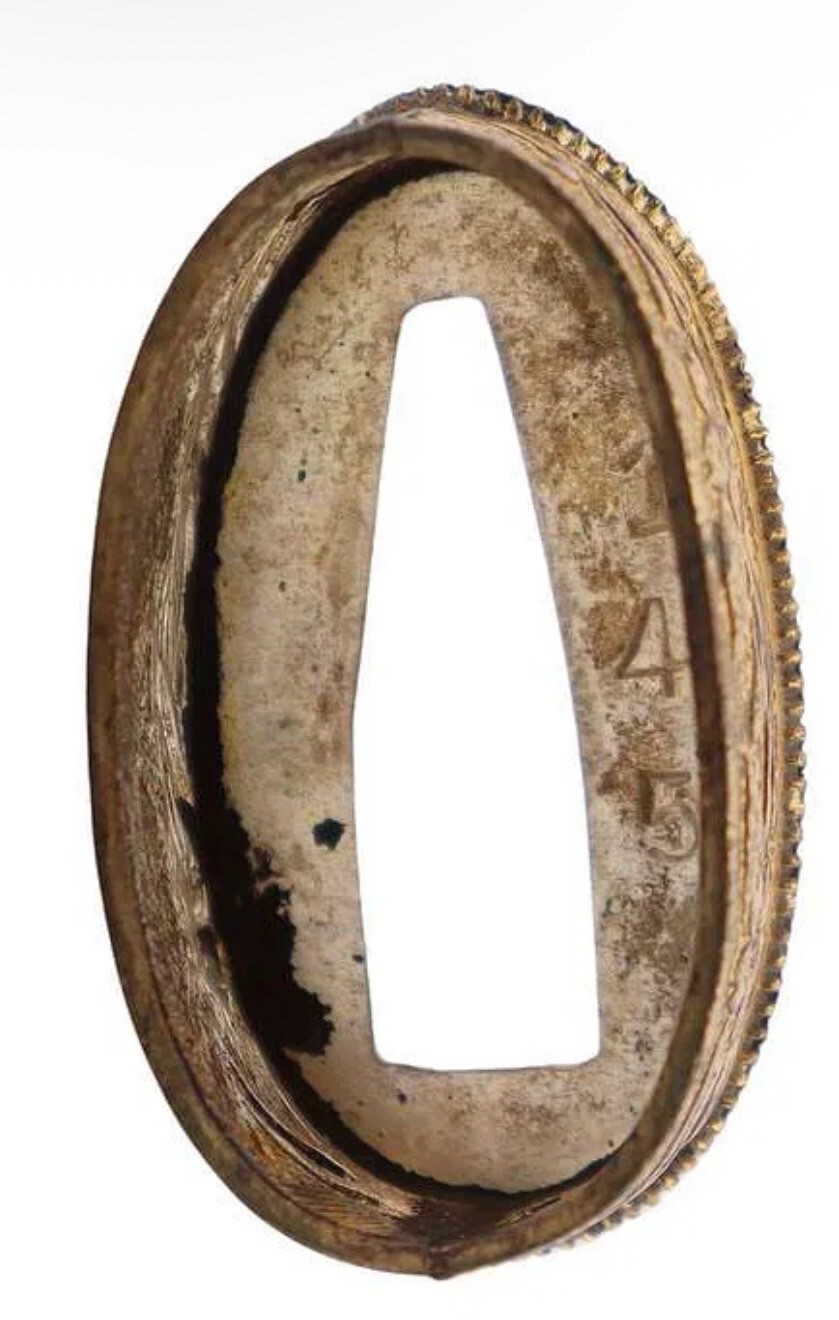
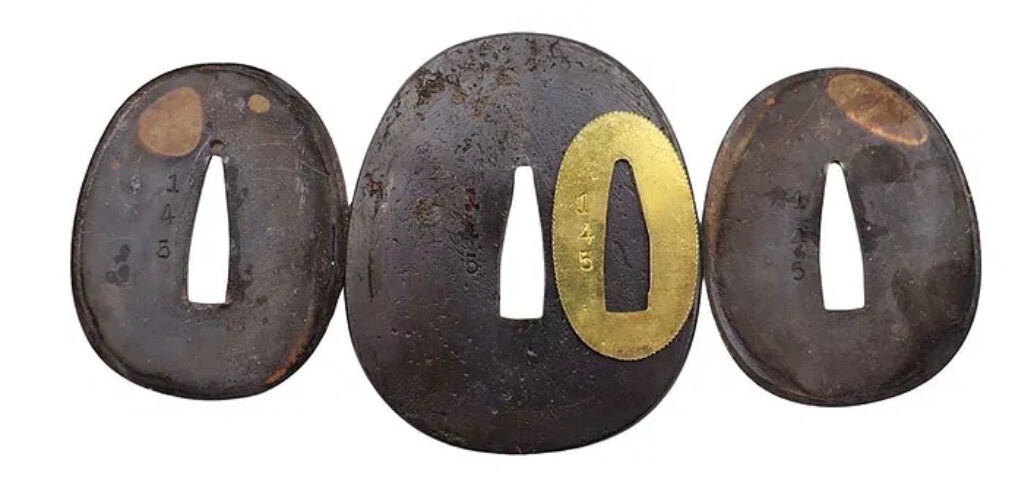
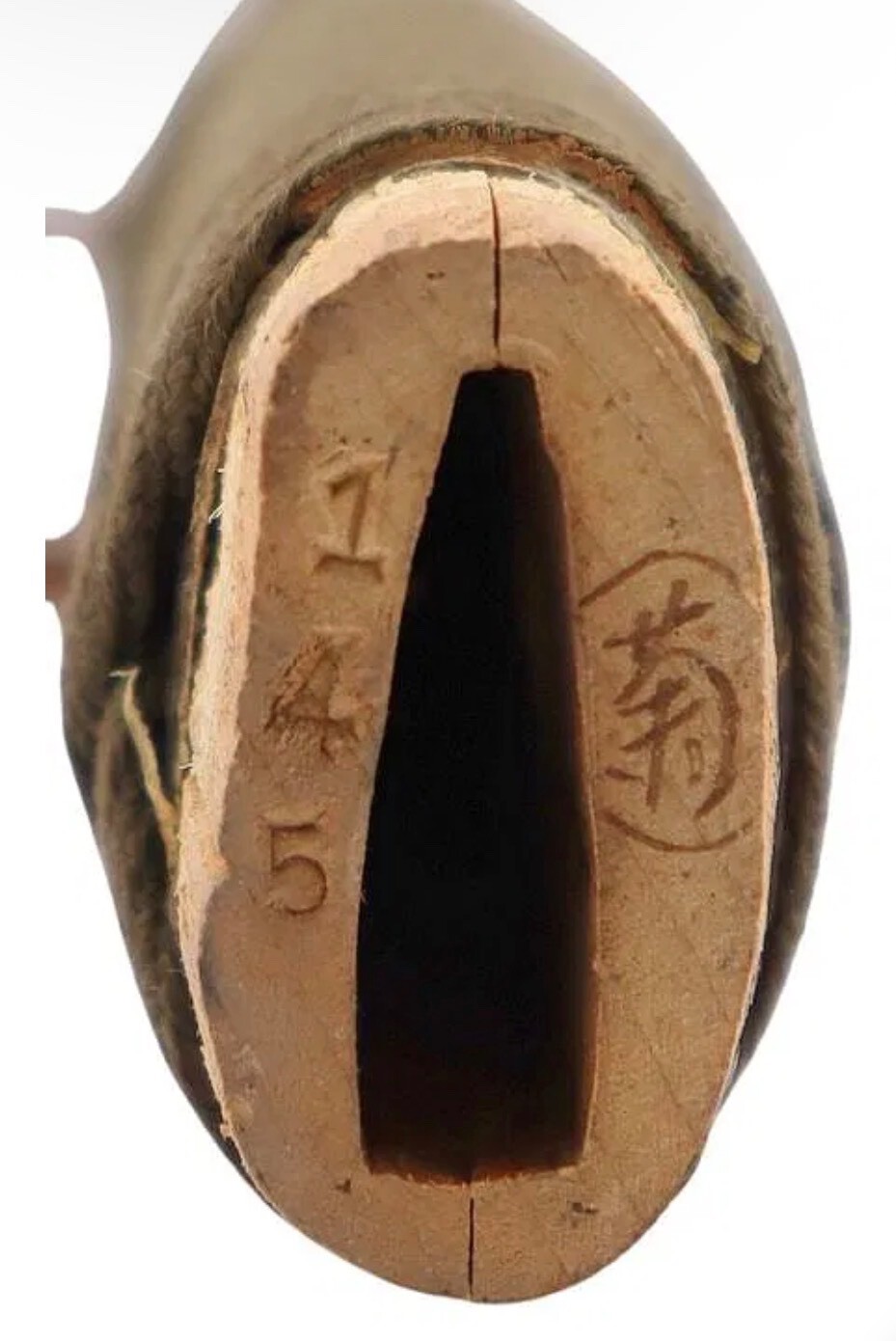
Hi Joeloe, welcome to the forum. Let me start by saying that you are awfully lucky. And there is no need to take this apart; it’s best to keep this type of sword assembled. What you have is a “Type 95 Gunto”. Yours was made in 1938 by Suya Shoten Co, inspected by Tokyo first army arsenal inspectors, and under kokura arsenal supervision. Yours is the first variation, often referred to as a “copper hilt”. They only made about 6750 swords of this variation before switching to an aluminum hilt. The copper hilt variation#1 Type 95 gunto is exceptionally collectible, and I have recently seen examples sell for between 3k and 6k. It’s real in my opinion. Does the scabbard have numbers at the opening that match the blade? Would you mind sharing an image of the tip/end of the scabbard also? Thanks for sharing, -Sam2 points
-
I really do appreciate your efforts. Please take your time. Hope you feel better soon. From your initial translation and some help from AI, I think that the translation of this poem in 7-7-7-3 is something like: 安坐巖上静观必 sitting peacefully on a cliff, one must observe quietly and reflect deeply 音大揮妙用度生 the wondrous power of hearing and seeing that saves sentient beings 所么是养沉满好 what does it mean to cultivate a composed and steady temperament? 海增深 the sea's greater depths 葉室山(之大雅)挥题 calligraphy by (Taiga of) Hamuroyama This makes perfect sense as a poem to accompany a Kannon painting. What is mysterious is that the entire work seems to relate to Hamuroyama in some manner. Not sure if this implicates Ike no Taiga or if 大雅 (Ike's art name), is simply being used as the adjective "grand elegance" in reference to Hamuroyama. Ike no Taiga is not known to have ever signed a work with "Hamuroyama." The calligrapher could be a monk from Hamuroyama using Taiga as an art name. Going back to the seals for the calligraphy that Steve translated, it seems that the upper seal "Rinzai Seishu" (臨済正宗) means "True Lineage of Rinzai," which was used by Obaku monks to legitimize their lineage back to Línjì Yìxuán (Rinzai Gigen; died 866 CE), who was a Tang dynasty Chinese monk and teacher of the Hongzhou school of Ch'an (Zen). All Japanese Zen sects and their continued lineage trace back to Linji. The lower seal is "Ōbaku shujin" (黄檗主人), meaning "Ōbaku Master." Hamuroyama Sōshūmin, which was the attribution for the painting could simply mean Monk Shūmin of Hamuroyama. The signature of the painting is: 葉室山僧脩民拜寫 (respectfully written by monk Shūmin of Hamuroyama). The top seal is 葉室山主 (Hamuro-san shu). The bottom seal is less clear, possibly 檗僧半霞 as suggested by Steve. I'm going to work on the box lid, which can probably shed more light.2 points
-
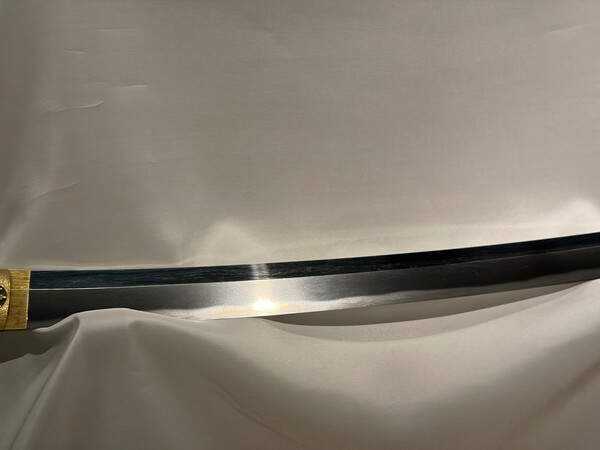
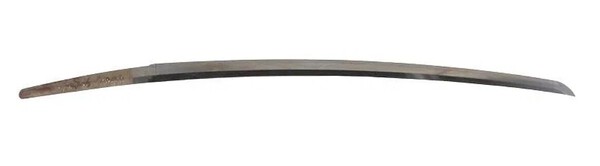
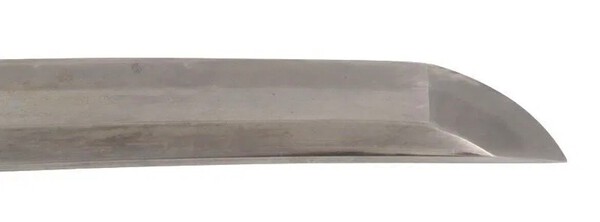
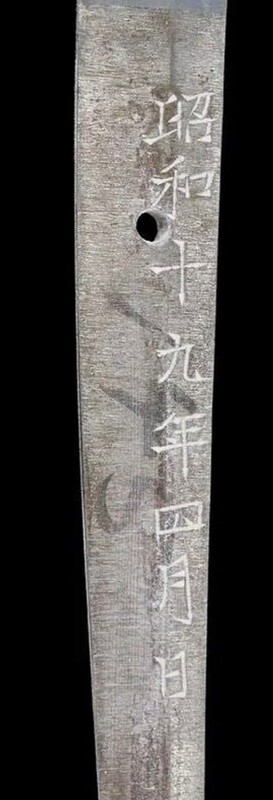
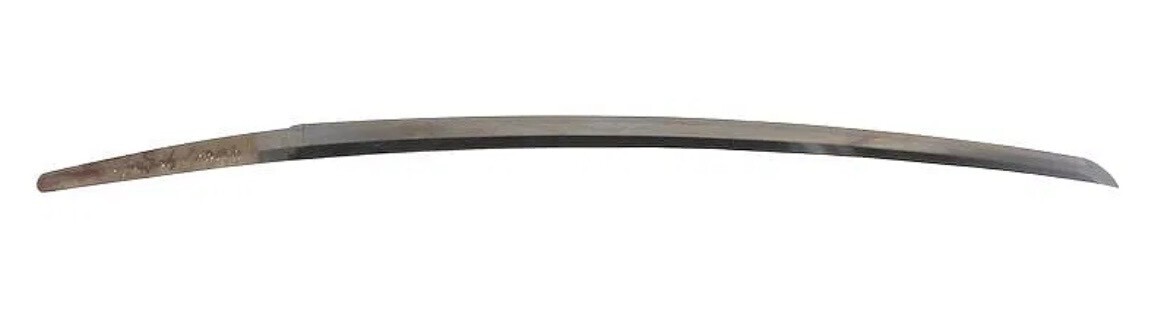
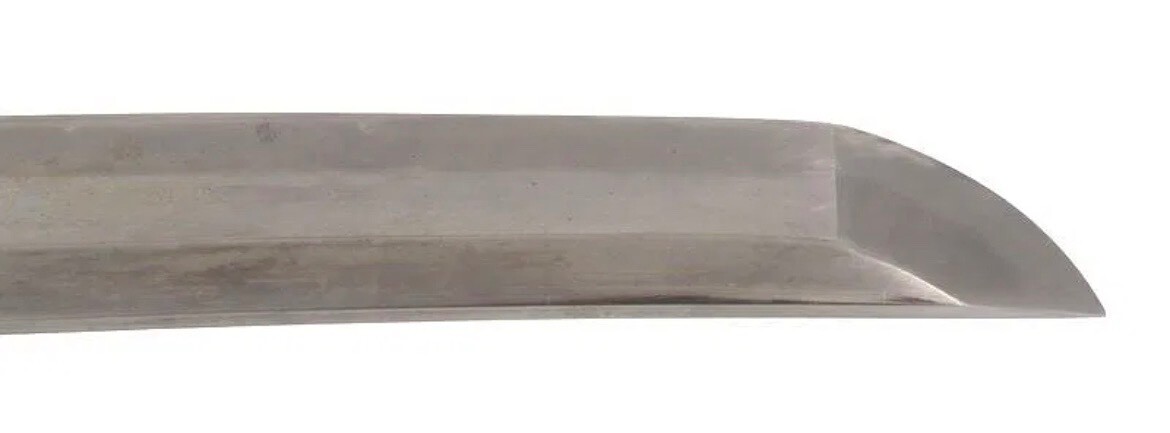
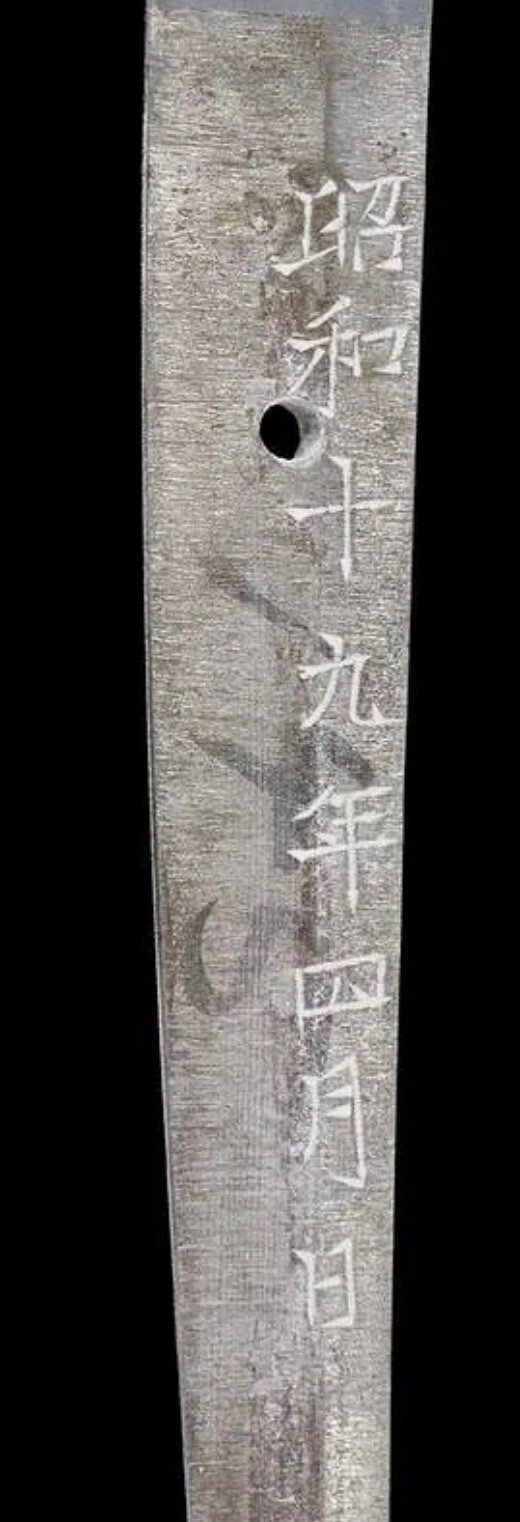
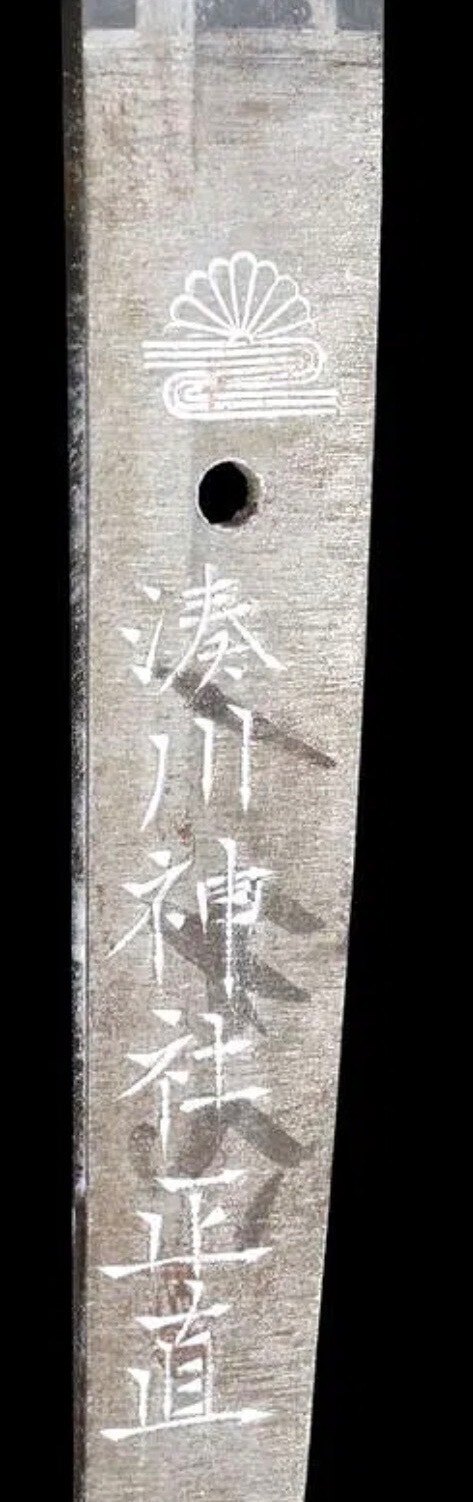
Resurrection. Masanao, mei looks good. What about navy mountings? Especially this habaki … extra securing cord so no chuso. https://www.liveauctioneers.com/item/232884798_militaria-signed-minatogawa-shrine-katana-masanao-larchmont-ny Description A traditionally mounted Japanese katana forged at the Minatogawa Shrine and signed by the sword smith Masanao. The tang bears the inscription "Showa 19, April day" (April 1944), alongside "Minatogawa Jinja Masanao" and the Kikusui mon (chrysanthemum over water crest), emblematic of the Minatogawa Shrine smiths and closely associated with the Imperial Japanese Navy. The copper habaki is finely engraved "Yokosuka Chinju-fu – Naval District Headquarters" and "Shirei-chokan – Commander-in-Chief," further embellished with an additional Kikusui mon to the opposing side, indicating presentation or special naval association. The blade is mounted in wartime Gunto koshirae. Accompanied by a mon-iri katana-bukuro (family crest sword bag) and a Navy Kai Gunto Tassel. From a Riverdale, NY estate. Dimensions: cutting edge measures approx. 25.50" The overall length with handle is 36" in length. For quick yet detailed comparison: https://www.samuraisword.com/gallery/swords/minatogawa-masanao/ Cheers.

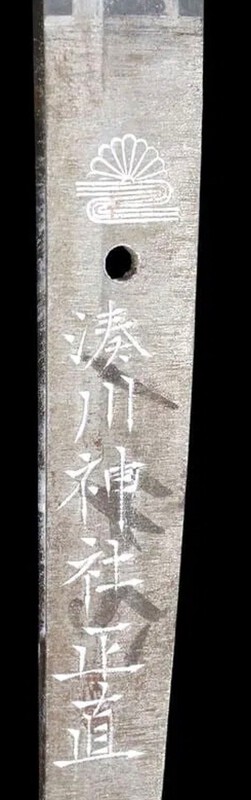


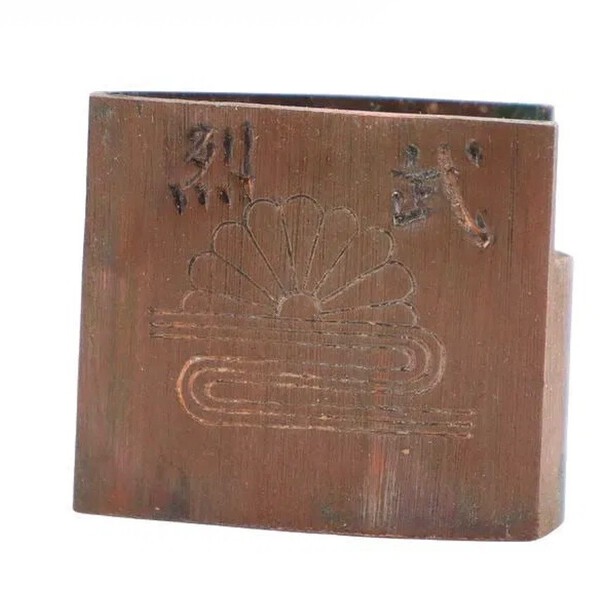


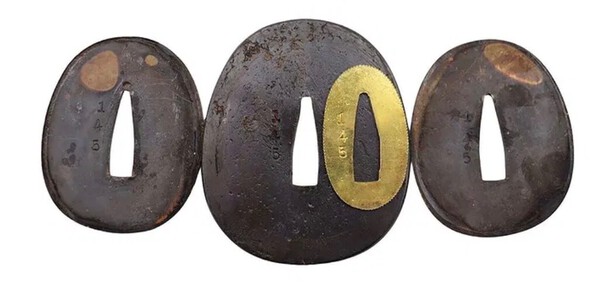
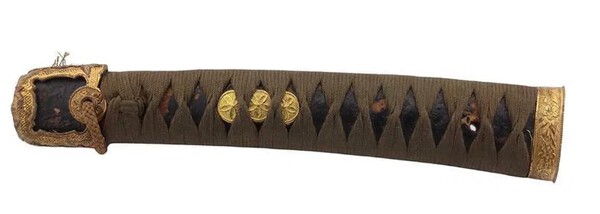
 2 points
 -
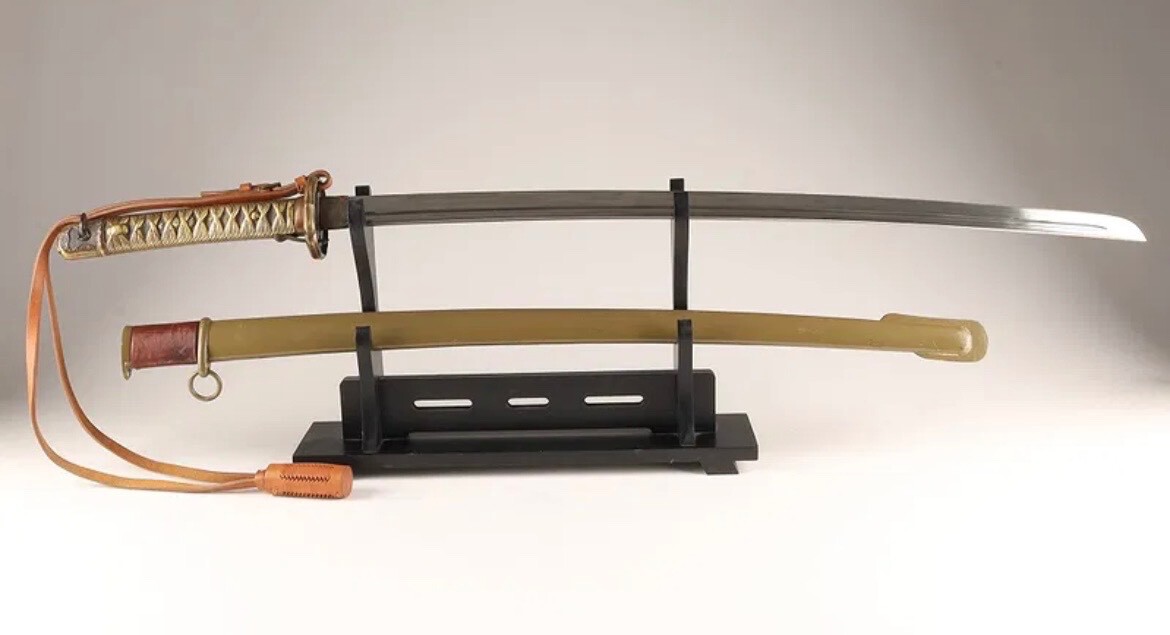
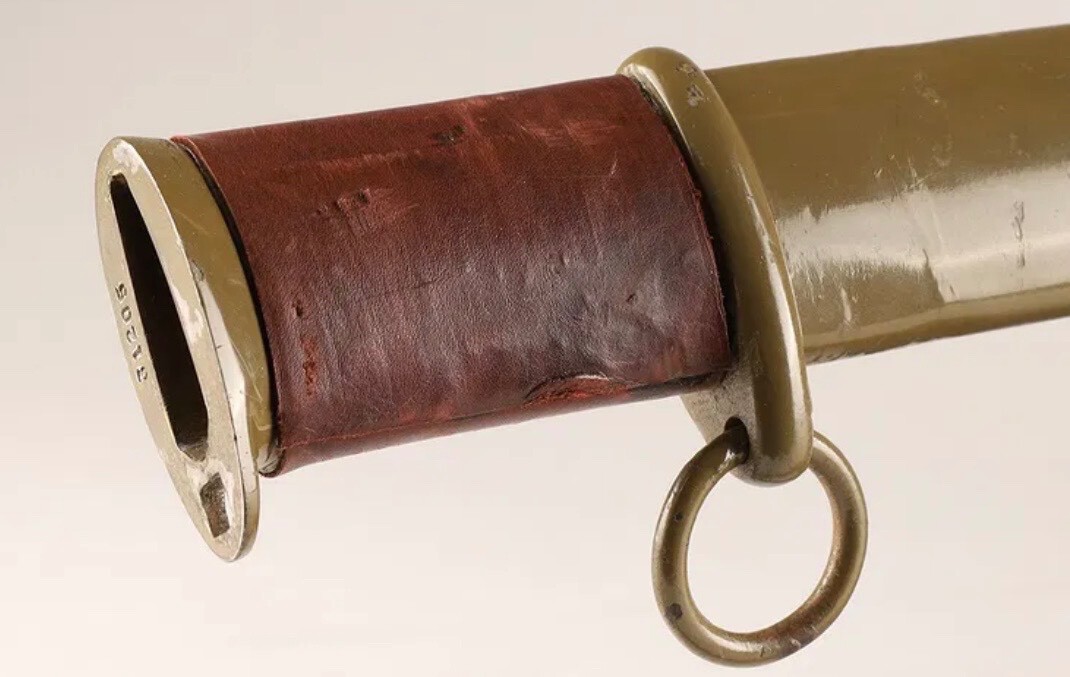
At „Exceptional Antiques, Fine Art and Designz” :D @Scogg, @Bruce Pennington we are getting really good fakes recently. Many frogs to swallow. Description Japanese WWII Military Sword, Type 95 Shin-Gunto, which was commonly carried by army officers during World War II. With number on blade, 31205 and Arsenal Stamps. Dimensions: Blade measures 26.5 inches L, in sheath (also numbered 31205) total length 38 inches.

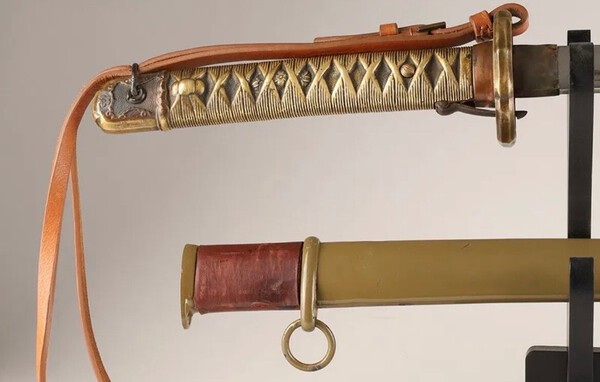


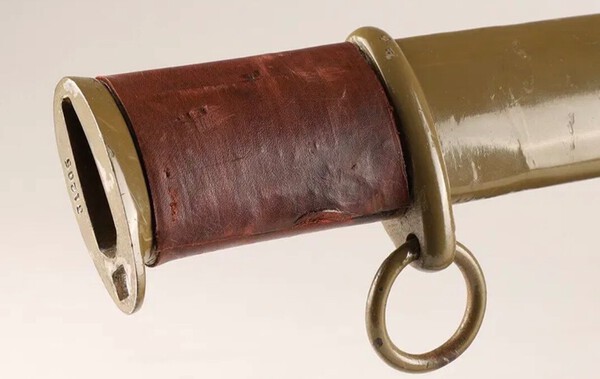 2 points
 -
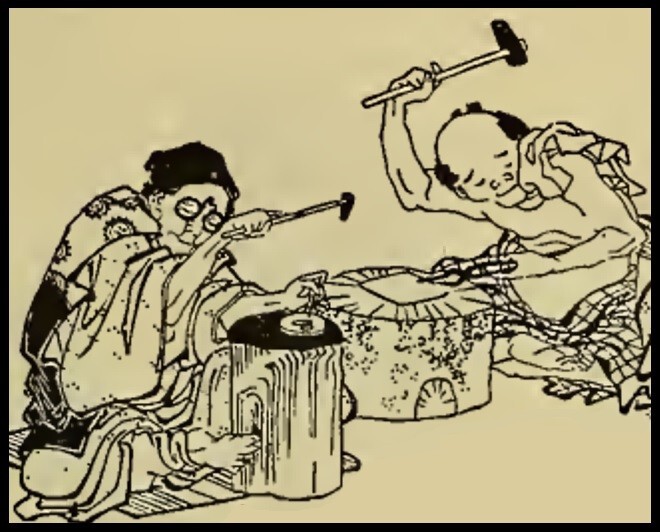
The tsubako artists have had glasses for several hundred years - as shown in this Edo period woodblock - also even the Monkeys wore them!
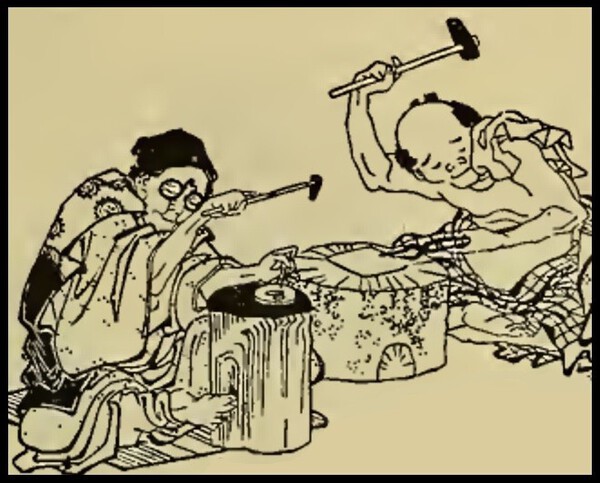
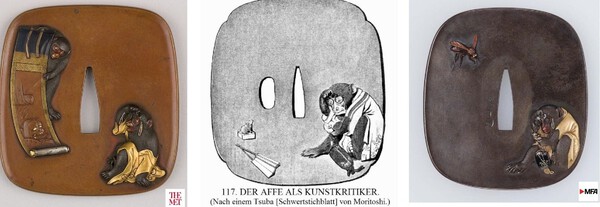 2 points
 -
Thanks all for the information, what a community! This is exactly what I was hoping to get from more experienced folks and gives me a lot to think about. I failed to mention in the post, but my "local expert" is Ed Konno and Stephen Colton of Japanese Art Swords in Bellevue, WA: https://japaneseartswords.com/. Ed did an appraisal for both of the swords in my collection. Before the appraisal, I was operating under the assumption as @SteveM. The sword was already obviously beautiful enough for me to buy it. It has a rich history, and Ed agreed on the consensus for the maker attribution, but I'll have to ask him what made him agree. I did go to Ginza Seiyudo in person a number of years ago and saw this sword in person before buying it online back in the states (I also bought my tonto from them in person). They also seemed to strongly agree with the make attribution and I hope they wouldn't just say that for the sale (again, I hope). I also assumed the sword would've come with the best possible polish, and if it were worth sending for juyo consideration then Seiyudo would have done this already. It certainly wasn't priced at juyo. However, I'm learning quickly that even among experts in this field, opinions can contend. Ed was the one who suggested it might be juyo worthy after a polish, and I've been thinking about it for almost a year now. I'm at the point where I'd definitely like to attempt to get it polished again by a touken togishi. Juyo or not I intend to keep this sword in the end, I'm too attached to it. I'm willing to spend the time and money to know whether this sword has more to offer. All that said, if I reached out to a polisher, I'm assuming they would assess whether it's worth polishing or not, and whether it's safe to do so. I also imagine they would do their best to make that determination from photos, but I understand that can be challenging and in person evaluation likely has the final say. Not sure how these things usually go. I'm leaning towards reaching out to Andrew Ickeringill as he comes highly recommended by this community. I also like the idea of reaching out to Ginza Seiyudo again. One might wonder why I don't go through https://japaneseartswords.com/ to facilitate finding a polisher. Believe me I've tried, but Ed is an interesting guy. He basically told me a cryptic equivalent to "all in good time", and left me with no idea of when or how we would make this happen. It also takes a while to reach him, he very much operates on his own time. I may try to reach out one more time to see if he'd be able and willing to pull the trigger. Ed and Steve are a great resource and very knowledgable--I've learned a lot from them. Thanks again to everyone who commented, I greatly appreciate it!2 points
-
If you are near Southern California, I would recommend taking it to Mike Yamasaki, who can give you good advice on the blade and the polishing process. What I can tell you today is that the blade comes with an appraisal paper (origami) from Hon'ami Kō'on, dated 1662. Kō'on says the blade comes from the Sa lineage (he doesn't specify the exact smith). The blade was already shortened and had lost its signature by this time. Then, in 1953 (maybe January, can't quite tell), Japanese sword scholar Kashima Tsutomu reaffirmed the sword was of the Sa lineage via his own appraisal. Then, in June of that same year, the NBTHK also appraised the sword as coming from the Sa lineage, and gave it a "Precious" designation (one of the designations that predates the Tokubetsu Hozon designation). The current "Sa Hiroyuki" appraisal comes from the latest NBTHK appraisal, dated 2021, in which it received the Tokubetsu Hozon designation. So, no doubt the sword is of the Sa school, but there may not be absolute consensus among the Japanese sword world as to the Hiroyuki appraisal. This may be one reason the sword currently does not have a Jūyō designation. My gut feeling is that if the sword were a super strong candidate for Jūyō, the sword dealer Seiyūdō would have submitted it themselves in order to take advantage of the potential profit that they could have received by selling it as a Jūyō blade. But I am not an expert, and that "gut feeling" is sort of a lazy person's conclusion.2 points
-
Rohan, thank you. I really think you are onto something with that last one! The kanji just after ju looks remarkably like the one for Naiki. I'll do some digging. Thank you all very much for your help with this. All the best.1 point
-
Today there was the ceremony for the NBSK contest, unfortunately I couldn't attend but a friend was so kind to send me some pictures. The exhibition will go on until August 30th.
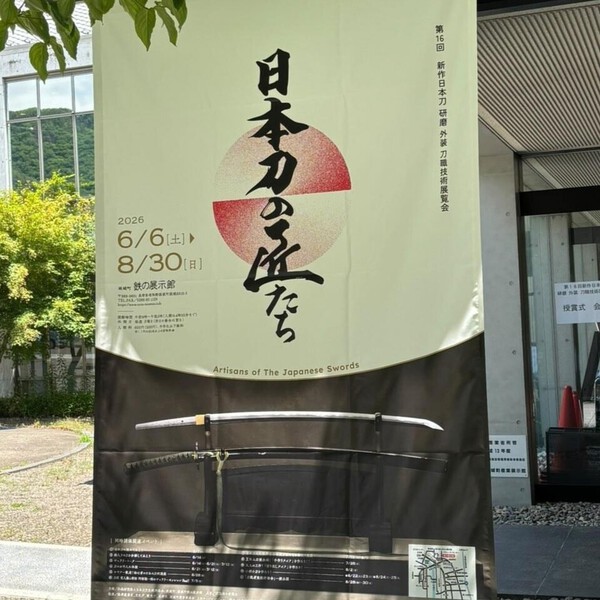

 1 point
 -
Assuming your polisher is a reputable and reliable sort, this is absolutely the case. They will likely also stress that there is no such thing as a perfectly safe polish (unless it's something very light like a shiage retouch) because even the healthiest looking blade could have a flaw revealed when some metal is removed.1 point
-
Below the nori it looks like hiro.1 point
-
John, thankyou. That's about as far as I have got with this. I think there is something before nori/ki but I can't resolve it. I can't assign fair princesses but I reckon you are in good standing with St Jude. All the best.1 point
-
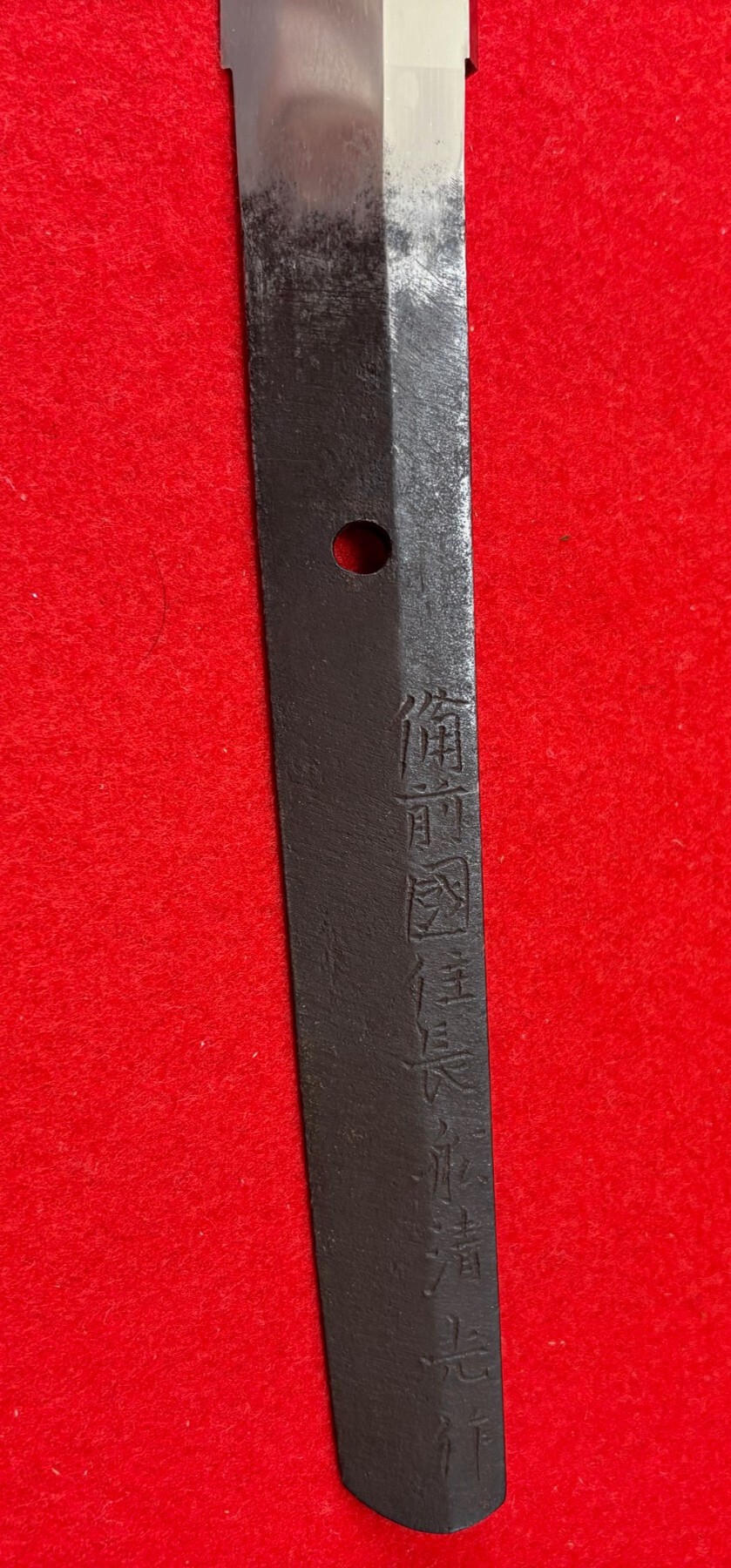
Well I think I can make out ju 住 and nori (or ki): 記. I can't see a place name and I'm nor sure if there is a character before nori but I think there is one after which looks like it has the saucepan lid radical at the top...does that win me the hand of the fair princess?1 point
-
I concur with @eternal_newbie you cannot go wrong with @Andrew Ickeringill. I know him to be an incredibly good and reputable individual. He is honest in his reviews and assessments. And his work is without question up there - being awarded Kinshō (Gold Prize) in the annual NBSK sword polishing competition as a westerner, says alot - many Japanese Togishi have not achieved the same. He has also had several swords that he has polished pass Juyo and TokuJu. Will be hard pressed to find a more qualified Togishi. Finally, he has the added advantage of speaking English so there is no lost in translation and it means you can deal direct via email, chat or video call. There are also no issues with bringing swords in and out of Australia, no license requirements etc. Andrew Ickeringill - Touken Togishi - 刀剣研師 | Japanese Sword Restoration Services – Melbourne, Australia https://touken-togishi.com/ And a trip to Australia is always well worth it!1 point
-
...and only one of all the Princes who had come from far and wide to take part in the contest could solve the riddle, and he married the King's beautiful daughter and later became King himself. And if they didn't die, they are still living a happy life.... That is a difficult task with these photos!1 point
-
That’s why I wrote „Check Settsu-Ikeda for example”1 point
-
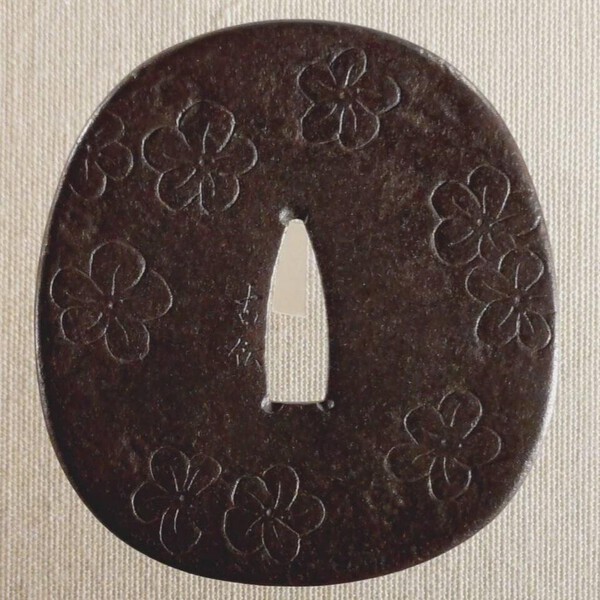
Attempting to correlate a family name via such a common Mon is a complete wild goose chase.1 point
-
Bumping this. I happened to stumble on this thread. Amazing and valuable comments!1 point
-
Ford Hallam had a digital microscope! On the topic of the 'helpers' in the old master/apprentice style systems, that isn't 'guy off the street' or 'seasonal farm help' it's 'live in students who will themselves someday be masters' as in @Curran's statement about a particular master being made to do that work when he himself was an apprentice. My mother, herself an artist and great appreciator of art, has in her jewelry collection a griffin she treasures. She bought it in Florence from a long term family business with tremendous history in the art, and talked for a long time with the patriarch. She said he told her one of the most tragic things... "Yes, just when you are starting to get really, really good at it... is when your eyes start to go."1 point
-
Yes, looks like it was chiseled around the nakago-ana, which is generally not something you ever see, especially on older blades.1 point
-
TACHI MEI trying to look like KANEUJI? Questionable positioning and execution in my eyes.1 point
-
Please wait for the more knowledgeable to chime in. I'm still honing my ability to decifer kanji. Could it be?: 兼 Kane 氏 Uji Best, -Sam1 point
-
南蛮龍象嵌透 布目1 point
-
Kanenori November, 1943.1 point
-
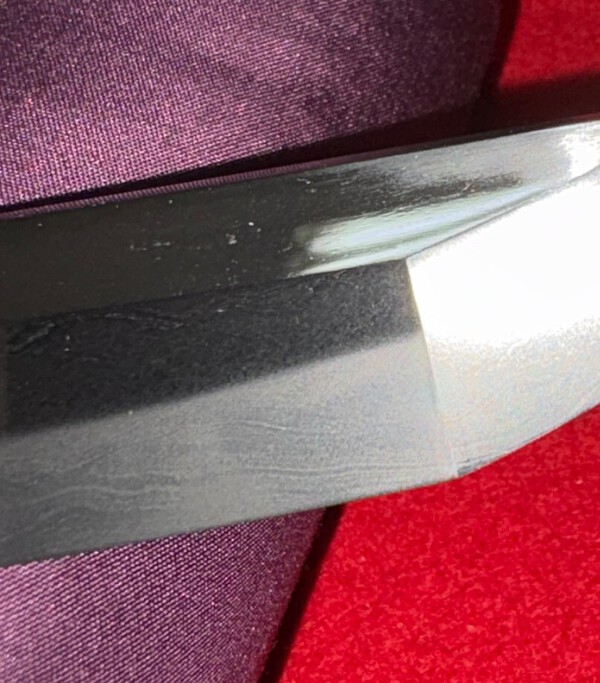
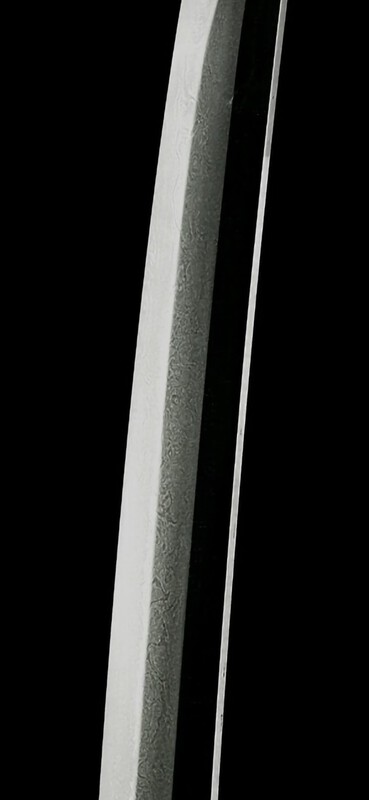
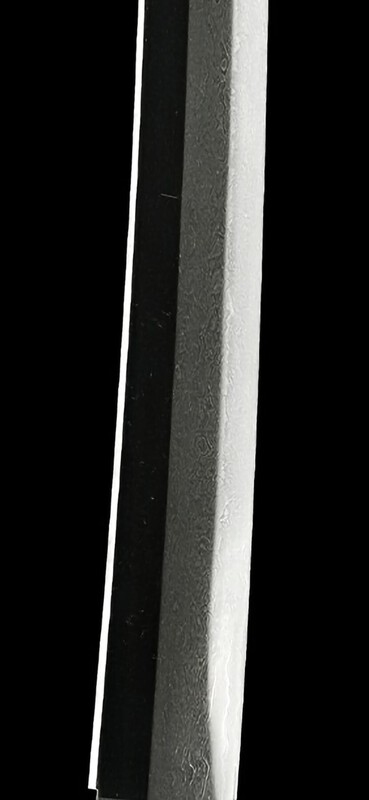
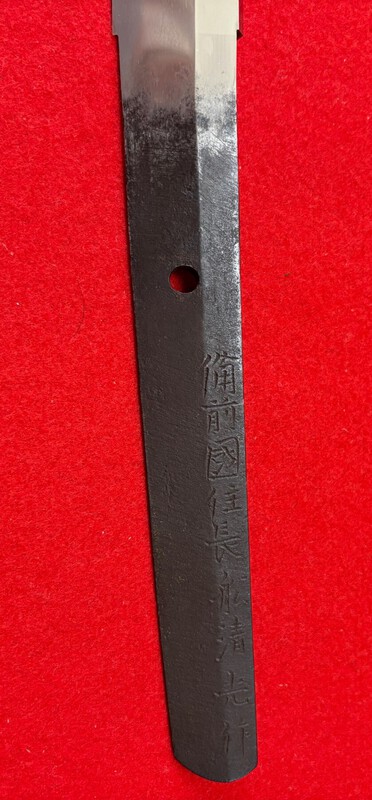
Thank you @RobDam I will most certainly take more photos. I do love everything about it so I am excited. The jigane is beautiful with lots of activities. The signature is beautifuly done as well


 1 point
 -
On the English-speaking side, Andrew Ickeringill is a polisher who has won awards in Japan and polished many Juyo and TokuJu-level blades, including some by Go Yoshihiro. You can view examples of his work and find his contact details at his website: https://touken-togishi.com/ Unless you are a purist who only likes one specific polishing style, it's generally best to let the polisher decide, or at least suggest, what kind of polish would suit the blade's style and activities best; sometimes they may leave the decision to you when it could go either way (e.g. if both the jigane and hamon are excellent, you might need to choose between highlighting one or the other, or somewhere in between).1 point
-
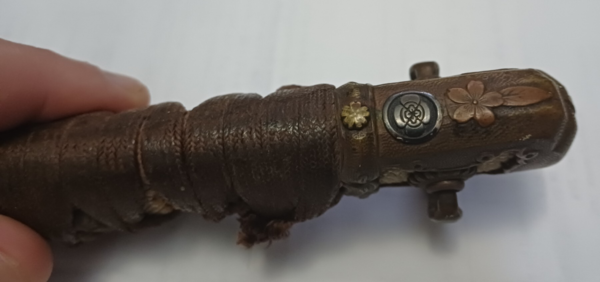
Check Settsu-Ikeda for example: https://en.wikipedia.org/wiki/Ikeda_clan or https://grokipedia.com/page/Ikeda_clan Nice patina and pattern. Mon isn’t in a circle. Blade is „Emura”?
 0 points
 -
When the question «How was your workday?» actually starts to annoy you0 points
.thumb.png.54593db2789c8a1dcb235543b184ce39.png)

























This leaderboard is set to Johannesburg/GMT+02:00