All Activity
- Past hour
-
This the one Dale mentioned

-

1798 Ozaki Gengomon Suketaka
sabiji replied to Frye1001's topic in General Nihonto Related Discussion
One can only speculate about the meaning and purpose of honorary titles among Japanese swordsmiths. On the one hand, one must likely consider each individual case, and on the other, the broader social context. Fundamentally, it must be noted that a swordsmith primarily belongs to the artisan class. The significance of this status varies from the Muromachi period through the Momoyama period to the early, middle, and late Edo periods. The distinction between artisans and merchants was not yet clear-cut, especially in the early period, as artisans were generally organized into za, which, among other things, managed the procurement of raw materials, customer acquisition, and the distribution of finished products. Although the za system continued to exist in the Edo period, the occupational groups defined their activities more precisely. Thus, the swordsmith was officially ranked below a farmer in status, even though his natural proximity to the sword-wielding nobility meant that the swordsmith stood out from the group of artisans in terms of prestige. For swordsmiths of the Edo period who were fortunate enough to be employed by high-ranking patrons, it was certainly also a certain aspiration and norm—at least in theory—to stand on equal footing with the honorary titles of the samurai class. On the other hand, there were definitely prominent swordsmiths in high-ranking positions who did not hold or use honorary titles. There must be reasons for that as well. In any case, by Suketaka’s time, the traditional titles jo, suke, daijo, and kami were no longer necessarily the standard. It became customary to adorn oneself with creative and artistic, but also morally tinged studio and artist names, such as “Suishinshi,” “Chounsai,” etc. -
Dear Jeb. The particular shape of the nakago is designed to accomodate a specific type of tachi mount as per this thread. As to the blade you posted it is not nor does it claim to be an early blade so several possibilities exist apart from gimei. A customer might have comissioned it to mount in a similar tachi mount or as a copy of a well known blade, an utsushi mono. Or perhaps the smith was doing it to further his own skill. In summary neither the shape of the nakago nor the placement of the mei are exclusive features with regard to the period of manufacture. Hope that helps. All the best.
-
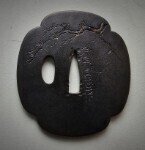
I'm not about to play since I know the book where the first tsuba was taken (but I'm not so sure the attribution proposed by the book is correct indeed). The sekigane which broaden the seppa-dai could suggest that the first tsuba is the oldest...
-

Yamatorige @ Bizen Osafune Sword Museum
Lewis B replied to MassiveMoonHeh's topic in General Nihonto Related Discussion
I think I see shintetsu -
Hi Tim, the tsuba shown is neither mine nor from a book. It’s simply an entry in my database, sourced online from a link that is no longer active. The snippet comes from an NBTHK certificate attributing it to Shōami (so I’m not responsible for that attribution…) and reports it's made of iron.
- Today
-
Yamatorige @ Bizen Osafune Sword Museum
Bugyotsuji replied to MassiveMoonHeh's topic in General Nihonto Related Discussion
The dark side of the moon.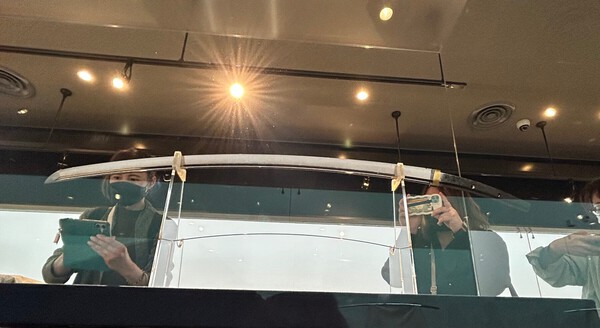
-
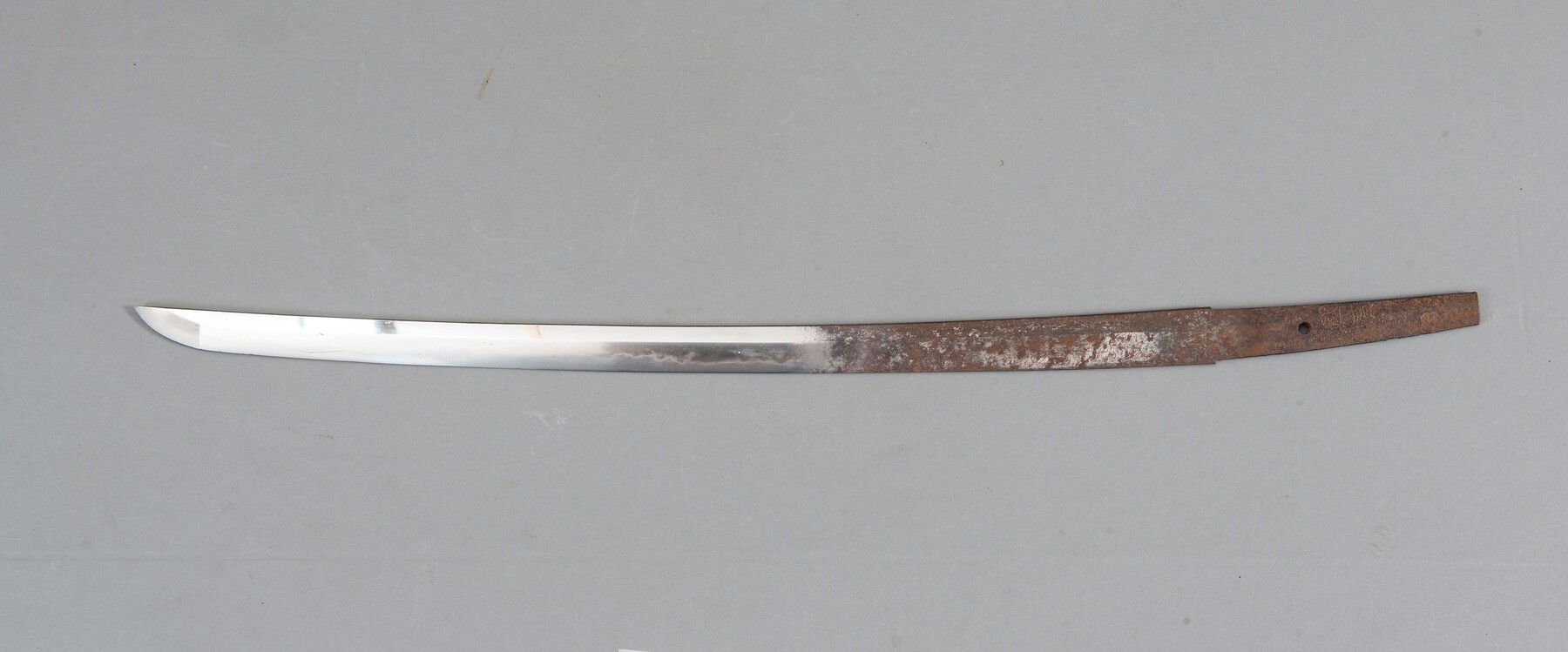
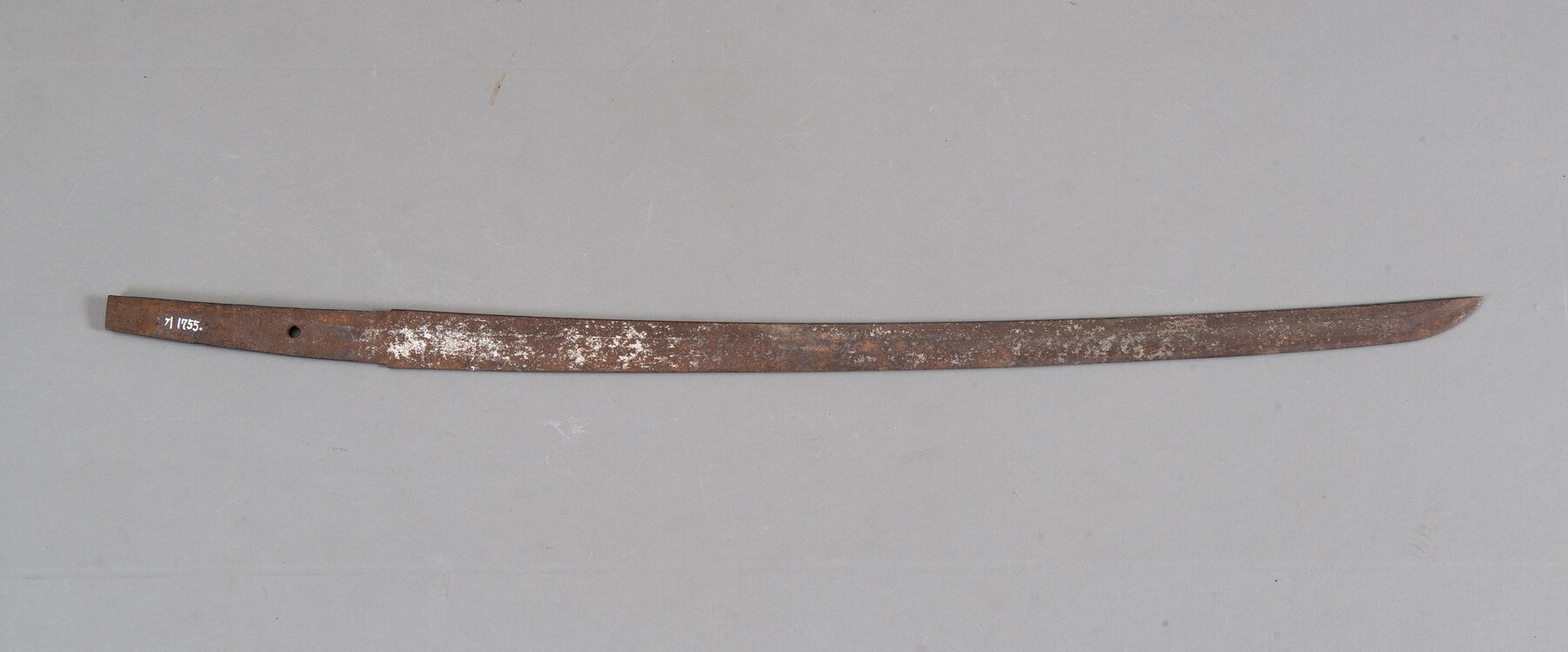
Hello NMB members, Few days ago, I come to find an old news article written in 2006 sayingㅡ "우메다씨는 일본도 고도(固刀) 시기의 장인 쿠니히로가 1614년 게이쵸 시대에 만든 78㎝ 길이의 일본도 한 점도 부산박물관에 기증했다." which can be translated to "Mr. Umeda also donated a 78cm-long nihonto made in 1614(Keichō) by Kunihiro, a craftsman from the Koto period to the Busan Museum." According to the news, Mr. Umeda(Kōtetsu? Umeda) donated the blade at May, 2004 with about 400 copies of Korean translated <The Connoisseurs Book of Japanese Swords>. I assumed that it means one of Horikawa Kunihiro's blade is in Korea now(at least that is what the news argued so...), so I've done some research. The blade is covered with red rust, and nakago looks like suriage. Almost no sori. I assume 78cm means the whole length(including nakago) since the blade looks bit... short? There is 國廣 mei, but don't know where "made in 1614" came out. For better photos I've called the museum if I could get some but they told me that don't have any plans to take shots of the blade nearby. So, these two photos are all I can get right now. I'm no expert of Kunihiro, so I wanted to ask NMB members how everyone thinks about this blade. What do you think? Gimei?
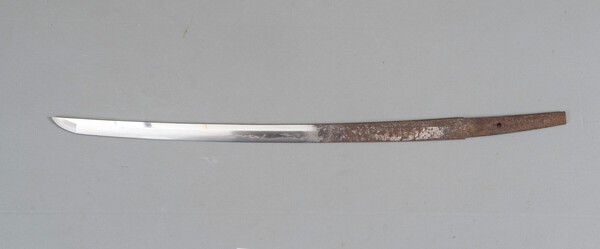
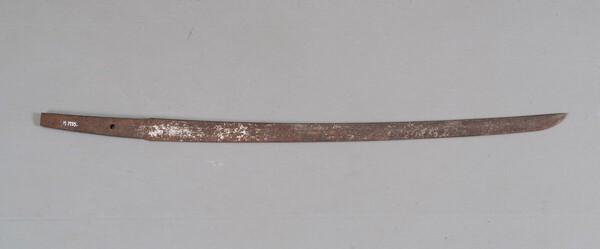
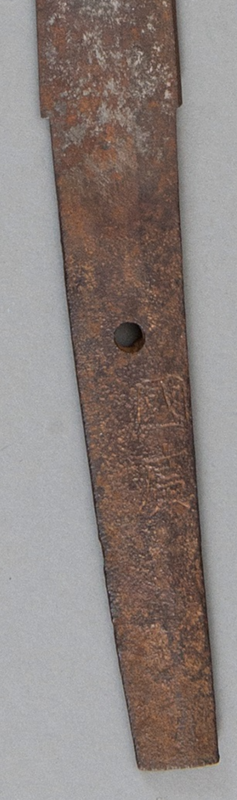
-
WW2 Japanese officers sword Yoshishige)
Brian replied to Swords's topic in General Nihonto Related Discussion
This is not a sales section. Make a new post there. -
hi Mark, I have never seen this one before. typical work for the period.
-
200350 and 204013 SOLD
-

an oshigata book of modern Japanese swordsmiths
lonely panet replied to Karu's topic in Wanted to Buy
ask Grey Doffin.- 1 reply
-
- 1
-

-

katana mei pheasant leg
eternal_newbie replied to JeanEB's topic in Auctions and Online Sales or Sellers
Yes, kijimomo (雉子股) translates to "pheasant's leg/thigh". Although personally, I mentally translate it as "drumstick" -
When you say pheasant-leg, are you referring to the one labeled kijimomo? John C.
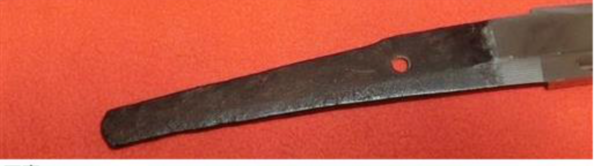

-
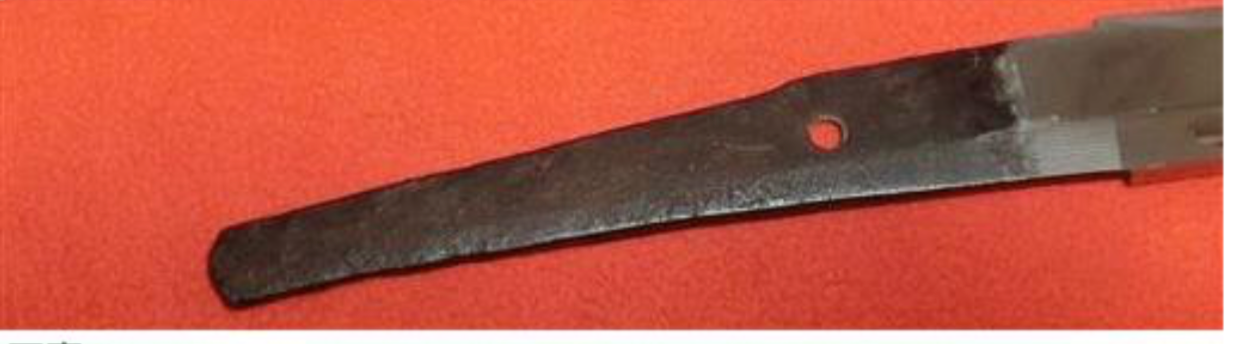
Hi guys and gals, was hoping to learn a little bit based on a current auction. I saw this listing online which raised a few red flags in my mind https://www.jauce.com/auction/l1224614494 while the nakago seems extremely aged up the rest of the blade looks much more recent with an intact boshi which is curious the pheasant-leg nakago in my mind does not belong with a katana-mei given two different time periods. Without even going into the mei veracity (it's likely gimei anyway), I guess my question is if anybody here has ever seen this combination of pheasant-leg, nakago patina and blade condition? or is it either a welded on tang or artificially aged one? Thank you for any insight
-

Paper level for big names / attribution
Julien replied to klee's topic in General Nihonto Related Discussion
Since Jūyō shinsa operates differently and is significantly more expensive than Hozon or Tokubetsu Hozon, it can sometimes feel somewhat unpredictable. If a session is particularly strong, with many exceptional blades submitted, the competition becomes very intense, and a blade may fail to pass if it does not stand out even among already outstanding works. So, it may not pass the first time, but could be resubmitted a second, third time... As a result, the process can be quite time/cost consuming for dealers. And as Robert pointed out, if the name and attribution stand out already, it can be enough, even without Jūyō papers or above... -

Paper level for big names / attribution
Robert S replied to klee's topic in General Nihonto Related Discussion
Or with those names, going from TokuHo to Juyo simply wouldn't provide any increase in value. In cases like these I suspect the value's in the name, not the paper. -
Wow!!!
-
Well not this one anyway! https://www.ebay.com.au/itm/188197194660 big money! $47
-
Well no surprise there - I have compiled my own book with dozens [at least 62] of tsuba designs replicated over and over [and not all cast copies] One particular pattern of the rain dragon has now reached 162 individual examples. A question better asked of Grev Cooke as he did the book - but yes I would say it was iron. A great number of guards were copied between schools so once again it is very possible for a design to be attributed to more than one school.

-
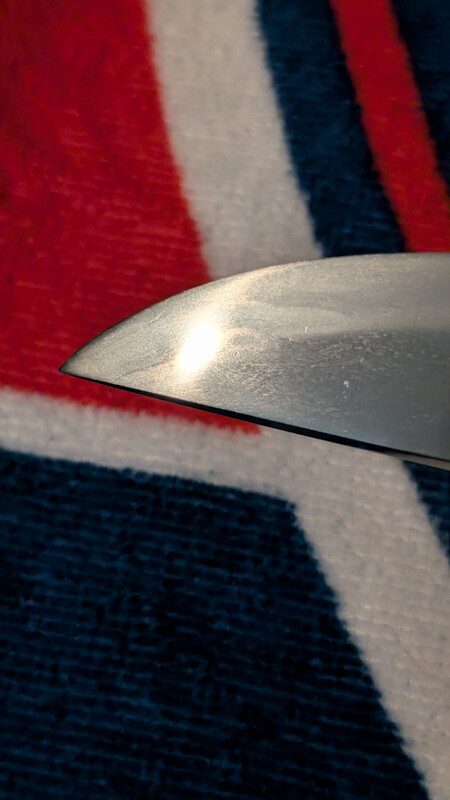
here are the rest.

-
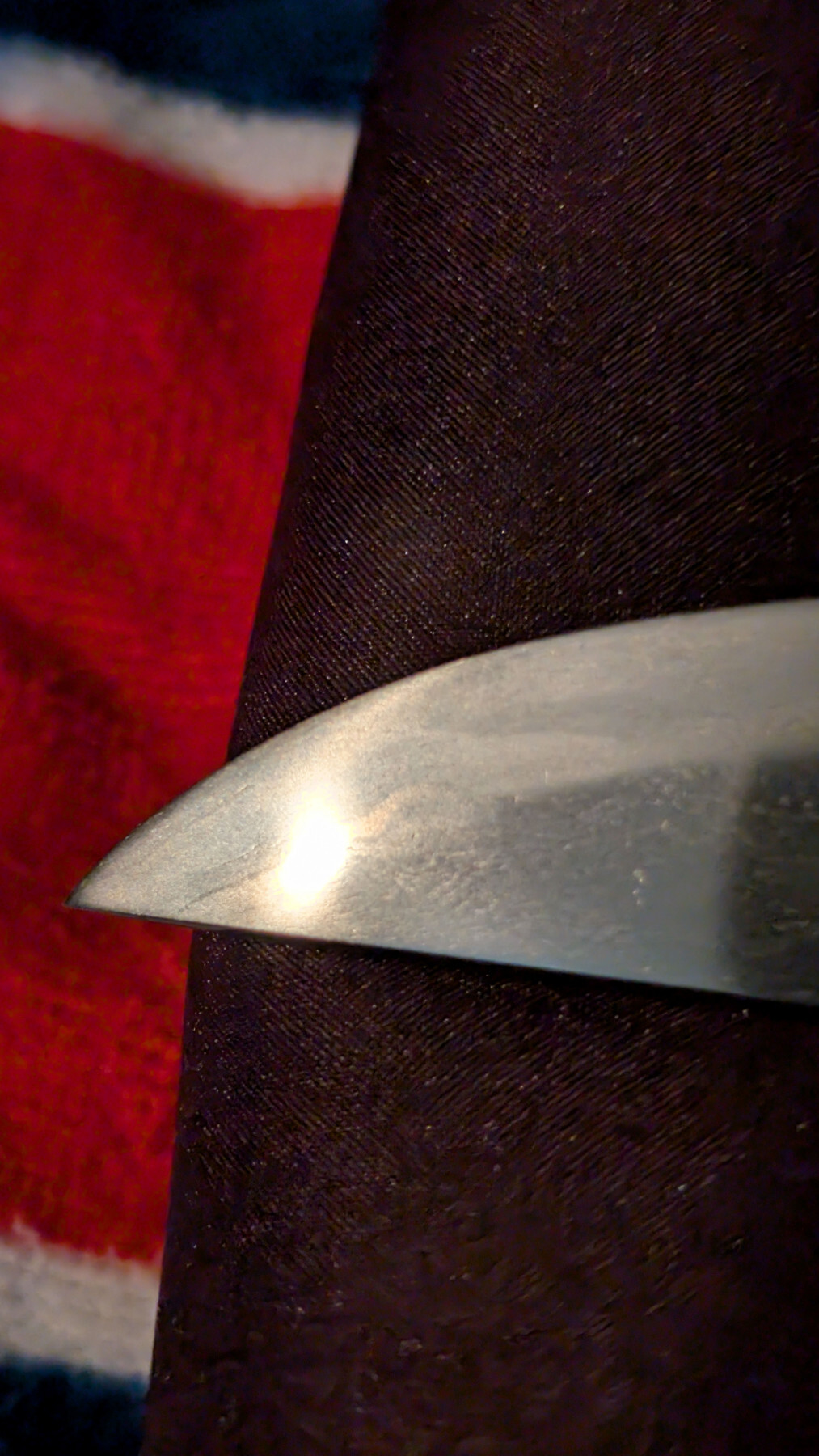
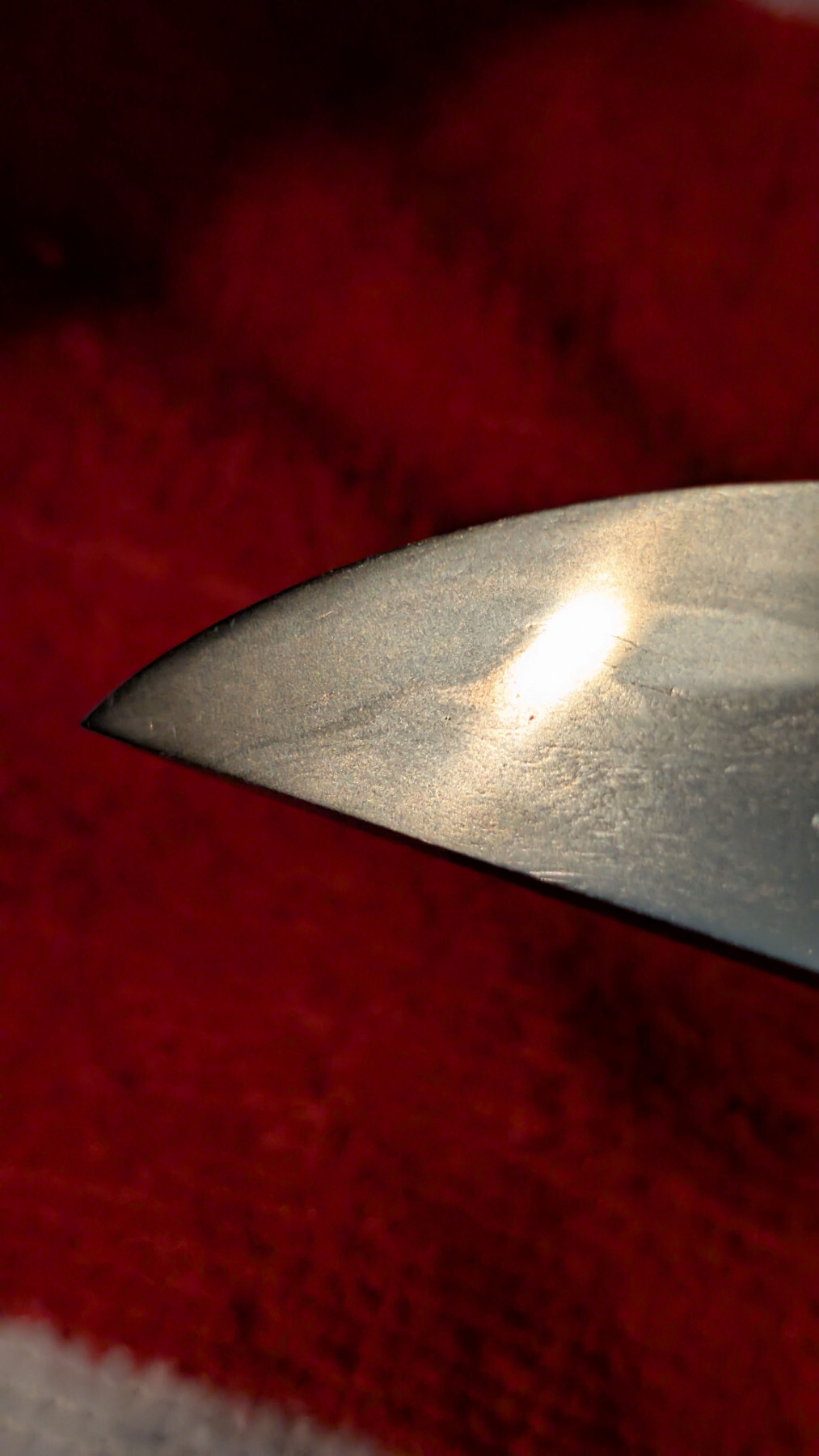
So I decided to take pictures of the boshi on the other side. Apologies for the background as the one I used previously happened to be dirty and this was kind of spontaneous. I suspect this boshi is ko maru with some nie or yaki kuzure. I tried my best to get a picture of the habuchi. These are the best pictures I could get.


-
Wow Dale, you're amazing!!! Thanks for looking in all those book for me and finding this image! No, the image you sent me isn't the one I saw in the book, because I remember the Tsuba being complete without any loss on the bird and the Tsuba photo being a black and white picture. In your opinion is the Tsuba in your book appear to be iron with loss of Gold Leaf? Interesting how in your book the Tsuba is listed as being Bizen school, but Robert Haynes and Mauro said they believe this Tsuba to be Shoami... Also, interesting is we have found at least three if not four Tsuba bearing the exact same design!
- Yesterday
-
 Here has been my experience. In the last year, I have made three purchases. Two were tsuba and I paid no tariff using code 970610. My last purchase, a kozuka, was after the first set of tariffs were implemented but then found unlawful. Whatever the new tariff is that was out on all countries, I did have to pay a tariff on this last purchase which is shipping out now. I used the same code that I had used for the tsuba, but this time it was not free. Jason
 -
Good Evening How do the high end collectors generally read into big names attached to mid level papers ? The 2 examples I see right now that jump out is the Den Go thats been talked about before https://www.aoijapan.com/katana-:mumei-unsigned-den-gonbthk-tokubetsu-hozon-token/ And a Shintogo Kunimitsu tachi https://eirakudo.shop/105943 With both big names having only TokuHo, is it reasonable to assume that both blades stayed at TokuHo due to the high probability of them being re-attributed to a lesser name if it went Juyo ? And is there definitive right or wrong path for an owner to take ? i.e try for Juyo or leave it at TokuHo Thank you for any insight as im not familiar with the general politics in the papering side when it comes to titanic names -Kevin