Scogg
-
Posts
1,930 -
Joined
-
Last visited
-
Days Won
20
3 Followers


About Scogg

- Birthday 08/25/1989
Recent Profile Visitors
24,764 profile views



Scogg's Achievements





-
Hi James @foxfire, welcome to the forum. I’m going to relocate this to the Military Swords of Japan section. There’s more people there that will be familiar with this type of sword. What you have appears to be a Field Grade Type 19 Kyu Gunto dress saber with a German blade. It looks real to me. Ive seen many of these with a huge variety of blade types; and a wide range of quality. I have one myself that also has a German blade. I would wait for further input, because these are outside my main focus. -Sam
-
@Itomagoi, I made your requested edits. Let me know if anything looks wrong
-
Are they more, or less radioactive than a banana? For context: It's a little ongoing scientific joke to compare latent radioactivity to a banana; because banana's have a slightly elevated level of radiation compared to other everyday objects/foods. https://en.wikipedia.org/wiki/Banana_equivalent_dose
-
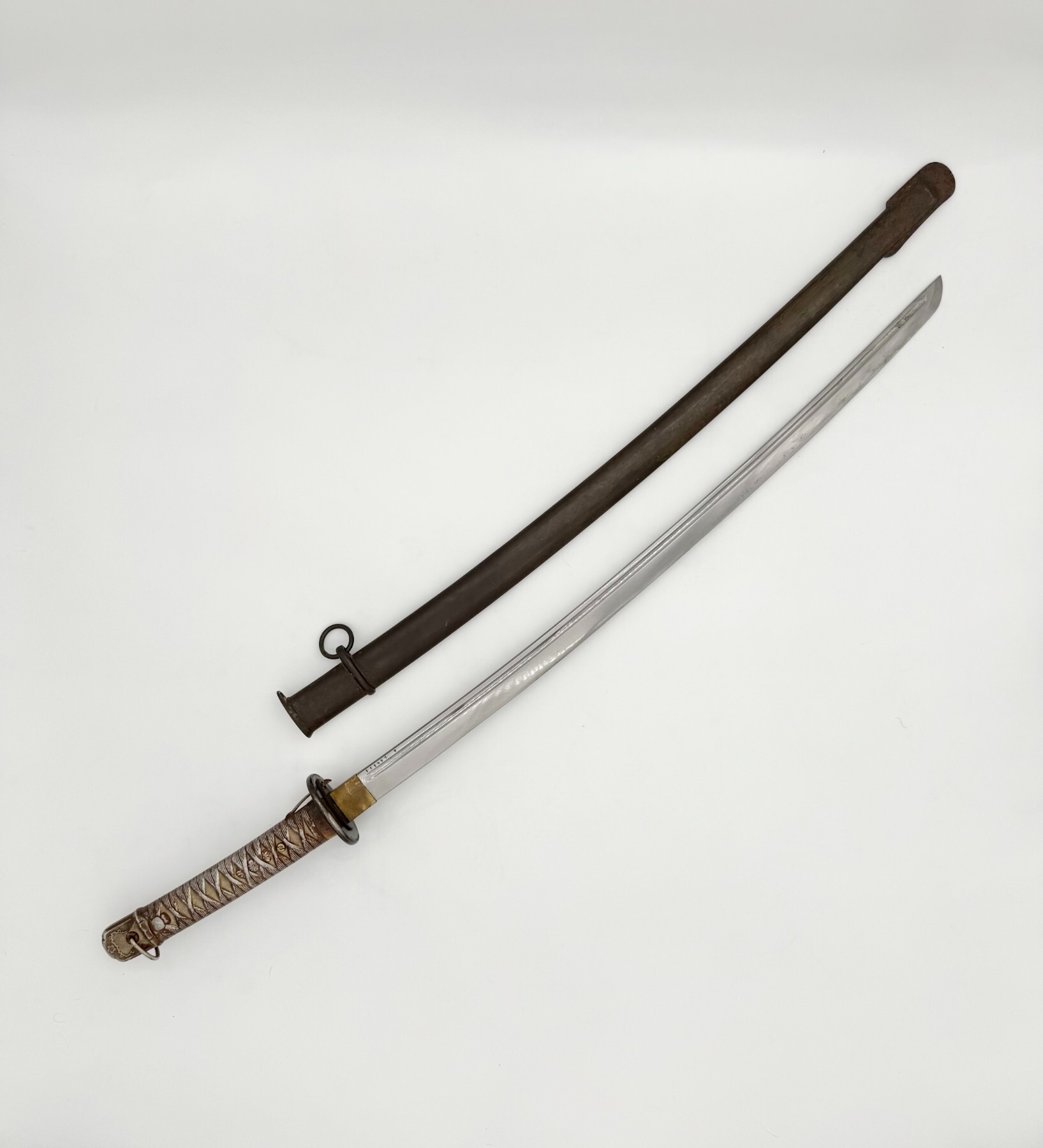
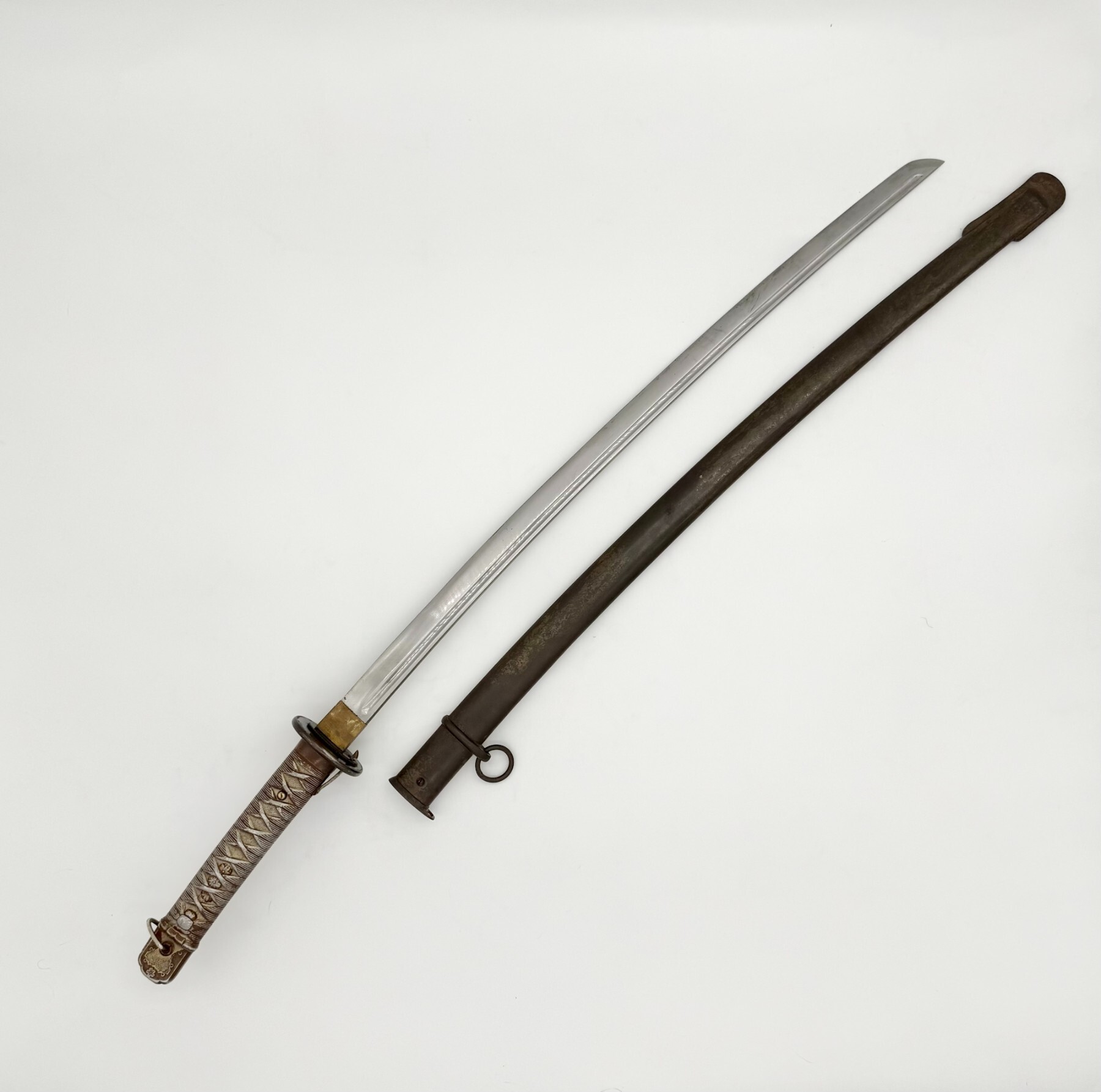
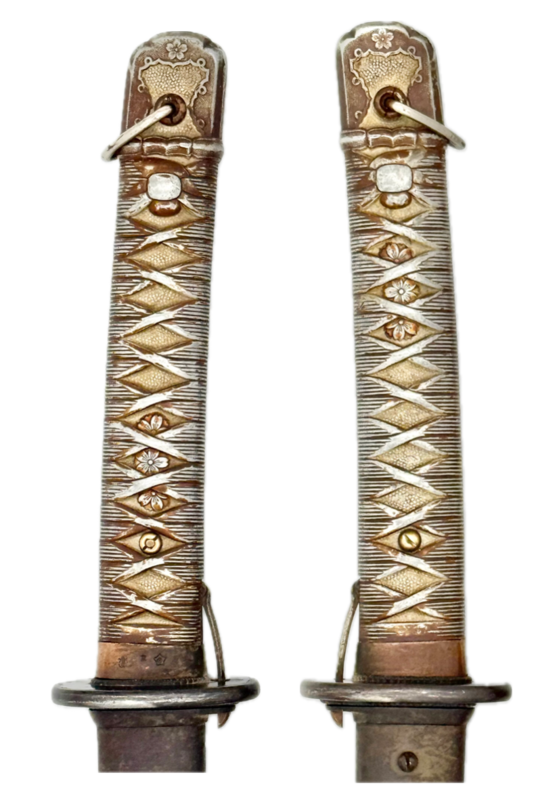
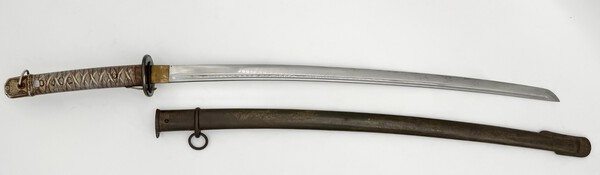
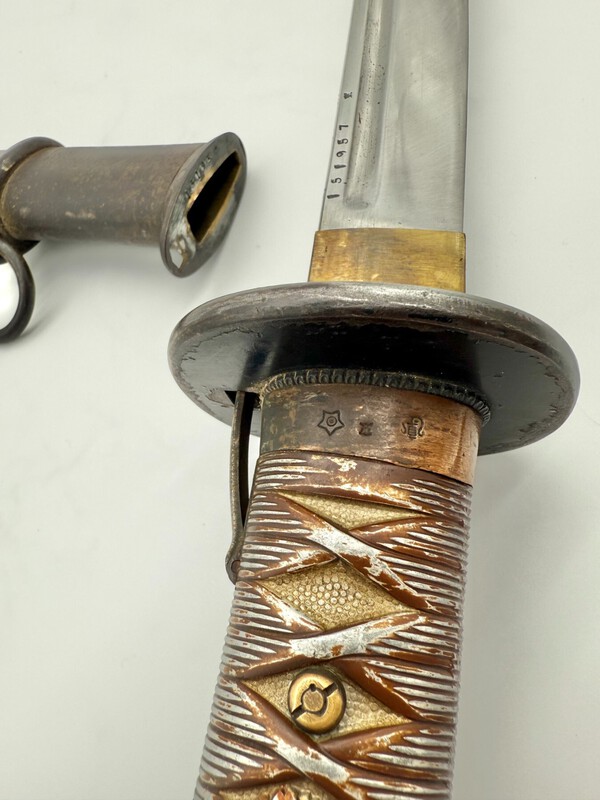
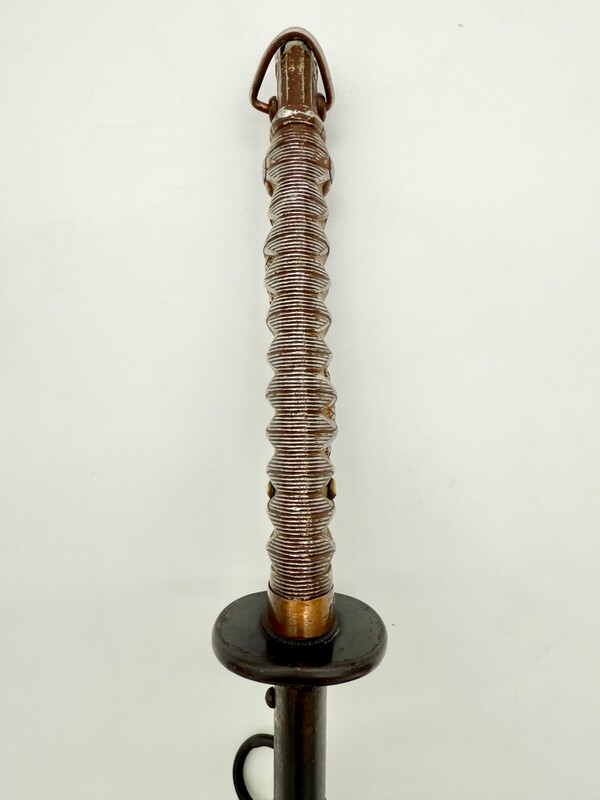
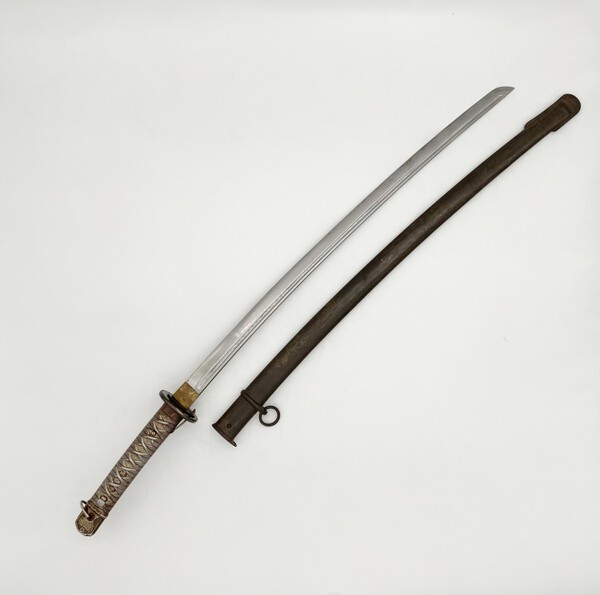
 I am offering for sale one of my Type 95 swords. These are machine-made blades, entirely NOT traditionally made. Produced during World War Two. This example was made later war in 1944/1945. It is in particularly excellent condition with matching scabbard number. No chips or bends in the blade, and no rattle in the fittings. The blade may have been polished at some point, but is original and in great shape. I believe the paint is also original, but fading away. Variation #4 Type 95 Military Sword with Aluminum Hilt, copper ferrule, and Steel Tsuba made by Suya Shōten with Tokyo first army arsenal (TŌ / 東) inspector stamps and SHA stamp on the drag of the scabbard. Type (Tachi, Katana, Wakizashi, Tanto, Naginata, Other) : Machine made military sword of Japan / Katana Ubu, Suriage or O-Suriage : Ubu Mei : (Mumei, Signature) : None Era/Age : Later World War Two / 1944-1945. Shirasaya, Koshirae or Bare Blade? : Full original koshirae. Nagasa/Blade Length : 26.4 inches. Hamon Type : No hamon, non-traditional, machine made. Jihada : No hada, non-traditional, machine made. Flaws : Some light rust in the fuller/bohi, and paint faded over time. Sword Location : Oregon, USA. Will ship to : USA only. Payment Methods Accepted : Paypal Friends and Family, preffered. Price and Currency : $1250, Free Shipping in USA If sold here, I will donate $50 to the board. Suya 株式會社壽屋商店, Harp Logo = KK Suya Shōten = Suya Shop Co., Ltd. 東 TŌ 東京第一陸軍造兵廠監督課, Tōkyō 1st Army Arsenal Supervisory Section. Tokyo 1st Star 東京第一陸軍造兵廠標識 , Tōkyō First Army Arsenal trademark. Stamp on drag of scabbard = 社 = SHA = 各民間工場 , Each civilian/private factory.





-
- 3
-

-
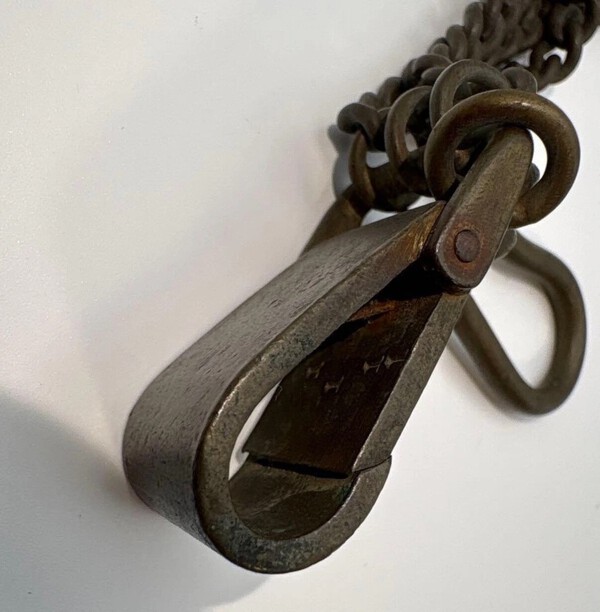
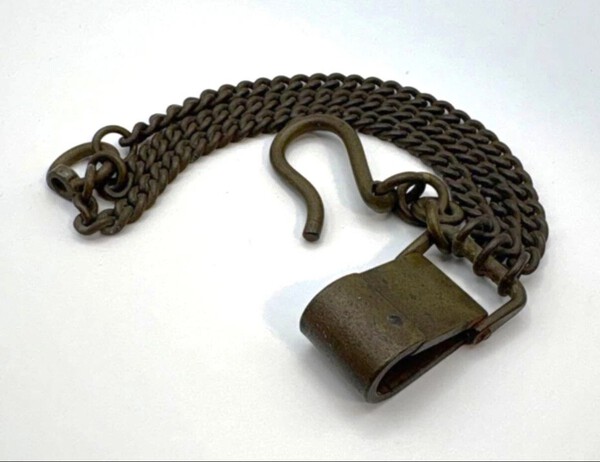
Here is an interesting one, of a style/type that I have not yet encountered. With the numbers 1 1 1 1 stamped inside, or maybe four uppercase I’s. Thoughts on authenticity? Looks aged enough, and those numbers are a pretty subtle detail. https://ebay.us/m/T6AGNX Best, -Sam
-
@Rawa, the kobuto-gane is kind of ugly? You often find these "Civilian Guntō" with weird kobutogane situations. The older swords that were converted often did not have a way to secure a tassel; so a way to add a tassel was fabricated by either adding a crude kobutogane, or by other creative means. I've even seen some with the tsuka drilled through and a sarute added to the "drill hole". Best, -Sam
-
Tsukamaki gets messed with so frequently, it should not be the by-all-end-all identifier. I once found an Kamikura period blade in military mounts, and the tsukamaki was terribly done and super loose. A lot can happen in the 80+ years post-war. Like Vajo said above, likely an older blade converted for military use. During the war, to supplement the need for sword production; many older swords were sourced from the public to be fitted for military use. They did this by adding a hanger and leather cover to the wooden scabbard, or making a new scabbard with leather cover + hanger. You often see this type of configuration referred to as "Civilian Guntō". If you google that, you'll find some more similar examples. I think @Bruce Pennington has more understanding about Gunzuko and what they carried. There are many possibilities, it's hard to know for certain. -Sam
-
I believe it's a lightly struck Nagoya army arsenal stamp. I see a lot of these on 95s, and it looks about right 名 na 名古屋陸軍造兵廠監督課 , Nagoya Army Arsenal Supervisory Section.
-
I suspect it's suriage, with atobi (Bohi grooves added later by someone other than original smith). https://nihonto.com/about-swords/glossary/ Can't help with smith/school, but I suspect this is an old blade. I would guess Nanbokucho to early Muromachi. Take my age estimate with a big grain of salt, I'm just a collector and not an expert. Best, -Sam PS. I agree with the above about the 8 stamp on the tsuba. I think it likely has more to do with assembly than symbology in my opinion.
-
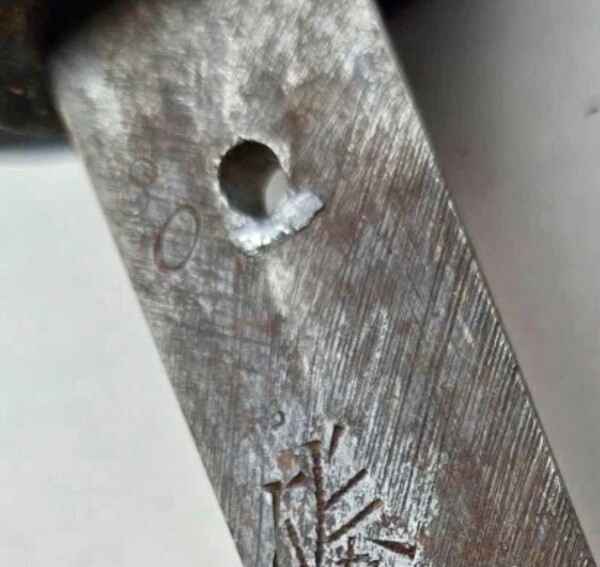
It’s tough to see, but a bit more clear on the eBay listing https://ebay.us/m/gf3qxN Best, -Sam
-
Orlando 2026
Scogg replied to stackinnutts's topic in Sword Shows, Events, Community News and Legislation Issues
I have officially planned my trip! Coast to coast! Looking forward to meeting some of the east coast folks. All the best, -Sam -
I think it's worth mentioning for the sake of broader discussion the possibility that additional mekugi-ana can, in some instances, be added later with the intent of making a nakago appear older or mounted more over time. I’m not suggesting that’s what’s happening here, only that it’s an idea I’ve come across in conversations with more knowledgable collectors than myself; and it may be another angle to keep in mind when looking at unusual examples like this. -Sam
-
I’ve always found it a little confusing as to why the terms are used the way they are. I think what we’re dealing with is literal translations versus what collectors have normalized. I imagine it would be hard to change. This link explains how the terms are generally used. While it helps explain the semantics of the topic, I think it has also helped solidify those semantics into the collector colloquialism. https://japaneseswordindex.com/showato.htm I’m sure someone who is fluent in Japanese has a better understanding than me. All the best, -Sam
-
Thanks Bruce, @djthomas1, I have relocated your inquiry to the Military Swords of Japan section. I think it fits more appropriately in this section, and I believe you'll get better and more focused input here. Below is your image oriented so people can read it more easily. Best of luck, -Sam (Image mirrored for some reason)
3.thumb.jpg.a5a389c1b1c982903b1fdbc0a4d9d5e5.jpg.a3de3b395d4cd2e4e1cc42468b1b5078.jpg)
-
For sale on eBay currently. https://ebay.us/m/9cY45W Not my item, -Sam