Scogg
-
Posts
2,011 -
Joined
-
Last visited
-
Days Won
20
3 Followers


About Scogg

- Currently Using Personal Messenger
- Birthday 08/25/1989
Recent Profile Visitors
26,799 profile views



Scogg's Achievements





-
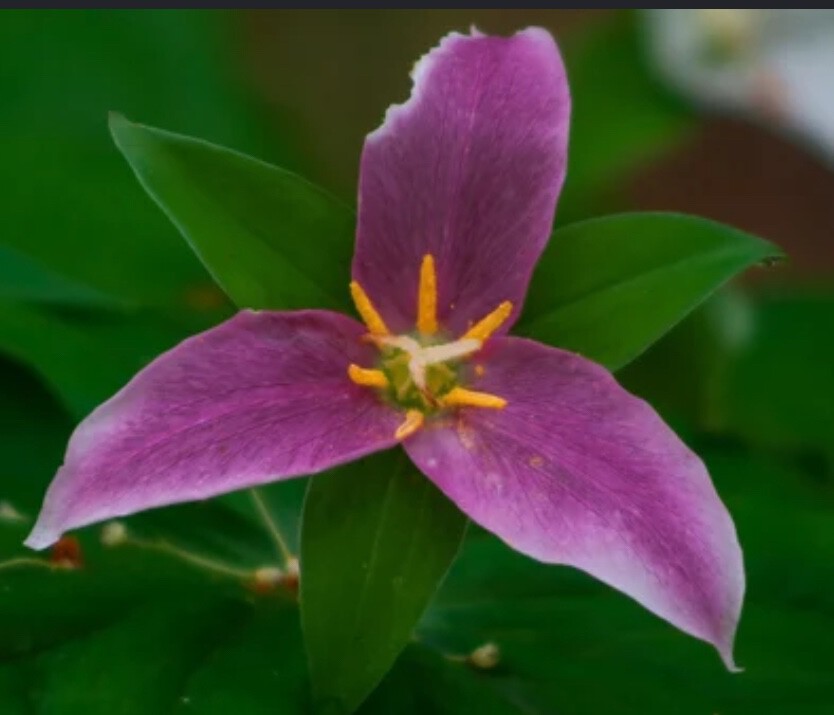
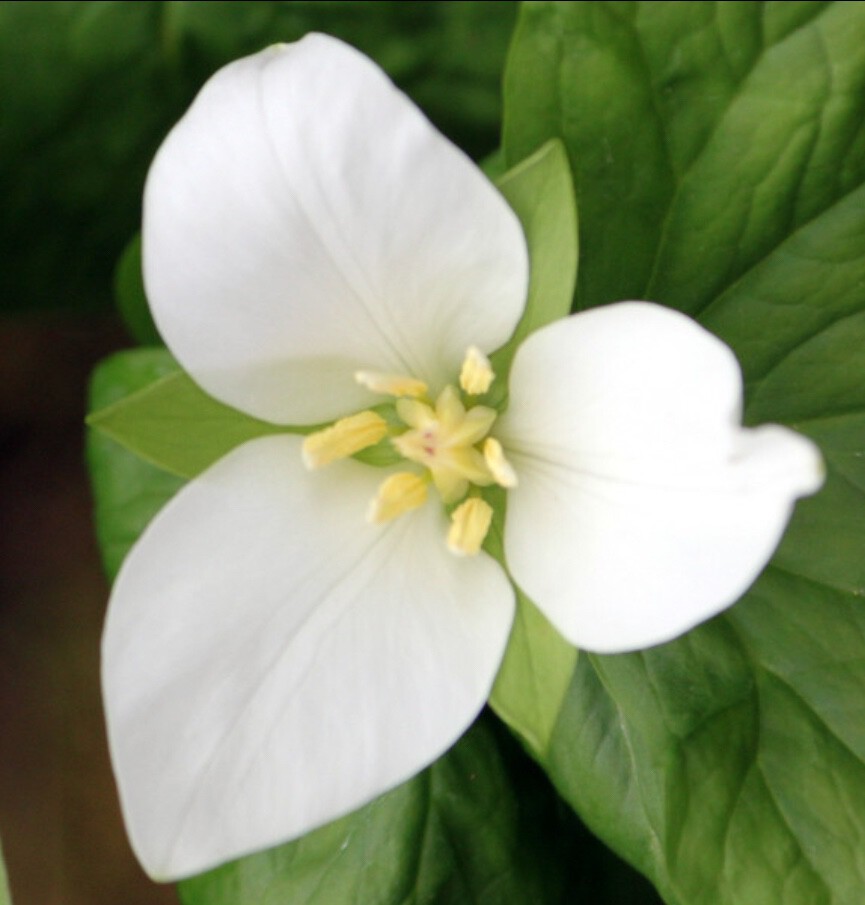
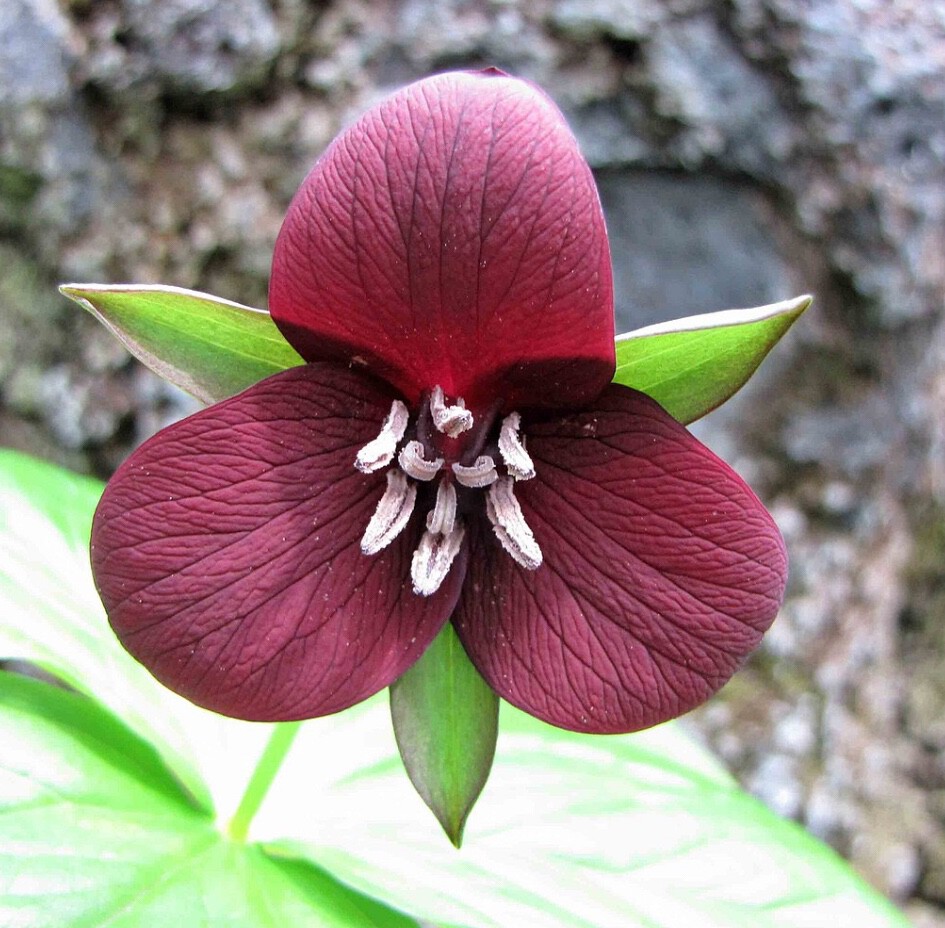
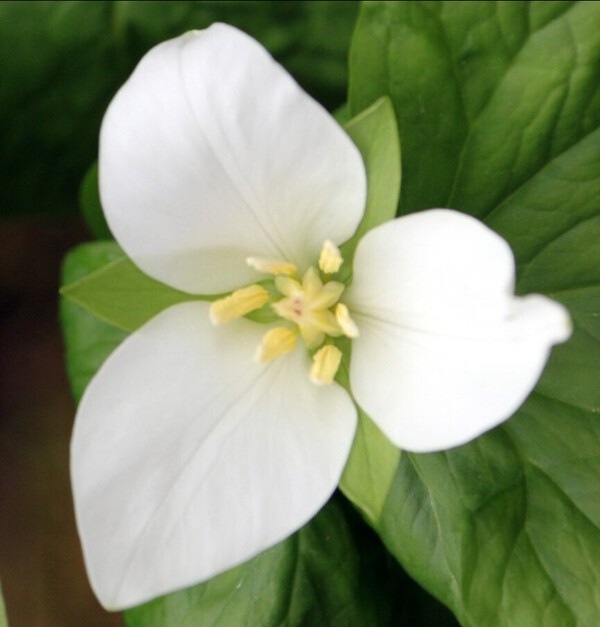
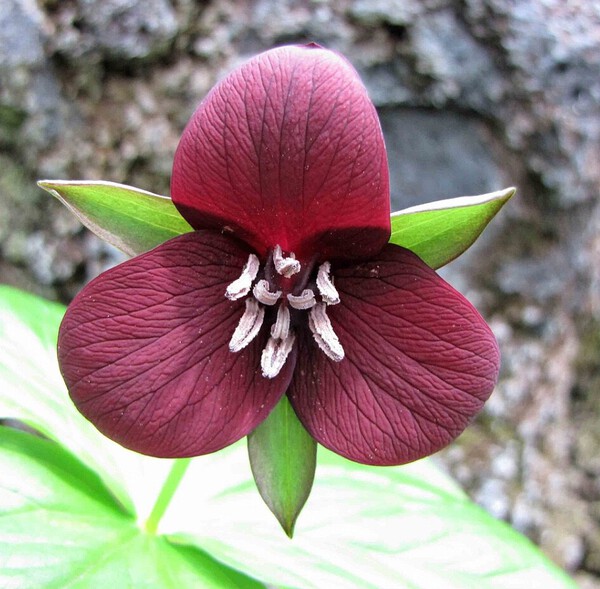
Apparently there are a few trillium varieties native to Japan, but I’m not familiar with Japanese native flowers. I think it looks a lot like trillium. Trillium is a really interesting wildflower that also grows out here. It can take up to 10 years to mature and bloom.


-

Need Help Deciphering an Ink Inscription on a Japanese Daruma Figure
Scogg replied to Juan's topic in Translation Assistance
Oriented for legibility

-
Help with identifying Sword
Scogg replied to Ashbashryan67's topic in General Nihonto Related Discussion
Good advice Bruce. Short of a rubber mallet, two chunks of wood can work good too. If the tsuka is stuck on the tang, avoid prying or applying excessive force. Instead, I like to use two small blocks of wood to help loosen it safely. 1. Place one block of wood firmly against the washers (seppa) and tsuba (guard). 2. Hold the sword securely and position the second block of wood against the first. 3. Using controlled, gentle taps, strike the first block with the second block to transfer force to the tsuba. 4. Continue tapping until you feel the tsuka "break free" or release from its seated position on the tang. 5. Once loosened, the tsuka should slide off much more easily by hand. Take care to use only light, controlled impacts. Excessive force can damage the tsuka, tsuba, or other fittings. Sorry it's been such a journey! But that's half the fun. Best of luck and be careful. -Sam -
MILITARY books By Richard Fuller & Ron Gregory
Scogg replied to Marcin's topic in Military Swords of Japan
I went ahead and purchased myself a copy of this book, luckily our very own Mr. Singer had a copy for sale. Mine is signed by the author, and numbered in the 230's. It's a nice little book, and pretty interesting. There's a good amount of nakago oshigata. Additionally, theres a little instruction page on reading kanji, mei, and dates. There is also a list of "nakago translations, found in military fittings" that represents the wide variety of swords you may find fitted for the war (from nambokucho period blades, shinto, to gendaito, and shawato). Additionally, there are some hand drawn illustrations about how to tie tassels, there's a photo of hanger chain styles and belt types. There is also a photo of a souvenir dagger in shirasaya, listed as a "kamikazi knife"; I wonder if this is where that idea/theory was first published in English... Overall, it's almost like a "collectors guide to Japanese military swords", and unsurprisingly has a little bit of outdated info. Still a nice resource. Considering the publication is over 50 years old now, maybe I will share some of those tassel / hanger / belt pages to our respective educational forum topics. All the best, -Sam -
Help with identifying Sword
Scogg replied to Ashbashryan67's topic in General Nihonto Related Discussion
The fittings are real, and WW2 era. The blade could be wartime, or older, but impossible to know until we can see the tang. The photo that the nephew gave you shows a different sword in the image. Note how the piece of paper shows an image of a sword with a different style handle (look at the diamonds in the wrap pattern), and a different scabbard. -
Saya matching for Type 95 NCO swords?
Scogg replied to brentlewiis's topic in Military Swords of Japan
I have not yet encountered Blade# 117949 or Scabbard# 103062 in my cataloging efforts It could appear someday, but I have not yet seen either personally. According to my records, your sword was likely manufactured prior to September 1942. Best of luck, -Sam -
It's always been my understanding that piercing wasn't necessarily the goal. A spear thrust carries a lot of momentum, and even if it doesn't penetrate armor, that force can still knock a man from a horse, dent metal, damage joints, crack bones, and/or incapacitate a person. It's probably worth noting that this is not the predominant shape of yari that we encounter, which leads me to suspect it could have a more specialized use. It's easy to speculate, but let's not forget that these items are from a long time ago from a culture we may not entirely understand. Speculating is fun, but short of some good data or expert input, it's just that. All the best, -Sam
-
Hi Brody, welcome to the forum. It’s hard to say much from the photos provided. What we can tell you is that the fittings are Type 98 shingunto fittings with a leather combat cover on the scabbard. The blade inside could be wartime or older, but we cannot tell unless the tang is shown (preferably on a dark non reflective background, oriented so the blade tip is north and tang is south.) Skip ahead to minute mark 6:40 for instructions on removing a blade from its fittings. Best to take it slow and be very careful. Do not do anything to remove rust or alter the patina on the tang. It could severely hurt the value. Best of luck and cool sword. -Sam
- 1 reply
-
- 2
-

-
The trillium flower is what immediately comes to mind, although I cannot find a corresponding mon in my Hawleys family crest book. Maybe a rabbit hole to follow. -Sam
-
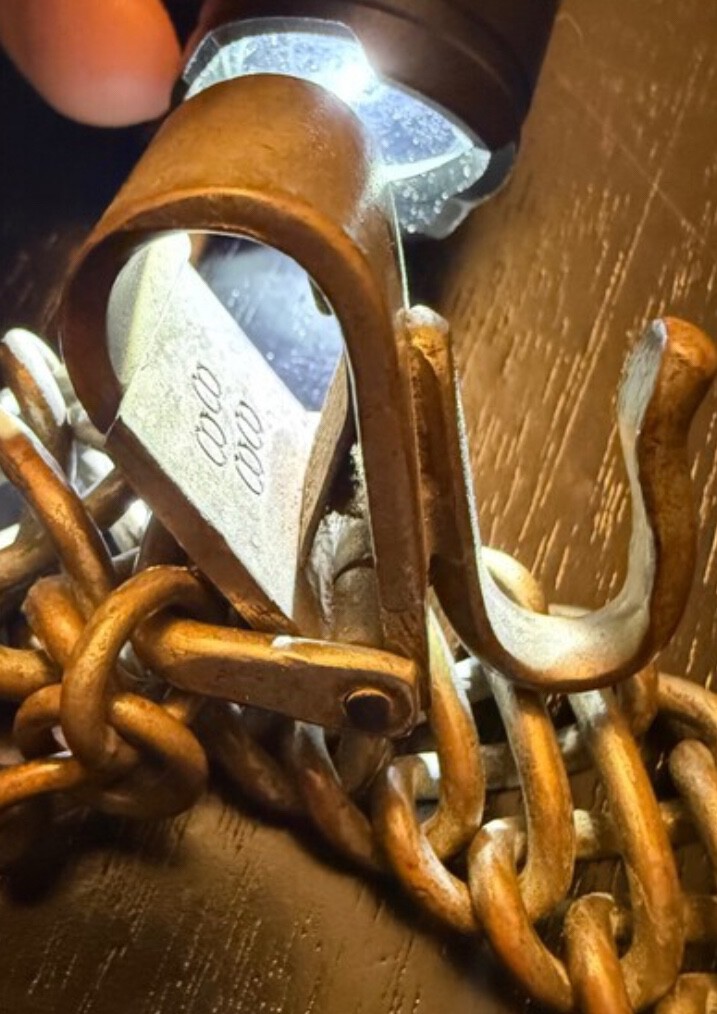
Hi @Mark C, Does your hanger have any numbers or stamps inside the large clip? Like this?

-
Saya matching for Type 95 NCO swords?
Scogg replied to brentlewiis's topic in Military Swords of Japan
Hi Lucian, It's a noble idea, and it would be nice to reunite mismatched swords with their saya. However, the chances of it working out in practice are very low. The main issue is that a mismatched sword and saya are not necessarily linked to another corresponding mismatch. For example, if sword #1,000 is currently paired with saya #3,000, that does not mean sword #3,000 is paired with saya #1,000. All it tells us is that sword #3,000 must also be mismatched. Its mismatched saya could just as easily be #8,000, or any other number. So, while I think it's a worthwhile idea, I suspect the number of successful reunions would be quite small and exceedingly rare. For what it's worth, I keep a running database of these swords, including stamps, serial numbers, and saya numbers. I have around 1,000 entries at this point, and after a quick look through the records, I could not find a definitive mismatched saya that matched a known blade's serial number. I'm sure they are out there and will turn up in time, but of the roughly 200,000 swords originally manufactured, and considering what has survived today, it would be a rare thing. Most of the swords that I encountered and cataloged have matching saya, which was a surprising revelation to me when I started this project. That said, if you have a sword serial number and saya number that do not match, I would be happy to search my archive to see if I have encountered the corresponding mismatch during my cataloging efforts. All the best, -Sam -
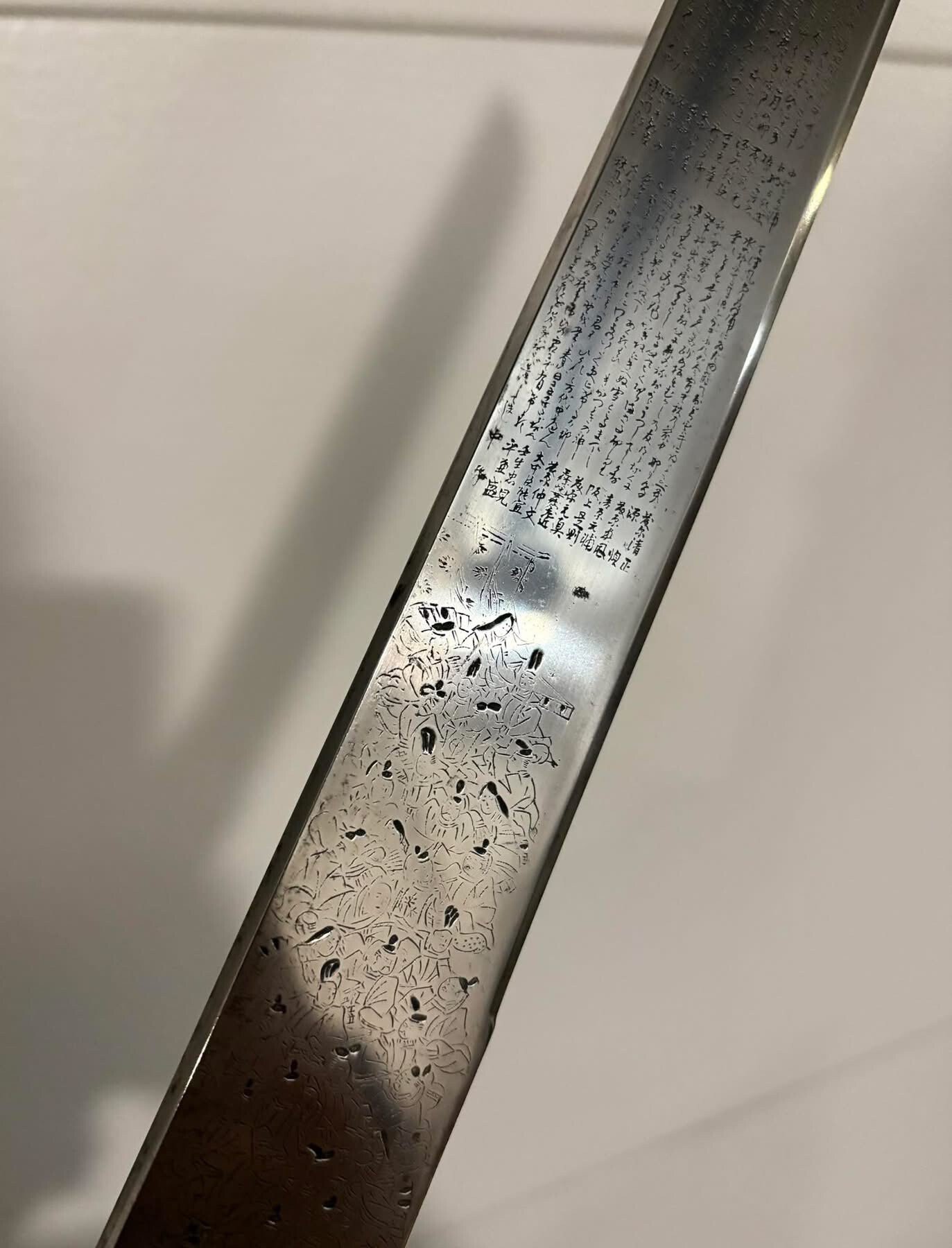
Tanto with horimono hidden behind kusarigama 36 poets
Scogg replied to Marcin's topic in Auctions and Online Sales or Sellers
Thank you Julien. Here is the example that Raymond Yan shared on his Facebook page. Likely not the same exact sword? Looks like he just shared this one image. But nice to see the engravings a bit more focused / up-close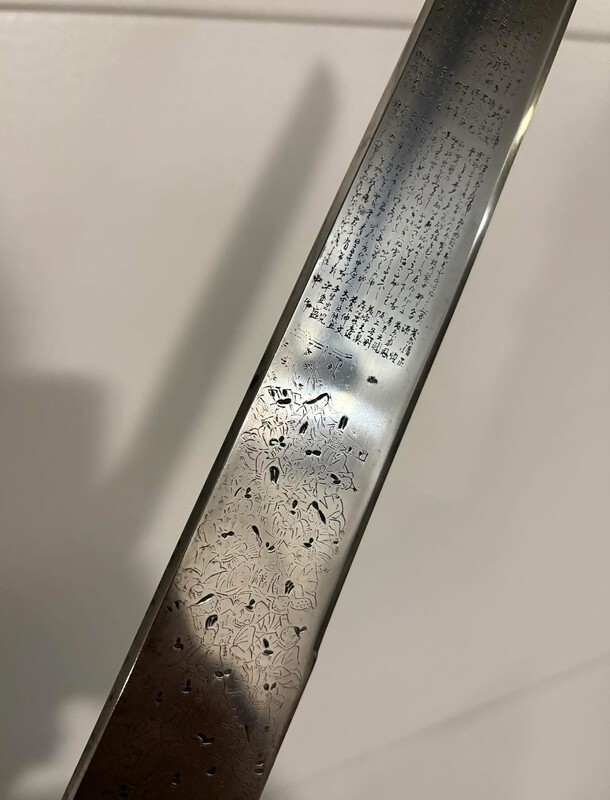
-
Tanto with horimono hidden behind kusarigama 36 poets
Scogg replied to Marcin's topic in Auctions and Online Sales or Sellers
I saw a nearly identical Tanto horimono on facebook recently. Described as depicting: 三十六歌仙 "Thirty-Six Immortals of Poetry" https://en.wikipedia.org/wiki/Thirty-Six_Immortals_of_Poetry -
My interpretation below: "Leather combat cover" is the term generally used when leather is applied to any saya at any time. This includes the metal 94/98 scabbards. "Late stage type leather-binding wooden saya" on the other hand would be primarily for blades that previously had a wooden saya, usually but not always civilian or blades donated to the war effort. A metal hanger would be added in place of the kurikata, and then the leather added. Thoughts? -Sam
-
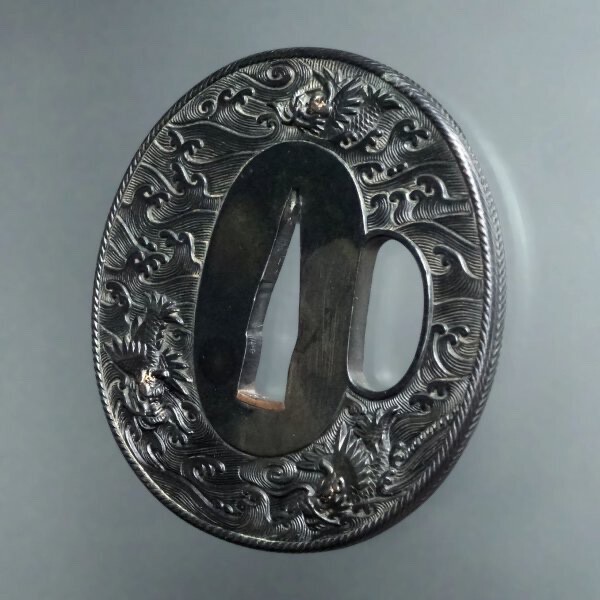
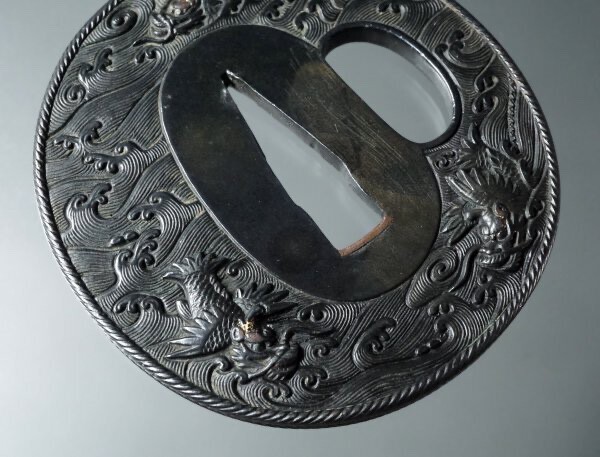
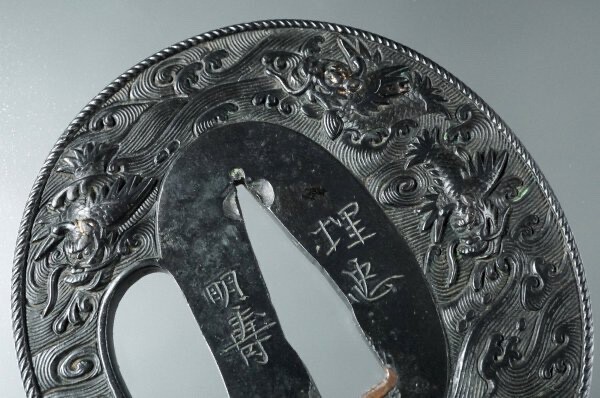
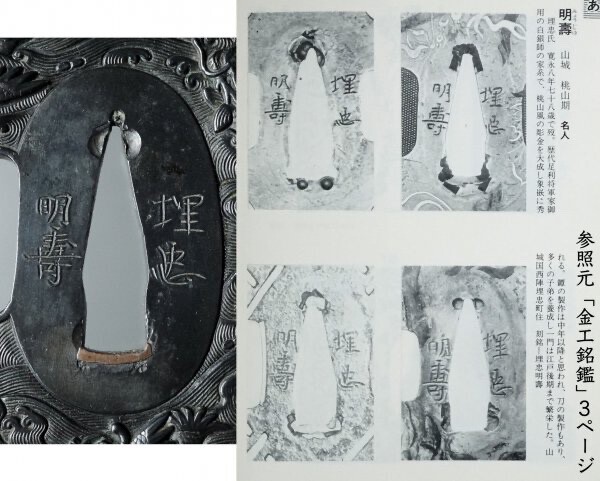
Here you go @Geraint, and those of you who cannot open the link. I find the mimi impressive and interesting. I have not yet developed the “eye” that you tosogu folks have; but I find the piece attractive. I’ll have to practice a bit with Curran’s procedure. Could be a nice pickup for someone IF it were to sell for gimei prices. Regards, -Sam