Bruce Pennington
-
Posts
14,653 -
Joined
-
Last visited
-
Days Won
176
Content Type
Profiles
Forums
Events
Store
Downloads
Gallery
Everything posted by Bruce Pennington
-

Amahide called "Koa Isshin" by Buyee!!!
Bruce Pennington replied to Bruce Pennington's topic in Translation Assistance
Thanks guys! I bet the seller knew better, but wrote it up that way to avoid any hangups from local laws. Appreciate the help! -
These are sometimes faked, but the one you are posting is legit.
-
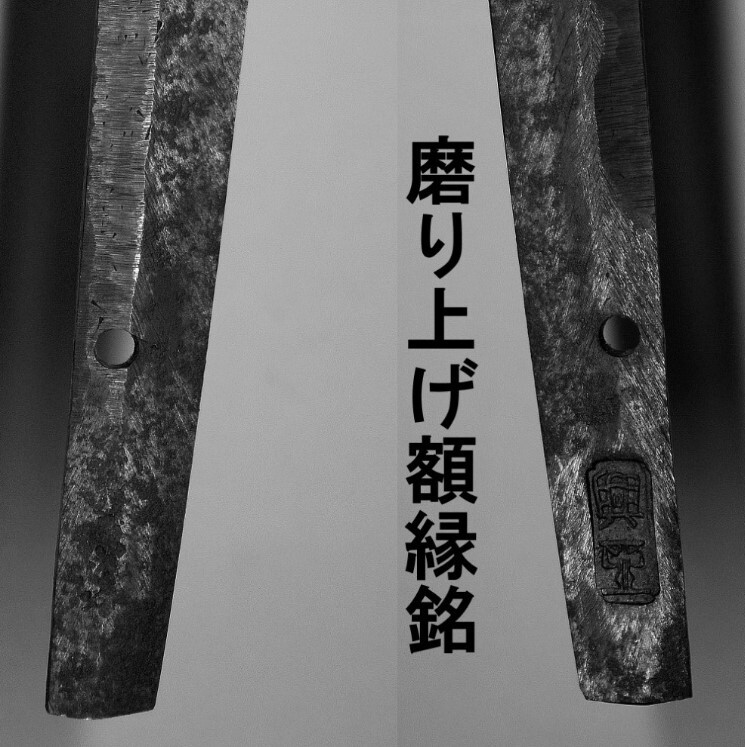
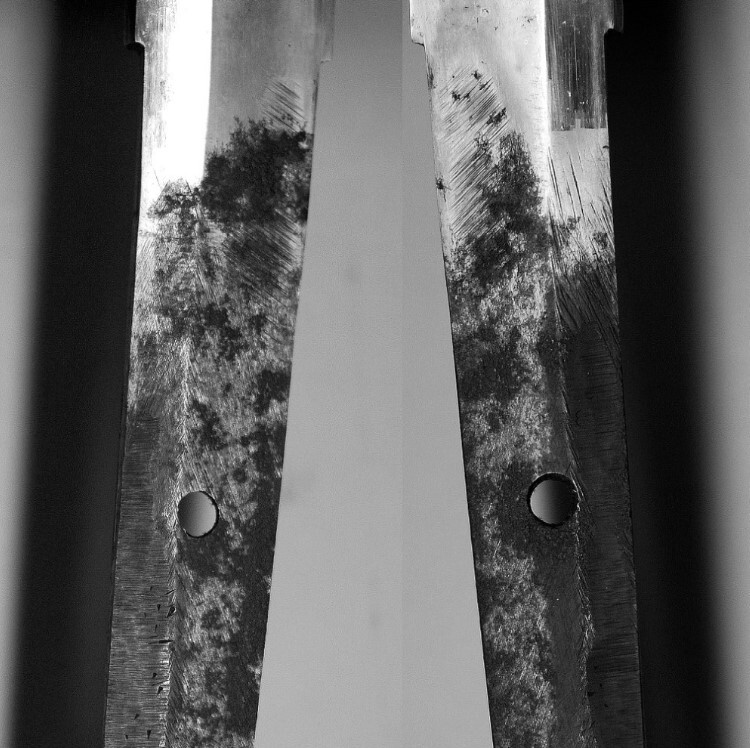
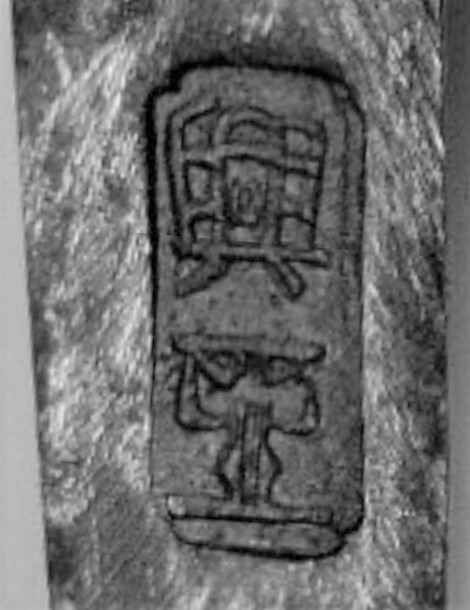
Good Morning guys! Here's a fun one! John @PNSSHOGUN sent me a link to a Buyee sale of a blade with the mei and date badly removed, but it still has the hotstamp. The sale page describes the blade as a "1945 Koa Isshin by Mantetsu" HA! I'm assuming they concluded that because the first kanji of the stamp is "Koa". But we know, thanks to @mecox the stamp is of the Koa Token Sha, "a company founded by a group of retired servicemen to support the war effort. It was the parent company of the Seki Nihon To Tan Ren Jo of which Amahide (Hideyoshi san) was president. Amahide was also running Tan Ren Jo as a commercial operation. [from Malcom Cox]" I have only seen the stamp on a couple of blades, but they were both Amahide blades. Here's the ad: https://buyee.jp/item/yahoo/auction/e504975921 What I'm curious about is the meaning of some writing placed by the stamp: I'll add some of the pics here for posterity, knowing the auction pages will someday go extinct:


-
"FOUND" Desirable sword belt
Bruce Pennington replied to tokashikibob's topic in Military Swords of Japan
Ha! One of the Murphy's Laws of the Universe! But sorry, must be a case of mistaken identity as I only collect WWII gunto. Love the looks of the Nambu, but never owned one. -
Translation Assistance on a WW2 Sword
Bruce Pennington replied to Foo Dog's topic in Translation Assistance
Okay! That's what I"m talkin' about! Another numbered Star-stamped RJT blade. Going right into the files. Thanks Antonio! -
Rinji Seishiki Gunto with only 1 mekugi-ana
Bruce Pennington replied to Gunto's topic in Military Swords of Japan
Ha! With gunto anything is possible! I have seen a few with 2 holes in the blade, but only 1 on the tsuka, so this combination doesn't surprise me. There are other guys here that know more about fittings than I do. Maybe they can say whether that tsuka matches the saya. They do seem to be different in appearance - tsuka parts glossy/shiny, saya parts dull? -
98 Gunto - Your thoughts and opinions
Bruce Pennington replied to Sodeska's topic in Military Swords of Japan
Well, as the saying goes, "It has a face only a mother could love!" Ha! Glad you enjoy your gunto. Is it your first? At first glance, it appears to be an old work-horse of a blade, re-fitted for a Gunzuko officer. If all original from the war, the guy must have used a lower-end shop for the re-fit, as the habaki doesn't fit the blade. Unusual. Someone, post-war likely, has "polished" the tsuba and menuki too much and removed the original coloring. It is possible the blade was re-fitted by a dealer, post-war. From the pictures (which may not be fair), the handle wrap looks unused - no hand-oils or wear on the back edge. And the rayskin looks new. Again, that may the lighting. When you get a chance, take one of the thick black seppa from the back and move to the front so there is an even number of matching seppa on each side. I apologize for sounding a bit negative. I believe it all to be legit WWII stuff. Whether it's been re-built post-war sort of doesn't really matter as blades were re-fitted many times in their lifetime. And in reality, I could be wrong about the post-war theory. Welcome to the World of WWII Gunto! -
Kyu Gunto with Nihonto blade
Bruce Pennington replied to Kaiser21's topic in Military Swords of Japan
A “mon” is a crest. The Toyota emblem is a mon, as is the tail emblem on JAL aircraft. A “kamon “ is a family crest. You can try posting it on the Help with our Mons thread. -
Type 19 Dress (or parade) sabre. Used for photo ops, parades, formal occasions. Not tempered, so not a weapon. Started in 1886, but used throughout WWII. http://ohmura-study.net/988.html
-
Help Identifying Sword...Real or Fake???
Bruce Pennington replied to Clifford's topic in Military Swords of Japan
Texas has some pretty hot summers, and with the green-house effect of an outdoor garage , whew! I wouldn't store it in a garage at all. Steel needs controlled humidity (42-7%, if memory serves me), or protection from it. I live in Colorado, so I don't even have to worry about it, but your climate demands some maintenance to preserve your blade. The links above will walk you through cleaning and oiling. It should be done on some sort of regular basis (quarterly, semi-annually, etc). I keep mine in their saya, standing up in a gun cabinet. The Japanese keep them horizontally in drawer cabinets. And there are a hundred other ways guys use. Your blade looks good, so there's likely no rust inside the saya. I've disassembled mine and cleaned with copper-wool due to rust and stains. The wooden liners can hold rust and stains from having water inside during the war. Here is a thread discussing display ideas: Show us your Gunto Display -
NCO sword on Ebay
Bruce Pennington replied to ChrisAWilson's topic in Auctions and Online Sales or Sellers
Agreed. A good example of the Type 95 with Tokyo 1st Army Arsenal star stamp, which puts the manufacture date at 1942 or later. -
Translation Assistance on a WW2 Sword
Bruce Pennington replied to Foo Dog's topic in Translation Assistance
Antonio, Is that "69" the full number, or is there more to it and are there matching numbers on the fittings? Is there a small stamp on either side? Is this in kaigunto mounts? -
Help Identifying Sword...Real or Fake???
Bruce Pennington replied to Clifford's topic in Military Swords of Japan
Cliff, Nice Type 95 you have there! Good call on the date, though Shamsy and/or Stegel will likely refine that for you (I'm usually off by a year every time I guess). You should start reading up on these at Ohmura's website: Non-commissioned officers Gunto. A wealth of info there. The black on the saya looks like a bad post-war Bubba-job, but I've been terribly wrong about my own gunto regarding paint, so don't put much weight on what I just said. These are being discussed HERE. -
Ah yes, I remember it. Thanks!
-
Light weight/Dress Shingunto
Bruce Pennington replied to ribendao's topic in Military Swords of Japan
Jonathan, In my experience, the norm is the kind that covers the end of the saya fully, with slot cut for the blade. The kind that is simply a band around the outside is the exception, found more on civilian swords and wooden saya with leather cover. Dave, John, or others may have a correction/addition to that as I don't really study fittings that closely. -
Interesting one, shaped like a mountain (Fuji mabye?). Not very intricate, like some of these others, but I like it because the artist modified the usual square shape of the habaki to create the image, rather than using the face of the surface to cut an image. Owned by Alva (Karusk) and posted HERE.

-
Alva, I like the habaki too! Still amazes me to see the work and detail those guys went to on parts, to me, that would have just been utilitarian. Instead, they made everything a work of art. Adding this to the growing habaki collection HERE.
-
Dang, Rob, good eye! That looks like a Type 95 blade with officer tsuba/tsuka! Kaz, have you brought that one to the group for discussion? At first glance, it could be one of the 95 blades bought by an officer in the sword shortage and fitted out with officer koshirae. But after a closer look, I can see the bohi was cut more closely to the mune than a 95 bohi. I'll pipe down and wait to hear about it from you!
-
Translation assistance please
Bruce Pennington replied to Alex1984's topic in Translation Assistance
No date, Aliaksandr? -
New Feature in Microsoft Windows software
Bruce Pennington replied to b.hennick's topic in Translation Assistance
If only they could pull that off for photos of mei! Thanks for the tip Barry! -
Chromed And Fullered Type 98
Bruce Pennington replied to Bruce Pennington's topic in Military Swords of Japan
Yes, mine is 1.05in (26.7mm) at the edge of the habaki. At the yakote: 19.05mm Bohi begins: 2.9mm from mune and is 7.38mm wide. -
Light weight/Dress Shingunto
Bruce Pennington replied to ribendao's topic in Military Swords of Japan
My chromed blade is 1.05 in. (26.7mm) at the edge of the habaki. -
I'm not familiar with the Ren Wax, so I can't comment on that, but as to the oil, it's only supposed to be applied quite thinly. Most care and cleaning sites say to even go over the blade after oiling with a dry cloth, removing standing oil. The oil is only coating the steel on an almost microscopic level. But with your display, whatever is absorbed by the cloth will still right there, against the steel of the blade! When you see museum displays and fancy store displays, the blades are always on white cloth. Now, mine, on the other hand, are all in their saya and standing upright in my gun cabinet, so it's a personal choice that only you can make.
-
WW2 showa stamped sword surrender tag
Bruce Pennington replied to phil reid's topic in Translation Assistance
Thanks George! Another 1940 Showa stamped blade in the database. -
On the display, I'd put white cloth under each of the blades. It's a respect thing, and it will prevent metal-to-metal scratches and electro-driven rusting.