Shamsy
-
Posts
1,403 -
Joined
-
Last visited
-
Days Won
12
Content Type
Profiles
Forums
Events
Store
Downloads
Gallery
Everything posted by Shamsy
-
 The 32s were still in use through WW2, so they had a long service run. I think the main reasons Nick outlined for their official replacement by 95s was the need for a two handed grip to improve the power of blows and slashing, particularly because of the heavy uniforms worn in Manchuria. There was a degree of symbolism and nationalistic pride at work too,though it was mostly practical considerations.
 -
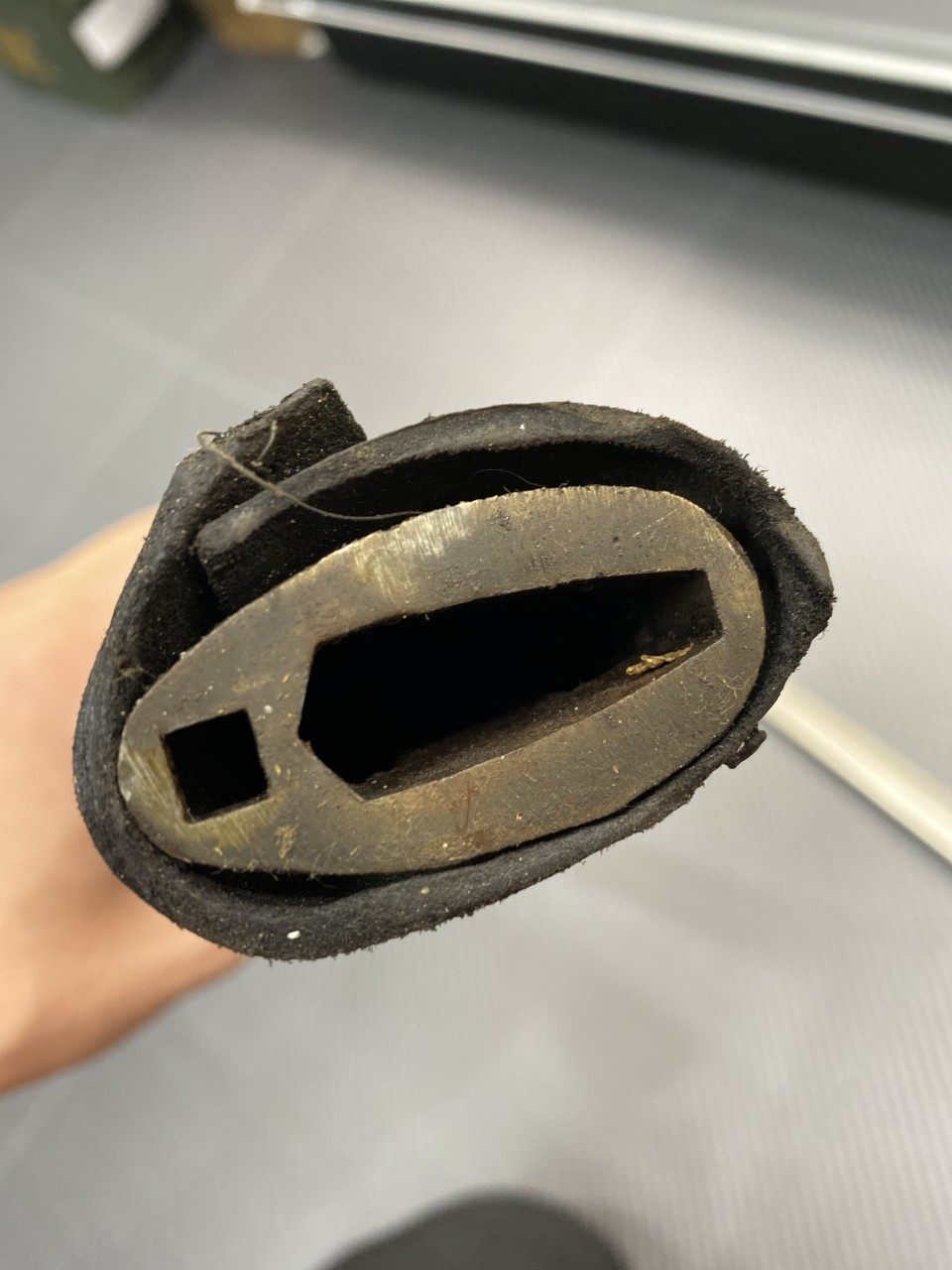
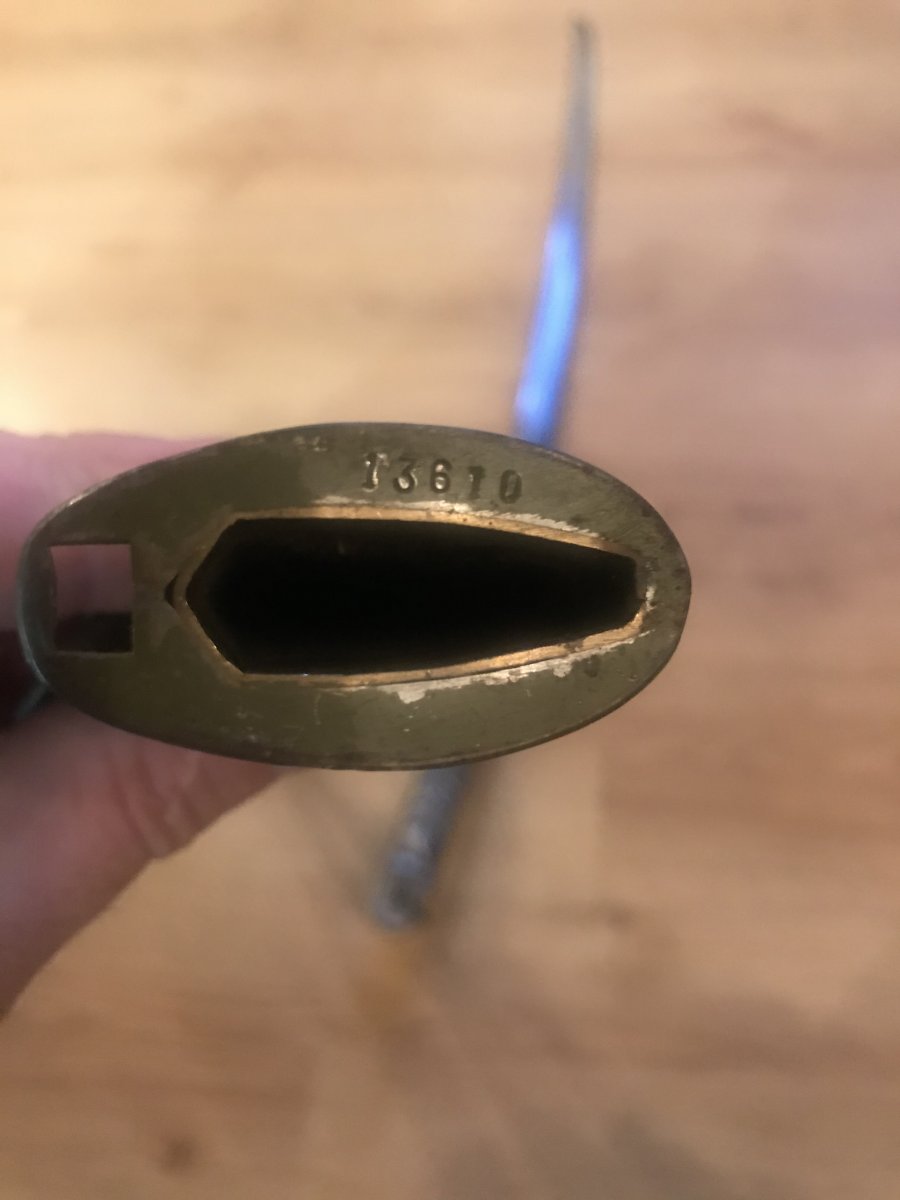
The scabbard number to match the sword will be on the drag most likely.
-
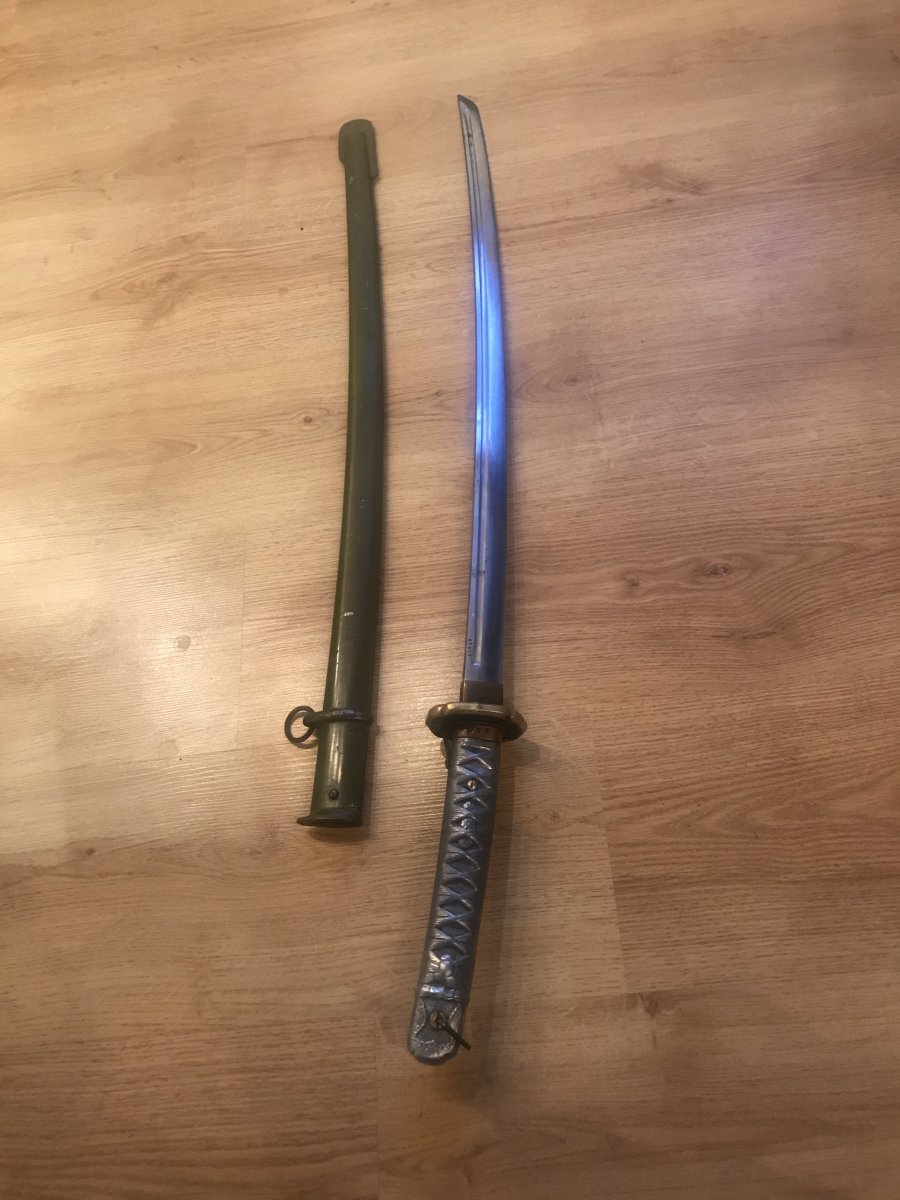
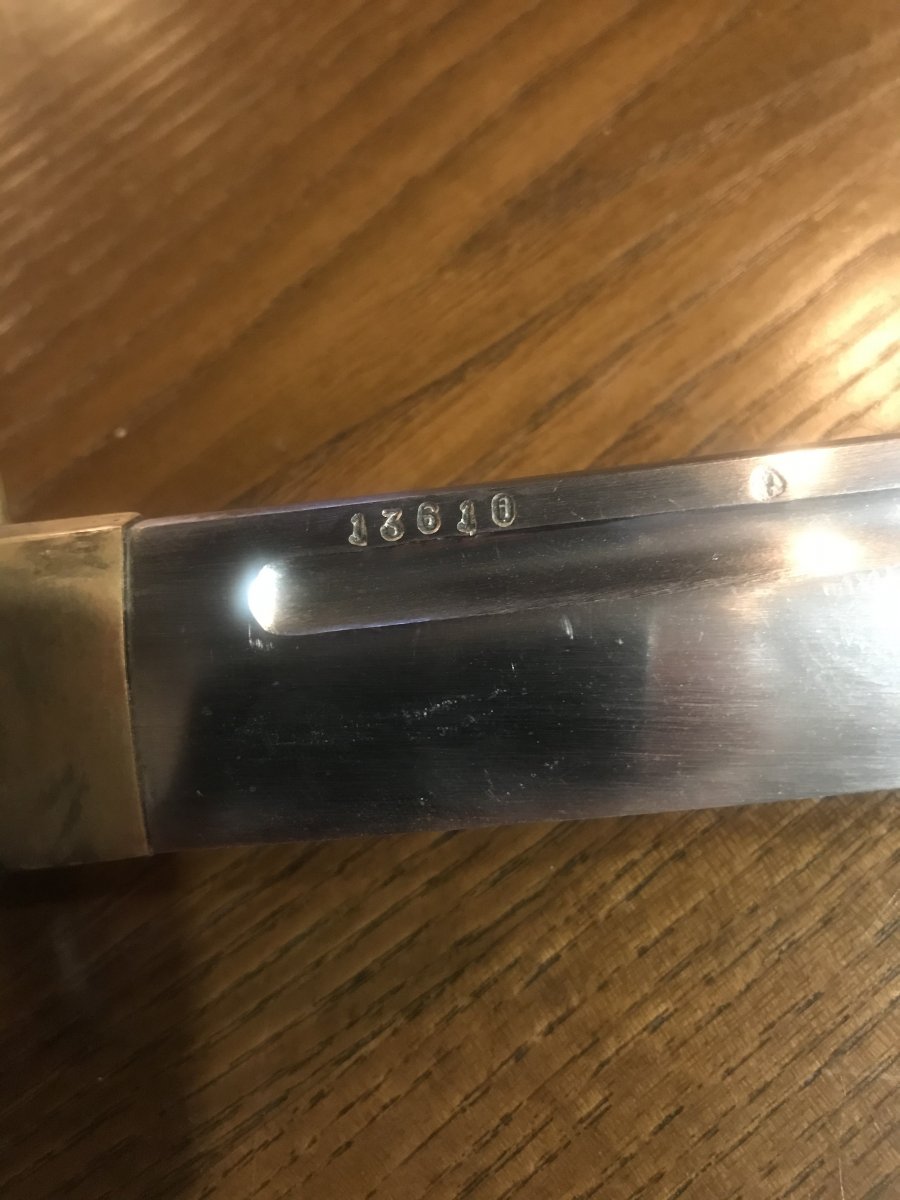
The leather blade seppa or perhaps washer, is the original configuration for these swords. They are, in my opinion, preferable to the later replacement washers. The serial number numbers for both swords vary from high to low. Don't put any concerns on that. Number rangers matter far more for 95s, which have documented ranges and allocation. It's the stamp style and patina you should focus on. There were many small variations. The sword is entirely genuine. The fakes were never very good.
-
I collect 32s. Absolutely original, no doubt.
-
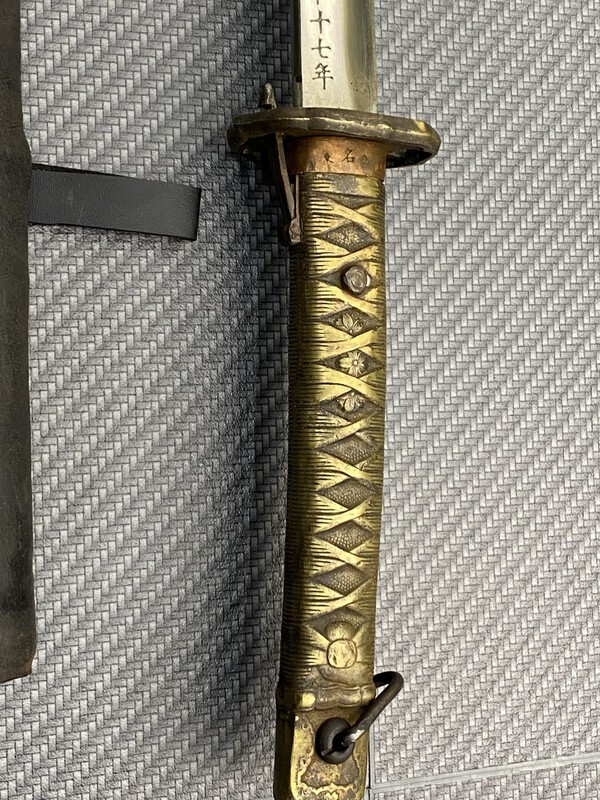
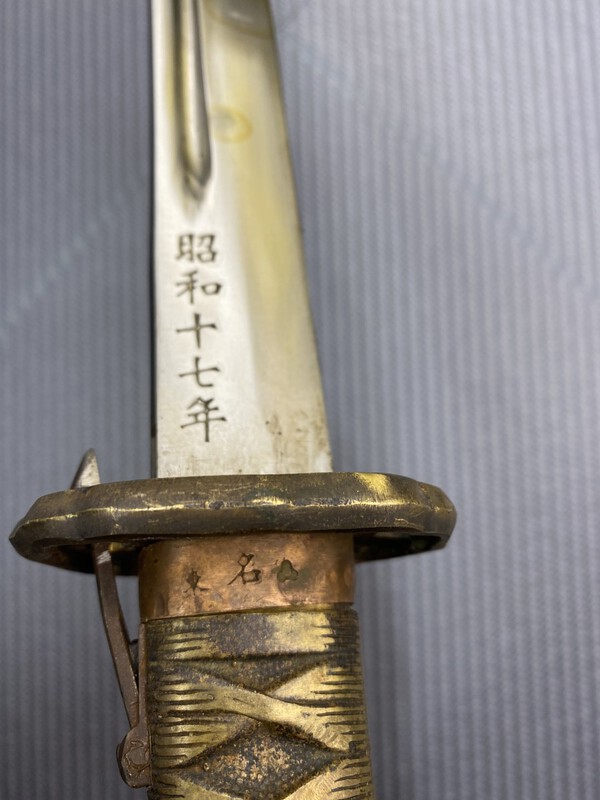
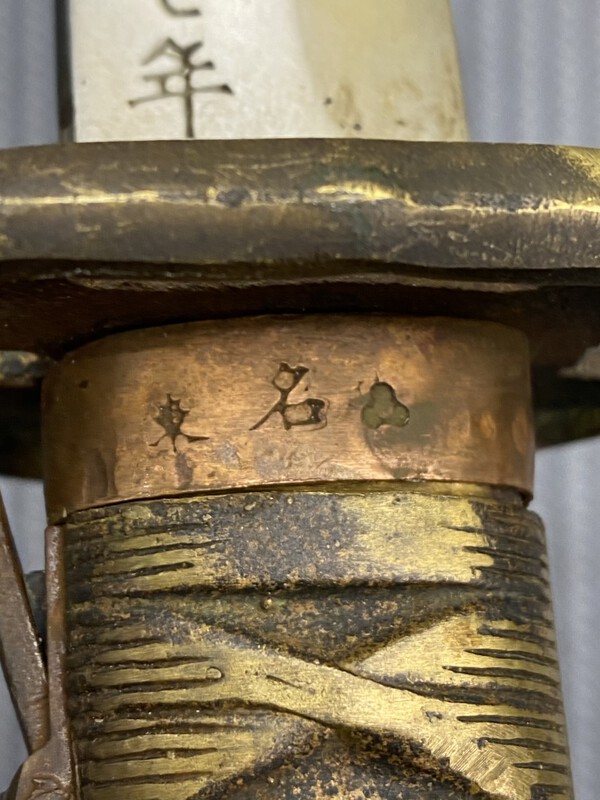
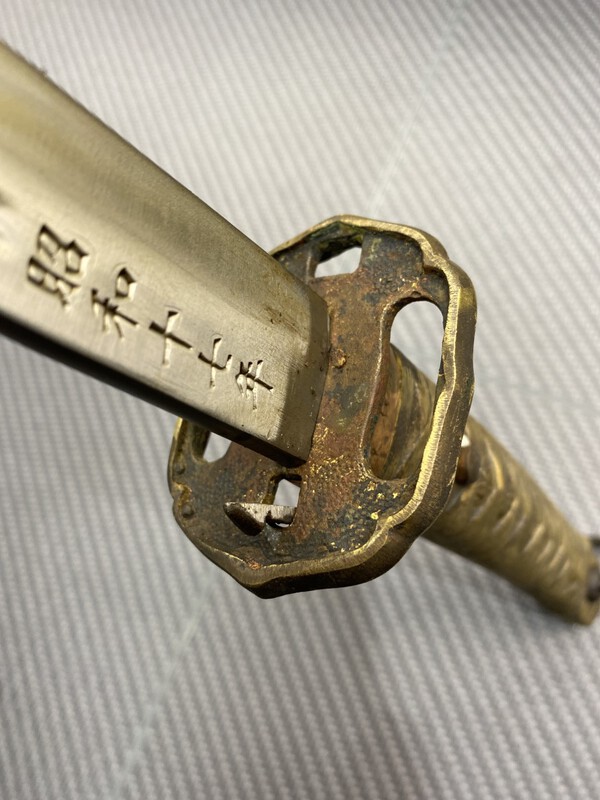
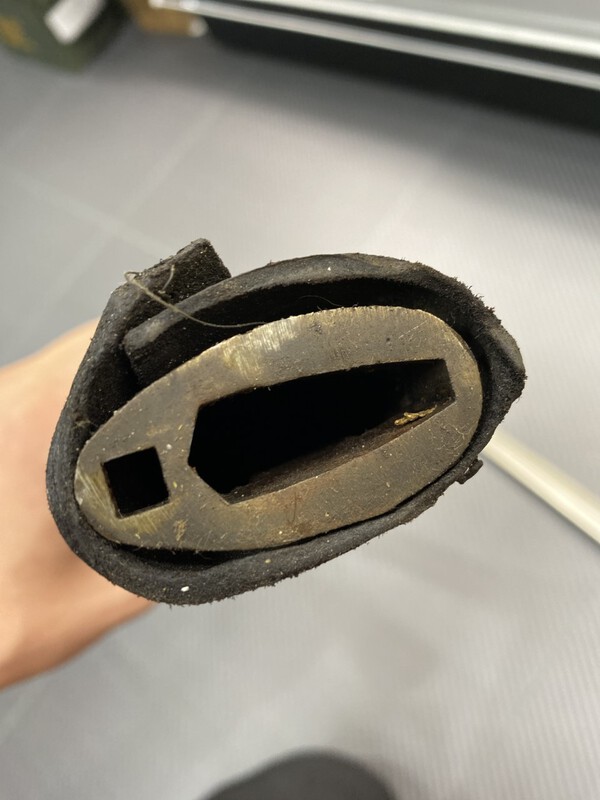
May as well add this too. No point in listening what is wrong, because there's nothing right. These are all over eBay, coming from China.
-
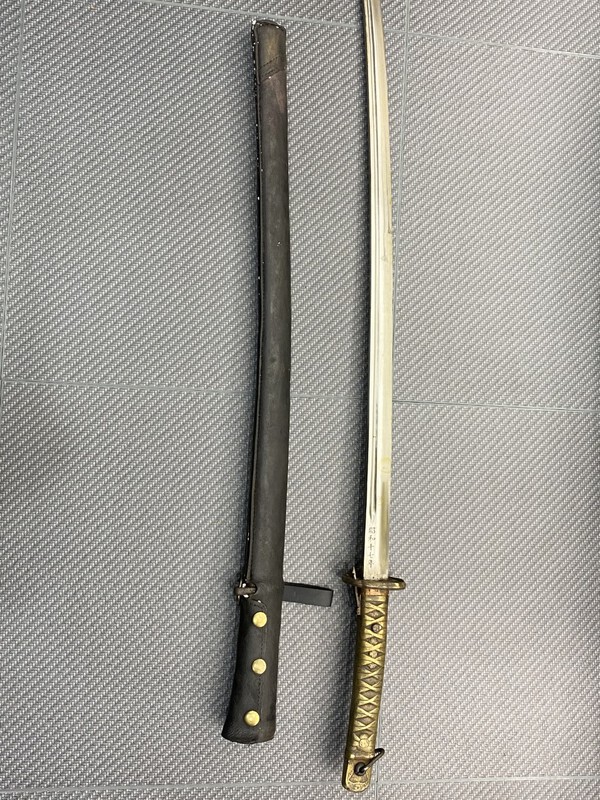
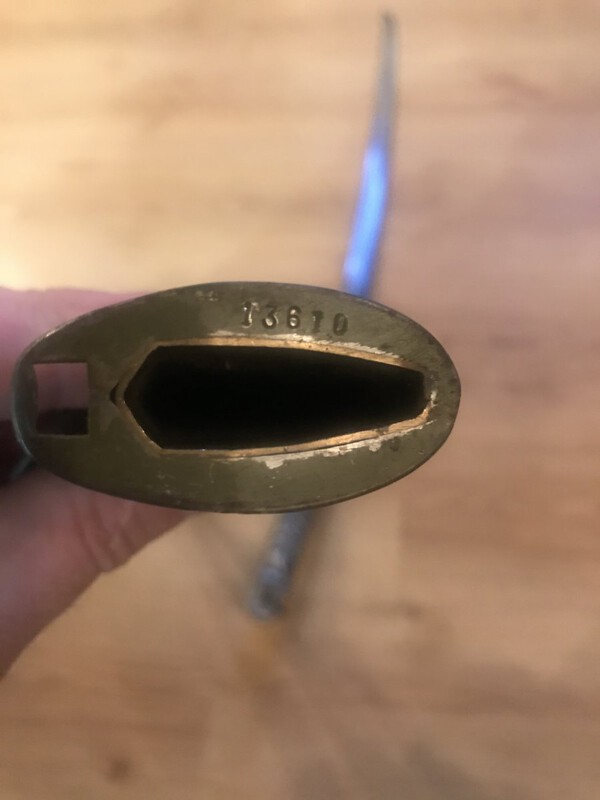
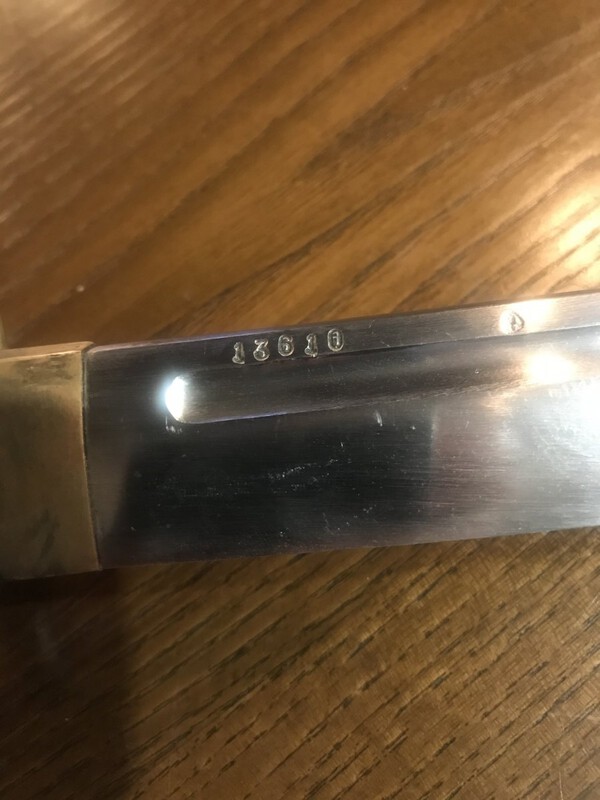
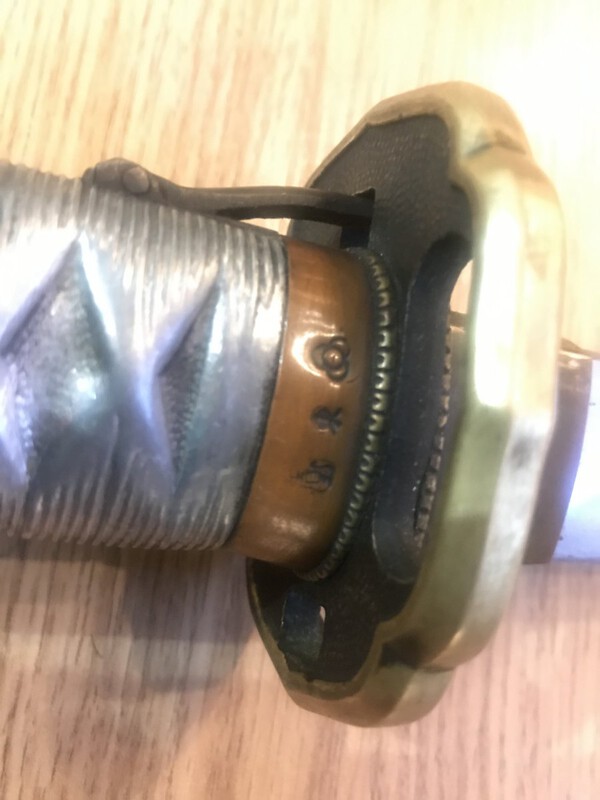
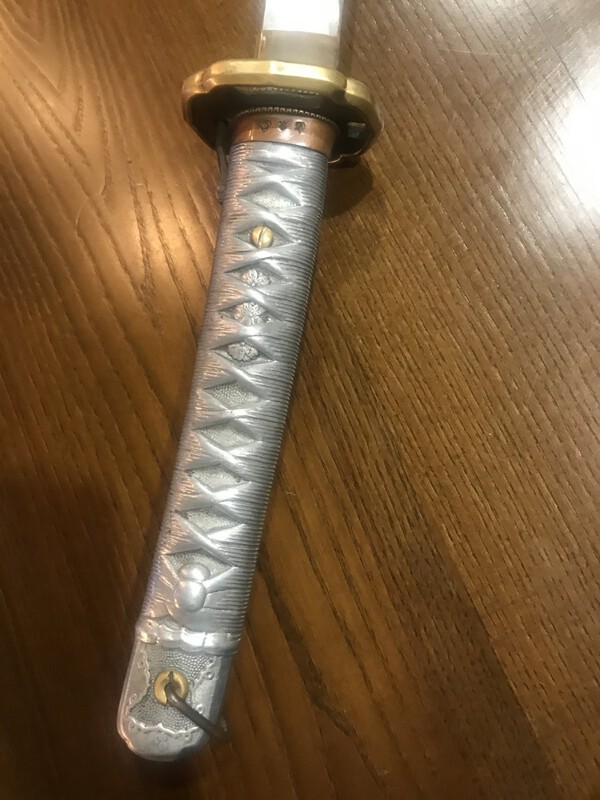
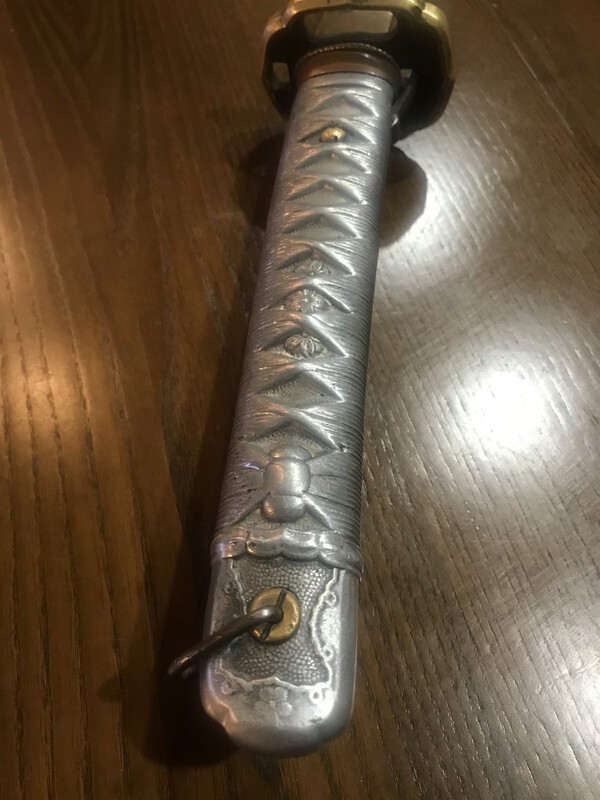
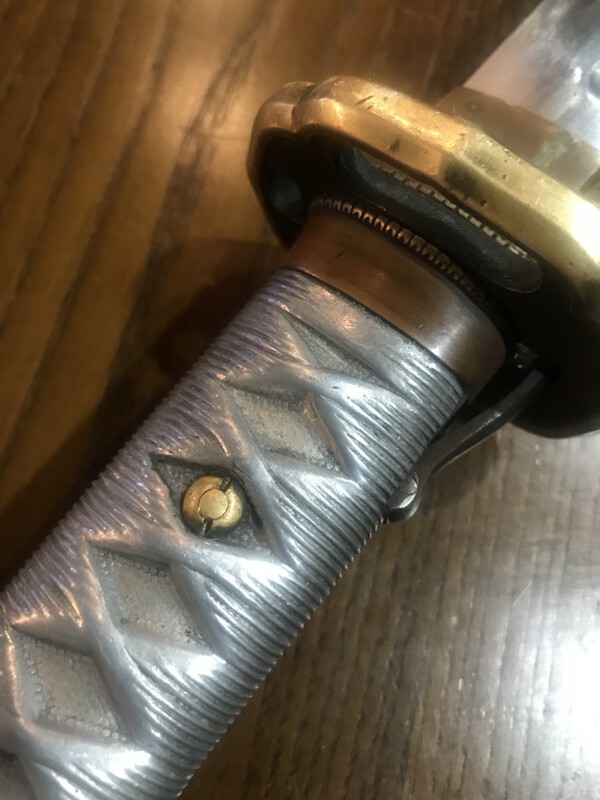
A good example of a repro sword, certainly one of the better examples seem and worth listening here. Originally brought to the board by Vladimir. The three immediately obvious signs are the sarute screw, the serial number positioning/font and the tsuba patterning, though there are a host more less obvious issues.
-
This may be of assistance next time. http://www.militaria.co.za/nmb/topic/19914-fake-type-95-nco-swords/?hl=fake Edit: Because this is a good example and different to some of the swords in the thread, I'll add it to the fake thread.
-
You may find the following thread of benefit if looking to purchase a Type 95 http://www.militaria.co.za/nmb/topic/19914-fake-type-95-nco-swords/?hl=fake
-
No, you're right Bruce. Exactly what I said above
-
It doesn't look like a good stamp, but the star stamps are not homogenous so who knows.
-
Wear gloves! Nothing else ruins a sword like human hands. Otherwise keep in a dry place out of direct sunlight.
-
I'll add that Bruce is entirely trustworthy and honest bloke - an all round top sort, exactly what our hobby needs more of.
-
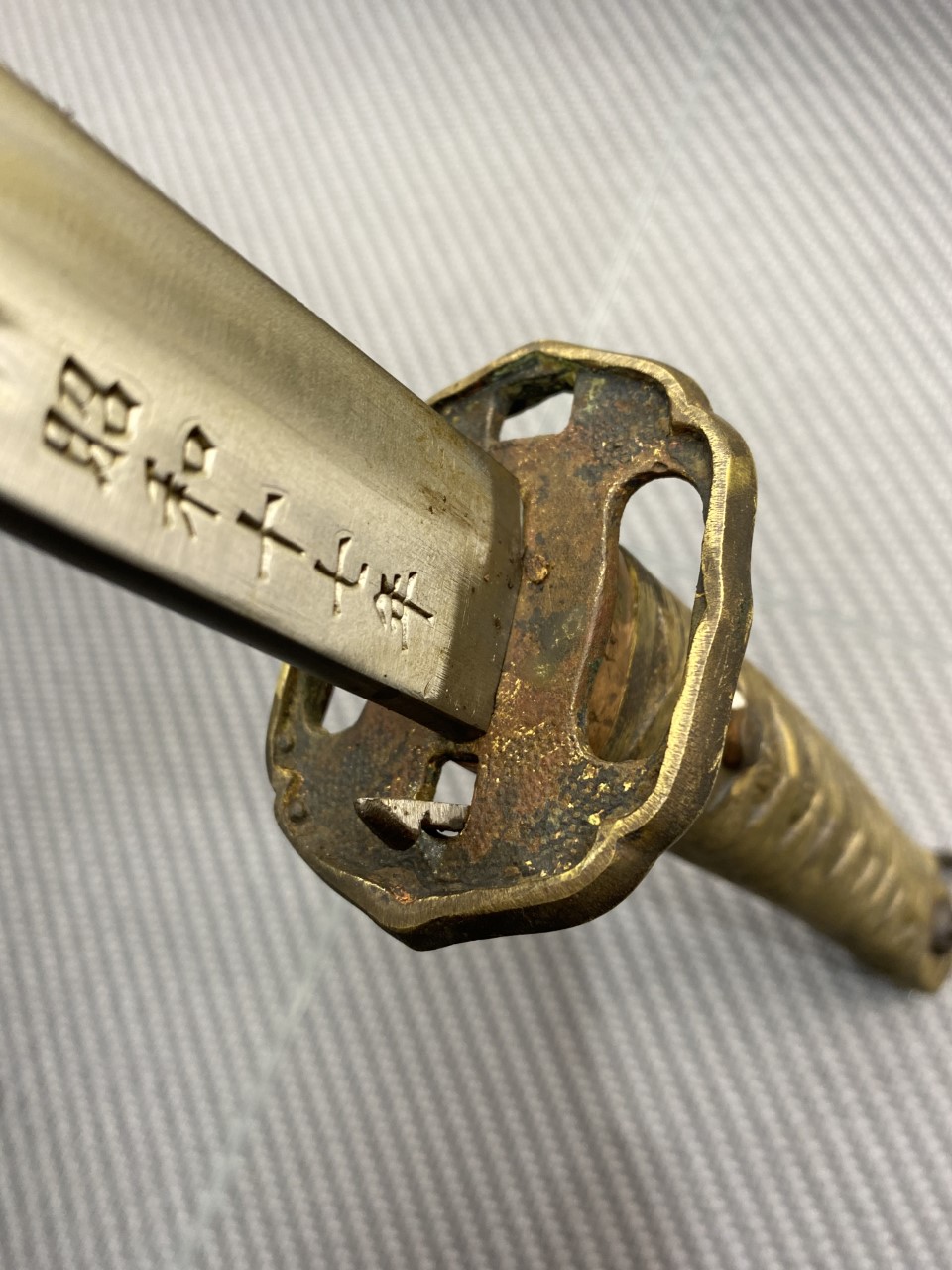
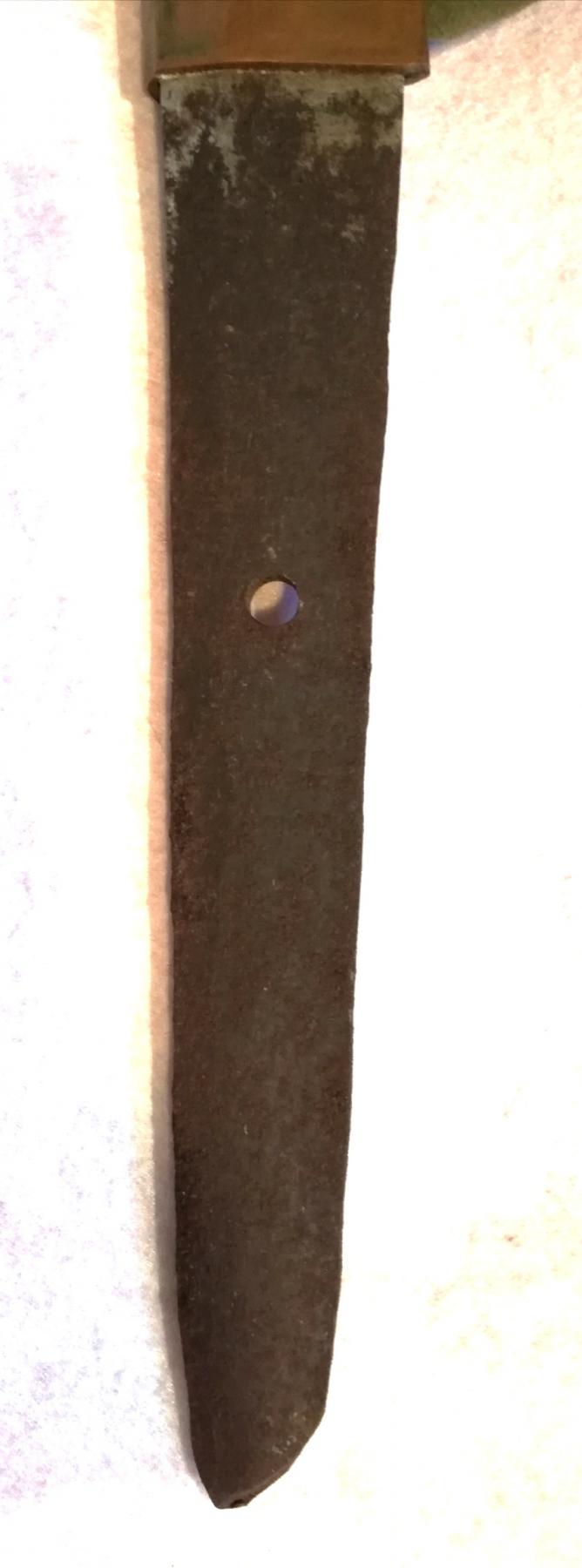
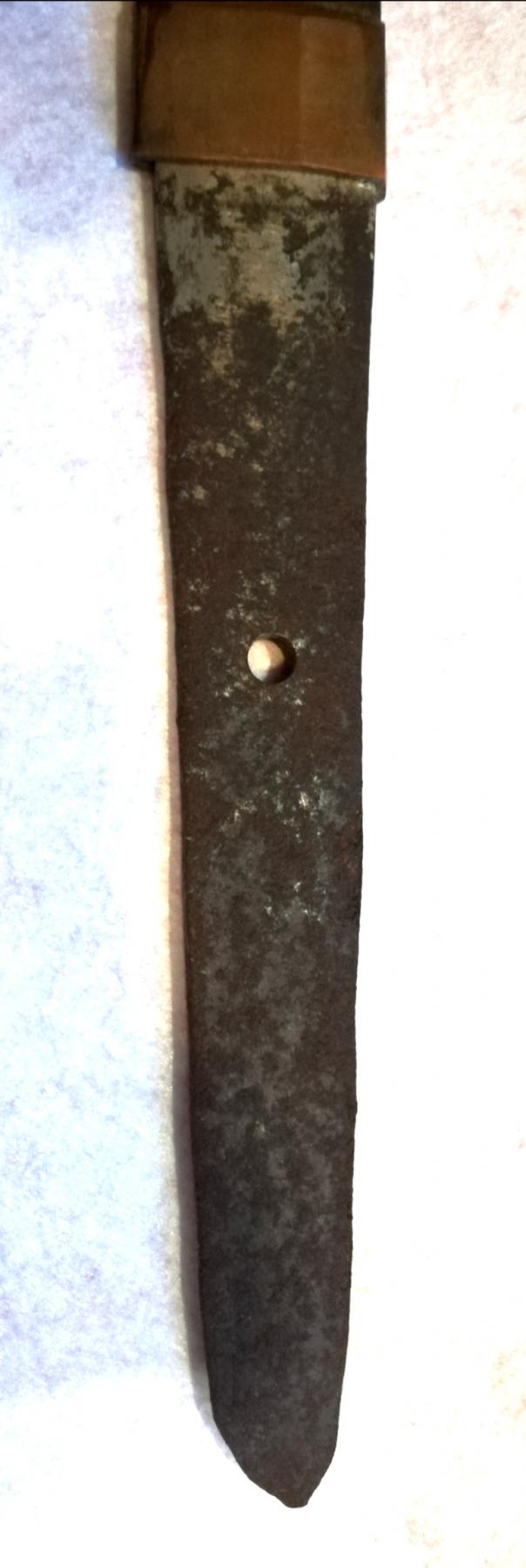
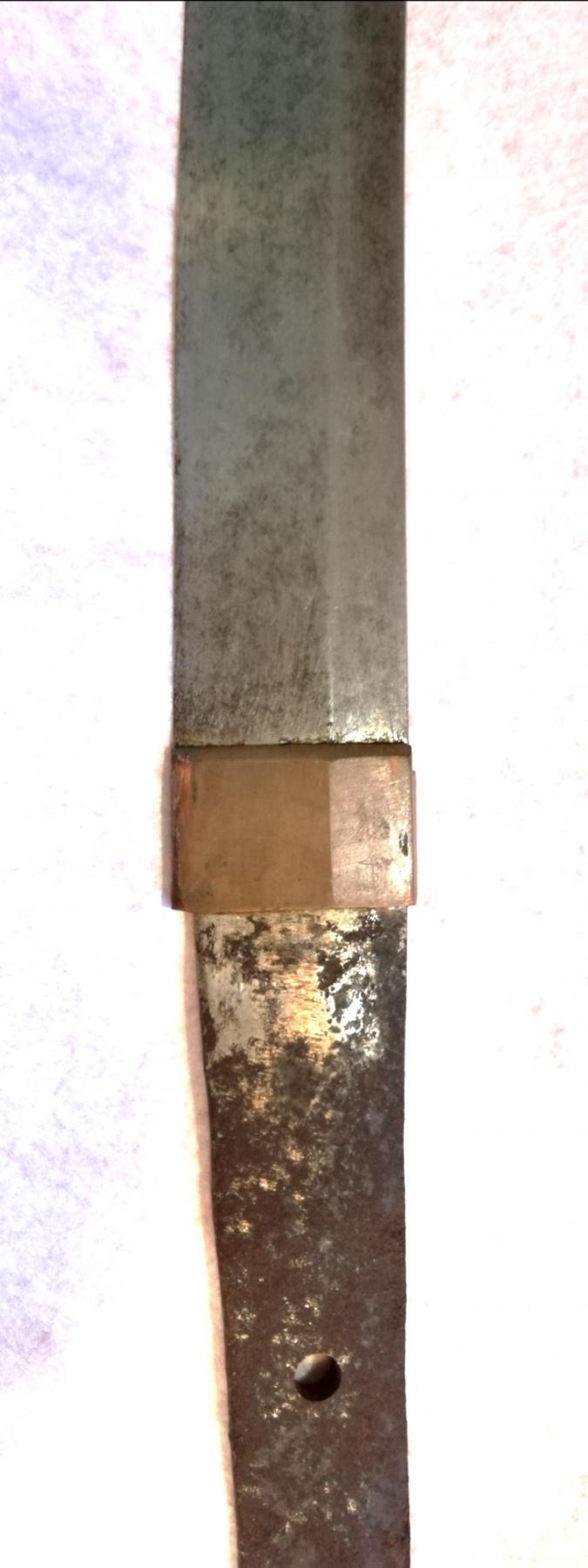
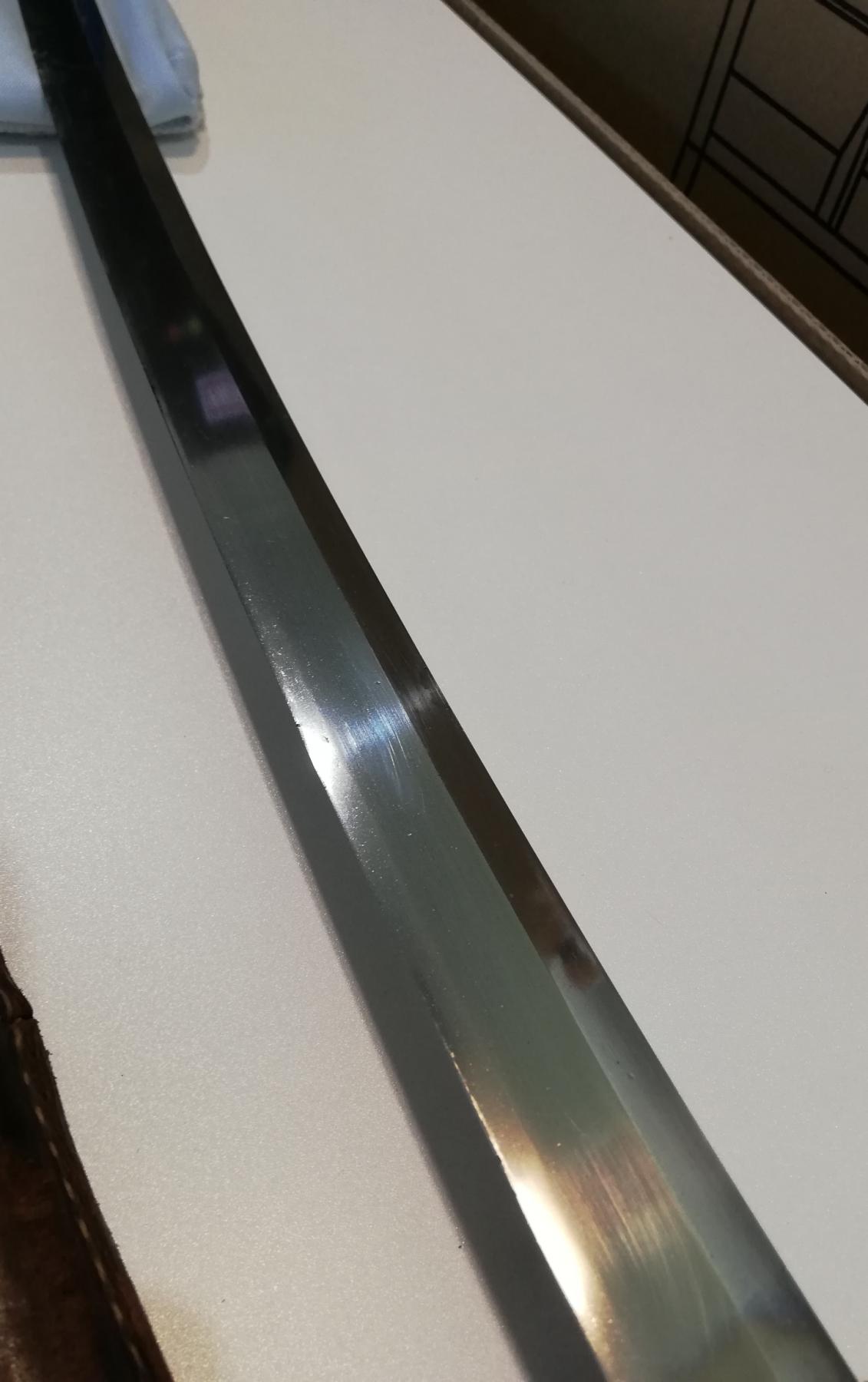
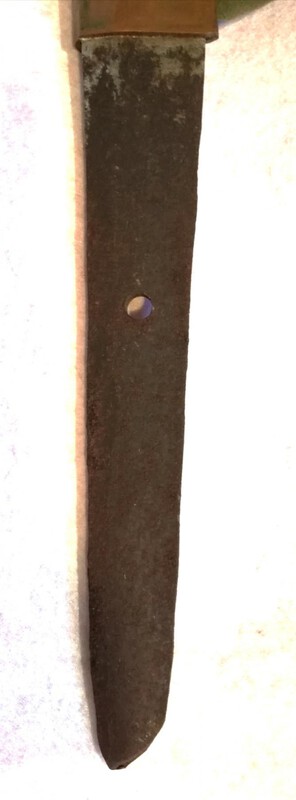
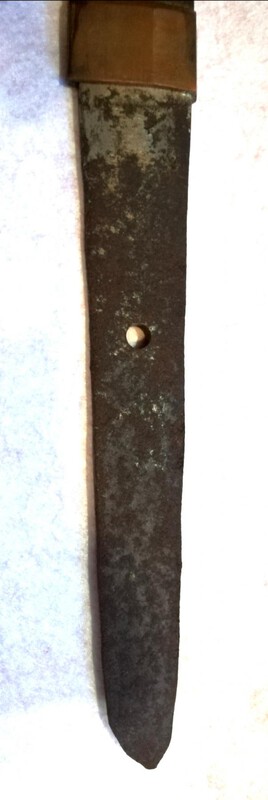
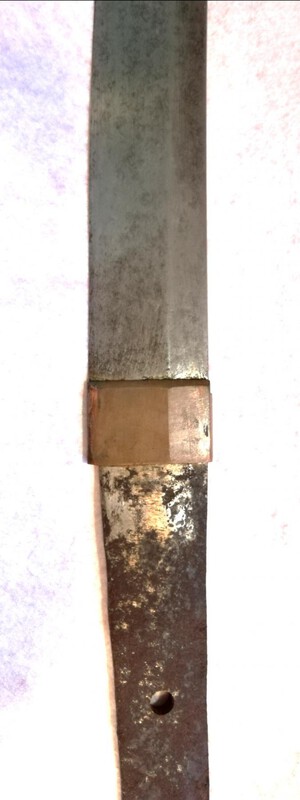
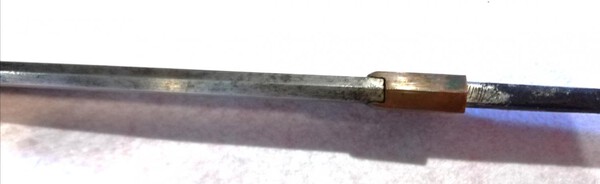
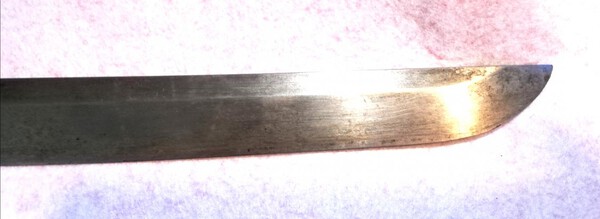
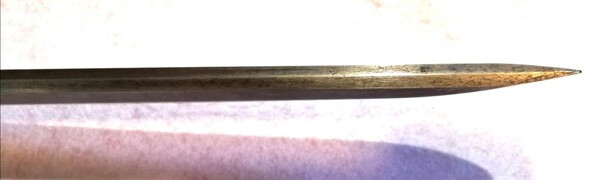
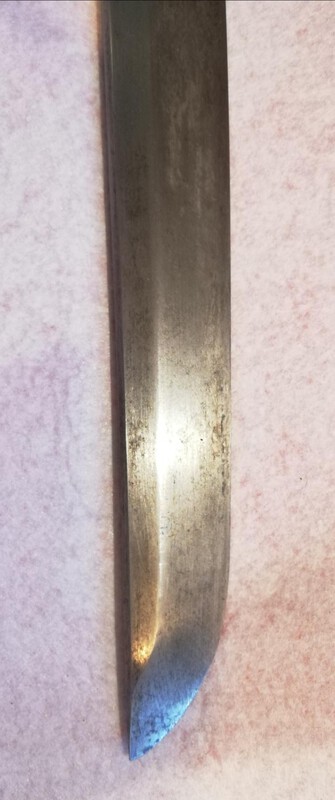
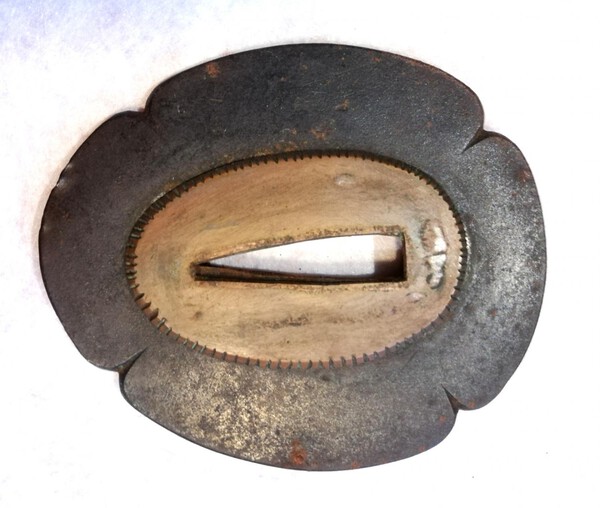
In the very first picture, Dave, you can just make out where the tang has been cut. It is not a smooth cut; I'd say it looks to have been cut with... Sheers, or maybe cut hot on an anvil?? The tang is also quite coursely filed and is not smooth edged. It could very well be that the old tang was removed and the current iteration crudely formed. It could also just be crudely made. It's somewhat reminiscent of the Chinese swords (edit to clarify :Chinese collaboration swords, not eBay junk). Good quality blades, but crude tangs. In terms of corrosion, it is pretty bad, but there's no evidence of markings of any kind. I also couldn't get the habaki off. The handle was very tight with the rust expansion, and the rust has welded the habaki on. The habaki is quite crude though, at least not what I'd say was expected from makers in Japan with proper tools. The only real 'fact' I have is that it is genuine wartime and was taken from a Japanese compound.
-
Hi Chris, Nope, read the finding of the sword. It's also far above the quality of the old springs.
-
Thank you, gentlemen. There's no chance it's a knock off job, since there's an actual verifiable history attached. I agree that the sword is too good in some regards, but then parts of it are rather poor for me to think they could be anything other than theatre made. I think all suggestions both plausible and valid.
-
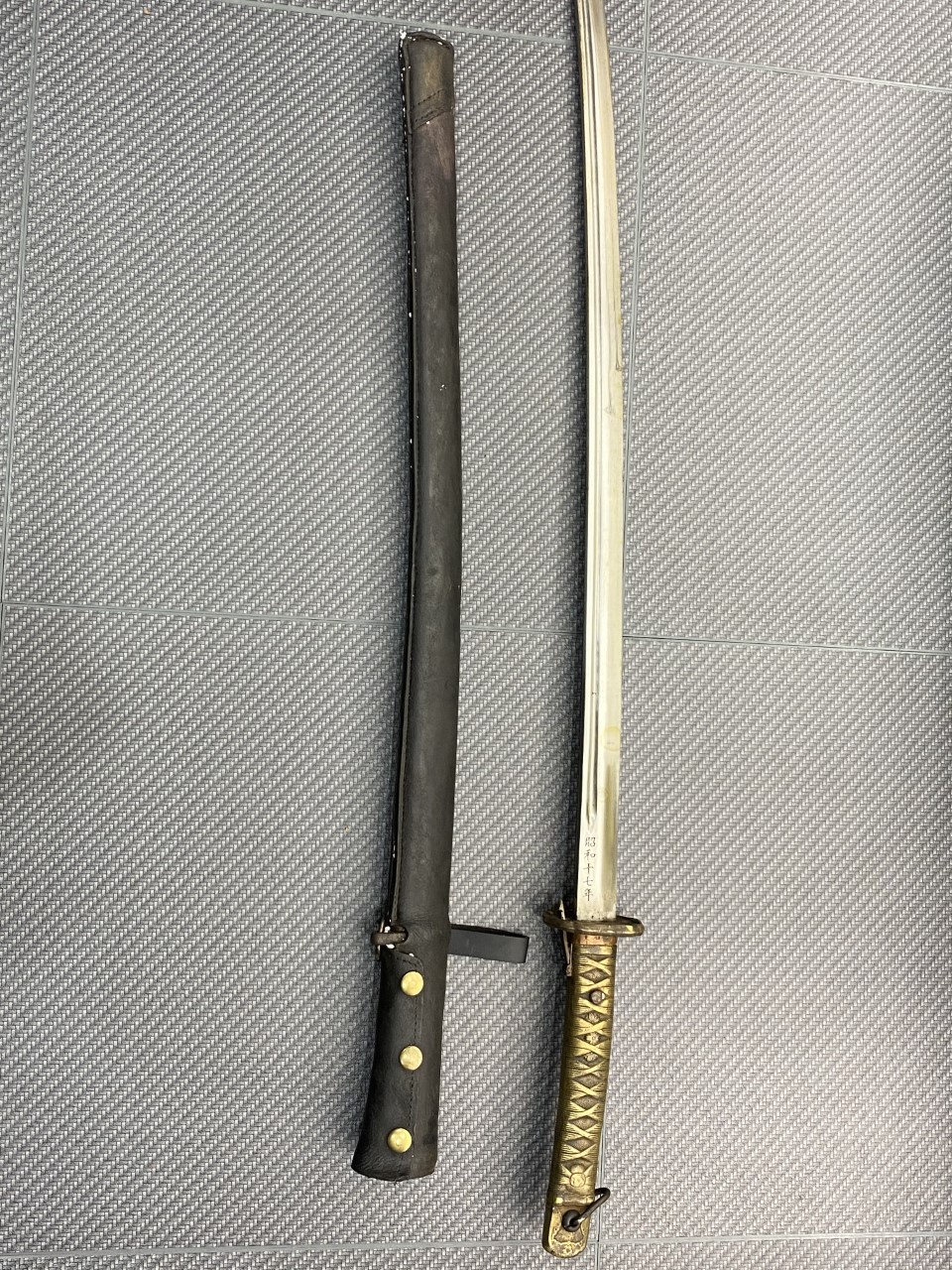
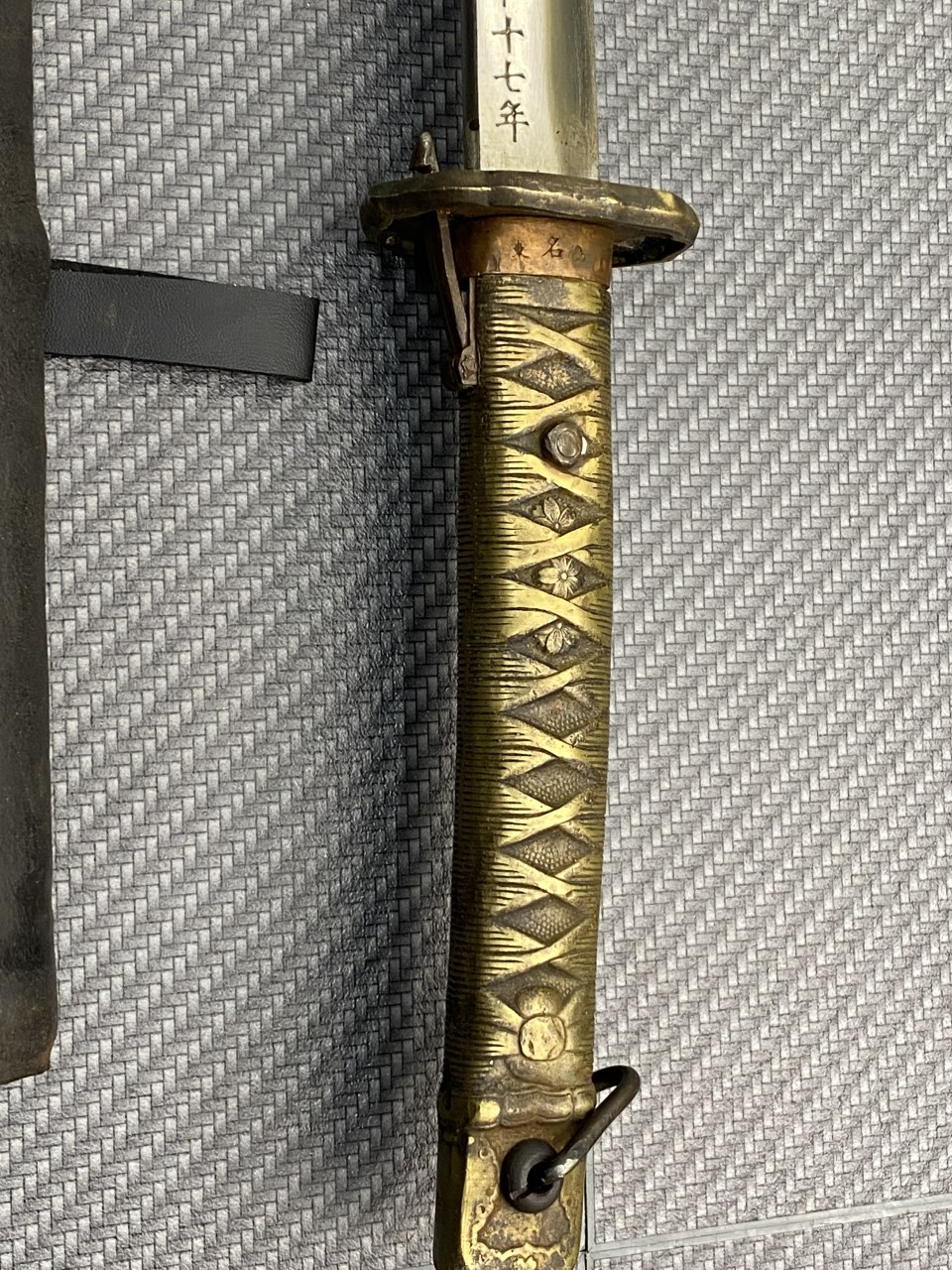
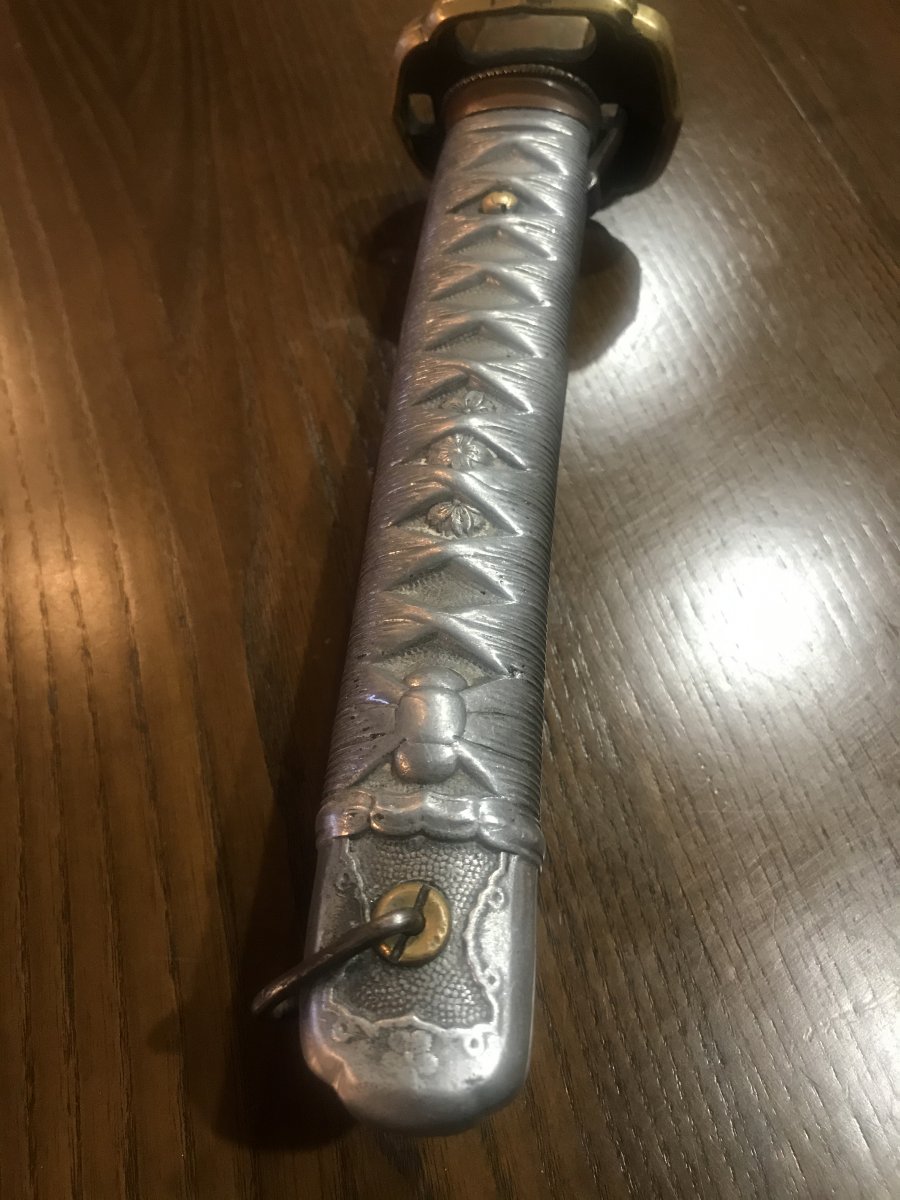
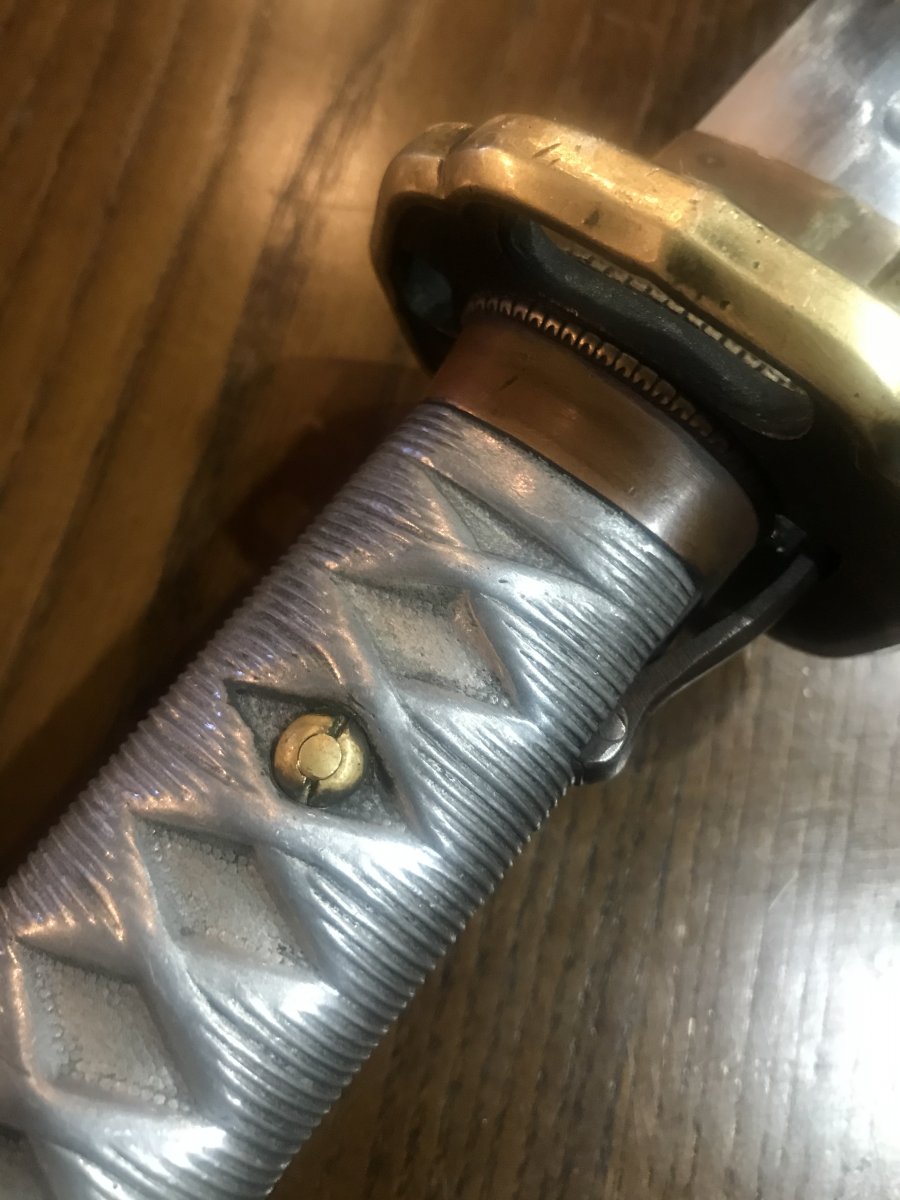
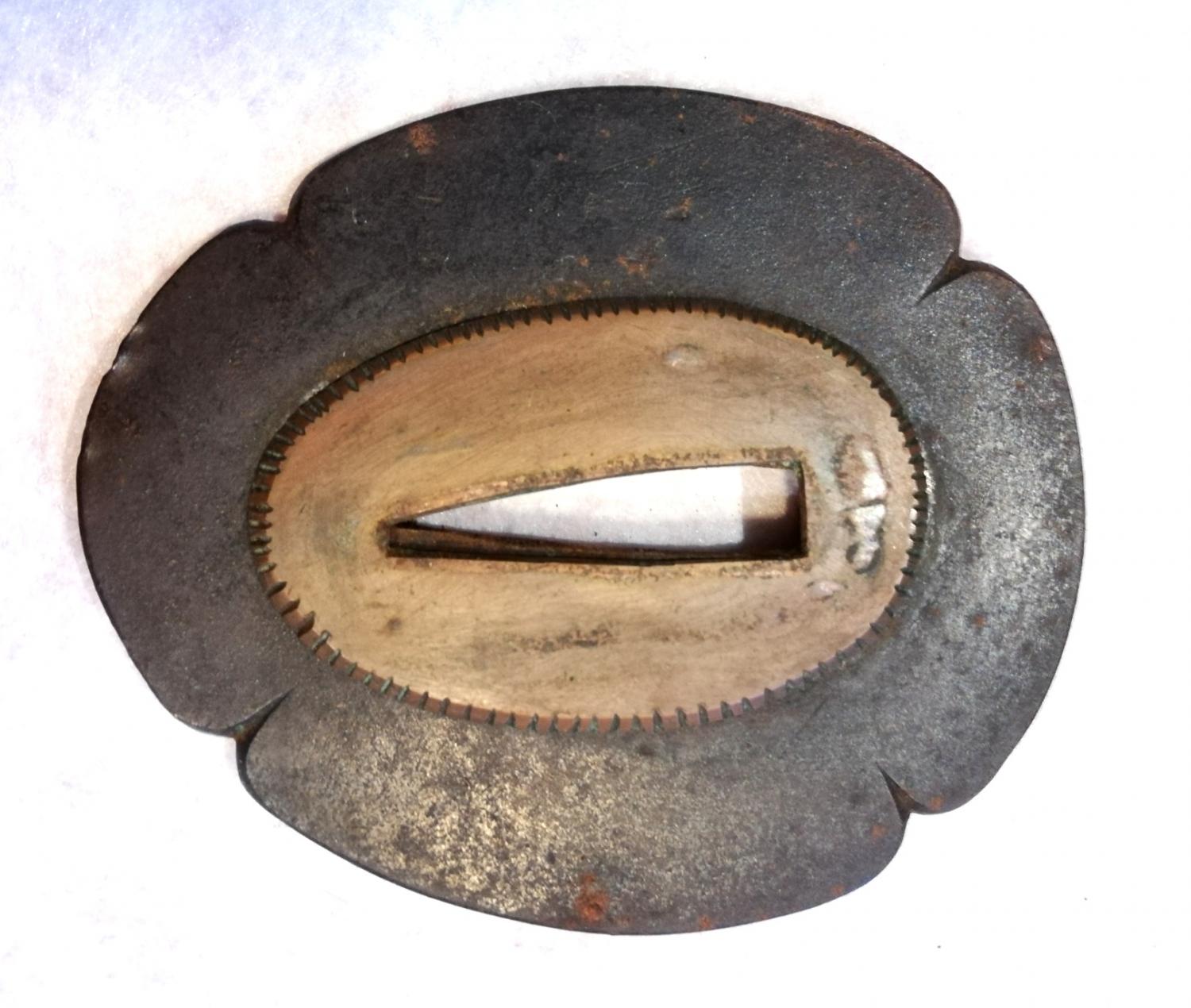
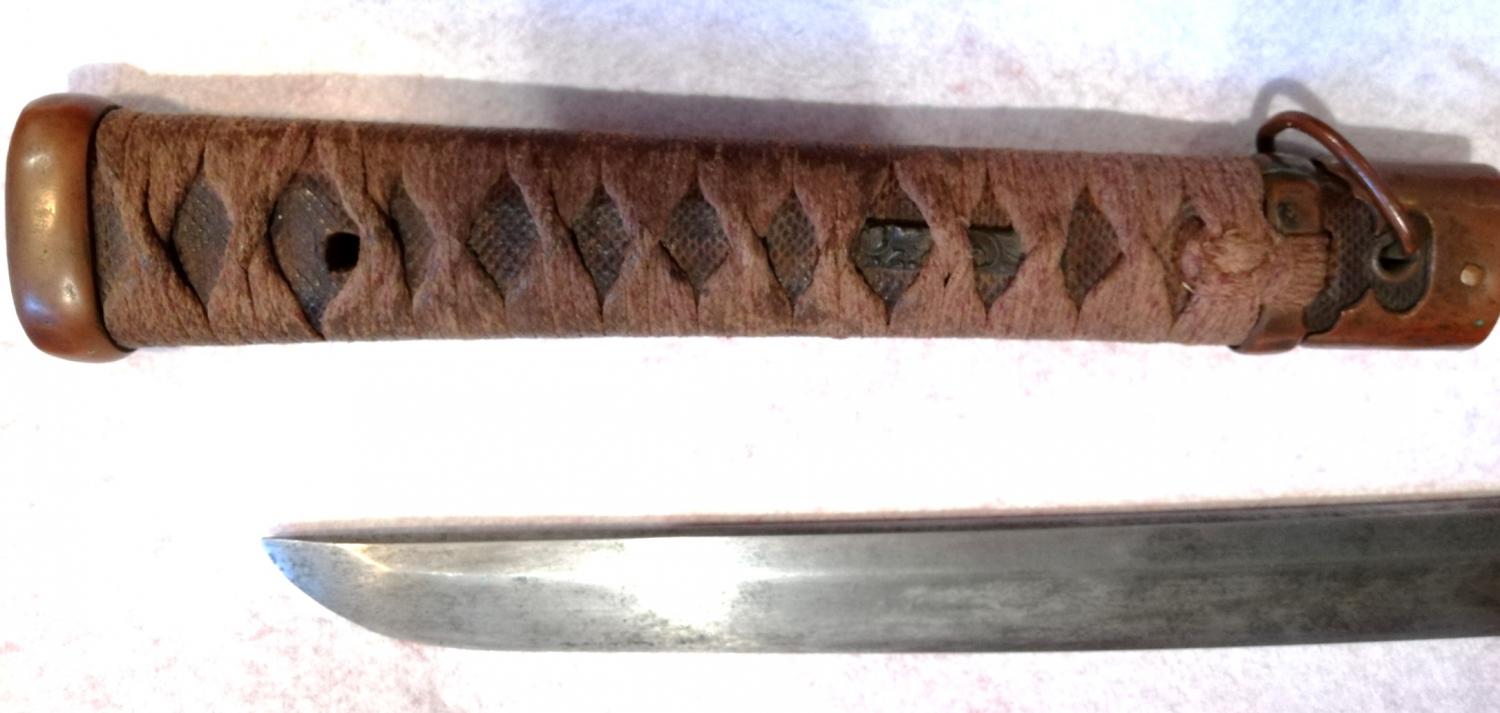
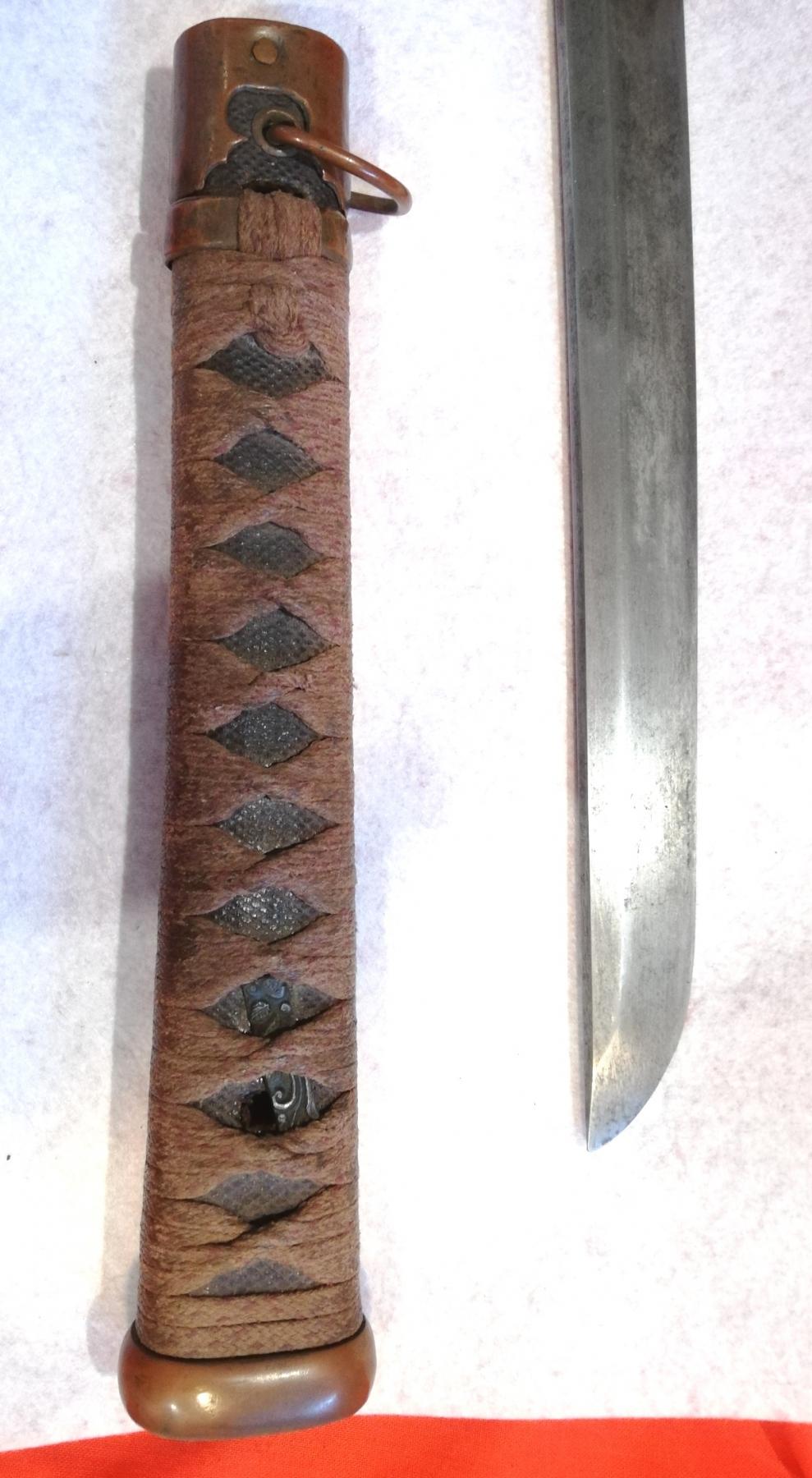
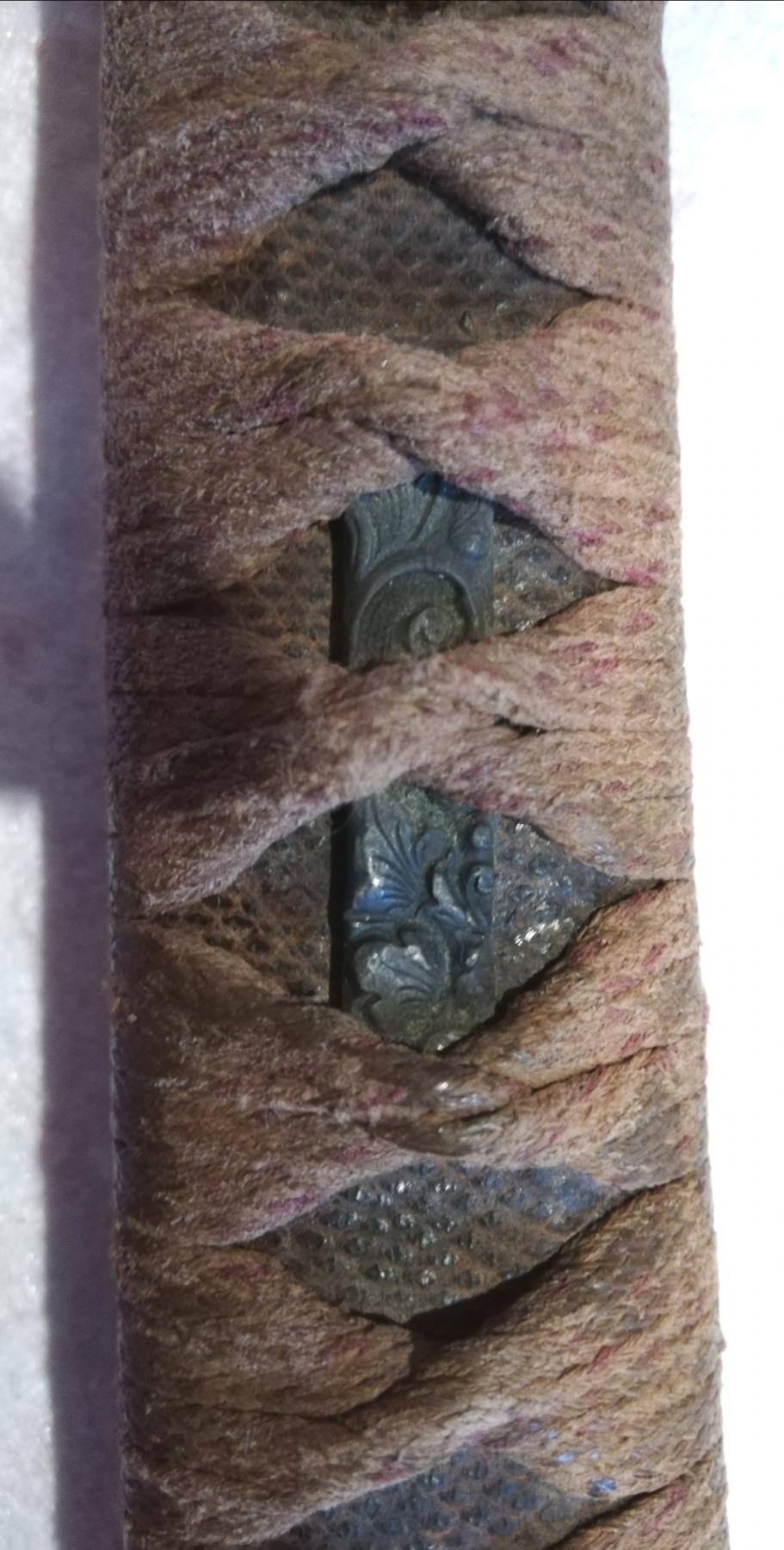
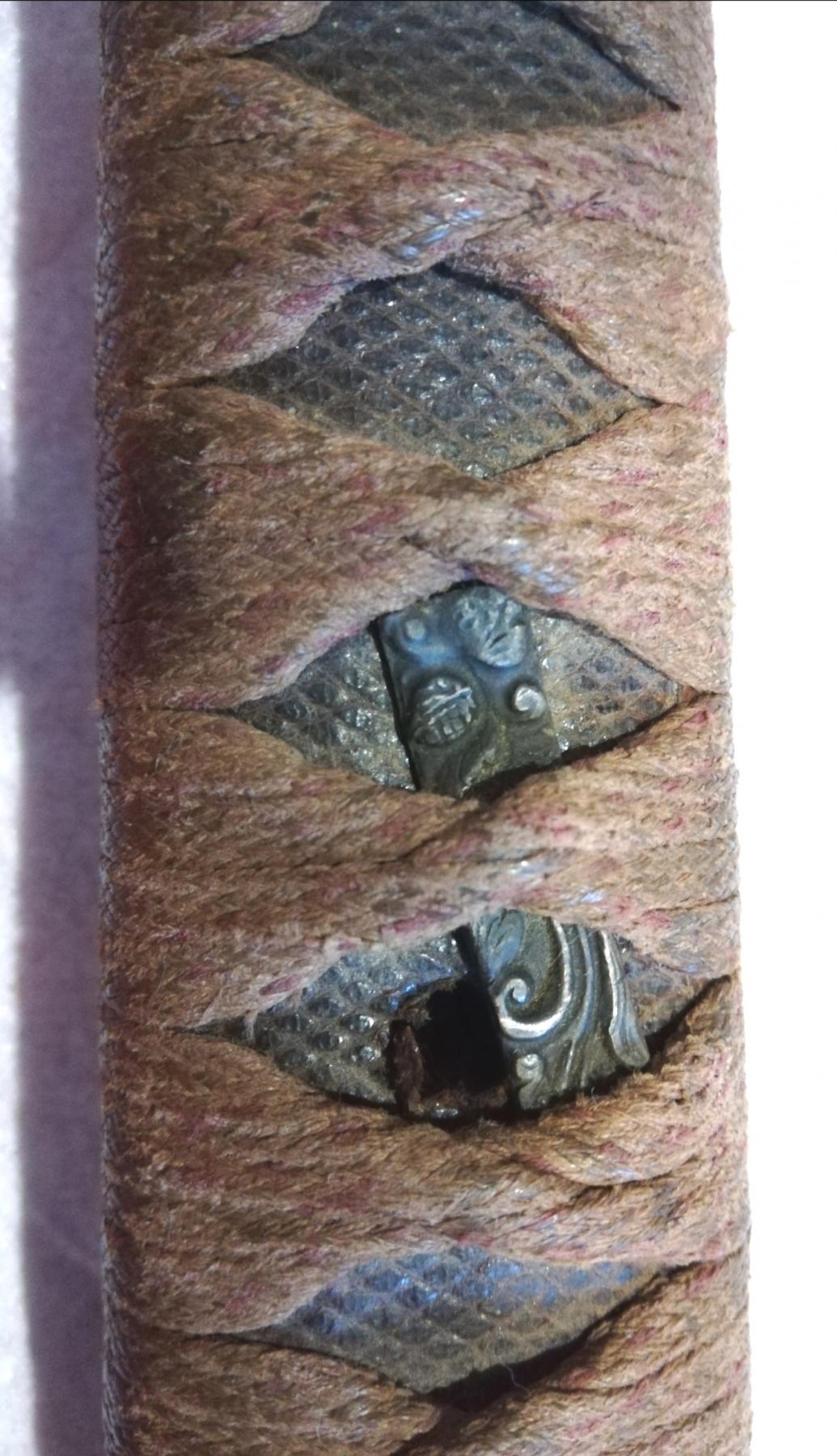
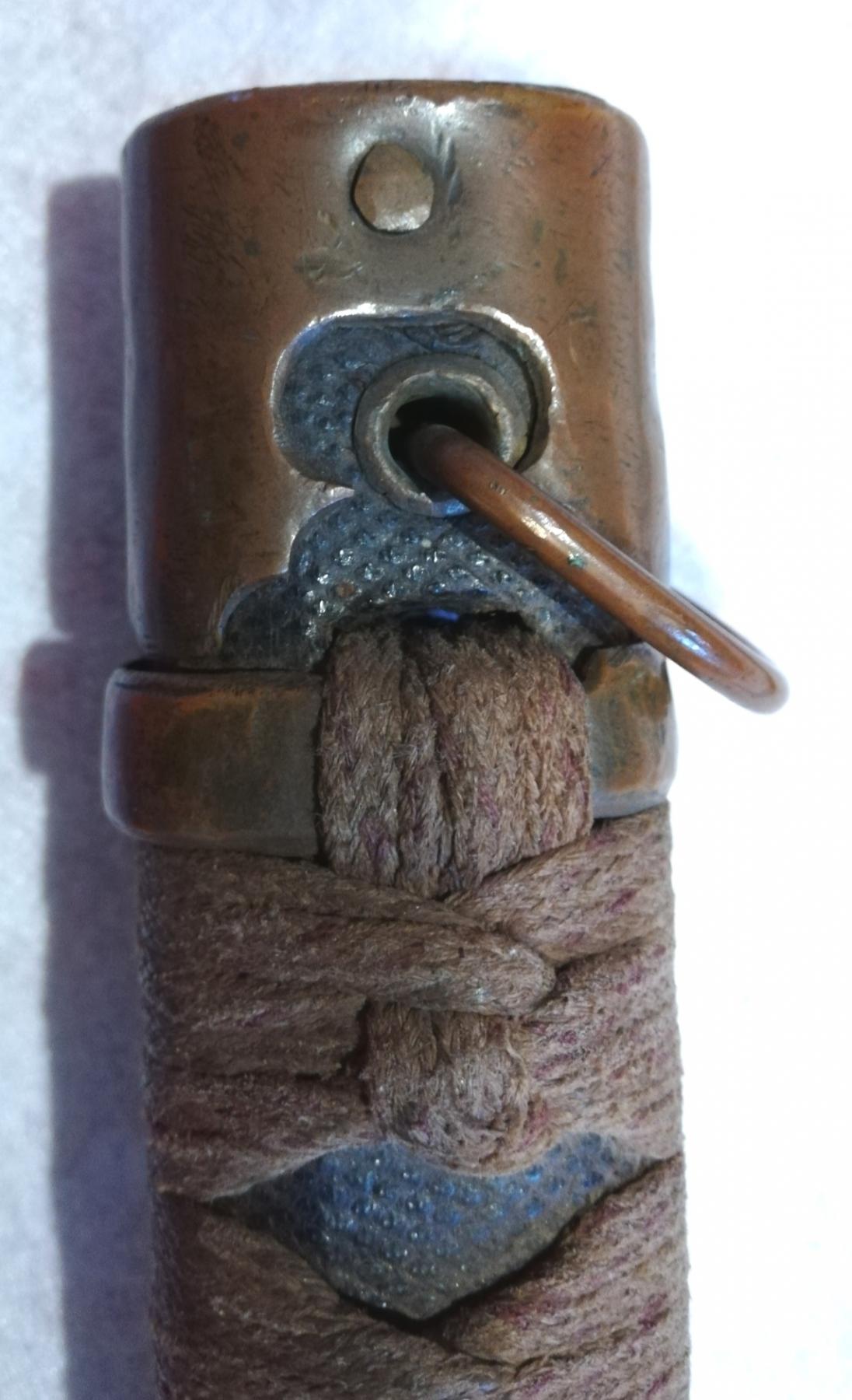
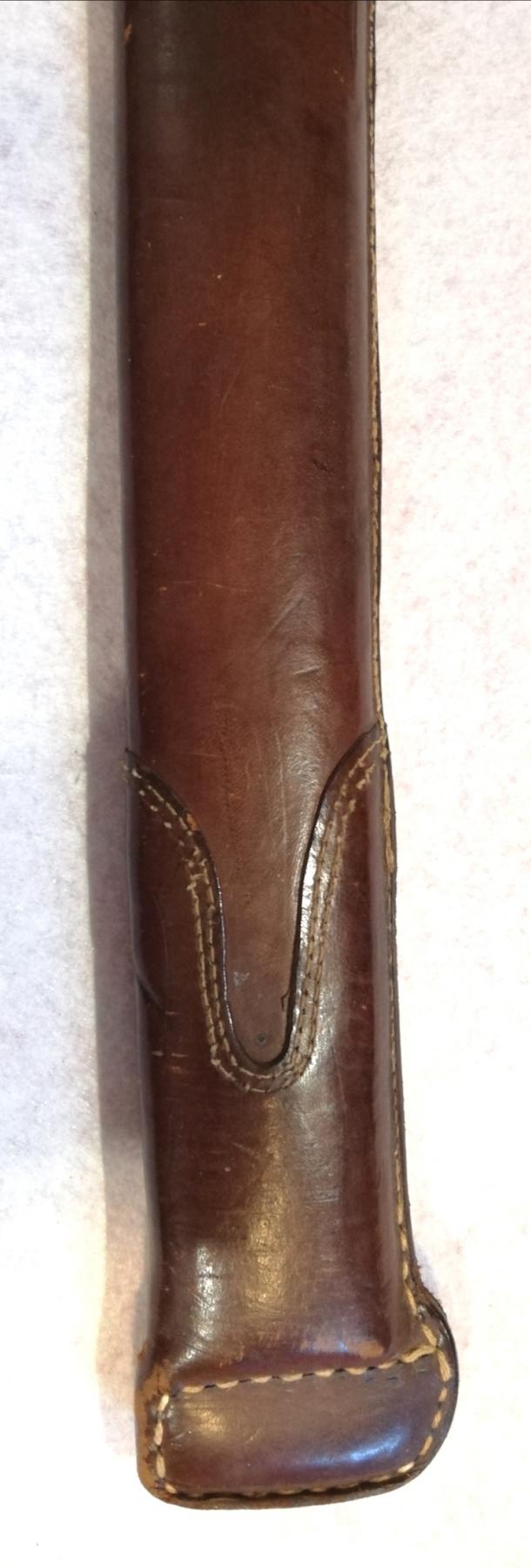
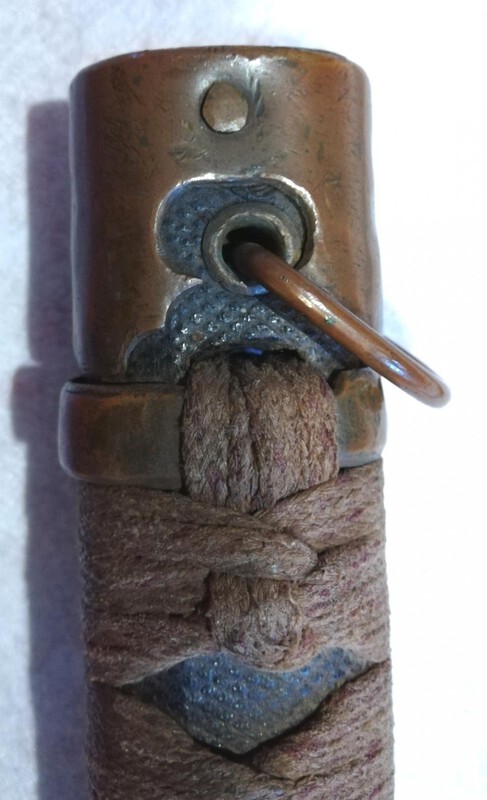
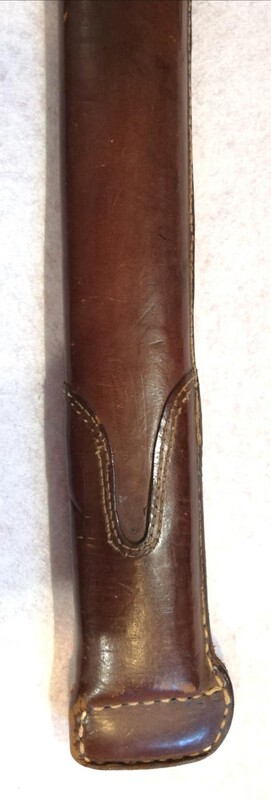
I'm after some opinions or confirmation of my own. A sword arrived today for me to look at. I posted it in WarRelics a long time ago, but only had some second hand photos and would appreciate more opinions. The sword was acquired from Balik Papen. It was apparently one of two left behind in a compound. It also narrowly avoided the sea, because the soldiers did not think they would be allowed to keep Japanese items. It then dodged a second death when it was thrown into a rubbish heap during a house cleaning. It was rescued by the current owner who's brother/uncle (not sure which) had thrown it out. He then got the stories of where both items were obtained. I carefully got the handle off, but there's not much past a fairly crude nakago. No markings. Having had a good look at everything in hand, the sword looks somewhat reminiscent of other islander swords. It's certainly not badly made by any stretch. But I wouldn't say it was the standard of the Japanese. I therefore conclude that the sword is likely made in theatre. Perhaps a collaboration sword, or one of the swords we've read about made by the Japanese (but reflective of local conditions). Thoughts please? Oh, any idea what the diamond stuff under the ito is? Looks like snake skin??
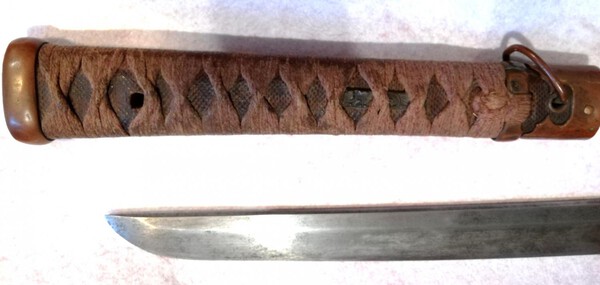
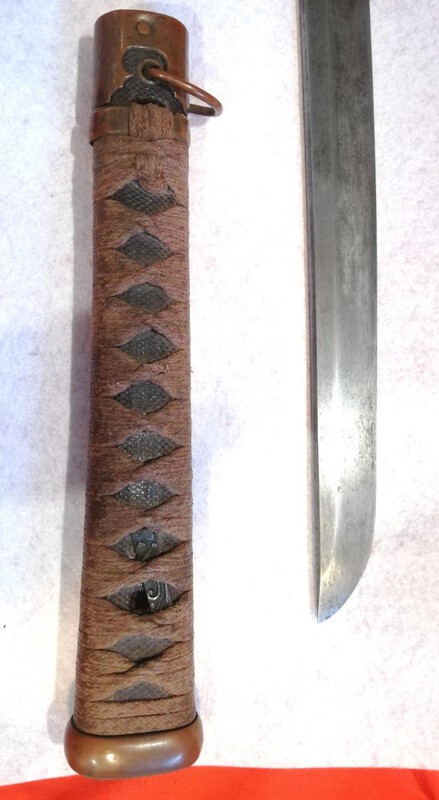
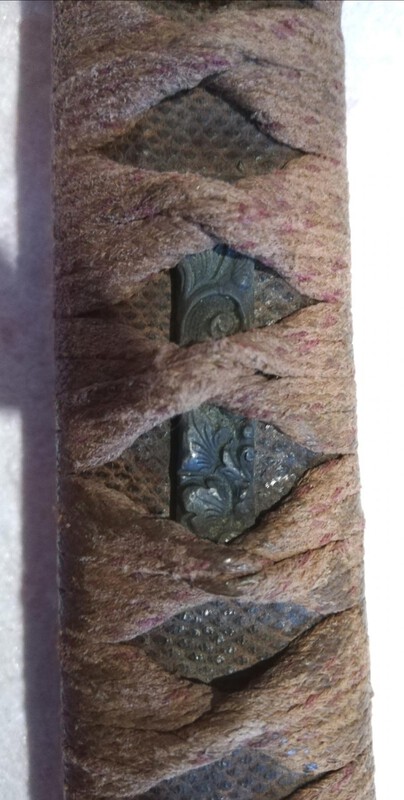
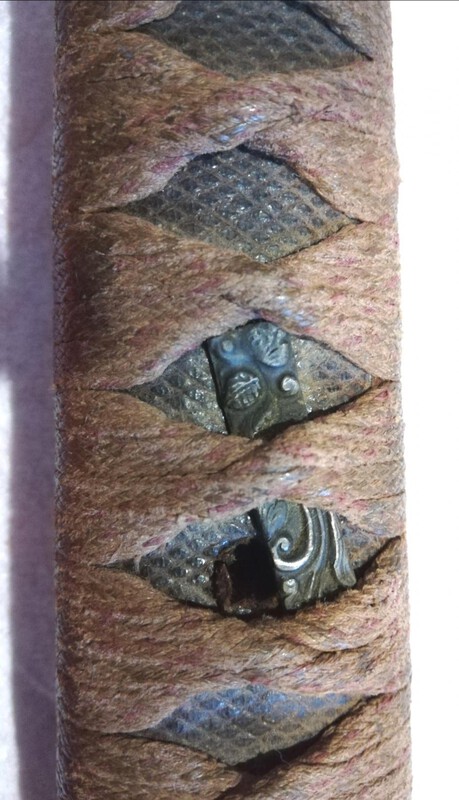
-
Beat me to it, Chris! I'm a hoarder and collector by nature, but I have a few bits of Japanese militia and a few kaskara swords, which I really like but don't seriously collect.
-
Gunto blade coated with clear coat... how to remove it safely.
Shamsy replied to WilBru5's topic in Military Swords of Japan
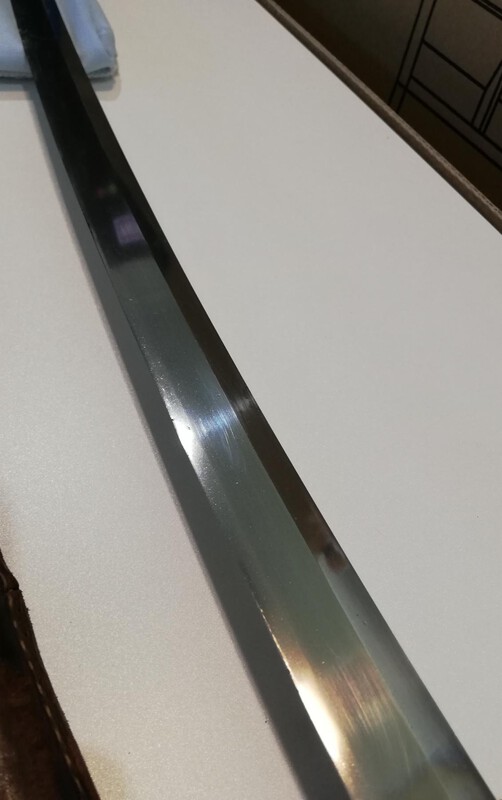
Varnish was often used by veterans on old military blades. I imagine this is a similar issue. Methylated spirits is the best way to remove unwanted 'protections' without blade damage. Here's a picture of my Yasumitsu before and after.
-
Oh, I echo Stegels thoughts too. I've not learned anything from the thread that Nick hasn't uncovered and shared with us already. Instead of piecemeal information and rehashing old info, could we focus on new discussion and learning please? I found the discussion about Kobe and the Ichi stamp potentially being the same company interesting. Another theory was that Ichi was signifying 'Tokyo First'. A better look at serial numbers and sword patterns is needed I think. A path that might actually be helpful to pursue. Listing the swords on the Spanish site was not a worthwhile exercise in my opinion. There is already a thread on fake 95. Much better to save some of the pictures of fake swords and post them there for others to see. Maybe point out some obvious errors in them. That way anyone that truly would learn from the examples can get a more complete picture of the vast variety of fake swords instead of a few fakes amongst a couple of real swords.
-
I remember that thread from Nick well. He's taught us a great deal over the years.
-
Yep. I think you're mistaking patina with paint on the first sword, Thomas. Some aluminium hilts get a golden tinge for some reason. It's been discussed here before. Could also be the lighting (which is awful), or the ito paint staining the metal. Not to say it's definitely not been painted, but I don't think that's the case. The saya has been though, obviously.
-
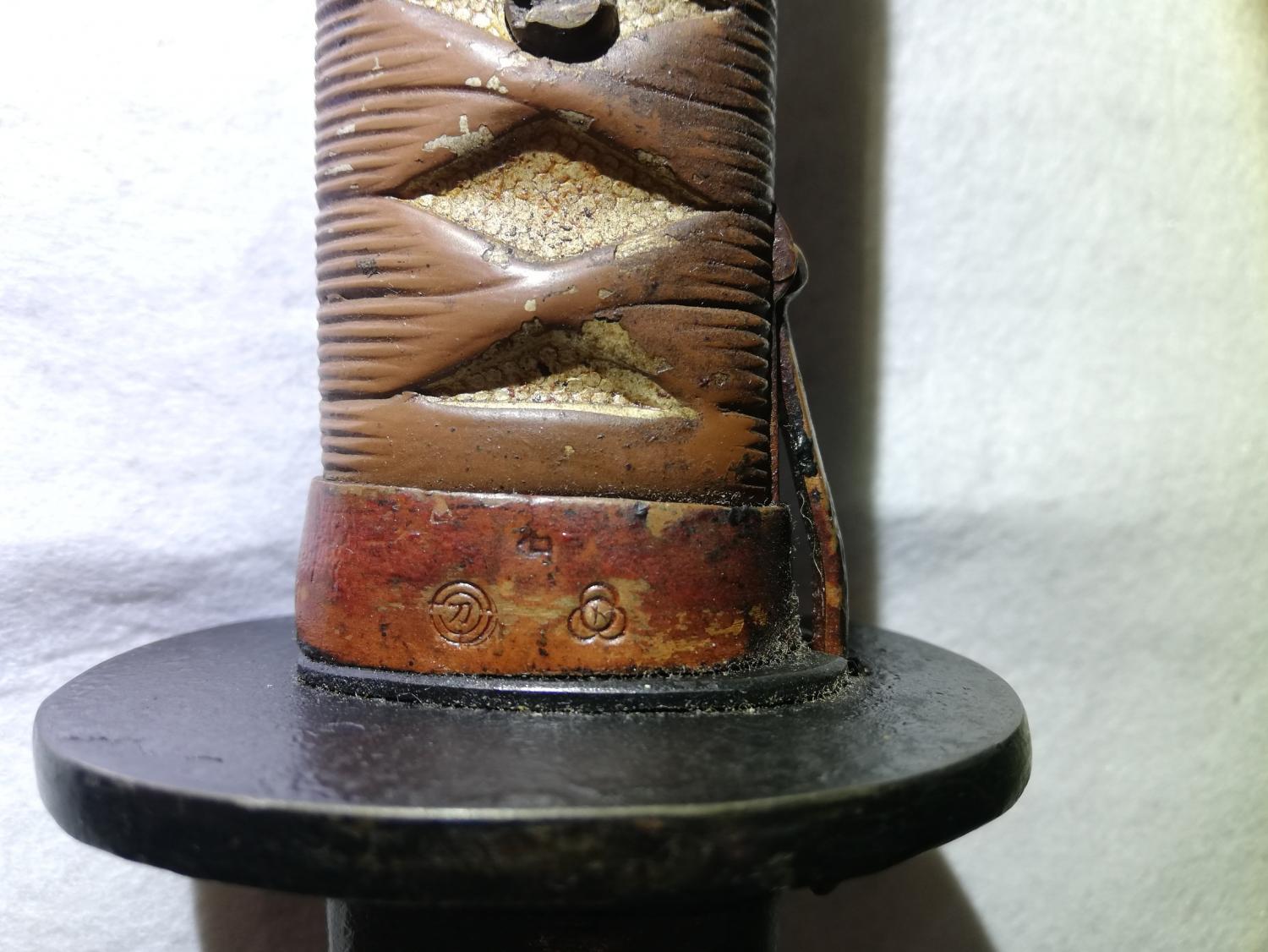
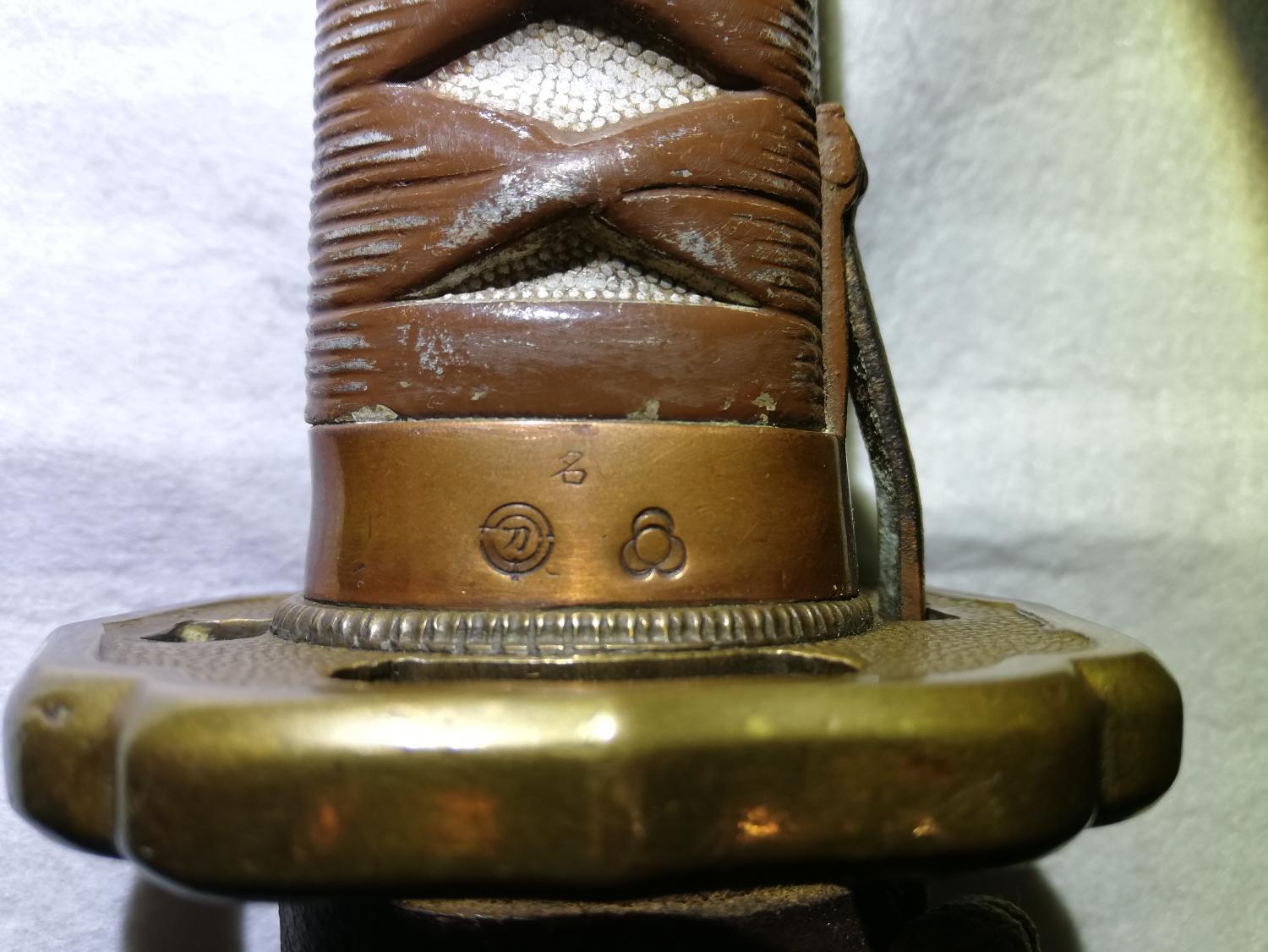
I forgot to offer these this morning, Bruce. I have examples of Seki stamps on other models with iron tsuba, but they're fairly incomplete or covered by paint,. Still happy to get some pics of your interested, but these are clear enough for demonstration.
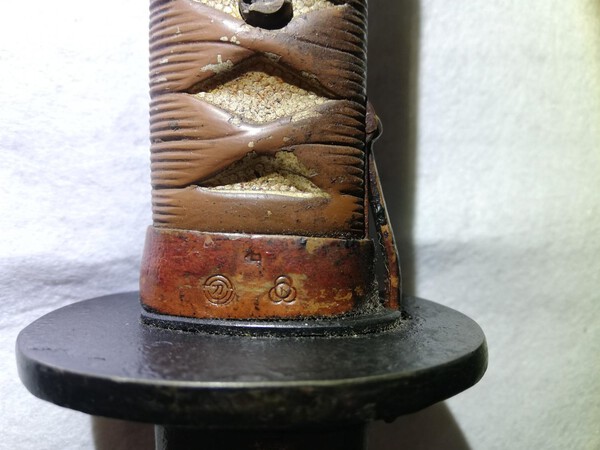
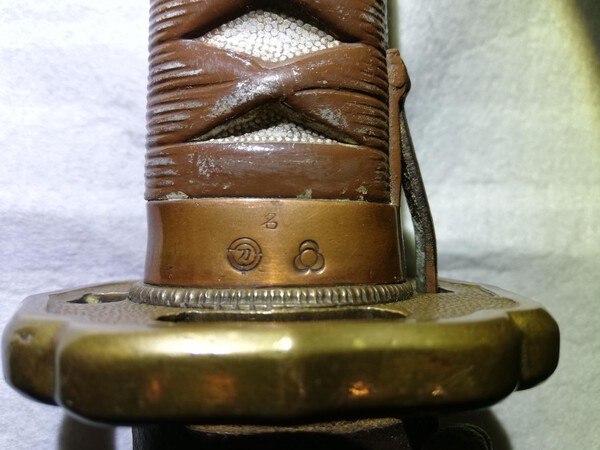
-
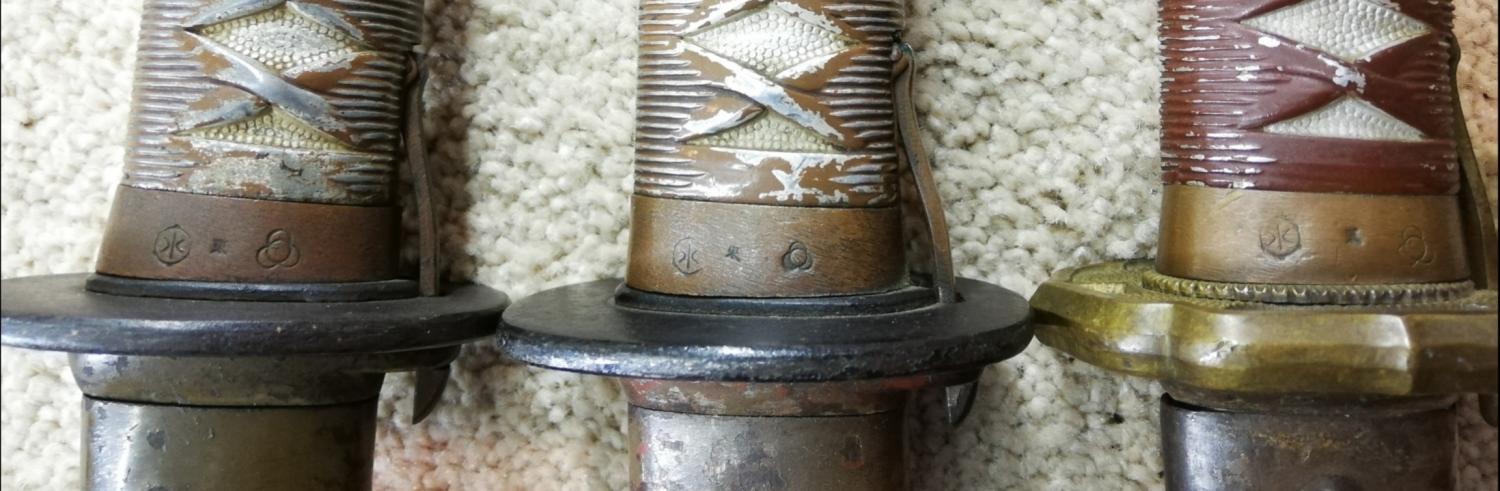
Well since the Mizuno is finally out of the bag (I note that Nick actually mentioned them several times over the last few years but no one seemed to notice), here are three more.
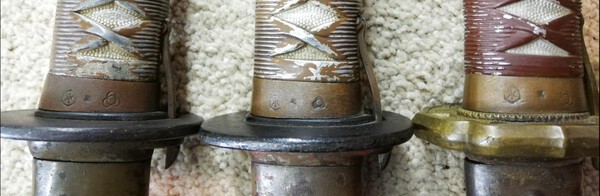
-
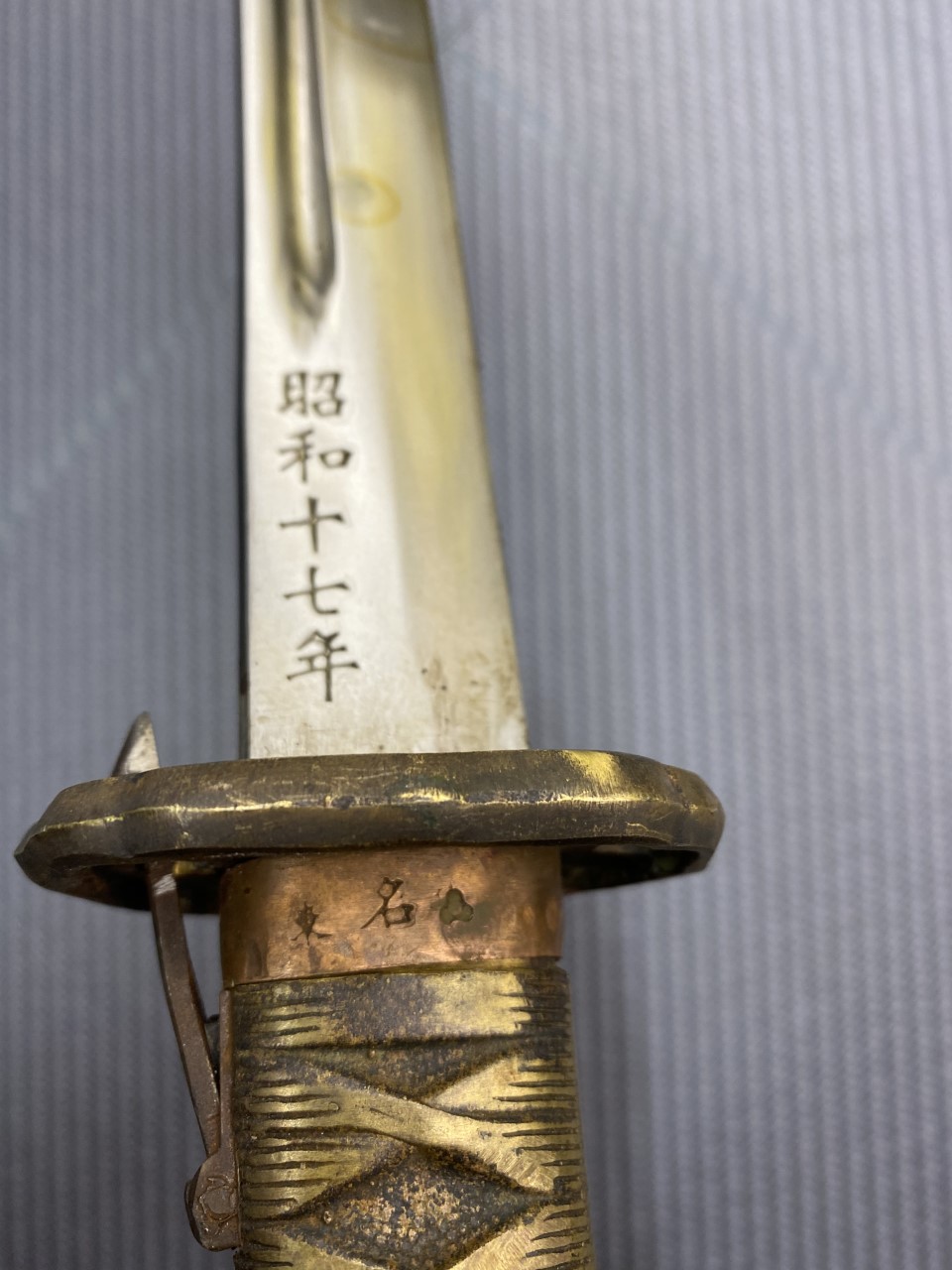
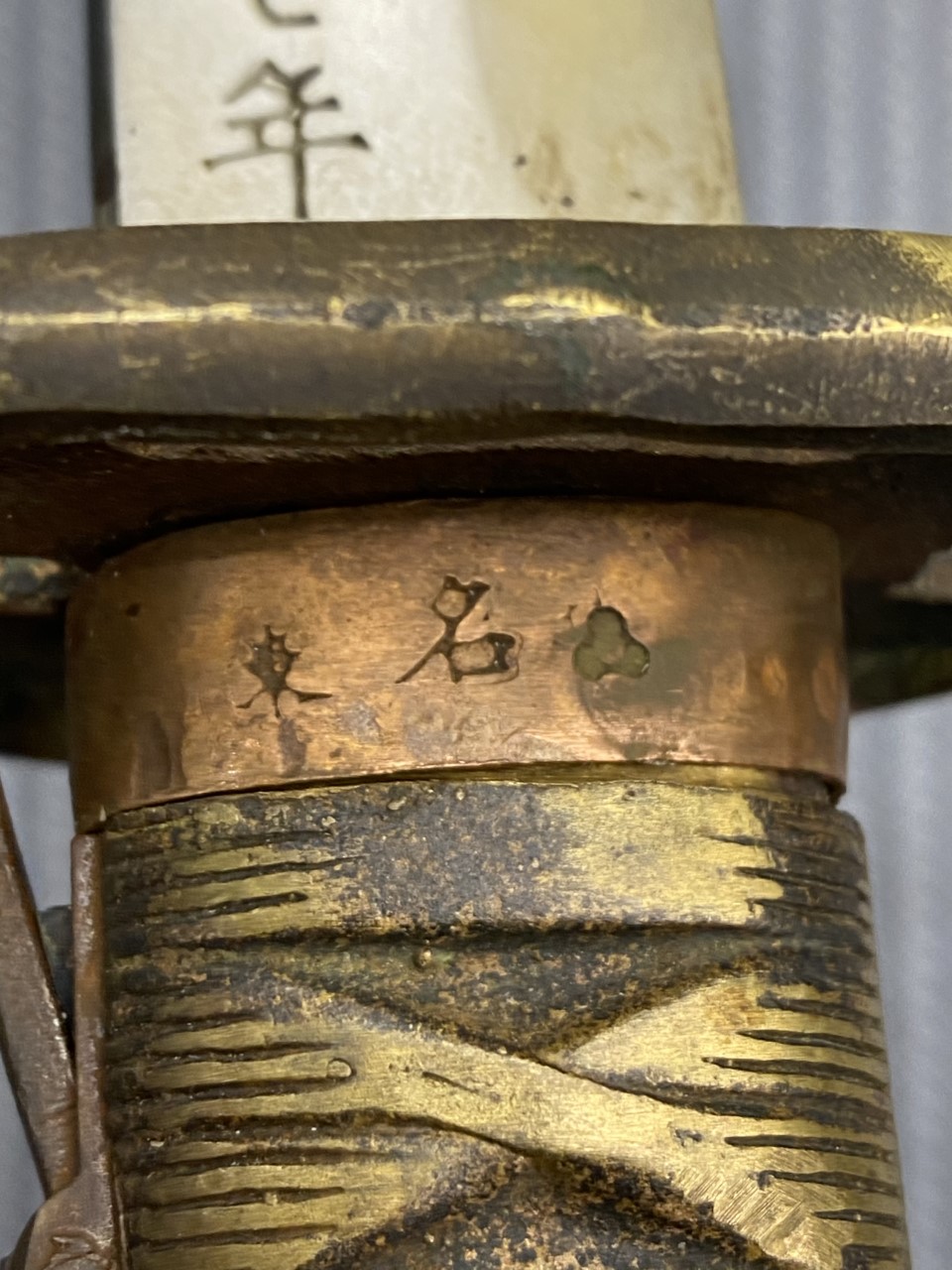
It's a nagoya inspection stamp, Bill. The serial numbers are fine. They can be either orientation, depending on the arsenal that made the blade. The saya is from another sword as you guessed. Not got the right suspension rings.
-
Wow Dave, I don't even remember that post! So much lost to time and memory. I'm glad you dug it out again