sabi
-
Posts
611 -
Joined
-
Last visited
-
Days Won
4
Content Type
Profiles
Forums
Events
Store
Downloads
Gallery
Everything posted by sabi
-
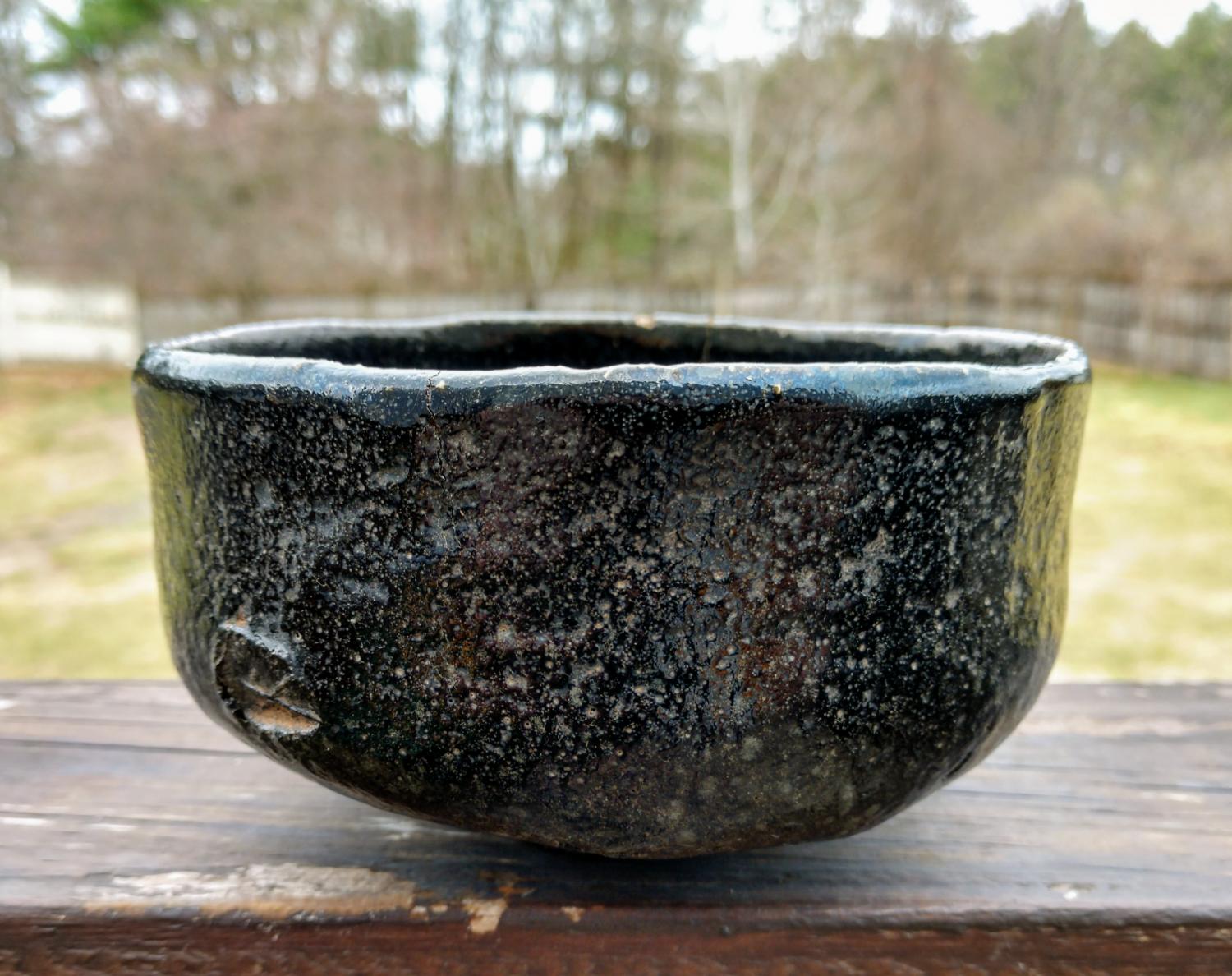
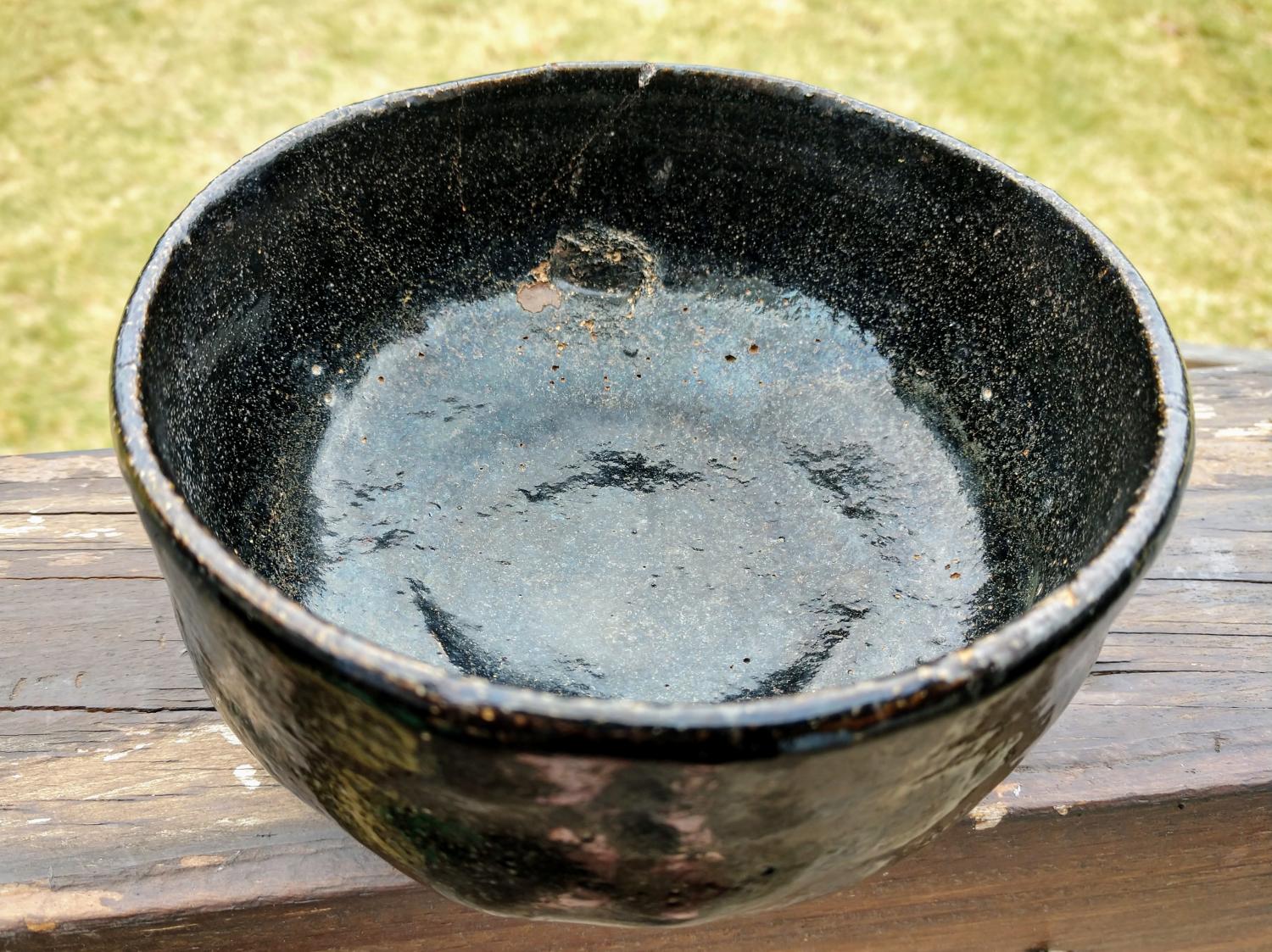
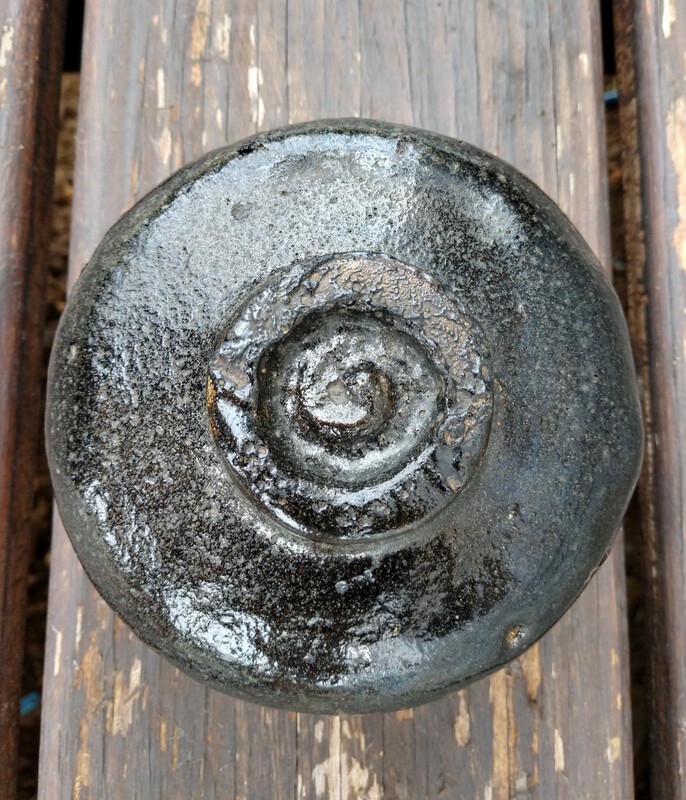
Wanted to bring this one back from the dead just for kicks as the original bowl in this thread is now with me. It's traveled quite a bit to get here! Thanks Philip for plucking this from wherever you happened to find it. A wonderful piece with some serious age that I'm honored to look after.

-

Japanese Art. What would you love to have in your Collection?
sabi replied to barnejp's topic in Other Japanese Arts
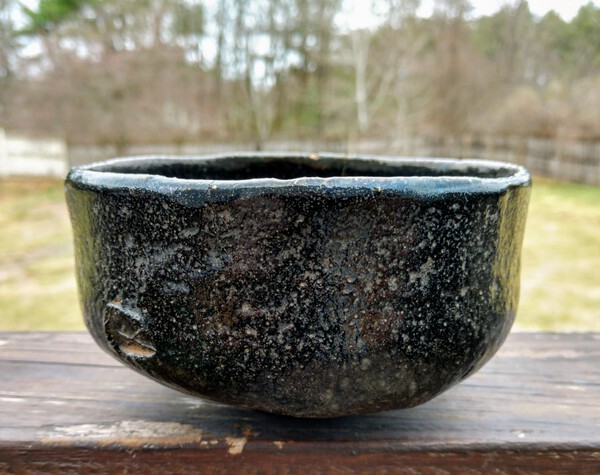
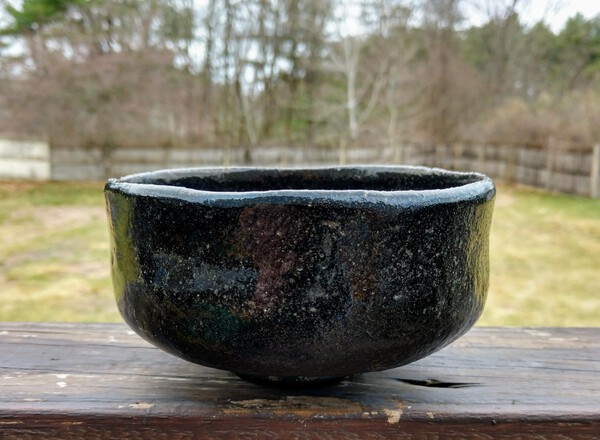
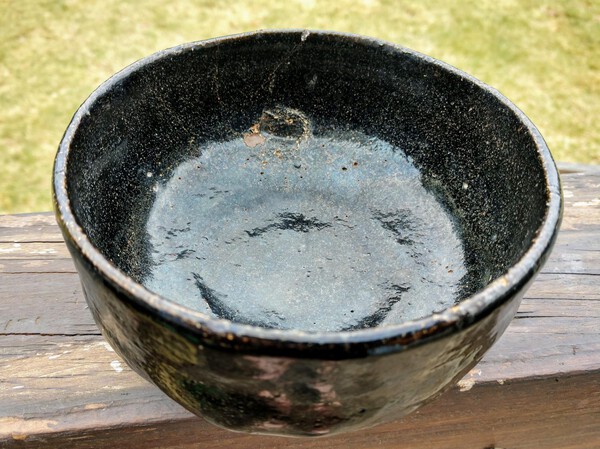
This black Oribe teabowl, and like Brian's okimono it's totally unattainable. Sold for a staggering $72k USD a few years back. Worth every penny.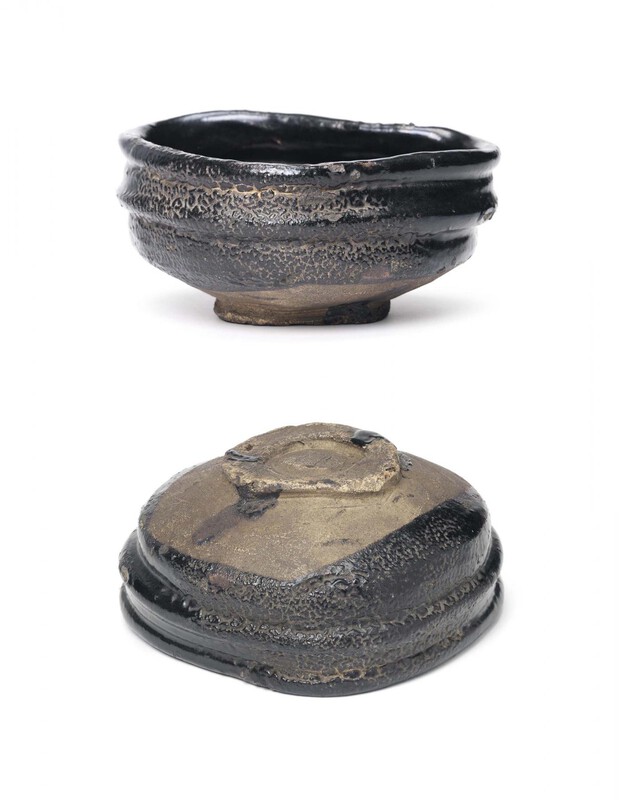
-
Thanks for sharing Bazza, All of my guinomi see action and I'm a big sake fan, nigori in particular. For the longest time there were only a couple half-sized bottles of it available around my neck of the woods, but over the last couple years the sake section at the NH state stores has multiplied at least threefold. In addition, Japanese brands are now producing in the west coast wine states with in my opinion, fantastic results. What a time to be alive indeed, cheers.
-
Thanks Steven! Life is too short to drink cheap tea
-
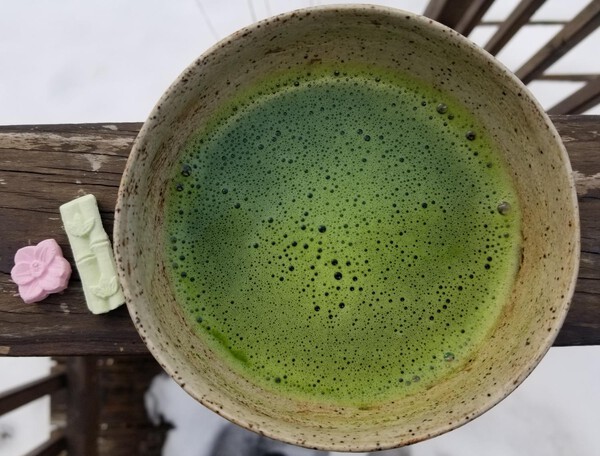
Thanks Michael, glad you liked it! Here's the money shot: a bowl of usucha made with Ippodo Horai-no-Mukashi, enjoyed with a couple higashi.
-
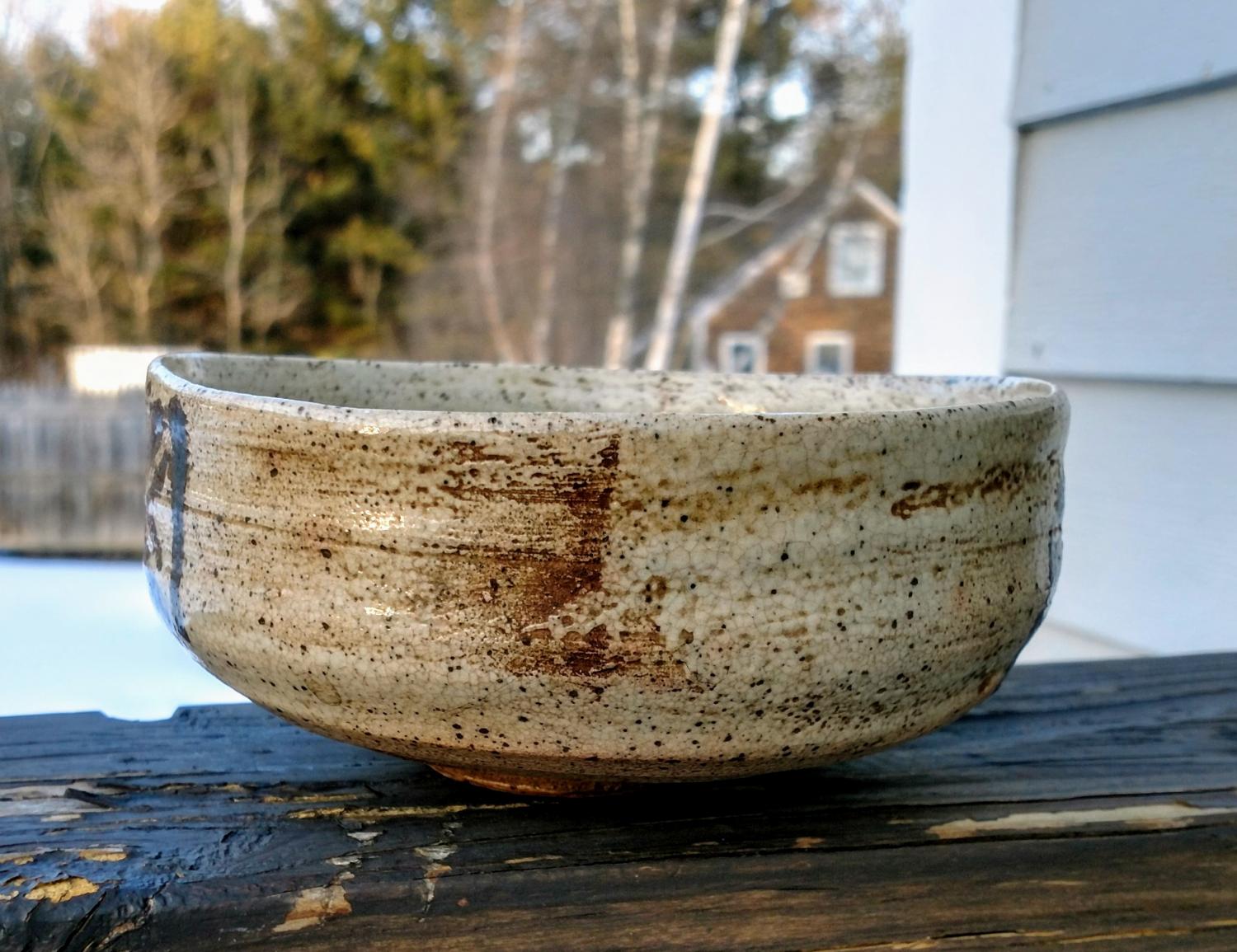
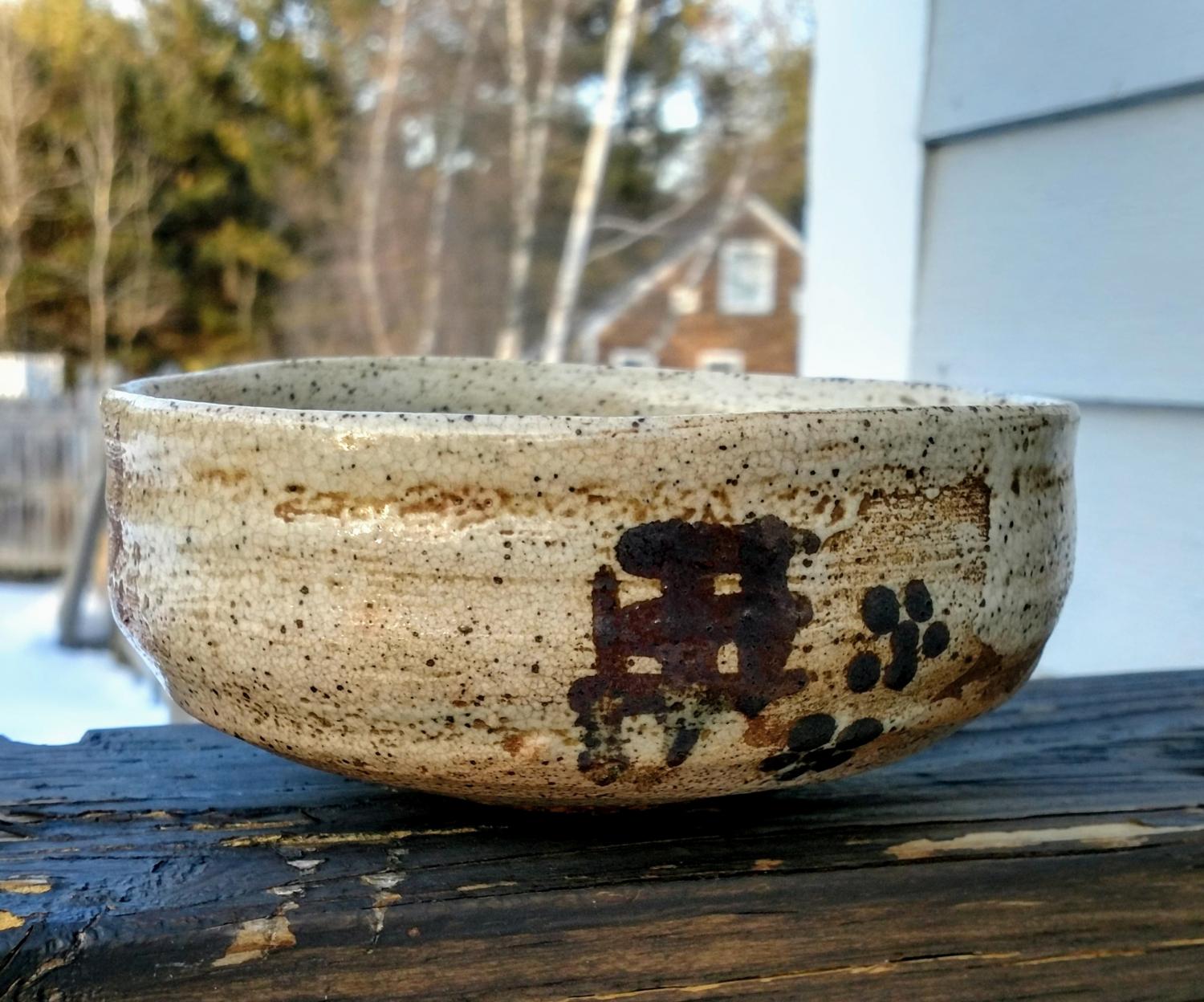
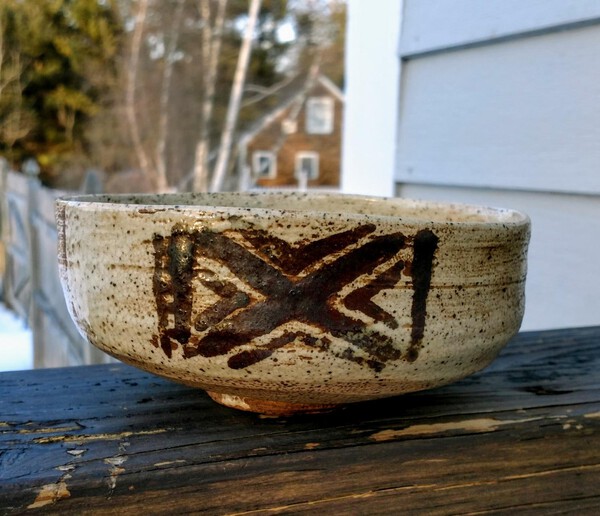
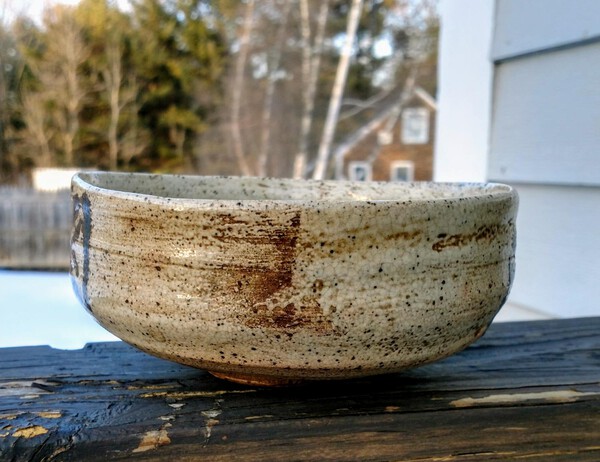
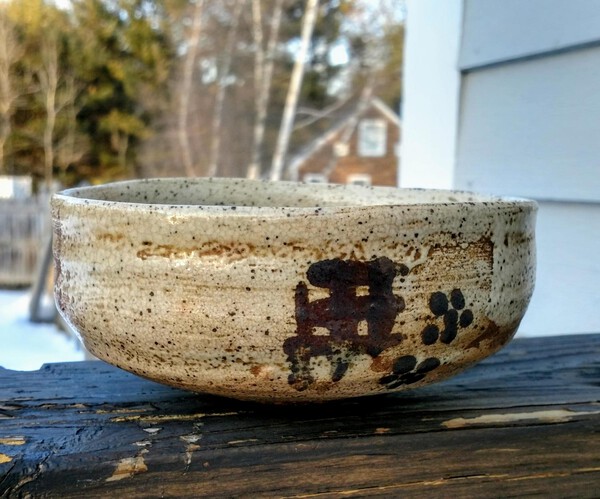
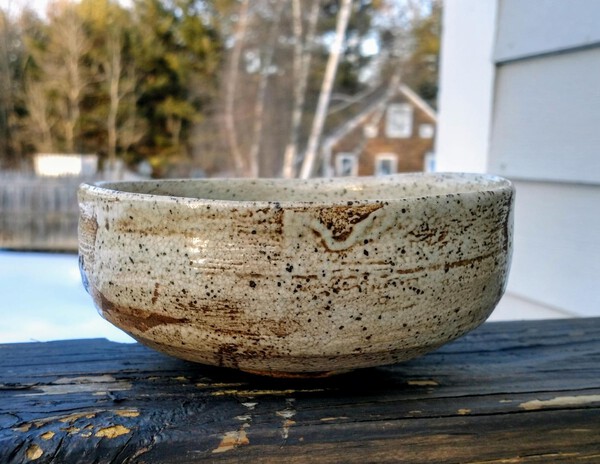
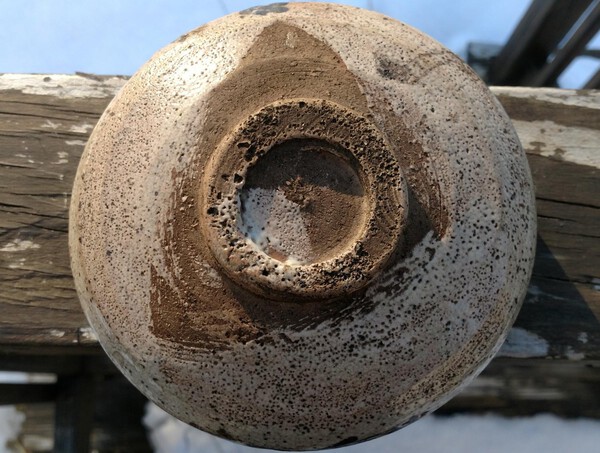
Good evening NMB! I've been pretty quiet as of late, but did manage to pick up a new tea bowl recently... This chawan has a bit of age behind it, although determining exactly how much will require some study. It is in my opinion a lovely example of Mino-Karatsu ware. Fired in Mino and using the local coarse, refined clay, but with a Karatsu style coloring and iron glaze decoration. A natural combination with roots beginning in the late 16th C. Much like we see in iron sukashi tsuba of this period, the cross-pollenation of ceramic styles occurred rapidly within the flourishing times. Several years before the Mino wares that now bare his name went into production, Furuta Oribe stayed at Hizen Nagoya Castle near Karatsu. In 1592 when Hideyoshi was busy invading the Korea, Oribe is recorded as having visited the nearby kilns and given instruction to those working there. In 1597, the Mino Potter Kago Kagenobu visited Karatsu to study the radical new climbing kilns that had been recently introduced to the area from Korea. Having brought back knowledge of the noborigama to his home province, Oribe ware began to be made inside of its multi-chambered walls. Simultaneously, due in part to the popularity of the tea ceremony and its shift towards domestic wares, ceramic commerce was booming. This resulted in potters having increased exposure to works from other kilns, and also sparked an interest in emulating them. This bowl is slung low and wide in Mino fashion, its shape slightly distorted with subtle finger grooves wrapping around parts of the body. Glazed in a rather carefree manner, the variation produces a range of colors from a creamy, almost pistachio hue in the heavier areas, to a warm peach tone on the underside where its application thinner. Dappled on the semi-roughly formed foot is a "fingerprint" left by the glazing process. In addition to the surrounding bare clay, there are several "windows" throughout where the bowl's "flavor" can be observed. The iron based brush work rounds out the Karatsu derived color pallette, but its subject matter and execution have much more in common with Oribe vessels. The presentation side features a bold and dynamic geometric design likely inspired by textile patterns. On the reverse sits a lattice resembling a tea garden fence alongside one of the most widely used Oribe motifs in two stylized plum blossoms. Generally, the boxes that come with any given work are largely uninteresting, however that's certainly not the case here. Note the patina of the wood and extensive insect damage, perfectly encapsulating the wabicha spirit. The lid bears an inscription by who I assume was a former owner that confirms it as a Mino-Karatsu type vessel, and gives a nod to the designs used. It also came with a high quality silk shifuku which appears to have been made for this particular bowl, but unfortunately I spaced on getting a picture of it...
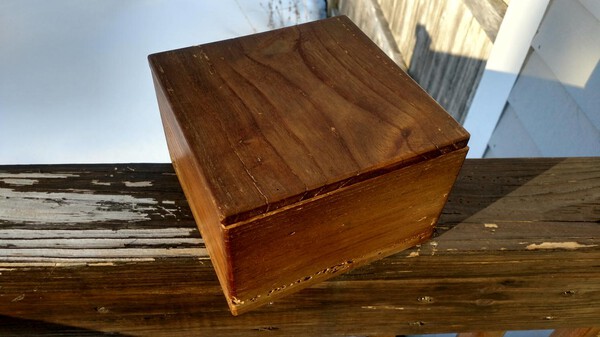
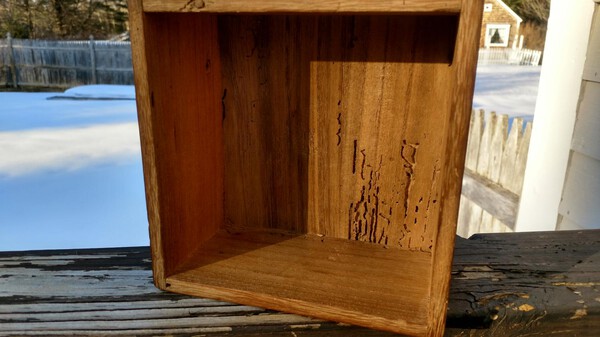
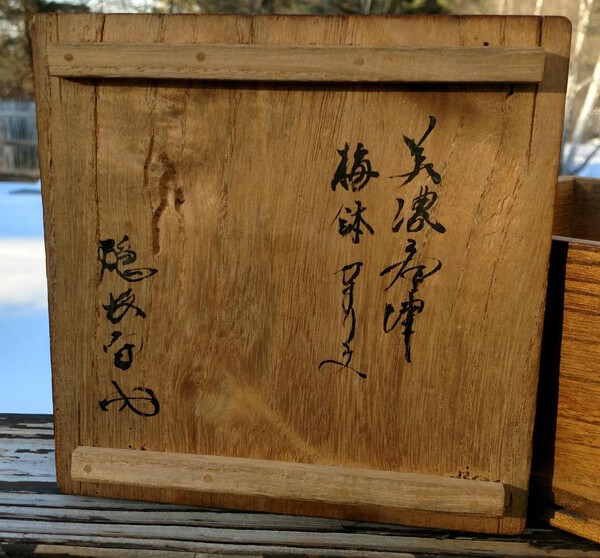
- 5 replies
-
- 11
-

-
Congrats on your first piece, David. Will you be putting it to use? If so, I can direct you to a wonderful US based shop that sells high end matcha at very fair prices, along with any accessories you may need. To your bit about recommendations, for anyone looking to get involved with traditional Japanese ceramics, the following book is a must read. And after you've been through it once, read it again for good measure. I simply cannot overstate its importance on the subject. The cherry on top is that IT'S FREE. The print version can still be had for short money, and I recommend grabbing a copy if you like what you see. It's a well made book with fantastic images and dialogue. The quality of examples presented is in the stratosphere and it's overall content very diverse. You get some great background on many different topics that really pull everything together, from a cultural context point of view to the actual process of creating these "delightfully waggish" wares. https://books.google.com/books/about/Turning_Point.html?id=q50bU2oPj98C&printsec=frontcover&source=kp_read_button
-
A few nice pieces were just listed here: https://www.artisticnippon.com/product/igayaki/igayaki_index.html It's tough to get her stuff and the best ones go very quickly. I know there are several admirers of her work on here, so just looking out! That particular shop is top notch too.
-
- 2
-
-
^^^ This, an animal hair brush works well too. Aside from that, periodic rubbing with a cotton cloth should be all you need to do to maintain an iron tsuba. It'll generally wipe away any tiny spots that may appear in storage, and I'm also a firm believer in taking them out of the box and letting them "breathe" every once in a while. I don't have any hard data to back it up, but I think tsuba boxes are prone to trapping moisture inside them, and from my experience a stable iron patina benefits from a little fresh air. A while ago I had small spots as you describe pop up on a stored tsuba, but the one I had on display in the same room during the same stretch of time was immaculate.
-
Good job not falling into that trap, Alton. You'll see this is a lot unfortunately, and it's relatively common with big names. I had been on the lookout for a quality Bizen piece recently, and using the Fujiwara family as an example, there must have been at least a dozen fakes for every legit one. Continue to be careful and do your homework. Additionally, when you have a signed box but a "mumei" vessel, it screams fake. Virtually all modern potters who are well known enough to sell their wares will have some form of signature. Buying from reputable dealers is always preferred, but that's not to be confused with anything on eBay in general. There are several good sellers there that list quality pieces, know what they have and won't risk their name trying to play games with buyers who don't know any better.
-
With the flared handle and deliberate notch in the blade, I say nata. I'm also getting strong Akasaka vibes from this one and agree with the above comments. The composition and the way the sukashi is cut stand out to me, as does the thickness.
-
Highly regarded artist and a very desirable motif.
-
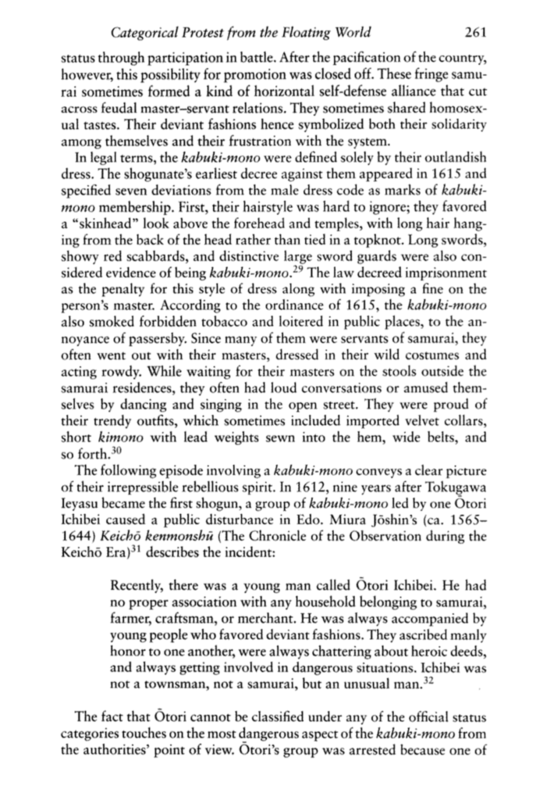
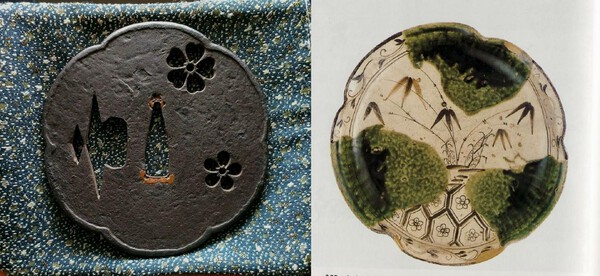
Wow, thanks to Hamfish for bringing this one up from the depths! Some fantastic discussion here from Pete and Steve about the close relationship between tea, ceramics and tsuba, with some wonderful cultural context thrown in for good measure. I'm well beyond fashionably late to the party, but seeing as this thread pre-dates my interest in the hobby by a few years and it's right up my very narrow alley, I might as well see myself in. Great post Pete, and that image is a nice find. Whenever I come across a new painting or print depicting kabuki fashion, I make a point to study the details their dress and koshirae. Unfortunately most images in my books are too small to show much of the latter, especially the tsuba. Below is an excerpt from the book Bonds of Civility: Aesthetic Networks and the Political Origins of Japanese Culture by Eiko Ikegama. The middle paragraph touches on your thought about individuality being stymied by the Tokugawa Bakufu, and is accompanied by a very interesting bit about kabuki style. In particular, I found the reference of "showy red scabbards and "distinctive, large sword guards" to be a gem. Could "distinctive" be a reference to the new, eye-catching openwork on large iron plates?? I go back and forth on my opinion of the timeline of these big ji-sukashi tsuba. I don't doubt some are pre-Edo but I tend to lean towards the thinking that most earlier examples are of the smaller variety we see among Kanayama, and the many Owari area guards in the 7cm-ish range with gnarly iron. Fantastic post here, my friend. An eloquent summary of the progession of 16th C. tea culture, and I really like where you going with it... You know that I completely agree with you about Yamakichibei guards best embodying the style of ceramics that bear his name, and that none did it better than the "nidai". I can definitely see where Pete is coming from though in saying that Nobuie tsuba and Sen no Rikyu's aesthetic overlap a little bit. His preference for Raku, and what I would call an air of quiet refinement I think is present in the great works of Nobuie, which to me are strong, dignified and noble while also being just a bit reserved. Those made by the nidai Yamakichibei once his own style is developed are to me, full on "Oribe tsuba". I believe I even used that term in one of our conversations . Like a kuro-Oribe chawan or ao-Oribe tebachi, nidai tsuba emphasize form, bold designs and process to express the organic breadth and sheer presence that is so coveted from this period. I've put together an image that shows one of my favorite comparisons between the two, and while the tsuba has an extra lobe, the similarities cannot be missed. Their shapes are strong but in no way stiff with, plenty of "life" if you will, they share a floral motif in tandem with geometric patterns, and the overall mood is one of pure exuberance. My apologies for stumbling in so late, but this thread seems to have died off rather abruptly after some very thought provoking posts. Perhaps all it needed was a bit of time to get going again??
-
Nice piece Curran and congrats on the sale. I've owned one with a sizable ware stemming from a bad weld, but have never seen such a severe delamination before - very neat one to study, thanks for posting.
-
Ken, Fabulous quote, I'll just tell the wife I'm not buying things - merely seeking them out! Steven, You make a great observation about this piece having an elemental and tortured quality to it. To me, Igayaki (closely followed by Bizen) is the pinnacle of unglazed wares because of their emphasis on process and raw, organic beauty. The convergence of earth, fire and wood gives each piece its own unique landscape, and when combined with strong, waggish forms we are left with works that radiate haki. This can be translated as power, ambition and unconstrained spirit. This mizusashi named yabure-bukuro (literally; burst pouch) is one of my favorite works of all time, and one day I hope to enjoy its massive presence in person.
-
I keep saying I'm done buying these, but here we are again! An Iga vessel by my favorite yakishime artist has been on the want list ever since I acquired a Shigaraki variant by her about a year ago. Unfortunately they seem to be much fewer in number, which I'd assume is due to the higher loss rate that is inherent whenever pieces are put through multiple firings. The ones that do make it, however, are almost always magnificent. This cup was thrown into a pail/bucket shape inspired by the Momoyama/early Edo period mizusashi of the same form. Repeated firings have taken their toll and this piece displays a riot of firing cracks, both inside and out, that are characteristic of Iga ware. Several ishihaze of varying size have also made their way to the surface, enhancing the already tortured look. Very little remains of the peach toned Iga clay that entered the kiln, areas that aren't scorched or covered in ash build up morphed into various shades of burnt orange, crimson and mauve. If you look hard enough in this area, you'll notice the faintest trace of a dark green seashell pattern - the cup was laid down on this side with an actual shell underneath, which has been all but obliterated. A small pool of glassy green bidoro remains on one side, a product of molten ash glaze formed when the fire reaches its peak temperature of roughly 2,500 degrees Fahrenheit. The "legs" on each side formed by the runoff would have remained the same color after a single firing, but the repeated exposure in this case turned them a slate gray hue, and even charcoal black in some areas. There exists an old stigma in Japan that the work of a female potter will always come off as feminine, and ages ago they weren't even allowed to do such work for fear of insulting the "kiln Gods". This, in part, is why there are so few women who work in the traditional woodfire discipline, feeding logs into a tunnel or climbing kiln for days on end. Perhaps it's my knack for breaking rules, rooting for the underdog, or just an overall progressive mindset, but I can't help but smile when taking a sip from this one - an absolutely brutal and powerful piece of Igayaki that looks like it was ripped from the earth. Cheers!
-
Glad to see you're still enjoying it Barry! Quite an enigma that piece...of course very much in the Yamakichibei style and it has several traits of the Nidai in particular. The thick yasuri, rim, style and placement of the udenuki ana and tsuchime are all eerily similar. The iron is very Yamakichibei-like as well, although finished much differently than my no-doubter Nidai, the color and patina is very close. The tekkotsu is also small in diameter but very high relief as we see in a lot of Yamakichibei tsuba. Where it gets fuzzy is the extensive folding, heavy yakite and lack of a signature. My signed Nidai does show several clear fold lines on the rim and wasn't eroded via likely kusurashi treatment as this one was. Perhaps mine might show similar activity if it were?? Sadly, you'll never know who made it. Could be a known YKB tsubako, could be a workshop guy and I think something along the lines of Hoan or even early Myochin could be a possibility. What I do know is that it's a fantastic piece of iron made by a very talented artist. It radiates power and character and has an immense presence in hand. You won't find many tsuba that so closely emulate the process driven, organic beauty of buke tea aesthetics.
-
Great recommendations Tim, I can't endorse Turning Point enough. I've been through it several times and am still learning with each visit. For those interested, you can actually download the PDF from the Met's site for free. The book can be had for short money virtually anywhere and I much prefer physical copies (old school at heart), but if you're not sure you want to spend the money this is a perfect alternative to get your feet wet. https://www.metmuseum.org/art/metpublications/turning_point_oribe_and_the_arts_of_sixteenth_century_japan Ugh...I think I have most of your collection in my library and refrained from posting any for obvious reasons, but man, I'd never pass up an opportunity to look at that one! Probably my favorite tsuba ever made, very unique among Nidai work (which is really saying something), and it's a wonderful example of why I adore his individuality and expression.
-
Sergei, As a student of Yamakichibei tsuba, I feel there's far too little reference material out there on them. I'll gladly let you use my example for your research. Nidai Yamakichibei, 8.4 x 8.3cm and you couldn't hope for a better mei. The comparison image is from Okamoto's Owari to Mikawa no tanko.
-
The irregular shapes are certainly my favorite, and one of the best aspects of them is that you're constantly discovering new angles and lines. For instance, I was having a drink with this the other night and noticed a new one that I had missed during my initial "photo shoot". Just a quarter-turn one way and it presents in a completely different manner. I'm afraid I can't help you with the box as I've only recently begun to learn how to speak the language, let alone read kanji. However, I do know that the Kato family is a big name in Mino ceramics so I wouldn't doubt it...
-
Alton, Couldn't agree with you more on how well the kutsugata fits in the hand. If done correctly, all of the little swells and curves are in the perfect place. I like the shape of the two on the right you have there. I'll keep this going with my latest acquisition. I had been trying to find a good Oribe-guro cup for some time now and stumbled across this listed online, tucked away in a Tokyo gallery. Coincidentally, it's made by the same artist as the kuro-Oribe in my OP. This one is slung a bit lower and wider, with the characteristic rounded triangle profile. Dressed entirely in glaze, the only "decoration" are two sets of marks - one on the inside and one on the outside, left by the tongs used to pull this piece from the fire. This technique, known as hikidashi-guro, rapidly cooled the iron glaze and provided a near instant oxidation, turning the piece jet black. It is thought that initially, these were mere test pieces used to gauge the temperature inside the kiln. Tea master Seen no Rikyu, realizing the beauty of these works through their emphasis on process, brought them into the chashistsu, and the rest as they say...
-
Alton, I don't believe any of the pieces in this thread are "old" (aside from the period vessels I've referenced). A couple may be mid-century vintage, but that's about it IMO. As far as determining "significance", it's like anything else really - how were the top level swords, tsuba etc determined to be better than most? Regarding modern Japanese ceramics made in the style of their Momoyama ancestors, there are a few things I look for. If it's something like the Oribe in my OP, the character and color of the glaze, as well the brush work are vital - study the old ones and you'll quickly realize when a modern piece isn't convincing. Many lack nuance, and motifs are far too often rendered in a weak, remedial manner. If we're talking unglazed wares a la Bizen, Iga etc, it's all about the firing - the various kiln effects that lend individuality and character to each work. But, no matter the style or vessel type, shape is of utmost importance IMO. Everything culminates to just how well is the coveted, ancient aesthetic portayed? The artists that seem to command the highest prices are those that best accomplish this in the eye of the community. Of course that's highly subjective, but great work always stands out. Again, studying period pieces is absolutely necessary to have any sense of all this. And I can tell you right here how much I paid for mine. I own three guinomi at the moment and one yunomi - only two were above $100 shipped, with nothing over $150.
-
Nice one Henry, plum blossoms are a favorite motif of mine. Guinomi are actually known as "miniature chawan", and I've seen more than a few that take inspiration from other tea ceremony wares such as mizusashi.
-
Ah nice tokkuri Ed! Loved those two ao-oribe ones still available, glad one went to a good home! I've bought a couple pieces from that gallery and his service is always top notch. Tanba ware is very hit or miss for me, but I quite like the body color on that cup. And good point, you'll be buying works from Toru Ichikawa in no time!