Grey Doffin
-
Posts
4,206 -
Joined
-
Last visited
-
Days Won
31
Content Type
Profiles
Forums
Events
Store
Downloads
Gallery
Everything posted by Grey Doffin
-
Hi Andrew, We will have to see a picture of the mei (nakago) to know if it is gendaito (traditionally made and fitting your requirements) or showato. Grey
-
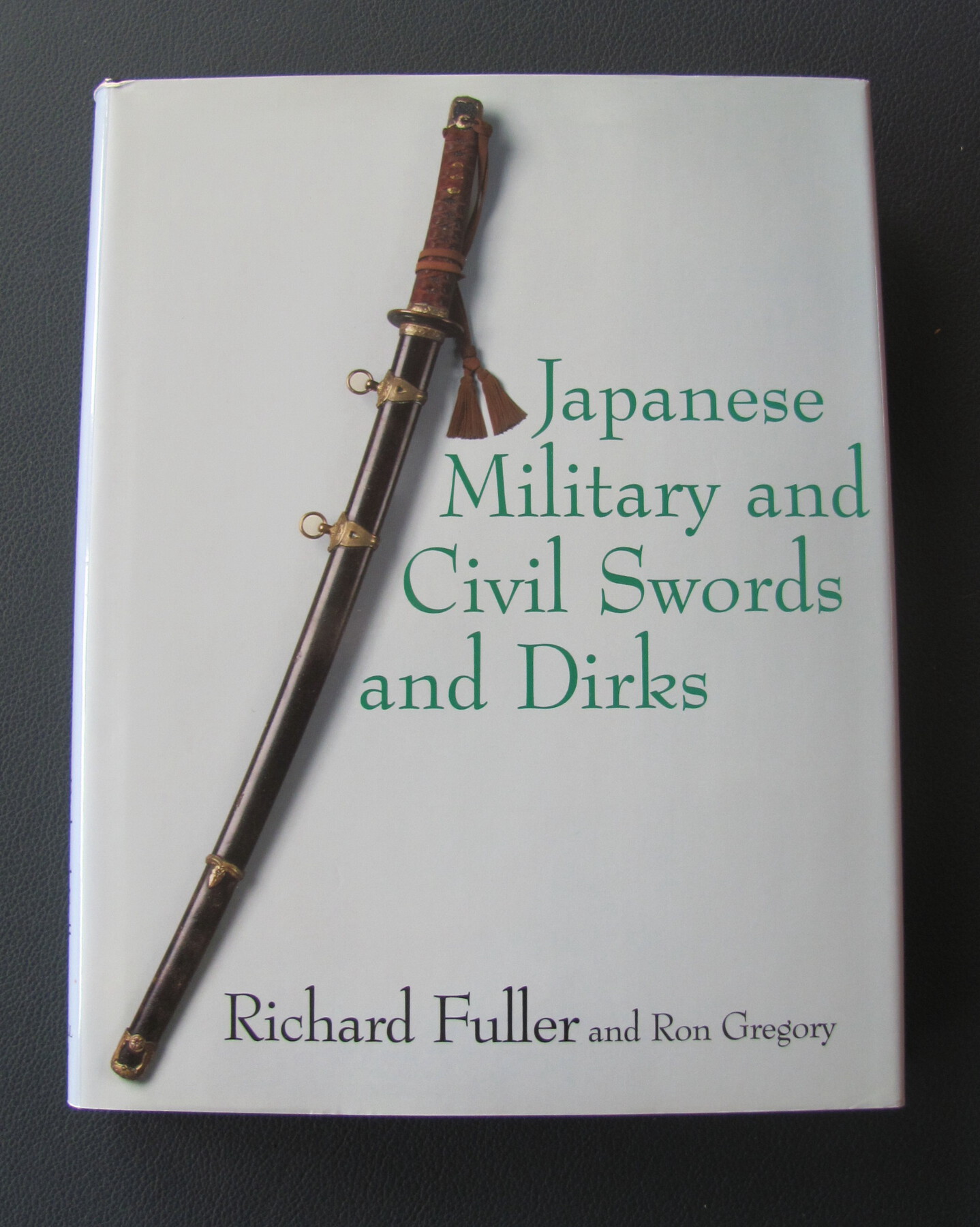
Hi Andrew, If you look for a copy of Dawson's book be sure it is the later, Cyclopedia Edition, not the early paper back. Here it is on my site: https://www.japaneseswordbooksandtsuba.com/store/books/b510-swords-imperial-Japan-1868-–-1945-cyclopedia-edition The best of the books by Fuller & Gregory is Japanese Military and Civil Swords and Dirks: https://www.japaneseswordbooksandtsuba.com/store/books/b259-Japanese-military-and-civil-swords-and-dirks Check with abebooks.com or other online book sites; you may find a copy closer to home that will cost less for post. Cheers, Grey
-

Traditions, Schools, Groups, ???
Grey Doffin replied to Jwrussell's topic in General Nihonto Related Discussion
The concept of the Gokaden was, if I'm not mistaken, developed in the 19th century as a way to classify Koto sword smithing. A smith working during Koto times didn't know he was part of 1 of 5 different traditions. And then when Tokugawa Iyeyasu came to power and unified Japan under one government late in the 16th century, he shuffled the country. He realized that if he left Japan as it was, feudal Daimyo who hadn't been as supportive as he would have liked would retain their positions of power with armies, alliances, suppliers, and more, and could be troublesome. So he moved them around, forcing Daimyo who had existed for centuries in one spot to relocate to another. When the Daimyo, who were important customers for swordsmiths moved, many smiths moved as well. This disrupted traditions and forged new alliances in smithing: lots changed. Also, with the unified country and a near total cessation of warfare, swords took on a different significance. They had always been weapons and the best of them were objects of status but, in Shinto, status became more important; swords were made as much to be items that would impress the owners' associates as to be impressive weapons. New styles and techniques developed; there was a significant shift away from tradition. All of which is to explain why you can't easily draw lines from Koto into Shinto. And let me add, This is my understanding but I'm not a historian. I may have this wrong and if I do I hope I will be corrected. Grey -
Habaki repair help needed
Grey Doffin replied to george trotter's topic in General Nihonto Related Discussion
What Dave said and also, you'll have to send the whole sword to get a proper fit and no reason not to get a whole new habaki. Grey -
Hi, The smith's name is Yoshimitsu and the 2 characters before that may read, according to Fuller & Gregory, Yabuzu. The paint on the other side is assembly numbers. Grey
-
Hi Drew, The holes aren't supposed to line up perfectly; they should be offset so that when the pin is inserted it pushes the nakago down and the handle up to make everything at the seppa and tsuba tight against the habaki. I can't tell from your pictures if this is the case or if it is reversed and the offset is making everything too loose, in which case you may be missing a seppa or 2. If the offset is in the correct direction but there is too much offset to allow the pin to enter, maybe there is something stuck in the bottom of the handle that prevents the nakago from seating properly (as was suggested earlier). Reach something like a knitting needle down inside to see if the offending particle or whatever can be dislodged. Do not, as was also suggested earlier, cut wood off the end of the handle. The handle was made to be the correct length when the sword was 1st assembled and it hasn't changed length since (wood doesn't shrink in length). Feel free to call with questions; glad to help. Grey 218-726-0395 central time
-
Hi Drew, You need to make a new mekugi ASAP. Without this pin the blade can slip down inside the scabbard and damage its point or, worse, fall free from the handle and shatter the point on the floor after passing through your foot. You can whittle a chopstick. Grey
-
Thoughts on ww2 Japanese double knife set
Grey Doffin replied to samurai1's topic in Auctions and Online Sales or Sellers
I think this is something put together late Meiji or maybe after the war, to be sold to western tourist or occupation forces. The finish on the saya is suspicious and the ko jiri is klunky at best. It was a bargain only because the price was so low.. But better minds may know better. Grey -
Signature and date on tang (continued)
Grey Doffin replied to Dan tsuba's topic in Translation Assistance
Hi Dan, Try taking a picture with a raking light, one coming from the side. It will do a better job of highlighting the strokes of the characters and may make the date more visible. As is, I can't see much of anything. Grey ps. Someone will now suggest chalk dust or talc in the characters (dust the whole nakago and brush off the majority) but I think a raking light is the better choice and leave chalk to last stab. -
Hi Dan, Yes, a signature and date; I see hachi gatsu hi, a day in August, in your 2nd picture. Try taking pictures from a bit further out; these are too close up. Also, if you use a raking light the kanji will be easier to see. As is, it is hard to make out much. Grey
-
Hi Piotr, I think this is a reproduction; sorry. Grey
-
Thoughts on restoration of nihonto fittings
Grey Doffin replied to mgraffam's topic in General Nihonto Related Discussion
Hi Michael, You admit to being new to Nihonto, which is good. You would be very smart if you strongly resisted every urge to fix this sword yourself. Until you know a whole lot more than you currently do you should leave the sword alone; well meaning amateurs can make a terrible mess. Best, Grey -
Hi guys, If anyone has a better idea please let me know. If not, would one of you please give me the romaji for the Japanese and a rough idea what is being said? Thank you, Grey
-
Hi Edward, Kore, meaning this. The mei would be read Seki Nobumitsu Kore wo Saku, I think: Seki Nobumitsu made this. Grey
-
Thanks. Anyone else know more than that? Grey
-
I am pretty sure this is Japanese and pretty sure it is in terrible condition. This one might be best left as is; far too much of it would have to be sacrificed in a polish. If it were mine I would be tempted to enjoy it for what it is, as is. Grey
-
Sale of Wakizashi by Grey Doffin
Grey Doffin replied to DTM72's topic in JAPANESE SWORD BOOKS & TSUBA
Thank you Dan; much appreciated. Grey -
Hi guys, I'd be most appreciative if someone could tell me romaji and meaning of the following. Thanks, Grey

-
I also agree that this is cast and I just couldn't resist when Barry wrote caste (which someone has since corrected).. Grey
-
Brahmin.
-
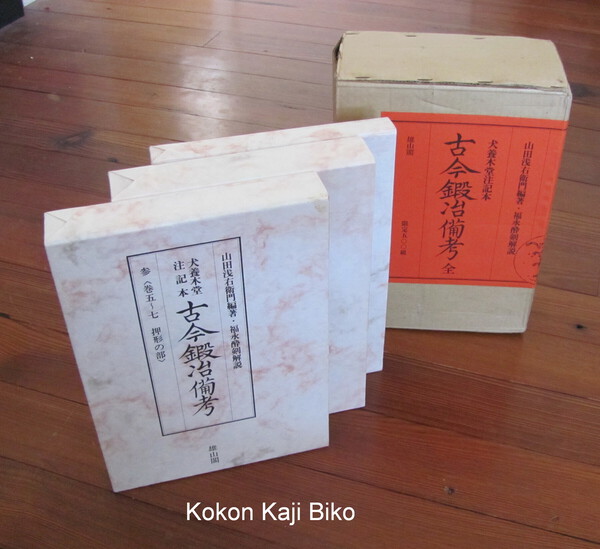
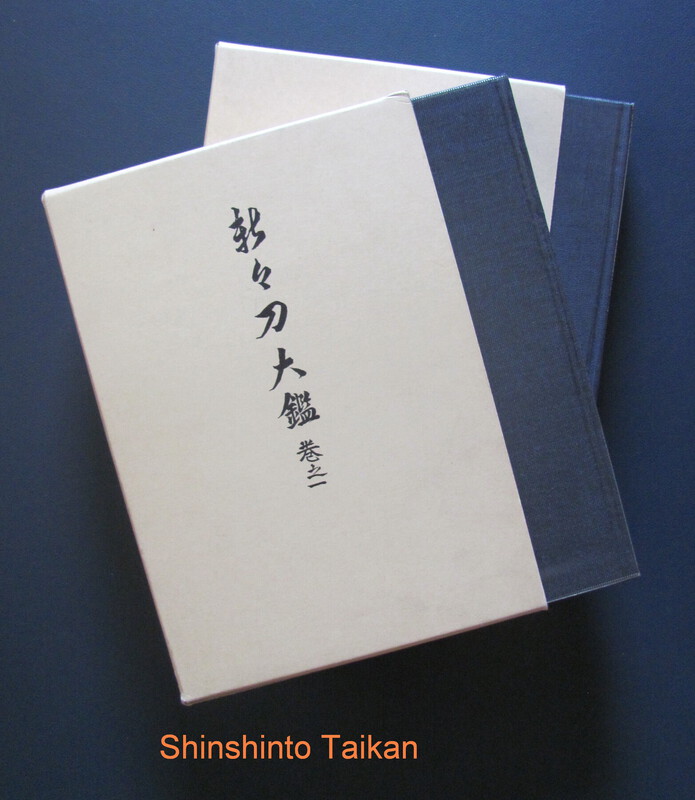
Hi guys, I just took in 6 boxes of books (5 were large; 1 weighed 90 pounds) and have listed those not already spoken for on my site. Some very useful references, a couple I've never had before, and a few in immaculate condition (pretty amazing for 40 year old books). Check them out at the top of the list on my books page: https://www.japaneseswordbooksandtsuba.com/store/Books Cheers, Grey


- 1 reply
-
- 4
-

-
Hi Oleg, Your sword is signed Dewa no Kami Hokyo Minamoto Mitsuhira. Mitsuhira was a leading smith of the Ishido School; he worked in the mid 17th century. My 1st real sword was by Mitsuhira; nice find. Grey
-
Hi Acxel, Signed Rai Kunimitsu. The earliest Rai Kunimitsu was a very important smith from Kamakura era but he never made a wakizashi (the form didn't exist when he worked). There were later smiths who used the name; none are well known. Your sword is either by one of them or it is gimei, a forged signature. Grey
-
Wakizashi Antique or modern made?
Grey Doffin replied to Axel123's topic in General Nihonto Related Discussion
Hi Acxel, In spite of what everyone is telling you, resist the urge to jump into restoration. 1st you need to have a better idea what you have and what all your options are. The sword can always be restored and nothing terrible will happen to it if it isn't restored soon. The more you know before you have restoration done, including whether or not the sword should be restored, the more successful the effort will be when you do it. There may be a Japanese sword show in Schaumburg (near you) the end of April (depends on the virus situation); if so it would be an excellent opportunity to have the sword looked at. If it doesn't happen there are other options. In the mean time, take it slow; don't be in a hurry. I'm not too far away in Minnesota. I'm not an authority but I know more than you do about this. Feel free to call with questions; glad to help if I can. Cheers, Grey 218-726-0395 -
Wakizashi Antique or modern made?
Grey Doffin replied to Axel123's topic in General Nihonto Related Discussion
Morning Acxel, I agree; this might be interesting. It needs to be seen in hand by someone who knows what he's looking at and who is honest (not going to guess which of the 2 is in shorter supply). As mentioned, don't try to fix anything yourself (well meaning amateurs can do serious damage) with one exception. If there is no pin to fit through the hole in the handle and blade's tang, whittle one out of a chopstick ASAP. The pin (mekugi) is very important; the blade is dangerous and subject to fatal damage itself if there is no pin to lock it in the handle. Best, Grey