All Activity
- Past hour
-
Maybe message Raymond Yan on FB. He seems to have a steady supply of them at good prices, and lists them on one of the groups. https://www.facebook.com/raymond.yan.950241
- 1 reply
-
- 1
-

-
Howard, Google polymorph plastics. There are a ton of varieties. Usually warm water softens them, and as they cool, they get hard. Great for working out shapes such as missing brass sheet inlays on tanegashima etc.
-

Why i dislike this dealer
Rawa replied to lonely panet's topic in Auctions and Online Sales or Sellers
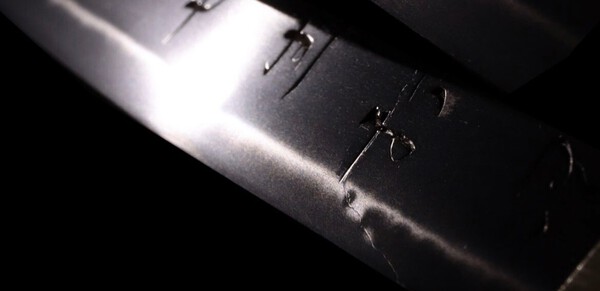
@lonely panet ffs maybe you are right. https://sword-auction.com/en/product/29954/as25207-katana-hizen-koku-fujiwara-yoshikanenbthk-tokubetsu-kicho-token/ no word about „activity” in pics
- Today
-
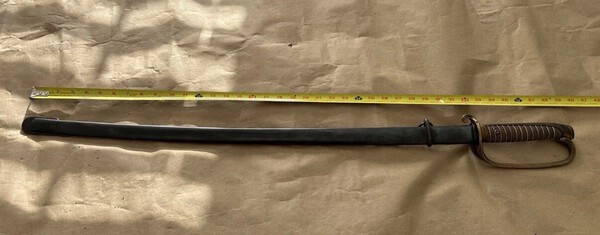
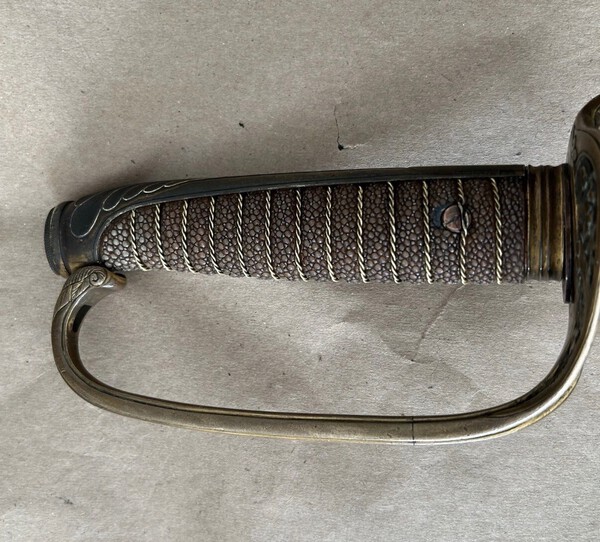
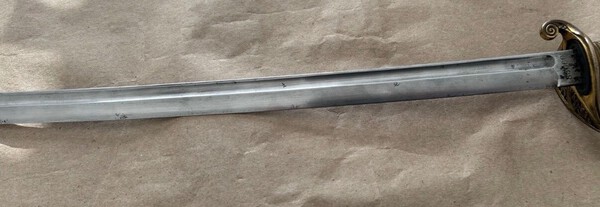
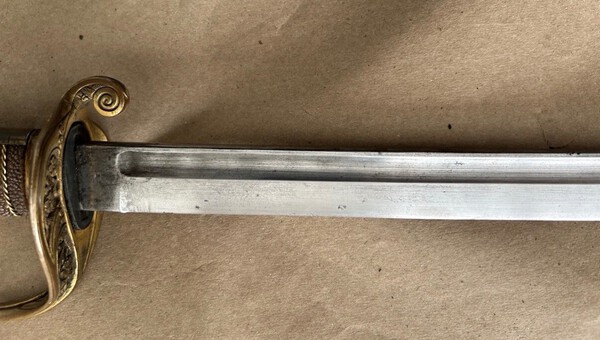
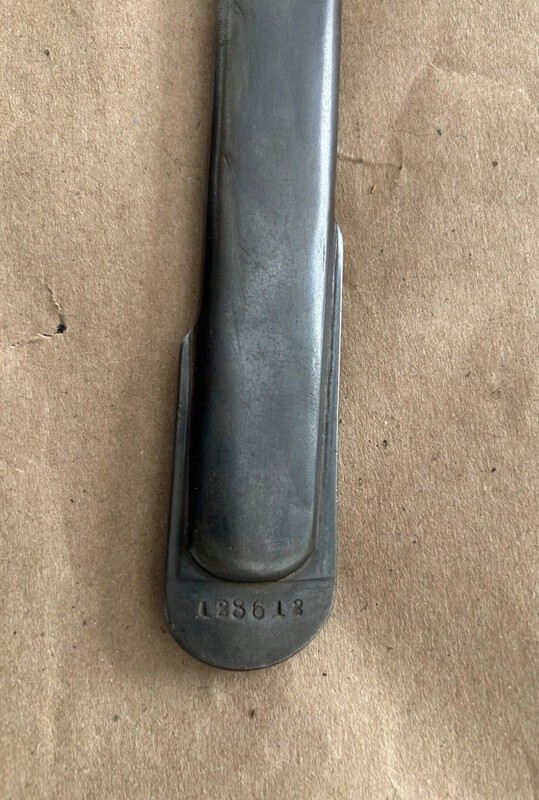
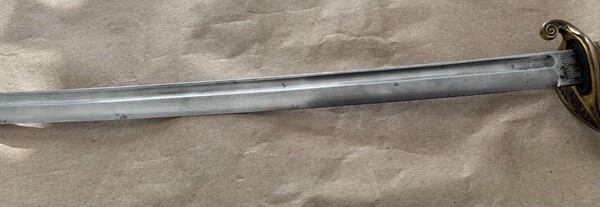
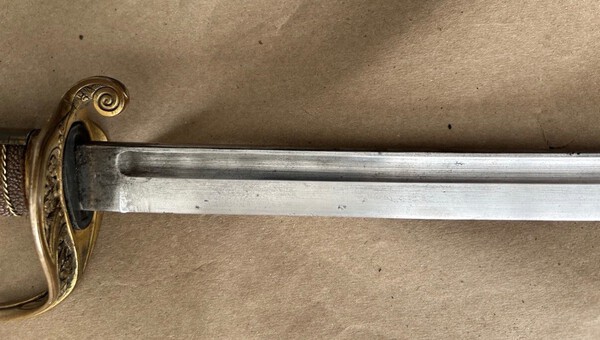
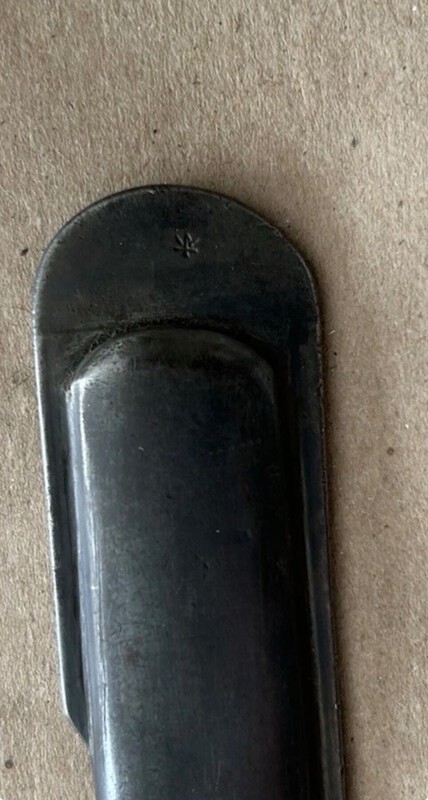
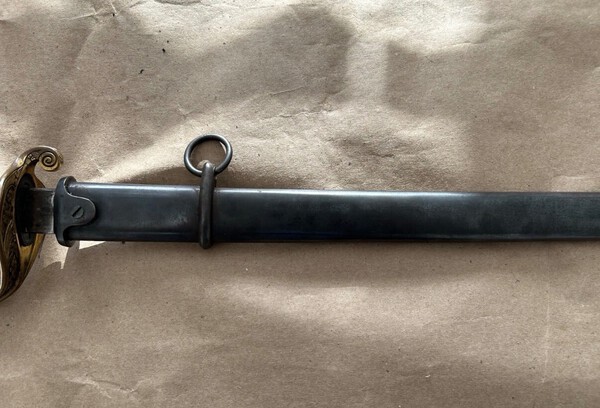
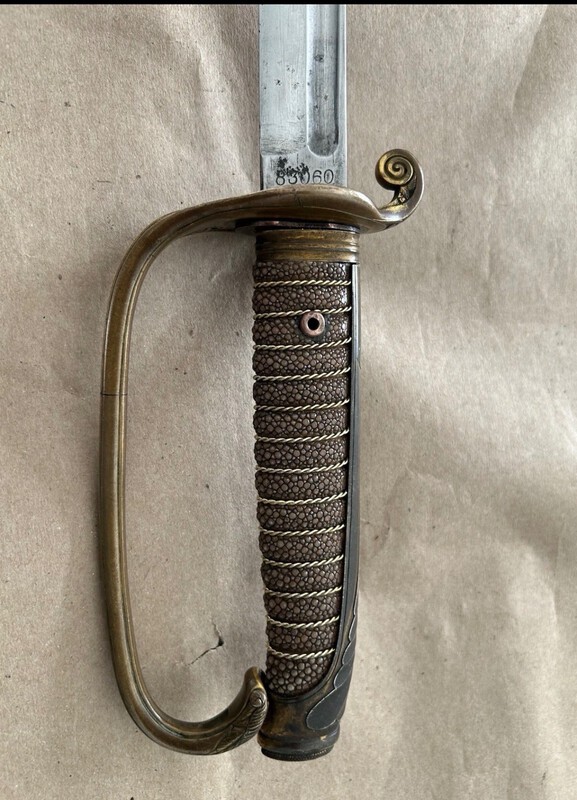
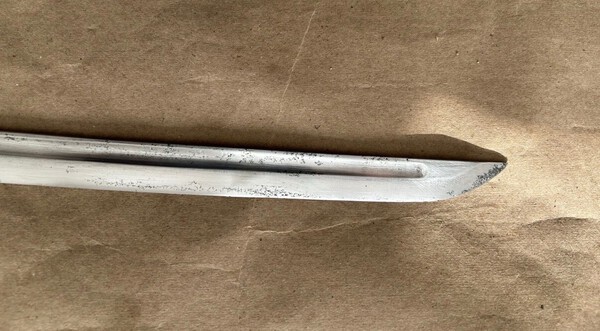
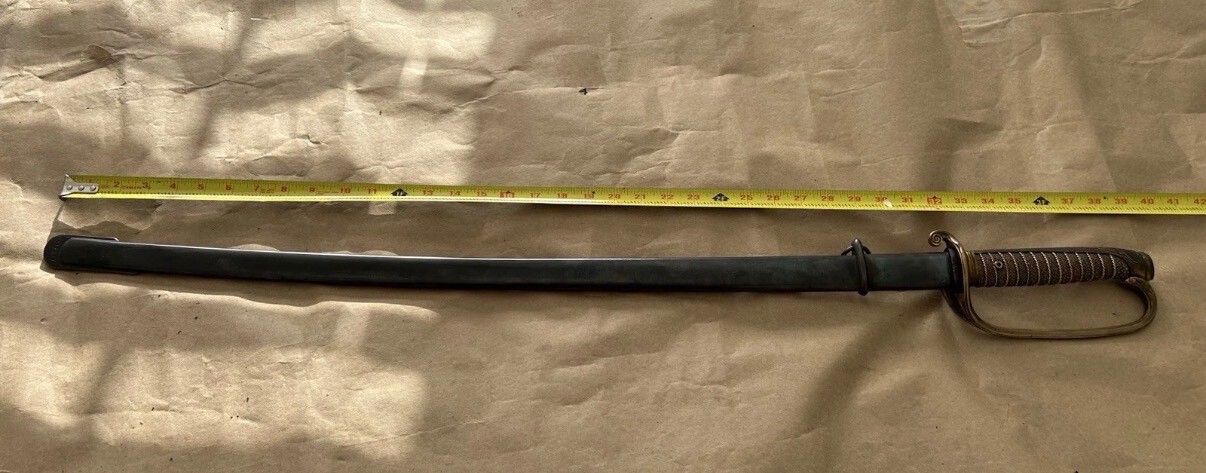
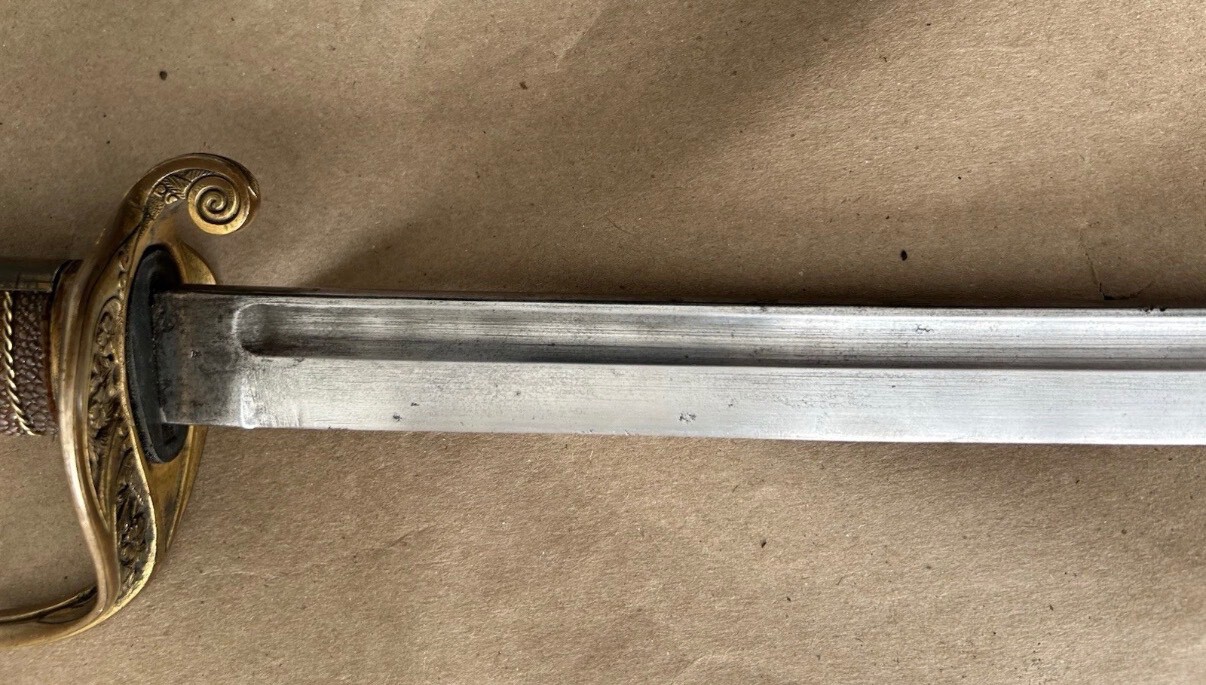
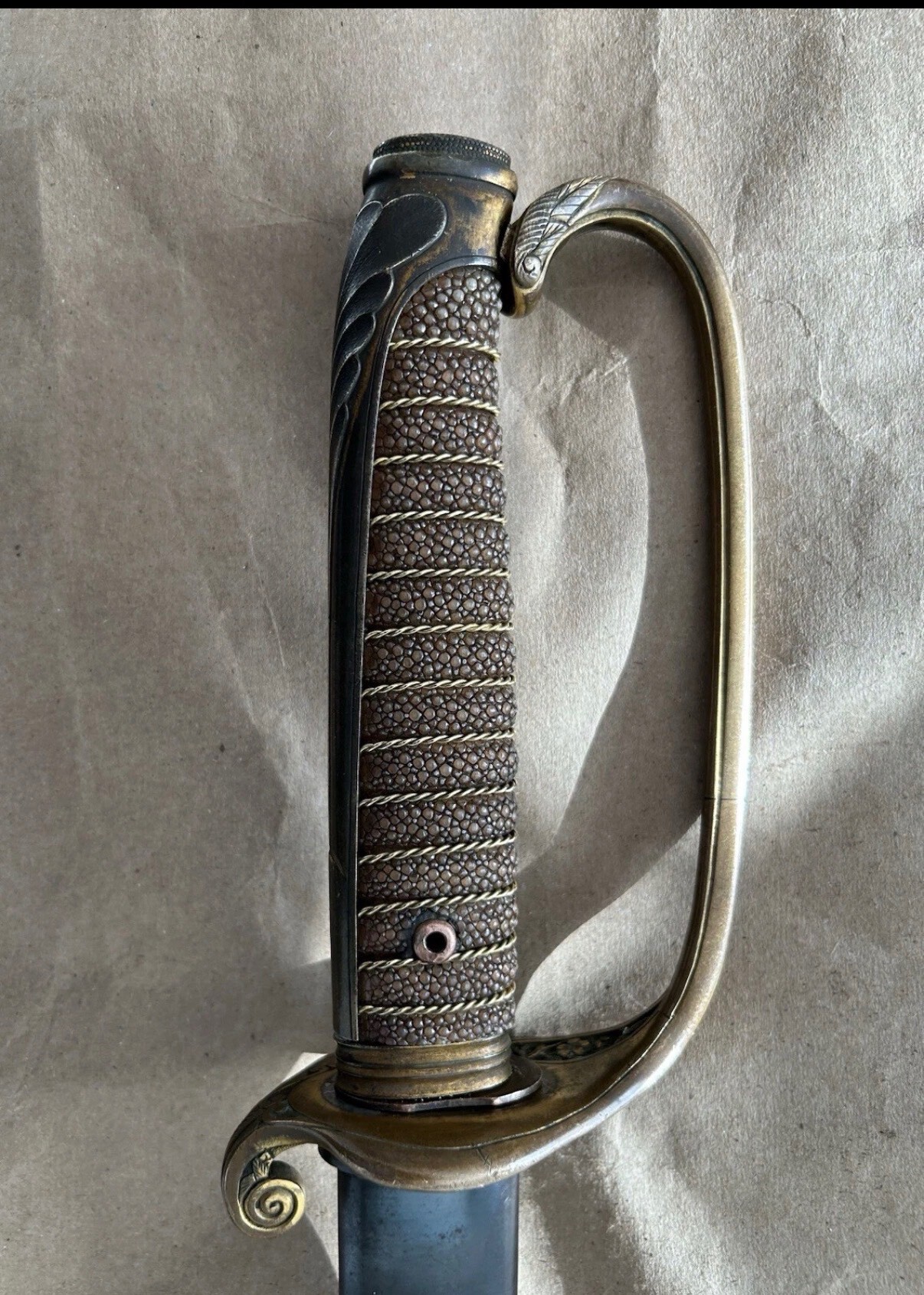
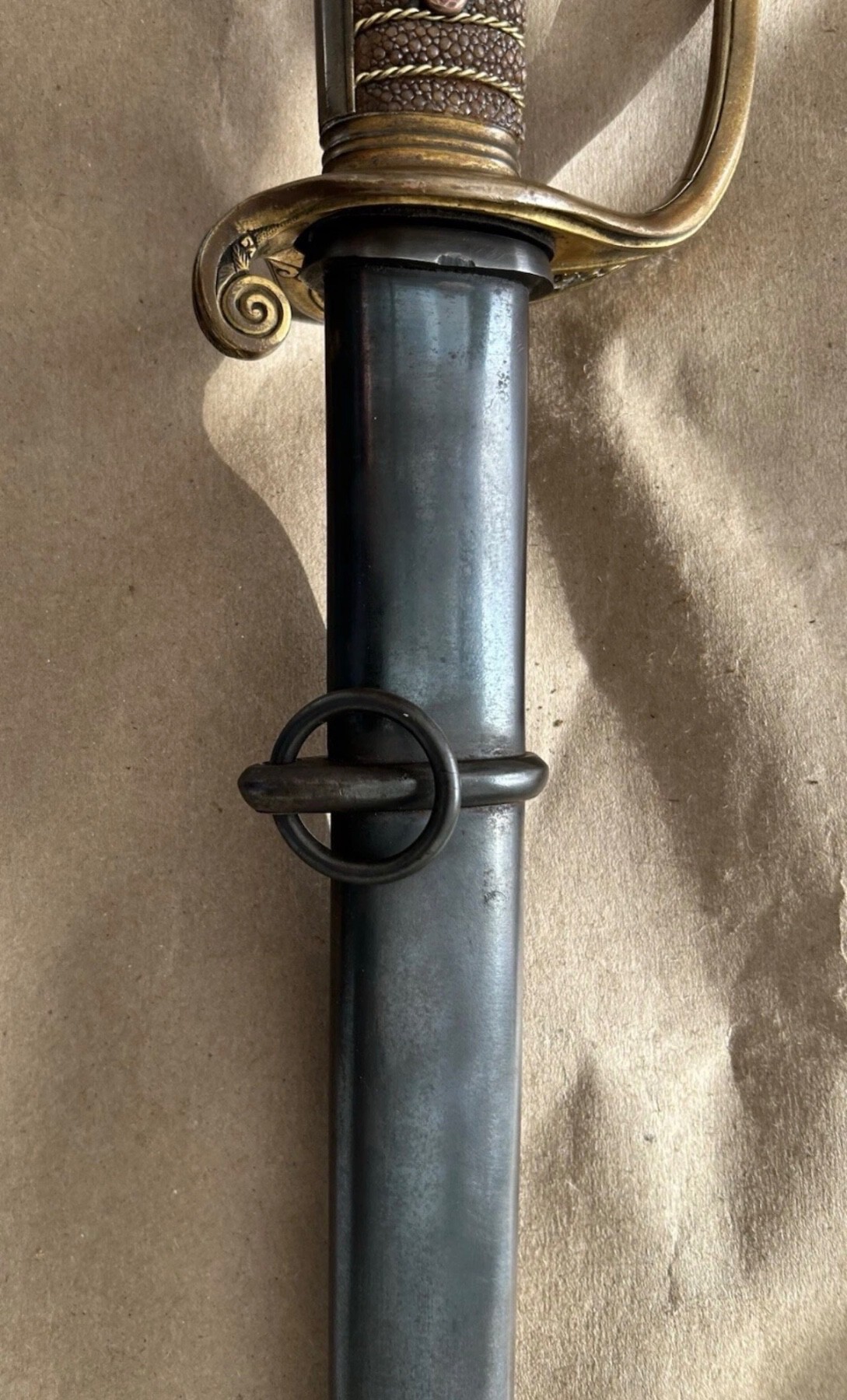
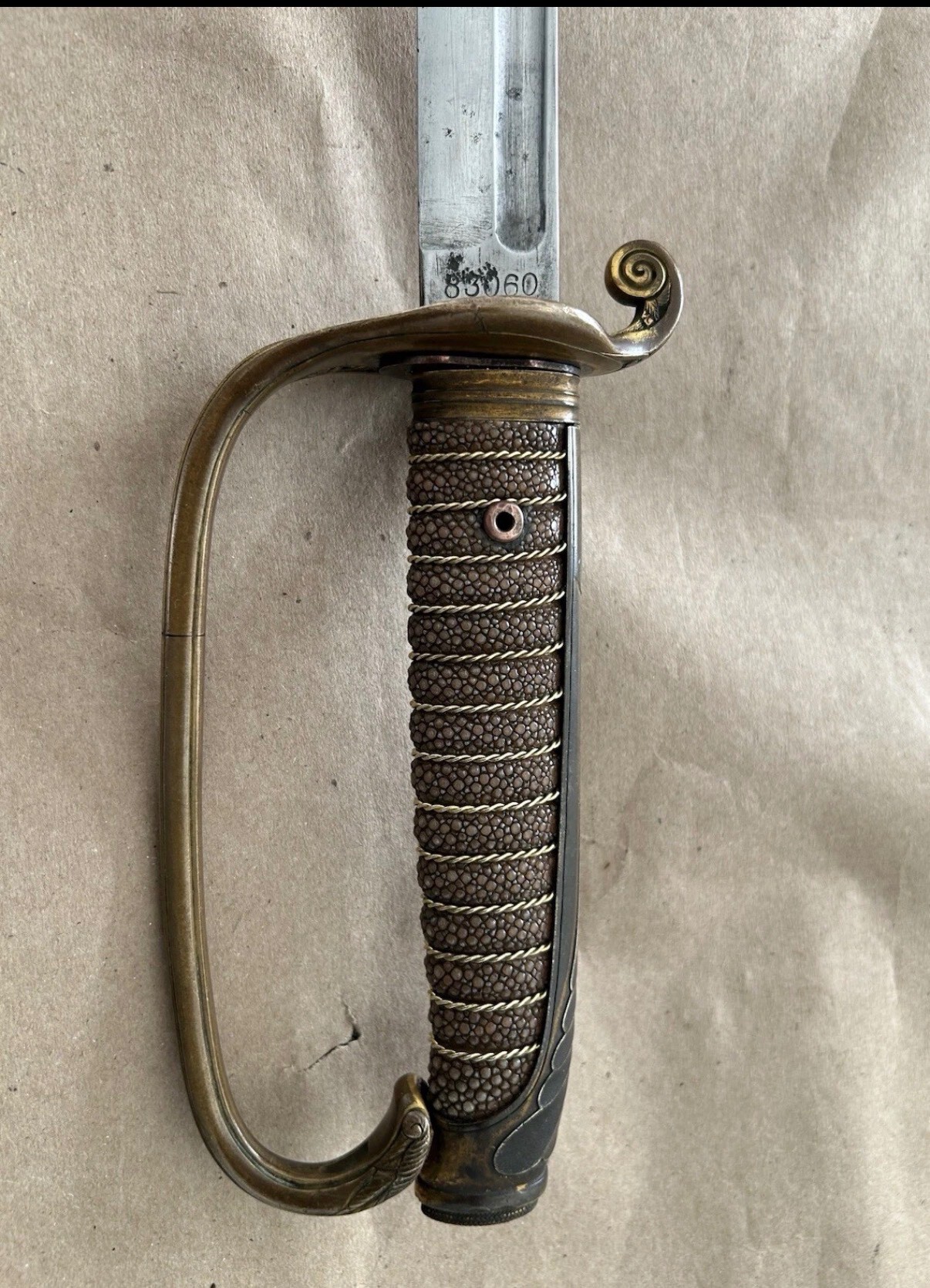
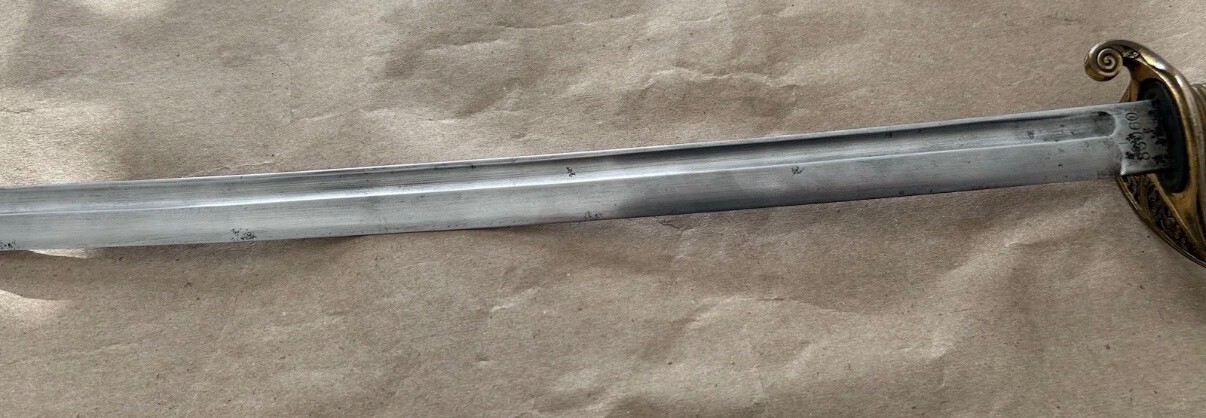
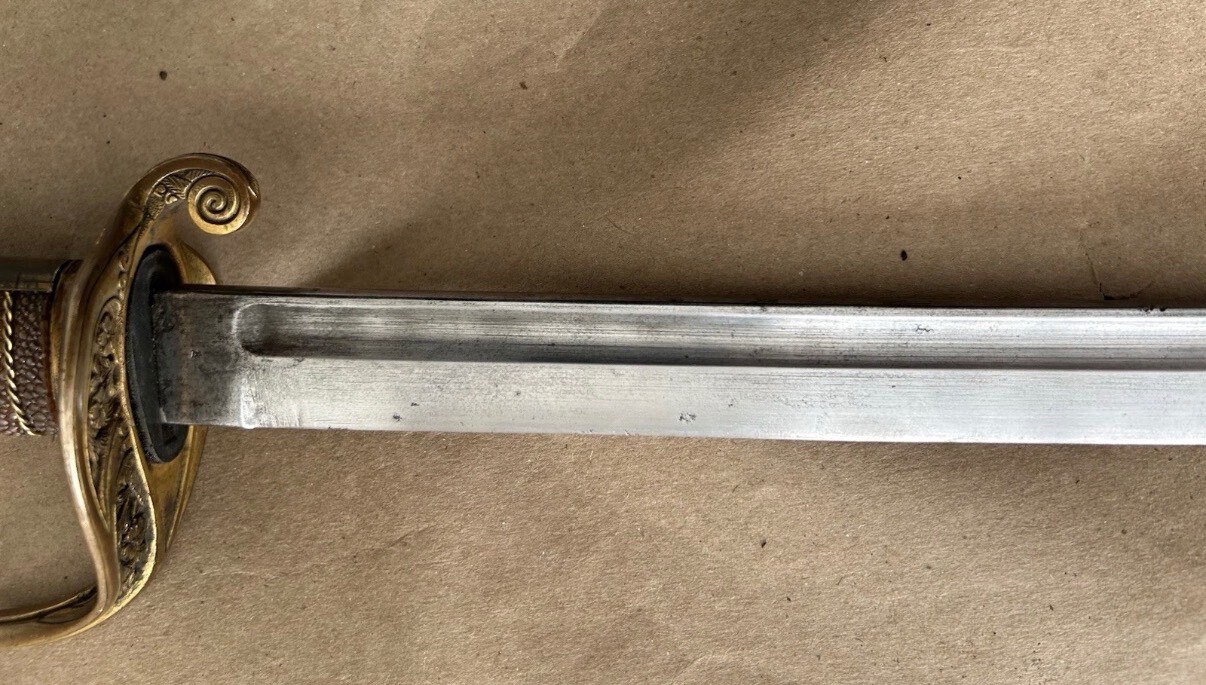
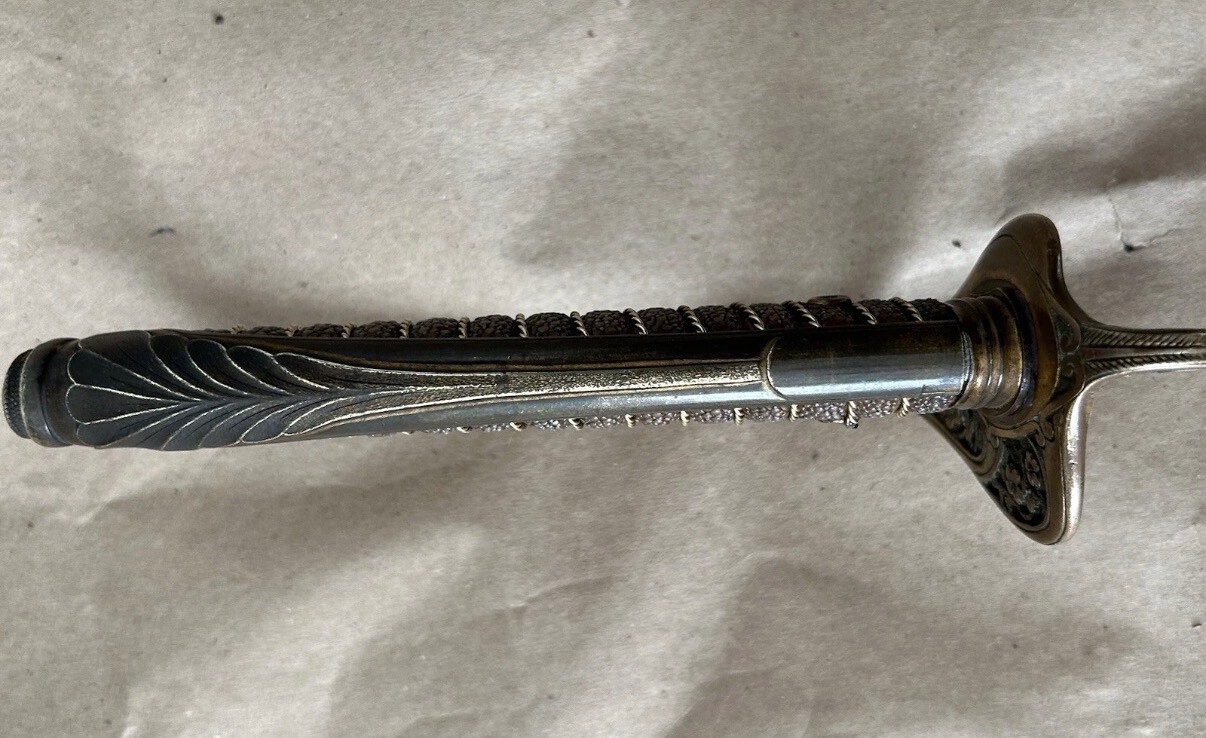
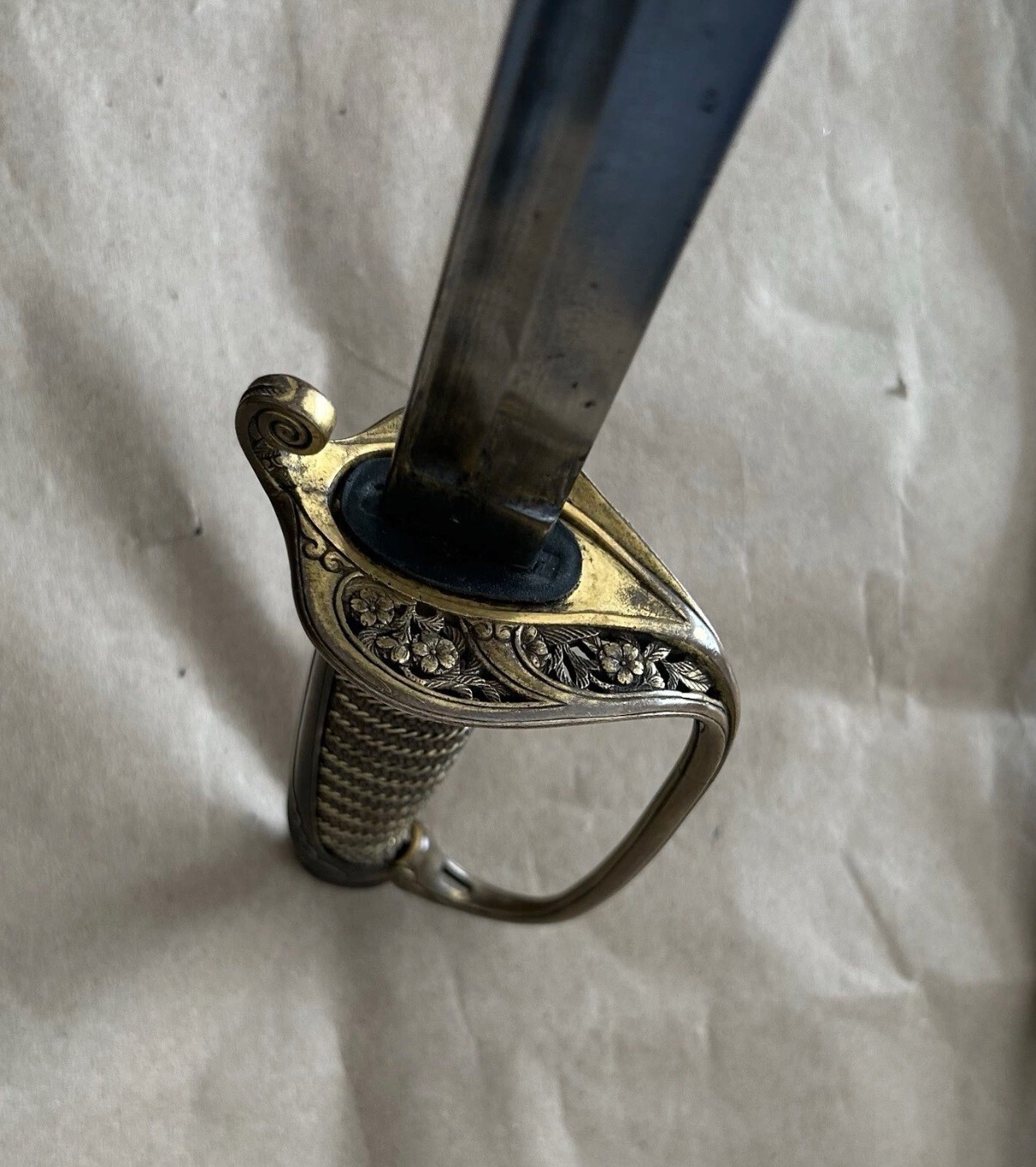
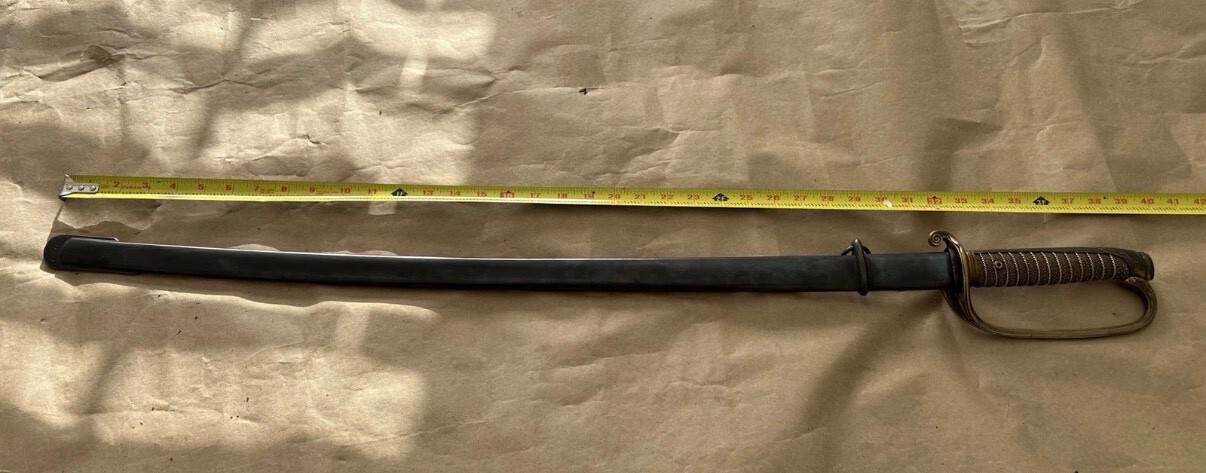
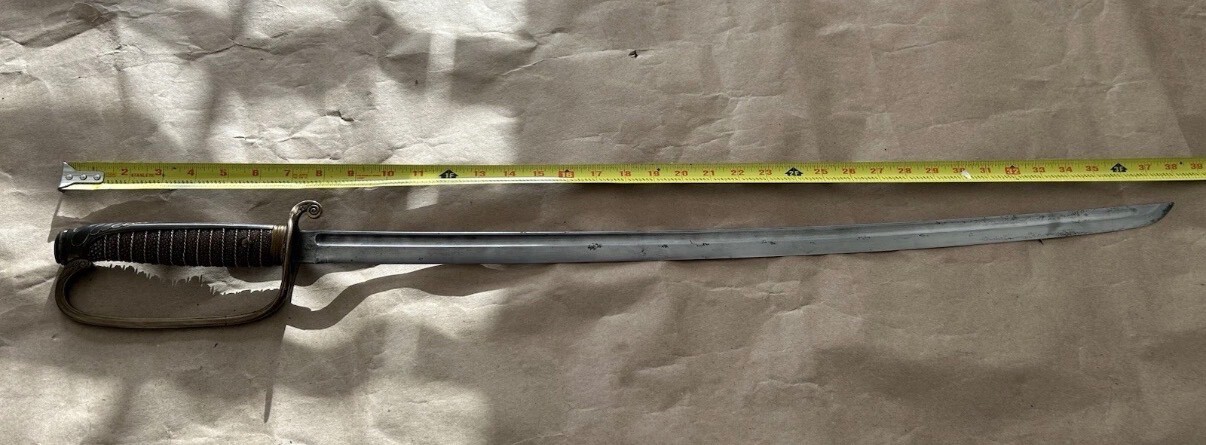
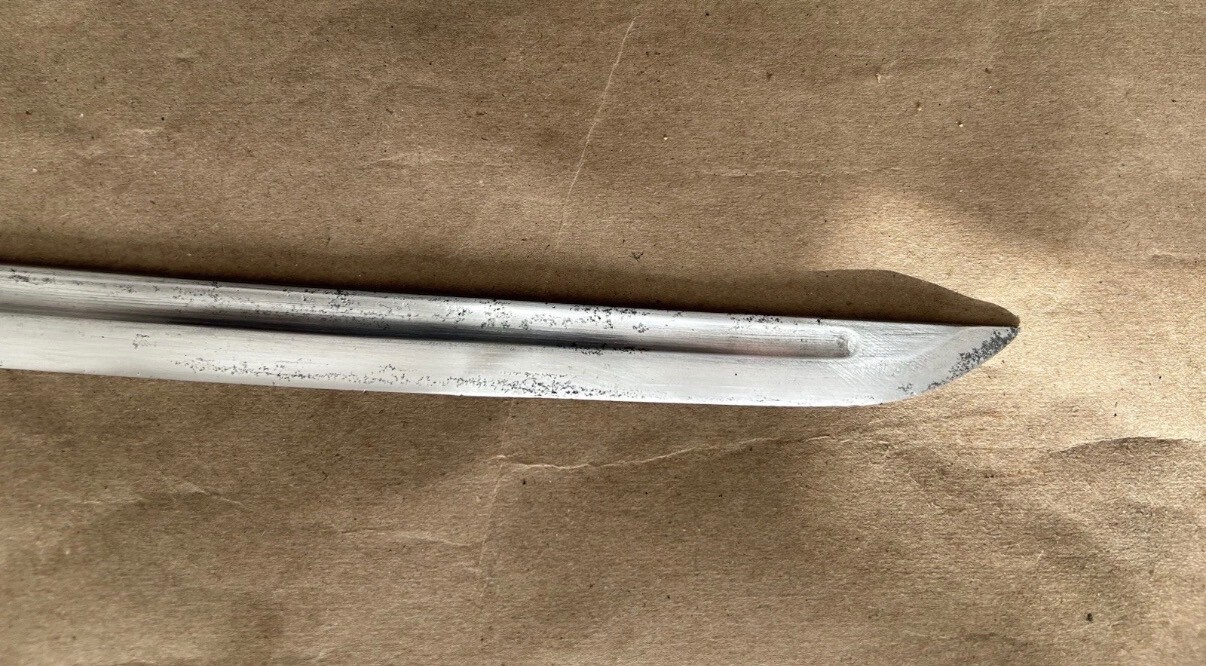
Here are more pictures. Additionally, in handling, the piece feels heavy, but very well balanced. It is noticeably heavier than any other Kyū Guntō I own or have handled, with a distinctly overbuilt quality rather than crude weight. The mass feels deliberate and structural, again far more in line with European military swords of the same period than with typical Japanese examples.


-
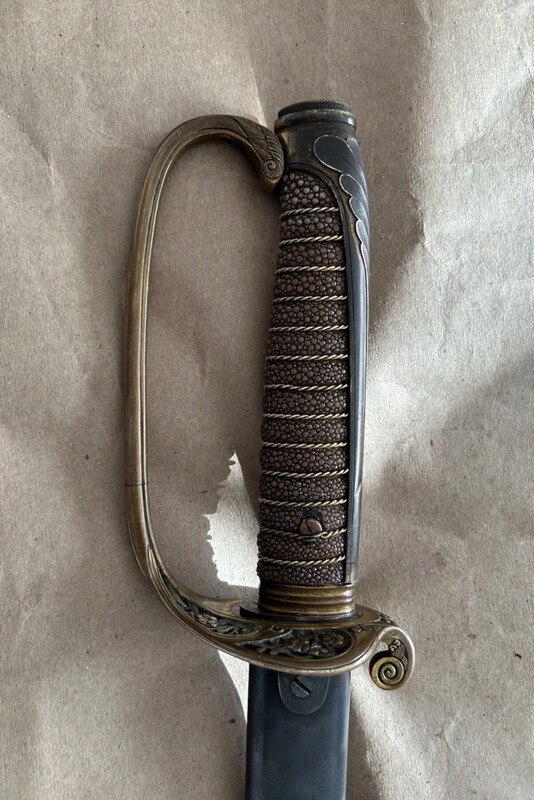
I wanted to add a quick observation. This evening I picked up another piece closely related to this one, though with some notable differences. The overall construction is far more robust than what you typically see in standard Japanese production of the period. In hand, the quality, balance, and weight align much more closely with my contemporary German examples than with usual Japanese arsenal work. What makes it especially interesting is that it’s arsenal marked on both the blade and the scabbard and, oddly enough, even the scabbard boot carries a Kokura First Arsenal mark. That level of marking consistency isn’t something you encounter every day. The scabbard itself is serialed 128612, while the ricasso is marked 83060. Notably, it bears a strong resemblance to the example shown in Kyū Guntō mountings on page 68 of Swords of Imperial Japan 1868–1945. That comparison was one of the first things that raised my eyebrow. I also believe the scabbard incorporates a German or Austrian-style internal locking pressure spring to retain the blade. That mechanism is far more commonly encountered in Prussian, German, and Austrian European swords than in standard Japanese patterns, and its presence here is difficult to ignore. Another point worth noting is that everything is exceptionally tight. There are no wiggles, wobbles, or clinks of any kind. The fit and finish feel unmistakably European in character, very much in line with my Prussian, German, and Austrian pieces. My working theory is that this may be a German-contracted or German-influenced piece produced for Japanese use. The design language, metallurgy, and overall feel simply don’t read as standard domestic Japanese manufacture. I’m very open to additional insights. If anyone has documentation, comparable examples, or a different interpretation, I’d genuinely welcome the discussion. Pieces like this tend to tell their story slowly, and I enjoy letting the evidence do the talking.









-
Wrapped under kabutogane? Someone redone tsukamaki.
-
Brian, do you have a link or a name of the moldable plastic you mentioned? Thanks, Howard Dennis
-
 The second kanji looks more like a different -nari, i.e. 成 Nice object!
 -
I did see that version and thought it was unusual. Apparently the Janome kamon also is believed to have some association with archery which might explain this. Keep in mind Dave that kamon were adopted and used by a variety of families over the years. It is unlikely that your naginata has any direct connection to the Kato family but rather is more likely from a late Edo Period family that adopted the kamon later. Still pretty cool though!
-
It's clumsily worded but the listing says "Sue Sa / O-Sa School" and the O-Sa School is precisely what Sue-Sa is.
-
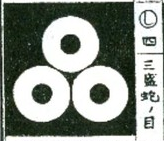
Three eyed snake?
-

Scam site selling a blade I own
David E replied to John C's topic in Auctions and Online Sales or Sellers
If you’re lucky, they just might sell it back to you at half price -
Has anyone done business with ‘Masa266’
PNSSHOGUN replied to David E's topic in Auctions and Online Sales or Sellers
At a glance many of the swords look too good to be true, when you examine the pictures closely you'll quickly see why they're so cheap. That being said if your goal is to simply own one genuine Japanese sword that's papered I doubt you'll find a more affordable source. - Yesterday
-
Thank you @Jussi Ekholm as always for your encyclopedic knowledge 🙏🙏🙏 With that said , I really like this blade. I would be bidding away if I had the funds 😭
-
 Simon Rolfe joined the community
 -

Has anyone done business with ‘Masa266’
lonely panet replied to David E's topic in Auctions and Online Sales or Sellers
You might be living in a dream -
Both of your replies are incredibly helpful, thank you so much. I am very pleased to be the steward of a Kiyomasa naginata.
-
The attribution is to Sue-Sa 末左. NBTHK started adding 大左一門 in brackets around latter part of 2016 I believe. I think this was possibly done because people did not understand what Sue-Sa meant as an attribution and had misconceptions and thinking it was meaning Muromachi. Now perhaps in this style people will understand it better as a Nanbokuchō attribution.
-
Not much Mauro. Tsuruoka mentions a Kihei with possible affiliations to the Echizen Umemura family, but info is sparse.
-
 I wonder what happened to the menuki? The ito wrap does not look loose.
 -
Im not sure if it s Aoi s english wording but is this sword attributed to Sue-Sa AND O-Sa. The certificate seems to have both as well but wouldnt these be very different atteibutions ??? Granted it s still within the same school. https://www.aoijapan.com/katana-mumei-sue sa-o-sa-schoolnbthk-tokubetsu-hozon-token/
-
Has anyone done business with ‘Masa266’
David E replied to David E's topic in Auctions and Online Sales or Sellers
Thank you for the information The dream would be a (current) papered Katana for $1500 or less in good condition and polish unfortunately there are always drawbacks, or they sell fast -
Wakizashi by Echizen ju Shimosaka
Steve Waszak replied to Steve Waszak's topic in Swords and Edged Weapons
Lowering the price to $1,900, plus shipping. I really think this is a bargain... -
To confuse you even more...
-
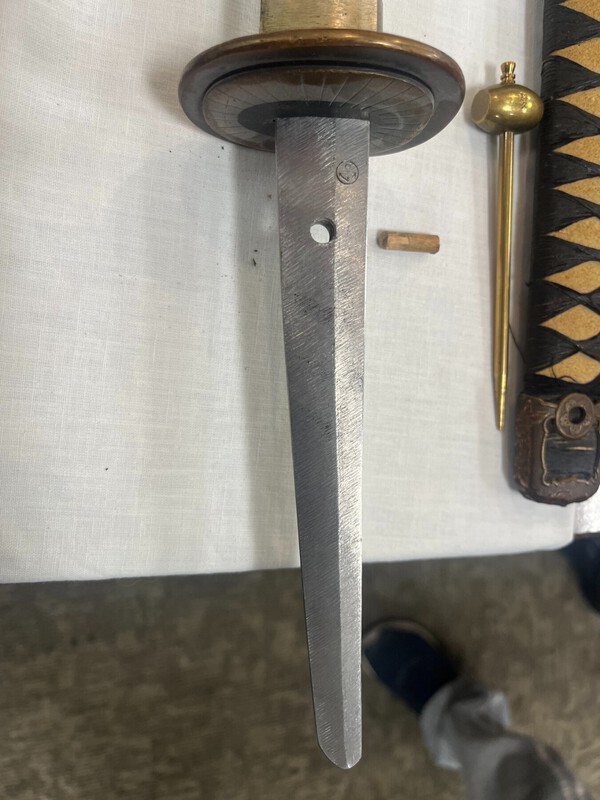
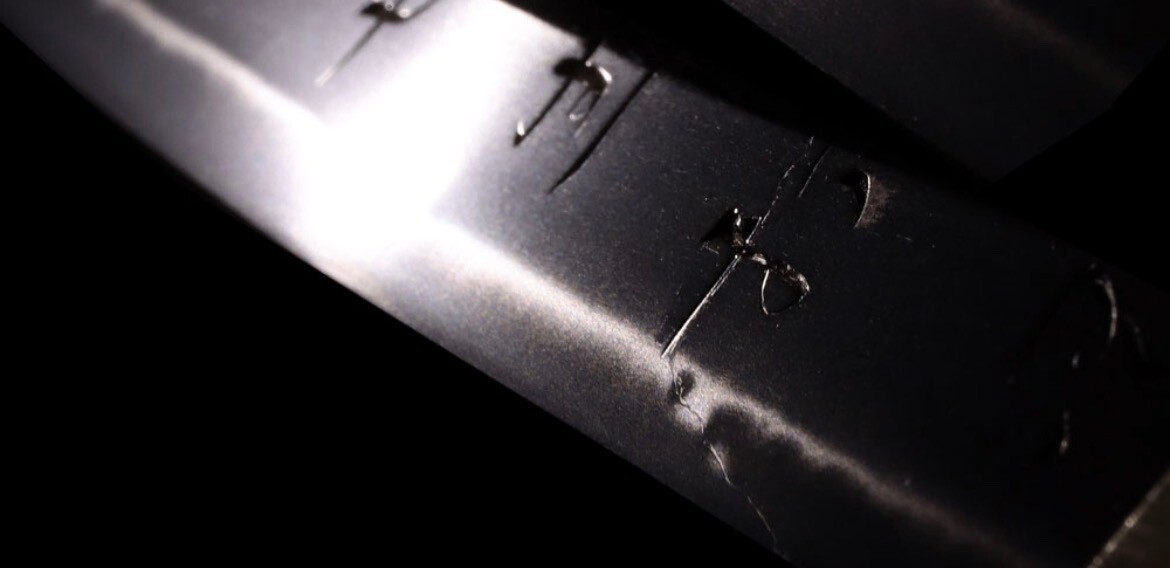
 Using this thread as a central point for these, now. Just came across another one on a late-war kaigunto - mumei; Navy anchor stamp; matching numbers 799 in paint, on parts, and stamped number on nagako "0 799". Sorry I didn't take more pictures, just was in a rush with a few other swords to photograph.
















.thumb.png.4c5df79fec171b2dc4a23af38e280a4d.png)