Marcin
-
Posts
1,494 -
Joined
-
Last visited
-
Days Won
1
Content Type
Profiles
Forums
Events
Store
Downloads
Gallery
Everything posted by Marcin
-
Minamoto Morinobu RJT star stamped and numbered 34, additional marks at mune. Same as in Slough's Oshigata book. https://japanesesword.com/archived-pages/2017/8/5/morinobu-katanaoshigata-used-in-sloughs-book-of-showa-smiths

-
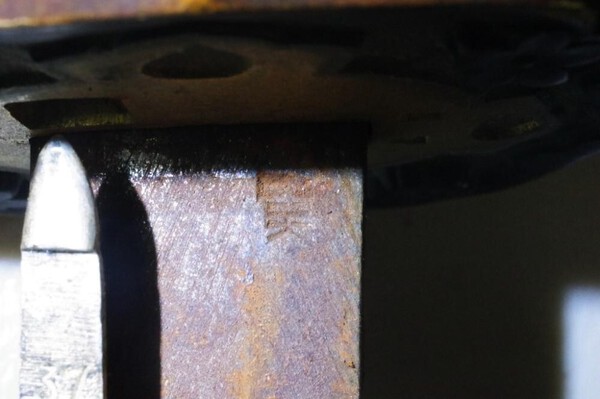
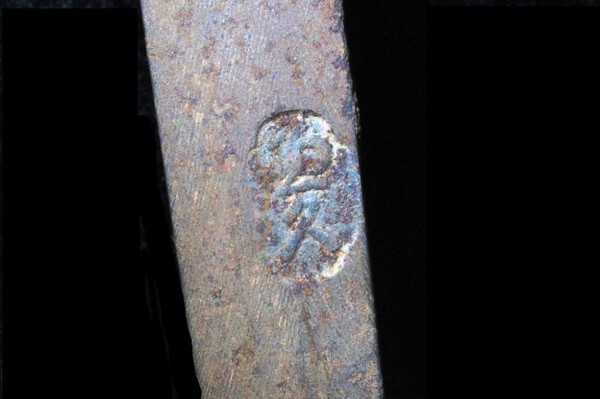
Seki stamped Kanehisa with kokuin stamp. Mei is clumsy. https://www.invaluable.com/auction-lot/ww2-period-imperial-Japanese-shin-gunto-sword-f989fb7436

-
Go for both easy. Dawson is recommended as better then others but Plimpton have many good examples too.
-
 Chris You think this blade have 2 shaku nagasa? Tsuka looks so big on this picture.
 -
Bizarre was sale offer for genuine antique katana made by Hattori Hanzo (Kill Bill prop replica)
-
MILITARY books By Richard Fuller & Ron Gregory
Marcin replied to Marcin's topic in Military Swords of Japan
Thank You Hamish! I found some interesting pages in green one and posted already in other threads. I don’t want to compare different writers and in my opinion every position should be considered as worthy of buying in right price. -
Hangers. We had recently example of chain on gunto similar but longer to first example. Someone was claiming that chain is from pocket watch or something like that. Fuller’s green book.
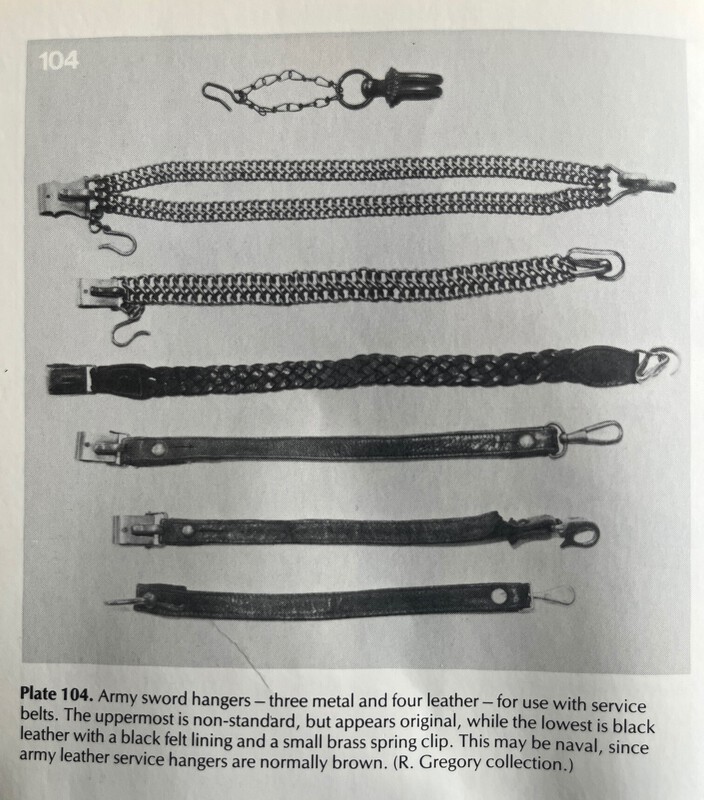
-
MILITARY books By Richard Fuller & Ron Gregory
Marcin replied to Marcin's topic in Military Swords of Japan
Green book contents
-
Bruce as You have wondered in fittings thread about snap variations I got this in Fuller’s Green book. I don’t know if this was repeated in Fuller’s and Gregory „white” one. Posting here as it is right within leather covers topic. And looks like haikan is covered with leather so great point to spot fake.

-
https://www.invaluable.com/auction-lot/-2075970B25 another one

-
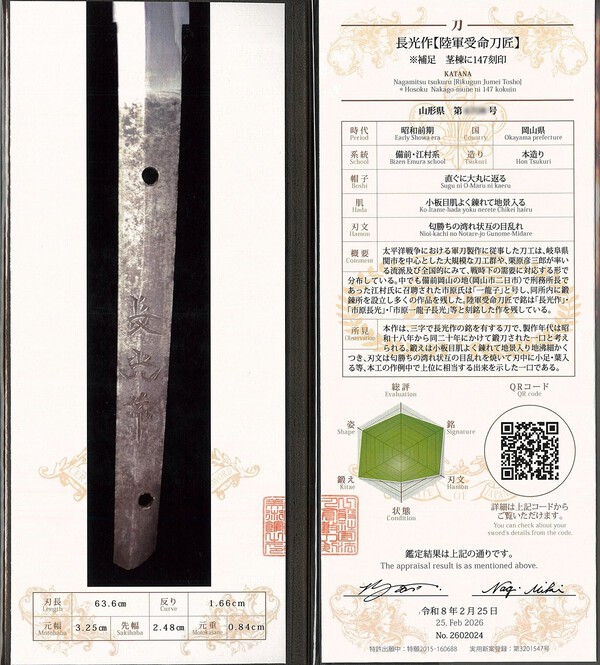
I'm pinging you way to much but it happened I found Nagamitsu with probably arsenal number 147 cheers! Rs mounting and certified as "Bizen emura school" Watch out photos are shiny https://www.catawiki.com/en/l/102632499-katana-Japan

-
Attention Mantetsu Owners: A Survey
Marcin replied to Bruce Pennington's topic in Military Swords of Japan
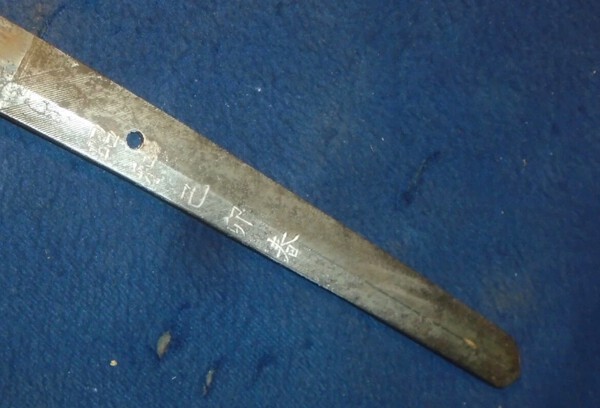
Dunno if Bruce got this one. https://ebay.us/m/16TcNL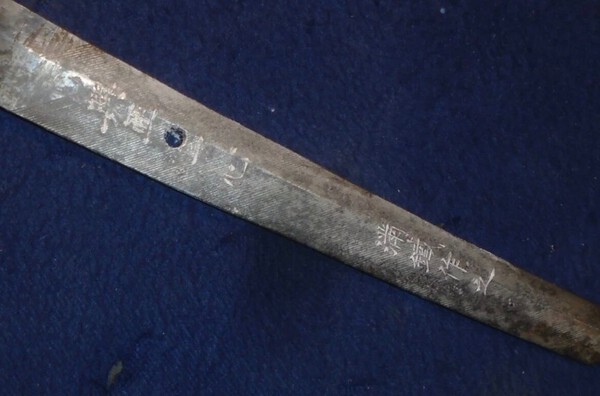

-
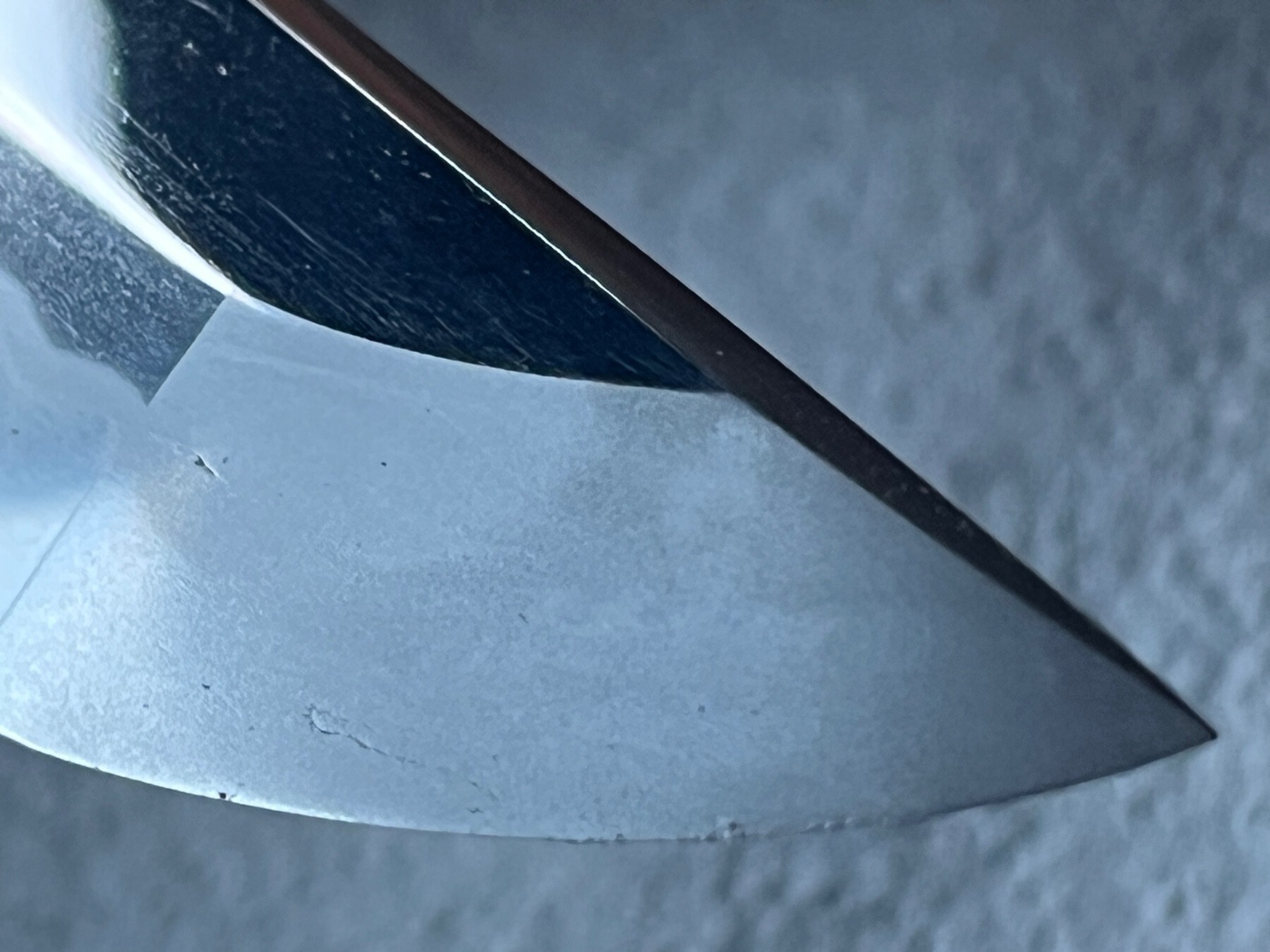
Now maybe kissaki with uchiko only. Kitae ware near fukura and fukura area is smoother.
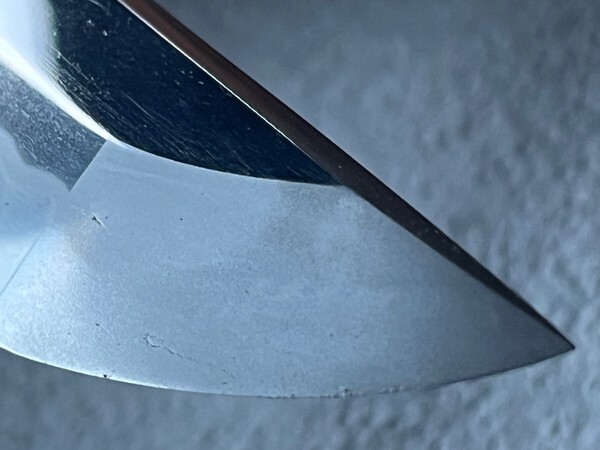
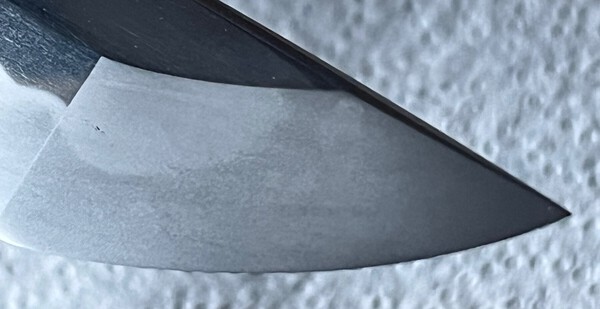
-
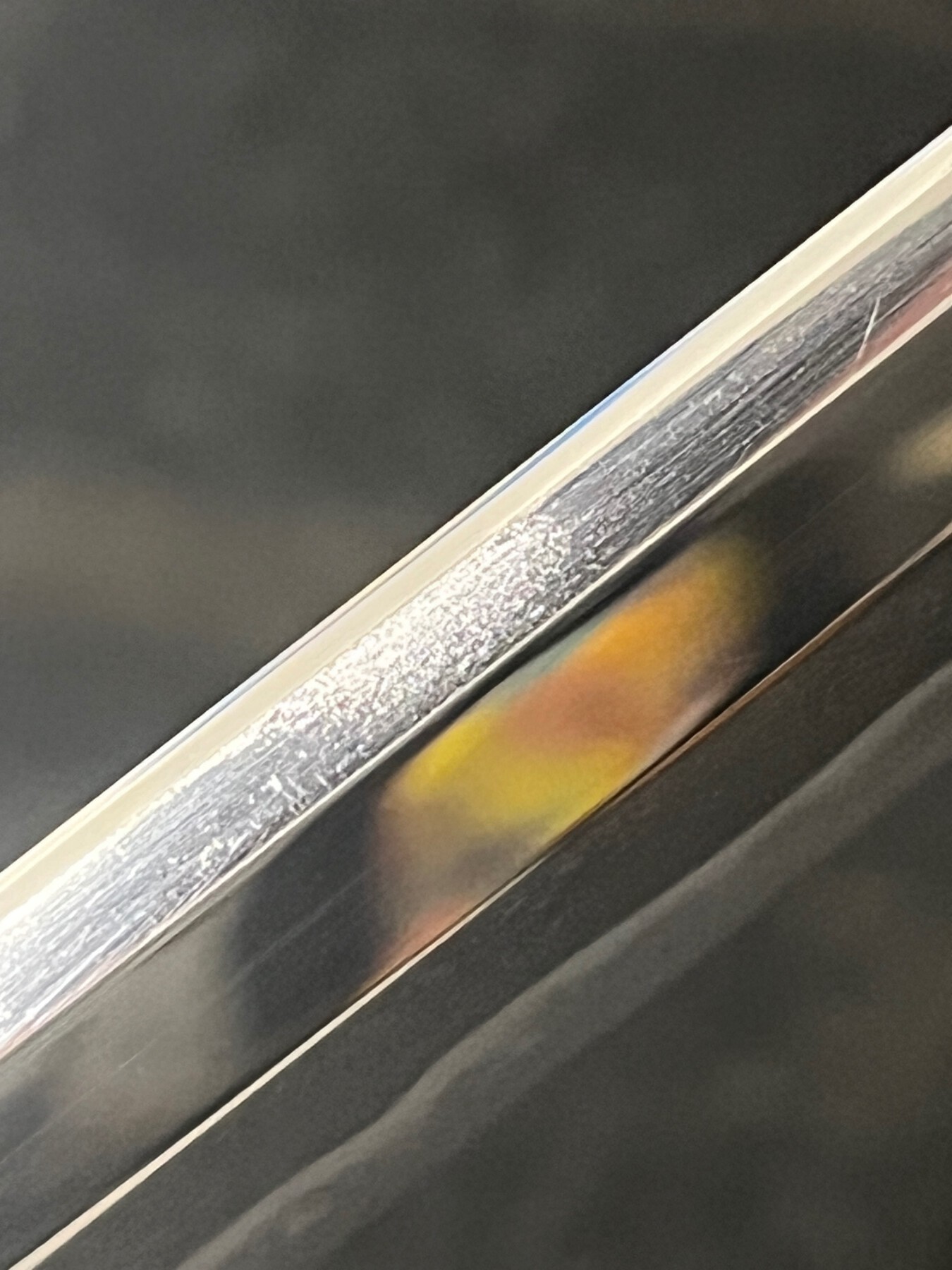
And now this looks way better.

-
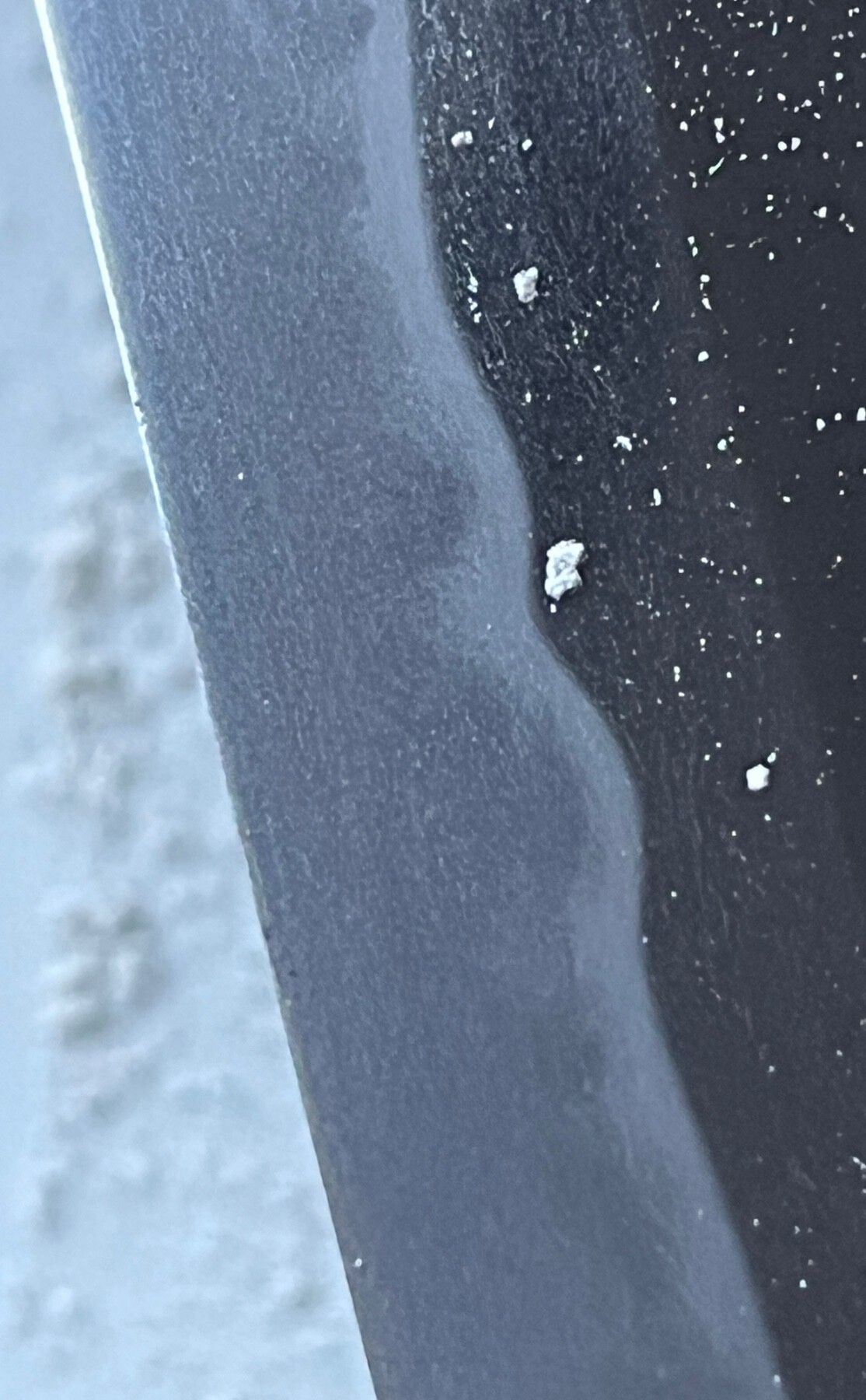
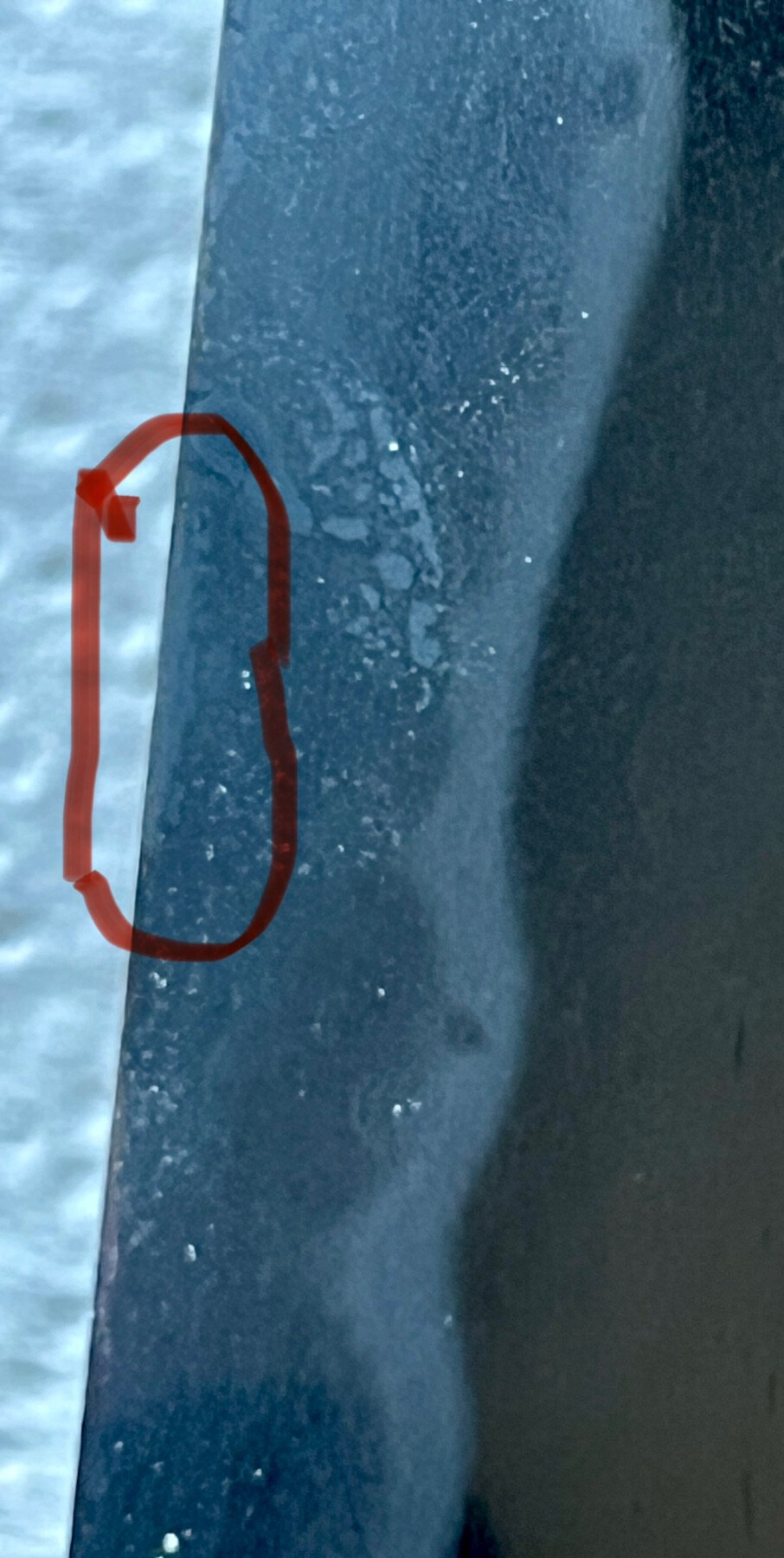
In my opinion only oiling living rust spots just helps break further already loosen rust crumbs. In my case area with black dots changes to big chunk of rust in just 3 months. Adding more photos of other „bad actors”
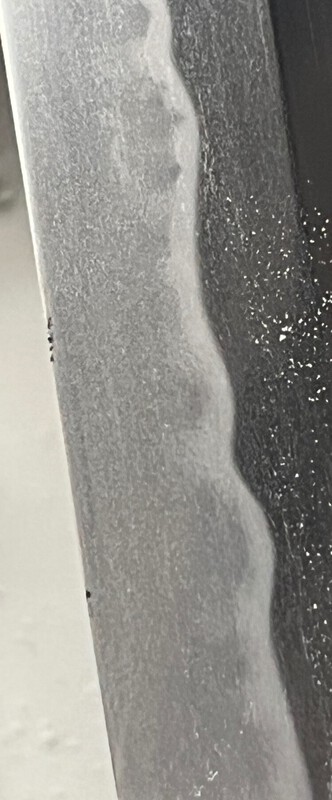
-
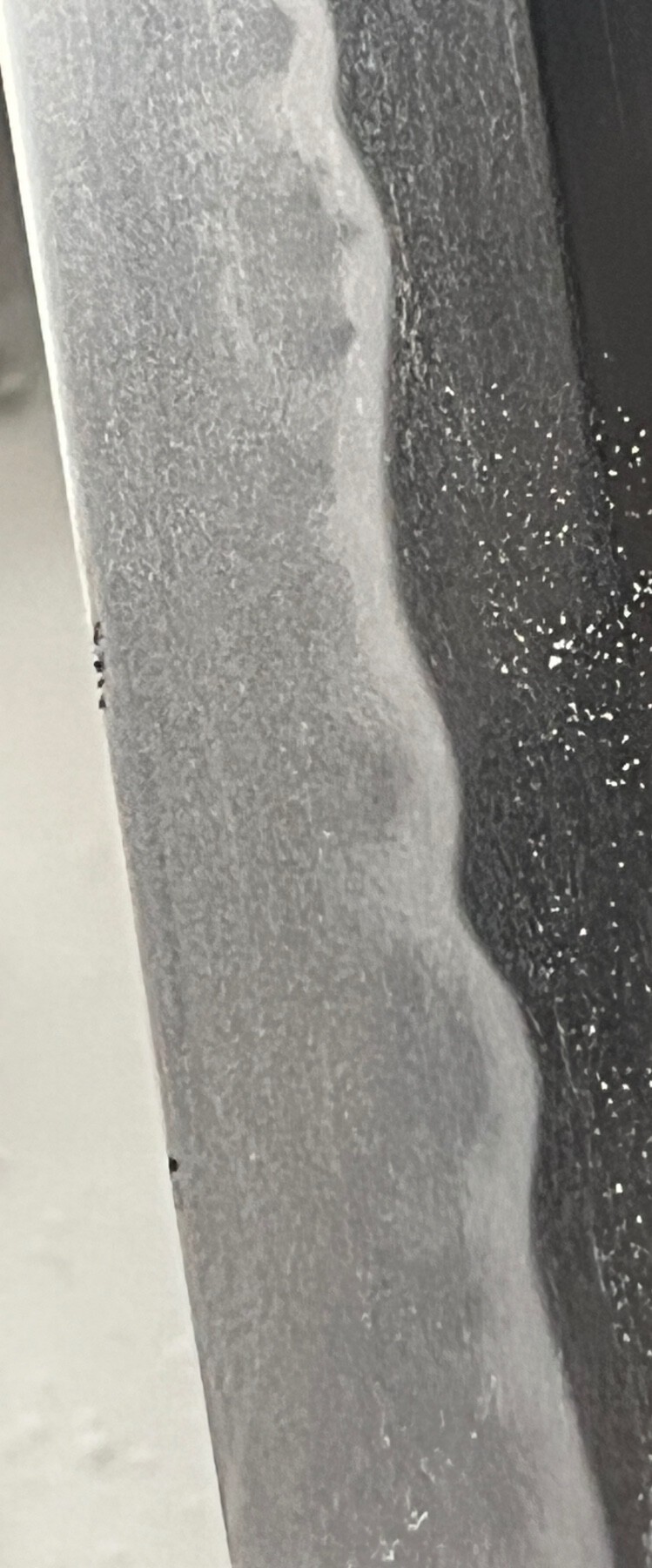
And to showcase what baking soda can do with nasty fingerprint at mune I’m adding this photo. Please notice you can clearly see that area wasn’t scratched or grinded. It’s only went from red to white/gray with spots of healthy steal.
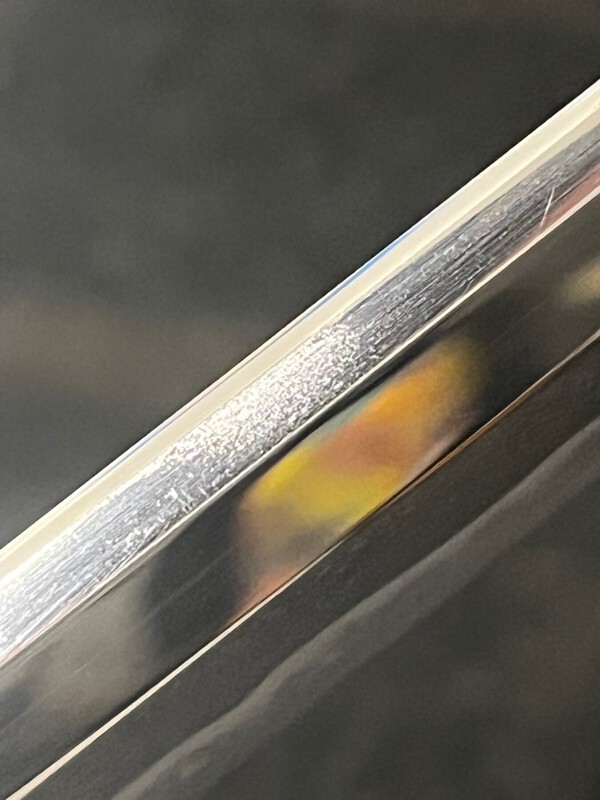
-
And after while with uchiko I got clean surface.

-
Covering from the other side practically removed all oxidation without trace.
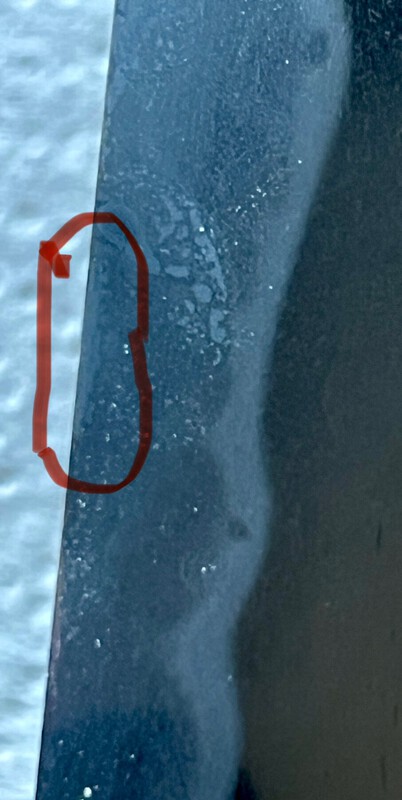
-
So how this spot looks now after coating of baking soda mixed with choij? Of course coating in this particular case needed to cover wider area then only rusted.
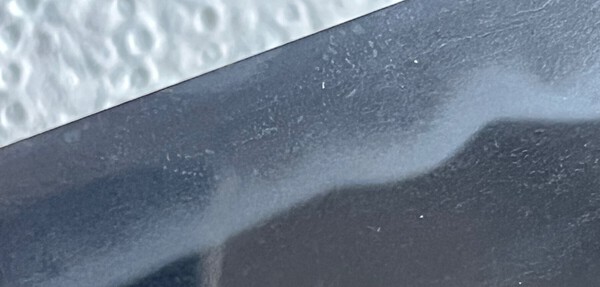
-
So for now original photo of worst spot coming from purchase offer and again one of photos above to show what was going on with blade 3 months after purchase. You can clearly see that rust was hiden dipper then just spot on ha and started to appear at wide area.

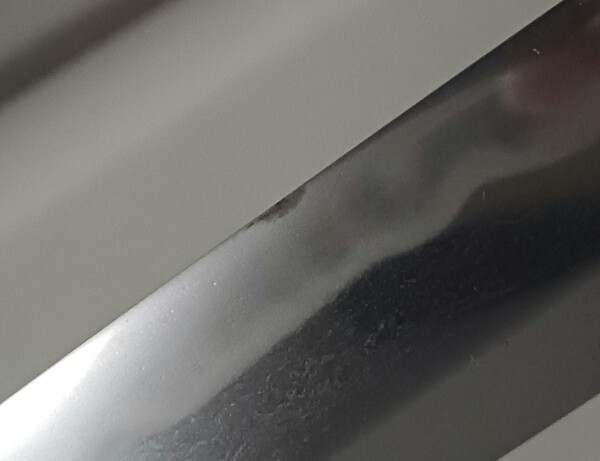
-
So After a full year of choji I aproached blade wanting to neutralize and clean all rust. It's not attempt to DIY polish but to protect blade from further corroding. While removing old oil I barely used any uchiko as polish was fresh.
-
Fully Mounted Early Shinto Katana in Good Polish
Marcin replied to ChrisW's topic in Swords and Edged Weapons
Oh I didn’t mean „polishing”! Simply put some to kill rust, I don’t want to keep this thread here. I’m finishing pumping akihide after one year of seasoning. Go for this blade! If it had even green papers I would be doing it myself. But 23% vat for me. -
Fully Mounted Early Shinto Katana in Good Polish
Marcin replied to ChrisW's topic in Swords and Edged Weapons
Really fine sword. Tsuba with mon rest of koshirae also great. With this price even as gendaito it’s great deal. Rust will give up after baking soda with choji. -
Some info and swords at site needs to be updated. Please wait with offers until owner get in touch himself.
-
this piece had leather strap threaded through tsuba ana, probably to keep blade sheathed.