Rawa
-
Posts
1,283 -
Joined
-
Last visited
Content Type
Profiles
Forums
Events
Store
Downloads
Gallery
Everything posted by Rawa
-
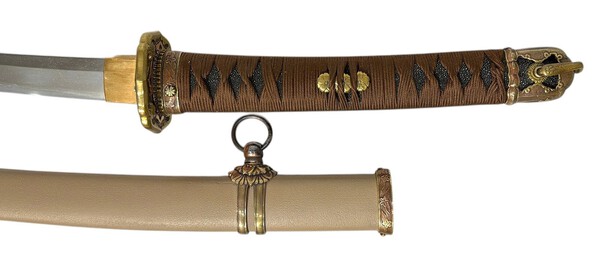
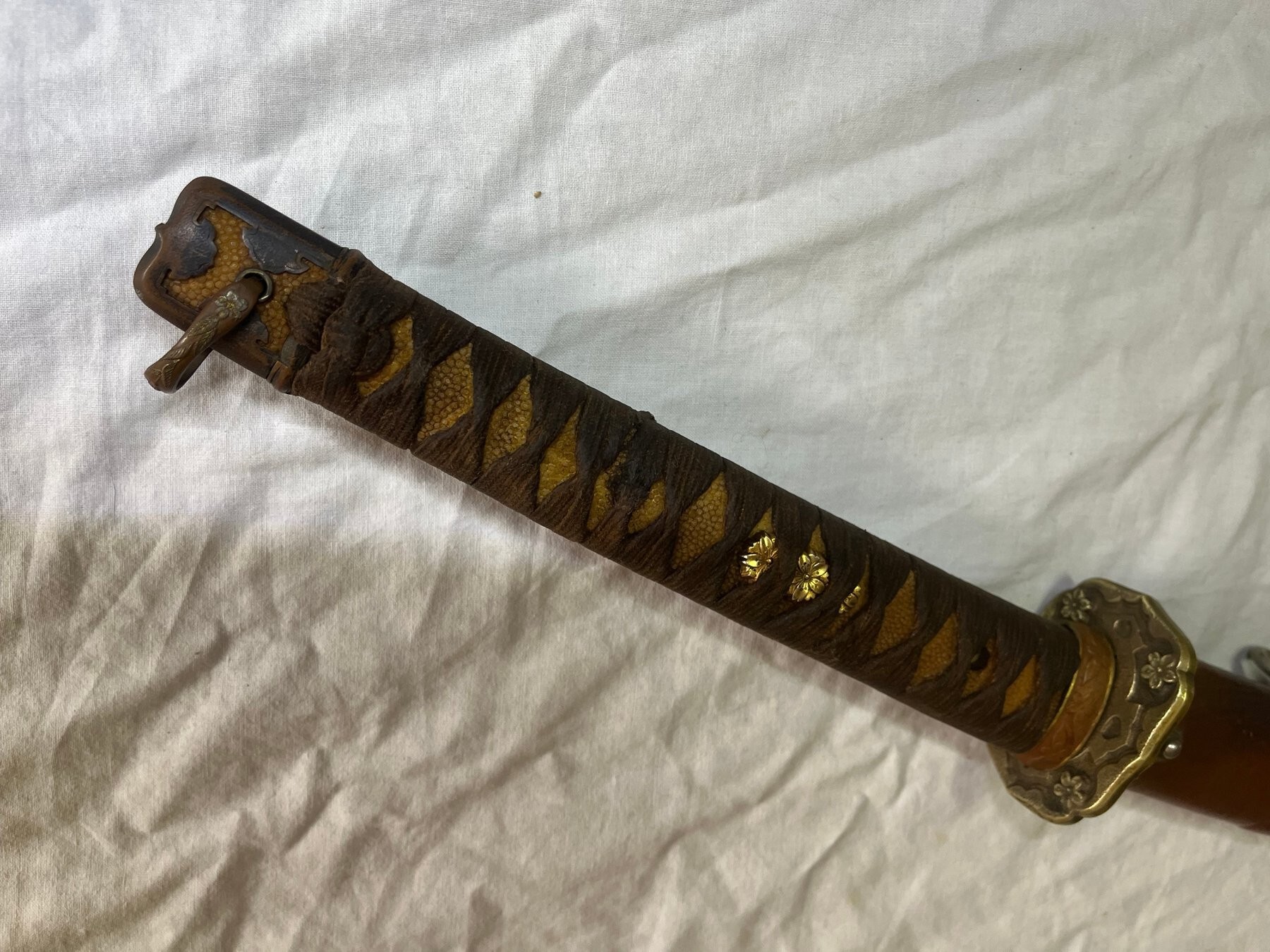
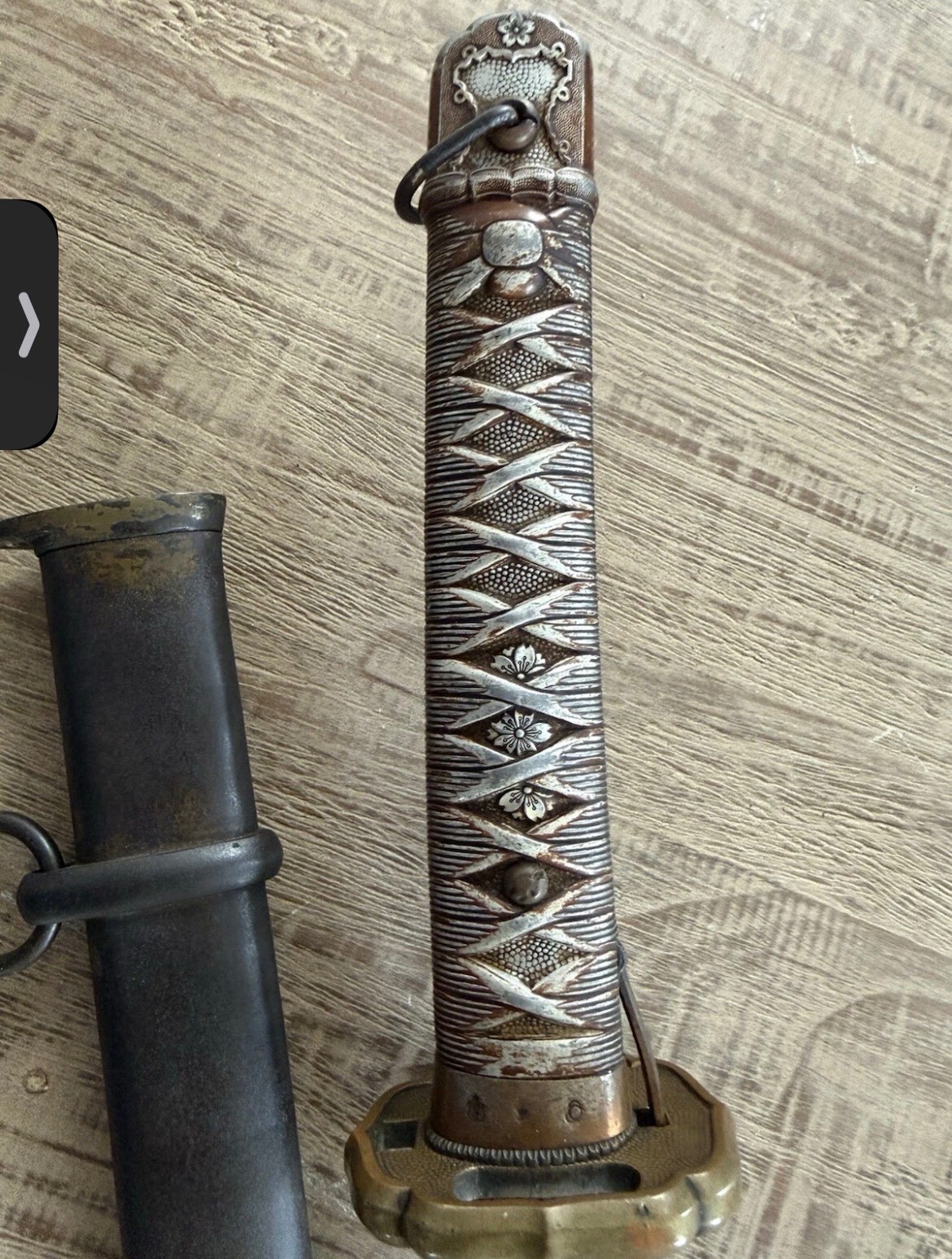
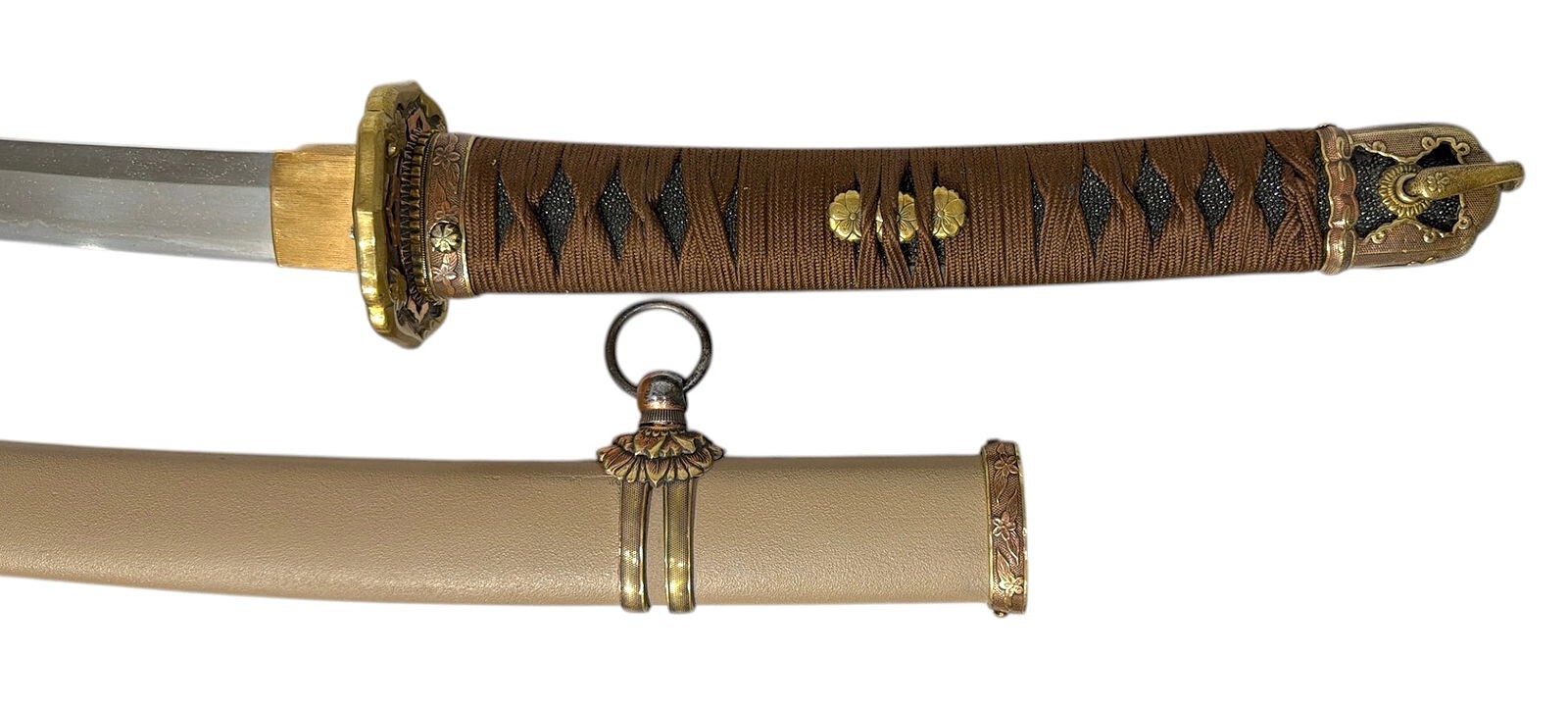
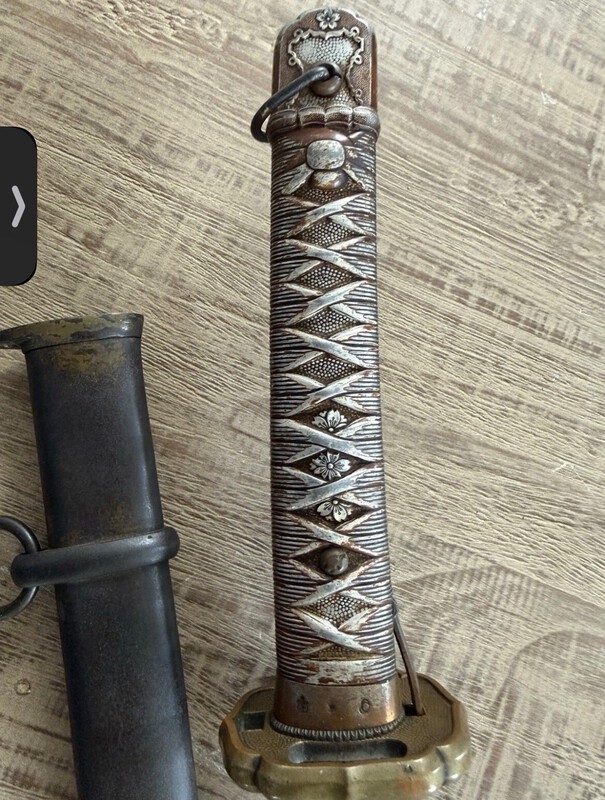
Don't You find tsukamaki suspicious? Kabutogane like in last stage, crude nco 95 example, could this be random assembly? Sorry but when tsukamaki have uneven diamonds like that, having alternating braid - still DIY. Menuki in accordance with regulations for gunto but You know It's easier to cast menuki then kabuto-gane. Iron tsuba looks older but who knows. Examples for gunzoku, [especially last one is similar case with ija menuki] here: http://ohmura-study.net/728.html I'm posting some tsuka from leather-covered saya sets. Military green tsuka-ito? Please post more pictures, way too random.


-
Look for this book:

-
How this isn’t already sold?
-
@BrianI'm not going to fight for this. Seppa set isn't typical afterall. I found on the forum picture with seppa sets. Still blade looks older then shin gunto establisment.

-
exactly Bruce, I know well that it can be assembly number but having Yours examples gives some space.
-
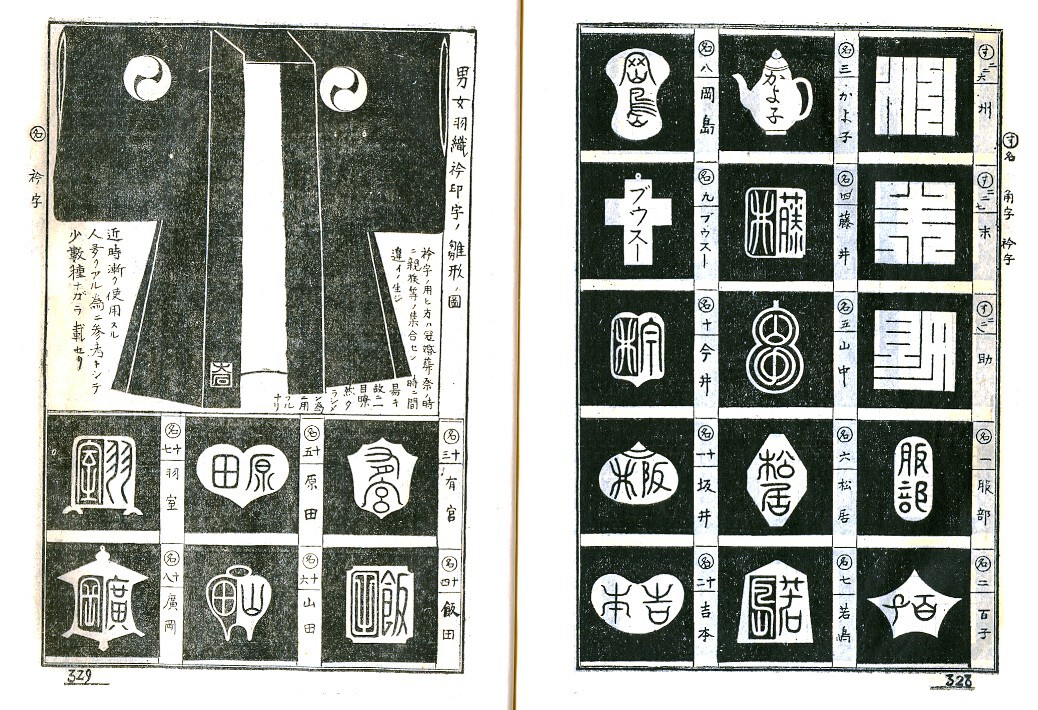
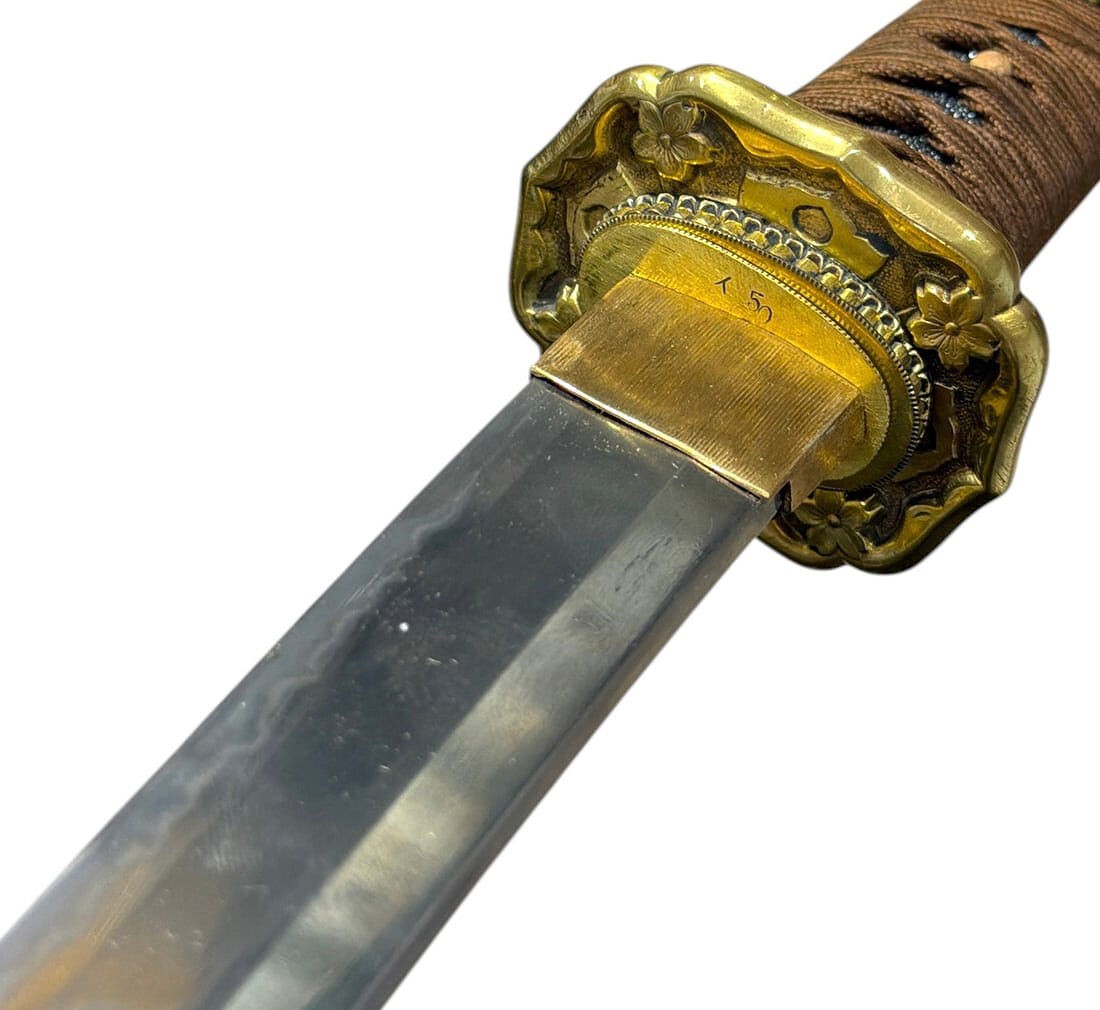
Thank You for more pictures. I'm sold on this piece. @Bruce Pennington tsuba is marked "8", it looks more like lucky charm then simple number just at tsuba. What do You think? Any examples of "naked lone 8" stamp on blades or mountings? I will put info here, quote from reddit: "In Japanese, the number 8 (八, hachi or ya) is considered a very lucky number representing growth, prosperity, and abundance, rather than just the digit itself. Its luckiness stems from the kanji character 八, which is broad at the bottom (known as suehirogari), symbolizing a future that opens up or prospers over time" I'm posting pictures from mon book maybe meaning of this stamp is actually tennen hyotan - calabash, which is also lucky charm, conteiner for evil spirits or sth like it. Stamping it on tsuba have some meaning. I can't translate it yet so some help needed.


-
 Word on niku (meat) in general. To keep up. https://japaneseswordindex.com/niku.htm
 -
Nanban = barbarian? Foreign steel
-
I get it. He used pictures from auction. Those with green background. It was jauce seller.
-
He posted nakago photos already.
-
Clearly bad measurements saya 80 so tsuka 55? Definietly wrong but longer then usual. First haikan should be 6cm under Tsuba? Second 16cm.
-
Yes, it looks like removable hanger was removed and existing one originally was at spot near tsuba. @paulatim it’s almost complete T94 gunto koshirae. one haikan but: -clear marks after both, there was leather stripe under usually, -centered chuso, -separate sarute barrel from kabuto-gane, -tsuba is fat type, extra long saya made for blade. Ask Your friend for pictures of tsuba and seppa laying one near another. There could be stamps from fittings shop as ishizuki and kabuto-gane aren’t fixed in place by pins. As for blade - hamon looks like suguha, oldest type seen on ancient blades. I don’t see boshi (hamon pattern at tip of blade) and bo-hi dsn’t extend on nakago? 3 separate mekugi ana and no sign of bo-hi? Either atobori (added later by different smith) or we have some issues with blade being shortened and not having atributes.
-
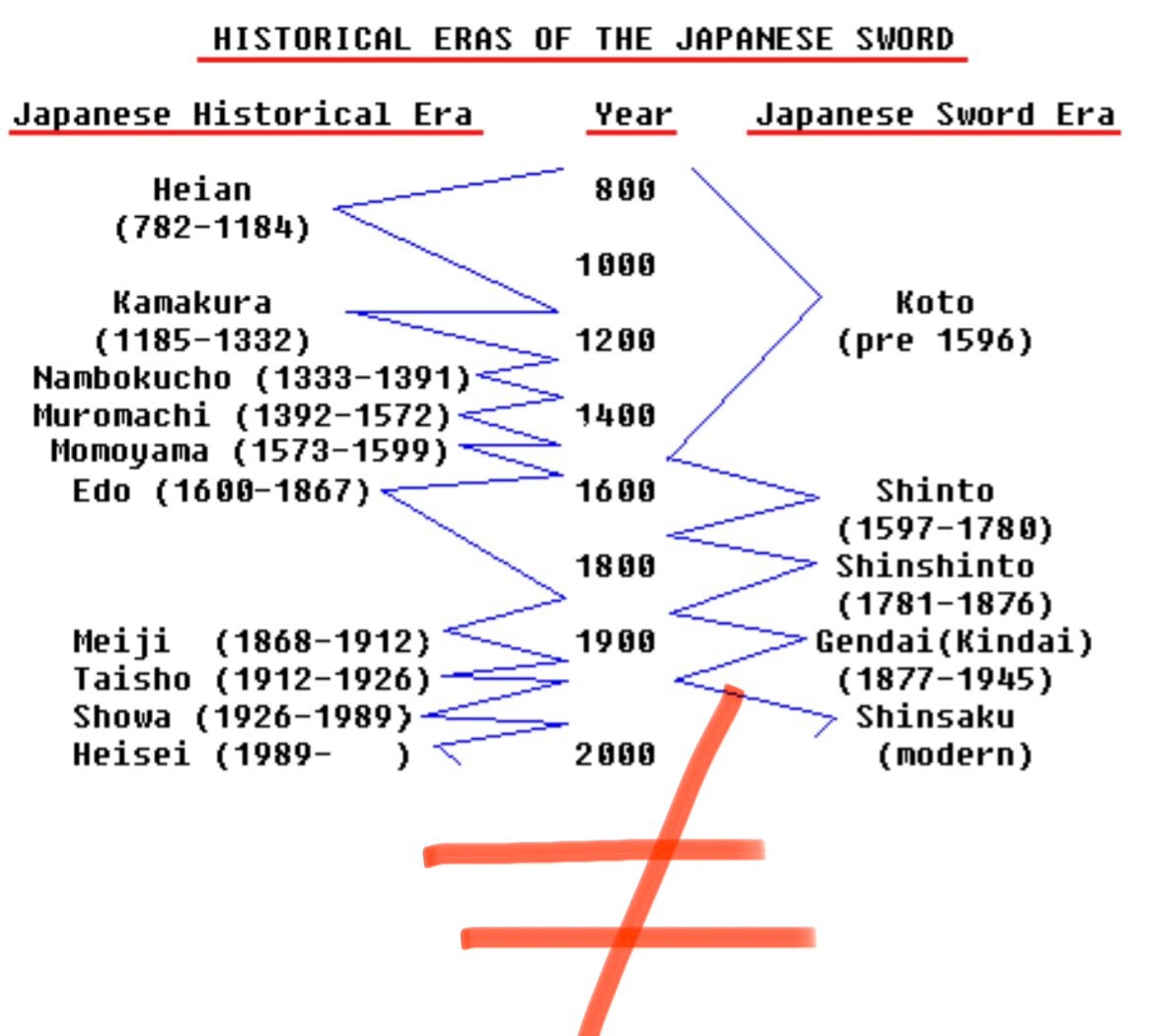
I know bro :] and it’s again question what word „sword” means in Japanese in context of „sword era” (not historical eras) Is this only traditionally made (nihonto) or under sword we have every blade possible. But It’s question for this narrow context meaning, not a common meaning in everyday language. Before meiji there was no showato, showato production ended with end of ww2. For example - term „koto”- old sword, those were always made traditionally.
-
Single mekugi ana Kunisuke Katana
Rawa replied to Rawa's topic in General Nihonto Related Discussion
Jonathan, my concern was not in a number but shape. If ana was elongated You have loose space near mekugi.
-
Is this modern repro or showa? Single mekugi ana in this mountings. Koshirae is really bad. Tsukamaki made by unskilled hand. Fresh rust. Imo this piece would be worth more as bare blade. It have visible division of yakiba/ji shinogi-ji?
-
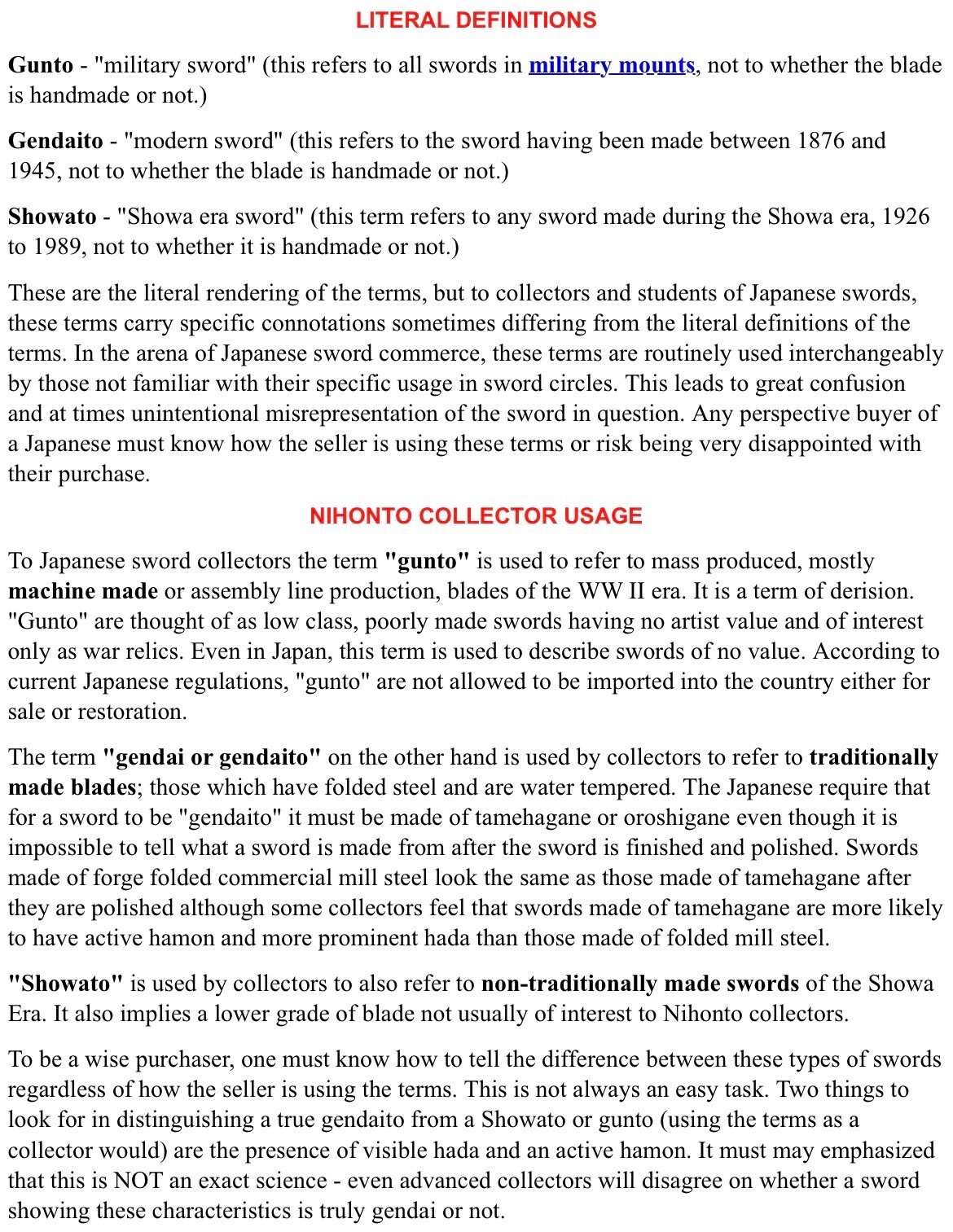
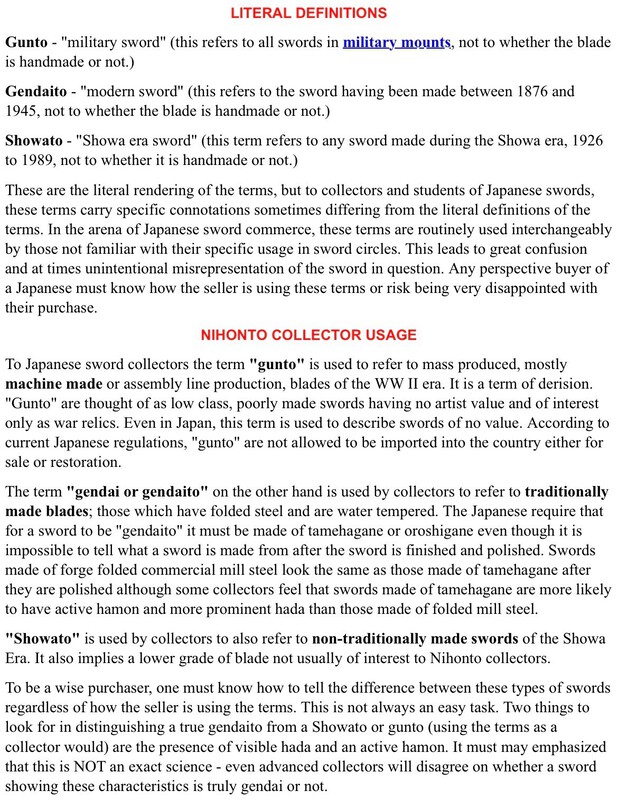
If You divide/name swords made during historical Japanese Showa era [1926-1989] those would be swords made during 2 different sword era gendai and shinsaku. Think about this my way: gendai-to [現代刀] 1877-1945 刀 of gendai and shinsaku-to [新作刀] 1946- until now 刀 of shinsaku era What is a meaning of 刀? We can’t mixing historical and sword era together. These are separate divisions. You heard term showa-to? Collectors meaning - mass produced historical - all blades made during reign of emperor showa. Same with gendai-to. Two meanings literal and one used by collectors. Maybe proposed meaning of collector’s term „showato” is to wide and cover entire showa era but producing this type of item stopped entirely way before era ended. Using word showato to describe term: „mass produced non-traditional” in collectors meaning is confusing for many. If collectors agree to use term like mass-to/sharpi-to or something different it would be better

-
Of course it is for display. I’m not going to push anything inside. Metal rims visible on pics were added as some kind of repair, reinforcement. There is also long time before this blade will be polished and evaluated.
-
110245 kokura. https://ebay.us/m/4L4MD9
-
Seeking assistance to identify Japanese sword
Rawa replied to mjp01's topic in Military Swords of Japan
Tassel have some wrapper. What exactly You mean by acquired through family? If this was inherited someone probably bought it after ww2. So it have „factory new” tassel with renovated koshirae? Is there any hot stamp (kokuin)? example from 1943 https://www.aoijapan.net/katana-echigo-kuni-mitsuoki/#google_vignette -
Oh and yeah all traditional swords are called nihonto. So we have nihonto made in koto/shinto/shinshinto/gendai/shinsaku -ERA. Scholars made division. So new/newer/newest in era context on relation to nihonto and nihonto only. Other concepts for example posted at links: gunto or civil blades; gendaito or showato it’s just different division based on common practice. Especially showato meaning mass produced non-traditional etc.
-
I would go for meaning gendai/kindai meaning entire „new era” while shinsakuto - newest made swords just like this division: https://www.japaneseswordindex.com/period.htm Next generations will decide if actual division will stick both in years and nomenclature. And yeah we need to go with meaning that „sword” means blade made traditional from the beginning. So non traditionally made dsn’t have right to be called „sword” from the start. Machine or non-fully traditionally made blades appeared in big amount after all during late 19th century. To support this just think about what can get torokusho :] We have some showato but it’s rare exception in a rule.
-
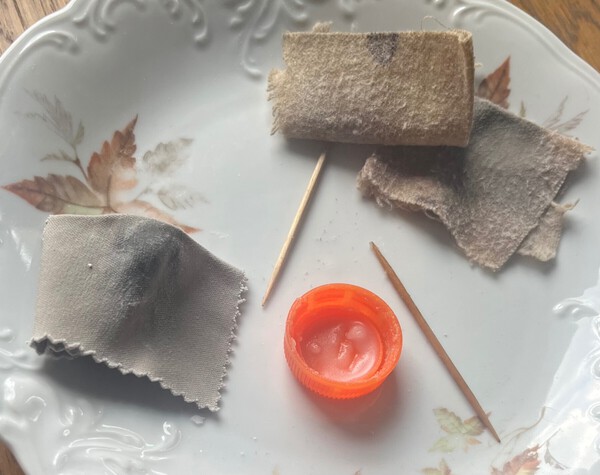
I would like to try it on nco. Doing this at nihonto is limited by space from ha to hamon line. Above hamon on good polish You can only cover as it’s to easy to scratch. I left 2 spots of black rust at mune. I don’t touch something that can suddenly reactivate. If You have to choose between removing rust and making cavity or leaving blade in current state better leave it as it is.
-
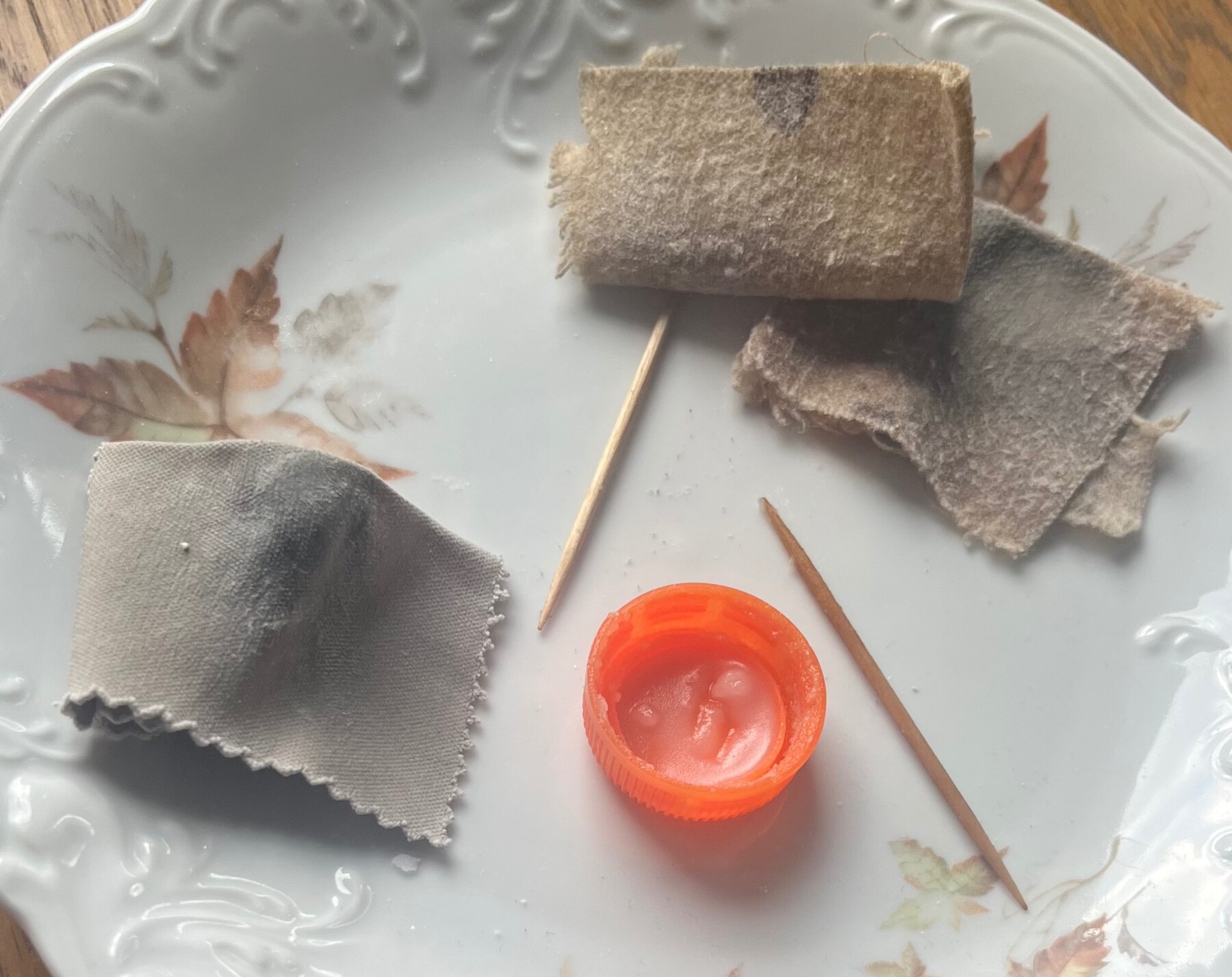
You are making solution of both and depending on what you want to cover it’s either more of oil or soda. 1. For example on edge I went for really wet cover to soak entire area. -It can’t be simply cover as soda need some „move” to be active at surface. Just like on a creek there is layer between water and air. -after making solution and covering You have to kinda „shake in spot” -I used small microfiber so I had full control on point. -of course You need to be sure where You doing it and that there is no rust particles.
-
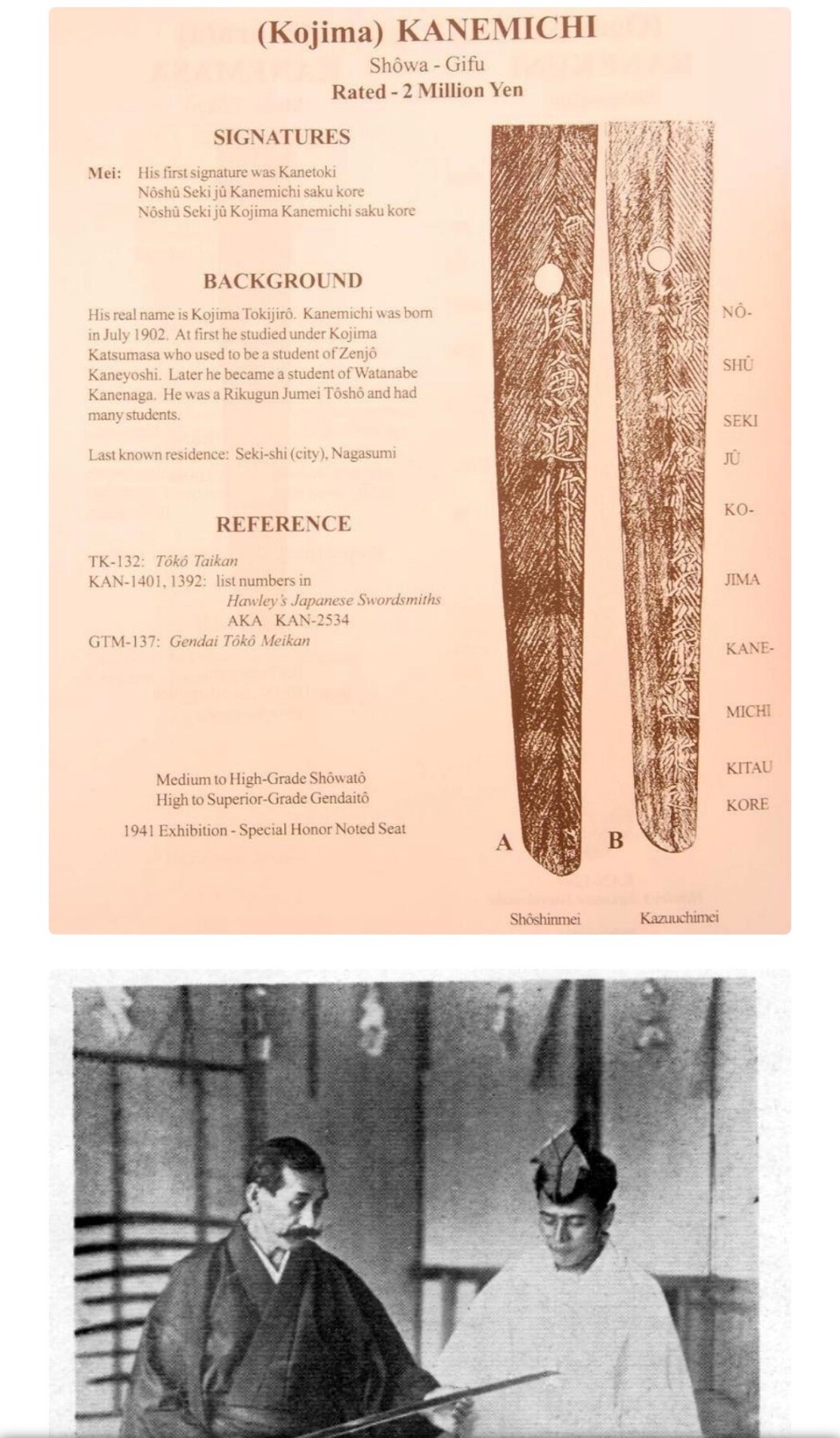
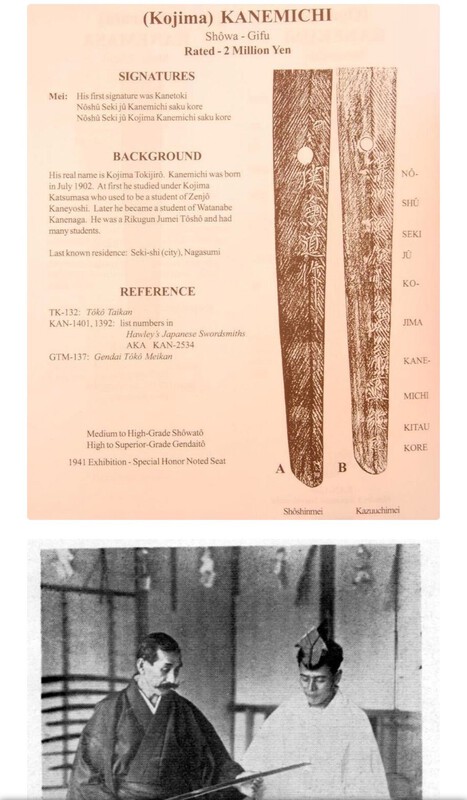
Another sword of Kanemichi but with a lot of info including Slough’s page and nice picture of him and Kensei Nakayama Hakudo. https://www.samuraisword.com/gallery/swords/kojima-kanemichi-ww-ii-naval-officers-sword/
-
https://www.liveauctioneers.com/item/229095264_katana-san-fernando-ca Fuchi and kuchi-gane looks really good. I don't know what to think about this example. It dsn't try to fake anything, at least this time by simple desription - "katana". Nice tsukamaki. Did we have anything similar before?