cabowen
-
Posts
6,786 -
Joined
-
Days Won
10
Content Type
Profiles
Forums
Events
Store
Downloads
Gallery
Everything posted by cabowen
-
Using Nanban Tetsu, made by Yoshimasa...
-
Here is more food for thought from http://ja.wikipedia.org/wiki/%E6%9D%91%E6%AD%A3: 村正(むらまさ)は、伊勢国桑名(現在の三重県桑名市)で活躍した刀工の名。または、その作になる日本刀の名。同銘で数代あるとみられる。別称は「千子村正」(せんじむらまさ、せんごむらまさ)。 村正は、濃州赤坂左兵衛兼村の子で、赤坂千手院鍛冶の出と伝えられている。 「村正」の銘は、桑名の地で代々受け継がれ、江戸時代初期まで続いた。同銘で少なくとも3代まで存在するというのが定説である。村正以外にも、藤村、村重等、「村」を名乗る刀工、正真、正重等、「正」を名乗る刀工が千子村正派に存在する。江戸時代においては「千子正重」がその問跡を幕末まで残している。 なお、4代目以降、「千子」と改称したと言われているが、これは徳川家が忌避する「村正」の帯刀を大名や旗本が避けるようになったことが原因と考えられている[1]。 Muramasa is the mei used by smith active in Ise Kuwana, present day Kuwana city in Mie Prefecture. Several generations are seen afterward with the same mei. Also known as "Sengo Muramasa". Muramasa was the son of Noshu Akasaka Sahyoue Kanemura. He came from the Akasaka Senjuin smith line, according to tradition. The mei "Muramasa" was used by successive generations of smiths from Kuwana up until the beginning of the Edo era. While scarce, there are works up to the sandai still in existence, according to accepted opinion. Other than Muramasa, there were smiths from this group that signed Fujimura, Murashige, and others, using the "mura" kanji. There are also Masazane, Masashige, and others, who used the "masa" kanji. In the Edo period, the Sengo Masashige line remained active until the Bakumatsu. Furthermore, from the 4th generation on, "Sengo" was used instead of the mei "Muramasa" possibly due to the Tokugawa family's aversion to the name and the Daimyo and Hatamoto wanting to avoid wearing such swords... Sorry, forgot to add the translation.
-
That would be helpful. While the nakago appears to be older (it actually looks a bit odd-rust converter?), this mei was used by Sukesada smiths in not only Koto, but in Shinto and Shinshinto as well. The first step is to ascertain/verify the period, then go from there...
-
Jean, it is not just the freshness of the mei, but how it is cut. Also, the hamon appears to have the "hard" spots at the peaks of the togari which is often seen in gendai work from Seki. I am not saying we can tell for certain from the photos, but to me, there appears to be enough to perhaps understand why they said it was gendai. Whether or not it is, we need more info....
-
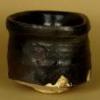
Treatment of area under the habaki?
cabowen replied to CurtisR's topic in General Nihonto Related Discussion
You should always wipe up from the hamachi when cleaning and oiling, and down from the hamachi towards the nakago when doing the same. As mentioned, sometimes small pieces of dust/dirt/etc., can be dragged up the blade and can scratch. This is why you wipe up and then wipe down.... -
maybe his early work was, but this is a Heisei dated blade, which would not be early work...
-
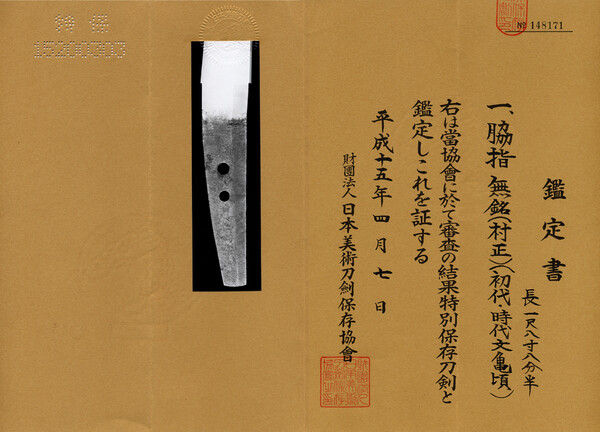
It is not a matter of semantics that upsets me, it is your mistaken mischaracterization of the Muramasa group as essentially one smith that I have taken issue with. Neither is it "attack mode", no need to play the victim. I'm simply setting the record straight. And while I am doing that, no where did I say that the nidai was the only one to duplicate the hamon on both sides- I said: It is commonly accepted in the Japanese literature that there were three generations of Muramasa. I have seen NBTHK kantei-sho which specifically differentiate the shodai from the nidai from the sandai. I have seen Tanobe sayagaki that specifically say "shodai". Their work styles are sufficiently distinct that mumei blades have been attributed by the NBTHK to a specific generation- here is an example of a shodai attribution: Here is a little article posted right here on this forum that highlights these differences: http://www.nihontomessageboard.com/articles/Muramasa2.pdf Not all Muramasa blades are in the Juyo Nado Zufu. Doubtful even most of them. Only 6 shodai, 1 sandai? Your sample size is questionable at best.... Yes, there are a lot of unknowns when it comes to Koto smiths. Most people are aware of that. In this case, it is generally accepted that there were three generations in the Muramasa mainline and that their work is frequently attributed to a specific generation because of identifiable differences. Let's just leave it at that....
-
Not Keith Austin...His mei was Nobuhira 延平
-
Stunning KOTO TANTO in equally stunning mounts
cabowen replied to Nickupero's topic in For Sale or Trade
First generation started working at the end of Koto but most sources consider him a Shinto smith, much like Horikawa Kunihiro, Myoju, Shodai Tadayoshi, etc... Masatsune 政常 Sagami Kami, Shodai, Owari Shinto 1573-96 N4,154-7, AS2,4-10/3,22, FT26,14/60,28, YS1,75-6/3,72, NS342-3, NX356-7, TS367, S346-8, OT318, TM92, KG102,154, CA2,158, SS79-80, JN23,1,23/3,9, KZ564-5, ST1,709-13/2,470-79, NJ228, T190, NM244,315-16,447, J567/670, TB28,30/29,30*/47,18* -
My point is there is more than one Muramasa and they did not all make 4 out of 5 blades with identical hamon on omote-ura. You say "he" when in fact it is a "them". We should also note that the Sengo ha is more than the three generations of the Muramasa line. There are several other smiths in this group that made work in this style, Masazane and Masashige, to name a few....
-
Most commonly seen in the nidai but not as often in the other generations. And even the nidai shows plenty of exceptions...
-
While I haven't seen anything said to be a later generation, I have seen a few kantei-sho that just say "江戸中期" but do not specify a generation. Your best bet might be to see if there are any publications on Aki smiths. I believe there was a museum exhibit catalog I had that focused on these smiths as I had a nidai Teruhiro wakizashi at one time and used it as a reference...Don't have access to it now, but look around and you might find something...
-
Stunning KOTO TANTO in equally stunning mounts
cabowen replied to Nickupero's topic in For Sale or Trade
Signature looks like Owari Masatsune....Doesn't that line start in Shinto? -
I have on several occasions asked if I can just buy the blade without the koshirae. Sometimes the dealer says yes, sometimes no....
-
Yoshikazu made this to the order of Muneyoshi using a design of Toryusai's....maybe....
-
Sandai died very young and his work is said to be extremely rare. I looked around and found nothing. Maybe someone else will have some luck....
-
kashu ju ietada 賀州住家忠
-
This is my favourite piece.
cabowen replied to Nickupero's topic in General Nihonto Related Discussion
I would bet that sword would look even better with a good polish... -
G: migi tosho tsuba ko XXX
-
The blade has been polished quite a few times....Let us know if you put it through shinsa. Seems awfully cheap to be shoshin...Best of luck!
-
Photos aren't viewable without logging in.
-
I wrote him in Japanese so there should have been no issue with a reply,,,, The price when I looked at it was around $3000 as I recall. Normally, this smith's work goes for 3 to 4x that....that usually tells me it is gimei.
-
I asked the seller if it had passed shinsa or if he would guarantee it passing. He said he would send me an email later with his answer. Never heard anything. I think the price he was asking answered my question....
-
Togishi Tsuyoshi Morodomi does it again :)
cabowen replied to kusunokimasahige's topic in General Nihonto Related Discussion
I too have made this point here many times, though my explanations have lacked the impact of a graphic analogy....well said.... -
Not much info available. I posted my thoughts on the smith in the thread posted above...If I find something more I will be sure to post it...Looks like a nice sword!