Grimmdarkspire
-
Posts
19 -
Joined
-
Last visited
Recent Profile Visitors





Grimmdarkspire's Achievements






-
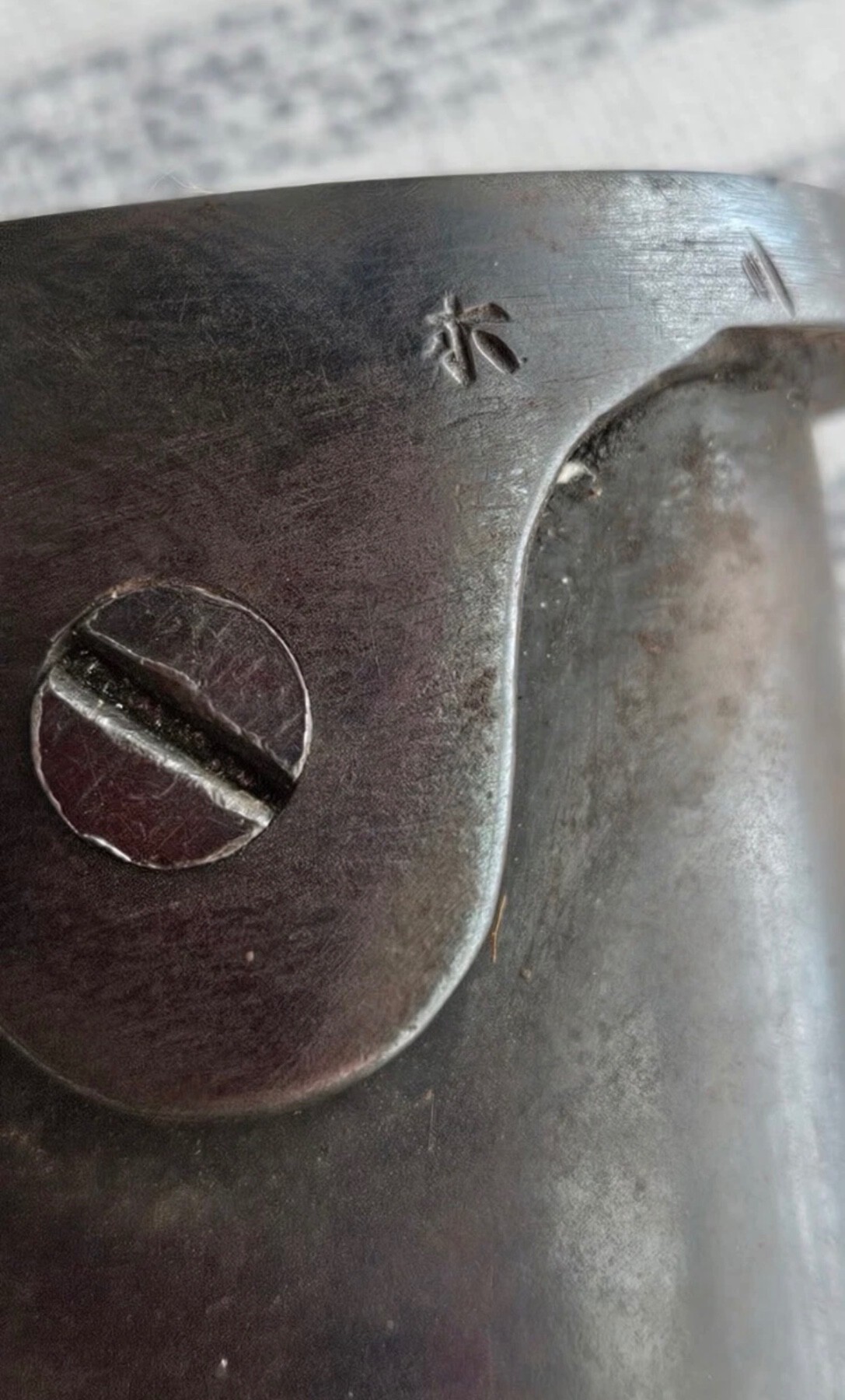
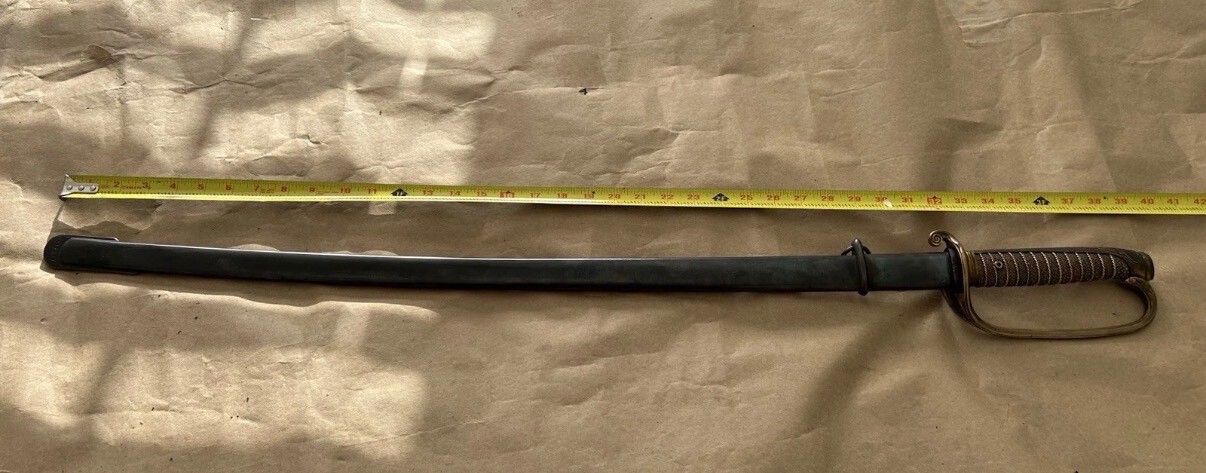
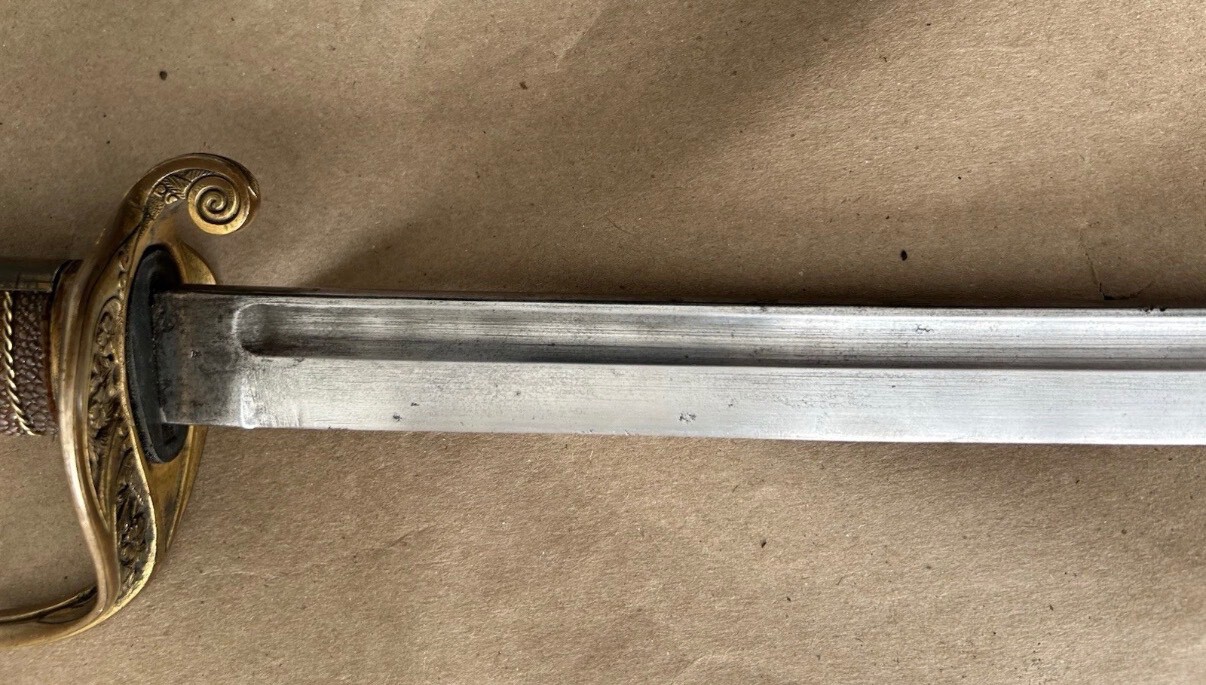
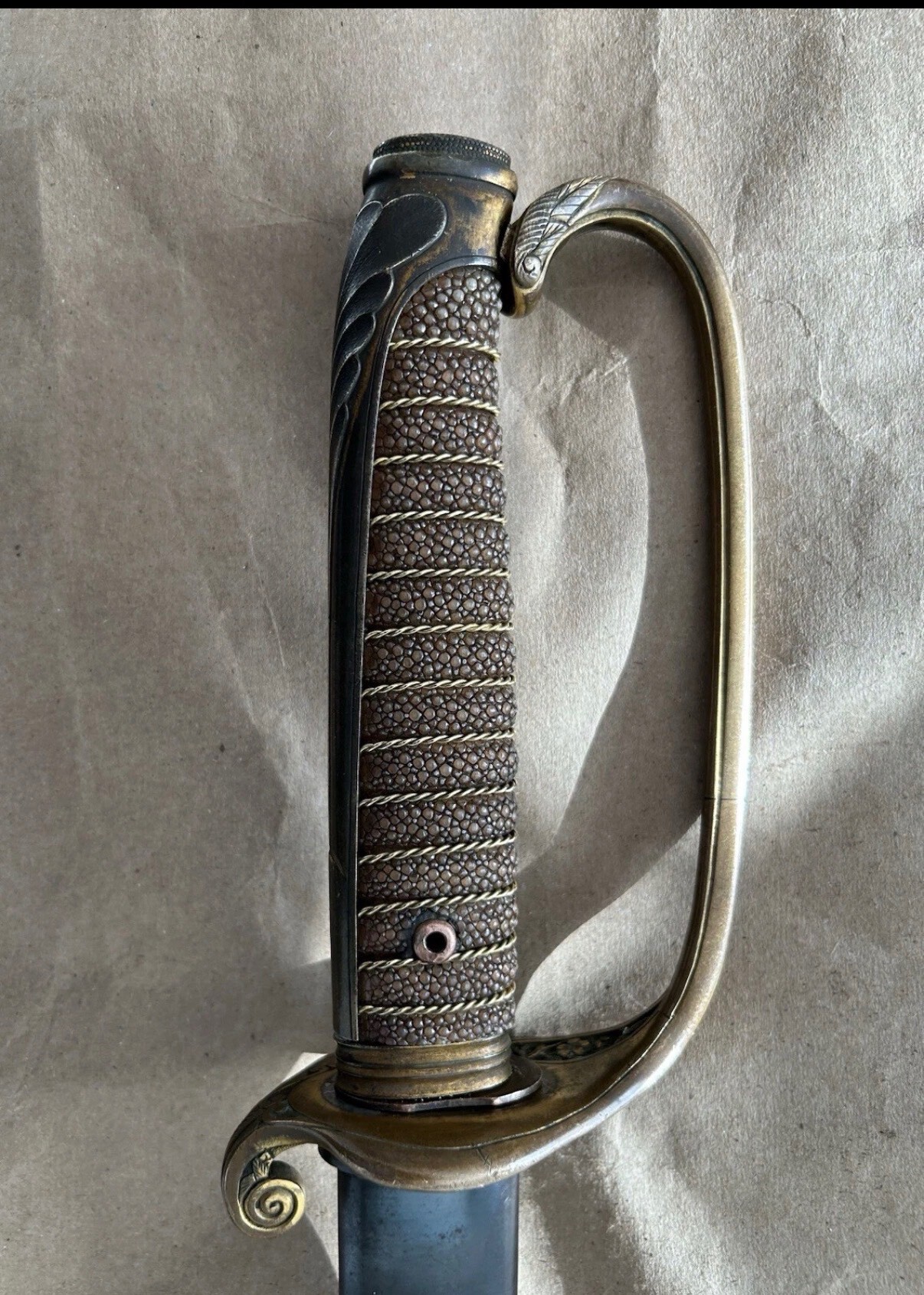
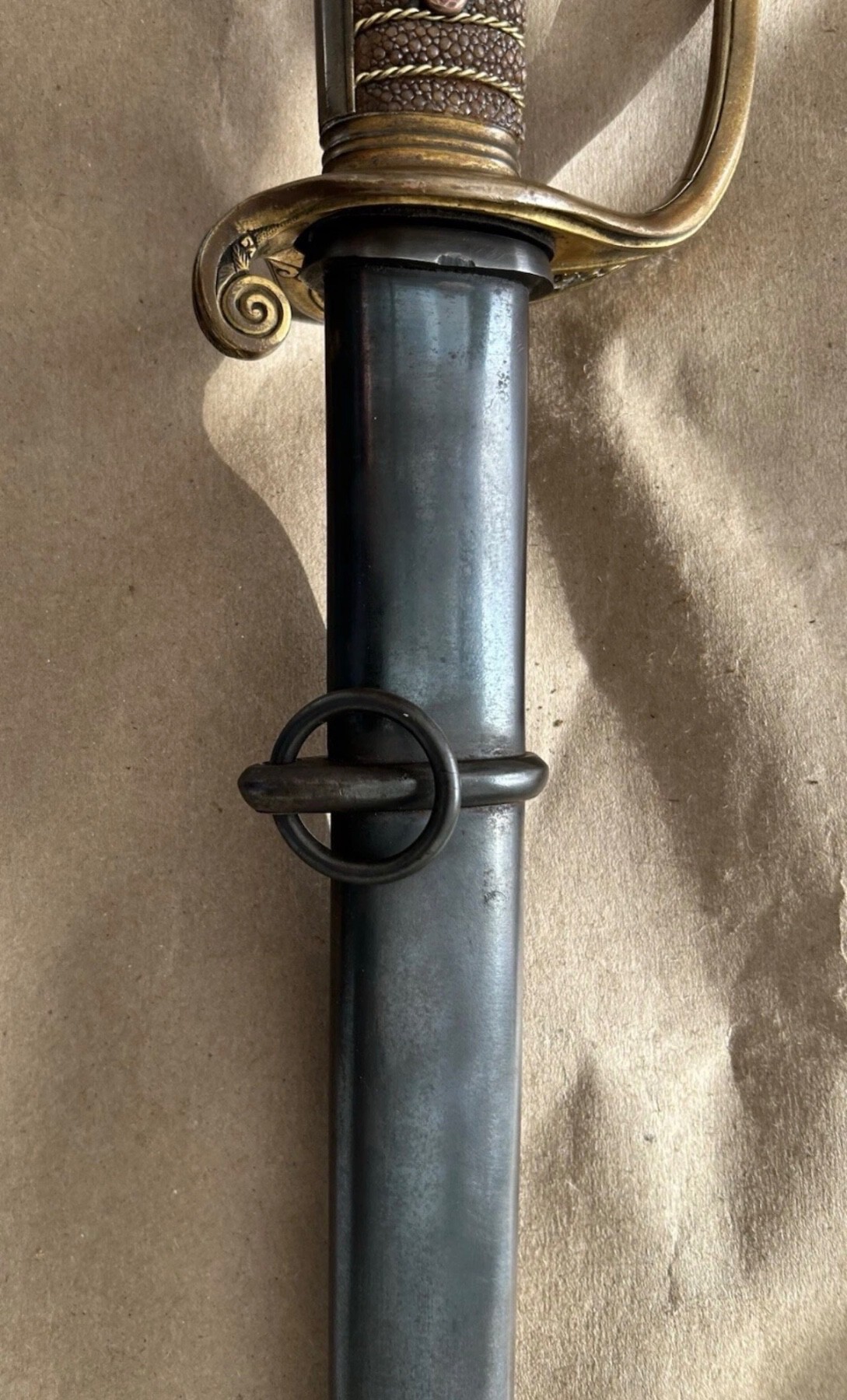
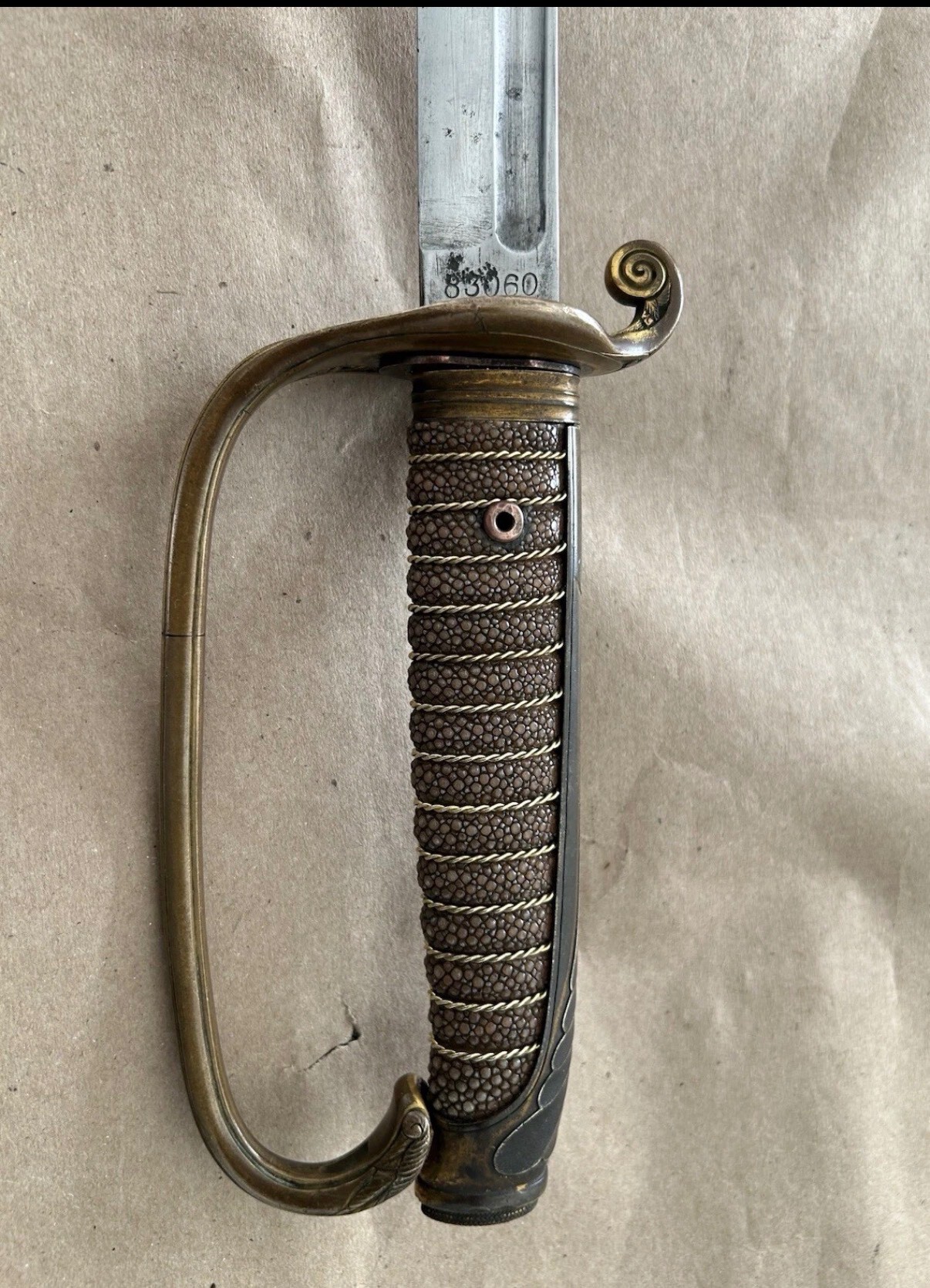
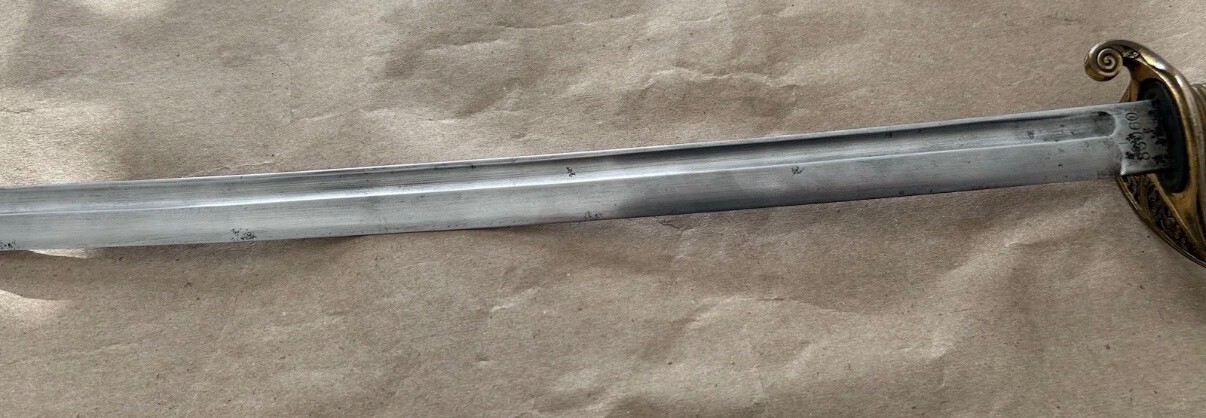
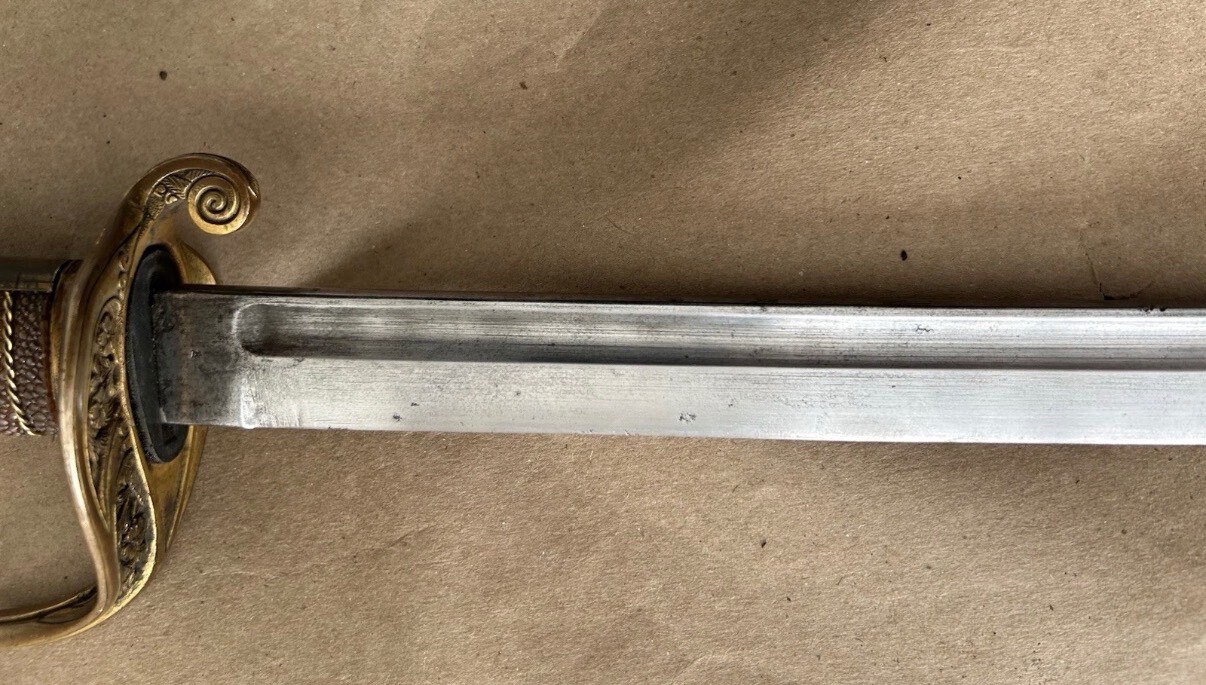
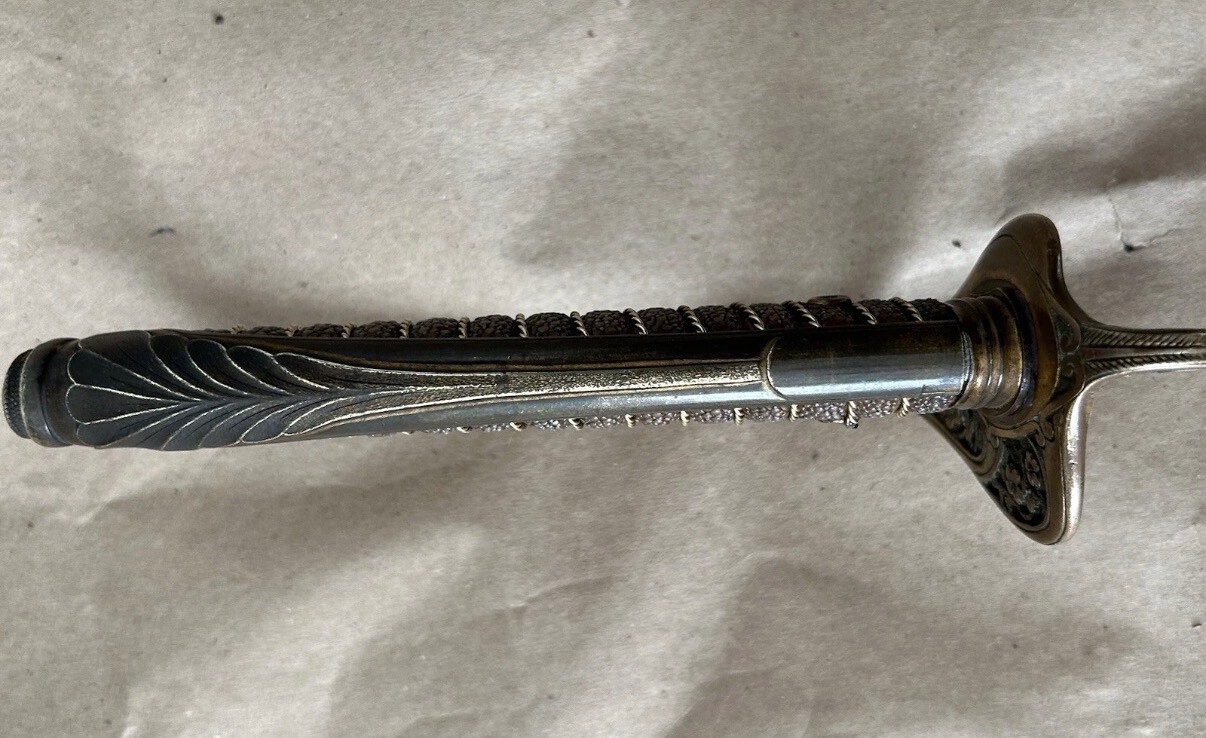
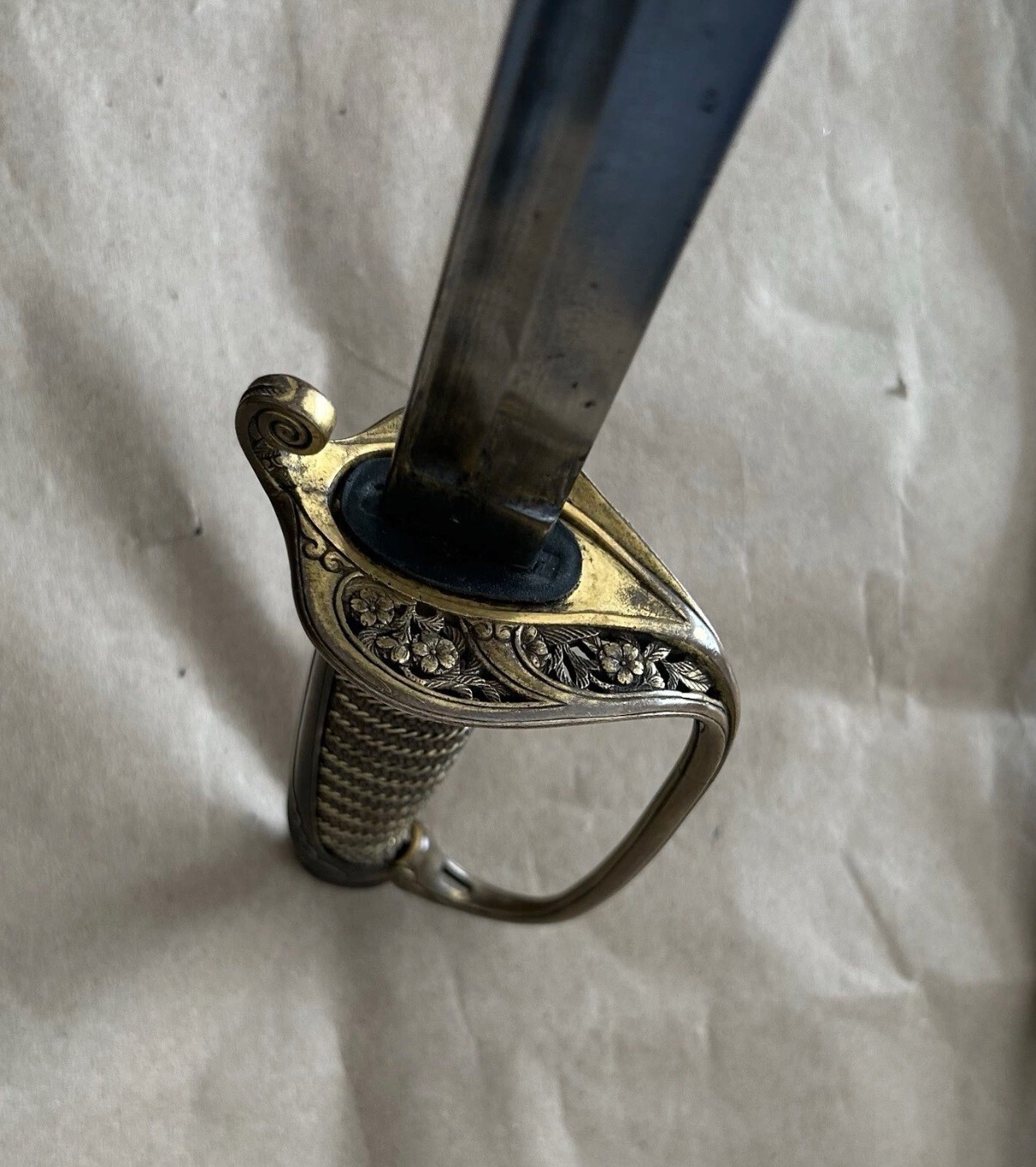
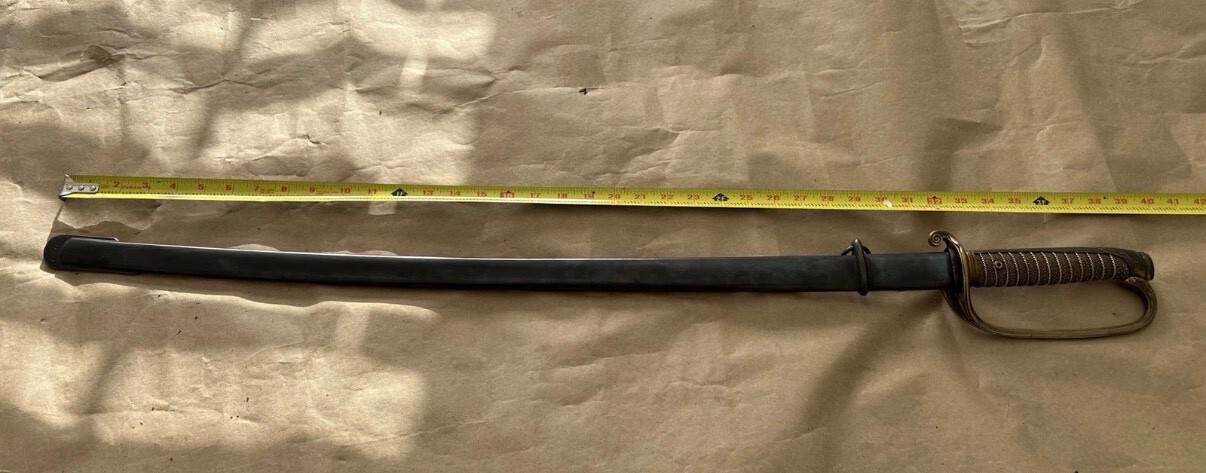
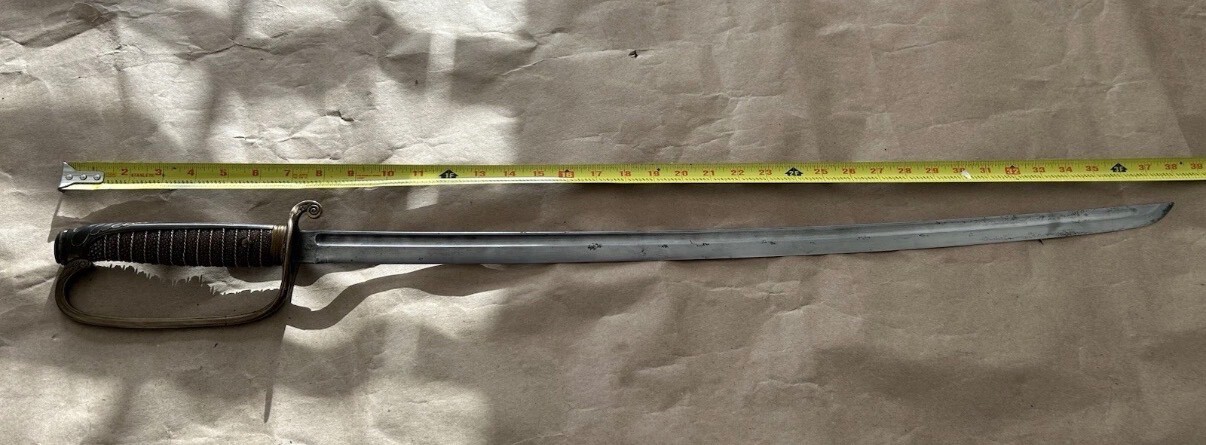
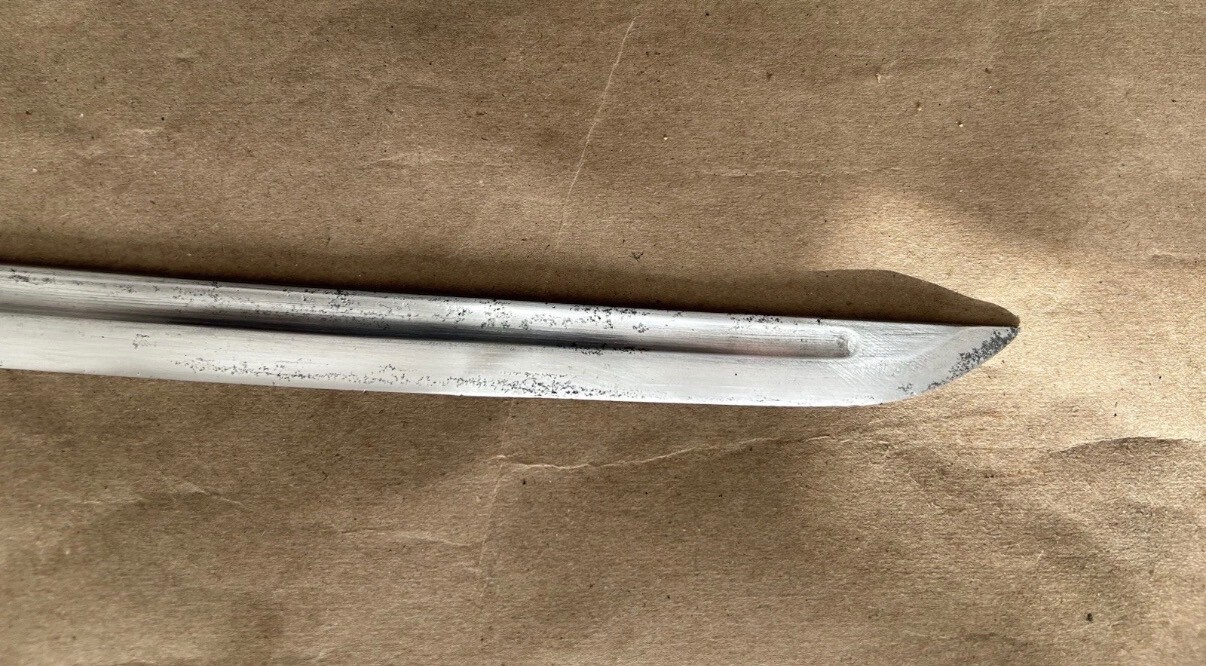
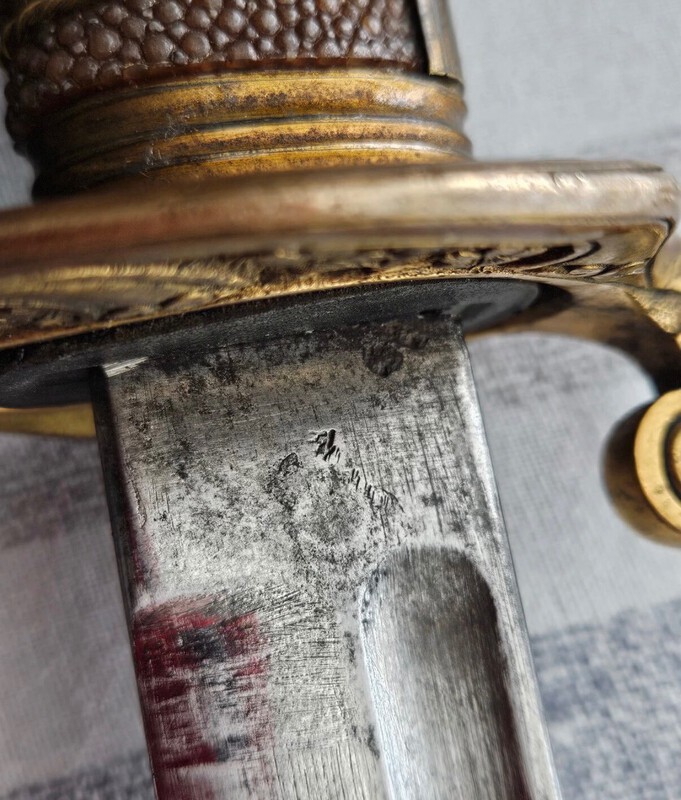
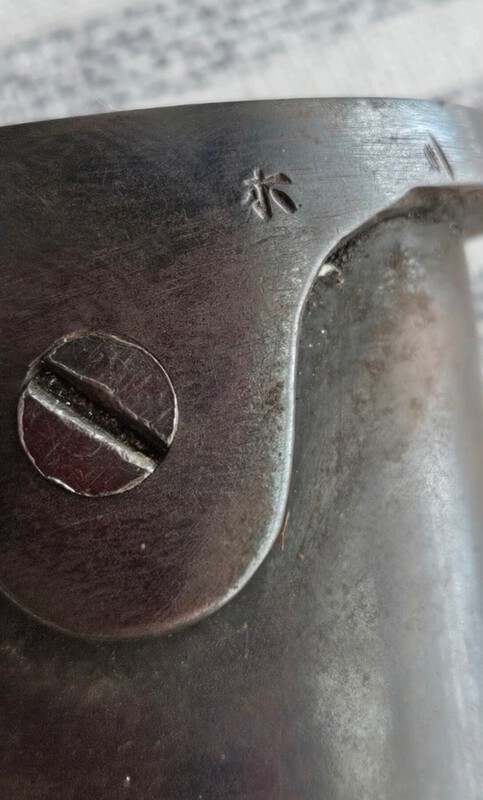
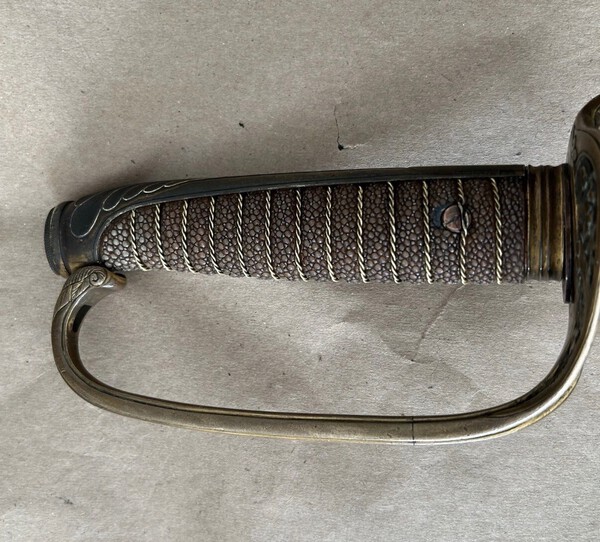
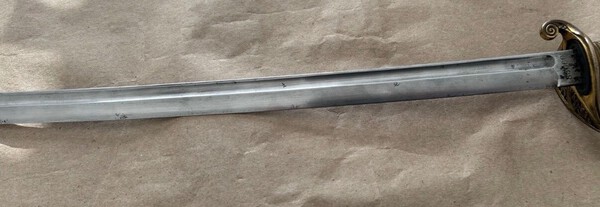
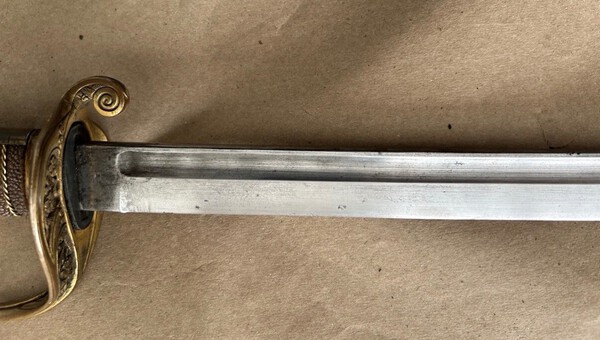
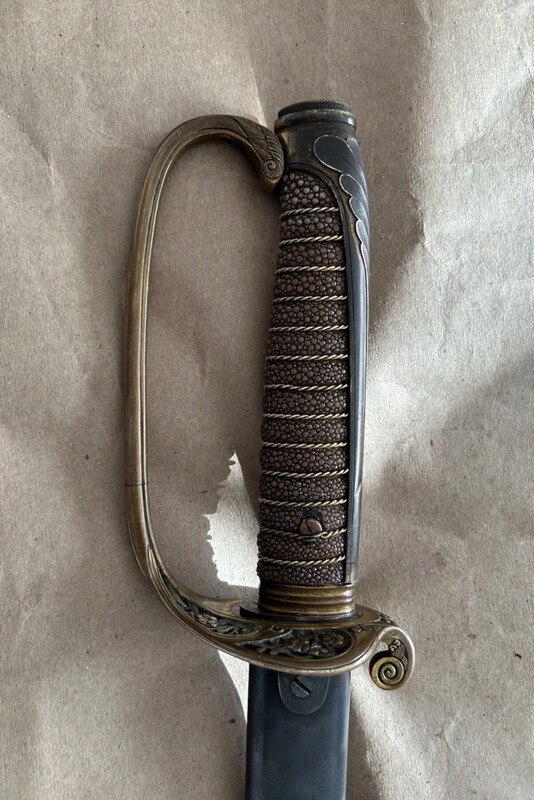
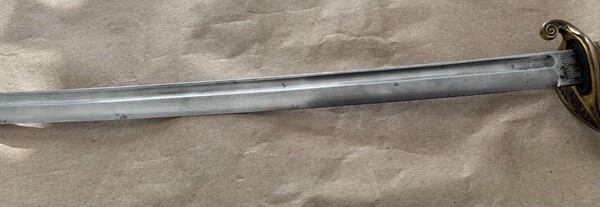
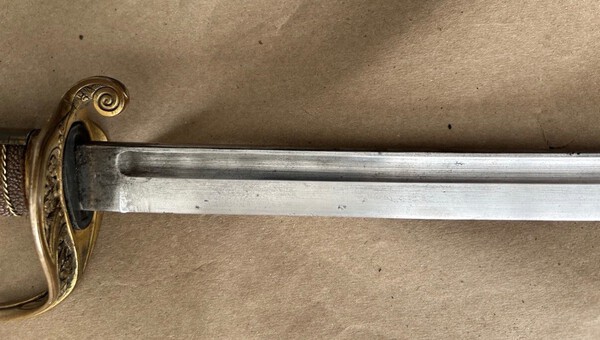
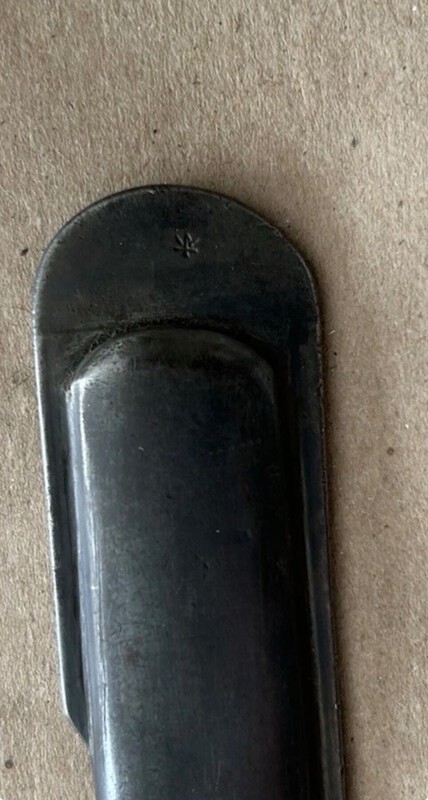
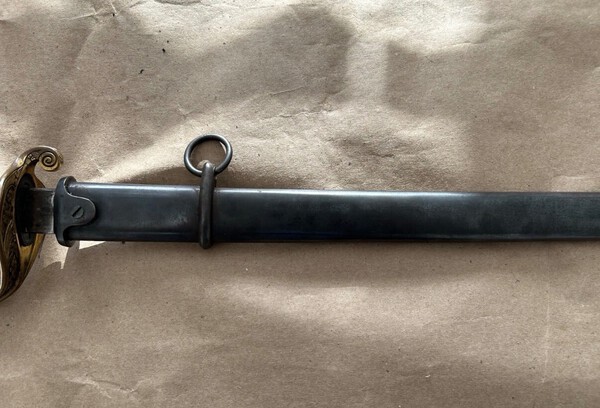
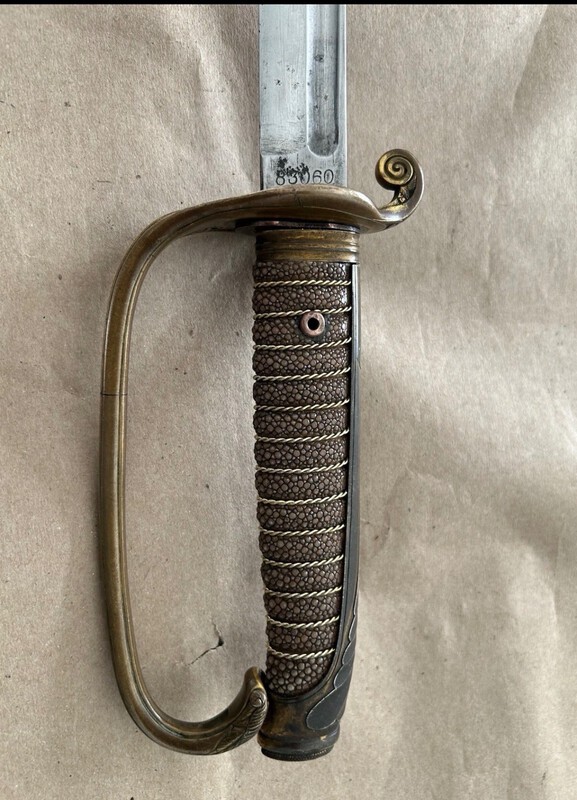
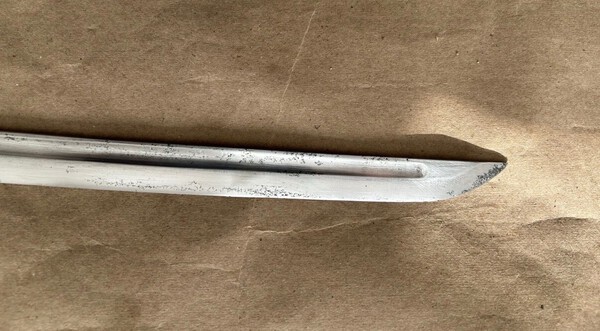
I may be going out on a limb here, but it appears plausible that this is a custom or semi-custom piece originating from the Kokura plant, combining features seen in both the page 68 variant and the page 244 variant. Thank you all for the insights and for pointing me back to Dawson’s book. I went back and flipped through the pages and must have missed the specific backstrap reference earlier, so I appreciate it being highlighted. The nakago appears to run nearly the full length of the handle at roughly six inches. The blade’s cutting length measures approximately thirty to thirty one and one third inches overall. I have a couple of additional photos that may offer further clarity as well. It also appears that the upper scabbard throat bears a Kokura First Arsenal stamp, matching the stamp on the blade’s ricasso. It is difficult to capture clearly in photos, but there are indications that an arched or circular symbol once existed on the ricasso and was later ground away, based on the remaining indentations and grinding marks. Notably, both the ground-away symbol and the arsenal stamp are on the opposite side of the ricasso from the serialized area, which suggests a deliberate alteration rather than incidental wear. Additionally, the scabbard throat seems to incorporate a European-style foil pressure locking system. This mechanism holds the blade securely in place, with no wiggle, rattle, or play, though it is admittedly hard to photograph in detail. For now, these are the best photos I can offer. I can share additional images later if requested.
-
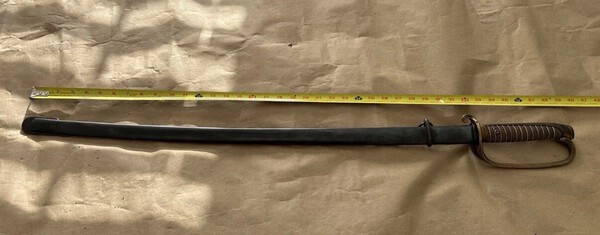
Here are more pictures. Additionally, in handling, the piece feels heavy, but very well balanced. It is noticeably heavier than any other Kyū Guntō I own or have handled, with a distinctly overbuilt quality rather than crude weight. The mass feels deliberate and structural, again far more in line with European military swords of the same period than with typical Japanese examples.


-
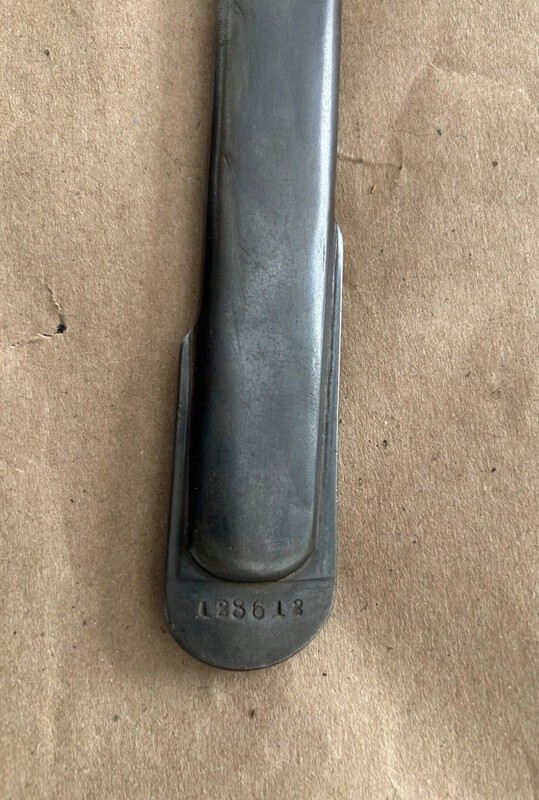
I wanted to add a quick observation. This evening I picked up another piece closely related to this one, though with some notable differences. The overall construction is far more robust than what you typically see in standard Japanese production of the period. In hand, the quality, balance, and weight align much more closely with my contemporary German examples than with usual Japanese arsenal work. What makes it especially interesting is that it’s arsenal marked on both the blade and the scabbard and, oddly enough, even the scabbard boot carries a Kokura First Arsenal mark. That level of marking consistency isn’t something you encounter every day. The scabbard itself is serialed 128612, while the ricasso is marked 83060. Notably, it bears a strong resemblance to the example shown in Kyū Guntō mountings on page 68 of Swords of Imperial Japan 1868–1945. That comparison was one of the first things that raised my eyebrow. I also believe the scabbard incorporates a German or Austrian-style internal locking pressure spring to retain the blade. That mechanism is far more commonly encountered in Prussian, German, and Austrian European swords than in standard Japanese patterns, and its presence here is difficult to ignore. Another point worth noting is that everything is exceptionally tight. There are no wiggles, wobbles, or clinks of any kind. The fit and finish feel unmistakably European in character, very much in line with my Prussian, German, and Austrian pieces. My working theory is that this may be a German-contracted or German-influenced piece produced for Japanese use. The design language, metallurgy, and overall feel simply don’t read as standard domestic Japanese manufacture. I’m very open to additional insights. If anyone has documentation, comparable examples, or a different interpretation, I’d genuinely welcome the discussion. Pieces like this tend to tell their story slowly, and I enjoy letting the evidence do the talking.









-

Questions about "late war", NCO swords
Grimmdarkspire replied to WilBru5's topic in Military Swords of Japan
Hi there @Stegel, who currently owns this 2nd from the top, “Prototype” or what seems to be a Bakelite-handled variant with the top latch? I’m curious about obtaining more pictures of it for my references. I haven’t seen this version in Fuller’s or Dawson’s books. But I’ve seen it throughout the years through a listing or two in 25 years, and here as well. Thank you.
-
Hi there all, I’m looking for a Type 95 NCO Gunto in the 30 - 150K blade serial range, black iron Tsuba in the 3. - 4MM size range, copper back latch, and copper Fuchi with preferably matching serial of the scabbard and blade, but honestly, it doesn’t need to match. Other stamped variants in the above configuration / specifications I’d be happy to consider: Gifu, Koban, or Suya. Price point I’m looking at: $ 500 - $1500. Thank you all in advance for reading my post, and I look forward to seeing possibilities and making new acquaintances. The below attached pics are not mine; they are pulled from this forum and Google Images of an example of what I’m searching for. Thank you.


-
- 1
-

-
Japanese Type 95 Sword for NCOs
Grimmdarkspire replied to Shamsy's topic in Military Swords of Japan
Hey everyone, I’ve thoroughly reviewed the entire thread and a few others, but I couldn’t find any information about green handle type 95s. Initially, I thought only the Kobe company produced green handles, but now I’ve discovered they’re also available on others made by other manufacturers. Based on this, I assume all companies could produce green or brown handles, as well as various colors on the scabbards, as has been repeatedly mentioned in the scabbard discussions per regulations. I’ve also searched Jim Dawson’s and Richard Fuller’s books, but I couldn’t find any clear information on this topic. Can someone shed some light on this for me? I’ve been collecting these type 95s for 23 years, and I still don’t know the answer. I know someone here has it. Thanks for all your time and attention!
-
is this a real ww2 Japanese naval sword
Grimmdarkspire replied to zashmon's topic in Military Swords of Japan
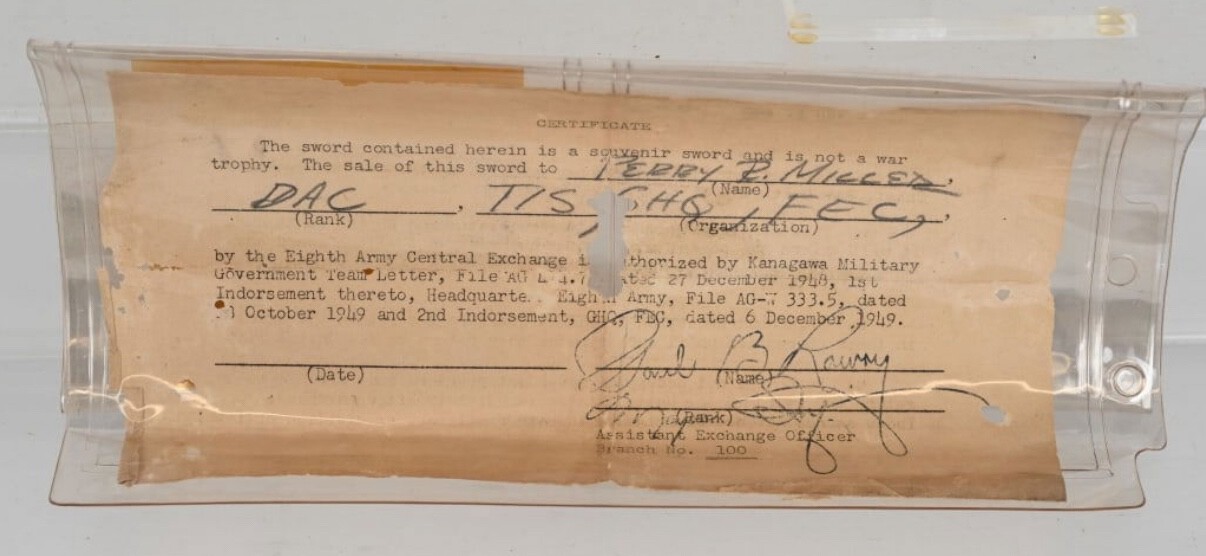
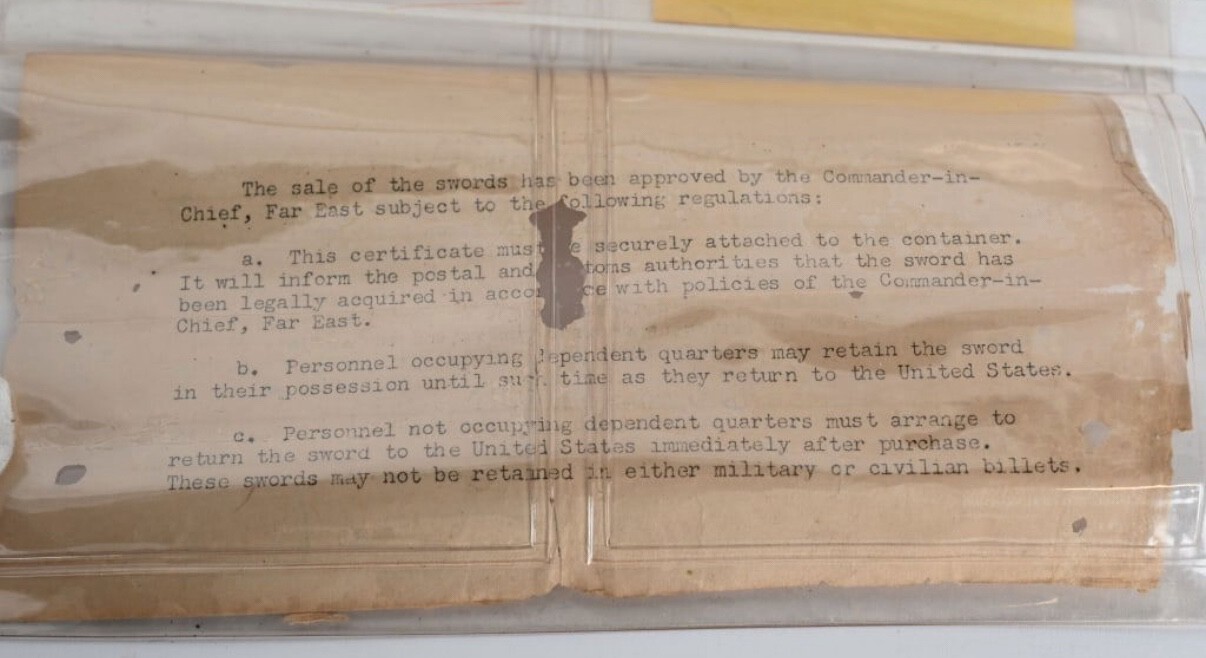
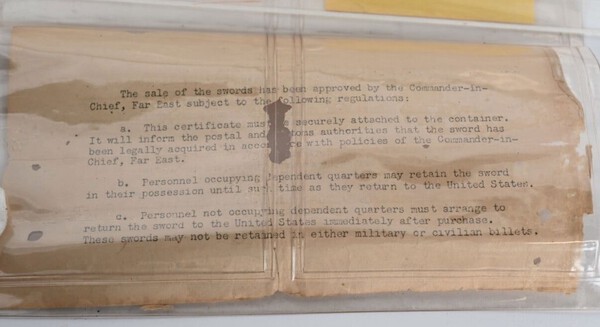
Here is another item for discussion in this forum. This item is currently listed on the Live auctioneers page. The question still lingers in my mind: if these were souvenirs sold at the PX after the war in Japan? On some of them, it is challenging to believe that they were merely souvenirs. https://www.liveauct...-sword-w-signed-tang



-
Did this ever sell? If not I’ll take it.
-
They’re not the same seller. My personal experiences with them are as follows: For the past 23 years, I have been acquainted with Showa22. While I have always maintained a cordial relationship with him, I must acknowledge that his information is not always accurate or reliable. He often presents misleading information, despite his generally good intentions. In my experience, Jewlery&Coin has consistently been challenging to engage with, communicate about products, or inquire about. Additionally, Jewlery&Coin has consistently been priced substantially above the fair market value of the products they sell.
-
Fun With My Late War Nco Gunto
Grimmdarkspire replied to Bruce Pennington's topic in Military Swords of Japan
I really appreciate you sharing this information; it's been very helpful. I've noticed that the Tsuka on my item is deteriorating rapidly since I purchased it, and I'm concerned about its previous storage conditions. Additionally, both screws in the Tsuka handle are broken. Could you offer any advice on where I might get the Tsuka restored? Also, do you know where I can find replacement Mekugi screws? -
Fun With My Late War Nco Gunto
Grimmdarkspire replied to Bruce Pennington's topic in Military Swords of Japan
Thank you so much for your kindness. I was aware that it was a 'seki' stamp, but the 'clause 2' part had me puzzled. I really appreciate both of your immense help. Even after 23 years of learning about NCO Gunto, I'm still discovering new things, and 'clause 2' was one of them.. -
Fun With My Late War Nco Gunto
Grimmdarkspire replied to Bruce Pennington's topic in Military Swords of Japan
Haha you’re fine. And thank you for your thoughts, “clause 2” stamp? What is that? I’m sure I misunderstood. -
Grimmdarkspire changed their profile photo
-
Emergency Late War Officer Gunto
Grimmdarkspire replied to Bruce Pennington's topic in Military Swords of Japan
I also have another to add to this research thread. Except mine doesn’t have any stamps anywhere. The patina and age seems to be appropriate for the time. And the Leather field cover has also fallen apart already.
-
Fun With My Late War Nco Gunto
Grimmdarkspire replied to Bruce Pennington's topic in Military Swords of Japan
Bruce, I also take the time to clean all of my Type 95 Guntos. While there may be differing views on the impact cleaning has on their historical value, I hold a personal perspective that justifies my action. I would really appreciate your help in identifying a stamp on my Type 95 variation #5. It seems to be stamped with 'SEKI', but I'm not entirely sure. Additionally, I've noticed that the stamp on the back of the NAKAGO looks different, which I find quite odd. Could you share your thoughts on this?

-
Ww2 Kyu Gunto Authentication Help
Grimmdarkspire replied to Grimmdarkspire's topic in Military Swords of Japan
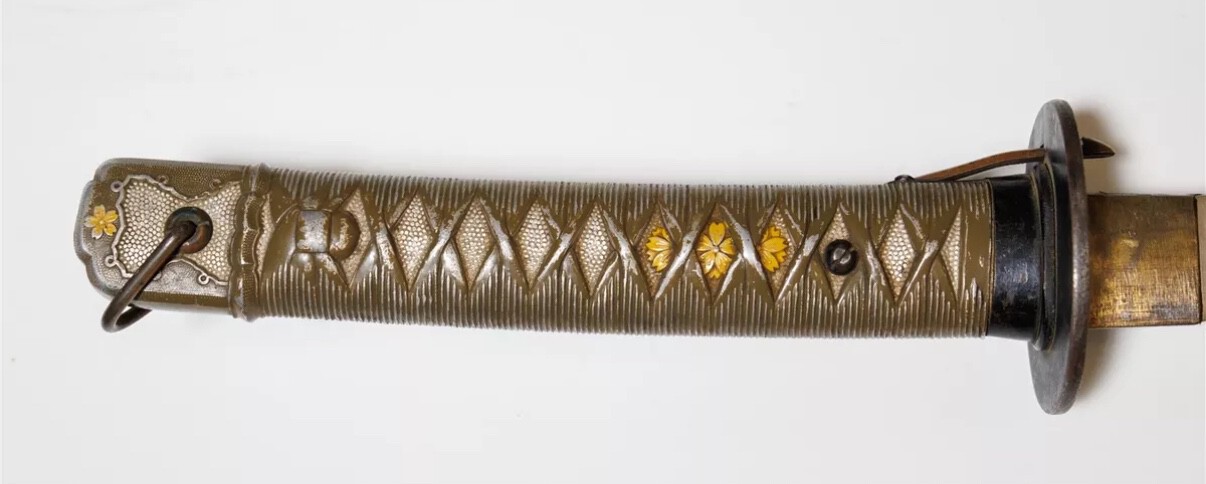
Hello all! Update* It's taken some time for Richard Fuller to look over this piece and finding more information it, but he has finally AUTHENTICATED this and is issuing documentation on it as an authentic and GENUINE item. This is what Richard Fuller claims, "This was issued by the Imperial Palace directly." Hence the Kamon stampings that are unique to this type. Also* after having a Jeweler inspect the piece; we have found the metal parts have been covered with a thick gold plating increasing the value substantially, the gold plating is why the coloration of the mountings has been different for some eyes. Thank you all for sharing your inspection details and for taking the time to comment. I'm grateful this has been authenticated and documentation is being issued, and especially, that I didn't give up early on. Thank you again.