Ray Singer
-
Posts
5,376 -
Joined
-
Last visited
-
Days Won
147
Content Type
Profiles
Forums
Events
Store
Downloads
Gallery
Everything posted by Ray Singer
-
It seems that there were two generations of Kozori Bizen Mitsuhisa working to the end of Nanbokucho.
-
I am not sure, the second to last kanji is pretty deteriorated. I was going to suggest 忠久 or 次久 as fallback options.
-
I think it is close to Mitsuhisa. He was a Nanbokucho Bizen smith. 備州長船光久 - Bishū Osafune Mitsuhisa. Please stand by.
-
To restate what is mentioned above, don't do anything to clean up on your own. This should be looked at by a licensed togishi. This is a interesting sword. Can you please take a clear, vertical photo of the mei (no angles and in focus)? It looks like the mei is intact enough to be read, certainly in-hand but probably also with a good photo.
-

Late Kamakura Yamato Taima blade - Tokubetsu Hozon
Ray Singer replied to Ray Singer's topic in For Sale or Trade
Thanks Jean-Pierre! -
Late Kamakura Yamato Taima blade - Tokubetsu Hozon
Ray Singer replied to Ray Singer's topic in For Sale or Trade
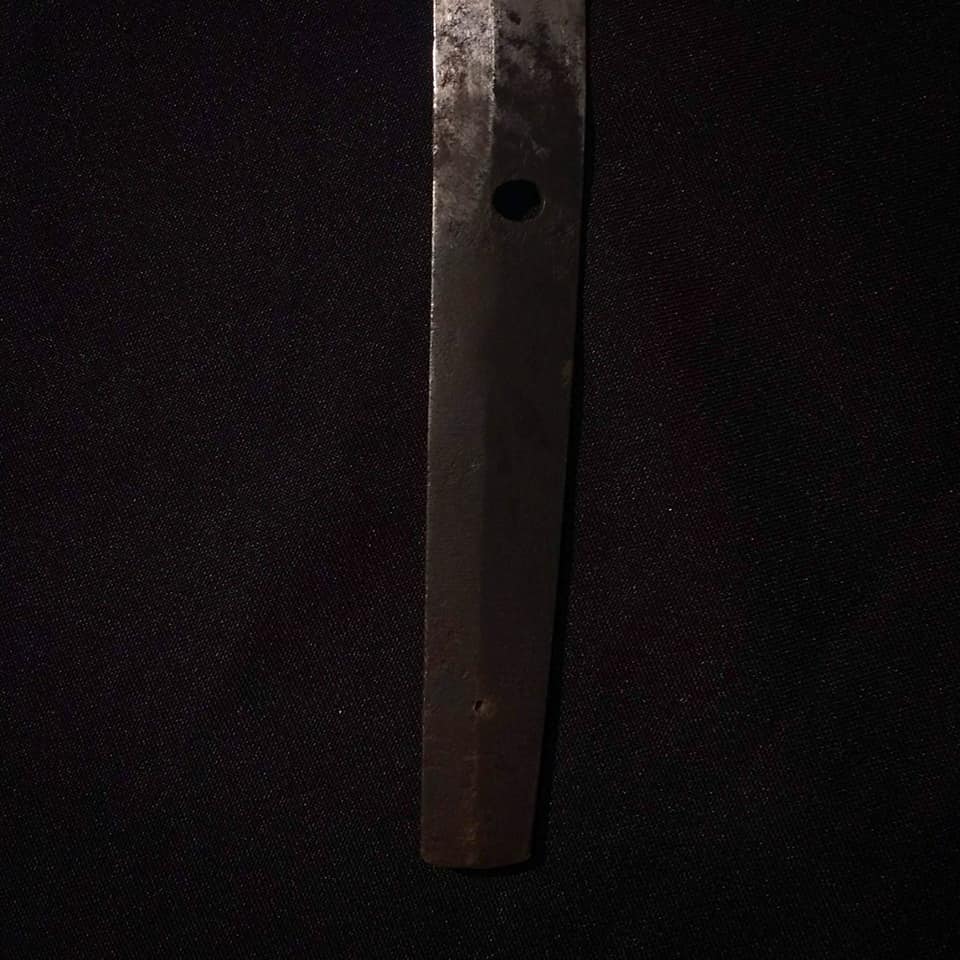
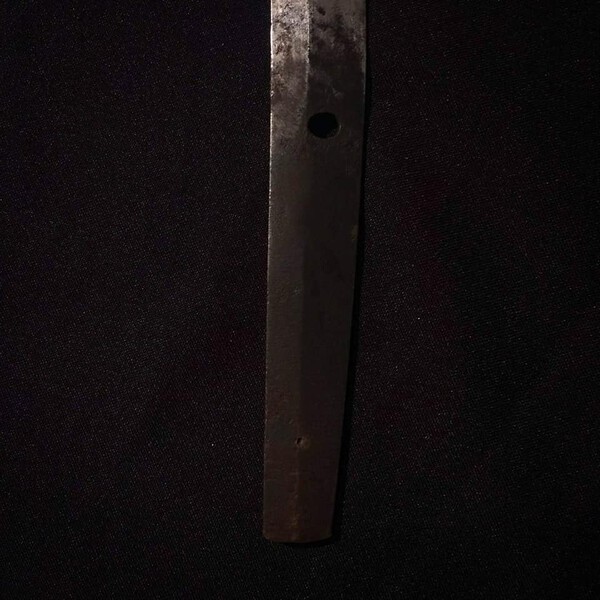
Photo of full length blade and shirasaya attached.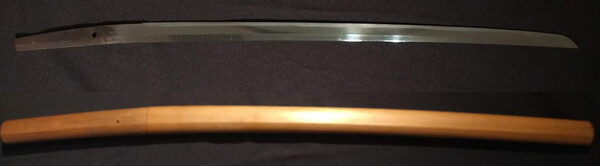
-
Yoshida Kanekado.
-
Late Kamakura Yamato Taima blade - Tokubetsu Hozon
Ray Singer replied to Ray Singer's topic in For Sale or Trade
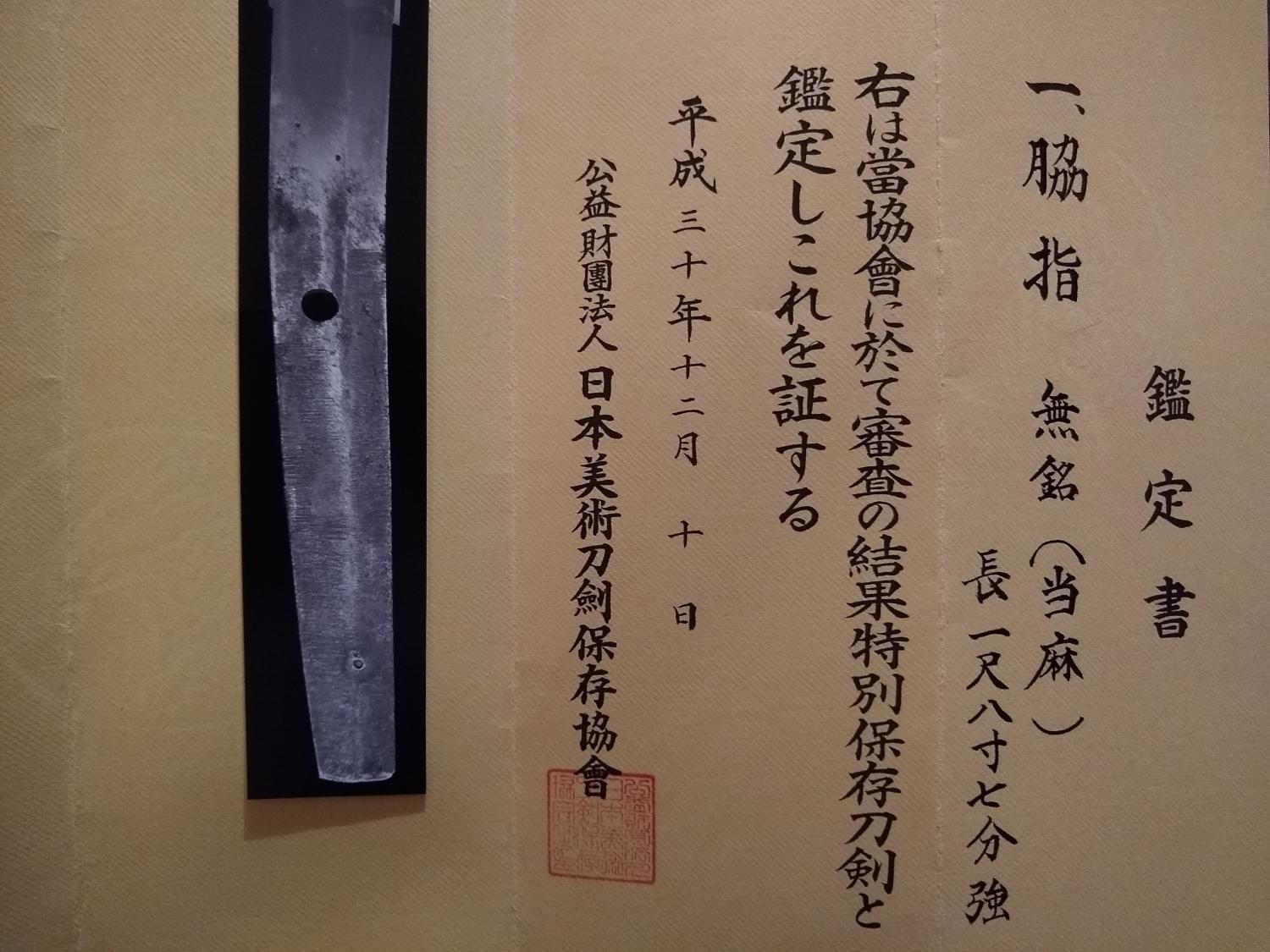
Tokubetsu Hozon kanteisho attached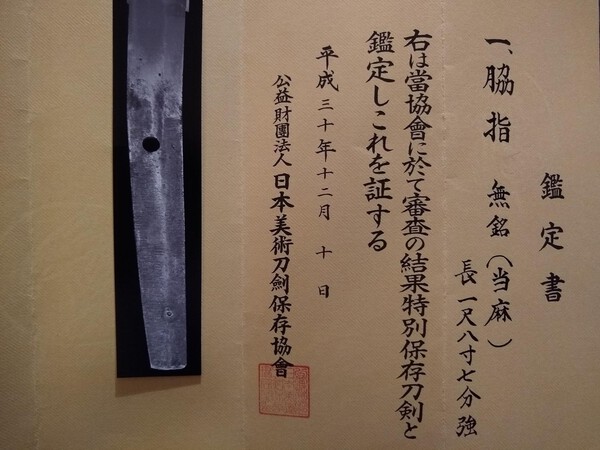
-
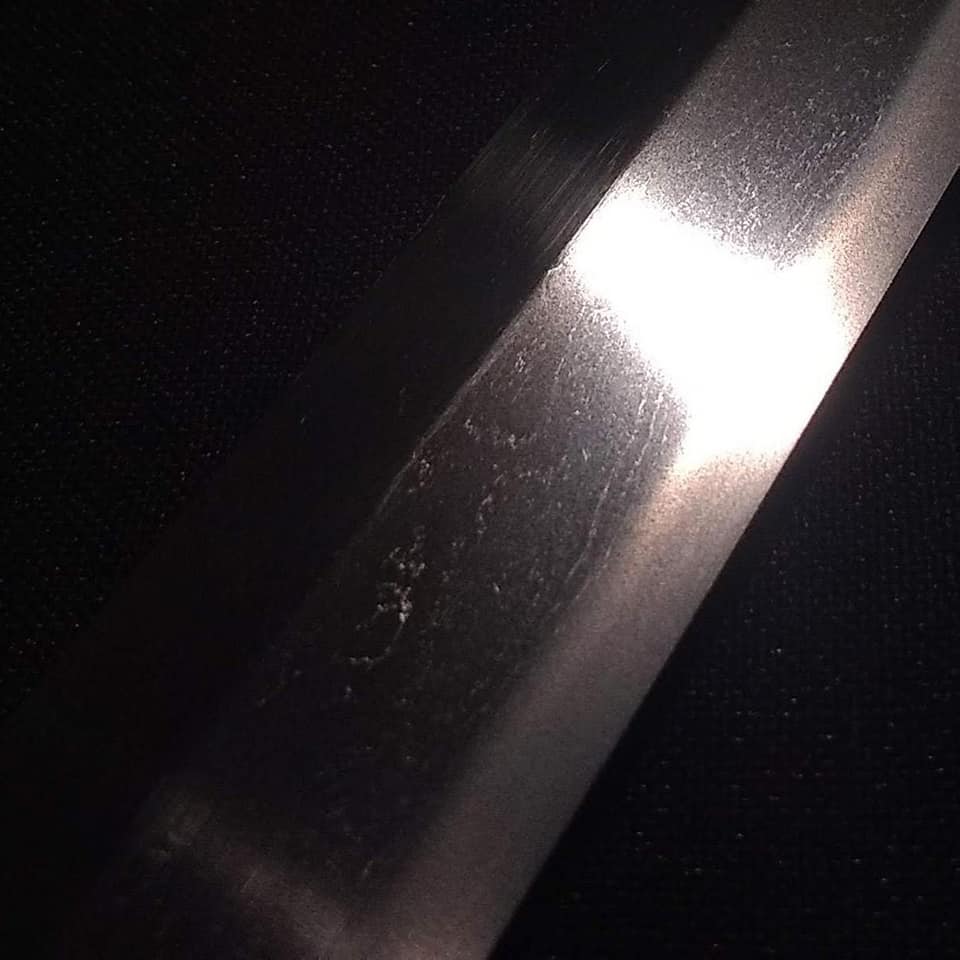
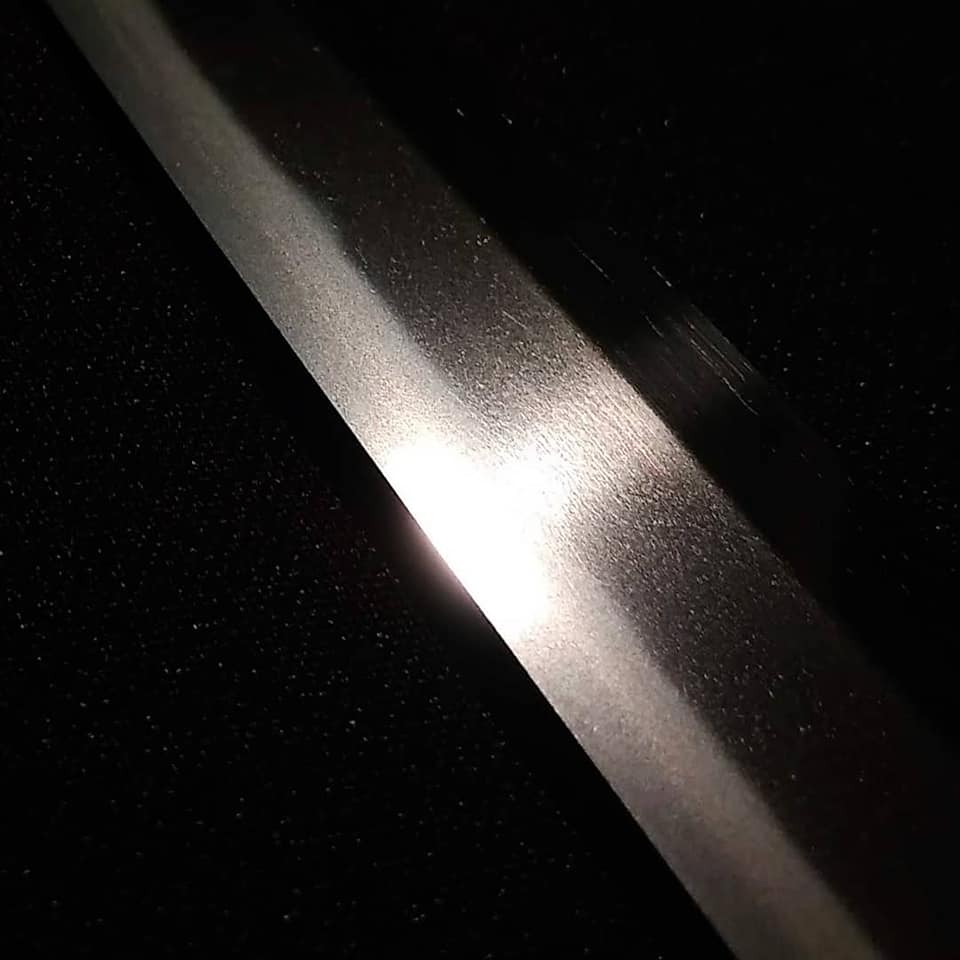
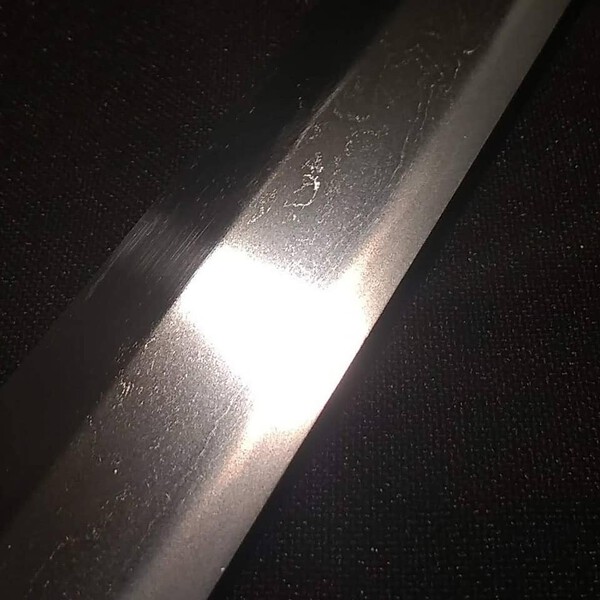
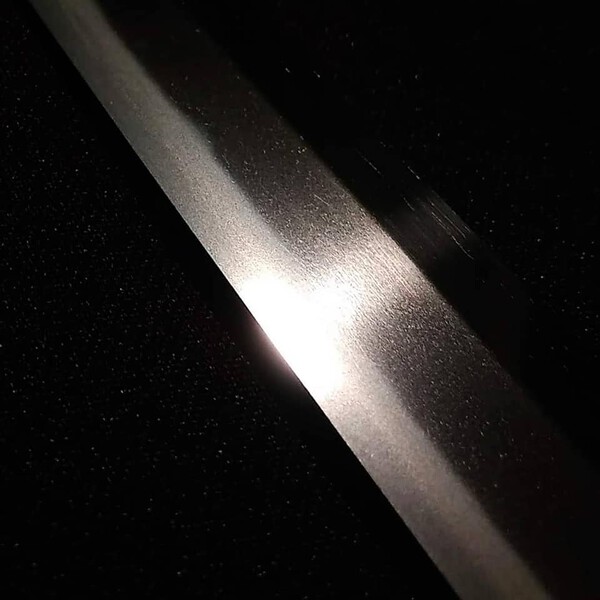
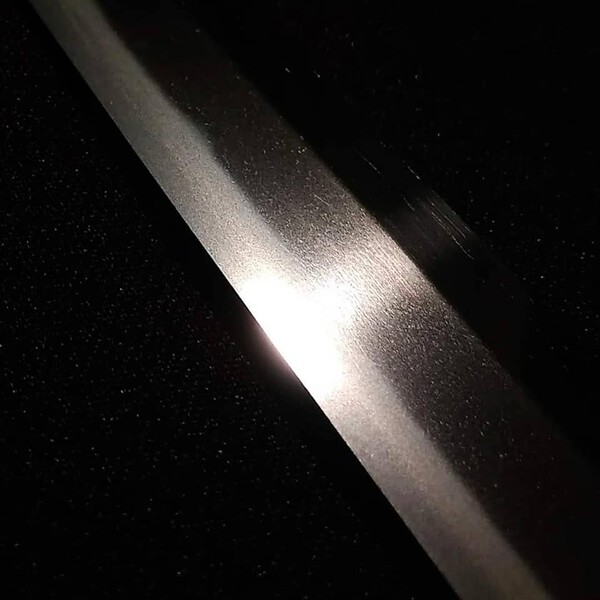
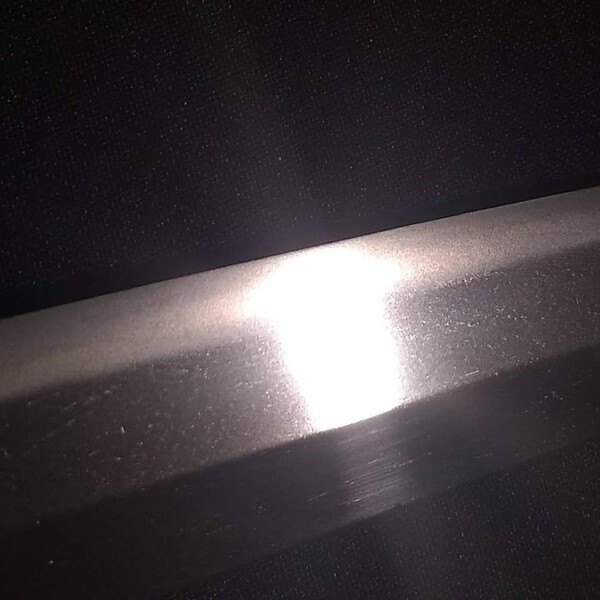
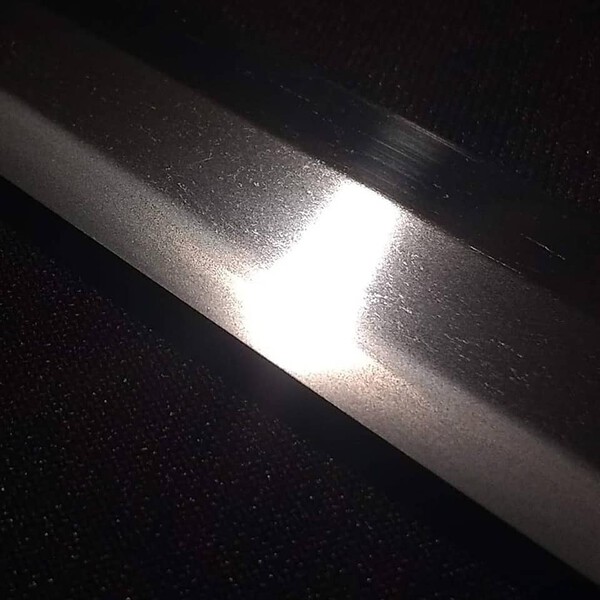
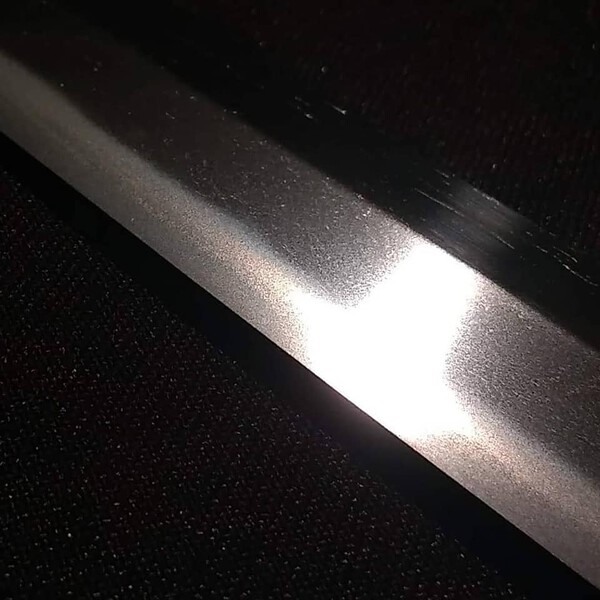
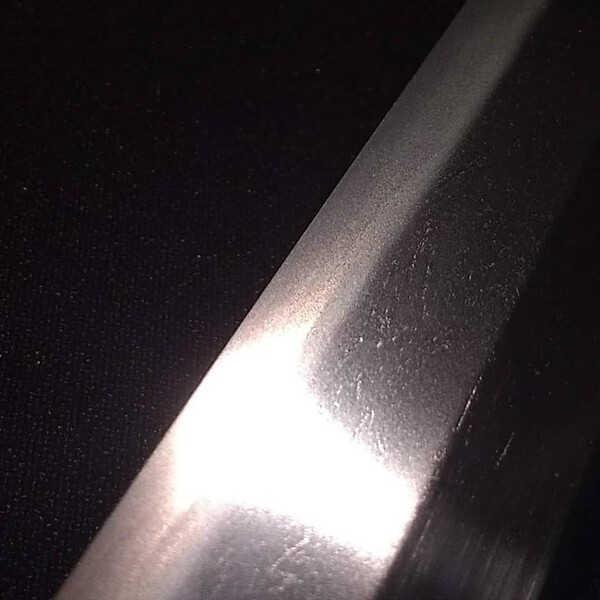
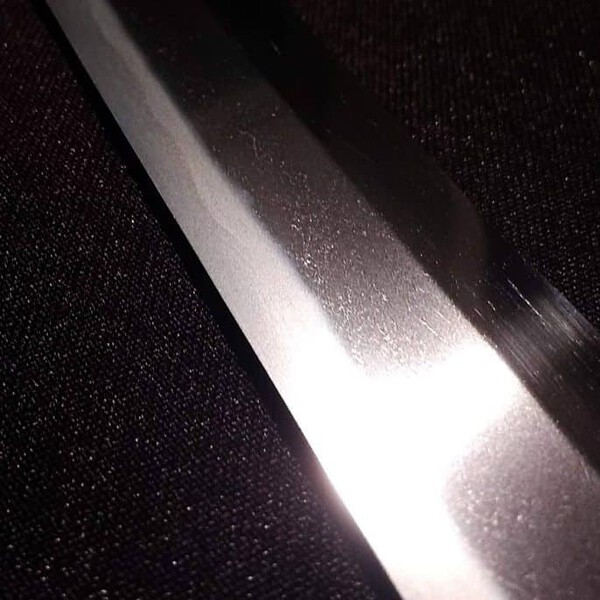
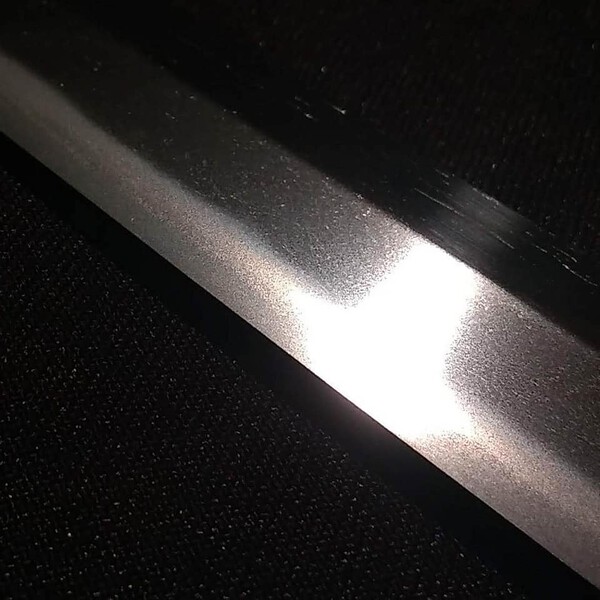
I received this very high-quality consignment a few days ago. This is a osuriage mumei Kamakura period blade attributed (at the Tokubetsu Hozon level) to Yamato Taima. Taima is one of the five schools of the Yamato tradition and is the one which is closest to Soshu. There are many cases where Taima blades have gone back and forth between attributions to Soshu Yukimitsu, the Shintogo student who was a senior pupil alongside Masamune. Top level Taima blades often have an extremely beautiful nie-deki hamon with great depth of activity, descending to the ha. Jitetsu will be thickly overlaid with ji-nie and strands of connected nie (chikei). That describes this blade perfectly and it could be taken for an early Soshu work. The hamon is simply filled with hataraki and will give the viewer much to study and enjoy. The blade is slender and has a relatively small kissaki (ko-kissaki) that is brushed with hakikkakae. For a Kamakura blade, the piece remains very healthy and has no issues. It is in a shirasaya with wooden habaki. Nagasa is 56.7cm, moto-haba: 26mm, saki-haba: 16mm, kasane: 6mm. I will update this listing shortly with additional photos, including the Tokubetsu Hozon kanteisho, shirasaya and a full length photo of the blade. $5,500 (plus shipping and PayPal).
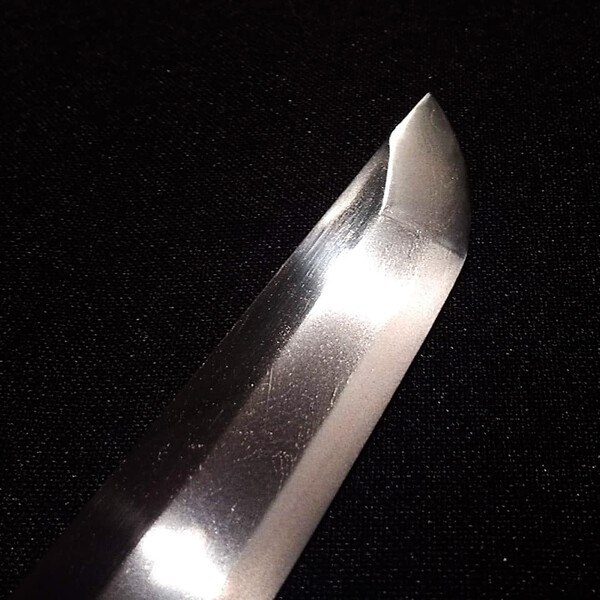
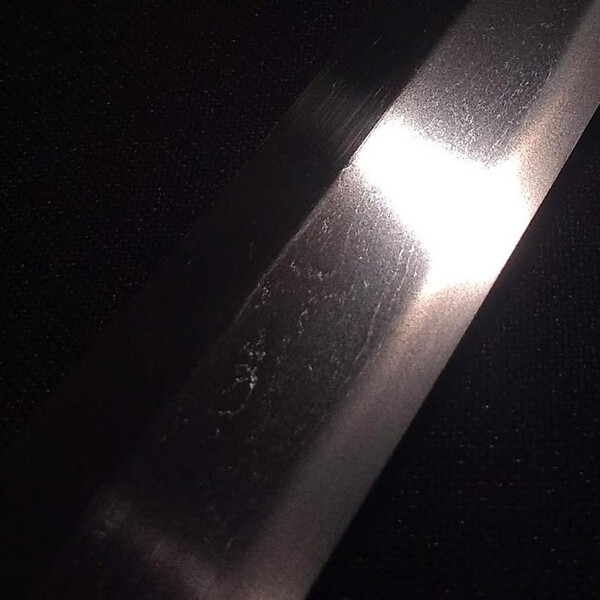
- 28 replies
-
- 14
-

-
Ubu nihonto need help with identification
Ray Singer replied to Utopianarian's topic in General Nihonto Related Discussion
Looking at the shape of the nakago, the overall sugata of the sword and the coarse forging throughout I would consider the possibility that this is a Sue-Bizen kazuuchi-mono (late Muromachi). -
Tosa (no) Kuni Baba Enshi Ujitsura (土佐国馬場鉛子氏連)
-
How to best judge the color of jigane?
Ray Singer replied to 16k's topic in General Nihonto Related Discussion
It was verbalized in one of the earlier discussion groups ( I believe Robert Cole's old listserv group) however you can find at least one reference in the archive that Ken linked above. http://web.archive.org/web/20010424104004/http://members.home.net/token-kai/buying.htm "When evaluating the color of the steel, the color of the source light is very important. Use a mirror to find out what a perfect steel would look like. And next time you see a "blue sky" take a really good look at it. Just what color is it. That is "bluer" than the finest Japanese steels, and it is a good light source for looking at your blades. How much blue of the sky is reflected from your blade. Do this test when pointing the blade towards a patch of blue sky, and not the sun." -
How to best judge the color of jigane?
Ray Singer replied to 16k's topic in General Nihonto Related Discussion
Something that Jim Kurrasch used to suggest to help with this evaluation is to compare the reflection of the room's surroundings in a small mirror alongside the reflection of the room in the ji of the blade. The mirror should theoretically not contribute much color to the reflected image, whereas the attributes of the jigane will influence the reflection in the ji, skewing it darker, giving it a blueish cast, etc. I think I've become better at evaluating color of the jigane since then, but I remember that simple test helping when trying to see the color and clarity of the material. -
The top looks like the Sosho form of Kuni. Kunihiro
-
My impression is that this is hiragana rather than kanji. Please see below... み す or そ ほ or け く I am unsure of the meaning of this kinpun-mei.
-
Swords of Japan - YouTube channel
Ray Singer replied to Ray Singer's topic in Auctions and Online Sales or Sellers
Thanks everyone and happy to provide the forum info. I was hoping to get more of these published by now, but it's looking like an output of 1-2 videos per week is going to be the most realistic flow moving forward. Like the one above, I will post a blog article on my site first that will be used to craft each video (basically, becoming the script for narration). -
Swords of Japan - YouTube channel
Ray Singer replied to Ray Singer's topic in Auctions and Online Sales or Sellers
The video at the previous link was corrected. Reposting it below. Thanks again Grey for pointing out the issue. There is still is a Token To Rekishi shown in one of the other photographed groupings of references, however that particular slide which was mistitled has been replaced. BTW, I believe that Markus Sesko is still providing English-language translations of some portions of Token Bijutsu to US (and European) members, so there is that additional benefit of membership (though the translations do not appear in the journals themselves). Best regards, Ray -
Swords of Japan - YouTube channel
Ray Singer replied to Ray Singer's topic in Auctions and Online Sales or Sellers
Thank you Grey, I will look into that issue. And glad to have been able to provide the referral. Best regards, Ray -
Swords of Japan - YouTube channel
Ray Singer replied to Ray Singer's topic in Auctions and Online Sales or Sellers
This is coming a bit later than I hoped, but I uploaded a new video this morning to go with a blog article I posted earlier in the week.- 36 replies
-
- 10
-
-
This appears intended to be the same kao. http://www.japaneseswordbooksandtsuba.com/store/tsuba-%26-kodogu/k141-iron-sukashi-tsuba-gold-mei#
-
Probably 越前守直正
-
Fantastic, congratulations! You are the first pass I've heard from yet. Would love to hear details when you are ready, either here or my PM if you like to share further. Again, very happy to hear the good news.
-
Obscured / Rusted Mei - How to Read?
Ray Singer replied to tbonesullivan's topic in Translation Assistance
http://www.sanmei.com/contents/media/O87604_S2815_PUP.htm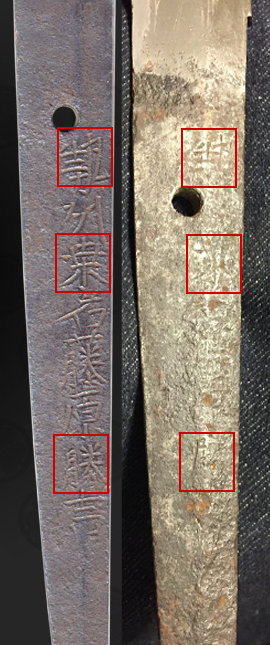
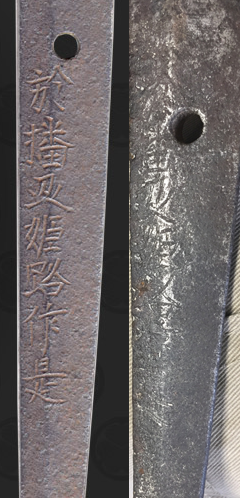
-
Obscured / Rusted Mei - How to Read?
Ray Singer replied to tbonesullivan's topic in Translation Assistance
Compare with this example.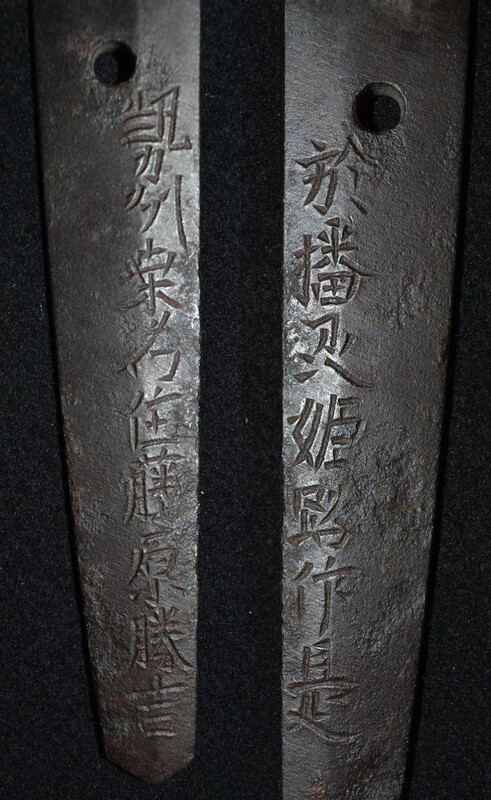
-
Obscured / Rusted Mei - How to Read?
Ray Singer replied to tbonesullivan's topic in Translation Assistance
勢州桑名住藤原勝吉 - Seishu Kuwana ju Fujiwara Katsuyoshi 於播磨姫路作是 - Oite Harima Himeji saku kore (kore o tsukuru?)