Bruce Pennington
-
Posts
14,510 -
Joined
-
Last visited
-
Days Won
175
Content Type
Profiles
Forums
Events
Store
Downloads
Gallery
Everything posted by Bruce Pennington
-

Attention Mantetsu Owners: A Survey
Bruce Pennington replied to Bruce Pennington's topic in Military Swords of Japan
Excellent photos, Ray, just what I needed! -
Looking for any/all info possible for this sword!
Bruce Pennington replied to Stockfball11's topic in Nihonto
It was fairly common for guys to have their family blades re-fitted for the war. The kamon may be evidence of this in the case of this sword. However there was quite a program by the government and military to get families to donate or sell their old blades for the war effort. The officer in your case could have bought his sword from a shop that had obtained the old blade and fitted it out for the war. Here is an article explaining the program - Converting family swords into Gunto Here is a page on sword care: Japanese SWORD CARE (japaneseswordindex.com) -
Looking for any/all info possible for this sword!
Bruce Pennington replied to Stockfball11's topic in Nihonto
The older blade is in WWII Type 98 Japanese officer fittings. You can read about them here: Army commissioned officers Shin-Guntō (Type 98 Guntō) 1938 (ohmura-study.net) The silver, round piece on the end of the handle is a kamon, or family crest. There are guys here who can give you an idea of the list of families known to use this crest. -
Hizen (no) Kuni Masatsugu Shikomizue
Bruce Pennington replied to Big Jimp's topic in General Nihonto Related Discussion
Quite a beauty! I really like the nakago work, too. -
Yes, I don't have data, as I don't track blades without stamps, but I'd say at least half of all blades we see have no stamps whatsoever. Many smiths sold directly to private sword shops, bypassing the arsenals.
-
Reminds me of the very old European days when pale skin was considered upper-class, as those with tans were laborers, so they would wear white makeup. There was even a trend to taking small amounts of arsenic to whiten the skin.
-
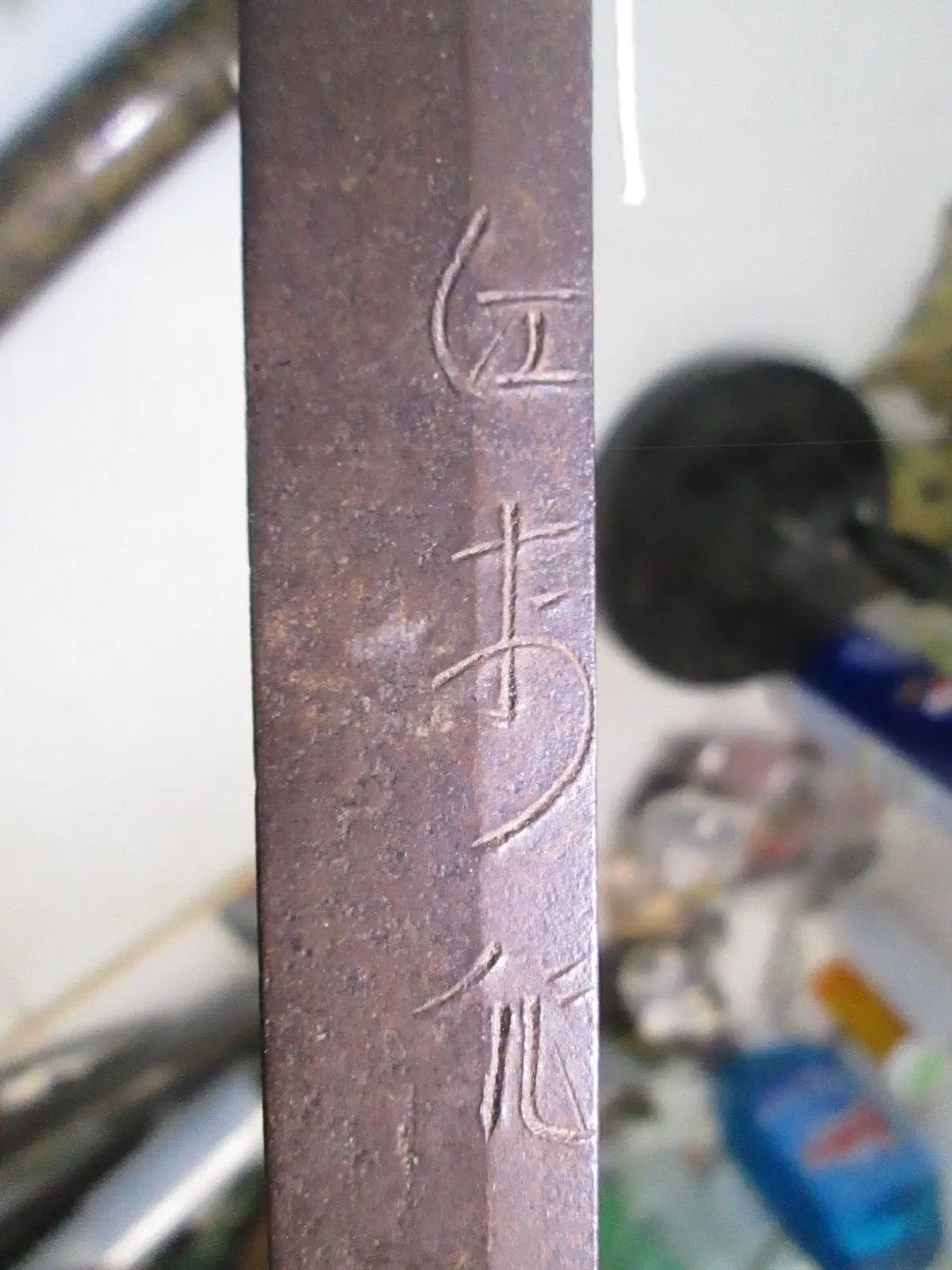
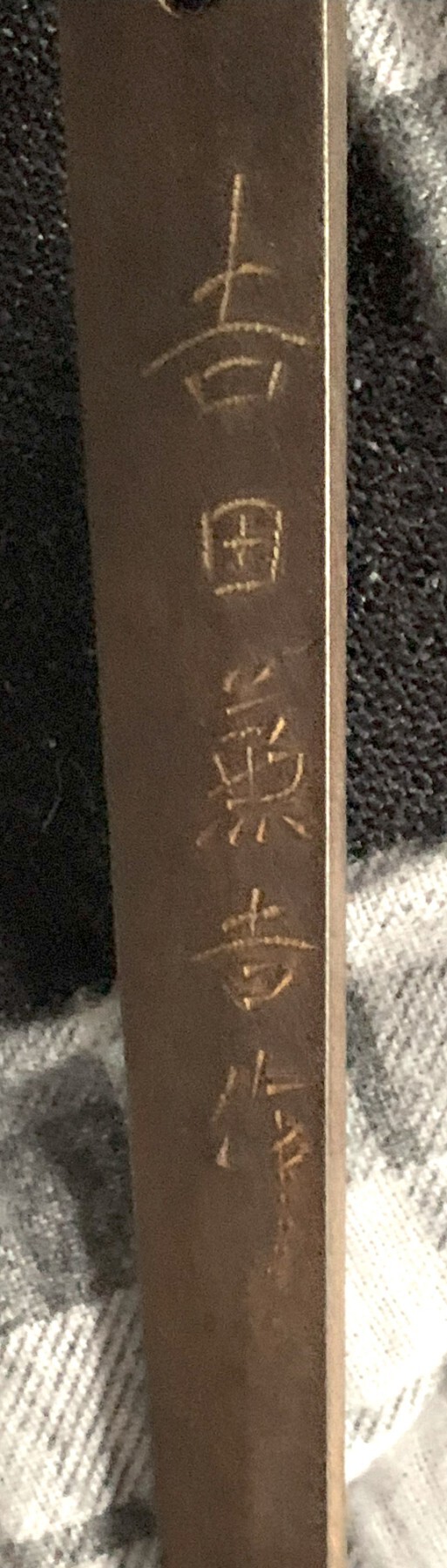
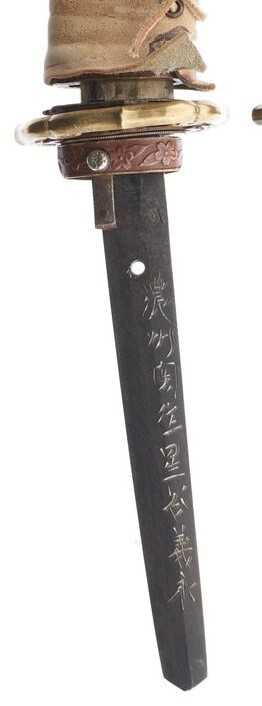
Thanks guys! Really appreciate your work here. Just checked for other Yoshinaga on file. I have 2 and they're both 星谷義長. Seems to be the same mei except the last kanji:


-
One more today and I'll give it a rest!
-
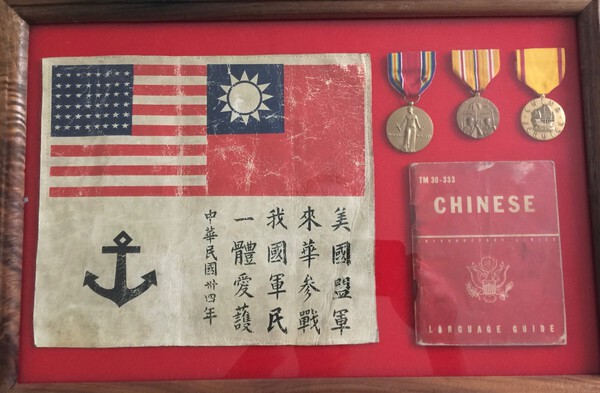
Some even had make-up on!
-
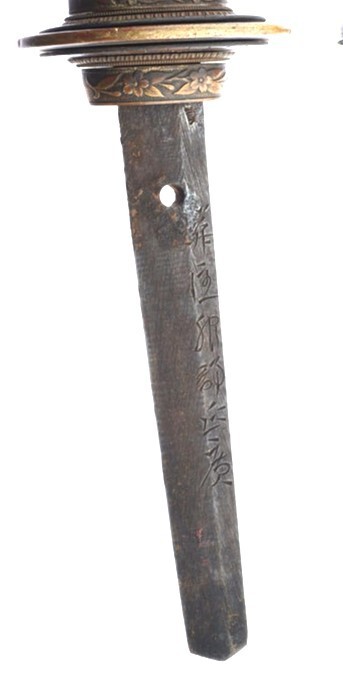
This is the closest Masahiro on JSI I could find. I have tons of Masahiro on file, but none with this script-style writing.
-
Help with a bit of information on this type 95
Bruce Pennington replied to JohnWB's topic in Military Swords of Japan
Now you need a Nagoya side-latch, and a copper! Ok, maybe a late-war wooden handle too! Then there's the .......... -
Help with a bit of information on this type 95
Bruce Pennington replied to JohnWB's topic in Military Swords of Japan
Pg 16 of the Stamps Doc: "Sha" - private contractor/factory The fuchi stamps on the left show the contractor company that made the gunto. As I understand it, each one of them fully made the sword, blade, and fittings. For Type 95s, they did this work under contract for an arsenal, either Tokyo 1st or Nagoya. Prior to 1942, they were still making them for these 2 arsenals, but we see the stacked cannonball stamp of the supervising Kokura Army Arsenal, with the small inspector stamp in the middle showing us whether it was Tokyo or Nagoya receiving the gunto. Yours has the Tokyo 1st star, so the gunto was made 1942 or later. @Shamsy or @Stegel could tell you a year, but neither of them are on the forum much lately. Maybe @Kiipu or @BANGBANGSAN can give you an idea. -
Thanks guys!
-
@Bugyotsuji Found it! So is this an Anton lamp? It lights up inside very dimly.




-
A very rudimentary article, but some really great photos!
-
I haven't followed the issue of fake mon, but the swords brought to this forum have always seemed legit. There may be previous discussions of mon use out there that I am not aware of, but I've always found it interesting that in the early years of Westernization, kyu gunto quite often had mon. I'd bet a slight majority of them did. But it is less common on shingunto. Just brainstorming, but maybe there were a higher percentage of officers in the pre-WWI days that had samurai lineage? Then in WWI & WWII, a great number of "common" people entered the ranks without family mon?
-
Posting photo for later when link goes dead:
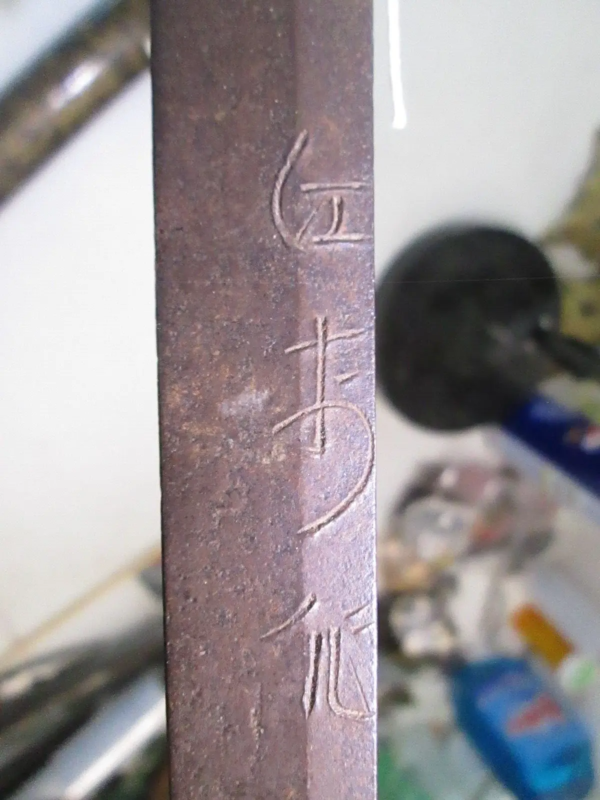
-
Attention Mantetsu Owners: A Survey
Bruce Pennington replied to Bruce Pennington's topic in Military Swords of Japan
Ok, great, Ray! I posted some photos from the auction here: Kyu Corner. They only posted a rubbing of the nakago, so real photos would be great when able. Some of us were following that auction, hoping the winner would bring it to the forum. Really appreciate you bringing it in! -
Attention Mantetsu Owners: A Survey
Bruce Pennington replied to Bruce Pennington's topic in Military Swords of Japan
Ray, That's not just an early B - it's the first B we have ever seen/recorded!!! Please post full nakago shots of both sides, I need the date. Oh, and a photo of the overall fittings, too, please! Is it per chance a Navy kyu?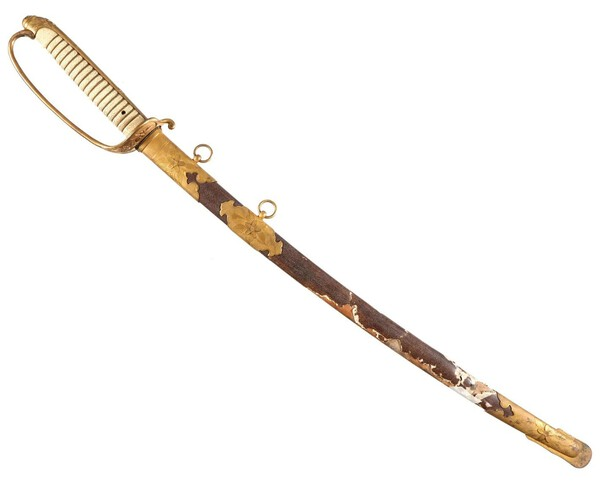
-
You can read all about these stamps on the Stamps of the Japanese Sword article.
-
Any Shin Gunto With "battle Scars"?
Bruce Pennington replied to PNSSHOGUN's topic in Military Swords of Japan
I know almost nothing about bending, but I have read a couple times where blades bent when cutting, like beheading. There is a famous confession of a WWII officer who stated that he preferred one sword over another (he said the smith names, but I don't remember them) because one bends when he cuts heads off. -
There isn't a "should" or "shouldn't". The Seki Cutlery Manufacturers Assoc. stamped blades as they inspected them. It is claimed they only inspected showato. Arsenals also stamped blades they inspected and accepted. We believe those stamps are only on showato. The only gendaito blades we know of with stamps are the blades made under the RJT program, and they have a star, and sometimes small seki, "na", and other stampings. Having said that, there are many, and I mean many, blades that went to market that were never inspected by either the Assoc. nor the arsenals, and a good percentage of them were showato. So, an unstamped blade could be either showato or gendaito. Only an informed inspection can help determine which one a blade falls into.
-
Slight correction - the stamp on the mei side is the Gifu stamp No one knows exactly who was using the stamp. It was either the Seki Cutlery Manufacturers Association or the Nagoya Army Arsenal. The small stamp at top on the date side is the small Seki stamp of the Seki area inspector from the Nagoya Army Arsenal. The presence of either would tell us the blade wasn't made in the traditional manner. Sesko lists 2 Kanemune smiths in WWII. Don't know which one this would be: KANEMUNE (兼宗), Shōwa (昭和, 1926-1989), Gifu – “Kanemune” (兼宗), real name Fukumoto Koichi (福本小市), born October 14th 1902, adopted son-in-law of Fukumoto Amahide (天秀), he died on March 8th 1977, ryōkō no jōi (Akihide) KANEMUNE (兼宗), Shōwa (昭和, 1926-1989), Gunma – “Kanemune” (兼宗), family name Kiribuchi (桐淵), he worked as a rikugun-jumei-tōshō, ryōkō no jōi (Akihide), Fifth Seat at the 6th Shinsaku Nihontō Denrankai (新作日本刀 展覧会, 1941)
.jpg.d234e0a30a7aa4a2c8fe60c3971012fe.jpg)
-
Adding photo from the .heic pic above Your photos aren't close enough, nor detailed enough, of the blade to say for sure. Slough's book said he made medium to low grade showato, so it's most likely not traditionally made.
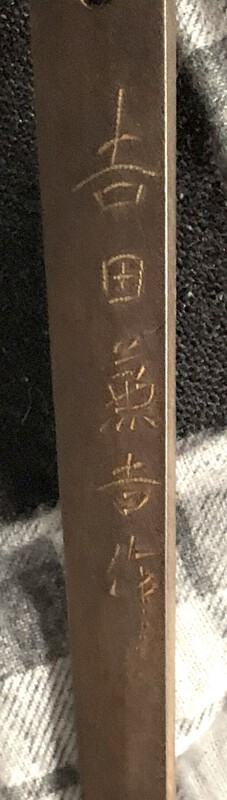
-
Hmmm. Two paragraphs down, he said: "The program only required the blades, but owners who wished to sell the swords complete with Koshirae was paid for the Koshirae as well." So, maybe swords that came with koshirae got the leather cover treatment rather than a Type 98 refit. Still doesn't explain why so many tsuka are partially refitted or not refitted at all, and what's the difference? And we still have the private shops, and businesses, that were selling old blades fitted out (in what fashion?) to new officers.